


5 Things About ‘X-Men’ That Made Zero Sense and 5 Things That Made Perfect Sense

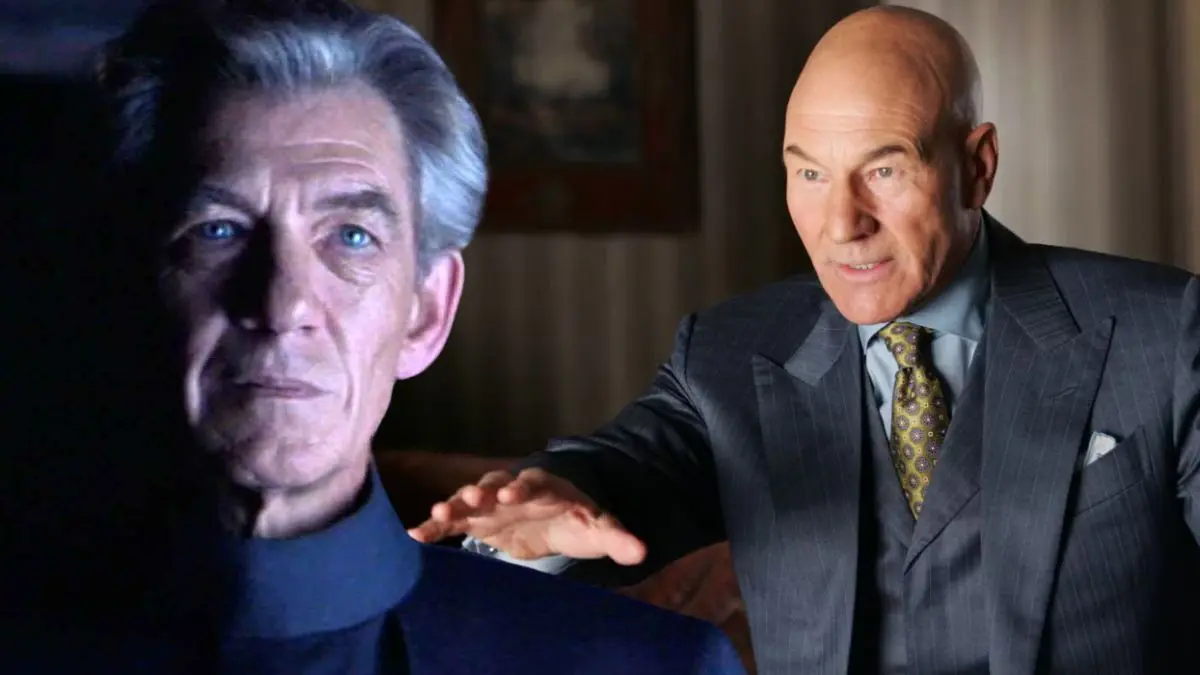


The X-Men movie from 2000 kicked off a superhero franchise that changed Hollywood. It brought mutants like Wolverine and Professor X to the big screen, blending action with themes of acceptance and identity. But not everything in the film added up. Some moments left fans scratching their heads, while others felt spot-on for the story and characters. This list dives into five things that made no sense and five that nailed it.
We’ll alternate between what worked and what didn’t, starting with a head-scratcher. From plot holes to perfect casting, here’s a breakdown of what made X-Men (2000) both puzzling and brilliant. Let’s get started.
Magneto’s Plan to Mutate World Leaders (Zero Sense)
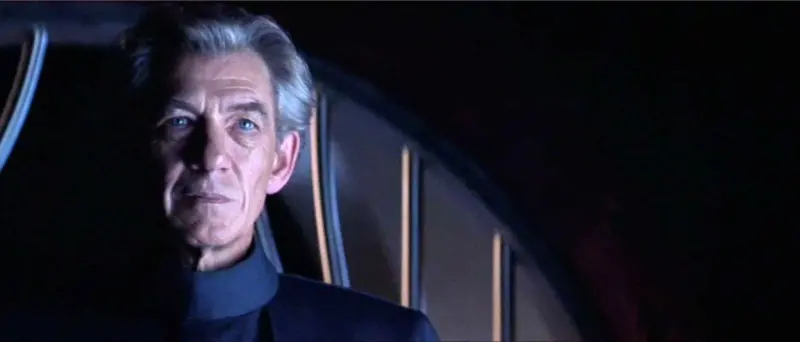
Magneto’s big scheme is to turn world leaders into mutants using a machine powered by Rogue’s stolen energy. But this plan is full of holes. Why would turning leaders into mutants guarantee they’d support mutant rights? They might just hate mutants more after being forced into it. Plus, the machine nearly kills Magneto and Rogue, so it’s not even reliable. The logic feels shaky at best.
The movie doesn’t explain how Magneto thinks this will solve mutant oppression. It’s a risky move with no clear payoff. He’s a smart villain, but this plan feels like it was thrown together without much thought. Fans still debate how he expected it to work.
Wolverine’s Introduction (Perfect Sense)
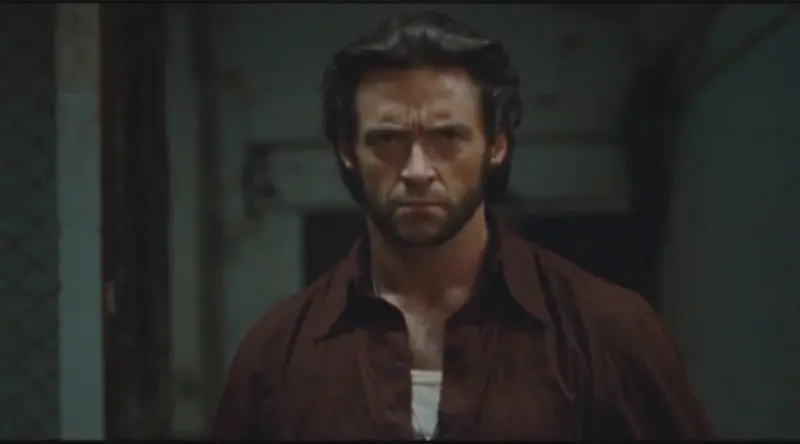
Wolverine’s entrance as a rough, cage-fighting loner is a standout moment. Hugh Jackman’s gritty performance instantly hooks you, showing Logan as a tough survivor with a mysterious past. The snowy Canadian setting and his brawl with Sabretooth set up his feral nature perfectly. It’s a great way to introduce a complex character.
The scene also ties him to Rogue, building their bond early. Their meeting feels natural, and it grounds the movie’s bigger themes of trust and belonging. Jackman’s charisma makes Wolverine unforgettable from the start.
Toad’s Random Abilities (Zero Sense)

Toad’s powers in the movie are all over the place. He’s got a long tongue, super jumps, and some vague agility, but it’s never clear what he can actually do. His fight scenes feel random, like the writers just gave him whatever sounded cool. Why does he spit slime at one point? It’s inconsistent and confusing.
Compared to other mutants, Toad’s abilities lack focus. He’s a henchman with no depth, and his powers don’t add much to the story. It feels like the movie didn’t know what to do with him, making his role forgettable.
Professor X’s Leadership (Perfect Sense)
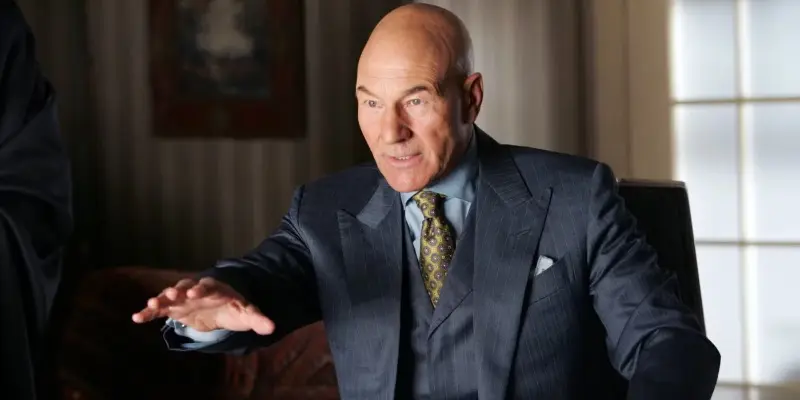
Charles Xavier, played by Patrick Stewart, is the heart of the X-Men. His calm, wise leadership makes the team feel like a family. The school for mutants is a brilliant concept, showing his commitment to peace and education. Stewart’s performance sells Xavier’s vision of mutants and humans coexisting.
His telepathy is used smartly, like when he tracks Rogue or confronts Magneto. It’s never overdone, keeping him powerful but grounded. Xavier’s role as a mentor ties the story together and gives the X-Men purpose.
Sabretooth’s Lack of Backstory (Zero Sense)
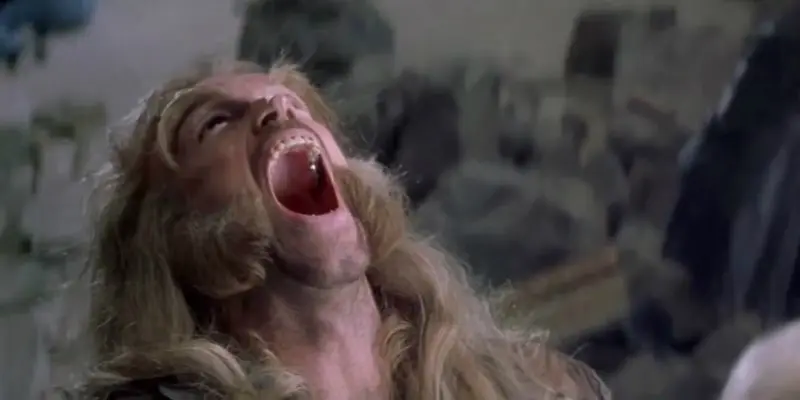
Sabretooth is a major threat, but the movie gives him no depth. He’s just a growling bad guy working for Magneto. Fans of the comics know he’s tied to Wolverine’s past, but the film ignores this. Why include such a key character without any context?
His fights are intense, but he’s a blank slate. No motives, no personality—just muscle. This makes him feel like a wasted opportunity, especially since his rivalry with Wolverine could’ve added so much to the story.
The X-Men’s Team Dynamics (Perfect Sense)
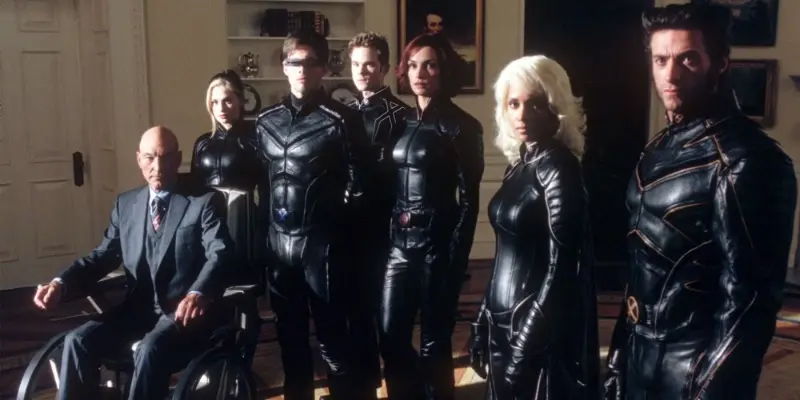
The X-Men—Cyclops, Jean Grey, Storm, and later Wolverine—work great as a team. Their different powers and personalities create a balance that feels real. Cyclops is the serious leader, Jean is the empathetic anchor, and Storm brings quiet strength. Wolverine’s outsider vibe shakes things up, making their interactions engaging.
The movie shows them training and fighting together, which builds trust. Scenes like the Statue of Liberty battle highlight their teamwork, making the group feel cohesive and believable as a unit.
Mystique’s Infiltration Plan (Zero Sense)
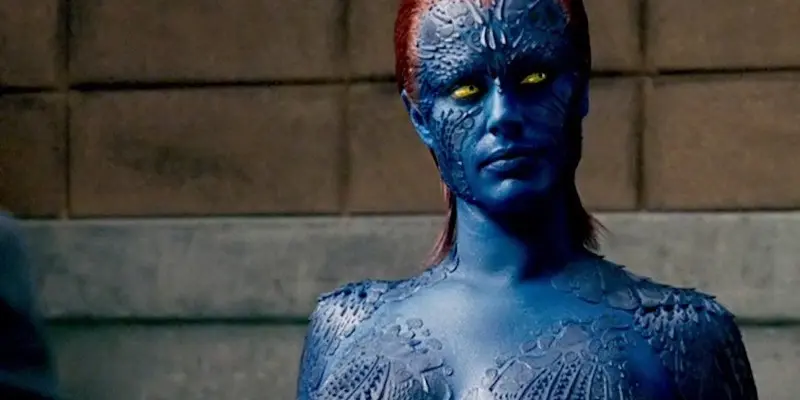
Mystique’s shape-shifting is cool, but her infiltration of the X-Men’s base raises questions. She sneaks in as Bobby Drake to trick Rogue, but how does she know so much about the school’s layout and students? The movie doesn’t explain her intel, making it feel too convenient.
Also, her plan to push Rogue away doesn’t fully connect to Magneto’s bigger goal. It’s a risky move that could’ve been caught by Xavier’s telepathy. The plot point feels forced to create drama rather than logical.
The Mutant Prejudice Theme (Perfect Sense)

The movie’s focus on mutant prejudice hits hard. It mirrors real-world issues like discrimination and fear of the “other.” Scenes like Senator Kelly’s anti-mutant speech show how society rejects mutants, making their struggle relatable. The X-Men’s fight for acceptance feels personal and grounded.
This theme gives the film depth beyond the action. It’s woven into every character’s story, from Rogue’s isolation to Magneto’s radical response to hate. It’s a smart way to make a superhero movie feel meaningful.
Rogue’s Power Absorption Problem (Zero Sense)

Rogue’s powers are a key part of the story, but their rules are inconsistent. She absorbs energy and memories by touch, but the movie doesn’t explain why some effects last longer than others. For example, she holds onto Wolverine’s healing briefly but keeps Magneto’s powers longer. It’s confusing.
This lack of clarity makes her role in Magneto’s plan feel shaky. If her powers are unreliable, why does he bet everything on her? The movie glosses over these details, leaving gaps in the story.
The Statue of Liberty Climax (Perfect Sense)

The final battle on the Statue of Liberty is a perfect cap to the film. It’s visually striking, with the torch and head creating a tense, iconic setting. The X-Men’s teamwork shines as they face Magneto’s crew, and each character gets a moment to stand out. The stakes feel high with Rogue’s life on the line.
The scene also ties into the movie’s themes. The statue, a symbol of freedom, contrasts with Magneto’s plan to force change. It’s a smart, memorable way to end the film on a high note.
What’s your take on X-Men (2000)—which moments made sense to you, and which left you confused? Share your thoughts in the comments!

