


5 Things About ‘X2’ That Made Zero Sense and 5 Things That Made Perfect Sense

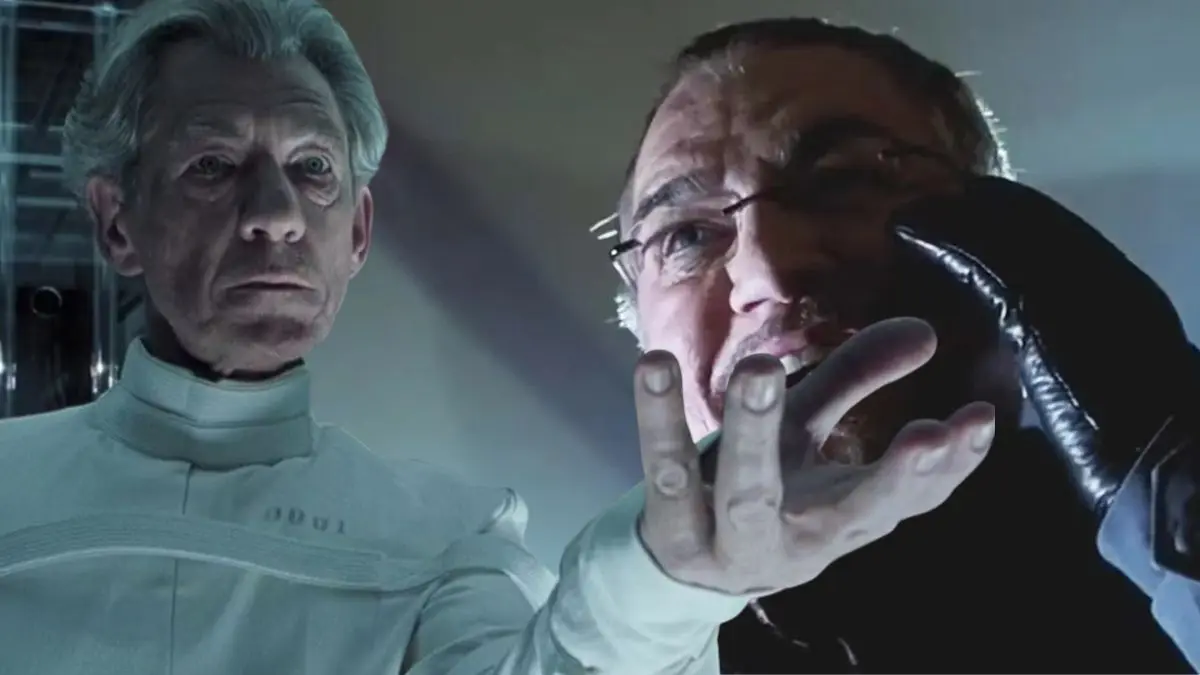


“X2: X-Men United” (2003) is a fan-favorite superhero movie that raised the bar for the X-Men franchise. It delivered thrilling action, deeper character moments, and a bold step forward for mutant storytelling. However, like many blockbuster films, it has its share of head-scratching moments alongside its brilliant ones. This list dives into five things in “X2” that left audiences confused and five that clicked perfectly.
From plot holes that defy logic to character choices that feel spot-on, “X2” is a mixed bag of genius and confusion. Let’s break it down and look at what worked, what didn’t, and why this sequel remains a standout despite its flaws.
Nightcrawler’s Teleportation Limits (Zero Sense)

Nightcrawler’s teleportation is one of the coolest powers in “X2,” shown off in the jaw-dropping White House attack scene. But the movie never explains why he can’t just teleport everywhere, like out of danger or across the country. He seems limited by distance or line of sight, but it’s vague, and the rules shift depending on the scene.
This inconsistency makes his power feel convenient for the plot rather than logical. For example, he teleports multiple times in quick succession during the attack but later struggles to escape simpler situations. Clear rules for his abilities would’ve made his actions less confusing.
Wolverine’s Healing Factor (Perfect Sense)

Wolverine’s healing factor is a highlight, grounding his character in a believable way. He takes brutal hits, like gunshots and stabs, but regenerates quickly, keeping him in the fight without feeling invincible.
The movie uses his healing to show both his strength and vulnerability. Scenes like his recovery after the mansion attack or surviving Lady Deathstrike’s claws make his power consistent and impactful. It’s a practical, well-executed aspect of his character that drives the story forward.
Cerebro’s Sudden Weakness (Zero Sense)
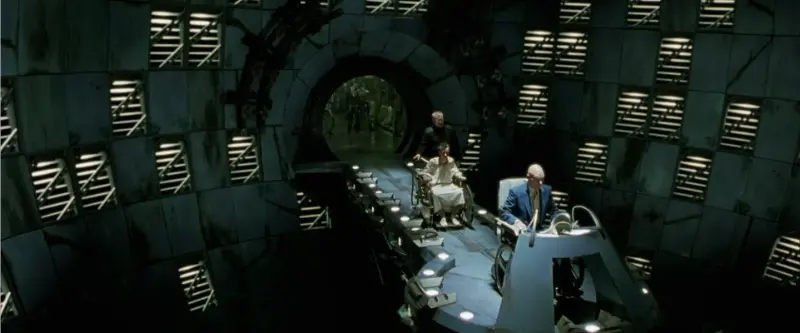
Cerebro is a powerful tool that lets Professor X find any mutant worldwide, but in “X2,” it’s suddenly vulnerable to sabotage. Magneto and Mystique trick it into targeting mutants or humans with a simple tweak, which feels like a massive oversight for such a high-tech device.
This plot device is convenient but flimsy. A machine built by a genius like Xavier should have safeguards against such easy manipulation. The lack of explanation for this weakness makes the whole Cerebro attack sequence feel forced.
Magneto’s Prison Escape (Perfect Sense)
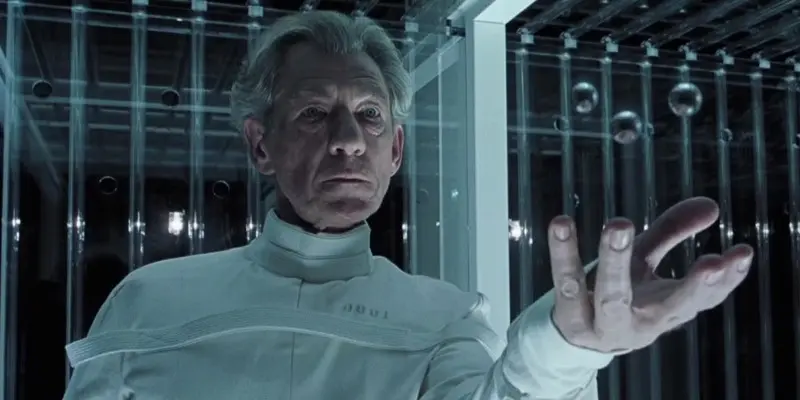
Magneto’s escape from his plastic prison is a masterclass in showcasing his powers. Using the iron in a guard’s blood, he manipulates metal to break free, proving his cunning and strength in one swift move.
The scene is tight, logical, and visually stunning. It reinforces Magneto’s status as a formidable villain who doesn’t need brute force to outsmart his enemies. His escape feels earned and perfectly fits his character.
Jean Grey’s Power Surge (Zero Sense)

Jean Grey’s sudden power boost in “X2” hints at the Phoenix storyline but comes out of nowhere. She struggles with control, like stopping a jet or hearing voices, but the movie doesn’t explain why her powers spike so dramatically.
This vagueness makes her arc feel rushed. Without a clear trigger for her growing abilities, her moments of instability seem more like plot setup for the next film than a natural part of the story.
The Mutant School’s Secrecy (Perfect Sense)
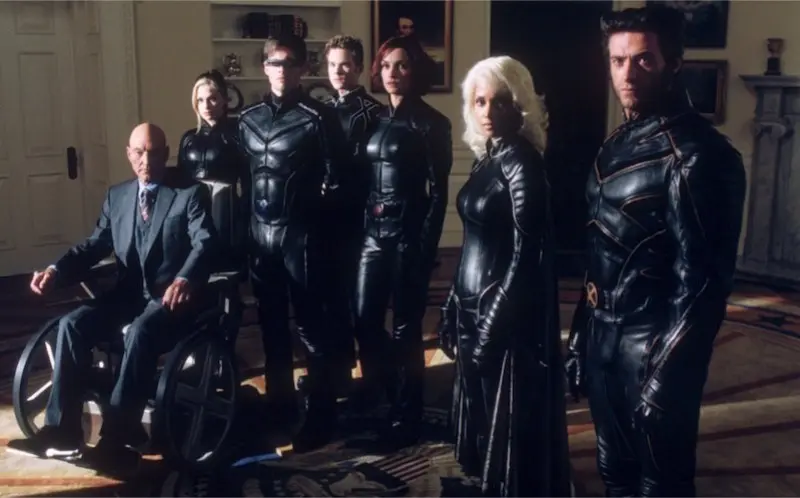
The X-Men’s school being a hidden sanctuary for mutants makes total sense. It’s a secret base disguised as a private academy, complete with high-tech defenses and a cover story that keeps it off the radar.
The movie nails this balance, showing the school as both a safe haven and a strategic headquarters. Scenes like the military raid highlight how well the X-Men protect their home, making its existence feel realistic and purposeful.
Stryker’s Plan to Kill All Mutants (Zero Sense)

William Stryker’s plan to use Cerebro to kill every mutant is ambitious but falls apart under scrutiny. He wants to wipe out mutants globally, yet his scheme relies on a single machine and a telepath who could resist or fail.
The logistics don’t add up. How does he expect to maintain control over such a complex operation without backup plans? The plot feels overly simplistic for a villain as calculated as Stryker, leaving viewers puzzled.
The X-Men’s Teamwork (Perfect Sense)

The X-Men’s teamwork shines in “X2,” showing how their unique powers complement each other. Whether it’s Storm creating cover with fog or Wolverine and Iceman protecting the kids, their coordination feels natural and effective.
This dynamic makes the group believable as a unit. The movie emphasizes their trust and reliance on one another, like during the mansion defense or the final dam sequence, proving why they’re a formidable team.
Lady Deathstrike’s Role (Zero Sense)

Lady Deathstrike is a fierce villain with adamantium claws, but her purpose in “X2” is murky. She’s introduced as Stryker’s enforcer, yet her backstory, motives, or even her mutant status are barely touched on.
Her fight with Wolverine is thrilling, but she feels like a plot device rather than a character. Without any explanation of who she is or why she serves Stryker, her presence is a confusing addition to the story.
The Dam Climax (Perfect Sense)

The final showdown at Alkali Lake’s dam is a gripping, well-crafted climax. The setting, with its crumbling structure and high stakes, amplifies the tension as the X-Men face Stryker’s forces and Jean’s sacrifice.
Every element—action, emotion, and pacing—clicks perfectly. The dam’s destruction ties directly to the characters’ choices, making the ending feel earned and memorable while setting up future storylines.
What’s your take on the highs and lows of “X2”? Drop your thoughts in the comments and let’s debate what made sense—or didn’t!

