


10 Things From ‘The Joker’ That Made Absolutely No Sense

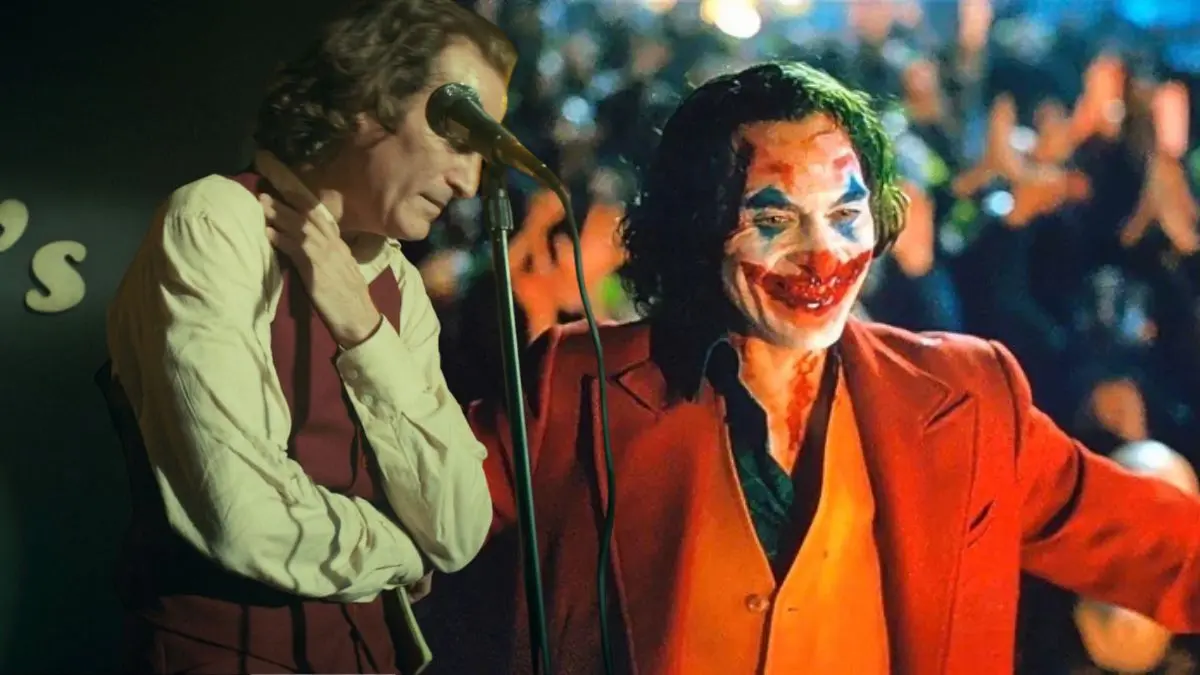


The 2019 film ‘Joker’ is a dark, gritty dive into the mind of Arthur Fleck, a man spiraling into chaos in a crumbling Gotham City. Joaquin Phoenix’s haunting performance and Todd Phillips’ bold direction made it a standout, but some parts of the movie left me puzzled, trying to piece together what was happening.
I’m not saying these moments ruin the film—they don’t—but they do raise questions that linger long after the credits roll. Let’s unpack ten things in ‘Joker’ (2019) that didn’t quite add up, from plot holes to head-scratching choices, and see why they stand out in this psychological thriller.
10. Arthur’s Sudden Marksmanship Skills
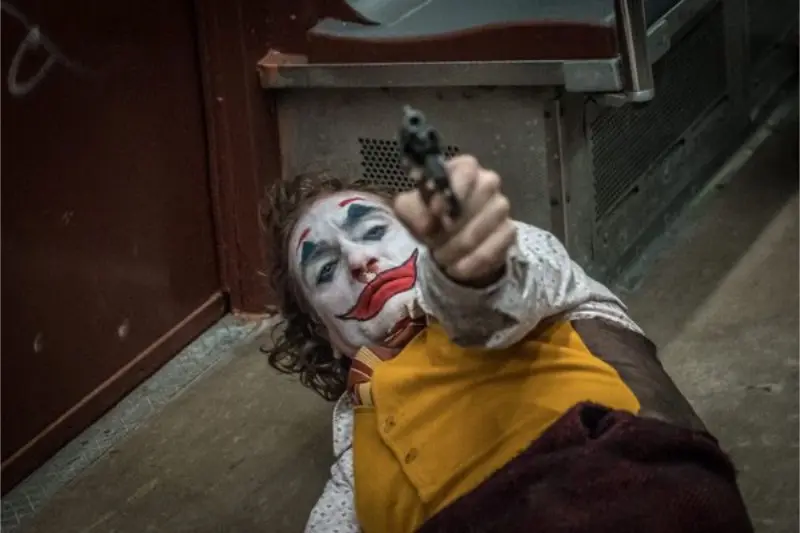
Arthur Fleck starts ‘Joker’ (2019) as a struggling, awkward clown with no hint of combat training. Yet, when he gets a gun, he transforms into a sharpshooter, taking down multiple targets with precision in tense scenes.
This leap in ability feels jarring. The film doesn’t show him practicing or even handling the weapon before these moments, making his accuracy seem more like a plot convenience than a believable trait for a character who’s otherwise depicted as physically frail.
9. The Subway Scene’s Perfect Timing
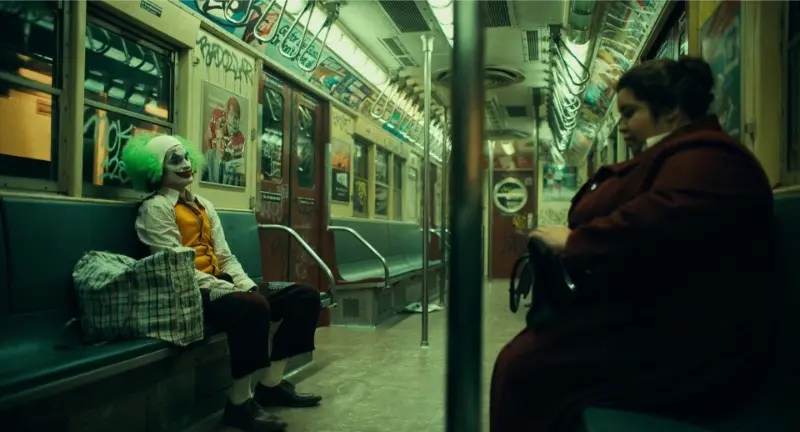
In a pivotal moment, Arthur, dressed as a clown, is attacked on a subway by three wealthy men, leading to a violent outburst. The timing of this encounter, sparking a city-wide movement, feels almost too perfect.
Gotham’s unrest is already simmering, but the idea that this single act ignites a massive rebellion stretches belief. It’s as if the city was waiting for Arthur’s one chaotic moment to explode, which feels more like a scripted setup than a natural escalation.
8. Thomas Wayne’s Unlikable Portrayal
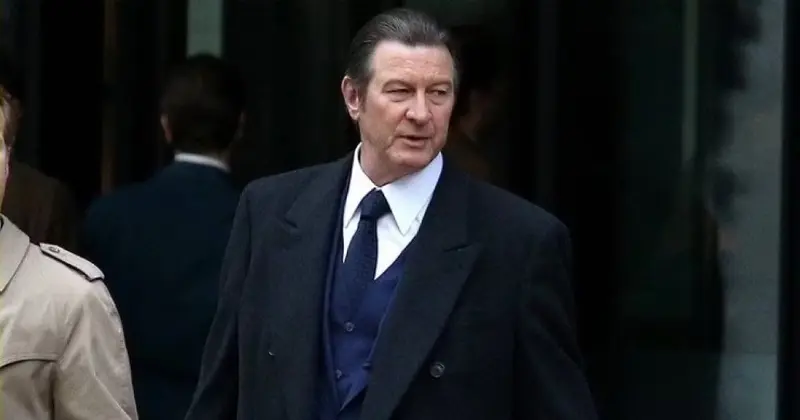
Thomas Wayne, Bruce’s father, is usually shown as a kind, tragic figure in Batman lore. In ‘Joker’ (2019), he’s a cold, elitist businessman who dismisses Gotham’s poor, even punching Arthur during a confrontation.
This harsh take on Thomas feels off, especially since the film hints at a deeper connection between him and Arthur. Why make him so unlikeable without exploring that dynamic further? It’s a choice that clashes with the character’s established history.
7. Arthur’s Imaginary Relationship with Sophie
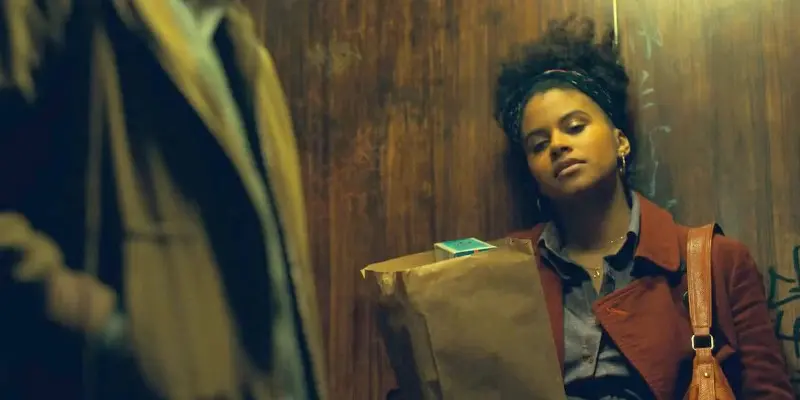
Arthur’s neighbor Sophie seems to be his love interest, with scenes showing them dating and bonding. Later, it’s revealed these moments were all in his head, a product of his delusions.
While this twist highlights Arthur’s mental state, it’s confusing how seamlessly these imagined scenes blend with reality. The film doesn’t drop enough clues early on, making the reveal feel abrupt and leaving me wondering why Sophie never noticed his odd behavior.
6. The Talk Show Accessibility
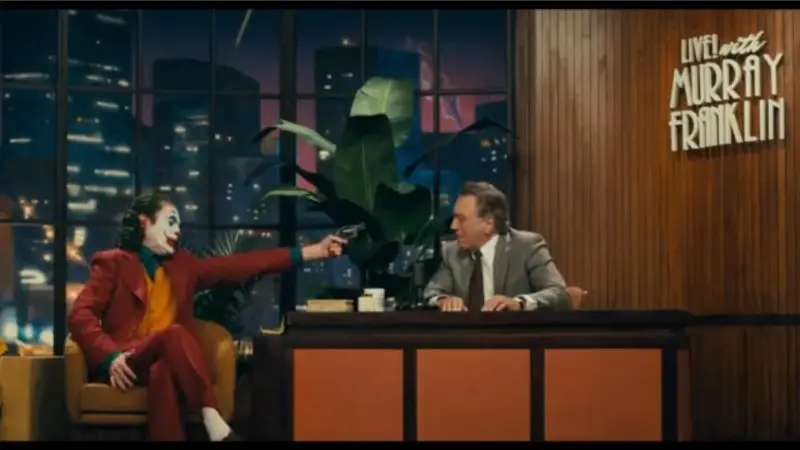
Arthur dreams of appearing on Murray Franklin’s talk show, played by Robert De Niro. After a clip of his stand-up comedy goes viral, he’s invited as a guest, despite his clear instability and lack of credentials.
Getting on a major TV show like that feels far-fetched. Murray’s team would likely vet guests carefully, especially someone as unpolished as Arthur. The ease of his booking seems like a shortcut to set up the film’s climax.
5. Gotham’s Rapid Descent into Chaos
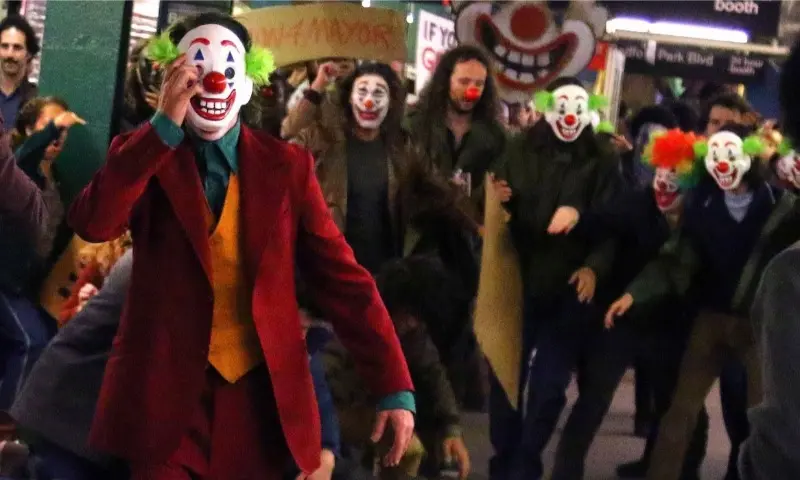
Gotham is already a mess in ‘Joker’ (2019), but after Arthur’s subway incident, the city spirals into full-blown anarchy almost overnight. Protests erupt, and clown-masked rioters take over the streets.
The speed of this collapse feels exaggerated. A single act of violence, even a high-profile one, sparking such immediate, widespread chaos seems more like a dramatic flourish than a realistic portrayal of societal breakdown.
4. Arthur’s Stand-Up Comedy Failure
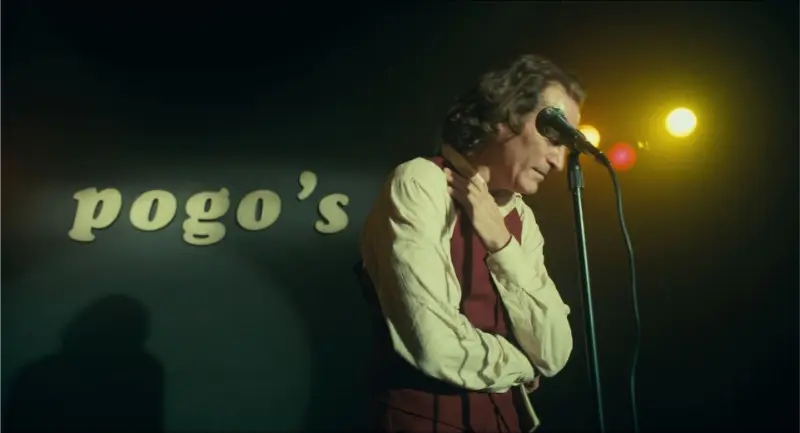
Arthur’s attempt at stand-up comedy is a disaster, with the audience laughing at his nervous tics rather than his jokes. Yet, this performance somehow catches Murray Franklin’s eye and gets aired on national TV.
Why would a professional talk show host spotlight such a painful, amateur act? The choice feels forced, serving only to push Arthur toward his breaking point rather than making sense in the context of a realistic TV production.
3. The Super-Rat Problem That Vanishes
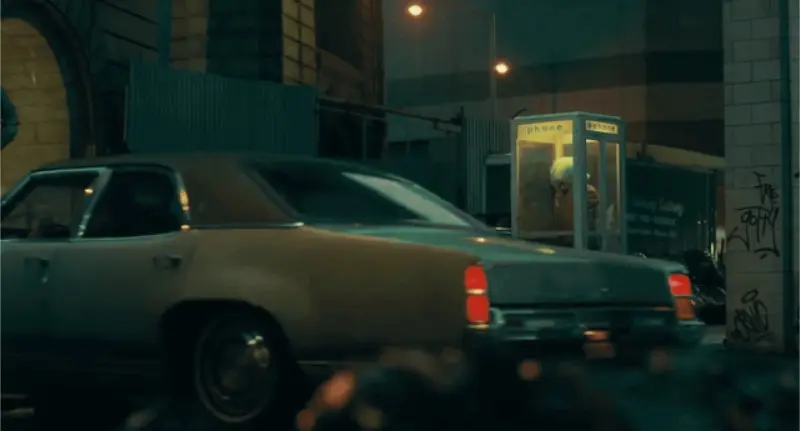
Early in ‘Joker’ (2019), Gotham’s garbage strike leads to a ‘super-rat’ epidemic, with news reports hyping up the issue. It’s set up as a major problem, but then it’s never mentioned again.
This dangling plot thread feels like a missed opportunity. The rats could’ve symbolized Gotham’s decay or tied into Arthur’s story, but their abrupt disappearance leaves the setup feeling pointless and confusing.
2. Arthur’s Age vs. Bruce Wayne’s Age

Arthur Fleck appears to be in his 30s or 40s, while Bruce Wayne is a young child in ‘Joker’ (2019). This creates a timeline issue if Arthur is meant to be the Joker who later battles Batman.
In most Batman stories, the Joker is roughly the same age as Bruce. The film’s age gap makes it hard to see how Arthur could be Batman’s future nemesis, raising questions about whether he’s truly the Joker or just a precursor.
1. The Ambiguous Ending
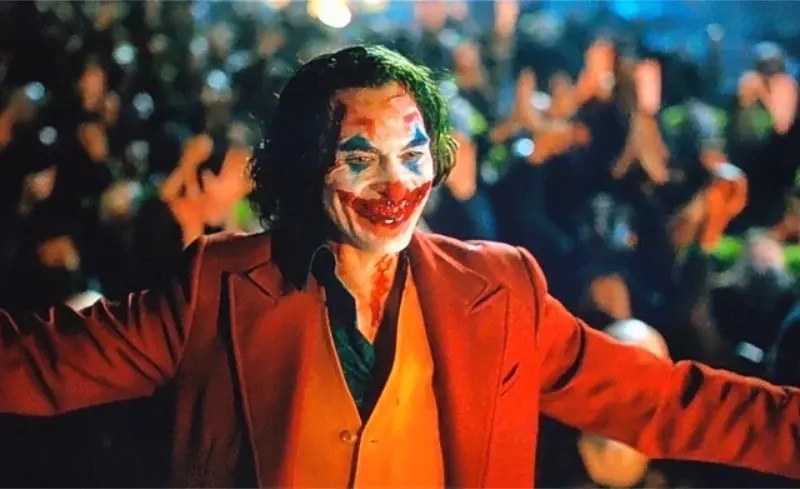
The final scenes of ‘Joker’ (2019) leave Arthur’s fate unclear. Is he leading a revolution, locked in Arkham, or imagining it all? The film leans heavily on ambiguity, but it feels unsatisfying.
While open-ended endings can work, this one feels like it dodges too many questions. Without clearer hints about what’s real, the conclusion left me frustrated, wondering what the film was trying to say about Arthur’s journey.
What’s the most confusing moment in ‘Joker’ (2019) for you, or did I miss something that didn’t add up? Drop your thoughts in the comments!

