


TV Shows With the Perfect 100% Rotten Tomatoes Score


Some series manage a rare clean sweep with critics, earning perfect marks that hold up over time. These titles span comedy, animation, and natural-history epics, and many are limited series that arrived fully formed with a strong creative voice. You’ll find breakout hits, acclaimed docuseries, and a few under-the-radar gems that critics have championed for their craft. Here are standout TV shows that reached that flawless mark.
‘Fleabag’ (2016–2019)

Created by Phoebe Waller-Bridge, ‘Fleabag’ follows a young woman navigating grief, family strain, and messy relationships in London. The show is known for direct-to-camera asides that fold the audience into the protagonist’s inner life. It won top honors at major awards shows, including Emmys for writing and acting. Season two introduced a beloved supporting character who transformed the story’s emotional core.
‘Arcane’ (2021– )

‘Arcane’ adapts characters from the ‘League of Legends’ universe into a serialized drama about two sisters caught between class divisions and rapid technological change. The show blends painterly 2D textures with 3D animation to create a distinctive look. Its soundtrack and multilingual dubs helped it connect with global audiences. The series also reached viewers who had never played the game by focusing on character arcs over lore.
‘Bluey’ (2018– )

‘Bluey’ centers on a playful family of blue heelers and turns everyday moments into imaginative adventures. Short episodes pack in gentle humor, social-emotional lessons, and clever musical cues that parents appreciate. The show gained a broad adult following for its portrayal of modern parenting. Its international distribution made it one of the most streamed children’s programs worldwide.
‘Planet Earth II’ (2016)
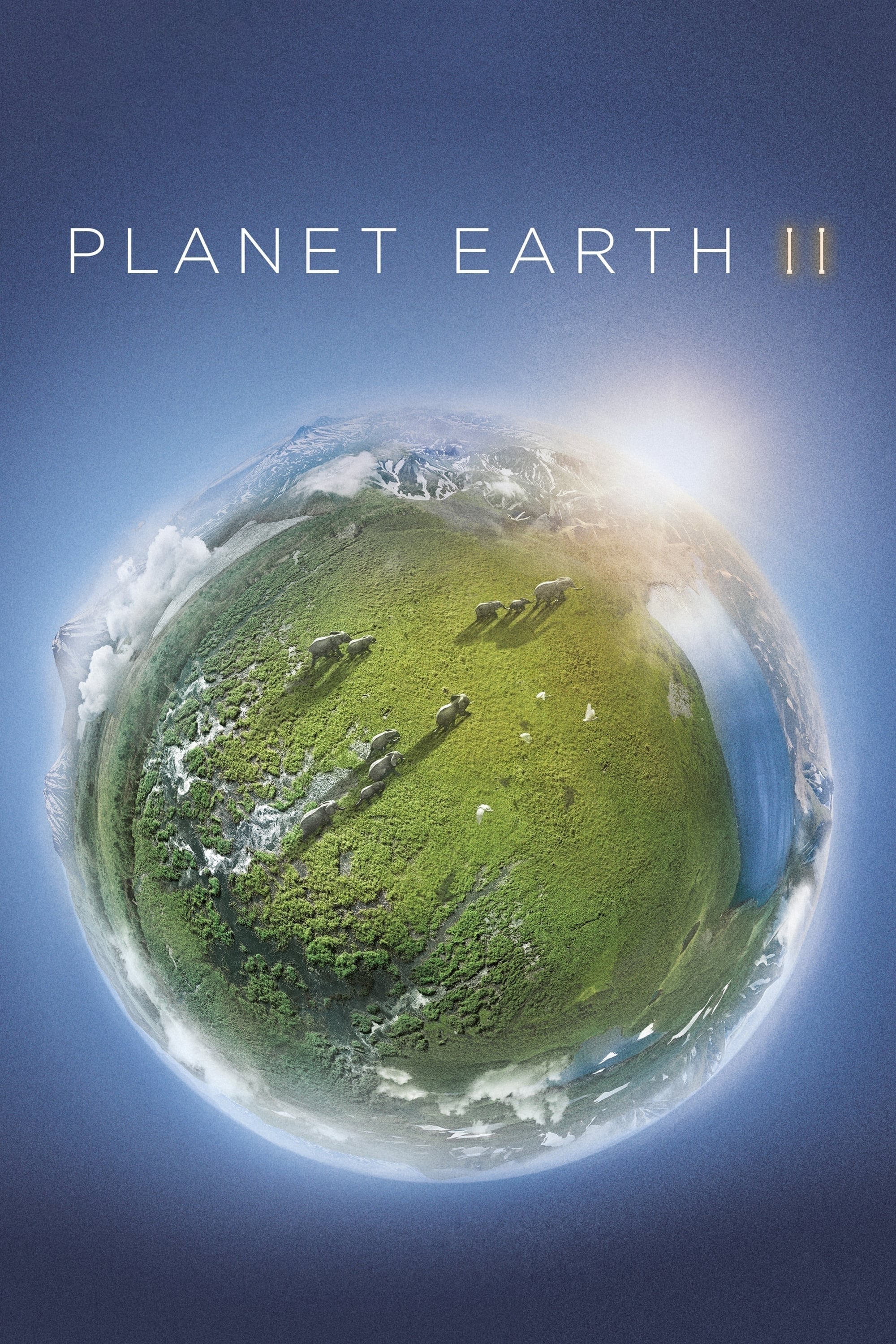
‘Planet Earth II’ revisits habitats across the globe with ultra-high-definition cinematography. The series captured rarely seen animal behaviors using long-lens filming and remote camera rigs. Iconic sequences, including dramatic predator-prey chases, became viral moments. The production also emphasized field safety and minimal intrusion while documenting sensitive ecosystems.
‘Blue Planet II’ (2017)
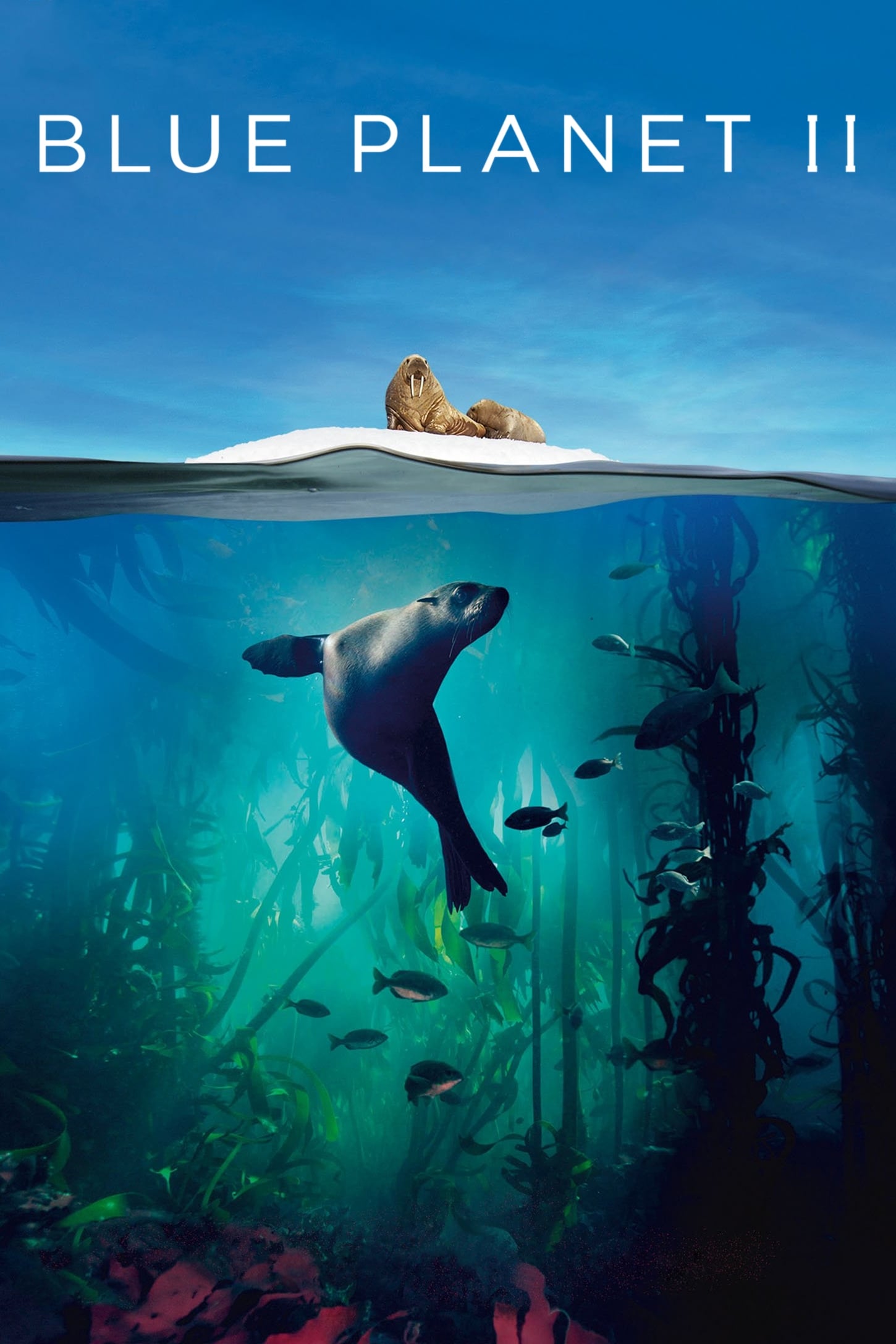
‘Blue Planet II’ explores ocean life from coral reefs to abyssal depths with innovative submersibles and specialized cameras. The production team documented species and behaviors never filmed before. Its episodes sparked public discussions about marine conservation and plastic pollution. The project’s bespoke score underscored themes of wonder and fragility throughout the series.
‘City So Real’ (2020)
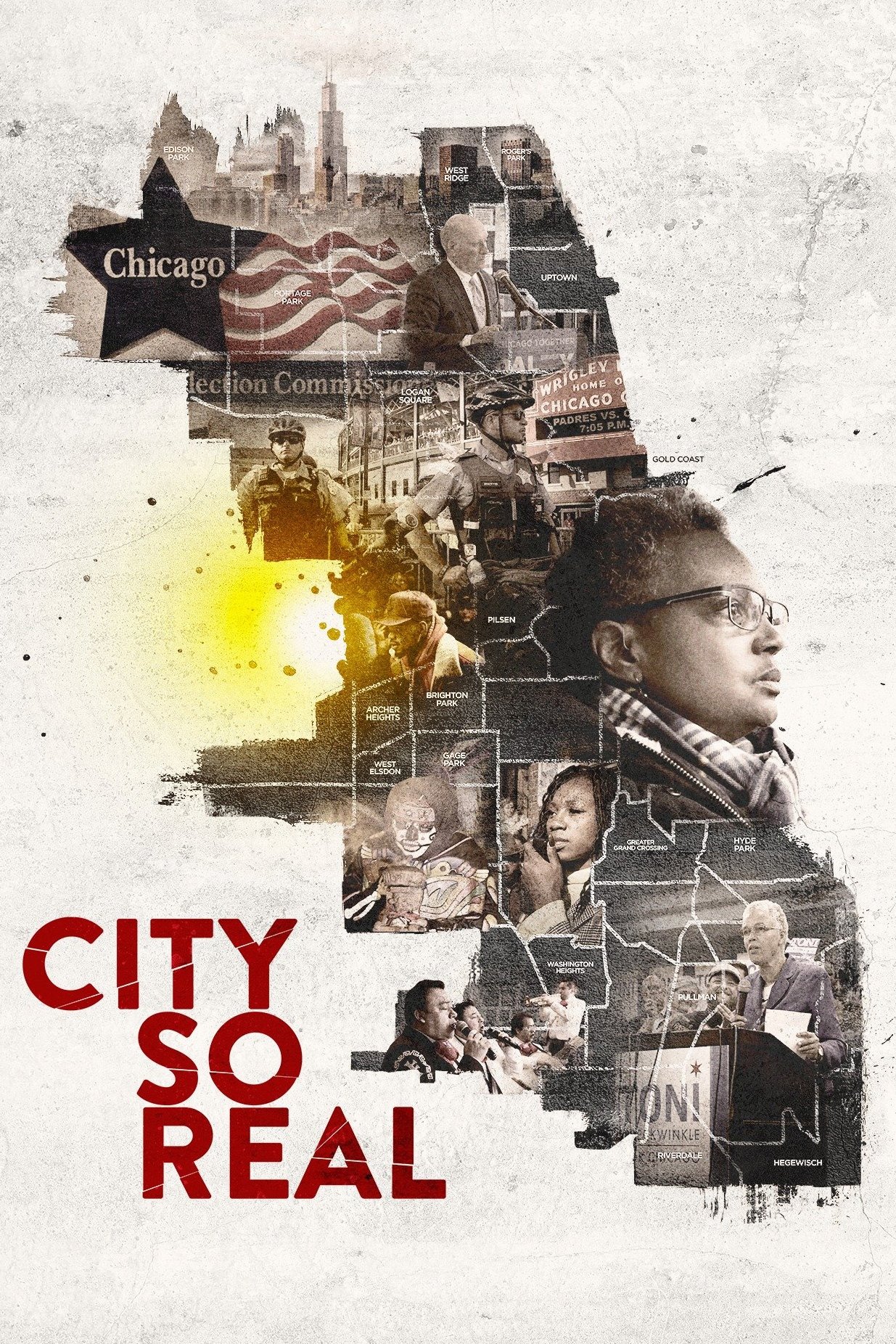
‘City So Real’ offers a panoramic portrait of Chicago during a contentious mayoral race and a period of civic upheaval. The docuseries weaves neighborhood perspectives with on-the-ground verité footage. It profiles activists, business owners, and public officials to show how policy debates land at street level. The nonlinear structure lets community voices guide the narrative.
‘Immigration Nation’ (2020)
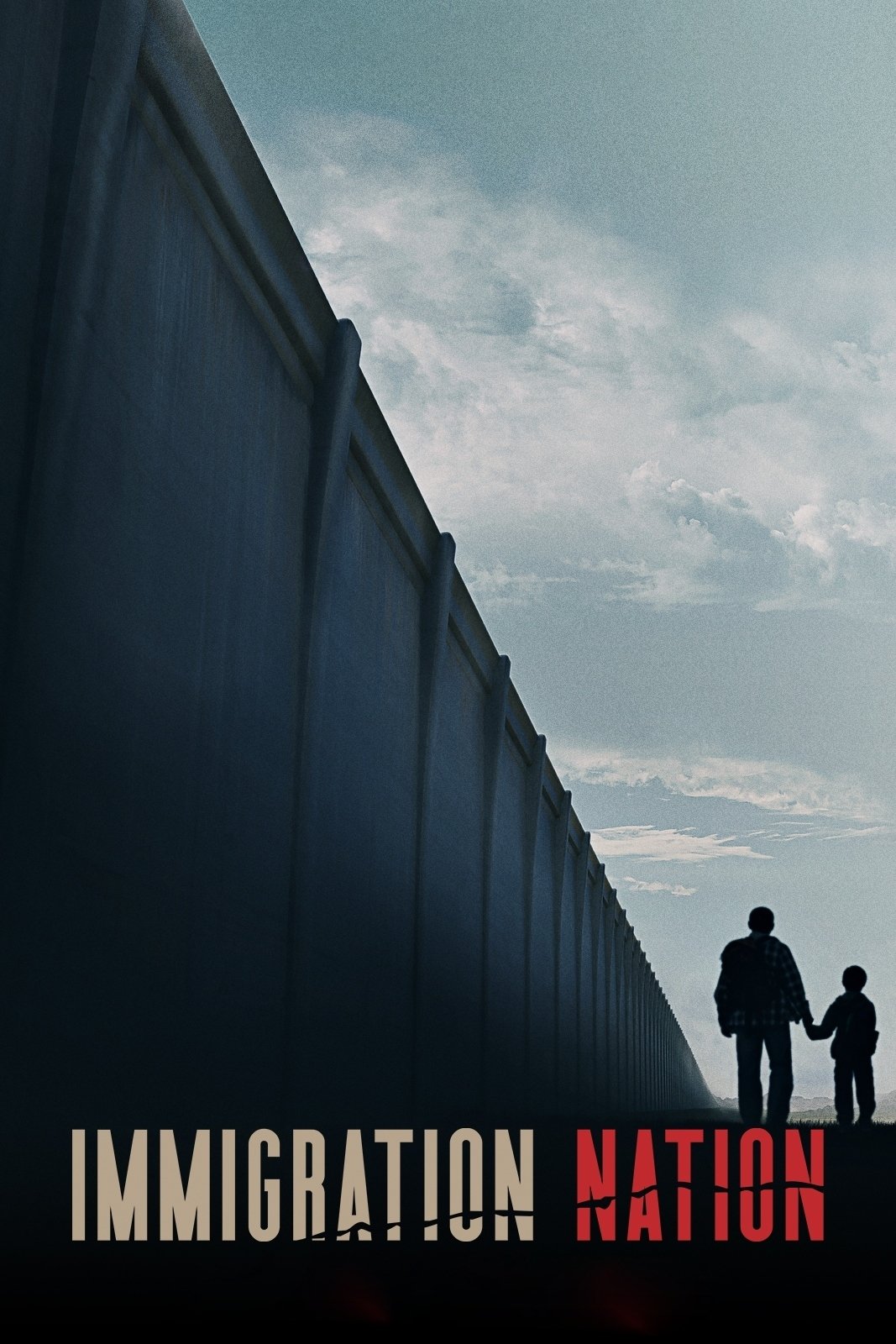
‘Immigration Nation’ gives an inside look at immigration enforcement and the human stakes surrounding it. Filmmakers gained access to field operations and detention facilities, while also following families navigating the legal system. The series presents policies alongside their real-world consequences through case studies. Detailed timelines and interviews help viewers understand complex procedures.
‘Life Story’ (2014)
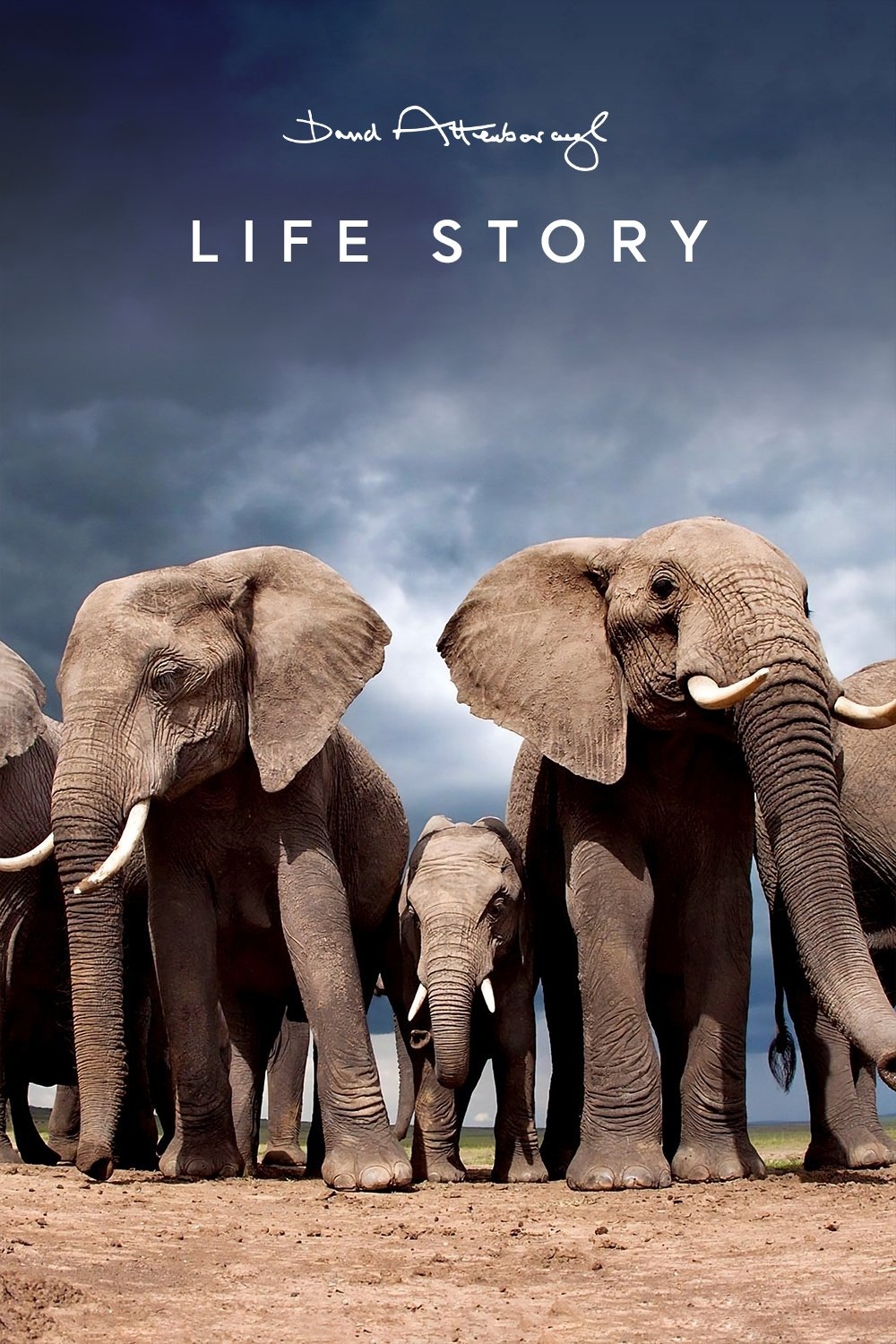
‘Life Story’ follows individual animals through key stages such as birth, growth, courtship, and survival. Each episode focuses on a universal chapter of life, connecting diverse species through shared challenges. High-speed and thermal imaging reveal behaviors that would otherwise go unseen. The narrative approach emphasizes decision points that shape an animal’s fate.
‘Frozen Planet’ (2011–2012)

‘Frozen Planet’ documents life in the Arctic and Antarctic, tracking seasonal transformations and extreme adaptations. Crews filmed in subzero conditions using stabilized long-range lenses and aerial platforms. The series features migrations, breeding cycles, and predator interactions unique to polar environments. It also records the physical processes that sculpt ice-bound landscapes.
‘Dynasties’ (2018–2022)

‘Dynasties’ follows specific animal families over extended periods to capture leadership struggles and succession. Long-term observation reveals how individuals respond to droughts, encroaching rivals, and territorial shifts. The storytelling focuses on identifiable matriarchs and alphas, allowing viewers to track nuanced behavior. Field teams often returned to the same groups across years to complete arcs.
‘Giri/Haji’ (2019)

‘Giri/Haji’ interlaces a Tokyo detective’s search for his brother with a London gang rivalry. The series shifts between languages and styles, using animation interludes and split-screen sequences. It blends crime drama with family tragedy, examining duty and shame across cultures. Strong supporting turns from an international cast help tie together intersecting plotlines.
‘Pride’ (2021)
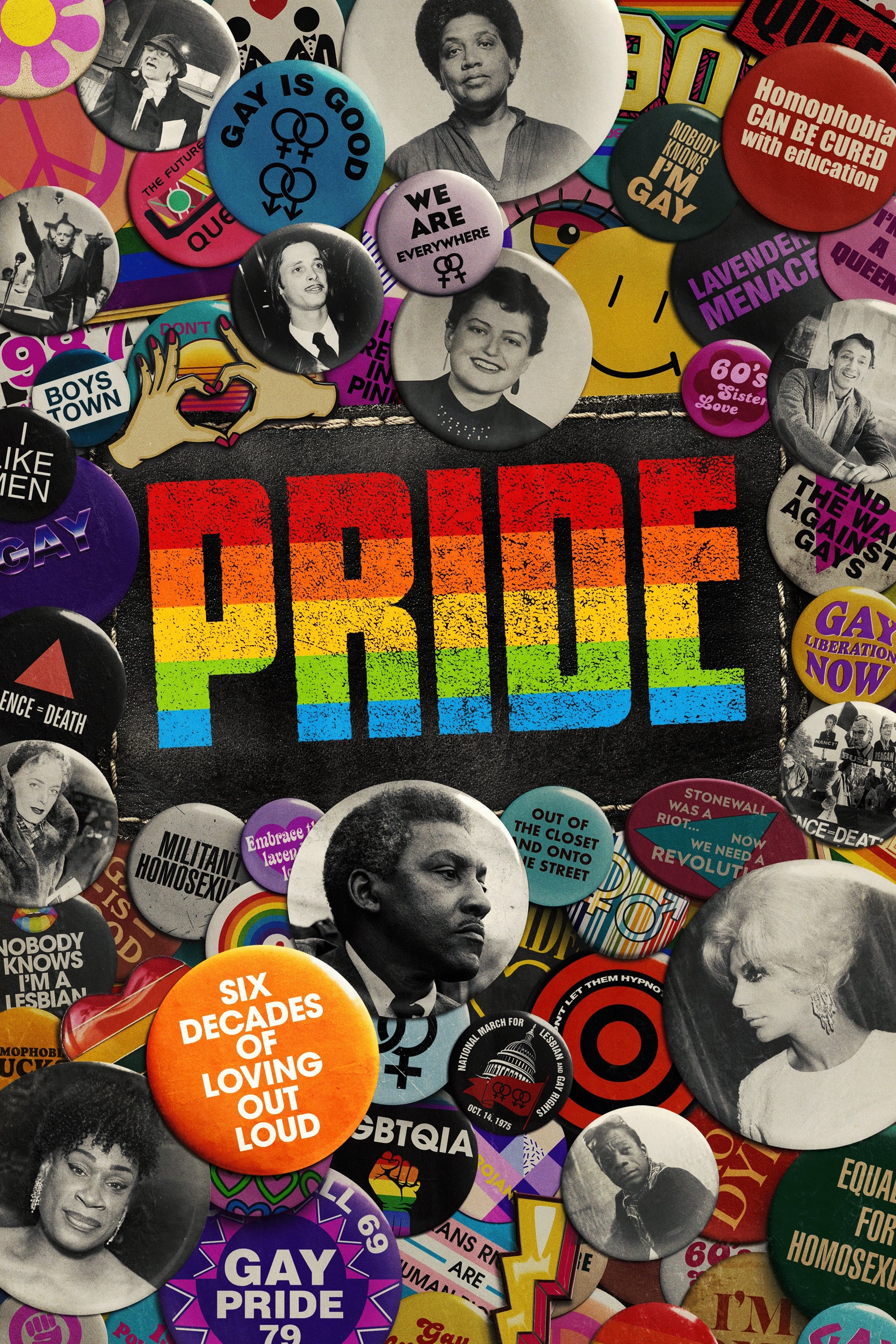
‘Pride’ traces LGBTQ+ civil rights in the United States across multiple decades. Each episode spotlights a specific era with archival footage, interviews, and firsthand accounts. The series covers activism, legal battles, and cultural milestones through the voices of participants. It contextualizes landmark moments within broader social movements and policy changes.
‘Feel Good’ (2020–2021)

‘Feel Good’ follows a stand-up comic rebuilding life while confronting addiction and complicated love. The show balances sharp humor with therapy sessions, family dynamics, and career setbacks. It draws on autobiographical material to ground difficult topics in everyday detail. Strong supporting characters provide contrasting approaches to recovery and commitment.
‘The World at War’ (1973–1974)

‘The World at War’ presents an extensive oral history of the Second World War through interviews with leaders, soldiers, and civilians. The series assembles archival footage from multiple nations to construct a chronological account. It examines fronts in Europe, Africa, and the Pacific alongside home-front experiences. The production’s breadth and primary testimony make it a foundational reference for later documentaries.
‘Five Came Back’ (2017)

‘Five Came Back’ tells the story of Hollywood directors who documented World War II and how the experience reshaped their careers. Contemporary filmmakers discuss the older directors’ work, pairing commentary with restored wartime footage. The episodes track training films, propaganda, and front-line reporting. It also explores ethical questions around staged scenes and the impact of combat on artistic perspective.
‘Maya and the Three’ (2021)

‘Maya and the Three’ is a fantasy adventure miniseries that draws on Mesoamerican mythology to follow a warrior princess on a quest to save her people. The production features a painterly visual style, large-scale battle sequences, and a sweeping original score. Its voice cast includes prominent Latin American and U.S. actors who portray gods, heroes, and rival kingdoms. The story unfolds across nine chapters that build a complete, self-contained arc.
‘Middleditch & Schwartz’ (2020)

‘Middleditch & Schwartz’ captures long-form improv performed by Thomas Middleditch and Ben Schwartz in front of a live audience. Each episode starts from a brief audience prompt and expands into a fully improvised one-hour narrative. The show preserves the spontaneity of stage work with minimal edits and wide coverage. Distinct character voices and recurring callbacks help the performers knit multiple storylines together.
‘We Are Lady Parts’ (2021– )

‘We Are Lady Parts’ follows an all-female Muslim punk band as they rehearse, play gigs, and juggle studies, jobs, and family expectations. Original songs and performance sequences are integrated into each episode’s narrative. The series uses quick-cut fantasy inserts to reflect characters’ worries and ambitions. Location shooting and a DIY aesthetic give rehearsal rooms and small venues a lived-in feel.
‘Kipo and the Age of Wonderbeasts’ (2020)
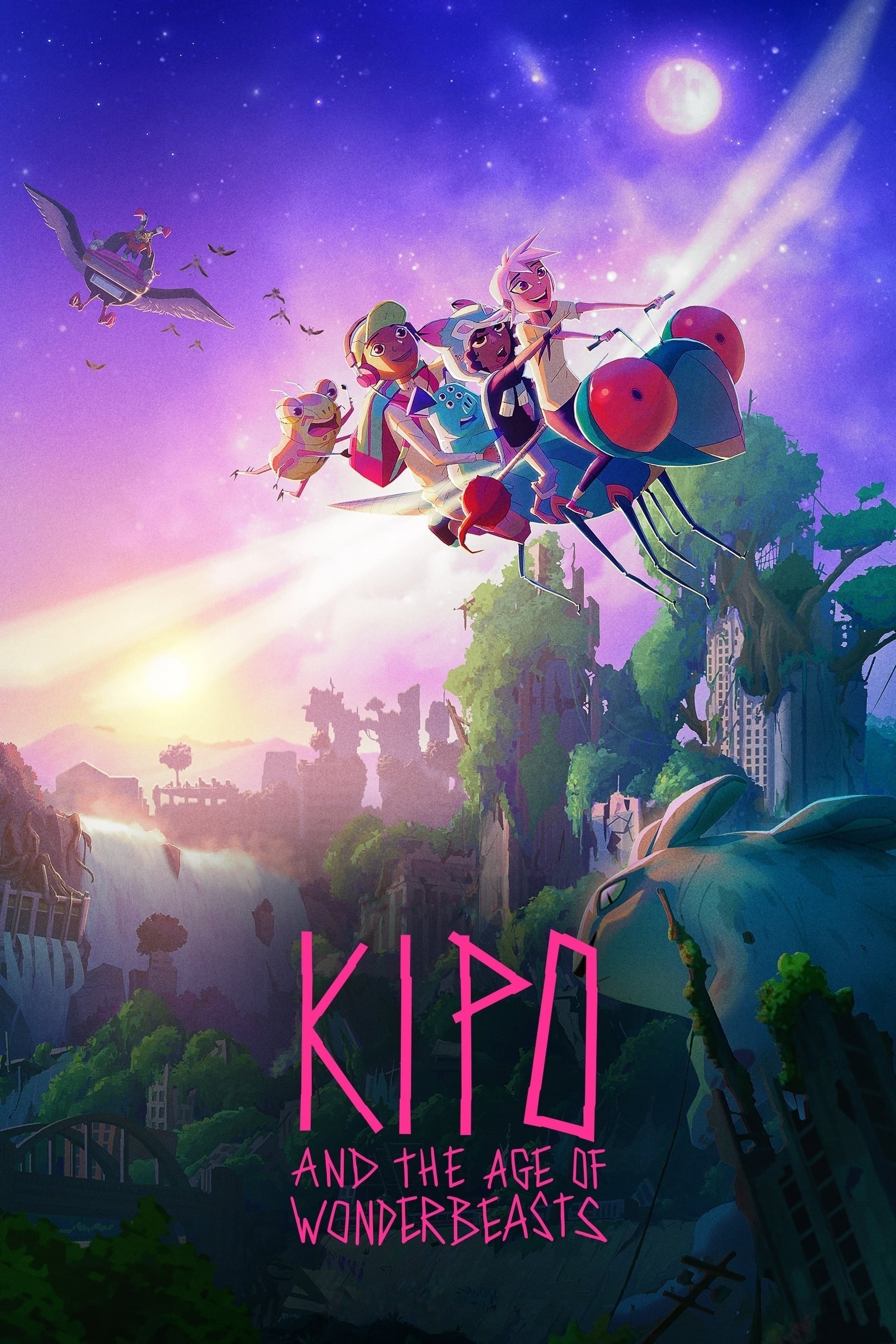
‘Kipo and the Age of Wonderbeasts’ tracks a teenager navigating a post-apocalyptic world ruled by mutant animals while searching for her community. The series blends hand-drawn touches with stylized CG backgrounds and kinetic action. Music is central to the storytelling, from hip-hop battles to character-specific themes. Its three-season run completes a clear arc with evolving alliances and worldbuilding.
‘Primal’ (2019–2022)

‘Primal’ follows a hunter-gatherer and a dinosaur bound by survival after personal loss. The series tells its story with minimal dialogue, relying on expressive animation, sound design, and orchestral cues. Episodes move through harsh biomes, supernatural encounters, and rival clans. Its anthology-like structure allows standalone adventures that slowly deepen the central partnership.
‘City of Ghosts’ (2021)
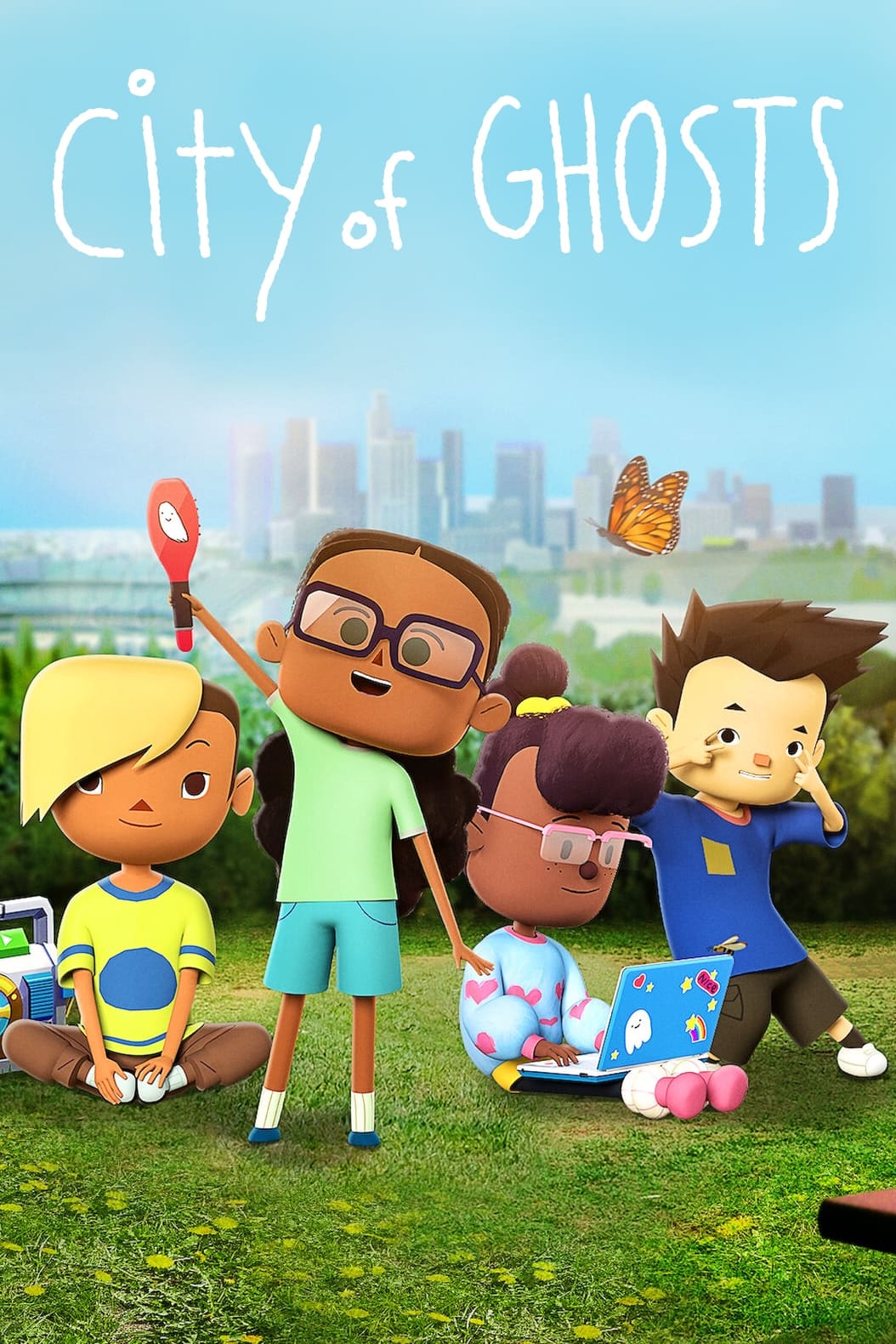
‘City of Ghosts’ is a hybrid documentary-animation series where kids form a “Ghost Club” and interview spirits representing Los Angeles communities. Episodes blend rotoscoped visuals, real interviews, and gentle mysteries. Neighborhood history and local businesses are introduced through each ghost’s perspective. The format encourages young audiences to explore culture, language, and memory.
‘The Civil War’ (1990)

‘The Civil War’ presents a comprehensive account of the American conflict through archival photographs, letters, and expert commentary. The series popularized the “Ken Burns effect” to animate still images. It organizes military campaigns alongside political and personal narratives from both Union and Confederacy. The soundtrack and narrated primary sources give historical figures distinct voices.
‘The Hunt’ (2015)
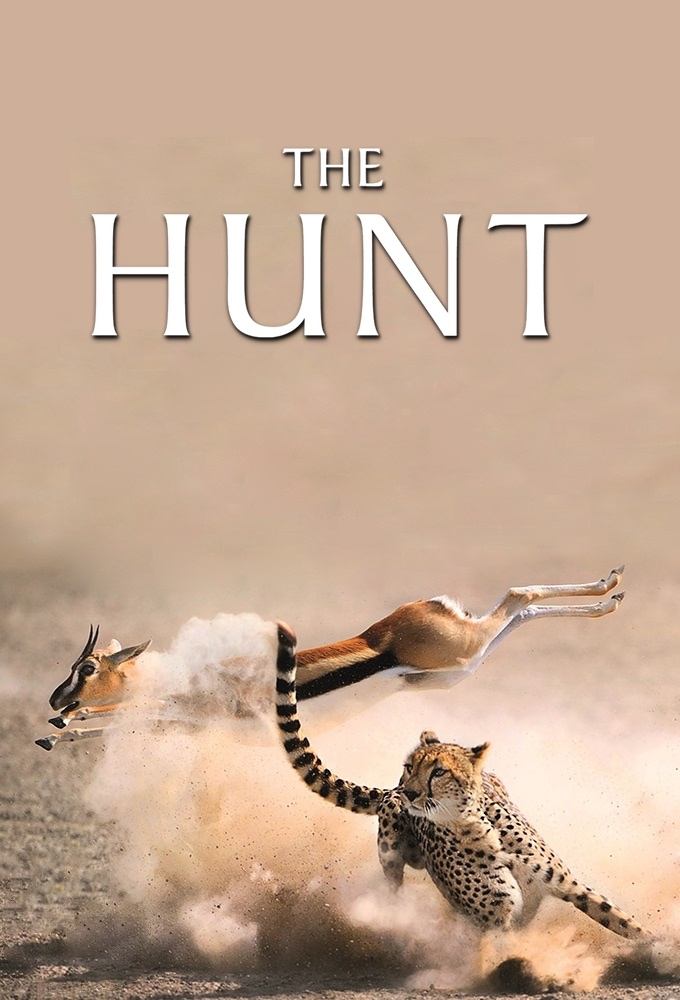
‘The Hunt’ examines predator and prey strategies across different habitats, emphasizing energy costs and risk. High-speed and aerial cinematography reveal pursuit techniques, camouflage, and cooperative tactics. Episodes are structured by biome, from forests to oceans. On-screen graphics and measured narration clarify how seasonal shifts change the odds for survival.
‘Africa’ (2013)
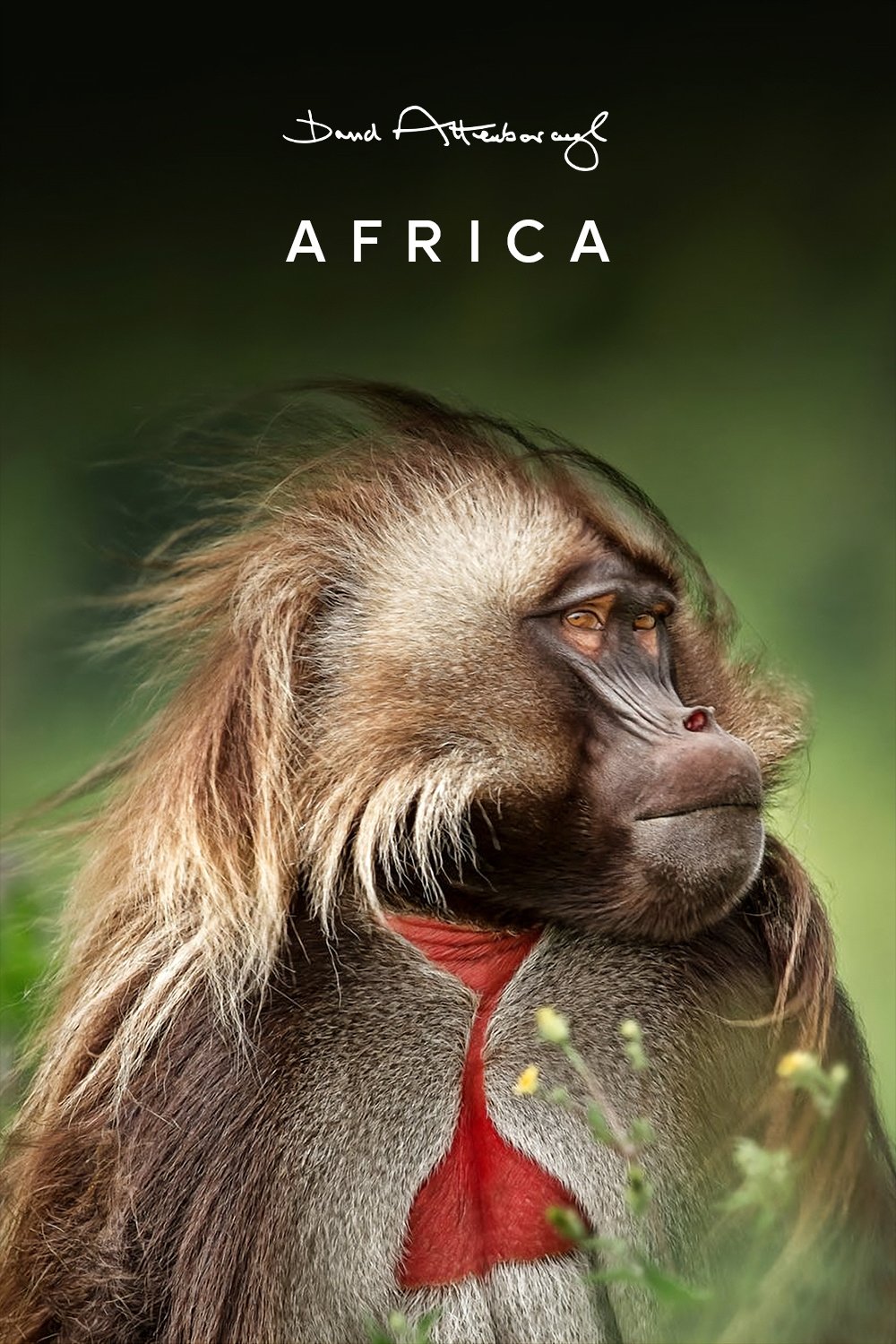
‘Africa’ journeys across the continent’s deserts, forests, and wetlands to document unique species and behaviors. Crews used gyro-stabilized cameras, macro rigs, and remote hides to reduce disturbance. The series highlights lesser-known ecosystems, including montane outcrops and seasonal pans. Field diaries detail the logistics of filming in remote and protected regions.
‘A Perfect Planet’ (2021)
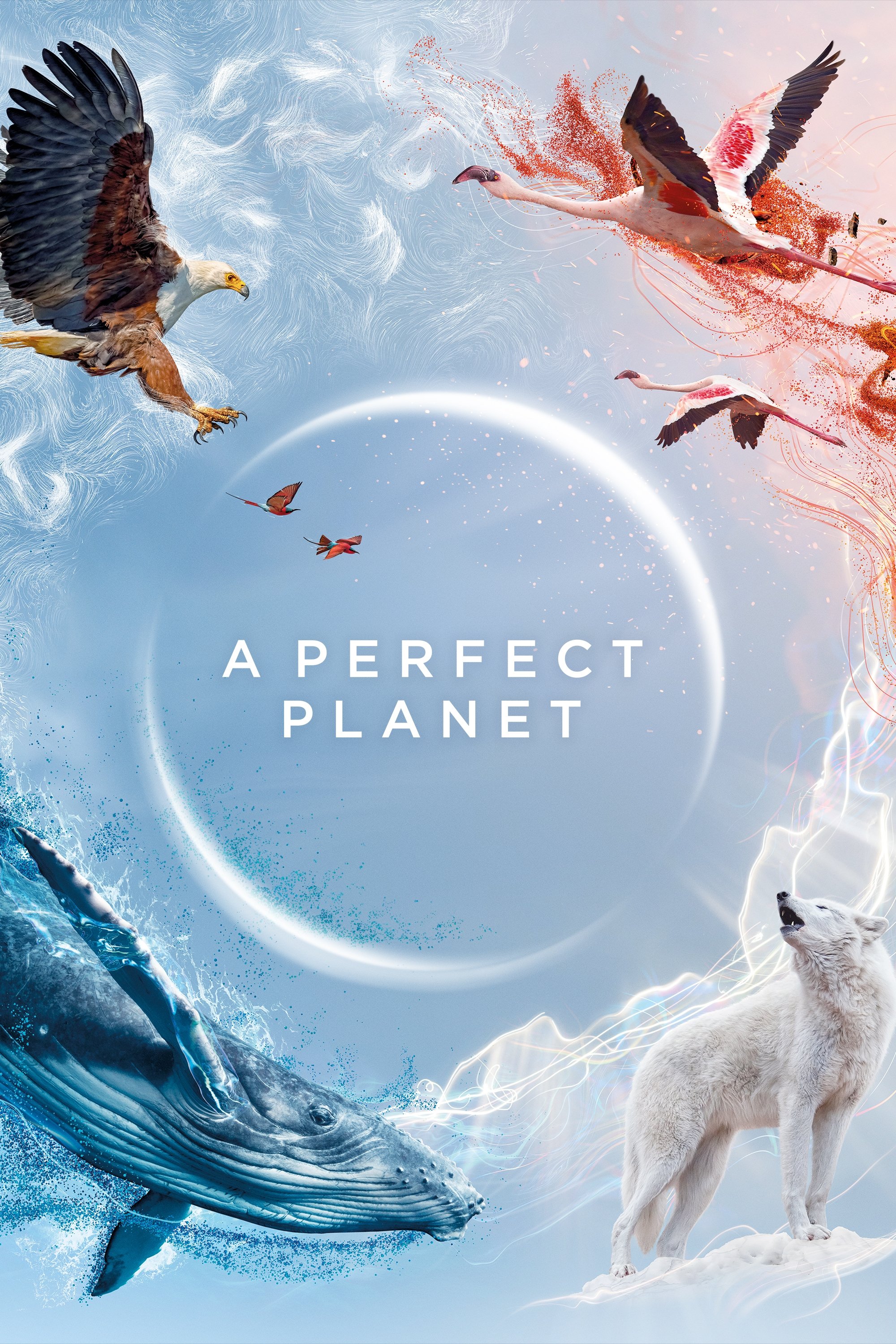
‘A Perfect Planet’ explains how Earth’s natural forces such as volcanoes, sunlight, weather, and oceans create conditions for life. Each episode pairs planetary science with animal case studies. Time-lapse and satellite imagery visualize atmospheric rivers, currents, and tectonic activity. The final chapter addresses human impact and conservation responses.
‘The Mating Game’ (2021)

‘The Mating Game’ focuses on courtship strategies across species, from elaborate displays to competitive rituals. Filming techniques include remote-triggered cameras and underwater stabilization. Episodes group behavior by habitat, tracking how resources and rivals shape mate selection. The production documents both successful pairings and the costs of high-risk displays.
‘Life in Cold Blood’ (2008)
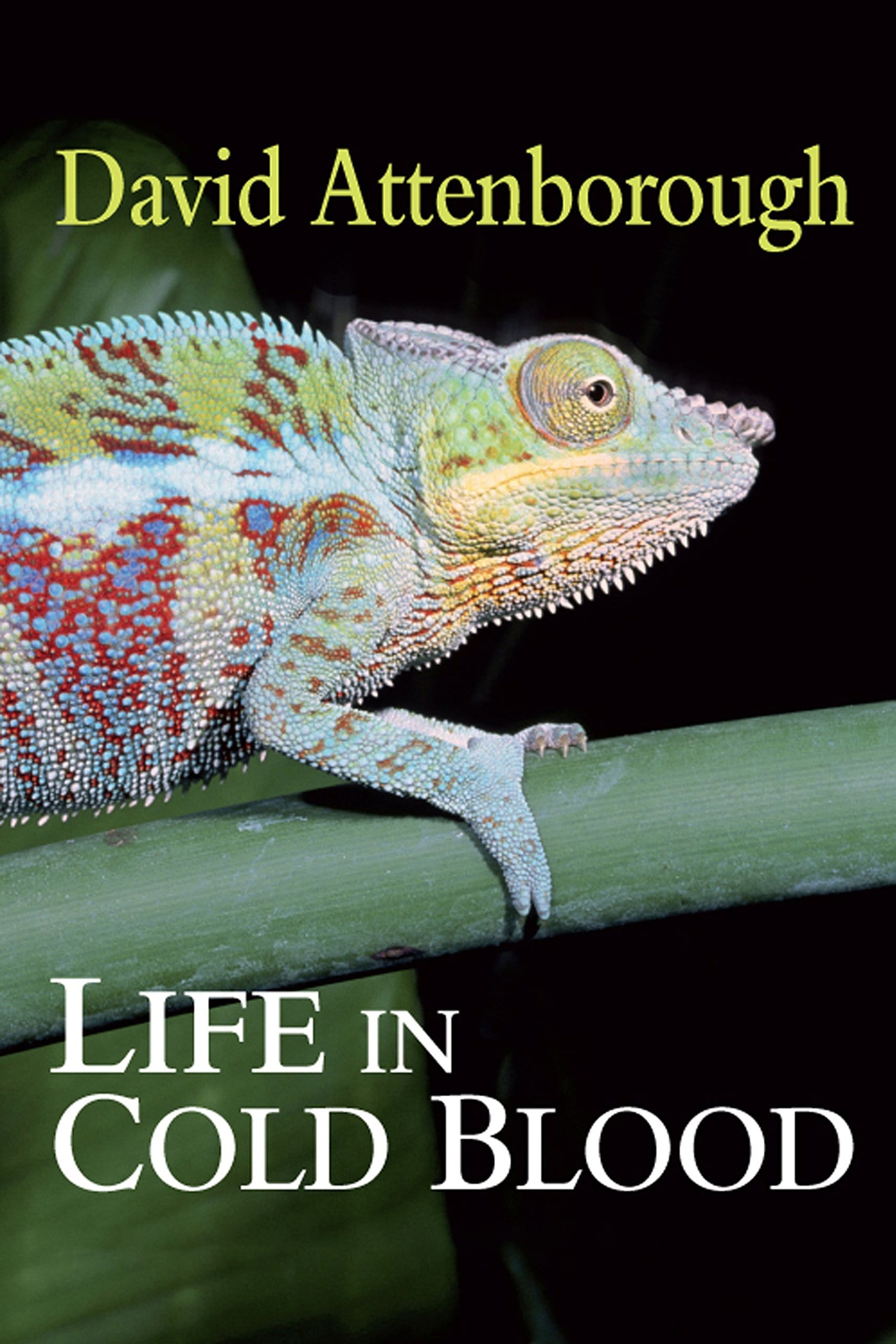
‘Life in Cold Blood’ explores reptiles and amphibians, covering thermoregulation, hunting, communication, and reproduction. Macro lenses and thermal cameras capture fine-scale movements and heat signatures. The series includes first-time footage of rarely observed behaviors. Conservation segments discuss threats like habitat loss, disease, and climate shifts.
‘Life in the Undergrowth’ (2005)
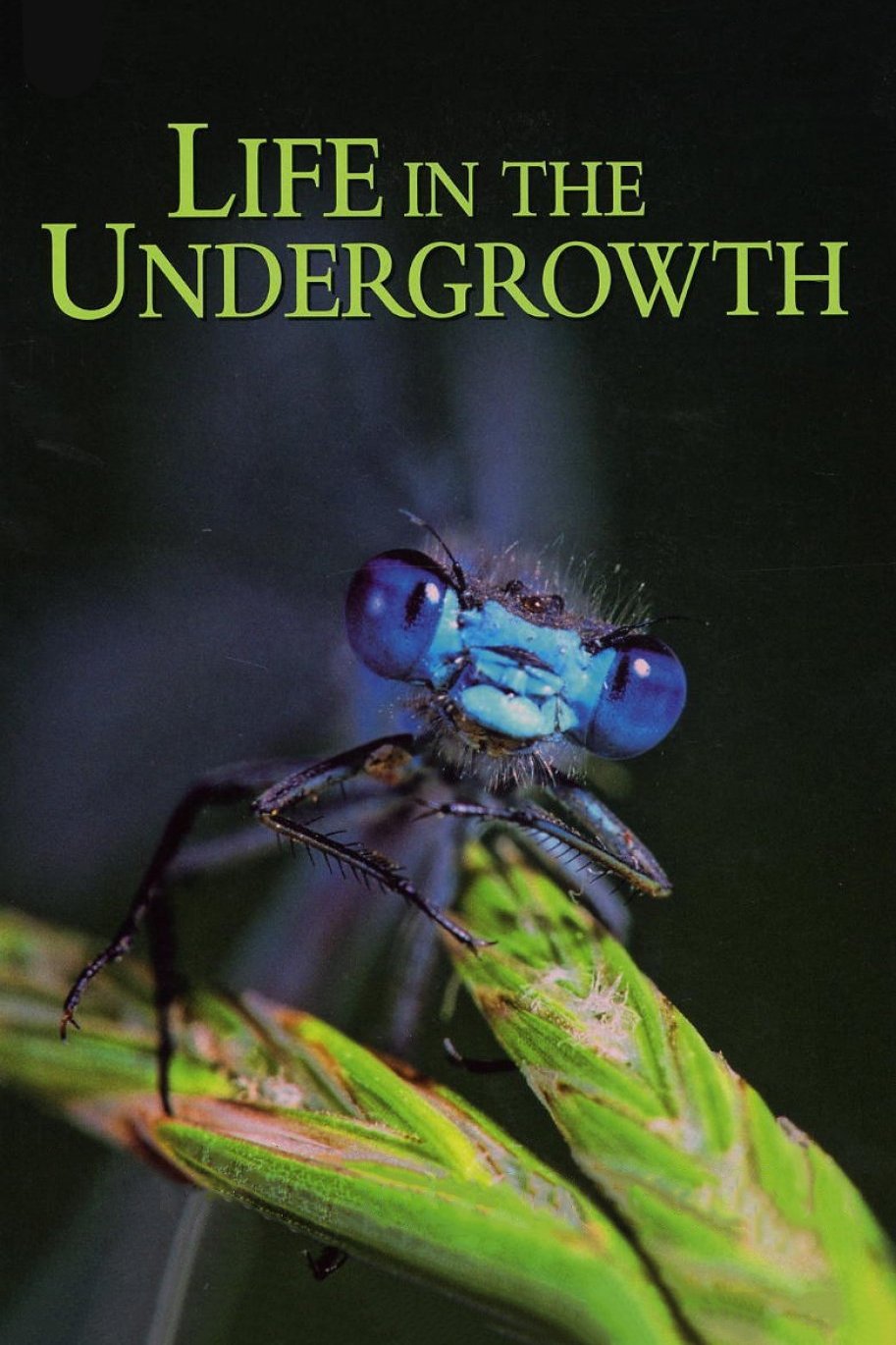
‘Life in the Undergrowth’ dives into the world of invertebrates, from insect societies to subterranean hunters. Specialized cameras and fiber optics reveal burrows, nests, and metamorphosis. The episodes connect tiny life cycles to larger ecological processes. Close-quarters filming required customized lighting and controlled disturbance protocols.
‘Planet Earth’ (2006)
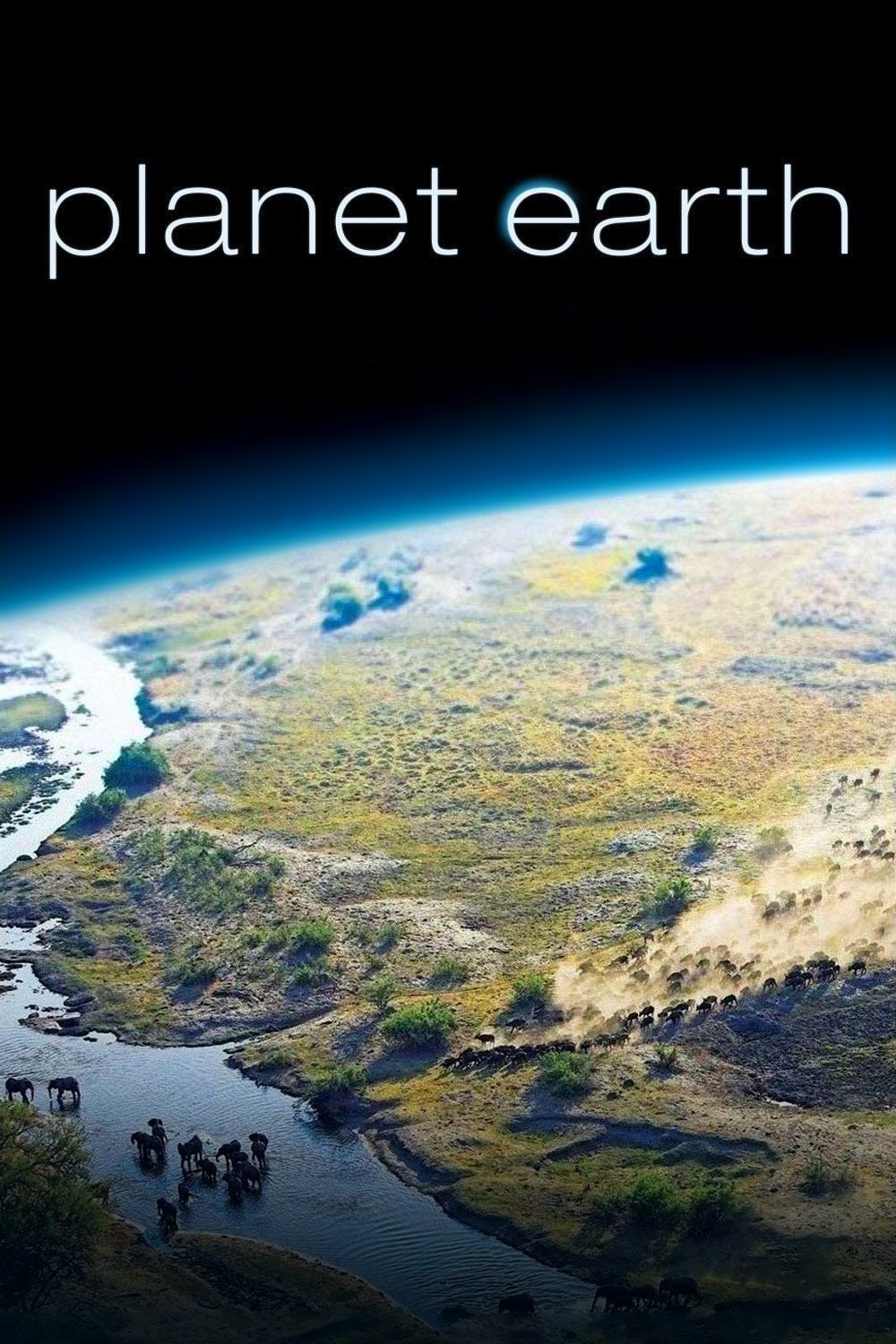
‘Planet Earth’ surveys diverse biomes from deserts to deep caves using aerials, long-lens work, and time-lapse to reveal animal behavior at scale. Production teams deployed gyro-stabilized cameras and remote hides to minimize disturbance. Episodes are structured by habitat, with recurring species tracked across segments for continuity. Field diaries at the end of each installment explain logistics and ethical protocols used during filming.
‘The Blue Planet’ (2001)
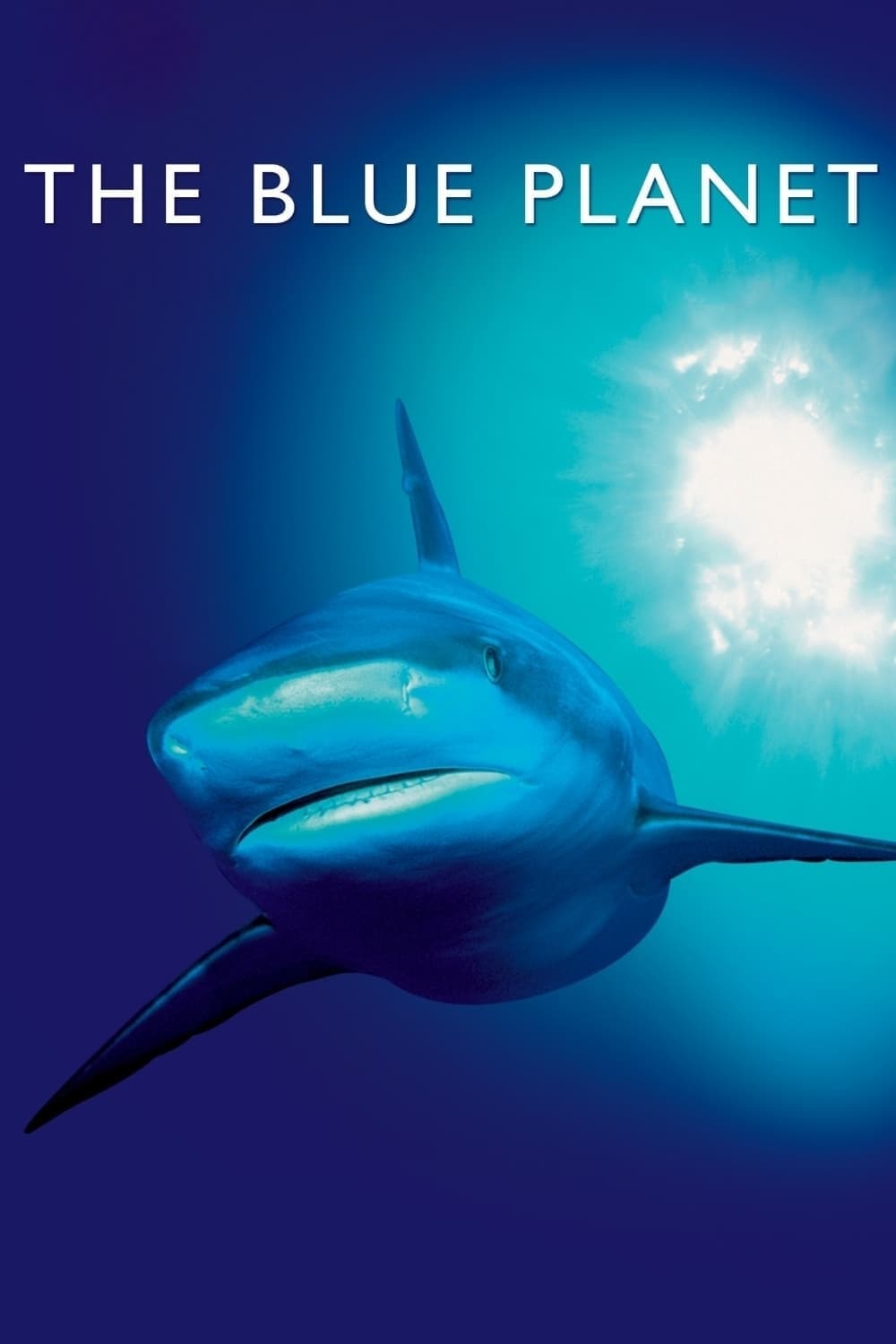
‘The Blue Planet’ maps ocean ecosystems from coastal shallows to polar seas, pairing scientific context with rarely filmed species. Crews used rebreathers and custom lighting rigs to reduce backscatter in low-visibility water. Sequences show feeding strategies, migration routes, and symbiotic relationships that drive marine food webs. The soundtrack and narration are coordinated to emphasize changes in depth and pressure across scenes.
‘Life’ (2009)
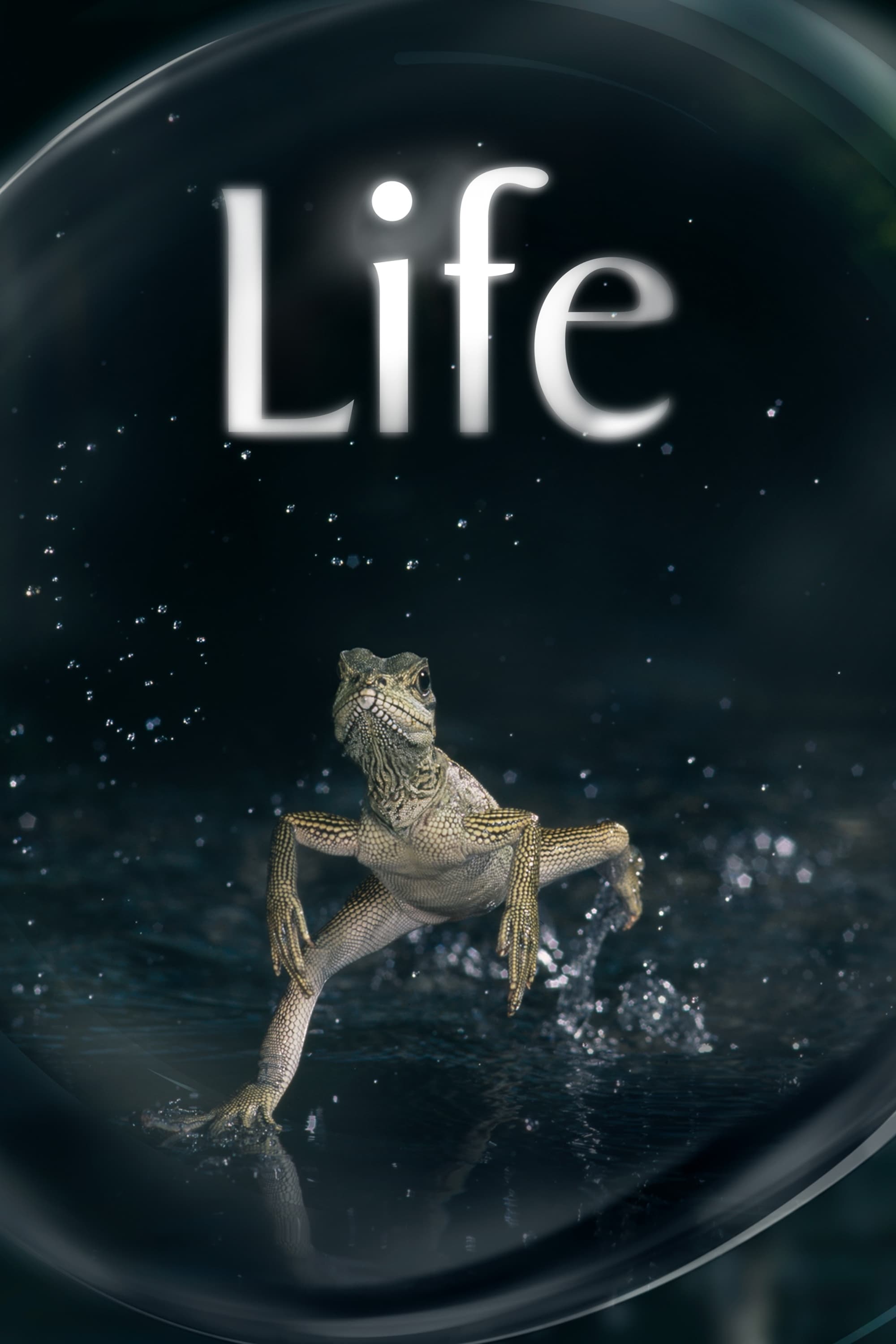
‘Life’ organizes animal and plant strategies around survival themes such as hunting and reproduction, presenting case studies across continents. High-speed cameras capture rapid strikes and evasive maneuvers that are invisible at normal frame rates. Macro work and controlled studio inserts clarify mechanisms like pollination and camouflage. On-screen graphics explain energetic trade-offs that shape each behavior.
‘Seven Worlds, One Planet’ (2019)
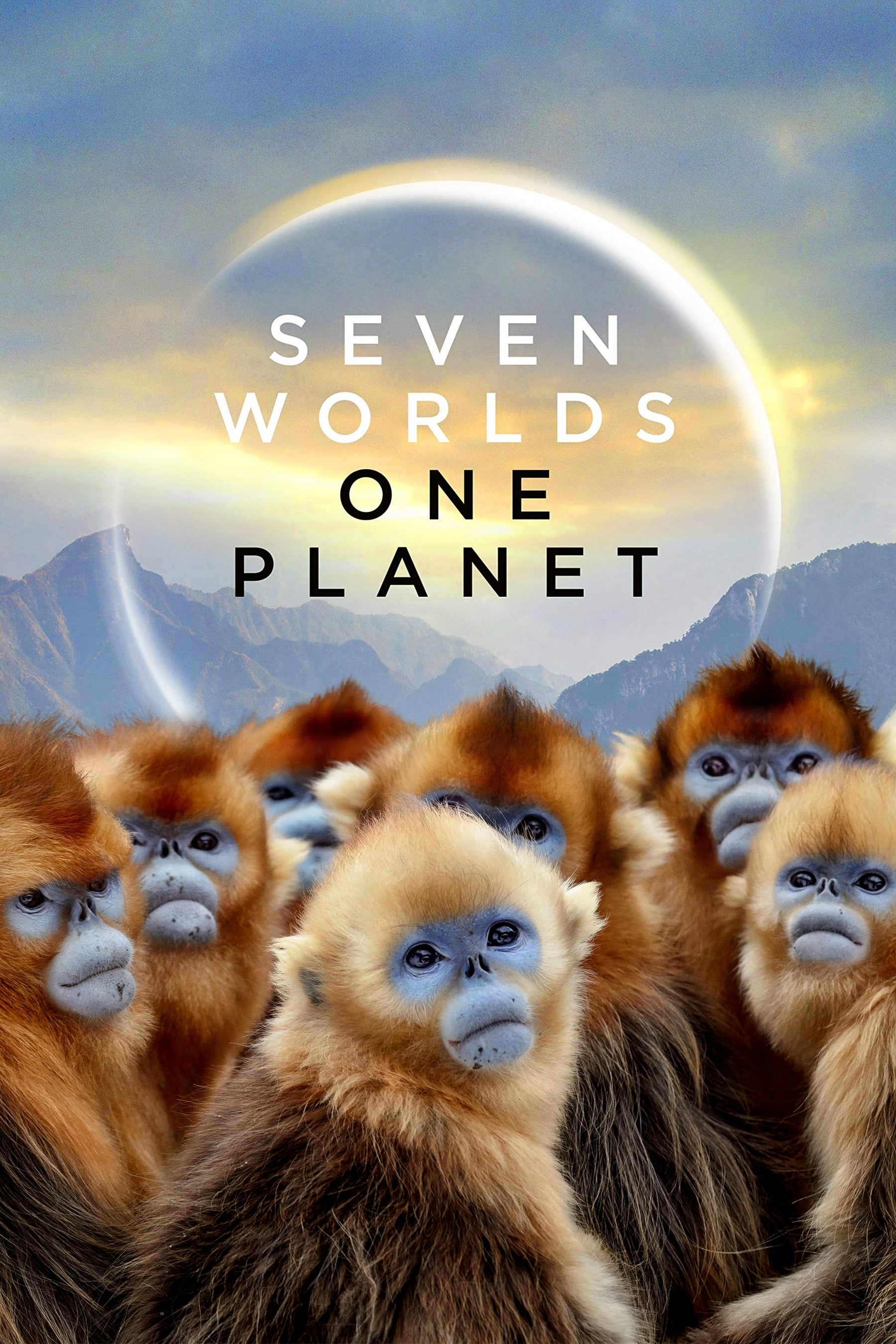
‘Seven Worlds, One Planet’ dedicates an episode to each continent, linking geology and climate to biodiversity. Crews revisited historic locations to document long-term changes in habitat quality. Sequences highlight endemism and the barriers that isolate populations. Conservation updates at the end of episodes outline ongoing research and restoration efforts.
‘Frozen Planet II’ (2022)
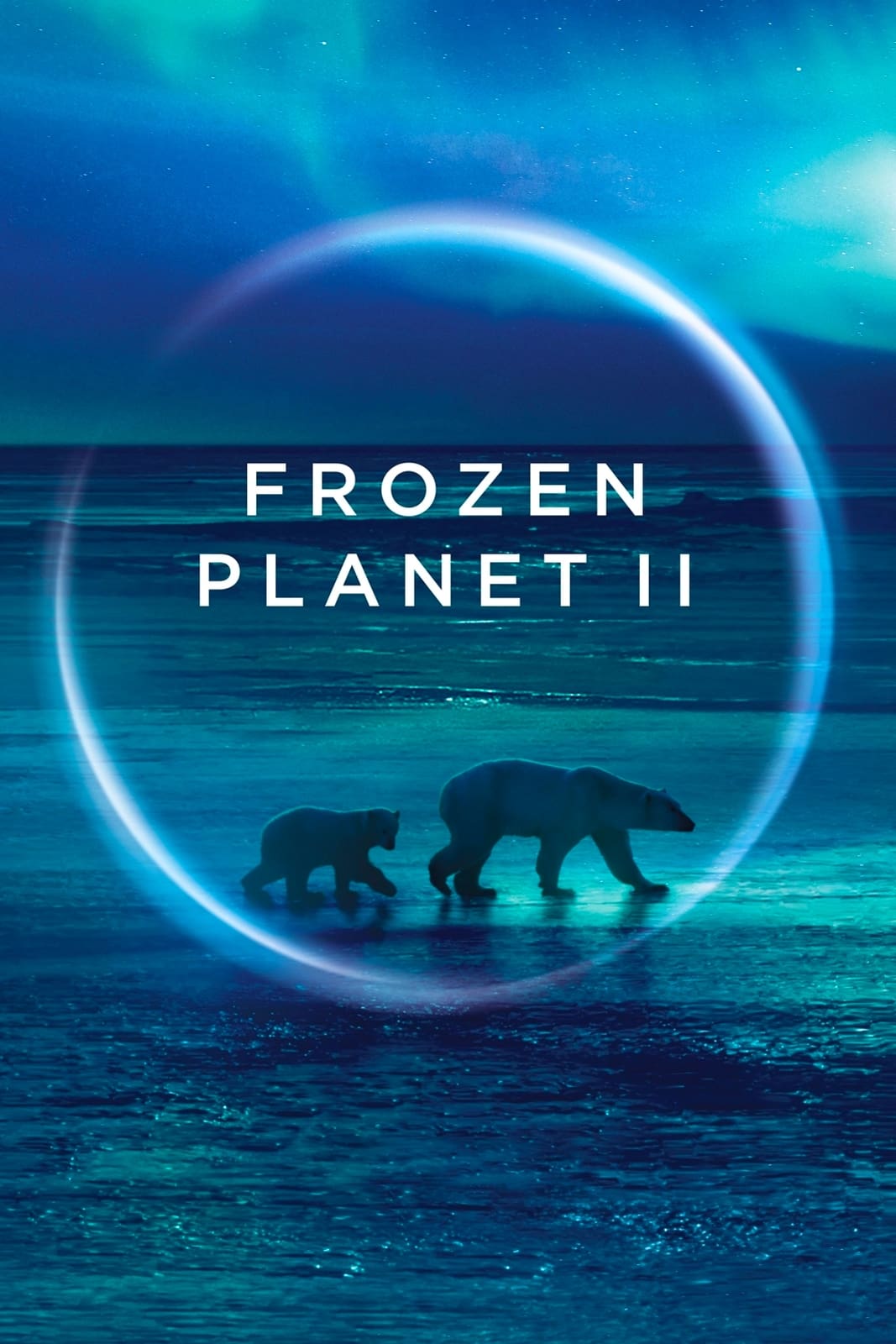
‘Frozen Planet II’ returns to polar regions and high-altitude cold zones, charting seasonal shifts that influence breeding and hunting windows. Stabilized aerial platforms and tracking drones follow wide-ranging species across sea ice and mountains. The series documents freeze-thaw cycles that reshape terrain and access to prey. Behind-the-scenes segments describe safety planning for crews working in subzero conditions.
‘Prehistoric Planet’ (2022– )
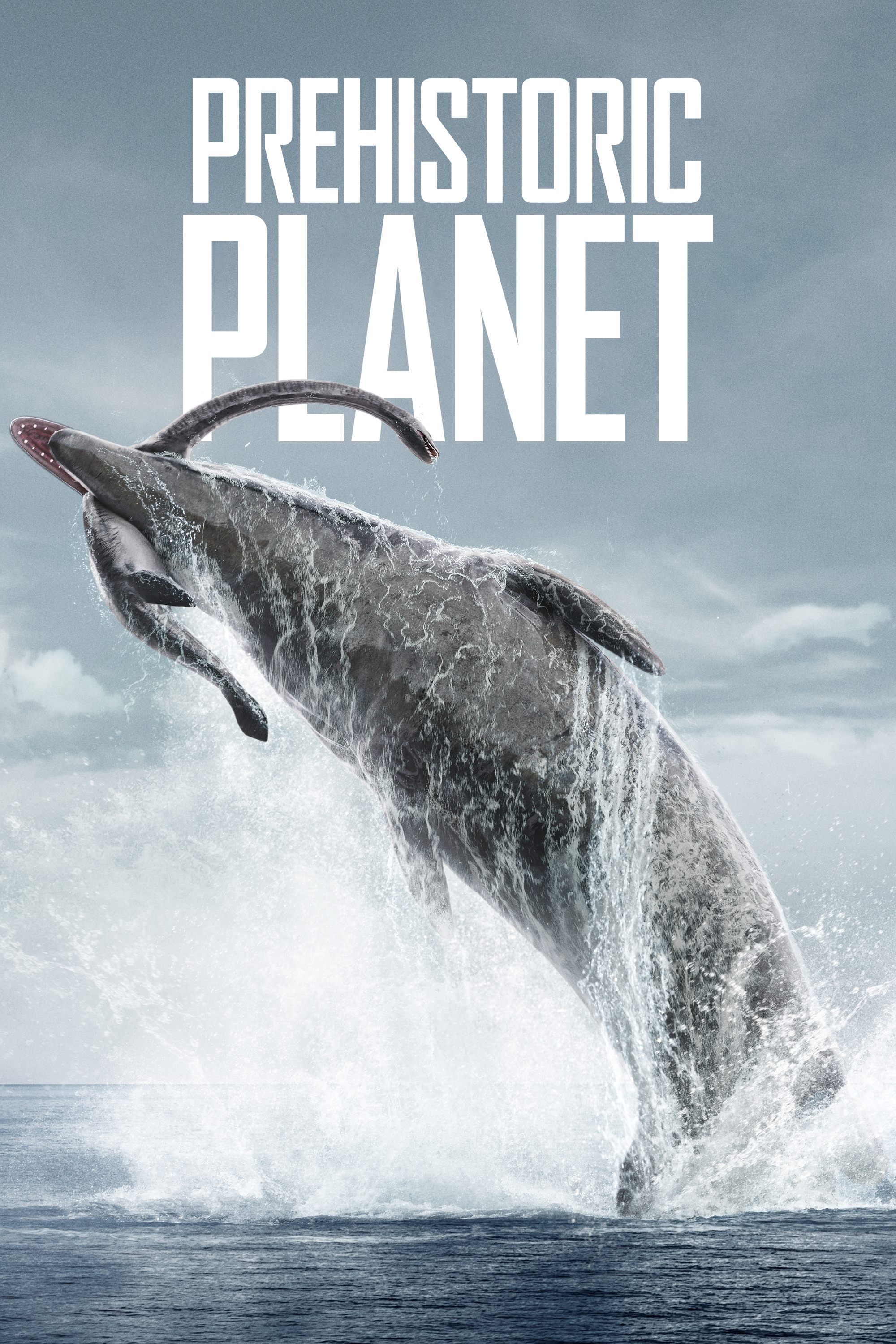
‘Prehistoric Planet’ reconstructs Mesozoic ecosystems with photoreal visual effects grounded in current paleontology. Episodes combine location plates, motion studies, and skeletal references to model locomotion and behavior. Advisers detail how fossil evidence informs parental care, feeding, and social displays. The production presents each biome as an interconnected web rather than isolated set pieces.
‘Tiny World’ (2020–2021)
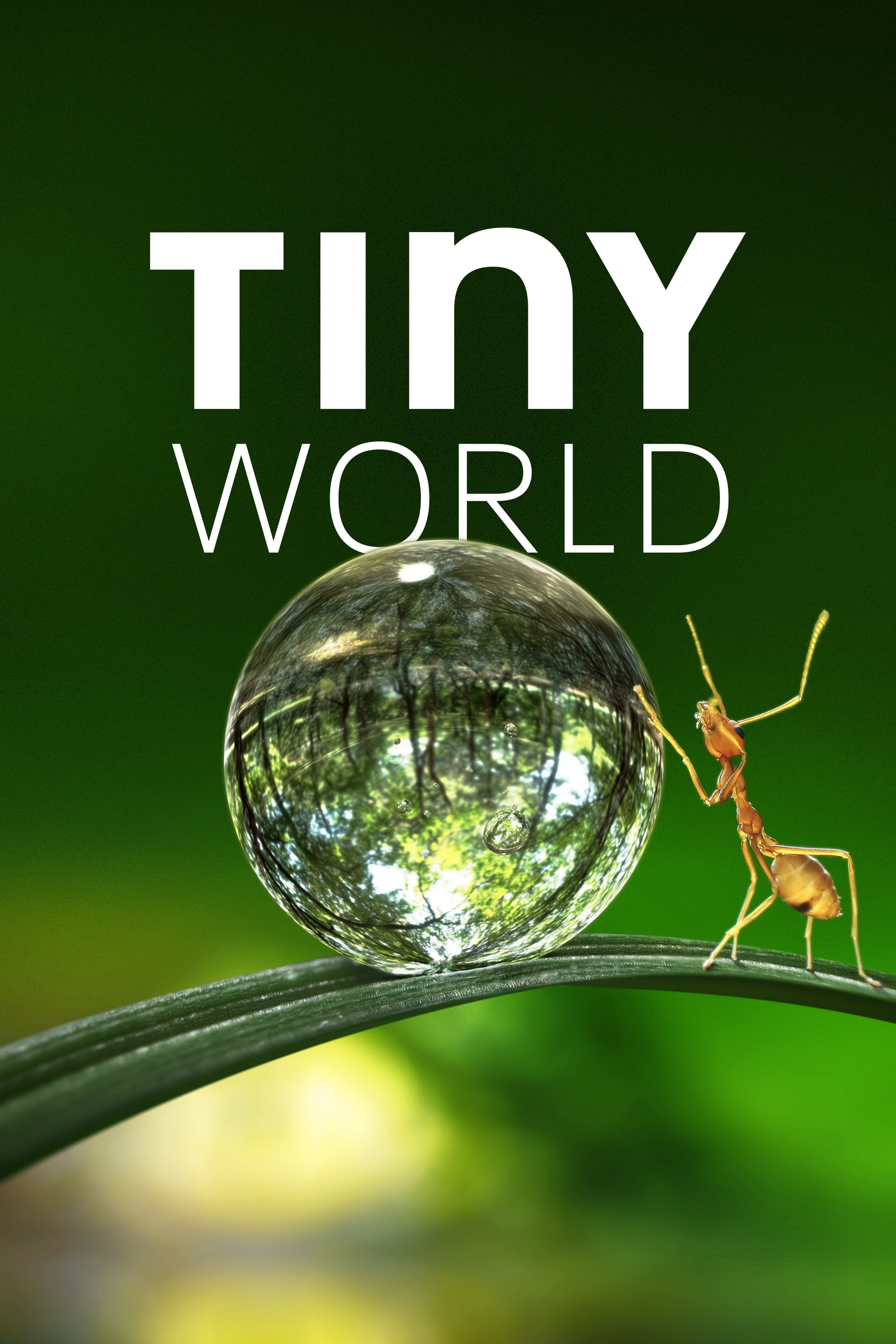
‘Tiny World’ focuses on miniature protagonists whose lives hinge on millimeters and microseconds. Motion-control rigs and macro optics render leaf surfaces, water droplets, and soil grains as expansive landscapes. Storylines follow daily routines like nest building, foraging, and predator evasion. Narration emphasizes engineering solutions evolved by small bodies to manage heat, moisture, and energy.
‘Earth at Night in Color’ (2020–2021)
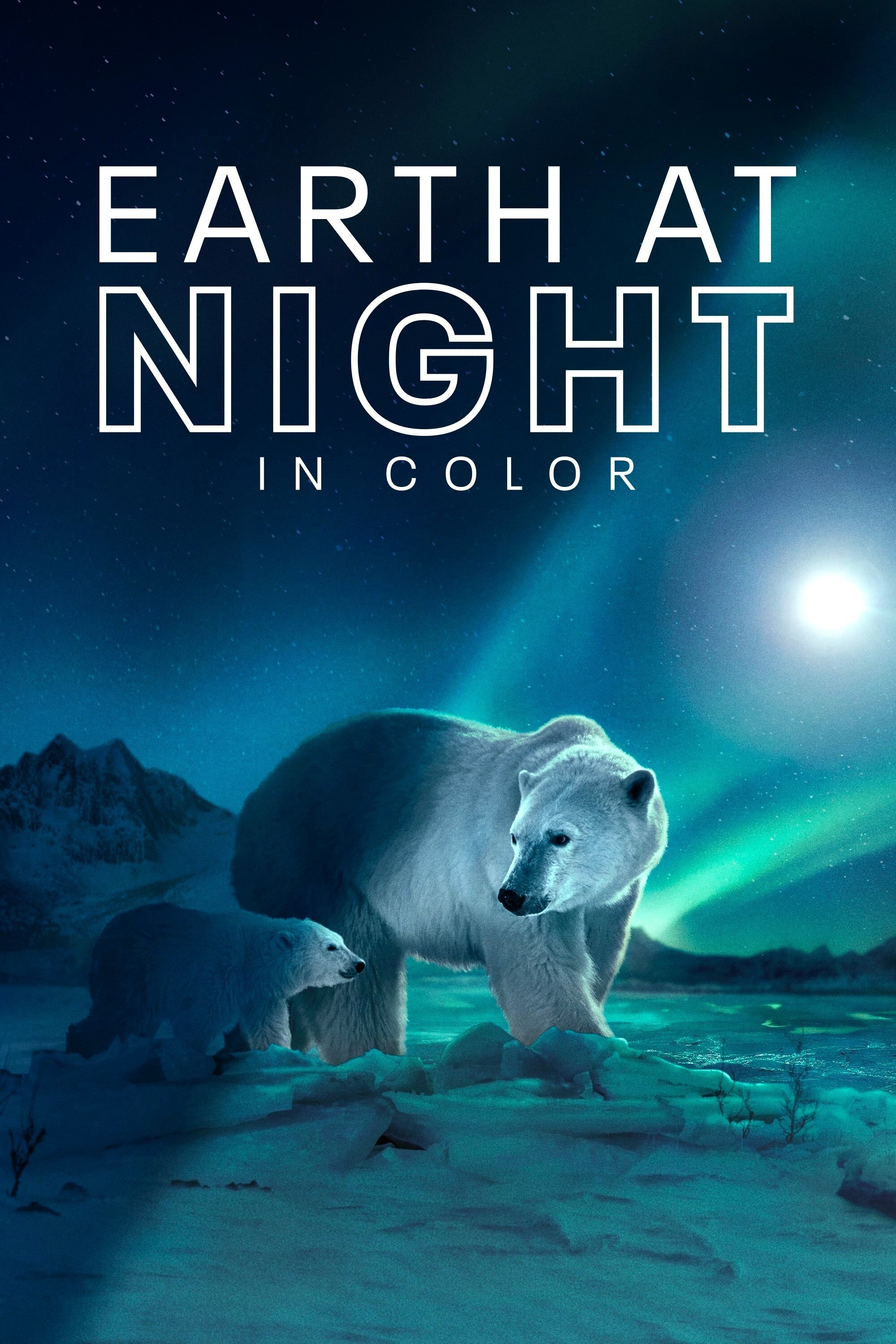
‘Earth at Night in Color’ uses low-light cameras and computational processing to film nocturnal behavior without intrusive lighting. The series documents hunting, navigation, and communication strategies that only occur after sunset. Thermal and hyperspectral tools help crews locate subjects while preserving natural conditions. Episodes compare day and night footage to illustrate how the same habitat supports different communities.
‘One Strange Rock’ (2018)
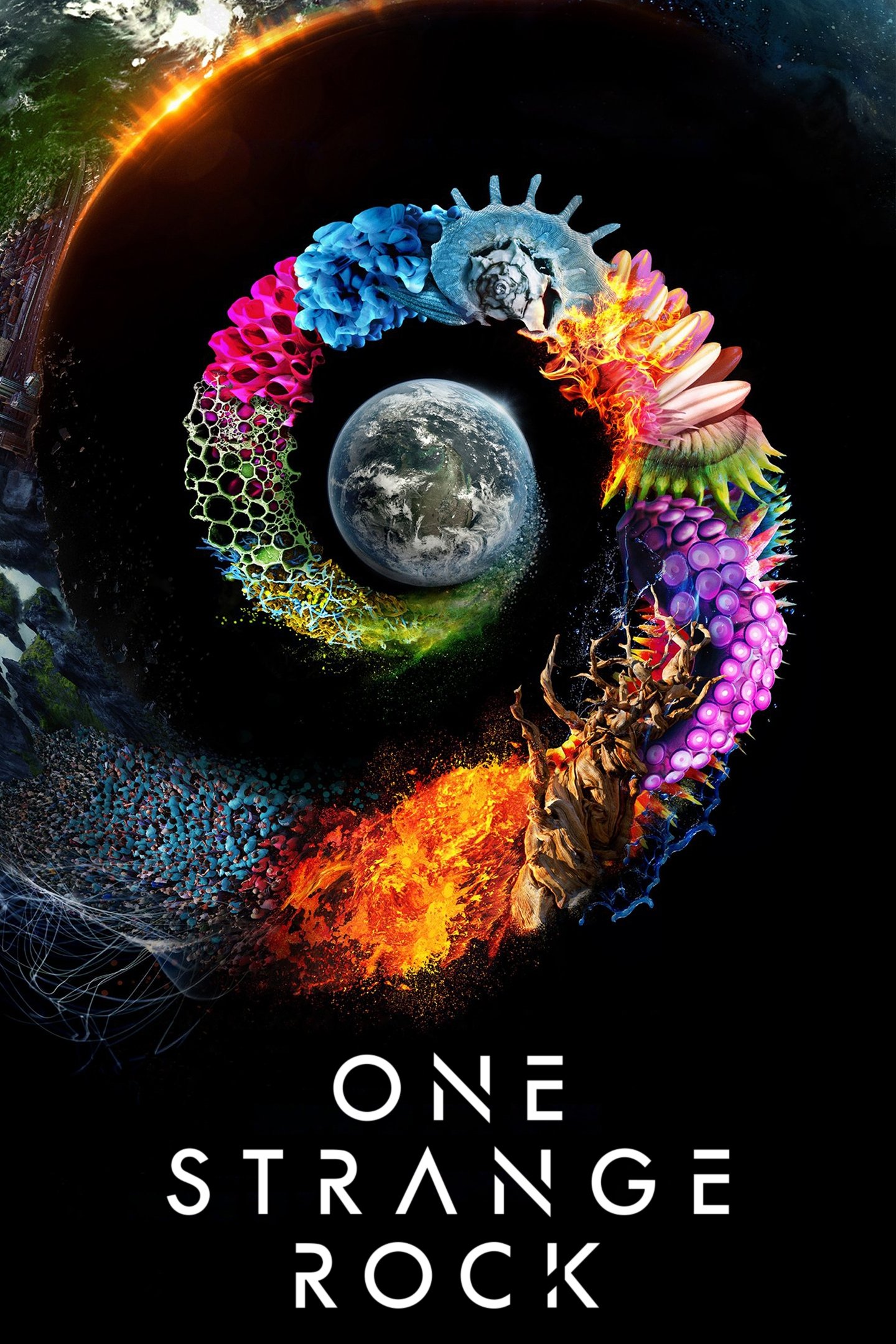
‘One Strange Rock’ explores planetary systems that make Earth habitable, from magnetic shielding to atmospheric cycles. Astronaut interviews connect orbital observations to ground-level phenomena. Each chapter intercuts global locations to show how geology, biology, and weather feed back into one another. Visualizations and practical demonstrations break down complex processes like plate motion and photosynthesis.
‘Chimp Empire’ (2023)
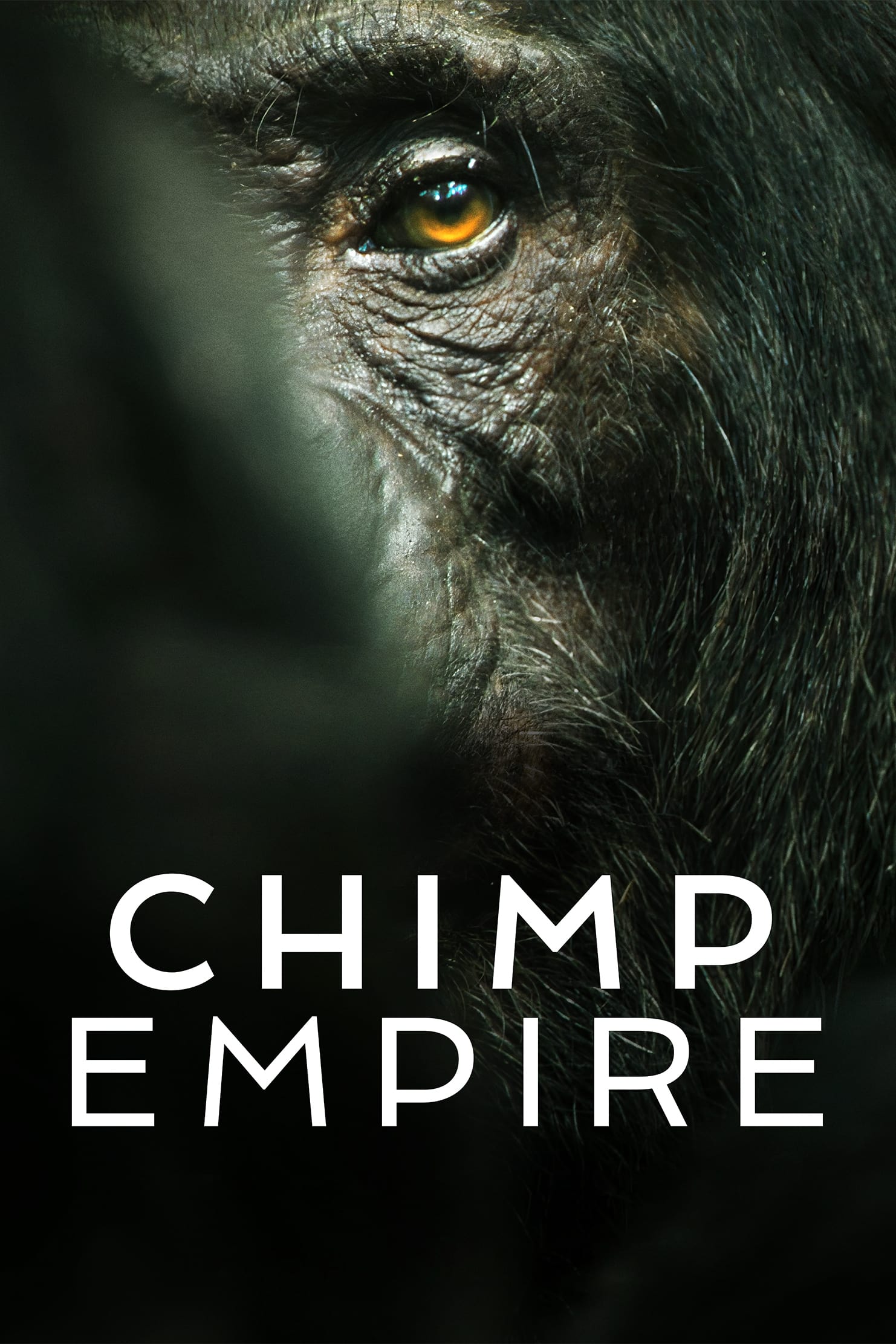
‘Chimp Empire’ embeds with neighboring chimpanzee communities to record alliances, rivalries, and resource disputes. Long-term habituation allowed camera teams to capture grooming networks, patrols, and shifting hierarchies. Detailed mapping links feeding grounds and nests to territorial boundaries. The series tracks specific individuals so viewers can follow lineage changes and leadership challenges over time.
‘Life on Earth’ (1979)
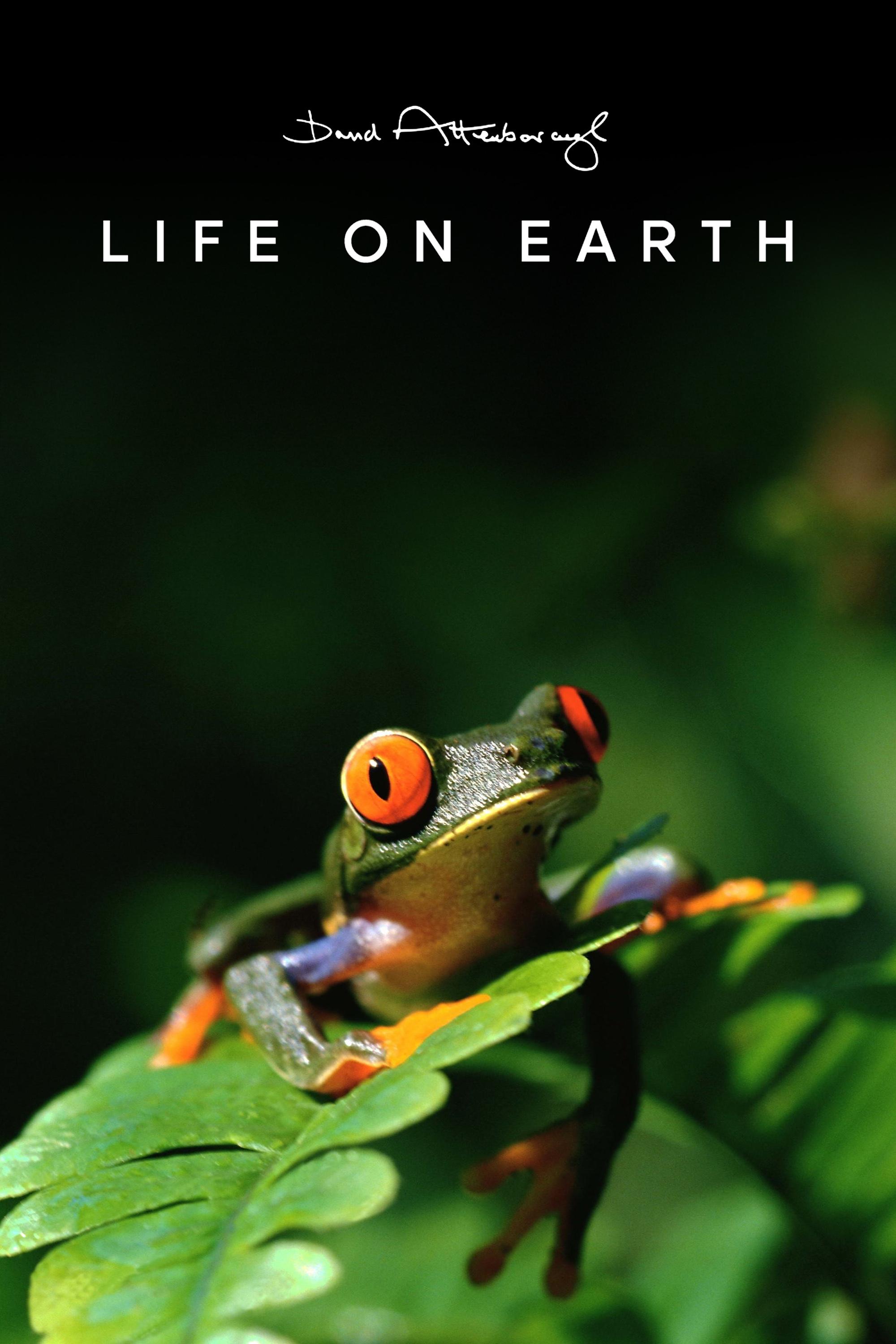
‘Life on Earth’ traces evolution from single-celled organisms to complex vertebrates using fossil records and living examples. Field segments visit sites where key transitions are evident in strata and morphology. Museum collections and lab demonstrations illustrate how taxonomy and comparative anatomy reveal lineage splits. The narrative explains natural selection and adaptation with clear case studies.
‘The Living Planet’ (1984)
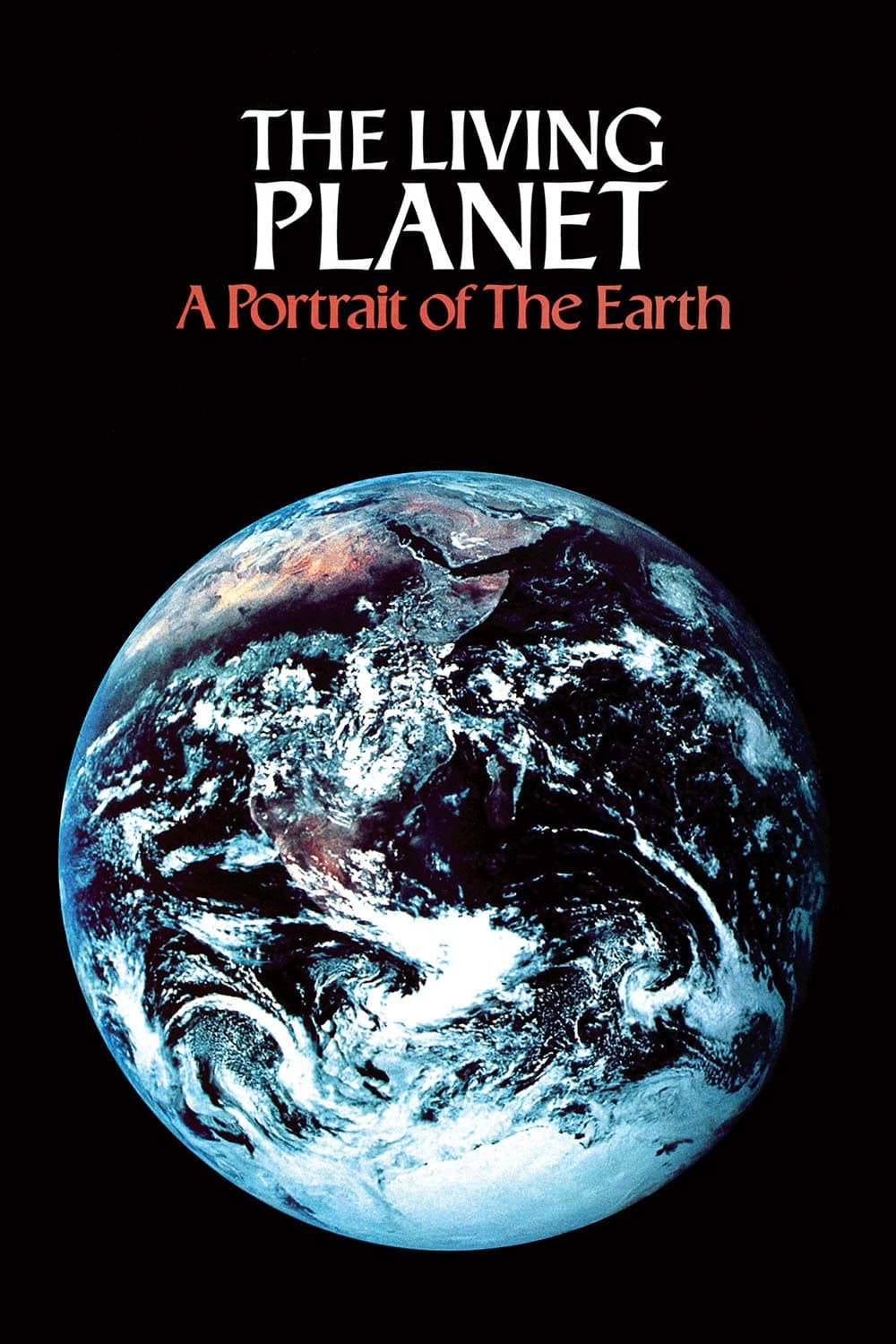
‘The Living Planet’ examines how environments shape life, pairing biome overviews with species adapted to each niche. Remote expeditions document phenomena such as canopy communities and desert nocturnality. The series explains ecological concepts like succession and nutrient cycles using real-world examples. Location sound and minimal intrusion keep behavior sequences authentic.
‘The Trials of Life’ (1990)
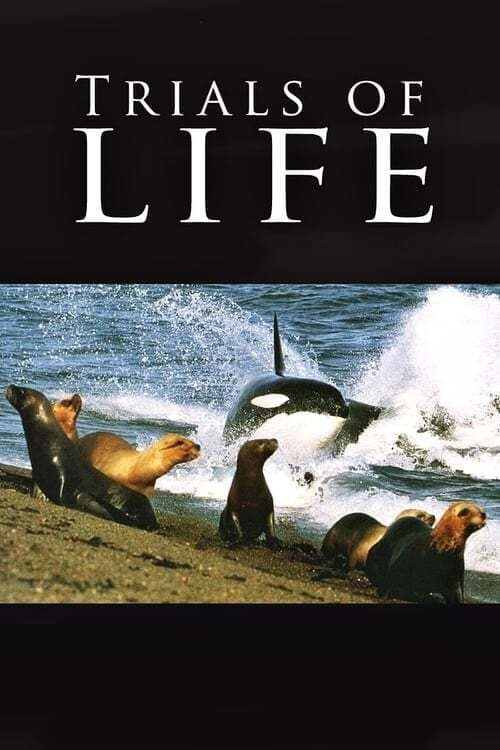
‘The Trials of Life’ follows animals through growth, learning, competition, and parenting with emphasis on decision points. Episodes feature tool use, cooperative hunting, and complex courtship rituals. The production returns to individuals across segments to show skill acquisition and social status changes. Clear labeling of behaviors helps viewers compare strategies across species.
‘The Story of Film: An Odyssey’ (2011)
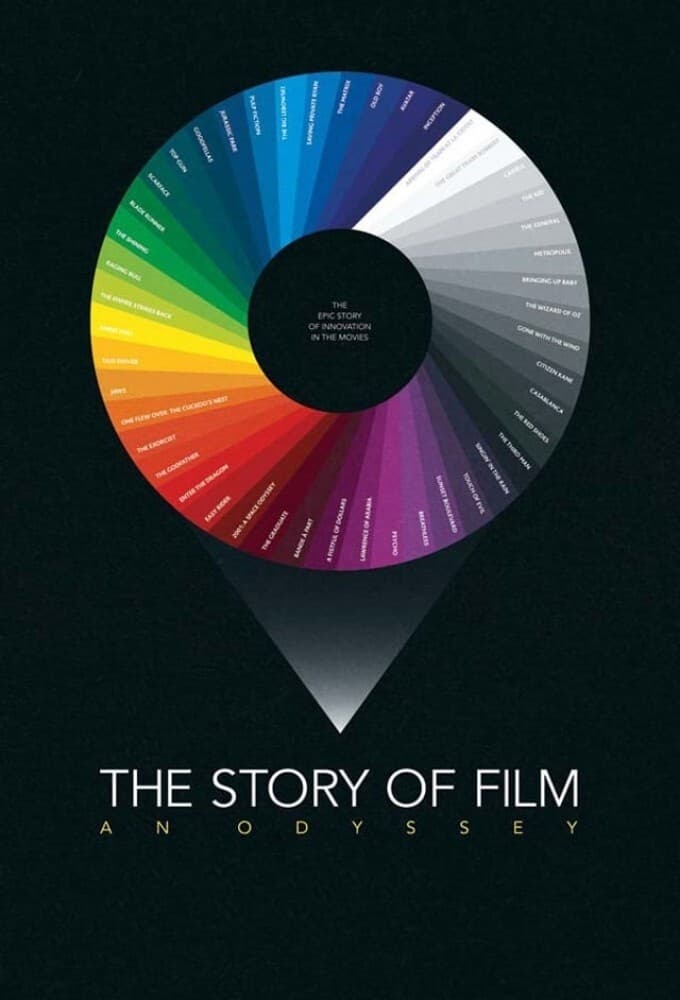
‘The Story of Film: An Odyssey’ charts global cinema’s evolution, tracking technological shifts and movements across regions. Archival clips and interviews connect innovations in editing, sound, and visual effects to changes in storytelling. The series devotes attention to underrepresented national cinemas and independent pioneers. A chronological structure helps situate breakthroughs within cultural and political contexts.
‘Planet Earth III’ (2023)
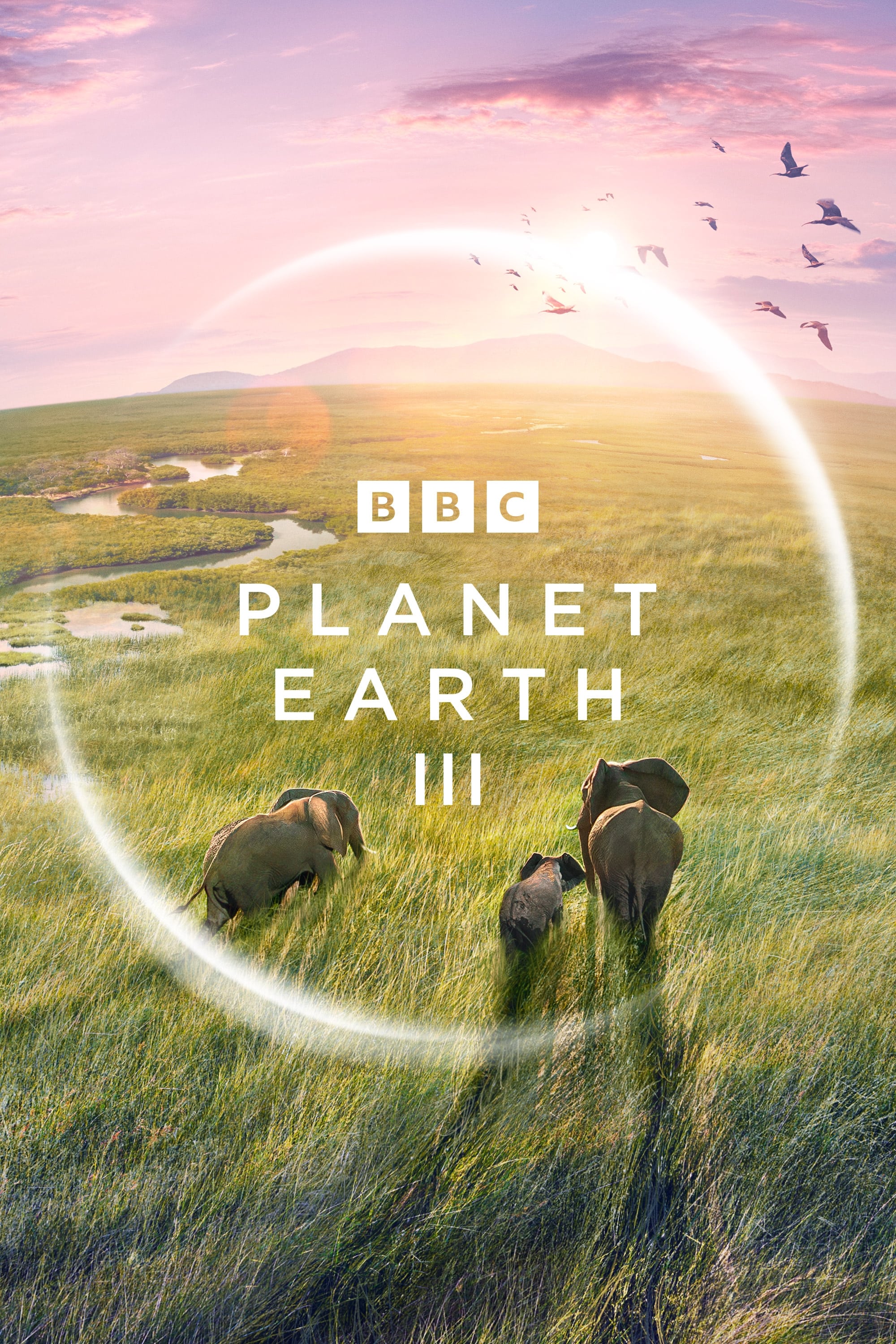
‘Planet Earth III’ updates the franchise with new filming platforms, including long-endurance drones and remote aquatic vehicles. Episodes highlight resilience in fragmented landscapes, from urban edges to recovering reserves. Sequences pair animal behavior with the physical forces shaping modern habitats. Field notes describe collaboration with scientists to minimize disturbance and to log ancillary data for research.
Share your favorites from this list and any other perfect-score picks you think belong in the conversation.

