


Viewership Tanks for Oscars After Lackluster and Boring Ceremony

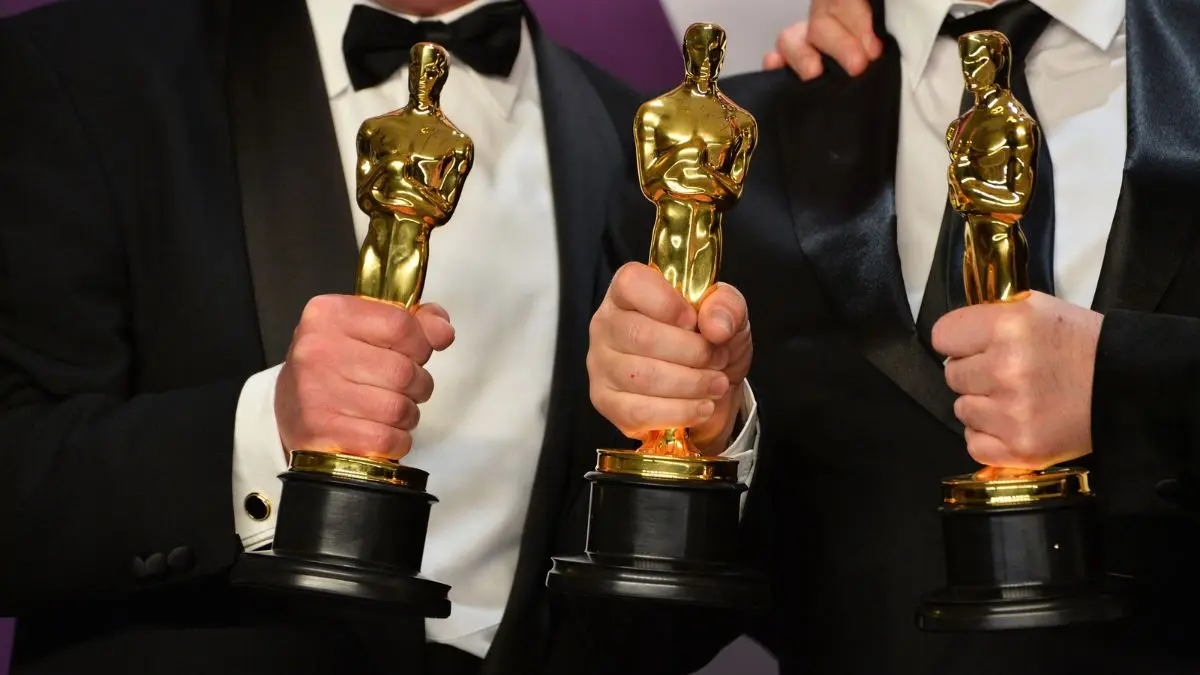


The 98th Academy Awards ended with a clear sign that traditional TV is losing its grip. The ceremony, broadcast on ABC and Hulu, drew only 17.9 million viewers, marking a 9% drop from last year and making it the least-watched Oscars since 2022. Even with Conan O’Brien back as host for a second year, the three-hour show struggled to hold viewers’ attention.
Despite the low TV ratings, the Oscars had a huge presence online. Social media engagement jumped 42% compared to 2025, reaching 184 million impressions across platforms like TikTok, Instagram, and X, according to Variety.
Fans flooded these apps with memes, clips, and highlights, showing that many people now prefer short-form content over watching the full ceremony live. The decline in TV viewership is even bigger when compared to the past.
The 1998 Oscars, for example, attracted 57 million viewers. Experts point to competition from streaming services, video games, and short-form videos as the main reason audiences are tuning out. Critics also blame the slow pace and long runtime for losing modern viewers who want faster entertainment.
The Academy is taking note. Starting in 2029, the Oscars will move to YouTube, aiming to reach younger, digital-first audiences. For now, the ceremony is a strange mix: less watched on TV but more popular online.
On the night itself, Best Picture went to One Battle After Another, a high-energy black comedy directed by Paul Thomas Anderson. Leonardo DiCaprio stars as a retired revolutionary forced back into action, joined by Sean Penn as a corrupt military rival and Benicio del Toro as a loyal ally. The film has been praised for redefining the modern blockbuster.
Director Paul Thomas Anderson is also reportedly working on a new project with Alana Haim, continuing their creative partnership. Sean Penn, meanwhile, has spent the early part of the year on international humanitarian work.
Conan O’Brien’s second year as host was full of his usual humor, but even his jokes couldn’t stop viewers from heading to their phones. He’s also busy with his travel series and podcast, expanding his media presence beyond late-night TV.
The Oscars’ move toward streaming will be a big test for Hollywood. If the show can adjust to online viewing habits, it might stay relevant in a world where red carpets are watched more on social feeds than on living room TVs. For now, the biggest night in Hollywood is still a cultural event, even if fewer people are watching it live.
Have something to add? Share your thoughts in the comments.

