Was Odysseus A Real Person? Here’s What You Need to Know About the Archaeology and History Aheda of Nolan’s ‘The Odyssey’

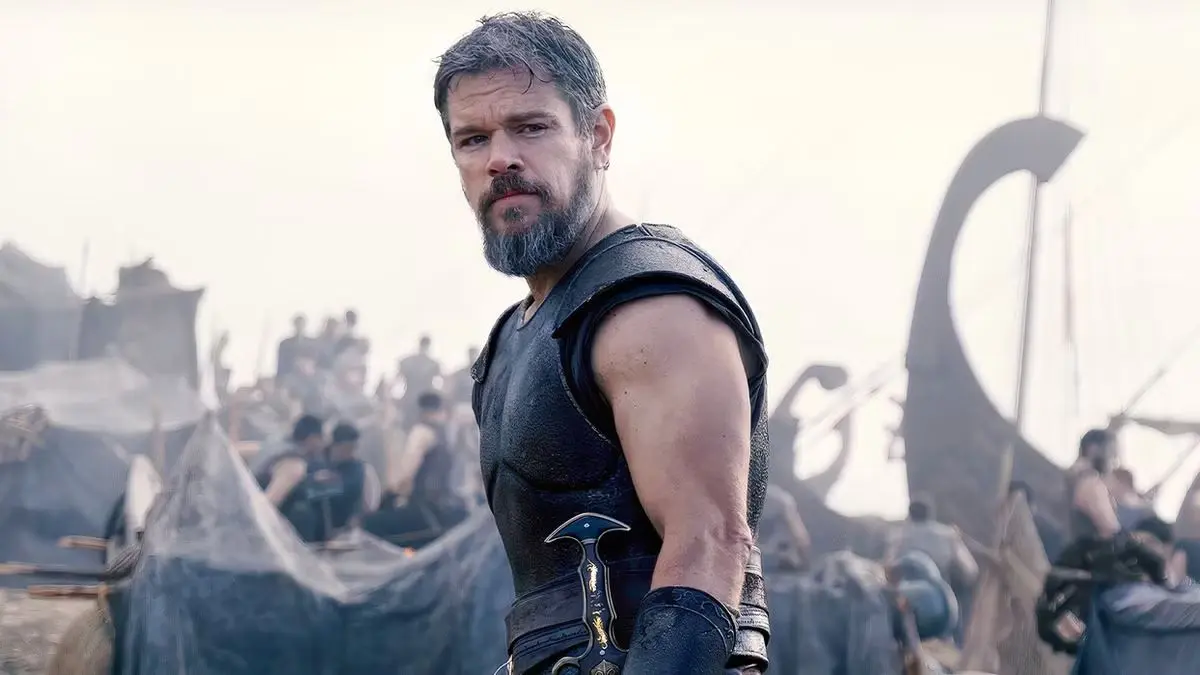

The question of whether Odysseus truly walked the earth has fascinated readers for thousands of years, and it is not going away anytime soon. Between fresh archaeological digs on Ithaca and centuries of scholarly debate, the mystery surrounding Homer’s cunning king keeps resurfacing in new and surprising ways.
For a figure best known for outwitting cyclopes and sailing home through storms of divine wrath, the real world evidence is far messier and far more interesting than the myth itself. There is no direct evidence that Odysseus existed, fought a war, and then suffered a nightmarish journey home to Ithaca, though his story contains elements of historical memory and geographical accuracy.
The Historical Case for a Real Odysseus
Scholars have spent generations trying to separate fact from fiction in the tale of ‘The Odyssey,’ and the honest answer keeps landing in the same place. Nobody actually knows if any of it, the Trojan War and Odysseus’s subsequent meandering homeward journey, was real.
Part of the difficulty comes from the source material itself. Homer’s ‘Odyssey’ originated in an oral tradition and is generally regarded as legend rather than a matter of record, and even the existence of Homer himself is subject to debate.
That means the epic was likely shaped and reshaped by generations of storytellers long before it was ever written down.
Still, most historians agree that myths rarely spring from nothing. Myths often have a historical core, with fiction likely interspersed with facts drawn from real history. That nuance is exactly why the debate over Odysseus refuses to die down, even in academic circles.
What the Trojan War Excavations Actually Show
Much of the modern case for a “real” Odysseus is built on the archaeological hunt for Troy itself. Efforts to unearth proof that the Trojan War was real revealed layers of ancient settlements built and inhabited over roughly 4,000 years, confirming that Troy did in fact exist.
Those excavations did more than just locate a city. The findings seriously fueled theories about the historicity of the Trojan War, which later Greek authors dated to the 12th or 13th century BCE. That timeline lines up with when Odysseus supposedly sailed home to Ithaca after the war ended.
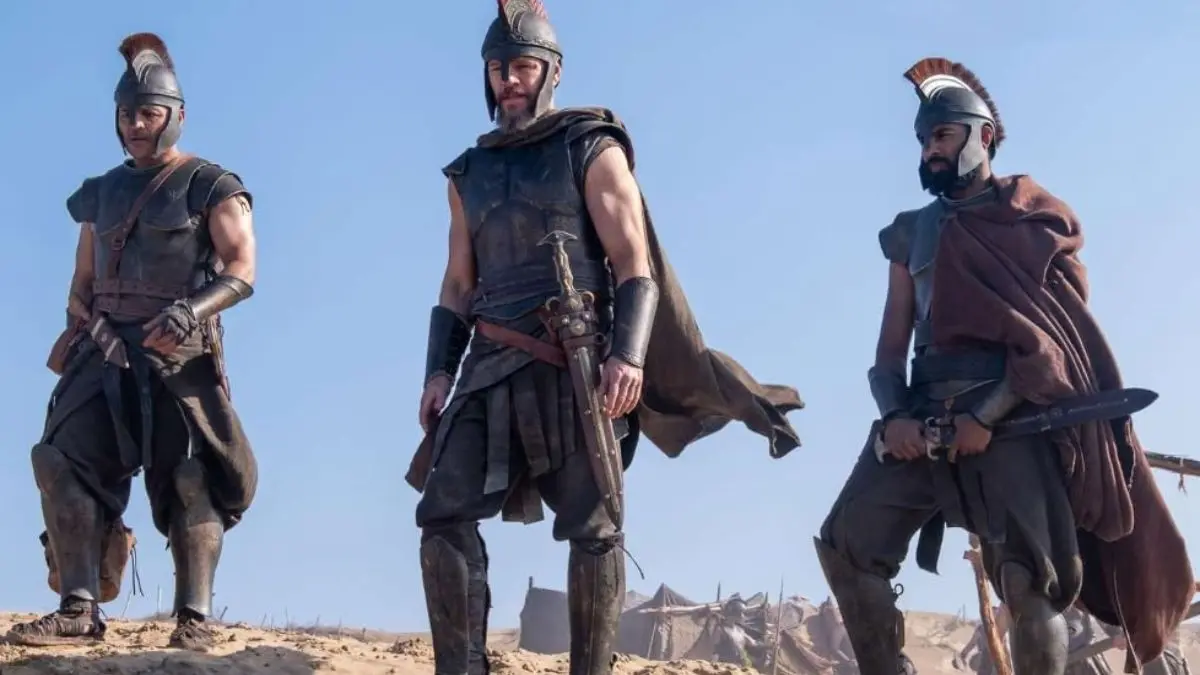
Physical traces from that era add weight to the idea that something violent really happened at Troy. The discovery of arrowheads, signs of fire, and unburied bodies in a layer corresponding to the 13th century BCE indicates the possibility of actual battles having occurred there.
Outside sources beyond Greek legend back this up too. Supporting evidence includes Hittite records mentioning warfare with Wilusa, their name for Troy, and some historians believe a kingdom the Hittites called Ahhiyawa was really referring to Achaea, or ancient Greece. A separate Bronze Age source trail points the same direction, with Mycenaean confederation records appearing collectively as the kingdom of Ahhiyawa in Hittite texts and as Tanaja in 15th century BCE Egyptian sources.
Ithaca Archaeology and the Sanctuary of Odysseus
If Troy provides one half of the puzzle, Ithaca provides the other, and recent digs there have made headlines. At least some evidence suggests that the long suffering protagonist of ‘The Odyssey’ was partially based on an actual individual, and excavation sites indicate people turned to Odysseus as a source of inspiration for thousands of years, even worshipping him.
The most recent breakthrough came from Odysseus’s own supposed home turf. New finds shedding light on Odysseus and his followers come from Ithaca, at a site known as the Agios Athanasios School of Homer, where an announcement from the Greek Ministry of Culture cited the discovery of a rare underground spring cistern dating to the 14th to 13th centuries BCE, during the Mycenaean palatial period. That places the structure squarely within the Bronze Age window the epic is set in.
Researchers have not stopped at architecture either. While archeologists still cannot definitively point to Odysseus’s existence, two late Hellenistic inscriptions illustrate the mythological figure’s importance, including a genitive form of his name suggesting a writer was referring to the location as the hero’s palace or temple, and a second dedicatory inscription possibly left by a visiting pilgrim.
This local devotion apparently ran deep for centuries. Evidence suggests the existence of a cult dedicated to Odysseus on Ithaca, including public games called the Odysseia and a designated gathering place or sanctuary known as the Odysseion. In 2025, researchers identified what is believed to be the sanctuary of Odysseus at the Agios Athanasios School of Homer site.
Why ‘The Odyssey’ Still Blurs Myth and Reality
Even with all these finds, most experts stop short of saying a king named Odysseus definitely sat on a Bronze Age throne. Historians have found no hard evidence of an ancient Greek king named Odysseus, though scholars believe the Mycenaean kingdom of Ithaca certainly did exist.
What seems clear is that the epic itself is a blend of genuine history and pure invention. Odysseus, the wandering hero of Homer’s epic poem, was a mythological character, but the real history of the Bronze Age can still be found woven through his fantastic tale. The poem itself is old enough to have absorbed centuries of real memory, since it is a circa eighth century BCE epic attributed to the Greek poet Homer.
Beyond the archaeology, the story of Odysseus has also proven remarkably portable across cultures. The tale of Odysseus’s journey back to his native Ithaca and wife Penelope corresponds to the international folklore tale type known as “The Homecoming Husband,” and even Virgil’s ‘Aeneid’ shows evident similarities in its story of Aeneas’s own long journey. That kind of staying power suggests the character tapped into something universal, whether or not a single man actually lived it.
So while nobody can hand over a birth certificate for the king of Ithaca, the ground beneath his supposed kingdom keeps giving researchers new reasons to take the legend seriously. Between the cisterns, the inscriptions, and the layers of Troy itself, the myth and the history seem to be inching closer together with every new excavation season. What do you think the discovery of the sanctuary on Ithaca really proves about the man behind the myth of Odysseus?