


5 Ways ‘Mad Max’ Aged Poorly (& 5 Ways It Aged Masterfully)


There is a reason the first ‘Mad Max’ still gets talked about. The film sits at the crossroads of scrappy independent production and full throttle action craft, and it helped define a world that later entries would expand in every direction. Looking back today reveals both the rough edges of a low budget shoot and the kind of ingenuity that never goes out of style.
This list breaks down where the movie now shows its age and where it continues to shine. Each point explains what the film actually does on screen or behind the scenes, so you can see how the choices landed then and how they read now without guesswork.
Aged Poorly: The American dub and heavy ADR
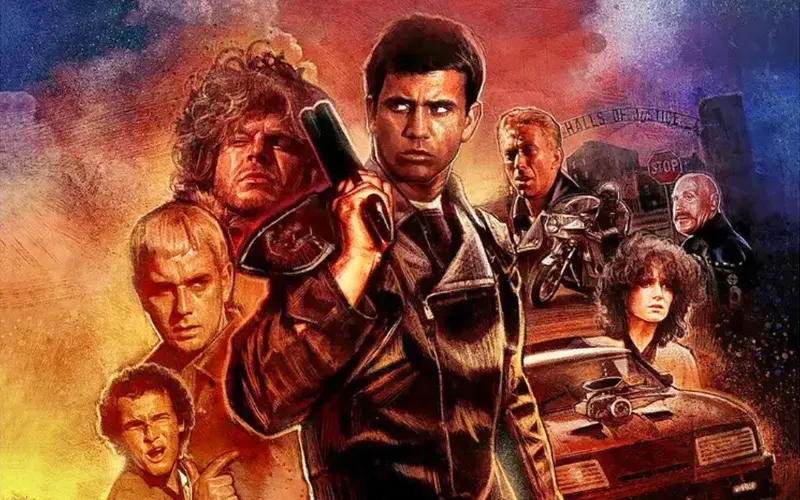
The original release for the United States replaced many Australian voices with American accents. Dialogue was also looped in post production across large stretches because location audio struggled with wind, engines, and open roads. The practice helped clarity for drive in speakers and early home video players, but it introduced a second layer between performance and sound.
ADR replaces on set speech with studio recordings, which often sit differently in the acoustic space. That can make lip movements and room tone feel out of sync. Later restorations brought the Australian track back into wide circulation, yet the history of multiple mixes means audiences encountered noticeably different versions for years.
Aged Masterfully: Real vehicles and practical stunt work
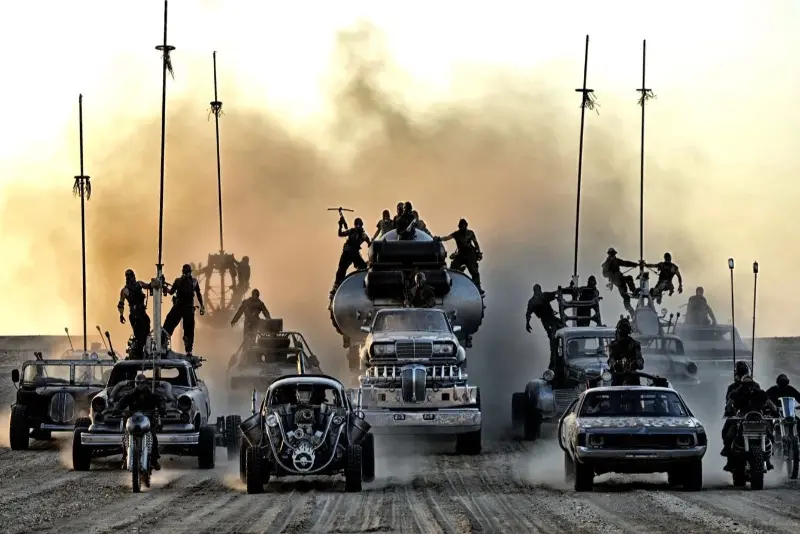
The film stages chases with actual cars and motorcycles moving at speed on country highways. Stunt teams coordinated slides, near misses, and full impacts using modified production vehicles rather than miniatures or digital work. The camera sits low to the asphalt and often mounts to the machines, which gives the action a clear sense of weight and momentum.
Practical stunts let the tires bite the road and the suspensions flex in frame. Skids kick up gravel that hits the lens, and exhaust heat ripples the air. Those physical cues provide information the eye reads immediately, so geography and speed remain legible even as the action gets chaotic.
Aged Poorly: Narrow roles for women
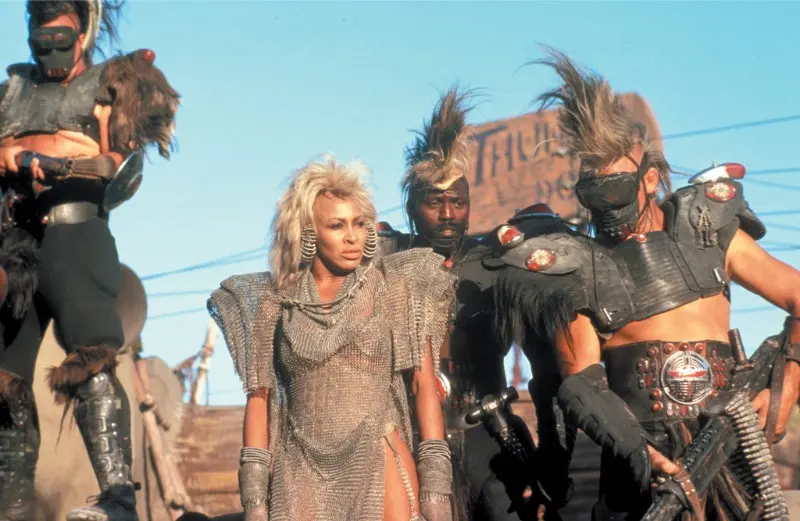
Female characters mostly occupy domestic and caretaking spaces within the story. Their scenes revolve around family protection and the consequences of male violence, and they receive limited dialogue compared with the men who drive the plot forward. This distribution reflects a production focus that centers the patrol and the gang as the main engines of action.
When character agency is constrained to reaction, the script leaves little room for parallel goals or independent problem solving. Later installments in the series expand the range of women on screen, which makes the earlier setup look even more confined by comparison.
Aged Masterfully: Minimalist worldbuilding that trusts the frame
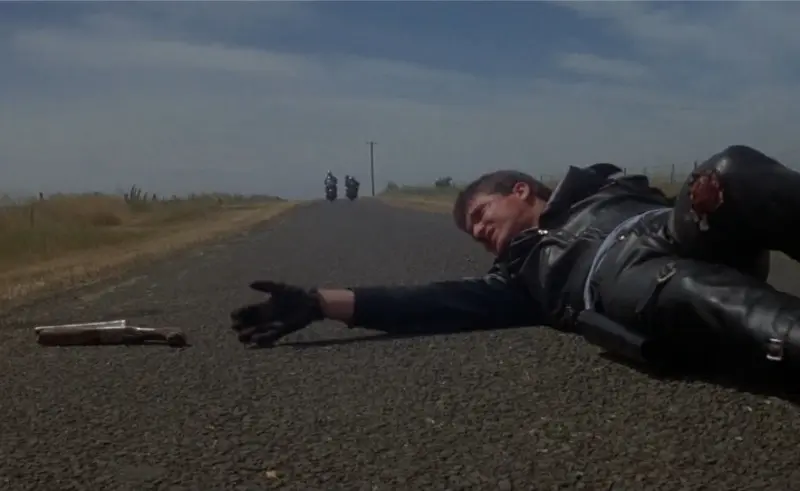
The movie sketches its near future through uniforms, road signs, fuel talk, and the condition of infrastructure rather than long speeches. Viewers learn how the Main Force Patrol works by watching procedures at depots and through what officers carry in their cars. Streets, shops, and outposts show supply strain without characters stopping to explain it.
This method keeps scenes moving while still delivering context. Production design, costumes, and vehicle modifications carry information about scarcity, hierarchy, and local culture. The approach lets the setting feel functional at eye level and leaves space for later films to push the timeline further.
Aged Poorly: Budget limitations in coverage and continuity
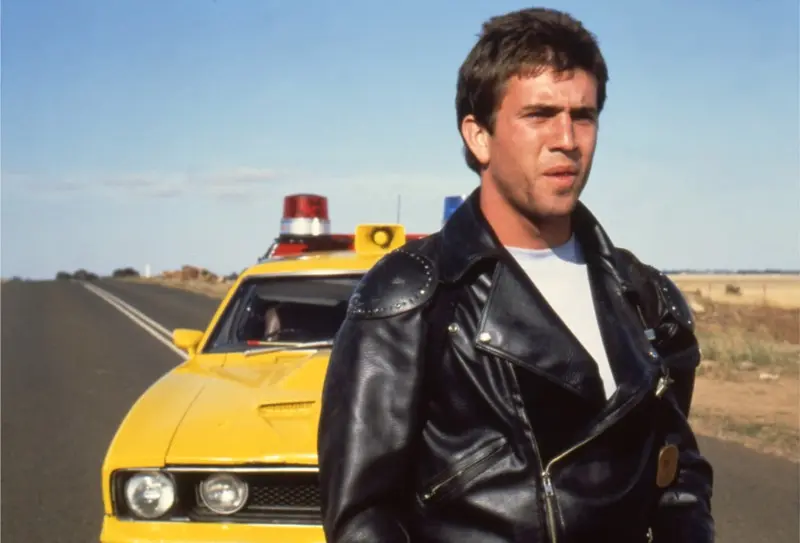
The shoot used limited camera setups to make days on open roads with a small crew. That economy sometimes shows in continuity gaps, abrupt angle changes, and insert shots that cover missed pieces of action. Day for night photography and fast cutting bridge these gaps but also expose the tight margins the team worked within.
Coverage is the set of angles that allow clean edits between actions. When coverage is thin, editors rely on cutaways and sound to sell impact and location shifts. The result tells the story, yet attentive viewers can spot moments where geography and damage reset faster than real time would allow.
Aged Masterfully: The Pursuit Special and authentic car culture
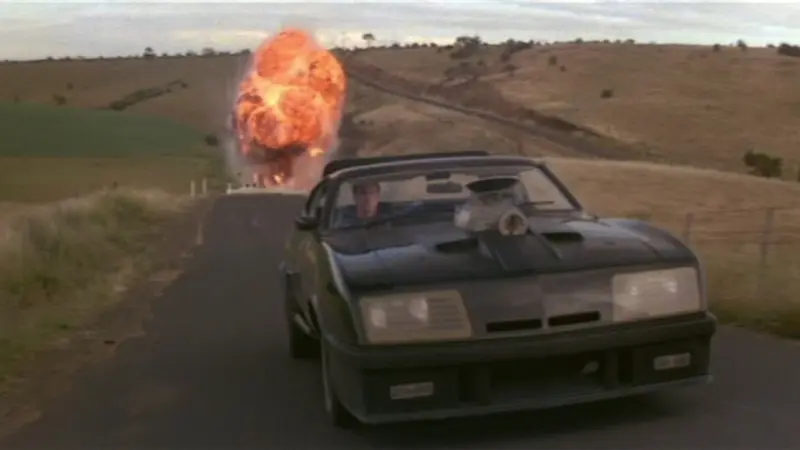
Max’s black Interceptor started life as a Ford Falcon XB GT coupe that the production modified with a prominent blower and body kit. The build pulled from Australian tuner culture, which favored V8 power, side pipes, and purposeful stance for highway runs. The gang bikes and cop sedans came from the same ecosystem, which anchors the fiction in real machines people actually drove.
Because the vehicles began as road cars, the movie can linger on gauges, shifters, and engine bays that work. Mechanics and panel beaters supplied parts and labor, so wear and repair look natural. That authenticity helps viewers read performance and purpose the moment a new car rolls into frame.
Aged Poorly: Cropped pan and scan TV and early video masters
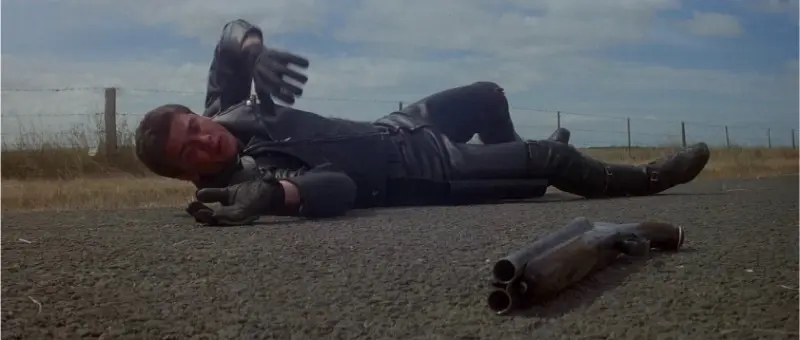
For a long stretch, many viewers met the film through pan and scan transfers that cut the widescreen image to fit square televisions. Important action at the edges of the frame fell outside the broadcast area, and camera moves were digitally reframed with lateral scans that changed shot composition. Dialogue scenes that were staged for a wide frame also compressed into tighter boxes.
Later releases restored the original aspect ratio, yet the legacy of cropped versions shaped how the movie was remembered by a generation. When compositions are designed for a wide canvas, trimming them alters eyelines, sight gags, and spatial cues that guide attention through a chase.
Aged Masterfully: A template for kinetic chase design
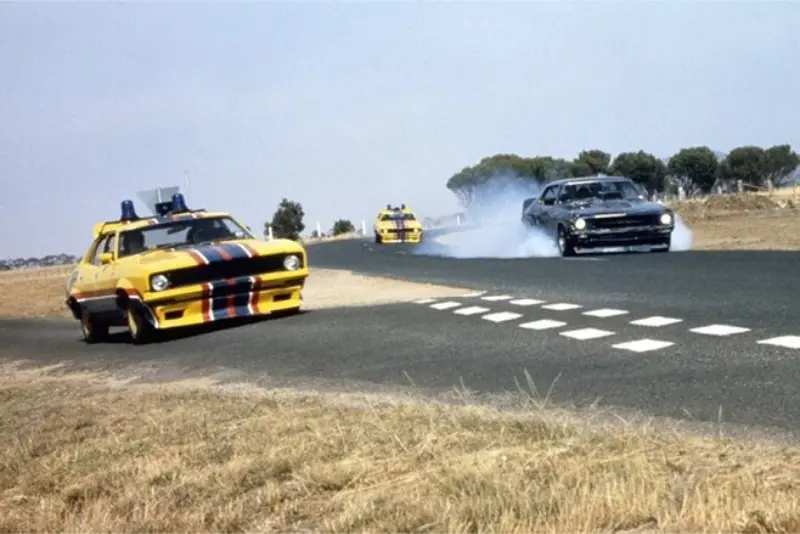
The film lays out pursuit beats with clear setups, reversals, and payoffs. Road obstacles enter the frame early so viewers can track risk, vehicles cross the axis in readable patterns, and impacts have follow through that the camera holds long enough to confirm outcome. These choices created a playbook that action teams still use to plan runs and wrecks.
Directors and second unit crews point to its timing of approach, overtake, and consequence when mapping their own chases. The franchise itself built on these foundations with larger scale sequences in ‘Mad Max 2: The Road Warrior’, ‘Mad Max Beyond Thunderdome’, ‘Mad Max: Fury Road’, and ‘Furiosa: A Mad Max Saga’. The through line is a design language that starts here and stays consistent as the canvas grows.
Aged Poorly: Depiction of policing without visible oversight
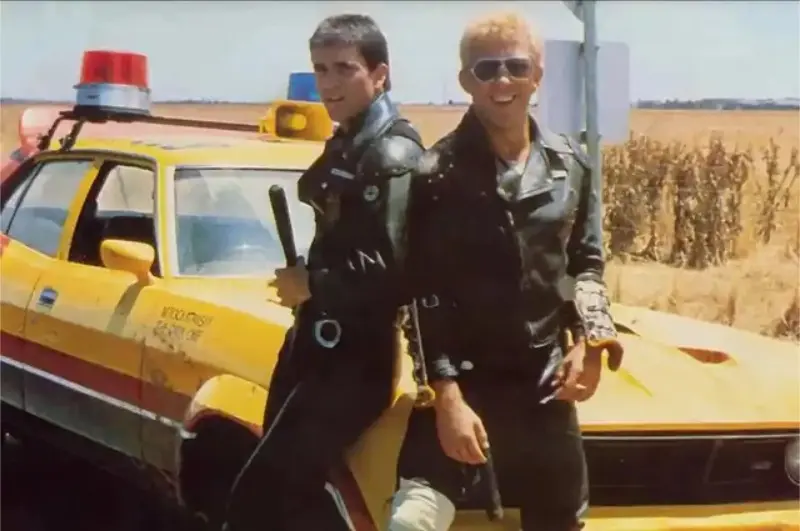
The Main Force Patrol operates with broad discretion that the film shows through roadside justice and ad hoc decisions. Formal processes like documented arrests, courtroom procedures, and supervision rarely appear on screen. The absence of checks and reporting reflects a choice to streamline narrative stakes toward immediate retaliation and pursuit.
Modern audience discussions often compare screen policing practices to real world standards for accountability and documentation. Because the movie focuses on swift response and deterrence, it offers little material about policy, training, or civilian review that might otherwise frame those actions.
Aged Masterfully: Breakout success that lifted Australian filmmaking
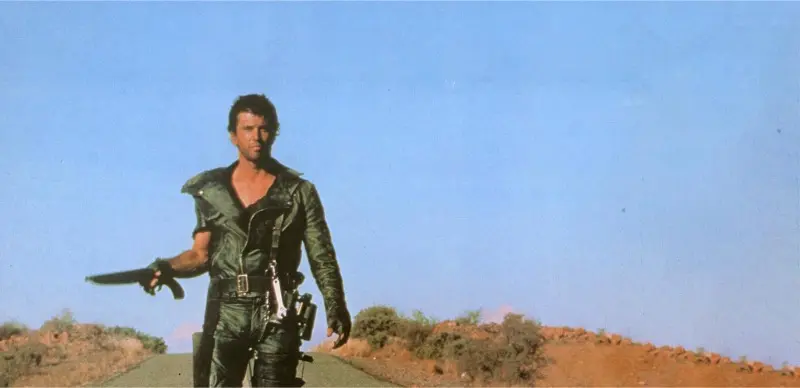
A small budget production reached international audiences and returned revenue far beyond its costs. The movie’s performance set a benchmark for independent profitability and demonstrated that local genre filmmaking could travel. The success placed new attention on Australian crews, locations, and production methods.
The careers that launched from this film also fed back into the industry. George Miller built a body of work that drew global resources back to Australian stages and deserts, and Mel Gibson moved from local productions to worldwide distribution. That pathway opened doors for teams that followed and helped normalize large offshore shoots in the region.
Share your take below on which parts of the original ‘Mad Max’ feel most timeless to you and which moments you think show their age now.

