


5 Ways ‘Memento’ Aged Poorly (& 5 Ways It Aged Masterfully)

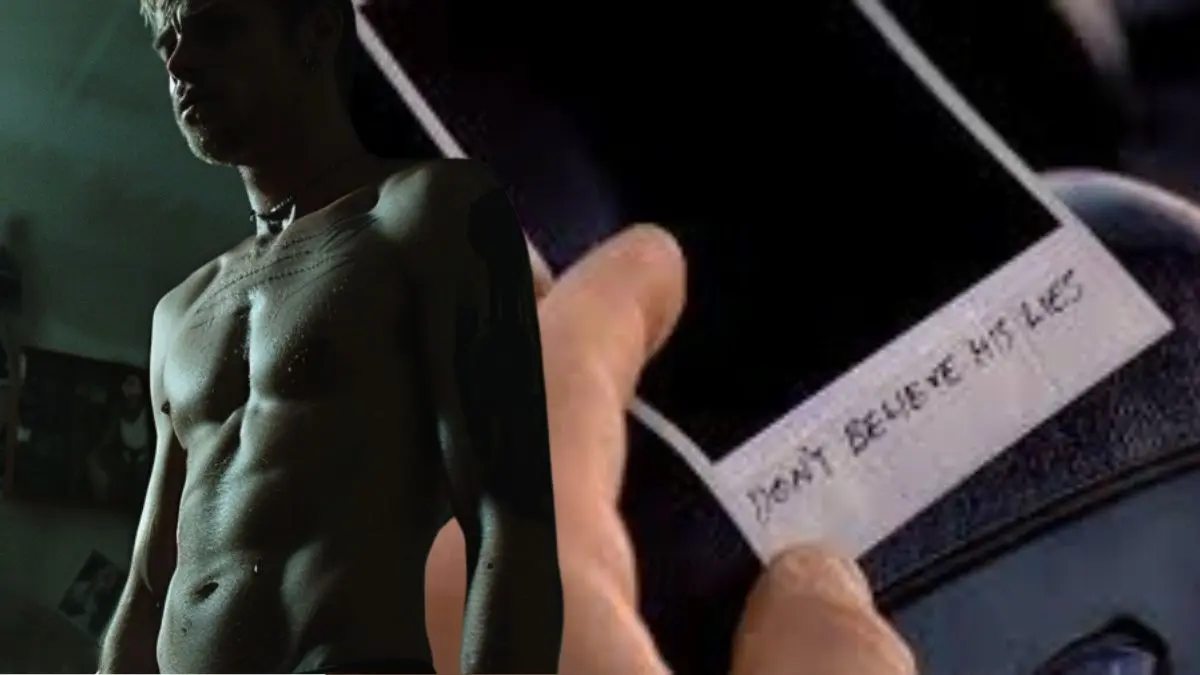


Christopher Nolan’s ‘Memento’ introduced a detective story told with a fractured timeline and a protagonist who cannot form new memories. The film pairs color scenes that move backward with black and white scenes that move forward, then brings both streams together at the same narrative point. Guy Pearce plays Leonard, whose system of Polaroids, tattoos, and handwritten notes replaces the role that memory would normally serve in a case file.
Time and technology have moved on since the film’s release, yet its design choices still shape how viewers engage with puzzle storytelling. Some elements belong to a very specific moment in everyday life and forensic practice, while others continue to work because they rest on clear structural rules and verifiable cognitive facts. Here are five ways it aged poorly and five ways it aged masterfully.
Aged Poorly: Analog clues, Polaroids, and paper notes
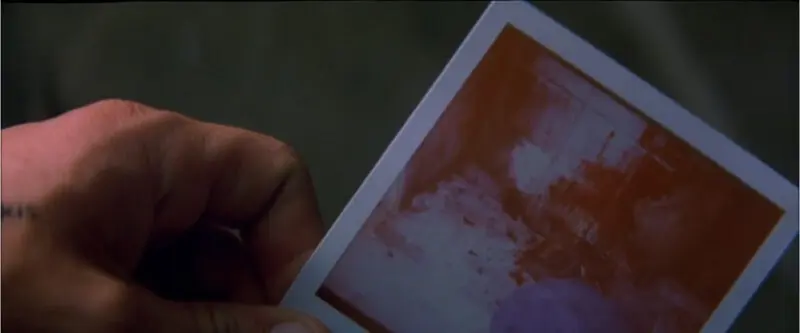
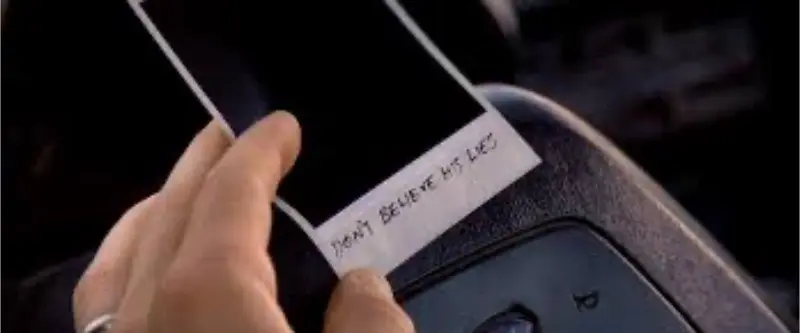
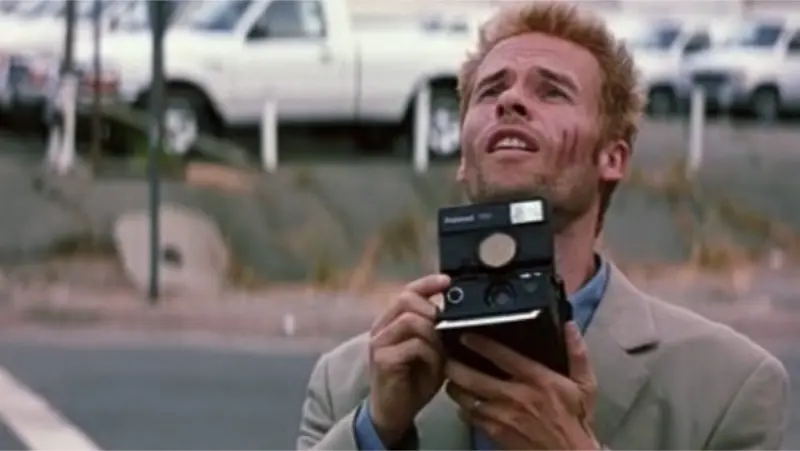
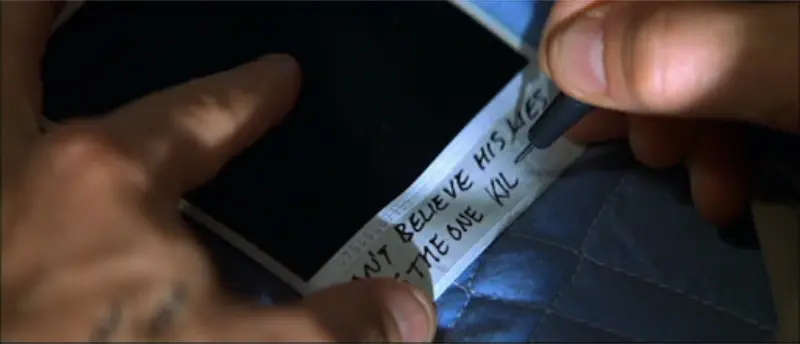
Leonard documents people and places with instant photographs and captions, then builds a workflow from taped notes on walls and pockets stuffed with scraps. The method depends on physical items that carry no embedded timestamps, no automatic backups, and no location data. In an era of smartphones, photos arrive with metadata, cloud copies, and basic facial grouping, which changes how quickly someone could validate, duplicate, or search the same information.
Physical media also introduce predictable failure points that modern tools avoid. Ink fades, images scratch, and single copies go missing with no recovery option. A present day investigator can duplicate entire evidence sets across devices, while Leonard’s system relies on one-of-a-kind artifacts that are easy to misfile or overwrite with a new caption.
Aged Masterfully: Backward and forward timelines that meet
The film runs color scenes in reverse order while black and white scenes move in chronological order. Both strands meet at a single junction, which gives viewers a fixed anchor that clarifies how each scene relates to the whole. This design lets audiences rebuild the case file by mapping new context onto earlier events as they appear.
Continuity markers keep the layout intelligible across jumps. Hair length, wardrobe details, injuries, and the physical state of the car and motel room supply reliable position markers within the sequence. Because the rules never change, the structure remains legible on repeat viewings and on new formats.
Aged Poorly: Pre smartphone communication and motel procedures
The story uses pay phones, printed directions, and handwritten messages routed through a budget motel. Those settings reflect call routing and front desk practices that allowed more anonymity and fewer digital traces. Room changes, cash transactions, and minimal ID checks were easier to exploit and harder to audit.
Today many properties use property management systems, ID verification, lobby cameras, and card based access that log entries and payments. Caller ID and stored customer profiles are common at even basic lodgings. These practices create time stamped records that would alter how the same movements could occur without notice.
Aged Masterfully: Anterograde amnesia explained with working procedures
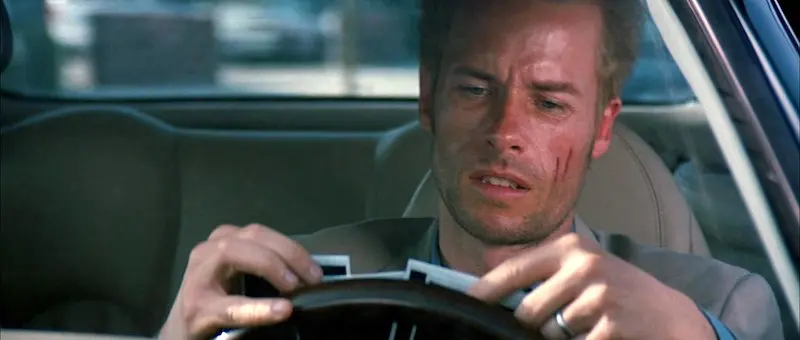
Leonard’s condition aligns with anterograde amnesia, where new episodic memories fail to consolidate while older memories and procedural skills remain usable. The film builds daily routines around that baseline, including repetition, environmental labeling, and external memory aids such as cue cards.
The narrative stays consistent with how clinical descriptions separate episodic, semantic, and procedural memory. The repeated reliance on cues, context resets after short intervals, and careful anchoring of tasks to written instructions show processes that match established strategies for coping with new memory formation limits.
Aged Poorly: Tattoos used as long term data storage
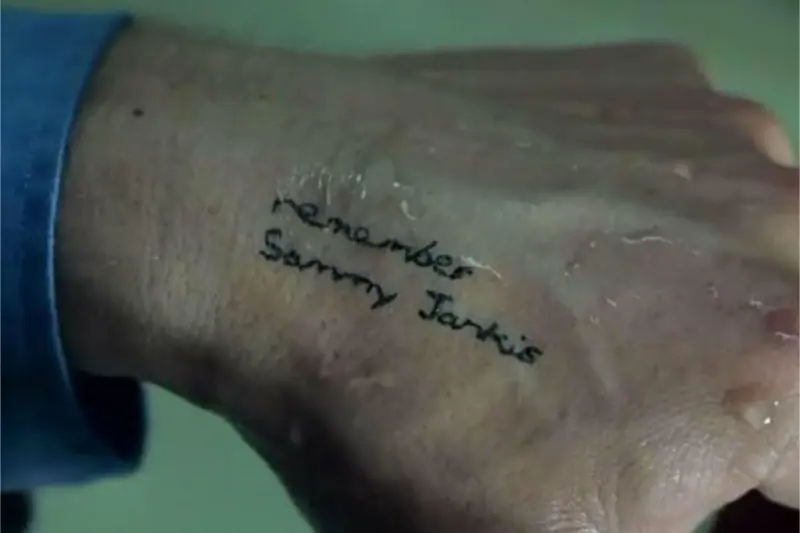
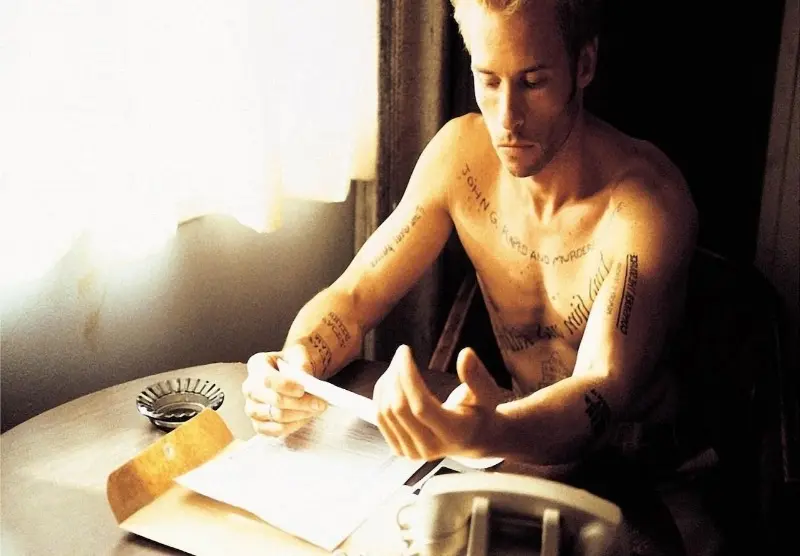
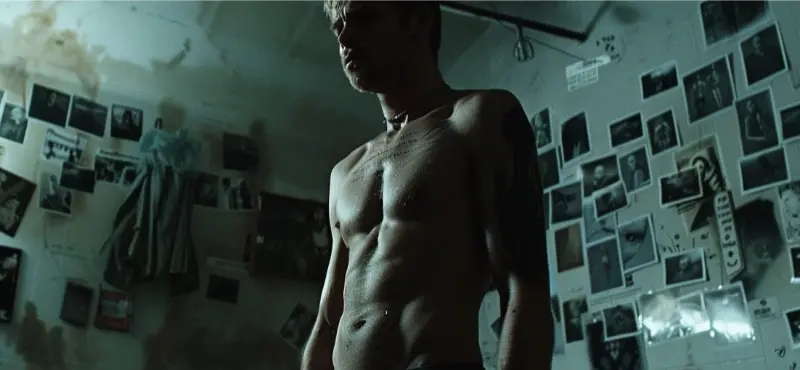
The body text records include names, numbers, and action prompts placed across the torso and limbs. Skin changes predictably over time through stretching, sun exposure, and natural ink diffusion, which lowers the legibility of small fonts and dense blocks of information. Location choices also matter, since ribs and joints move and can distort characters as posture shifts.
Tattoos add constraints that written logs do not. Healing periods and infection risks delay updates, edits require cover ups or new placements, and a mirrored viewpoint in a bathroom mirror can hinder quick reading. In practice, long running note systems usually benefit from higher contrast, larger font size, and easy revision, none of which a static tattoo can provide.
Aged Masterfully: Visual design that separates timelines without confusion
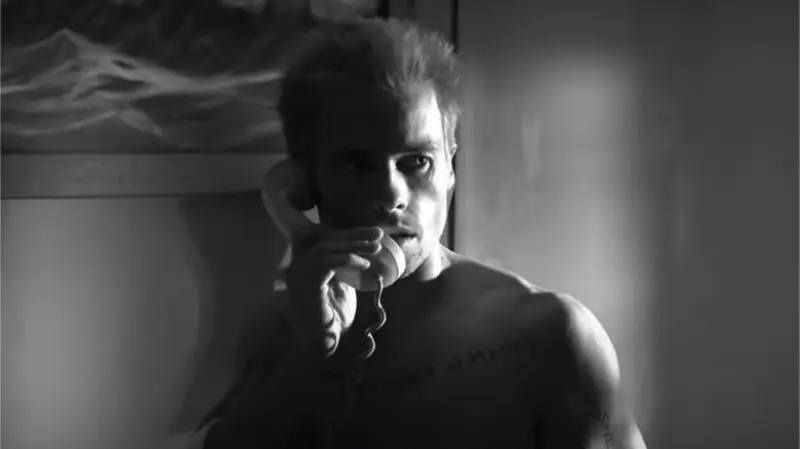
Black and white photography marks one timeline and color marks the other, which gives an immediate signal about sequence direction before any dialogue begins. The two streams eventually meet as the monochrome image transitions to color at the point where the narratives converge, creating a precise handoff between modes.
Because this is a photographic and editorial choice rather than a trend bound effect, it holds up on new displays. High definition and 4K releases preserve the contrast that the system depends on, so the visual cue remains sharp and unambiguous across formats.
Aged Poorly: Low digital surveillance compared with current norms
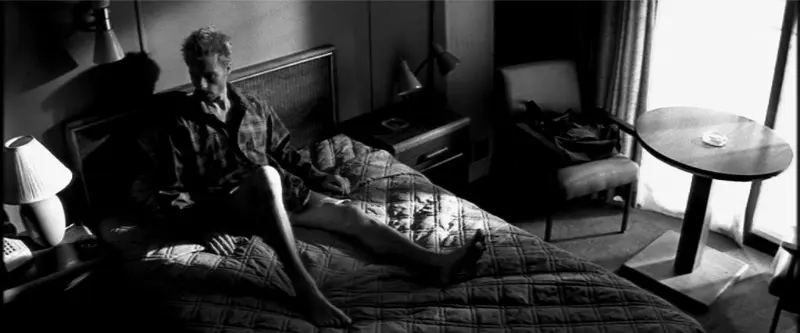
Outside of specific high security locations, the landscape shown in the film offers few cameras, no plate readers, and limited electronic payment trails. That environment allows long gaps where movements leave almost no automated record. Credit card processing, if used, would produce slower and less detailed logs than today.
Modern cities layer cameras in parking lots, storefronts, and intersections, with automatic license plate readers, toll transponders, and location pings from phones and cars. Electronic receipts and consolidated databases can link timelines quickly. The difference in ambient data changes how the same itinerary would be tracked and verified.
Aged Masterfully: Independent production and lasting recognition
The film was financed and released outside the studio system, opening in limited markets before expanding as interest grew. Festival screenings built awareness that carried into a wider theatrical run, which is a model that many later thrillers followed to reach audiences without heavy upfront marketing.
Its craft received formal recognition that persists across new editions. The film earned Academy Award nominations for Original Screenplay and Film Editing, and it continues to appear in coursework and professional discussions about structure, continuity, and narrative information design. Those markers help preserve its visibility for new viewers.
Aged Poorly: DVD era extras and Easter eggs that streaming rarely preserves
The special edition home release included interactive navigation that hid a chronological version behind a logic puzzle interface. That feature depended on DVD menu structures and player behavior that do not translate to most streaming platforms or digital purchases.
As viewing moved to apps, many version specific supplements became hard to access. Commentary tracks, DVD ROM materials, and unconventional menu paths either disappeared or resurfaced only in select editions, which reduces access to context that once shaped how audiences studied the film at home.
Aged Masterfully: Influence on later puzzle storytelling
The film’s rules for withholding and revealing information shaped how later works use unreliable narration and time shifts. Titles such as ‘The Prestige’, ‘Shutter Island’, and ‘Westworld’ adopt structured reveal patterns that guide viewers through competing timelines or states of knowledge while maintaining clear internal rules.
Filmmakers and editors repeatedly cite the value of fixed signposts, visible diegetic note systems, and consistent point of view control. Those techniques remain part of the toolkit for thrillers and mystery driven series, which shows how a clear framework can travel across formats without relying on a specific technology moment.
Share how ‘Memento’ has or has not changed for you over the years in the comments.

