


5 Ways ‘Raging Bull’ Aged Poorly (& 5 Ways It Aged Masterfully)

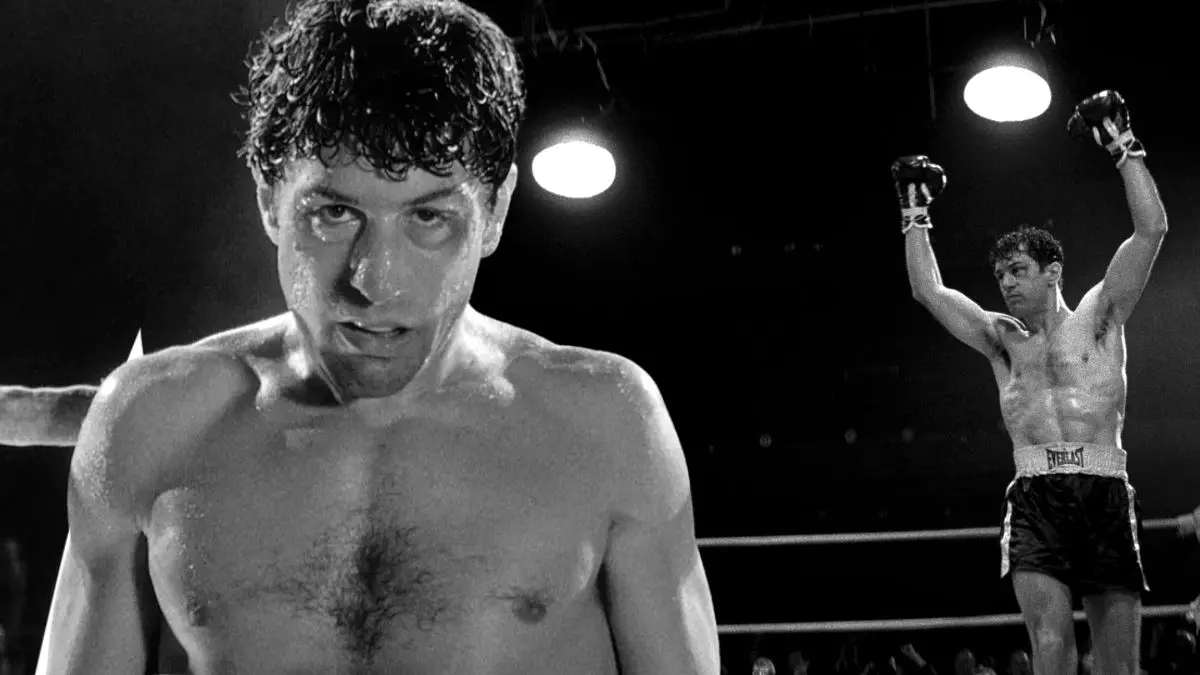


Martin Scorsese’s ‘Raging Bull’ presents the rise and decline of Jake LaMotta with a focus on personal relationships, boxing careers, and the cost of ambition. The film uses stark imagery, carefully designed sound, and a tightly confined point of view to chart the fighter’s life in and out of the ring.
Time has highlighted places where the film’s craft still stands out along with elements that feel out of step with current standards. Below are ten focused takeaways that outline what the movie does with remarkable precision and where its approach shows clear limitations.
Aged Poorly: Depiction of domestic violence and jealousy
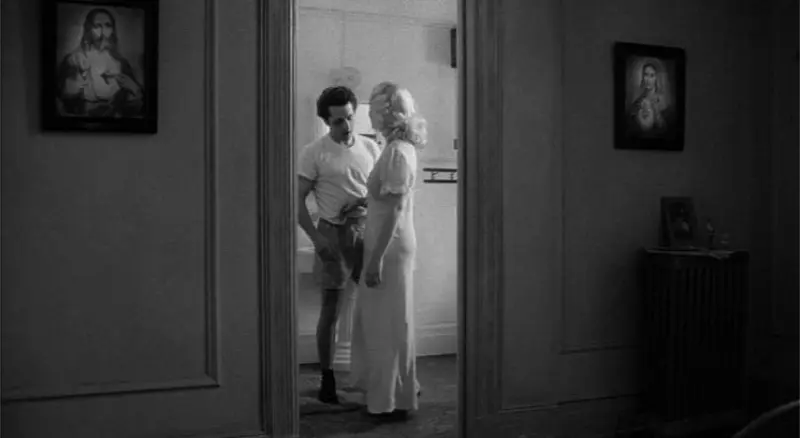
The story places repeated acts of domestic violence at the center of its plot, including scenes in which Jake attacks Vikki and later assaults his brother Joey. The film presents these incidents as recurrent features of the home life it portrays, with arguments and physical confrontations shown in kitchens, hallways, and living rooms as part of a pattern.
Law enforcement responses and support systems are largely absent on screen, which reflects the period setting and the narrative focus but leaves little procedural context for viewers. The script follows the private fallout within the family rather than legal or community intervention, so the practical frameworks that exist today for protection and accountability are not depicted.
Aged Masterfully: Black and white cinematography and ring staging
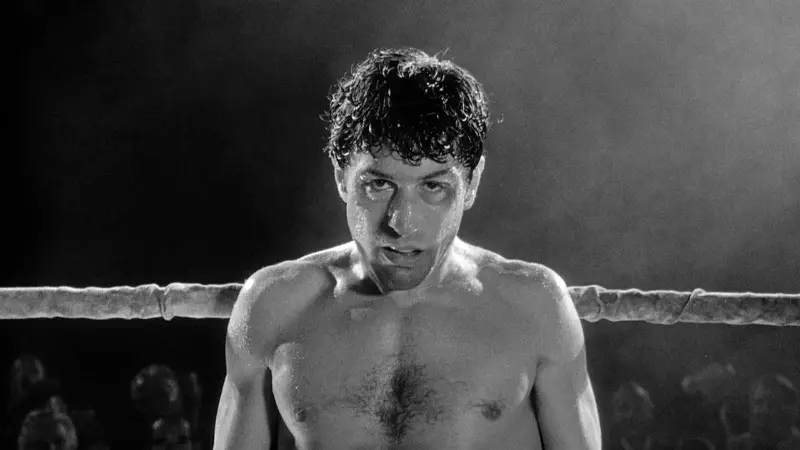
The production chose black and white photography to control the look of blood and sweat and to give the boxing scenes a defined visual texture. Cinematographer Michael Chapman used high contrast lighting, smoke, and flashbulb effects to shape the space inside the ring, and the crew altered ring sizes from bout to bout to match the emotional state of the fighter.
Camera placement and lens choices create a sense of enclosure with tight closeups, moving shots that follow footwork, and slow motion used at key impacts. These decisions help separate the fights from the domestic scenes, since the bouts use heightened visual design while home sequences favor more naturalistic setups.
Aged Poorly: Teenage love interest and power imbalance
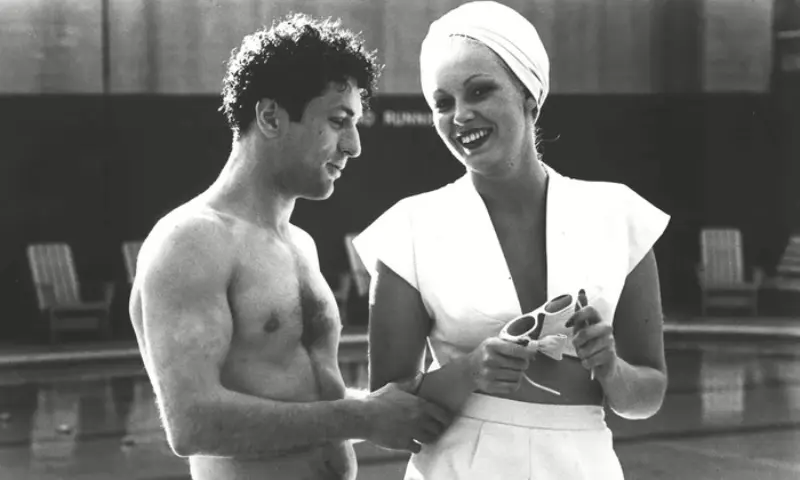
The film introduces Vikki as a teenager when Jake begins courting her, and the dialogue and scenes at neighborhood pools and clubs establish a significant age gap. The timeline moves quickly from initial meetings to marriage, which records a relationship structure that current audiences may identify as an imbalance of power based on age and status.
The narrative centers on Jake’s choices, so Vikki’s education, friendships, and independent goals are not explored in depth. What the viewer receives are domestic settings and social outings framed through Jake’s perspective, which limits information about her agency and support network during key life changes.
Aged Masterfully: Thelma Schoonmaker’s editing blueprint
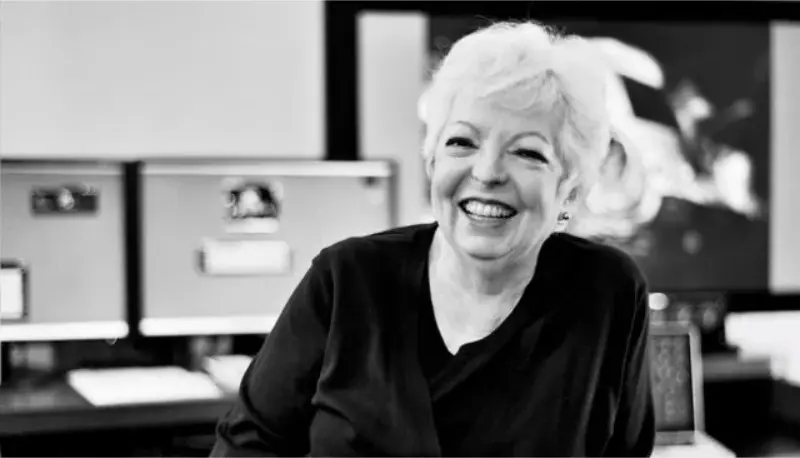
Editor Thelma Schoonmaker shaped the film with rhythmic cutting that changes tempo between the ring and the home. Fight sequences use bursts of rapid edits and slow motion holds to isolate punches, footwork, and crowd reactions, while dialogue scenes lean on longer takes that track tension through rooms and doorways.
Sound and picture are married with precision through whip cuts timed to flashbulbs, ring bells, and body impacts, and the film often contracts time within rounds to emphasize turning points. This approach set a widely studied template for sports dramas that juxtapose public performance with private consequences through editorial structure.
Aged Poorly: Derogatory language in dialogue
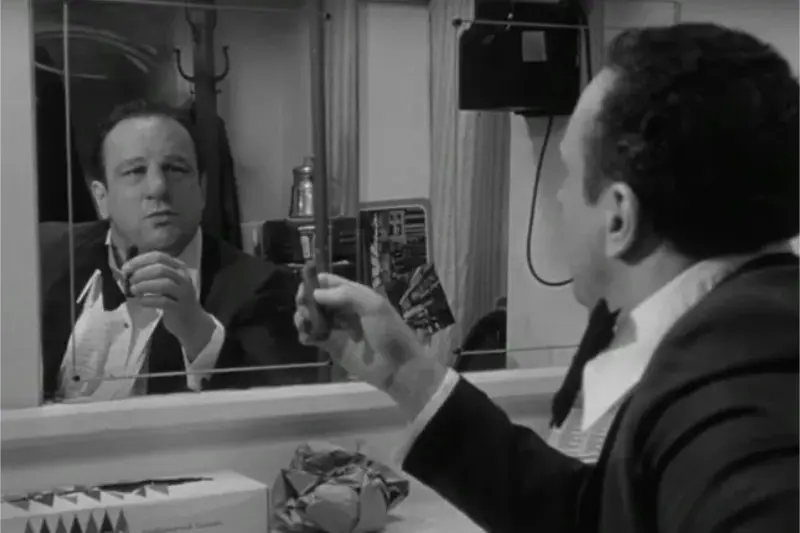
Characters use slurs and insults that reflect neighborhood speech patterns from mid century New York settings. The script preserves this vocabulary to sketch social hierarchies and grudges, but the terms remain plainly audible in arguments, locker rooms, and street encounters.
Modern broadcast standards often flag or censor similar language, and many organizations now provide guidance on inclusive communication. The film presents the words as part of character interactions without on screen commentary, which means viewers encounter the terms as a matter of record rather than as teachable moments.
Aged Masterfully: Robert De Niro’s physical transformation and training
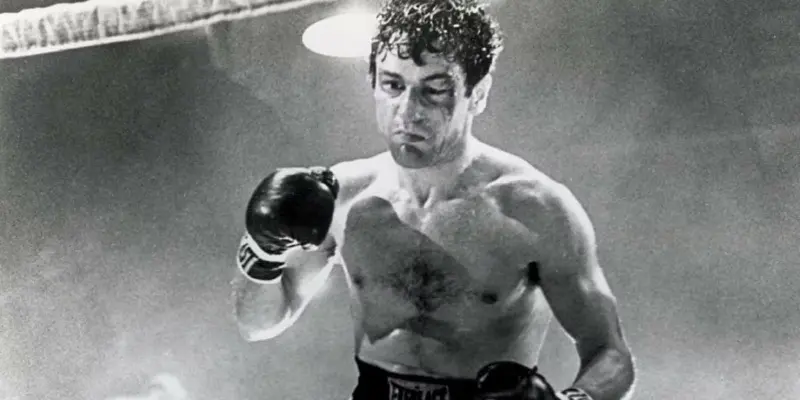
Robert De Niro trained with Jake LaMotta to learn ring technique, sparred in organized gym sessions, and adopted a fighter’s conditioning routine for the early chapters of the story. He then gained more than fifty pounds for the later sections to play the retired, club owner version of the character, which required new wardrobe fittings and changes to blocking and camera setups.
Makeup and costume departments coordinated with the cinematography team to maintain continuity across the weight change, adjusting shirt collars, ties, and facial highlights to match the period look. The production planned separate blocks for lean and heavy scenes, which allowed lighting, set dressing, and camera angles to adapt to altered facial structure and movement.
Aged Poorly: Historical compressions and stylized bouts
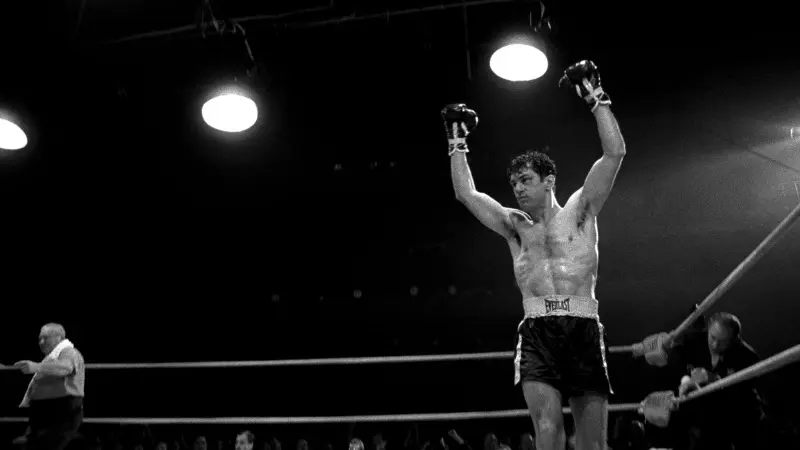
The adaptation condenses parts of LaMotta’s career and simplifies timelines around title opportunities and rivalries. Some opponents and venues are combined or shifted for narrative clarity, with the script selecting a few pivotal bouts to stand in for longer arcs across divisions and locations.
Inside the ring the movie prioritizes expressive staging over strict realism, including sets that change size, ropes that appear farther apart or closer together, and sound design that adds nonliteral impacts. These choices create a distinct mood but do not represent regulation conditions across different arenas, which can blur details for viewers looking for a documentary level account of specific matches.
Aged Masterfully: Cultural impact and preservation
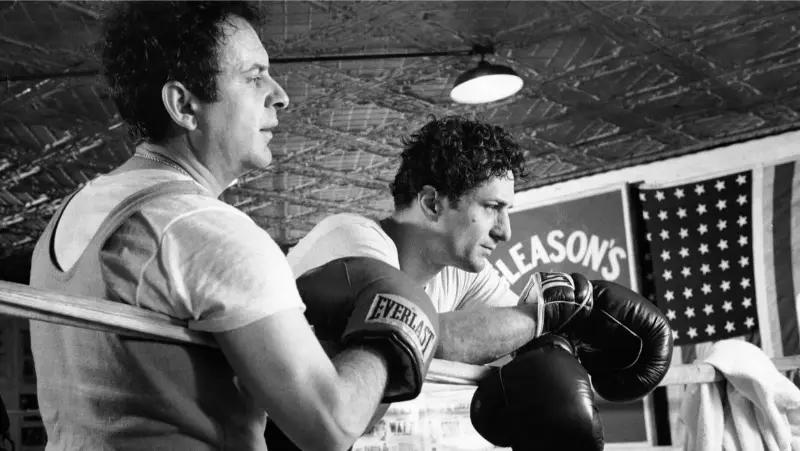
The film’s craft and performances have been widely studied in film schools, with sequences from the ring and the dressing rooms used as case studies in lighting, editing, and sound. Archivists and preservation boards have recognized the movie for its cultural and historical significance, and new restorations keep it in circulation across formats.
Directors and cinematographers regularly cite the movie when discussing how to visualize internal struggle within sports stories. Traces of its approach to close quarters choreography and subjective sound can be seen in later films such as ‘The Fighter’ and in training montages and arena scenes across the ‘Creed’ series.
Aged Poorly: Narrow point of view for supporting characters
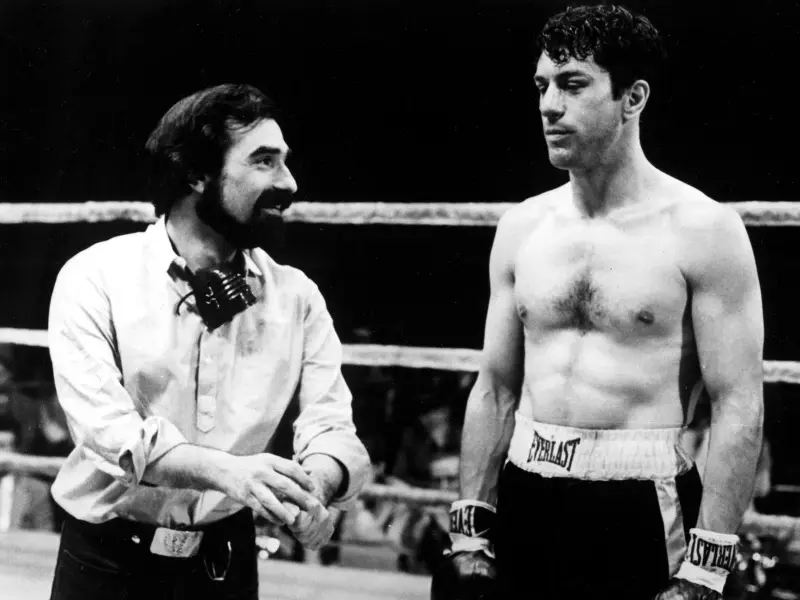
Scenes remain closely tied to Jake’s perspective, which reduces the narrative space for characters like Vikki and Joey outside their interactions with him. The audience receives limited information about their jobs, friendships, or coping strategies independent of Jake’s presence.
As a result, the script gives fewer details about how family members manage finances, childcare, and community ties when the fighter is away or in decline. The lack of extended subplots for supporting characters leaves many practical aspects of their lives off screen, such as legal advice, medical care, or employment decisions beyond the boxing orbit.
Aged Masterfully: Source material and crafts working in concert
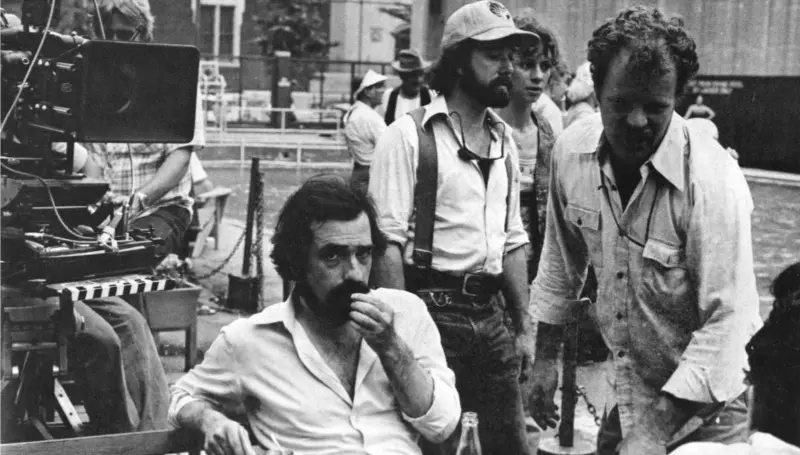
The screenplay credits reflect an adaptation of Jake LaMotta’s memoir by Mardik Martin and Paul Schrader, which guided the selection of incidents, venues, and relationships. This framework anchored the production in specific neighborhoods, clubs, and arenas, allowing the art department to reproduce signage, ring gear, and period interiors with close attention to detail.
Sound editors built the bouts with layered effects that mix glove strikes, camera shutters, and crowd movement, while production design coordinated with wardrobe to maintain consistent textures across gyms, kitchens, and nightclubs. The combined work of departments delivers a coherent period environment that links domestic spaces to the public stage through recurring visual and audio motifs.
Share how you think ‘Raging Bull’ holds up today in the comments.

