


5 Ways ‘Scarface’ Aged Poorly (& 5 Ways It Aged Masterfully)

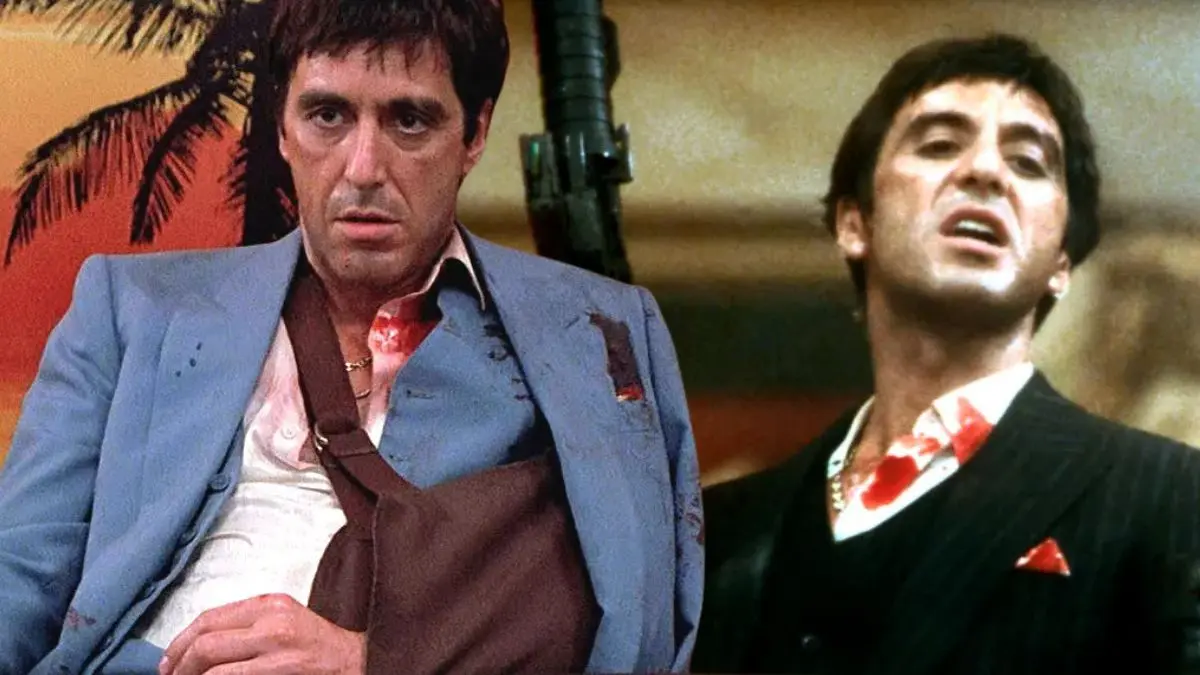


‘Scarface’ sits at the crossroads of crime cinema, immigrant storytelling, and pop culture iconography. Directed by Brian De Palma from an Oliver Stone script, the film follows Tony Montana’s climb through Miami’s cocaine economy with a focus on business moves, rivals, and the consequences that follow. The cast features Al Pacino, Michelle Pfeiffer, and Steven Bauer, whose characters drive a plot built around club deals, street negotiations, and boardroom style showdowns.
The movie’s impact shows up in posters, video games, fashion, and countless references across film and TV. Its production history includes on location work in Miami along with extensive soundstage construction in Los Angeles, which helped the team shape a glossy and dangerous world. That legacy is complicated by choices that reflect the period in which it was made, even as other elements continue to feel sharp, precise, and influential.
Aged Poorly: Stereotypes around Cuban refugees
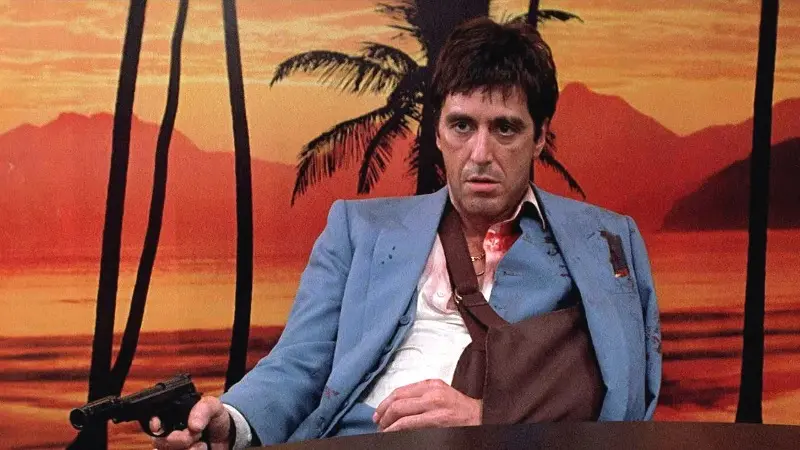
The story centers on a Mariel arrival who turns to organized crime, and the film frequently aligns Cuban immigrants with prison backgrounds and gang activity. Community groups in Miami publicly objected to that framing during production and release, and city officials limited certain locations while the crew shifted key work to California soundstages.
Casting and language choices also narrow the picture of Cuban identity. Al Pacino leads as Tony Montana while Steven Bauer is the principal Cuban American in the core cast, and the dialogue leans on a specific accent and vocabulary that does not cover the range of Miami Cuban speech. The result is a single dominant image of a diverse community that extends well beyond the characters on screen.
Aged Masterfully: Tony Montana as a fully built screen character

Al Pacino constructed Tony Montana through dialect coaching, controlled posture, and distinct rhythms of speech that the camera frames in tight close ups and slow push ins. The performance maps cleanly to each step of the plot, from small time side jobs to supplier meetings and business expansions that escalate risk.
Oliver Stone’s screenplay gives the character recurring visual and verbal markers that anchor the rise and fall arc. The blimp and the fountain inscription repeat across turning points, the office layout changes as revenue grows, and the security footprint expands from a few associates to a mansion team. These concrete details let viewers track ambition, routine, and collapse without guesswork.
Aged Poorly: Treatment of women and limited character agency
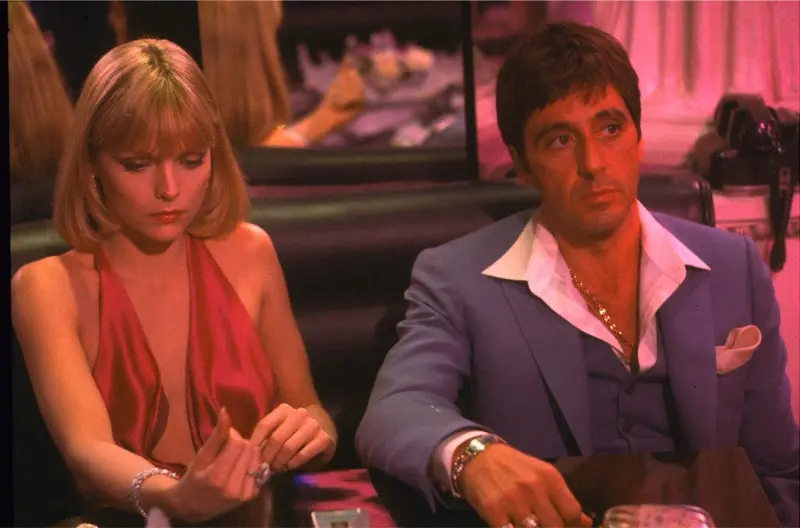
Female characters are often framed through a male goal. Elvira Hancock enters as a trusted assistant, then moves into a relationship that is discussed in business terms among men, with most of her major scenes confined to clubs, cars, and the mansion. Her career, friendships, and choices sit mostly off screen, so the audience receives few facts about her life outside the central couple.
Gina Montana’s storyline turns on surveillance and control. Key scenes place her under protection without her input while decisions about her future happen in rooms she does not occupy. The script then uses her fate to trigger the final stretch of the plot, which keeps her character defined by what others decide rather than by actions we can follow directly.
Aged Masterfully: Production design that builds a coherent world
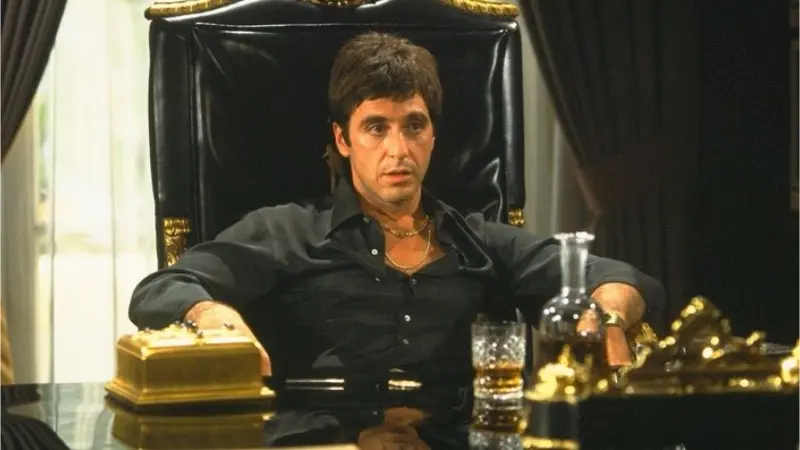
The team shot signature exteriors in Miami and created large interior spaces in Los Angeles that could handle wide shots, gunfire effects, and crowd scenes. The Babylon Club set supports long tracking moves across tables and stages, and the mansion layout allows stairway confrontations, balcony views, and a clear line of sight through the office to the foyer.
Props and architecture communicate business information without dialogue. Money counting rooms feature tables, scales, and ledgers in organized stations, while the mansion’s office carries monitors, radios, and a desk placement that signals command. These choices build a readable map of territory, revenue flow, and security posture scene by scene.
Aged Poorly: Language that relies on insults and slurs
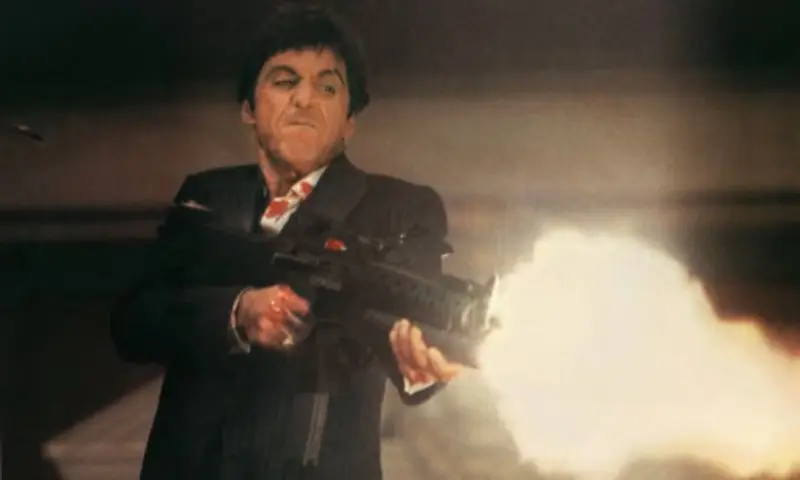
The script includes derogatory terms aimed at immigrants, women, and LGBTQ people. That vocabulary appears in business meetings, street confrontations, and casual banter, and it reflects what distributors and ratings boards allowed at the time. Broadcasters later prepared edited versions that replaced or removed lines for television and in flight programming.
Syndicated cuts trimmed entire exchanges, and caption services created alternate word choices to fit platform standards. Home releases often restored original dialogue, so audiences encountered different versions depending on where they watched, which makes the film a useful case study in how distribution channels handle sensitive language over time.
Aged Masterfully: Dialogue and imagery that travel across media
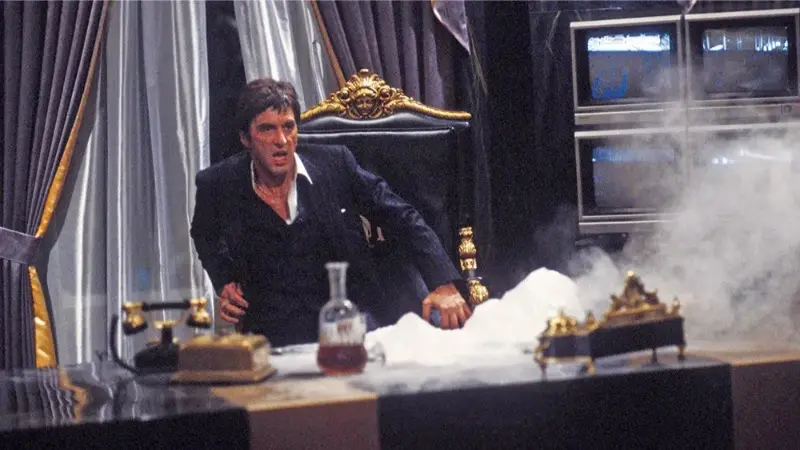
Lines from ‘Scarface’ show up in advertising copy, comedy sketches, and sports celebrations, and they also anchor scenes in games that model Miami style crime sandboxes. The poster design and the image of a man on a mansion staircase became templates for homages that other productions echo in set pieces and marketing materials.
The brand extends to licensed apparel, home decor, and collector editions that keep the iconography in circulation. Music artists and filmmakers use direct quotes, character names, and visual nods to signal ambition, risk, or bravado, which helps new audiences recognize references even before they see the film itself.
Aged Poorly: Simplified view of addiction and mental health

Cocaine use is shown as a driver of impulsive decisions, insomnia, and rifts with allies, and the story links those behaviors closely to violent outcomes. The plot uses visible signs like residue on a desk and sudden mood shifts to mark escalation, which compresses a complex medical and social issue into a quick shorthand.
Current public health approaches describe substance use disorders with clinical criteria, harm reduction strategies, and recovery pathways that involve family, work, and community. The film does not explore those systems on screen, so the viewer receives a limited picture of assessment, treatment, and support that now inform many real world responses.
Aged Masterfully: Clear rise and fall structure of a crime saga
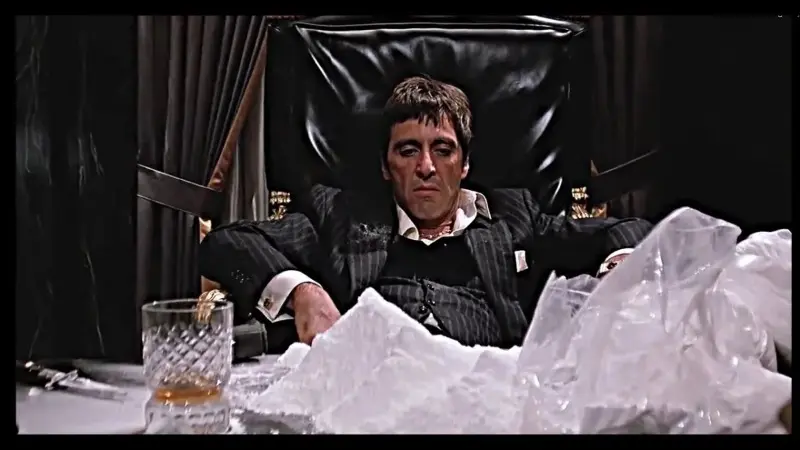
‘Scarface’ updates the original ‘Scarface’ by moving from a bootlegging template to the cocaine economy, while keeping the bones of a ruthless climb and an inevitable collapse. The narrative breaks into recognizable phases that start with low level work, grow into distribution, and conclude with a fortified estate that signals both wealth and exposure.
Each phase includes operational details that help track scale. Early scenes show cash stored in small containers and counted by a few people, mid film sequences add front businesses and trusted couriers, and the final act displays a compound with multiple checkpoints. These elements provide a step by step map of expansion that other gangster stories continue to use.
Aged Poorly: Outdated tech and criminal procedure on screen
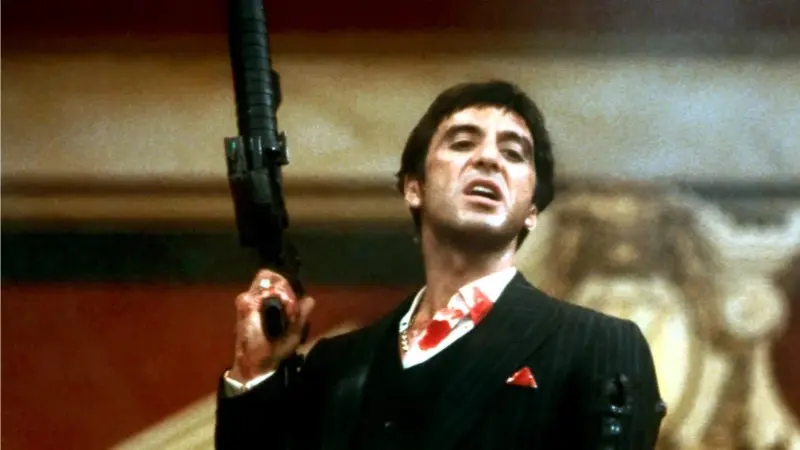
Characters communicate through pay phones, pagers, and face to face meetings in loud venues, and they record transactions in paper ledgers that sit in office drawers. Surveillance evasion relies on changing cars and using crowded spaces, which aligns with an era before routine digital location tracking and modern forensic tools.
Cash moves into banks through complicit tellers and simple deposits, and shell company paperwork appears minimal compared with current standards. Today’s banking oversight features automated alerts, know your customer protocols, and anti money laundering reports that flag activity, so a similar operation would encounter different checks at nearly every step.
Aged Masterfully: Remake legacy and place in the gangster canon
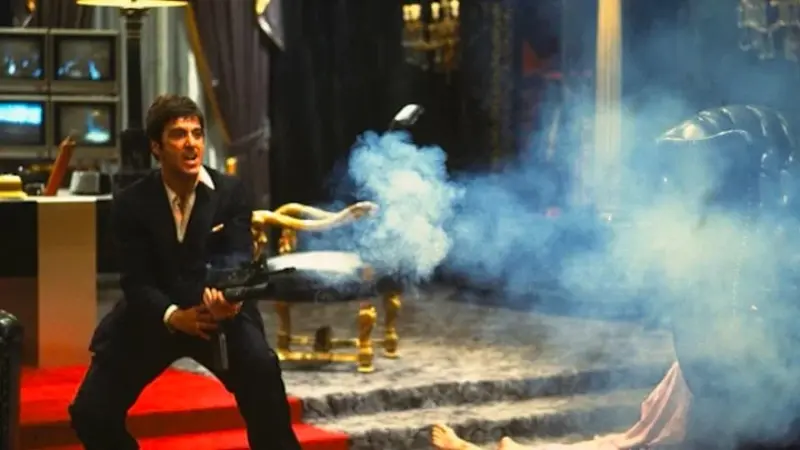
The film ties a classic crime template to a new market and a new city while retaining the original title and its focus on ambition, territory, and spectacle. It keeps the signal moments of rapid growth, public display, and violent reprisal that define the genre and presents them with large sets and practical effects that read clearly on camera.
Studios and rights holders have kept ‘Scarface’ active through restorations, premium home releases, and anniversary screenings. The property also appears in development news for new interpretations, and its imagery continues to inform film school examples, genre retrospectives, and pop culture surveys that document the evolution of the American crime epic.
Share your take in the comments and tell everyone which parts of ‘Scarface’ you think held up and which ones did not.

