


5 Ways ‘Shang-Chi and the Legend of the Ten Rings’ Aged Poorly (And 5 Ways It Aged Masterfully)

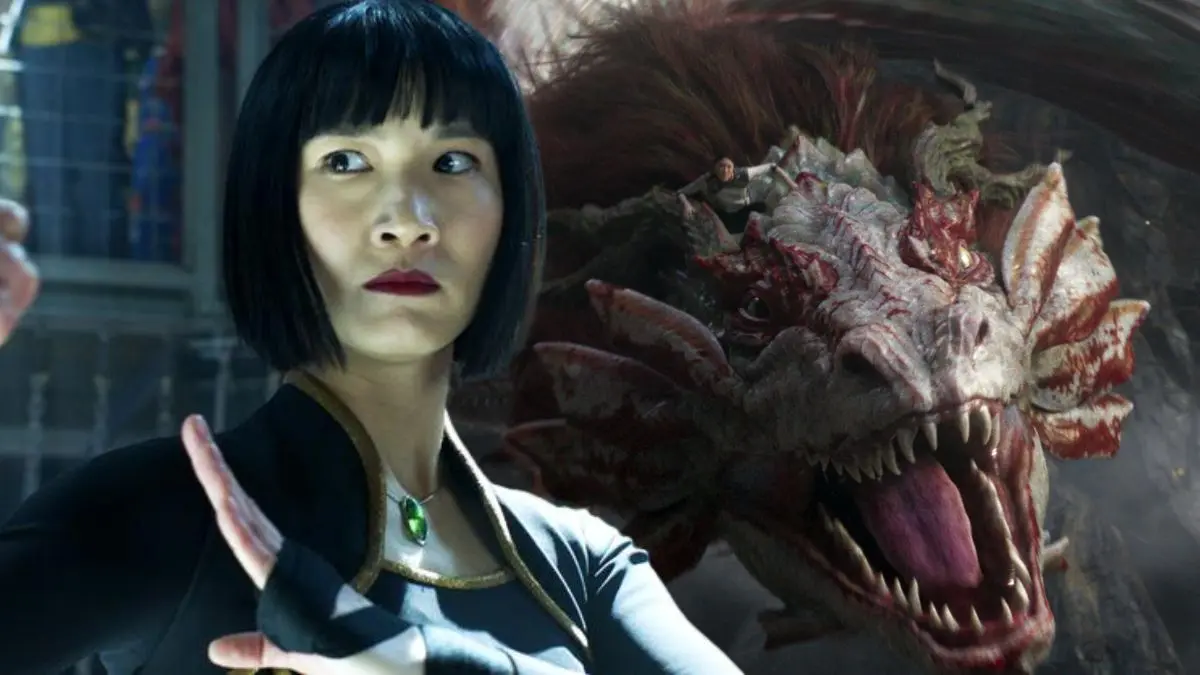


Shang-Chi and the Legend of the Ten Rings (2021) burst onto the scene as a fresh addition to the Marvel Cinematic Universe, bringing a vibrant mix of martial arts, mythology, and cultural representation. Its dazzling visuals and charismatic leads won over audiences, but years later, some elements feel dated while others remain timeless.
As the MCU evolves, certain aspects of Shang-Chi haven’t held up as well, showing cracks in its once-shiny armor. Meanwhile, other parts continue to shine, proving the film’s lasting impact. Let’s dive into five ways the movie hasn’t aged well and five ways it remains a standout.
Overreliance on CGI (Aged Poorly)
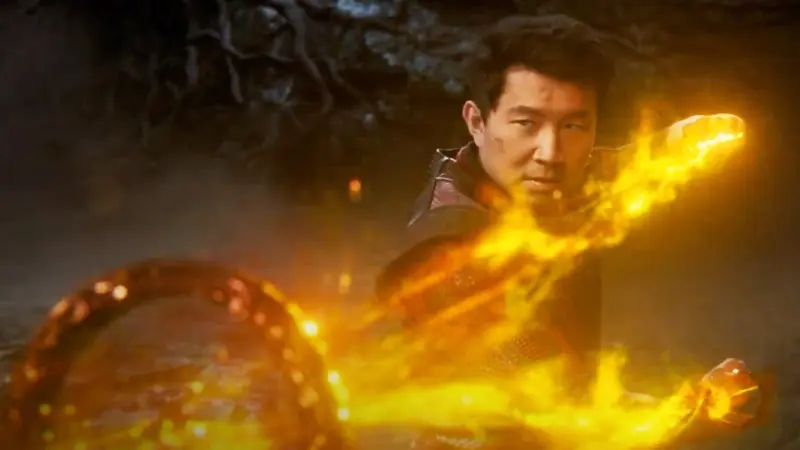
The film’s heavy use of CGI, especially in the climactic battle, feels less impressive today. The dragon-heavy finale, while visually striking at the time, now looks overly polished and detached compared to more grounded action films.
Modern audiences often prefer practical effects or a balance of CGI and real stunts. Shang-Chi’s reliance on digital spectacle risks feeling like a video game cutscene, which doesn’t resonate as strongly in an era craving authenticity.
Groundbreaking Cultural Representation (Aged Masterfully)
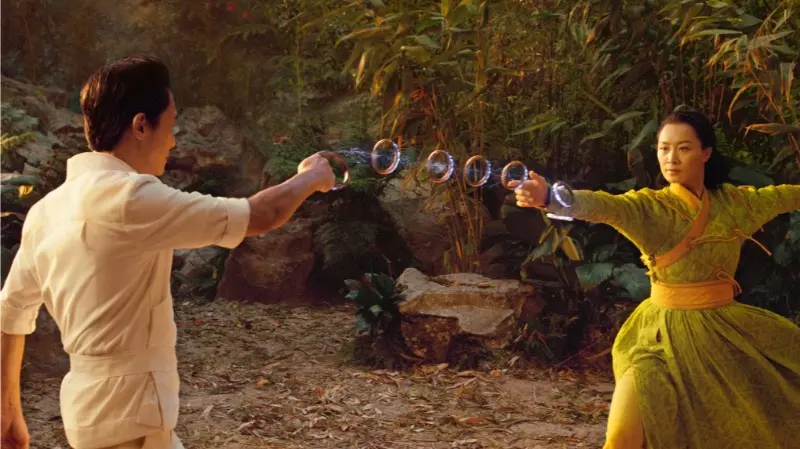
Shang-Chi brought authentic Asian representation to the MCU, with a predominantly Asian cast and crew. The film’s focus on Chinese culture, mythology, and family dynamics feels as powerful now as it did then.
Its commitment to cultural accuracy, from language to traditions, set a high bar for Hollywood blockbusters. This authenticity continues to inspire and connect with audiences worldwide.
Predictable Villain Arc (Aged Poorly)
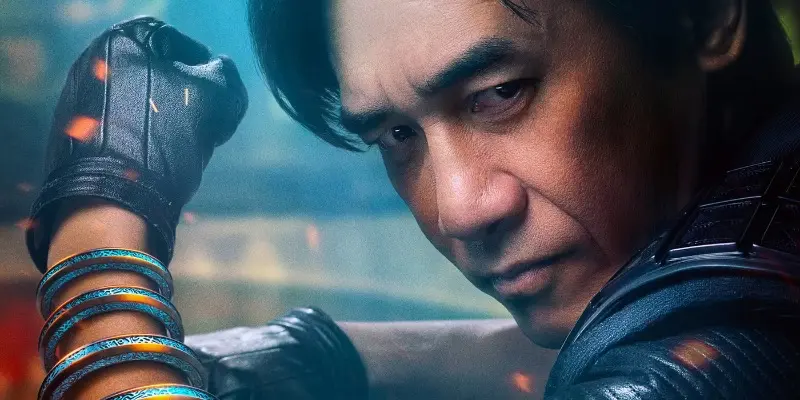
The villain, Wenwu, follows a familiar redemption arc that feels less compelling with time. His motivations, while sympathetic, lean on overused tropes of a tragic past driving evil actions.
Today’s audiences expect more complex antagonists with nuanced motives. Wenwu’s arc, though well-acted, doesn’t surprise or challenge viewers as much as newer, more layered villains in recent films.
Stellar Fight Choreography (Aged Masterfully)
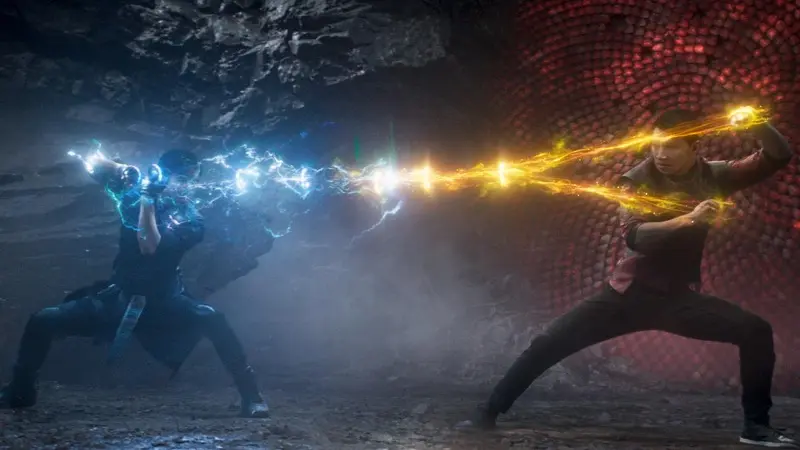
The film’s martial arts sequences remain a highlight, blending elegance and intensity. From the bus fight to the bamboo scaffold battle, the choreography feels fresh and thrilling even years later.
These scenes showcase practical stunt work and creative fight design. They hold up against any modern action film, keeping Shang-Chi a benchmark for hand-to-hand combat in superhero movies.
Dated Humor (Aged Poorly)
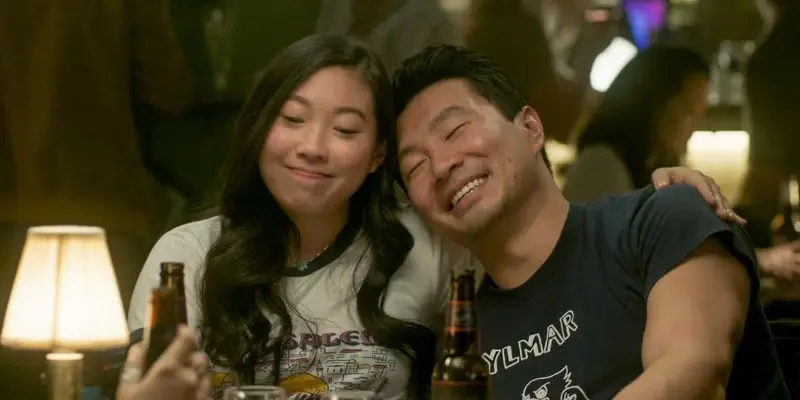
The comedic moments, often led by supporting characters, feel out of place today. Quips and pop culture references land flat as humor trends shift toward more subtle or character-driven comedy.
Some jokes, meant to lighten tense scenes, now disrupt the film’s tone. This makes certain moments feel like relics of an earlier MCU phase that leaned heavily on wisecracks.
Strong Character Chemistry (Aged Masterfully)
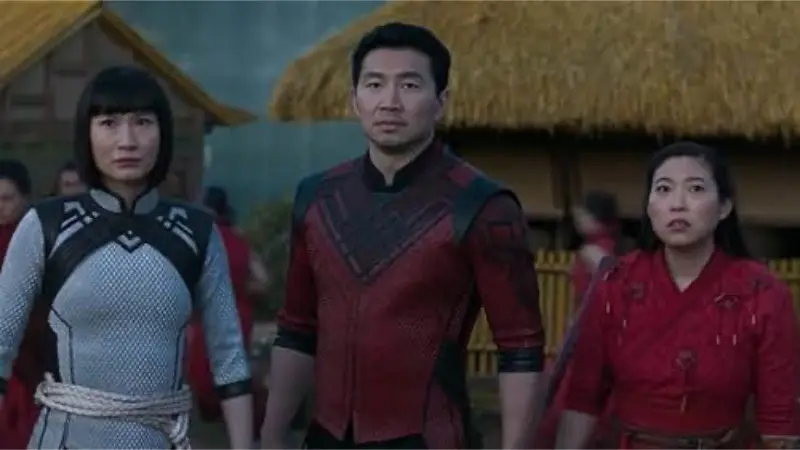
The bond between Shang-Chi, Katy, and supporting characters like Xialing remains a strength. Their natural, relatable interactions ground the fantastical story and keep viewers invested.
This chemistry, built on sharp dialogue and authentic performances, feels timeless. It ensures the film’s emotional core stays engaging, no matter how many years pass.
Formulaic Plot Structure (Aged Poorly)
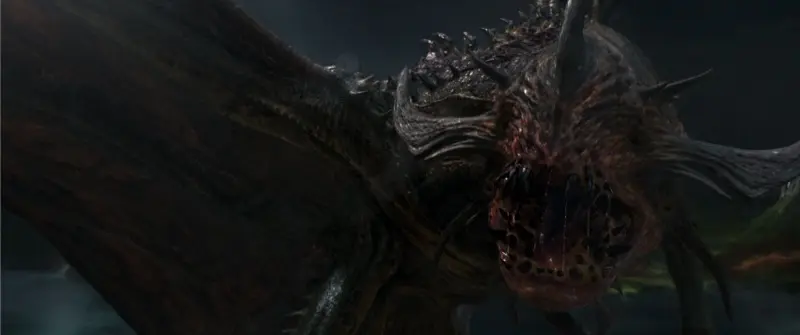
The story follows a standard superhero origin template, which feels less fresh today. The predictable journey of a reluctant hero facing a powerful parent lacks originality in hindsight.
As audiences demand bolder storytelling, the film’s adherence to a familiar formula stands out. Newer MCU projects take bigger risks, making Shang-Chi’s structure seem safe by comparison.
Stunning Visual Homage to Chinese Mythology (Aged Masterfully)
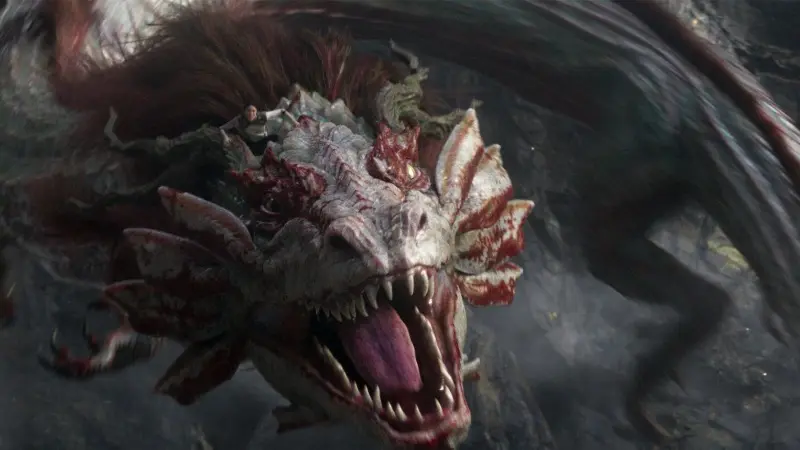
The film’s depiction of Ta Lo and its mythical creatures remains breathtaking. The vibrant, culturally rich visuals create a unique world that still captivates audiences.
This respectful nod to Chinese folklore feels as enchanting now as it did on release. It’s a visual achievement that continues to stand out in the MCU’s crowded lineup.
Underdeveloped Supporting Characters (Aged Poorly)
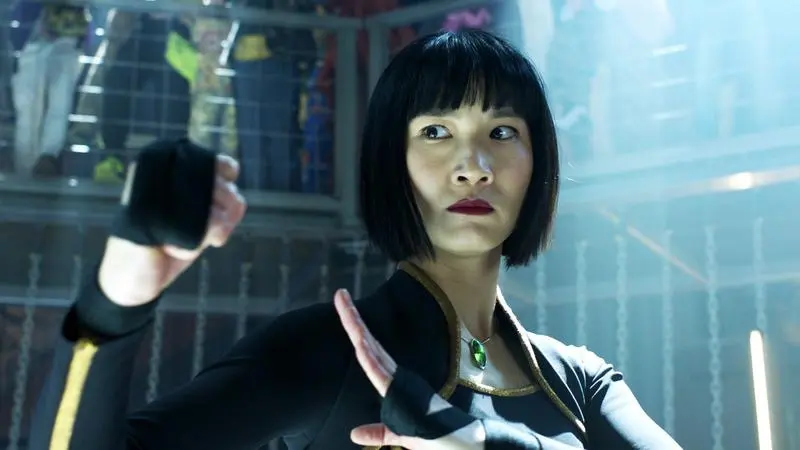
Some supporting characters, like certain Ten Rings operatives, feel one-dimensional today. Their lack of depth or clear motivation makes their roles forgettable as storytelling standards rise.
Modern viewers expect richer backstories, even for minor characters. This gap in development weakens the film’s rewatch value compared to more character-driven projects.
Empowering Themes of Identity (Aged Masterfully)
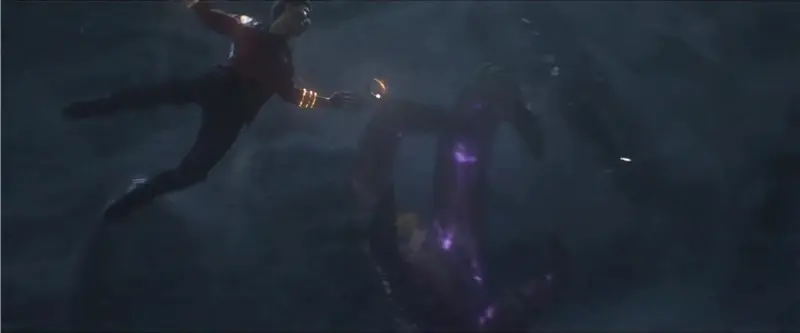
The exploration of Shang-Chi’s struggle with his heritage and identity remains deeply resonant. The film’s focus on self-acceptance and family legacy connects with audiences across generations.
These universal themes, paired with specific cultural nuances, keep the story relevant. They ensure Shang-Chicontinues to inspire viewers to embrace their own journeys.
What’s your take on how Shang-Chi and the Legend of the Ten Rings has aged—share your thoughts in the comments below!

