


5 Ways ‘The Departed’ Aged Poorly (& 5 Ways It Aged Masterfully)

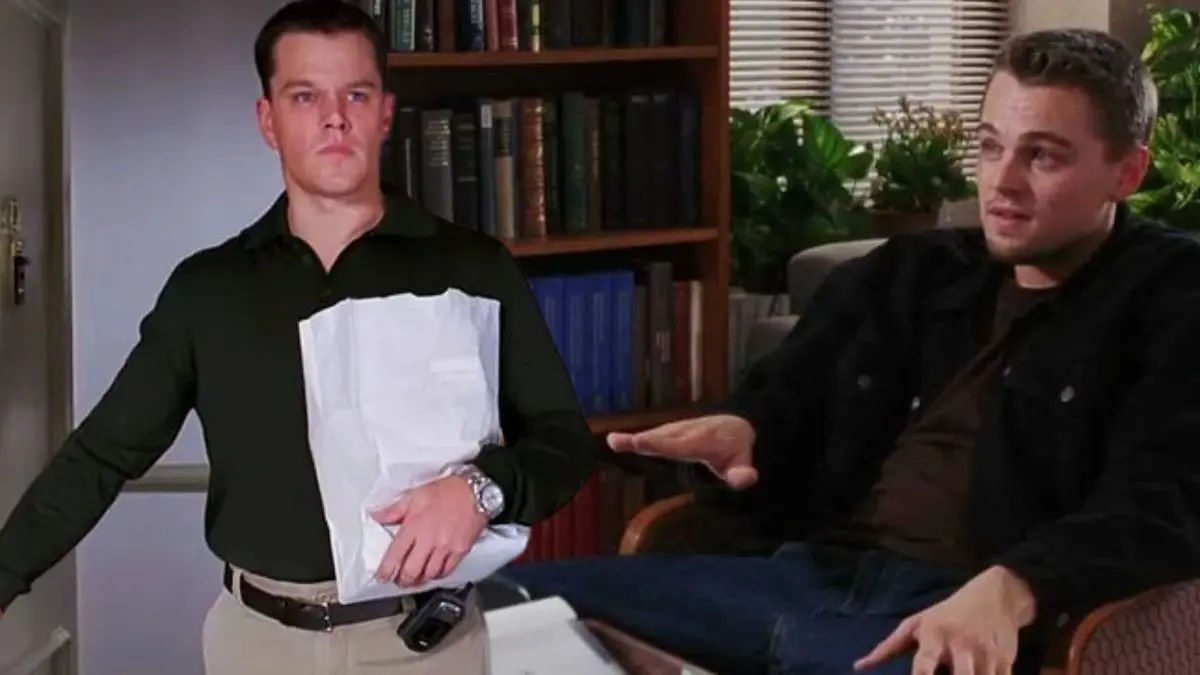


Martin Scorsese’s ‘The Departed’ arrived in 2006 as an American remake of ‘Infernal Affairs’ and quickly became a major crime film of its era. It paired an A list cast with a double mole premise set in Boston, and it capped a long campaign for Scorsese with top honors during awards season.
With time, parts of the movie feel anchored to its mid 2000s moment while other choices keep it sharp and relevant. Here are five areas where it shows its age and five that continue to work for new viewers.
Aged Poorly: Pre smartphone tech locks the plot to 2006
The story relies on flip phones, T9 texting, burner numbers, and limited call tracking, which fixes the communication patterns to a narrow window before smartphones normalized encrypted apps and constant geolocation. Characters pass manila envelopes, swap battery backed mobiles, and coordinate stakeouts without cloud synced tools or rapid digital discovery that are now standard in investigations.
Contemporary policing commonly uses body worn cameras, license plate readers, ubiquitous CCTV networks, and sophisticated mobile device forensics. If those tools were present throughout the story, several key cat and mouse beats would be shorter or would require different methods, which makes the procedures in the film feel tied to that earlier technology landscape.
Aged Masterfully: Awards haul and long term visibility

The film won major Academy Awards including Best Picture, Best Director, Best Adapted Screenplay, and Best Film Editing, which placed it prominently in the modern crime canon. Mark Wahlberg earned a nomination for Best Supporting Actor for his role, and the movie performed strongly at the box office worldwide relative to its budget.
Those outcomes keep the title in circulation through retrospectives, curricula, and anniversary screenings. As a result the film remains easy to find on broadcast schedules and streaming lineups, which helps new audiences encounter it without needing prior context from ‘Infernal Affairs’.
Aged Poorly: Therapy boundaries and law enforcement conflict
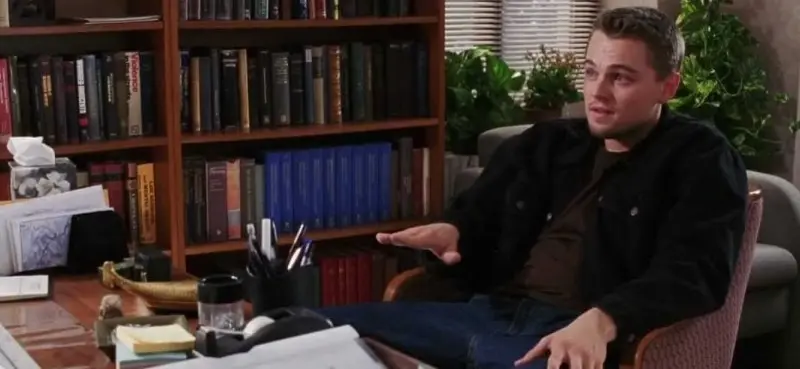
A central subplot involves a police psychiatrist who treats one character while maintaining an intimate relationship with another character in the same investigative orbit. This creates a dual relationship that mixes clinical responsibilities with personal involvement and contact across an active criminal case.
Professional guidelines in mental health discourage overlapping roles that threaten confidentiality and clinical neutrality. The combination shown in the film would trigger conflict of interest disclosures and supervisory intervention in real world settings, which makes the subplot read as a period specific narrative device rather than a procedure likely to stand in current practice.
Aged Masterfully: Adaptation choices and Boston crime context
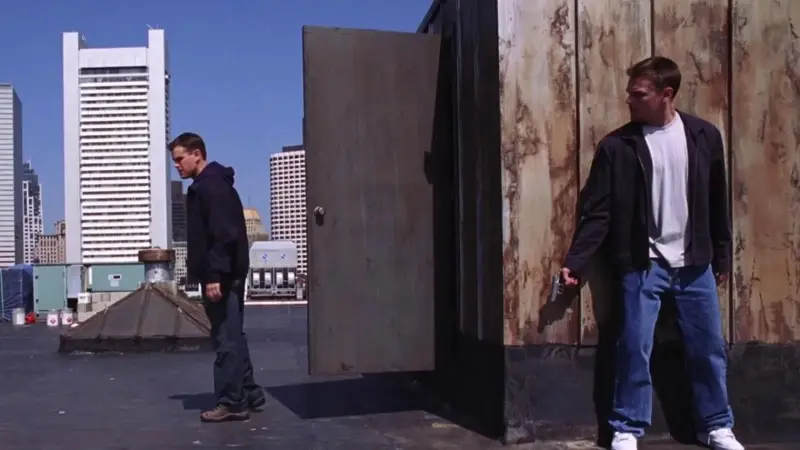
The screenplay relocates the premise of ‘Infernal Affairs’ to Boston and maps the undercover and mole structure onto Irish American organized crime and state police units. The Frank Costello figure draws on well documented Boston histories and headlines, which supplies recognizable anchors for viewers familiar with the city and its criminal cases.
By translating triad and internal affairs dynamics into local crews, construction rackets, and political ties, the film builds a new framework that does not require knowledge of ‘Infernal Affairs’. The result is a self contained narrative with clear stakes for both organizations and a setting that aligns with the period’s public record.
Aged Poorly: Limited diversity and few roles for women
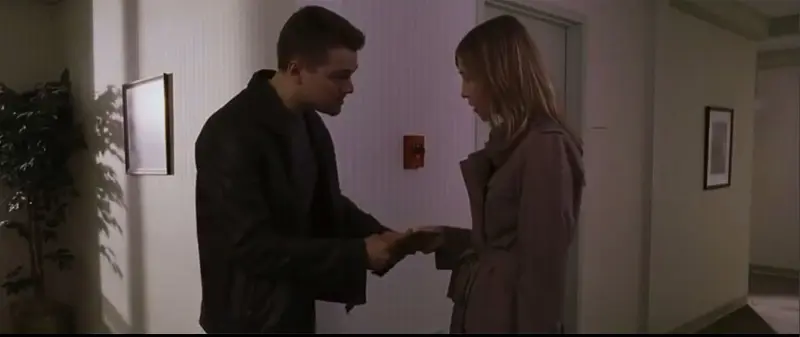
The credited ensemble is overwhelmingly male and white, with one principal woman in a medical and romantic role and few speaking parts for women in law enforcement or organized crime. Representation for Black, Asian, Latino, and other communities appears mainly in brief supporting moments or background positions.
Compared with later crime films and series that distribute authority figures and crew members across more identities, the casting footprint here reflects earlier hiring patterns. For audiences looking for broader perspectives inside police units and criminal networks, the film’s character roster offers minimal variety.
Aged Masterfully: Precise editing and mirrored structure
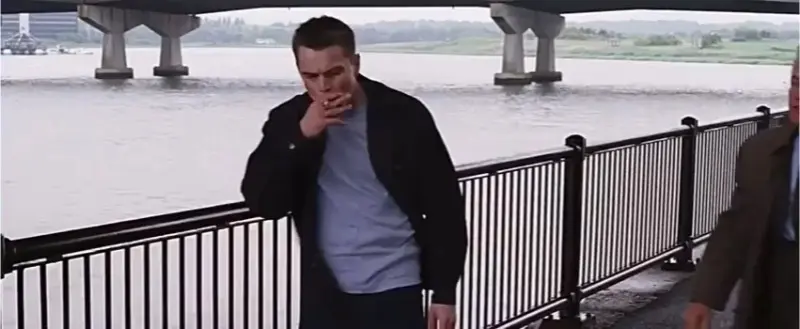
Thelma Schoonmaker’s editing emphasizes parallel escalation between the undercover officer and the embedded mole. Cross cutting tracks how each side closes in through phone checks, paper trails, and internal leaks, which clarifies the stakes as both men risk exposure.
Repeated setups and payoffs help viewers follow identity transfers and coded signals. Visual and prop motifs identify who controls information at any moment, and scene timing keeps revelations readable without slowing momentum, which supports rewatching and classroom breakdowns of structure.
Aged Poorly: Coarse language that is now less common
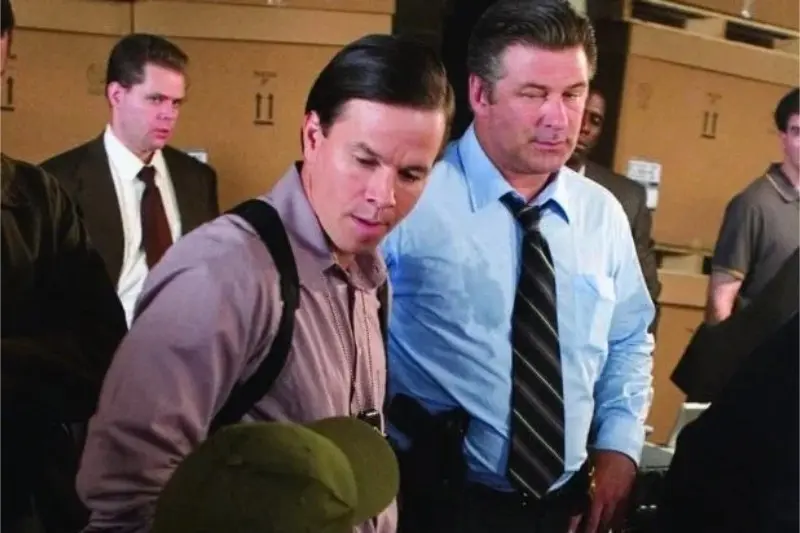
The script contains frequent slurs and insults tied to masculinity and sexuality, along with routine hostile workplace banter inside the police unit. This style of dialogue appeared widely across crime dramas of the period and reflects the genre’s then standard verbal intensity.
In recent mainstream releases and broadcast standards, some of that vocabulary is curtailed or contextualized differently. Viewers who encounter the film now will notice that certain lines mirror a mid 2000s tolerance for language that current productions often avoid or frame through different characters.
Aged Masterfully: On location detail and city texture
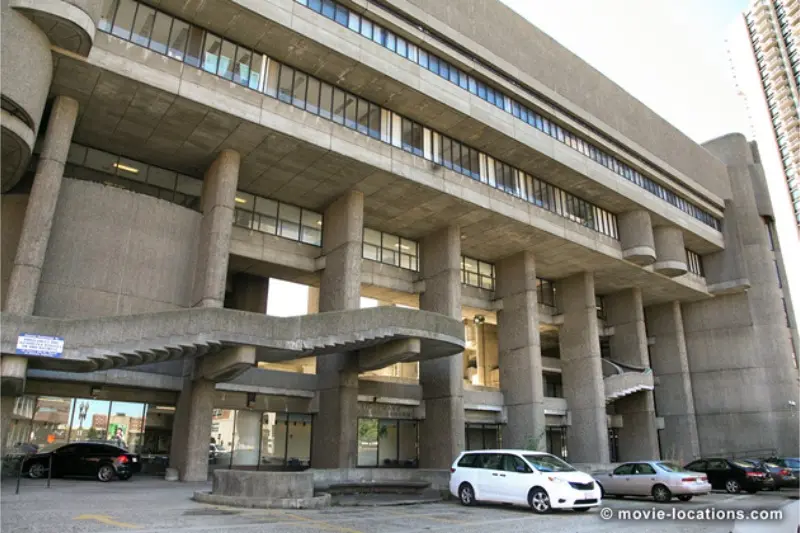
The production uses recognizable Boston and surrounding area sites along with complementary builds, which gives the movie specific geography for meetings, surveillance, and handoffs. Government buildings, waterfront views, and neighborhood streets place the action within an identifiable civic layout.
These choices ground the story in physical distances and plausible travel times between scenes. The city’s architecture and signage also provide clean orientation points for the audience, which supports the procedural beats without on screen captions or exposition.
Aged Poorly: A literal final shot that became a meme
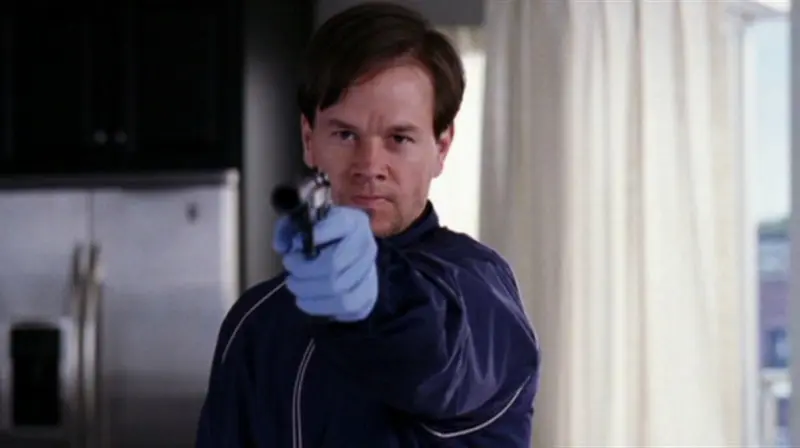
The movie ends with a literal image that references the theme of informants in the story. The shot appears in the final seconds and has circulated widely in image posts and online jokes, which changed how many viewers first hear about the ending.
Because the image is so easily excerpted, it is often encountered outside the film’s context. For new viewers who see the moment as a standalone punch line before watching, the final reveal competes with its own out of context recognition.
Aged Masterfully: Lasting influence on crime dramas
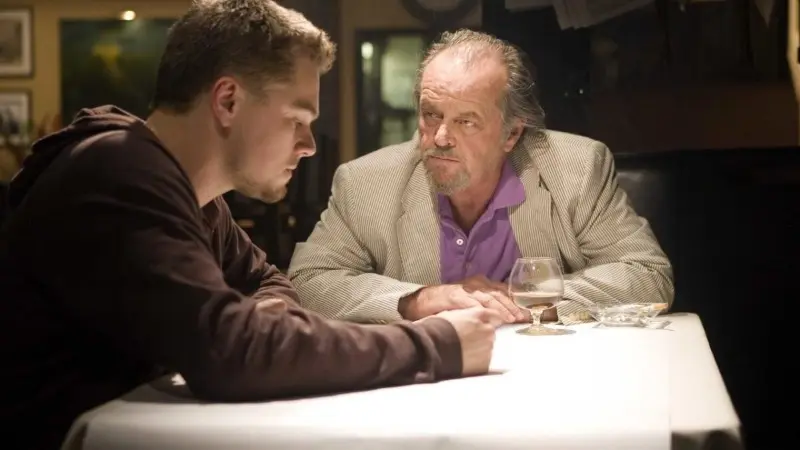
The dual infiltration blueprint continues to appear in later movies and series that explore mirrored loyalty tests and institutional rot. The template of parallel ascent, internal mole hunts, and converging evidence remains a reliable structure for writers and editors who want clear cause and effect across two organizations.
Its success also encouraged additional remakes and region specific transpositions of Asian crime thrillers into American settings. That exchange kept ‘Infernal Affairs’ and ‘The Departed’ in conversation for new viewers who discover one title through the other, which sustains interest in both versions.
Share which parts of ‘The Departed’ still work for you and which feel dated in the comments.

