


5 Ways the ‘Friends’ Aged Poorly (& 5 Ways It Aged Masterfully)




For a decade from 1994 to 2004, the NBC sitcom ‘Friends’ followed six twenty somethings living in Manhattan as they navigated work, relationships, and the rhythms of city life. The show built a cozy world around two apartments and a neighborhood coffee shop, with a studio audience and a multi camera setup that emphasized timing and conversation. Across 10 seasons and more than two hundred episodes, it became a global fixture in syndication and later on streaming.
Time has a way of spotlighting what a series captured well and what it handled less completely. Some elements reflect the industry standards and social attitudes of its era, while others continue to work because of strong craft and clear character work. Here are five ways the show aged poorly and five ways it aged masterfully.
Aged Poorly: Limited diversity and representation

The core cast is entirely white and the circle of recurring characters rarely expands to reflect the broader demographics of New York City. Guest roles for actors of color appear briefly and often arrive late in the run, such as the paleontology colleague and later girlfriend who dates Ross in the final seasons. These appearances are short arcs that do not reshape the main social world of the series.
LGBTQ representation is present but usually framed through jokes or discomfort from the main characters. Carol and Susan raise Ross and Carol’s son as a married couple, yet many scenes treat their relationship as a setup for punch lines. Chandler’s parent is introduced with humor about gender identity rather than clear language, and the scripts often use the character to generate gags about confusion rather than to explore family dynamics with care.
Aged Masterfully: Ensemble structure and sitcom craft
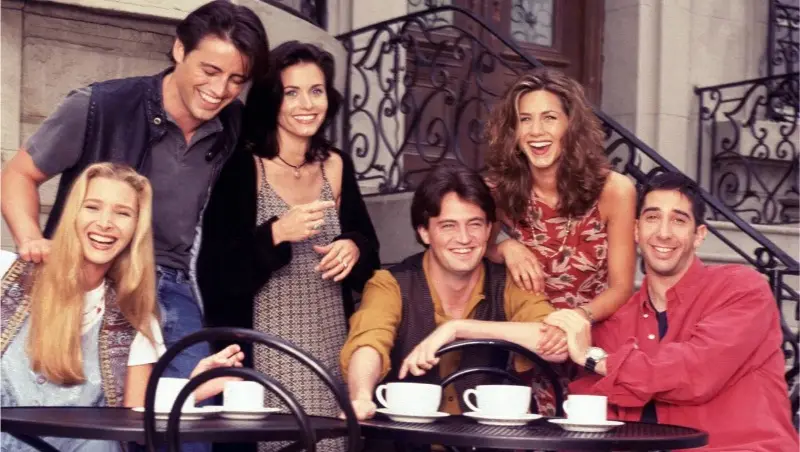
Episodes consistently braid three storylines that move from setup to payoff within a tidy runtime. Cold opens lead into A, B, and C plots that intersect in the apartments or at the coffee shop, and tags button the episode with a final beat. Season arcs use breakups, job changes, and living arrangement shifts to create momentum without losing the week to week rhythm that made the show easy to follow.
The live audience and multi camera format highlight dialogue, entrances, and props that can land a visual payoff. Bottle episodes set mostly in one location show how staging and timing can carry a full half hour. The will they or will they not pattern for central relationships is paced through midseason reveals and season finales that give viewers clear chapter markers across the long run.
Aged Poorly: Body image and weight based humor

Many flashbacks use a fat suit for Monica and turn her past weight into repeated sight gags. Episodes like ‘The One with the Prom Video’ and ‘The One with All the Thanksgivings’ return to the same punch lines about food, dance scenes, and old home videos rather than treating the material as character history with dimension. The humor centers on appearance in ways that now read as unnecessary to the plot.
Other running bits also treat bodies as jokes. References to the neighbor across the street rely on his size as a punch line, and several one off characters are described in ways that focus entirely on looks. These choices tie comedy to physical traits instead of behavior, which leaves less room for situational storytelling that the show otherwise handles well.
Aged Masterfully: Clear professional growth for the characters
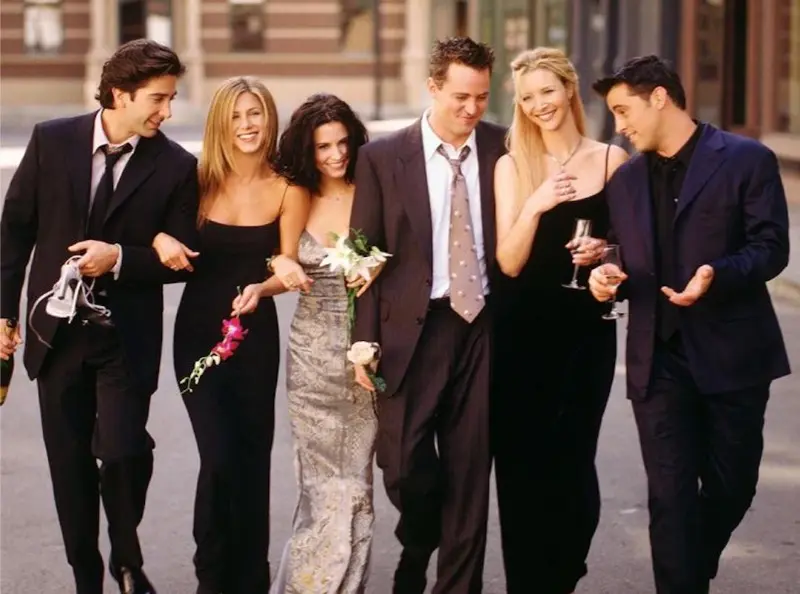
Rachel’s path moves from waitress to positions at Bloomingdale’s and then Ralph Lauren before a job offer in Paris, with specific steps like assistant roles, buyer interviews, and cross office politics. Monica works her way through kitchens to become a head chef, with episodes that show menu planning, staff management, and the strain of restaurant hours on home life.
Chandler’s midlife pivot out of statistical analysis into advertising is mapped through a quitting moment, a low paid internship, and a first big campaign win. Joey’s acting career includes auditions, soap opera contracts, and the practical realities of being written off and returning. Ross’s work swings between museum labs and university lectures, with tenure track concerns and grant proposals woven into stories that fit his personality.
Aged Poorly: Gender roles and masculinity jokes

Several plots treat stereotypical masculinity as a test that the men must pass. Ross is visibly uncomfortable with a male nanny in ‘The One with the Male Nanny’ even as the episode shows the nanny’s skill, and Joey’s interest in a bag in ‘The One with Joey’s Bag’ becomes a string of jokes about gendered accessories. Chandler’s fear of being read as less masculine appears in different seasons and is often used as a quick laugh.
The women also encounter dated expectations that scripts play for humor. Monica’s competitiveness in work and sports is sometimes framed as excessive because she is a woman rather than because the situation calls for balance. Rachel’s career wins often share space with dialogue about whether ambition and motherhood can coexist, and the discussions lean on assumptions that are less common in current workplace comedies.
Aged Masterfully: Quotable running gags and set pieces

Physical business anchors several famous sequences that still play cleanly. The couch carrying scene in ‘The One with the Cop’ uses apartment stairs, a floor plan, and repeated instructions to build a payoff that does not rely on cultural references. The apartment quiz in ‘The One with the Embryos’ sets clear rules, raises stakes with a bet on living spaces, and pays off with revealed trivia about the characters.
Holiday episodes add signature visuals that can be recognized without dialogue. ‘The One with the Holiday Armadillo’ creates a costuming solution for a scheduling problem and builds a lesson about traditions around it. Prom videos, laminated lists, and game show parodies recur across seasons, giving the show modular pieces that writers can plug into different contexts with consistent clarity.
Aged Poorly: Workplace boundaries and power dynamics
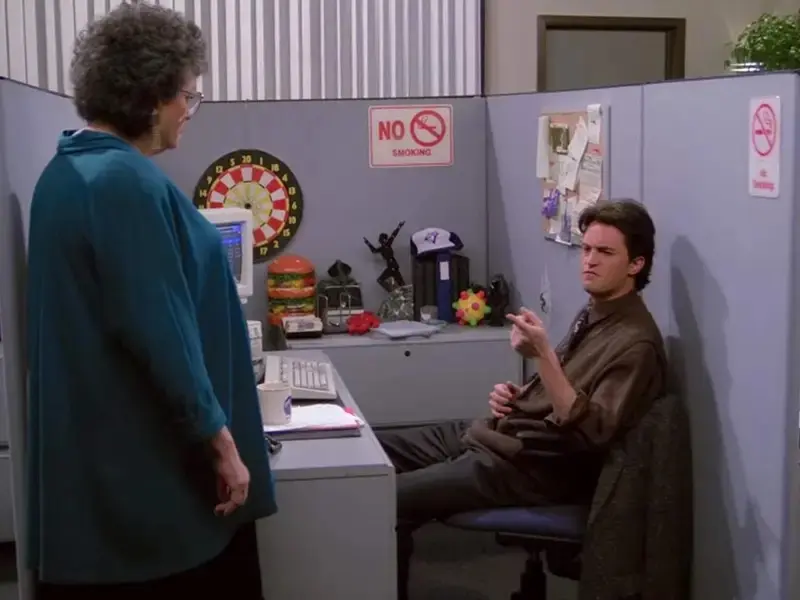
The show includes relationships that begin inside supervisory lines, most clearly when Rachel hires Tag in ‘The One with Rachel’s Assistant’ and then dates him. The plot acknowledges conflict with human resources, yet it uses the rule breaking as a comedic engine more than as a serious boundary that would halt the relationship in a modern office.
Client relationships also cross lines. Rachel dates Joshua after trying to keep things professional during shopping appointments, and problems arise once personal and business spaces blur. Storylines around auditions and casting for Joey include moments where gatekeepers push odd or invasive requests, and the comedy presents them as hurdles rather than behavior that would trigger formal complaints today.
Aged Masterfully: Production design that defined a setting
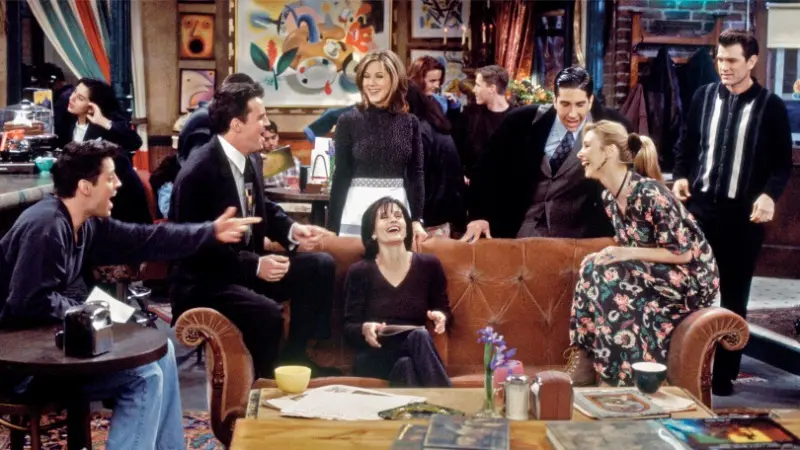
The purple apartment with the yellow frame around the peephole, the mismatched kitchen chairs, and the clear division between living and sleeping areas create a readable home base. The space supports entrances, overheard conversations from the hallway, and visual gags with the balcony and the massive coffee table, which all help multi camera scenes breathe.
‘Central Perk’ functions as a third place with a layout designed for conversation. The orange couch faces the counter and door, which keeps blocking simple for group scenes and lets extras circulate without stealing focus. Both sets keep props and sight lines consistent across seasons, so viewers can track spatial relationships when stories require quick movement between rooms.
Aged Poorly: Technology and communication tropes
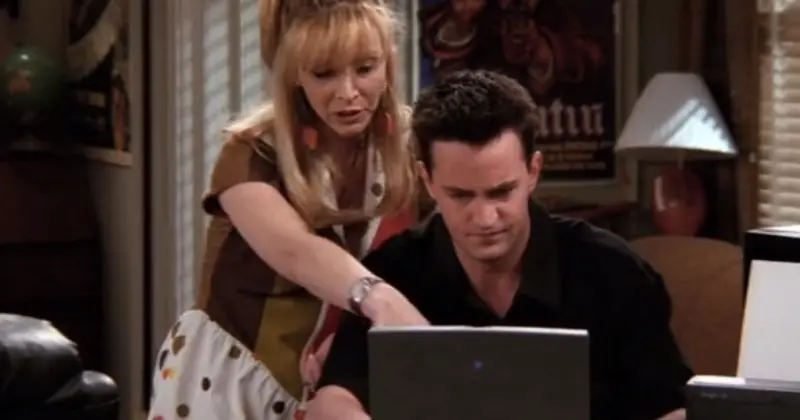
Many plots hinge on missed calls, answering machine messages, and printed lists that would be unlikely with smartphones and cloud notes. Ross’s pros and cons document in ‘The One with the List’ and the videotape misunderstanding in ‘The One with the Videotape’ rely on physical media and limited access, tools that shape the stakes by making information harder to duplicate or delete.
Email, texting, and social media are largely absent, which enables secrecy or confusion that would resolve quickly today. Travel plans, apartment searches, and last minute updates are handled through pay phones, landlines, and voicemail rather than group chats and real time maps. The choices fit the era yet place the stories in a specific technological window that newer viewers may only know from period pieces.
Aged Masterfully: Cultural reach in syndication and streaming

Continuous reruns kept the show present on television schedules after the finale, which trained new viewers to drop into any episode and understand character dynamics within minutes. Streaming then grouped the episodes by season and made long arc viewing easier, raising the visibility of multi season relationships and career changes that were designed to play slowly.
The series inspired a spinoff with ‘Joey’ and generated themed pop ups that recreate the apartments and the coffee shop for photo ops and tours. The reunion special brought the cast together many years after the finale and highlighted international reach by featuring fans and casts from different countries. The finale drew a huge live audience on its original air date, and the show remains a reference point when new ensemble comedies are launched alongside older hits like ‘Seinfeld’ and ‘Frasier’.
Share your thoughts on what parts of ‘Friends’ feel dated and what still works in the comments.

