


5 Ways ‘The Godfather’ Aged Poorly (And 5 Ways It Aged Masterfully)

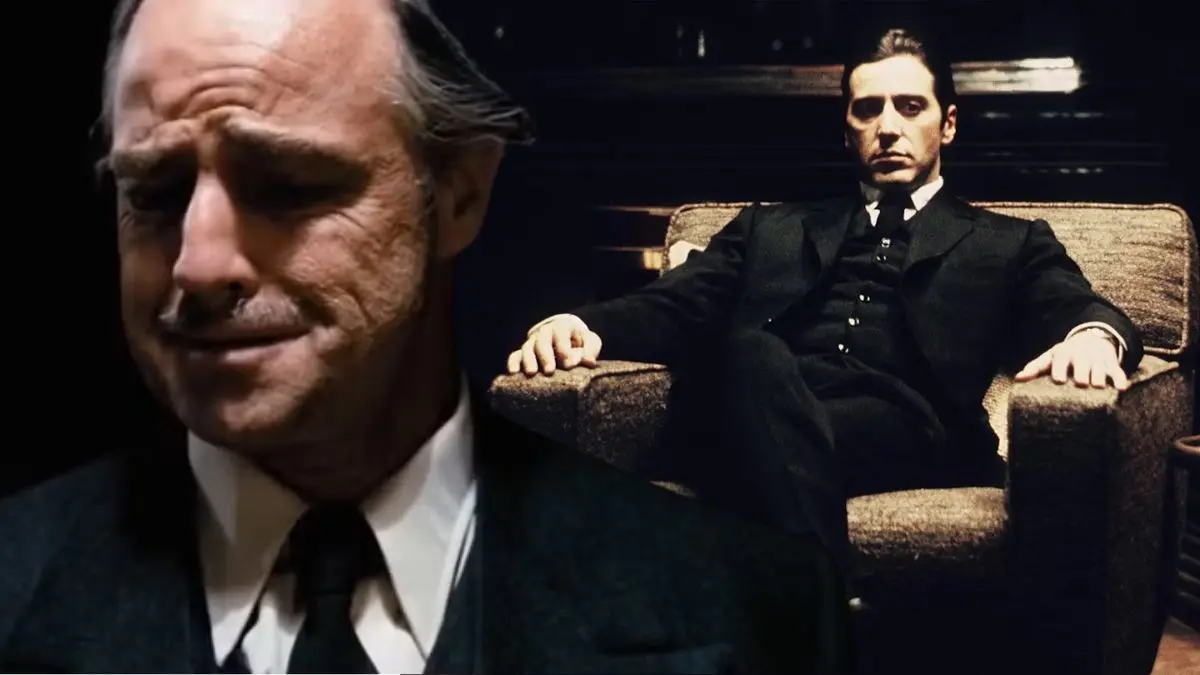


Few films loom as large over movie history as Francis Ford Coppola’s ‘The Godfather’. Released in 1972 and adapted from Mario Puzo’s novel, it shaped an entire pop-culture vocabulary of power, family, and betrayal. The wedding, the offer you can’t refuse, the orange foreshadowing—these images and ideas have been quoted, remixed, and revered for decades.
But cultural touchstones don’t stand still. As the years stack up, some facets of ‘The Godfather’ feel ever more vital, while others read as artifacts of their era. Here are five ways the classic has weathered time beautifully—and five that show its age.
Aged Poorly: The Narrow Lens on Women
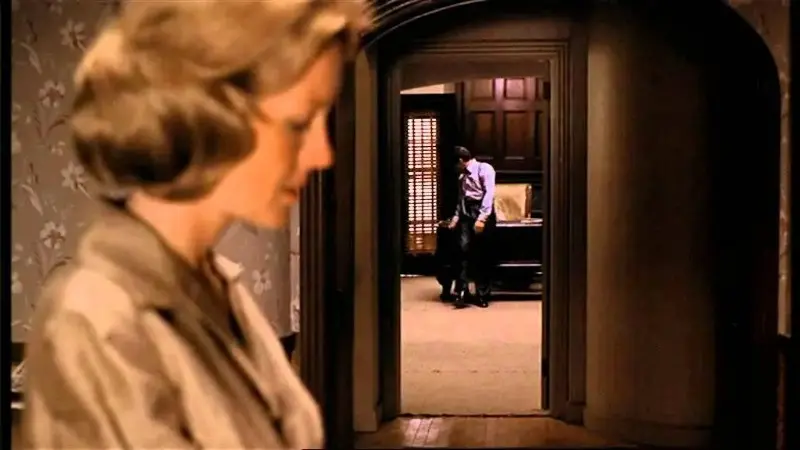
The women of ‘The Godfather’ largely exist at the story’s margins—mourners, confidantes, or victims whose pain propels men’s arcs. Kay, Connie, and Apollonia have striking moments, but the narrative rarely grants them agency equal to the Corleone men.
For contemporary audiences used to fuller interiority for female characters, the imbalance is hard to ignore. The film’s world is atmospheric and convincing, yet its emotional breadth narrows whenever women enter the frame—an authorial choice that now feels dated.
Aged Masterfully: Performances That Redefined Screen Acting
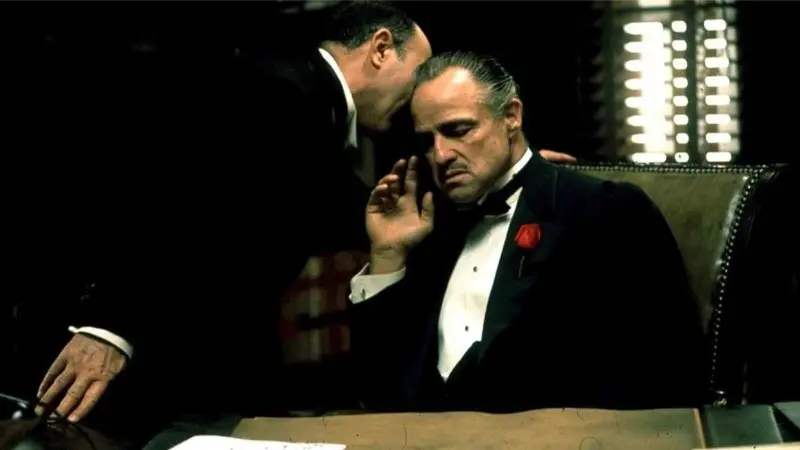
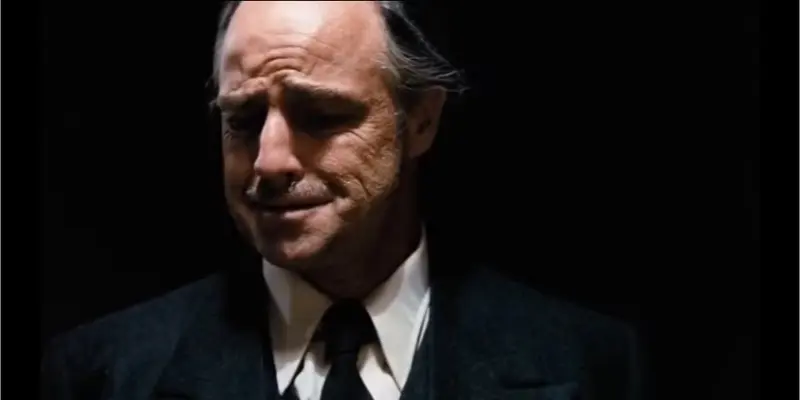
Marlon Brando’s weary gravitas and Al Pacino’s slow-burn metamorphosis remain touchstones for character work. James Caan, Robert Duvall, Diane Keaton, and John Cazale add textures that feel lived-in rather than performed.
Even after decades of imitators, the acting retains its quiet shock. Pacino’s eyes do more than most monologues; Brando’s stillness makes the frame hum. This is the rare ensemble that keeps revealing new choices on every rewatch.
Aged Poorly: Romanticizing Organized Crime
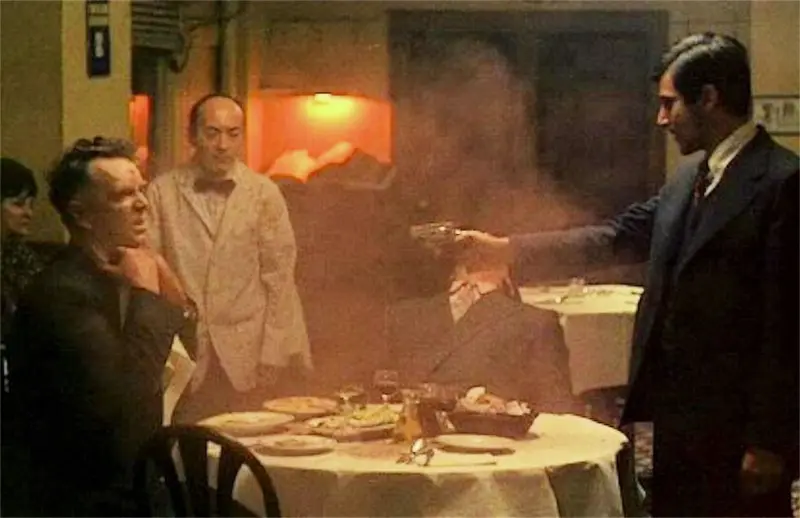
The film’s somber elegance can blur into glamor. Tailored suits, candlelit rooms, codes of honor—the craft is so ravishing that the brutality can feel aestheticized, inviting admiration for monstrous choices.
While the script never excuses the Corleones, some viewers read the mythology as aspirational rather than cautionary. In an era more alert to how media shapes empathy, that romantic patina lands uneasily.
Aged Masterfully: Gordon Willis’s Shadow-Sculpted Cinematography
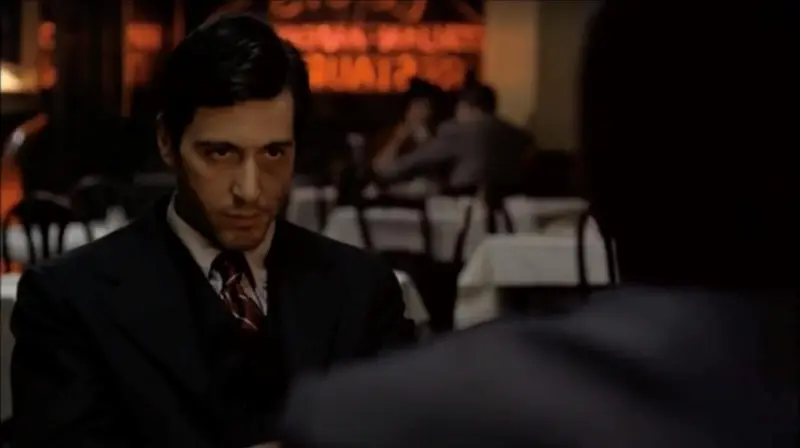
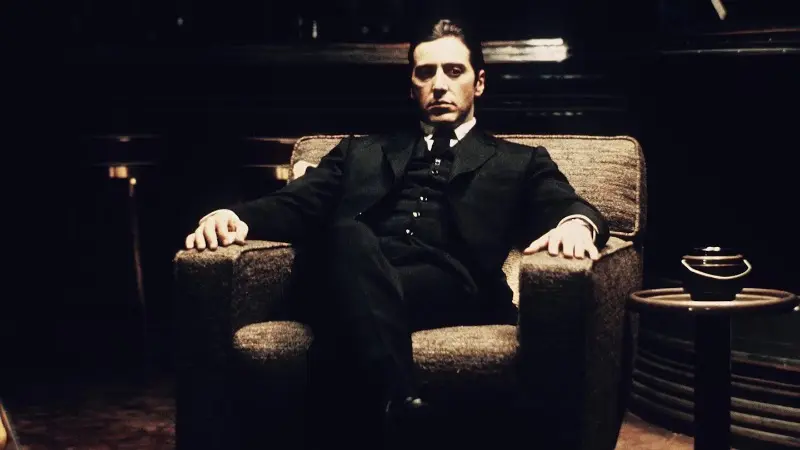
Dubbed the “Prince of Darkness,” Gordon Willis used low-key lighting to carve faces out of shadow and turn interiors into cathedrals of power. The sepia warmth and inky blacks don’t date; they mythologize without slipping into kitsch.
Beyond beauty, the look is storytelling: light recedes as Michael ascends, rooms thicken as stakes rise. Contemporary prestige dramas still chase this palette for a reason.
Aged Poorly: Period Attitudes and Slurs
The script’s era-accurate language includes ethnic slurs and casual misogyny that can jar modern audiences. Yes, it reflects the time and milieu, but reflection and endorsement can feel indistinct on first pass.
These moments puncture the film’s timeless sheen, reminding viewers that authenticity can also replicate harmful norms. It’s a tension that invites discussion—and discomfort.
Aged Masterfully: A Tragedy Structured With Surgical Precision
From the wedding prologue to the baptism bloodbath, the film’s architecture is immaculate. Scenes breathe, escalate, and interlock with classical inevitability, culminating in an ending that redefines “full circle.”
The cross-cutting between sacred ritual and profane violence remains a masterclass in montage as argument. Few films marshal rhythm and reveal with such calm confidence.
Aged Poorly: A Monochrome Social World
Outside the Italian-American community and WASP power brokers, the social landscape is thin. The story’s laser focus sharpens its themes, but it also sidelines the broader American tapestry the saga claims to interrogate.
Today’s audiences, used to intersecting perspectives, may feel that absence. The film’s America is richly detailed—but selectively so.
Aged Masterfully: Themes That Keep Meeting the Moment
Assimilation, the cost of power, business vs. family, the price of silence—these ideas haven’t dimmed. If anything, they’ve grown more resonant as institutions and dynasties keep dominating headlines.
Michael’s bargain—security for the soul—reads as freshly tragic in any decade. The film’s moral math is simple to follow, impossible to settle.
Aged Poorly: The Violence Sometimes Feels Stylized by Today’s Standards
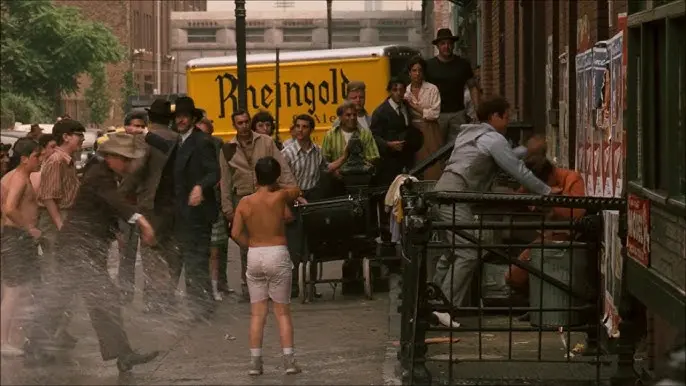
Some effects and stagings—most famously an on-street beating—read as choreographed to contemporary eyes. Squibs and angles that once shocked can momentarily pull viewers out.
It’s a minor quibble next to the film’s craft, but in a post-’Goodfellas’ and post-’The Sopranos’ landscape, the texture of brutality has evolved. The set-pieces still hit; a few beats just show their seams.
Aged Masterfully: Nino Rota’s Haunting, Instantly Legible Score
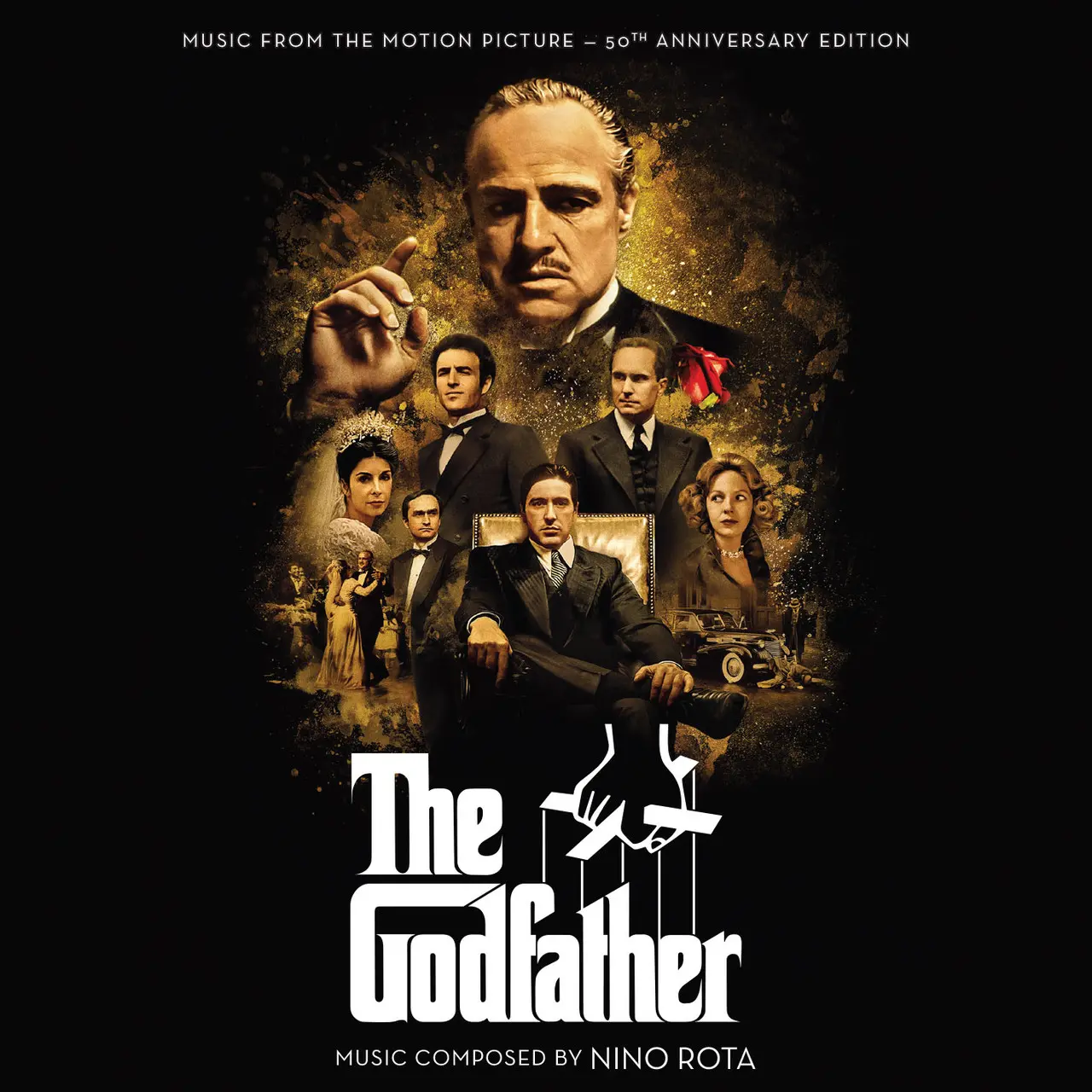
The music is both elegy and emblem—melodies that feel like old vows muttered under breath. It wreathes scenes in memory, binding the intimate to the operatic.
Crucially, it never instructs you how to feel; it remembers with you. That restraint keeps the score from aging into melodrama—and keeps its ache evergreen.
Aged Poorly: Industry-Era Blind Spots Behind the Camera
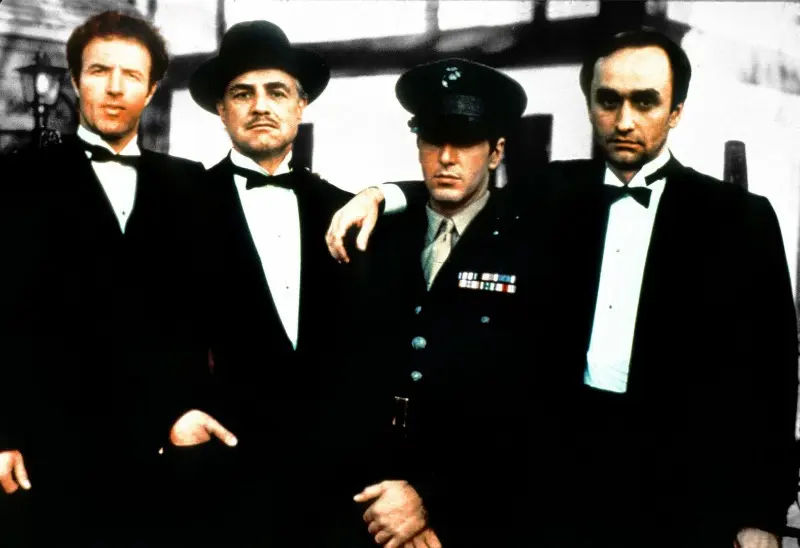
Like much of 1970s Hollywood, the key creative roles were overwhelmingly male, with few pathways for underrepresented voices. The film’s vantage point, on-screen and off, reflects a closed circuit of power.
The result is a canonical work that also embodies the gatekeeping of its time. Celebrating it means also noticing who wasn’t invited to make films like it.
Aged Masterfully: Dialogue and Iconography That Became Cultural Bedrock
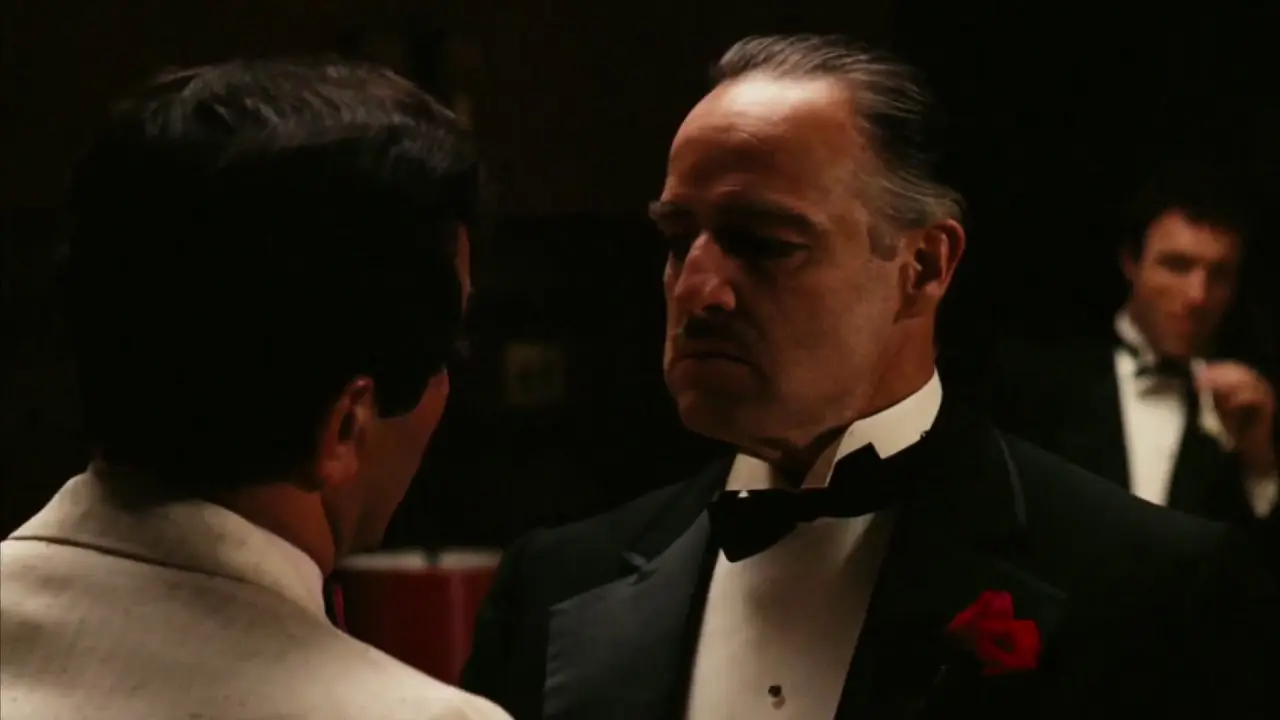
“An offer you can’t refuse.” The horse’s head. The door closing on Kay. These aren’t just references; they’re modern folklore. The lines are spare, the images indelible.
Because the script trusts subtext and the camera trusts silence, the moments travel well. Quotation hasn’t hollowed them out; it’s burnished them.
Your turn: which parts of ‘The Godfather’ feel timeless to you, and which feel stuck in 1972? Share your take in the comments—make us an offer we can’t refuse.

