


5 Ways the ‘House of Cards’ TV series Aged Poorly (& 5 Ways It Aged Masterfully)




‘House of Cards’ arrived as one of the first flagship streaming dramas and brought a tightly woven look at ambition inside Washington. It adapted the British original while building an American political world with long arcs, precise production design, and a cool narration style that spoke straight to the audience. The show centered on Frank and Claire Underwood and mapped out how proximity to power shapes every relationship.
Time has changed how parts of the series read today while other pieces feel even more relevant. Below are five elements that show their age and five that still work for new viewers. The focus is on what the show actually did on screen and behind the scenes so you can see where it faltered and where the craft still delivers.
Aged Poorly: Production shock after the lead’s removal
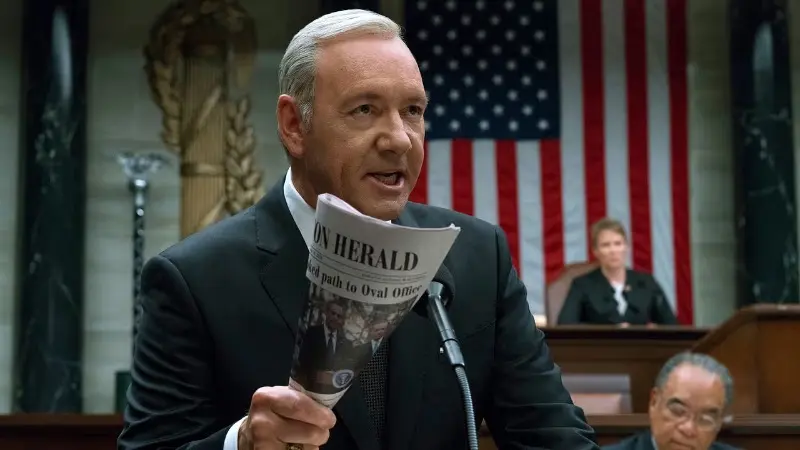
The show removed Frank Underwood and reoriented the final season around Claire Underwood after off screen allegations against the lead actor led to a separation. Writers closed Frank’s story off screen and rebuilt arcs to position Claire as President with new conflicts and antagonists introduced late in the run.
Season structure changed at the same time which meant fewer episodes and a compressed runway for stories first set up over several seasons. Ongoing plots tied to the former lead ended abruptly which created loose ends and a sharper pivot in tone that viewers can spot when watching straight through.
Aged Masterfully: Claire Underwood’s full ascent

Across the run Claire shifts from partner and strategist to the central executive decision maker. The series documents her step by step rise with cabinet fights, legal maneuvers, and public messaging that show how a new incumbent secures control of the West Wing and navigates succession questions.
Robin Wright’s expanded role in front of and behind the camera adds consistent focus on policy detail and statecraft. The final season builds her governing agenda, the resistance she faces inside and outside the party, and the mechanics she uses to set staff, shape narratives, and hold power.
Aged Poorly: Digital media and tech feel locked to an earlier moment

The show’s newsroom startup and blogging culture mirror an era of portable sites and chat windows that no longer reflect how digital desks operate now. Devices, interfaces, and the way sources trade messages look tied to older platforms which makes the information economy on screen feel dated.
Hacking and data leaks move through simple steps like sudden access from a single laptop or a quick malware trick. Investigations depend on text threads and USB drops that skip current safeguards, multi factor checks, and cross platform forensics that are common in modern workflows.
Aged Masterfully: Fourth wall narration as a precision tool

Direct address frames strategy, reveals leverage, and explains tradeoffs in real time. Frank lays out vote counts, procedure hurdles, and planned pressure points in short asides that turn opaque process into legible steps without slowing the plot.
The device transfers later to Claire and that handoff marks a concrete shift in who holds the inside voice of the story. The technique stays sparing and purposeful which keeps attention on the plan rather than on commentary and makes complex moves easy to follow.
Aged Poorly: Journalism depictions that lean on extreme choices

Reporters in the show secure scoops through risky personal entanglements and one on one source deals that bypass editorial controls. Key beats feature minimal verification, rare consultation with standards teams, and long stretches without visible legal review.
Several arcs show journalists acting alone around surveillance threats and clandestine meetings in ways that underplay newsroom safety practices. The result is a media world that runs on private trades more than documented evidence which does not match modern collaborative reporting models.
Aged Masterfully: A clear map of legislative power
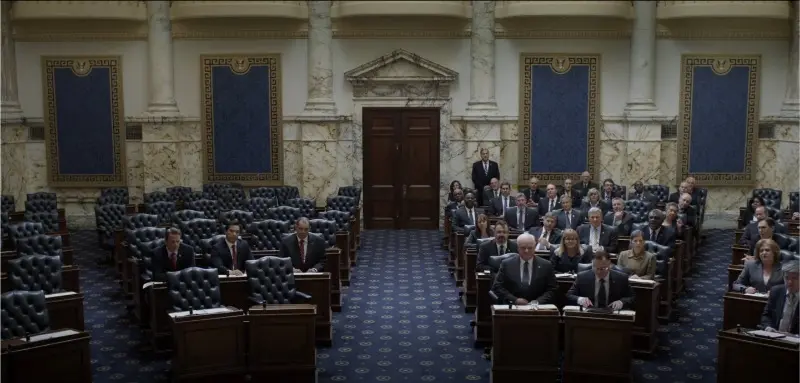
The early seasons break down how a whip counts votes, trades favors, and uses committee calendars to move or stall bills. You see how subcommittees, riders, and conference negotiations become leverage when a caucus is split by regional and donor pressures.
The series also explains state level levers that affect federal outcomes. Governors, attorneys general, and local power brokers shape federal votes through funding guarantees, infrastructure promises, and ballot access decisions that play out across multiple episodes.
Aged Poorly: Simplified geopolitics in foreign arcs
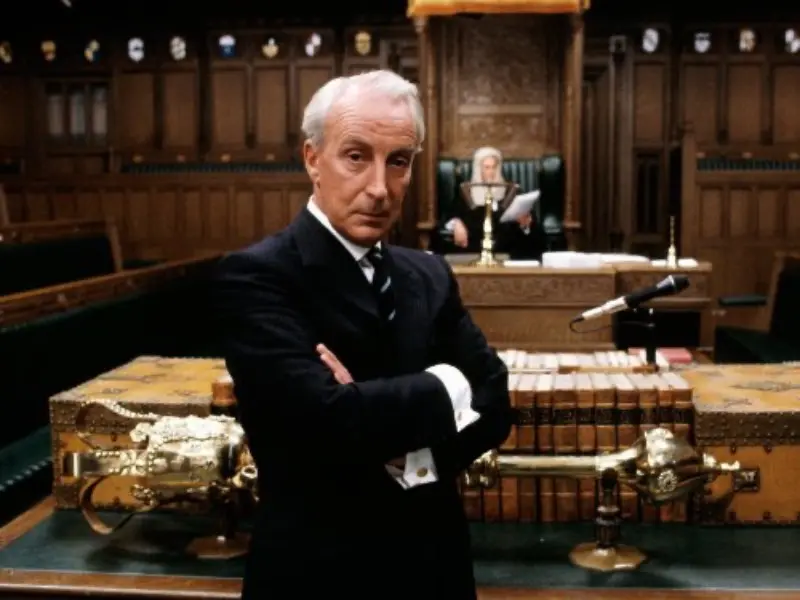
Foreign policy storylines rely on composite leaders and dramatized summits that compress negotiations into short windows. Complex issues that normally involve multi agency planning and allied coordination move through a handful of scenes inside a single residence or office.
Trade disputes, cyber incidents, and military postures resolve through personal bargains that sidestep legislative oversight and multilateral forums. The fast pace suits the thriller format yet it downplays institutional checks and the timelines that usually govern international deals.
Aged Masterfully: Washington look and feel that still convinces

Production staged Washington using standing sets and regional locations that mirror the geometry of official buildings and residences. The townhouse, committee rooms, and corridors keep consistent sight lines, lighting, and props which creates a stable sense of place over many seasons.
Opening imagery and city transitions place monuments and traffic patterns to set mood and time without exposition. Wardrobe, pins, and placards match the culture of staff roles so titles and rank are readable at a glance which helps viewers track hierarchy during fast scenes.
Aged Poorly: Cybersecurity shortcuts that strain credibility

Intrusions and surveillance jump from setup to payoff without the chain of custody and logging that usually appear in high level systems. Characters gain network access through a single compromised device and then reach sensitive records with minimal audit trails.
A recurring hacker figure moves between government and private targets with few obstacles. Data exfiltration and blackmail unfold through simple email and storage swaps rather than layered controls, endpoint monitoring, and legal steps that would complicate these operations.
Aged Masterfully: Built for binge viewing and long memory

Seasons drop all episodes at once and the scripts embrace that format with tightly linked cliffhangers. Plotlines carry forward with minimal recaps because the release model assumes continuous viewing which keeps momentum high across a weekend watch.
Character arcs are structured around multi episode campaigns like bill passages, nominations, and elections. Each chapter closes a tactical objective and sets a new one which rewards viewers who track promises, favors, and threats across many hours in a short span.
Share the moments from ‘House of Cards’ that you think still hit or no longer work in the comments.

