


5 Ways the ‘Malcolm in the Middle’ Aged Poorly (& 5 Ways It Aged Masterfully)

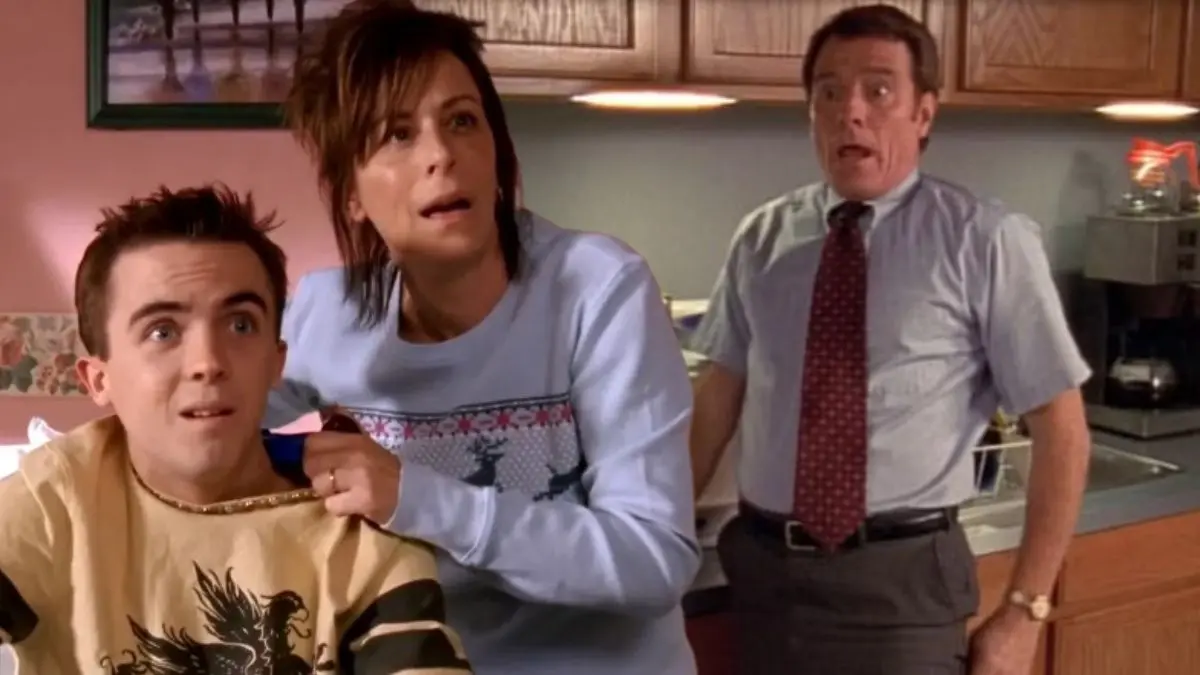


‘Malcolm in the Middle’ centered on a chaotic household where a gifted kid navigates school, siblings, and parents who never back down. The show used a single camera setup and a direct-to-camera narration that let Malcolm explain school politics and home disasters in plain language. The family included parents Hal and Lois with sons Francis, Reese, Malcolm, and Dewey, and later a baby brother, which gave the writers a wide range of everyday crises to mine for stories.
The comedy leaned into big set pieces and fast visual gags while also showing a working family juggling bills, chores, and constant repairs. The series mixed slapstick with sharp details about parenting rules, classroom labels, and neighborhood dynamics. It also liked to push format boundaries with split narratives, fantasy detours, and episodes that played with point of view.
Aged Poorly: Schoolyard Insults And Bullying Played For Laughs

The show often stages cafeteria fights, hallway pranks, and threats between students as quick joke setups that move the plot forward. Malcolm’s placement in an advanced track puts him in a class that other students target, and the putdowns that follow are treated as background noise that rarely pauses the story. Teachers and hall monitors appear briefly, and consequences are usually a punchline rather than a focus.
Reese’s reputation as an enforcer drives many scenes where intimidation gets a big reaction and then disappears when the next gag arrives. Detention slips, suspensions, and formal interventions are mentioned only when they create a complication for the family schedule. The pattern keeps the pace brisk but leaves the mechanics of school discipline mostly off screen.
Aged Masterfully: Fourth Wall Breaks And Single Camera Style

Malcolm speaks straight to the audience and explains what each character wants in the moment, which turns exposition into part of the joke structure. The series does not use a laugh track and instead relies on quick cuts, whip pans, and zooms that let the camera land on the exact detail that sells the bit. Cold opens drop viewers into chaos and end the instant the title card hits.
This format lets the show switch locations quickly without resetting for multi camera timing. It also supports rapid visual callbacks so a prop or expression can carry a full beat of story. The result is a clear blueprint for many later family comedies that use direct address and fast edits to keep momentum without studio audience cues.
Aged Poorly: Gender And Body Humor From An Earlier Era

Several plots use adolescent embarrassment about bodies and hygiene as running gags. The boys trade schemes that revolve around spying, locker room rumors, and awkward misunderstandings, and these moments are presented as routine hurdles in school life. Female characters outside the family often exist to trigger a crush, a dare, or a lesson that wraps in a single scene.
When the story needs a quick conflict, it can lean on jokes about puberty, body hair, or clothing mishaps that end with a chase or a scolding. These threads move briskly and reset by the next episode, which keeps the focus on momentum over character follow through. The approach reflects common sitcom tactics from network comedies of that period.
Aged Masterfully: Ambitious Concept Episodes That Still Teach Format Tricks
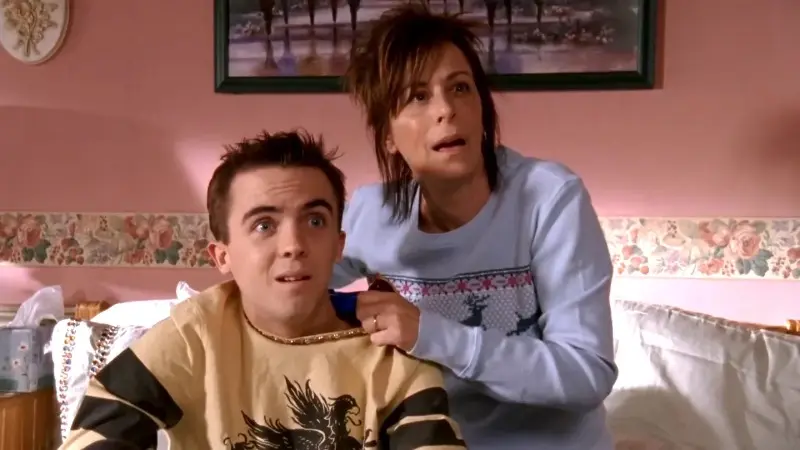
The series experiments with structure by showing alternate outcomes of the same afternoon or by rearranging a day so each act tracks a different chain of events. Fantasy sequences let characters imagine roles they never play in reality, and those scenes still advance the main plot. The editing and camera language make it easy to follow which timeline or idea the viewer is seeing.
These experiments are grounded in everyday stakes like chores, competitions, and small bets that spiral into bigger messes. Because the goals are simple, the format shifts highlight cause and effect rather than confusing it. Writers can point to these episodes as clean examples of parallel plotting and narrative contrast in a half hour comedy.
Aged Poorly: Stereotypes Around Gifted Education And Disability
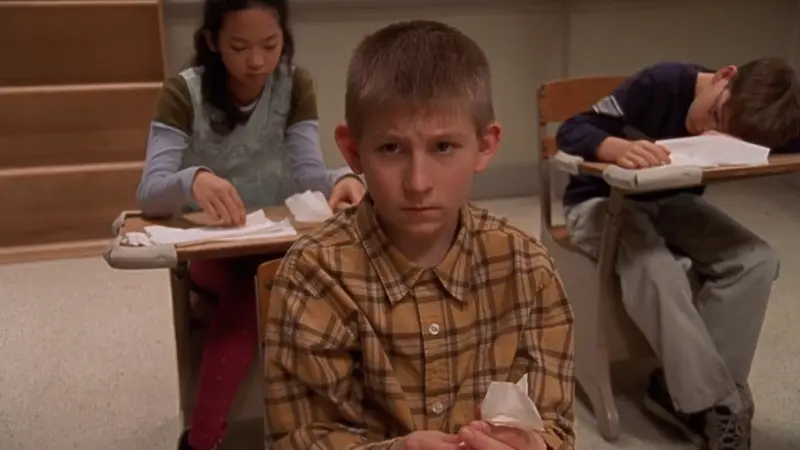
Malcolm’s advanced class is introduced as a group with exaggerated quirks that mark them as separate from the rest of the school. Their lab gear, specialized projects, and isolated classroom build a visual identity that often signals social awkwardness first and academics second. The label follows Malcolm into non classroom scenes and shapes how other students react to him.
A close friend uses assistive equipment and has breathing challenges that sometimes become part of the timing of a joke. The character is written with strengths and agency, yet the comedy occasionally pauses for a reaction to his condition before moving the story along. The show recognizes the character as essential while still using his limitations as a gag beat.
Aged Masterfully: Detailed Picture Of A Working Family Budget
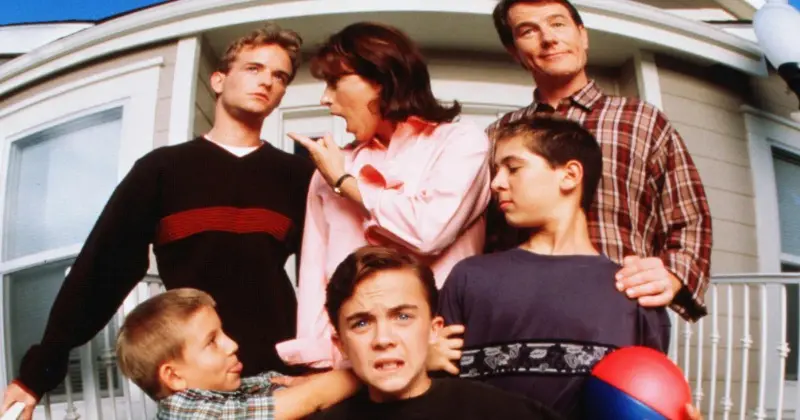
The household runs on coupons, thrift finds, and do it yourself repairs that regularly fail at the worst time. Storylines about appliances breaking or bills arriving early show how one unexpected cost can push every plan off the table. The garage serves as a staging area for side jobs and for sorting items that might be sold to cover a week’s expenses.
Vacations, birthdays, and school events depend on free options, neighborhood favors, and improvised solutions. Chore lists, allowance negotiations, and strict rules around food and utilities appear repeatedly and create continuity from episode to episode. These details give the family a consistent economic reality that grounds even the wildest set piece.
Aged Poorly: Parenting Tactics That Land Differently Today
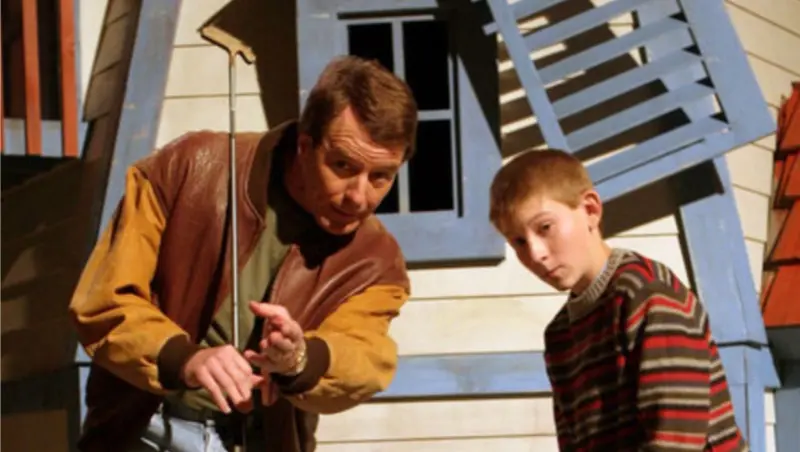
Lois relies on strict punishments that include long groundings, chore marathons, and group penalties when no one confesses. The rules are posted and enforced loudly, and violations often become the spine of an episode. The show also sends the oldest son to a military school as a corrective move that sets up his long running independence arc.
Family meetings are used to issue blanket orders and confiscate privileges, which drives the boys to form alliances or barter for better terms. The tactics are presented as part of the family’s identity and keep the plot moving toward either a confession or an escalation. The approach focuses on control and consequences more than negotiation or repair.
Aged Masterfully: Performances Backed By Awards And Lasting Visibility

Jane Kaczmarek’s portrayal of a strict but resourceful mother earned multiple nominations across major television ceremonies. Bryan Cranston’s physical comedy and escalating panic scenes became a showcase for elaborate set pieces that required precise timing. The child actors carry story weight in school and home settings and rotate into A plots without breaking the rhythm.
The series collected recognition for writing, directing, and technical craft such as editing and cinematography. These honors reflect how the production coordinated stunts, location work, and rapid transitions while maintaining clarity. The accolades also helped keep the show in regular reruns and home release packages that introduced it to new audiences.
Aged Poorly: Early Internet And Home Tech Gags Freeze Specific Moments
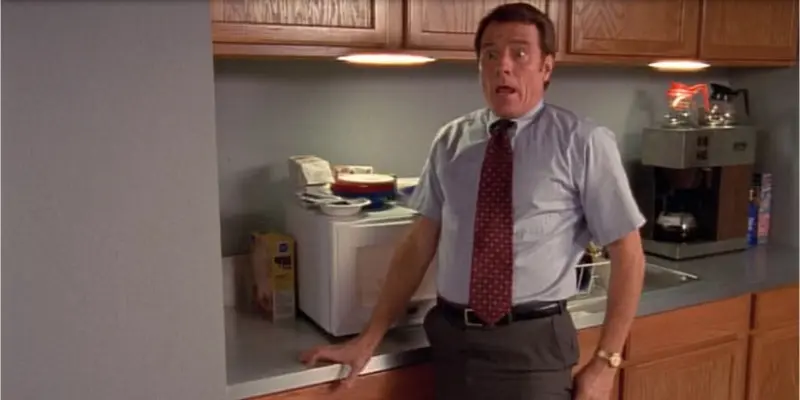
Household computers are bulky, connections are slow, and printers jam as often as they work. Plot points revolve around chat rooms, basic email confusion, and lost files because a disc is mislabeled. Pay phones, answering machines, and paper maps appear as normal parts of the family toolkit.
Hardware failures create deadlines that hinge on a single cable or a missing manual. The kids learn workarounds by trial and error and sometimes break more than they fix. The tech details lock scenes to a narrow window of consumer gadgets that no longer appear in most homes.
Aged Masterfully: Visual Comedy And Practical Stunt Craft
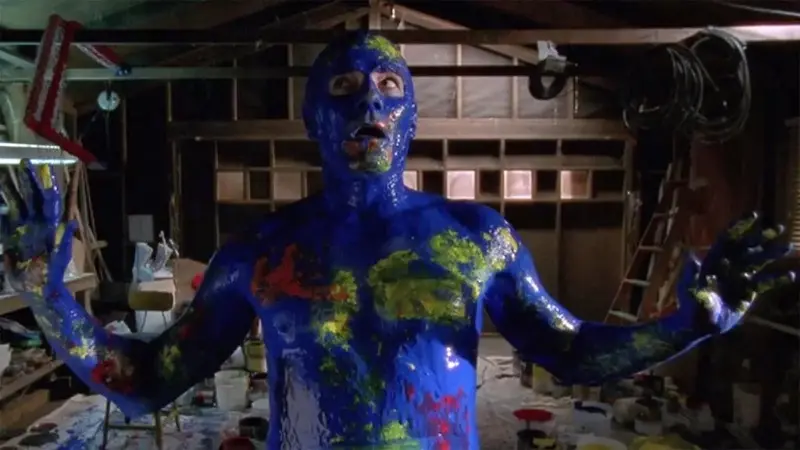
The production stages elaborate sequences that unfold across the house and yard with moving parts that all have to hit on cue. Hal’s hobbies, school projects, and neighborhood competitions trigger chains of events that send props flying through rooms and into the street. The camera follows the action in long takes that reward careful choreography.
Costume gags, makeup effects, and large scale messes are built to read clearly without dialogue. The show leans on practical rigs and precise blocking so the audience can see how a small mistake becomes a full disaster. These choices make the humor easy to follow and give the series a distinct physical identity.
Share your own picks for what aged poorly and what aged masterfully in ‘Malcolm in the Middle’ in the comments.

