


5 Ways ‘The Shining’ Aged Poorly (& 5 Ways It Aged Masterfully)


Some movies fade in the rearview while others keep finding new audiences. ‘The Shining’ sits in a unique spot because it still sparks conversation about what it does well and what feels out of step with today. The film’s craft remains a touchstone for filmmakers and fans, yet parts of the story and production draw very different responses now than they did decades ago.
This list looks at both sides with clear examples from the movie and its legacy. You will find details about how it was made, what it shows on screen, and how it has lived on in culture. The goal is to lay out what has lasted and what now reads differently, so you can decide where it shines and where it stumbles.
Aged Poorly: Wendy’s Characterization and the Film’s Handling of Domestic Abuse
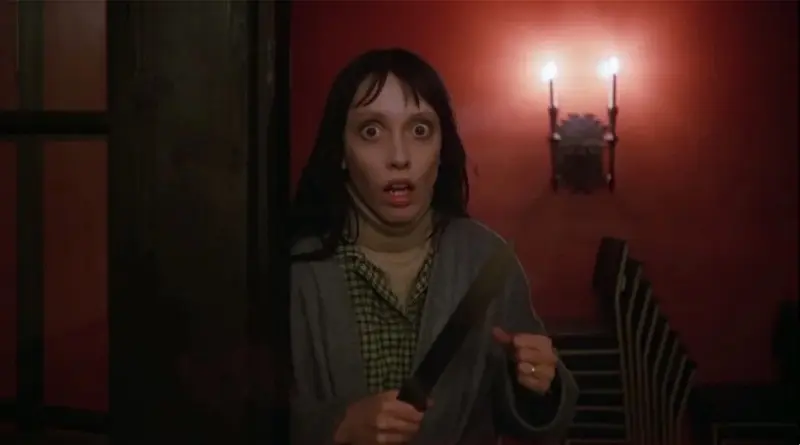
The story centers on a family trapped with an abusive husband and father, and it presents Wendy with very limited agency for long stretches of the plot. Much of the camera time follows Jack’s perspective while Wendy reacts from a position of fear, which leaves her inner life and decision making thin on the page compared with the danger she faces.
Reports from the production describe grueling methods used to capture Wendy’s stress, including an unusually high number of takes for the staircase confrontation and a workflow that isolated the actor to heighten anxiety. This context shapes how many viewers now read the performance, since the fear on screen is tied to a difficult shoot rather than character development alone.
Aged Masterfully: Steadicam Images That Redefined How Horror Moves
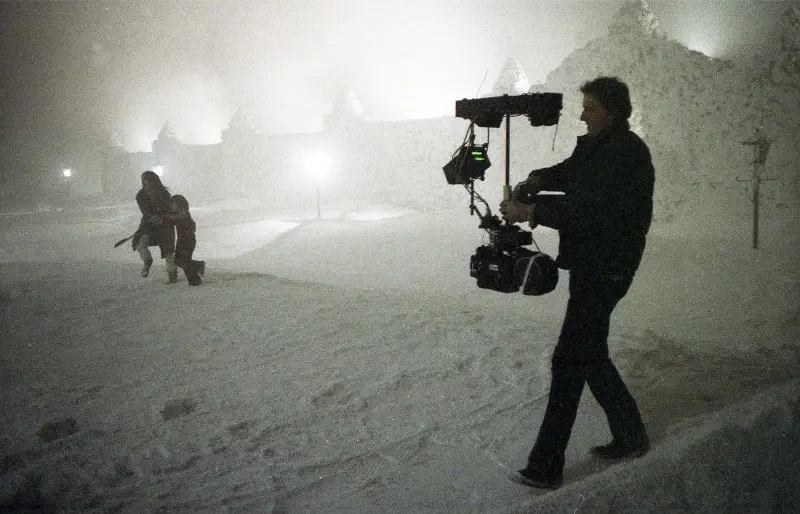
The movie’s floating camera work used a then new Steadicam rig to follow characters through corridors and around corners with unusual stability. Long tracking shots behind Danny on his tricycle map the hotel’s layout for the audience while building anticipation, and the smooth movement became a template for later films that wanted tension without shaky footage.
These choices taught viewers where to look without cutting every few seconds. The result is a clear geography that lets the hotel feel like a real place, which keeps the suspense grounded in rooms and hallways you can remember even after the film ends.
Aged Poorly: Simplistic Links Between Mental Illness, Alcohol Use, and Violence
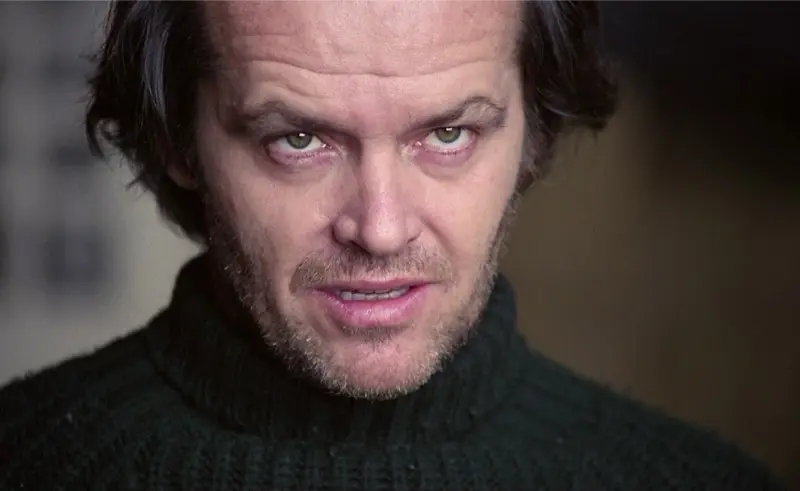
Jack’s relapse and isolation are presented alongside his unraveling, and the movie offers few details that separate addiction, stress, and potential supernatural influence. The story does not use clinical language or best practices for depicting illness, and it ties frightening behavior to a broad idea of going mad that lacks modern nuance.
Contemporary conversations encourage careful distinctions between conditions, treatment, and risk, and the film does not provide that kind of framework. Viewers looking for accurate models of mental health will not find clear guidance in the dialogue or the plot mechanics, which keeps this aspect out of step with current standards.
Aged Masterfully: Production Design and Spatial Uncertainty Inside the Overlook
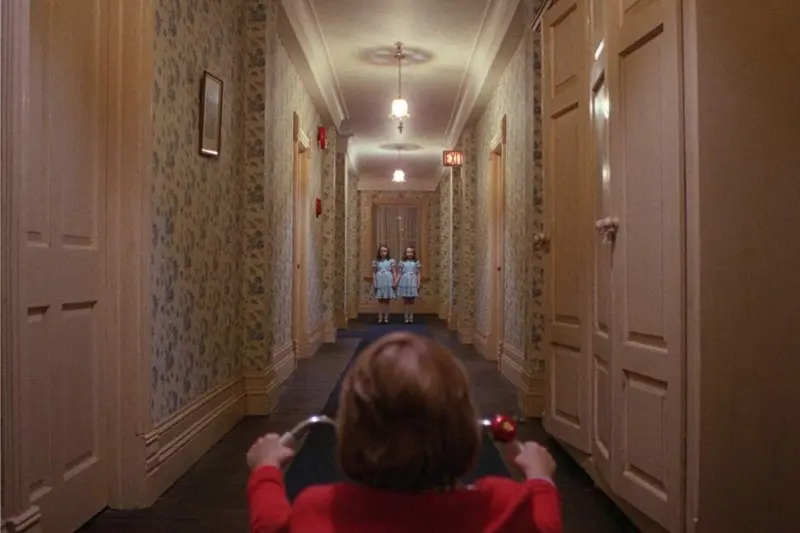
The interiors were built on soundstages and combined design cues from several American hotels, which created a space that looks authentic yet does not obey normal floor plans. Windows appear in places that architectural logic would not allow, and corridors turn in ways that unsettle your sense of direction without calling attention to the trick.
This approach supports the story by making movement inside the building feel both familiar and wrong. Viewers can track where characters go, yet they cannot fully trust the map in their head, which keeps simple walks down a hall charged with unease.
Aged Poorly: Representation Narrowed by Casting and Hallorann’s Fate
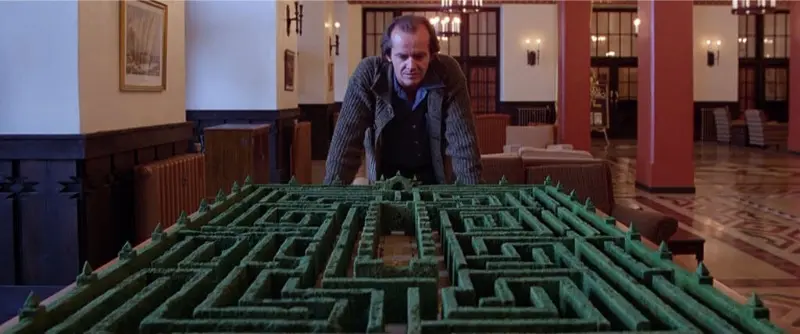
The family at the center of the story is white, and the only major Black character is Dick Hallorann, who carries key knowledge about the hotel and Danny. He travels a long distance to help and is killed soon after he arrives, which removes the most experienced guide from the narrative and leaves the family without that voice for the final stretch.
Modern discussions of representation often point to patterns where a helper of color is sidelined to raise the stakes for others. The film’s structure follows that pattern, which limits the range of perspectives on the haunting and reduces the time spent with a character who understands the shining ability.
Aged Masterfully: Practical Effects That Hold Up on Modern Screens
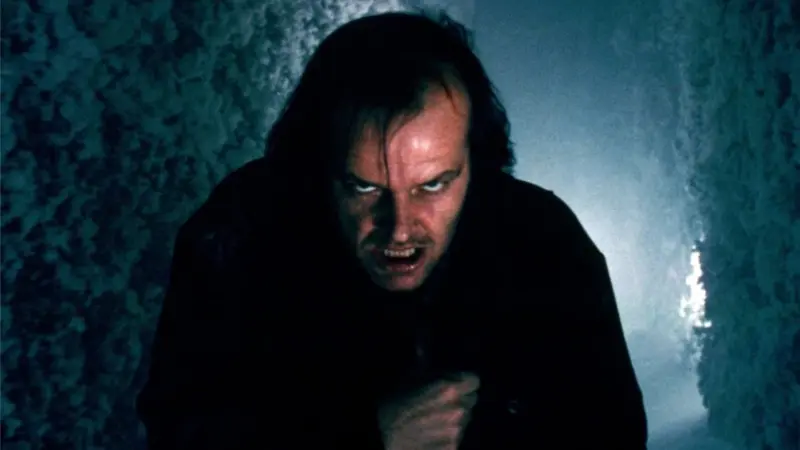
The production relied on in camera solutions for many signature images, including the elevator flood and the frozen maze. These were created with controlled rigs, set pieces, and makeup rather than digital tools, so the textures and lighting match the surrounding environment in every frame.
Because the elements were photographed on set, they integrate cleanly with the live action footage in restorations and large formats. The lack of early digital artifacts means these moments still look convincing when viewed in high resolution today.
Aged Poorly: The Burial Ground Trope and Background Use of Native Imagery
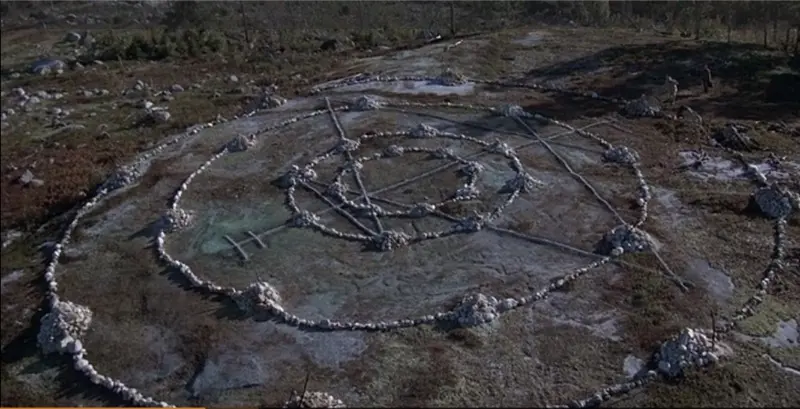
The script includes a line that the hotel was built on a Native American burial ground, which functions as a simple origin for the haunting without further context. Set decoration also features Native motifs and brand imagery in the pantry, and the film does not provide characters who can speak to that history within the story.
Current conversations about horror traditions note that this trope treats a complex culture as a quick explanation for a curse. The movie keeps those references at the level of backdrop and props, which reads as surface level today compared with more informed approaches to history.
Aged Masterfully: Ambiguity That Sustains Ongoing Debate and Study
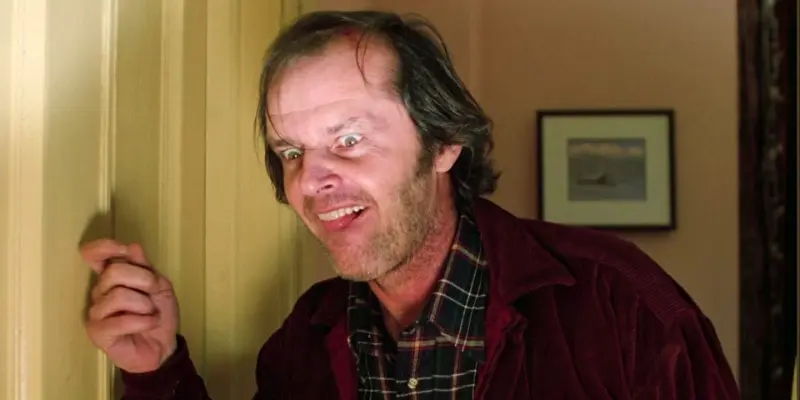
The film withholds a definitive rulebook for its ghosts, its time slippage, and the final photograph, and it plants visual clues that point in different directions. Viewers can trace patterns in repeated images, room numbers, and small continuity shifts, yet no single reading closes every loop.
This openness has fueled decades of essays, videos, and classroom discussions. The documentary ‘Room 237’ gathered a range of interpretations, and the movie continues to support fresh analysis because it never collapses its mysteries into a single answer.
Aged Poorly: Slow Burn Pacing Against Today’s Quick Cut Habits
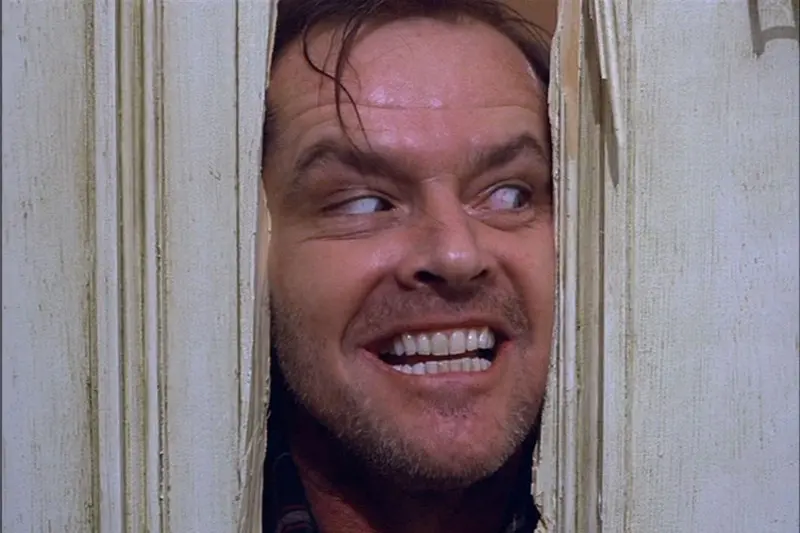
The movie favors long takes, extended walks through hallways, and long stretches of quiet where action is minimal. Contemporary viewing habits shaped by short form clips and fast cutting often prime audiences for faster information delivery, which makes this kind of buildup feel unfamiliar to new viewers.
The structure also reveals its story in spare pieces rather than constant exposition. That design rewards patience, yet it can be a barrier for people who expect tight plot beats every minute, especially when they come to the film through highlights rather than the full experience.
Aged Masterfully: Cultural Footprint From Lines to Locations and Design
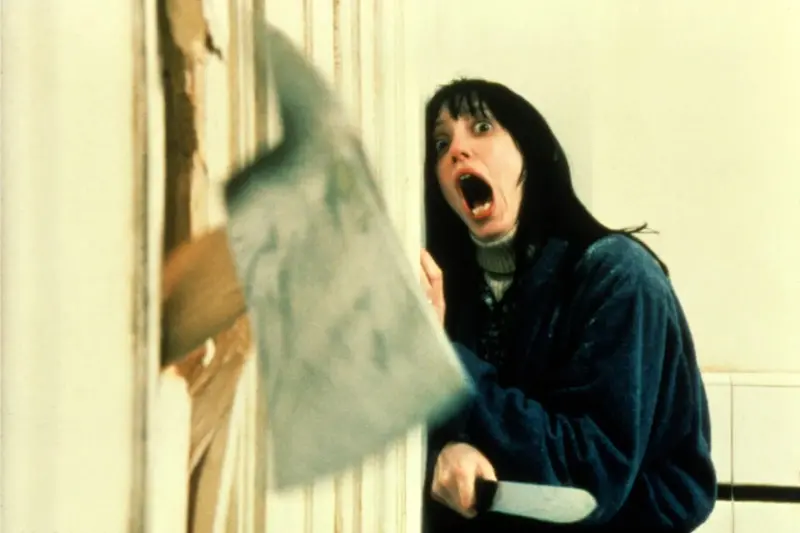
Images and details from the movie have spread far beyond the screen, including the hexagonal carpet pattern, the hedge maze, and the typewriter on the desk. The line that Jack shouts at the door became a widely quoted catchphrase, and the hotel’s exterior location remains a draw for film tourism.
Other works keep the movie in circulation by revisiting its spaces and ideas. The sequel ‘Doctor Sleep’ returned to the Overlook for a new story, and parodies and homages in shows like ‘The Simpsons’ and films like ‘Ready Player One’ bring its imagery to audiences who may not have seen the original yet.
Share your own take on what still works and what does not in ‘The Shining’ in the comments.

