


5 Ways ‘Simpsons ‘ Aged Poorly (& 5 Ways It Aged Masterfully)


For more than three decades, ‘The Simpsons’ has moved from scrappy primetime upstart to a global fixture. That kind of run leaves a long paper trail of choices in animation, casting, distribution, and topical humor that either thrive with time or show their age once technology and culture change around them.
This list looks at specific production facts, policy shifts, and distribution decisions that explain what did not hold up and what still works. Each point focuses on concrete examples such as format changes, archival edits, cast continuity, and the measurable ways the show shaped everyday language.
Aged Poorly: Widescreen cropping hid early visual gags

When the show transitioned to high definition and a wider frame, many early episodes created for the classic square frame were displayed in a cropped format on streaming and some reruns. This removed parts of the image and quietly erased background jokes that were composed for the original layout.
A later platform update restored the option to view the early seasons in their original frame. That change confirmed how framing choices affected sight gags, signage, and prop jokes that were designed for the older format, and showed why preservation of original aspect ratios matters for animated comedy.
Aged Masterfully: Record setting longevity and episode volume
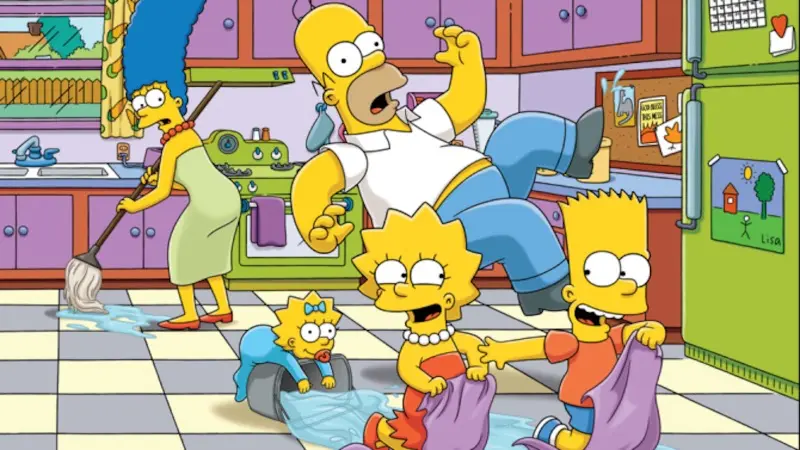
‘The Simpsons’ holds the distinction of being the longest running scripted primetime series in the United States. The show has aired well over seven hundred fifty episodes across dozens of seasons with continuous new production.
This scale gives the series a unique archival value. Broadcast schedules, home media, and streaming libraries can pull from a vast catalog that spans multiple eras of television standards, which allows new audiences to sample different production periods in one place.
Aged Poorly: Stereotype concerns and casting reforms
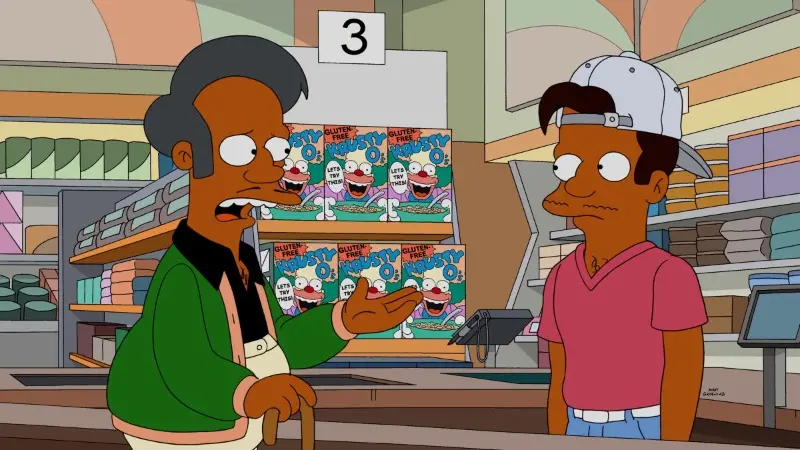
Public criticism of certain character portrayals led to internal changes on the production. The most visible decision was the step back from voicing Apu by a longtime cast member, followed by a stated practice that characters of color would be voiced by performers who share that background.
Several recurring roles were recast under this practice. Carl Carlson and Dr Hibbert are notable examples, with new actors taking over so the show’s casting aligned with its updated guidelines.
Aged Masterfully: Core voice cast continuity
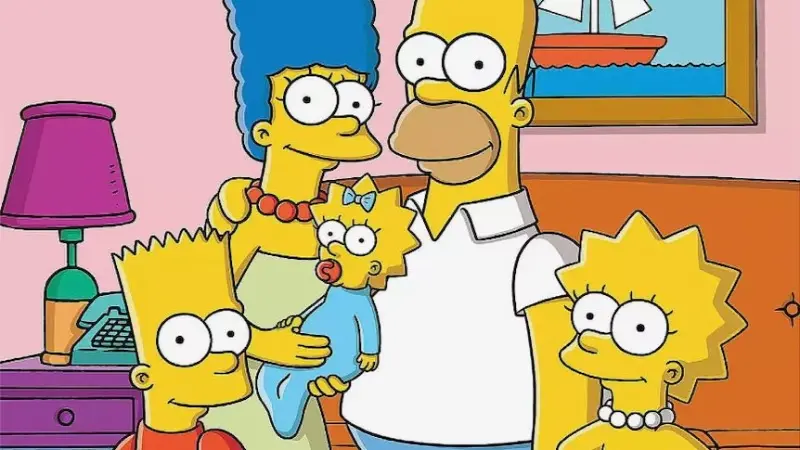
The main family has been voiced by the same actors for decades. Dan Castellaneta, Julie Kavner, Nancy Cartwright, and Yeardley Smith have provided consistent performances for the lead roles through thousands of pages of scripts and table reads.
That stability protects character identity from season to season. It also means archival episodes match current ones in vocal tone and delivery, which helps syndication blocks and streaming queues feel seamless despite large gaps in production years.
Aged Poorly: Early cel production shows artifacts on modern displays
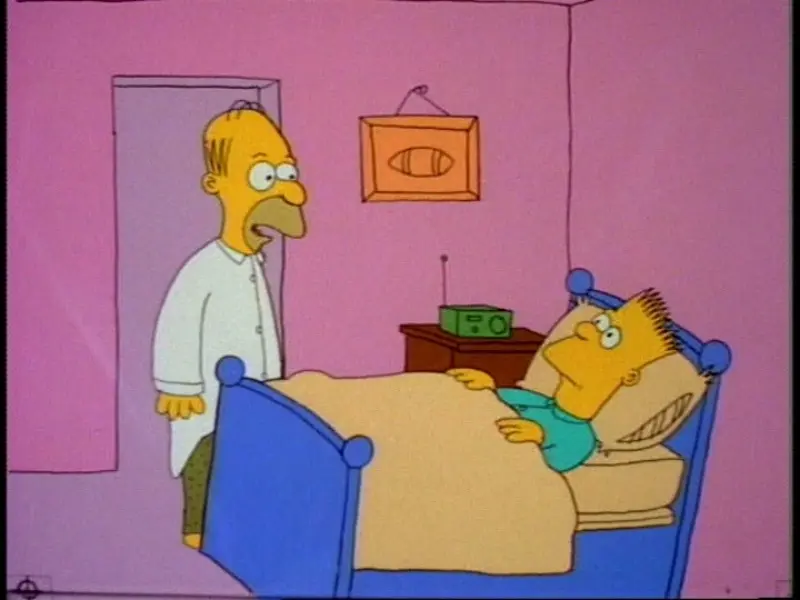
The first years were created with traditional cel animation and photographed on film. On today’s high resolution screens, viewers can see film grain, dust, color drift, and slight jitter that were normal for the era but stand out against current digital images.
The series later moved to digital ink and paint and then to full high definition delivery. The changeover created a visible line between production eras, and the oldest episodes can appear less crisp when watched next to later episodes in the same playlist.
Aged Masterfully: Flexible opening sequence and couch gags
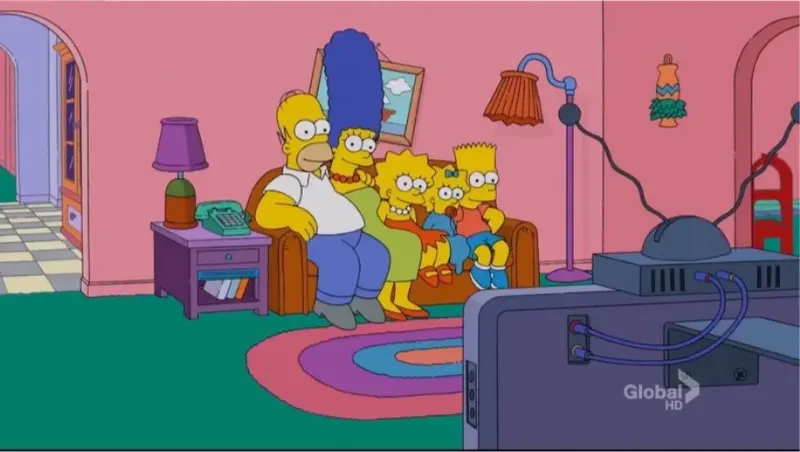
The opening evolved in measurable ways while keeping the same structure. A refreshed high definition version debuted with new city flyovers, a longer pan across Springfield Elementary, and updated background signage that could carry extra jokes.
Couch gags provide an extensible slot for short films inside the show. Guest animators have delivered special versions, and the sequence can be lengthened for seasonal events, crossovers, or milestone episodes, which keeps the show’s front door adaptable to new ideas.
Aged Poorly: Topical and product specific gags timestamp episodes
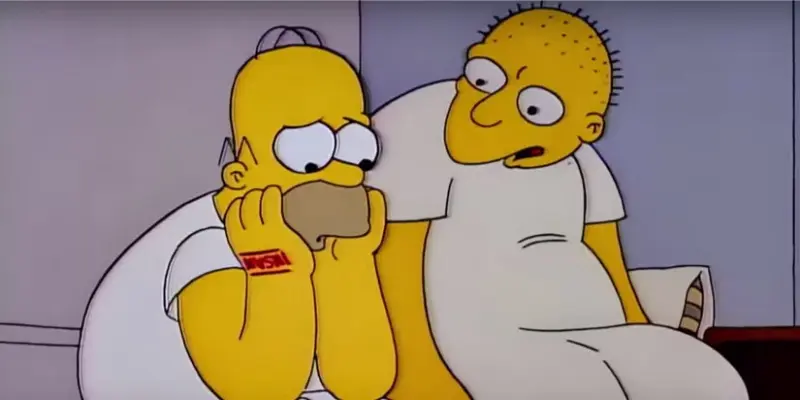
Many jokes rely on then current products, media personalities, and consumer tech that are no longer common. The show featured items like pagers, dial up modems, and now retired devices, along with guest appearances by figures tied to a particular moment.
These choices help date the episodes for anyone watching years later. Without context, a punchline tied to a brand or a short lived fad can read as a reference guide to a past decade rather than a self contained joke.
Aged Masterfully: Catchphrases and new words entered everyday language

The show’s language crossed into dictionaries and mainstream speech. Homer’s signature exclamation was added to major dictionaries in the early two thousands, and the word embiggen, popularized by the show, received formal dictionary recognition years later.
These entries reflect measurable cultural adoption. They have appeared in headlines, academic writing, and advertising copy, which shows how specific coinages from the series moved beyond individual episodes and into general use.
Aged Poorly: Archival edits and pulled episodes change access
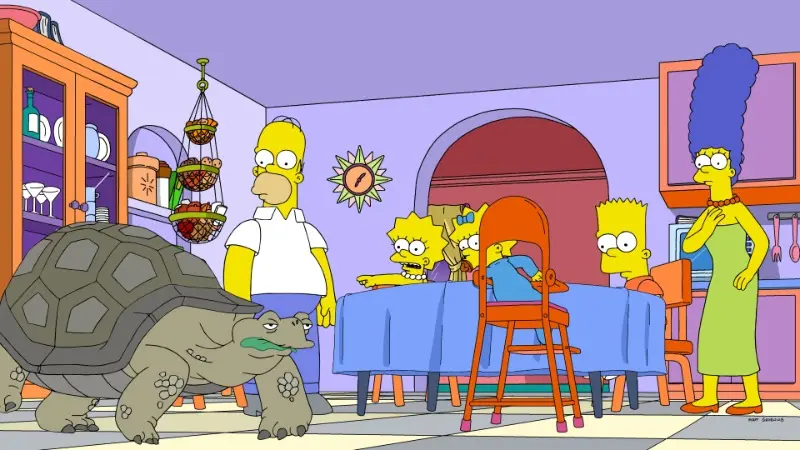
A small number of episodes have been altered or removed from rotation. One high profile case saw an episode with a celebrity guest pulled from syndication and streaming libraries, and that decision remains part of the show’s distribution history.
Syndication cuts for time also trimmed scenes for broadcast windows in various markets. Some streaming versions restore original edits while others still use shortened cuts, which makes episode availability and completeness vary by platform and region.
Aged Masterfully: Satirical coincidences align with later events
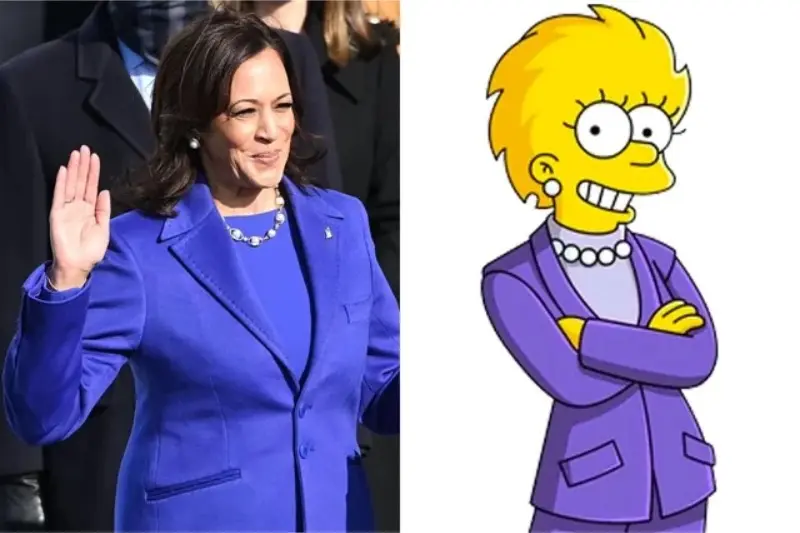
Several story elements have matched real world developments years after they aired. Examples include wearable tech shown as a normal accessory, touchscreen devices in everyday settings, and voting machine glitches depicted in a parody segment.
These coincidences became a documented part of the show’s legacy, with lists and roundups appearing whenever new parallels are noticed. The pattern helps older episodes draw fresh attention since viewers can link specific gags to later headlines.
Share your favorite examples of what did not hold up and what still shines from ‘The Simpsons’ in the comments.

