


5 Ways the ‘Sons of Anarchy’ Aged Poorly (& 5 Ways It Aged Masterfully)

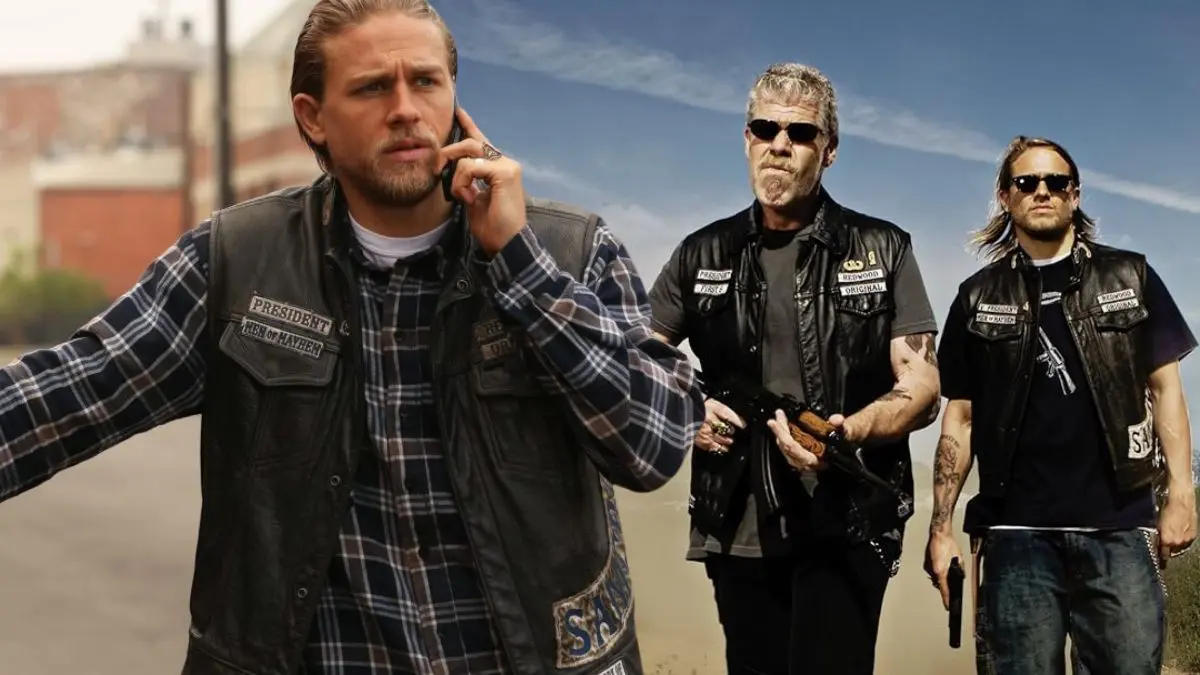


‘Sons of Anarchy’ arrived as a muscular cable drama built around family ties, outlaw codes, and small town power. It told a continuous story across seven seasons with a clear beginning and end, following the rise and reckoning of Jax Teller and the Redwood Original charter. The show used real riding, tactile locations, and a grounded look that made its world feel lived in and specific.
Time has moved on, audience habits have shifted, and television formats have changed. Some choices now look rooted in the moment of their making, while other craft decisions still read as confident and durable. Here are five ways it aged poorly and five ways it aged masterfully.
Aged Poorly: Long 13 episode seasons and variable runtimes
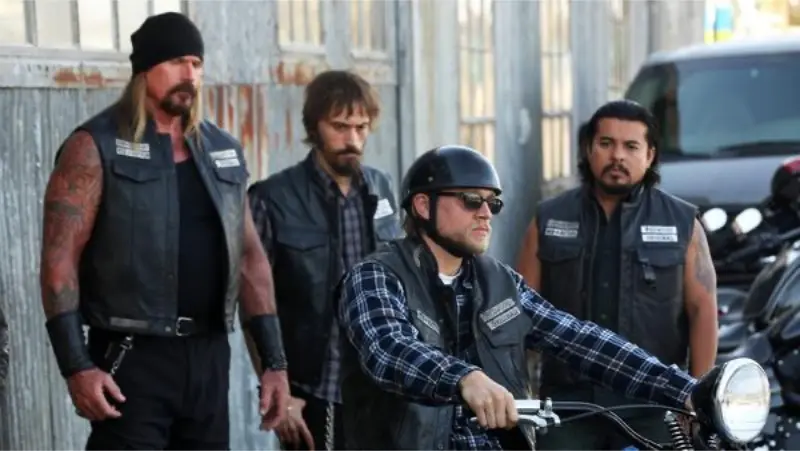
The series ran for seven seasons and delivered ninety plus episodes, with many entries running close to or beyond an hour. Episodes were built for weekly cable with act breaks for commercials, which shaped how scenes were arranged and how subplots were distributed across a season.
Contemporary prestige dramas often use shorter orders that cluster around eight to ten episodes. That shift favors tighter arcs and fewer detours, while ‘Sons of Anarchy’ often carried multiple side stories at once across thirteen entries, which requires a greater time commitment from new viewers.
Aged Masterfully: A fully serialized multi season arc that pays off
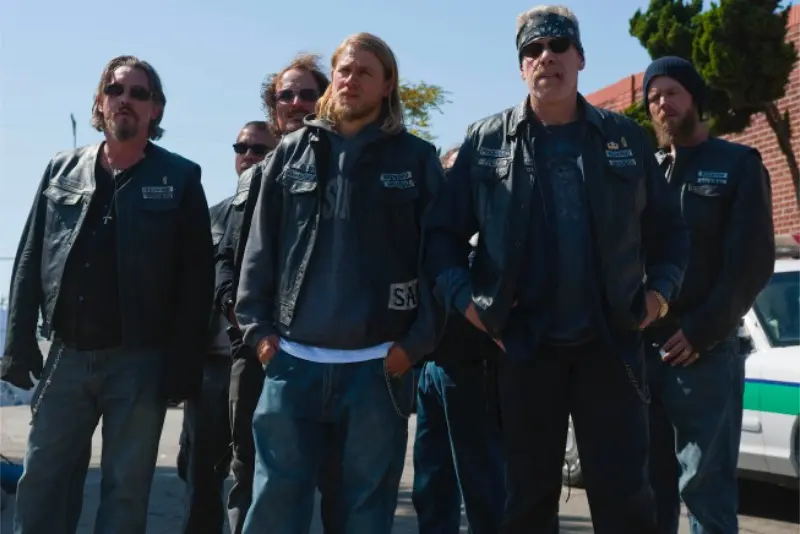
The show tracks Jax Teller from heir apparent to club president and through the consequences that follow. Major plotlines such as the Belfast search, the cartel entanglements, and the final reckoning unfold over many hours, and earlier choices echo in later seasons.
This structure rewards start to finish viewing. Characters carry wounds and debts across years, and internal club rules and votes drive decisions on screen. The result is a clear throughline that lets viewers map cause and effect without resets.
Aged Poorly: Out of date phones and surveillance norms
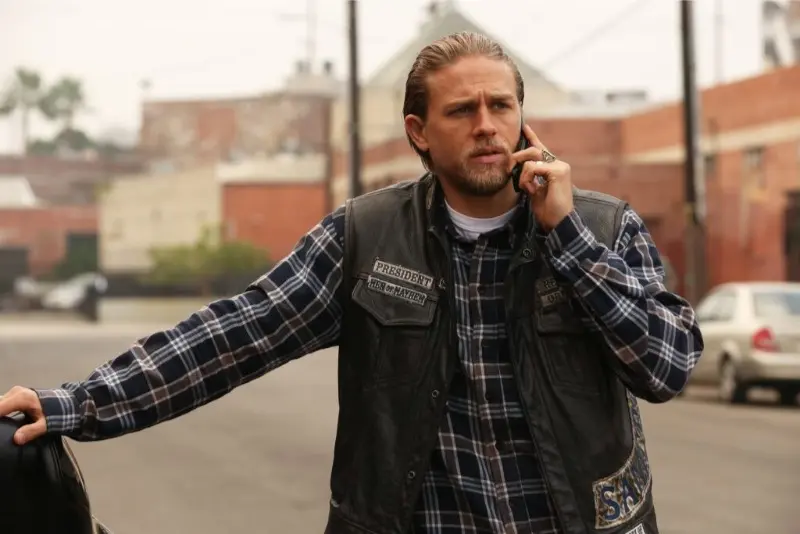
Characters rely on flip phones, burner swaps, and face to face meets to manage risk. Investigations on the law enforcement side reflect a period before wide adoption of body cameras, cloud backed messaging, and location aware social platforms.
Modern cases often turn on device forensics and digital trails. The absence of ubiquitous encrypted chat, constant GPS logs, and camera coverage places the action in a narrower surveillance environment than viewers now expect.
Aged Masterfully: Real riding and practical biker details
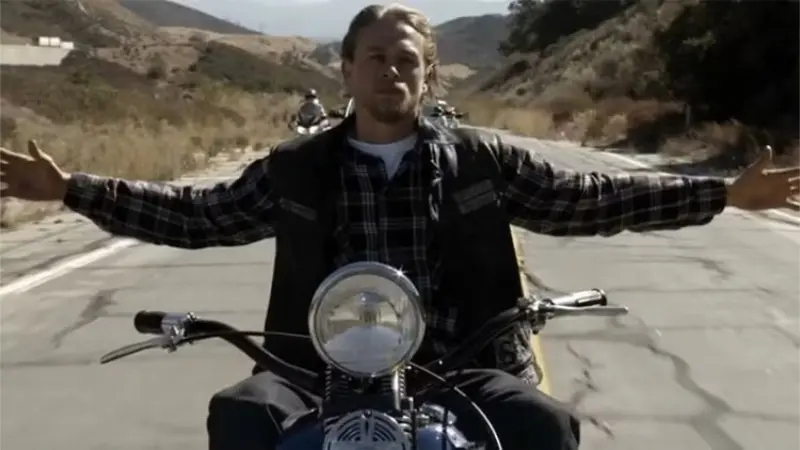
The principal cast trained to ride and regularly performed group runs on camera. The production favored practical riding shots over green screen solutions, which gives chase scenes and convoy moves a sturdy physical presence.
Bikes, kuttes, and gear are consistent with club style. Harleys dominate the fleet, bars and seats reflect long hour comfort and control, and the staging of meets and funerals follows recognizable motorcycle club customs.
Aged Poorly: Gender balance inside the club world
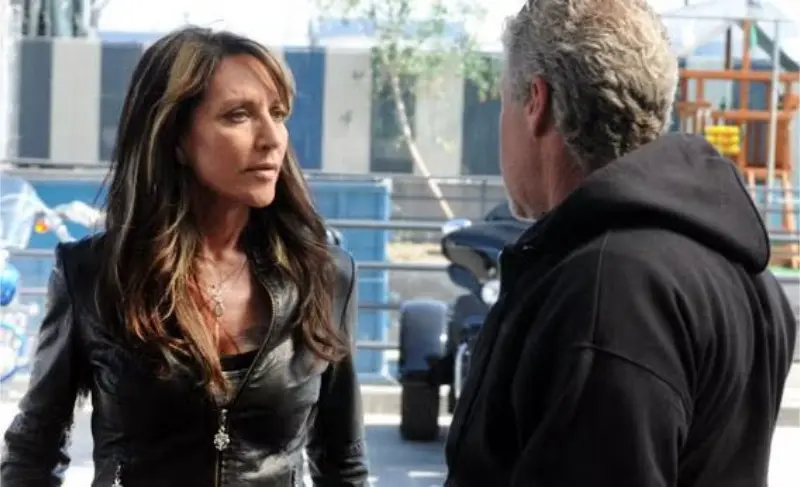
SAMCRO leadership and voting rights are restricted to male members within the story world. Women characters such as Gemma, Tara, Wendy, and Lyla exert influence, yet the club’s bylaws and power structures exclude them from formal authority.
This arrangement means criminal strategy, treasury decisions, and discipline are handled in rooms where women are not present. The setup reflects the fictional charter’s rules and keeps institutional power fixed inside a closed circle.
Aged Masterfully: Performances that anchored the series
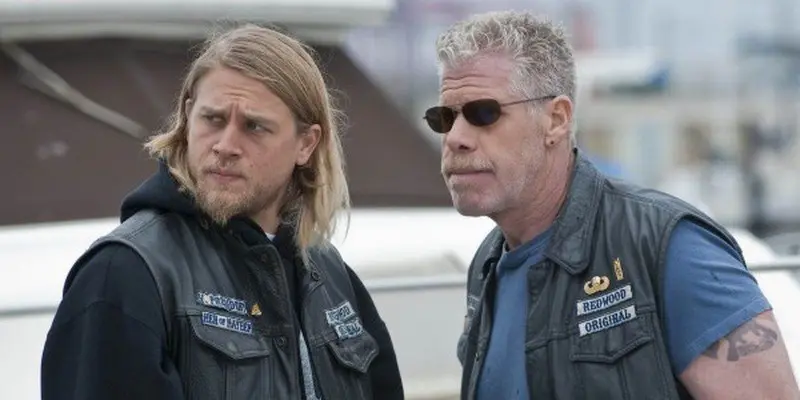
The ensemble features Charlie Hunnam, Katey Sagal, Ron Perlman, Maggie Siff, Tommy Flanagan, Kim Coates, Theo Rossi, and Ryan Hurst. Katey Sagal earned a Golden Globe for her work, and multiple cast members received nominations and guild recognition over the run.
Creator Kurt Sutter served as showrunner and appeared on screen as Otto Delaney. The cast mix of veterans and rising leads gave the show a distinct cadence in scenes ranging from table votes to prison visits.
Aged Poorly: Compressed portrayals of international conflict
The True IRA thread, the Belfast arc, and later cartel dealings condense complex political histories into streamlined plot engines. Scenes set in Northern Ireland were largely staged on California builds rather than local streets, and accents and signage were recreated by the art and dialect teams.
Those choices keep the focus on SAMCRO but reduce regional context. The result is a version of paramilitary and cartel networks simplified for speed, with fast shifts in alliances that favor narrative momentum over fine grain detail.
Aged Masterfully: Coherent visual identity and world building
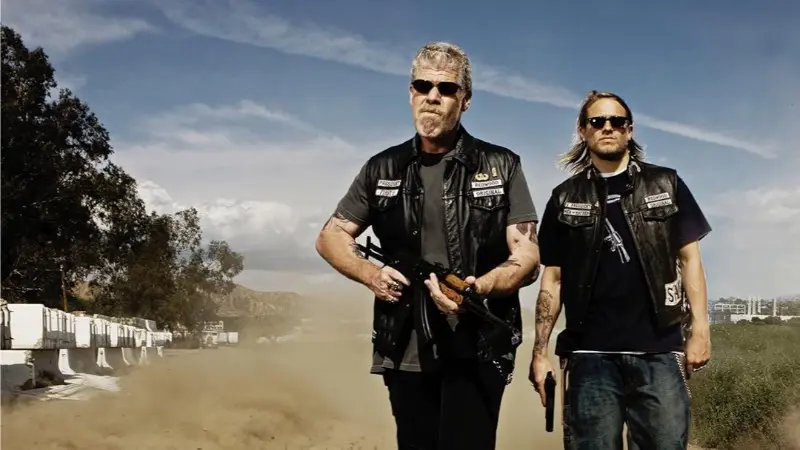
The Teller Morrow Automotive yard, the clubhouse, the reaper logo, and the Charming storefronts create a consistent visual map. Viewers can place where a scene happens and understand how characters move between the garage, the table, and the street.
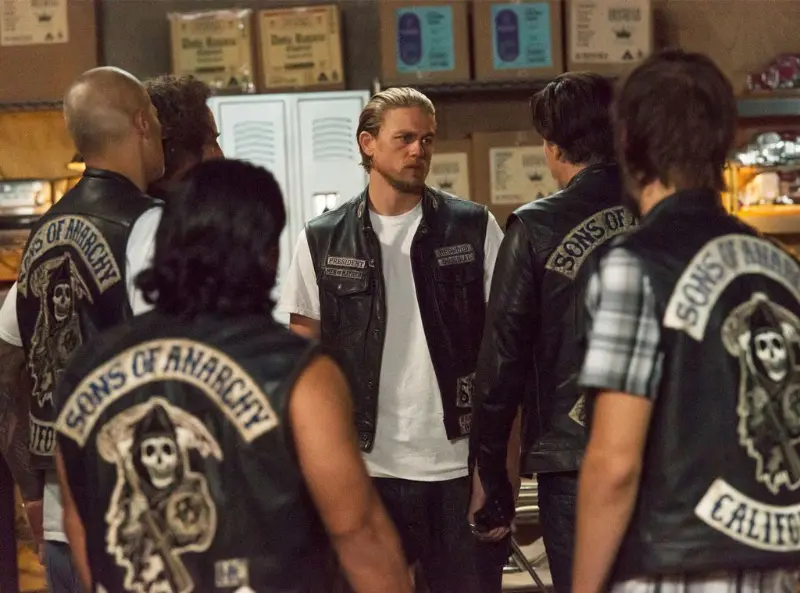
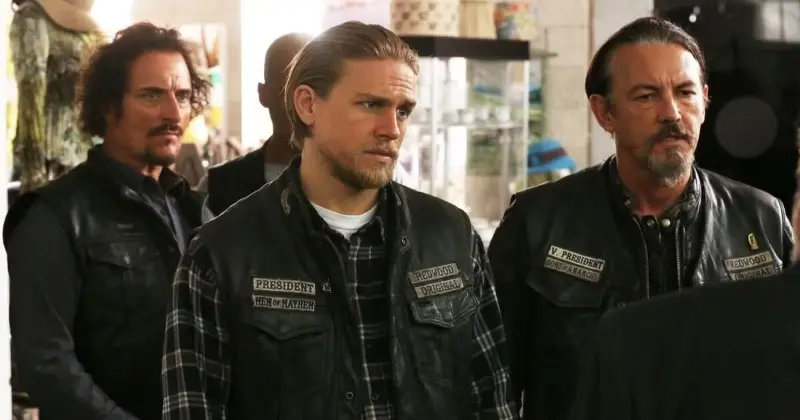
Costume and patch language remain steady. Rockers, prospect cuts, Men of Mayhem markings, and memorial touches on vests track status and history, so wardrobe tells the story even before anyone speaks.
Aged Poorly: Built for ad supported pacing rather than seamless binge viewing
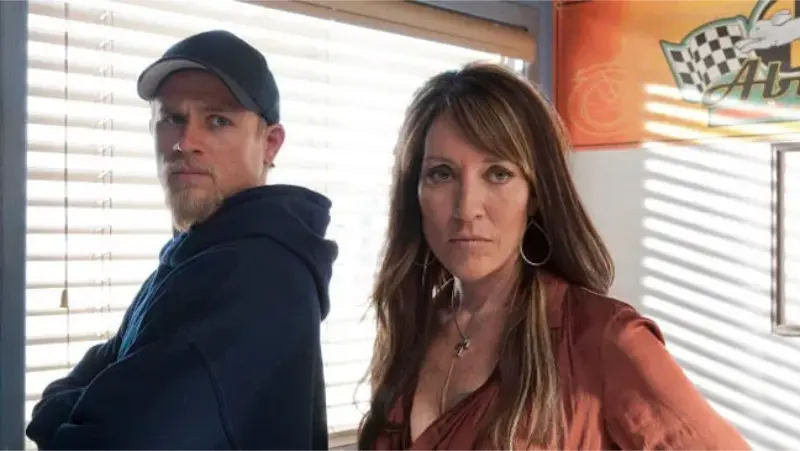
Episodes open with a cold start, build through act breaks, and close with a tag that tees up next week. That rhythm suited appointment viewing and guided where peaks and reversals landed inside an hour.
In streaming libraries the same structure appears without commercial pauses. Quiet beats placed before a break now sit mid episode and late act turns can arrive earlier than expected, which changes how the hour breathes when watched back to back.
Aged Masterfully: A durable footprint with spinoffs and tie ins
The world extended beyond the flagship with ‘Mayans M.C.’ which explored a neighboring charter and its politics. Tie in material included officially licensed prose and comics that mapped untold runs and character backstories within canon.
Home releases carry commentaries and behind the scenes features that document bike builds, stunt planning, and club etiquette. The continued presence of the reaper logo in licensed goods and pop culture signals ongoing recognition of the brand.
Share your take in the comments on which parts of ‘Sons of Anarchy’ held up best for you and which parts feel most locked to their moment.

