


5 Ways the ‘The Big Bang Theory’ Aged Poorly (& 5 Ways It Aged Masterfully)


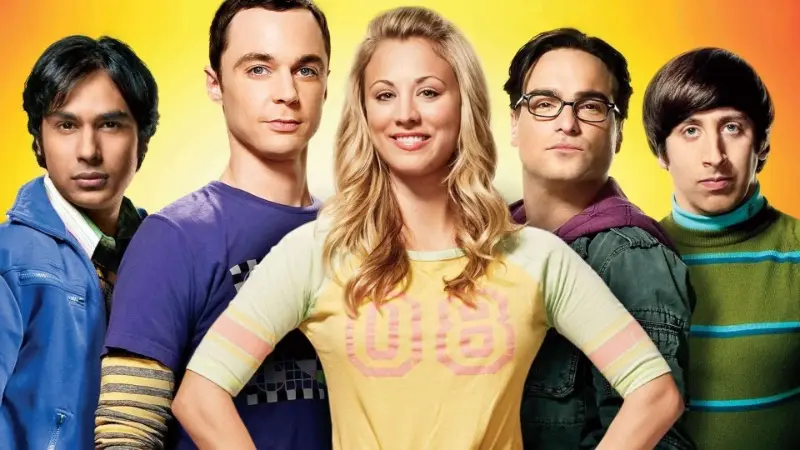
‘The Big Bang Theory’ arrived with a very specific setup that mixed roommate rules, lab life, and next door neighbor chemistry in a compact apartment building. The show followed physicists Sheldon Cooper and Leonard Hofstadter alongside friends Penny, Howard Wolowitz, and Rajesh Koothrappali, later expanding to include Amy Farrah Fowler and Bernadette Rostenkowski. It paired academic settings with everyday routines like takeout nights, comic shop trips, and whiteboard problem solving.
Across twelve seasons the series built long story arcs while also leaning on weekly gags that reflected the culture of the moment. Looking back reveals places where certain choices feel out of step with newer norms, as well as elements that continue to play cleanly because they rest on clear character goals, accurate science touches, and a carefully maintained world.
Aged Poorly: Early nerd and gender stereotypes
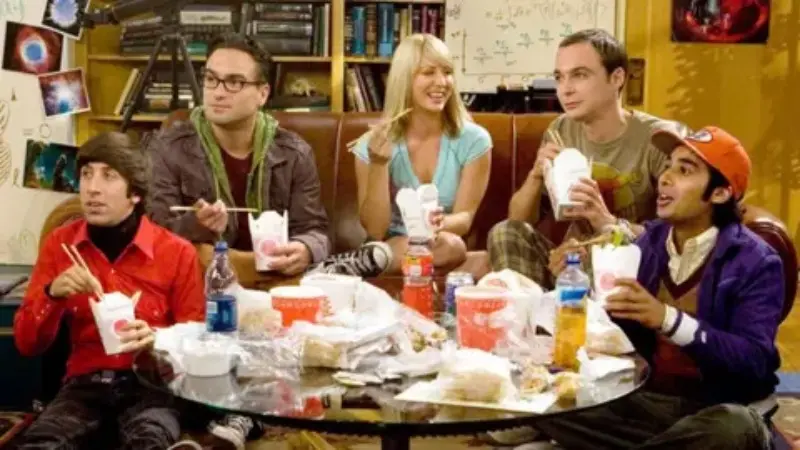
The earliest seasons centered many jokes on the men as socially inept while Penny functioned as a contrast from outside the academic world. Scenes used rating charts, awkward deception to secure dates, and frequent commentary on appearance to set up punch lines, which placed repeated emphasis on one group as the joke target rather than the situation. Story beats often returned to the same premise of the guys struggling in basic conversations at parties or in hallways.
As the cast expanded to include more women in research roles, the earlier pattern still remains visible in rewatch order. Episodes from the opening years feature the group inventing excuses to meet women, staging fake scenarios, or leaning on uncomfortable lines that treat boundaries as negotiable for a gag. These choices are fixed on screen, so they stand out when viewed next to later seasons that give the women parallel professional agency.
Aged Masterfully: Scientific accuracy and real life cameos
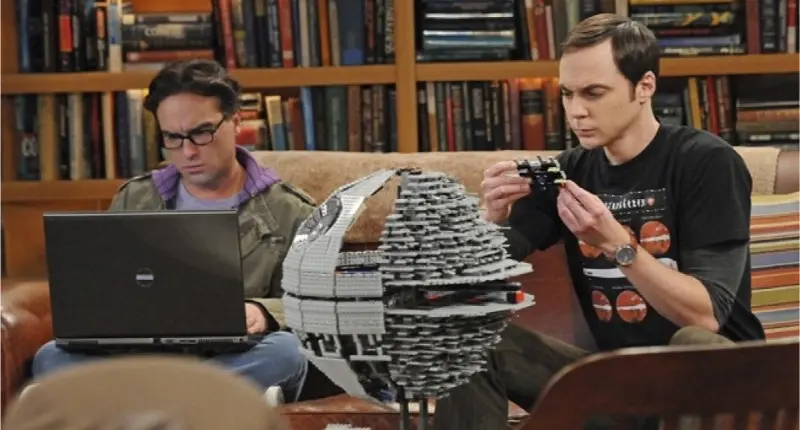
The production used a dedicated science consultant to populate whiteboards with current equations, to keep terminology consistent with physics and engineering standards, and to ensure lab props matched real equipment. References to string theory, quantum mechanics, materials science, microbiology, and neuroscience appear in context with conference talks, grant applications, and peer review, which anchors plots in recognizable academic workflows.
Cameos by scientists and science communicators folded real figures into the fiction and gave the series a direct bridge to the communities it depicted. Appearances by Stephen Hawking and other public science voices placed the characters inside events like lectures and award ceremonies that viewers can identify with actual milestones. That blend of accurate set dressing and expert guest spots created a library of episodes that still read as careful about technical detail.
Aged Poorly: Raj’s selective mutism as a comic device
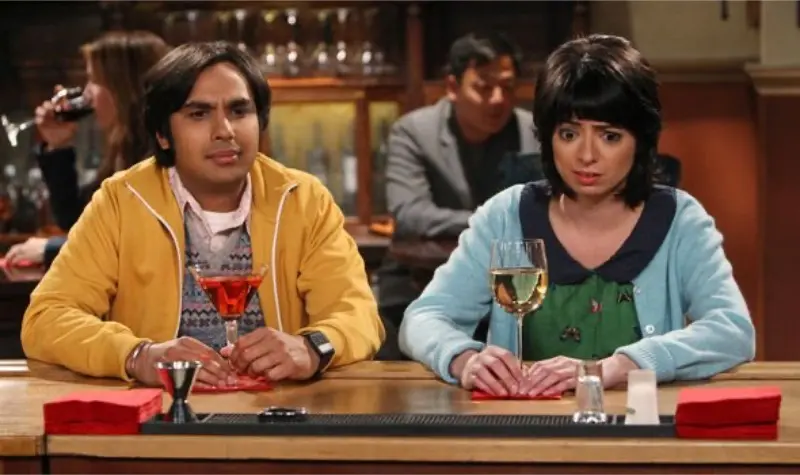
For several seasons Raj could not speak to women outside his family unless he had alcohol, and the silence or sudden change after drinking served as a recurring joke engine. Scenes built around this condition created predictable beats at group dinners, work functions, and apartment gatherings where the inability to speak became the button for the scene rather than a step in character growth.
The series eventually moved him past the limitation, and later episodes show him talking freely and building friendships without that crutch. Because the earlier setup repeats over many episodes, the shift highlights how much runtime once depended on the constraint. That makes the old approach feel anchored to an earlier view of social anxiety that uses the struggle as spectacle.
Aged Masterfully: Long term character arcs that conclude cleanly
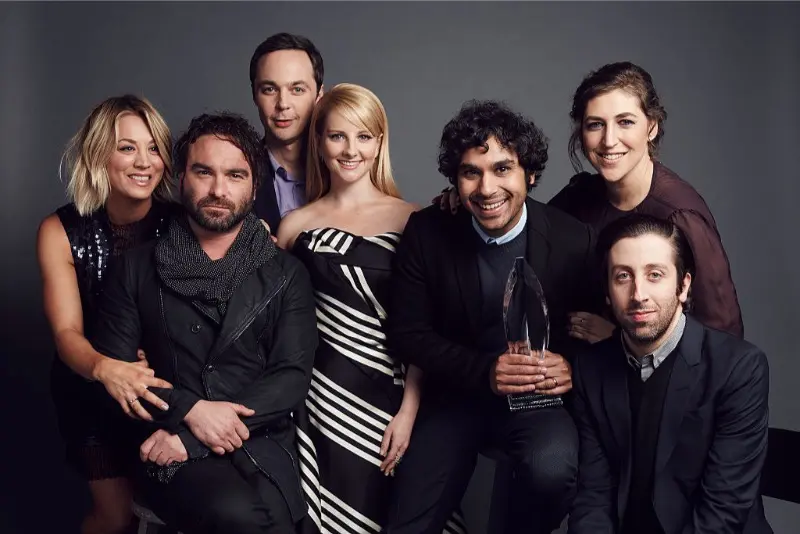
Major arcs land in definitive outcomes that give the ensemble clear endpoints. Sheldon and Amy complete a research path on super asymmetry that leads to top recognition in their field, Leonard and Penny marry after years of stops and starts, and Howard completes astronaut training and flies to the International Space Station. Bernadette progresses in microbiology with visible career steps, and the elevator finally gets repaired after years as a running set piece.
These finishes are integrated into prior plot threads rather than arriving as late twists. The show lays track with roommate agreements, relationship contracts, conference trips, and professional rivalries that accumulate into those endings. Because the resolutions tie back to long planted details, the conclusion of the series remains straightforward to follow for first time viewers and rewatchers.
Aged Poorly: Early Howard storylines built on harassment humor

Howard’s first seasons repeatedly use unwanted advances, deceptive setups, and off screen restraining orders as recurring punch lines. The character’s engineering skill sits next to scenes that treat intrusion and persistence as inventively funny rather than inappropriate, which places many early plots on repeated behavior that relies on discomfort.
Later years reposition him through a committed relationship, marriage, and family life that centers responsibility, but the archived episodes lock in the earlier pattern. When viewed in sequence the shift reads clearly, and the contrast draws attention to how often the initial portrayal leaned on behavior that many workplaces and campuses now label as misconduct in training and policy materials.
Aged Masterfully: Mainstream visibility for STEM work and culture
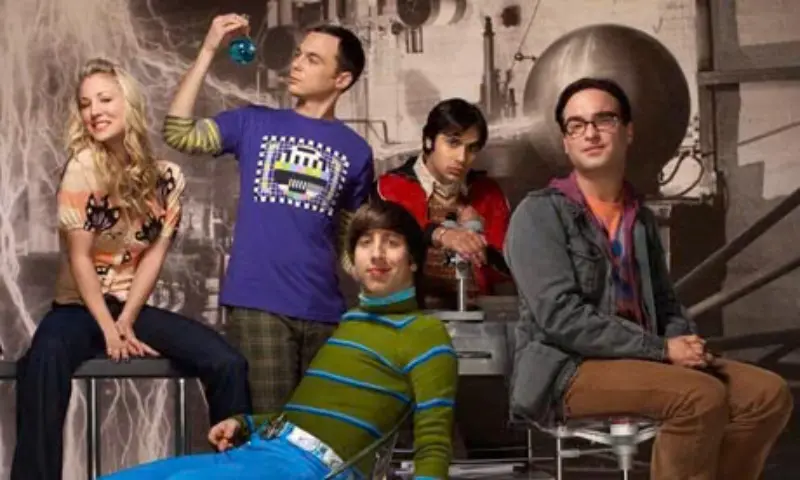
The series puts academic life on screen in ordinary moments that many viewers rarely saw in prime time settings. Lab safety rules, colloquium schedules, grant deadlines, tenure discussions, and conference poster sessions appear as normal background to dinners and game nights. That steady presence normalizes research workflows and shows how projects move from idea to publication.
Hardware builds and software tinkering receive similar attention. Episodes show soldering stations, clean room suits, cryogenics gear, high performance computing tasks, and whiteboard problem decomposition used to troubleshoot hard problems. This matter of fact presentation gives students and families exposure to the day to day reality of technical careers without turning the details into lecture material.
Aged Poorly: Time locked tech and pop culture references
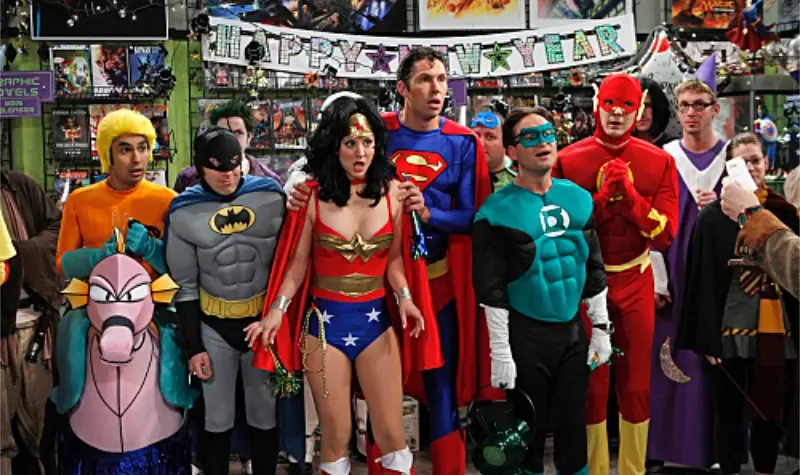
Many plots rely on the specific gadgets and platforms of their production years, including arguments about HD DVD and Blu ray, game nights on older console generations, and social plans coordinated on earlier smartphone eras. Some episodes center entire stories on limited edition devices or discontinued services, so the narrative stakes rest on products that new viewers may never have handled.
The same effect appears with media references that spike to a particular release window. Debates about theatrical lineups, midnight launches, and day one disc purchases place the characters in a calendar that no longer matches current distribution habits. The jokes still scan, but the utility of those scenes now includes a snapshot of consumer tech history more than broadly applicable situations.
Aged Masterfully: Sitcom structure with consistent world building
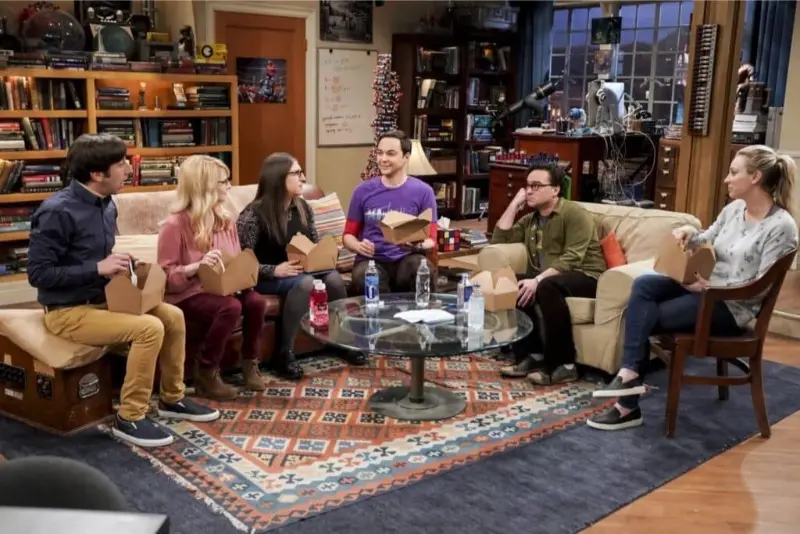
The show maintains a stable geography that rewards repeat viewing. The apartment layouts, the hallway and stairwell rhythm, the Caltech offices and cafeteria, the comic book store, and the Cheesecake Factory create a small map that viewers can navigate from memory. Running elements like the roommate agreement clauses, the three knock pattern, and the recurring whiteboard problems keep continuity visible across seasons.
The multi camera format and live audience timing give episodes a steady cadence that fits syndication and casual drop in viewing. Cold opens, tags, and reset friendly A plots and B plots let viewers watch out of order without confusion while still noticing slow burn changes in relationships and careers. That structure helps the series function well in reruns and streaming queues.
Aged Poorly: Limited breadth of diversity beyond the core
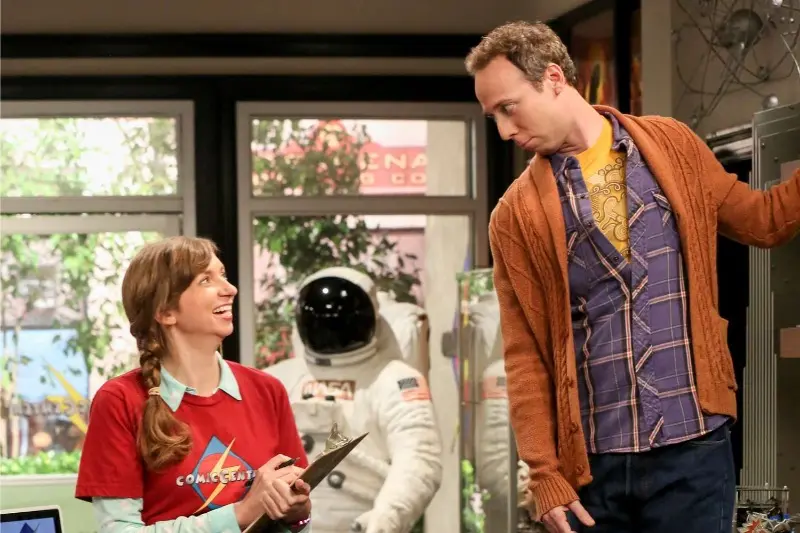
The core ensemble centers on a small group with one main character of Indian descent and a majority of characters who share similar academic or social backgrounds. The setting is a highly diverse region, yet recurring speaking roles for Black and Latino scientists, neighbors, or coworkers appear less frequently than the surroundings might suggest. This results in many episodes where the social circle looks narrower than the campus and city outside.
Guest stars often play themselves or reprise a version of a familiar screen persona, which keeps the orbit tight around the main cast. While later seasons introduce more women in science roles through Amy and Bernadette, the regular rotation of colleagues and rivals still returns to the same faces. The pattern shapes workplace scenes, conference trips, and apartment gatherings in ways that remain fixed on rewatches.
Aged Masterfully: Syndication, global reach, and lasting cultural footprint
The series enjoyed a very long run on network television followed by strong syndication that keeps episodes in regular rotation worldwide. The finale aired to a very large audience and the show continues to draw viewers through reruns and streaming, which indicates steady interest in the characters and their world. The prequel ‘Young Sheldon’ extends that universe for audiences who want more background on key figures.
Catchphrases and props moved into merchandise that remains visible years later. Bazinga shirts, Soft Kitty items, and apartment set replicas appear in retail and fan spaces, and themed trivia nights still use details like the roommate agreement and laundry schedules. Those markers show how the show’s elements continue to circulate outside their original airtime.
Share your take in the comments and tell us which moments from ‘The Big Bang Theory’ you think held up best and which ones feel the most dated now.

