


5 Ways ‘X-Men: Apocalypse’ Aged Poorly (And 5 Ways It Aged Masterfully)

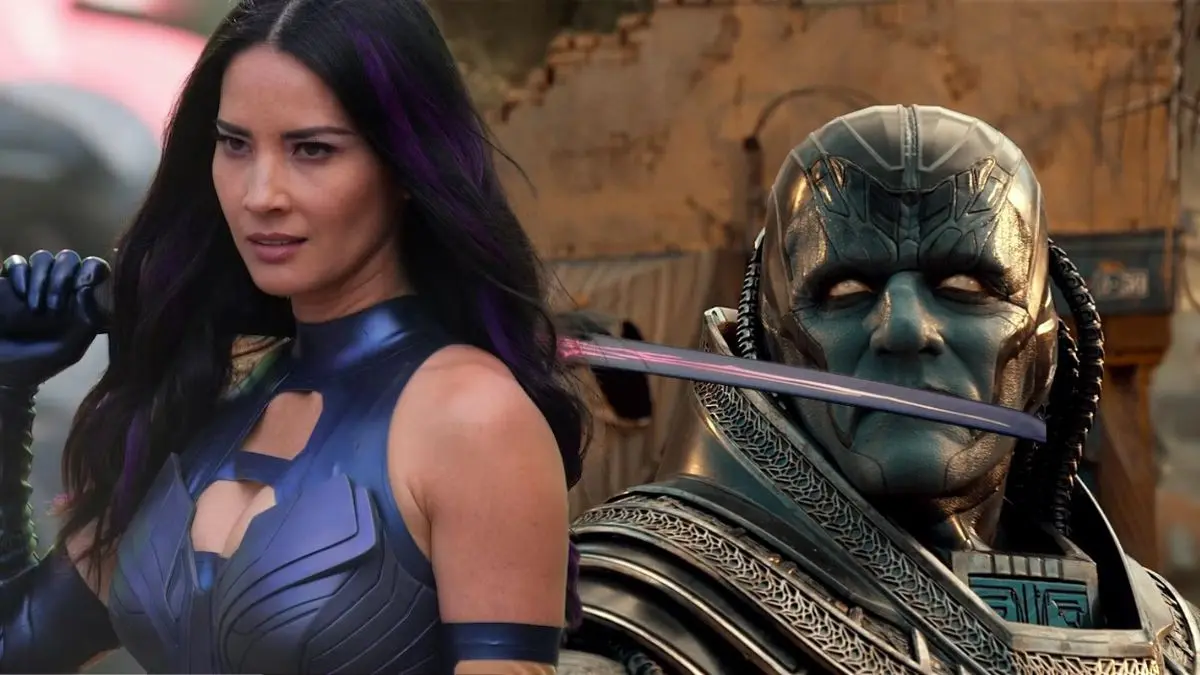


‘X-Men: Apocalypse’ (2016) hit theaters with big expectations, aiming to build on the success of its predecessors. It introduced a world-ending villain and a younger X-Men team, but not all of its choices have stood the test of time.
Some elements feel dated or clunky now, while others still shine for their boldness or emotional weight. Let’s break down five ways the movie hasn’t aged well and five ways it still holds up.
Overloaded Plot (Aged Poorly)

The story tries to juggle too many characters and subplots. Apocalypse’s plan, Magneto’s family tragedy, and the new X-Men recruits all compete for screen time, leaving little room for depth. This makes the film feel messy today. Modern audiences often prefer tighter narratives that focus on fewer characters with stronger arcs.
Bold Visual Effects (Aged Masterfully)
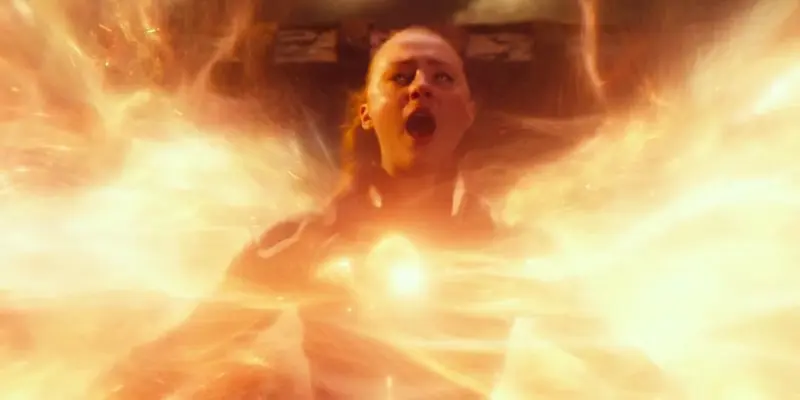
The movie’s visuals, like Apocalypse’s powers and the destruction of cities, still look impressive. The vibrant colors and creative designs hold up against newer superhero films. These effects add a grand scale that feels timeless. They capture the comic-book energy fans love.
Weak Villain Motivation (Aged Poorly)
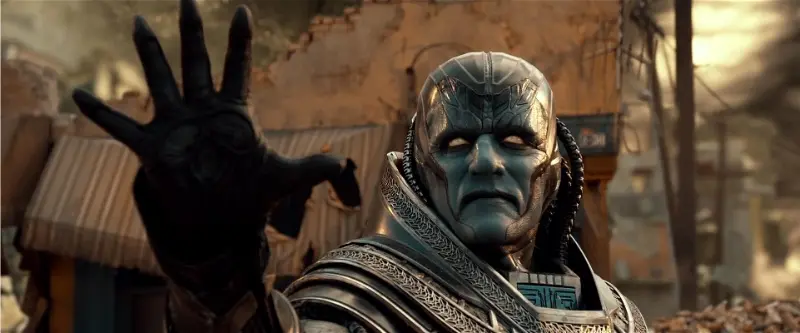
Apocalypse’s goal to remake the world feels vague and generic. His god-like attitude lacks the nuance of modern villains like Thanos or Killmonger. Today, audiences expect antagonists with clear, relatable motives. This makes Apocalypse feel flat compared to more complex foes.
Magneto’s Emotional Arc (Aged Masterfully)
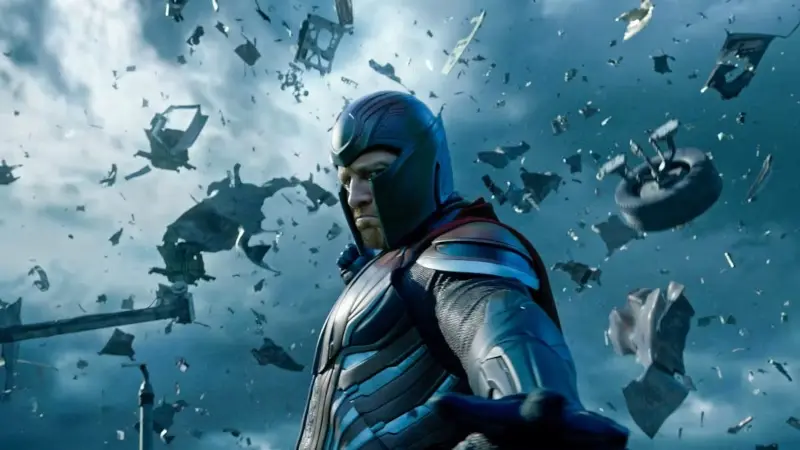
Magneto’s personal tragedy, losing his family, remains a gut punch. Michael Fassbender’s performance carries raw pain that resonates deeply. This emotional core still connects with viewers. It grounds the film’s larger-than-life stakes in something human.
Dated Humor (Aged Poorly)
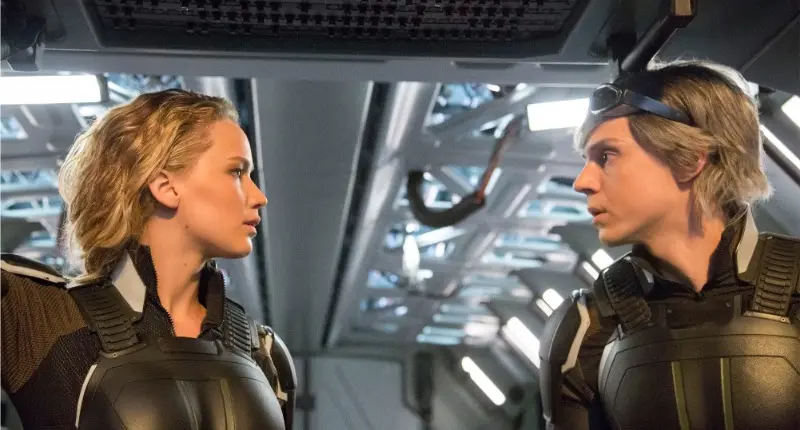
The film’s humor, like Quicksilver’s one-liners, feels forced and out of place now. It leans on outdated pop culture references that don’t land anymore. Current superhero films use sharper, character-driven comedy. This makes the attempts in ‘Apocalypse’ feel awkward.
Quicksilver’s Showstopping Scene (Aged Masterfully)
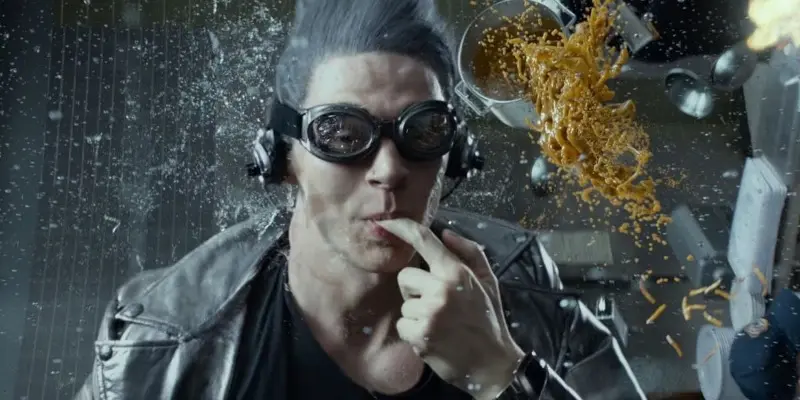
Quicksilver’s slow-motion rescue sequence is a standout. The creative choreography and clever use of speed still feel fresh and exciting. It’s a moment that fans still talk about. The scene’s energy and originality keep it iconic.
Thin Character Development (Aged Poorly)

New characters like Psylocke and Storm get little backstory or growth. They’re reduced to cool visuals without much personality. Modern audiences want richer character arcs. This lack of depth makes some mutants feel forgettable today.
Strong Ensemble Chemistry (Aged Masterfully)
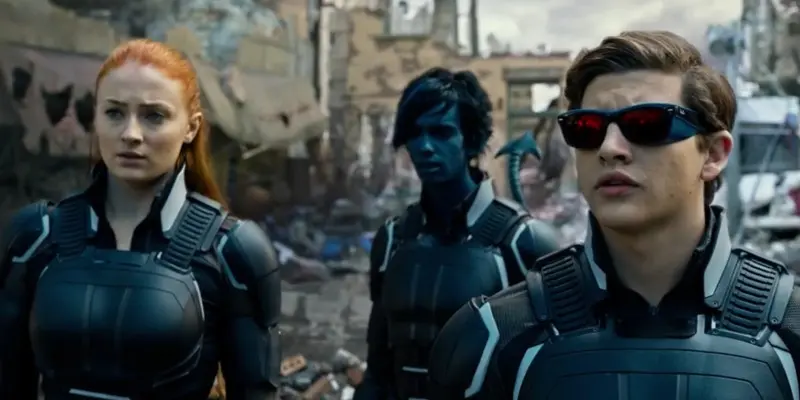
The young X-Men, like Jean Grey and Cyclops, share a natural bond. Their interactions feel authentic and lay groundwork for future stories. This chemistry still works well. It makes the team dynamic engaging and believable.
Clunky CGI Costumes (Aged Poorly)
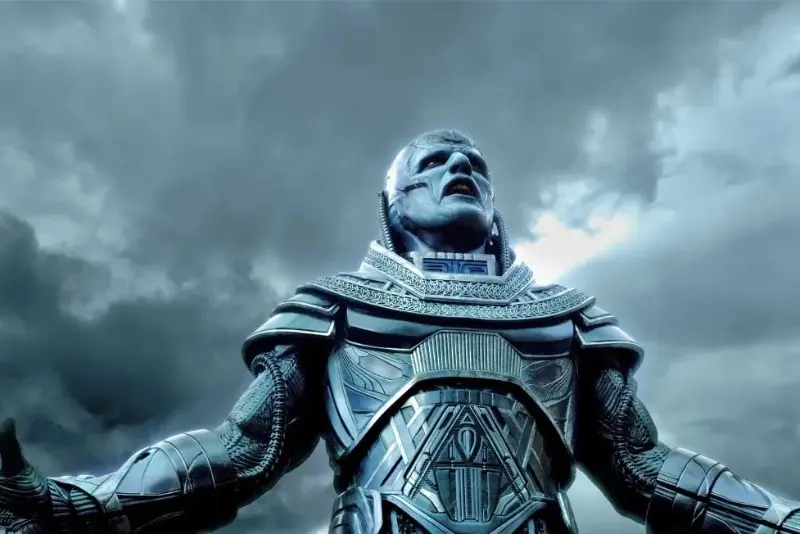
Some costumes, like Apocalypse’s armor, look overly polished and fake. The CGI-heavy designs haven’t aged as well as practical effects in other films. Today’s audiences notice these flaws more. Practical or subtler CGI costumes in newer movies feel more grounded.
Timeless Themes of Unity (Aged Masterfully)
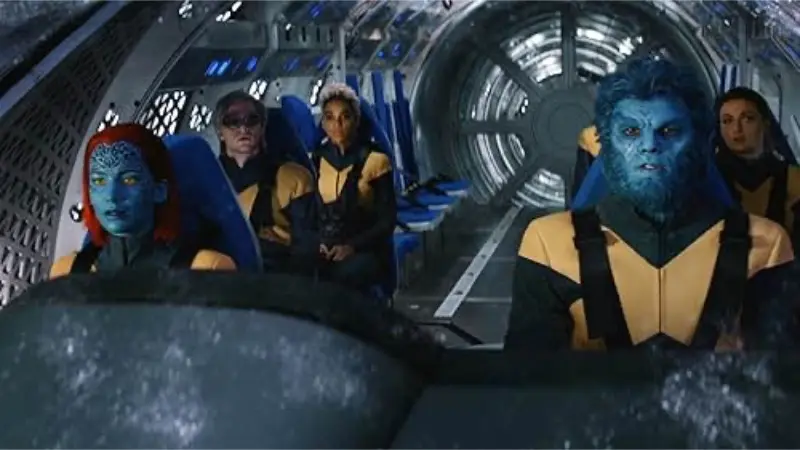
The film’s focus on mutants uniting against a common threat still resonates. It tackles prejudice and teamwork in a way that feels relevant. These themes keep the movie meaningful. They connect with audiences who value stories about acceptance.
What’s your take on how ‘X-Men: Apocalypse’ has aged—share your thoughts in the comments!

