Why Hollywood is Obsessed with the Glitz of the Casino

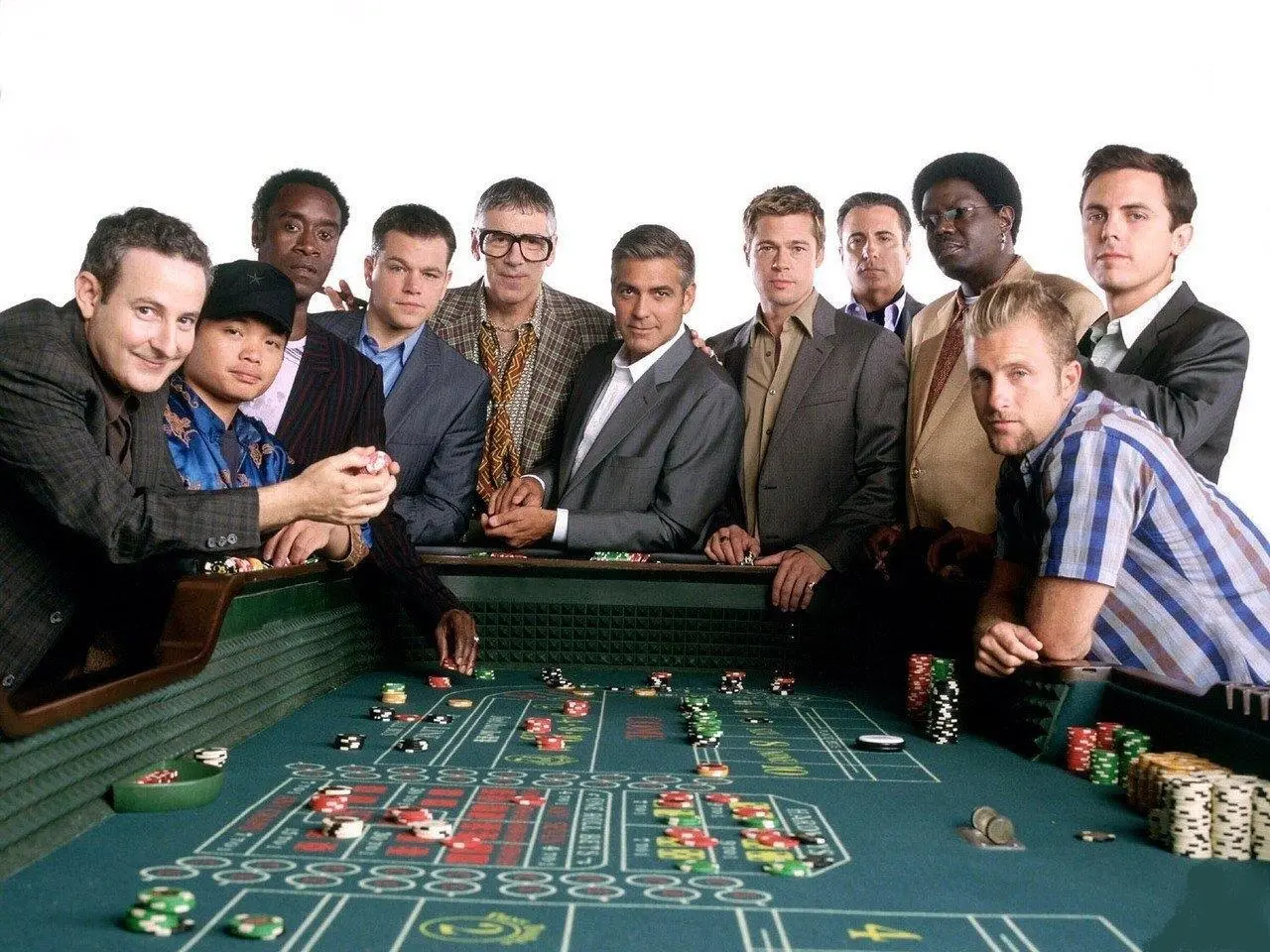

Hollywood has always had a love affair with the glitz, glamour, and high-stakes tension of the casino floor. From the suave, tuxedo-clad maneuvers of James Bond in Casino Royale to the meticulously planned, neon-soaked heist of Ocean’s Eleven, filmmakers continuously return to the world of rolling dice and spinning wheels to crank up the narrative tension.
But in recent years, this fascination has spilled over into an entirely different powerhouse genre: superhero cinema and peak television.
The Modern Hero’s Playground
When you think of modern comic book movies, you usually picture grand alien invasions, collapsing skyscrapers, and caped crusaders saving the universe. Yet, writers consistently use casino settings to ground their larger-than-life characters in a recognizable form of elite human indulgence.
Take Marvel Studios’ Black Panther, for example. One of the film’s most exhilarating, visually stunning set pieces takes place inside an underground, high-stakes casino in South Korea. The environment allows characters like T’Challa, Okoye, and Nakia to trade their tactical gear for elegant evening wear, blending classic espionage style with superhero physics. The contrast between the rigid, traditional rules of the baccarat tables and the chaotic, kinetic brawl that follows is pure cinematic gold.
A similar vibe echoes through the galaxy in Star Wars: The Last Jedi, where the opulent casino city of Canto Bight serves as a playground for the ultra-wealthy. It proves that whether a story is set in Monaco, Seoul, or a galaxy far, far away, the visual language of luxury gaming represents the ultimate test of luck, wit, and high status.
From the Big Screen to the Living Room
The obsession isn’t exclusive to the box office. Television and streaming platforms have leaned heavily into the psychological drama inherent to gaming. Shows like Billions and Succession frequently use exclusive card rooms and high-roller suites as battlegrounds where billionaires wager empires instead of just cash.
The allure is obvious: a casino floor is a natural pressure cooker. It’s a space where an actor can convey an entire narrative arc through a subtle facial tic, a hesitant bet, or a confident bluff. Directors love it because the flashing lights and intense green felt provide an instant, atmospheric backdrop that requires zero explanation.
Bringing the Glitz Home
The enduring popularity of these tropes on screen has naturally mirrored a massive real-world shift. Audiences don’t just want to watch characters play the odds on their televisions; they want a taste of that excitement themselves. As streaming habits have shifted entertainment directly into our living rooms, the gaming world has followed suit. Modern digital platforms and social sweepstakes spaces now offer the exact same neon-soaked energy of a physical floor, accessible right from a smartphone during a commercial break.
For those looking to replicate that cinematic high-stakes thrill without the Hollywood budget, finding the right entry point is key. Utilizing offers like a Sixty6 Casino promo code allows casual fans to dive into thousands of themed digital slots and virtual tables risk-free. It’s the closest thing to stepping into a sleek John Wick backdrop, letting you experience the visual spectacle and tension of the reels without needing a literal superpower to back up your bets.
Actors Who Mastered the Bluff
Of course, a setting is only as good as the actors occupying it. The true magic happens when an A-lister fully embraces the psychology of the game.
Think of Ben Affleck’s intense, calculating performance in Runner Runner, or Robert De Niro’s definitive, icy turn as Sam “Ace” Rothstein in Martin Scorsese’s masterpiece, Casino. These actors succeed because they understand that a true high-roller isn’t just playing the game on the table—they are playing the people around it.
As the lines between blockbuster movies, prestige TV, and interactive digital entertainment continue to blur, Hollywood’s reliance on the casino aesthetic isn’t going anywhere. It remains the ultimate shorthand for risk, reward, and the unpredictable nature of fate—themes that lie at the very heart of great storytelling.