


Worst Movie Flops That (Almost) Ruined Careers



Sometimes a single box office miss hits much harder than the rest. When a high profile release collapses in theaters, the fallout can freeze projects, close doors, and push once in demand names to the sidelines for years. The titles below were costly stumbles that put real pressure on the people who made them and on the companies that backed them.
Each entry focuses on concrete details like budgets, grosses, delays, and what happened next. You will also see which company handled distribution in theaters, since that often shaped marketing pushes and the size of any write downs that followed.
‘Heaven’s Gate’ (1980)
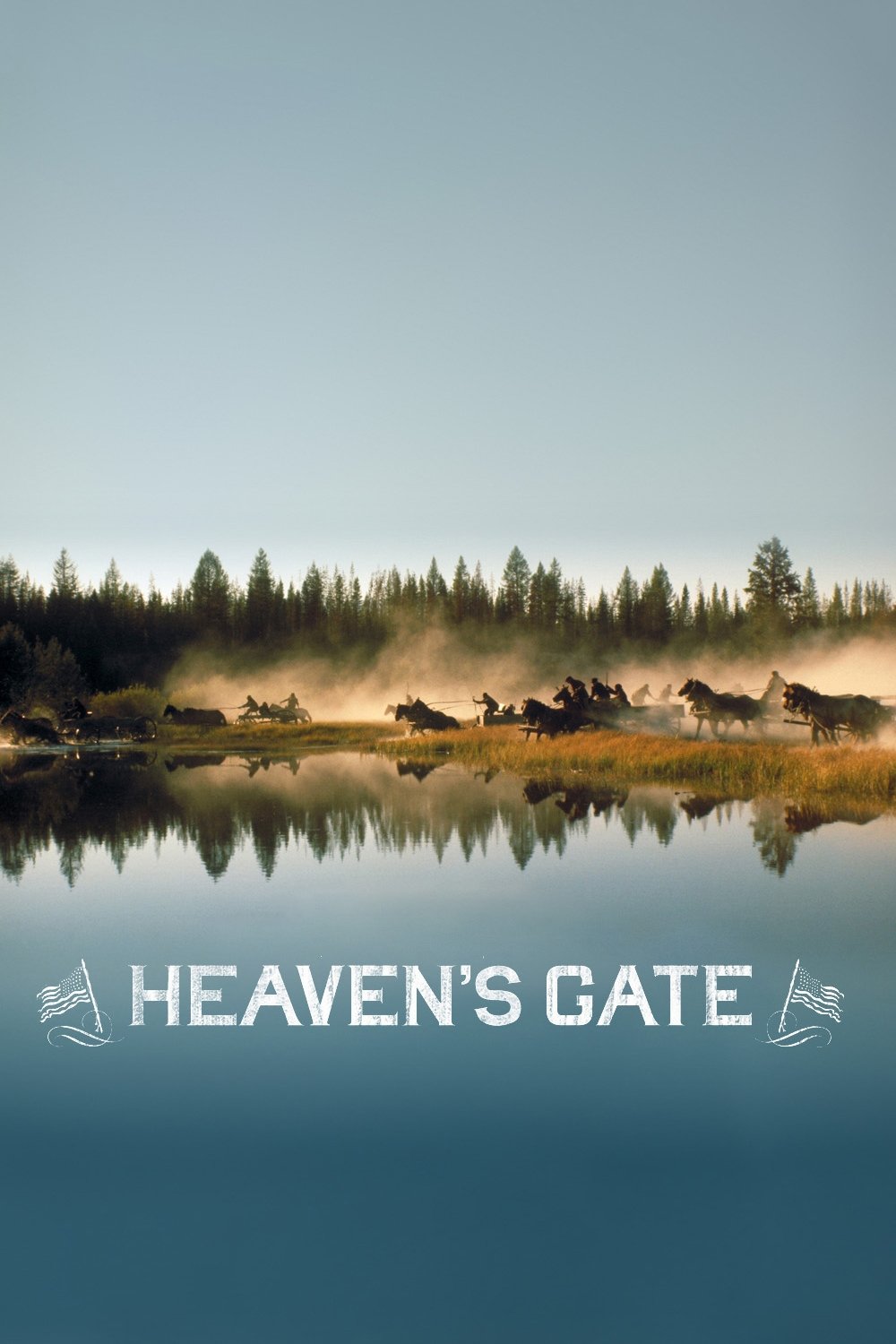
Michael Cimino’s western expanded from a modest plan to a sprawling production with repeated schedule overruns and a budget that climbed into the tens of millions. The film earned only a fraction of its cost during its initial theatrical run and became a case study in production bloat.
United Artists handled release and faced heavy financial strain after the failure, which accelerated major corporate changes at the studio. Several collaborators saw projects stall, and Cimino’s ability to command blank check budgets effectively ended.
‘Ishtar’ (1987)

The desert adventure paired Warren Beatty and Dustin Hoffman with director Elaine May and spent heavily on location work and reshoots. Domestic returns landed far below costs, and ancillary revenue took years to chip away at the shortfall.
Columbia Pictures distributed the film and scaled back promotion late in the campaign as costs mounted. May struggled to set up another feature afterward, and Beatty’s leading man momentum slowed until later comebacks.
‘Cutthroat Island’ (1995)
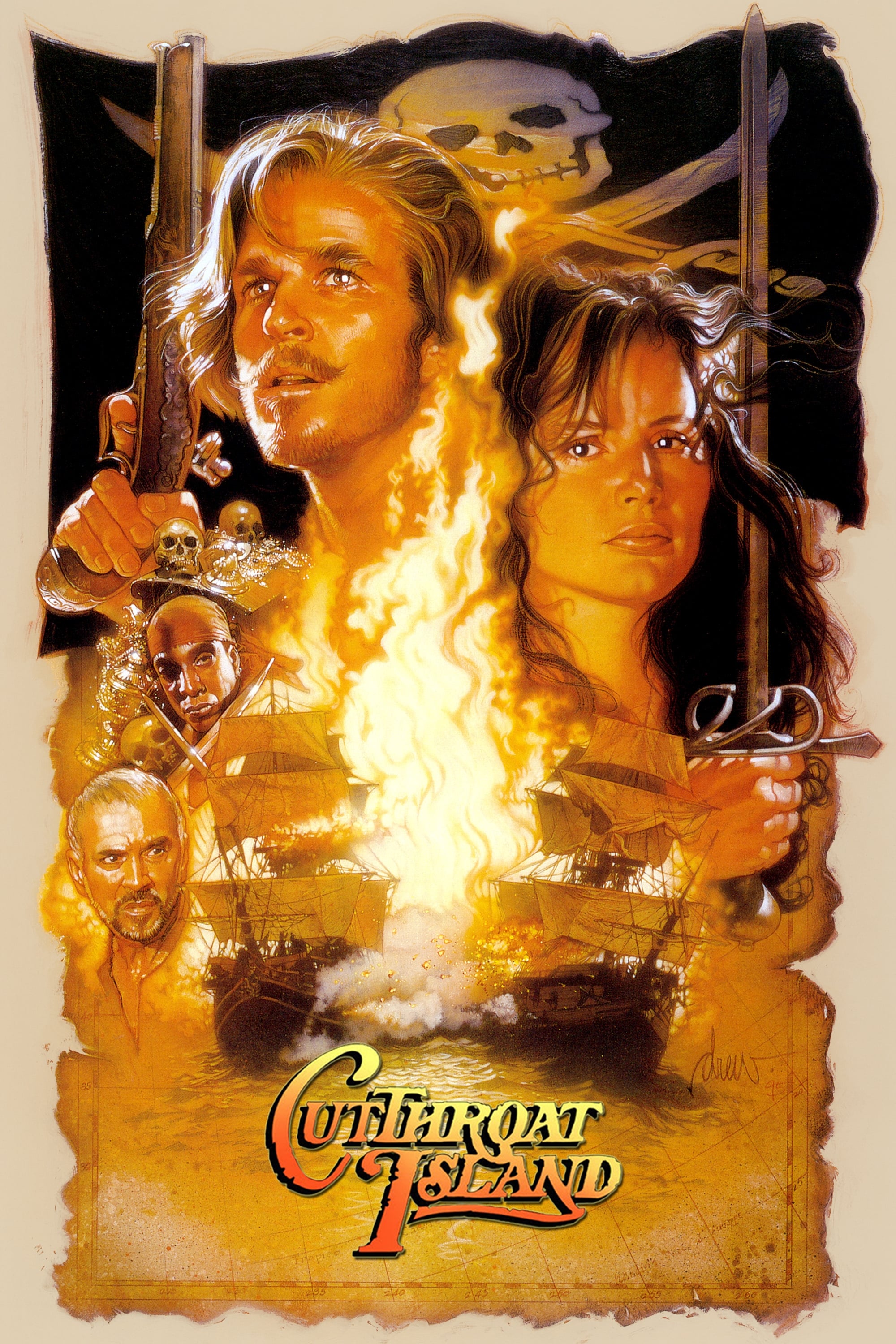
This pirate spectacle arrived after a difficult shoot that included injuries and script changes, which helped push spending near the hundred million mark. The movie opened softly during the holidays and could not recover in subsequent weeks.
MGM released the film in the United States while international sales fell short of expectations, and the failure coincided with the collapse of Carolco, the production company. Director Renny Harlin and star Geena Davis saw marquee offers narrow for years following the release.
‘The Adventures of Pluto Nash’ (2002)
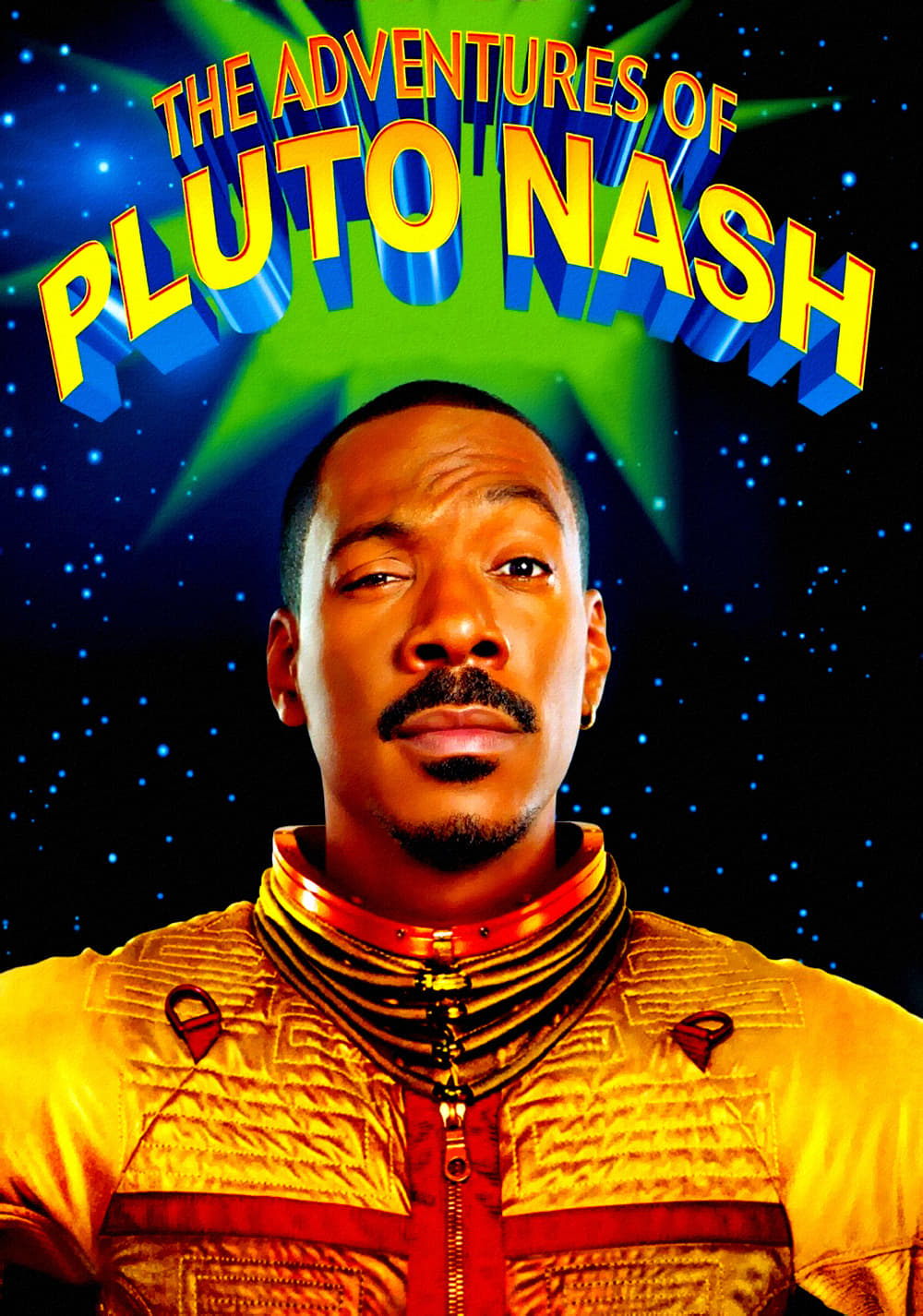
The sci fi comedy was shot years before it finally reached theaters, and its release followed multiple date shifts. Costs hovered around the hundred million range while worldwide grosses stayed in the single digit millions.
Warner Bros. Pictures distributed the film and reduced its marketing footprint after poor test results. Eddie Murphy’s live action starring vehicles cooled considerably, with future successes arriving in voice roles and selective projects.
‘Battlefield Earth’ (2000)

Adapted from a well known novel, the production involved complex financing and an aggressive effects plan that ran over budget. The film underperformed domestically and internationally and quickly left theaters.
Warner Bros. Pictures handled U.S. distribution in partnership with the financiers. Franchise Pictures faced legal and financial fallout, and John Travolta’s later roles shifted away from costly passion projects of this scale.
‘Waterworld’ (1995)
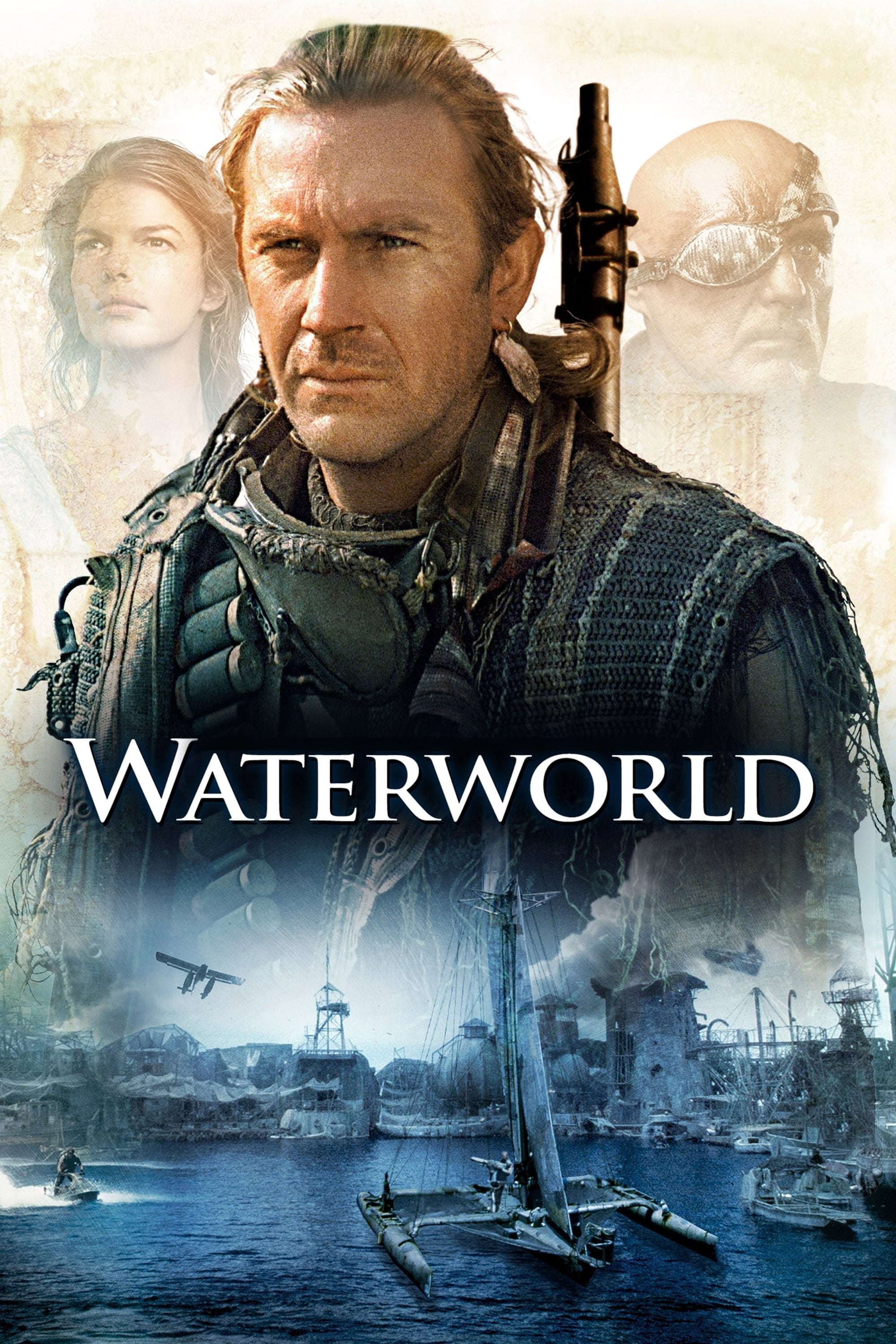
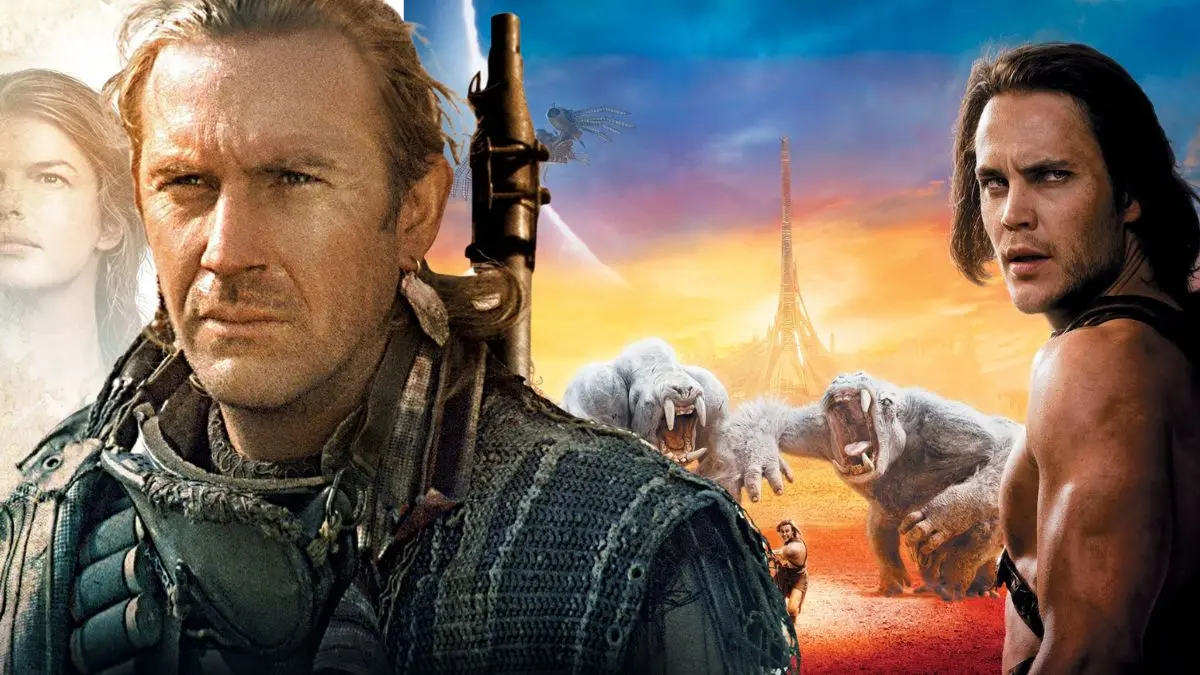
Open ocean sets, weather delays, and rebuilds drove costs to unprecedented levels for the time. The movie ultimately earned strong home video revenue but had a theatrical run that did not cover negative and marketing costs in early accounting.
Universal Pictures released it worldwide and mounted a large global campaign to support the investment. Kevin Costner’s clout as a director and producer took a hit, and follow up projects faced tighter oversight and budgets.
‘The Postman’ (1997)
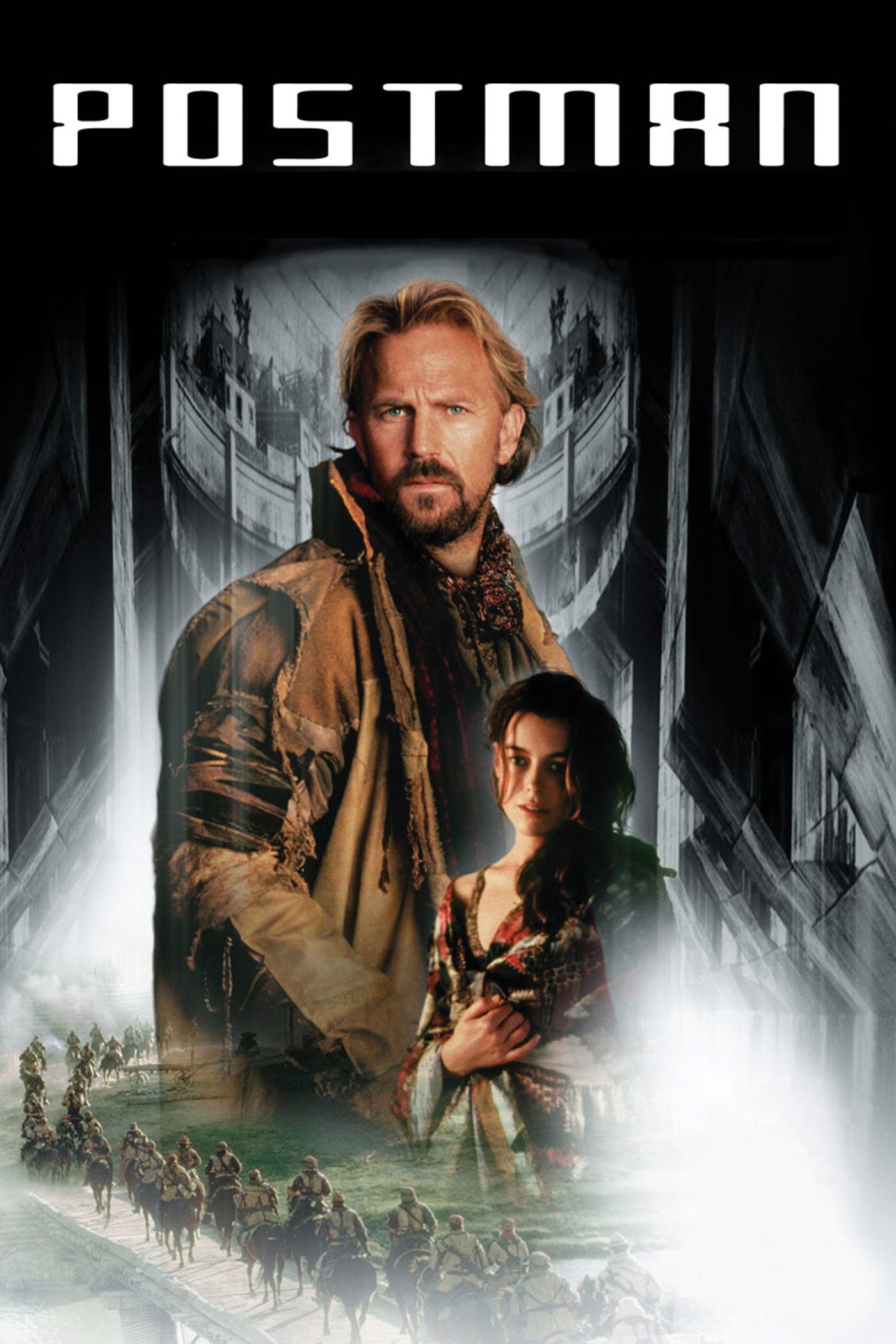
Kevin Costner returned to the director’s chair for a lengthy shoot across multiple states, which raised costs and extended post production. Box office results were far below the spend, and awards attention landed mostly in negative categories.
Warner Bros. Pictures distributed the film during the holiday corridor. Costner’s directing slate went quiet for many years afterward, and studios were far more cautious with his star led epics.
‘Gigli’ (2003)
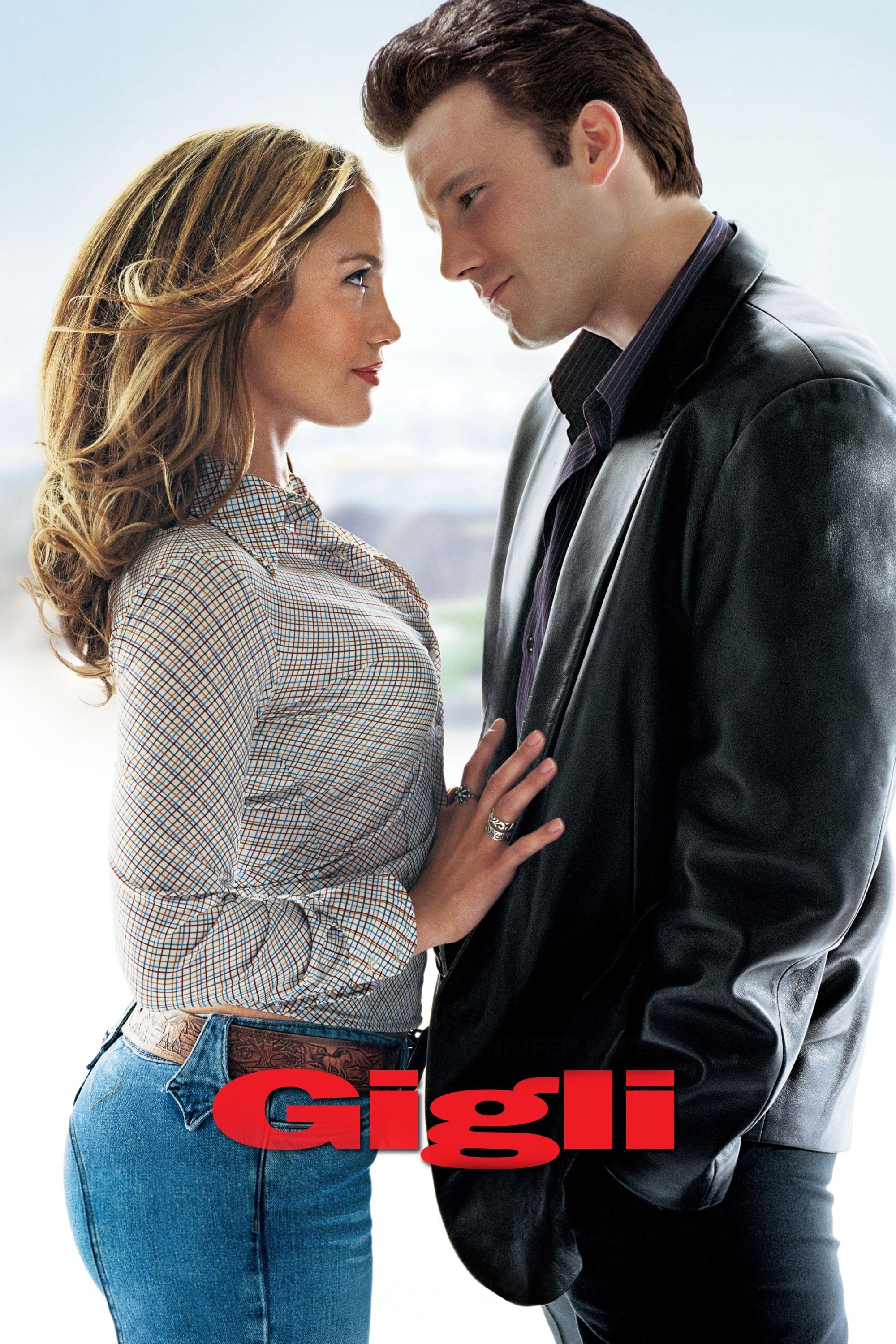
The production underwent notable rewrites and reshoots that changed character focus and tone. The final cut drew weak audience interest and exited theaters quickly with low worldwide numbers.
Columbia Pictures released the movie after a scaled down marketing push. The fallout slowed both leads’ momentum in the short term and led to a retreat from similar mid budget star vehicles for a period.
‘John Carter’ (2012)
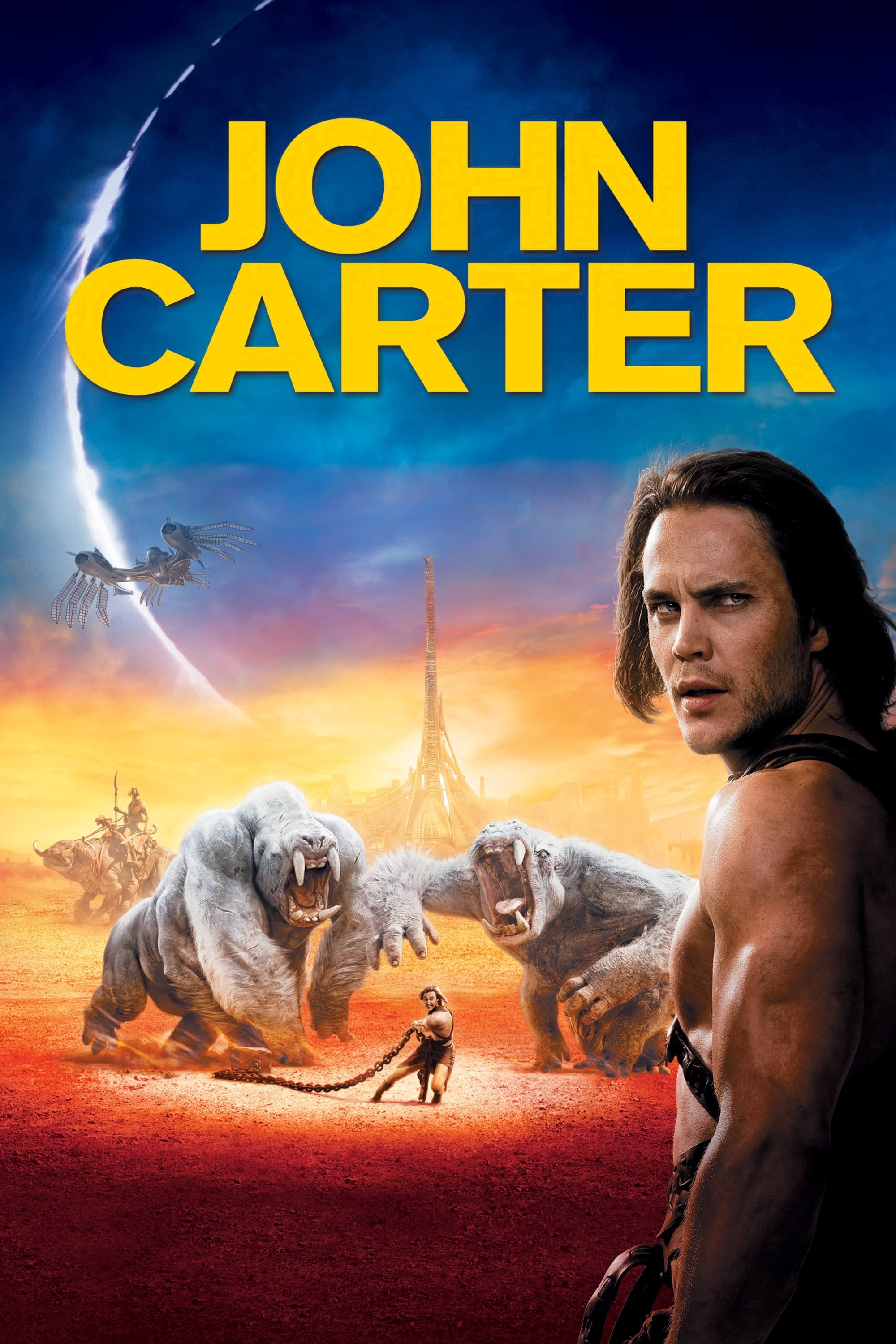
A long gestating adaptation, the film combined extensive location work with heavy visual effects and carried one of the biggest budgets of its year. Global grosses were sizable yet still insufficient to offset production and marketing spend.
Walt Disney Studios Motion Pictures handled worldwide distribution and recorded a significant write down soon after release. Director Andrew Stanton returned to animation at the studio, and star Taylor Kitsch moved toward ensemble roles and television.
‘The Lone Ranger’ (2013)
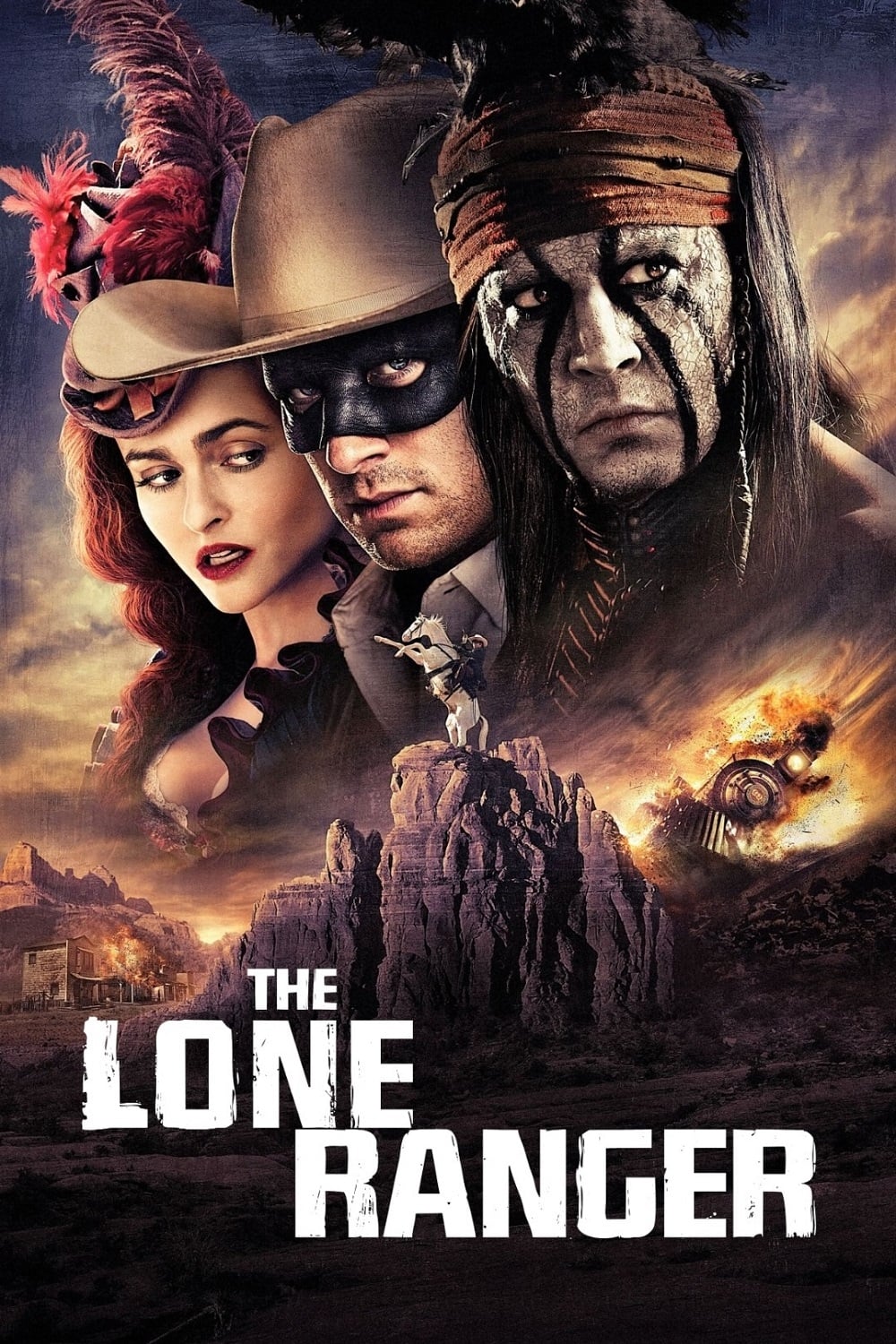
Multiple delays and budget disputes preceded a restarted shoot that added months to production. The film opened during a crowded summer and failed to reach the threshold needed for profitability.
Walt Disney Studios Motion Pictures distributed the movie globally with a large advertising effort. Gore Verbinski’s run with tentpoles paused, and the studio shifted its live action priorities away from similar projects.
‘The 13th Warrior’ (1999)
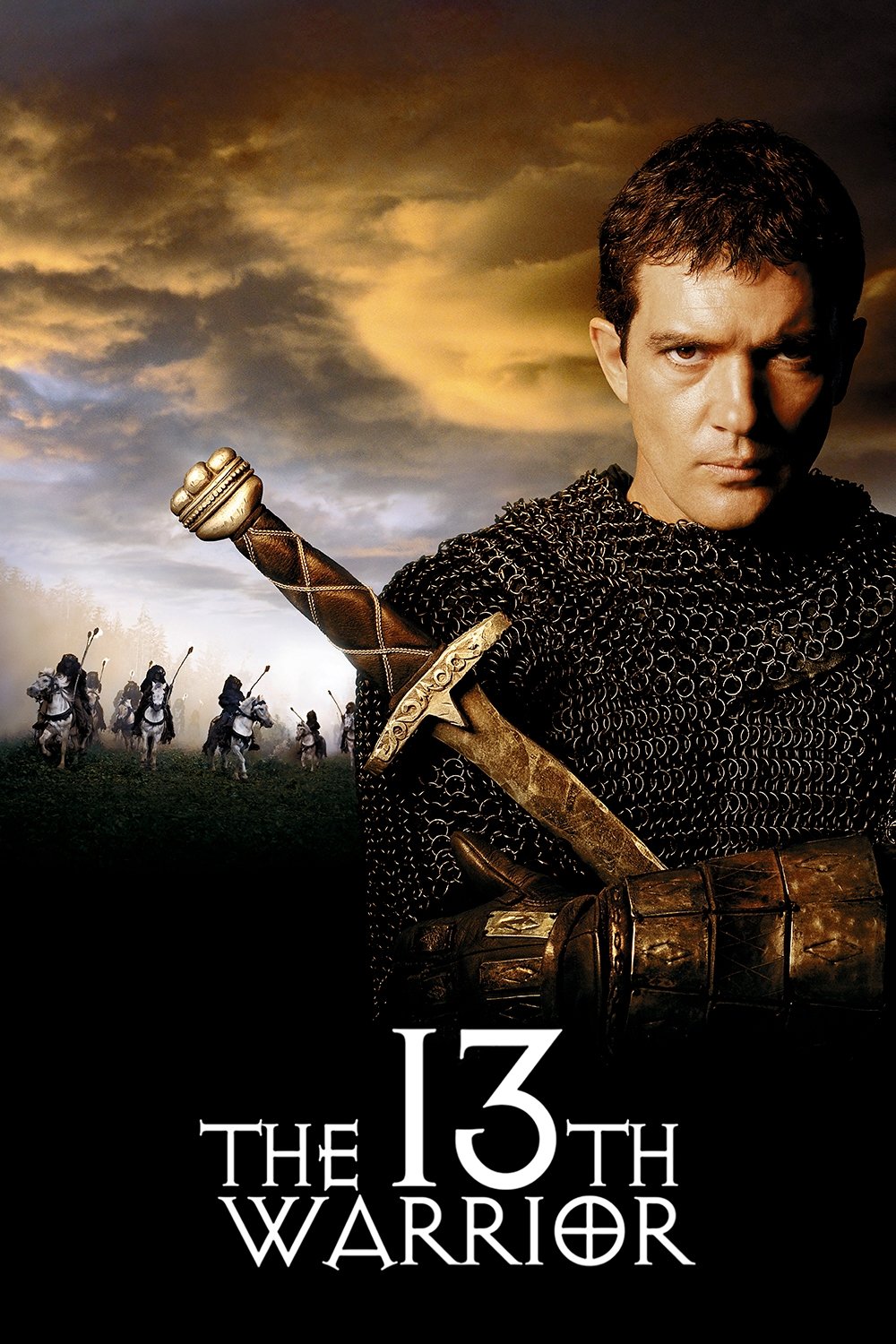
Reshoots and a new score drove costs far above initial estimates after early test screenings. The movie’s worldwide total did not come close to recouping its expanded budget.
Buena Vista Pictures Distribution released the film under the Touchstone banner. John McTiernan’s leverage on future big budget projects weakened, and related development deals slowed.
‘Town & Country’ (2001)
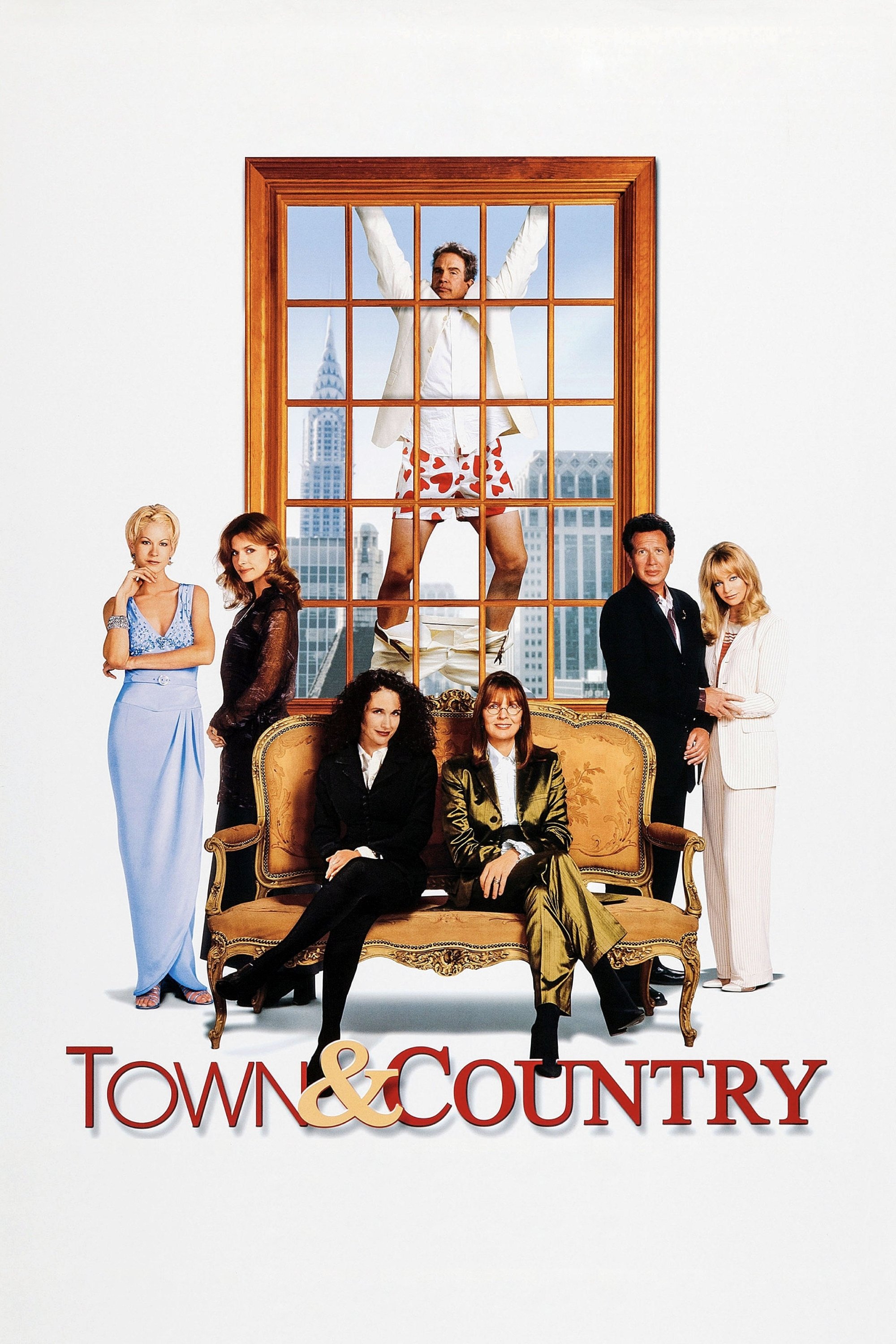
Years of delays, multiple rewrites, and reshoots pushed costs well past the original plan. The film opened to minimal interest and became one of the lowest grossing wide releases for a production of its size.
New Line Cinema handled distribution and kept marketing conservative after mounting expenses. Warren Beatty’s return to frequent leading roles stalled, and several ensemble projects for the cast did not move forward.
‘The Bonfire of the Vanities’ (1990)
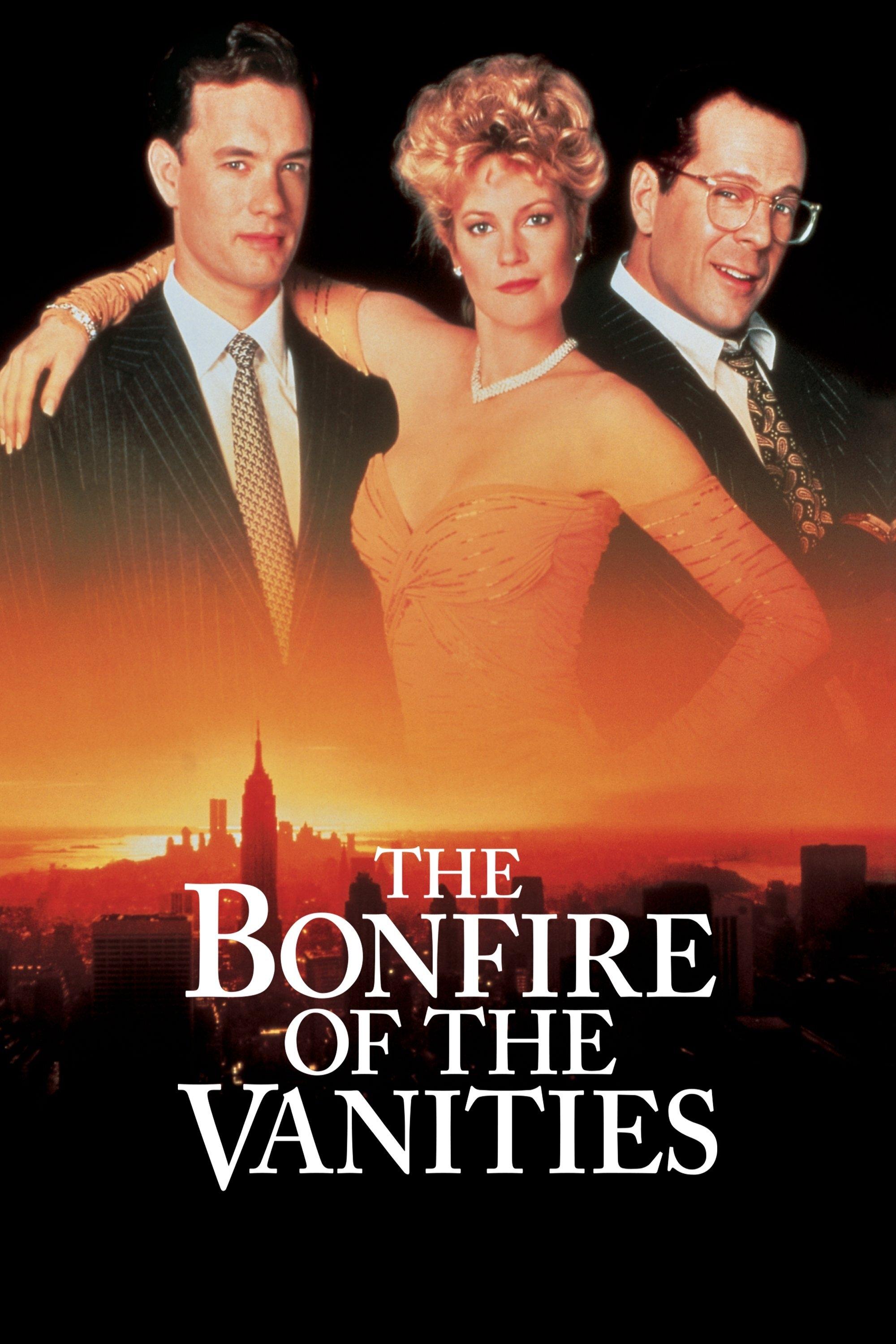
An A list ensemble and elaborate set pieces inflated spending for a satire that struggled to connect with the ticket buying public. The box office total landed well under the production cost.
Warner Bros. Pictures released the film at the end of the year with a prestige campaign. Brian De Palma’s access to top tier studio budgets narrowed afterward, and several planned collaborations dissolved during development.
‘Hudson Hawk’ (1991)
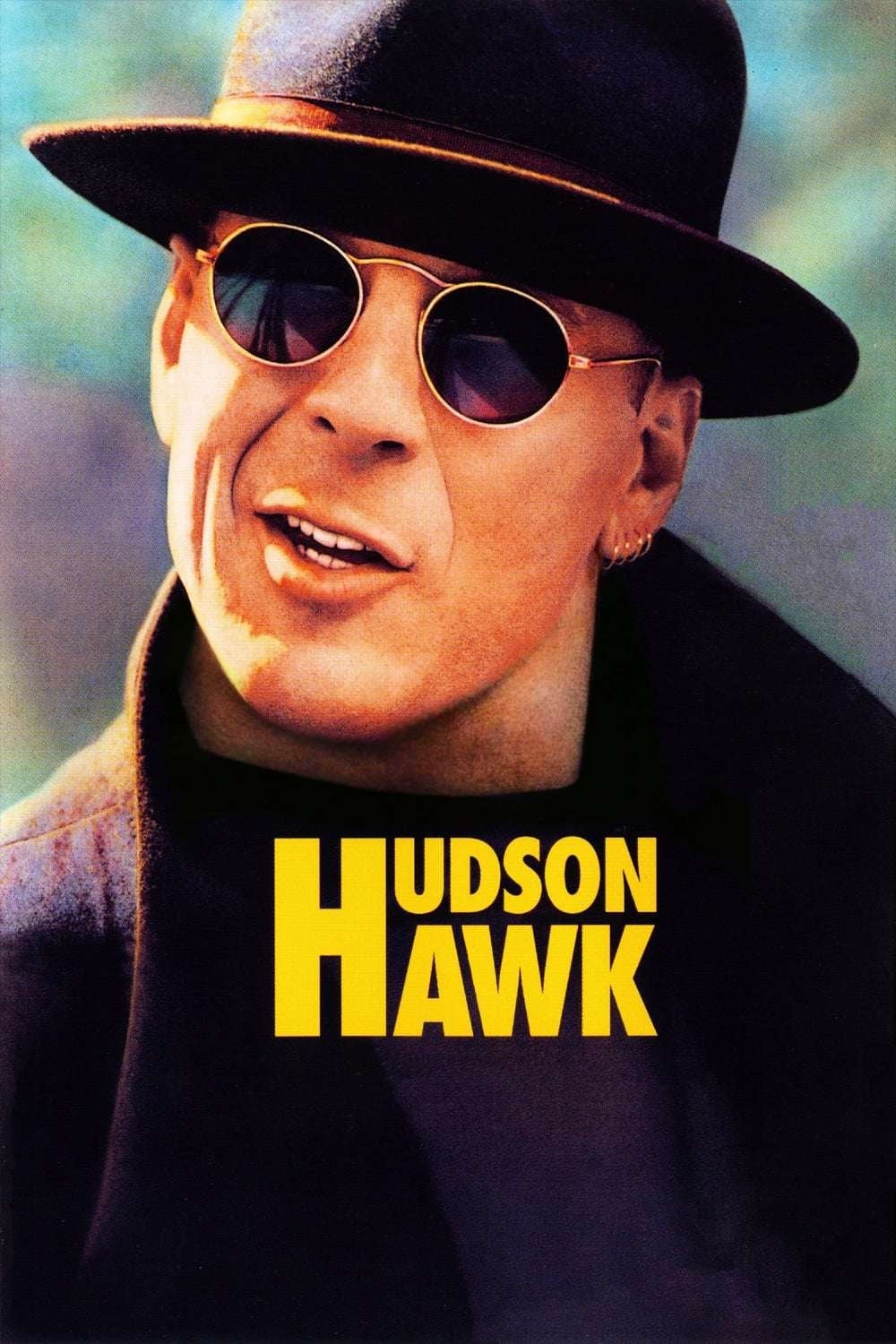
Ambitious stunts and location shoots in Europe pushed the budget higher than expected. The film underperformed both domestically and abroad during its initial rollout.
TriStar Pictures distributed the movie for Sony and saw a poor return on a star driven action comedy. Bruce Willis adjusted his slate toward safer franchise entries and ensemble work following the disappointment.
‘The Love Guru’ (2008)
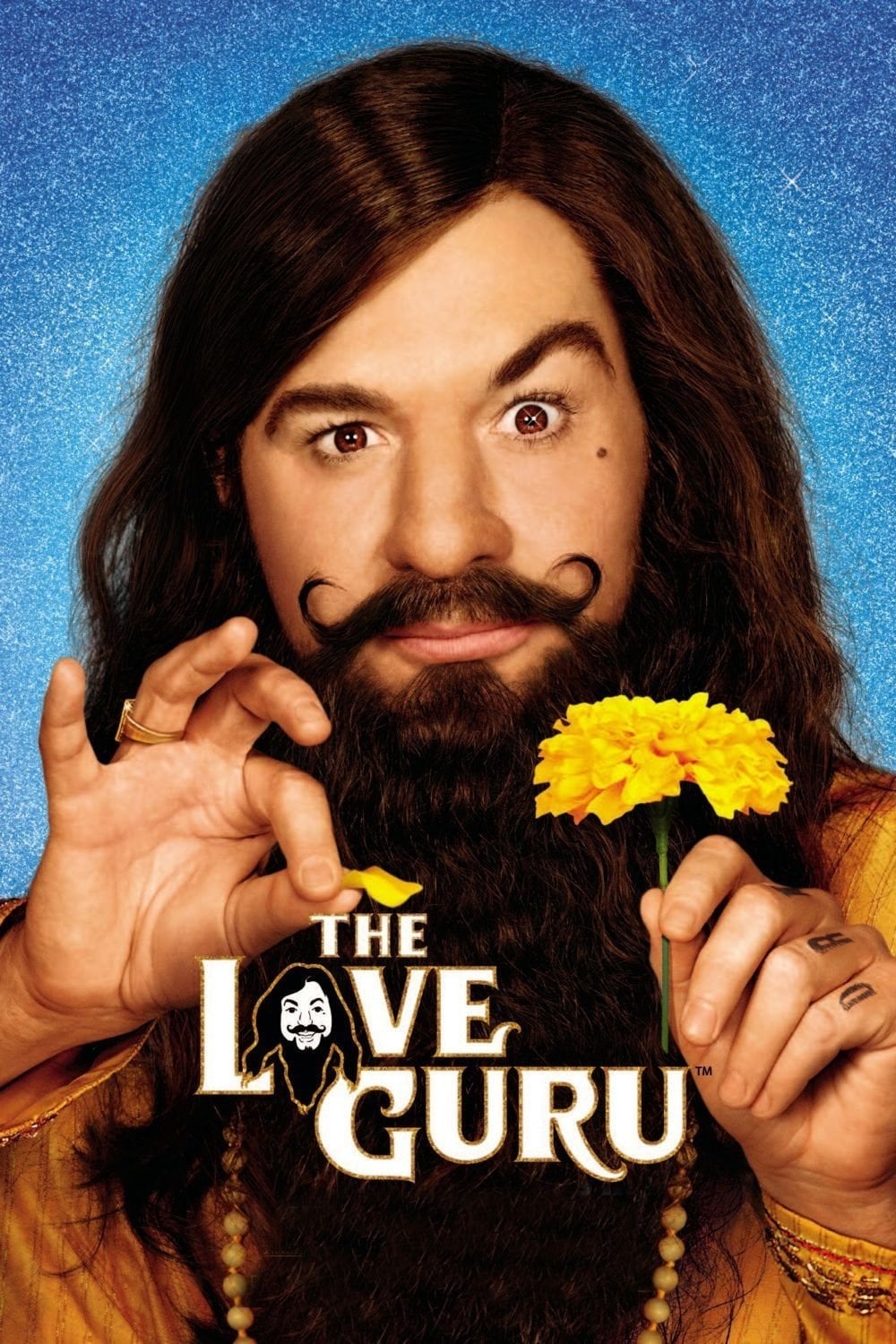
Mike Myers returned to live action after a long gap and carried significant creative control, which increased risk at the studio level. The film opened weakly and posted a short theatrical life with modest ancillary revenue.
Paramount Pictures handled release in the summer corridor. Myers stepped back from headlining new live action vehicles for years and focused on voice work and select appearances.
‘Speed Racer’ (2008)
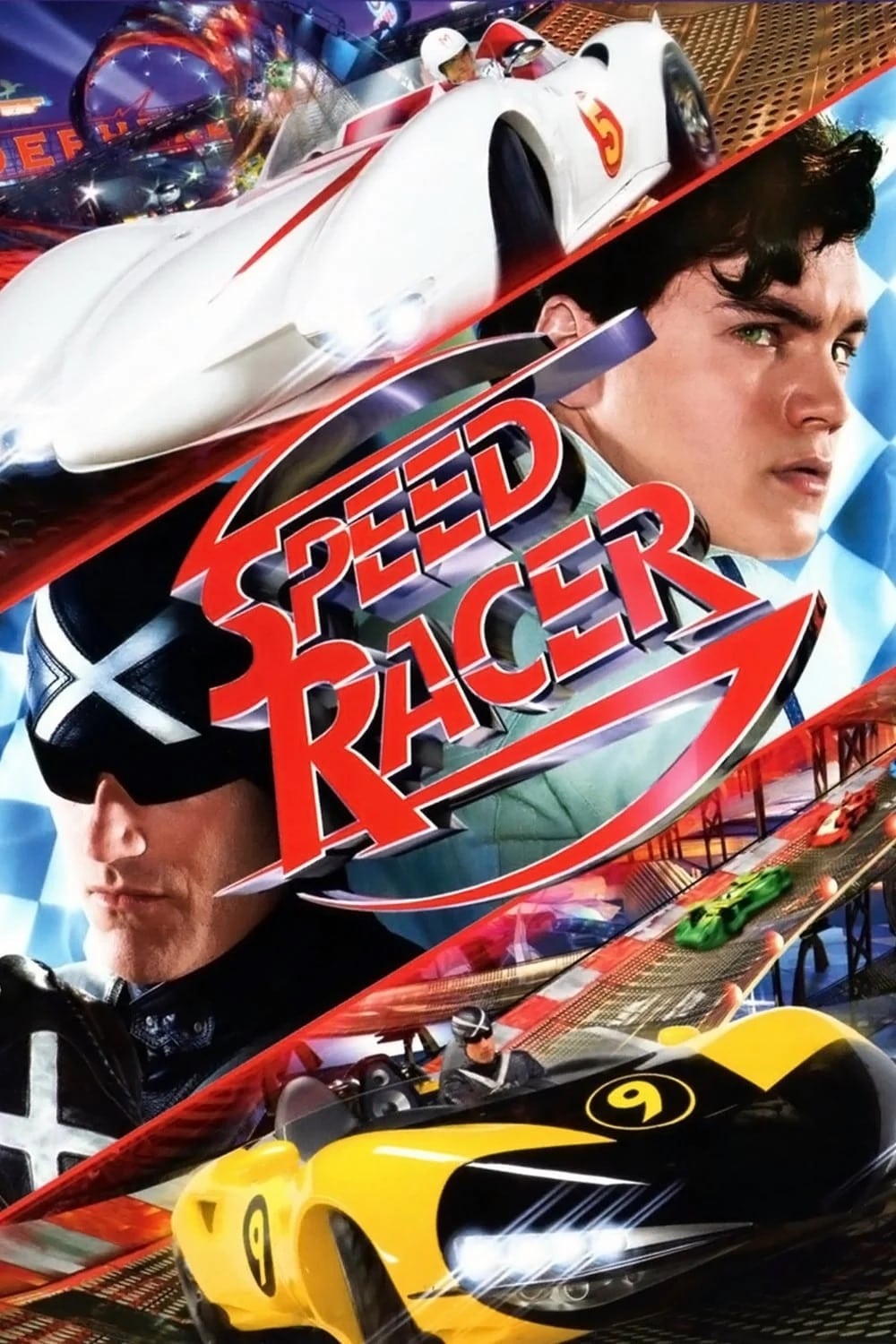
The production relied on an early digital backlot pipeline that required extensive post production. Despite a sizable global push, grosses landed below the budget.
Warner Bros. Pictures distributed the film in IMAX and standard formats. The Wachowskis found it harder to secure swift greenlights for expensive originals and shifted toward television and mid range budgets for a time.
‘Battleship’ (2012)
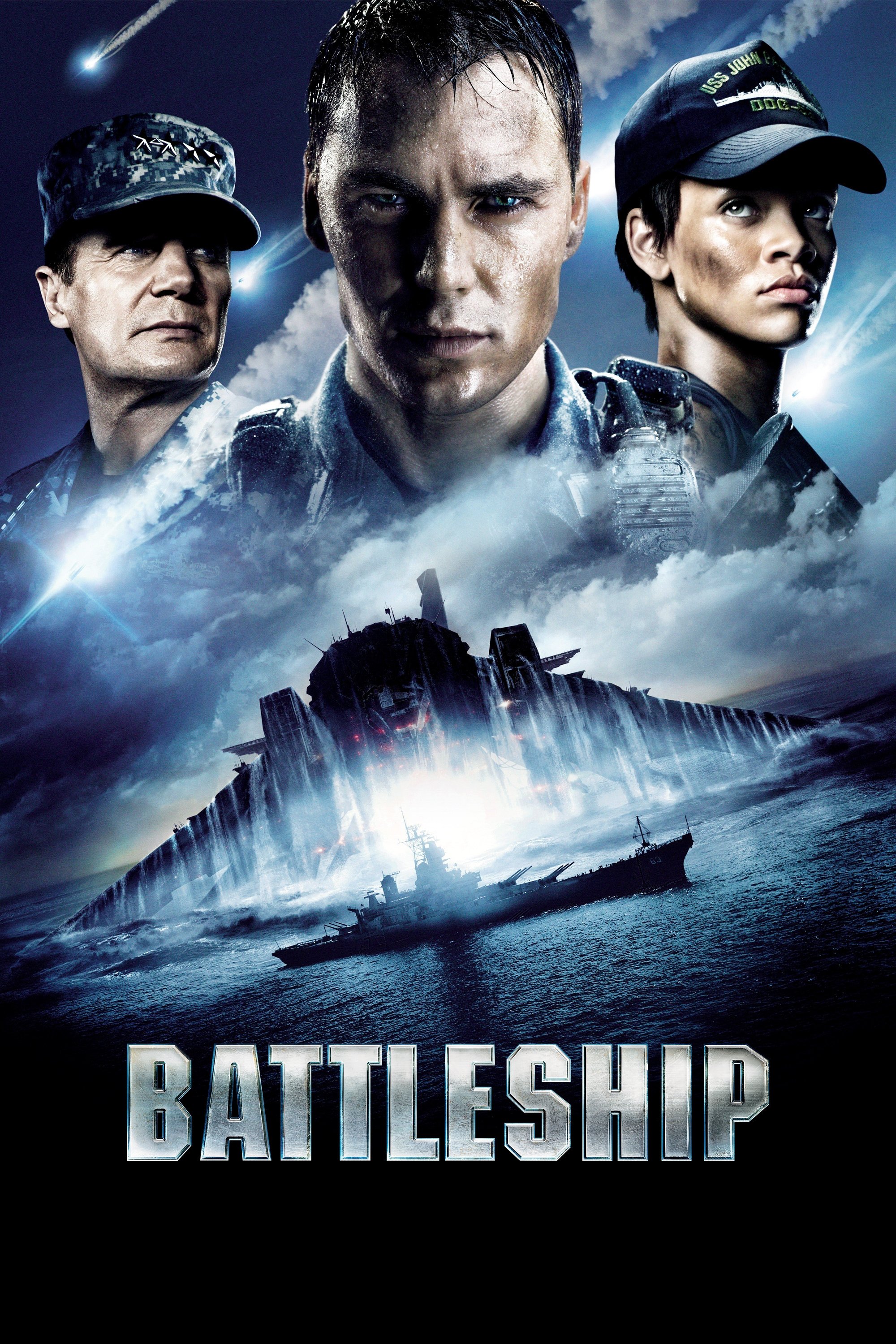
A naval action concept demanded large scale effects and international location work, which produced a very high negative cost. Overseas grosses outpaced domestic but still left profitability in question after marketing.
Universal Pictures released the film day and date in many territories to build momentum. Taylor Kitsch’s sequence of big budget leads slowed, and director Peter Berg reoriented to tighter, fact based thrillers soon after.
’47 Ronin’ (2013)
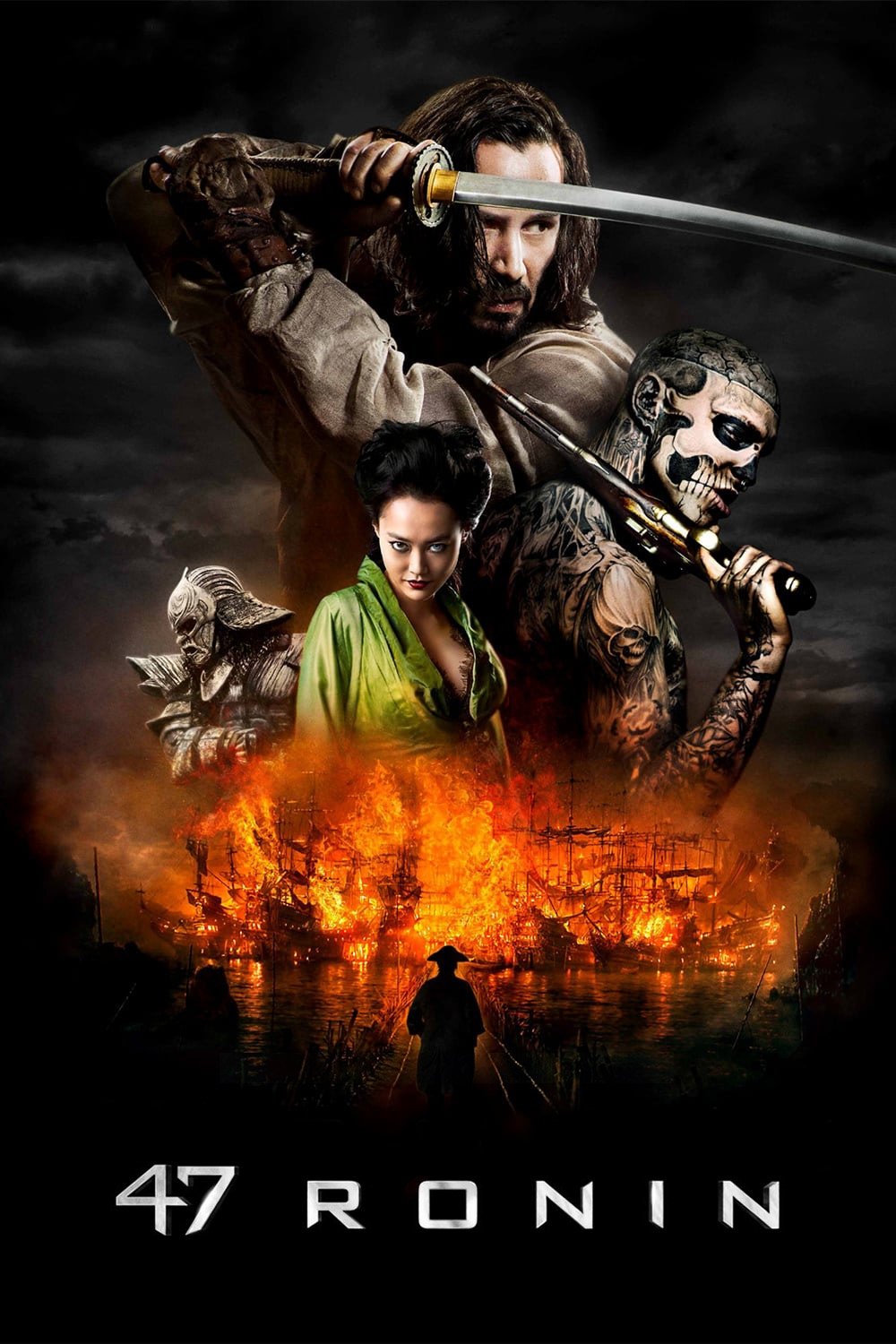
Extensive post conversions and reshoots led to additional spending and a later release date. The global total did not meet the threshold for such a large production.
Universal Pictures handled distribution and rebalanced its holiday slate after the results. First time feature director Carl Rinsch did not immediately mount another studio film, and Keanu Reeves pivoted to smaller scale action before his next franchise surge.
‘Pan’ (2015)

A fantasy origin story with sizable visual effects, the film opened below projections and faded quickly after mixed word of mouth. The budget positioned it as a tentpole that required strong legs it never achieved.
Warner Bros. Pictures released the movie worldwide with 3D and premium formats. Director Joe Wright stepped away from large scale fantasy and returned to period dramas and character driven work.
‘King Arthur: Legend of the Sword’ (2017)
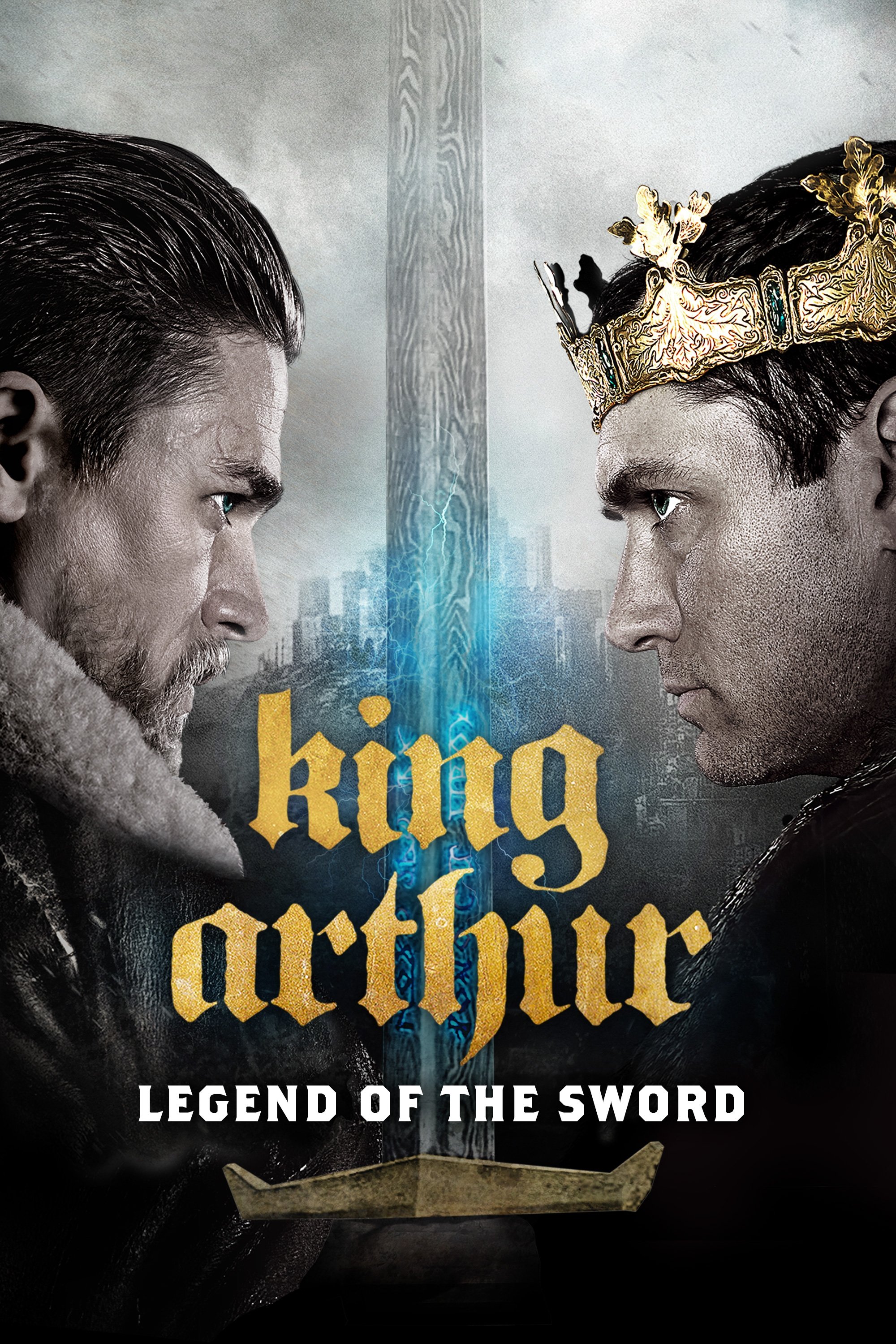
Guy Ritchie’s take on the legend was conceived as the start of a series, which informed its scale and cost. The film’s opening weekend fell far short of expectations and the series plan was shelved.
Warner Bros. Pictures distributed the movie across major markets. The performance curtailed immediate franchise expansion and pushed Ritchie back toward mid budget crime films before later studio assignments.
‘Cats’ (2019)

The musical required heavy digital fur and facial work that continued close to release, even prompting a revised print after opening. The film’s global total was not enough to recoup production and marketing expenses.
Universal Pictures released it during the holiday window with a broad campaign. Director Tom Hooper’s next large scale projects paused, and several cast led musicals recalibrated marketing strategies in the wake of the response.
‘The Goldfinch’ (2019)

A best selling book adaptation with a prestige cast and careful production design, the film nevertheless opened to low attendance. The domestic take remained small, and international grosses did not change the outcome.
Warner Bros. Pictures handled distribution with a platform strategy that did not catch on. Projects of similar tone and budget saw tougher paths to greenlight, and several participants shifted focus to limited series work.
‘Mortdecai’ (2015)
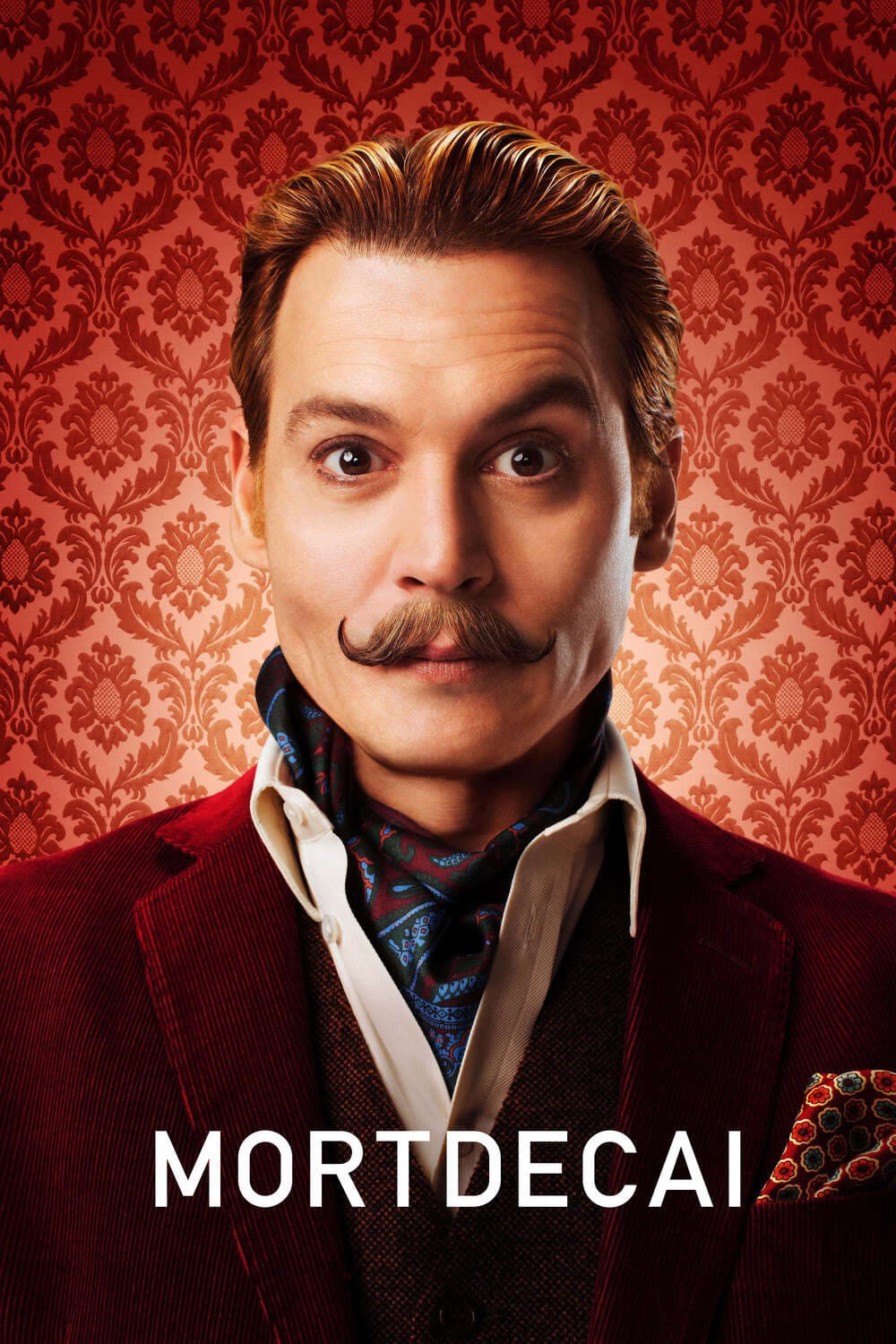
The caper comedy carried a mid range budget and a recognizable ensemble yet delivered weak weekend results. The worldwide total could not cover production and prints and advertising.
Lionsgate released the movie in winter across key markets. Johnny Depp stepped back from comparable studio comedies, while director David Koepp leaned into writing and smaller scale directing.
‘Mars Needs Moms’ (2011)
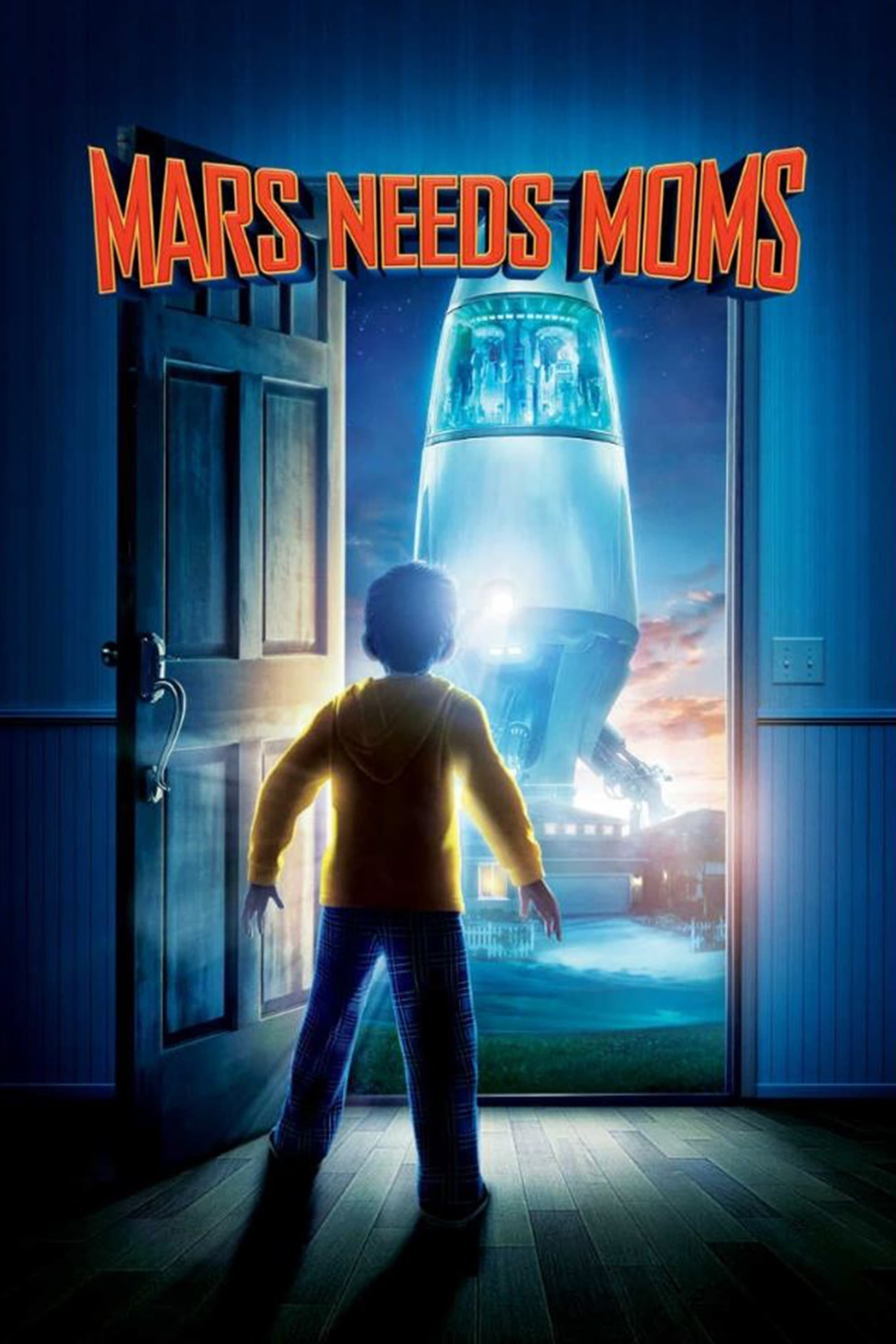
The performance capture animation featured advanced but costly technology and a lengthy production cycle. The film’s worldwide gross was far below its budget, making it one of the largest animated losses of its era.
Walt Disney Studios Motion Pictures distributed the film under the Disney banner. The result preceded the shutdown of ImageMovers Digital’s Bay Area facility, and similar projects were deprioritized.
‘The Spirit’ (2008)
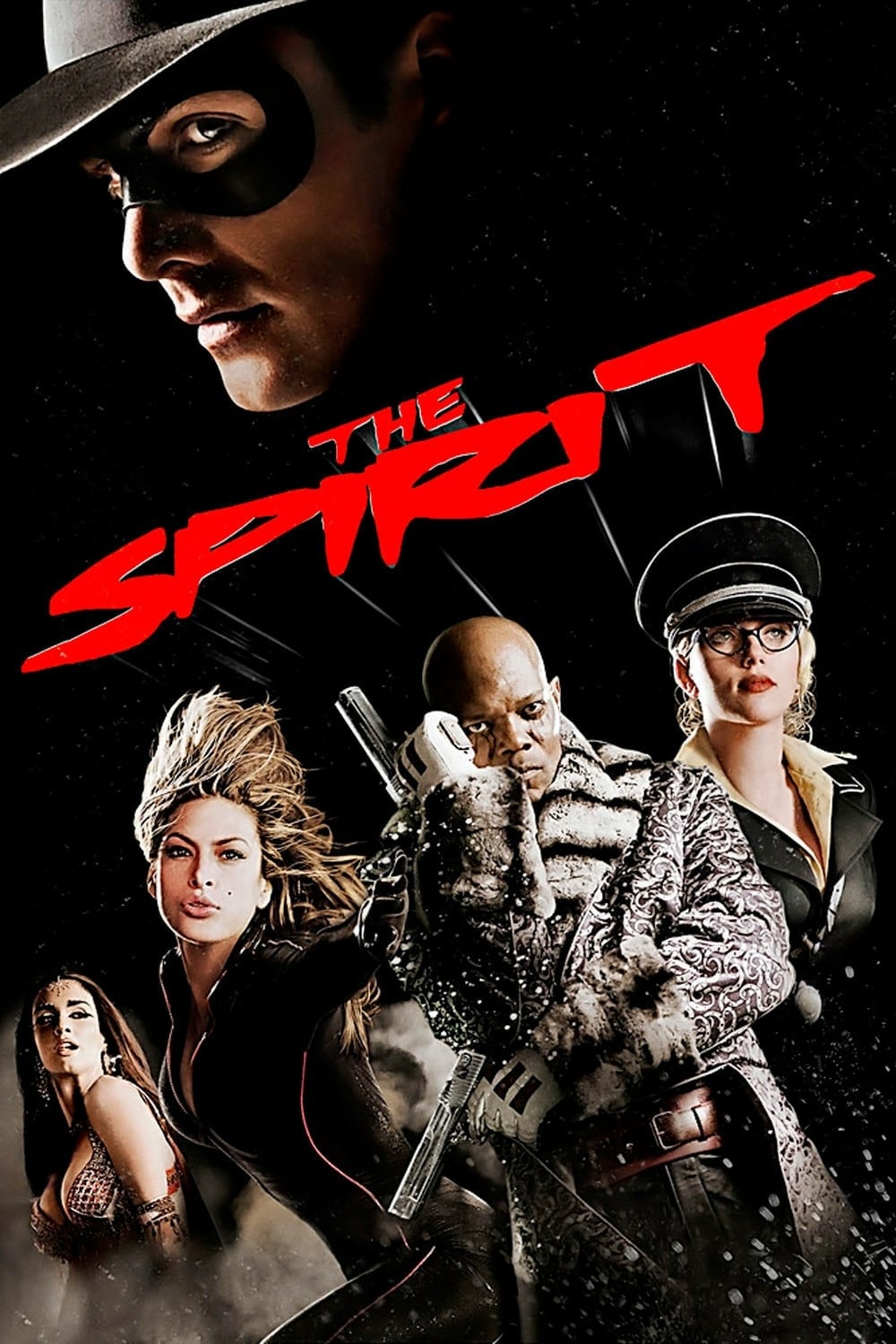
Frank Miller’s solo directing effort used heavy stylization and digital backlot techniques that required significant post resources. The film opened below expectations and dropped quickly in subsequent weeks.
Lionsgate released it during the holiday season with a wide rollout. Miller did not direct another major studio feature afterward, and plans for sequels or spin offs did not move forward.
Share your picks for notorious big screen misfires in the comments and tell us which ones you think had the biggest impact on the people who made them.

