


Worst Movie Flops That Cost Studios a Lot




Big budgets and famous names do not always guarantee a win at the box office. Even projects with seasoned filmmakers and recognizable brands can struggle to connect with audiences, and the financial shortfall can be eye watering. When a movie misses its targets, the losses can come from many places, including production spending, global marketing, distribution fees, and the split with theaters.
This list looks at costly misfires that became cautionary tales inside the industry. Each entry notes the scale of the investment, what the film earned in theaters worldwide, and the key factors often cited for the shortfall. You will also see which company handled distribution, since release strategy and market reach play a big role in outcomes.
‘John Carter’ (2012)

The production carried a reported budget north of two hundred million and extensive visual effects work. Worldwide theatrical returns fell well below the level needed to recover costs after marketing and exhibitor splits. The shortfall forced a large write down at the studio.
The film was released by Walt Disney Pictures, which mounted a major global campaign across multiple territories. Despite heavy promotion and a broad rollout, attendance dropped quickly after opening weekend.
‘The Lone Ranger’ (2013)

Costs ballooned due to location shoots, period detail, and action set pieces. Final global grosses could not cover production and marketing outlays once the revenue share with theaters was accounted for.
Walt Disney Pictures distributed the film with a peak summer date and wide footprint. The release faced strong competition and did not sustain momentum in key markets.
‘Mars Needs Moms’ (2011)
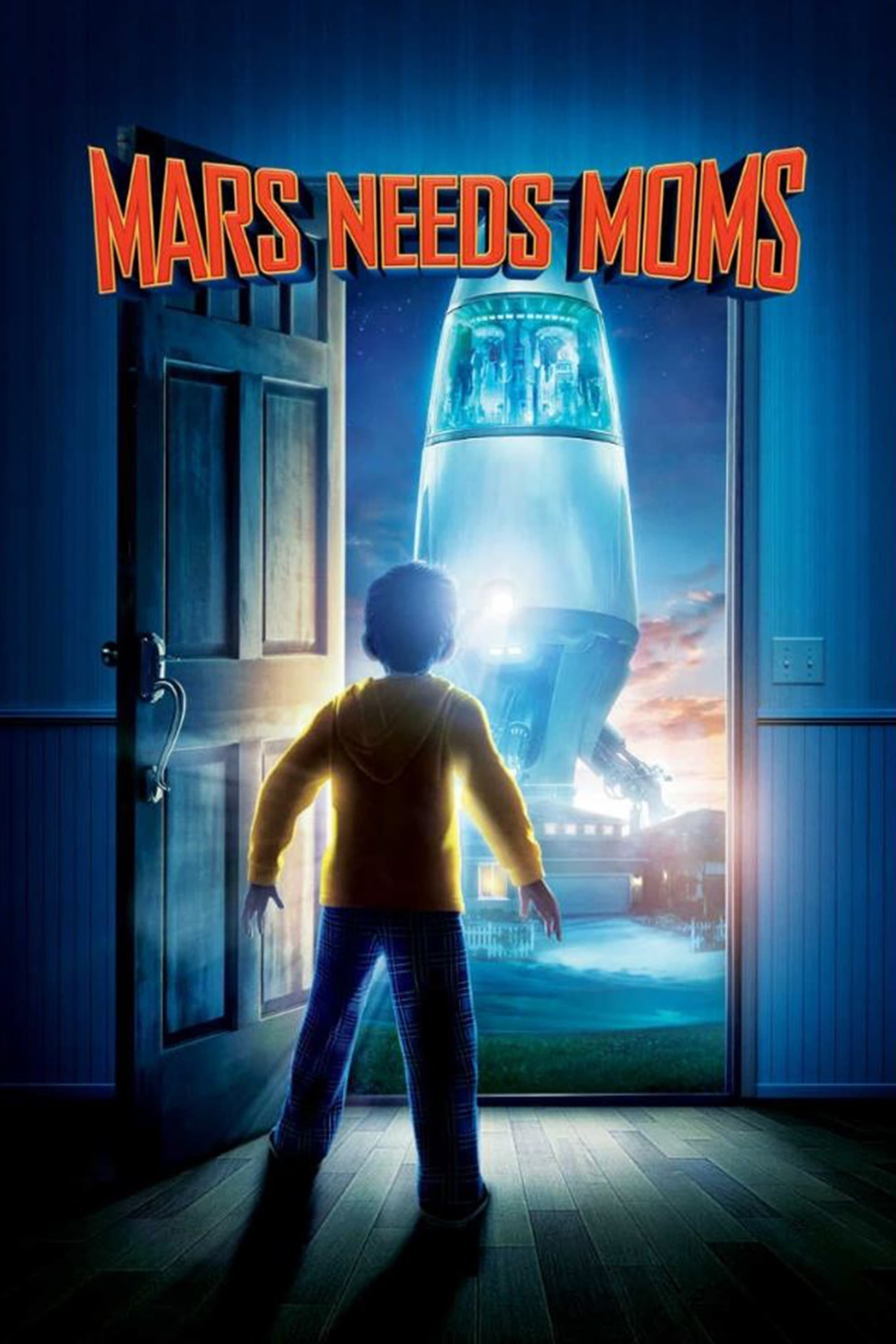
The performance capture animated feature posted one of the weakest openings for a wide release of its size. Worldwide revenue fell far short of recouping production costs and advertising spend.
Walt Disney Pictures handled distribution, giving the movie broad screen coverage and 3D availability. Even with that reach, attendance remained soft in both domestic and international markets.
‘Mortal Engines’ (2018)

The adaptation required significant effects work and worldbuilding, which drove a large budget. Global box office totals landed well under the level typically needed for a film of this scale to break even.
Universal Pictures distributed the release during a crowded holiday corridor. The rollout covered major territories, but the film struggled to build word of mouth across multiple weeks.
’47 Ronin’ (2013)

Extensive reshoots and visual effects increased costs beyond initial plans. The final worldwide gross did not approach the figure required to offset production and global marketing.
Universal Pictures released the film with a late year date and premium format screens. Despite a wide push, the title underperformed in key regions that often drive action oriented releases.
‘The 13th Warrior’ (1999)

Production delays and reediting to reshape the final cut added expense. Theatrical revenue worldwide could not recover the combined production and advertising outlay.
Distribution came through Buena Vista Pictures, which opened the film widely across North America and then abroad. The rollout did not generate sustained attendance in subsequent frames.
‘Cutthroat Island’ (1995)
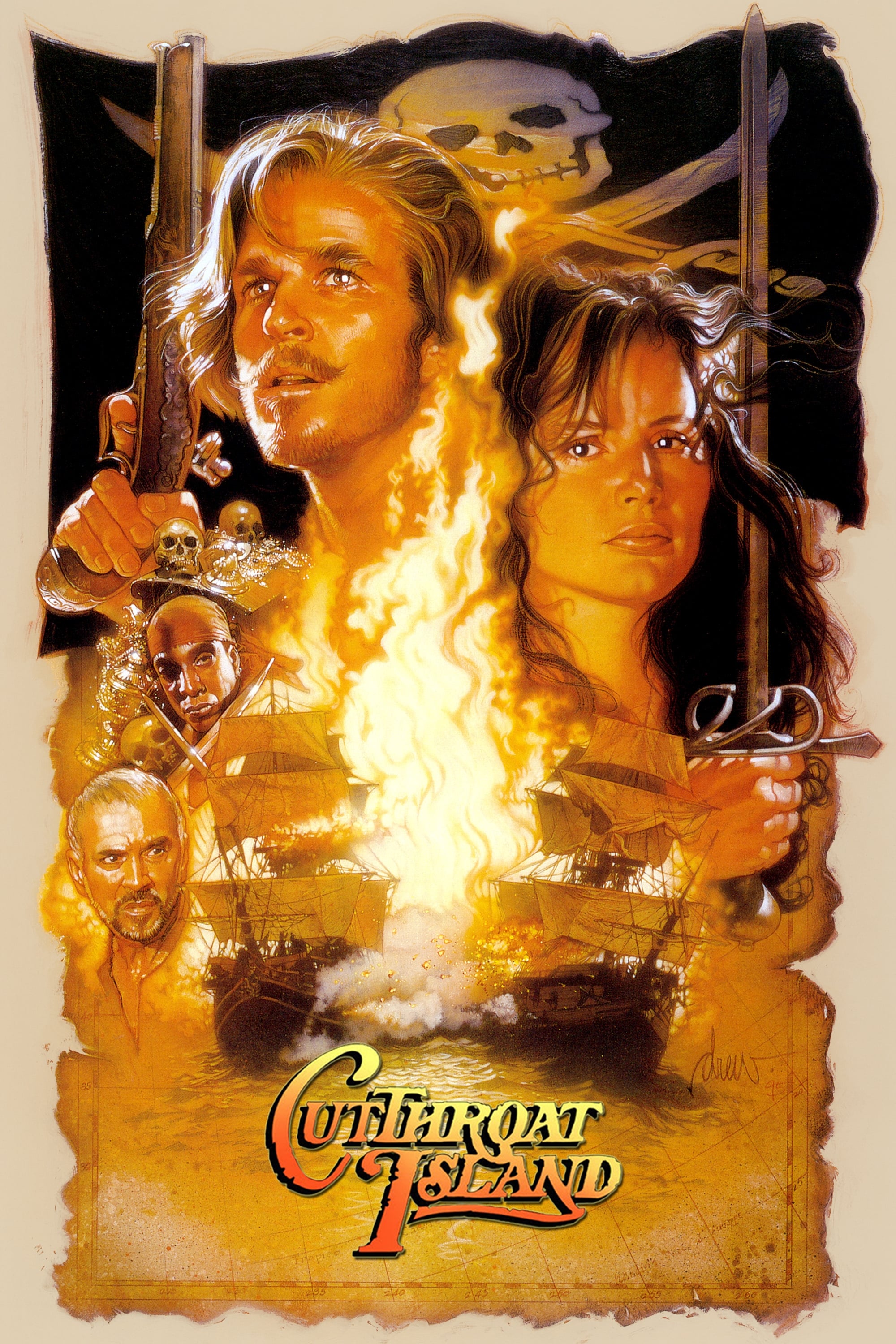
Large scale water based production and elaborate sets contributed to escalating budgets. The movie’s global theatrical run produced revenues that did not come close to covering costs.
MGM handled distribution in the United States with a wide release. International sales could not bridge the gap between spending and receipts despite a broad effort.
‘The Adventures of Pluto Nash’ (2002)

After delays and rescheduling, the film arrived with a sizable negative cost and limited audience interest. Worldwide grosses were minimal relative to the investment.
Warner Bros. Pictures distributed the movie on a nationwide basis. The release received a standard promotional push but saw steep declines after opening weekend.
‘King Arthur: Legend of the Sword’ (2017)

A large production budget and extensive visual effects set pieces set a high bar for success. The movie’s global total did not approach a level that would recover production and marketing spending.
Warner Bros. Pictures distributed the title with an early summer launch. International rollout was broad, yet key markets delivered underwhelming multipliers.
‘Pan’ (2015)

Family oriented fantasy elements required costly effects and design work. Worldwide gross revenue ended far below what is typically needed for a film with such expenses to break even.
Warner Bros. Pictures released the film with a wide footprint and premium formats. Even with significant advertising, the movie could not build strong weekday play beyond the opening frame.
‘Cats’ (2019)

Rapid post production changes to visual effects and a high profile campaign increased overall costs. The theatrical run produced a global total that was considerably below expectations for a large wide release.
Universal Pictures distributed the film in late December with a major marketing push. The release footprint was broad, but attendance tapered quickly after the initial weekend.
‘The Goldfinch’ (2019)

The literary adaptation carried a reported mid range budget and a full awards season marketing plan. Global box office returned only a fraction of costs, resulting in a notable shortfall.
Warner Bros. Pictures handled distribution with a wide North American opening before international rollouts. Despite premium positioning, the film saw limited audience turnout.
‘The Mummy’ (2017)

Ambitions to start a shared universe drove significant spending on production and worldwide promotion. The global total, while sizable, did not meet the threshold needed after costs and revenue splits.
Universal Pictures released the movie in most major territories within a compressed window. Strong overseas starts could not offset declines and underperformance in certain key markets.
‘Green Lantern’ (2011)

Heavy digital effects and 3D conversion raised the cost basis. The theatrical return worldwide did not meet internal targets once marketing and exhibitor shares were included.
Warner Bros. Pictures distributed the film with a prime summer slot and a wide launch. Competition and mixed audience response limited the multiplier after opening weekend.
‘Jupiter Ascending’ (2015)

A lengthy effects schedule and extensive worldbuilding contributed to a high negative cost. The film’s global gross fell short of covering the combined production and marketing spend.
Warner Bros. Pictures released the title across domestic and international markets with premium format availability. The movie did not sustain weekday strength and dropped quickly in subsequent weeks.
‘Treasure Planet’ (2002)

The animated adventure used cutting edge techniques that added to production expense. Worldwide box office was well below what was needed to cover costs following the typical revenue split.
Walt Disney Pictures distributed the film during the holiday corridor and supported it with merchandise and media tie ins. Theatrical attendance remained modest against family oriented competition.
‘Titan A.E.’ (2000)
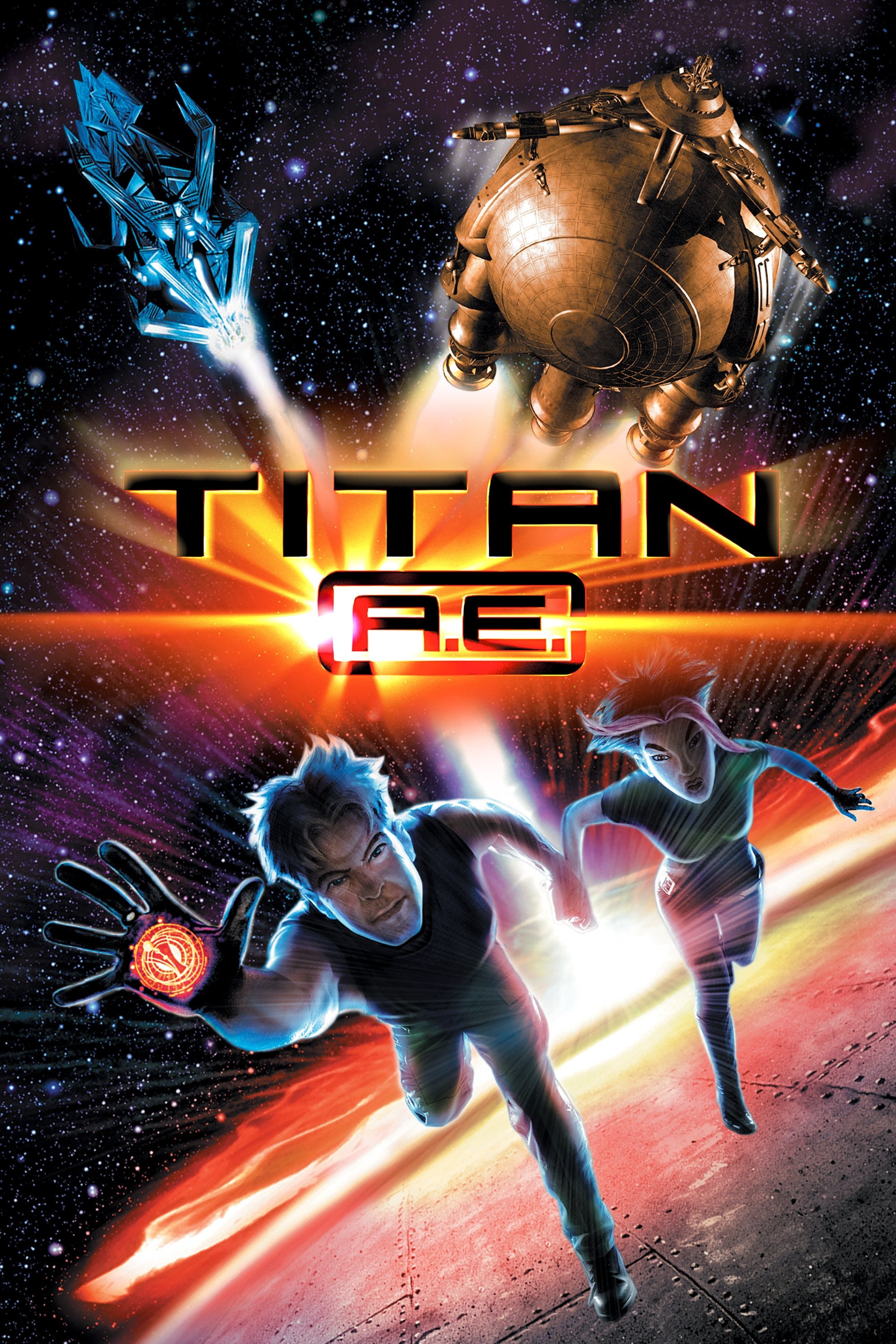
Shifting production plans and a blend of traditional and digital animation raised costs. Global tickets sold did not provide a path to recovery for the budget and marketing spend.
20th Century Fox distributed the movie with broad availability and a summer slot. The film did not gain strong legs in North America or abroad despite a sizable screen count.
‘Tomorrowland’ (2015)

Large scale set pieces, location work, and a worldwide promotional tour increased the break even point. The global theatrical gross fell short, leading to a significant write down.
Walt Disney Pictures released the film broadly in major markets. The rollout included premium formats, yet attendance softened after the debut frame.
‘The Alamo’ (2004)
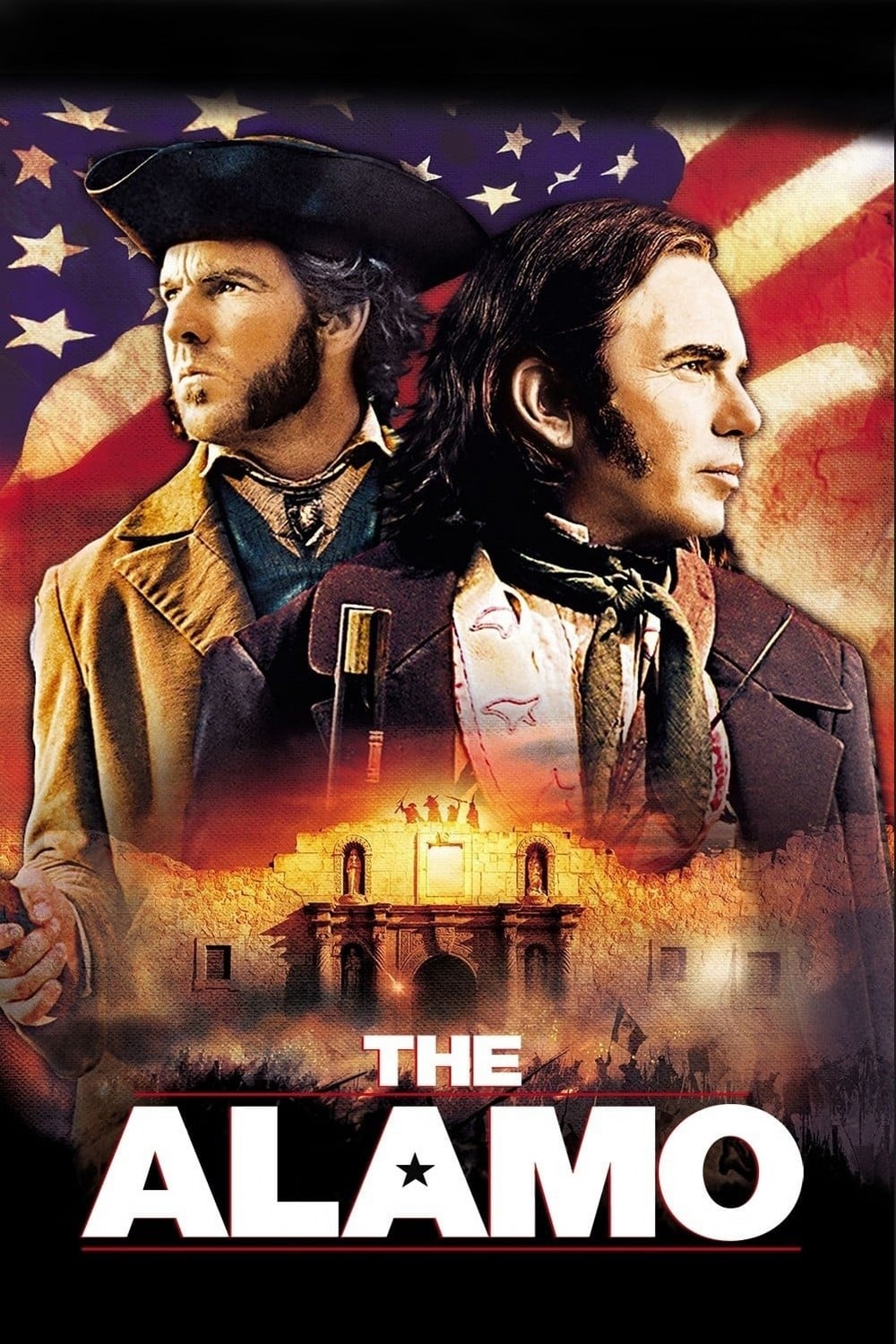
Period production needs and location shoots made for a costly project. Theatrical revenue worldwide was modest relative to the expense and did not cover marketing outlays.
Buena Vista Pictures distributed the movie across North America with a standard wide release. International returns were limited and could not offset the domestic shortfall.
‘The Last Duel’ (2021)

The historical drama carried a substantial budget due to locations, costumes, and large scale sequences. The global gross was low compared to the investment, resulting in a financial loss after marketing.
20th Century Studios handled distribution with an autumn release aimed at adult audiences. The film faced a challenging marketplace for period dramas and saw limited playability.
‘Strange World’ (2022)
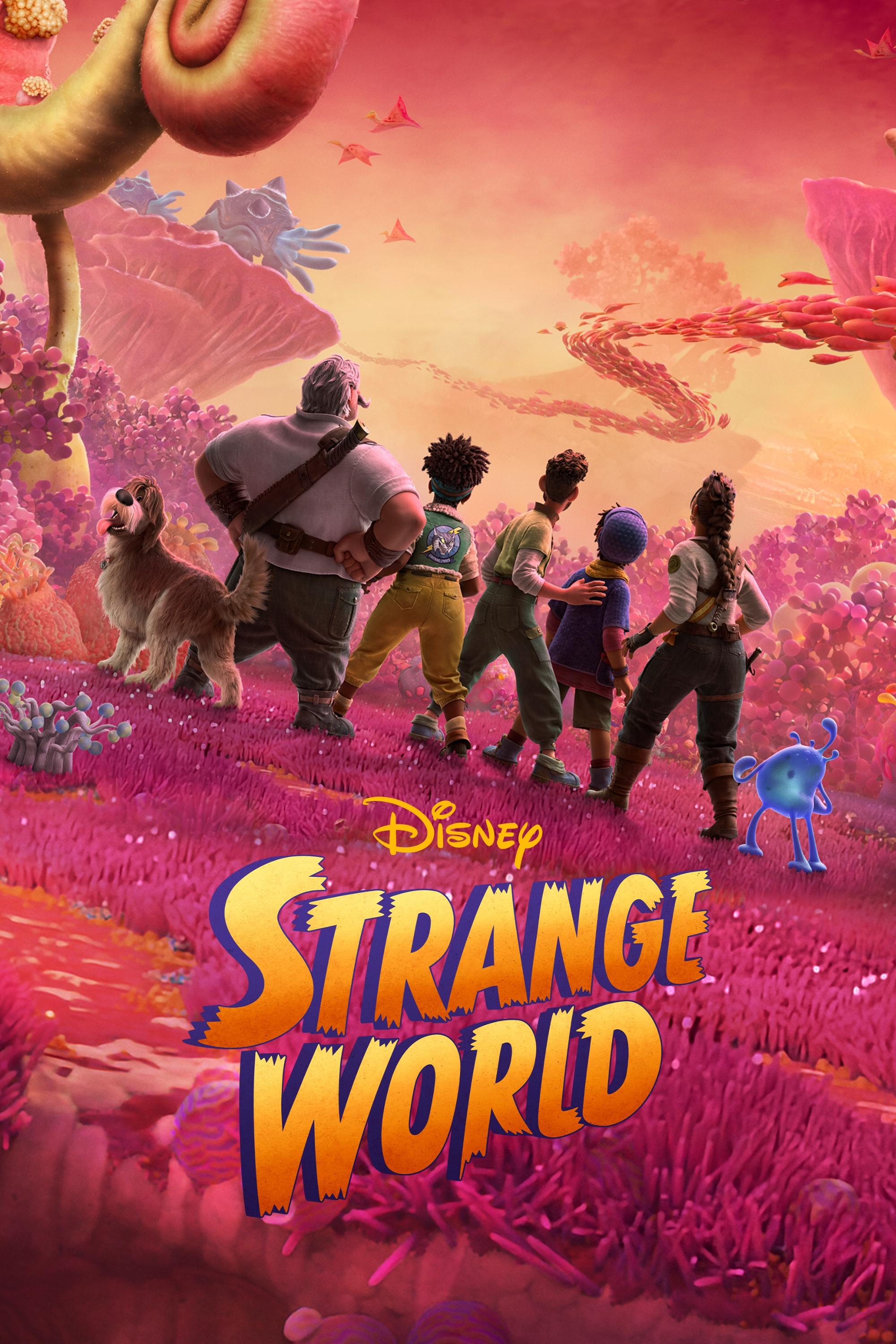
The animated feature incurred significant production costs along with a full global marketing campaign. The box office outcome remained far below the level needed to recoup spending after revenue splits.
Walt Disney Pictures distributed the film widely during the holiday season. The movie’s theatrical window was short due to an early streaming debut, which further constrained grosses.
‘The Flash’ (2023)

The superhero title involved extensive visual effects and reshoots that raised costs. Worldwide earnings did not reach a recovery point once marketing and exhibitor shares were considered.
Warner Bros. Pictures released the film across premium formats and international markets on the same weekend. Despite brand recognition, attendance dropped sharply after opening.
‘Indiana Jones and the Dial of Destiny’ (2023)

A lengthy production cycle and location work placed the budget at a very high level. The worldwide total was not sufficient to cover production and marketing, which made profitability difficult.
Walt Disney Studios Motion Pictures distributed the movie for Lucasfilm with a festival premiere and global rollout. The release strategy secured strong visibility but could not drive sustained week to week growth.
‘Haunted Mansion’ (2023)
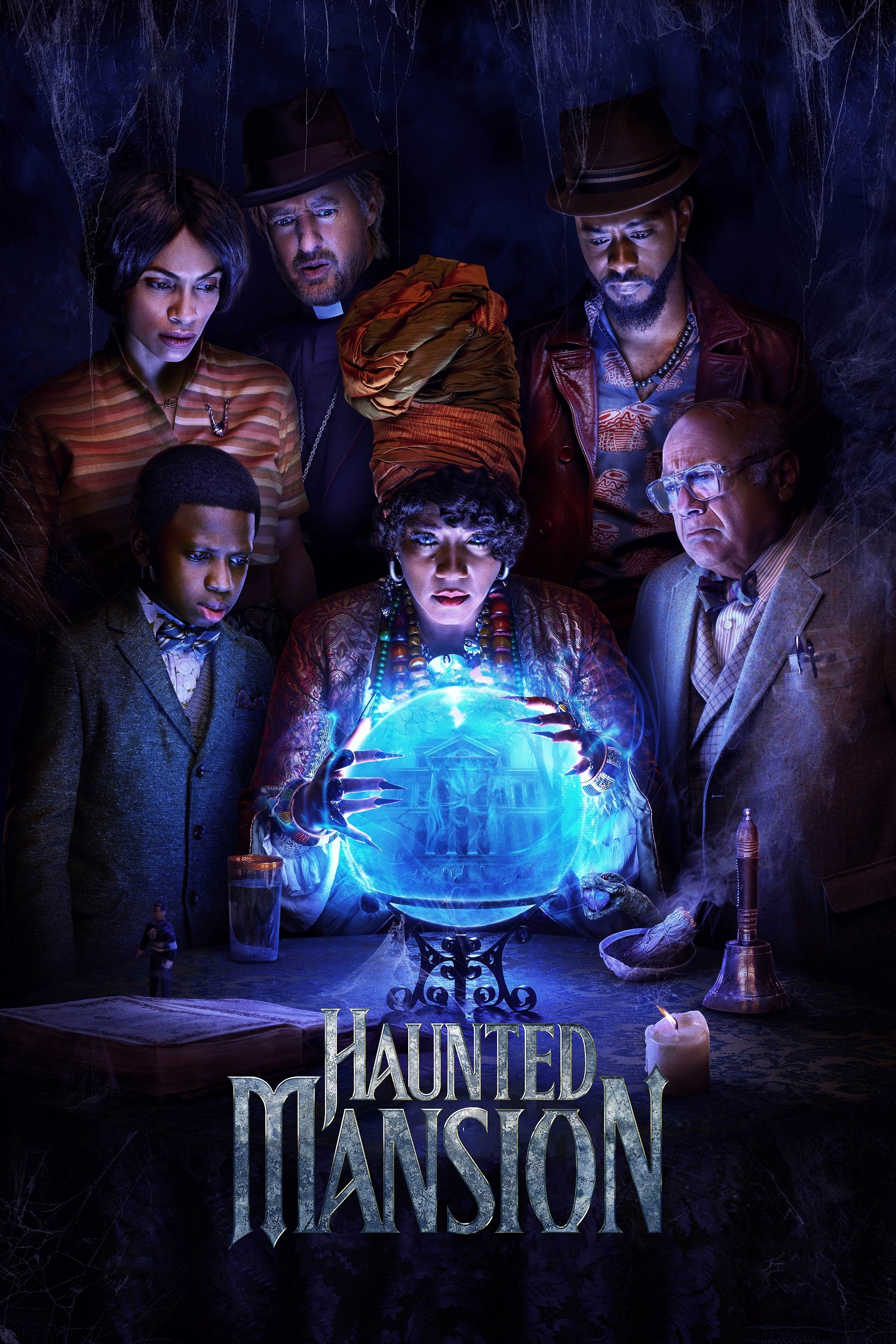
The family oriented project carried a sizable budget and a robust advertising push. The global theatrical result was modest and did not align with the spending needed for profitability.
Walt Disney Studios Motion Pictures handled distribution with a wide domestic opening and rapid international expansion. The film saw limited momentum beyond early interest.
‘Blade Runner 2049’ (2017)

High production values and complex visual effects set a significant break even point. The worldwide gross, while notable, was insufficient to recover costs after marketing and exhibitor splits.
Warner Bros. Pictures released the film domestically while Sony managed many international territories. The domestic run underperformed expectations for a release of this scale, which constrained overall returns.
Share the movie you think hurt a studio the most and tell us why in the comments.

