


Worst RPG Games of All Time

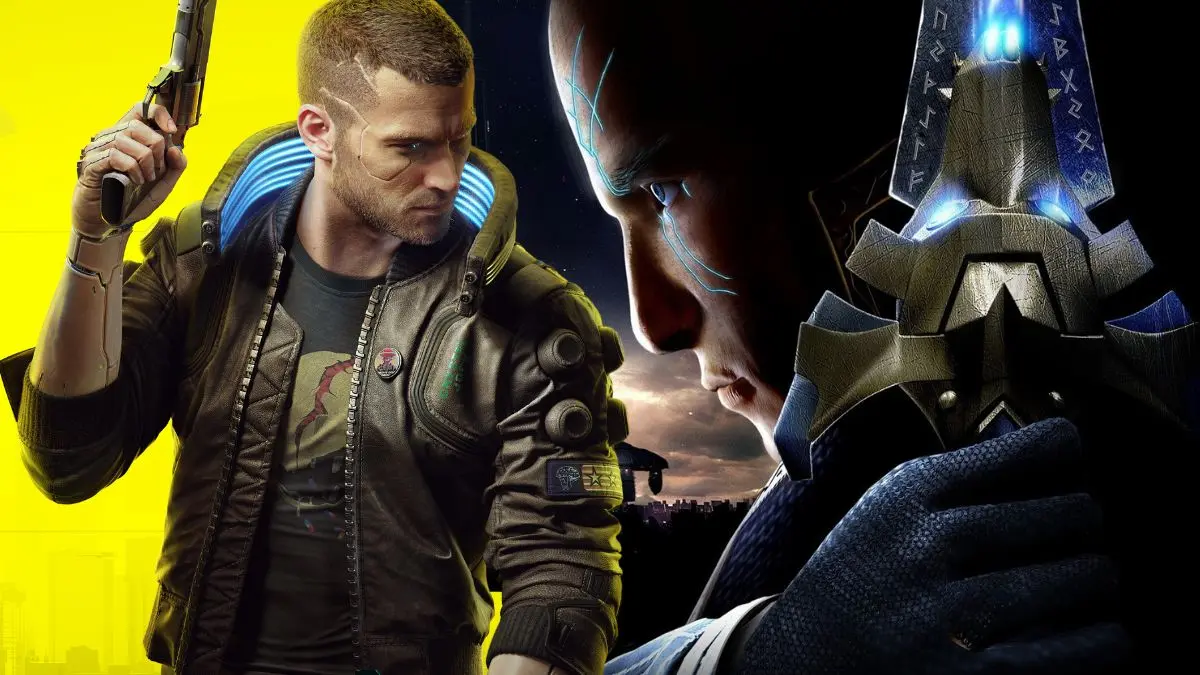


Every genre has its misfires, and role-playing games are no exception, with some titles remembered more for troubled launches, missing features, or controversial monetization than for epic quests. This list looks back at releases that stumbled in clear, fact-based ways like unstable performance, content that arrived unfinished, shutdown live services, or messy redesigns that alienated existing players. You’ll see projects that needed massive patches, games that were pulled from storefronts or closed early, and others that reused beloved names but delivered something far different from what fans expected. Where it helps, the developer is noted to give proper context on how each game came to be and what happened next.
Fallout 76
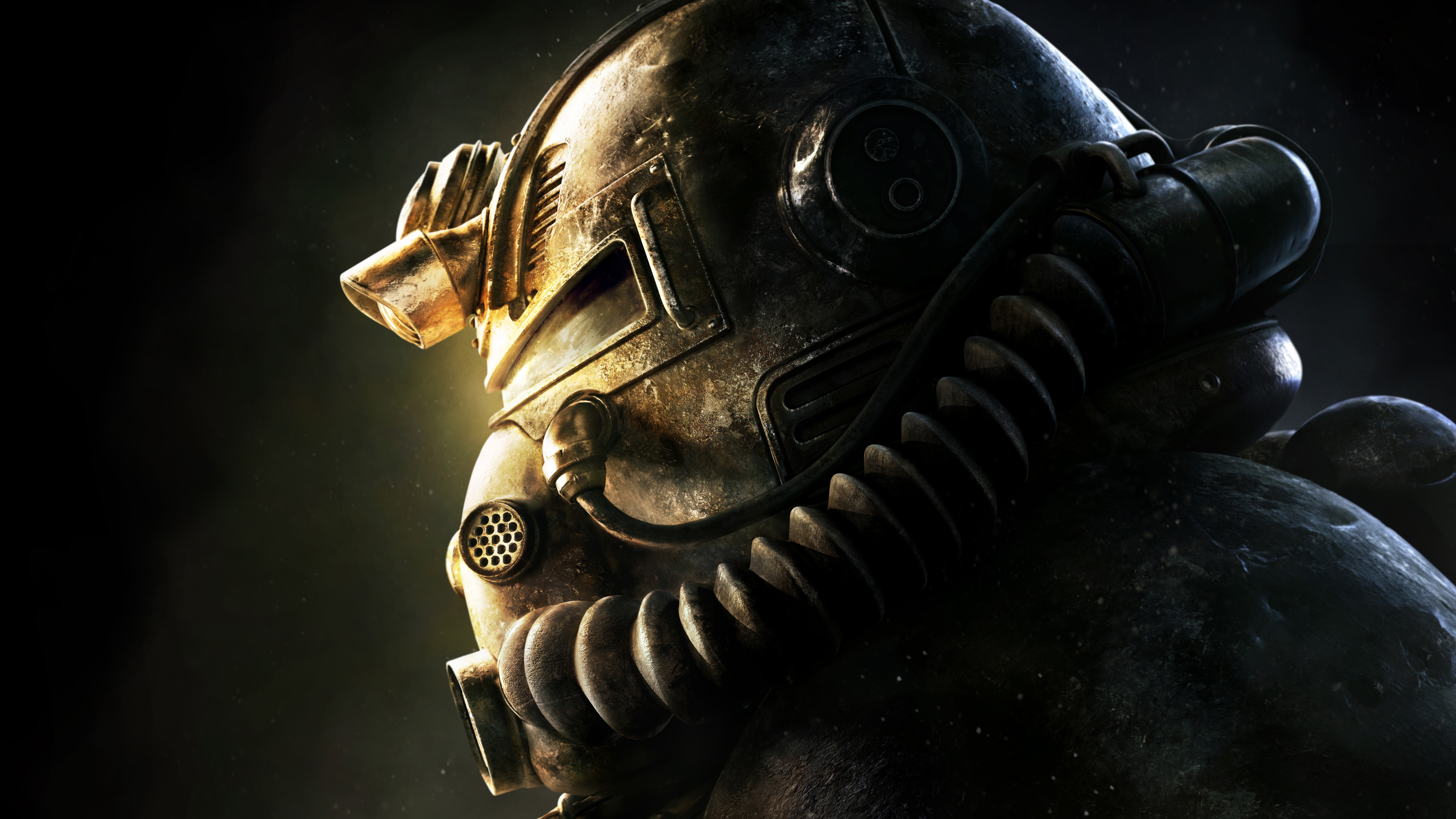
Developed by Bethesda Game Studios, this online offshoot launched in 2018 with severe server instability, frequent crashes, and widespread quest bugs. The game shipped without human NPCs at first, which limited traditional story delivery until a later update reintroduced them. Major systems such as stash limits and camp building saw repeated overhauls in the months after release. Bethesda rolled out large patches like Wastelanders to add quest content and improve progression.
Anthem
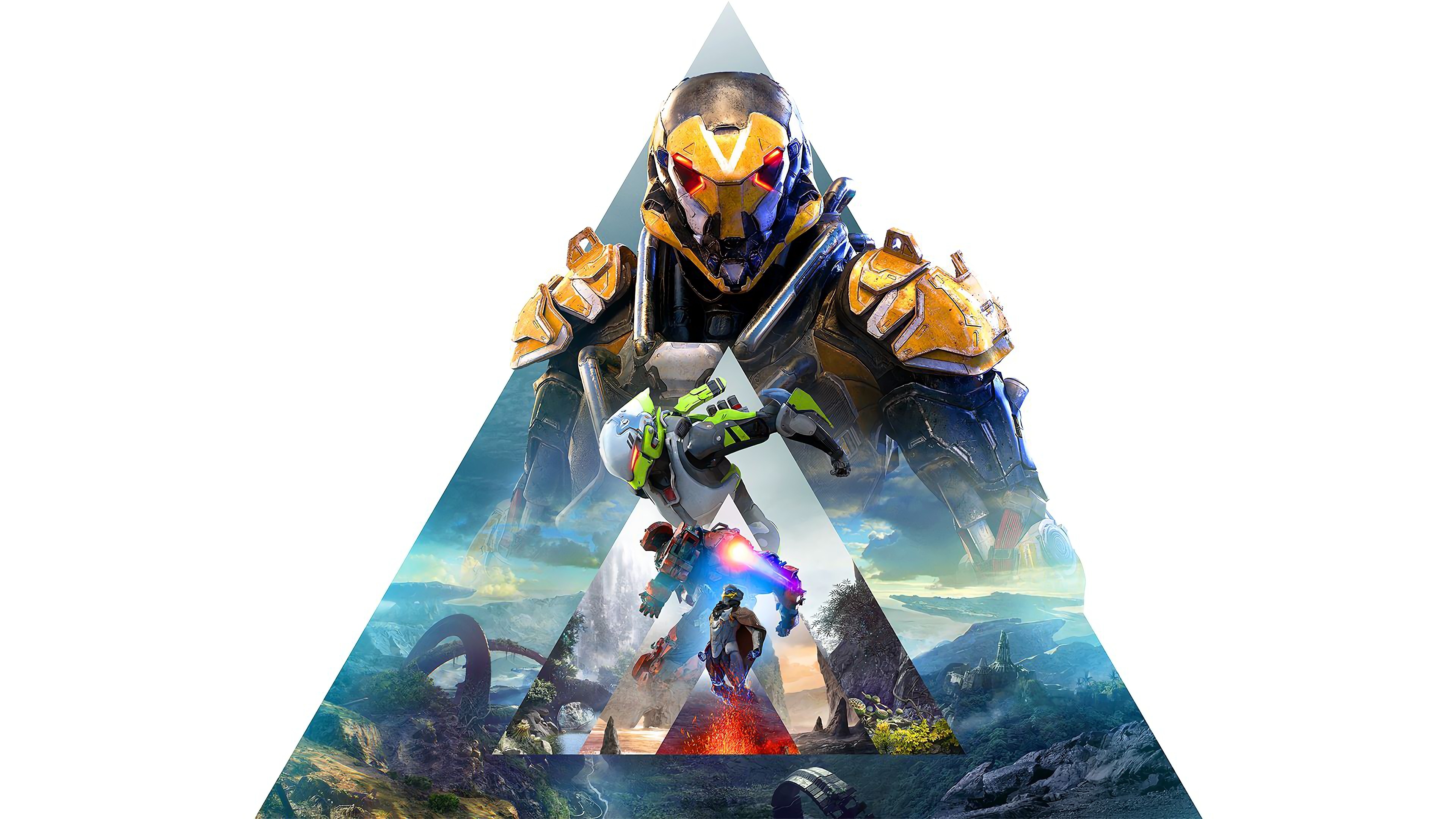
BioWare’s 2019 looter-RPG arrived with lengthy loading times, loot progression that stalled quickly, and a repetitive mission loop that struggled to sustain endgame play. Post-launch events were thin, and core systems like inscriptions and drop rates were repeatedly revised. A planned redesign effort, known informally as Anthem Next, was announced and then canceled. Seasonal support tapered off afterward as the live-service model failed to gain traction.
Mass Effect: Andromeda
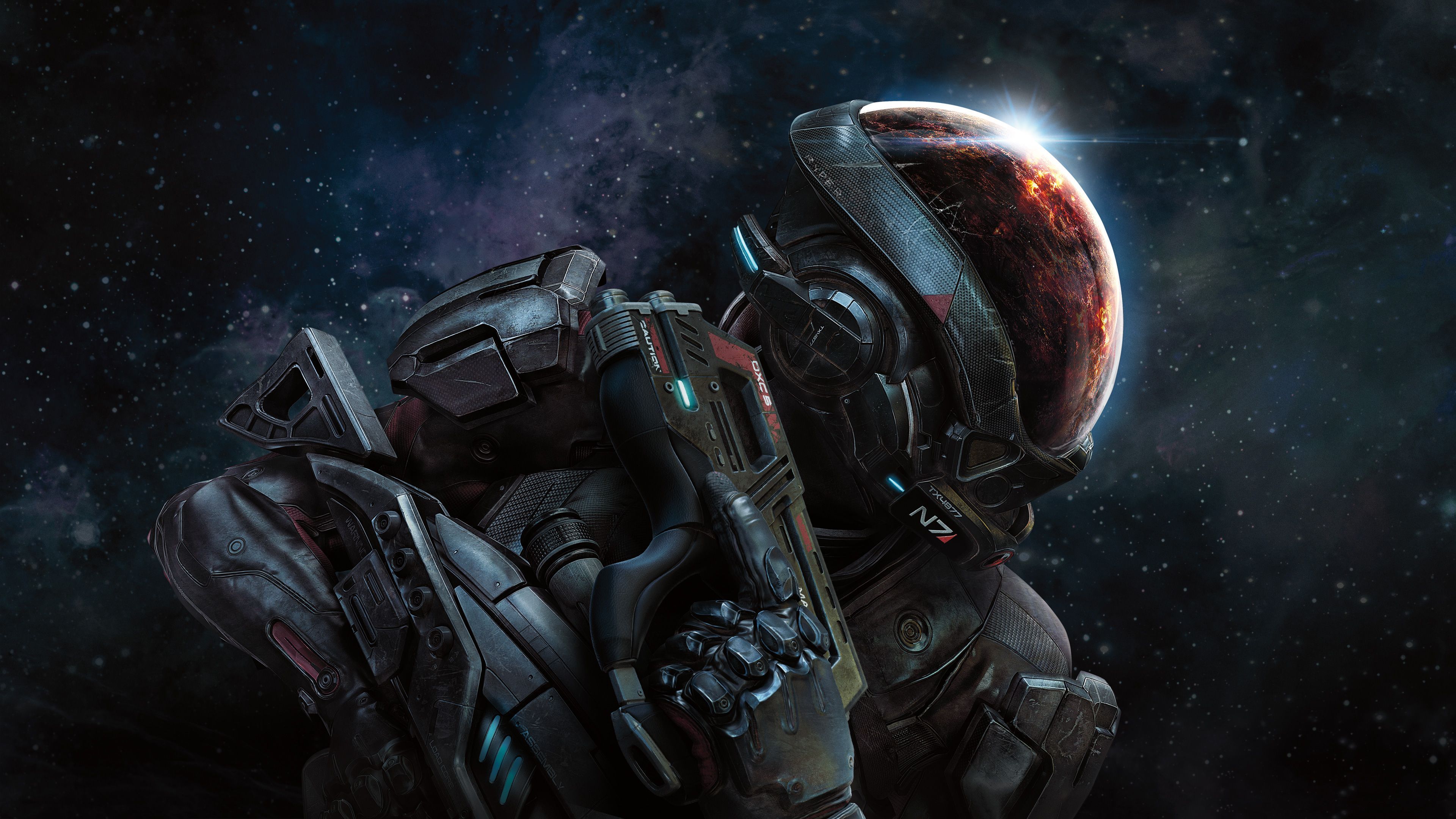
BioWare released this spacefaring RPG in 2017 with facial animation glitches, pathfinding issues, and quest scripting errors that circulated widely at launch. Patches targeted animation fixes, inventory tweaks, and stability improvements over the following months. Planned single-player story DLC was never produced, with narrative threads resolved in other media instead. The game later benefited from a performance pass on newer hardware but shipped initially in a rough state.
Cyberpunk 2077
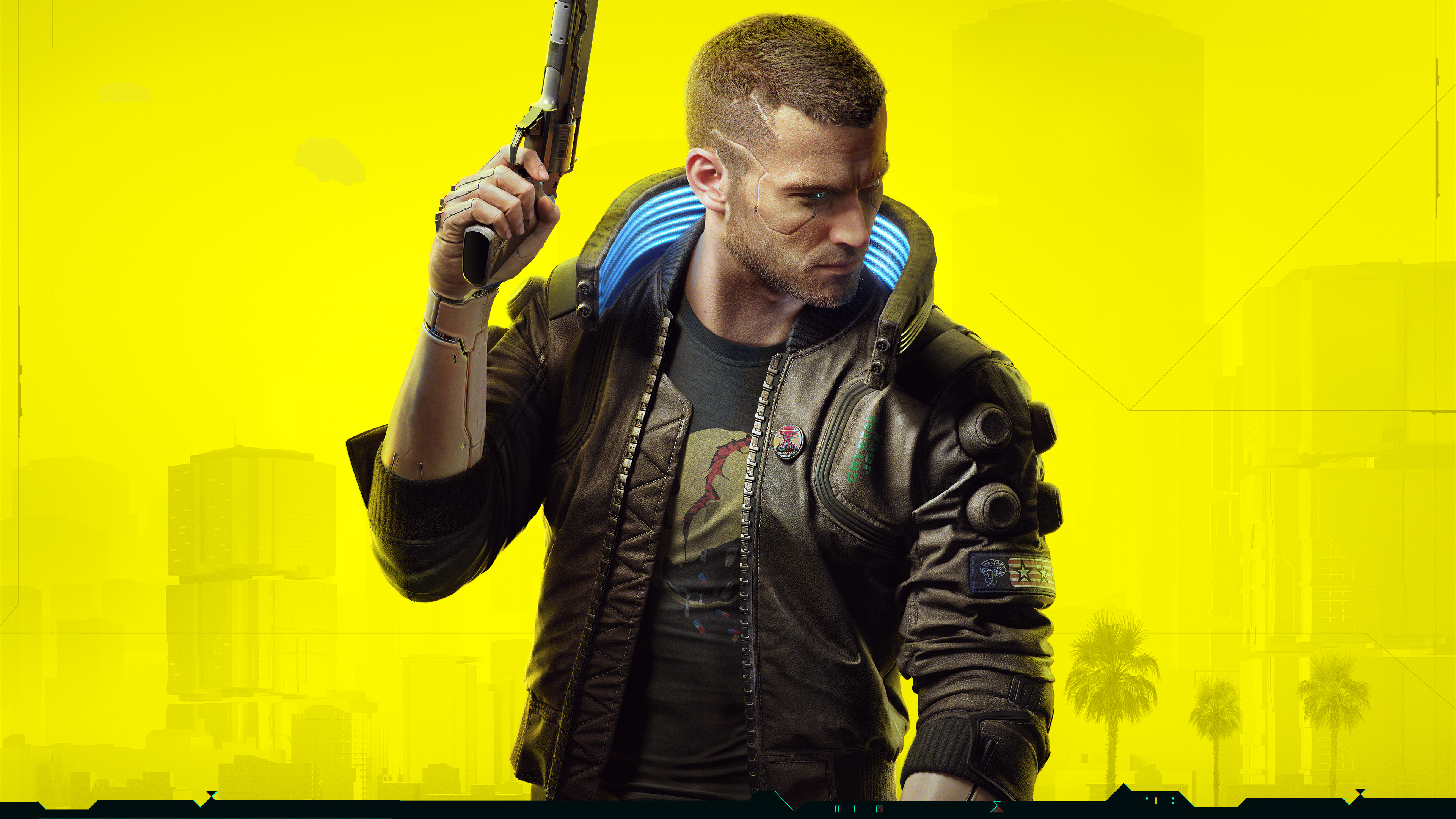
CD Projekt Red launched this open-world RPG in 2020 with especially poor performance on base-generation consoles, leading to refunds and storefront removal in some regions early on. The studio issued large updates that reworked AI behavior, combat balance, and driving, culminating in a systemic 2.0 overhaul. A paid expansion arrived later after the base game stabilized across platforms. Physical and digital versions returned to normal availability once key fixes were in place.
Final Fantasy XIV (Original 1.0)
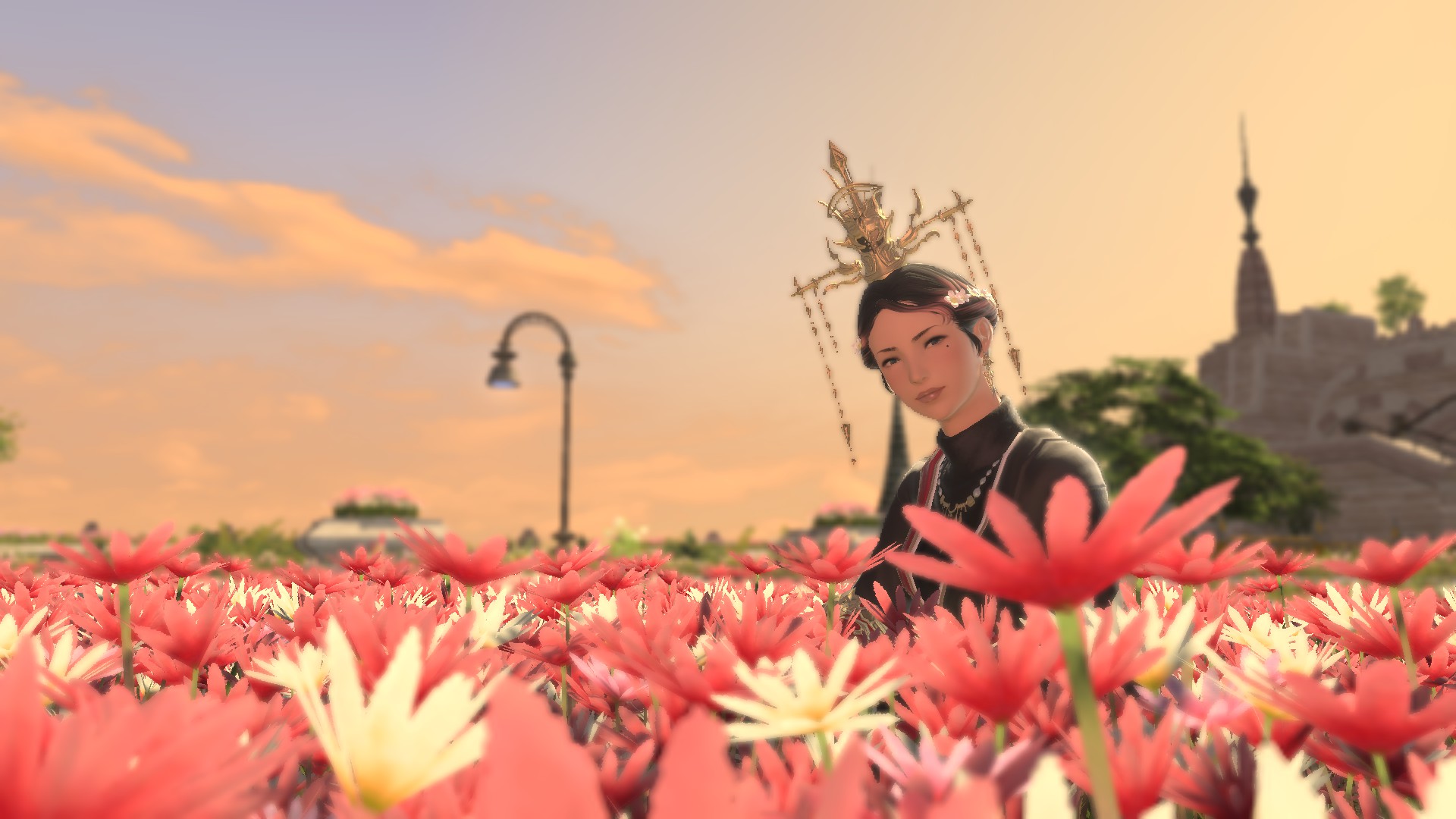
Square Enix shipped the original iteration in 2010 with cumbersome UI, server latency, and restrictive market systems that hampered basic play. After months of emergency updates, the company rebuilt the game and shut down the 1.0 servers. The project relaunched in 2013 as a complete overhaul titled ‘A Realm Reborn’ with redesigned infrastructure and content flow. The relaunch is now a standard example of a full MMORPG save after a disastrous debut.
Gothic 3
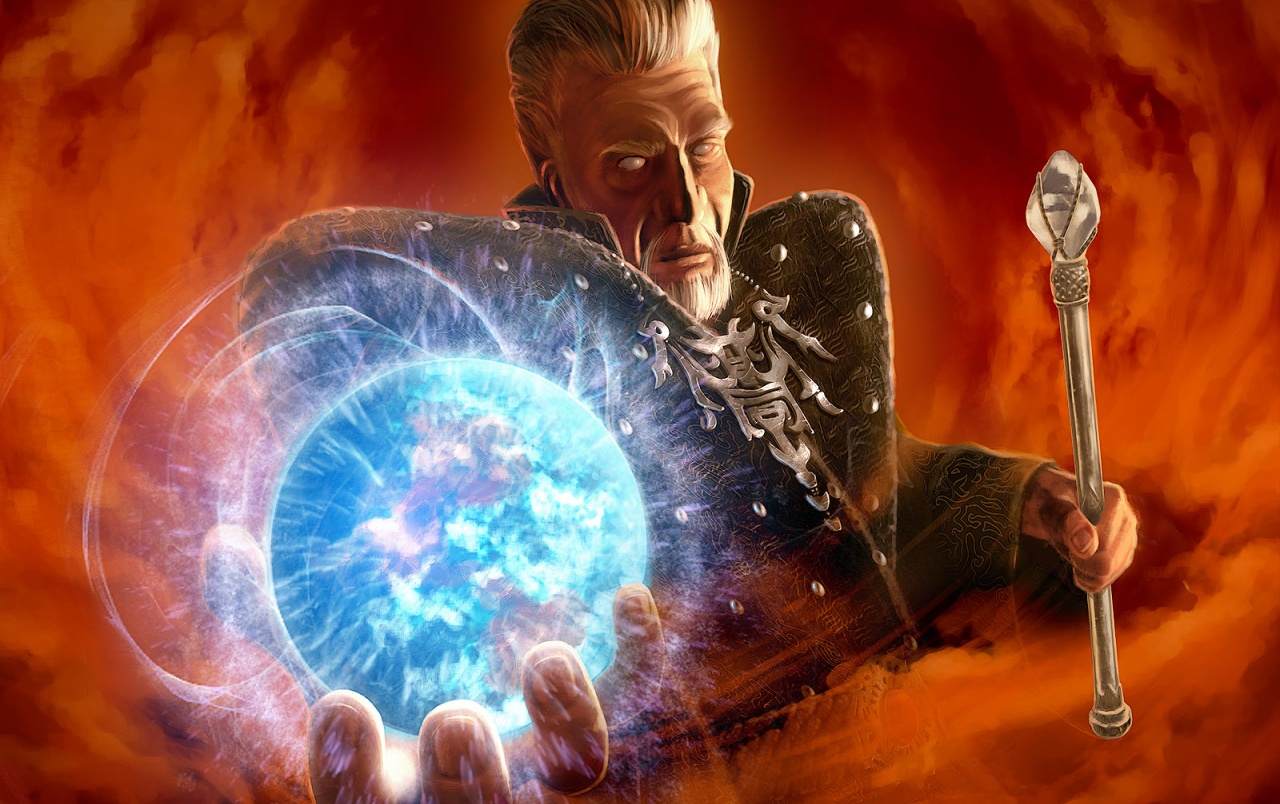
Piranha Bytes released this 2006 entry with memory leaks, save corruption, and combat scripting that regularly failed. Official patches could not resolve everything, and a long-running community patch project addressed numerous quest logic errors and performance problems. The open world shipped large but unstable, with frequent stuttering on contemporary PCs. Later editions often bundled fan fixes to make the game more playable.
Two Worlds
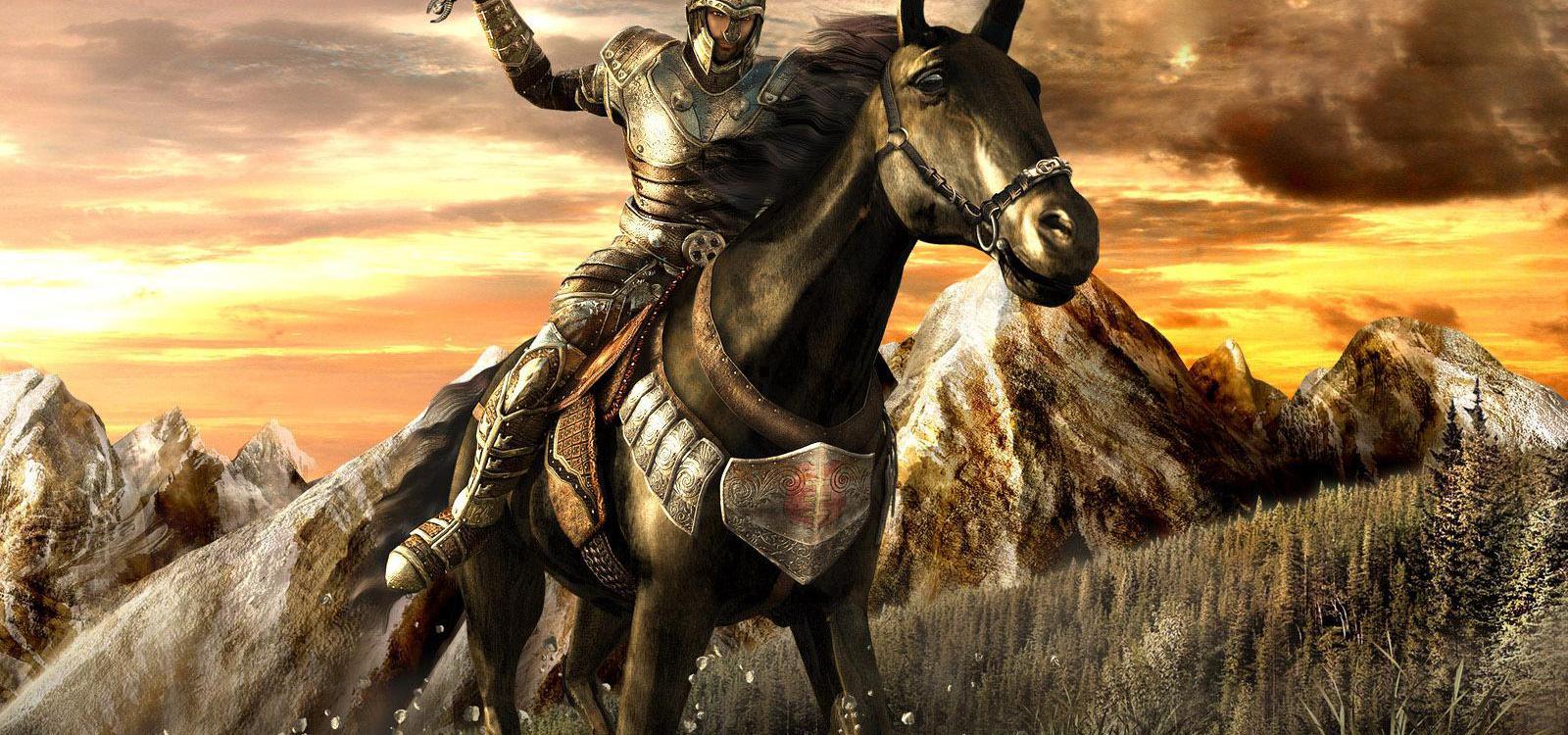
Reality Pump’s 2007 fantasy RPG launched with uneven framerate, physics oddities, and quest triggers that misfired under certain conditions. Multiplayer suffered from desynchronization and connection drops on day one. A series of patches improved stability and balance but could not fully address the rough first impression. The sequel arrived years later with a more polished technical foundation.
Bound by Flame
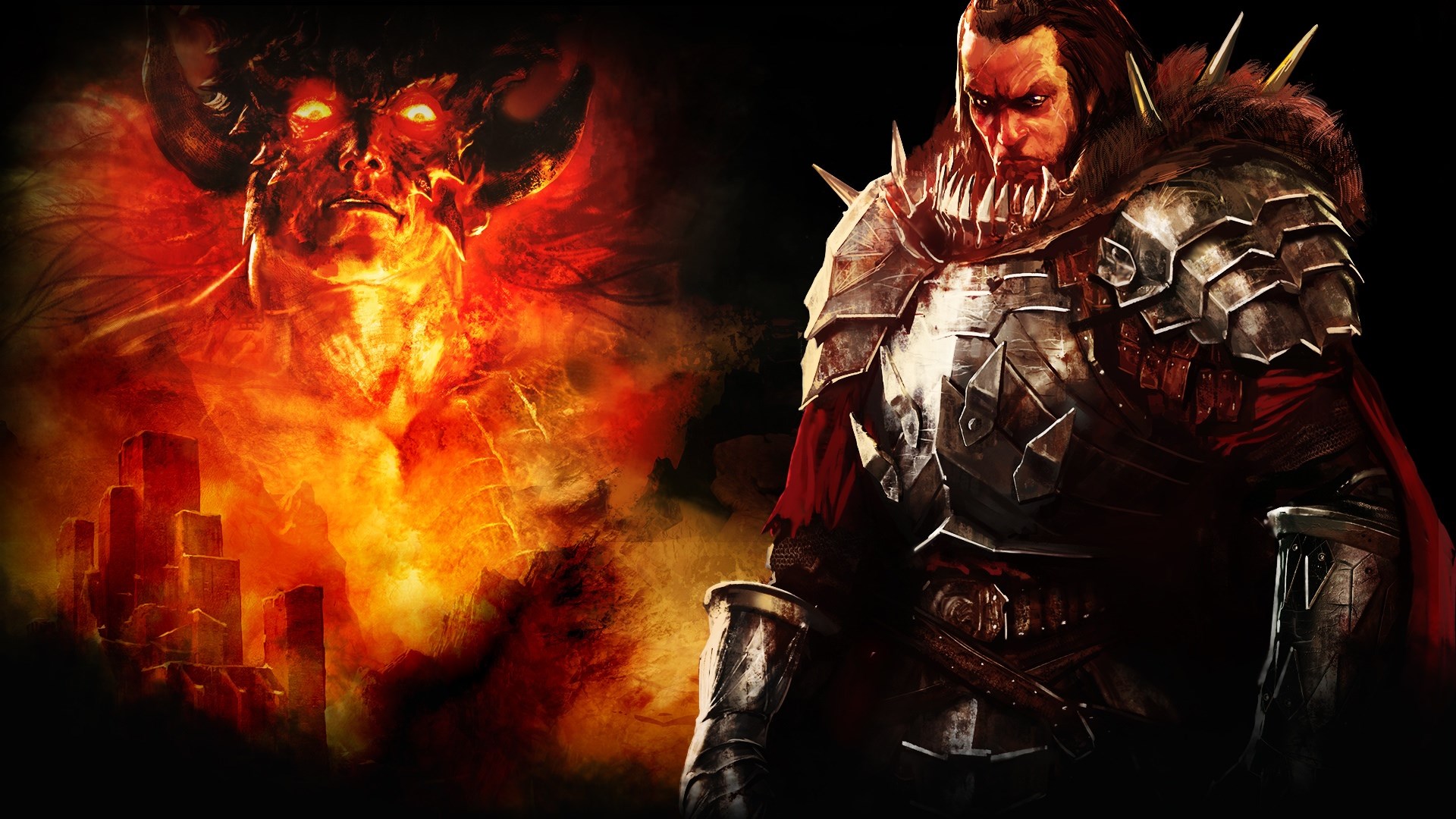
Developed by Spiders, this 2014 action RPG offered branching choices and companion systems but shipped with camera issues and inconsistent enemy AI. Difficulty spikes appeared early due to tuning that favored certain builds. Animation blending and hit detection were refined in subsequent updates. Despite ambitious systems, the release struggled to align its mechanics with smooth combat flow at launch.
Unlimited Saga
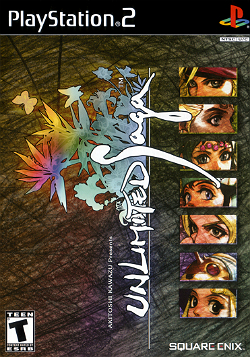
Square Enix introduced this 2002 experiment with a board-game-style flow and opaque growth systems that confused many players. Randomized skill outcomes and limited feedback made mechanical planning difficult. Tutorials provided minimal clarity, leaving core progression rules hard to decipher. The game has since been cited as a cautionary tale about onboarding for unconventional RPG systems.
Sacred 3
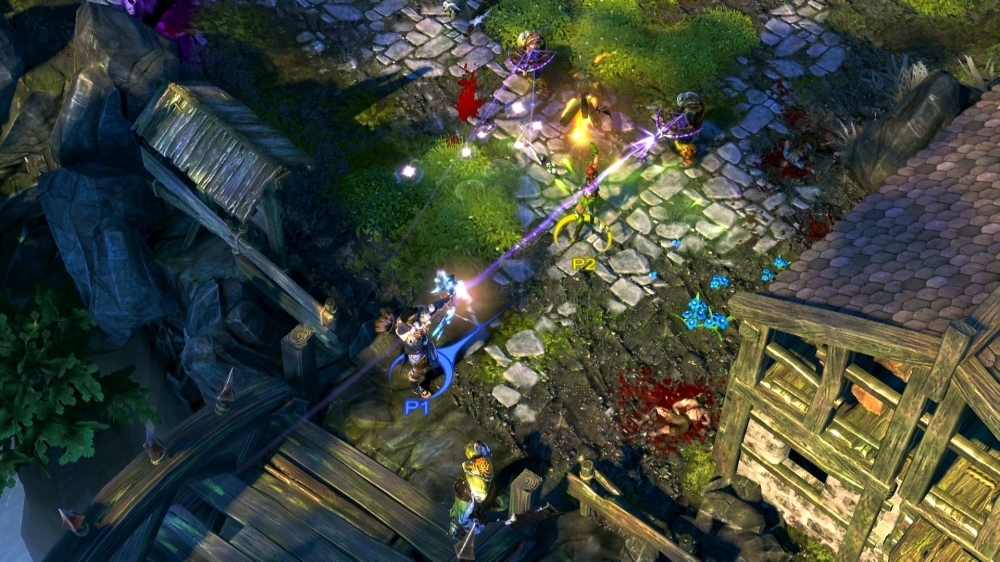
Keen Games released this 2014 follow-up that shifted the series from loot-driven action RPG to a more arcade brawler structure. Traditional elements like freeform exploration and itemization were largely removed, which contrasted with earlier entries. Co-op stages emphasized linear combat arenas over open-world adventuring. The change in direction resulted in a product that did not resemble its predecessors’ core loop.
Hellgate: London
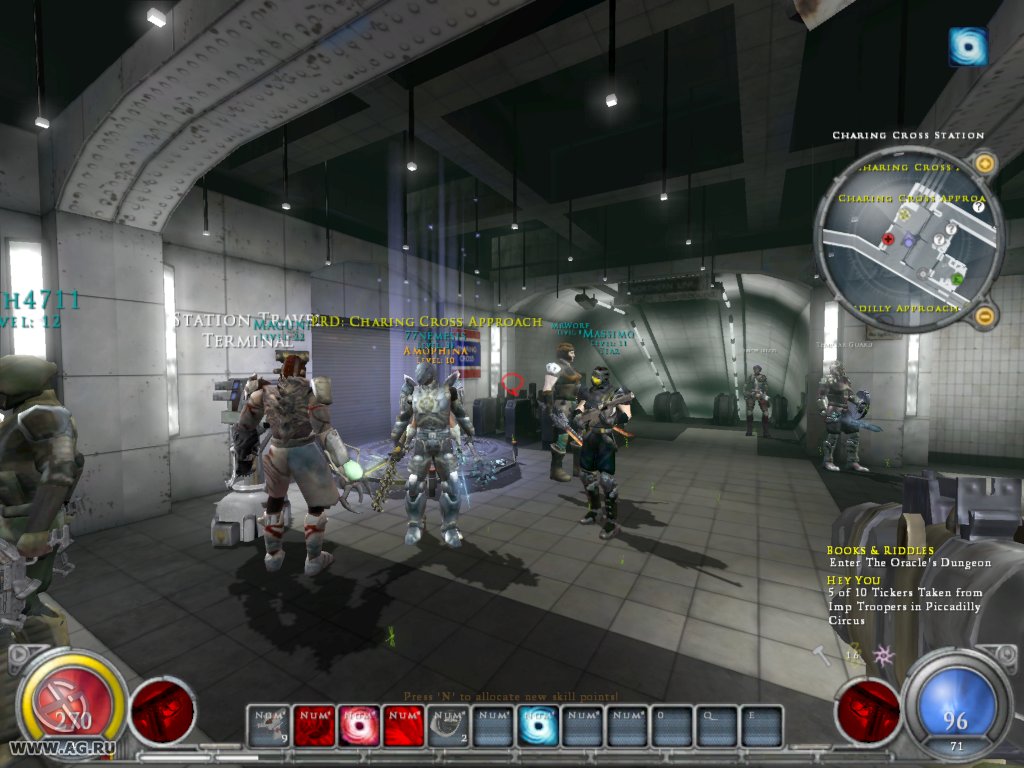
Flagship Studios launched this hybrid shooter-RPG in 2007 with a subscription option layered onto a fragmented content model. Instancing, itemization, and class balance needed extensive post-launch tuning, and regional servers followed different update tracks. The original Western service shut down before being revived in limited forms elsewhere. Community efforts and later re-releases attempted to stabilize what began as a promising but uneven foundation.
Dungeon Lords
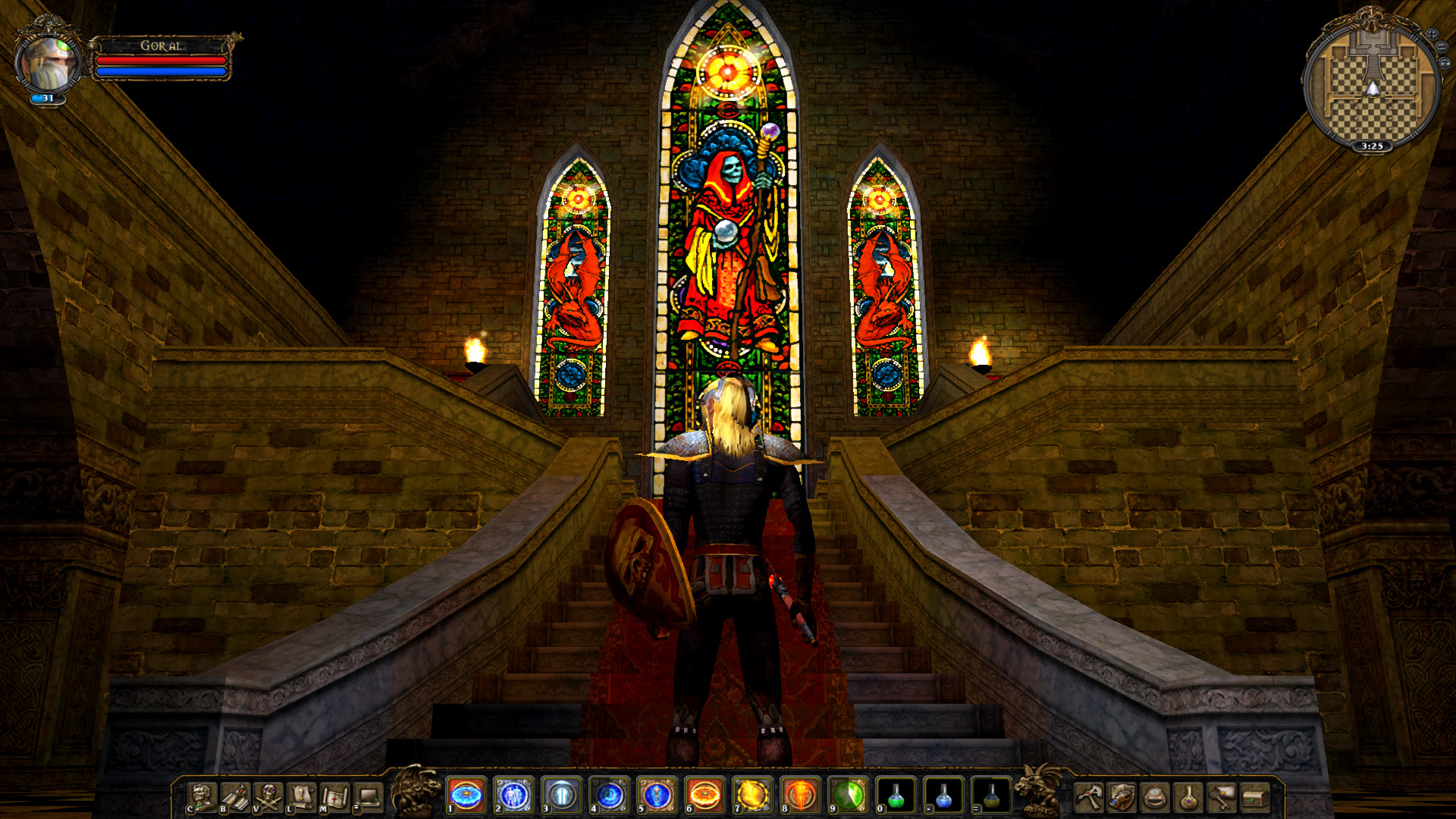
Heuristic Park’s 2005 release shipped missing features advertised prior to launch, including elements of the UI and multiplayer functionality. Patches and later editions restored portions of the planned content and repaired crashes. Quest progression was brittle, with scripting that could break if objectives were completed out of sequence. Multiple reissues attempted to produce the version initially described to players.
Ultima IX: Ascension
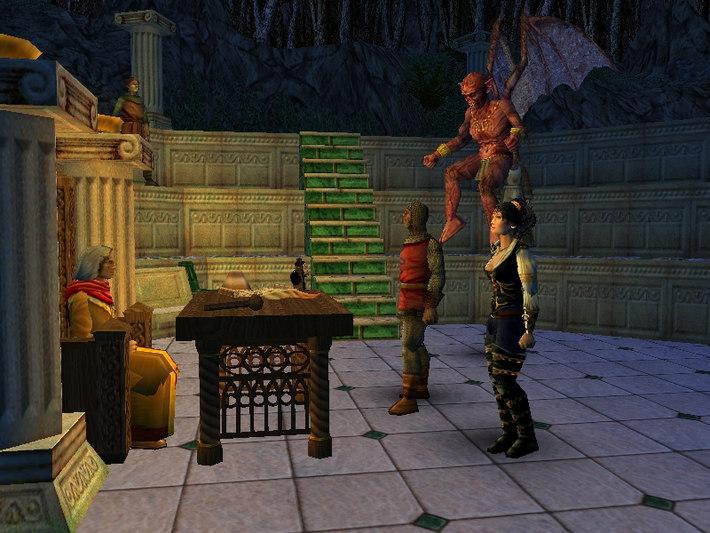
Origin Systems delivered this 1999 finale with steep system requirements, frequent crashes, and camera collision problems. The game’s patch history focused on stability, performance, and quest logic corrections. Its release also followed a complex development cycle that saw story reworks and engine changes. Later community patches further addressed remaining technical gaps.
Underworld Ascendant
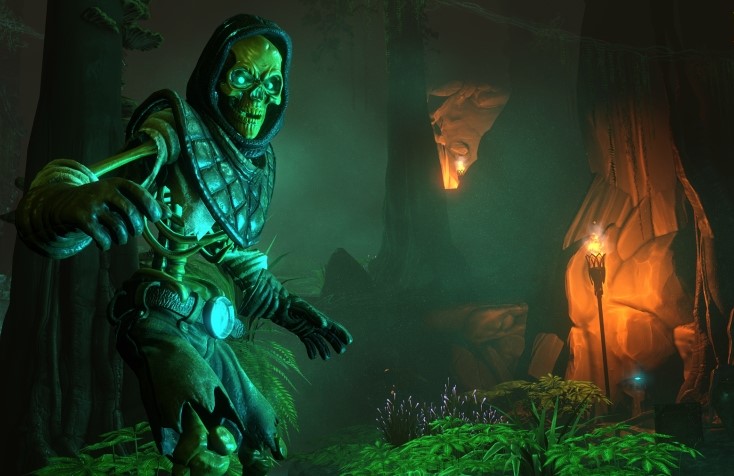
OtherSide Entertainment launched this 2018 immersive-sim RPG with physics bugs, AI failures, and save-related issues. Post-release updates improved movement, stealth detection, and level scripting, but the initial state hindered exploration. The project arrived after a successful crowdfunding campaign, raising expectations it struggled to meet technically. Numerous quality-of-life fixes were required to make systems operate as intended.
Babylon’s Fall
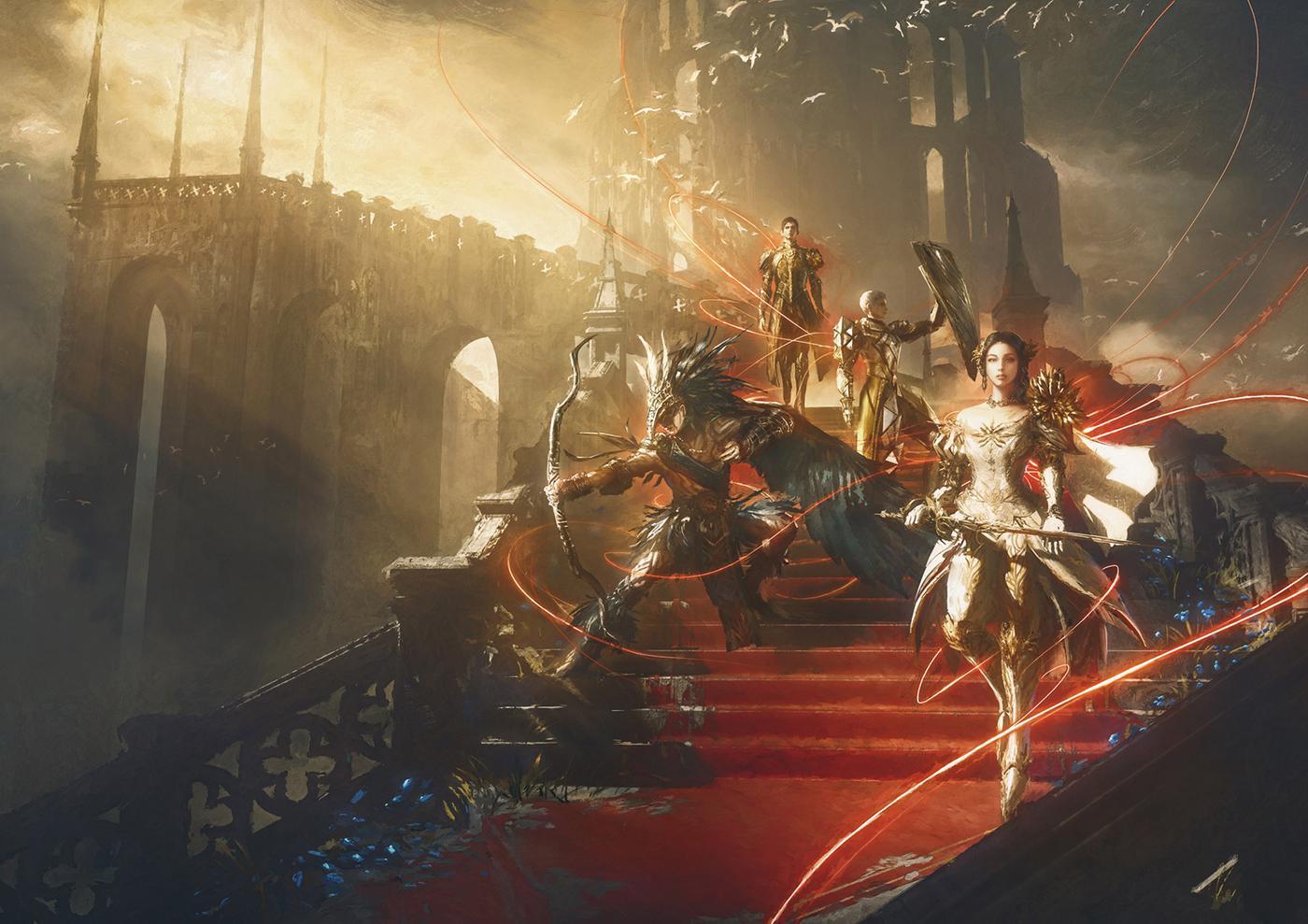
PlatinumGames released this live-service action RPG in 2022 with a low player count from the start and repetitive mission design that did not sustain engagement. Seasonal content failed to expand the audience, and service termination was announced within the first year. The servers shut down in 2023, rendering the game unplayable. The title was delisted from stores prior to closure.
Marvel’s Avengers
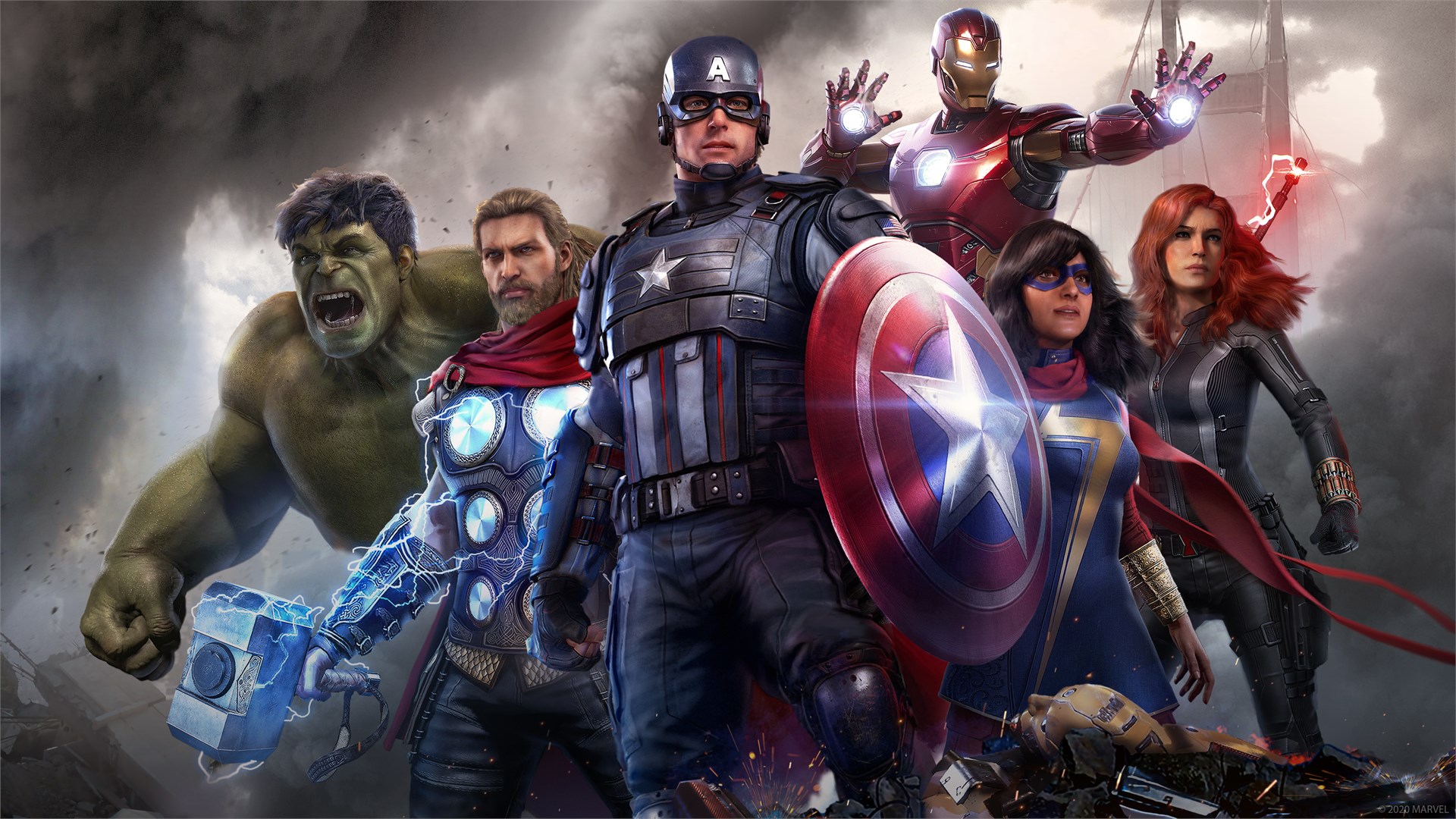
Developed by Crystal Dynamics, this 2020 superhero RPG built progression around gear tiers and seasonal events. Technical issues, matchmaking problems, and content cadence made it hard to maintain a large player base. Official support ended in 2023, with the game later removed from digital storefronts. Final updates converted premium cosmetics to in-game ownership for remaining players before sunsetting.
Too Human
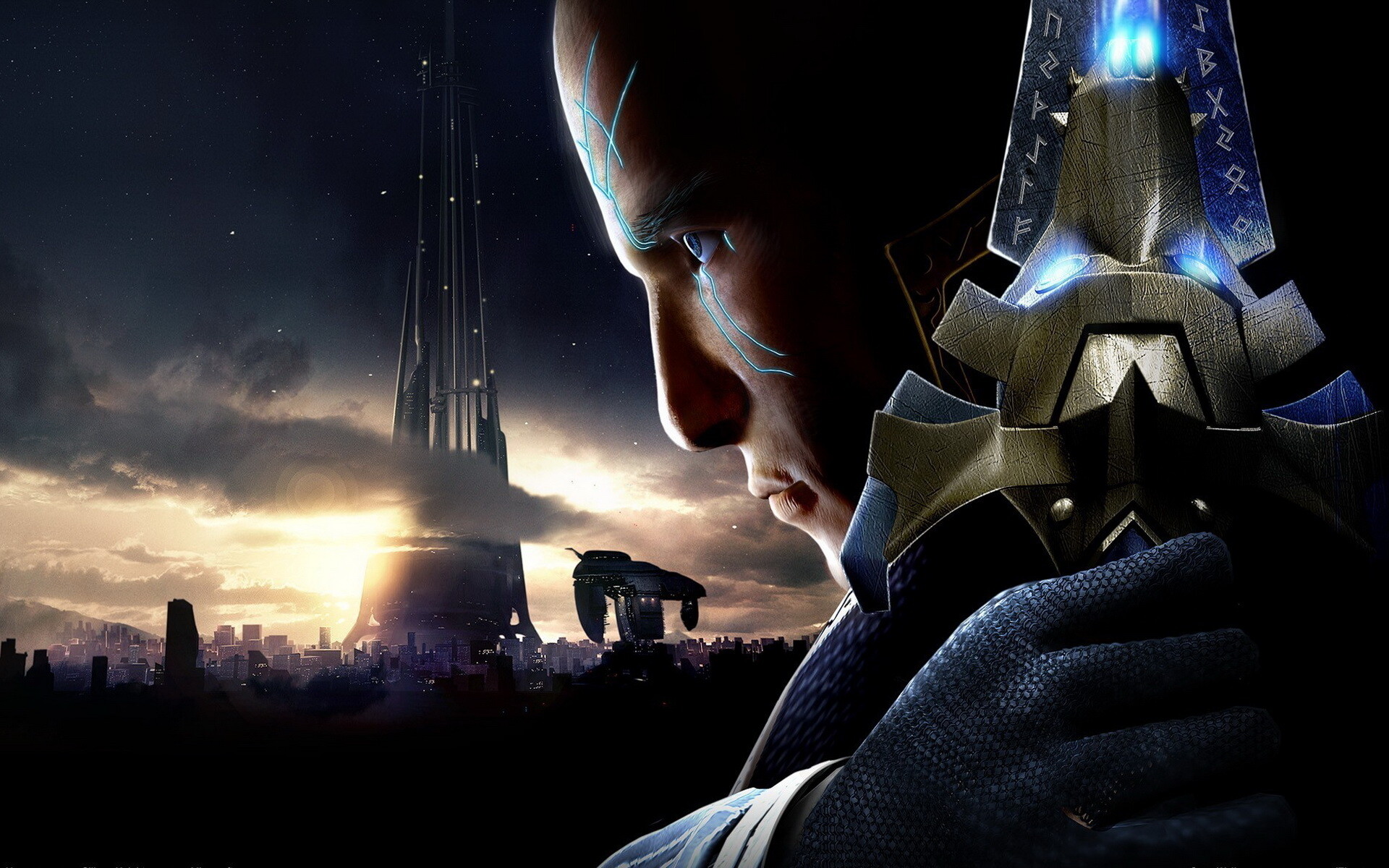
Silicon Knights launched this action RPG in 2008 after a lengthy development, with performance drops and a controversial control scheme that mapped attacks to the right stick. Legal disputes over engine licensing culminated in a court ruling that led to a product recall of unsold copies years later. The planned trilogy never materialized following these events. The game eventually reappeared as a free digital download long after its commercial run had ended.
Arcania: Gothic 4
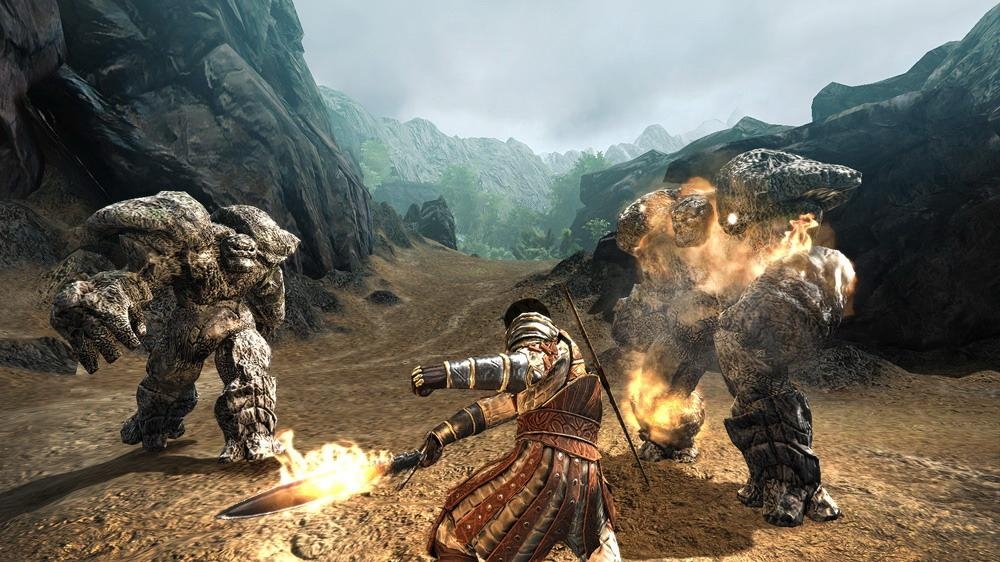
Spellbound Entertainment’s 2010 entry departed from earlier series design with streamlined systems and smaller hub-based areas. Technical performance on consoles drew criticism due to frame pacing and pop-in. An expansion, ‘Fall of Setarrif’, arrived later with additional regions and quests. The rights and branding history created confusion about its place relative to prior Gothic titles.
Dungeons & Dragons: Dark Alliance
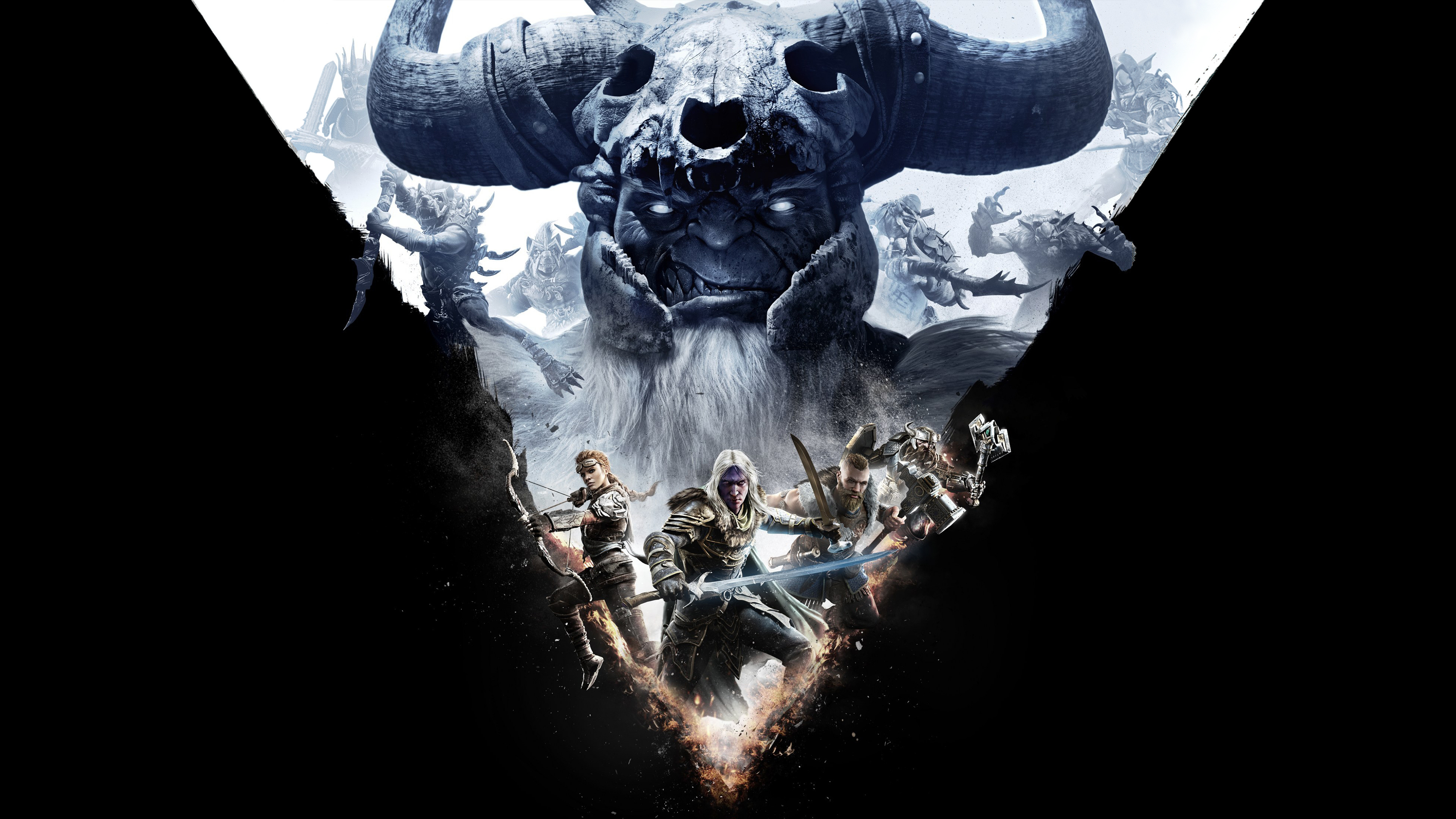
Tuque Games released this 2021 co-op RPG with netcode instability and animation locking that interfered with combat responsiveness. Launch content focused on linear mission runs rather than open exploration. Patches targeted input buffering, hit detection, and matchmaking reliability. Post-launch updates added characters and difficulty options while addressing many initial technical flaws.
Kingdom Under Fire II
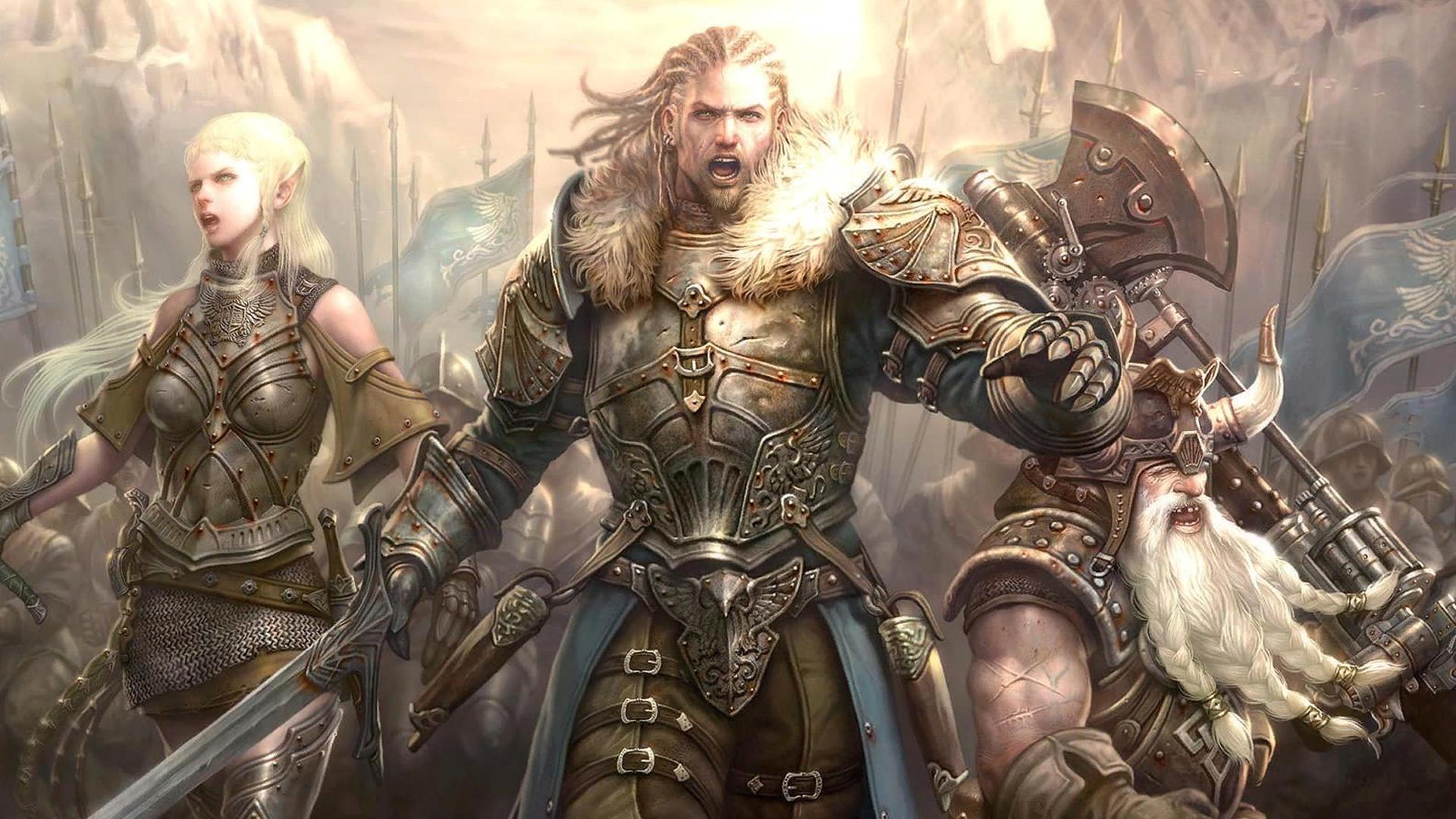
Blueside brought this long-in-development MMO action RPG to Western markets in 2019 after multiple engine changes and delays. Content cadence remained slow, and the game struggled to establish a stable player base outside its initial regions. Service closure followed within a couple of years in some territories. The title’s extended production left systems feeling inconsistent between modes.
Legends of Dawn
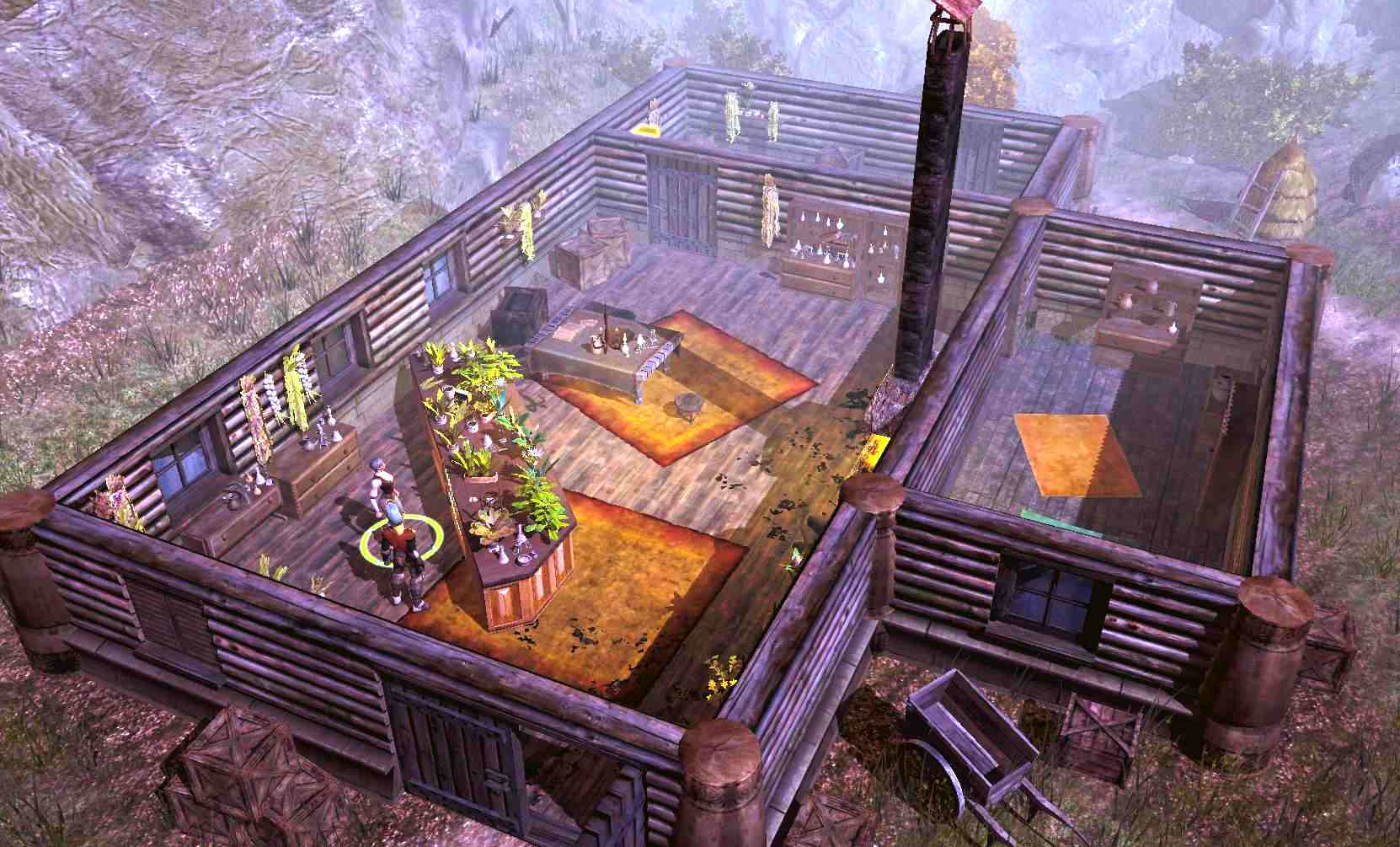
Dreamatrix’s 2013 Kickstarter-funded RPG launched with frequent crashes, broken quest triggers, and pathfinding errors. Players reported progress blocks due to missing or unresponsive NPC interactions. Patches addressed stability and scripting over time but arrived after early impressions had formed. An enhanced edition later attempted to consolidate fixes into a single release.
Final Fantasy All the Bravest
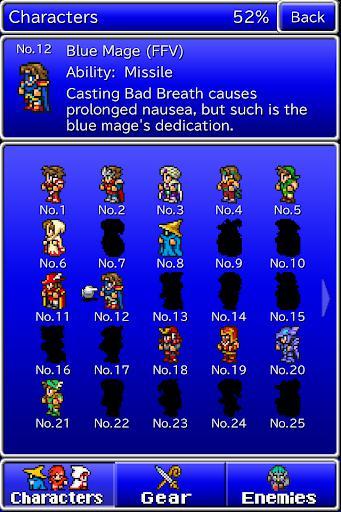
Square Enix released this 2013 mobile RPG built around rapid tapping combat and character lineups drawn from the series. The game leaned heavily on in-app purchases for party slots and familiar heroes. Limited player agency and short encounter loops left little room for traditional strategy. Post-launch feedback focused on how monetization overshadowed core gameplay.
Diablo Immortal
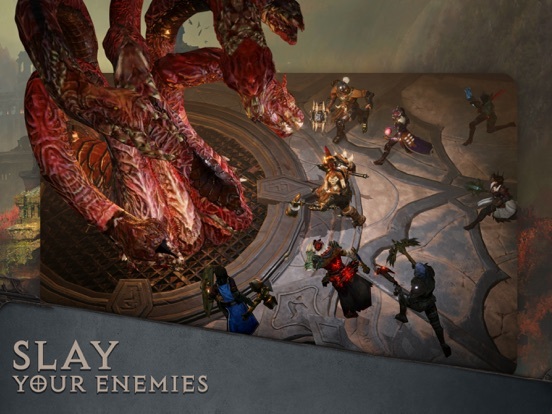
Co-developed by Blizzard Entertainment and NetEase, this 2022 mobile-first RPG featured extensive progression systems tied to paid items and limited-time events. Core story content was accessible, but late-game upgrades relied on long grinds or spending. Regional launches rolled out in stages as server infrastructure scaled. The title generated high revenue while also drawing sustained criticism for its economy.
Quest 64
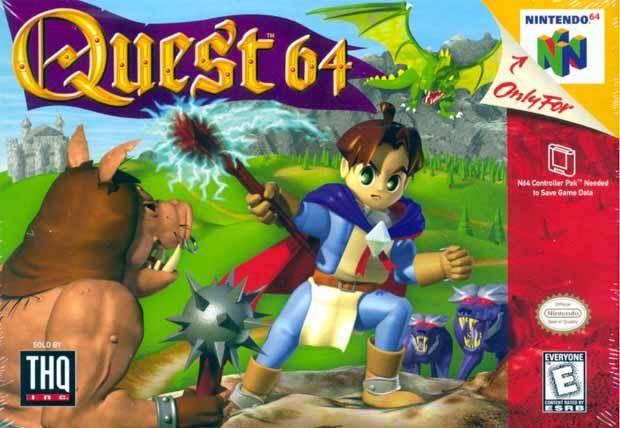
Developed by Imagineer, this 1998 Nintendo 64 RPG offered a minimalist quest structure with limited dialogue and a small set of spells. Progression relied on repetitive encounters to raise elemental stats, with few side activities to break up traversal. Navigation was straightforward, with dungeons and towns arranged along a narrow path. The cartridge format left little room for voiced storytelling or cinematic scenes.
Might and Magic IX
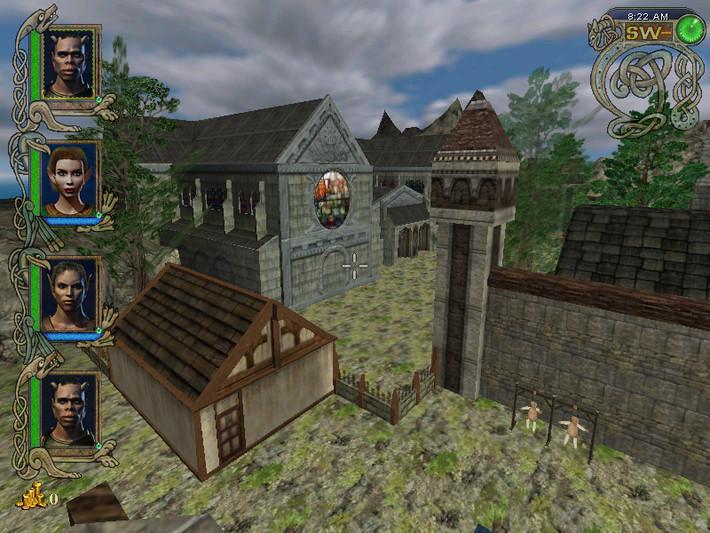
New World Computing’s 2002 installment shipped in an unfinished state with frequent crashes and pathfinding failures. The transition to a new engine created visual glitches and inconsistent performance on release hardware. Patches improved stability and quest scripting, but many issues persisted. It became the last mainline entry developed by the original studio before the franchise changed hands.
Share the RPGs you think truly dropped the ball in the comments so we can compare battle scars from these bumpy adventures.

