


Zombie TV Series You Are Sleeping On (But Shouldn’t)




There’s a lot more to undead television than the handful of household names everyone brings up. Across networks and platforms worldwide, creators have used zombies to explore everything from politics and survival logistics to comedy and romance, often with clever twists and strong world-building that flew under the radar.
This list rounds up titles that deliver distinct settings, memorable characters, and inventive storytelling. You’ll also see where each show originally aired or streamed, so you can connect the dots on how networks and platforms helped shape their styles and tones.
‘The Walking Dead’ (2010–2022)
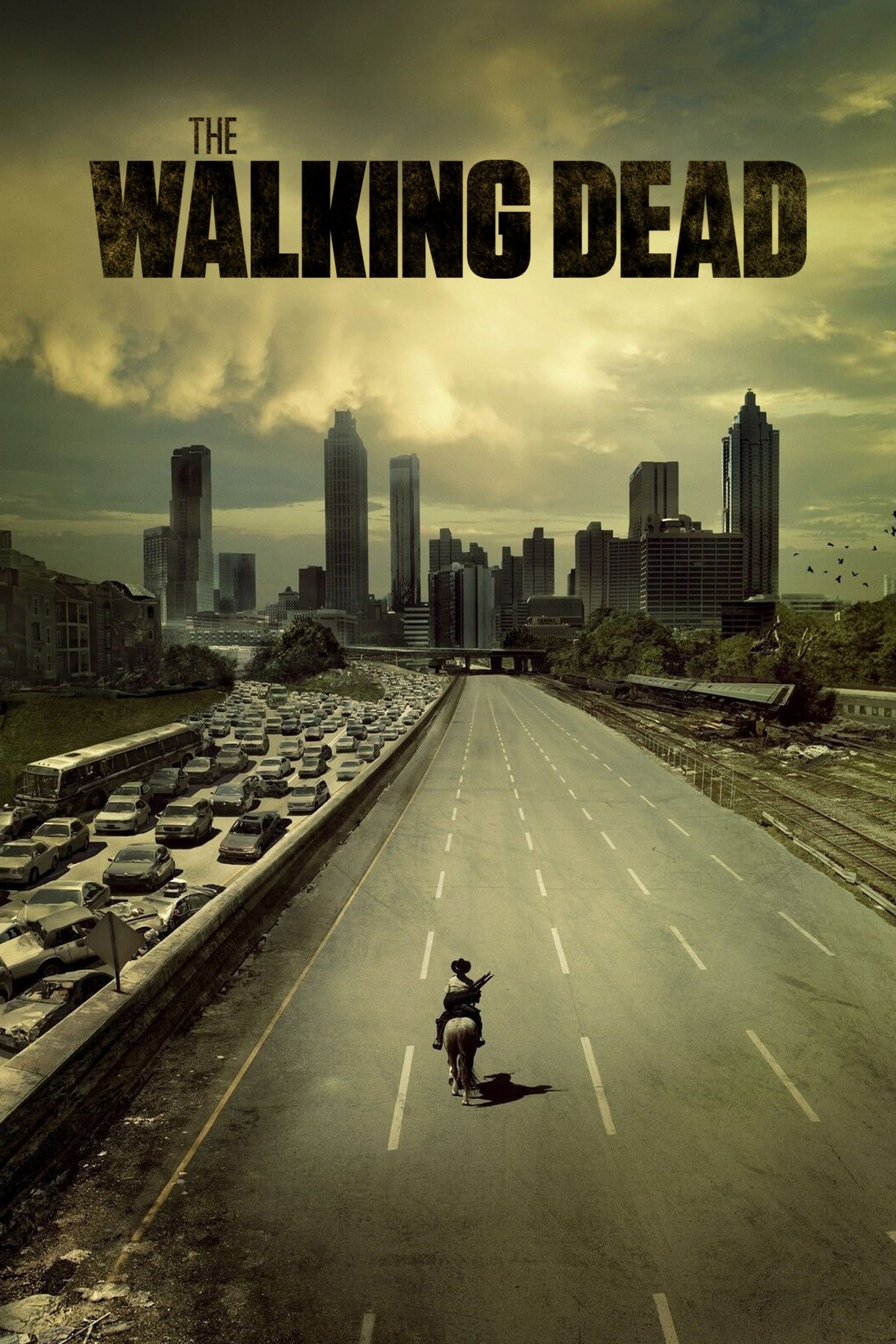
Set largely in the American South, ‘The Walking Dead’ tracks a rotating group of survivors as they establish communities, manage supply chains, and develop protocols for dealing with walkers and hostile groups. The show maps out leadership structures, medical improvisation, and agricultural planning inside fortified settlements.
The series premiered on AMC, which supported long-form character arcs and multiple bottle episodes. Over eleven seasons, it introduced key locations like the Prison, Alexandria, and the Commonwealth, tying them together through shifting alliances and resource economies.
‘Fear the Walking Dead’ (2015–2023)
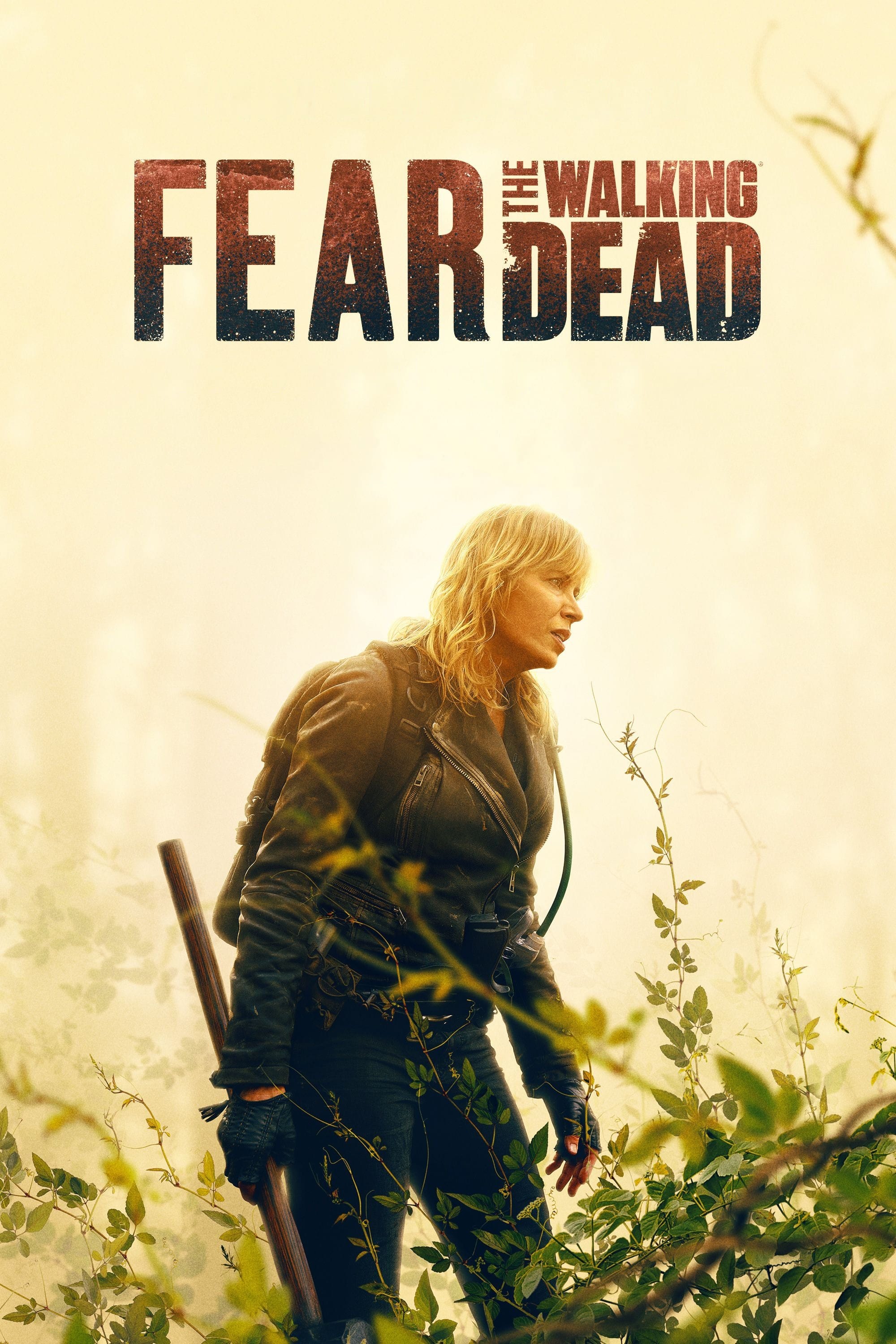
‘Fear the Walking Dead’ begins on the West Coast and expands into Mexico and the Gulf, showing the collapse from its earliest days through maritime travel, desert encampments, and border crossings. It emphasizes logistics like water purification, bilingual coordination, and adapting to changing terrain.
Developed as a companion for AMC, the show frequently shifted its core cast and showrunners to explore new survival models. It integrates crossover characters and experiments with anthology-style arcs while maintaining continuity with its parent universe.
‘Tales of the Walking Dead’ (2022– )
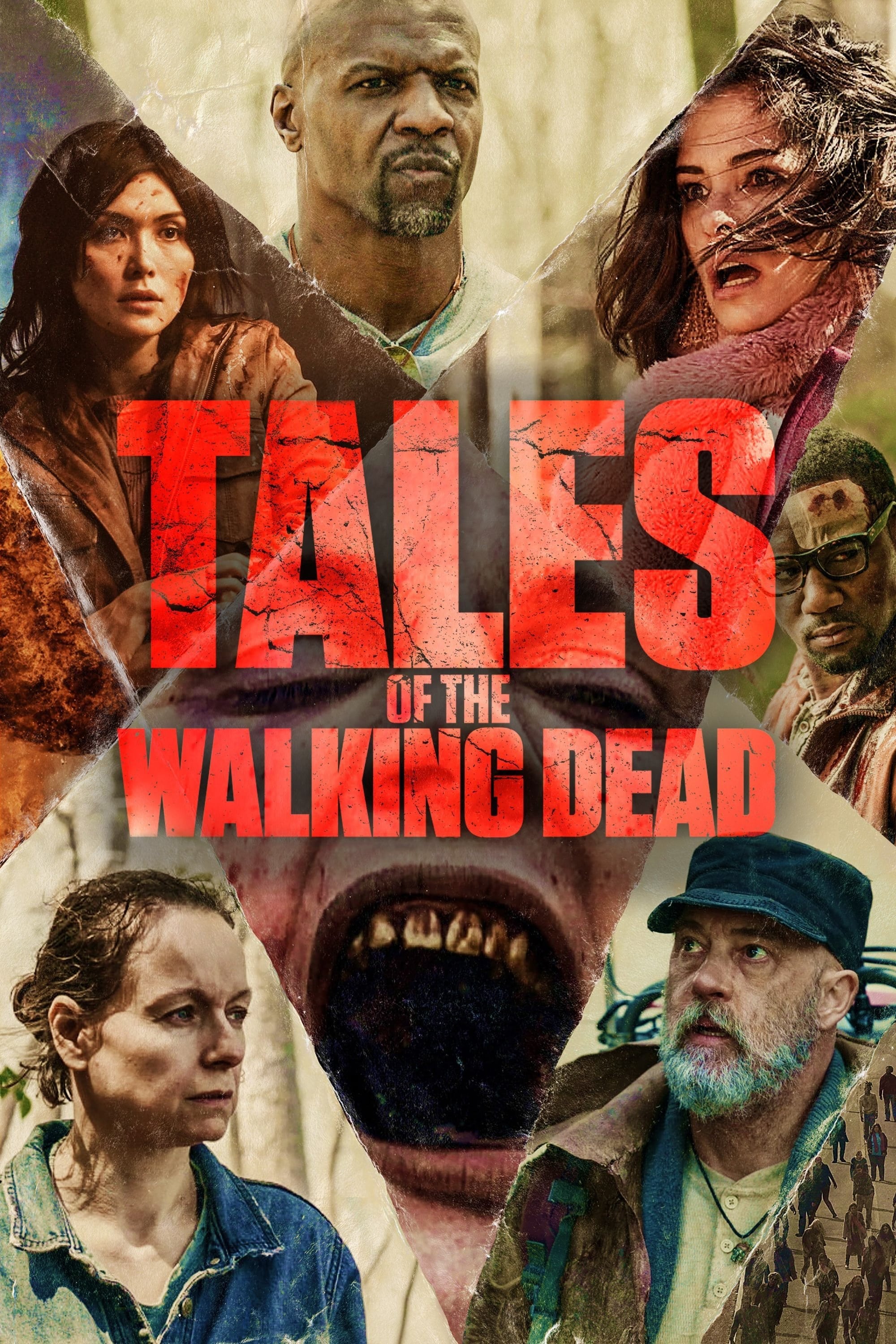
‘Tales of the Walking Dead’ presents standalone chapters that each focus on different communities and dilemmas, such as supply-route mapping, outpost governance, and the ethics of quarantine enforcement. The format allows for localized rule-sets and self-contained survival puzzles.
Produced for AMC, the series uses the anthology structure to test new tones and settings without altering the main continuity. It also deepens the franchise timeline by spotlighting lesser-known regions and groups.
‘The Walking Dead: Dead City’ (2023– )
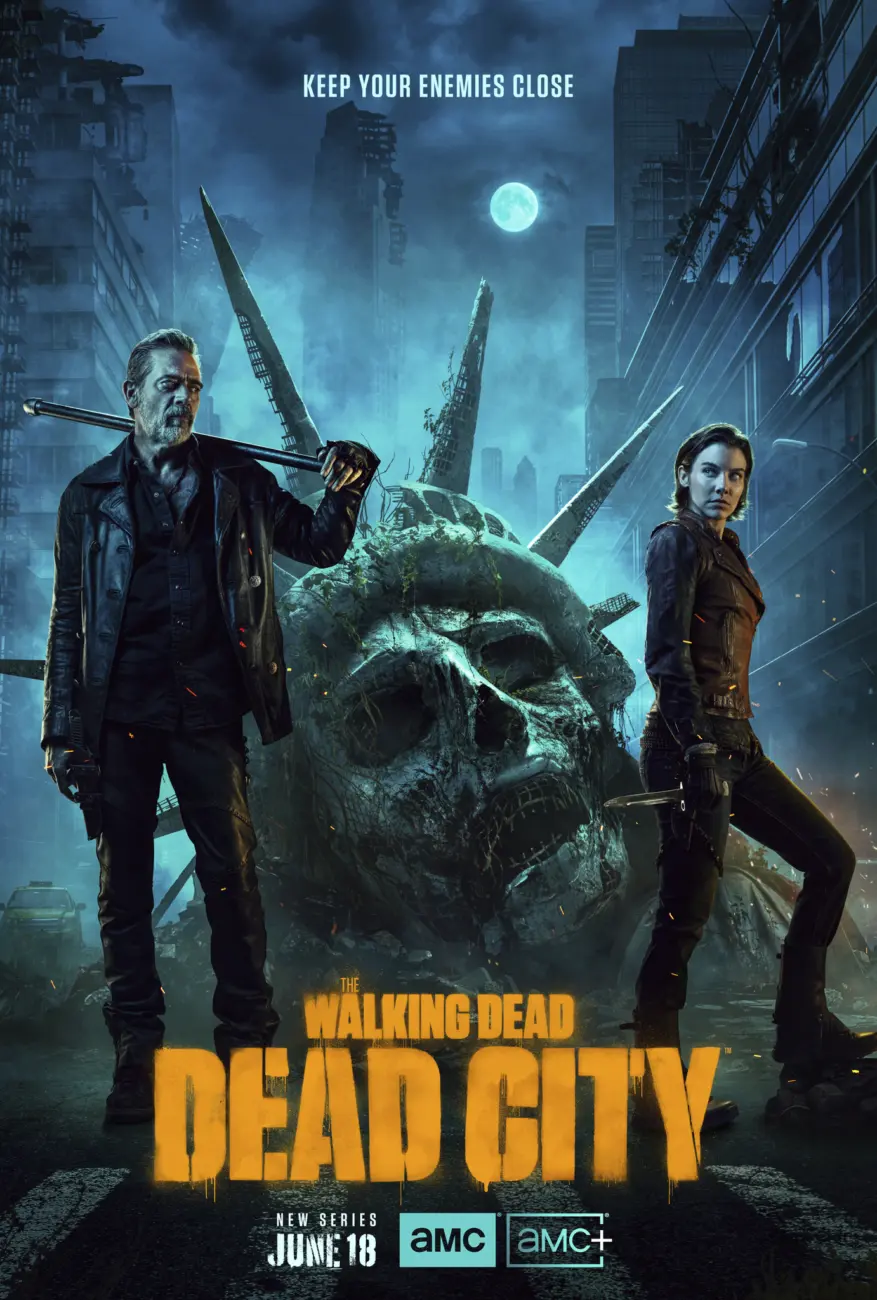
Set in a decayed Manhattan cut off from the mainland, ‘The Walking Dead: Dead City’ details vertical survival in high-rise shells, rope-bridge travel, and island-style resource scarcity. The show documents barter systems between borough enclaves and the mechanics of navigating sewer tunnels and collapsed stairwells.
Developed for AMC, it narrows the focus to a pair of established characters while introducing new urban factions. The production makes use of distinctive New York landmarks to anchor route planning and territorial boundaries.
‘The Walking Dead: Daryl Dixon’ (2023– )

‘Daryl Dixon’ relocates the franchise to France, examining river routes, monastery shelters, and remnants of national infrastructure. The series logs boat navigation on inland waterways, multilingual negotiation, and the role of faith communities in aid and information exchange.
Built for AMC, the show expands the lore with variations in walker behavior and European-specific hazards. It also outlines courier networks and resistance cells operating across regional lines.
‘The Walking Dead: The Ones Who Live’ (2024– )
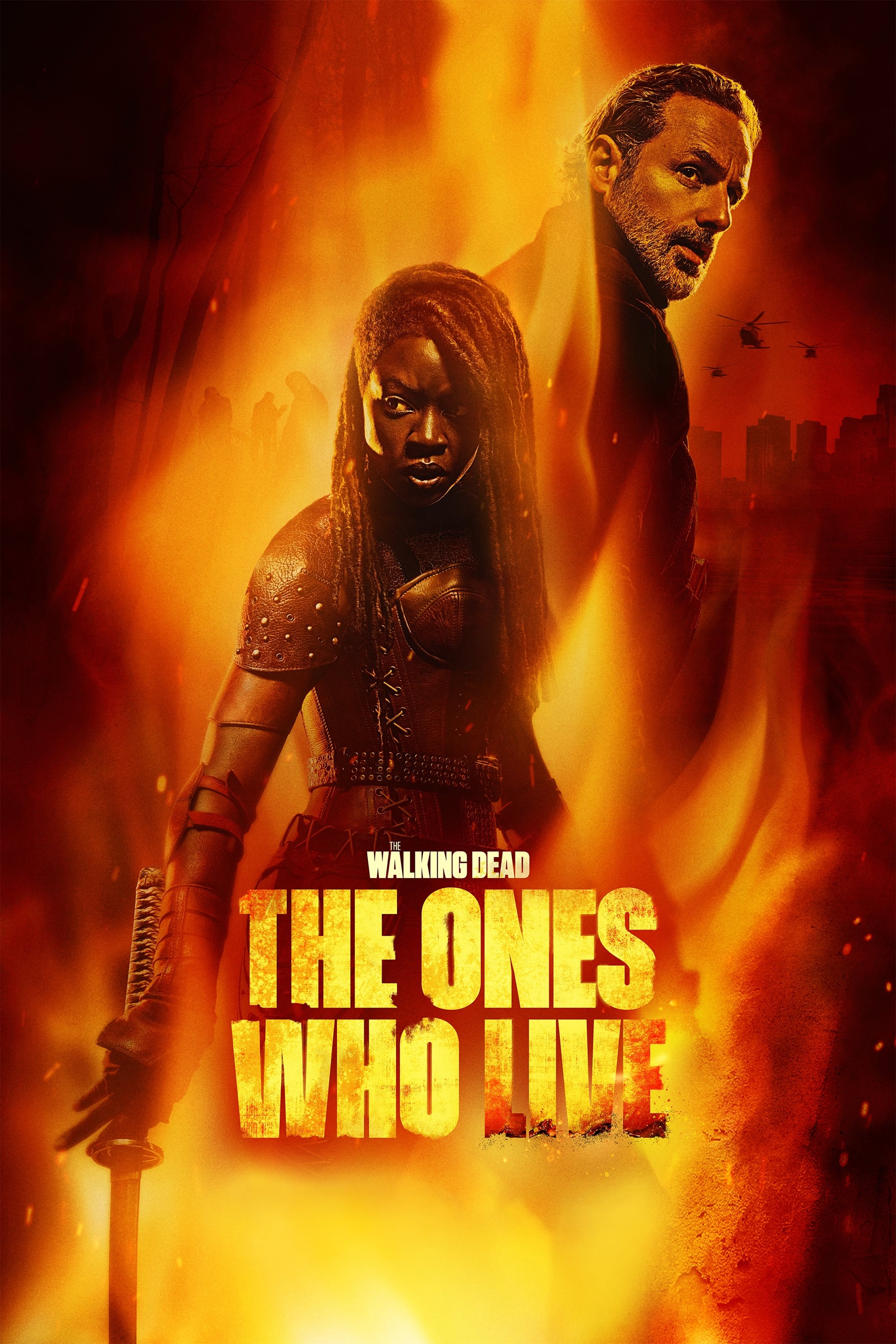
‘The Ones Who Live’ tracks high-level operations involving advanced medical facilities, helicopter transport, and secure compounds with layered clearance. It examines how a militarized civic group recruits, trains, and deploys personnel.
The series premiered on AMC and connects several long-running narrative threads. It details communication protocols, identification systems, and cross-territory intelligence that underpin large-scale governance during the outbreak.
‘The Walking Dead: World Beyond’ (2020–2021)
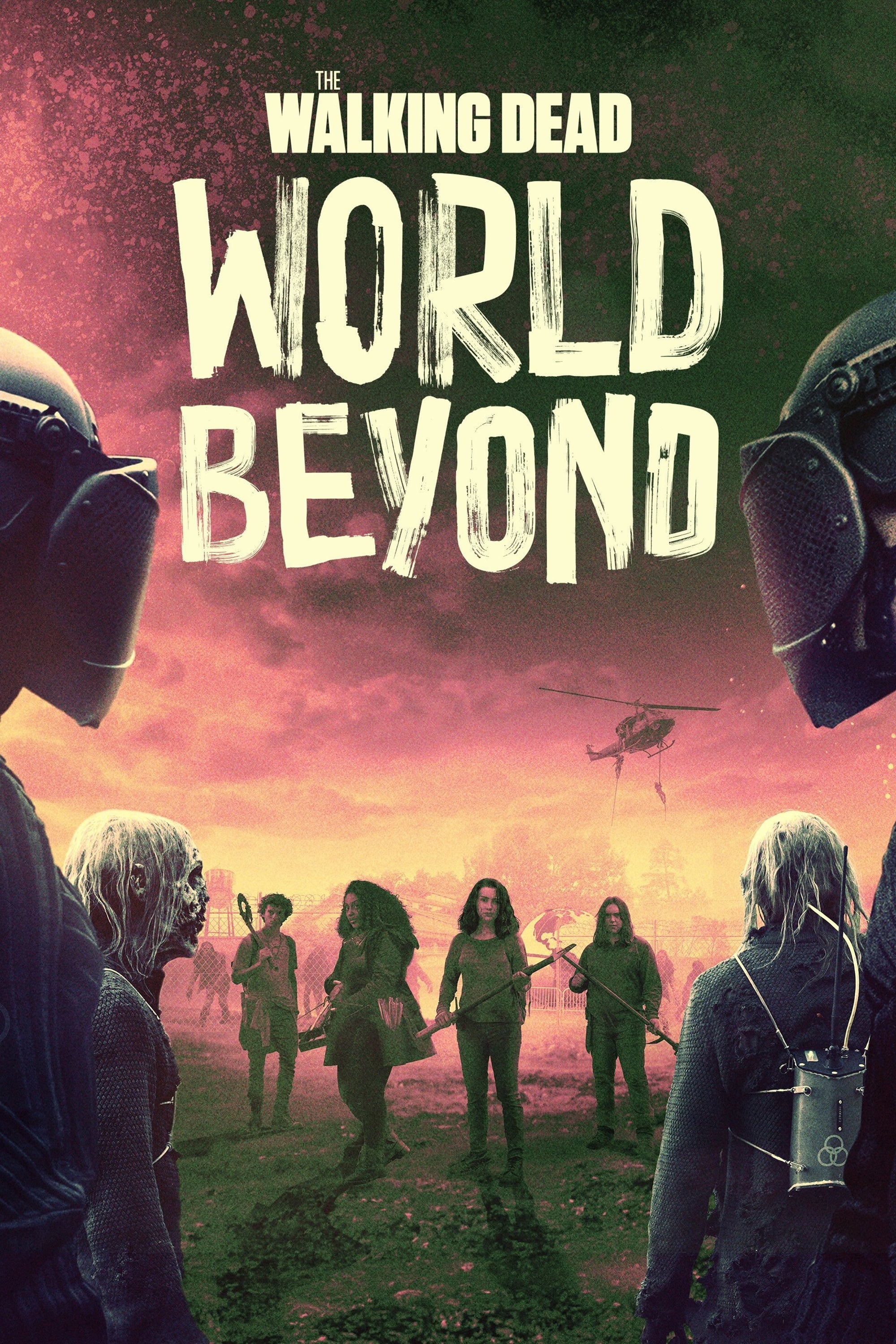
‘World Beyond’ follows teenagers raised behind campus walls who venture out with maps, coded journals, and limited field training. The show models how inexperienced travelers assemble waypoints, ration plans, and contingency signals.
Commissioned for AMC, it provides a clearer look at scientific initiatives and the bureaucratic structure of a shadowy organization. Field notes, tracking symbols, and standardized gear lists are used to move the story between research sites.
‘iZombie’ (2015–2019)
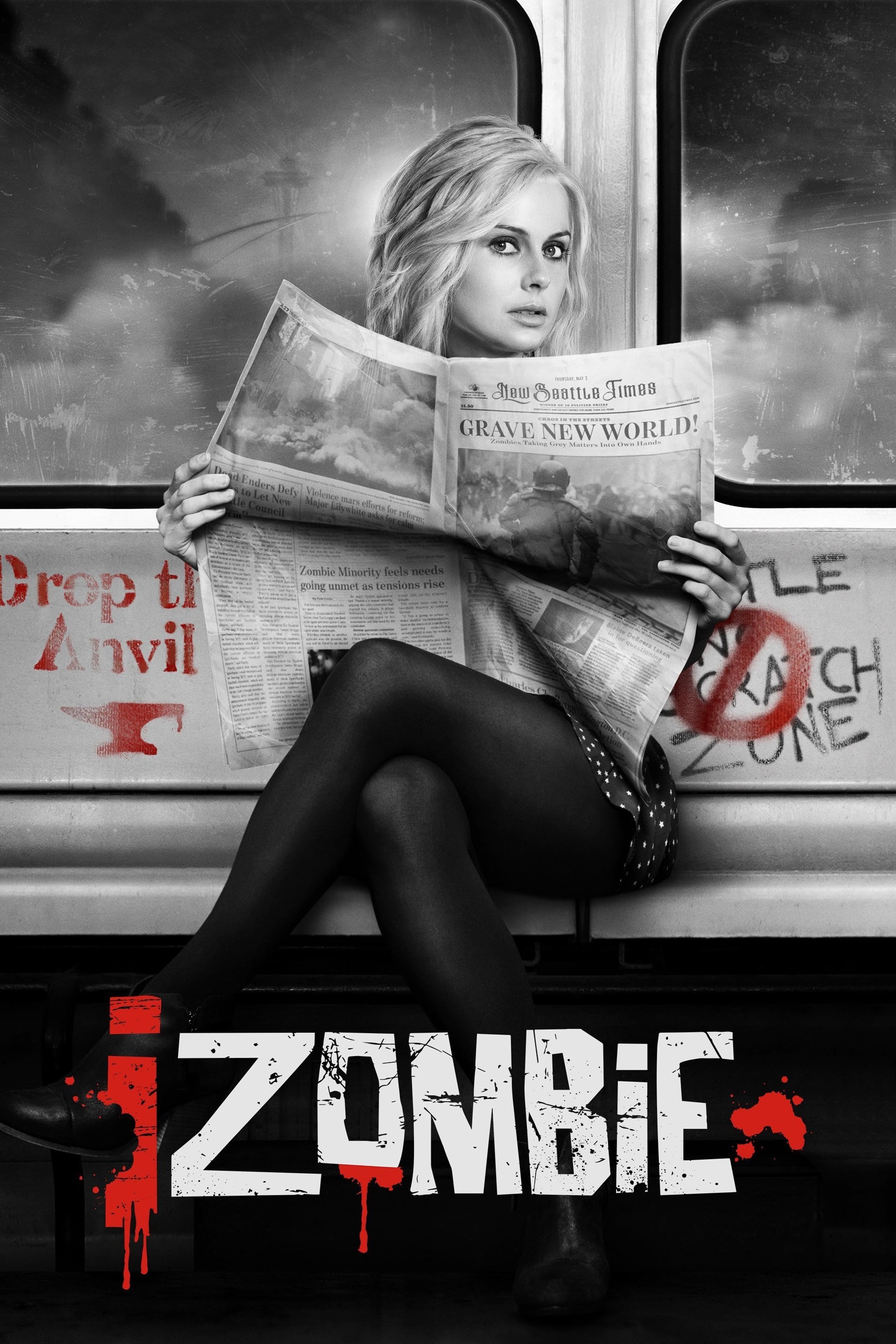
In ‘iZombie’, a medical resident turned zombie uses morgue access to investigate cases, illustrating forensic workflows, lab protocols, and data-sharing with law enforcement. The series lays out procedures for obtaining warrants and handling chain-of-custody for evidence.
Airing on The CW, it balances case-of-the-week structure with serialized arcs about black-market brain distribution and containment policies. It catalogs methods for disguising symptoms and managing nutritional needs without public exposure.
‘Z Nation’ (2014–2018)
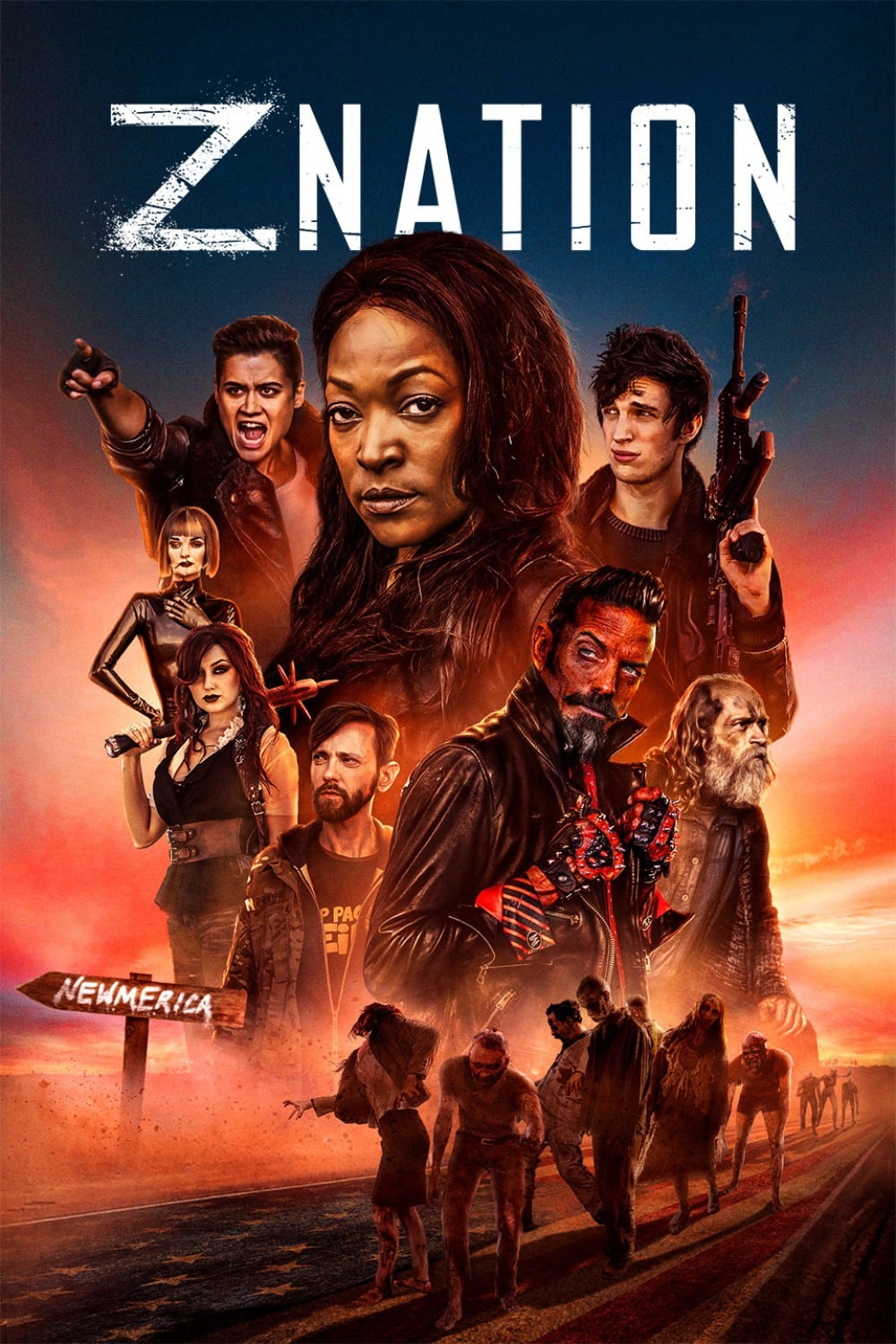
‘Z Nation’ tracks a transport mission to move an immune test subject across the country, focusing on convoy operations, fuel scavenging, and route risk assessment. It presents ad hoc militias, barter towns, and experiments that repurpose existing facilities.
The show aired on Syfy and incorporated large-scale road journeys with recurring map checkpoints. It documents how informal radio networks and CB chatter knit together travel advisories and hazard alerts.
‘Black Summer’ (2019–2021)
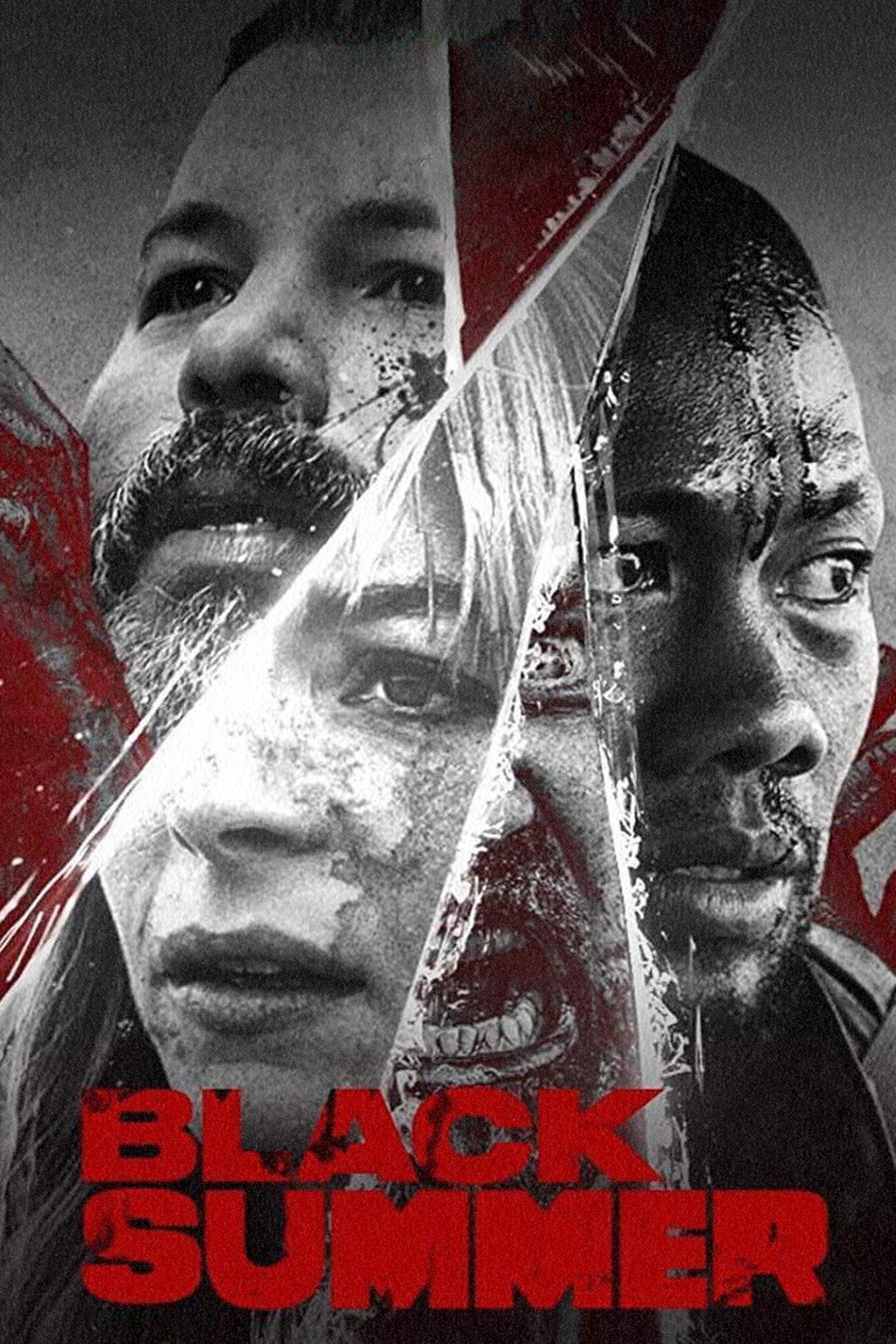
Set during the initial breakdown, ‘Black Summer’ uses long takes to show evacuations, house-to-house searches, and hand-signal coordination between strangers. Episodes often track specific objectives like reaching an extraction point or securing winter supplies.
Released as a Netflix original, it emphasizes minimal dialogue and real-time movement. The series catalogs practical choices under pressure, including weapon retrieval, triage, and deciding when to abandon vehicles.
‘Kingdom’ (2019–2020)
‘Kingdom’ merges period court intrigue with a plague that spreads through contact and temperature shifts. The show details rural fortifications, ration lines, and courier systems carrying decrees between provinces.
Distributed globally by Netflix, it outlines the power dynamics of royal ministries, local magistrates, and military detachments. It also documents how misinformation travels along official messengers and village notice boards.
‘All of Us Are Dead’ (2022– )
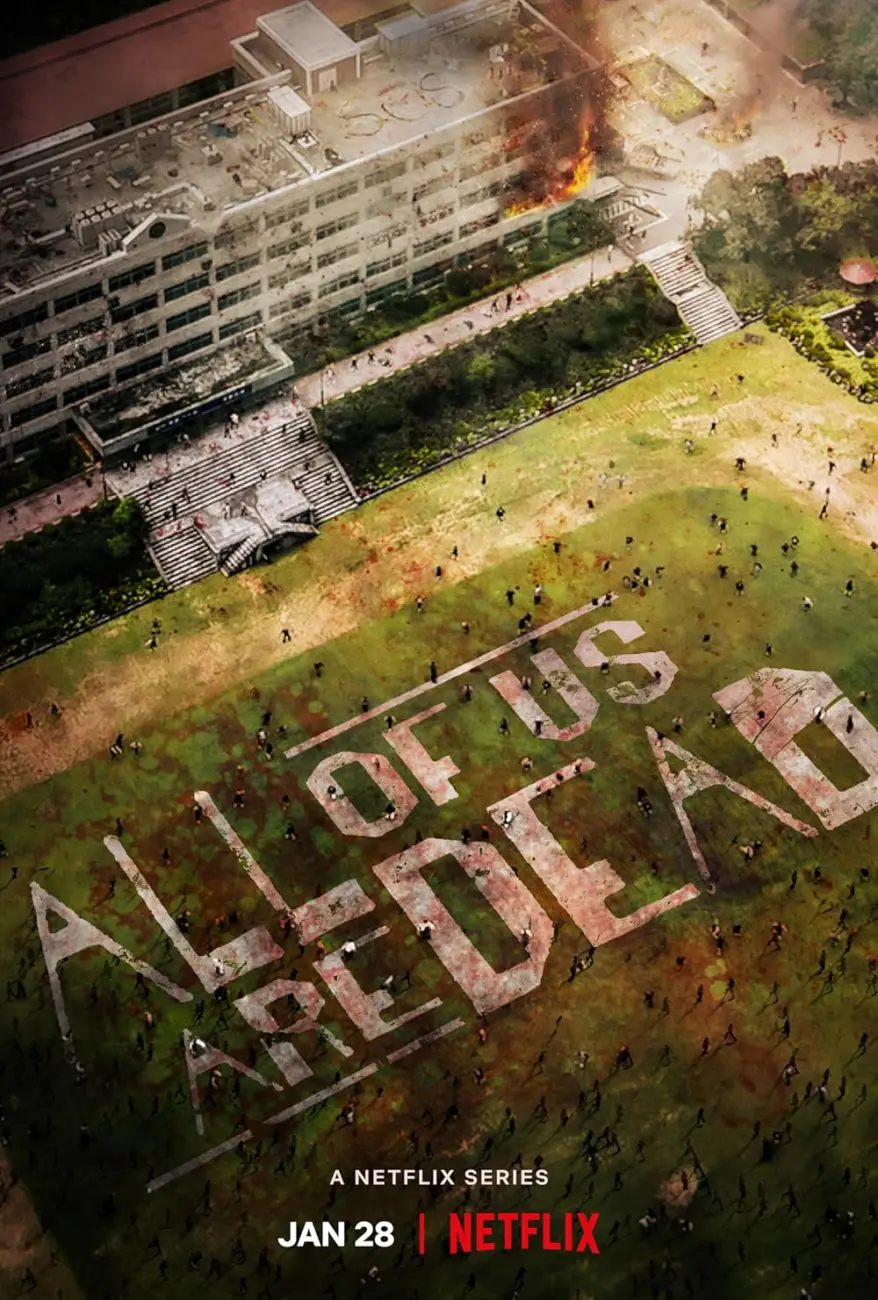
Set primarily in a high school, ‘All of Us Are Dead’ explains barricade construction with classroom furniture, improvised signaling, and stairwell choke points. Students map out escape windows, rooftop rendezvous, and silent-movement rules.
Produced for Netflix, it follows city services as they establish perimeters and temporary shelters. The series keeps track of missing-persons boards, parent search routes, and the spread of digital rumors.
‘Ash vs Evil Dead’ (2015–2018)
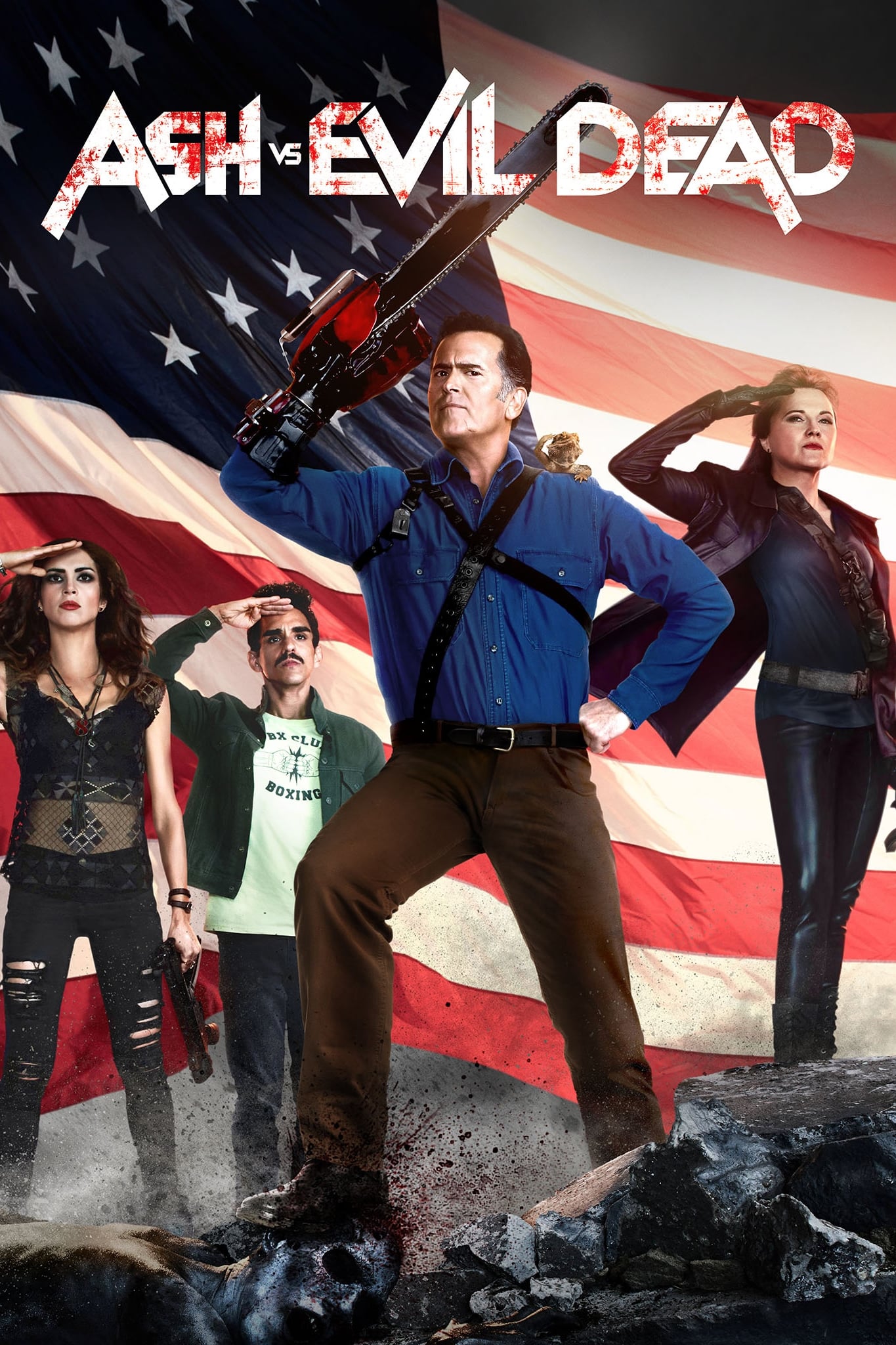
‘Ash vs Evil Dead’ returns to a blue-collar protagonist dealing with demonic outbreaks that create undead threats. The show inventories chainsaws, boomsticks, and protective gear while touring motor lodges, diners, and hardware stores.
It aired on Starz, which backed practical gore effects and road-trip framing. The series logs safe-house setups and how occult texts trigger containment or escalation events.
‘Santa Clarita Diet’ (2017–2019)
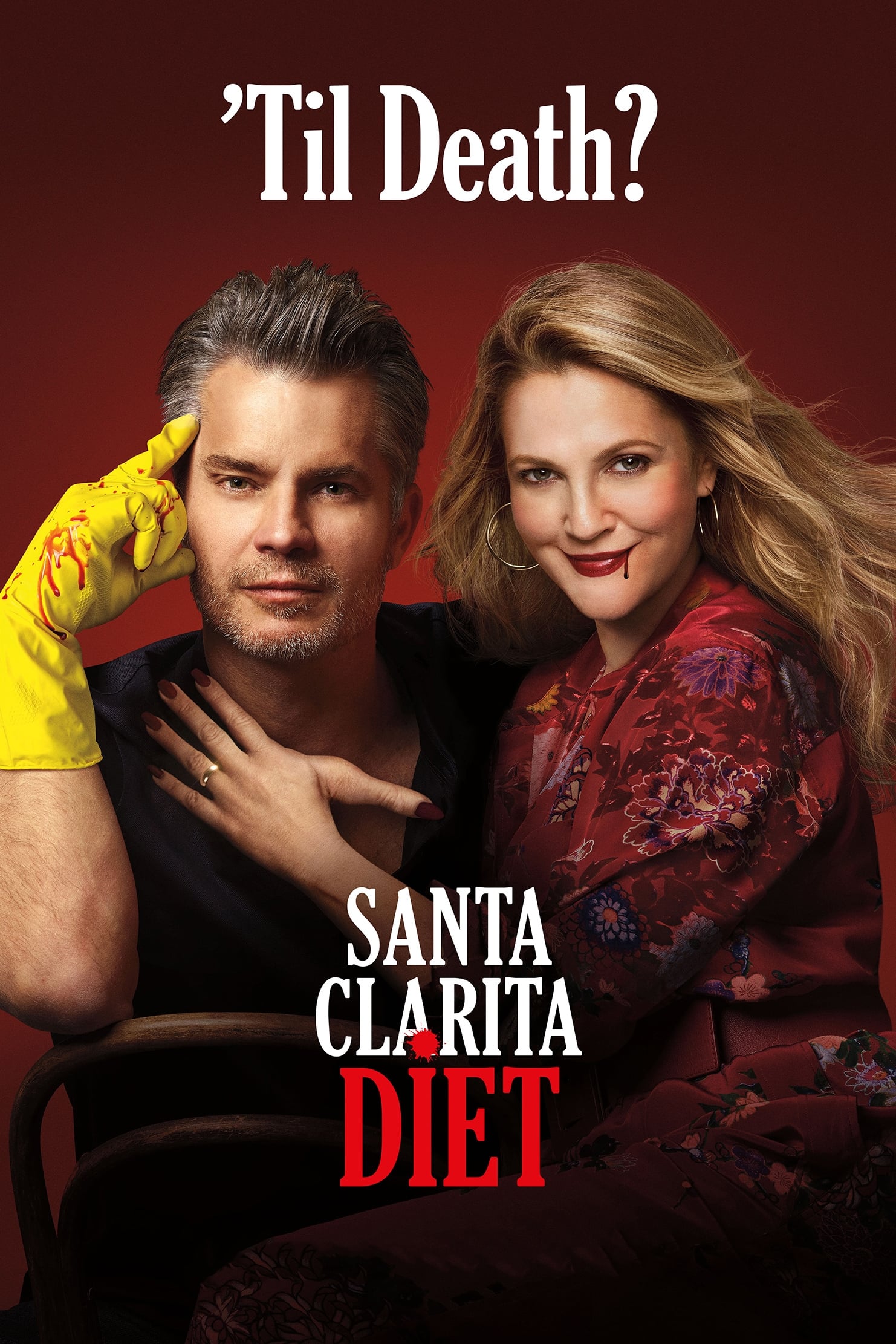
In ‘Santa Clarita Diet’, a suburban realtor manages a sudden taste for human flesh, prompting freezer solutions, supply sourcing, and hygiene protocols. The show tracks disposal methods, neighborhood schedules, and surveillance blind spots.
Released on Netflix, it catalogs how a family compartmentalizes tasks to maintain normal routines. It also records interactions with homeowners’ associations and the impact of missing-person investigations.
‘In the Flesh’ (2013–2014)
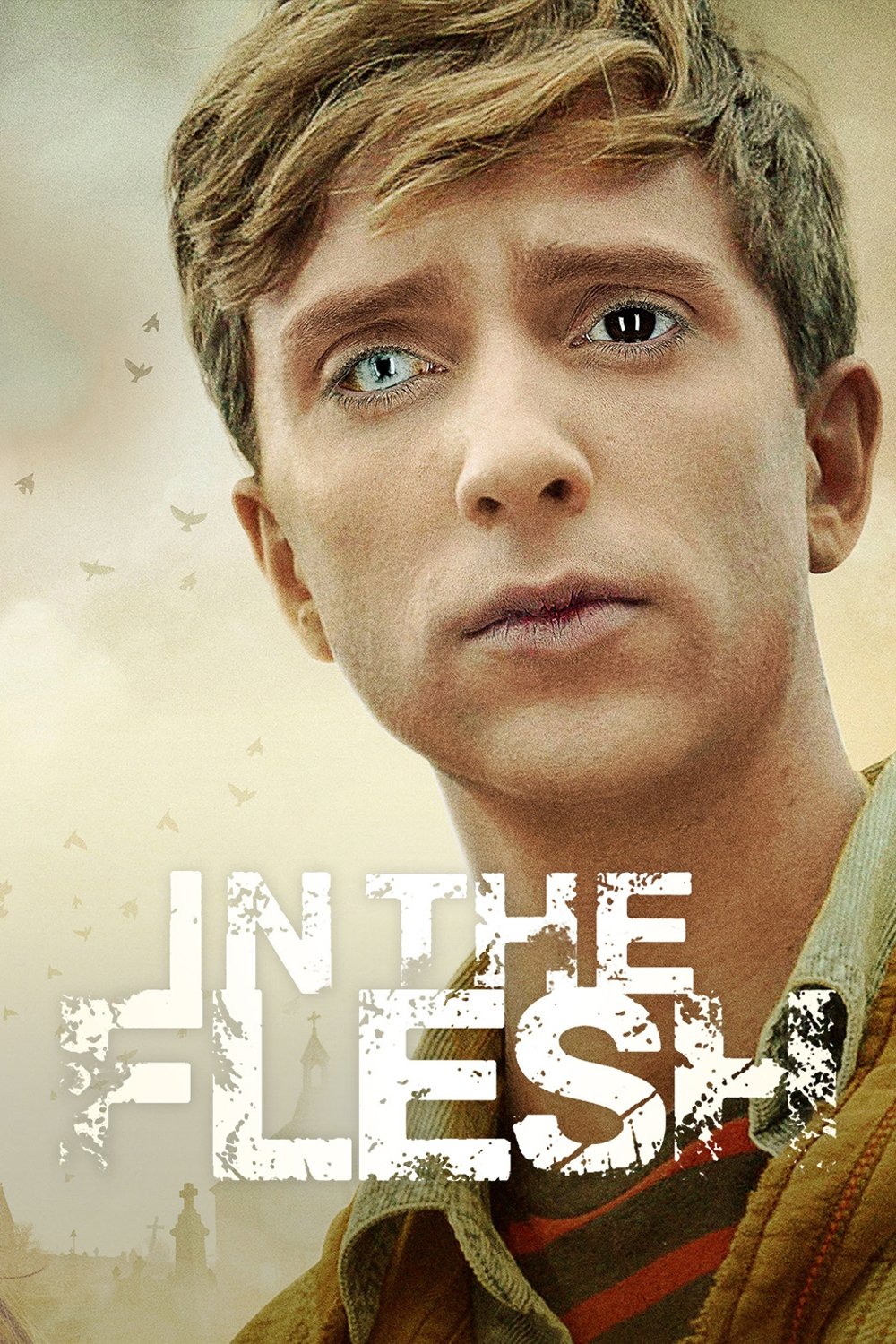
‘In the Flesh’ explores government reintegration of treated undead, including medication schedules, support groups, and identity documentation. It presents official terminology, benefit assessments, and public outreach sessions.
The drama aired on BBC Three, examining how rural communities adapt to policy changes. It details law-enforcement guidelines for protests, hate crimes, and curfew enforcement tied to treatment compliance.
‘Dead Set’ (2008)
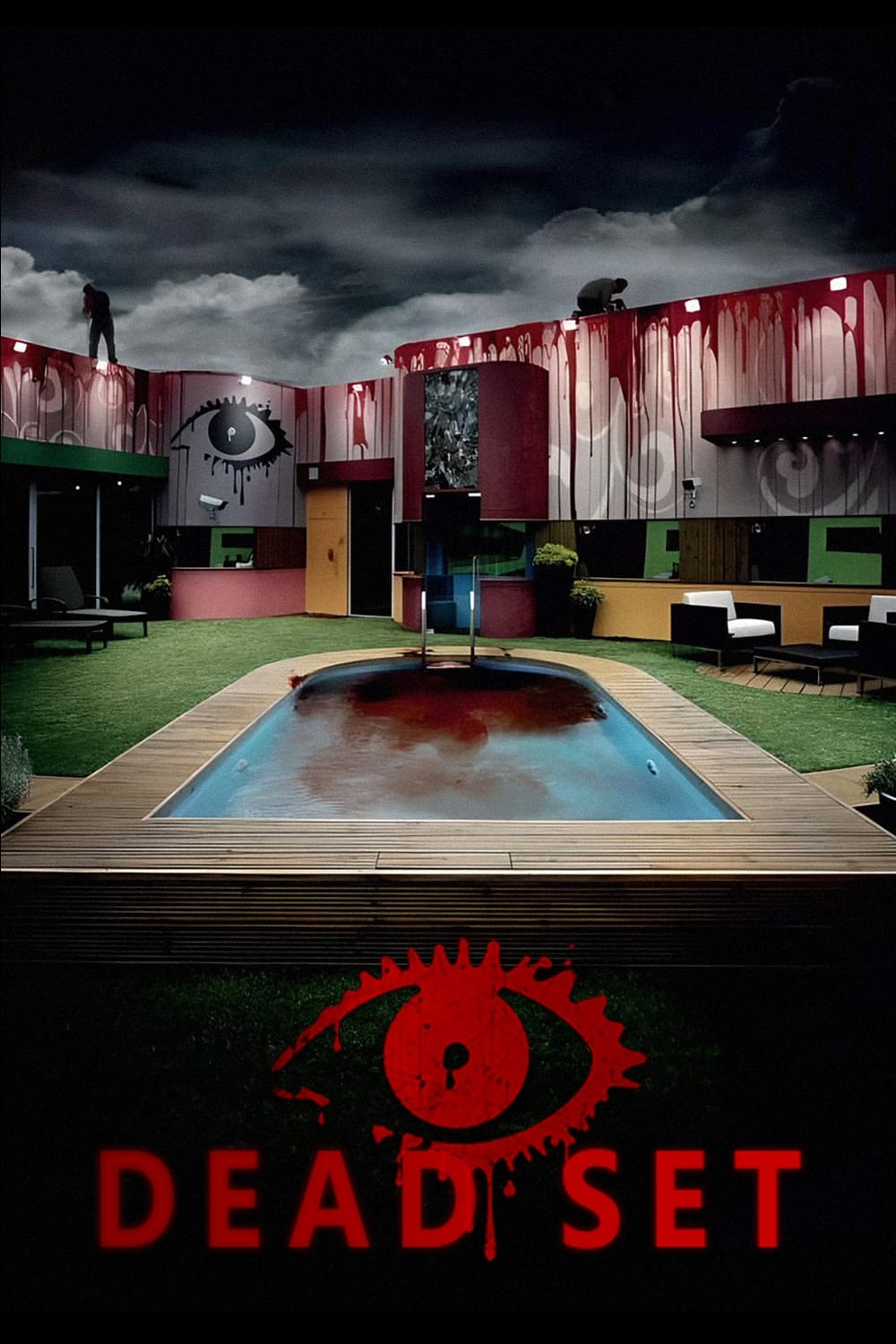
‘Dead Set’ traps reality-show contestants inside a fortified studio while the outside world collapses. It diagrams studio floor plans, access corridors, and control-room workflows that become lifelines.
Broadcast on E4 in the UK, the series uses broadcast vans, keycards, and perimeter fencing as survival tools. It also shows how live television timelines clash with emergency protocols.
‘Daybreak’ (2019)
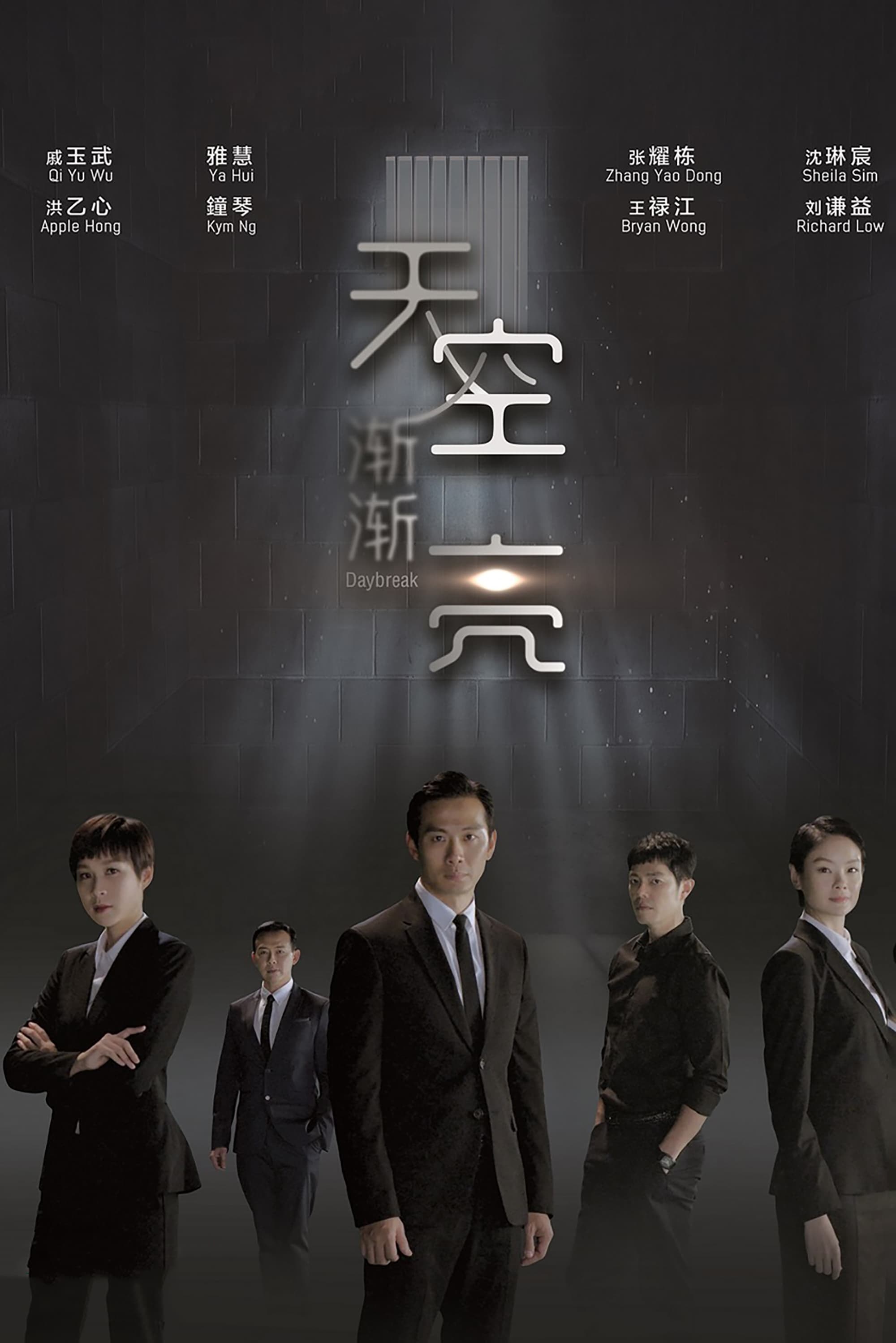
‘Daybreak’ follows teens who reorganize their town into cliques after a biological event leaves many adults feral. The show charts trade between groups, signal flags, and repurposed school buses.
Released on Netflix, it files away details on campus fortresses, supply raids, and written codes of conduct. It also tracks scavenger maps that mark food courts, pharmacies, and maintenance tunnels.
‘Reality Z’ (2020)
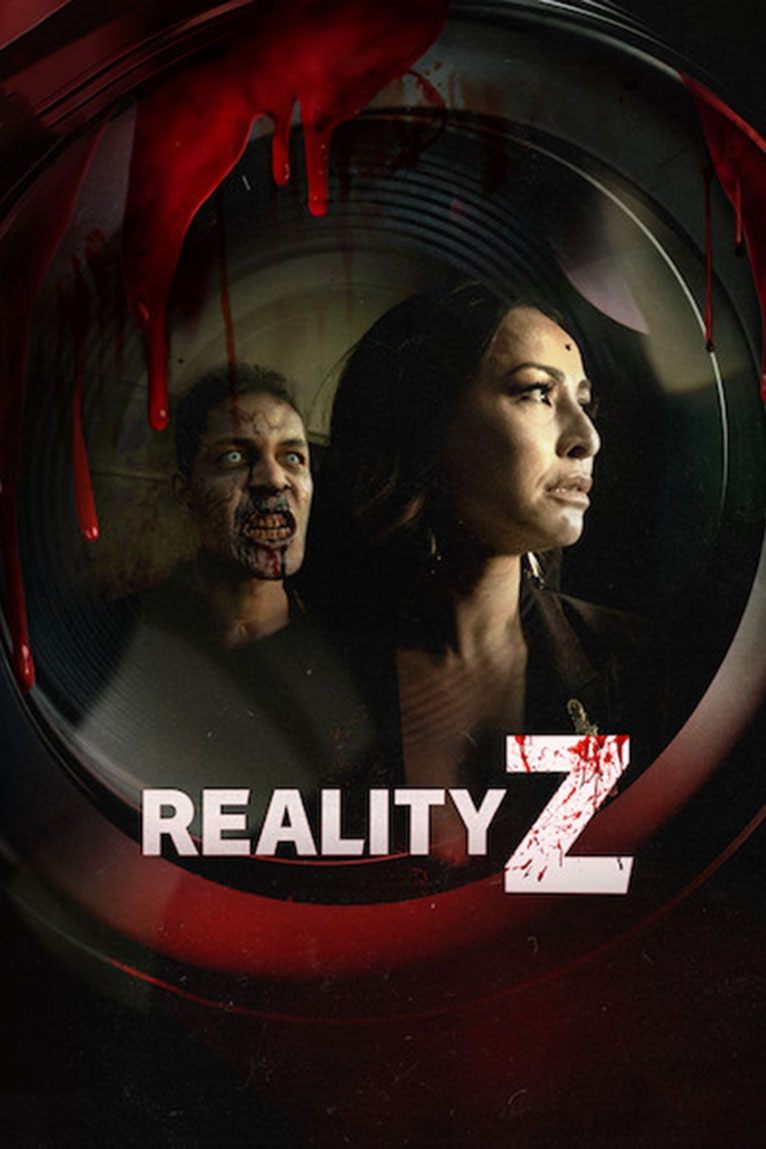
A Brazilian update of a studio-siege scenario, ‘Reality Z’ repurposes a television compound as a citadel. It documents generator maintenance, guest-list triage, and rationing with production catering.
Distributed by Netflix, the series outlines how showrunners and security staff adapt broadcast infrastructure to crisis management. It logs city-block cordons and the use of wardrobe and prop rooms as supply caches.
‘Betaal’ (2020)
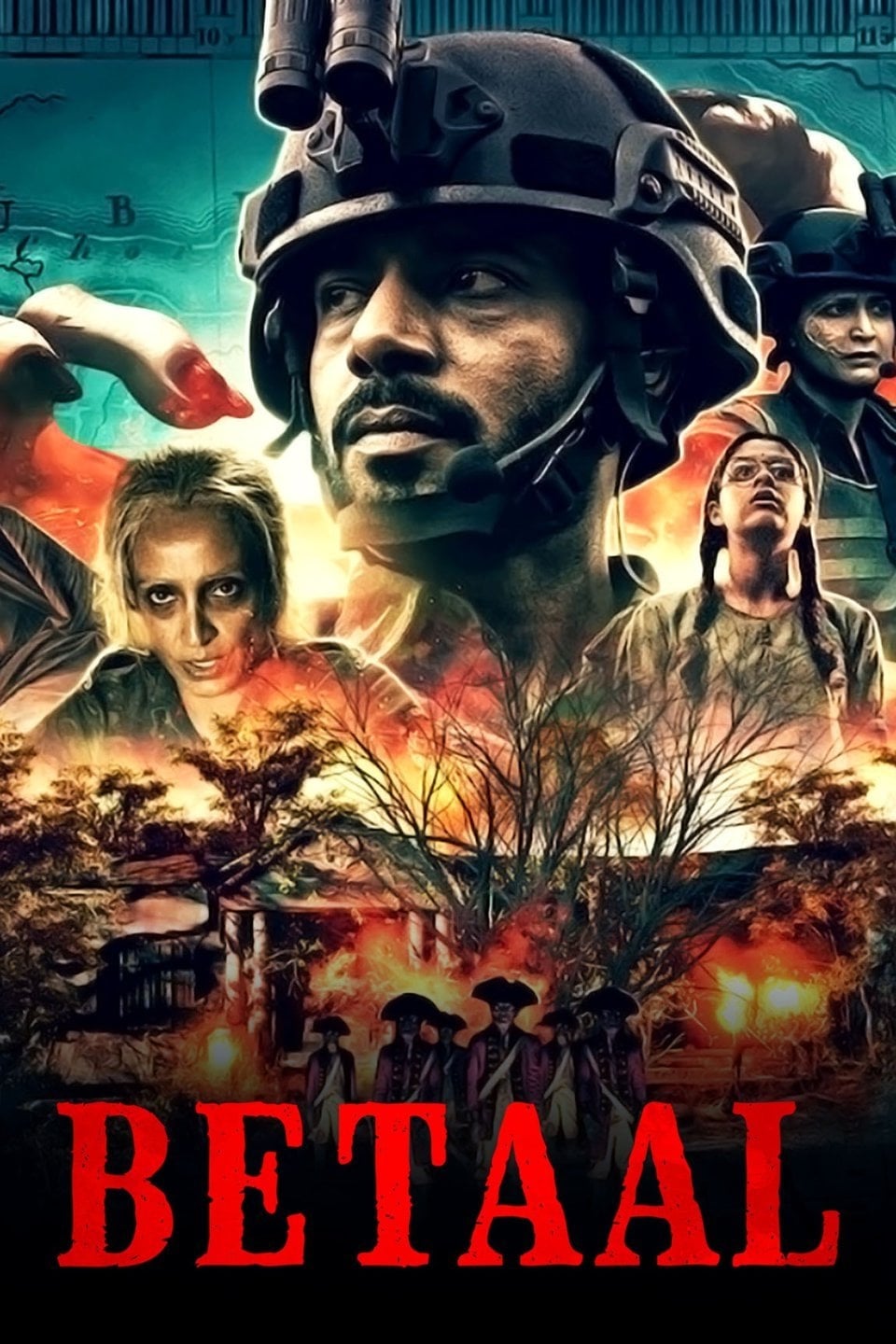
‘Betaal’ places a paramilitary unit in a mountain tunnel complex where colonial-era undead emerge. The show diagrams chokepoints, booby traps, and radio discipline inside narrow passageways.
Produced for Netflix in India, it examines command decisions under conflicting directives. It includes field reports, local contractor negotiations, and the logistics of sealing or reopening tunnels.
‘Zomboat!’ (2019)
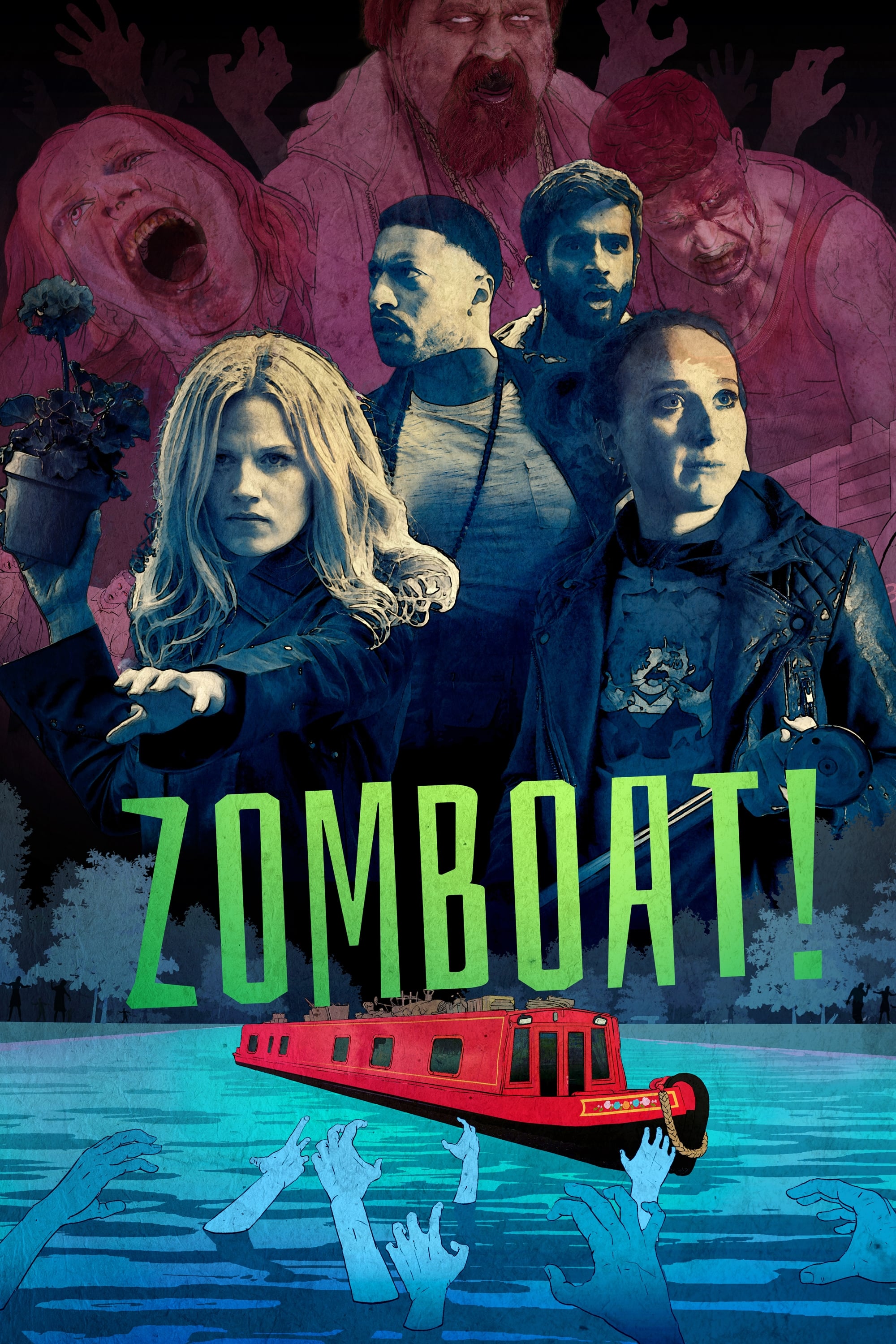
‘Zomboat!’ sets its escape plan on narrowboats along England’s canal system. The series covers lock operation, fuel stops, and mooring choices while plotting routes around city centers.
It aired on ITV2, leveraging regional geography to track movement between urban and rural waterways. The show keeps a running tally of supplies onboard and highlights canal-side service points.
‘Highschool of the Dead’ (2010)
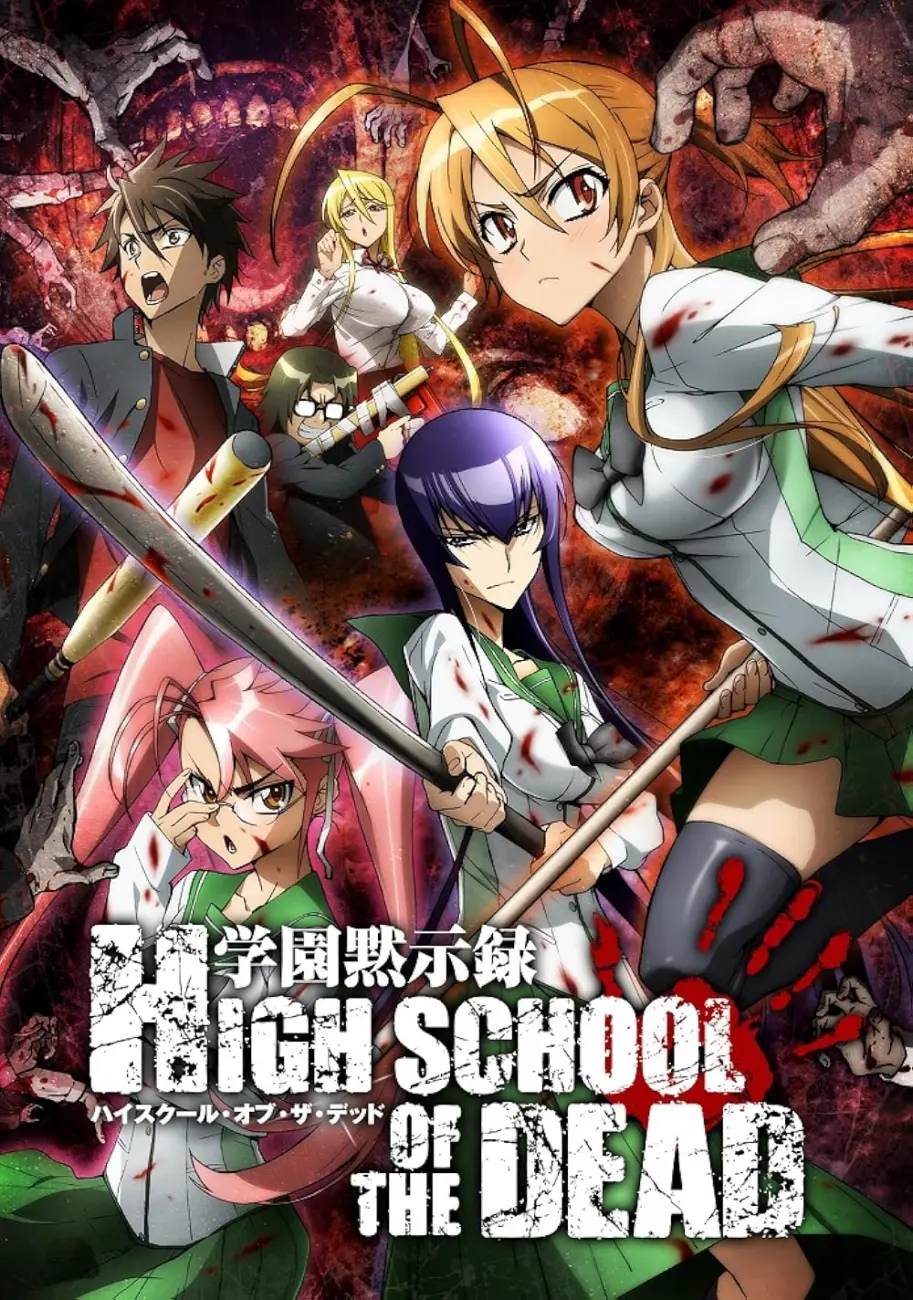
This anime follows students escaping a sudden outbreak, detailing rooftop traversals, tool improvisation, and convoy planning with civilian vehicles. It lists roles like lookout, driver, and quartermaster during campus evacuations.
Originally broadcast in Japan on AT-X, ‘Highschool of the Dead’ maps urban routes to pharmacies, police stations, and shelters. It also notes radio usage and weapon safety amid crowded streets.
‘School-Live!’ (2015)

‘School-Live!’ focuses on a club that continues daily routines inside a fortified school. It catalogs garden plots, water storage, and maintenance schedules for generators and lighting.
Aired in Japan on AT-X and other local stations, the series details message boards, chore rotations, and emergency drills. It tracks how diaries and lesson plans become operational manuals.
‘Resident Evil’ (2022)
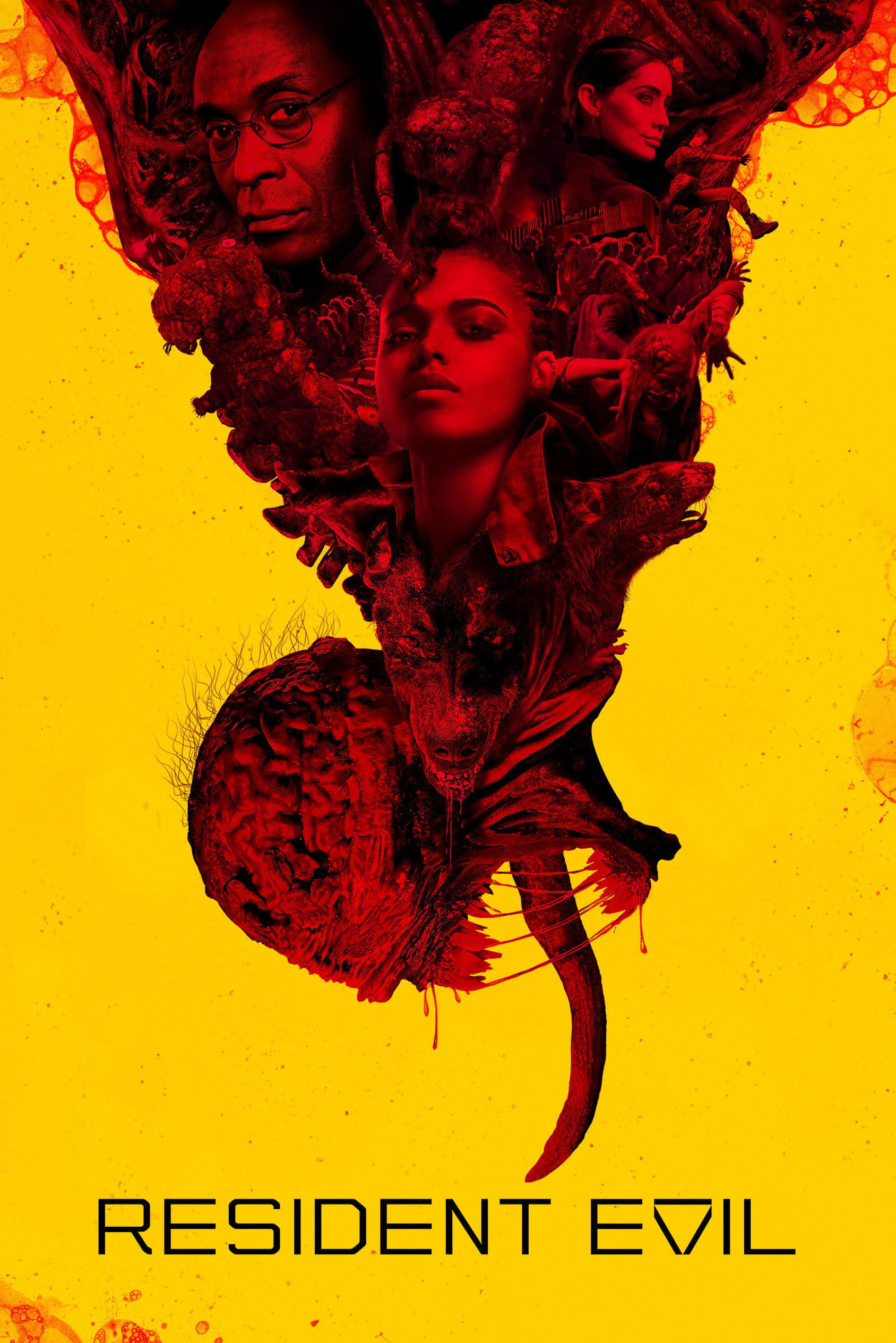
‘Resident Evil’ alternates between corporate campuses and post-collapse cityscapes, logging lab security, specimen handling, and whistleblower risks. It examines how private infrastructure masks biohazard incidents.
Released by Netflix, the show records field operations, supply corridors, and quarantine measures tied to pharmaceutical assets. It also follows siblings as they cross-reference archives, emails, and facility maps.
‘Day of the Dead’ (2021)
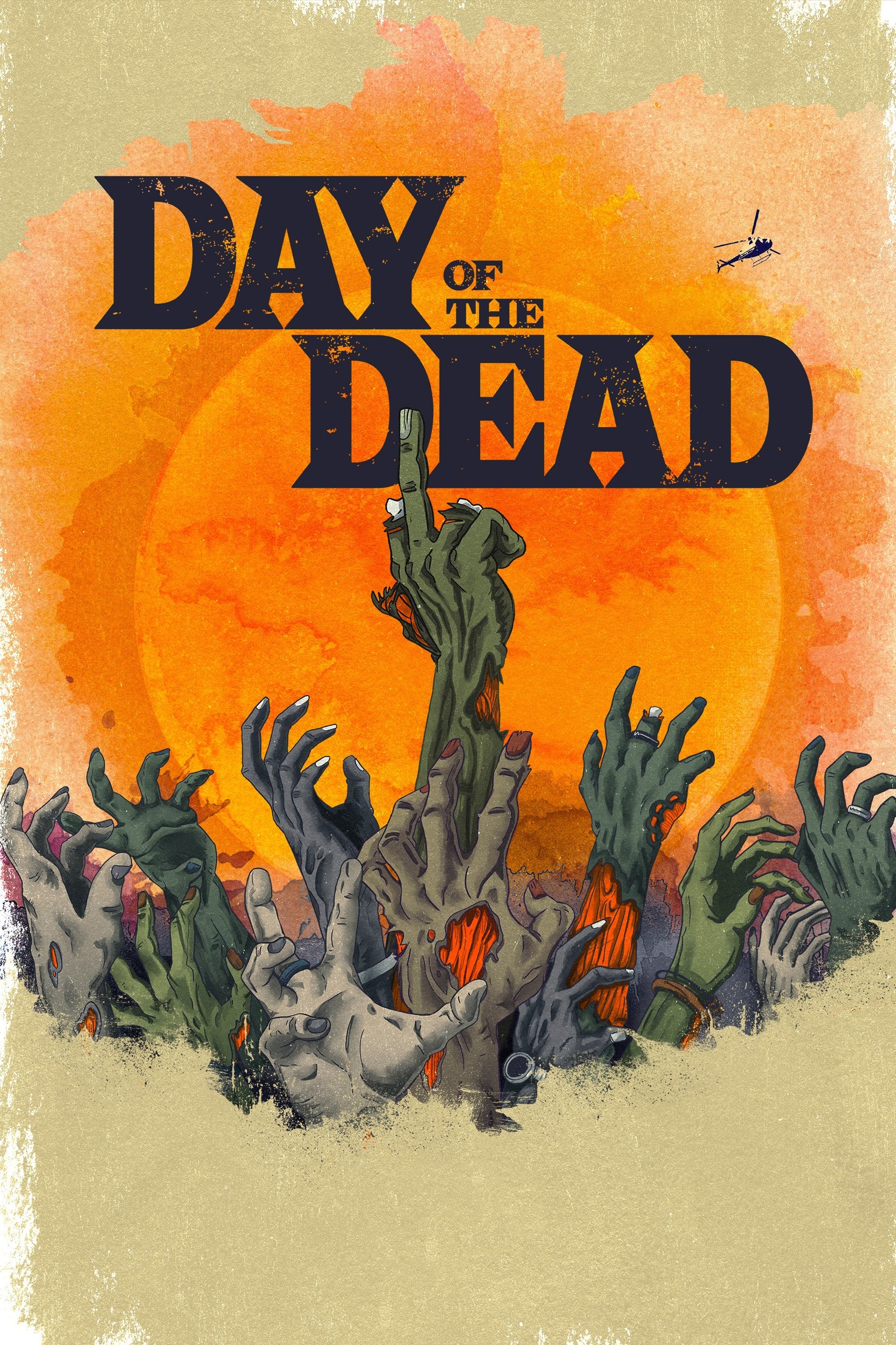
Inspired by a classic film premise, ‘Day of the Dead’ watches a small town coordinate responders, funeral homes, and industrial sites during an outbreak. It shows traffic redirection, sandbagging, and hospital overflow plans.
The series aired on Syfy and keeps close tabs on municipal resources like public works yards and radio repeaters. It logs how local governments issue curfews and manage information at press briefings.
‘Zombie Detective’ (2020)
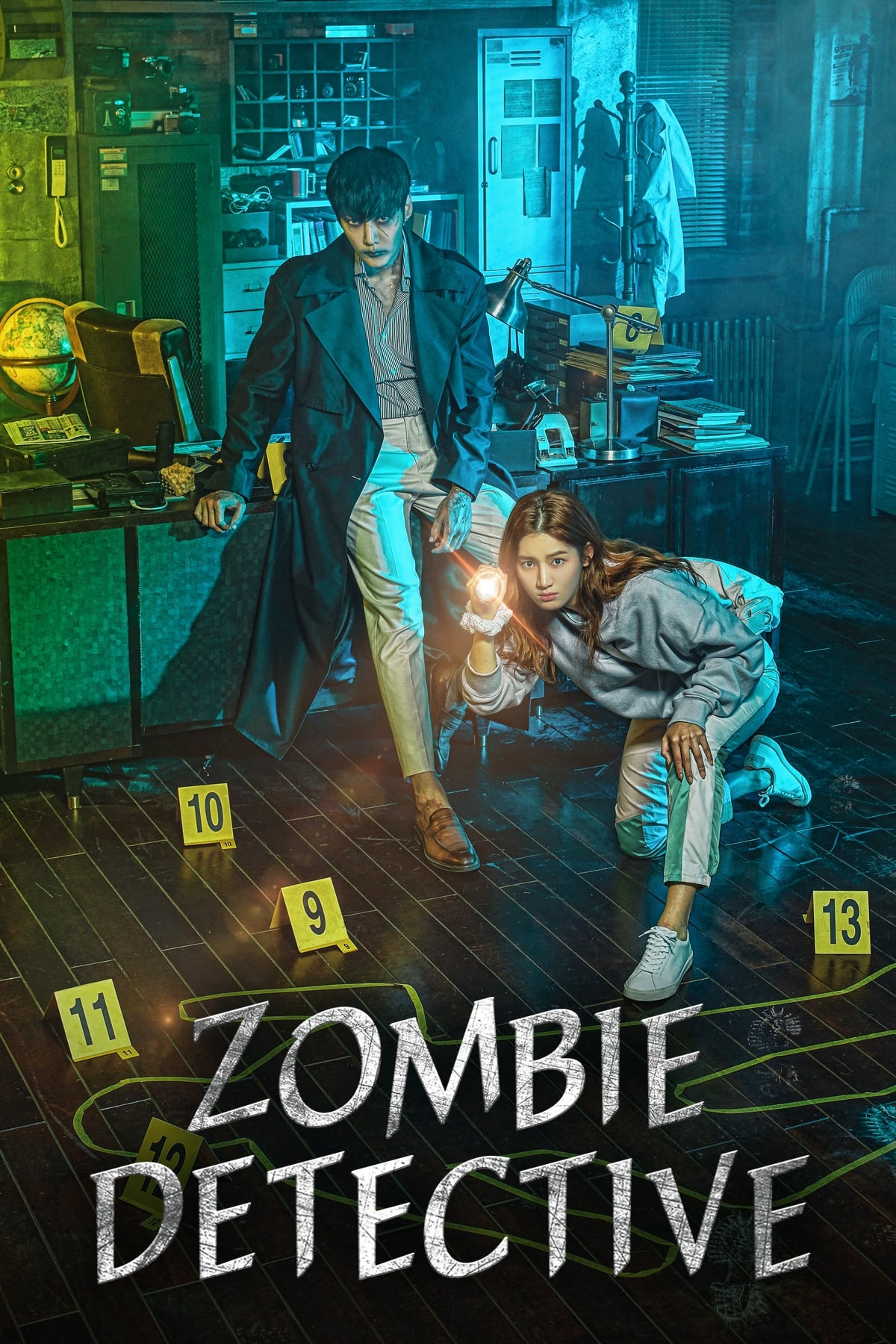
In ‘Zombie Detective’, an undead private investigator reconstructs his past while taking on cases, demonstrating disguise techniques and body-temperature masking. The show tracks diet substitutes, makeup protocols, and movement training to pass among the living.
Broadcast on KBS2 in South Korea, it uses neighborhood offices, convenience stores, and back-alley clinics as recurring hubs. Case files, CCTV pulls, and client interviews structure the procedural elements.
Have a favorite undead series we missed here? Drop your picks in the comments and tell us which episodes hooked you first!

