10 Jimmy Kimmel Jokes that Hit Too Close


Late-night comedy is built on sharp punchlines, quick timing, and cultural references that land with a thud or a cheer depending on who’s listening. Over the years, Jimmy Kimmel has turned monologues and bits on ‘Jimmy Kimmel Live!’ into viral moments that bounced far beyond the studio, sparking debates, apologies, and even diplomatic complaints. When a gag brushes against politics, public health, or personal grief, the reaction can be as memorable as the joke itself.
Below are ten Kimmel moments where humor collided with real-world sensitivities. For each one, you’ll find the context that set it up, what was actually said or staged, and the specific fallout that followed—whether that meant a social-media pile-on, a public statement, or a lasting change in how the show runs certain recurring segments.
The “Kill Everyone in China” Kid’s Table Bit

In a ‘Jimmy Kimmel Live!’ roundtable with children discussing U.S. debt and international relations, one child blurted out a flippant line about “killing everyone in China.” The unscripted remark aired in a comedy context, but it triggered immediate complaints from viewers who flagged the segment as insensitive and dangerous, especially given the size and diversity of the Chinese diaspora in the United States. ABC removed the segment from re-airings and online postings.
The backlash didn’t stop at viewer feedback. Chinese-American advocacy groups organized protests outside ABC affiliates, and officials from China issued formal objections. ABC and Kimmel addressed the incident with apologies, clarifying the show’s intent and promising tighter editorial review for kids’ roundtables, which had been designed to invite candid, off-the-cuff answers but now clearly required firmer guardrails.
The Anti-Vaccine PSA Bit with Real Doctors
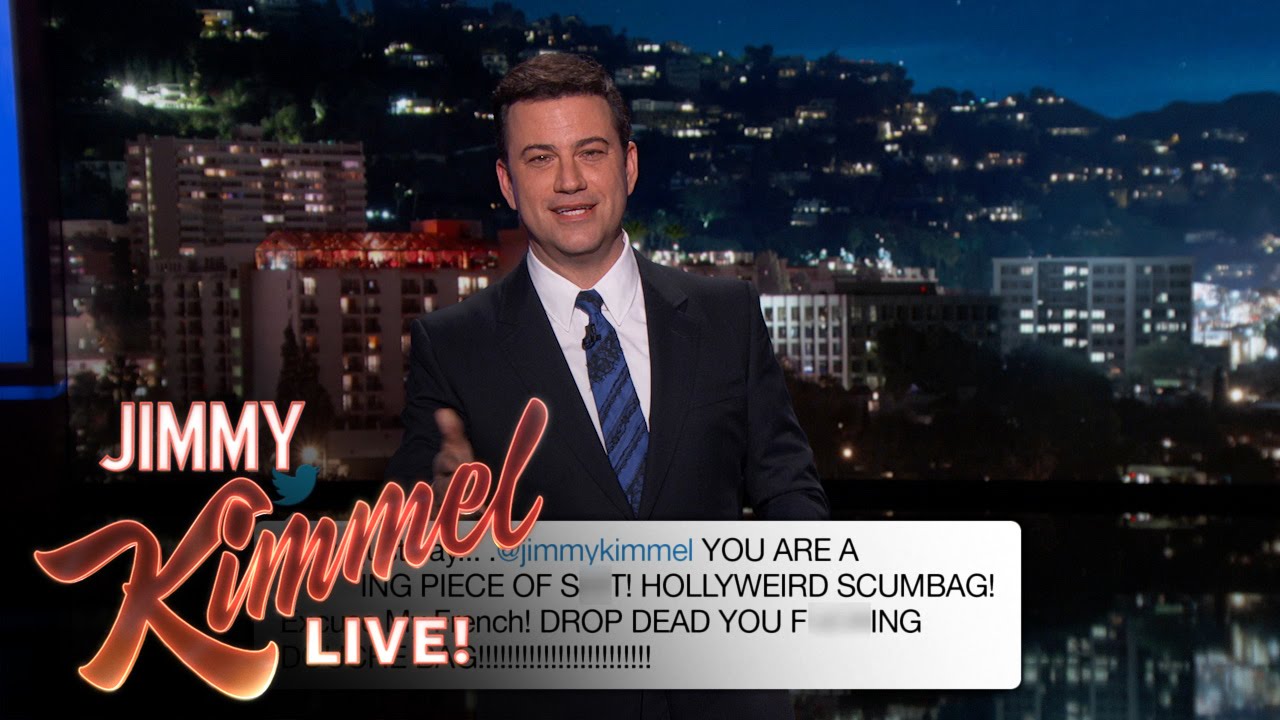
Kimmel ran a satirical public-service sketch featuring physicians bluntly urging parents to vaccinate their children, punctuated with bleeped language for comedic emphasis. The segment used humor to convey CDC-aligned guidance on vaccine safety and herd immunity, and it cited the real rise in preventable illnesses in communities with lower vaccination rates. The choice to include practicing doctors was meant to anchor the comedy in clinical authority.
The reaction illustrated how public-health messaging can polarize. Some viewers applauded the straightforward approach, but anti-vaccine activists organized call-in campaigns and denounced the sketch as hostile. The show followed up with additional context about measles outbreaks and pediatric recommendations, and Kimmel brought physicians back to expand on the data, turning a one-off bit into a recurring educational thread.
The Annual “I Ate All Your Halloween Candy” Challenge
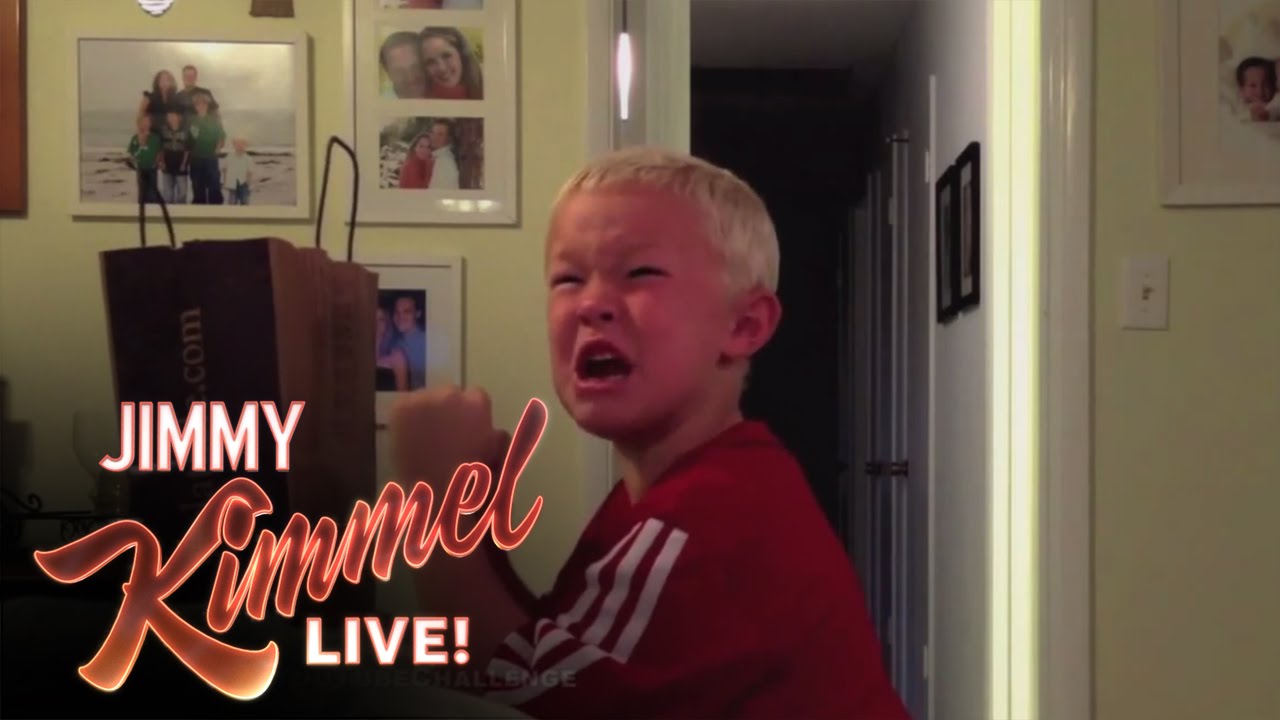
Each year, parents film their kids reacting to a prank where they’re told all the Halloween candy is gone, then submit the clips to ‘Jimmy Kimmel Live!’. The segment highlights genuine meltdowns, quick forgiveness, and sibling dynamics, and it became a staple that reliably delivers millions of views. The show vets submissions, edits for broadcast standards, and typically includes a coda revealing the candy was not actually eaten.
Child-psychology professionals and parenting writers raised concerns about modeling deception and humiliation for laughs. In response, the production reiterated submission guidelines that exclude content showing harmful behavior, and it often balances the montage with clips of kids handling the reveal with grace. The recurring bit also spurred broader discussion about consent in family content and how to avoid incentivizing distress in viral videos.
The Kanye West Parody and Subsequent Feud
:max_bytes(150000):strip_icc():focal(999x0:1001x2)/jimmy-kimmel-kanye-west-497896cb9e2b4ad9ac725cad9e269866.jpg)
After Kanye West’s widely discussed BBC interview, ‘Jimmy Kimmel Live!’ aired a parody that reenacted portions of the conversation with a child actor, closely mimicking specific quotes and cadence. The sketch relied on the contrast between a child’s voice and adult subject matter to heighten the absurdity, a hallmark device in Kimmel’s writers’ room. The original interview’s topics—artistic ambition and media narratives—made the parody instantly recognizable.
The response escalated quickly on social media, where West objected to the framing and the use of a child. The exchange led to a lengthy on-air segment where Kimmel recapped the timeline, displayed tweets, and ultimately hosted West for a follow-up discussion. That conversation clarified intentions on both sides and became a case study in how late-night parody can prompt direct, high-profile dialogue with its subjects.
Mocking Melania Trump’s Accent at the Easter Egg Roll

During coverage of the White House Easter Egg Roll, Kimmel joked about Melania Trump’s accent while she read to children. The bit played to late-night’s tradition of riffing on presidential optics and public appearances, and it pulled clips directly from official video streams, adding punchlines through voiceover and quick cuts. The jokes circulated widely on social platforms where political content trends rapidly.
Critics argued that focusing on accent rather than policy crossed from political satire into ridicule of immigration and language difference. The segment sparked a televised back-and-forth with another host and prompted broad discussion about the line between scrutinizing public figures and targeting immutable characteristics. The incident pushed ‘Jimmy Kimmel Live!’ to field questions about how to punch up in political comedy without collateralizing identity markers.
The Blackface and Imitation Controversy Resurfacing
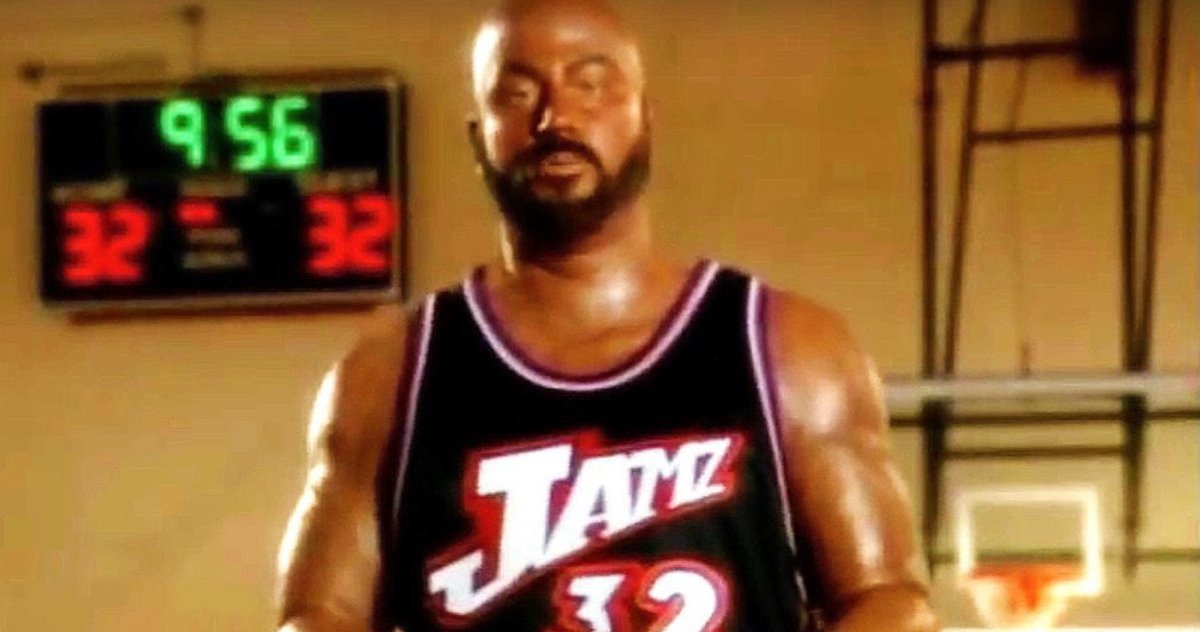
Kimmel’s older impressions of celebrities, including a well-known Karl Malone impersonation from before ‘Jimmy Kimmel Live!’ premiered, resurfaced years later as audiences re-evaluated past sketches through current standards. Clips circulated showing the use of dark makeup and dialect mimicry in bits that were originally presented as celebrity send-ups. The archival nature of the material complicated accountability, since the content predated the show’s present-day practices.
In response, Kimmel issued a statement acknowledging the harm and apologizing, and the network adjusted access to certain archives. The conversation broadened to include comedy’s history with blackface, why it’s harmful regardless of intent, and how programs update internal standards. The incident also influenced how late-night shows credit and cast impressions, favoring approaches that avoid racialized makeup and lean on voice, writing, and animation.
The Quinta Brunson Emmys Bit That Overstayed

At the ‘Primetime Emmy Awards’, Kimmel committed to a running gag and continued lying on the stage as Quinta Brunson accepted her award, lingering through part of her speech. The bit originated from a planned sketch about a presenter drinking too much and “passing out,” designed to thread through the category handoff. Broadcast camera blocking kept both the honoree and the bit in frame longer than typical for award-show transitions.
Viewers and industry peers flagged the timing as intrusive on Brunson’s acceptance moment. The next night, Brunson appeared on ‘Jimmy Kimmel Live!’ and the two addressed the incident directly, offering clear airtime for her perspective. This exchange, and the original producing choices that led to the overlap, have since been referenced in award-show planning discussions about when a presenter gag should button out before a winner’s mic time begins.
The Malala “Spit” Question at the Oscars

While hosting audience banter at ‘The Oscars’, Kimmel asked Malala Yousafzai to weigh in on a viral rumor about whether one performer spat on another during a film festival. The setup aimed to playfully juxtapose a Nobel Peace Prize laureate with a pop-culture micro-controversy, using cutaways and roving-mic timing common to awards-show crowd bits. The moment aired live, limiting opportunities for editorial adjustments.
The exchange drew criticism for pairing a frivolous question with a guest known for advocacy and serious work, prompting conversations about how live hosts frame audience interactions. Yousafzai’s measured response became the clip that circulated most widely. Producers and commentators later highlighted the segment in post-mortems about best practices for live banter—especially the importance of matching questions to a guest’s public role and the tone of the evening.
“Lie Witness News” and Public-Shaming Concerns
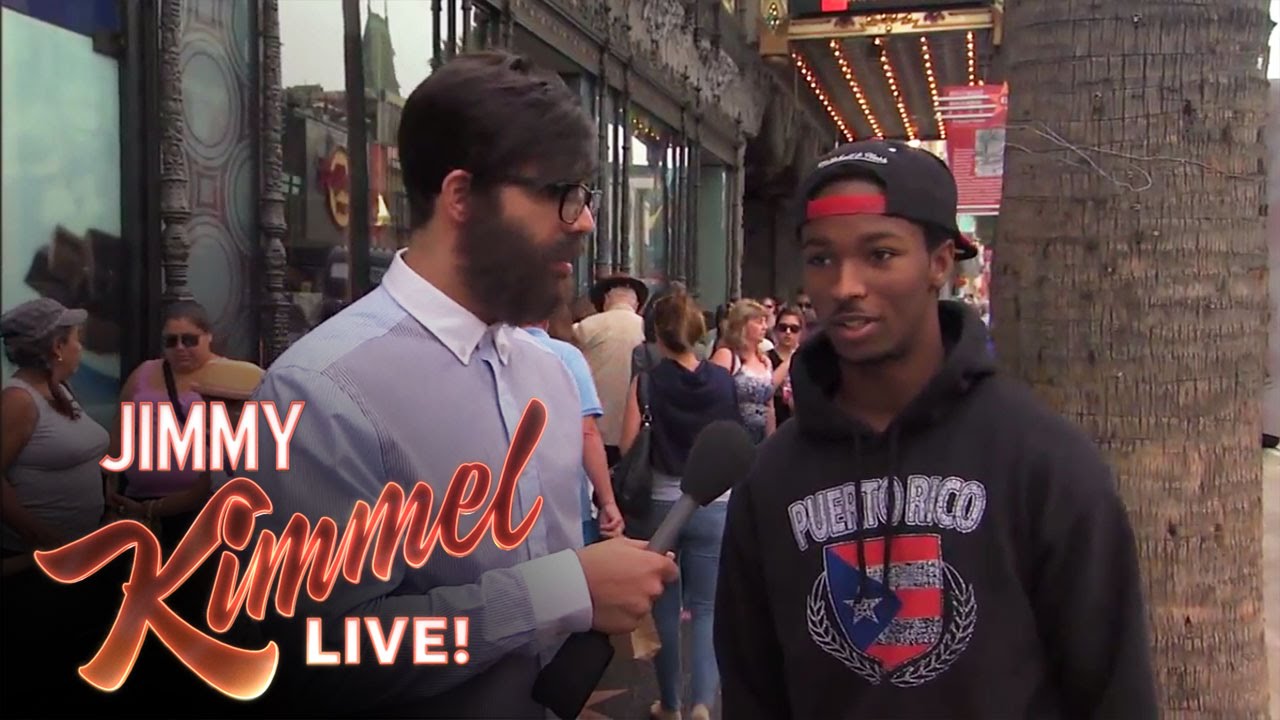
“Lie Witness News” is a recurring ‘Jimmy Kimmel Live!’ field segment where producers ask passersby about fabricated news stories to capture confident but incorrect answers. The comedy comes from deadpan interviewing, fast cuts, and lower-thirds that present fake premises as if they were real. The bit is structured to test how people respond when they don’t want to admit they haven’t heard of something.
Media-ethics observers have flagged the segment for potential public shaming, informed consent questions, and the risk of reinforcing stereotypes depending on where crews shoot. In response, the show obtains standard release forms, avoids airing minors without guardians, and edits to remove identifying details when appropriate. The segment remains a reference point in journalism and media courses discussing the difference between satirical street interviews and man-on-the-street reporting.
The Cecil the Lion Monologue and Dentist Fallout

Following global coverage of the killing of Cecil the lion by an American dentist, Kimmel delivered a monologue that mixed jokes with sharp condemnation and an emotional appeal for wildlife donations. The segment directed viewers to specific conservation organizations, which reported noticeable spikes in traffic and contributions immediately after broadcast. The monologue also referenced the dental practice at the center of the story, which had already been identified in news reports.
The fallout included intense online harassment of the dentist and vandalism reports at the clinic, outcomes that ethics commentators tied to naming individuals during viral segments. The episode gave late-night producers a template for balancing advocacy with doxxing risks—emphasizing donation links, avoiding unnecessary personal details, and including on-screen context about due process when stories are still developing.
The “Blobfish Basketball Classic” After Cruz Barbs
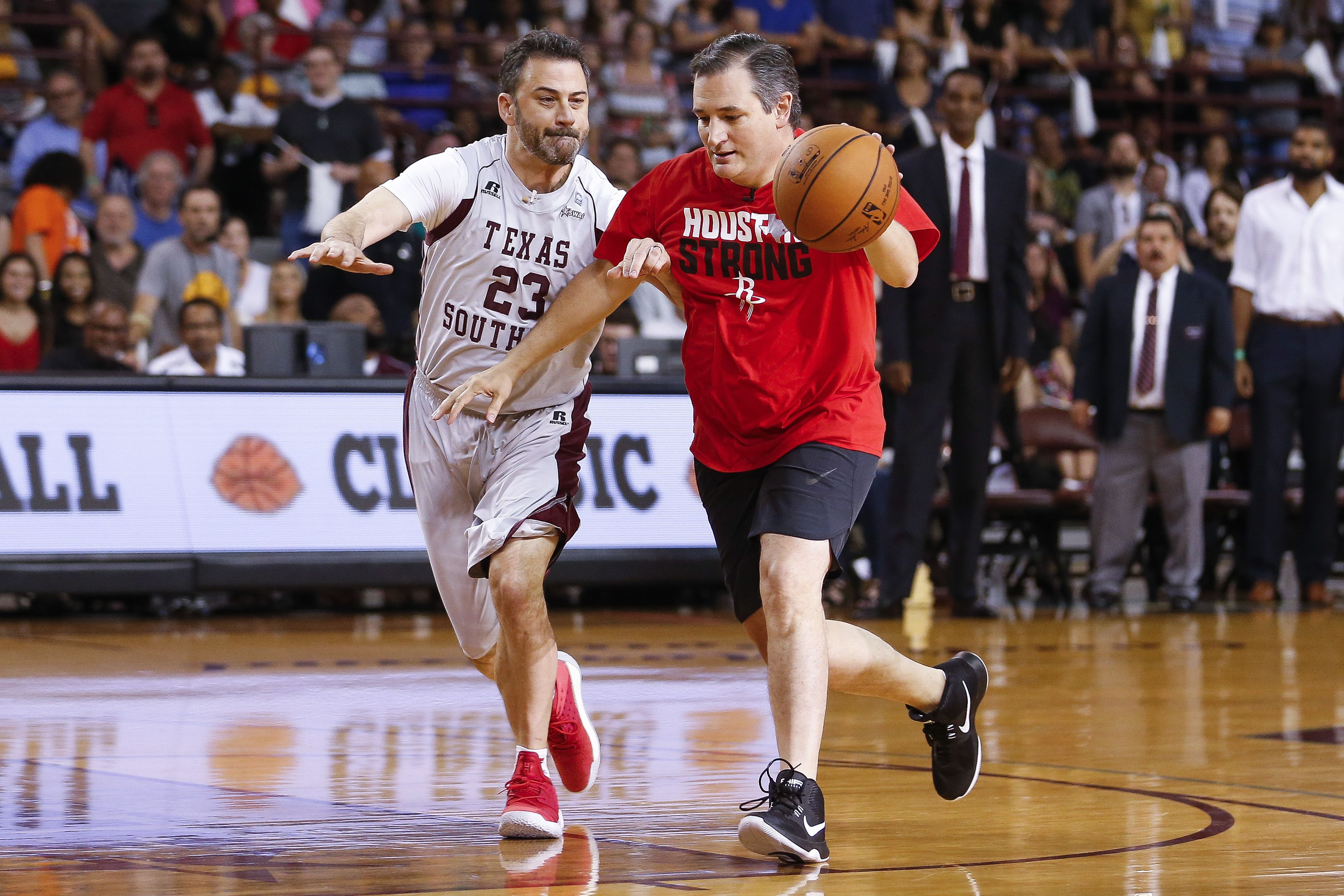
What began as a volley of jokes about Senator Ted Cruz’s appearance and mannerisms turned into a charity one-on-one game dubbed the “Blobfish Basketball Classic.” The event was produced with game graphics, commentators, and a fundraising hook, and it aired in edited form on ‘Jimmy Kimmel Live!’. The build-up included monologue tags, social-media promos, and a clear set of rules to keep the contest within lighthearted boundaries.
Even with a charitable frame, critics pointed to the name and pre-game barbs as examples of appearance-based humor in political comedy. The game itself raised funds for pediatric care while documenting the matchup with standard sports-broadcast tropes. In the aftermath, media outlets used the episode to illustrate how late-night feuds can migrate from monologue bits to branded stunts with measurable philanthropic outcomes and messaging risks.
Share the moments you remember most—and why—in the comments below.