10 Most Controversial Jimmy Kimmel Moments


Jimmy Kimmel has spent decades in late-night TV and comedy, which means he’s generated his share of headlines beyond the usual monologue jokes. From old sketches that resurfaced years later to live-broadcast mishaps and political clashes, several moments have drawn intense scrutiny and sparked wider conversations about media, comedy, and public life.
Below is a clear, fact-focused rundown of ten widely discussed flashpoints from Kimmel’s career. Each entry summarizes what happened, where it happened, and how people responded at the time, keeping the focus on concrete details and public reactions.
Karl Malone blackface sketches on ‘The Man Show’ (1999–2004)
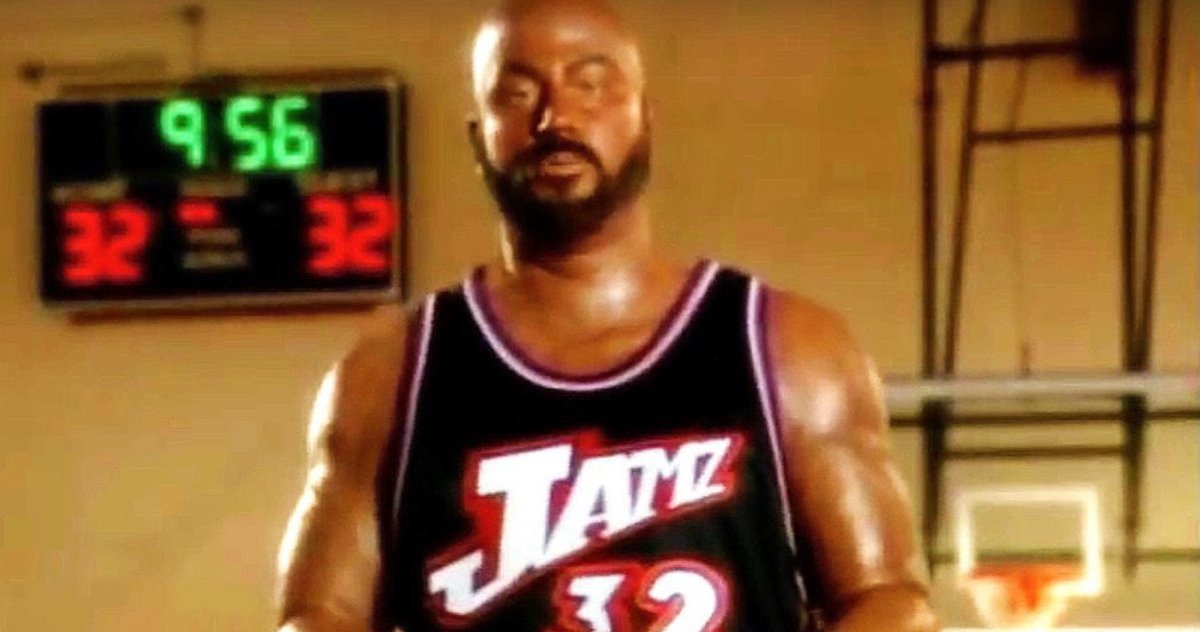
Kimmel performed recurring sketches impersonating NBA Hall of Famer Karl Malone on ‘The Man Show’, using makeup to darken his skin and adopting a stylized version of Malone’s speaking cadence. The bits aired during the show’s original run and were later reuploaded and circulated online, where they were widely shared.
Years later, the clips resurfaced and prompted renewed attention and criticism. In response, Kimmel acknowledged the sketches, referenced the creative context at the time, and addressed the use of makeup and impersonation, which had become a focal point of discussion in the broader industry.
The ‘Jimmy Kimmel Live!’ “Kids Table” segment about China

A ‘Jimmy Kimmel Live!’ segment featuring children discussing U.S. debt included one child suggesting “kill everyone in China,” which aired unbleeped in the original broadcast. The line led to protests, organized petitions, and official complaints from community groups and advocacy organizations.
ABC removed the remark from later airings and issued an apology. Kimmel also addressed the segment on air, clarifying how the unscripted exchange made it to broadcast and outlining the steps taken by the network after the backlash.
Kanye West spoof and on-air summit on ‘Jimmy Kimmel Live!’
:max_bytes(150000):strip_icc():focal(999x0:1001x2)/jimmy-kimmel-kanye-west-497896cb9e2b4ad9ac725cad9e269866.jpg)
After Kimmel aired a spoof of Kanye West’s BBC interview using children as stand-ins, West responded publicly and forcefully on social media. The exchange escalated quickly, drawing widespread attention to the original sketch and to Kimmel’s replies.
Kimmel invited West onto ‘Jimmy Kimmel Live!’ soon after, where both discussed the sketch, West’s reaction, and the broader media narrative. The episode included direct conversation about the parody, the intent behind it, and how the dispute unfolded online.
Hosting ‘The Oscars’ and the Best Picture envelope mix-up

Kimmel hosted ‘The Oscars’ the night a presenter announced the wrong Best Picture winner before the error was corrected live on stage. The broadcast captured the handoff of envelopes, the acceptance speeches, and the subsequent clarification naming the actual winner.
In the aftermath, Kimmel reviewed the incident on air and in interviews, walking through the show’s live-production mechanics, what he saw from the stage, and the timeline of how the correction reached the microphone. The sequence became a widely replayed awards-show moment and prompted discussions about backstage protocol.
Health care monologues about his son’s heart surgery on ‘Jimmy Kimmel Live!’
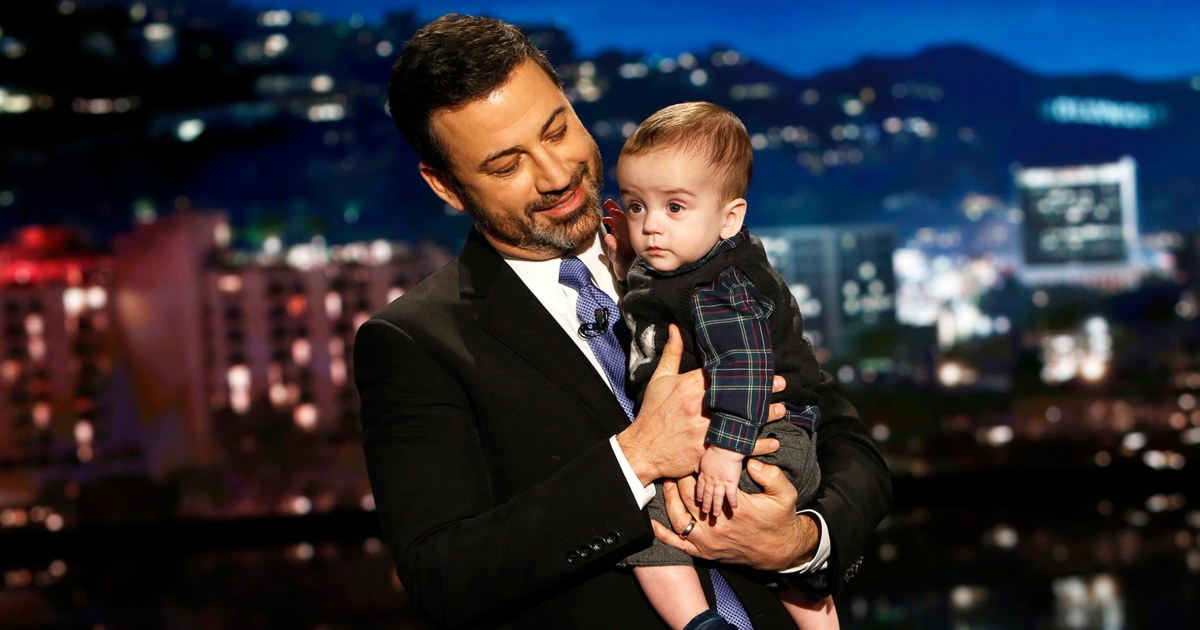
Following his newborn son’s diagnosis and emergency surgery, Kimmel delivered monologues describing the medical situation and discussing access to health coverage for families with serious conditions. He referenced specific policy debates happening at the time and cited his family’s hospital experience.
The monologues prompted responses from elected officials, commentators, and medical professionals. Kimmel subsequently continued updating viewers on his son’s treatment milestones and returning to related policy topics as votes and proposals moved through Congress.
Charity basketball game and policy sparring with Senator Ted Cruz
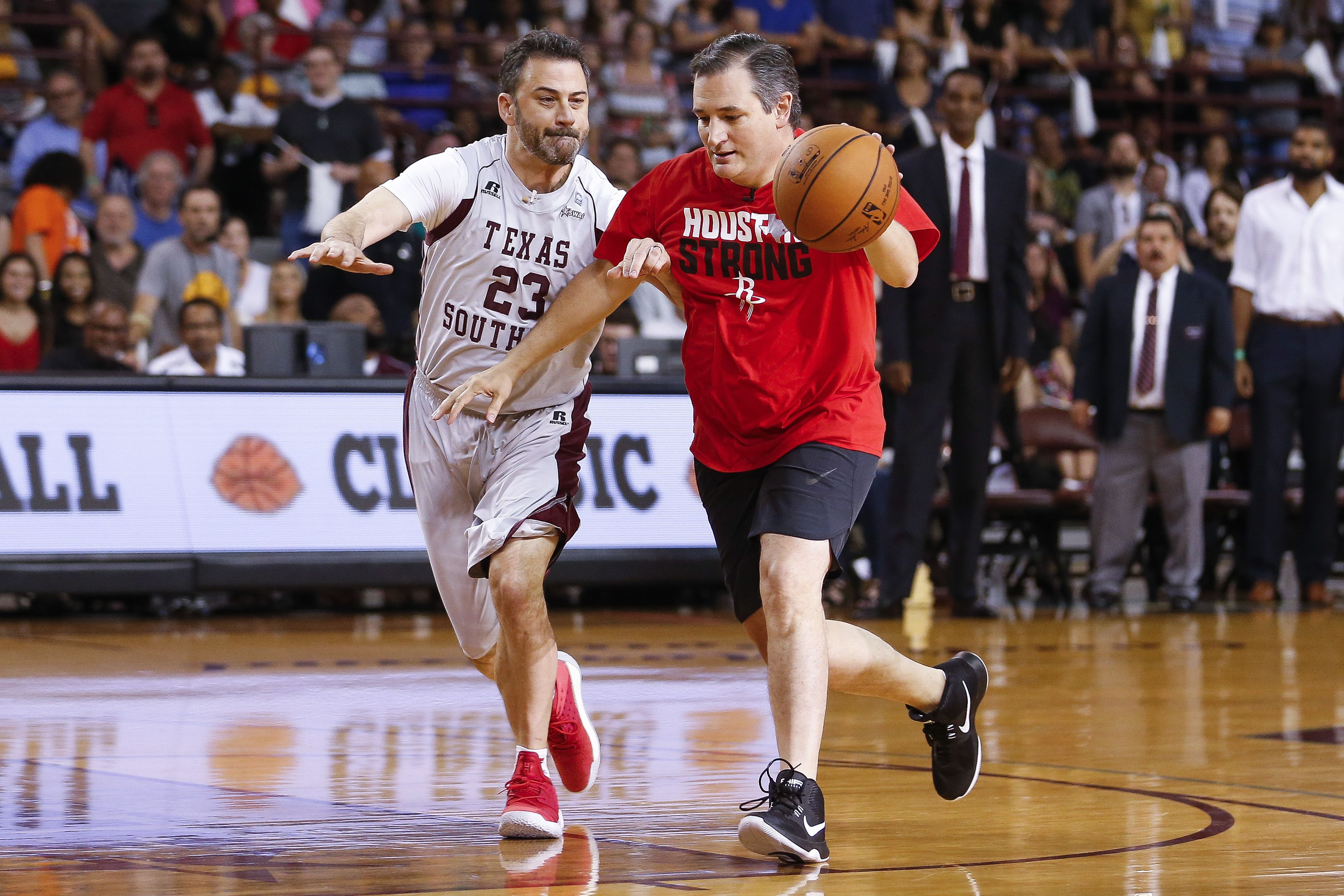
What began as televised back-and-forth over remarks and jokes led Kimmel and Senator Ted Cruz to agree on a charity one-on-one basketball game. The game was staged with broadcast cameras, a scoreboard, and agreed-upon rules, and it raised money for charitable causes.
In the lead-up, both sides highlighted the event’s terms and the beneficiary organizations. Afterward, clips and stats from the game circulated online alongside renewed commentary about the earlier dispute that set the matchup in motion.
Old audio and sketches resurfacing, followed by a public apology

Archived sketches and audio from Kimmel’s past work—including impersonations and a rap-style parody vocal—resurfaced years later online and on social platforms. These items were compiled and shared widely, drawing attention to specific lyrics, voices, and visual choices.
Kimmel issued a statement addressing the material, explaining when and where the recordings and sketches originated and stating that he would not repeat those performances. Outlets documented the timeline of when each piece initially aired and the sequence of repostings and reactions.
Joke about Representative Marjorie Taylor Greene and police complaint

A monologue joke referencing Representative Marjorie Taylor Greene drew her public complaint to the U.S. Capitol Police. The complaint itself was shared on social media, along with Greene’s description of the joke and her stated concerns about it.
Subsequent coverage included responses from Kimmel during later monologues and commentary from outside observers about the police report. The exchange generated further online discussion as clips of the original line and the follow-up remarks were circulated.
Emotional monologue after the Las Vegas mass shooting

In the days after the mass shooting in Las Vegas, Kimmel—who is from Las Vegas—opened ‘Jimmy Kimmel Live!’ with a monologue naming victims, describing local hospitals’ work, and referencing specific policy proposals that were again being debated nationally. The segment incorporated verified casualty figures and on-the-ground updates.
The monologue prompted statements from officials and advocacy groups, along with ratings bumps as viewers sought out the clip online. Kimmel revisited the topic in subsequent shows to note developments in the investigation and the status of legislative efforts.
“Lie Witness News” segments and stereotyping criticisms
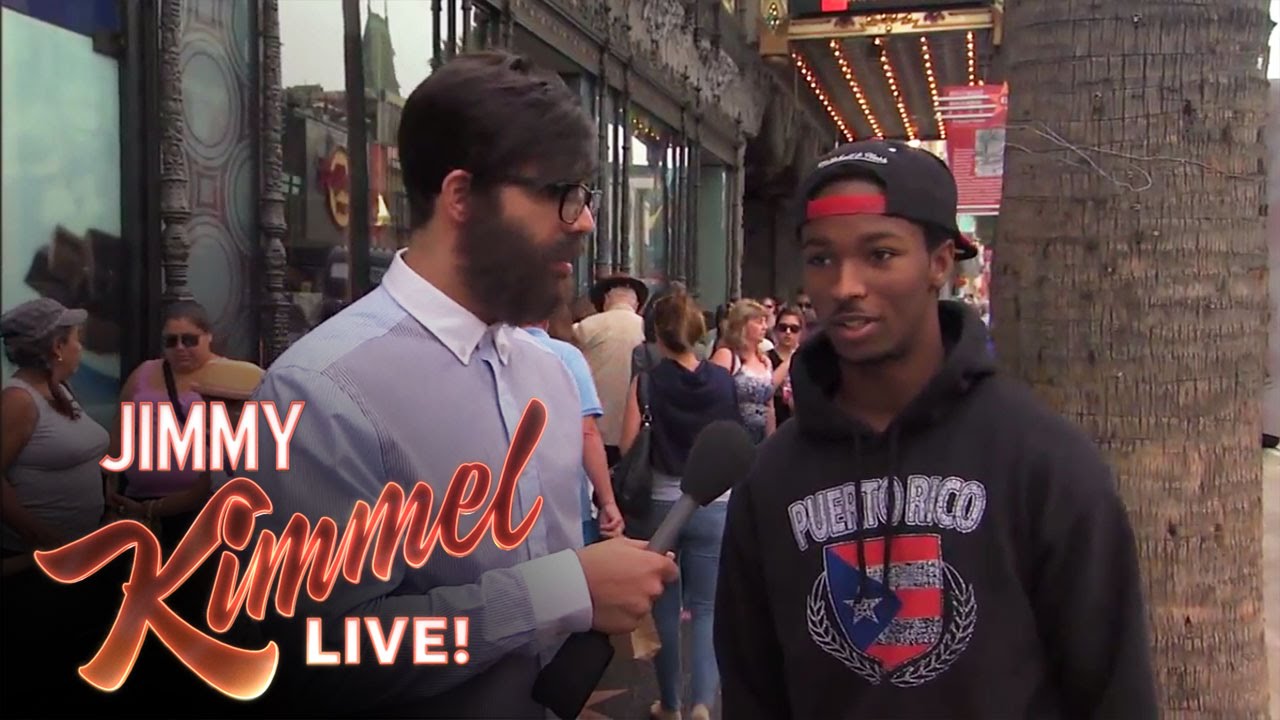
‘Jimmy Kimmel Live!’ has produced recurring “Lie Witness News” segments that test whether passersby will react to fabricated prompts or headlines. Specific editions—such as those tied to geography, language, or cultural topics—have drawn criticism from viewers who argued the bits reinforced stereotypes.
In response to particular complaints, the show adjusted some segment parameters and, in certain cases, clarified editing choices and the setup given to participants. Episodes featuring contested segments were often revisited in later broadcasts or online posts to address questions about production methods.
Share your thoughts below: which moment stood out to you, and what did you make of the reactions at the time?