10 Movie Characters who Were Not Meant to be Popular – but Became Icons


Some characters are written to headline a franchise, while others start as side players, curiosities, or even one-off foils. Every so often, those “extras” grab the spotlight anyway, changing how sequels get written, how studios market films, and how audiences remember entire series. This list looks at movie characters who weren’t designed to dominate the cultural conversation but ended up doing exactly that.
In each case below, the character’s surprise momentum reshaped something tangible—screen time in later installments, spin-offs, merchandising, awards attention, or even the tone of a franchise. The details show how small creative decisions, practical constraints, or casting choices set off chain reactions that no one planned for.
Boba Fett – ‘Star Wars’
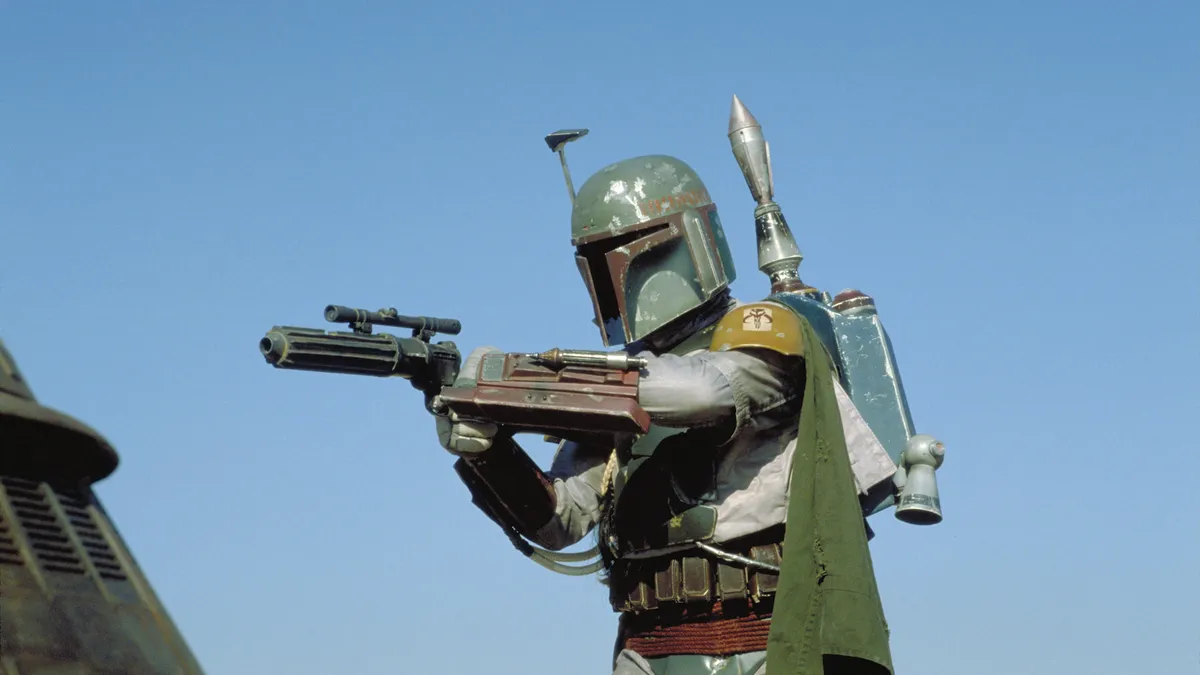
Boba Fett reached audiences first through a short animated segment and then appeared briefly in ‘The Empire Strikes Back’, with limited dialogue and screen time. Distinctive armor, a jetpack, and a widely distributed mail-away action figure put the design in fans’ hands early, amplifying recognition long before the character had extensive development on screen.
Lucasfilm later expanded the role across re-releases, prequel-era tie-ins, and live-action stories. Fett returned in ‘The Mandalorian’, headlined ‘The Book of Boba Fett’, and became a mainstay of licensed publishing and collectibles that far exceeded his original footprint.
Loki – Marvel Cinematic Universe

Loki entered as a supporting antagonist in ‘Thor’ and the central threat of ‘The Avengers’, built to test Asgard’s family dynamics and the new team-up formula. Adoption history, ties to Odin and Thor, and shapeshifting were initially narrative tools rather than a plan for long-term stardom.
Marvel subsequently broadened Loki’s presence across phases, weaving him into crossover films and giving him a solo series in ‘Loki’. That move deepened Asgardian politics and multiversal threads, while the character’s image rose to near-hero parity in marketing, convention culture, and merchandise.
Minions – ‘Despicable Me’

The Minions began as simple, cost-efficient henchmen for Gru in ‘Despicable Me’, designed for quick-read slapstick and background texture. Their pseudo-language and elastic physicality let short scenes deliver clear gags without complex animation or exposition.
Audience demand pushed them to the center. Universal built them into franchise mascots, launched ‘Minions’ and follow-ups, and anchored global licensing around their silhouettes and catchcries. They became a stand-alone draw that consistently lifted the series’ visibility.
Beetlejuice – ‘Beetlejuice’

Beetlejuice appears on screen for a relatively small portion of ‘Beetlejuice’, serving as a chaotic agent who collides with the afterlife rules surrounding the Maitlands. Practical makeup and a summoning gag framed him as a contained disruption rather than the narrative core.
The character soon defined the property across media. He spun off into an animated series, returned theatrically in ‘Beetlejuice Beetlejuice’, and became a seasonal staple in costuming and themed attractions. Studio planning around the IP has repeatedly centered his striped suit, bio-exorcist branding, and call-and-response hook.
Pinhead – ‘Hellraiser’

In ‘Hellraiser’, the lead Cenobite was not named on screen; the “Pinhead” label came from crew shorthand and fans before becoming official. The figure’s initial function was to embody the puzzle box’s consequences while human characters carried most of the plot.
Sequels and marketing elevated Pinhead to franchise face. Later entries elaborated the Order of the Gash and the Lament Configuration, while posters, home-video art, and collectibles placed the character front and center, turning a background presence into the series’ emblem.
Jason Voorhees – ‘Friday the 13th’

Jason Voorhees began as tragic backstory in ‘Friday the 13th’, surfacing mainly in a final-scene shock and campfire lore. The hockey mask associated with him arrived only in a later sequel, evolving from a practical on-set solution into the defining visual.
Subsequent films standardized Jason’s silent, unstoppable presentation and built the franchise around his legend. Crossovers like ‘Freddy vs. Jason’, video games, and extensive merchandise consolidated his status as the brand identity for the series.
Chucky – ‘Child’s Play’

The killer doll concept in ‘Child’s Play’ leveraged animatronics and puppetry to deliver short bursts of uncanny movement. Charles Lee Ray’s possession of a “Good Guy” doll sharpened a thriller premise about consumer culture and fear projected onto toys.
Sequels and spinoffs focused increasingly on the doll’s persona and evolving look. The property branched into comedic tones, returned to straighter horror, and extended into television, while licensed products and convention circuits kept Chucky at the forefront of the franchise.
Hannibal Lecter – ‘The Silence of the Lambs’

Hannibal Lecter’s role was tightly rationed in ‘The Silence of the Lambs’, structured as strategic interview scenes that supported Clarice Starling’s investigation. The film used limited screen time to establish methodology, etiquette, and psychological leverage rather than endless backstory.
Following the film’s success, the character moved to center stage in ‘Hannibal’ and a re-adaptation of his earlier case in ‘Red Dragon’. His name became a touchpoint across film marketing, books, and later television, shifting the broader brand toward his perspective.
T-800 – ‘The Terminator’

The T-800 arrived as a villain: an infiltration unit sent to eliminate a single target and demonstrate Skynet’s threat. Minimal dialogue, practical effects, and a relentless pursuit structure emphasized function over sentiment, keeping the model squarely in antagonist territory.
Later films repositioned the T-800 as a protector in ‘Terminator 2: Judgment Day’, reframing the franchise’s stakes and broadening its audience. Catchphrases, visual cues, and licensed media consolidated the unit’s silhouette as a durable action-cinema identity.
Yoda – ‘Star Wars’

Yoda was introduced as a mentor who trains and tests a hero, realized through a complex puppet by Stuart Freeborn and voiced by Frank Oz. Production emphasized performance and philosophy over spectacle, fitting a role intended to guide rather than to headline.
The character’s impact extended across prequels, animation, and later stories, with both practical and digital portrayals. Yoda became a major merchandise driver and inspired new figures—most visibly Grogu in ‘The Mandalorian’—that drew directly from his design language and teachings.
Share your picks in the comments: which other “wasn’t-supposed-to-be-big” movie characters ended up becoming icons?