10 Times Method Acting Went Way Too Far


Method acting has produced unforgettable performances—and some equally unforgettable behind-the-scenes stories. When actors push immersion to the edge, everyday routines and normal set protocols can get flipped upside down, sometimes affecting crews, schedules, and even health. The results can be remarkable on screen, but the paths to get there are often intense.
Below are ten widely reported cases where performers took their commitment to the role into territories most people would never consider. Each entry focuses on concrete steps the actor took, how productions adapted, and what colleagues later described about working around those choices.
Daniel Day-Lewis – ‘My Left Foot’ (1989)
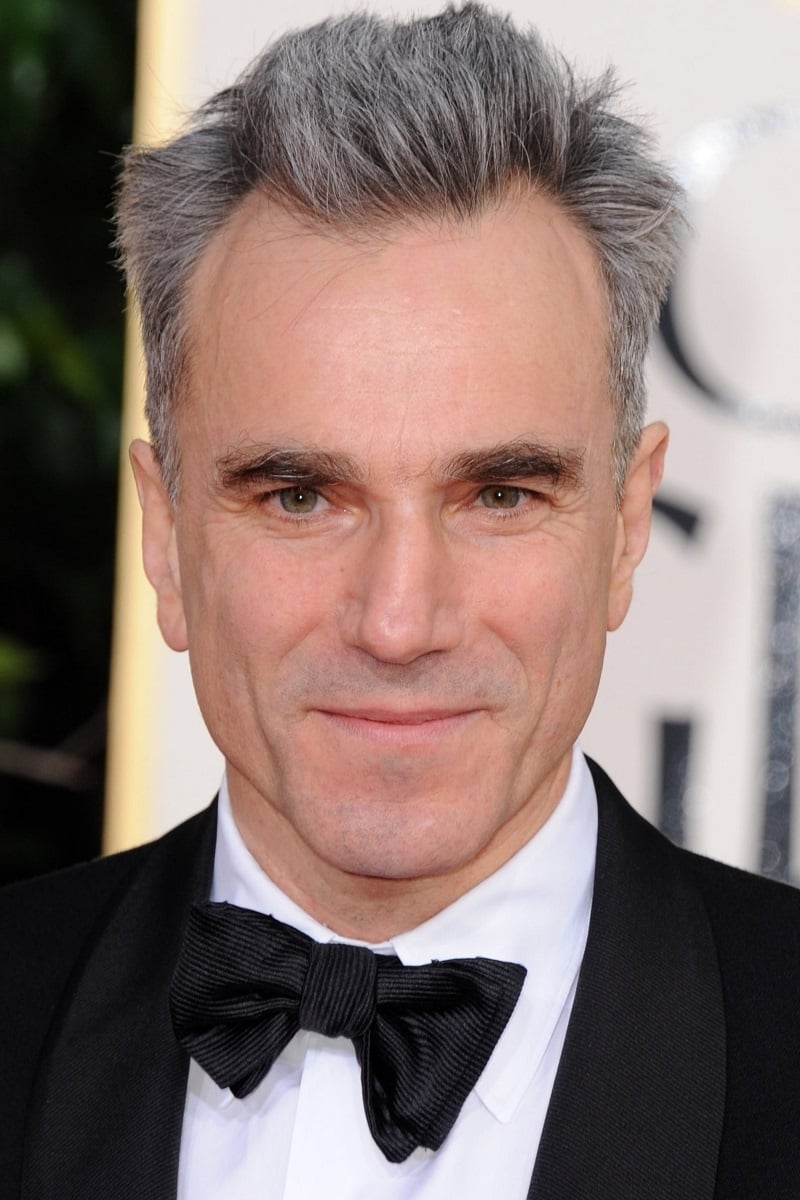
For Christy Brown, Daniel Day-Lewis remained in a wheelchair on and off set and insisted that crew members move and feed him to maintain physical authenticity. Production staff and co-stars have described how this required additional time for blocking, costume changes, and makeup touch-ups because every reset had to be performed with him staying in character’s bodily constraints.
He also kept his posture contorted between takes to mirror Brown’s condition, which altered the pace of filming and demanded extra attention from continuity and camera teams. The approach extended to dialect and interaction patterns, so fellow actors adjusted rehearsal processes to accommodate communication matching the character’s lived reality.
Christian Bale – ‘The Machinist’ (2004)
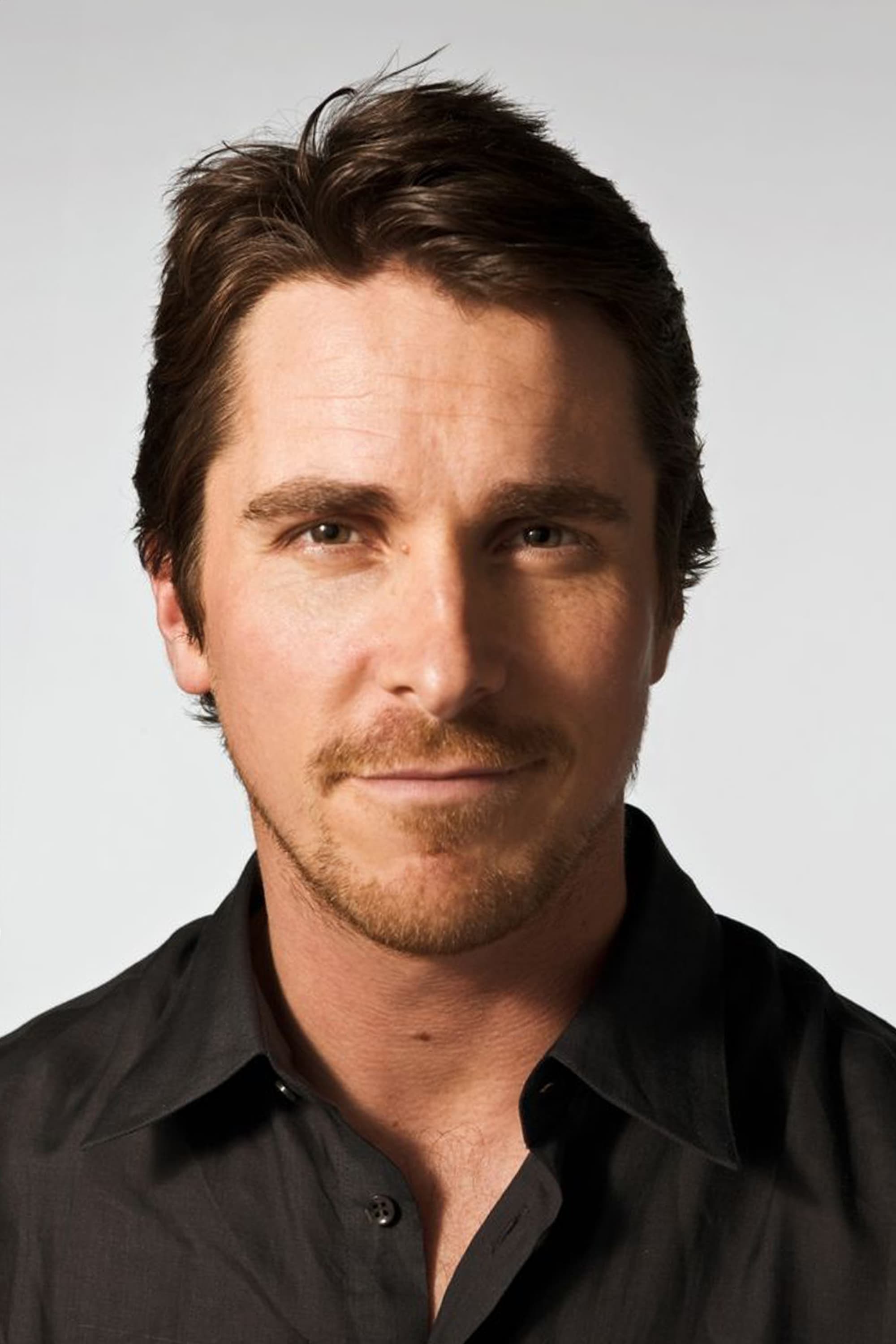
Christian Bale underwent extreme weight loss to portray Trevor Reznik, following a tightly restricted diet that dramatically reduced his body mass before cameras rolled. Wardrobe departments tailored multiple sets of clothing to his changing frame, and stunt coordinators modified plans to minimize strain and injury risk.
After principal photography, he reversed course for his next project by rapidly regaining significant weight, which required careful scheduling across productions. Hair and makeup leads documented changes daily to preserve visual continuity, and producers coordinated medical supervision to keep the transformation within safe parameters for the shoot.
Jared Leto – ‘Suicide Squad’ (2016)
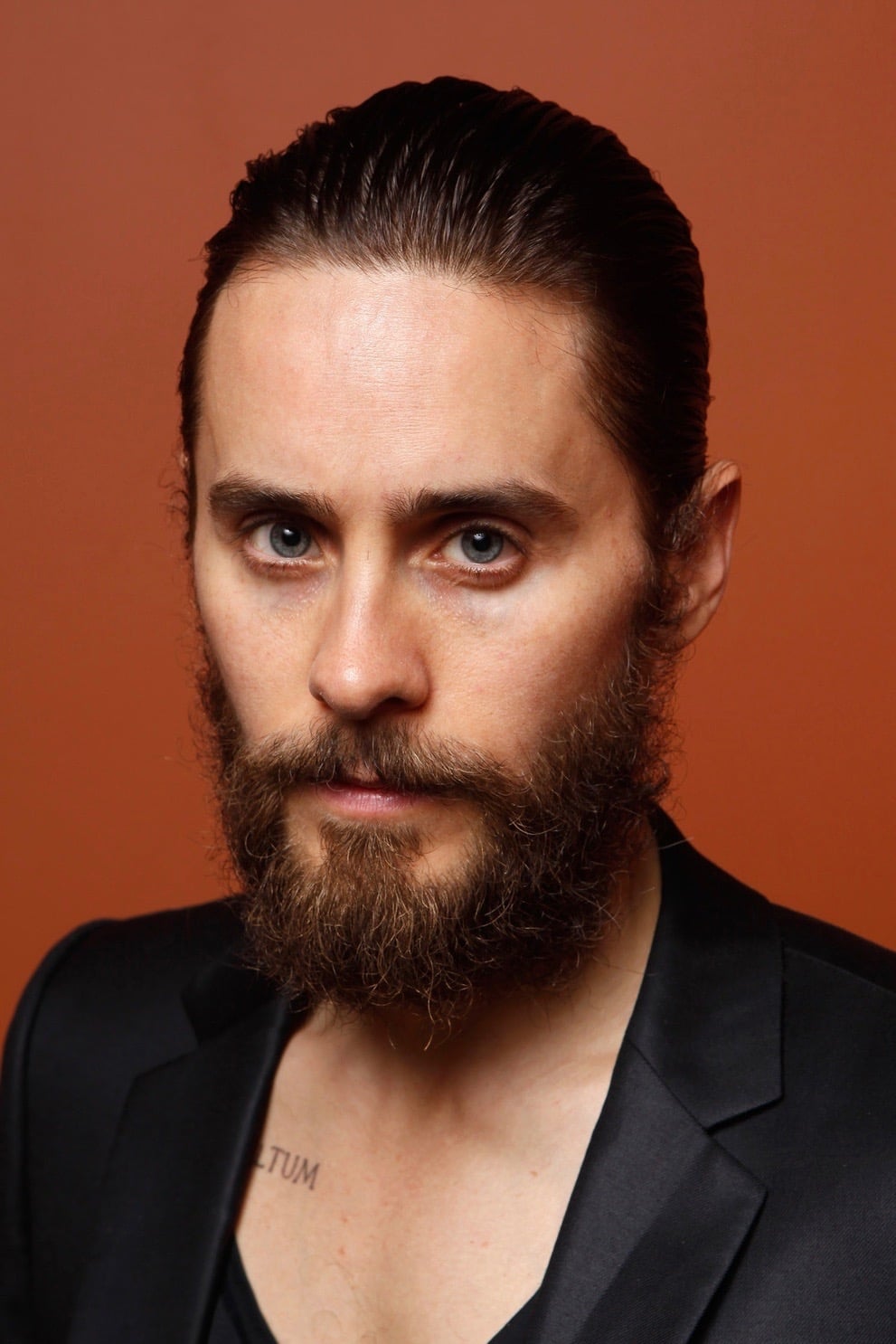
To build his take on the Joker, Jared Leto stayed in character around cast and crew and used unusual gifts to other actors as in-world interactions. Co-stars later recounted receiving items like a live rat, bullets, and a dead pig delivered to the production, which affected morale and prompted adjustments to how props and packages were handled on set.
He also kept communication and on-set behavior aligned with the character’s volatility, which required stage managers and ADs to buffer interactions so scenes could start cleanly. Cast members described how table reads and rehearsals were re-organized to limit surprises, and publicists fielded questions about the process during the film’s press cycle.
Jim Carrey – ‘Man on the Moon’ (1999)
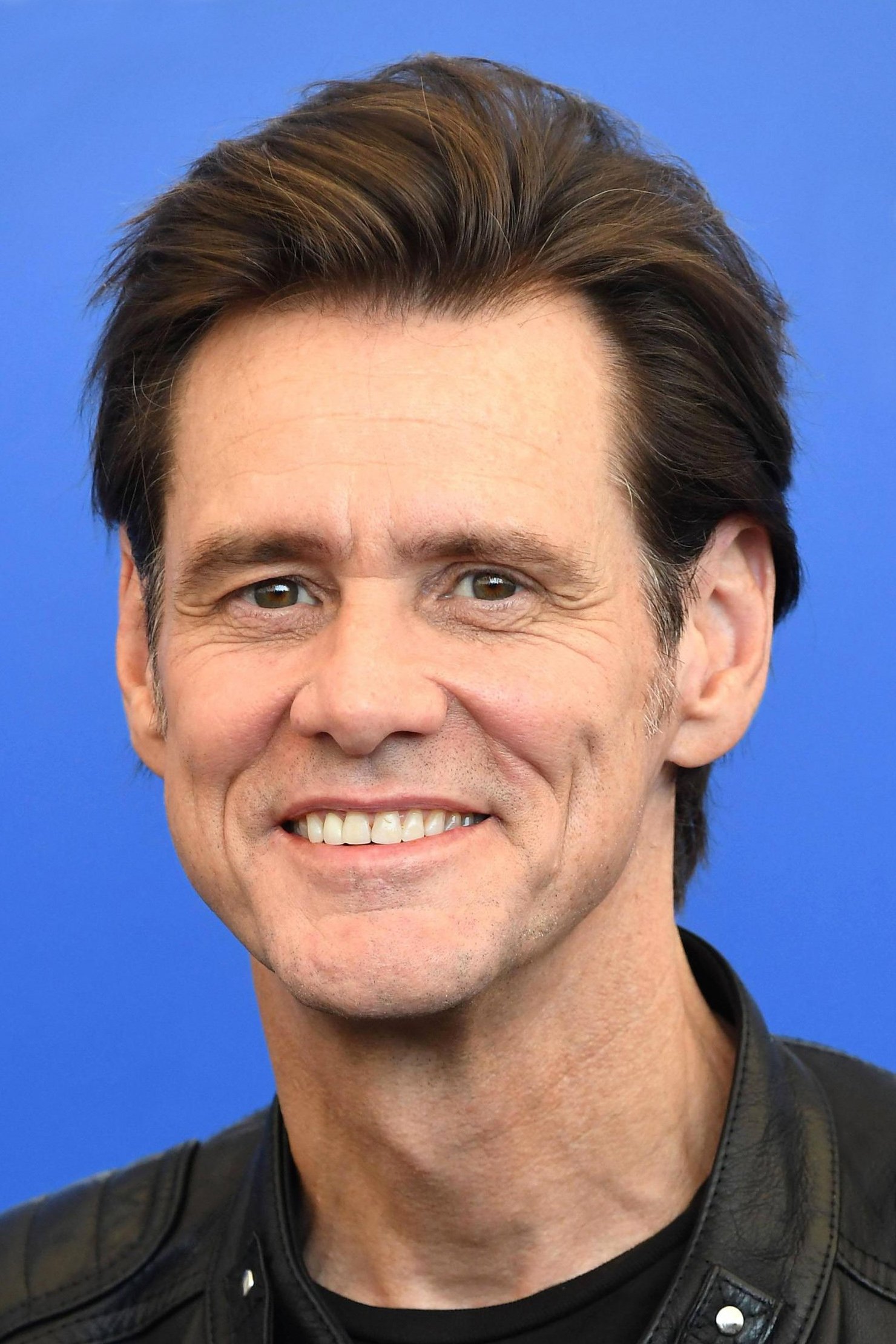
Jim Carrey immersed fully in Andy Kaufman and alter-ego Tony Clifton, staying in persona during workdays and press visits. Department heads planned call sheets knowing that direction and feedback might need to be delivered to “Andy” or “Tony,” and some scenes were staged with minimal advance notice to capture spontaneous behavior consistent with the real performer’s stagecraft.
Behind-the-scenes footage and later documentary material show production navigating access to the actor through handlers and in-character intermediaries. Unit publicists and producers coordinated boundaries so crew could complete setups while maintaining the immersive method, and sound teams adapted to voice and mic-placement shifts matching Kaufman’s mannerisms.
Shia LaBeouf – ‘Fury’ (2014)
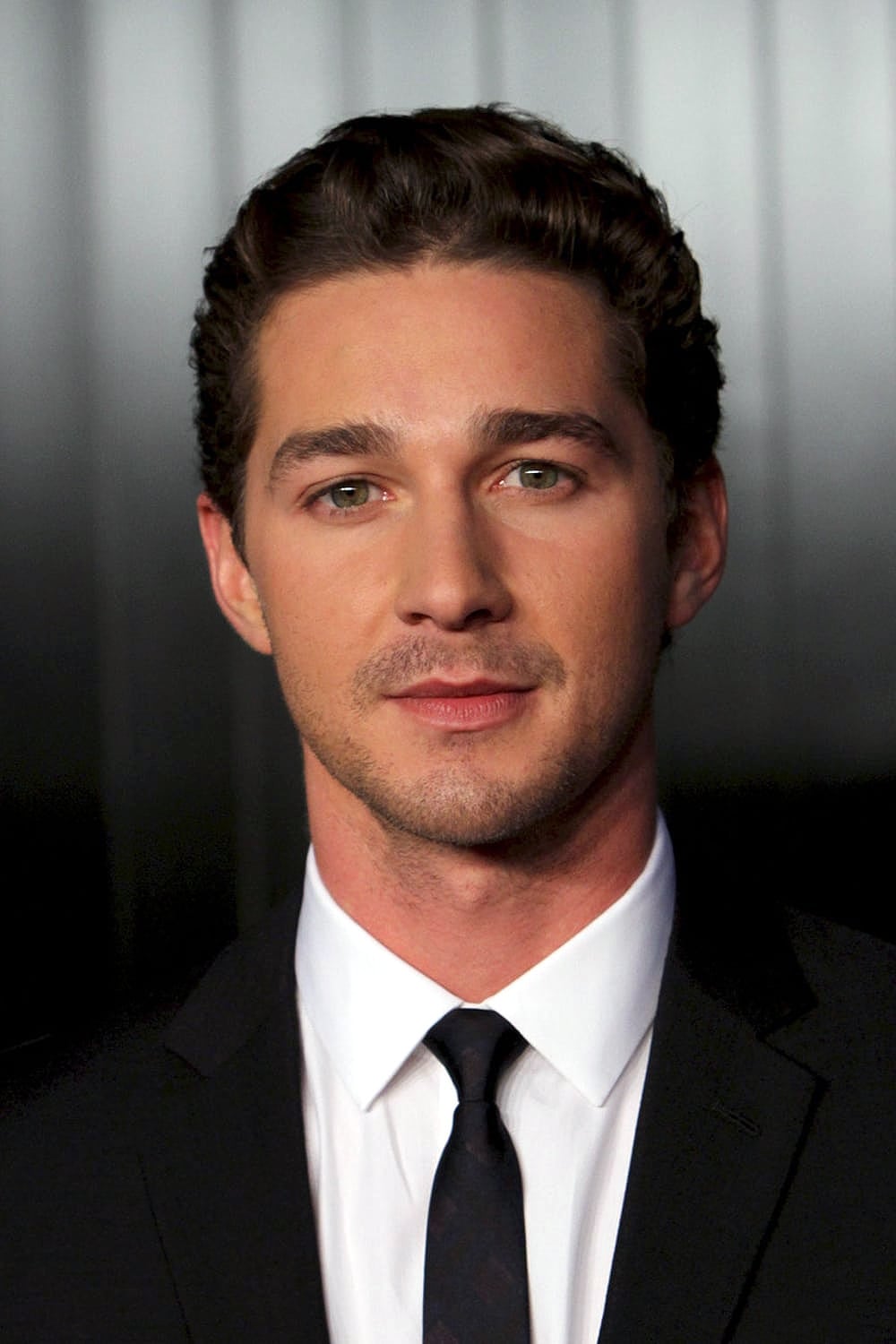
Shia LaBeouf removed a tooth under professional supervision to reflect his character’s look and reportedly cut his face to create scars that would read consistently on camera. He also skipped showers to achieve a lived-in appearance, which meant costume and makeup teams handled uniforms and gear with special cleaning protocols to preserve continuity without neutralizing the desired texture.
He spent extended time embedded with the film’s tank unit, drilling with other actors to build the claustrophobic crew dynamic depicted in the story. The approach influenced blocking inside the vehicle, with camera operators and focus pullers rehearsing around authentic movements learned from training sessions.
Leonardo DiCaprio – ‘The Revenant’ (2015)
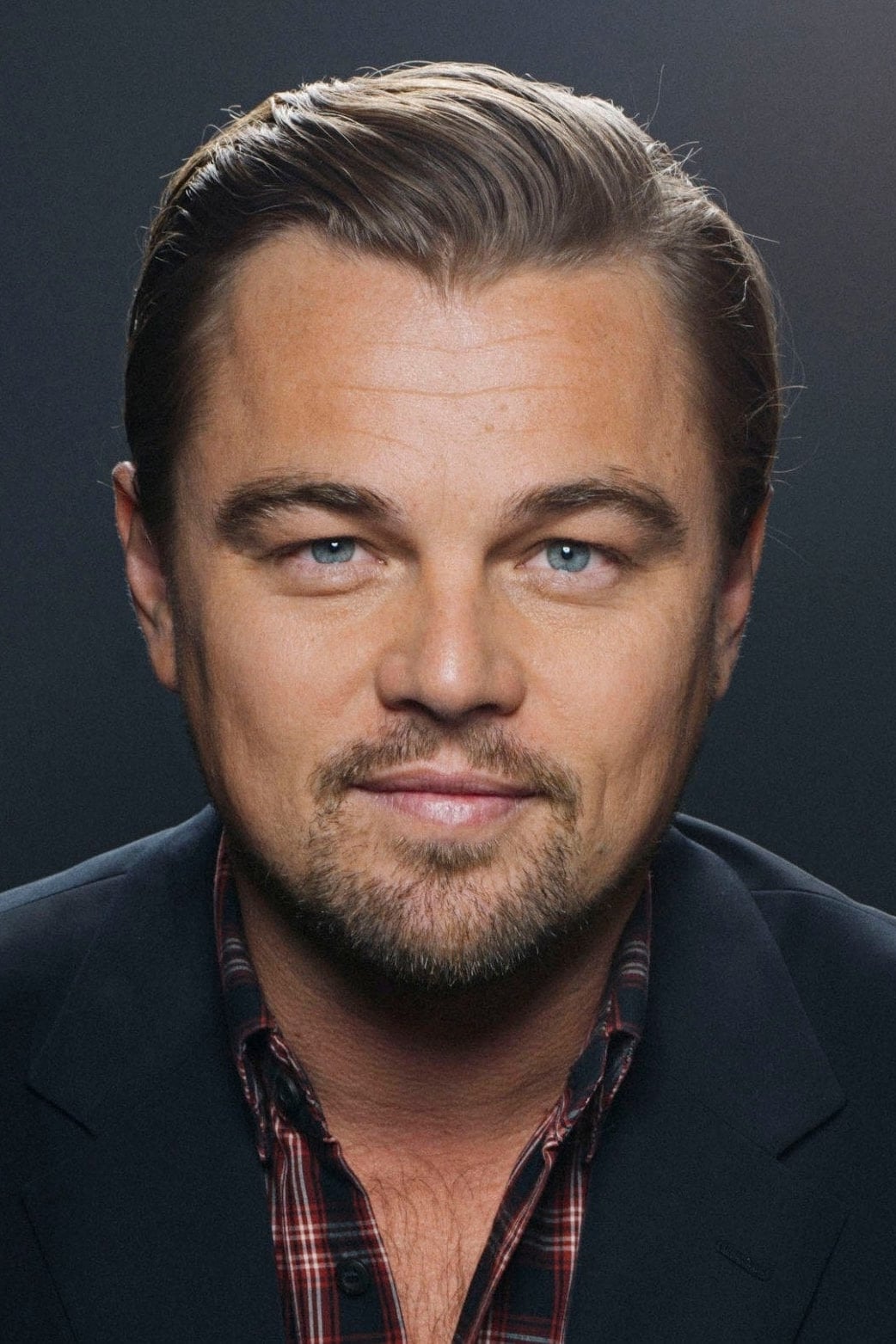
Leonardo DiCaprio ate raw bison liver on camera after prop substitutes failed to deliver the desired texture for the scene. The decision affected safety planning, so medical advisors were present and food handling followed strict procedures while the crew prepared additional takes with controlled portions.
The production also shot in remote, frigid conditions using natural light, which limited daily shooting windows and required cast to perform in heavy elements. DiCaprio completed repeated immersions in icy water and undertook wilderness training to execute sequences with minimal doubles, while the team scheduled contingency days for weather and exposure management.
Robert De Niro – ‘Raging Bull’ (1980)
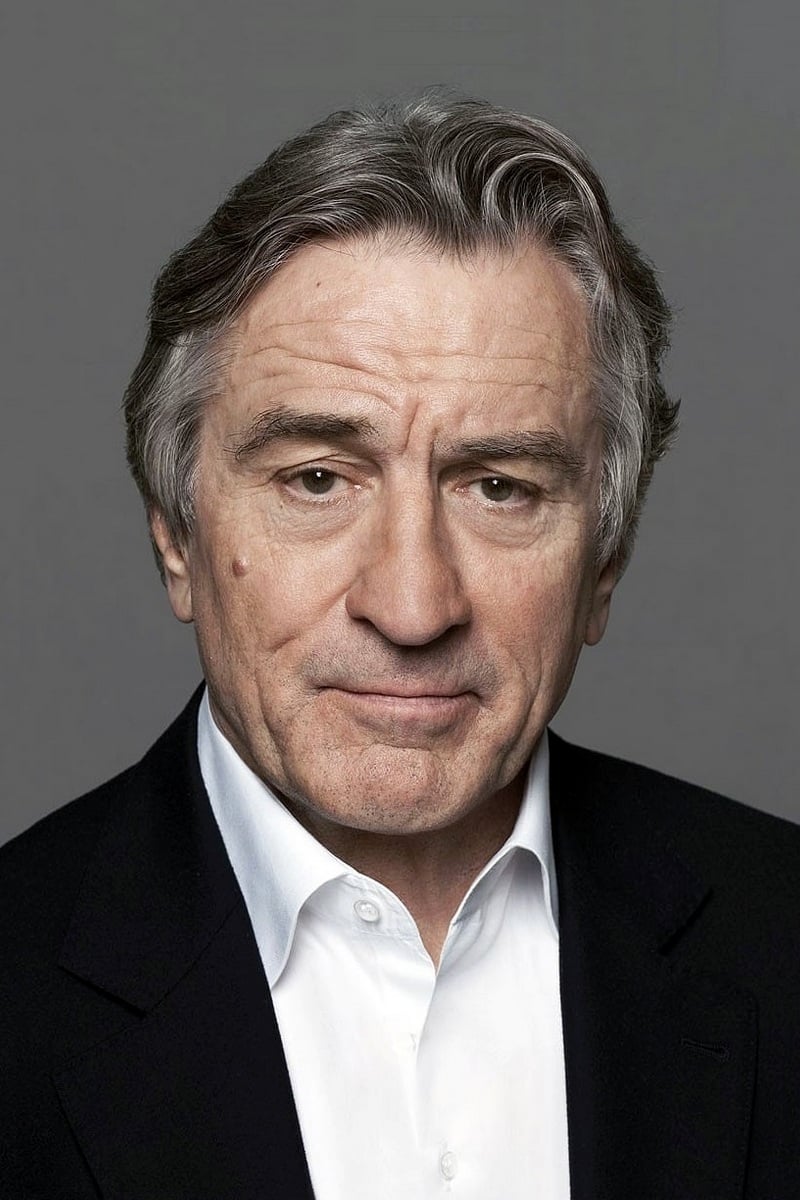
Robert De Niro trained extensively with Jake LaMotta, logging months in the ring to internalize stance, footwork, and defensive patterns. Fight choreography incorporated those skills into long takes, and cinematographers designed setups to capture real combinations without excessive cutting.
For the character’s later-life scenes, De Niro gained a large amount of weight, and the production split principal photography so early sequences were completed before a hiatus. During the break he changed physically while the crew prepared new wardrobe, adjusted lighting ratios, and re-fitted sets to reflect the character’s altered presence.
Adrien Brody – ‘The Pianist’ (2002)
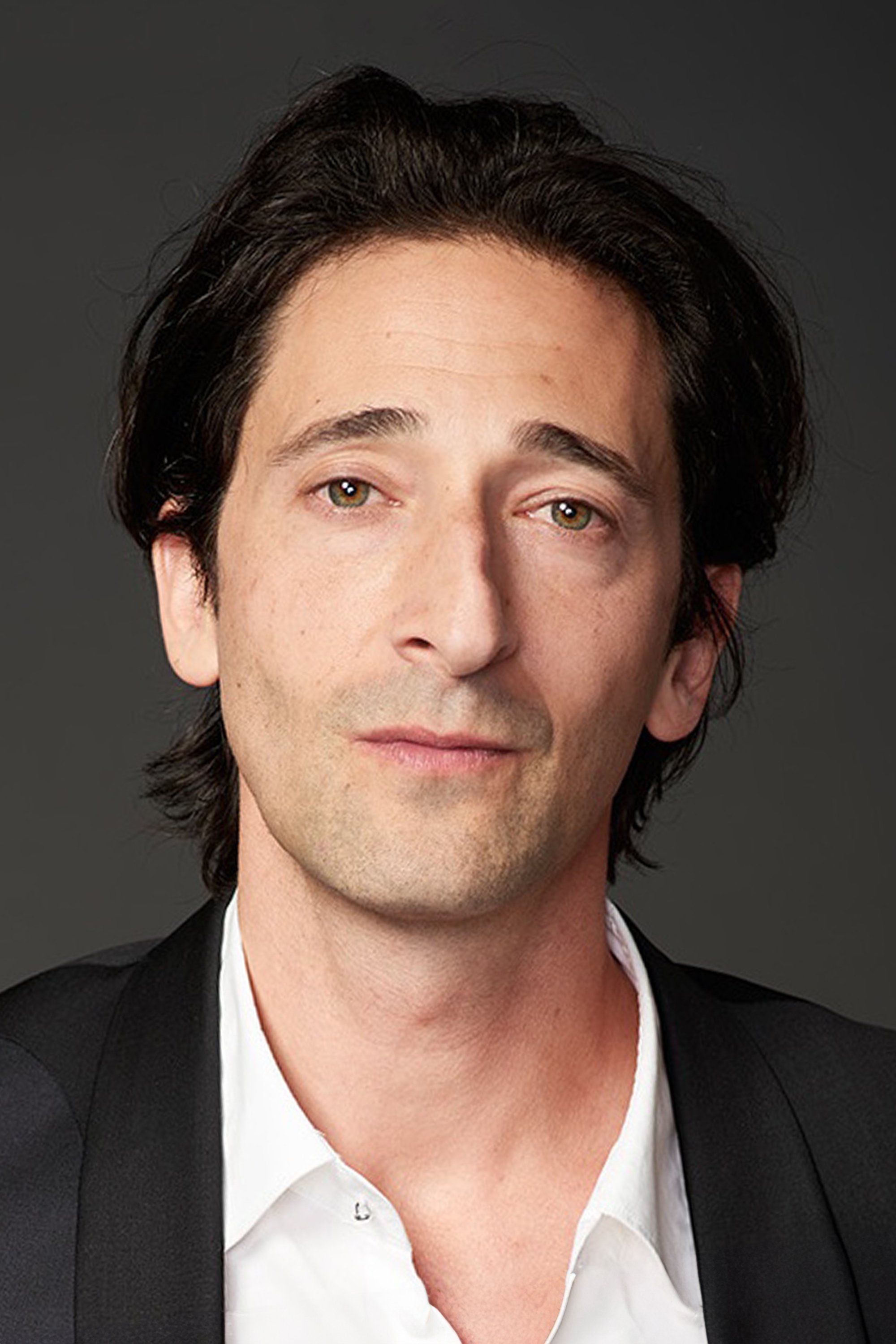
Adrien Brody significantly reduced his body weight, sold personal belongings, and moved to simplify his life to match the isolation of Władysław Szpilman. He practiced piano intensively to perform key passages convincingly, coordinating with a professional pianist and music department to sync fingerings with recorded performances.
He also limited contact with friends and family, turned off his phone, and kept a minimal routine to sustain the character’s emotional state. Location work leveraged his preparation, allowing directors to run longer takes while he performed live at the instrument, and camera operators framed hands and posture to maximize authenticity.
Nicolas Cage – ‘Birdy’ (1984)
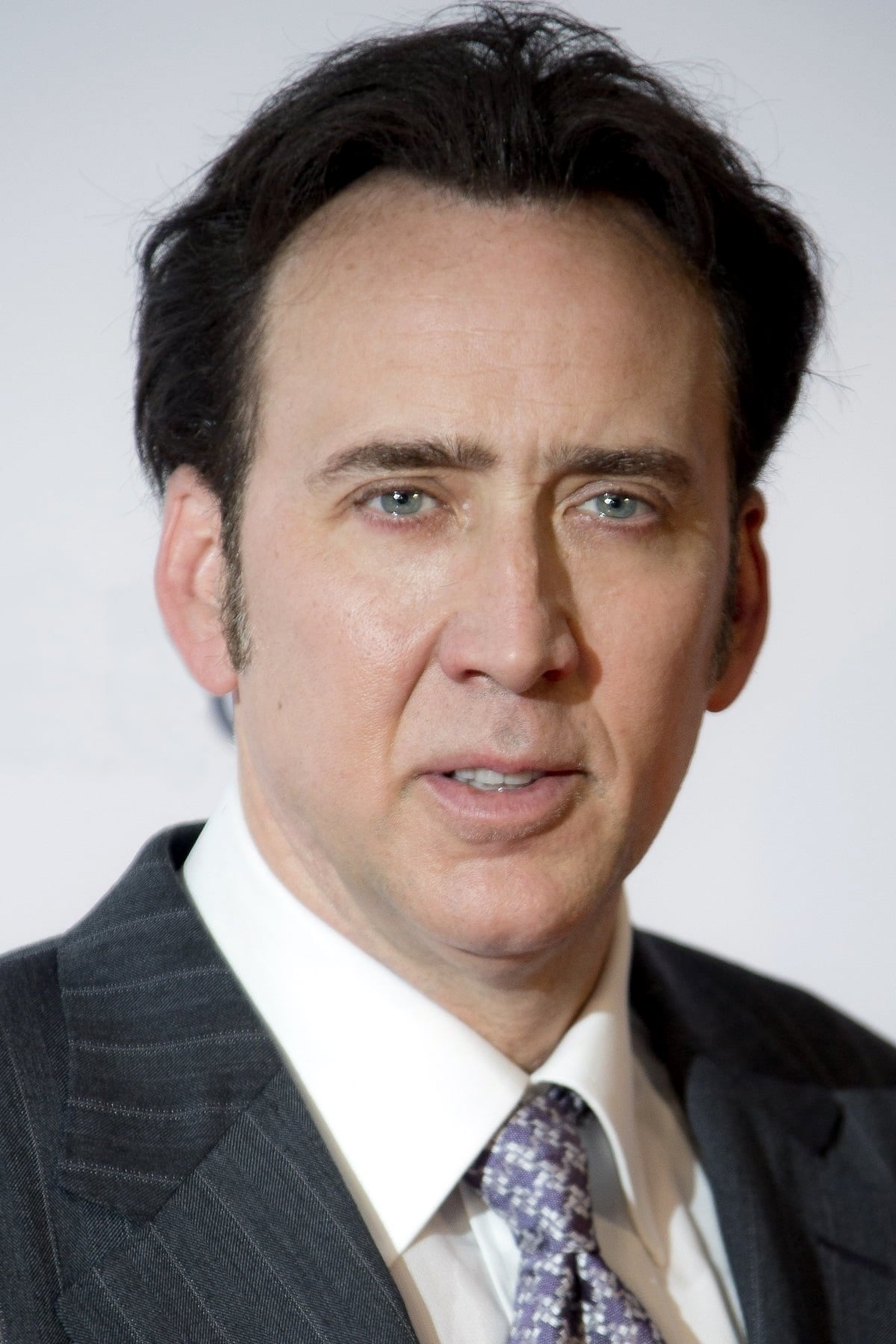
Nicolas Cage had teeth extracted for the role of a wounded soldier and wore facial bandages for weeks, including off set, to simulate ongoing injury. He reportedly slept in the bandages and maintained restricted movement so the discomfort would inform physical choices during scenes.
The approach induced skin irritation that makeup artists monitored while keeping the look consistent across shooting days. Wardrobe teams modified fits to accommodate limited mobility, and directors adjusted blocking to capture the character’s guarded gestures without compromising camera angles or coverage.
Lady Gaga – ‘House of Gucci’ (2021)

Lady Gaga spoke in an Italian accent for months, including off set, and remained in character during workdays to embody Patrizia Reggiani’s rhythms and demeanor. Dialect coaches and the sound department tracked speech patterns through rehearsals and takes, ensuring consistency across locations and pickups.
She studied court records, interviews, and fashion-industry context to inform posture, gesture, and costume choices, collaborating closely with designers to reflect the character’s evolving status. Crew members scheduled fittings and camera tests around the sustained persona so that performance continuity carried through hair, makeup, and lighting setups.
Share your favorite (or most shocking) examples in the comments—what other stories of actors going all-in have you heard?