15 Actor Interviews that Shocked Everyone


Some interviews are all smiles and rehearsed talking points. Others detour into candor so unfiltered that the conversation instantly becomes the story—rewriting how audiences think about an actor, a role, or an entire franchise. The most startling moments tend to happen when a star stops protecting the myth of moviemaking and starts telling the practical, uncomfortable truth.
Below are fifteen times actors did exactly that. In each case, the setting was an ordinary interview—magazines, radio, late-night, or a podcast—but the answers were anything but ordinary, revealing how blockbuster contracts get signed, why creative relationships fracture, and what massive fame actually feels like from the inside.
Robert Pattinson on ‘Twilight’

In multiple press conversations, including a widely cited profile, Robert Pattinson spoke with unusual frankness about the ‘Twilight’ phenomenon, describing how the scale of the franchise shaped his life and career choices. He detailed the whirlwind publicity cycle, the scrutiny it brought, and the ways that level of attention complicates even simple decisions about future roles.
Pattinson also explained the practical side of locking into a long franchise, from contract obligations to the pressure of expectations across sequels. His remarks offered a rare, ground-level view of how an overnight global hit can be personally and professionally destabilizing, even as it creates huge opportunity.
Channing Tatum on ‘G.I. Joe: The Rise of Cobra’
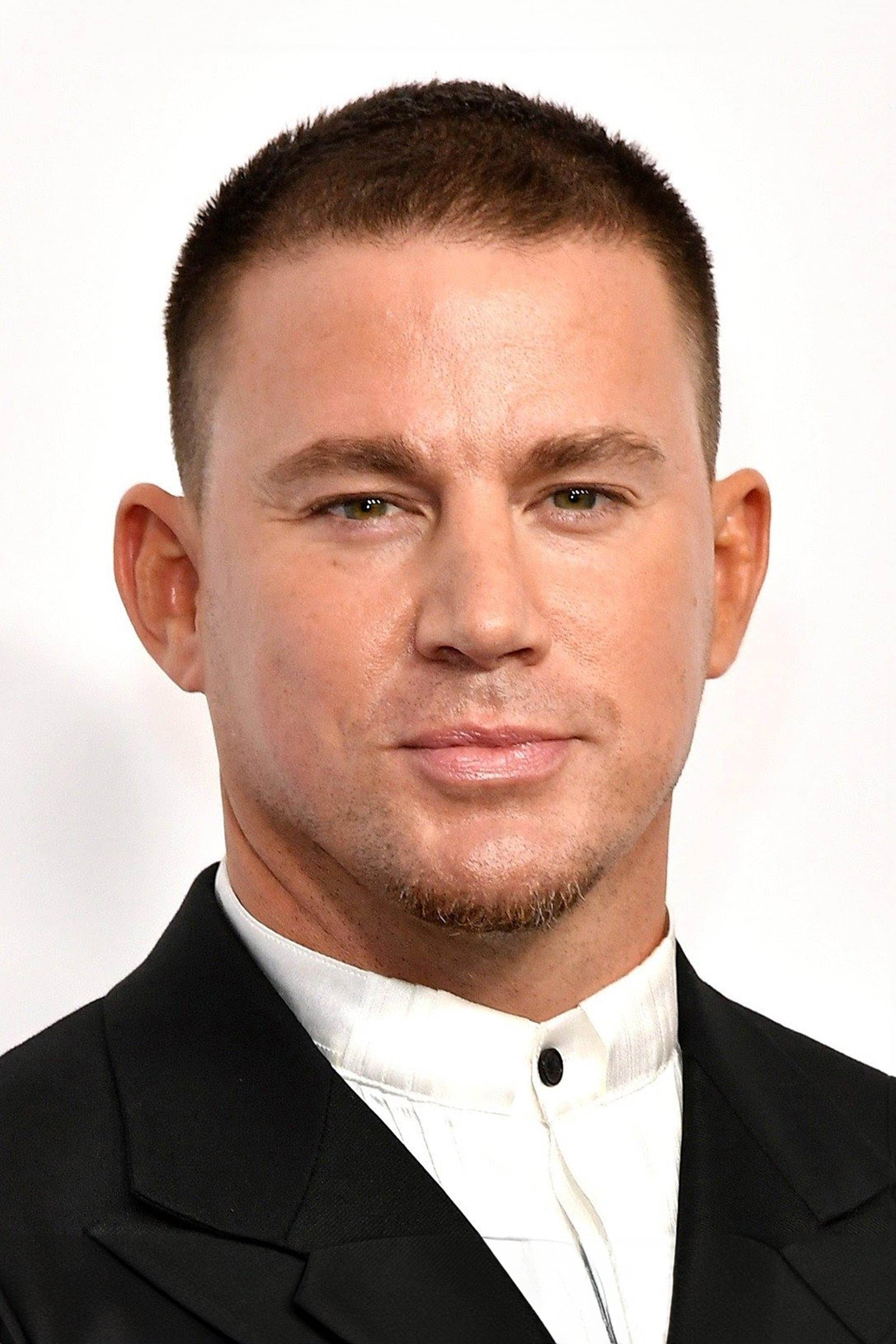
Channing Tatum told a radio host that he was contractually obligated to star in ‘G.I. Joe: The Rise of Cobra’, explaining he had signed a multi-picture deal early in his career. He walked through how those agreements work, why they’re common for emerging actors, and how they can limit freedom when scripts and creative direction shift.
He also described the trade-offs of being tied to a large property while trying to build a diverse résumé. The conversation laid out the backstage mechanics of franchise casting—what leverage an actor does or doesn’t have, and how those early contracts echo years later.
Katherine Heigl on ‘Knocked Up’

In a magazine interview, Katherine Heigl characterized aspects of ‘Knocked Up’ in a way that sparked debate across the industry. She explained her perspective on the film’s depiction of its female lead, connecting it to broader conversations about how comedic narratives assign responsibility and sympathy.
Heigl also discussed why she withdrew her name from Emmy consideration for her TV work that season, citing the material she’d been given. Taken together, her comments mapped how performers navigate public praise, internal misgivings, and the politics of speaking plainly about popular projects.
Daniel Radcliffe on drinking during ‘Harry Potter’

Daniel Radcliffe has openly discussed struggling with alcohol while filming entries in the ‘Harry Potter’ series, including specific periods when he realized the issue was affecting his life. He recounted recognizing unhealthy patterns and deciding to change course, offering detail about support systems and recovery.
He additionally addressed the unusual pressures of growing up on a set while being recognized everywhere. By laying out the timeline and practical steps he took, his interviews became a resource for fans curious about how someone disentangles personal challenges from a career that never really pauses.
Dakota Johnson on the making of ‘Fifty Shades’

Dakota Johnson, in a long-form magazine profile, described the development and production of the ‘Fifty Shades’ films as far more chaotic than audiences might assume. She explained script overhauls, creative disagreements, and how competing visions can collide when adapting material with a massive built-in audience.
Johnson also detailed what it’s like to lead a franchise while working through those tensions—how notes flow, who ultimately decides what stays in, and how an actor protects performance choices in the middle of changes. Her account doubled as a case study in the practical realities of high-stakes adaptations.
Jim Carrey distancing himself from ‘Kick-Ass 2’
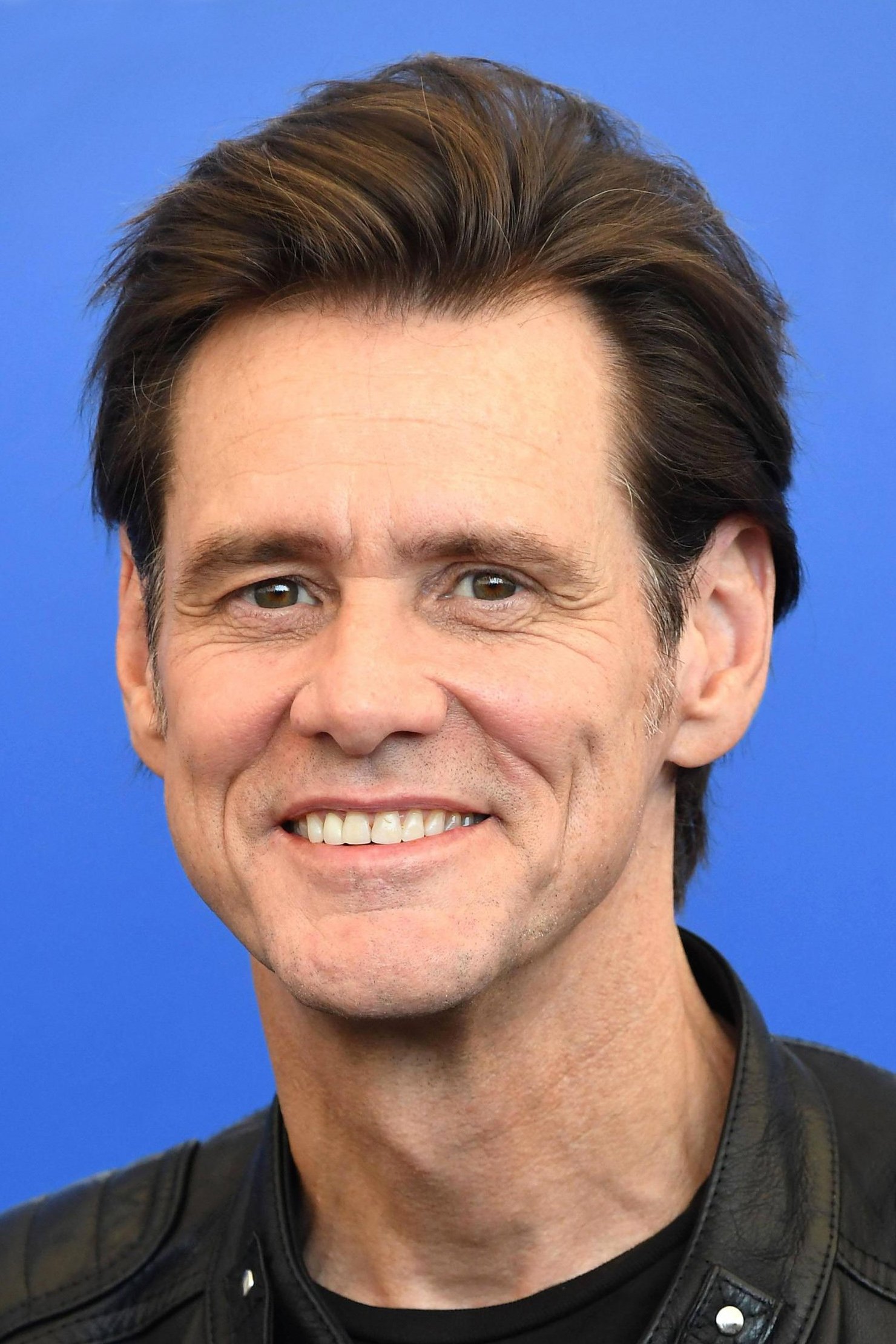
Ahead of release, Jim Carrey publicly announced that he could not support ‘Kick-Ass 2’ given his views on onscreen violence following a real-world tragedy. He laid out his reasoning in clear terms, acknowledging the work of his collaborators while explaining why his stance had changed after filming.
The move highlighted how promotion is not just contractual but also ethical for some performers. Carrey’s explanation walked through the decision process—what he weighed, how he communicated it, and the implications when a star’s public posture diverges from a film’s marketing plan.
John Boyega on ‘Star Wars’
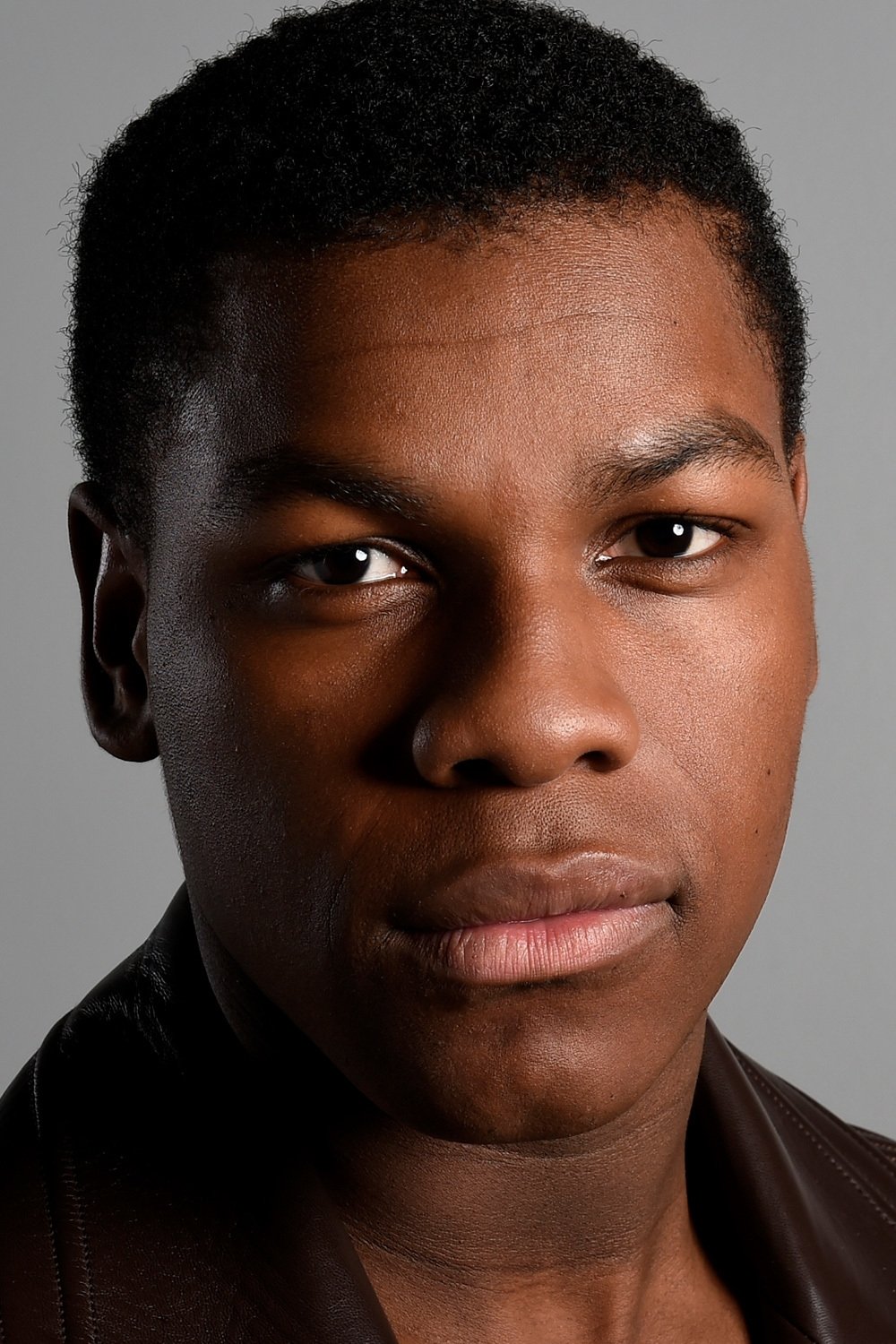
In an in-depth interview, John Boyega criticized how characters of color were handled across the recent ‘Star Wars’ entries. He discussed marketing promises versus ultimate screen time and development, and he provided concrete examples of arcs that narrowed over time.
Boyega also described the experience of voicing these concerns while still connected to a global franchise, including the personal and professional calculations involved. His comments became a focal point for larger industry conversations about representation, creative follow-through, and accountability.
Andrew Garfield on losing ‘Spider-Man’
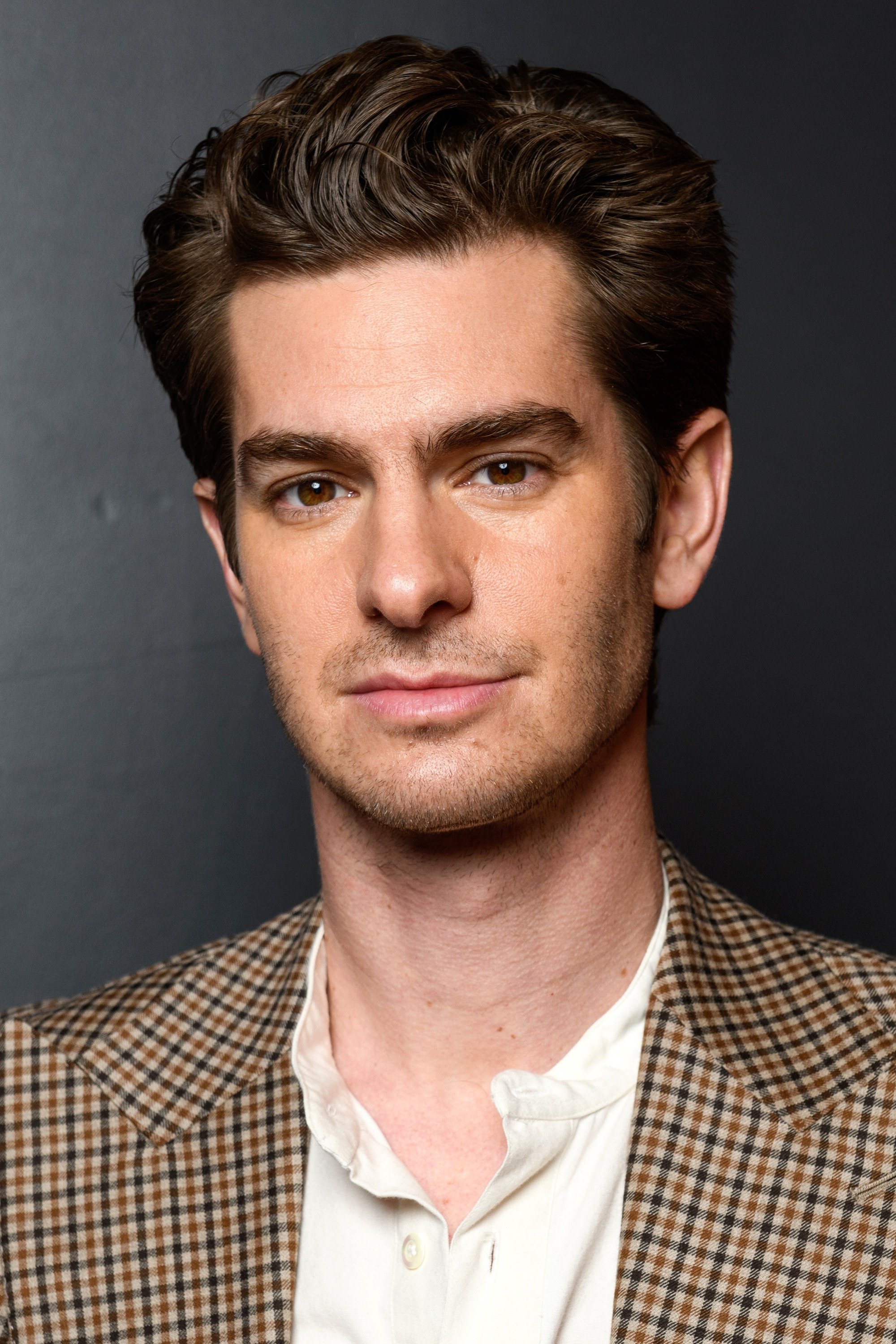
Andrew Garfield has spoken about the abrupt end of his tenure in ‘Spider-Man’ films, explaining how studio decisions—not a single incident—determined the character’s future. He described learning the role would be recast and how that reality surfaces for an actor in the middle of developing a continuing arc.
He also reflected on the difference between creative intent and corporate planning, detailing how scheduling, leadership changes, and long-range strategy can overtake individual performances. The interview illuminated how quickly a franchise can pivot, even with a lead who is deeply invested.
Megan Fox on Michael Bay and ‘Transformers’

Megan Fox’s remarks comparing her director to a dictator in tone and style of working led to significant fallout around ‘Transformers’. She specified what she experienced on set and why she chose such pointed language, fully aware of the consequences it could carry within a high-grossing series.
The interview became a flashpoint for discussions of power dynamics, set culture, and retaliation. Fox’s account outlined the steps that followed—professional separation, public statements from collaborators, and the industry’s response—offering a clear timeline from comment to consequence.
Charlize Theron on tension during ‘Mad Max: Fury Road’
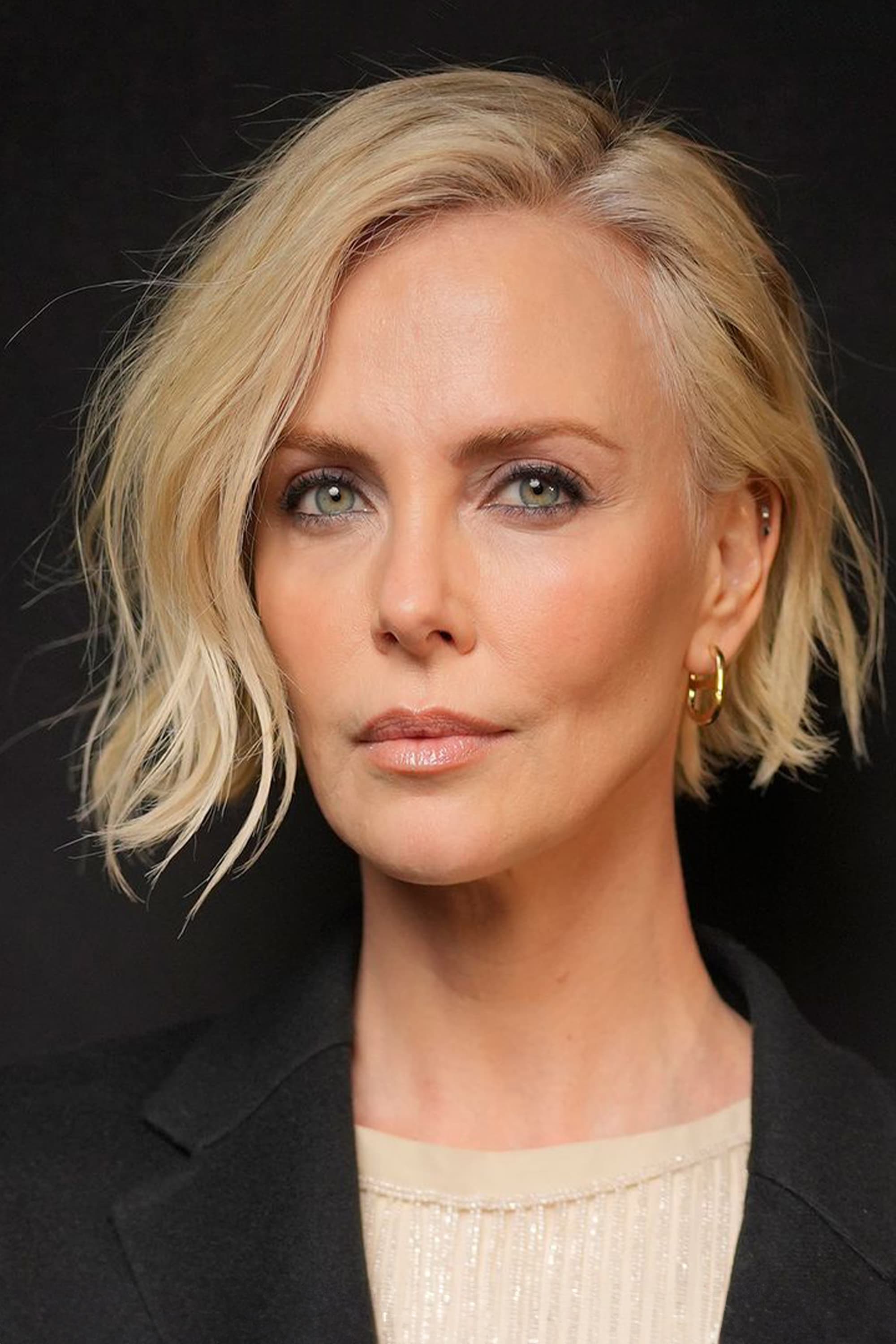
Charlize Theron has described sustained friction with her co-star during ‘Mad Max: Fury Road’, including a specific incident that prompted a more formal conversation about safety and respect on set. She recounted how production addressed the issue and how the working relationship evolved afterward.
Theron’s interviews also unpacked the broader conditions of that shoot—logistics, remote locations, and the intensity of practical action—which can heighten stress and miscommunication. By laying out both incident and context, she provided a grounded look at how large productions correct course midstream.
Joaquin Phoenix’s chaotic ‘Letterman’ appearance
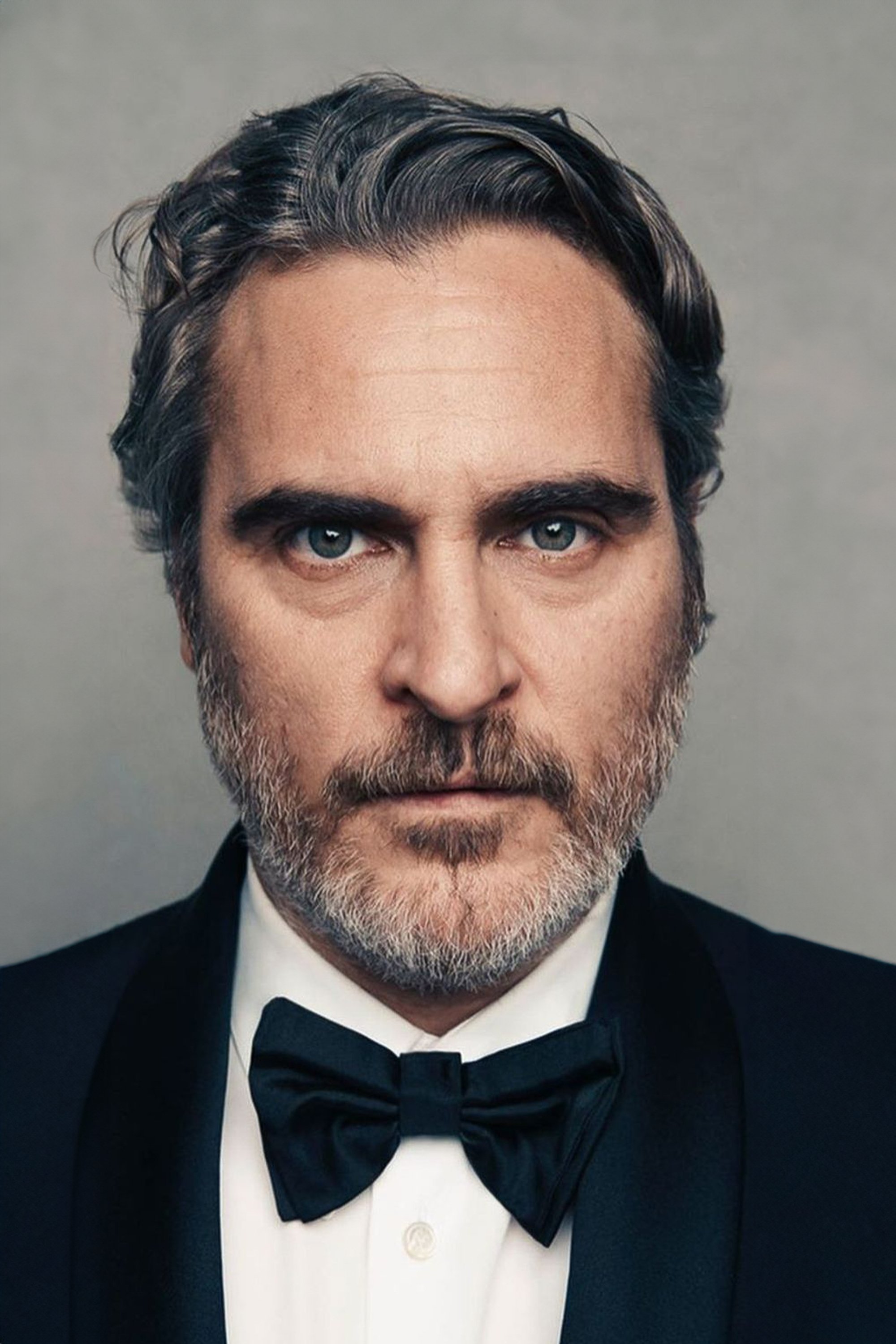
While promoting ‘Two Lovers’, Joaquin Phoenix appeared on a late-night show in an erratic persona that stunned viewers and hosts alike. He offered short, disjointed answers, stayed behind sunglasses, and seemed disengaged from the usual promotional chat.
It was later revealed as part of a performance for a documentary project, turning the original shock into a commentary on celebrity and media. Phoenix’s subsequent explanations traced how the bit was conceived, who was in on it, and what he wanted audiences to question about talk-show conventions.
Brendan Fraser on career fallout after an allegation
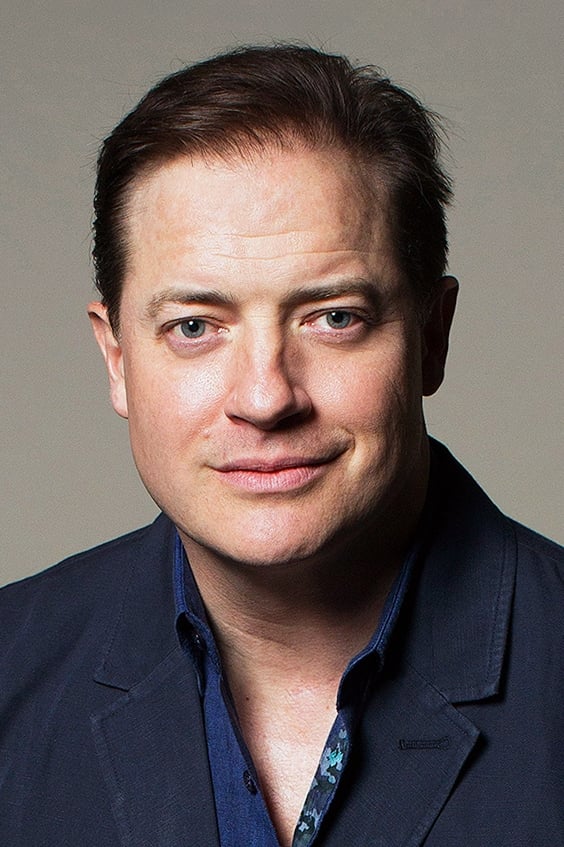
Brendan Fraser told a magazine that a powerful awards-group figure had assaulted him years earlier, and that speaking up contributed to a period of professional decline. He gave a detailed account of the event, the immediate aftermath, and the years that followed.
Fraser also described the process of returning to work with greater agency—choosing roles carefully, prioritizing safe environments, and engaging directly with fans. His interview documented not only the allegation but the longer arc of rebuilding trust and momentum in a public career.
Alec Guinness on ‘Star Wars’ dialogue and fandom
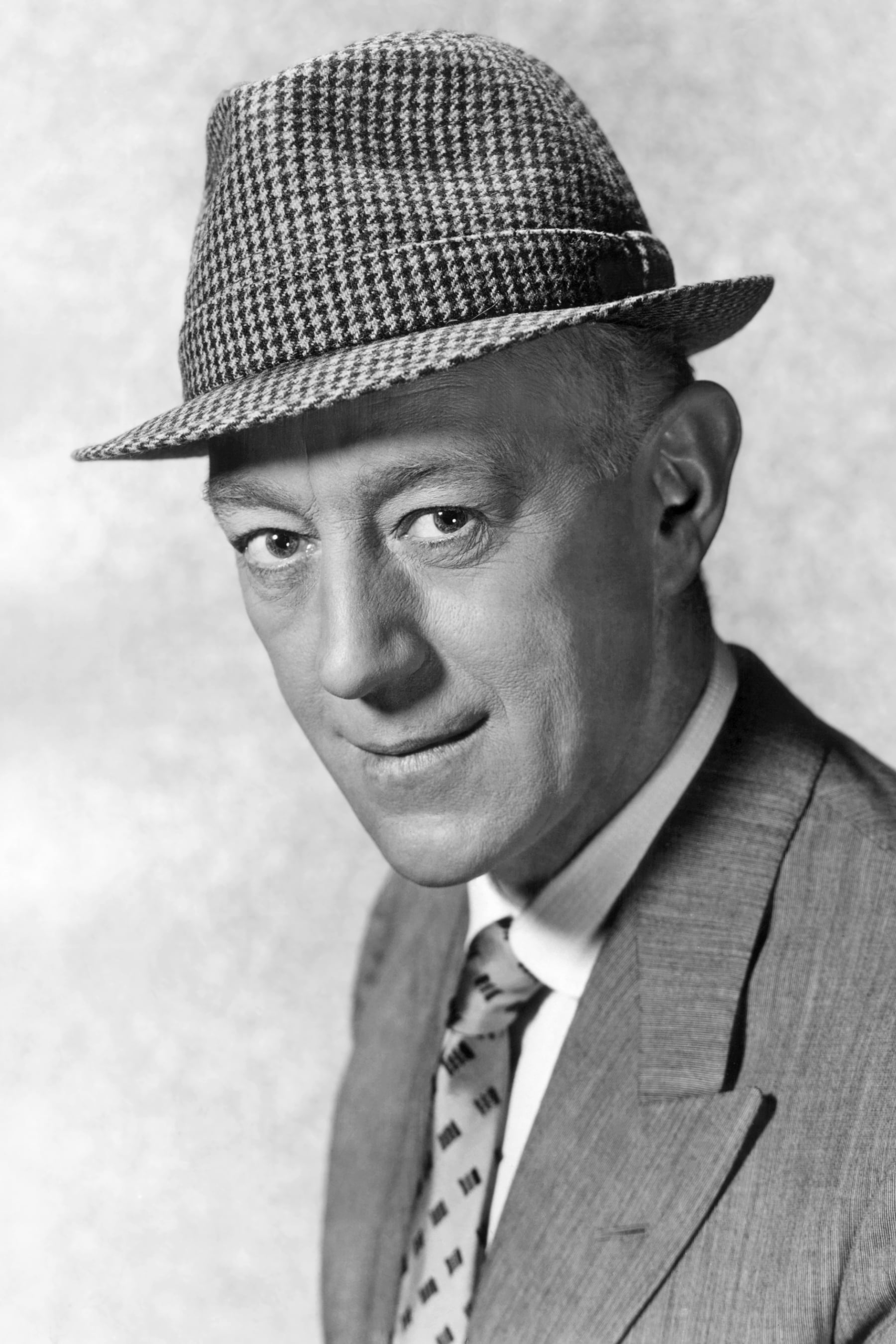
Alec Guinness repeatedly remarked that he found some of the dialogue in ‘Star Wars’ difficult to deliver and not to his taste. He explained the craft challenge of giving weight to lines that felt awkward on the page, and how he approached the role with classical technique anyway.
He also recounted encounters with fans, including a story about asking a young admirer to rethink endlessly rewatching the film. By sharing these anecdotes, Guinness contrasted the enduring cultural impact of the series with the very different experience of performing it.
Viola Davis on regrets about ‘The Help’
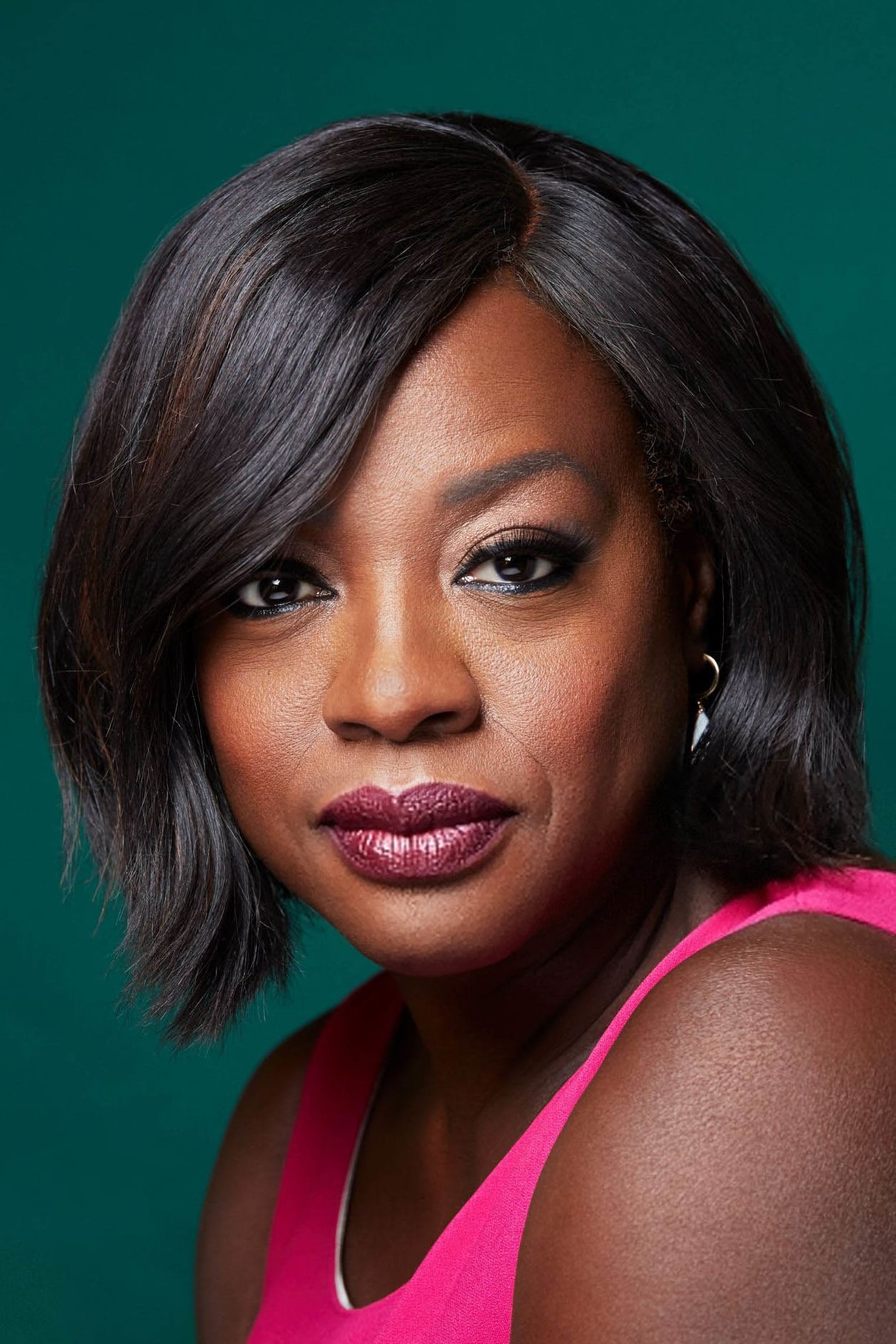
Viola Davis later said she had reservations about ‘The Help’, noting that the story centers the perspective of a white character. In interviews, she clarified that she valued the collaboration and the visibility the role brought, but that she questioned the narrative framing.
Davis used the moment to connect individual choices to systemic patterns—how projects are greenlit, whose stories are prioritized, and how actors weigh opportunity against representation. Her comments added specificity to ongoing discussions about whose viewpoints drive mainstream period dramas.
Shia LaBeouf on plagiarism and course correction
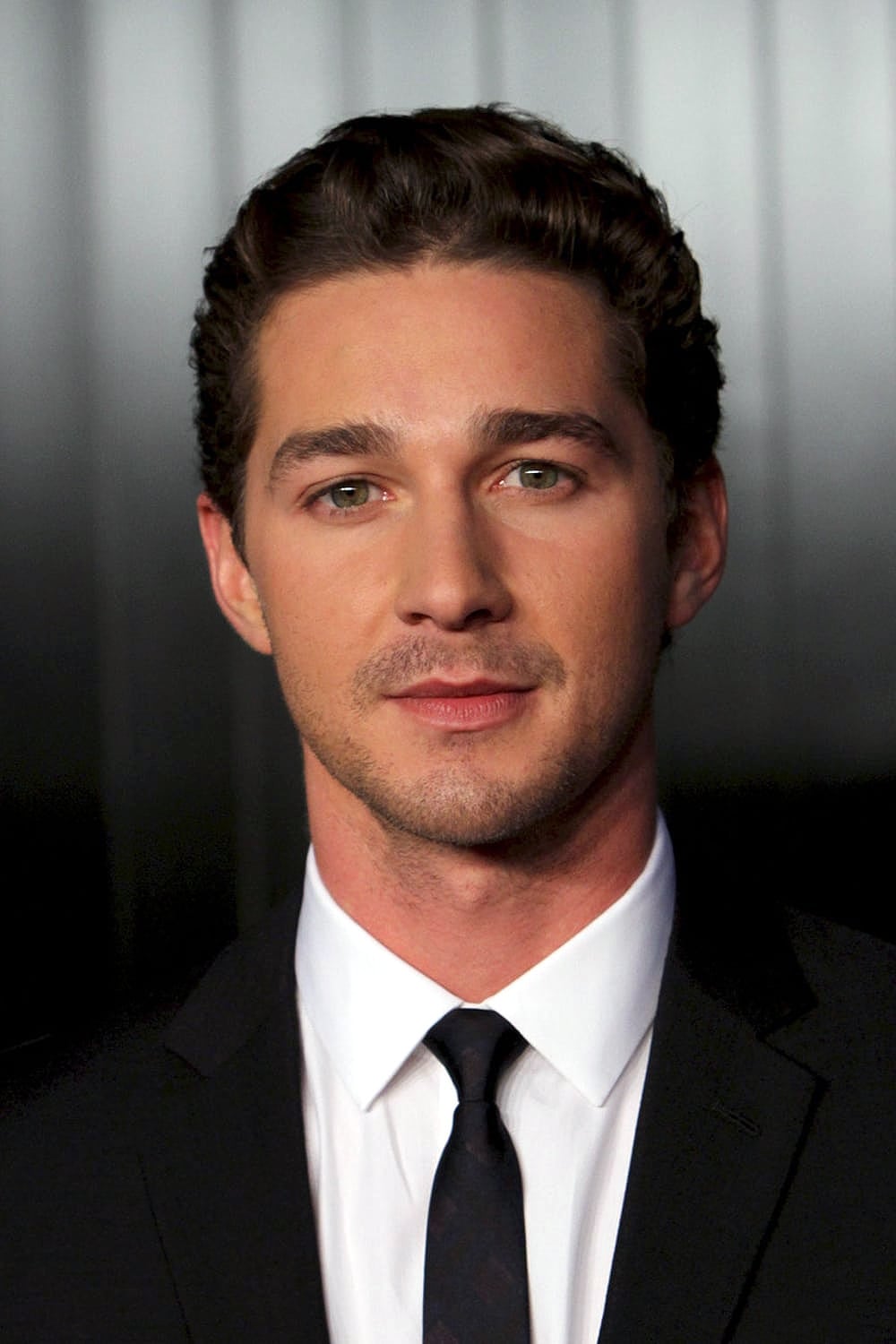
After releasing short films and performance pieces that drew accusations of plagiarism, Shia LaBeouf addressed the issue publicly. He acknowledged using others’ words without proper credit and described the steps he took to make amends, including direct outreach and revisions.
LaBeouf also discussed the intertwined nature of provocation, authorship, and accountability in experimental work. His interviews traced a path from public backlash to reflection, laying out how an artist adjusts methods and expectations after crossing ethical lines.
Share your thoughts below: which interview stunned you the most, and why?