15 Series Like Netflix’s ‘The Law of Beasts’

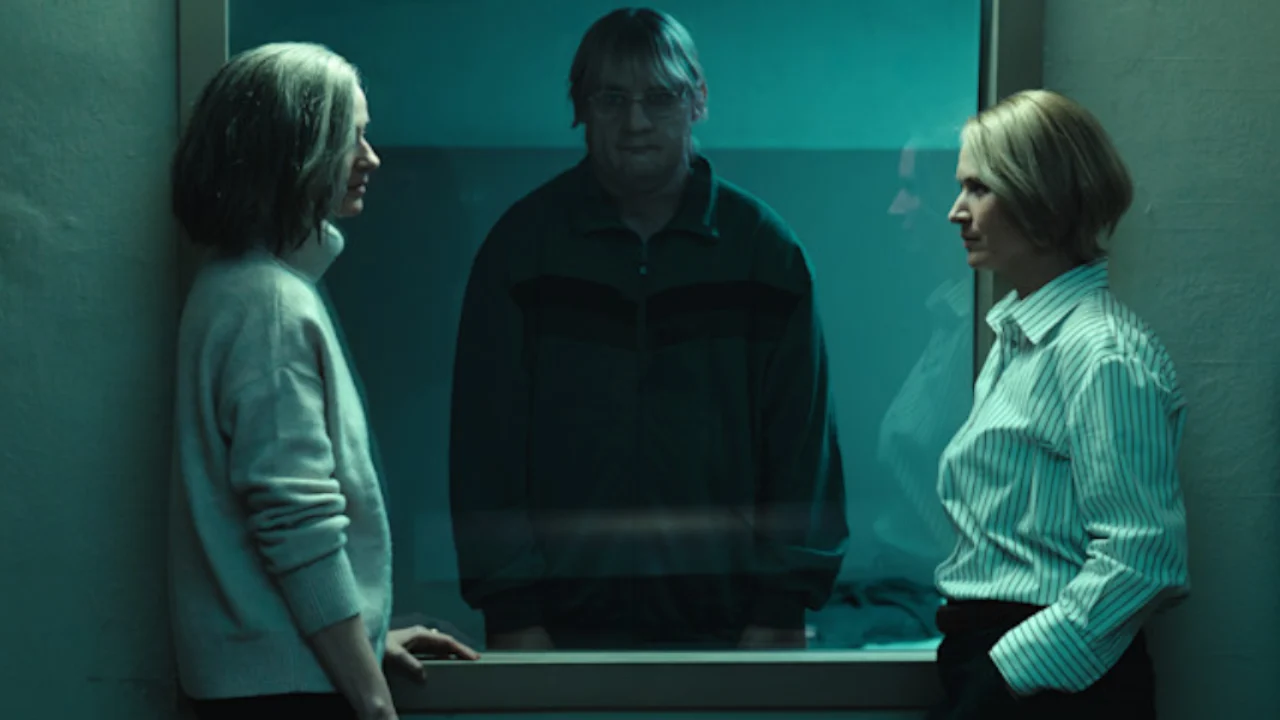
Directed by Kasper Bajon and co-written by Bajon and Anna Kasińska, Netflix’s four-part Polish crime drama ‘The Law of Beasts’ (Polish: ‘Prawo bestii’) premieres on November 18, 2026, exploring the intersection of justice, friendship, and institutional responsibility. Inspired by the 1988 child murders committed by Mariusz Trynkiewicz and the 2014 legislation known as Poland’s “Beast Law,” the limited series follows militia Major Anna Bersz (Agnieszka Grochowska) and psychiatrist Agnieszka Grabska (Agnieszka Żulewska) across two timelines separated by 25 years.
When the convicted killer nears release in 2014, the estranged former friends must confront the decisions that fractured their bond and weigh public safety against the rule of law. The following 15 series share core elements with ‘The Law of Beasts’, ranging from its Polish creative team and cast to dual-timeline mysteries, forensic psychology, and true-crime examinations of legal and systemic dilemmas.
‘The Mire’ (2018–2024)

Created and directed by Jan Holoubek and co-written by ‘The Law of Beasts’ director Kasper Bajon, ‘The Mire’ (Polish: ‘Rojst’) is a three-season Polish crime thriller set in a fictional provincial town. Its first season opens in 1984 communist Poland, where veteran journalist Witold Wanycz (Andrzej Seweryn) and young reporter Piotr Zarzycki (Dawid Ogrodnik) question the police investigation into a double murder and a pair of teenage suicides. Subsequent seasons jump forward to the 1997 flood in ‘The Mire ’97’ and the turn of the century alongside 1960s flashbacks in ‘The Mire: Millennium’. Agnieszka Żulewska and Michał Pawlik, who star as Agnieszka Grabska and Mariusz Trynkiewicz in ‘The Law of Beasts’, also appear in the cast as Nadia and Jarek Małecki. Across 17 episodes, the trilogy examines state cover-ups, buried wartime history, and the lasting moral compromises made across shifting political eras.
‘High Water’ (2022)

Written by Kasper Bajon alongside Kinga Krzemińska and directed by Jan Holoubek and Bartłomiej Ignaciuk, the Netflix historical drama ‘High Water’ (Polish: ‘Wielka woda’) stars ‘The Law of Beasts’ lead Agnieszka Żulewska. Inspired by the 1997 Millennium Flood in Wrocław, the series follows hydrologist Jaśmina Tremer (Żulewska) as she returns to her hometown to assist authorities confronting an approaching flood wave. Working with Deputy Voivode Jakub Marczak (Tomasz Schuchardt), Tremer battles bureaucratic incompetence among local officials while navigating unresolved personal history between the two former friends. Meanwhile, Andrzej Rębacz (Ireneusz Czop) leads residents of a nearby village protesting plans to breach their levees to save the city. Like ‘The Law of Beasts’, the drama places fictionalized protagonists inside a documented Polish crisis to examine how public officials make high-stakes decisions under extreme pressure.
‘Heweliusz’ (2025)

Written by Kasper Bajon and directed by Jan Holoubek, the five-part Netflix miniseries ‘Heweliusz’ dramatizes the 1993 sinking of the Polish ferry MS Jan Heweliusz in the Baltic Sea. Featuring Magdalena Różczka, Michał Żurawski, Borys Szyc, Konrad Eleryk, and Justyna Wasilewska, the series splits its narrative between the night of the maritime catastrophe and the subsequent proceedings before the Maritime Chamber. On land, survivors and victims’ widows challenge official attempts to place blame on late captain Andrzej Ułasiewicz (Szyc) amid post-communist institutional unraveling. Żurawski plays Captain Piotr Binter, an officer caught between loyalty to his former mentor and uncovering uncomfortable truths about the vessel’s earlier repairs. Its blend of real Polish history and a courtroom fight against state indifference closely parallels Bajon’s approach in ‘The Law of Beasts’.
‘Lead Children’ (2026)

Released on Netflix in February 2026, the six-part Polish historical drama ‘Lead Children’ (Polish: ‘Ołowiane dzieci’) is written by Jakub Korolczuk and directed by Maciej Pieprzyca. Inspired by real events in 1970s Silesia, the miniseries stars Joanna Kulig as Dr. Jolanta Wadowska-Król, a young physician who uncovers widespread lead poisoning among children living near a steelworks and smelting plant. Working alongside nurse Wiesława Wilczek (Kinga Preis) and professor Krystyna Berger (Agata Kulesza), the doctor risks her career and safety to treat the affected youth. Her medical findings bring her into direct conflict with communist-era authorities attempting to suppress news of the toxic contamination. Both ‘Lead Children’ and ‘The Law of Beasts’ depict professionals inside Polish institutions confronting ethical obligations toward endangered children under systemic pressure.
‘The Woods’ (2020)
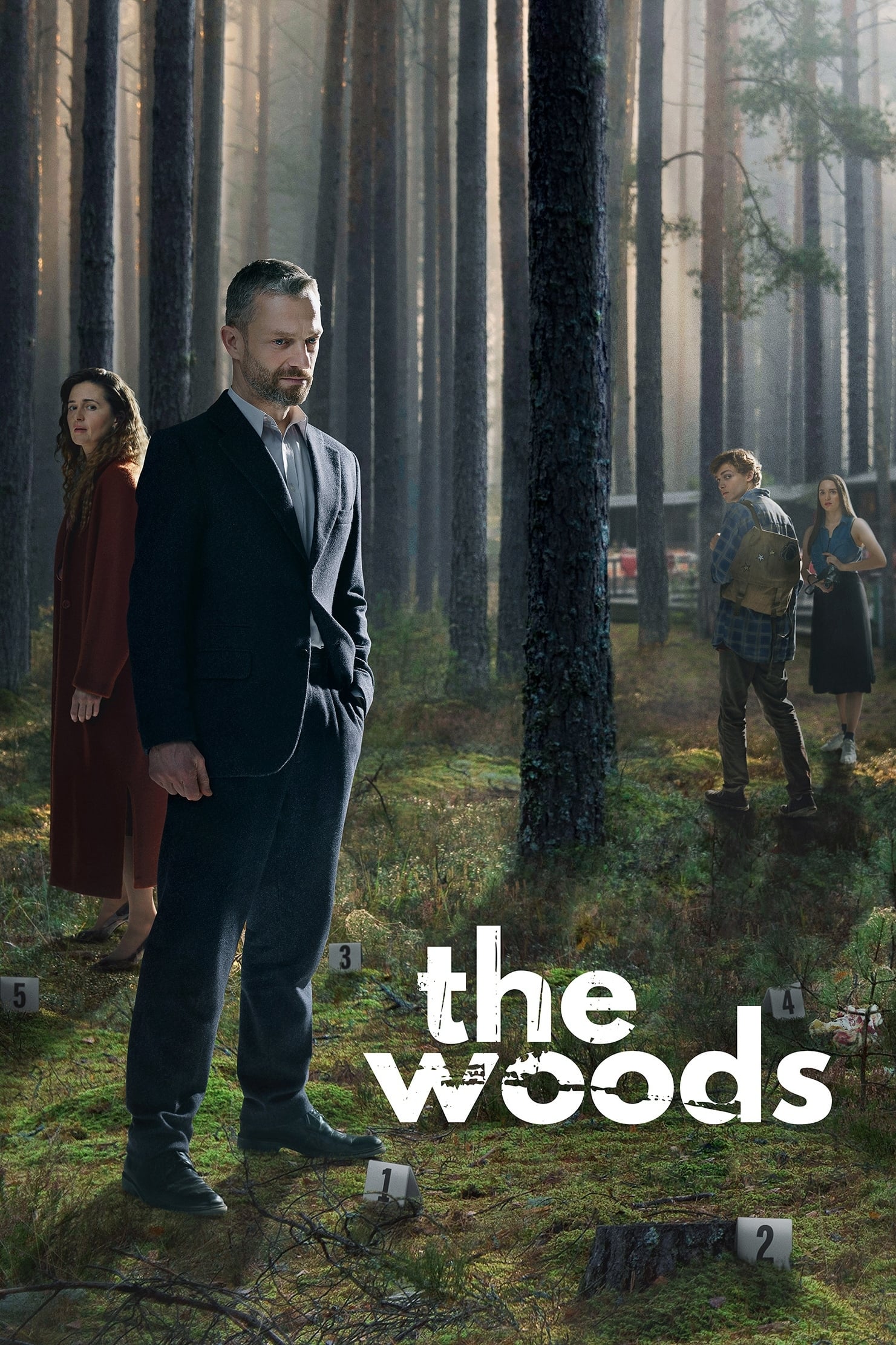
Starring ‘The Law of Beasts’ co-lead Agnieszka Grochowska alongside Grzegorz Damięcki, ‘The Woods’ (Polish: ‘W głębi lasu’) is a six-episode Polish Netflix miniseries adapted from Harlan Coben’s novel. Directed by Leszek Dawid and Bartosz Konopka, the mystery thriller unfolds across two timelines set 25 years apart in August 1994 and September 2019. In 2019, Warsaw prosecutor Paweł Kopiński (Damięcki) is called to identify a homicide victim tied to a 1994 summer camp where two youths were killed and his sister Kamila disappeared. The new evidence forces Paweł and childhood acquaintance Laura Goldsztajn (Grochowska) to reopen painful family secrets and confront the unresolved investigation. With its 25-year time jump and Grochowska in a central role, the series shares both cast lineage and structural parallels with ‘The Law of Beasts’.
‘Mindhunter’ (2017–2019)
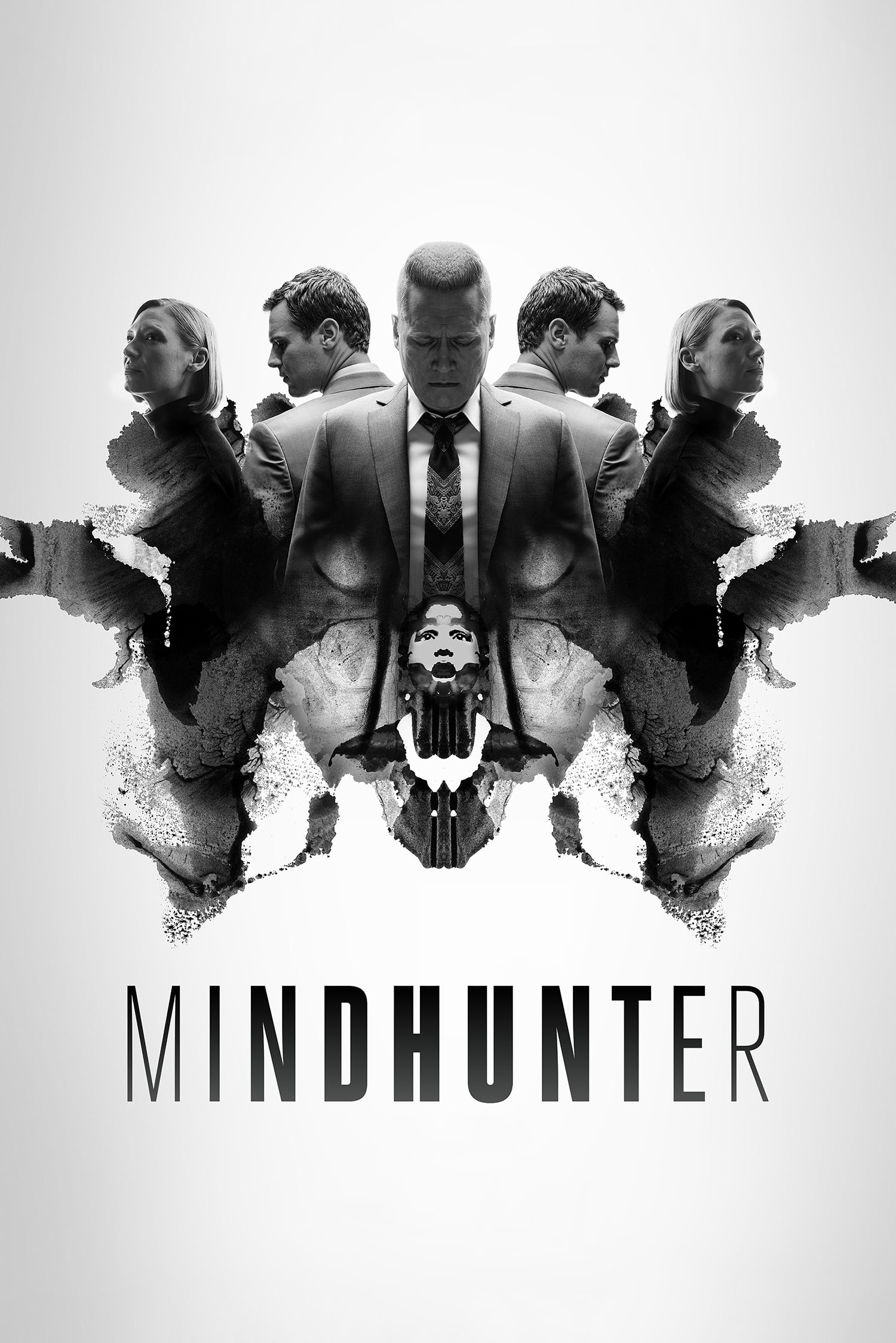
Created by Joe Penhall and executive produced by David Fincher and Charlize Theron, Netflix’s ‘Mindhunter’ adapts the true-crime book by former FBI agent John E. Douglas and Mark Olshaker. Set in the late 1970s and early 1980s, the two-season psychological crime drama stars Jonathan Groff, Holt McCallany, and Anna Torv as FBI agents and a psychologist establishing the agency’s Behavioral Science Unit. By conducting prison interviews with real-life serial killers such as Ed Kemper and Charles Manson, the team pioneers criminal profiling to assist active investigations. The second season extends their behavioral methods to the Atlanta Child Murders while examining the psychological toll of studying violent offenders. Its focus on criminal psychology and clinical assessment in a period setting aligns closely with Agnieszka Grabska’s evaluation role in ‘The Law of Beasts’.
‘The Alienist’ (2018–2020)
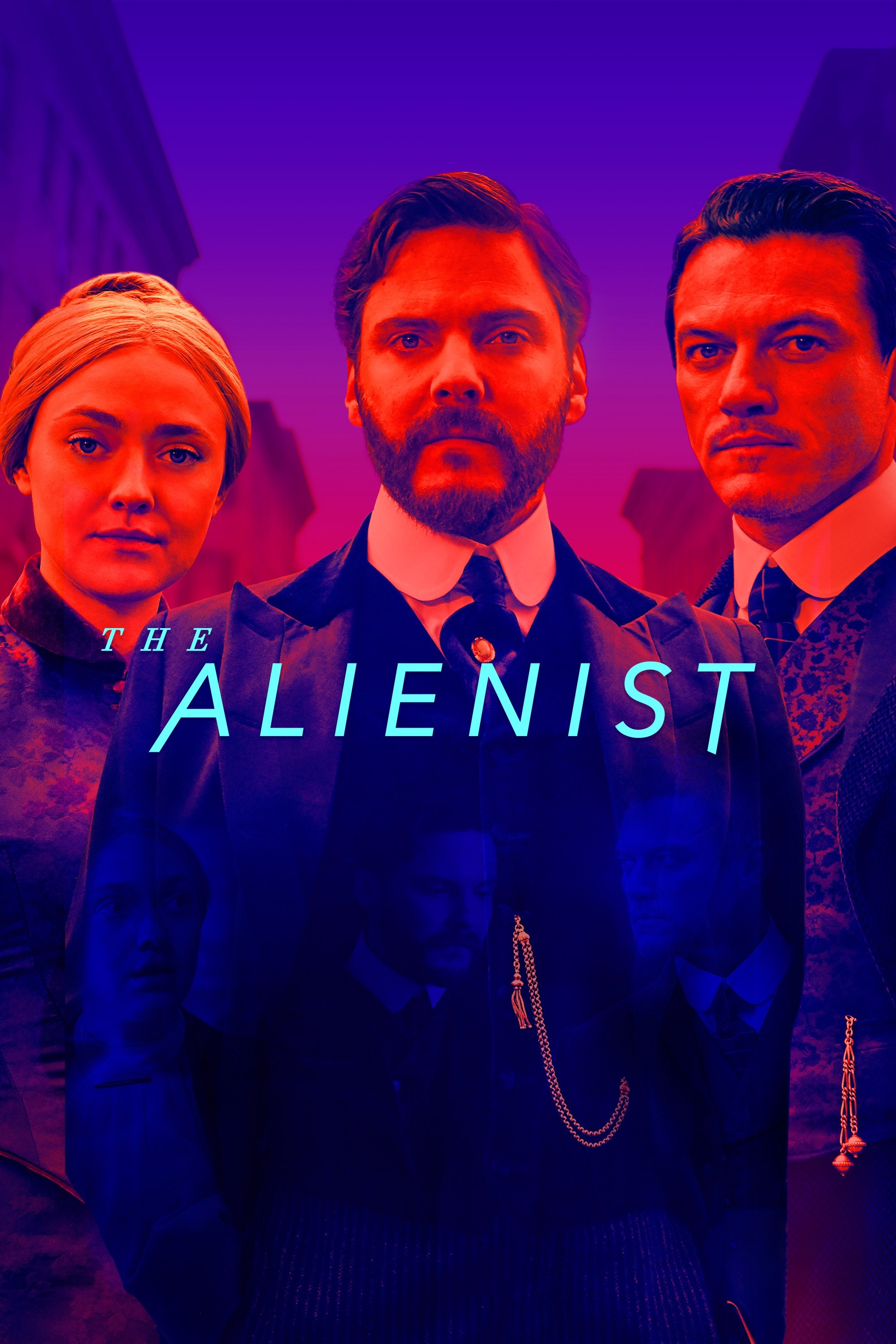
Based on Caleb Carr’s novels, the two-season period thriller ‘The Alienist’ stars Daniel Brühl, Luke Evans, and Dakota Fanning in late-1890s New York City. Newly appointed police commissioner Theodore Roosevelt (Brian Geraghty) enlists criminal psychologist Dr. Laszlo Kreizler (Brühl), reporter John Moore (Evans), and NYPD secretary Sara Howard (Fanning) to investigate the gruesome murders of young boys. Relying on early forensic methods and behavioral psychology rather than conventional policing, the outsiders attempt to profile the killer. The 2020 second season, ‘The Alienist: Angel of Darkness’, reunites the trio as private detective Sara Howard searches for a kidnapped infant while Kreizler works to save an accused woman from execution. Pairing a female investigator with a forensic psychiatrist to solve crimes targeting children creates strong thematic overlap with ‘The Law of Beasts’.
‘Unbelievable’ (2019)

Co-created by Susannah Grant, Ayelet Waldman, and Michael Chabon, the eight-part Netflix miniseries ‘Unbelievable’ dramatizes the Pulitzer Prize-winning reporting of T. Christian Miller and Ken Armstrong. The story follows teenager Marie Adler (Kaitlyn Dever), who is pressured by police into recanting her sexual assault report and subsequently charged with making a false statement. Years later and states away, detectives Grace Rasmussen (Toni Collette) and Karen Duvall (Merritt Wever) team up to investigate a series of similar attacks by a serial predator. Through methodical cross-jurisdictional police work, the two women uncover evidence connecting the crimes and exposing earlier institutional missteps. Its dual focus on female investigators and the consequences of flawed official procedures echoes the institutional scrutiny of ‘The Law of Beasts’.
‘When They See Us’ (2019)

Created, co-written, and directed by Ava DuVernay for Netflix, ‘When They See Us’ is a four-part limited series based on the 1989 Central Park jogger case. The drama traces the arrests, coerced interrogations, and wrongful convictions of five Black and Latino teenagers from Harlem despite the absence of physical evidence. Featuring Jharrel Jerome, Asante Blackk, Caleel Harris, Ethan Herisse, Marquis Rodriguez, Vera Farmiga, and Felicity Huffman, the narrative spans more than a decade from the 1989 investigation to the men’s 2002 exonerations. DuVernay depicts how intense media attention and prosecutorial pressure shape decisions inside the legal system. Like ‘The Law of Beasts’, the four-episode series begins in the late 1980s and follows the multi-decade legal and personal fallout of institutional choices.
‘The Investigation’ (2020)

Written and directed by Tobias Lindholm, the six-episode Danish miniseries ‘The Investigation’ (Danish: ‘Efterforskningen’) dramatizes the real-life investigation into the 2017 murder of Swedish journalist Kim Wall. Starring Søren Malling as Copenhagen Homicide Chief Jens Møller and Pilou Asbæk as Special Prosecutor Jakob Buch-Jepsen, the drama also features Pernilla August and Rolf Lassgård as Wall’s parents. Developed in close consultation with Møller and Wall’s family, the series follows investigators over eight months after Wall disappears aboard a homemade submarine. Rather than focusing on violent spectacle, the story centers on procedural rigor and the legal challenges prosecutors face in building an airtight case. Its measured look at the duties of police and legal officials aligns directly with the institutional perspective of ‘The Law of Beasts’.
‘Des’ (2020)

Created by Luke Neal and Lewis Arnold, the three-part British miniseries ‘Des’ chronicles the 1983 arrest and prosecution of serial killer Dennis Nilsen in London. David Tennant stars as Nilsen alongside Daniel Mays as Detective Chief Inspector Peter Jay and Jason Watkins as biographer Brian Masters. After human remains in a blocked drain lead to Nilsen’s immediate confession, police face mounting pressure to identify victims and secure a conviction once the killer withdraws his cooperation. Meanwhile, Masters’ interviews with Nilsen probe the psychological motives behind the murders without resorting to graphic bloodshed. This interplay between police accountability, psychological inquiry, and legal strategy recalls the central dynamic in ‘The Law of Beasts’.
‘The Pembrokeshire Murders’ (2021)

Written by Nick Stevens and directed by Marc Evans, ‘The Pembrokeshire Murders’ is a three-part British true-crime drama adapted from the book by Senior Investigating Officer Steve Wilkins and journalist Jonathan Hill. Luke Evans portrays Detective Superintendent Steve Wilkins, who returns to Wales in 2006 and reopens two unsolved double murders from the 1980s. Using advances in DNA and fiber forensics alongside archival footage from the quiz show ‘Bullseye’, Wilkins and his team connect the killings to John Cooper (Keith Allen), a burglar nearing the end of a prison sentence. Detectives race to gather enough admissible evidence to charge Cooper before he can walk free. That urgent legal dilemma—preventing a 1980s offender from reentering society as his sentence expires—closely mirrors the 2014 conflict in ‘The Law of Beasts’.
‘Black Bird’ (2022)
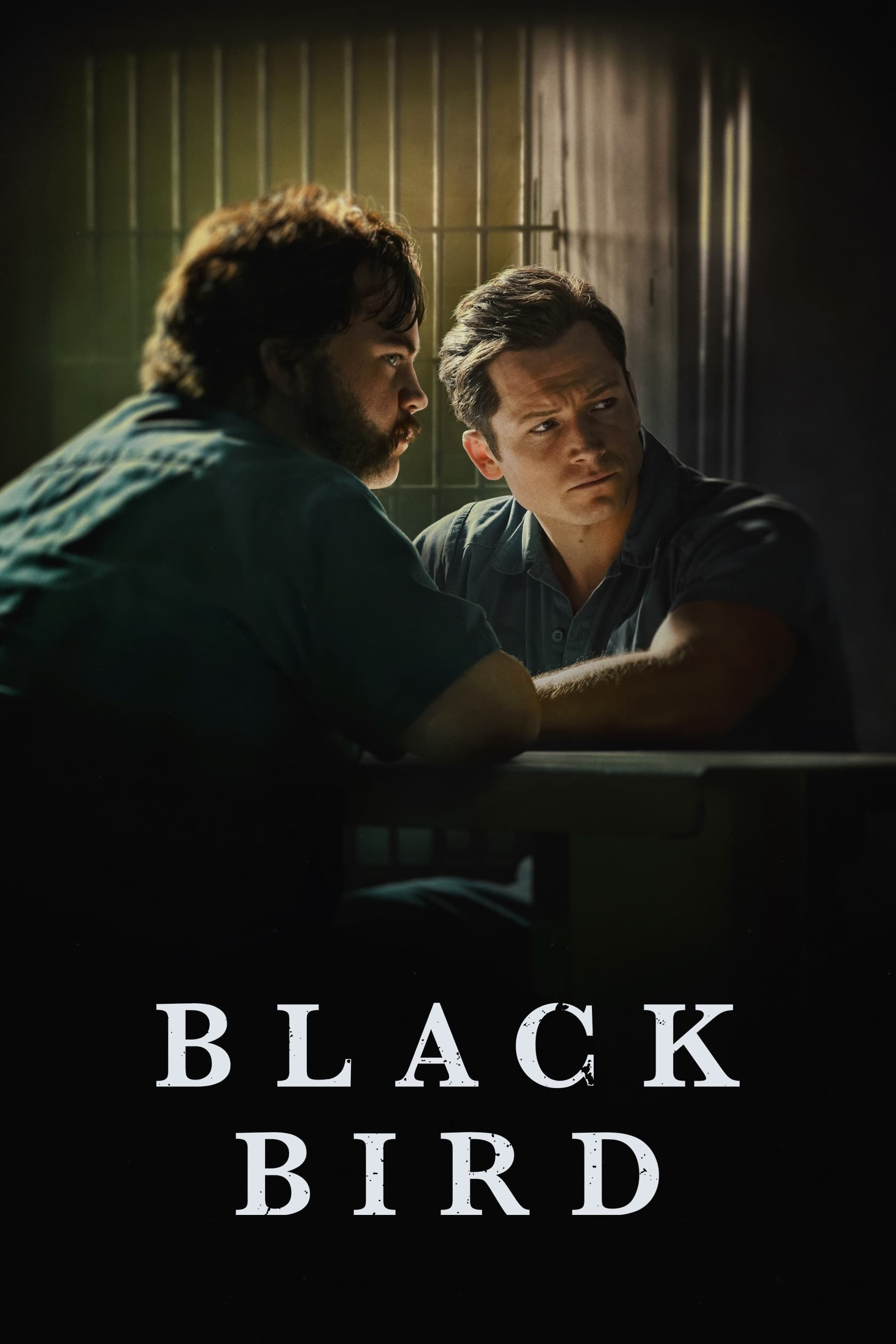
Developed by Dennis Lehane, the six-episode Apple TV+ miniseries ‘Black Bird’ stars Taron Egerton, Paul Walter Hauser, Sepideh Moafi, Greg Kinnear, and Ray Liotta. Serving a 10-year sentence without parole, Jimmy Keene (Egerton) accepts a deal from prosecutor Lauren McCauley (Moafi) to transfer to a maximum-security prison for the criminally insane. Keene must befriend suspected serial killer Larry Hall (Hauser) and obtain a confession revealing where several young girls and women are buried before Hall’s second appeal succeeds. Driven by tense psychological conversations rather than physical action, the drama forces Keene to navigate Hall’s disturbing stories and a corrupt prison hierarchy. Just like ‘The Law of Beasts’, the series hinges on the race to protect potential future victims when legal appeals threaten to release a suspected killer.
‘Sambre’ (2023)

Directed by Jean-Xavier de Lestrade and written by Alice Géraud and Marc Herpoux, the six-part French-Belgian miniseries ‘Sambre’ (also broadcast as ‘Sambre: Anatomy of a Crime’) is based on Géraud’s non-fiction book. Starring Alix Poisson, Clémence Poésy, Olivier Gourmet, Pauline Parigot, Noémie Lvovsky, and Julien Frison, the drama traces the 30-year pursuit of serial rapist Dino Scala—depicted as Enzo Salina (Jonathan Turnbull)—along the River Sambre from 1988 to 2018. Each episode shifts perspective to a different figure linked to the case, including a victim, an investigating judge, a mayor, a scientist, a cold-case detective, and the perpetrator. Across three decades, the series examines how institutional blind spots, overwhelmed courts, and shifting social attitudes allowed a serial offender to evade capture. Its multi-decade timeline beginning in 1988 and focus on judicial and investigative accountability strongly parallel ‘The Law of Beasts’.
‘The Asunta Case’ (2024)
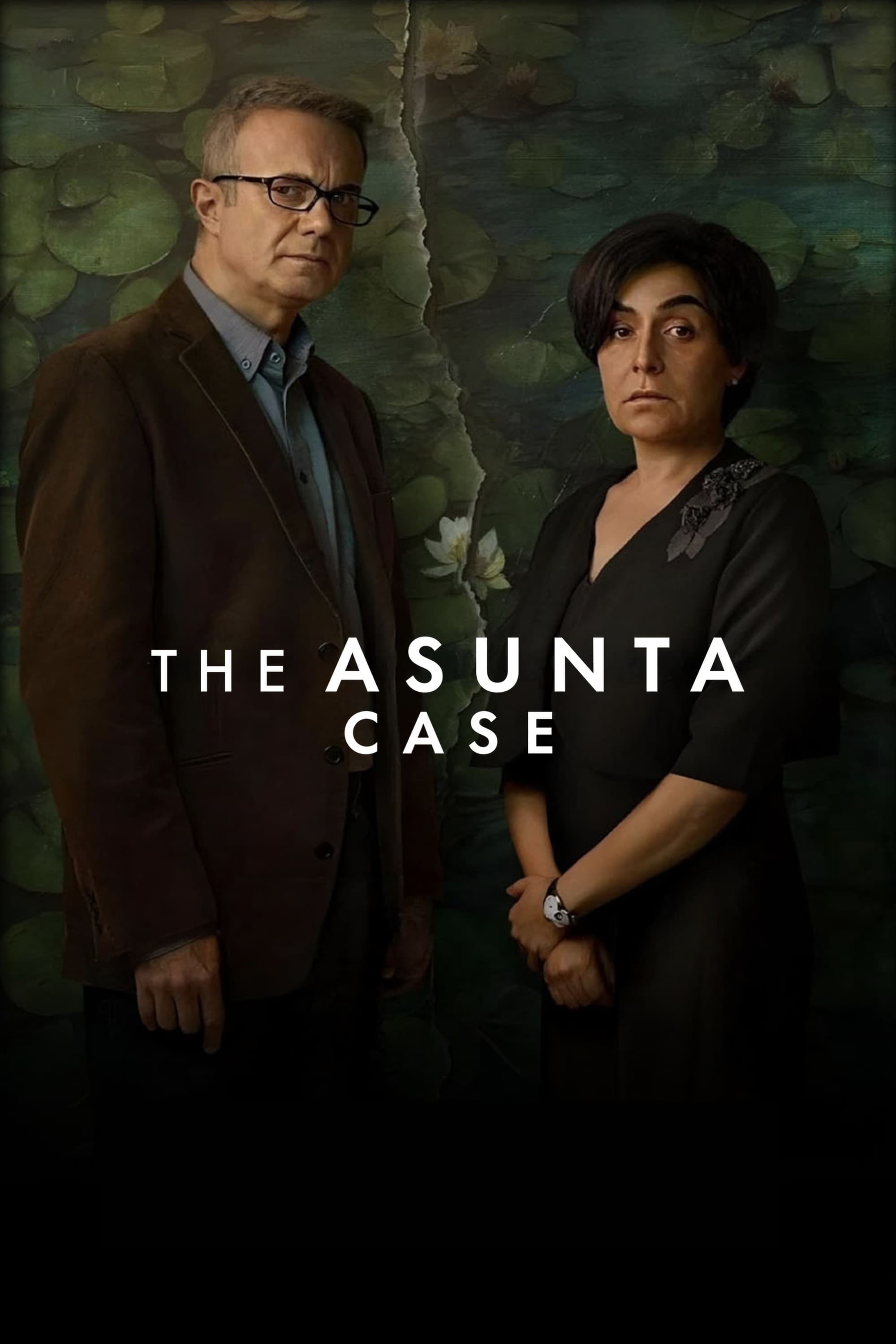
Created by Ramón Campos, Gema R. Neira, Jon de la Cuesta, and David Orea Arribas, the six-episode Spanish Netflix miniseries ‘The Asunta Case’ (Spanish: ‘El caso Asunta’) dramatizes the 2013 murder of 12-year-old Asunta Basterra. Candela Peña and Tristán Ulloa star as adoptive parents Rosario Porto and Alfonso Basterra, who report their daughter missing before becoming the central suspects in her death. Directed by Carlos Sedes and Jacobo Martínez, the drama also follows Judge Malvar (Javier Gutiérrez) and investigators portrayed by Carlos Blanco and María León as they examine forensic findings and conflicting testimonies. Rather than functioning solely as a mystery, the series dissects the legal process, media scrutiny, and psychological dynamics surrounding the accused. Its examination of a real-life European child murder investigation and the ensuing judicial reckoning shares key thematic ground with ‘The Law of Beasts’.
Share your thoughts in the comments on which of these investigative crime and legal dramas best matches the themes of ‘The Law of Beasts’.