1970s TV Dramas That Are Completely Unwatchable Today


The 1970s were packed with earnest detectives, family sagas, and high-concept adventures, many of which helped define TV drama as a weekly ritual. Below is a look back at two dozen plus series from that decade—who made them, what they were about, who starred, and how they fit into the schedules and trends of their time. Think of it as a compact guide to the police precincts, ranch houses, emergency bays, and far-flung starships that once dominated prime time.
‘Kojak’ (1973–1978)
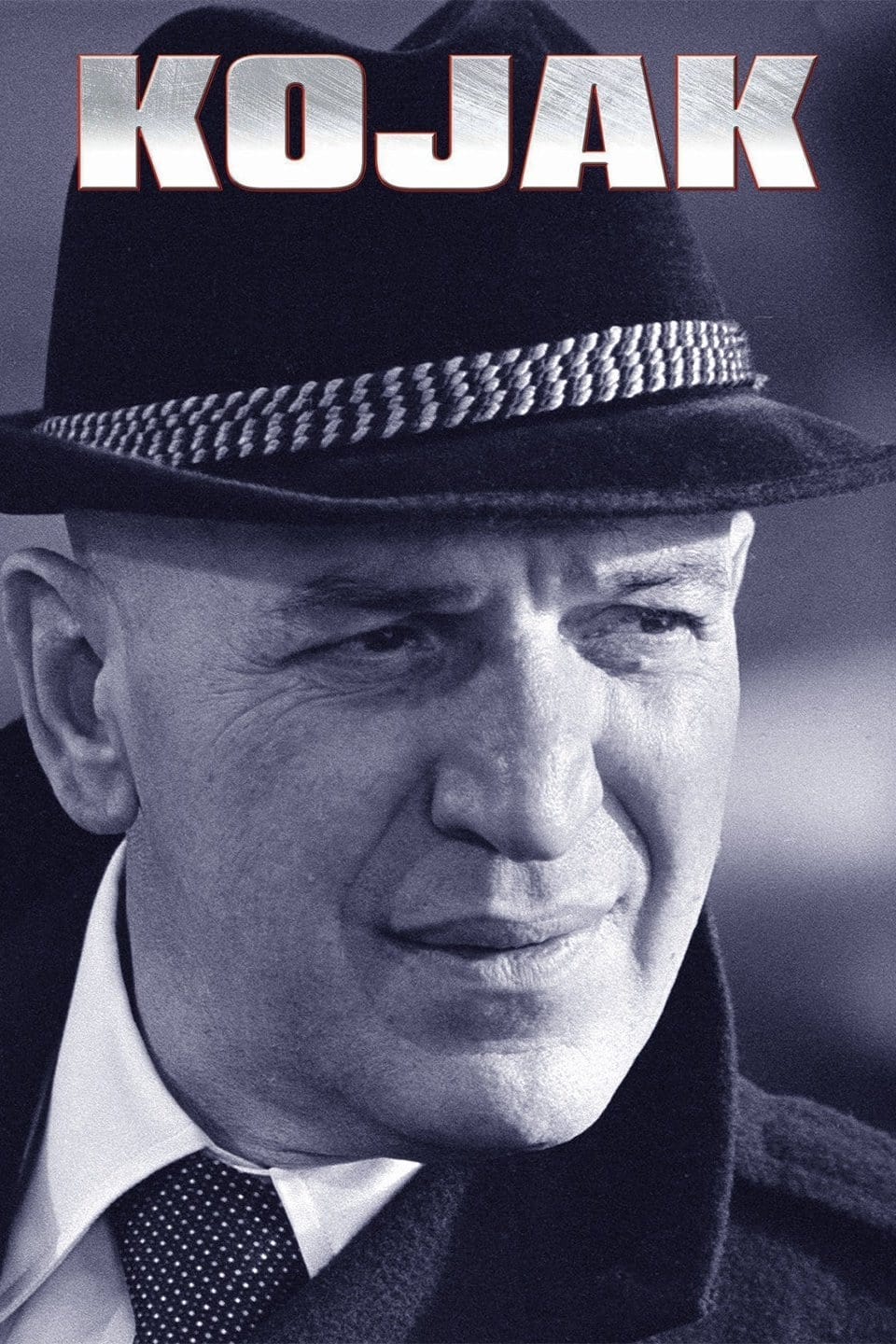
Created by Abby Mann for CBS, ‘Kojak’ follows NYPD Lieutenant Theo Kojak as he leads investigations out of Manhattan’s 13th Precinct. Telly Savalas anchors the series, with supporting turns from Dan Frazer, Kevin Dobson, and George Savalas. The show blends police-procedural casework with gritty street locations and recurring department politics. It spawned TV movies and helped popularize the image of the stylish, street-wise detective on network television.
‘Barnaby Jones’ (1973–1980)
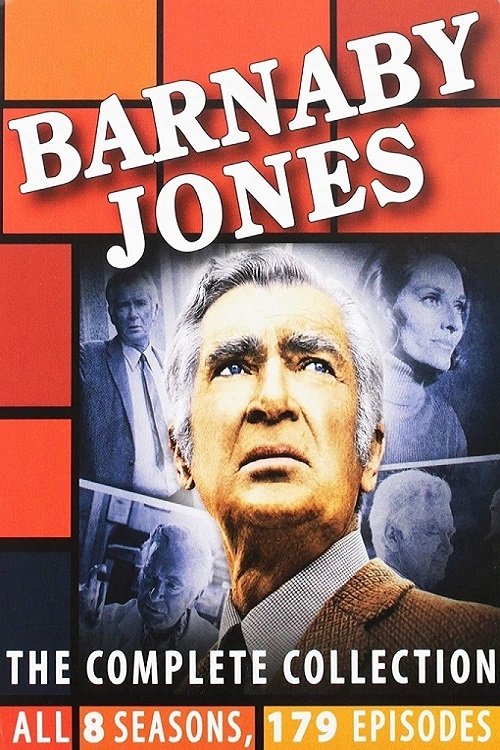
‘Barnaby Jones’ pairs elderly private investigator Barnaby with his daughter-in-law, Betty, at a Los Angeles detective agency. Buddy Ebsen and Lee Meriwether lead the cast, while Mark Shera joins later as an investigative partner. Each episode focuses on methodical legwork, lab tests, and carefully reconstructed timelines rather than high-speed chases. It crossed over with ‘Cannon’ and ‘The Streets of San Francisco,’ reflecting a shared detective-TV ecosystem on CBS.
‘The Streets of San Francisco’ (1972–1977)
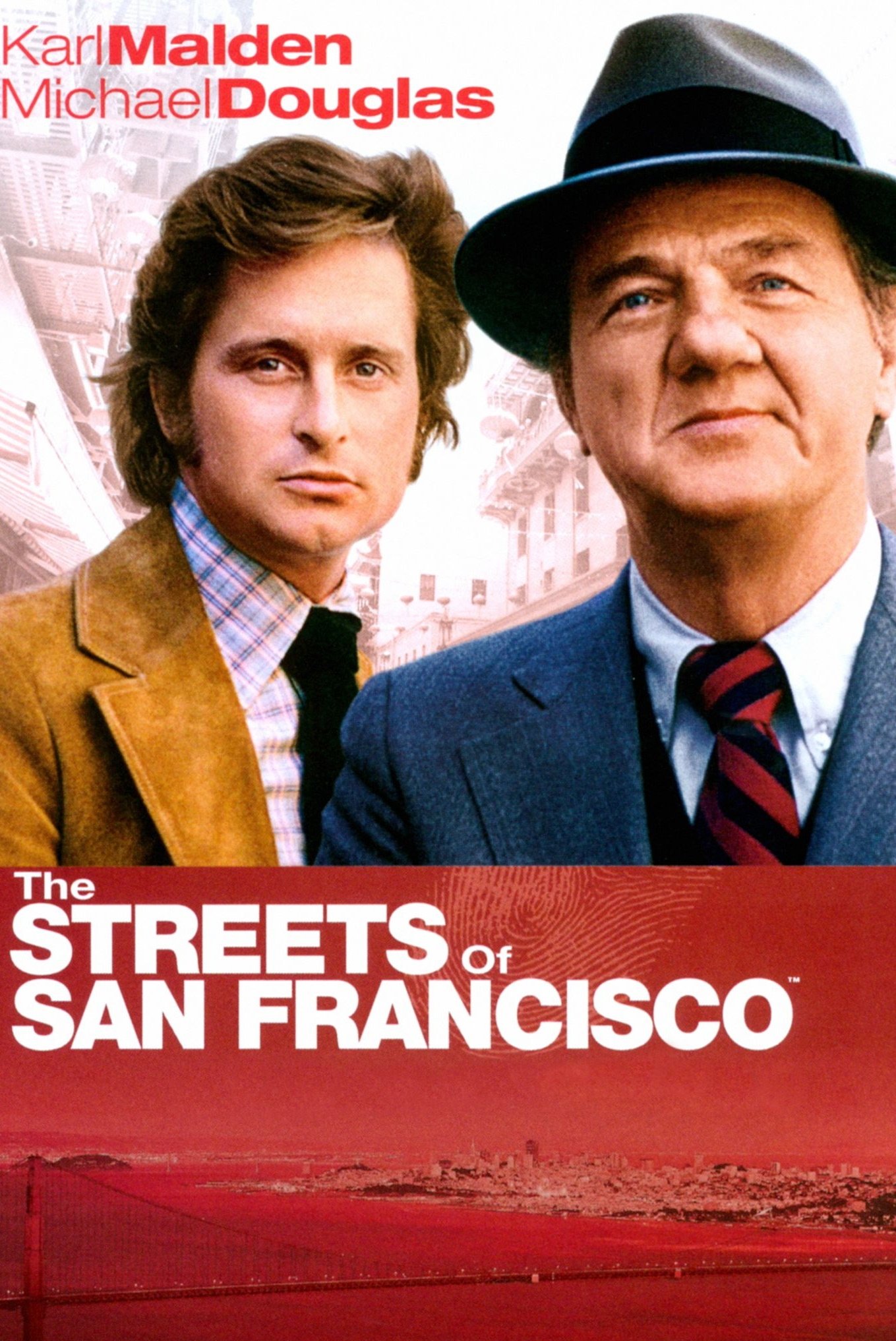
Produced by Quinn Martin for ABC, ‘The Streets of San Francisco’ teams veteran inspector Mike Stone with young partner Steve Keller. Karl Malden and Michael Douglas headline the series, with Richard Hatch stepping in later. The production is notable for extensive Bay Area location shooting and case-of-the-week storytelling. Its format emphasizes mentorship dynamics, forensic clues, and the city’s varied neighborhoods.
‘Quincy, M.E.’ (1976–1983)
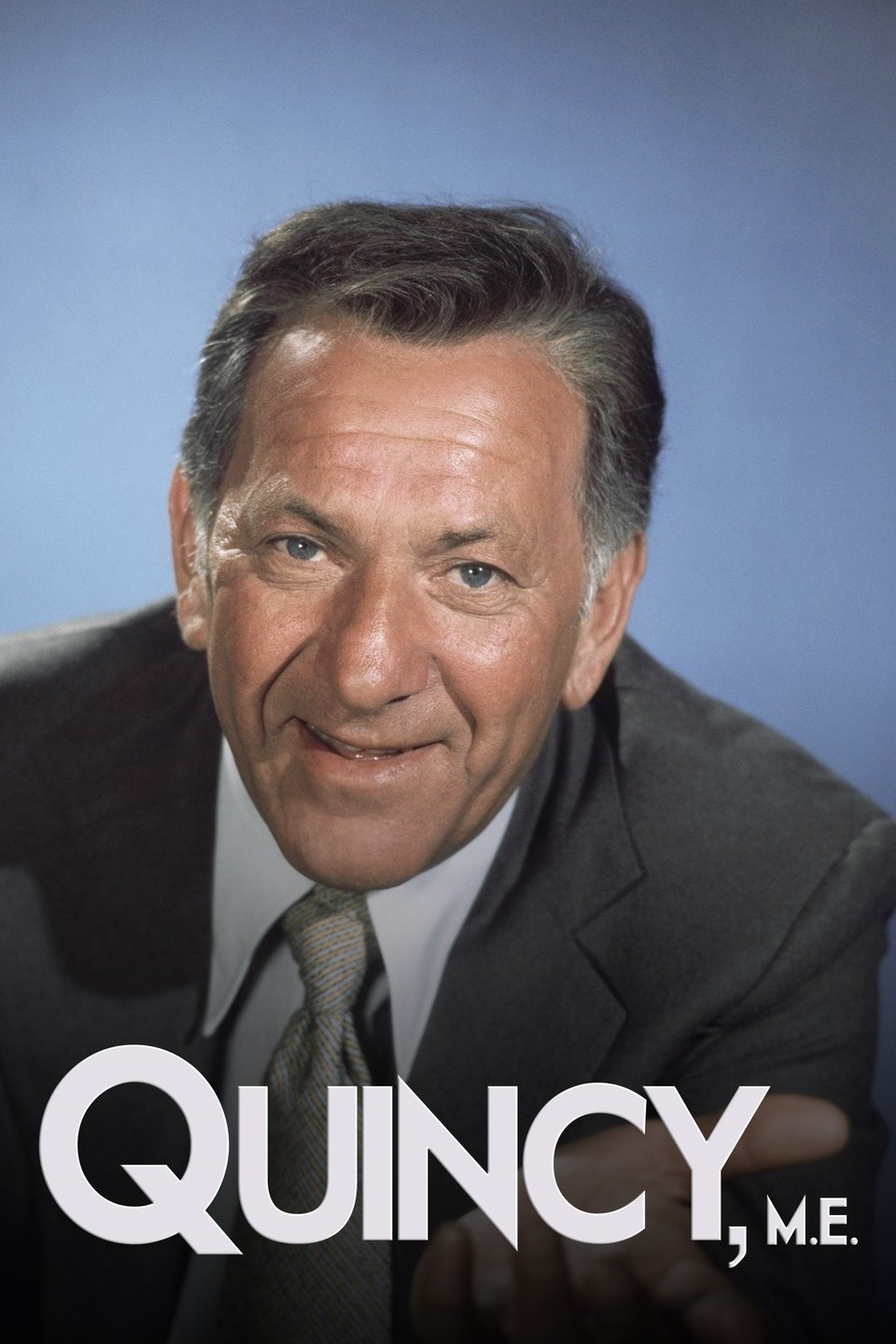
Jack Klugman stars as forensic pathologist Dr. R. Quincy, who leverages autopsy findings to challenge official conclusions. The series originated as part of NBC’s ‘Mystery Movie’ wheel before becoming a weekly hour. It often frames stories around public-health issues, consumer safety, and systemic lapses revealed through lab work. Recurring characters at the coroner’s office and police department provide continuity across stand-alone cases.
‘Starsky & Hutch’ (1975–1979)
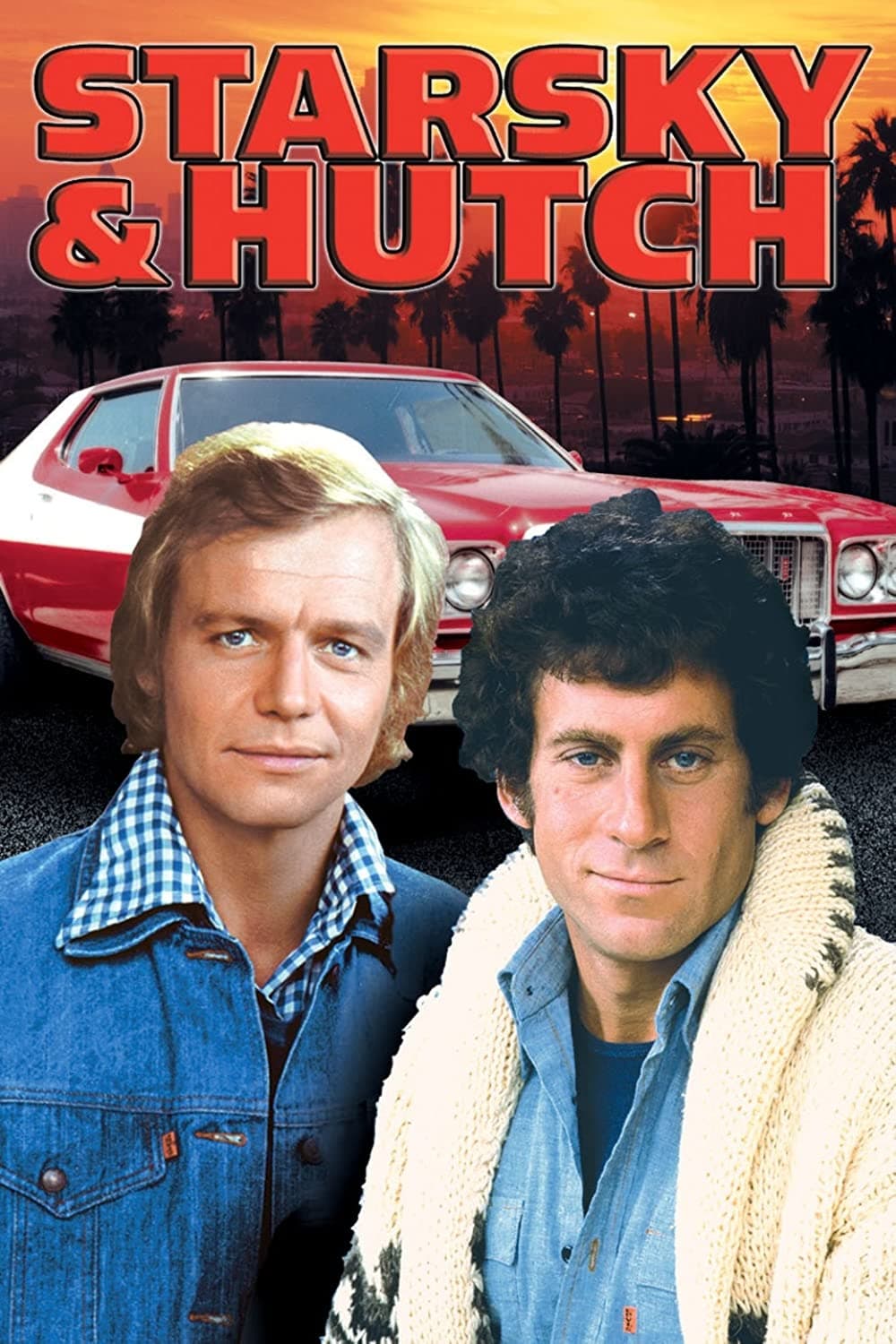
‘Starsky & Hutch’ centers on two plainclothes detectives in the fictional Bay City, with Paul Michael Glaser and David Soul in the title roles. The show mixes undercover assignments, informant networks, and squad-room coordination under the supervision of Captain Dobey. Its visual signature includes the red-and-white Ford Gran Torino and stylized action set-pieces. Episodes often hinge on loyalty tests, sting operations, and neighborhood-level crime.
‘CHiPs’ (1977–1983)
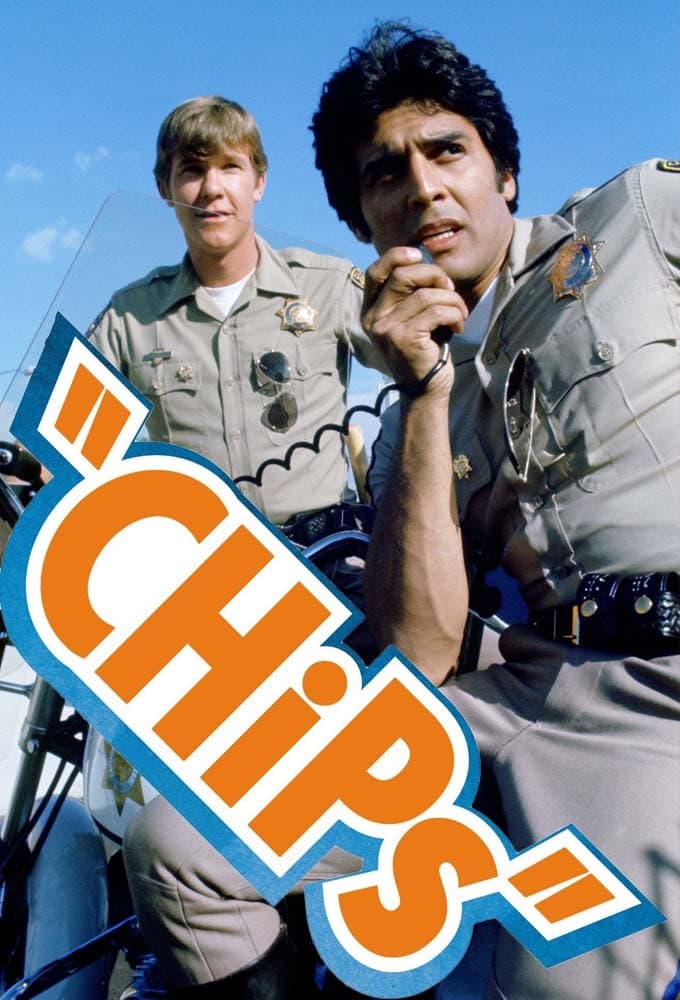
Set within the California Highway Patrol, ‘CHiPs’ follows motorcycle officers Ponch and Jon as they patrol freeways and handle traffic incidents. Erik Estrada and Larry Wilcox lead, supported by a rotating ensemble of CHP colleagues. The series blends roadside rescues, pile-ups, and pursuit logistics with human-interest beats. It frequently uses multi-vehicle staging and second-unit work to depict freeway operations.
‘Charlie’s Angels’ (1976–1981)
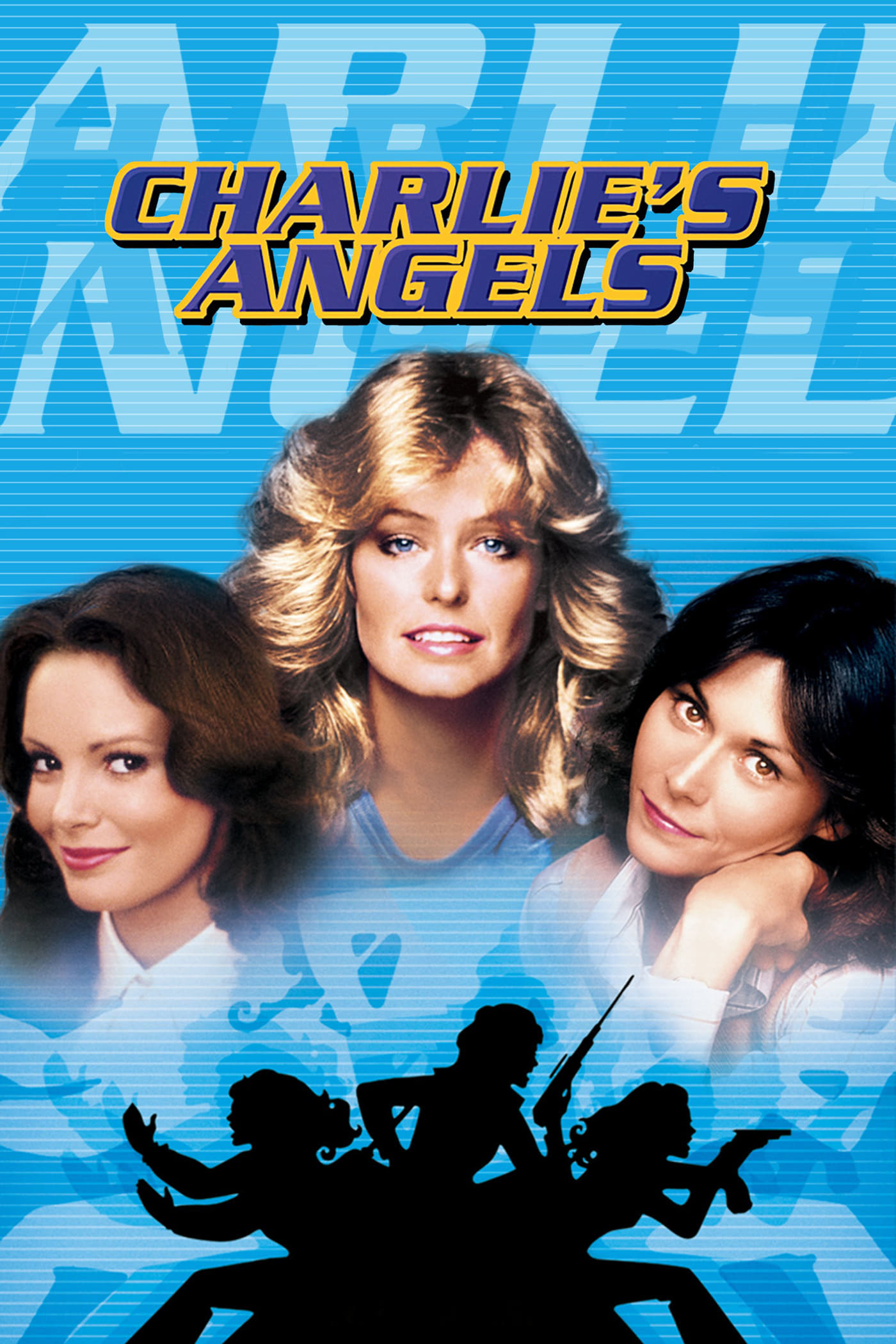
In ‘Charlie’s Angels,’ three private investigators take assignments from the unseen Charlie Townsend via speakerphone, coordinated by Bosley. Farrah Fawcett, Kate Jackson, and Jaclyn Smith launched the original trio, with Cheryl Ladd, Shelley Hack, and Tanya Roberts joining in later seasons. The show structures cases around undercover disguises, stakeouts, and coordinated takedowns. Its episodic format allows frequent guest stars and genre-hopping plots within the private-eye framework.
‘The Six Million Dollar Man’ (1973–1978)
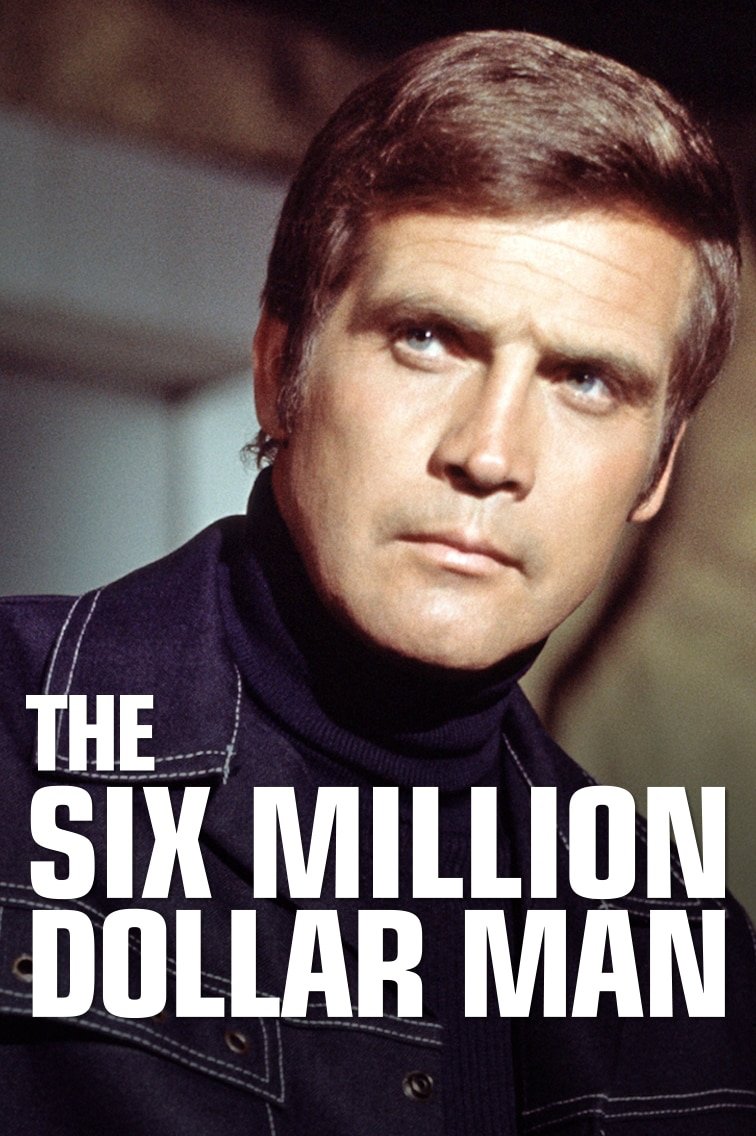
‘The Six Million Dollar Man’ adapts Martin Caidin’s novel ‘Cyborg,’ following astronaut Steve Austin after experimental bionics grant him superhuman capabilities. Lee Majors stars, with Richard Anderson and Martin E. Brooks portraying OSI leadership and scientific support. Missions range from counter-espionage to disaster response, often integrating slow-motion effects to depict enhanced strength and speed. The series seeded crossover events and paved the way for ‘The Bionic Woman.’
‘The Bionic Woman’ (1976–1978)
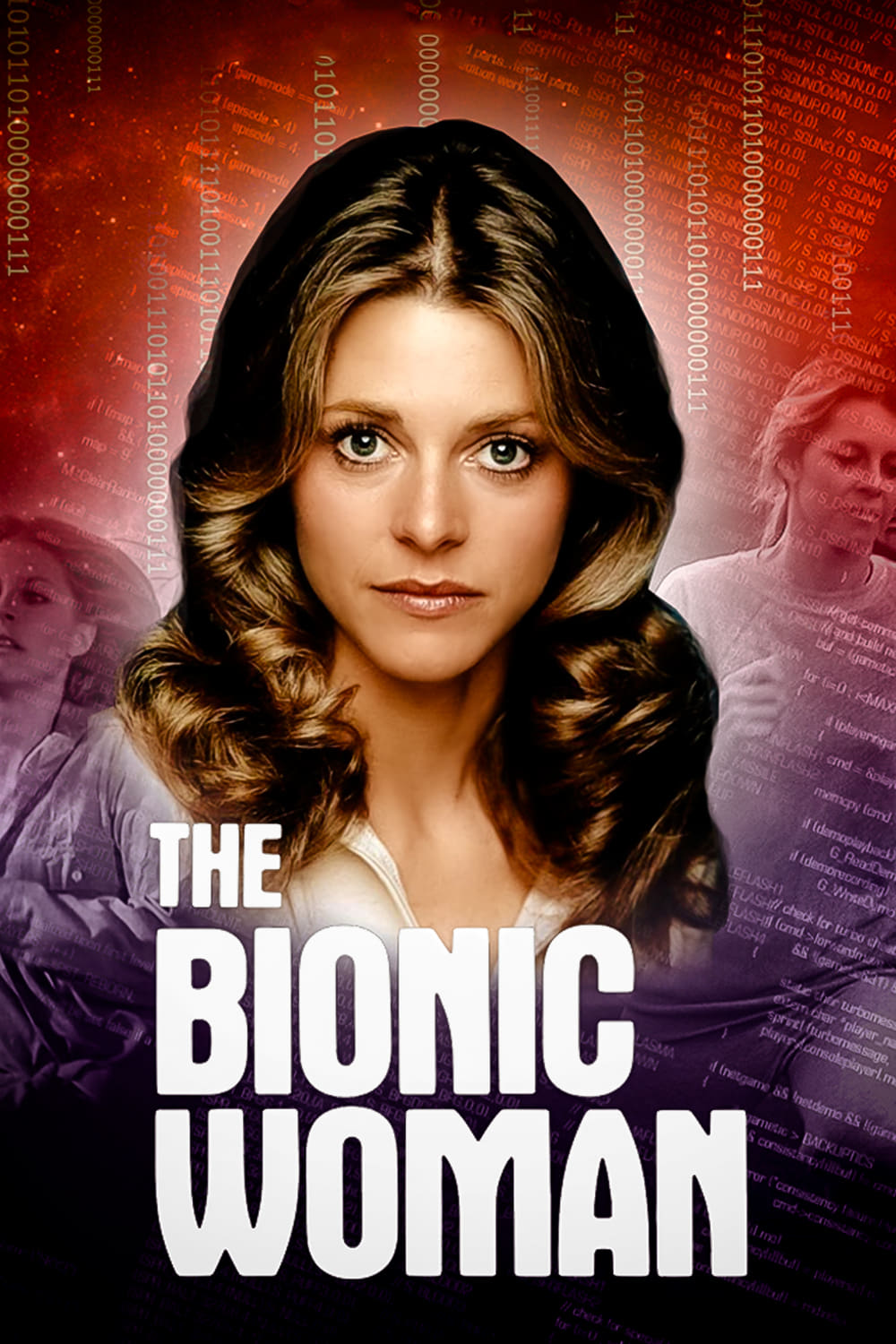
A spin-off of ‘The Six Million Dollar Man,’ ‘The Bionic Woman’ features Jaime Sommers, a former tennis pro turned OSI operative. Lindsay Wagner headlines, with recurring OSI handlers and adversaries shaping mission briefs. Episodes combine undercover work, rescue operations, and technology-driven plot devices tied to her augmentations. Crossovers with ‘The Six Million Dollar Man’ maintained shared continuity and audience flow.
‘Columbo’ (1971–1978)
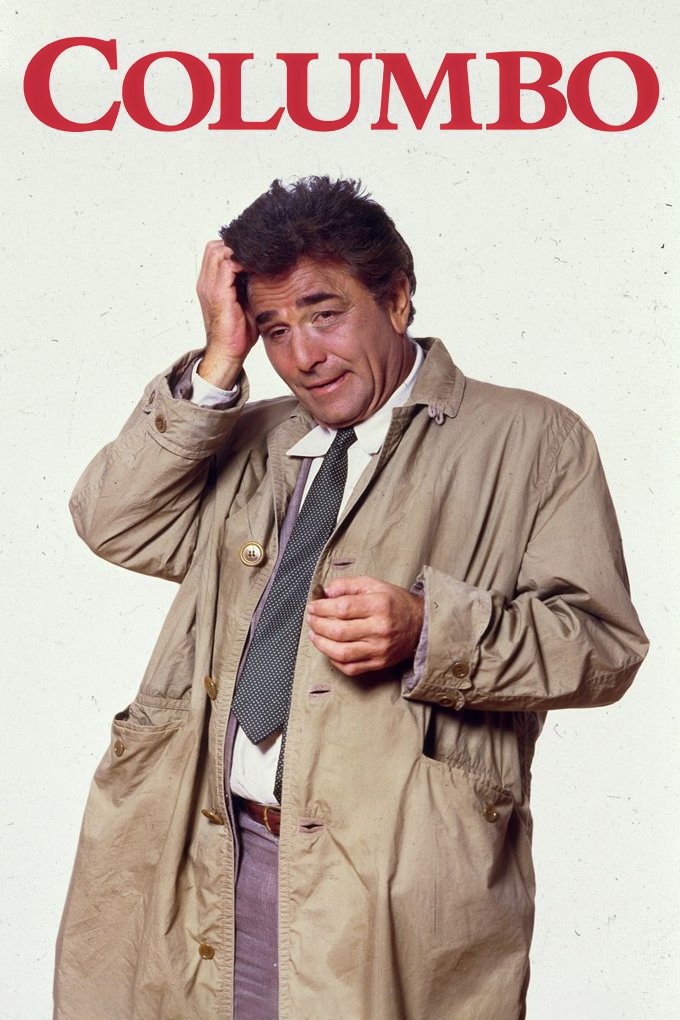
‘Columbo’ presents inverted detective stories in which viewers see the culprit at the start, then watch Lieutenant Columbo unravel the method. Peter Falk’s disarming manner anchors interrogations that hinge on small inconsistencies and overlooked details. The series originally aired within the ‘NBC Mystery Movie’ rotation, delivering feature-length cases with prominent guest stars. Its structure emphasizes procedural logic, crime-scene reconstruction, and careful conversational traps.
‘Hawaii Five-O’ (1968–1980)
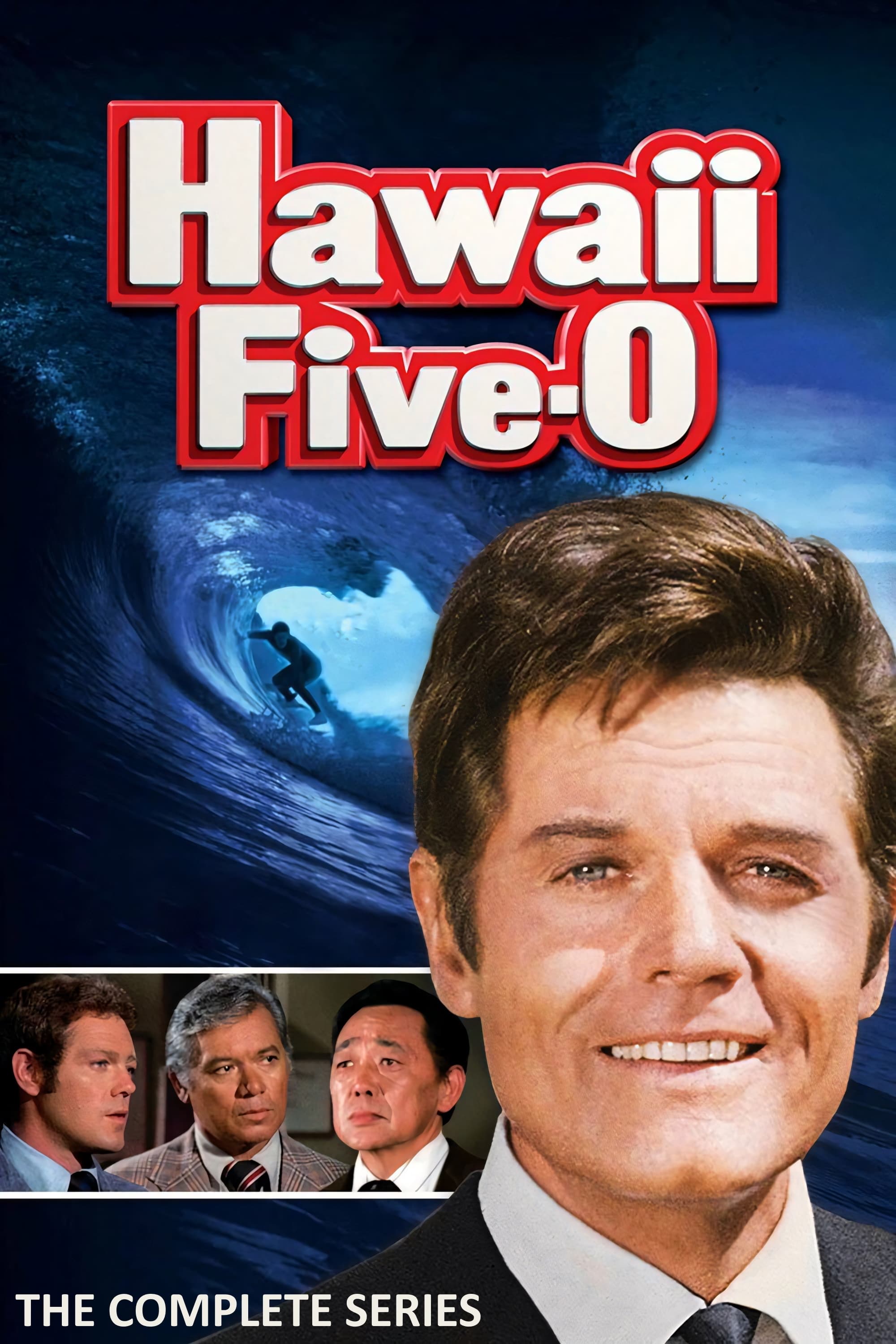
‘Hawaii Five-O’ follows a special state task force led by Steve McGarrett, tackling organized crime and high-profile cases across the islands. Jack Lord stars alongside James MacArthur as Danny Williams, with a recurring rogues’ gallery including Wo Fat. The production capitalizes on on-location shooting, showcasing island geography, maritime sequences, and aerial coordination. Signature elements include the task-force briefing room, interagency cooperation, and meticulous surveillance setups.
‘Emergency!’ (1972–1977)
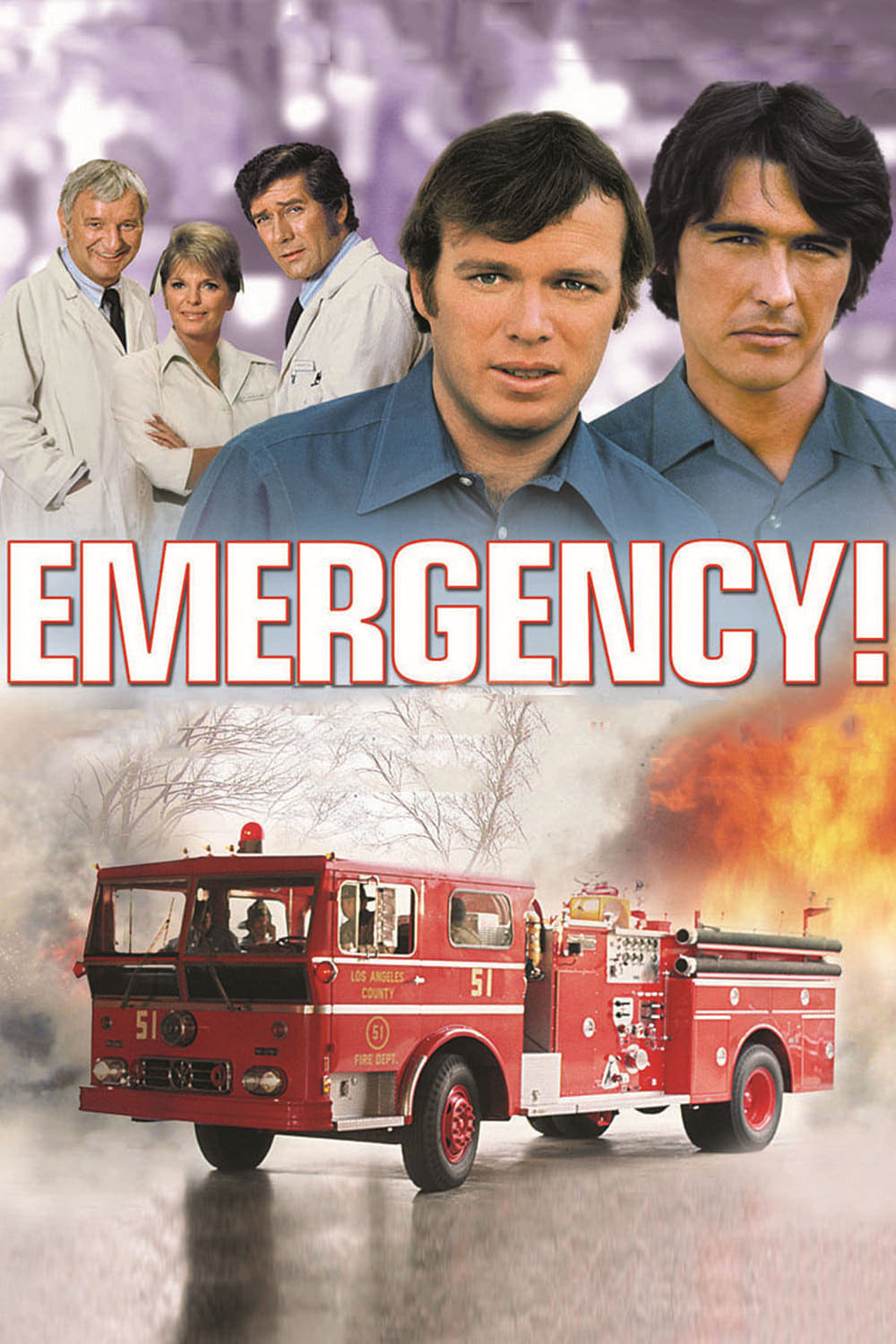
‘Emergency!’ dramatizes Los Angeles County paramedic and hospital operations, pairing Station 51’s field team with Rampart General’s medical staff. Randolph Mantooth and Kevin Tighe lead on the rescue side, with Robert Fuller and Julie London anchoring the ER. Episodes depict dispatch procedures, triage protocols, and coordination between firefighters, paramedics, and physicians. The series also ran educational crossover segments and influenced public awareness of paramedic services.
‘Adam-12’ (1968–1975)
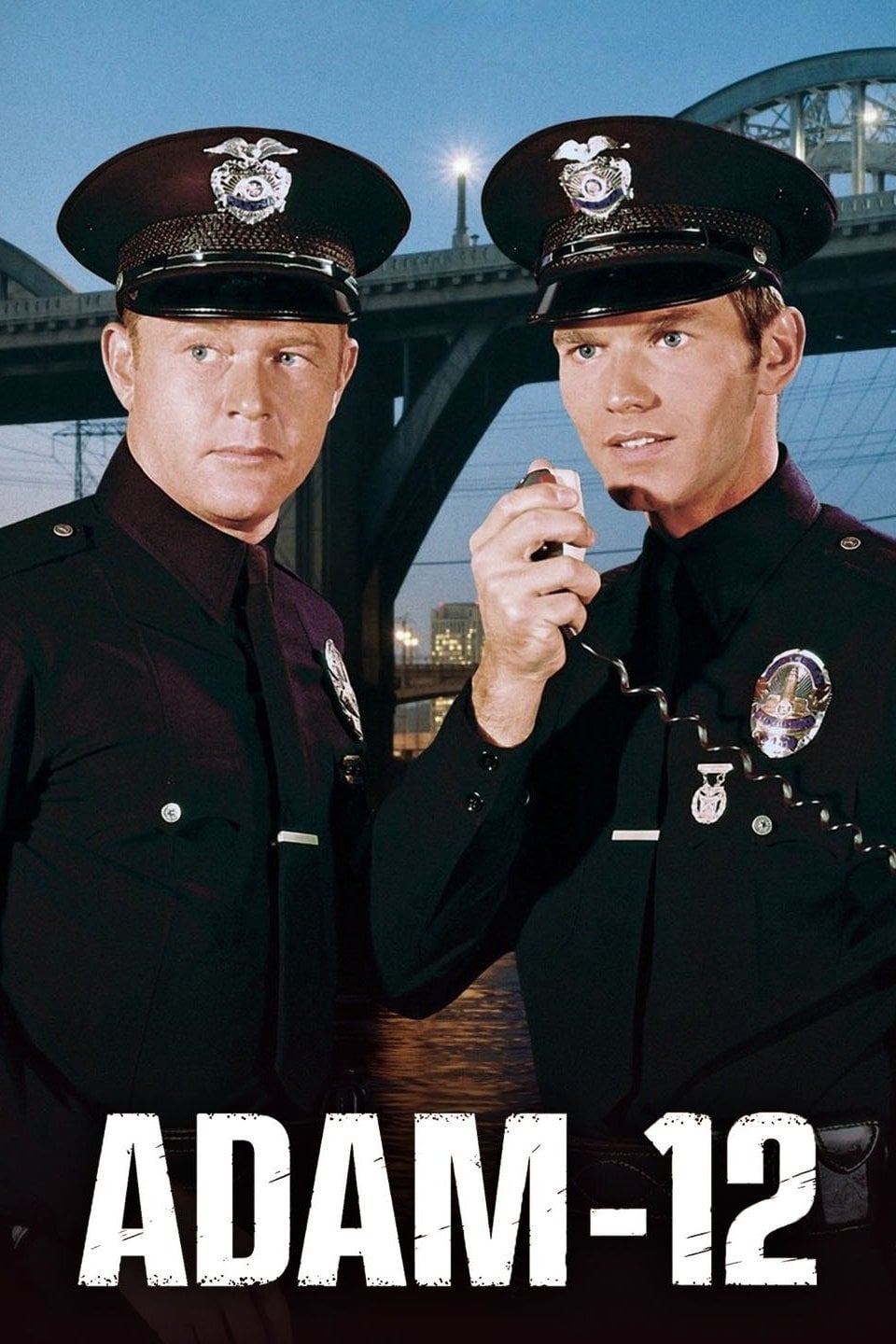
‘Adam-12’ chronicles a pair of LAPD officers during patrol shifts, emphasizing radio procedure, traffic stops, and incident reporting. Martin Milner and Kent McCord portray the central duo, with stories often unfolding across multiple short calls. The format underscores departmental codes, shift rhythms, and the interplay between training and field decisions. It served as a procedural complement to the producers’ related series ‘Dragnet.’
‘The Waltons’ (1972–1981)

Set in rural Virginia during the Depression and wartime years, ‘The Waltons’ follows a multigenerational household led by John and Olivia Walton. Richard Thomas, Ralph Waite, Michael Learned, and Will Geer are among the principal cast. Storylines track school milestones, economic strains, local politics, and family rites of passage. Narration frames each episode as a recollection, tying individual vignettes into a larger family chronicle.
‘Little House on the Prairie’ (1974–1983)
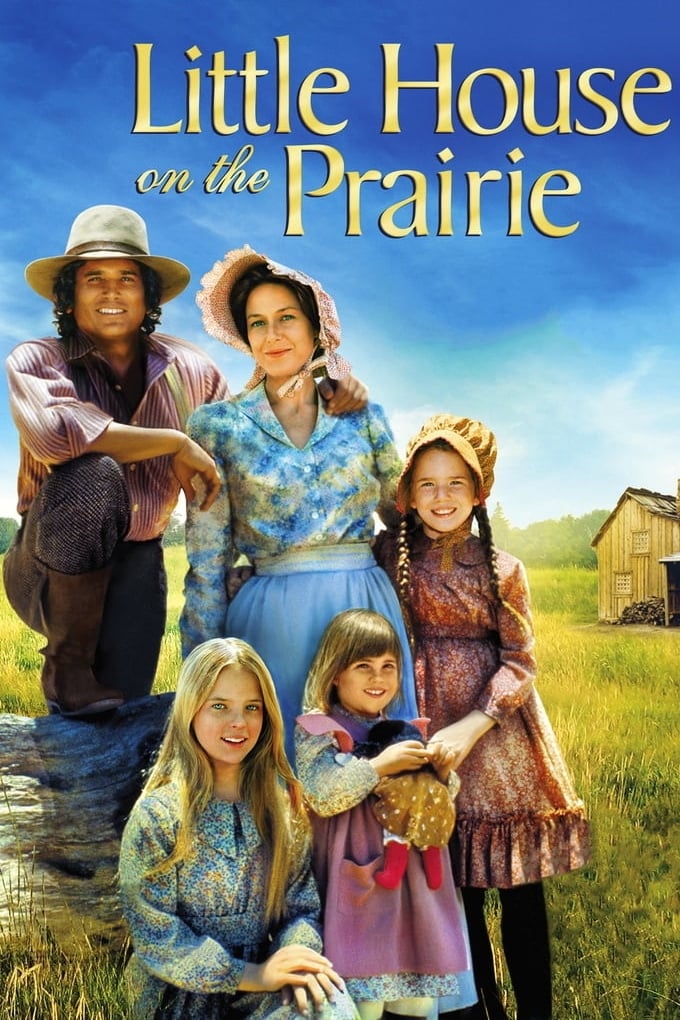
Based on Laura Ingalls Wilder’s books, ‘Little House on the Prairie’ centers on the Ingalls family’s life in Walnut Grove. Michael Landon, Karen Grassle, and Melissa Gilbert headline, with community members forming a steady ensemble. Plots explore farming challenges, schooling, town commerce, and frontier social structures. Telefilms and later rebrandings extended the setting and characters beyond the initial run.
‘Trapper John, M.D.’ (1979–1986)
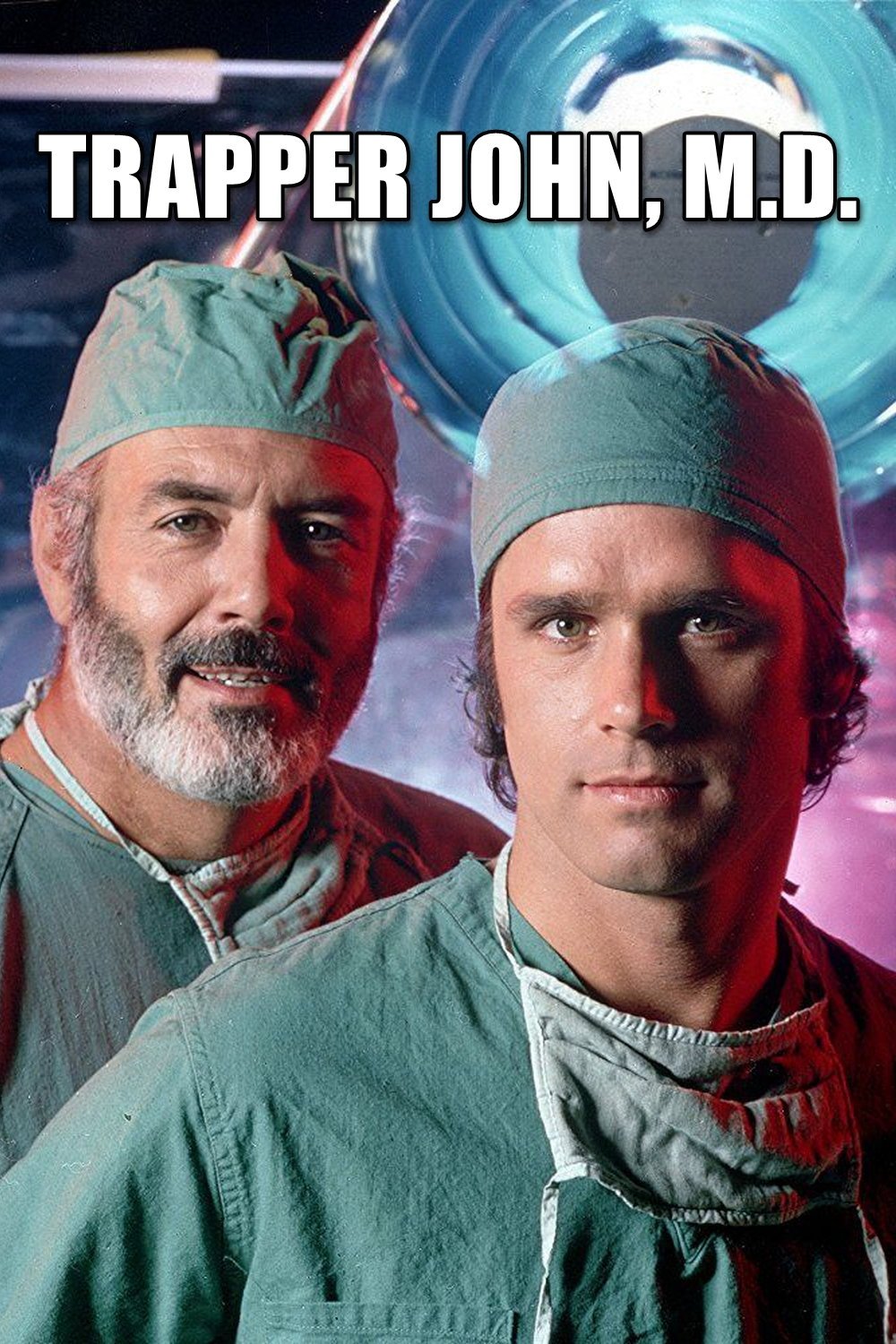
‘Trapper John, M.D.’ follows surgeon John McIntyre as he leads a San Francisco hospital’s surgical team, years after his service origins established in ‘MAS*H.’ Pernell Roberts stars, with Gregory Harrison as ambitious resident Gonzo Gates. Episodes balance OR cases, administrative pressures, and staff mentorship within a large urban hospital. The series stands on its own continuity while acknowledging its earlier character lineage.
‘Fantasy Island’ (1977–1984)
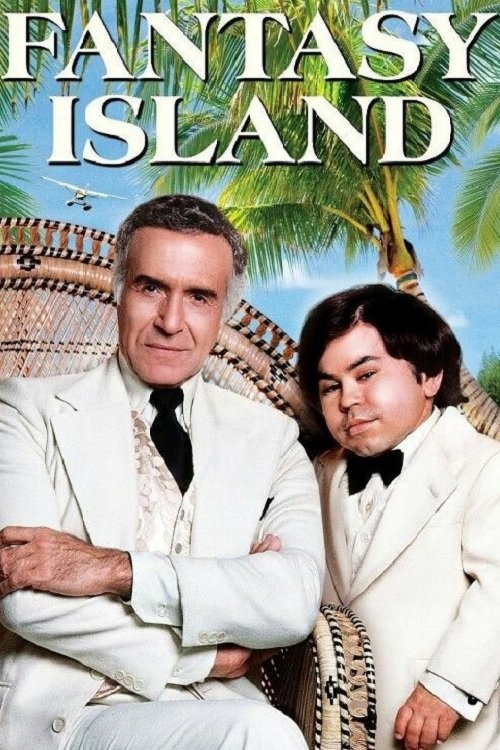
‘Fantasy Island’ presents an anthology format in which guests arrive to fulfill personal wishes supervised by Mr. Roarke and Tattoo. Ricardo Montalbán and Hervé Villechaize guide stories that range from romantic quests to moral dilemmas. Each episode weaves multiple guest arcs that intersect around the island’s set-piece locales. The structure supports frequent guest casting and twist-driven resolutions.
‘Baretta’ (1975–1978)
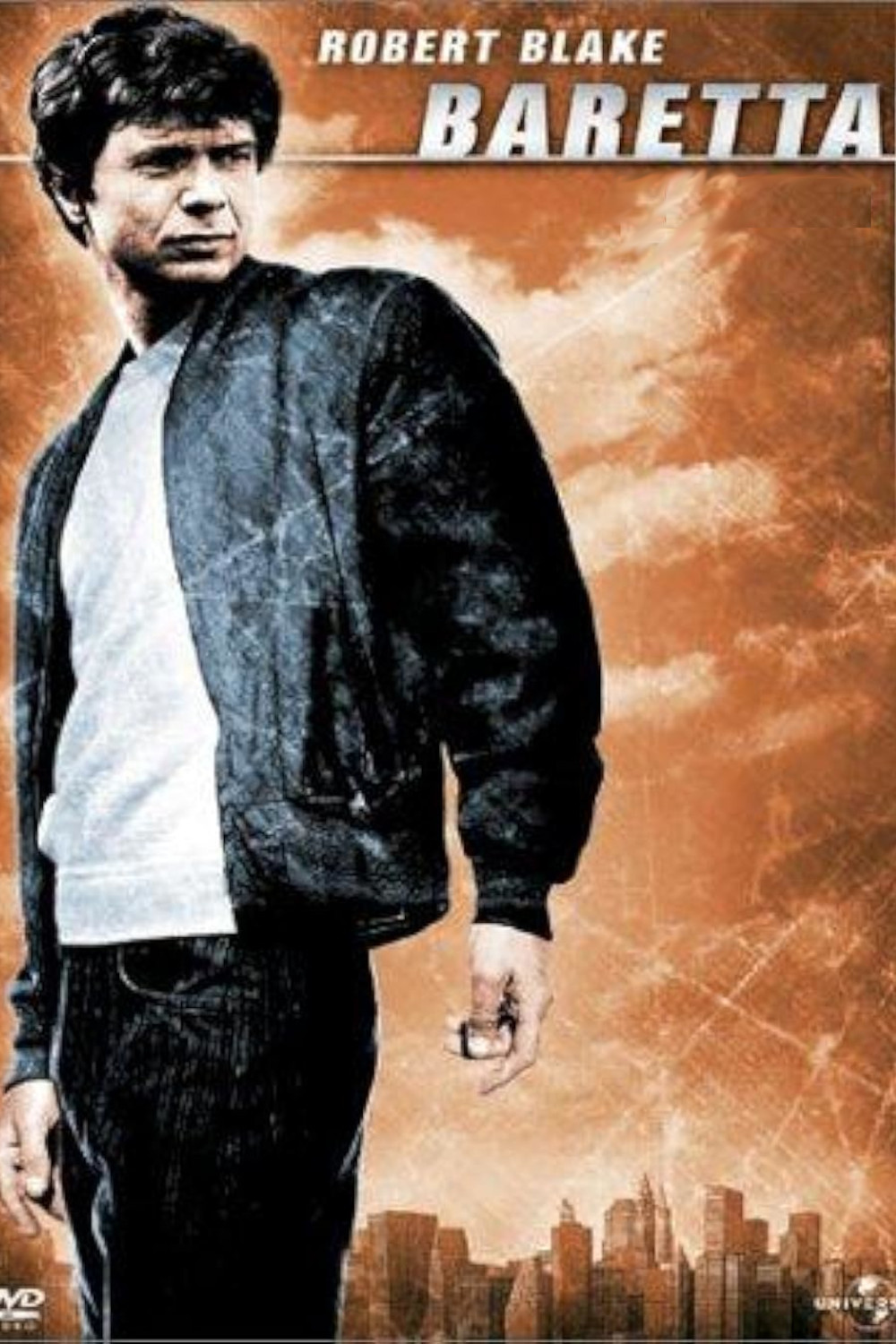
‘Baretta’ spotlights an unorthodox undercover detective who relies on disguises, informants, and neighborhood rapport. Robert Blake leads the cast, with a supporting ensemble of precinct colleagues and local contacts. Plots typically pivot on deep-cover gambits, sting operations, and shifting loyalties within urban crime networks. The show’s format emphasizes street intelligence and improvised tactics alongside formal police work.
‘Cannon’ (1971–1976)
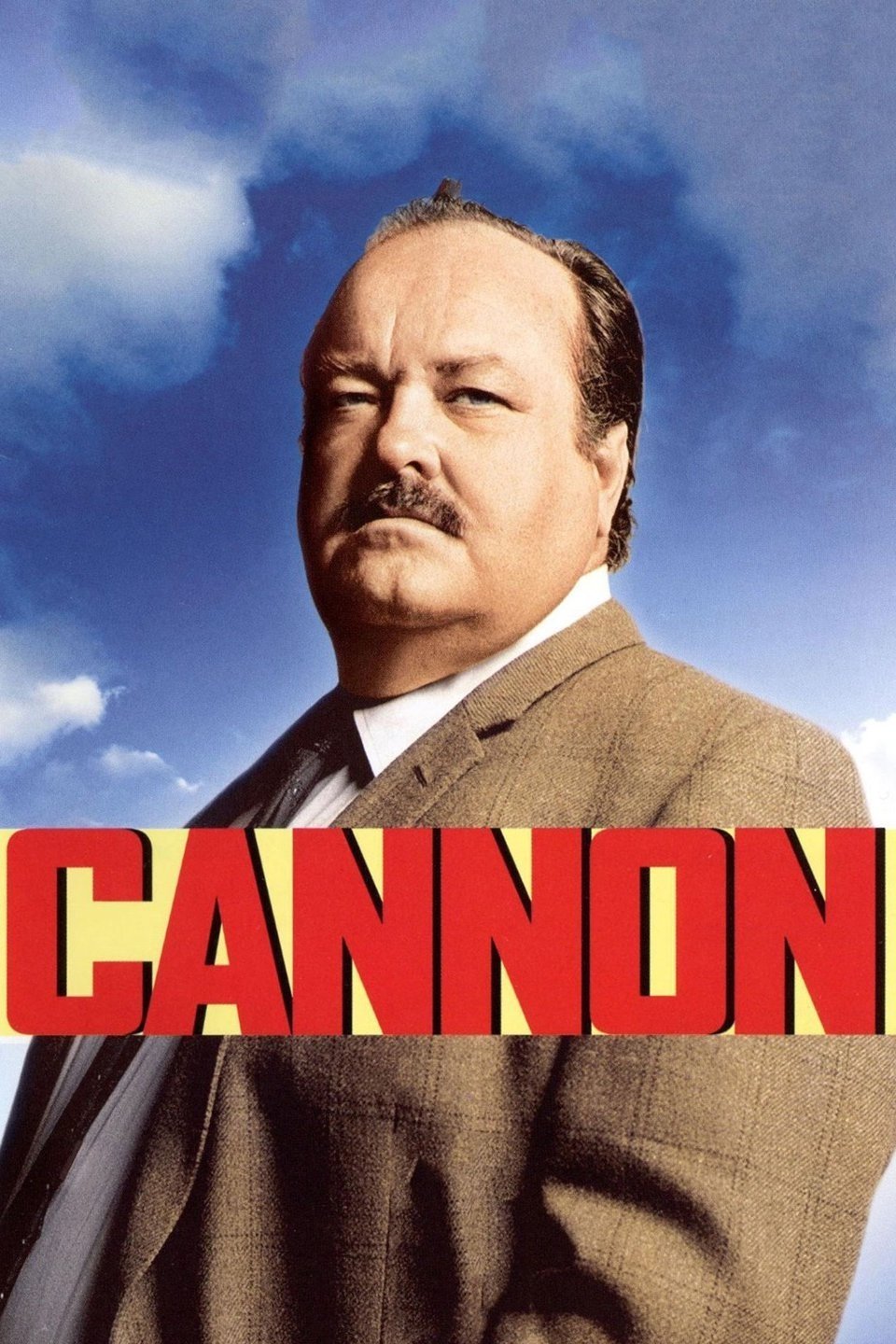
In ‘Cannon,’ private investigator Frank Cannon takes high-risk cases that require surveillance, tailing, and tactical negotiation. William Conrad stars, bringing a mix of client interviews, phone traces, and stakeouts to each case. The series features crossovers with ‘Barnaby Jones’ and other detective staples of the era. Its case files often involve corporate malfeasance, ransom schemes, and organized-crime entanglements.
‘Police Woman’ (1974–1978)
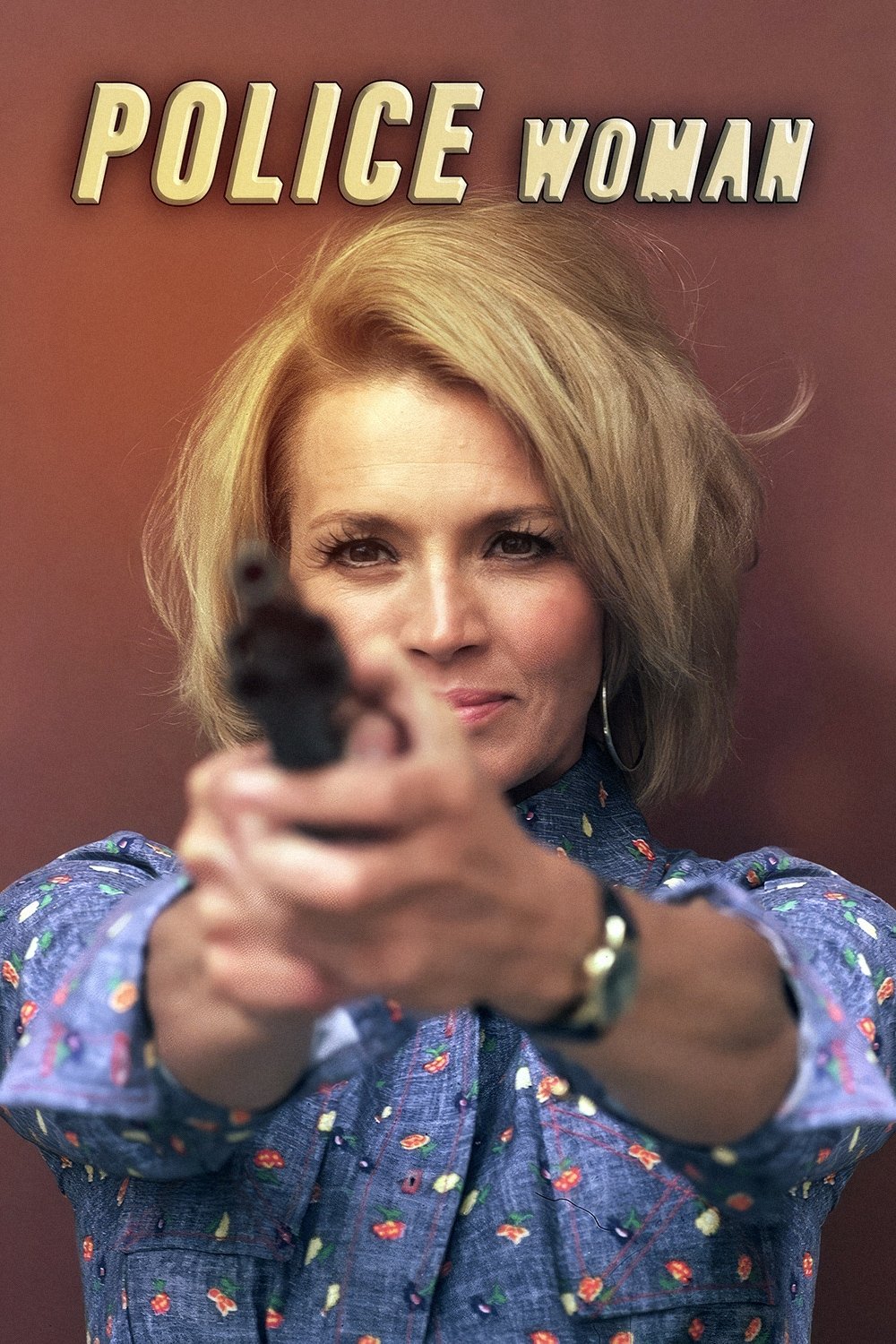
‘Police Woman’ follows undercover officer Pepper Anderson as she infiltrates criminal circles under the direction of the LAPD. Angie Dickinson headlines, supported by Earl Holliman and a rotating team. Episodes make use of front businesses, code names, and coordinated busts tailored to each assignment. The show contributed to the expansion of female-led procedurals in prime time.
‘The Rockford Files’ (1974–1980)
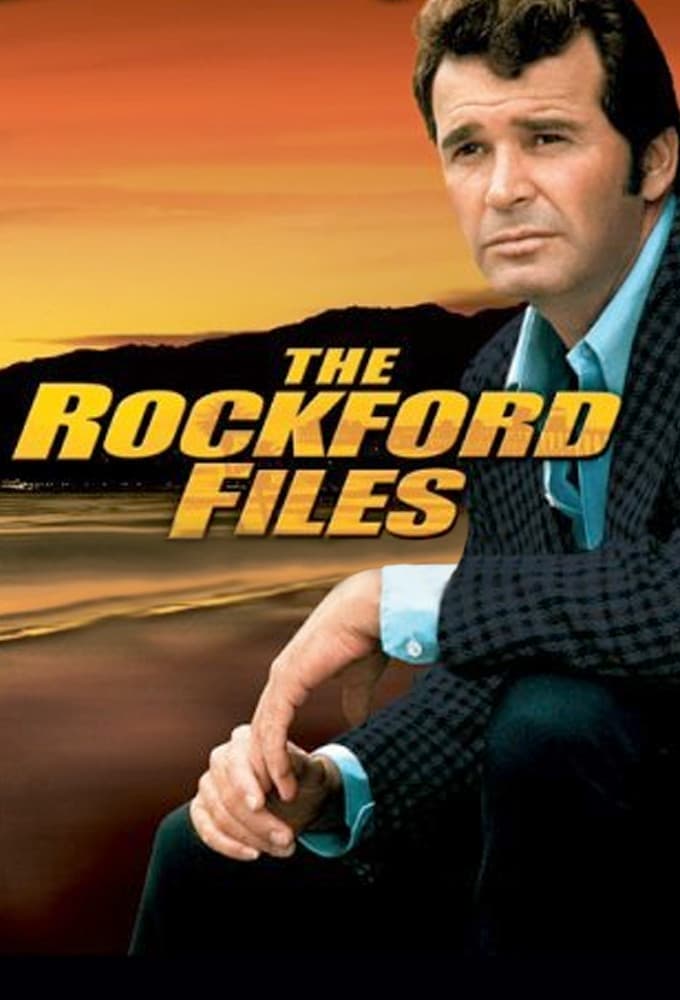
Private investigator Jim Rockford operates out of a Malibu trailer, taking on clients who can’t afford standard legal help. James Garner stars, with Noah Beery Jr. and Joe Santos in recurring roles that ground the PI’s personal and professional circle. The series emphasizes background checks, paper trails, and conversational probing over heavy firepower. It also features recurring adversaries and comedic grifts that complicate otherwise straightforward cases.
‘McCloud’ (1970–1977)
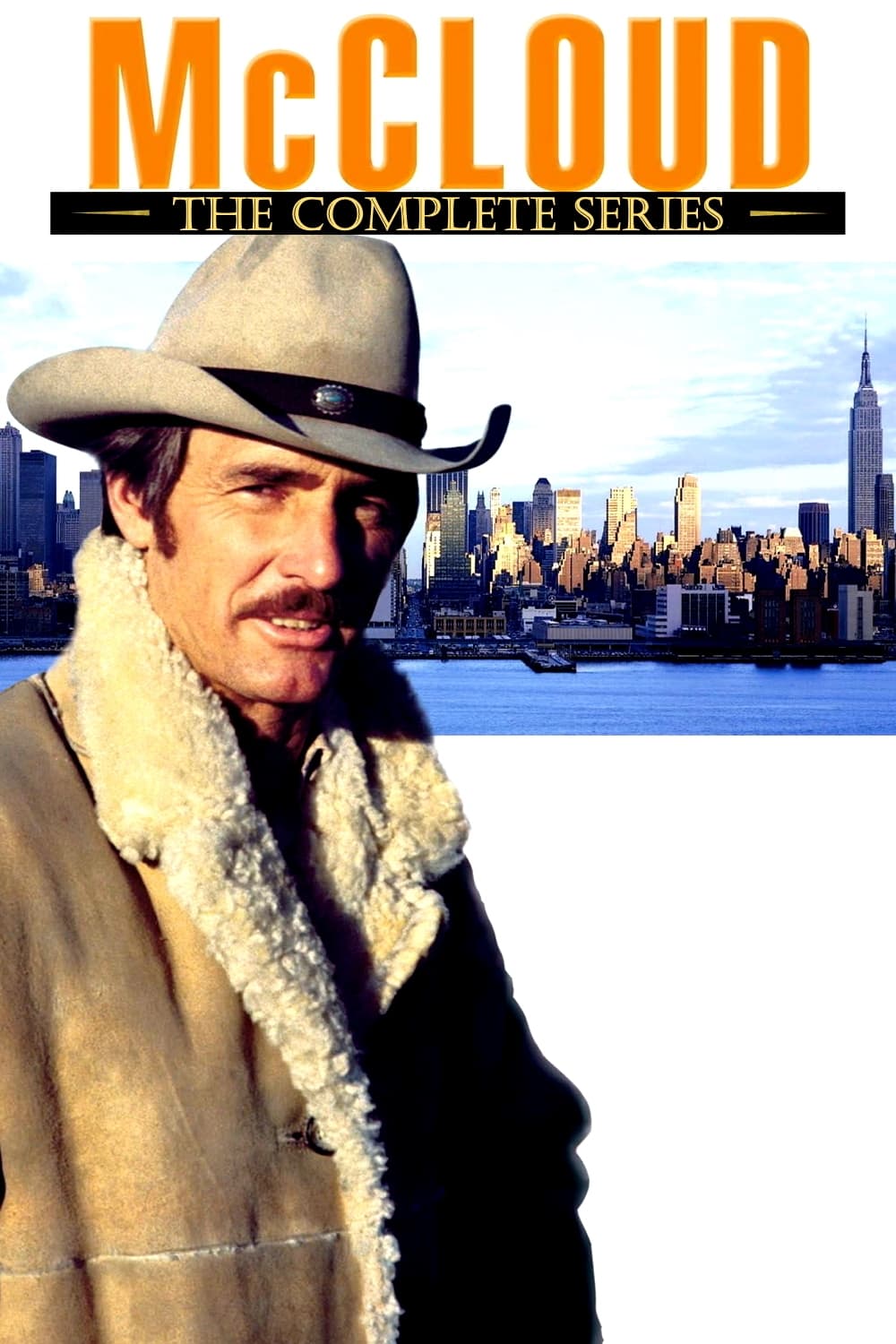
‘McCloud’ pairs a New Mexico marshal on temporary assignment with the NYPD, creating a fish-out-of-water dynamic in big-city policing. Dennis Weaver leads, with J. D. Cannon as a skeptical superior. Cases move between rural instincts and metropolitan investigative methods, using Manhattan landmarks for set pieces. The series originally aired within a rotating mystery wheel that delivered feature-length installments.
‘McMillan & Wife’ (1971–1977)
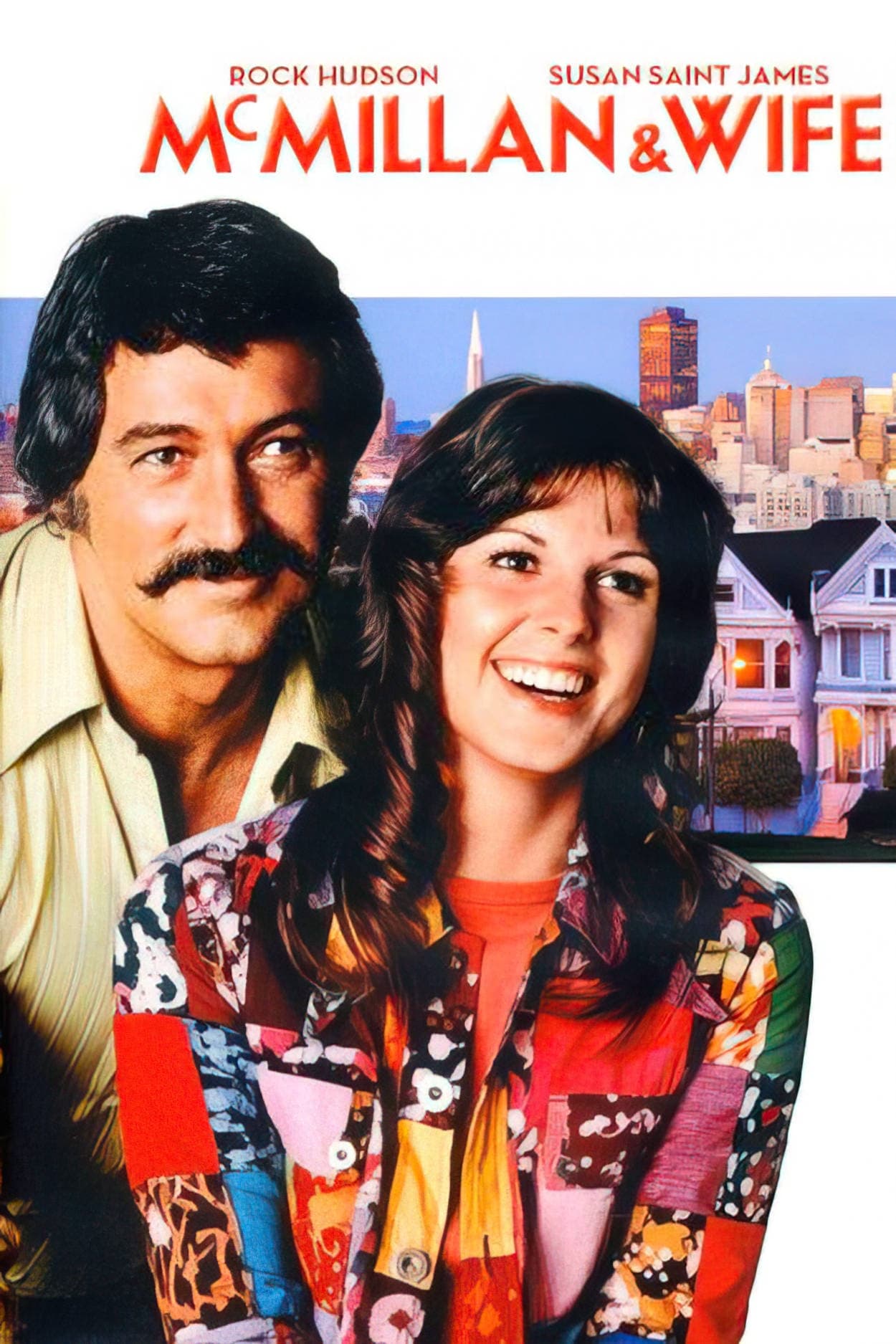
This mystery drama centers on San Francisco police commissioner Stuart McMillan and his resourceful spouse, Sally, as they tackle high-society crimes. Rock Hudson and Susan Saint James headline, supplemented by Nancy Walker and John Schuck. Plots blend social events, charity galas, and municipal affairs that lead into homicide investigations. The show balances domestic banter with procedural progress across its case-of-the-week format.
‘The Hardy Boys / Nancy Drew Mysteries’ (1977–1979)
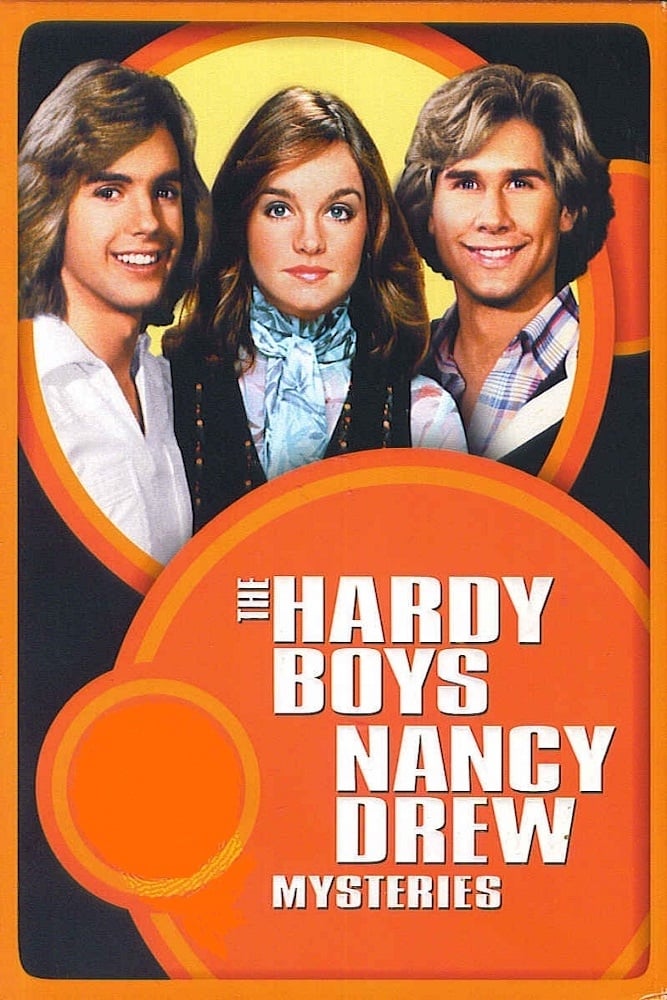
An alternating-lead mystery series, ‘The Hardy Boys/Nancy Drew Mysteries’ adapts classic juvenile-fiction detectives for television. Parker Stevenson and Shaun Cassidy portray the Hardy brothers, while Pamela Sue Martin and later Janet Louise Johnson play Nancy Drew. Storylines combine travel, clue-hunting, and forensic basics appropriate for teen sleuths. The rotation structure allowed separate arcs and occasional crossovers among the leads.
‘Logan’s Run’ (1977–1978)
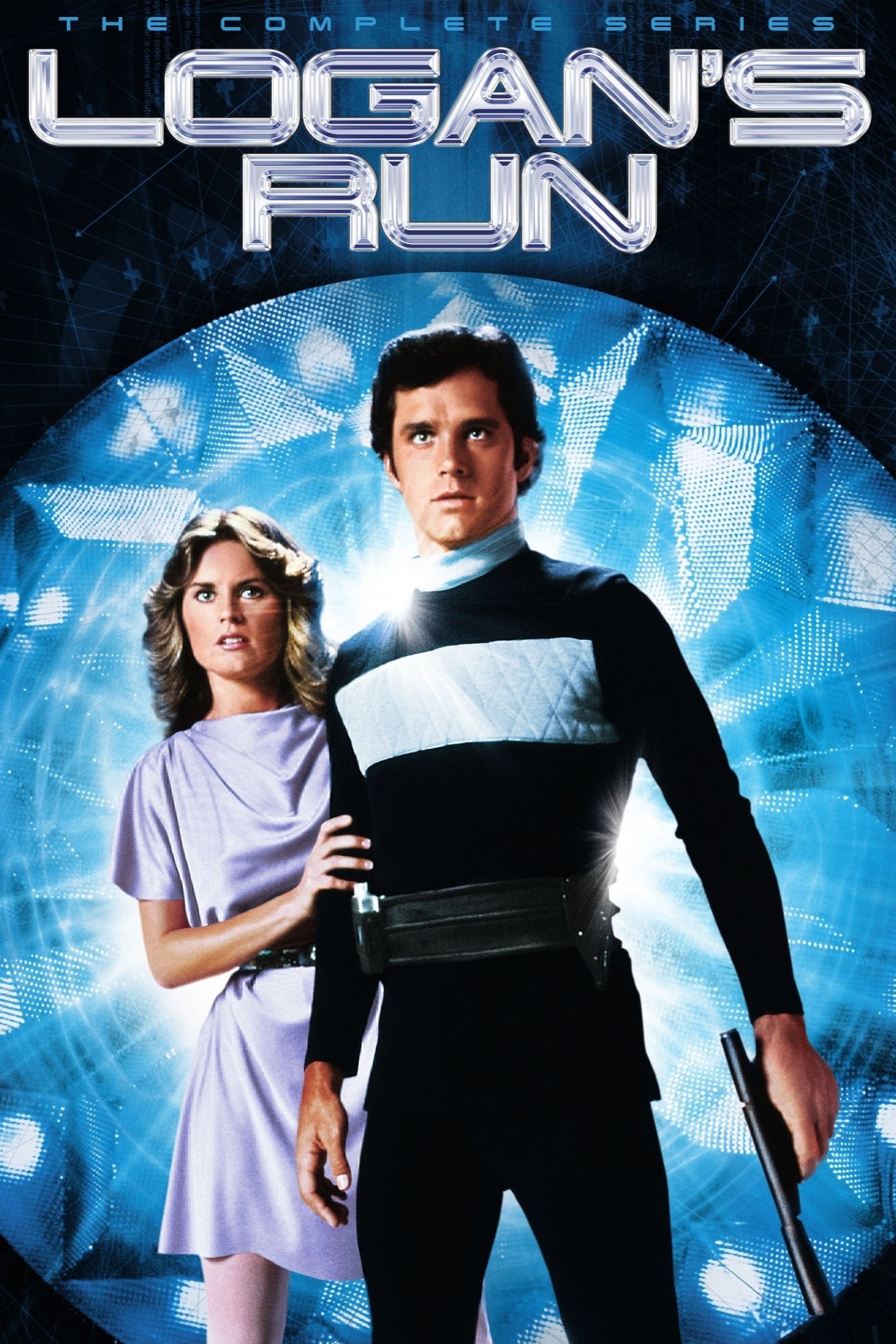
Based on the novel and film of the same name, ‘Logan’s Run’ follows Sandman Logan 5 and companion Jessica as they flee a domed city’s strict age-limit society. Gregory Harrison and Heather Menzies lead the cast, with Donald Moffat as the android Rem providing technical support. Episodes trace encounters with new communities, governing systems, and survival challenges in a post-collapse landscape. The series mixes chase elements with speculative-fiction world-building and stand-alone moral puzzles.
‘Marcus Welby, M.D.’ (1969–1976)
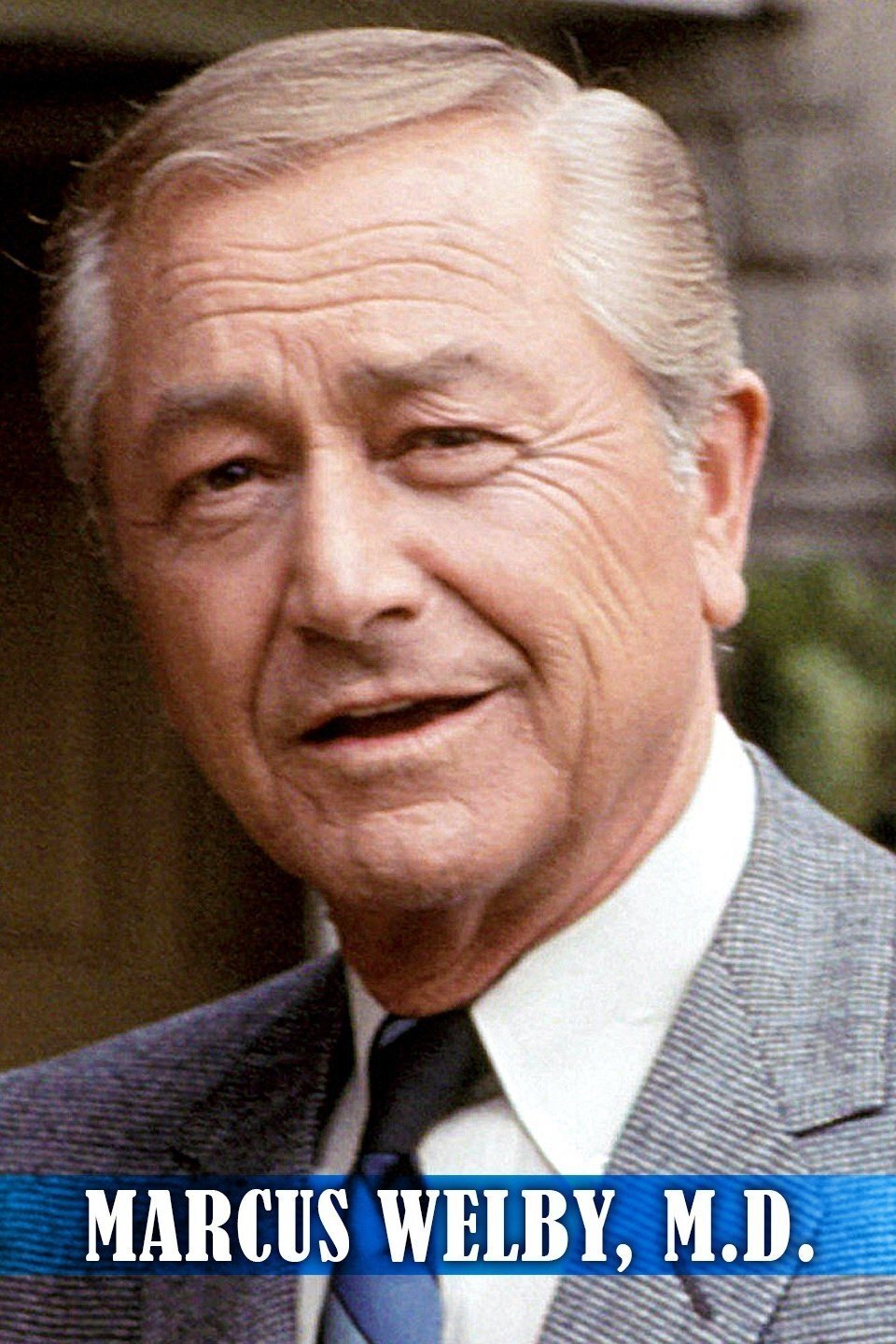
This medical drama centers on a family-practice physician who teams with a younger colleague to handle complex patient cases in a suburban clinic. Robert Young and James Brolin lead the cast, with Marcia Strassman in a recurring support role. Storylines emphasize bedside diagnostics, home visits, and ethical dilemmas drawn from everyday medicine. The series frequently integrates community health issues, second opinions, and tensions between traditional approaches and newer methods.
‘Medical Center’ (1969–1976)
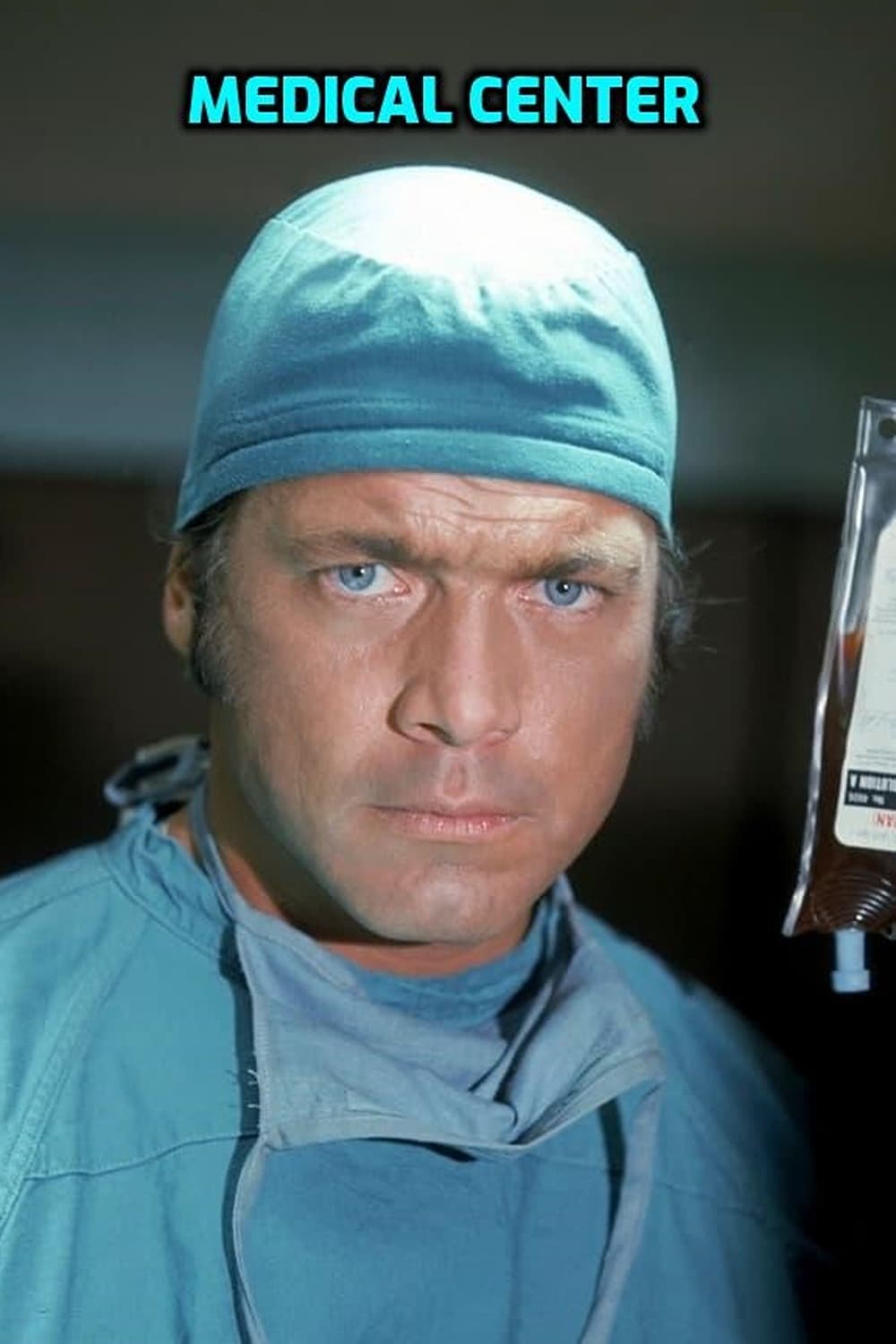
Set at a major teaching hospital, this series follows a chief of surgery and his team as they coordinate care across emergency, operating rooms, and research labs. Chad Everett and James Daly headline, supported by a rotating roster of residents and specialists. Episodes weave administrative pressures, patient advocacy, and interdisciplinary consultations into case resolution. The show often explores doctor–patient communication, informed consent, and hospital policy debates.
‘Mannix’ (1967–1975)
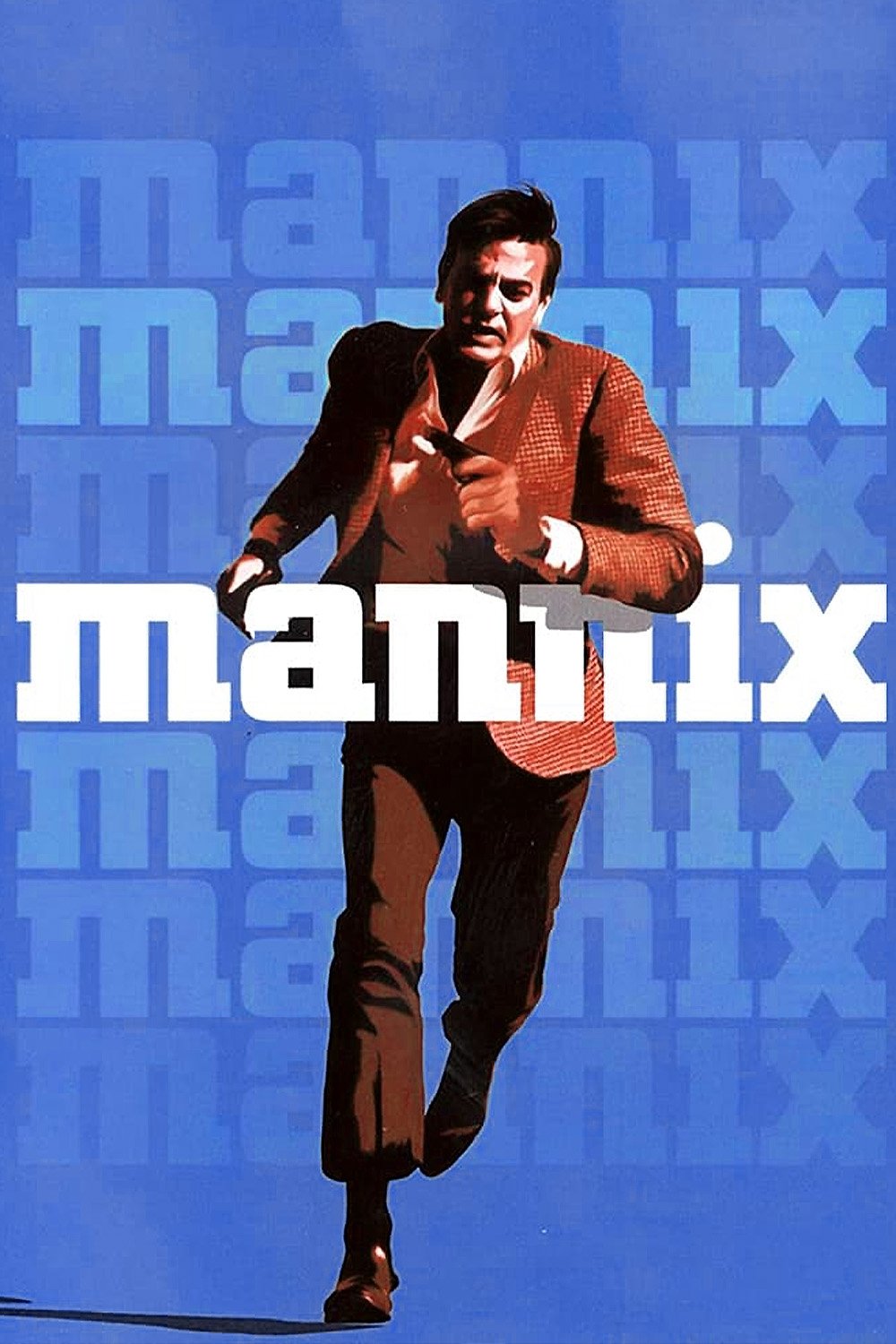
Private investigator Joe Mannix runs a one-man agency in Los Angeles, handling surveillance, ransom negotiations, and corporate-security jobs. Mike Connors stars, with Gail Fisher as his indispensable secretary, Peggy. The format highlights phone traces, tailing techniques, and legwork that links clues across the city. Guest stars and standalone cases allow for a wide range of corporate intrigue, family disputes, and organized-crime plots.
‘Mission: Impossible’ (1966–1973)
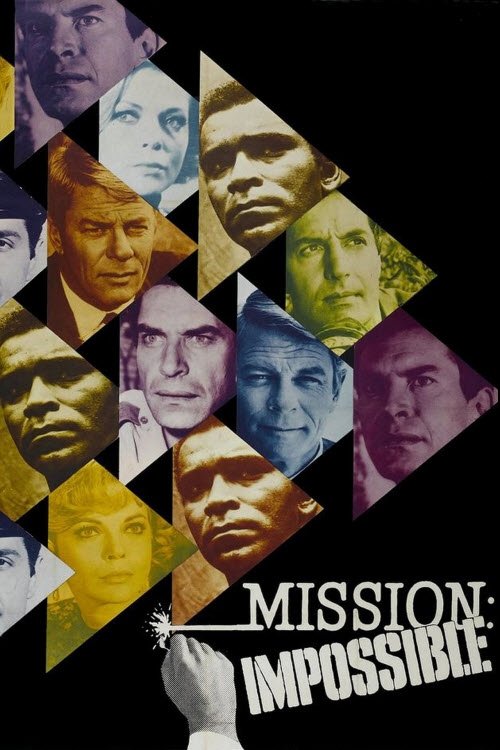
A covert team undertakes intricate operations using misdirection, masks, and timed gadgetry to expose espionage rings and topple criminal syndicates. The ensemble includes Peter Graves and Greg Morris among rotating specialists who assemble mission-specific skill sets. Episodes are structured around briefing tapes, elaborate setups, and silent sequences that hinge on precision timing. The series emphasizes logistics, forgery, and psychological pressure over direct confrontation.
‘Kung Fu’ (1972–1975)

This period drama follows a Shaolin monk traveling across the American West while avoiding bounty hunters and seeking family connections. David Carradine stars, with a recurring framework of flashbacks to monastery instruction that contextualize moral choices. Plots involve small-town disputes, railroad encampments, and frontier communities where negotiation and restraint are central. Fight choreography and meditation sequences punctuate stories about justice, hospitality, and personal vows.
‘The Rookies’ (1972–1976)
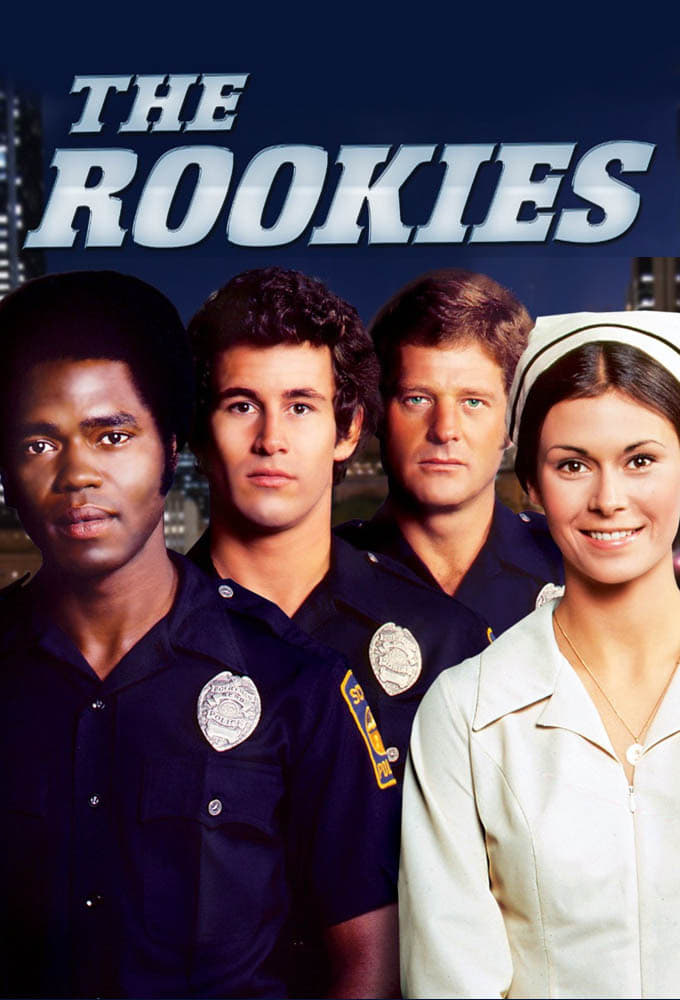
A group of probationary police officers navigates patrol duties, academy protocols, and the realities of field assignments in a metropolitan department. Georg Stanford Brown, Michael Ontkean, and Sam Melville lead the ensemble, with Kate Jackson portraying a nurse who intersects with emergency calls. Episodes feature training evaluations, partner rotations, and precinct-level politics. The series traces how classroom lessons translate into traffic stops, domestic calls, and coordinated arrests.
‘S.W.A.T.’ (1975–1976)
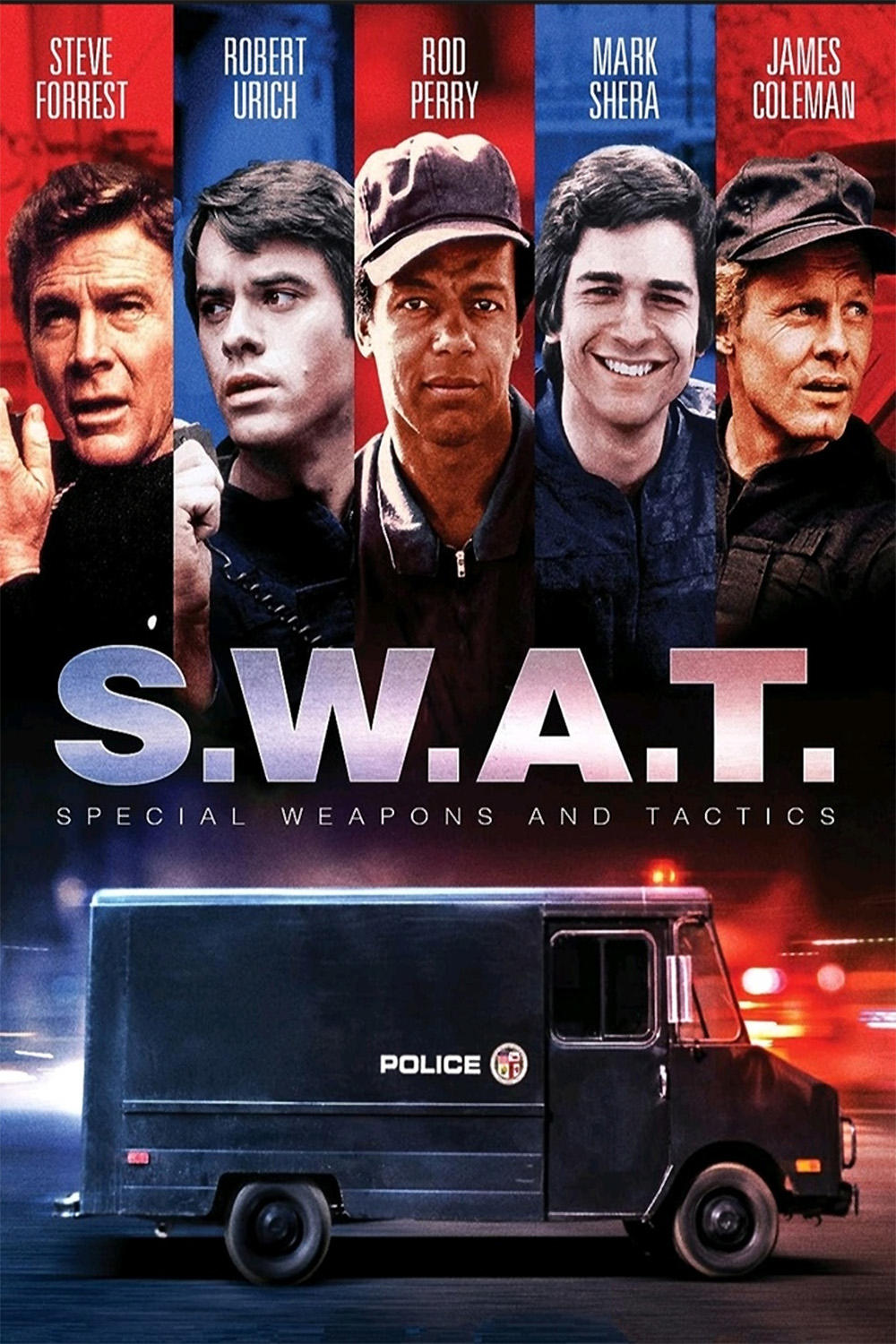
This action-leaning drama profiles a specialized police unit trained for high-risk situations, barricades, and coordinated rescues. Steve Forrest and Robert Urich head the cast, with scenes built around team briefings, perimeter control, and dynamic entries. Storylines detail selection standards, equipment loadouts, and interagency cooperation during operations. The show emphasizes containment tactics, negotiation windows, and after-action reviews.
‘Police Story’ (1973–1978)
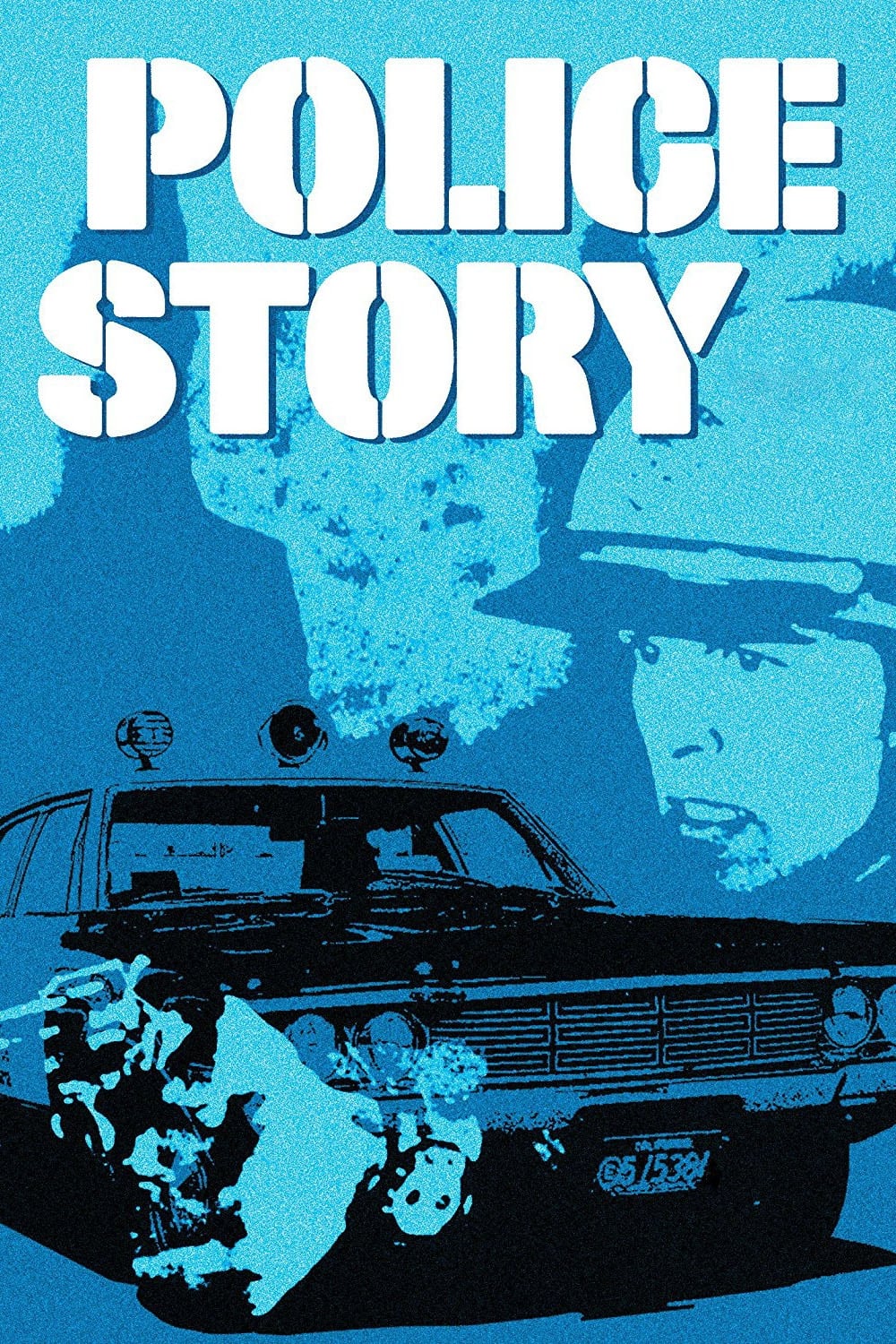
An anthology-format police drama, this series explores different units and officers each week, from vice and homicide to traffic and administration. Angie Dickinson, David Cassidy, and numerous guest stars appear across standalone episodes that focus on specific procedures. Scripts prioritize departmental protocols, chain of command, and paperwork that frames fieldwork. The rotating perspective allows insight into training cycles, undercover tradecraft, and courtroom preparation.
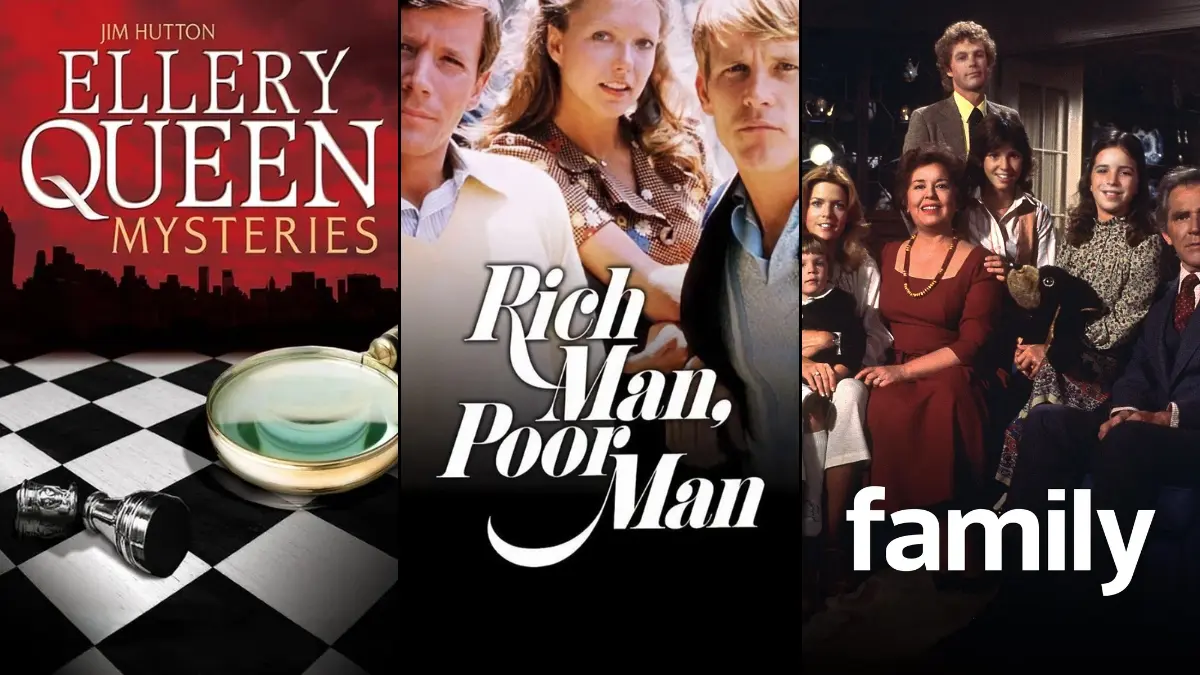
‘Ellery Queen’ (1975–1976)
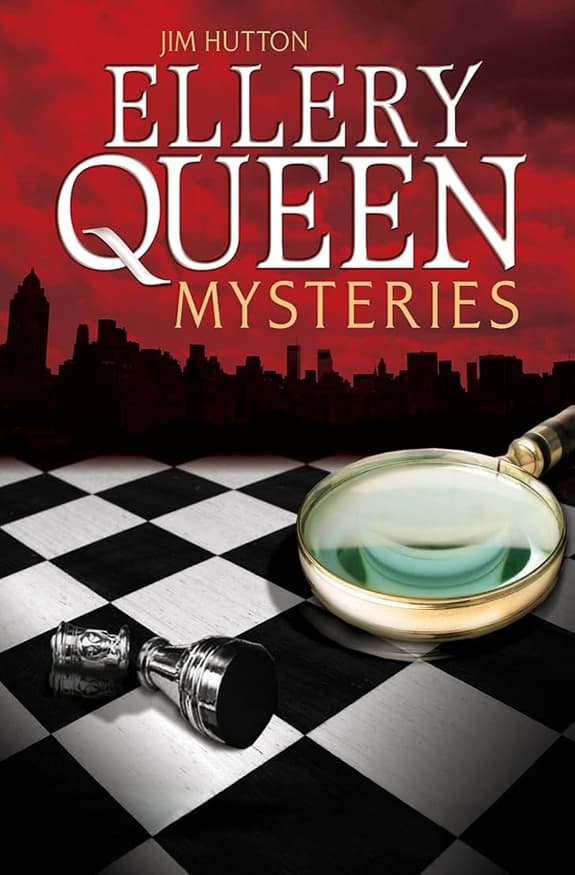
Set in mid-century New York, this mystery drama follows a novelist who assists his detective father by constructing solutions from subtle inconsistencies. Jim Hutton and David Wayne star, with each case presenting a closed circle of suspects and an invitation for viewers to deduce along. Clue placement, alibis, and timeline reconstruction drive the narrative. The show’s structure highlights interviews, household staff observations, and overlooked objects that unlock motive.
‘Rich Man, Poor Man’ (1976–1977)

Adapted from the Irwin Shaw novel, this miniseries tracks two brothers whose lives diverge into business and boxing, intersecting with politics, romance, and legal trouble. Peter Strauss and Nick Nolte lead a cast that spans multiple households, workplaces, and social circles. The production uses time jumps to follow career climbs, family estrangements, and shifting alliances. Its format relies on ensemble arcs, recurring antagonists, and cliffhanger chapter breaks.
‘Roots’ (1977)
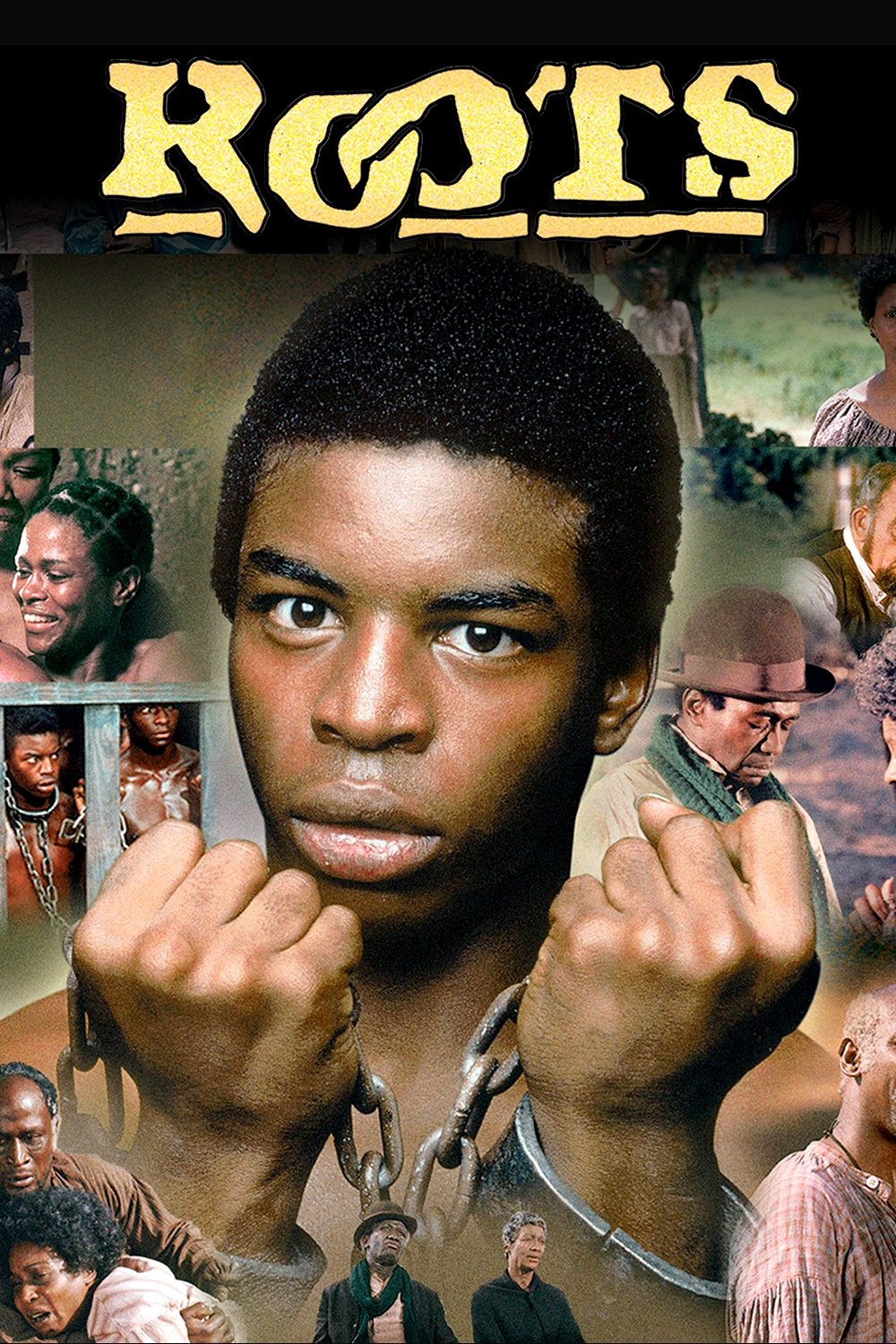
This landmark miniseries chronicles multiple generations of one family from capture and enslavement through the struggles and changes that follow. LeVar Burton, John Amos, Louis Gossett Jr., and a large ensemble portray interconnected roles across different settings and stages of life. The narrative uses parallel storylines to show labor systems, resistance, and community-building. Historical consultants, period costuming, and location work contribute to a detailed portrayal of social structures.
‘Family’ (1976–1980)

A contemporary domestic drama, this series follows the Lawrence family as they balance school pressures, careers, and personal relationships in suburban California. Sada Thompson, James Broderick, and Meredith Baxter form the central trio, with storylines that traverse counseling, legal concerns, and neighborhood dynamics. Episodes often revolve around dinner-table negotiations, school conferences, and workplace decisions. The format emphasizes character development through recurring conflicts and reconciliations.
‘Lou Grant’ (1977–1982)
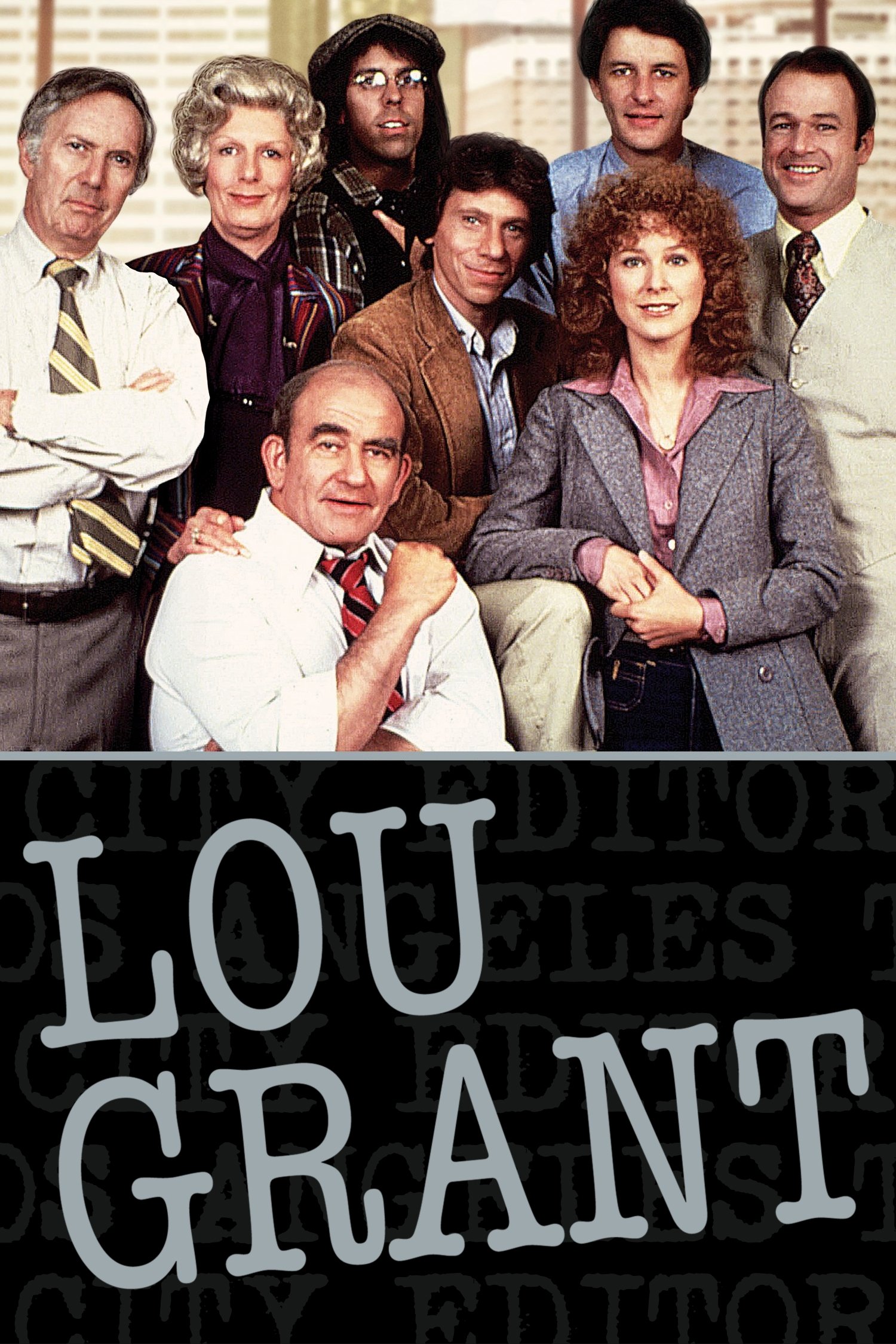
This newsroom drama centers on a city editor guiding reporters through investigations, deadlines, and ethical calls at a metropolitan paper. Edward Asner leads the ensemble, with Robert Walden and Nancy Marchand among the principal cast. Plots involve source cultivation, records requests, and editorial meetings that shape coverage. The series integrates municipal politics, public-health reporting, and beat competition into case-driven storytelling.
‘Space: 1999’ (1975–1977)
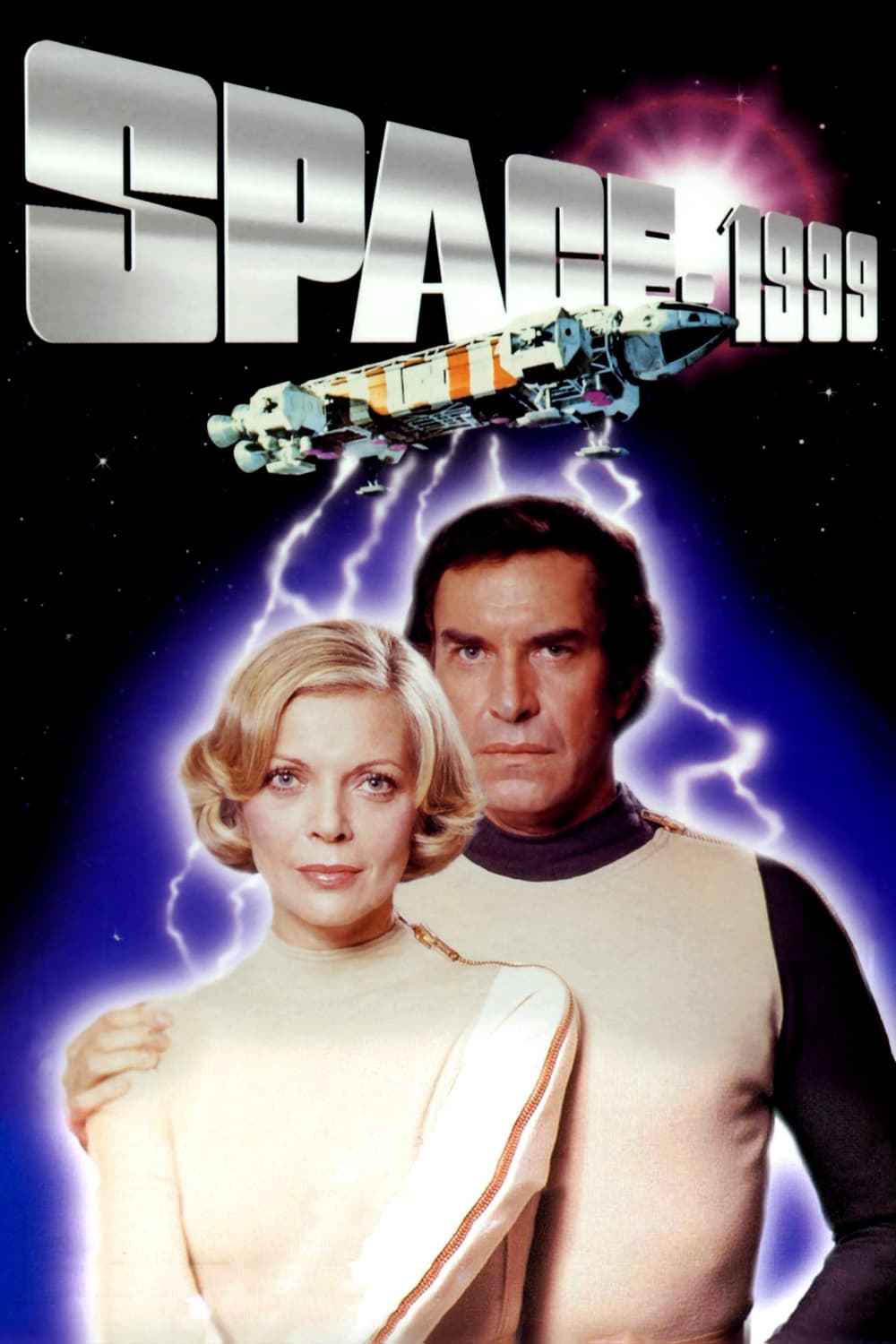
A science-fiction drama, this show follows a lunar base crew after an accident propels their station into deep space, forcing encounters with new worlds and species. Martin Landau and Barbara Bain star, supported by a rotating scientific and security staff. Episodes combine shipboard diagnostics, away-team surveys, and debates over resource management. Model work, practical effects, and modular set design create a consistent visual language for recurring tech.
‘The Sweeney’ (1975–1978)
This British police drama focuses on the Flying Squad, a unit tackling armed robbery and organized crime across London. John Thaw and Dennis Waterman headline, with operations built around surveillance vans, informants, and coordinated arrests. Scripts detail warrant preparation, interdepartmental briefings, and the logistics of tailing suspects through urban environments. Location shooting and handheld cinematography contribute to a grounded depiction of detective work.
Share which ’70s dramas you remember most—and why—in the comments!