1980s Movies That Are so Bad They Became Famous


Some films from the 1980s didn’t just miss the mark—they became cautionary tales, late-night punchlines, and eventually, cult curiosities. Their reputations were built on costly miscalculations, production chaos, and head-scratching creative choices that turned them into pop-culture landmarks for all the wrong reasons.
Below are notable examples from that decade whose notoriety is well-documented: budgets and box office tallies that didn’t add up, studio infighting that spilled into the trades, and awards seasons where the Razzies loomed larger than the Oscars. Every title here is included for verifiable reasons—concrete production facts, contemporary reviews, industry fallout, or the durable cult followings that came later.
‘Howard the Duck’ (1986)
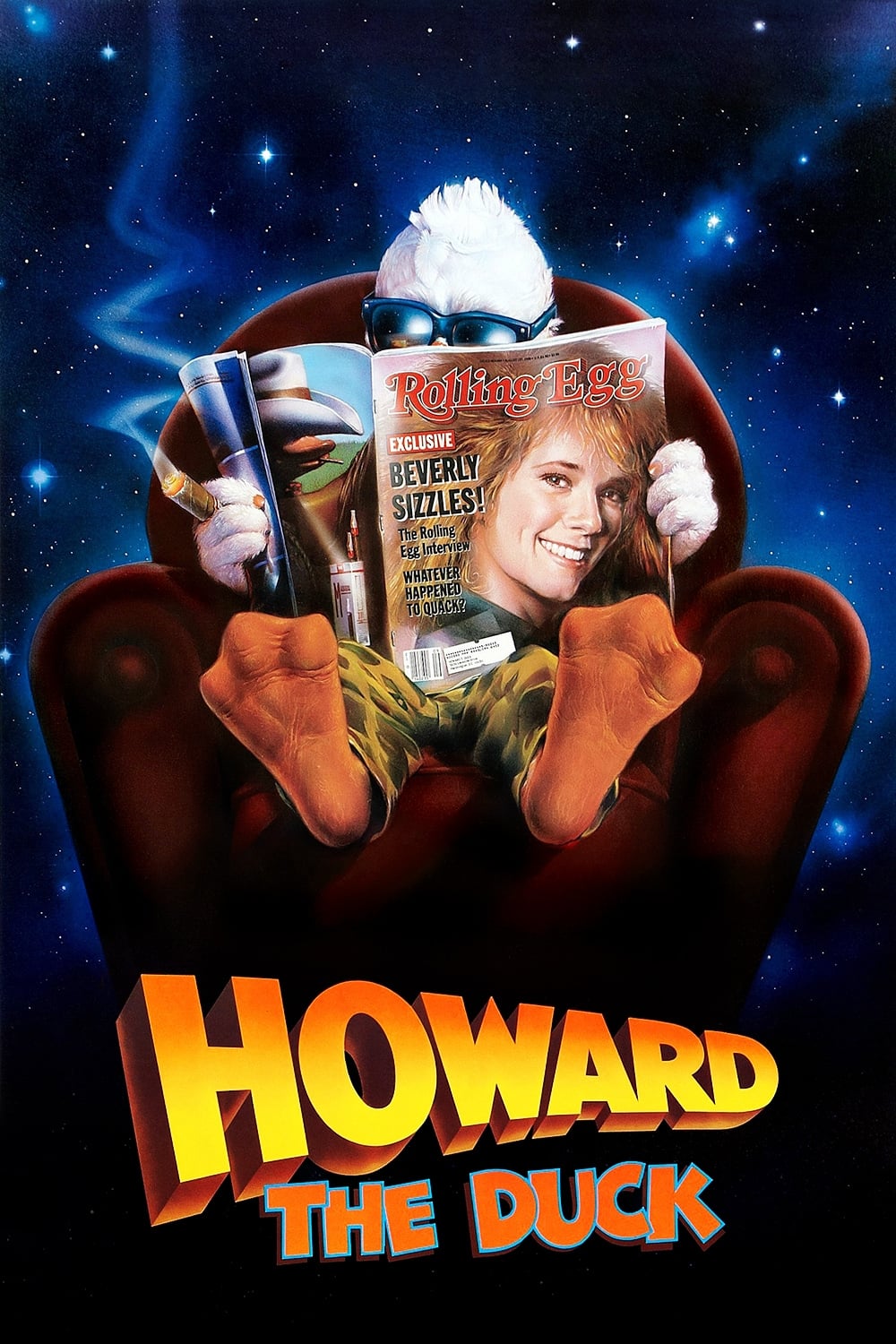
When ‘Howard the Duck’ opened in August 1986, negative reactions were swift, and industry coverage linked the film’s failure to turbulence at Universal Pictures—culminating in studio chief Frank Price’s resignation that September, which the Los Angeles Times reported as immediate and high-profile corporate news. Variety even ran the headline “DUCK Cooks Price’s Goose,” reflecting how closely the flop was tied to executive fallout at the time.
The movie’s scale and branding—Lucasfilm producing a comic-book oddity as a would-be blockbuster—made its box-office disappointment unusually visible. Contemporary and retrospective sources detail how the project’s marketing and tonal confusion hurt it, with industry reporting and reference entries noting the publicized disappointment among critics and audiences and the way it became shorthand for big-budget misfires in the mid-’80s.
‘Ishtar’ (1987)

‘Ishtar’ became a byword for Hollywood fiascos after a widely covered, problem-plagued production: studio leadership changes at Columbia during post-production, spiraling costs, and publicized on-set tensions all fed months of negative trade chatter before release. The film opened number one domestically its first weekend but quickly collapsed, finishing with about $14 million in North America against a reported budget over $50 million, a gap chronicled in detailed histories and reference entries.
The media narrative—documented by outlets like IndieWire and The Guardian—cemented ‘Ishtar’ as a cultural shorthand for a costly belly-flop, even as some critics later reappraised aspects of the film. That durable reputation is why the title still appears in lists of notorious bombs, decades on.
‘Superman IV: The Quest for Peace’ (1987)

By the time ‘Superman IV’ went before cameras, Cannon Films was in financial crisis. Trade-style reporting and analysis describe how the production’s budget—originally publicized around the mid-$30-million range—was reportedly slashed roughly in half shortly before shooting, with significant effects on visual effects, sets, and ultimately the film itself. Reference summaries also note that roughly 45 minutes were cut after negative test screenings before release.
The finished movie underperformed and drew strongly negative reviews, and box-office reporting shows it landed far below earlier entries in the franchise. Together, the money woes, heavy cuts, and reception turned ‘Superman IV’ into a textbook example of how collapsing financing can sink a marquee series.
‘Jaws: The Revenge’ (1987)
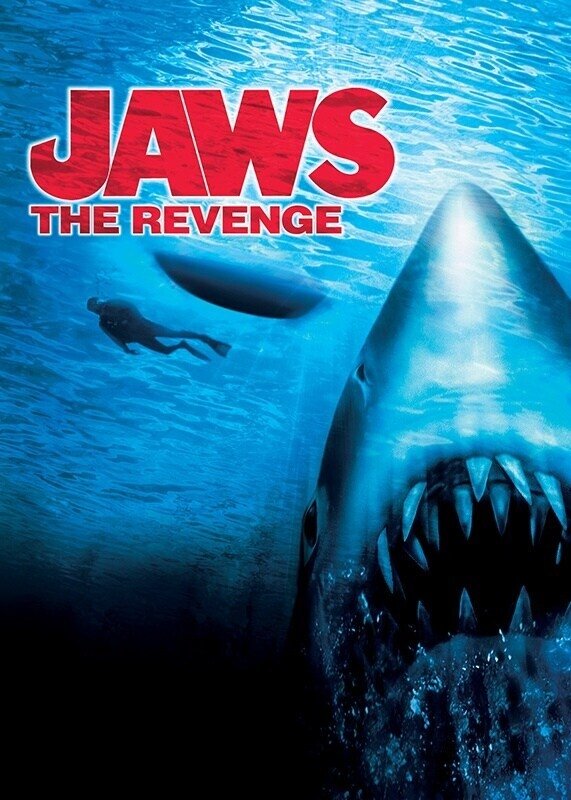
Production histories note that ‘Jaws: The Revenge’ was mounted and released on an unusually fast schedule to hit July 1987, with weather and mechanical-shark problems dogging the shoot and concerns about rushing to meet the date. Contemporary box-office figures show it ended as the lowest-grossing entry in the franchise.
Critically, the movie was hammered, with Roger Ebert’s zero-star review becoming one of the decade’s most quoted takedowns. The combination of a hurried production and poor reception is what made this sequel infamous, even as the original ‘Jaws’ remained a studio crown jewel.
‘Mac and Me’ (1988)
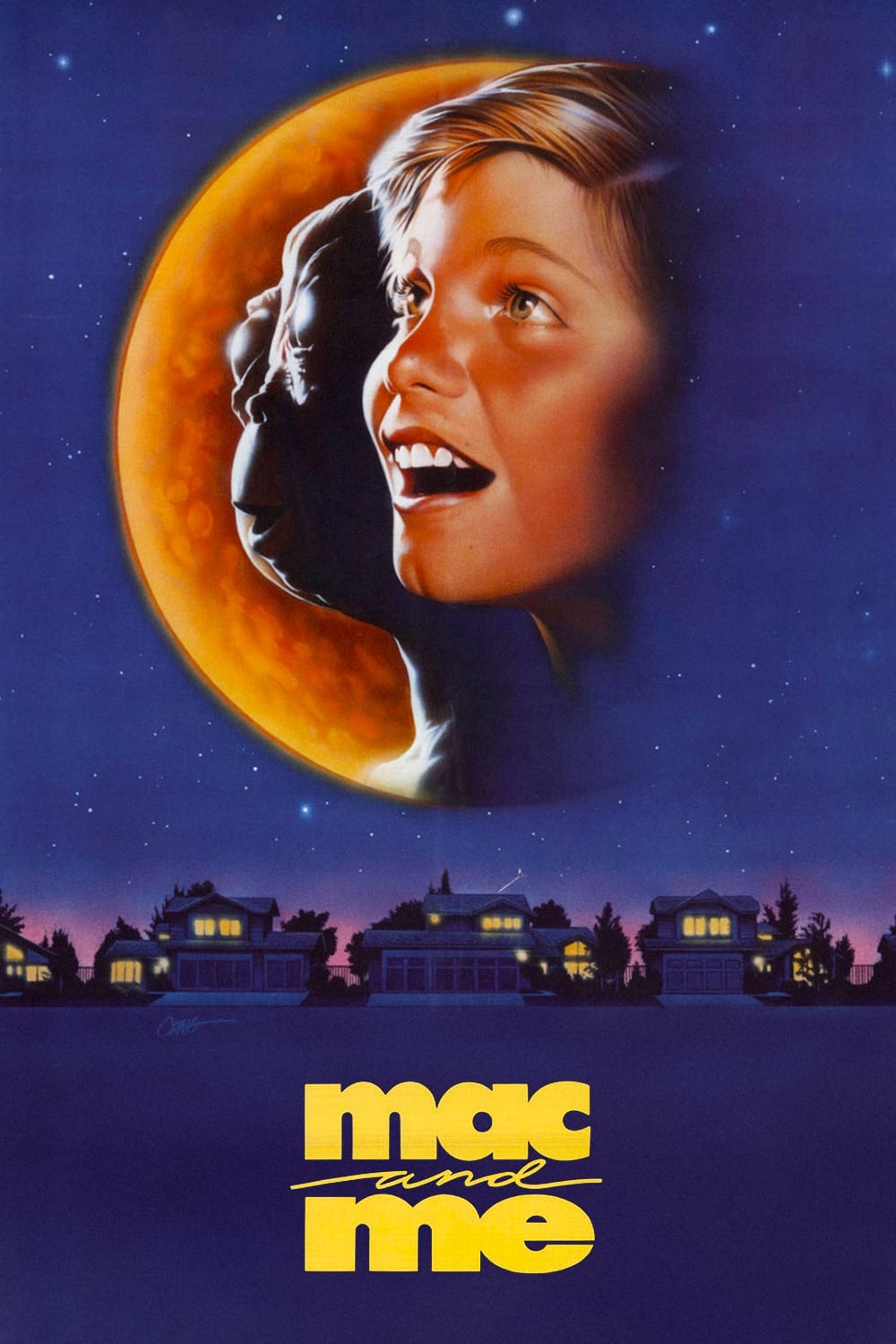
‘Mac and Me’ is widely documented for its conspicuous product placement—sources catalog prominent appearances by McDonald’s, Coca-Cola, and more, including a much-discussed dance sequence featuring Ronald McDonald. Reference entries also record the film’s poor performance and its Golden Raspberry outcomes, including “Worst New Star” awarded to Ronald McDonald and “Worst Director.”
Those same sources trace how the movie’s resemblance to ‘E.T.’ became part of its reputation, fueling its afterlife as a cult curio cited in bad-movie roundups and marketing case studies. The result is a film remembered less for story and more for the way brand integrations defined it.
‘Masters of the Universe’ (1987)
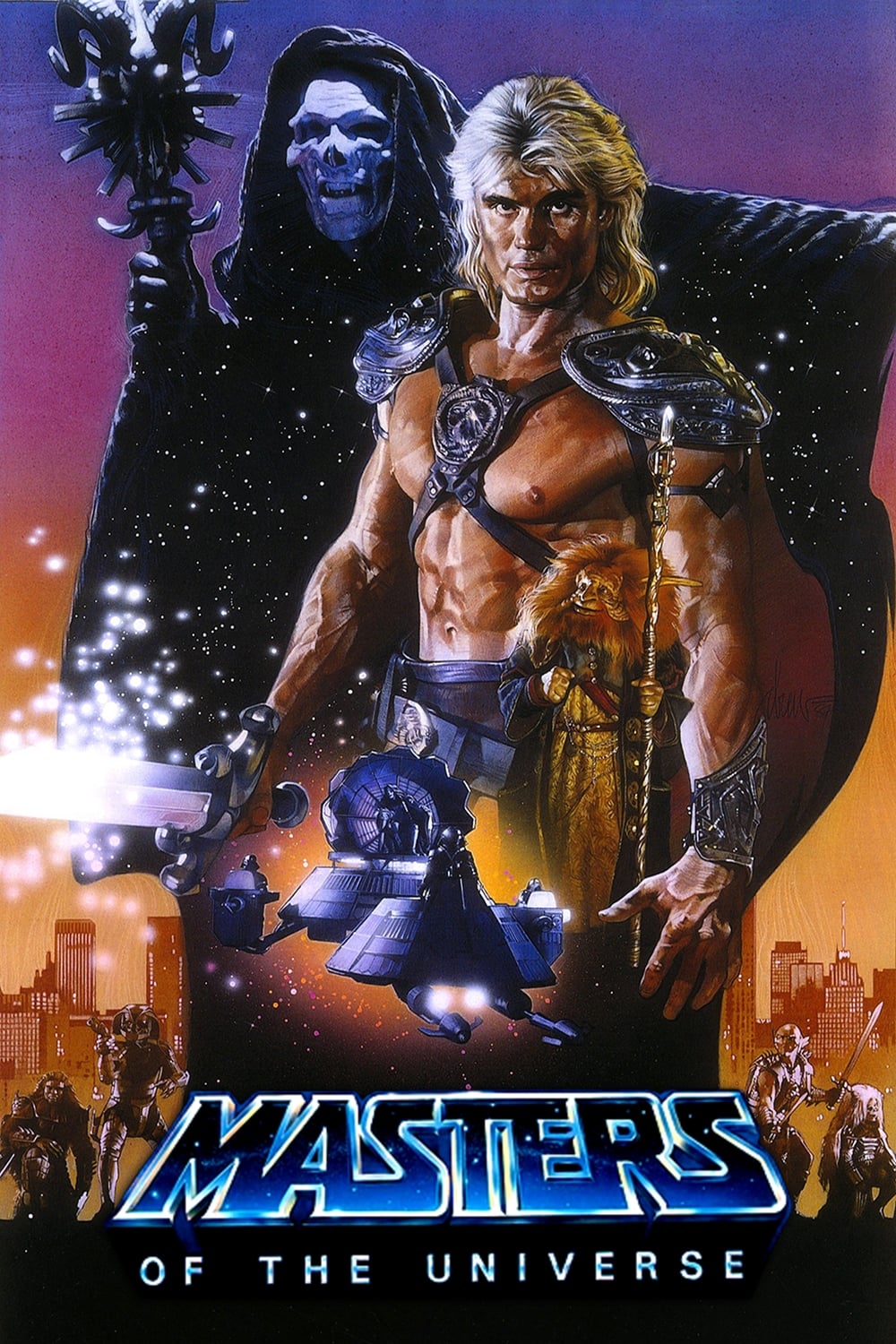
Cannon pitched ‘Masters of the Universe’ as a would-be ‘Star Wars’ of the ’80s, but reporting and databases show it opened modestly and fell quickly, ending with about $17.3 million in North America. The Numbers and reference write-ups document the film’s theatrical performance and critical response, which labeled it a derivative misfire despite the toy line’s peak popularity.
Its commercial disappointment mattered beyond one title: the poor result contributed to Cannon’s mounting financial troubles the same year, which in turn impacted other projects—including the ‘Superman’ franchise—cementing ‘Masters of the Universe’ as a cautionary tale about overextending a brand.
‘Mommie Dearest’ (1981)
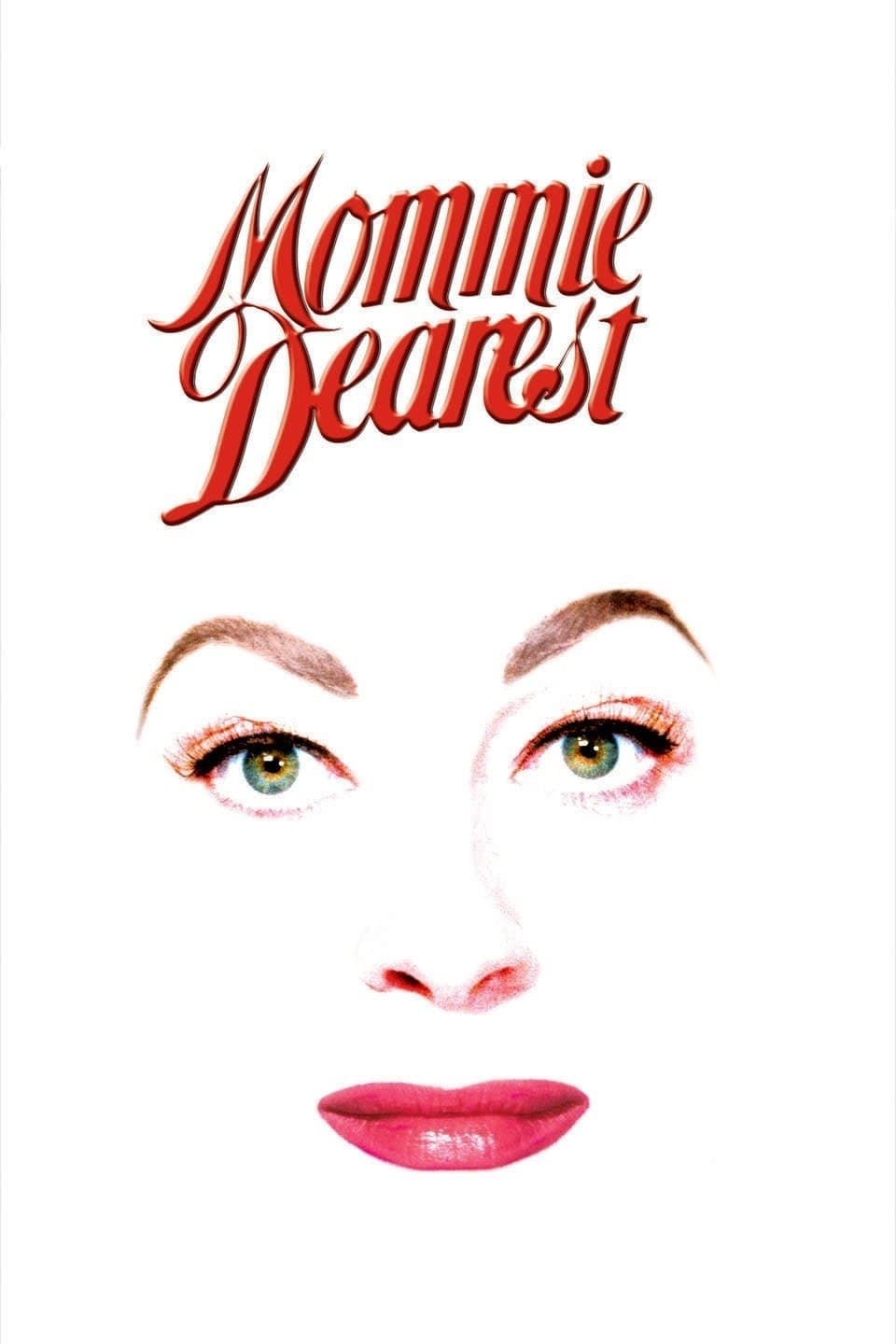
Based on Christina Crawford’s memoir about Joan Crawford, ‘Mommie Dearest’ opened to harsh notices, but coverage by outlets like People and programming notes from the British Film Institute trace its evolution into a cult staple. Midnight screenings and persistent audience interest turned specific scenes into enduring pop-culture touchpoints.
That afterlife shows up in retrospectives describing its unexpected trajectory—from awards-season hopeful to camp phenomenon embraced by niche communities and revival houses. Its reputation today is less about initial reviews than the documented audience culture that grew around it.
‘Bolero’ (1984)

‘Bolero’ faced MPAA ratings friction and distribution hurdles; when producers refused to cut content to avoid an X rating, MGM dropped the film and Cannon released it unrated, a move that led many theater chains to refuse bookings. The film’s release history and controversies, including its Razzie sweep, are well-documented in reference materials and award records.
Reviews from the period were scathing, and the title went on to win six Razzies—including Worst Picture and Worst Actress—fixing its reputation as one of the decade’s most notorious features. That trackable paper trail of ratings battles and awards is central to how ‘Bolero’ became famous for the wrong reasons.
‘Leonard Part 6’ (1987)
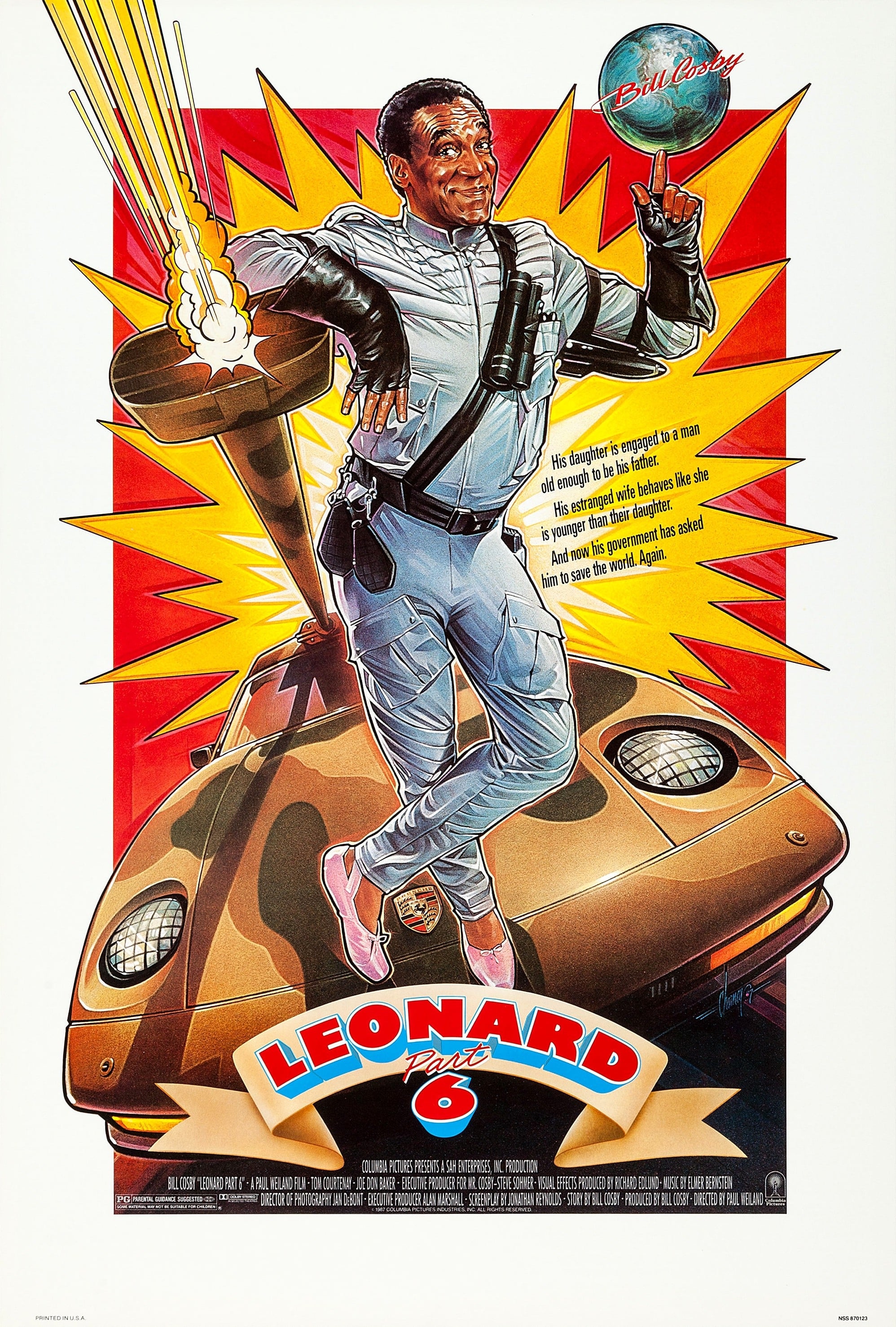
Box-office reporting shows ‘Leonard Part 6’ grossed roughly $4.6 million domestically against a reported $24–25 million budget, a steep shortfall covered at the time by the Los Angeles Times. Reference entries also list its Razzie results: three “wins,” including Worst Picture and Worst Actor, plus additional nominations.
The film’s reception and awards-season notoriety were unusual in that they were amplified by the star publicly acknowledging the debacle in media appearances, a detail preserved in award histories and contemporaneous coverage that kept the flop in the headlines.
‘The Garbage Pail Kids Movie’ (1987)
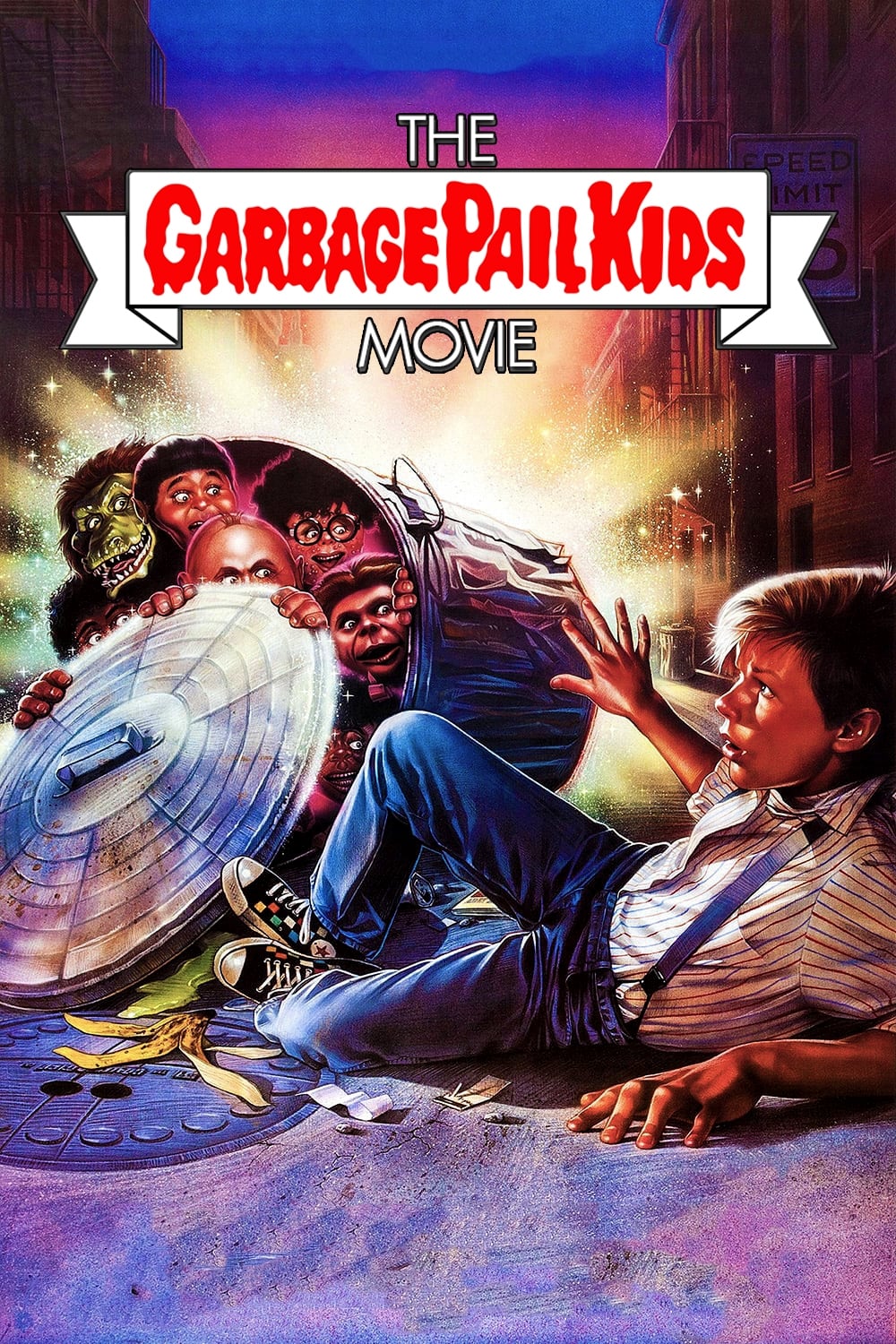
Contemporary reviews and archival summaries record that ‘The Garbage Pail Kids Movie’ was excoriated by critics, with The New York Times calling it “too repulsive for children or adults of any age,” and the AFI catalog noting meager grosses and Razzie attention. Reference listings also show a 0% critics’ score at Rotten Tomatoes and a historically low Metacritic number.
Awards tallies and period clippings further document its reception, including Razzie nominations for Worst New Star and Worst Original Song. Those verifiable markers—the reviews, the numbers, and the nominations—explain how a movie tied to a hit trading-card line became a fixture of “worst of the ’80s” lists.
‘Heaven’s Gate’ (1980)

United Artists spent heavily to release ‘Heaven’s Gate’, only to pull it after a disastrous New York premiere; a shorter cut arrived the following spring, but the film still earned just $3.5 million domestically against a reported $44 million budget. The New York Times review and later industry roundups recorded the scale of the failure and its immediate consequences.
Film histories consistently describe the title’s role in ending an era of director-driven studio filmmaking and hastening changes at United Artists after the studio’s corporate parent sold it off in 1981. Those shifts—tied directly to the film’s losses in well-sourced accounts—are the reason ‘Heaven’s Gate’ remains one of the decade’s most cited cautionary tales.
‘Gymkata’ (1985)
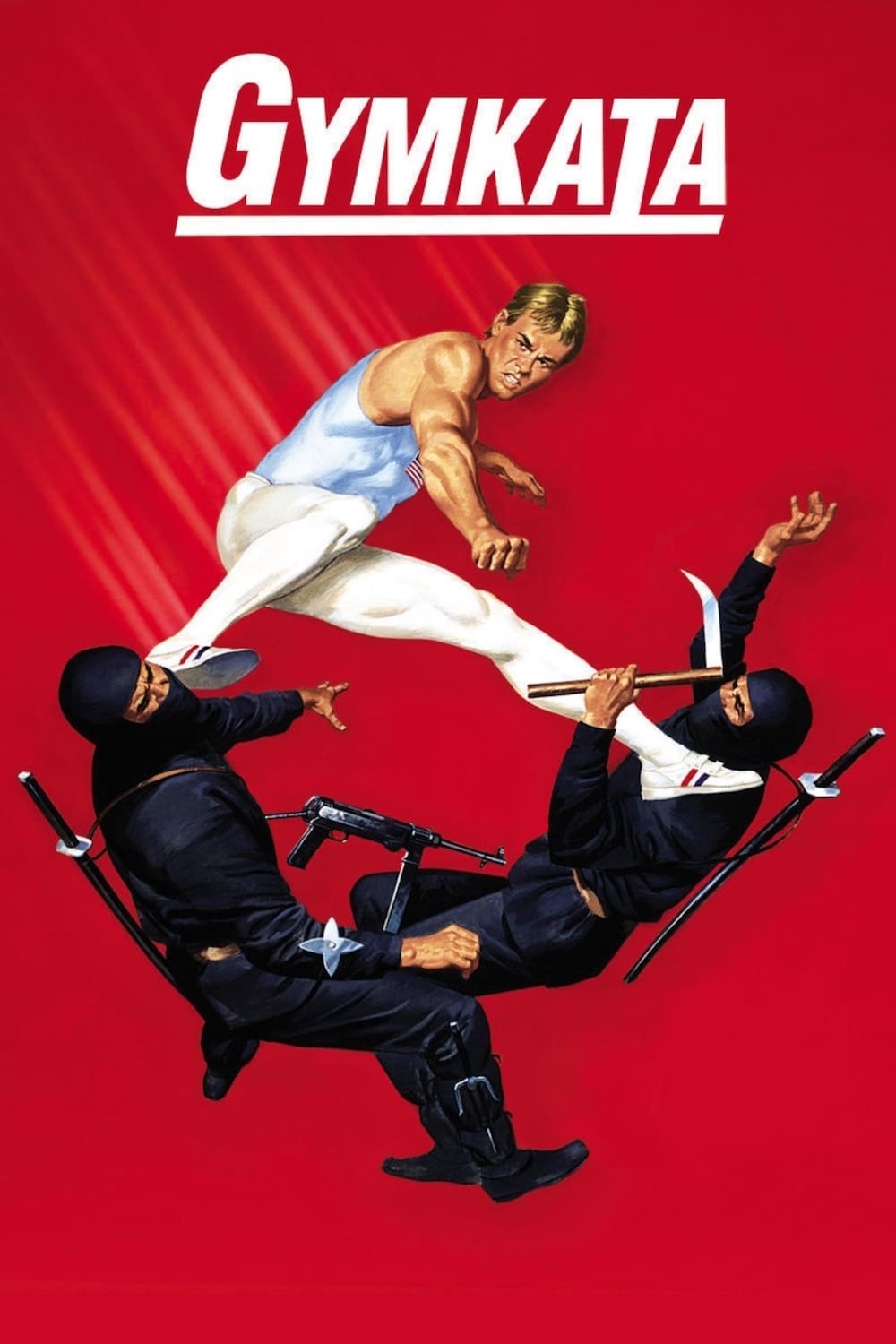
‘Gymkata’ paired Cold-War spy thrills with gymnastics-as-martial-arts and, according to recent reporting, flopped on release before picking up a cult following over time. Production details—like the vehicle for Olympic gymnast Kurt Thomas and the film’s hybrid concept—are documented in retrospectives that track its path from box-office non-starter to midnight-movie fixture.
That afterlife is reflected in multiple “so-bad-it’s-good” surveys and anniversary pieces that catalogue its reception, ensuring the film’s notoriety persists as a recognizable ’80s artifact. The documentation of its cult status is why ‘Gymkata’ reliably appears in roundups of famous misfires from the decade.
Have another infamous ’80s pick you think belongs on this list? Drop your choice in the comments and tell us why!