1980s TV Shows that Aged Incredibly Well


The eighties were a laboratory for TV—network staples, bold revivals, anime imports, and kids’ shows that built entire toy aisles. Across genres, creators leaned on sturdy formulas, distinctive worlds, and production craft that still plays for new audiences discovering these series on reruns and streaming.
What follows is a tour of fifty shows from that decade that continue to land because their premises are clear, their casts are memorable, and their episodes are built to be revisited. Each entry notes the core setup, how the production worked, and what helped the series travel across formats and generations.
‘Cheers’ (1982–1993)
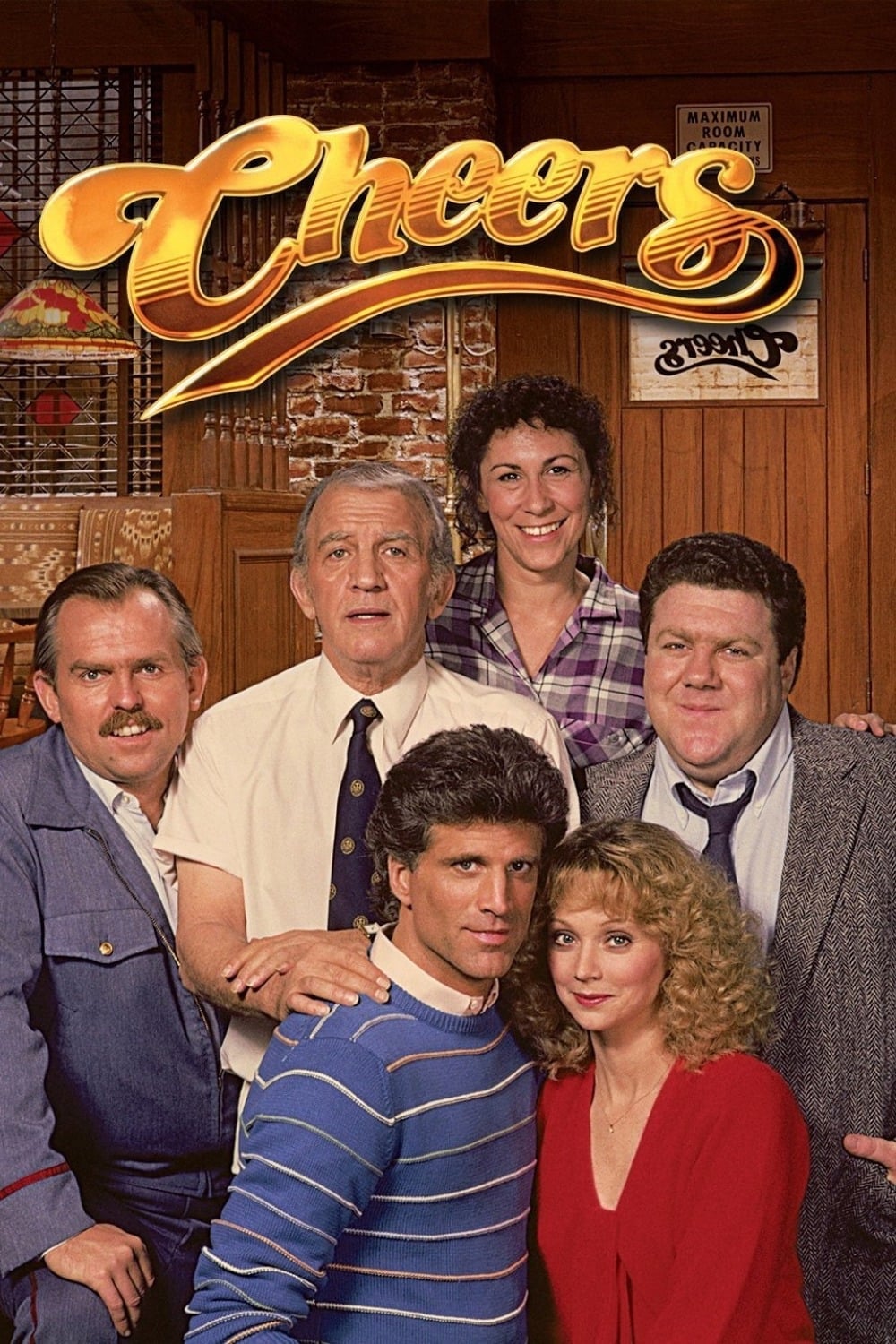
Set in a Boston bar run by an ex-ballplayer, ‘Cheers’ builds stories around a regulars’ circle where romances, rivalries, and workplace shifts all play out within a few well-mapped sets. The clean ensemble engine lets one-off plots sit alongside longer arcs without breaking the room’s rhythm.
Its multi-camera, live-audience approach preserved timing that repeats cleanly in syndication. The show’s universe expanded through guest crossovers and the spin-off ‘Frasier’, and its dialogue-forward style remains friendly to reruns, clips, and digital packages.
‘The Golden Girls’ (1985–1992)
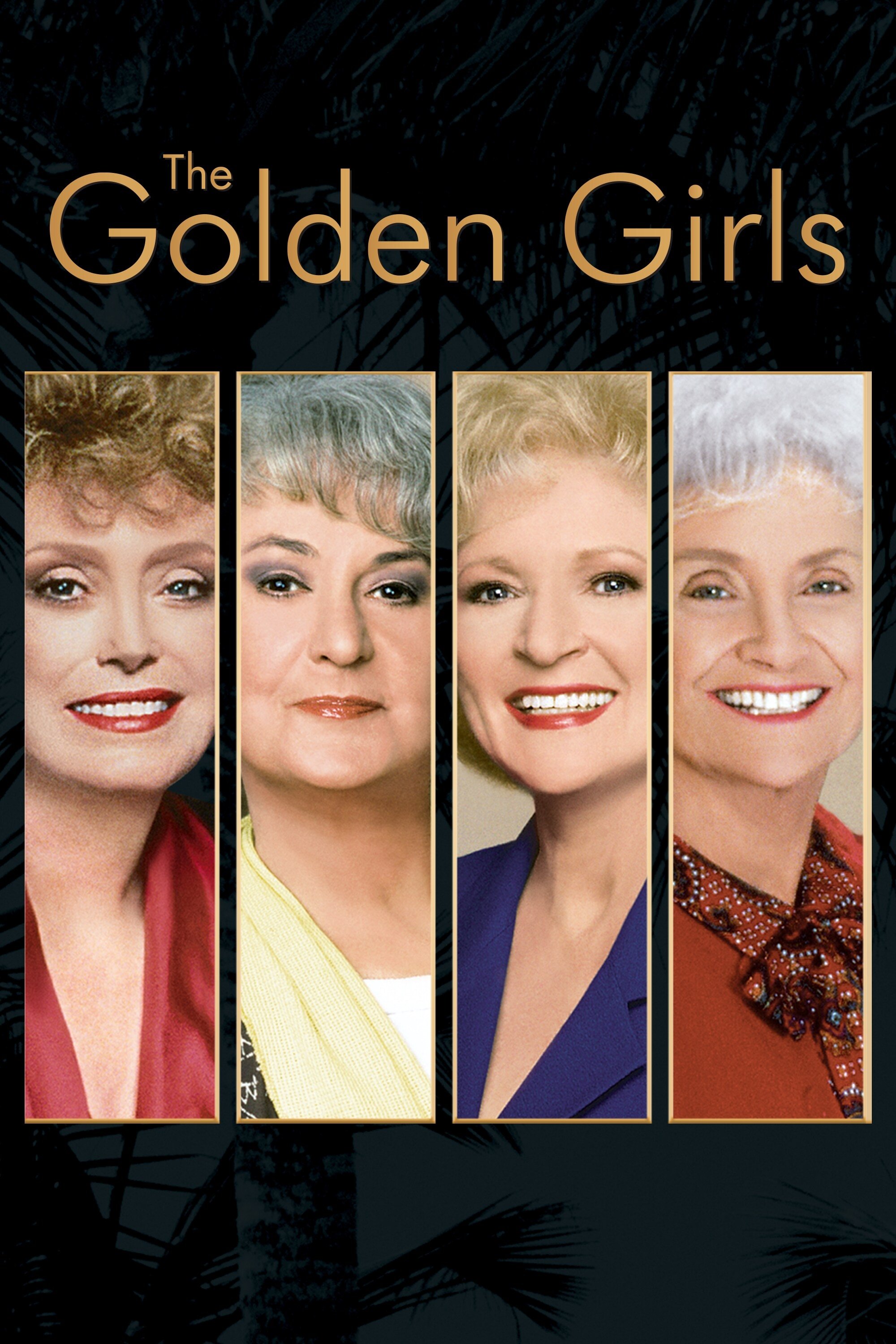
‘The Golden Girls’ follows four housemates in Miami whose kitchen-table conversations fuel stories about friendship, work, and family obligations. The series pairs sharply delineated character voices with domestic A/B plots that reset without losing continuity.
A compact stage plan—living room, kitchen, and a handful of recurring locations—kept episodes focused on performance and writing. Its self-contained structure made it ideal for marathons and streaming queues, while backdoor pilots and related series extended the setting.
‘Miami Vice’ (1984–1990)
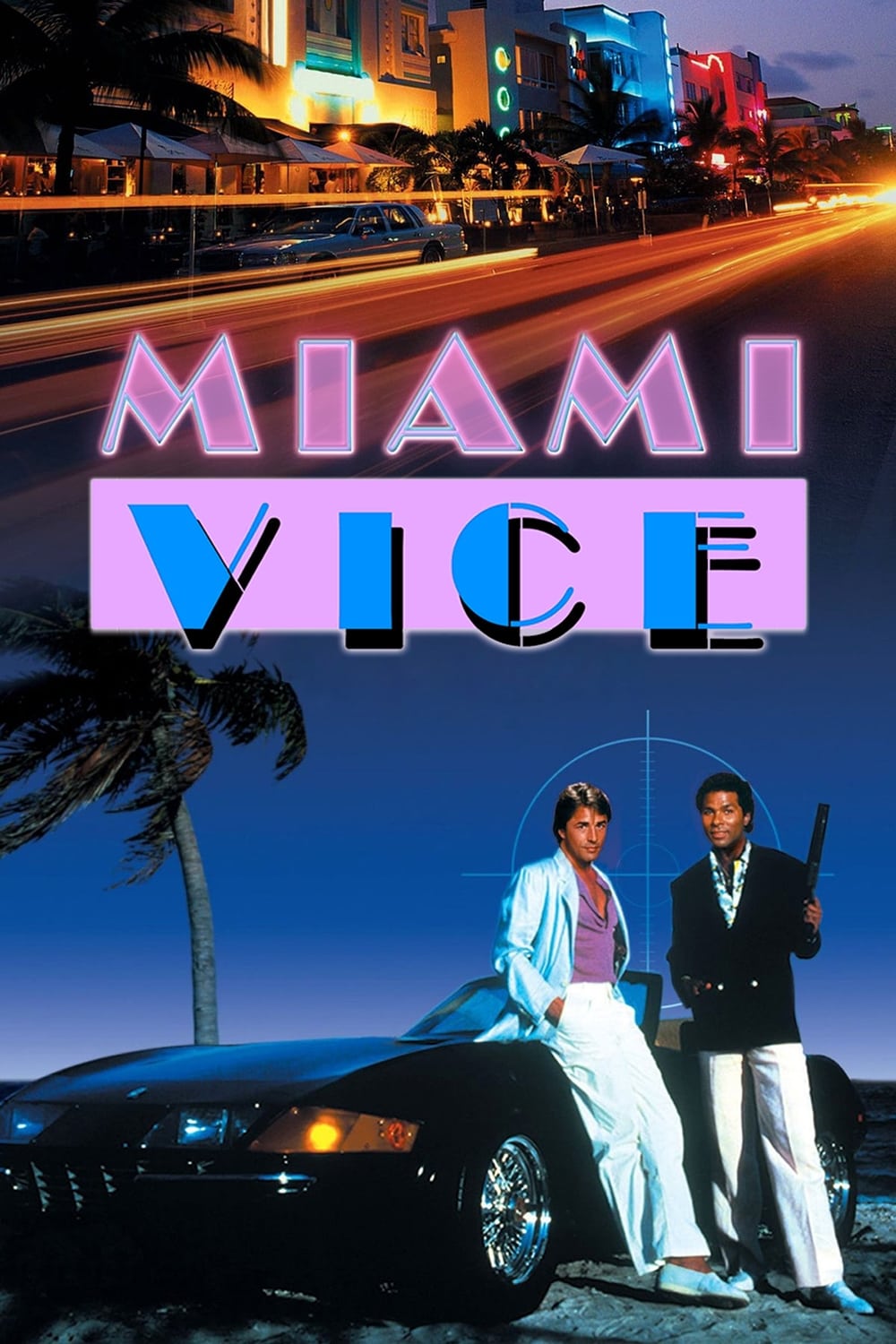
‘Miami Vice’ tracks two undercover detectives through cases that mix organized crime, smuggling, and sting operations. Location shooting, stylized color design, and music supervision built an atmosphere that broadcasters used as a network identity.
The production relied on practical vehicle work and waterfront action, with episodic cases that also carried consequences across weeks. Carefully maintained soundtrack rights preserved the intended feel in later releases, keeping the series’ look and sound intact.
‘Magnum, P.I.’ (1980–1988)
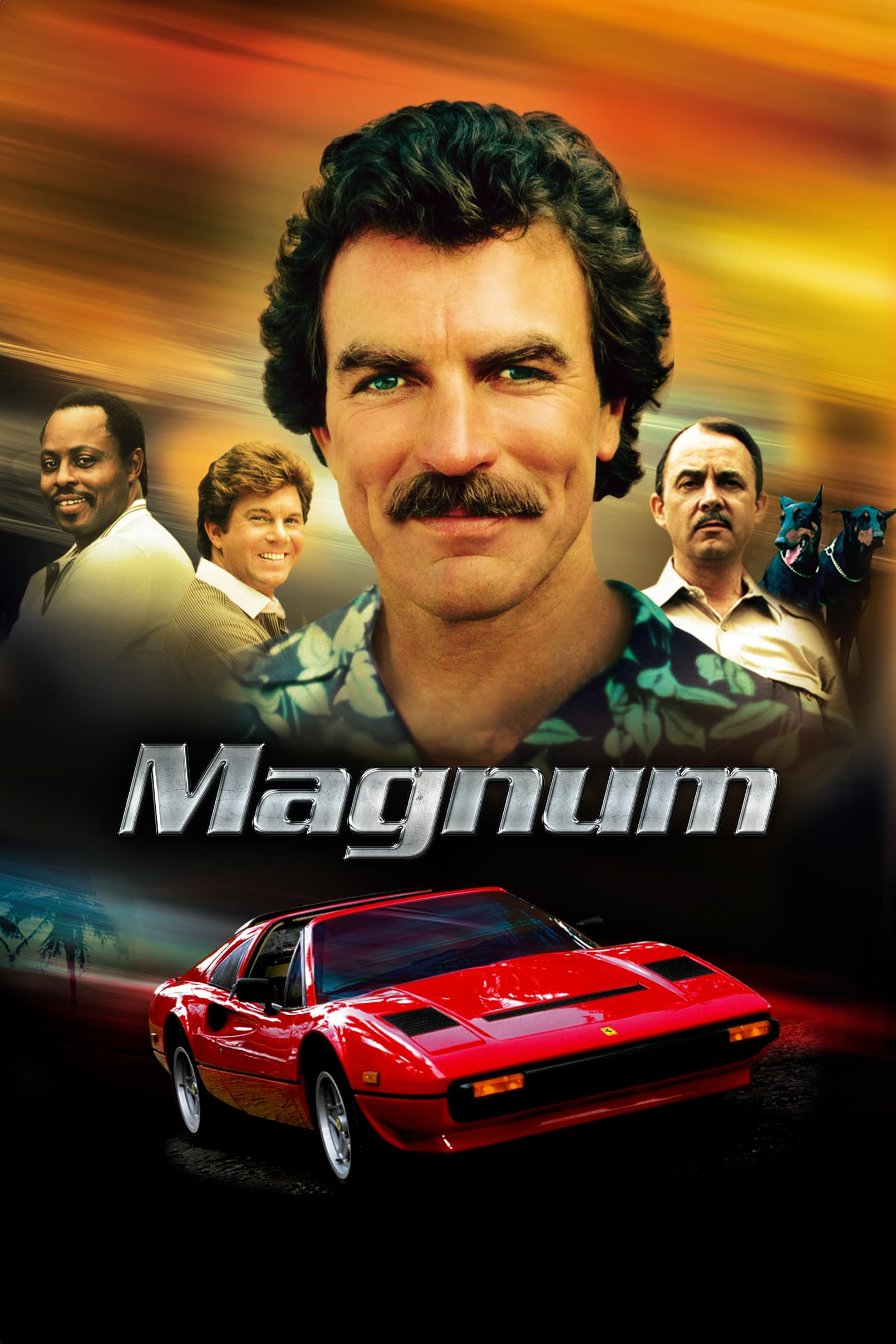
‘Magnum, P.I.’ follows a private investigator living on a Hawaiian estate whose cases intersect with friends from his service days and a watchful caretaker. The series balances mystery-of-the-week structure with a found-family ensemble.
Extensive location shoots showcased islands and practical stunts, while occasional two-parters gave room for larger threats. The show’s modular cases made it a syndication mainstay, and crossovers connected it to neighboring crime franchises.
‘Knight Rider’ (1982–1986)

‘Knight Rider’ pairs a lone operator with KITT, an advanced talking car backed by a covert foundation. Missions-of-the-week deliver gadget reveals, recurring villains, and highway chases that are easy to drop in on.
Stunt teams mixed ramp jumps, special rigs, and miniatures to sell signature moves, anchored by a memorable synth theme. Tie-in toys, telefilms, and later reboots kept the property visible while the original’s format stayed instantly readable.
‘MacGyver’ (1985–1992)
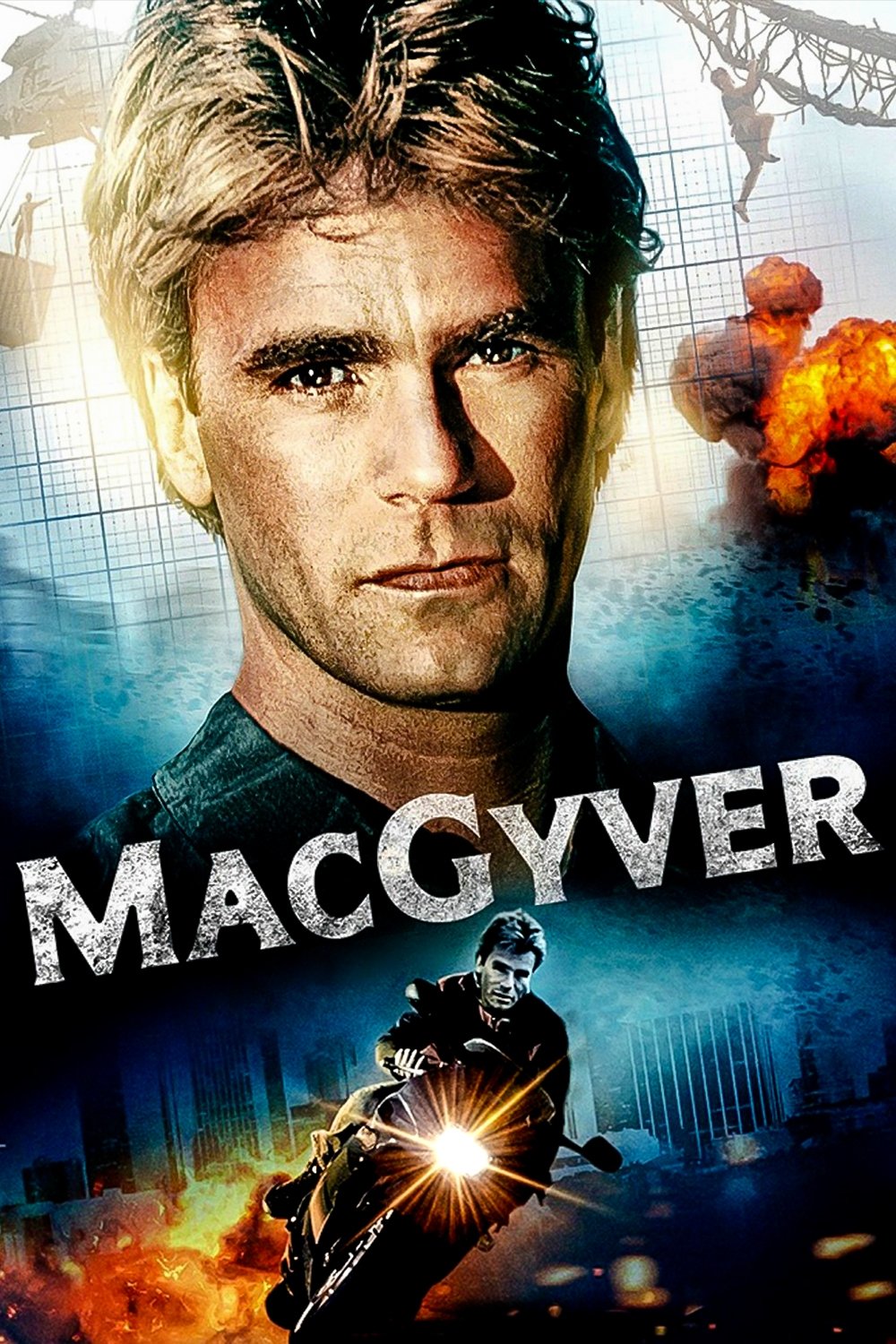
‘MacGyver’ centers on an operative who solves problems with improvisation and non-lethal tactics, turning everyday materials into timely fixes. Episodes frame puzzles around constraints—locked rooms, ticking clocks, and remote locations.
The show’s prop and effects teams built repeatable, plausible set pieces that viewers could follow step by step. Its educational angle generated classroom tie-ins and a long tail of references, and a modern reboot reaffirmed the core design.
‘The A-Team’ (1983–1987)
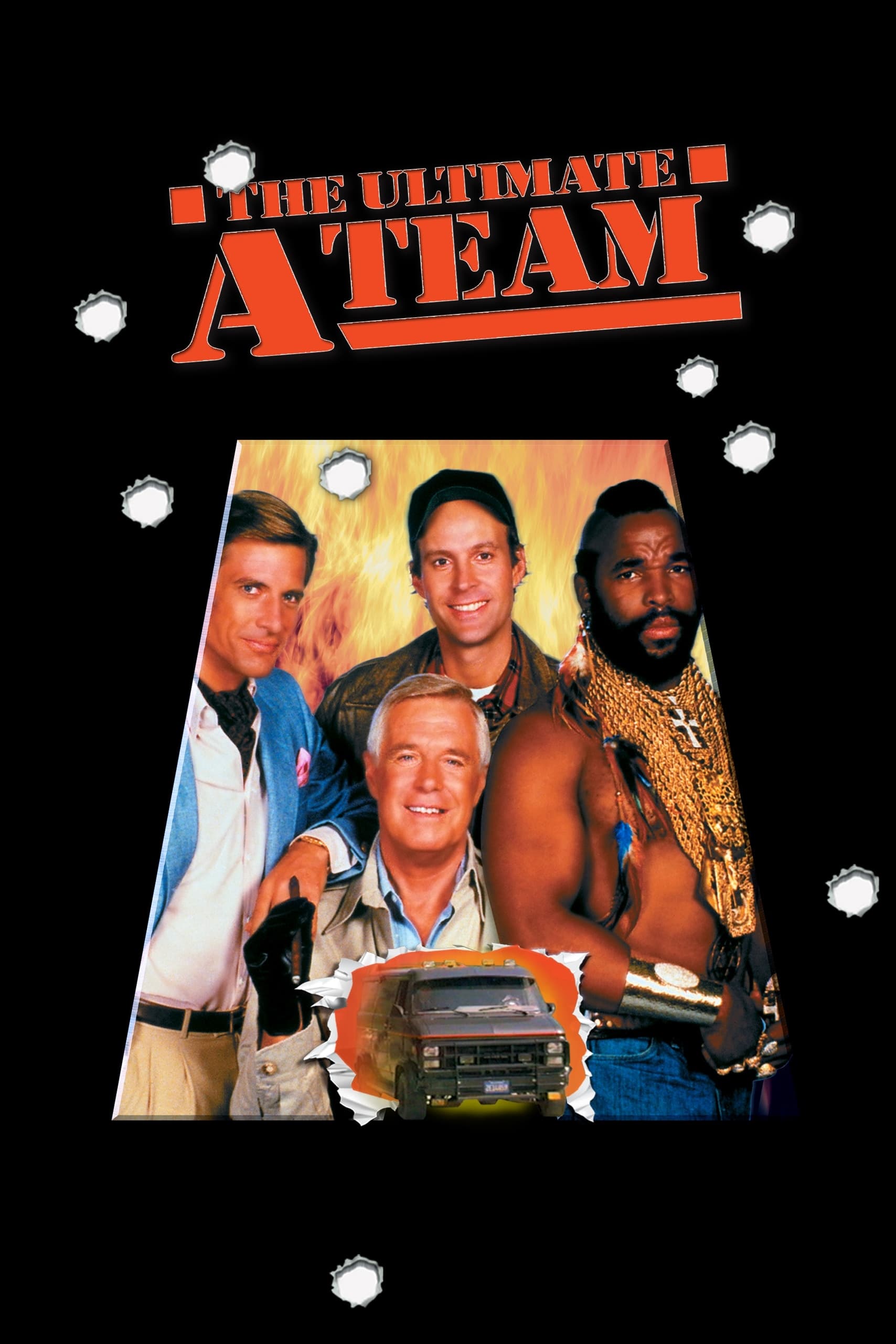
‘The A-Team’ follows a group of ex-commandos who help civilians while dodging capture, rolling from town to town with disguises and improvised gear. Plots hinge on clear stakes, vehicle chases, and a montage payoff.
A strong theme, reliable case structure, and recurring antagonists made episodes easy to program out of order. Toys, comics, and a later film adaptation kept the brand circulating, while the TV original remained the template.
‘Star Trek: The Next Generation’ (1987–1994)
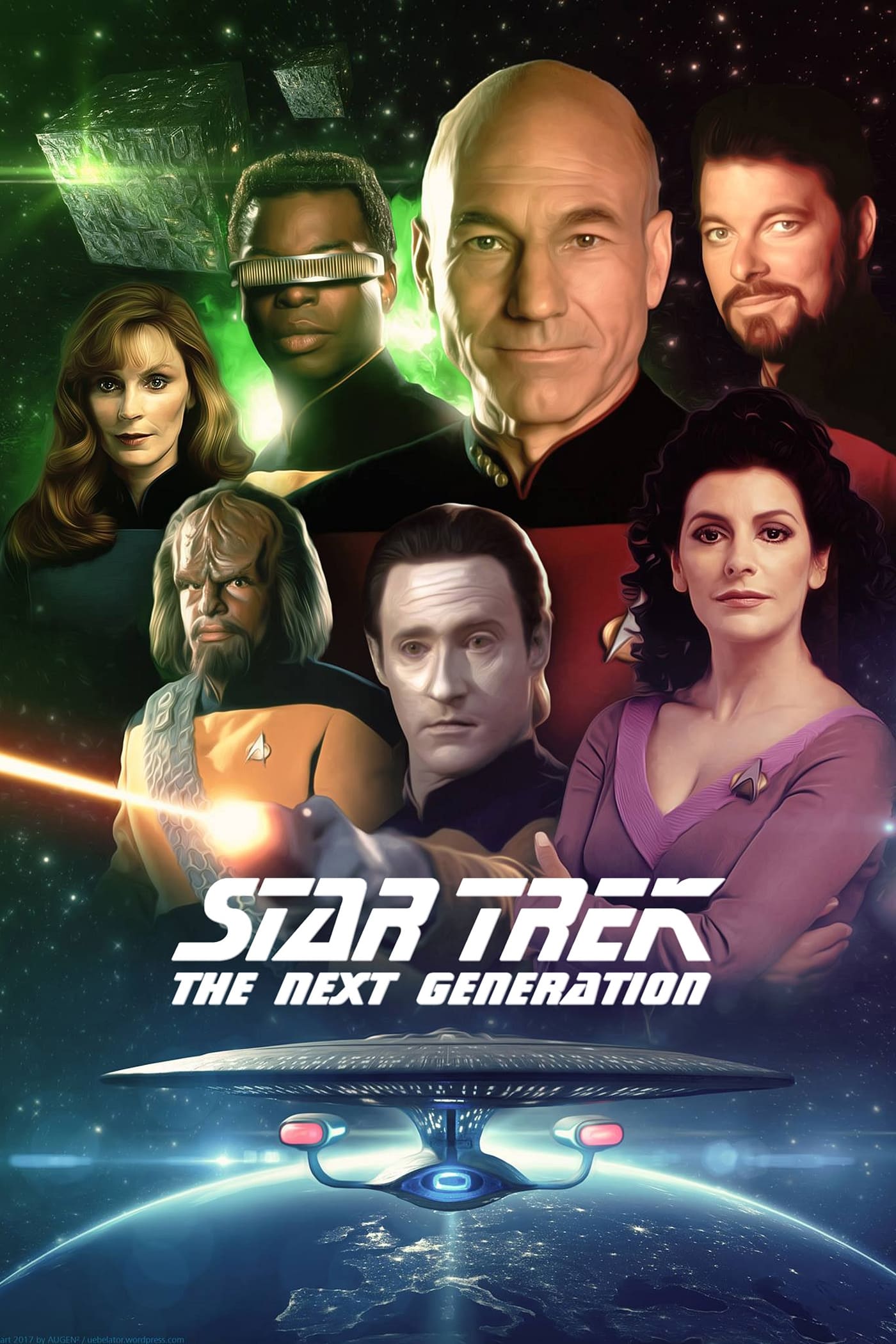
‘Star Trek: The Next Generation’ places a new crew on the Enterprise with stories that weigh diplomacy, science, and ethics alongside exploration. Case files coexist with arcs about identity, protocol, and first contact.
Model work, sound design, and a consistent technical bible gave the ship and galaxy coherence. High-definition remasters highlighted miniature effects and sets, and the series seeded spin-offs, films, and continuing storylines across the franchise.
‘Hill Street Blues’ (1981–1987)
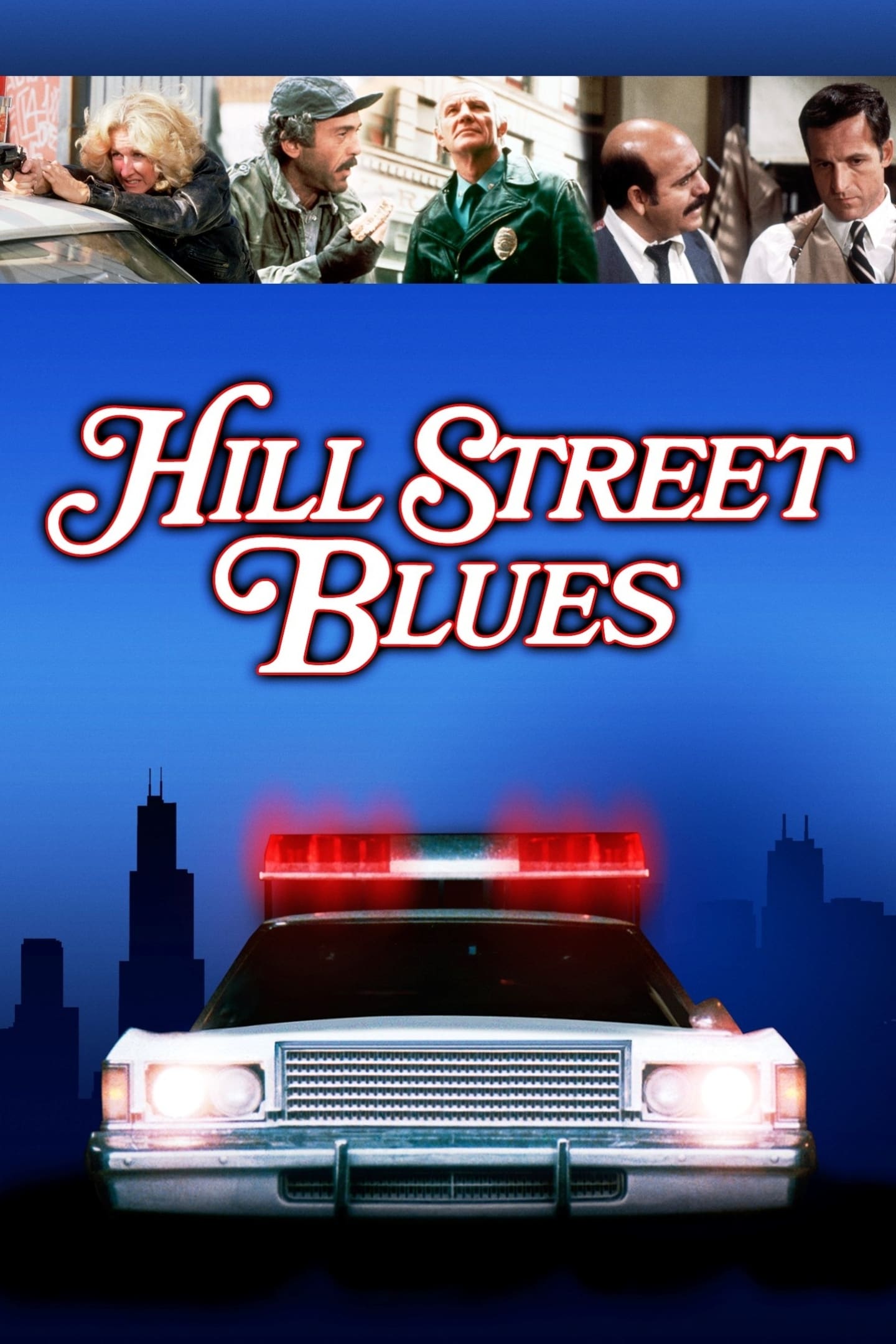
‘Hill Street Blues’ depicts an urban precinct through overlapping cases, roll-call openings, and a deep bench of recurring characters. It blends procedural beats with serialized consequences that carry across weeks.
Handheld camerawork and layered sound created street-level texture, while A/B/C plotting kept many threads in motion. Its ensemble model influenced later dramas and established a flexible way to balance casework with personal lives.
‘St. Elsewhere’ (1982–1988)
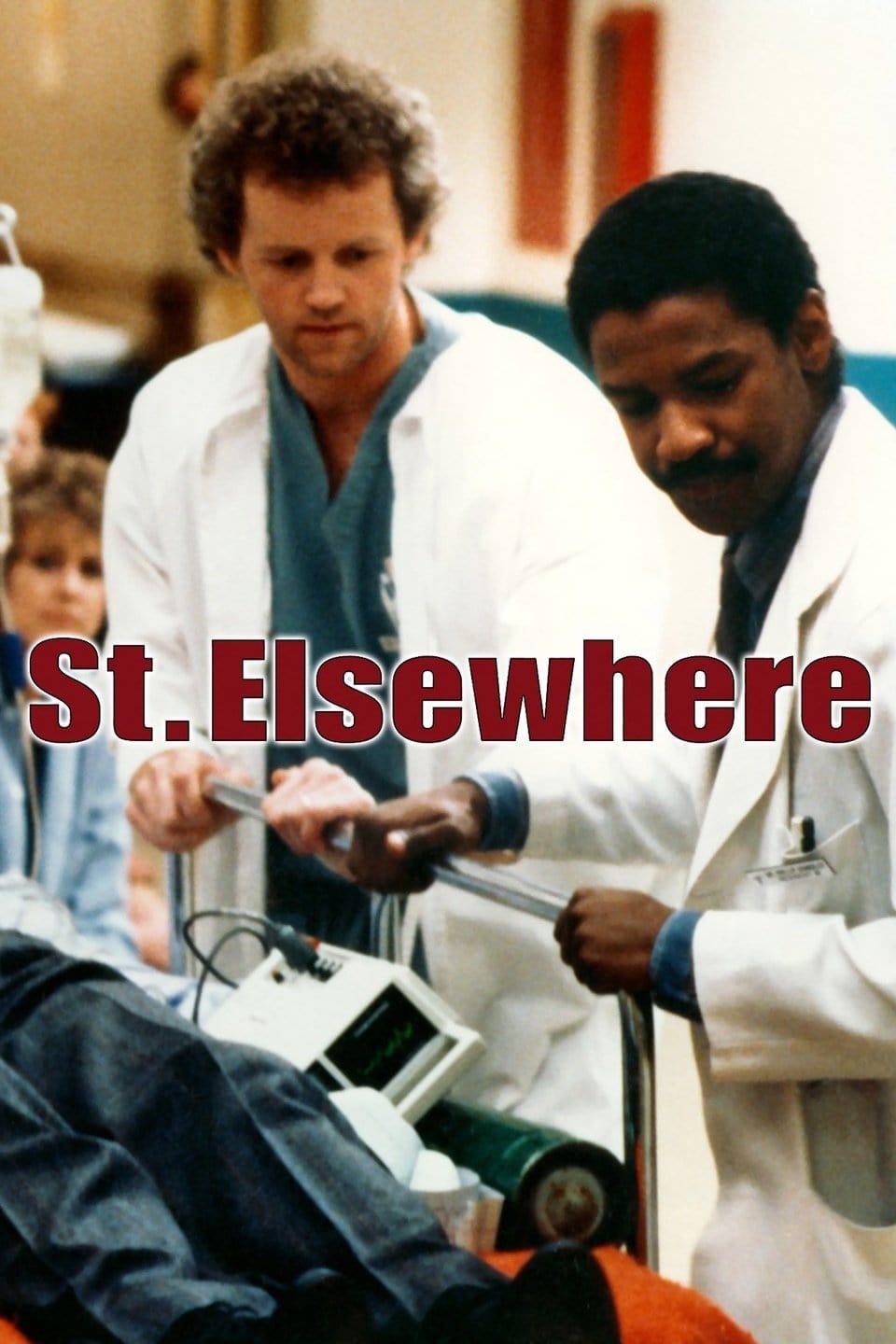
Set in a teaching hospital, ‘St. Elsewhere’ follows doctors, nurses, and patients through difficult cases and professional crossroads. The show experiments with form—dreams, cross-references, and bottle episodes—without losing medical grounding.
Consultant input kept procedures credible, while character arcs allowed the ensemble to grow over time. A landmark finale and a high rewatch value made it a recurring point of reference for hospital dramas.
‘Family Ties’ (1982–1989)
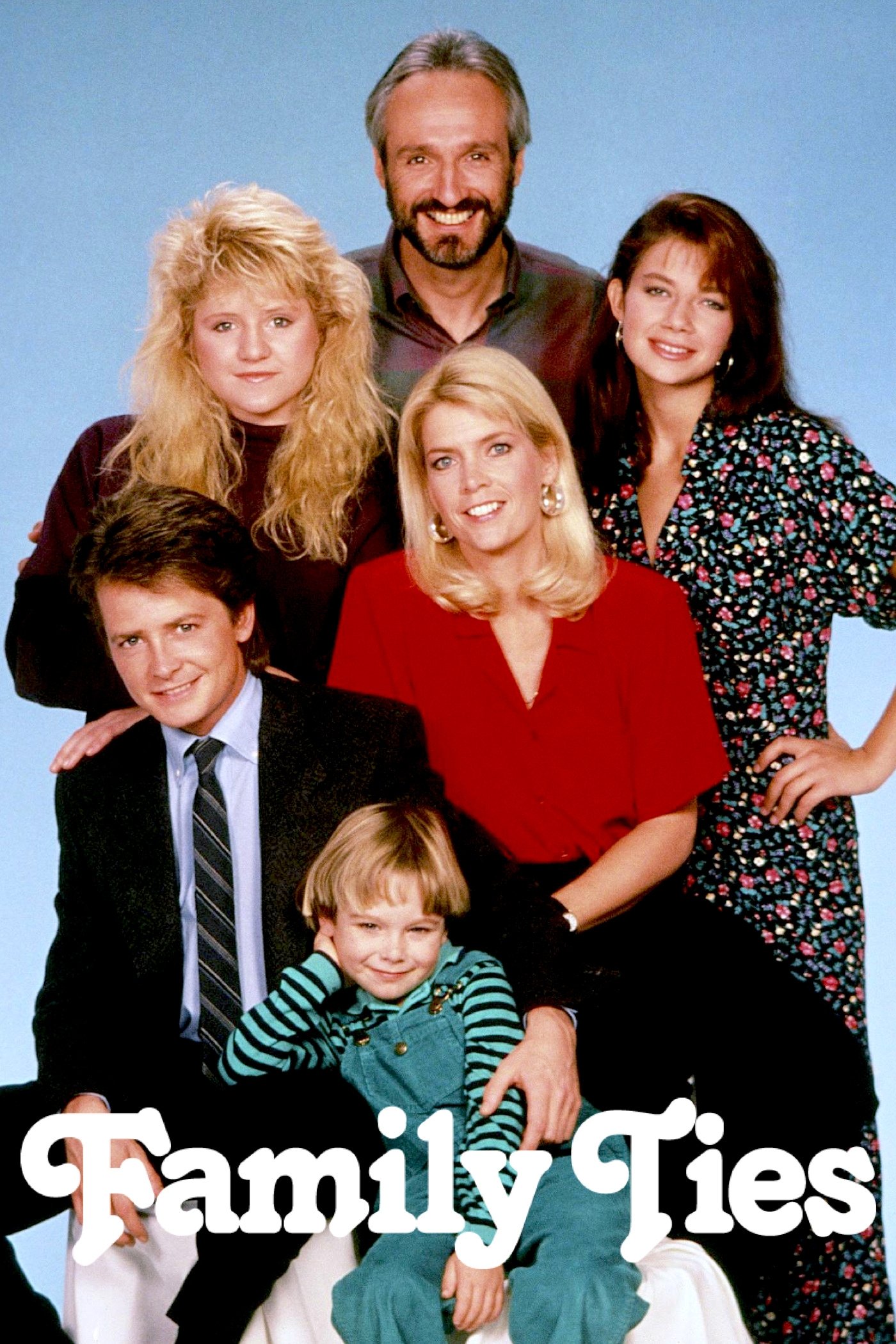
‘Family Ties’ focuses on the Keaton household, where parents’ ideals meet their children’s ambitions across school, work, and dating stories. The show uses living-room summits and kitchen-table problem-solving to resolve conflicts.
Its multi-camera setup, holiday episodes, and steady guest casting made reruns approachable in any order. Theme music and running bits helped programmers anchor blocks that introduced the series to new viewers.
‘Night Court’ (1984–1992)
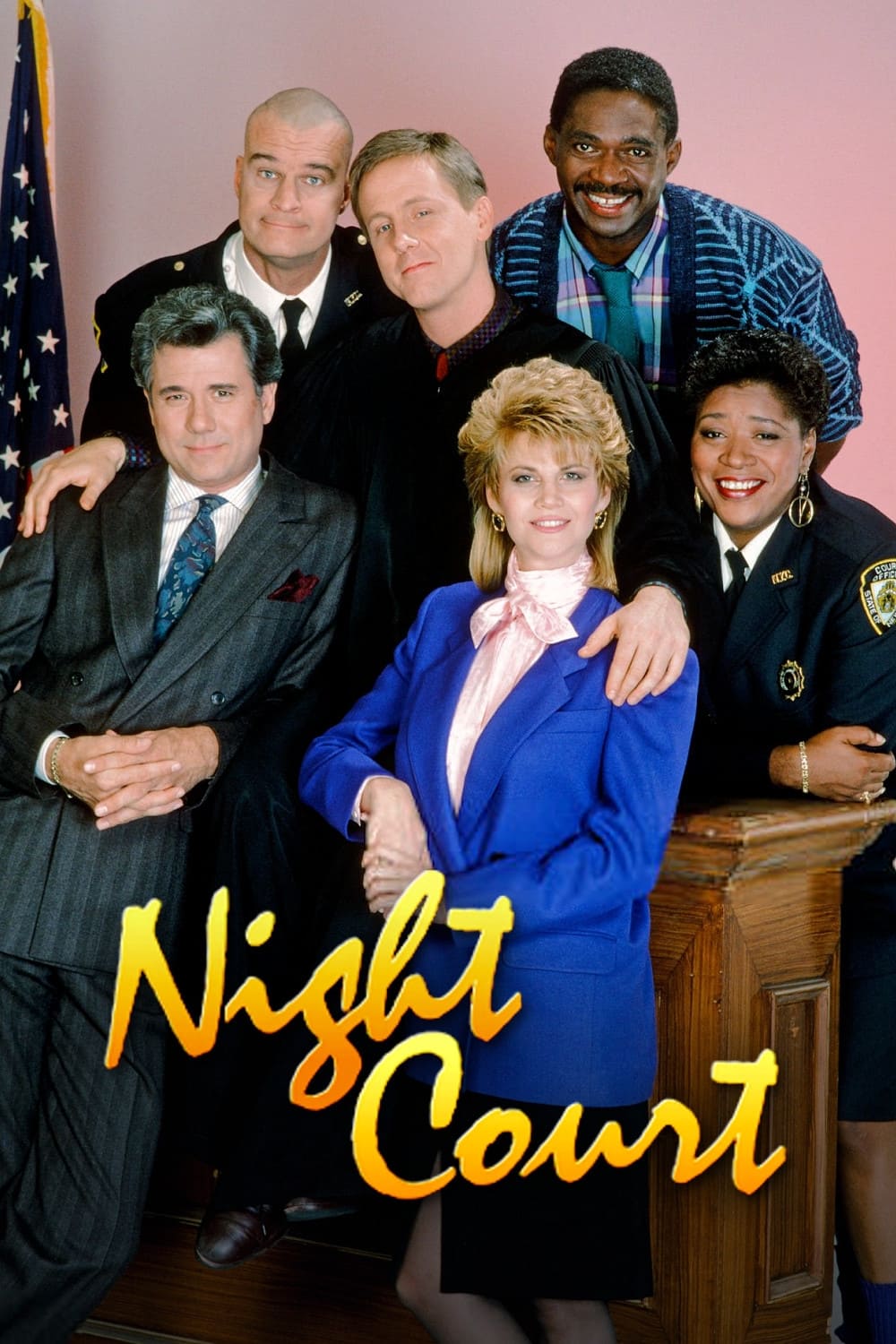
‘Night Court’ is set during the night shift in a Manhattan courtroom where a judge, lawyers, and bailiffs process an endless parade of odd cases. The compressed setting supports rapid entrances, exits, and recurring defendants.
A joke-dense script style plays to live-audience timing, and character arcs land without requiring strict continuity. Revivals and marathons showcase how well the core setup supports new stories.
‘ALF’ (1986–1990)
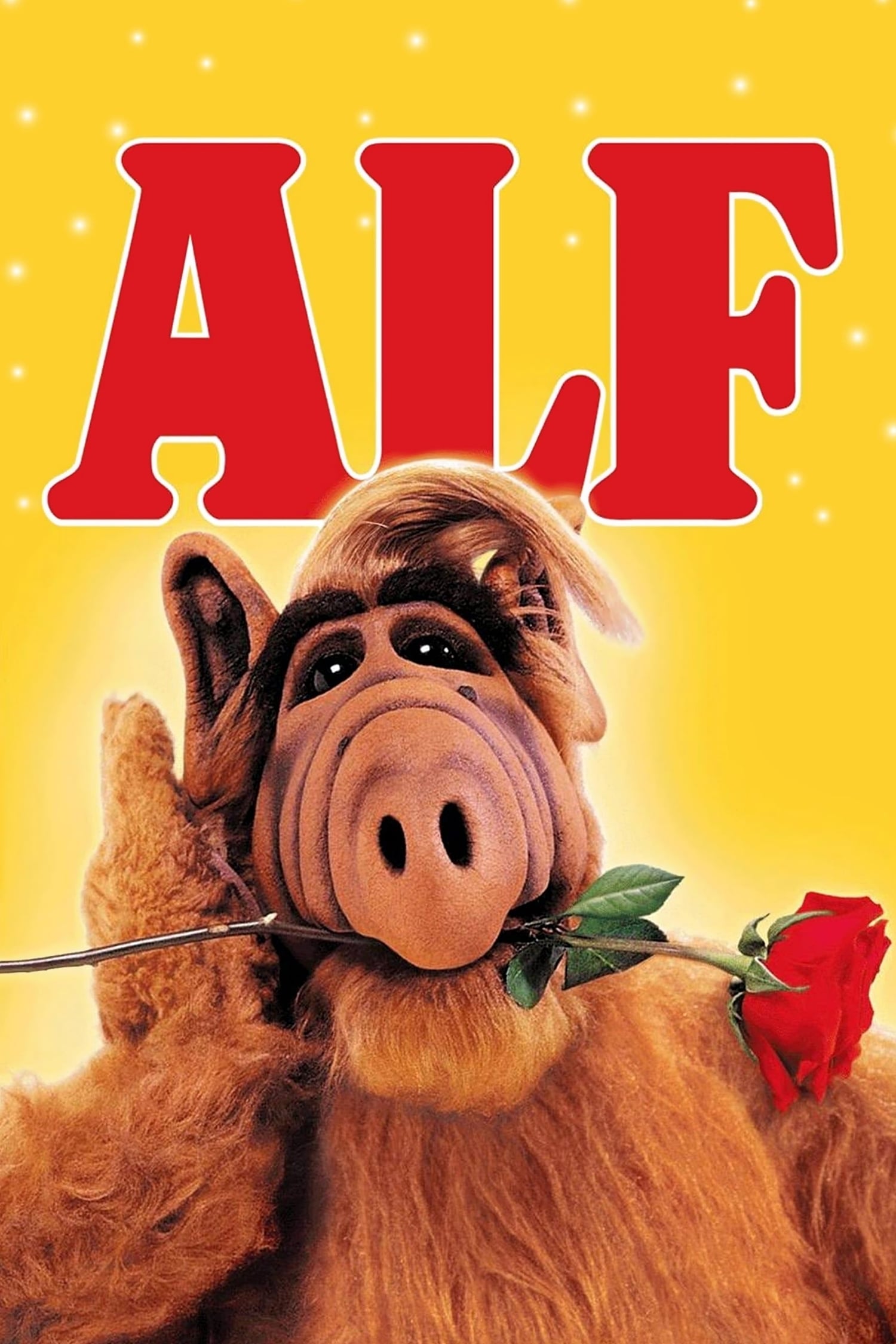
‘ALF’ brings a wisecracking alien into a suburban family’s home, with secrecy and near-discoveries driving the weekly tension. Puppetry, trapdoors, and multi-level sets enabled expressive physical comedy.
Containment plots—neighbors at the door, official inquiries, household mishaps—kept production controlled while staying playful. Animated spin-offs, specials, and merchandising sustained the character beyond the main run.
‘Murder, She Wrote’ (1984–1996)
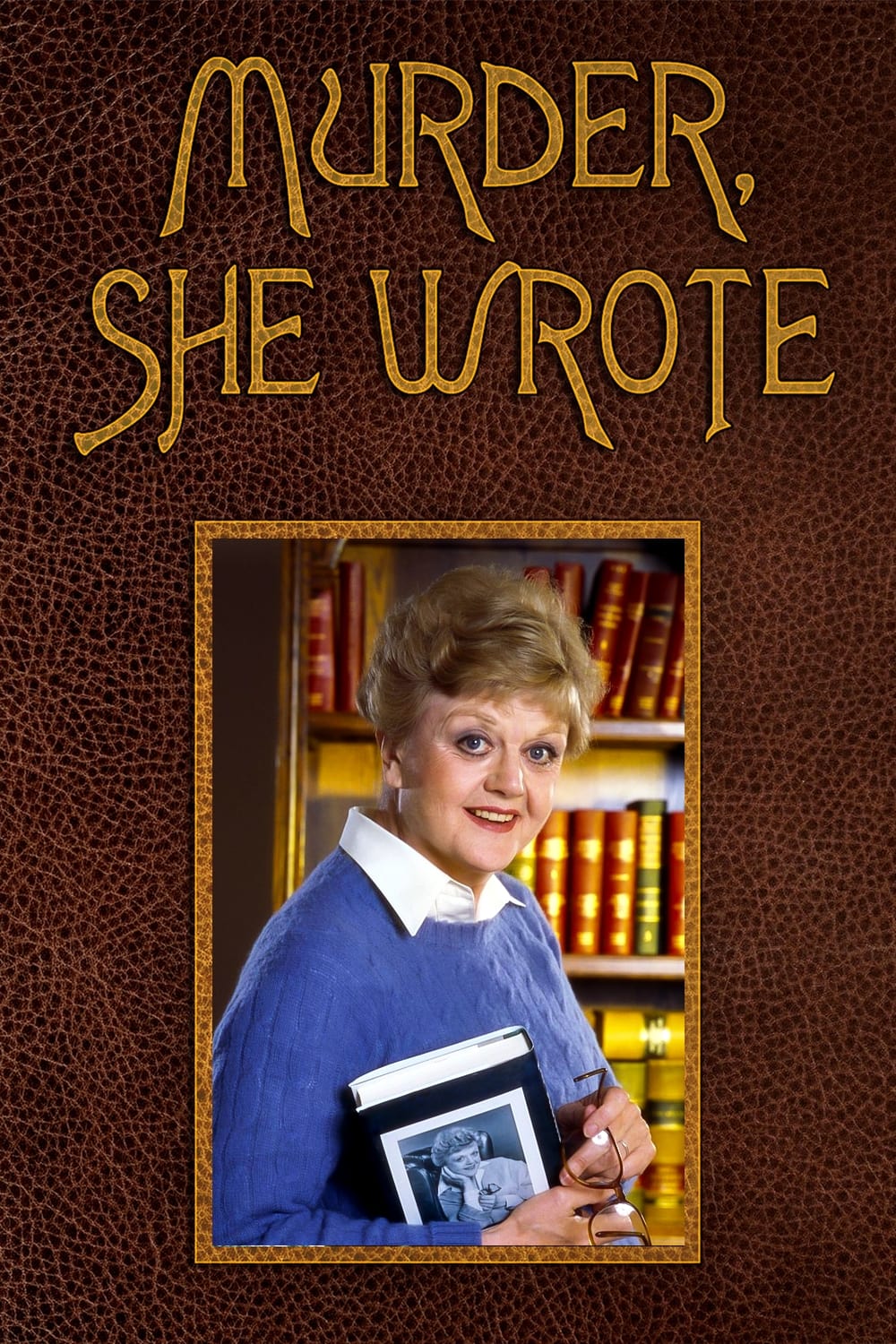
‘Murder, She Wrote’ follows a novelist who solves cases in a coastal town and on her travels, meeting a rotating cast of suspects and allies. Each episode builds a fair-clue whodunit with red herrings and drawing-room reveals.
The case-of-the-week format made the series a weekend staple in syndication. Tie-in books and games extended the brand, and self-contained plotting keeps episodes easy to revisit.
‘The Wonder Years’ (1988–1993)
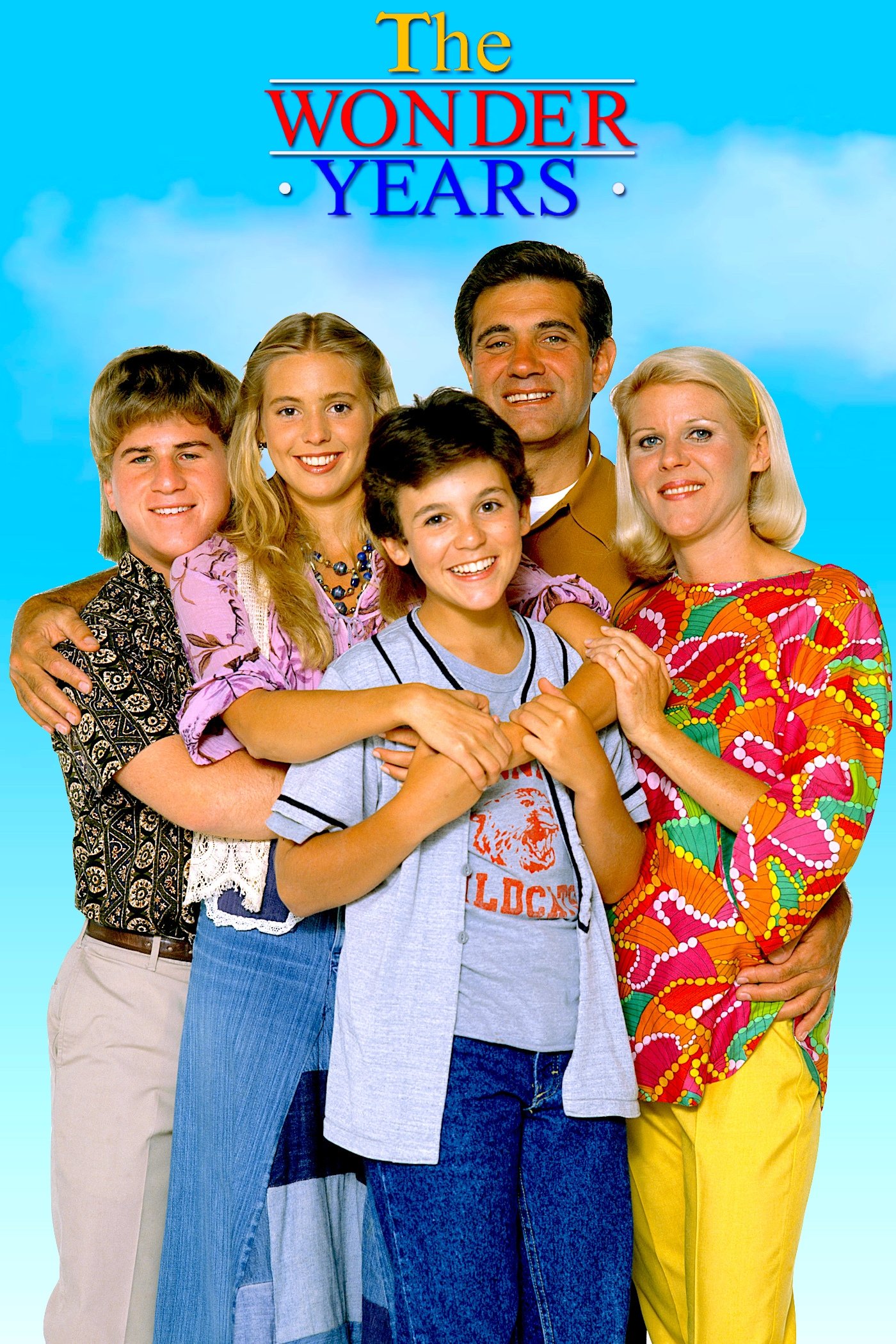
‘The Wonder Years’ chronicles a boy’s coming-of-age through school, family, and friendship, guided by an older narrator’s perspective. The single-camera style supports intimate scenes without a laugh track.
Music supervision and period detail ground the setting while universal school and household stories stay readable. The voiceover structure creates an accessible throughline that works well for rewatching.
‘Full House’ (1987–1995)
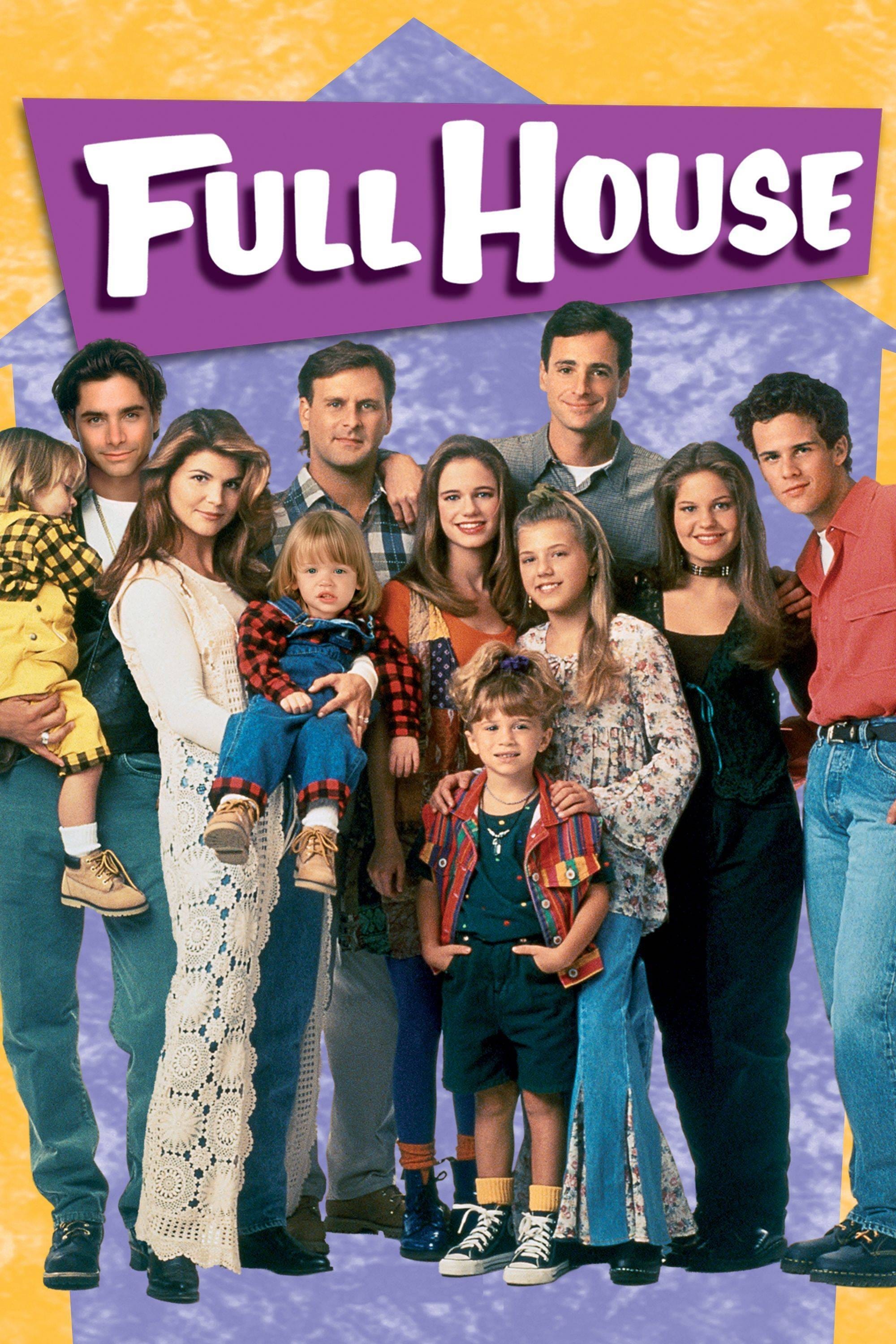
‘Full House’ centers on a widowed father raising three daughters with help from a friend and a brother-in-law, with milestones and misadventures resolved by living-room talks. The ensemble rotates focus so each character gets age-appropriate stories.
A consistent home layout, catchphrases, and light workplace beats built reliable episode rhythms. A later continuation returned to the same house and dynamics to connect generations.
‘Saved by the Bell’ (1989–1993)
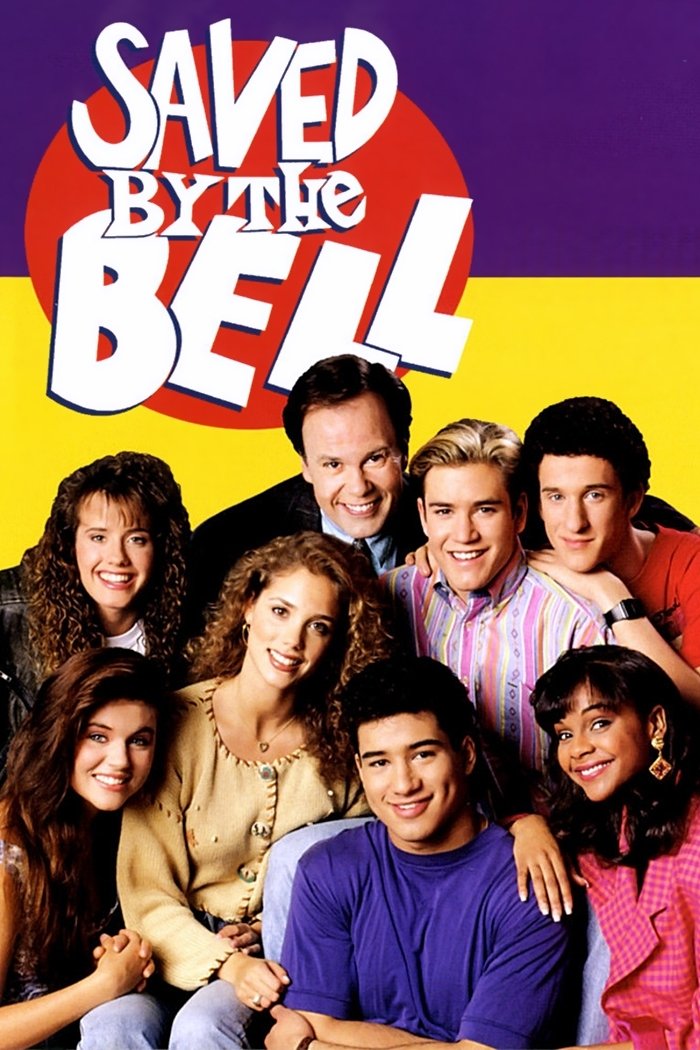
‘Saved by the Bell’ follows a group of friends at a California high school through classroom pranks, clubs, and dances. The ensemble cycles through dating, sports, and student-council plots that reset cleanly.
Hallway and classroom sets keep production nimble, while specials and field-trip episodes expand the map. Spin-offs and revivals carried forward teachers and administrators to link eras.
‘The Real Ghostbusters’ (1986–1991)
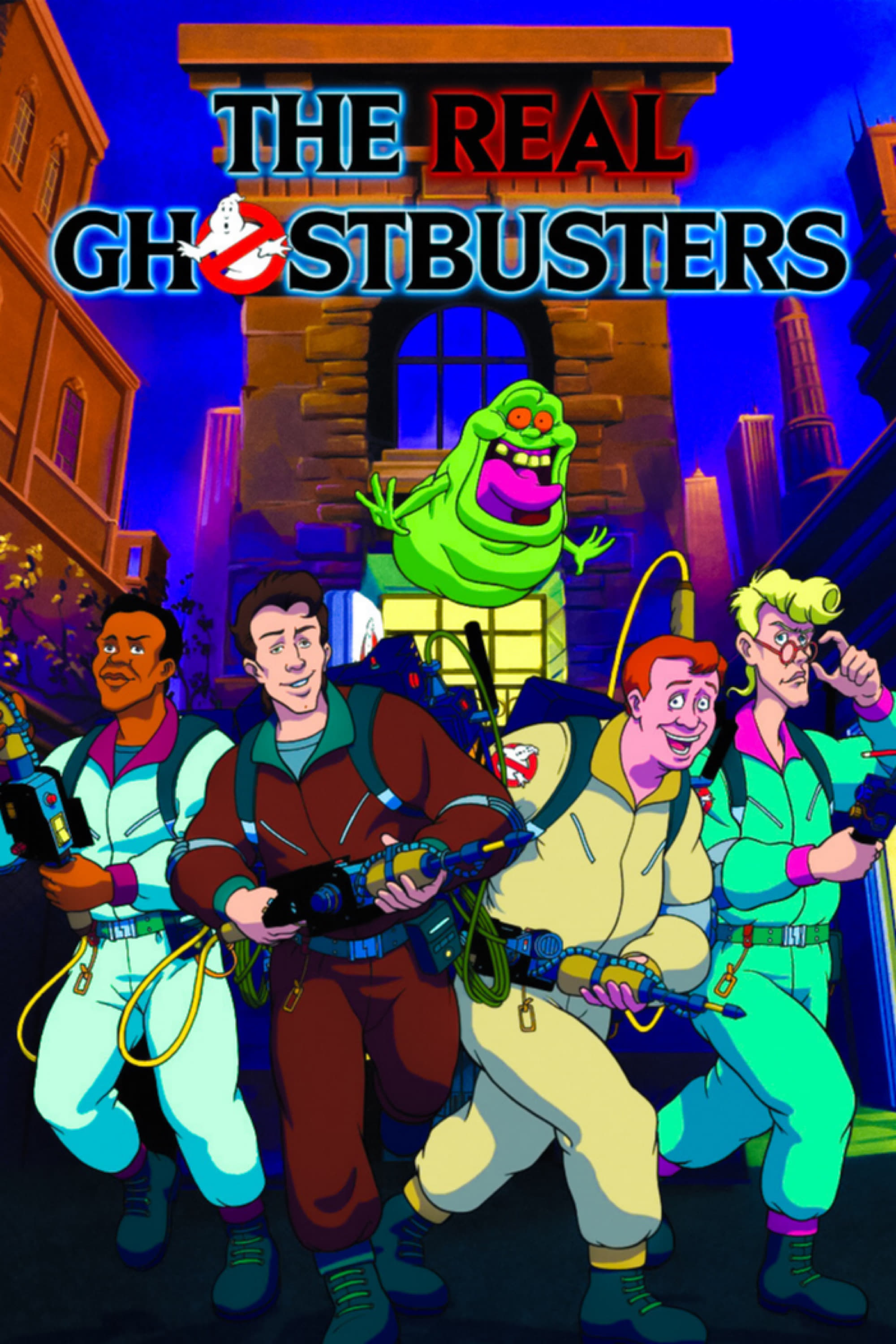
‘The Real Ghostbusters’ adapts the film’s premise into animated cases with original specters, gadgets, and citywide hauntings. Monster-of-the-week stories sit alongside occasional mythology episodes.
A clear design language for gear and ghosts helped toys, comics, and games align with the show. Reruns continued to introduce new viewers to the team’s routines and toolkit.
‘Teenage Mutant Ninja Turtles’ (1987–1996)
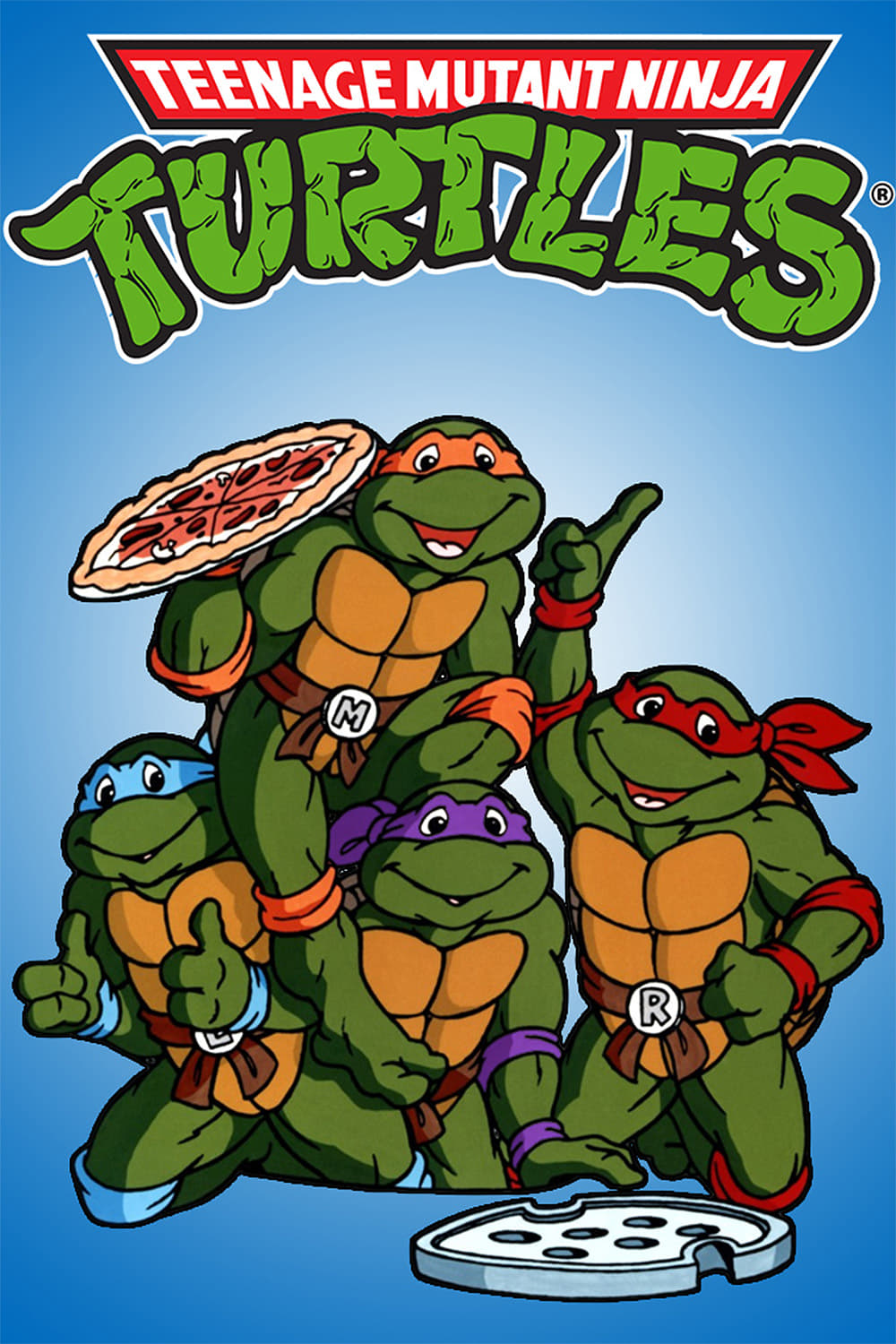
‘Teenage Mutant Ninja Turtles’ sends four heroes from the sewers into battles with a rogue’s gallery led by Shredder and an otherworldly ally. Episodic adventures mix training, teamwork, and city-saving antics.
Color-coded bandanas, signature weapons, and musical stings made characters instantly readable. The franchise cycled through reboots that keep core dynamics—mentor, reporter ally, lair, and nemeses—front and center.
‘Pee-wee’s Playhouse’ (1986–1990)
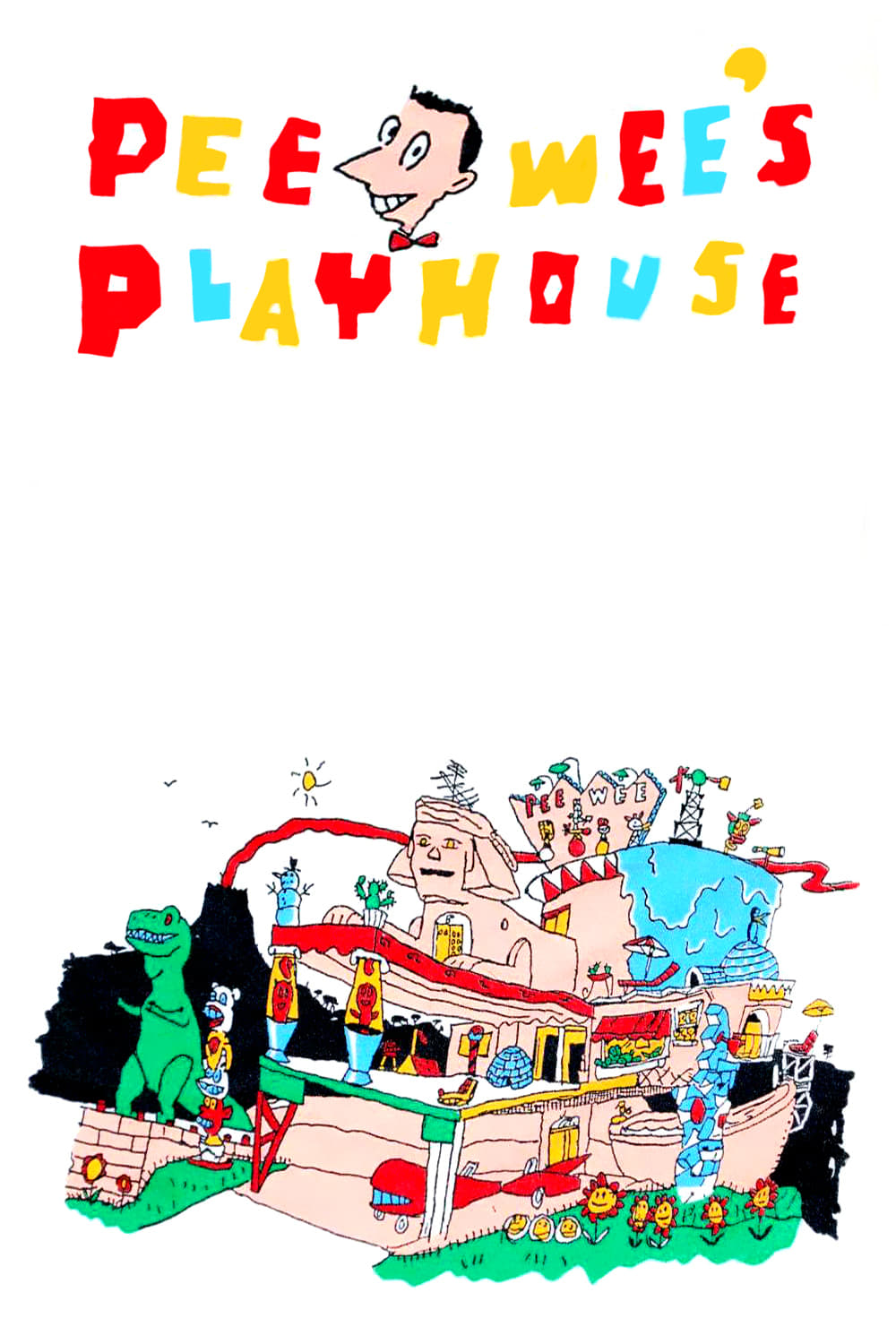
‘Pee-wee’s Playhouse’ is a children’s variety show set in a talking, handcrafted house with human and puppet neighbors. Live action, stop-motion, and chroma-key effects create a layered visual environment.
Recurring segments teach rules, wordplay, and creative problem-solving, wrapped in bright art direction. The show influenced design-driven kids’ series that combine sketch energy with gentle curriculum.
‘Unsolved Mysteries’ (1987–2010)
‘Unsolved Mysteries’ presents real cases through reenactments, interviews, and a host’s narration that invites viewer tips. Chapters within each hour let stations reorder segments to fit schedules.
The brand has sustained revivals that revisit earlier stories alongside new investigations. The format’s mix of documentary tone and serialized follow-ups keeps interest alive as cases evolve.
‘The Equalizer’ (1985–1989)
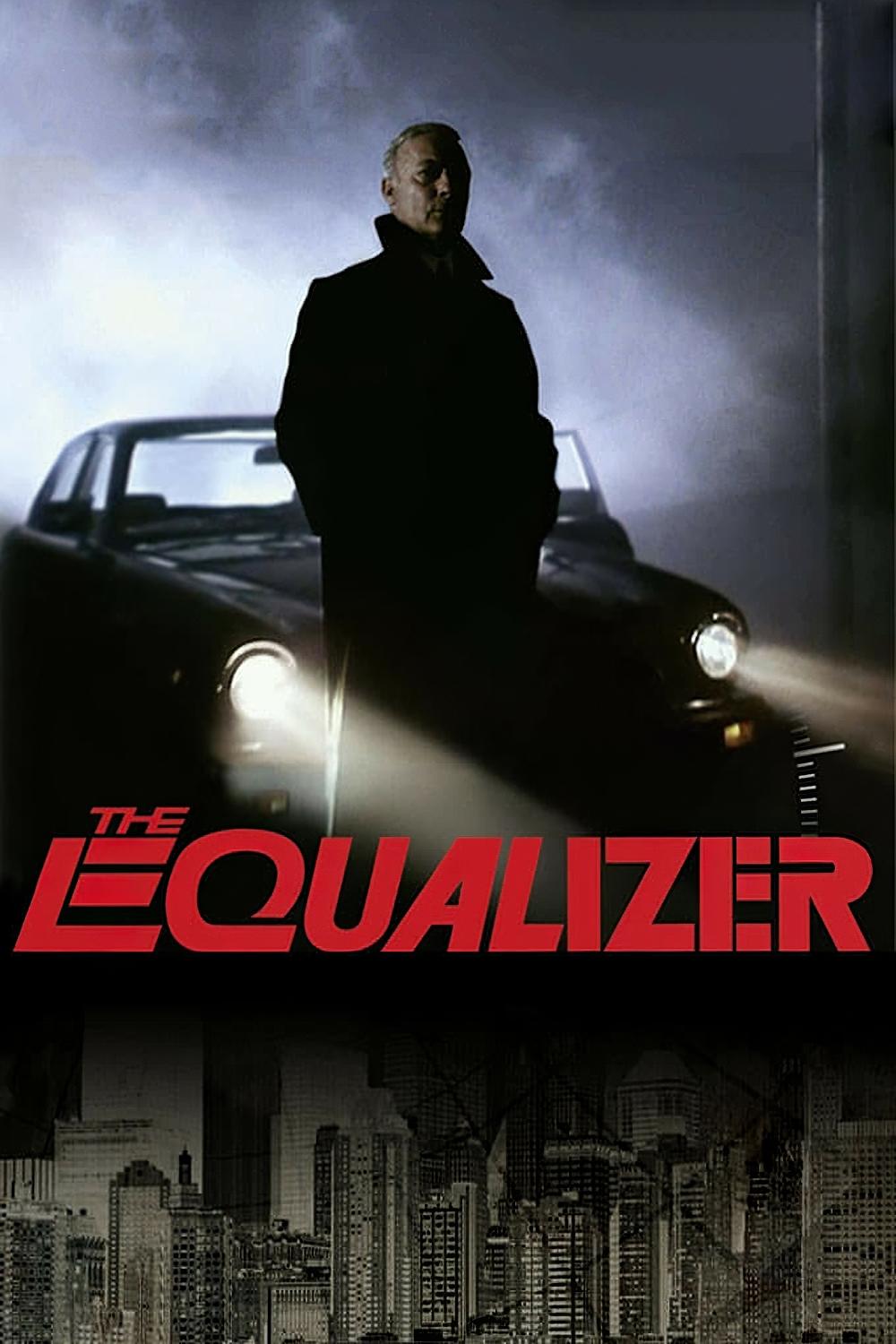
‘The Equalizer’ follows a former covert operative who helps people in danger using a private network of contacts. Client-of-the-week cases blend street-level threats with spycraft.
Night shoots, practical car work, and city locations give the show a grounded look. The premise supports reimaginings across films and a modern series while retaining the original outreach conceit.
‘Wiseguy’ (1987–1990)
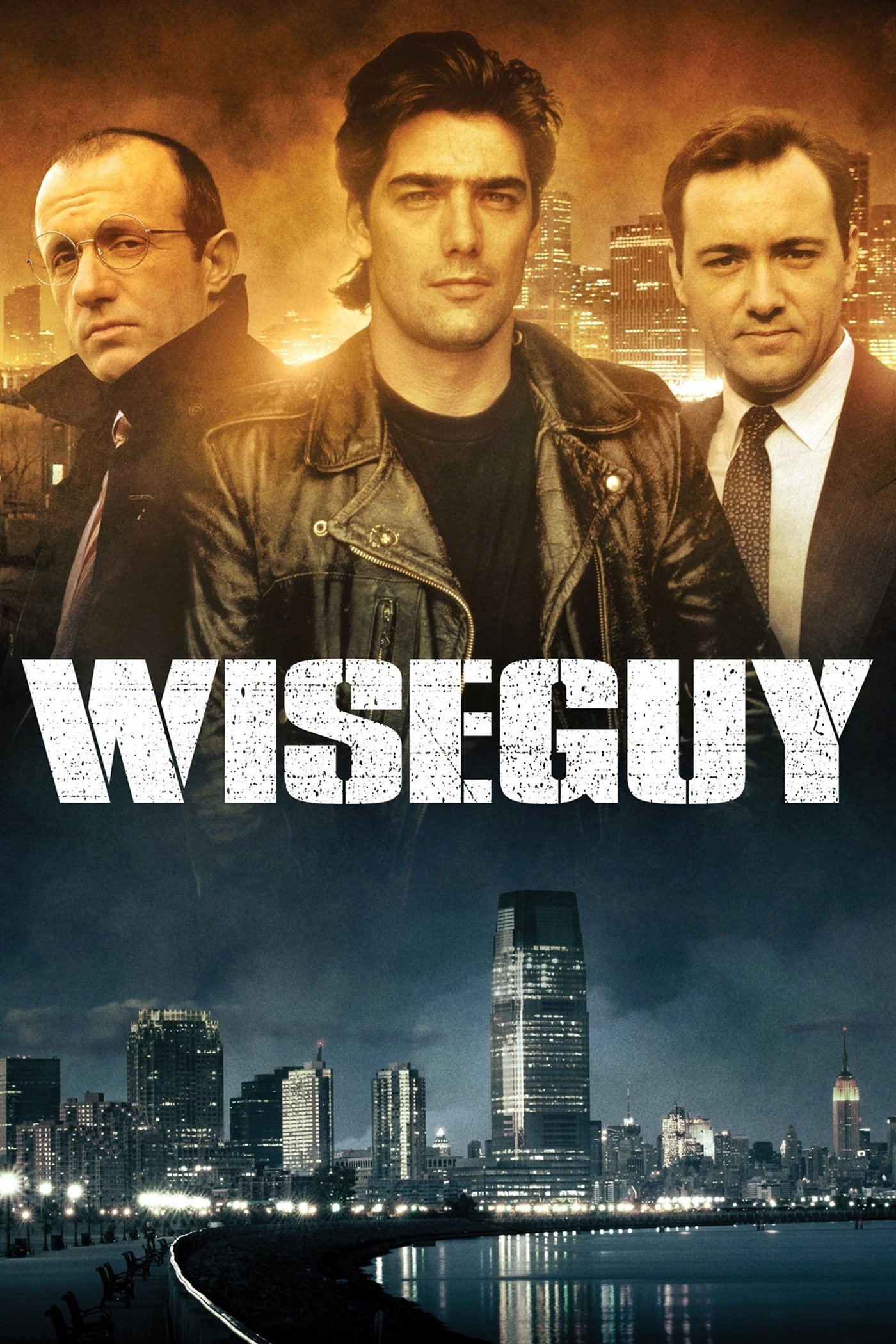
‘Wiseguy’ tracks an undercover agent as he infiltrates criminal organizations in multi-episode arcs. Each operation assembles its own supporting cast and consequences.
Arc design prefigures later serialized crime TV, with dossiers, handlers, and cover stories as recurring mechanics. Music supervision and consistent locations keep operations cohesive from start to finish.
‘China Beach’ (1988–1991)
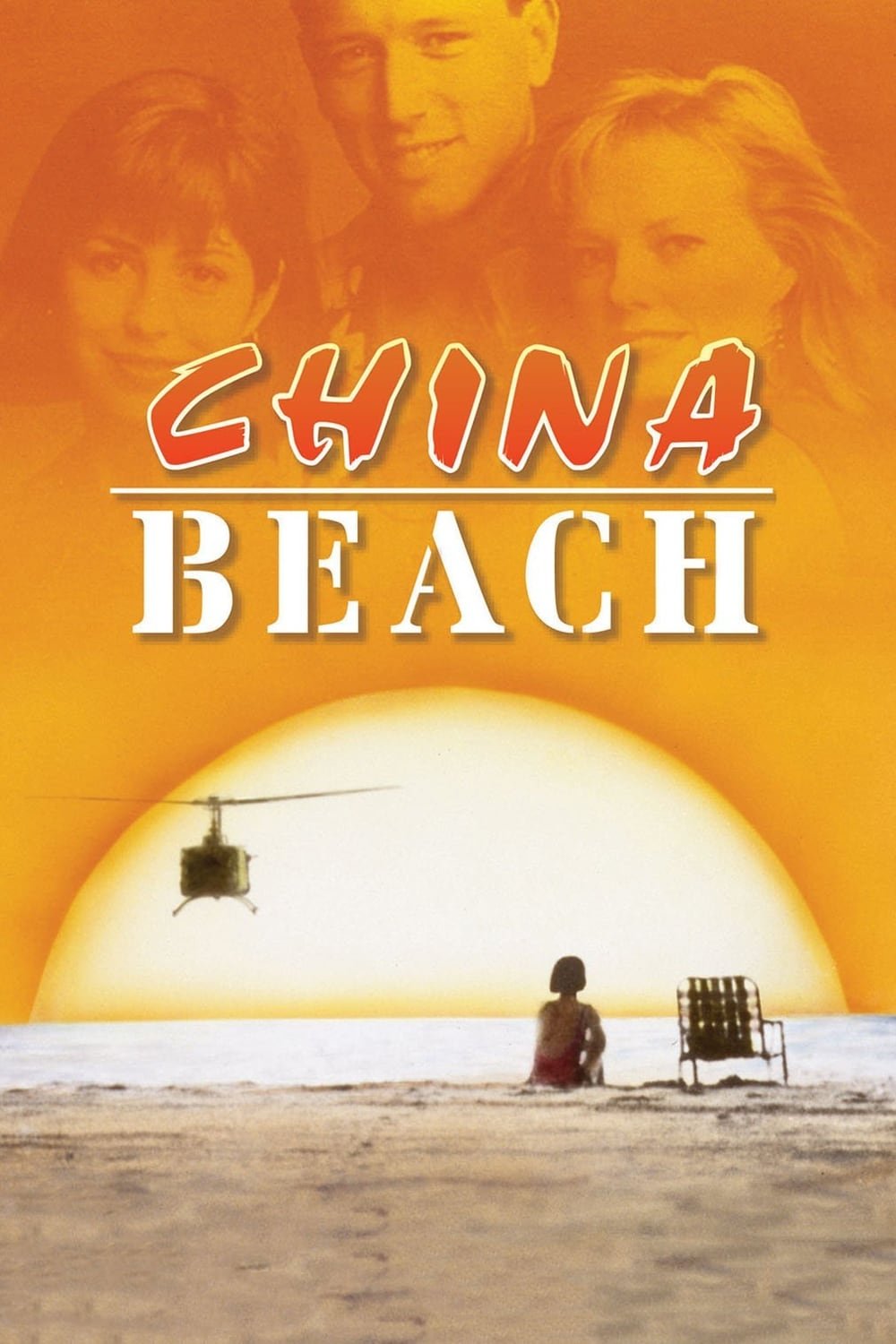
‘China Beach’ focuses on a military medical unit and entertainers, centering the experiences of nurses, doctors, and support staff. Stories move between triage, downtime, and home-front transitions.
Single-camera cinematography, period tracks, and location work build authenticity around base life. Framing devices—interviews, letters, memories—connect frontline events with aftermaths.
‘Thirtysomething’ (1987–1991)
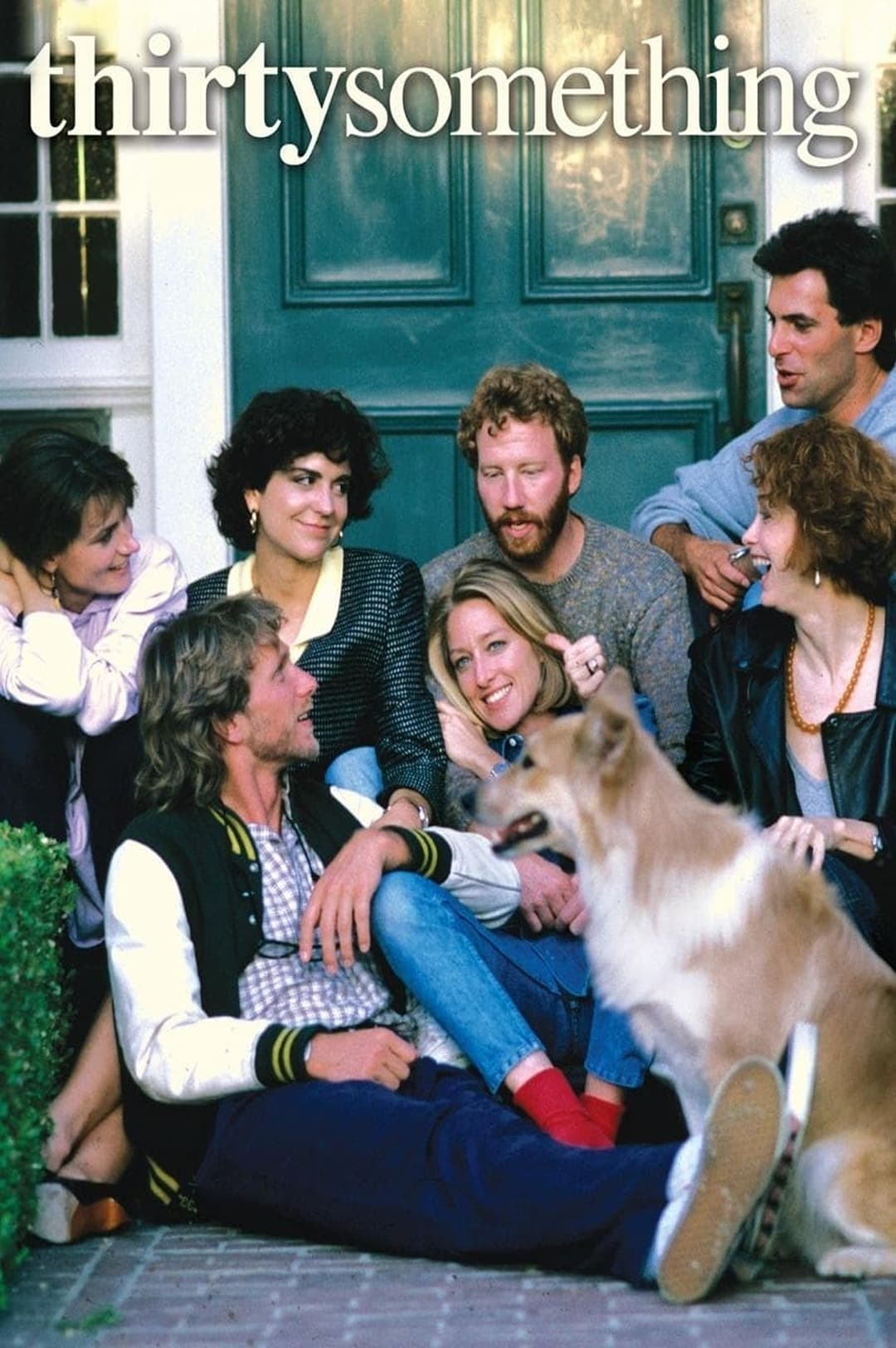
‘Thirtysomething’ follows friends navigating marriages, parenthood, and creative careers, often around a small advertising firm. Intimate conversations and everyday dilemmas drive the drama.
Naturalistic camerawork and overlapping dialogue shape a grounded tone later series emulate. The ensemble structure lets different households take turns at the center without breaking continuity.
‘The Twilight Zone’ (1985–1989)

‘The Twilight Zone’ returns as an anthology of speculative tales that explore science fiction, horror, and moral puzzles. Episodes vary in length and tone while sharing twist-driven construction.
Practical effects, early digital tools, and flexible casting let the series move quickly between settings. Host segments and score cues link the revival to the franchise identity.
‘Tales from the Darkside’ (1983–1988)
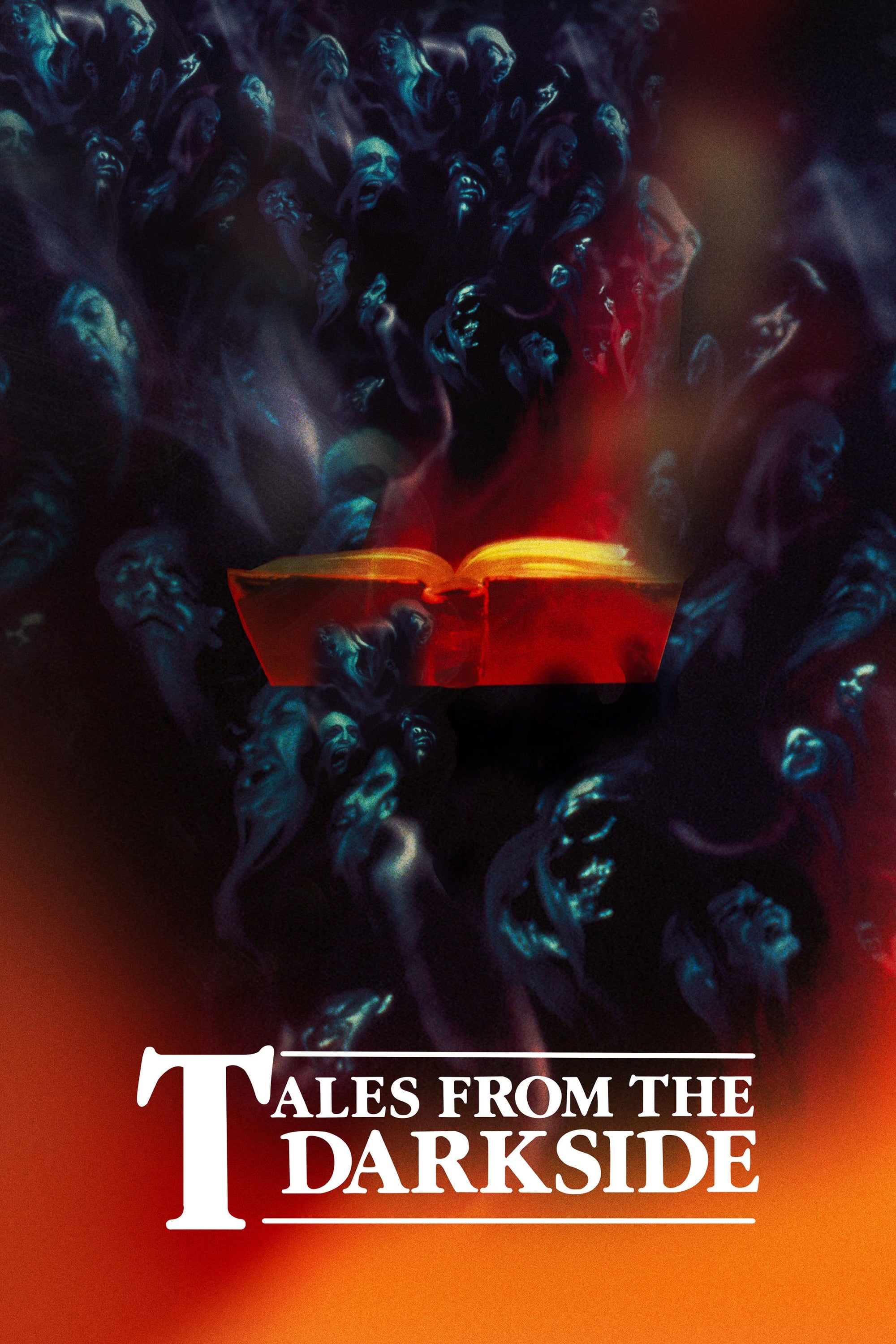
‘Tales from the Darkside’ offers short horror stories built on folklore, irony, and cautionary twists. Limited locations and small casts keep budgets focused on mood.
An iconic opening and closing narration frame each episode, making it a fit for late-night slots. The format inspired a feature and adjacent anthology experiments across the schedule.
‘Fraggle Rock’ (1983–1987)
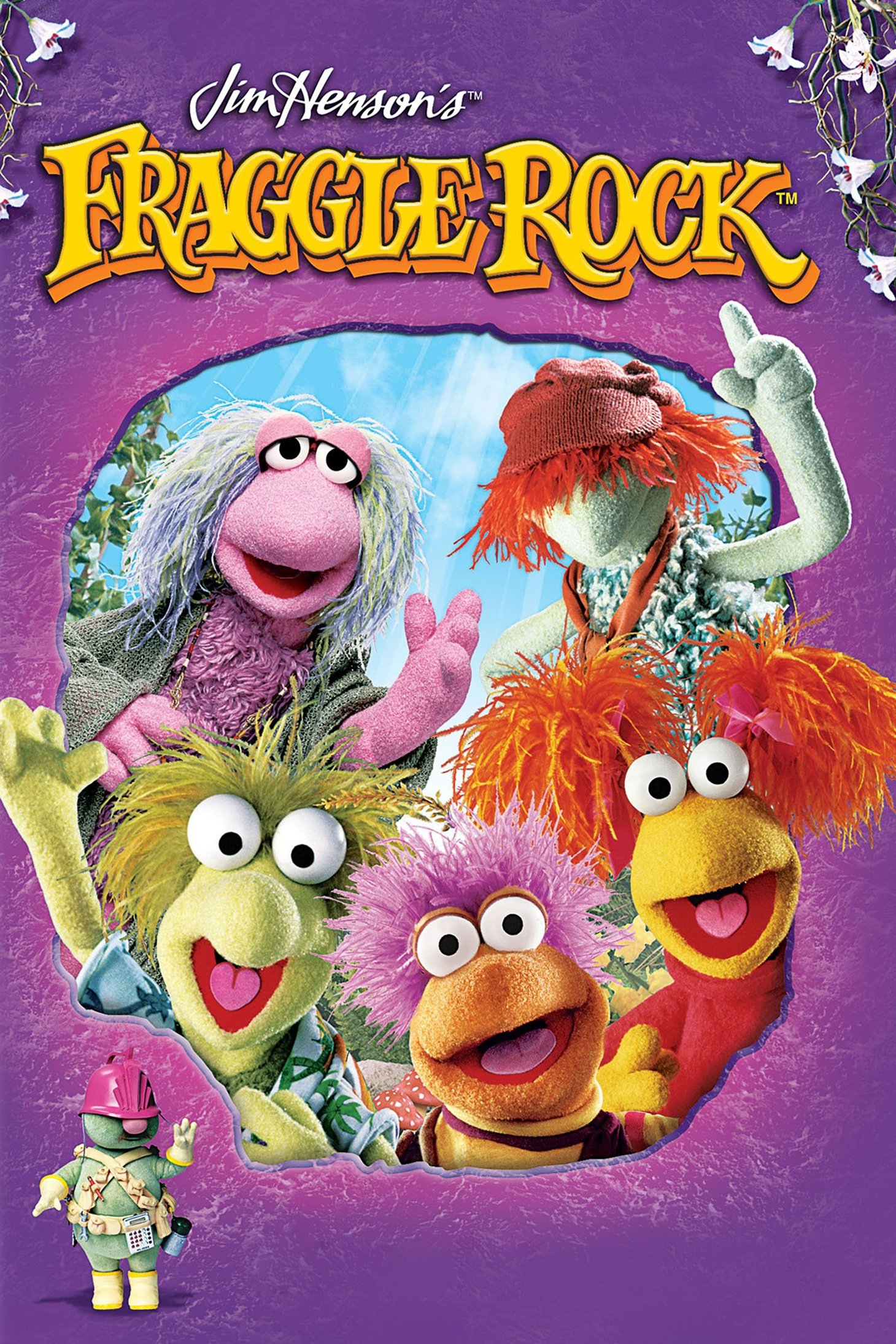
‘Fraggle Rock’ interweaves Fraggles, Doozers, and Gorgs in linked habitats that encourage curiosity and cooperation. Songs and handcrafted sets give each community its own texture.
International co-production allowed localized wraparounds while preserving core episodes. Albums, books, and reimaginings kept the world active, with high-quality restorations showcasing the puppetry.
‘DuckTales’ (1987–1990)
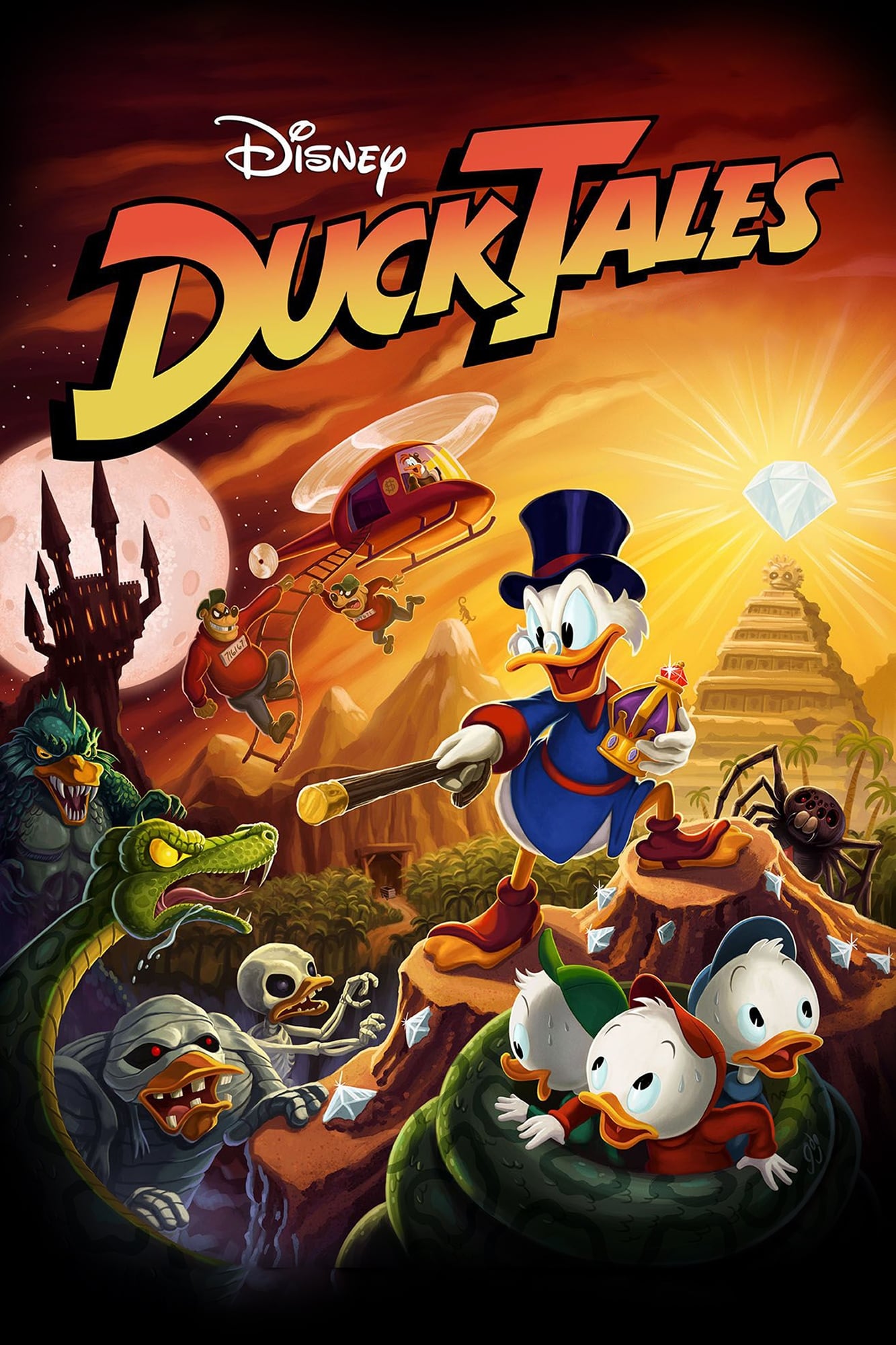
‘DuckTales’ follows a globetrotting uncle and his grandnephews on treasure hunts with a crew of pilots, inventors, and rivals. Serial mini-arcs and one-offs share a spirit of exploration.
Storyboards, timing sheets, and overseas layout support consistent animation at volume. A later reboot echoed core relationships and adventure beats, linking generations of viewers.
‘The Transformers’ (1984–1987)
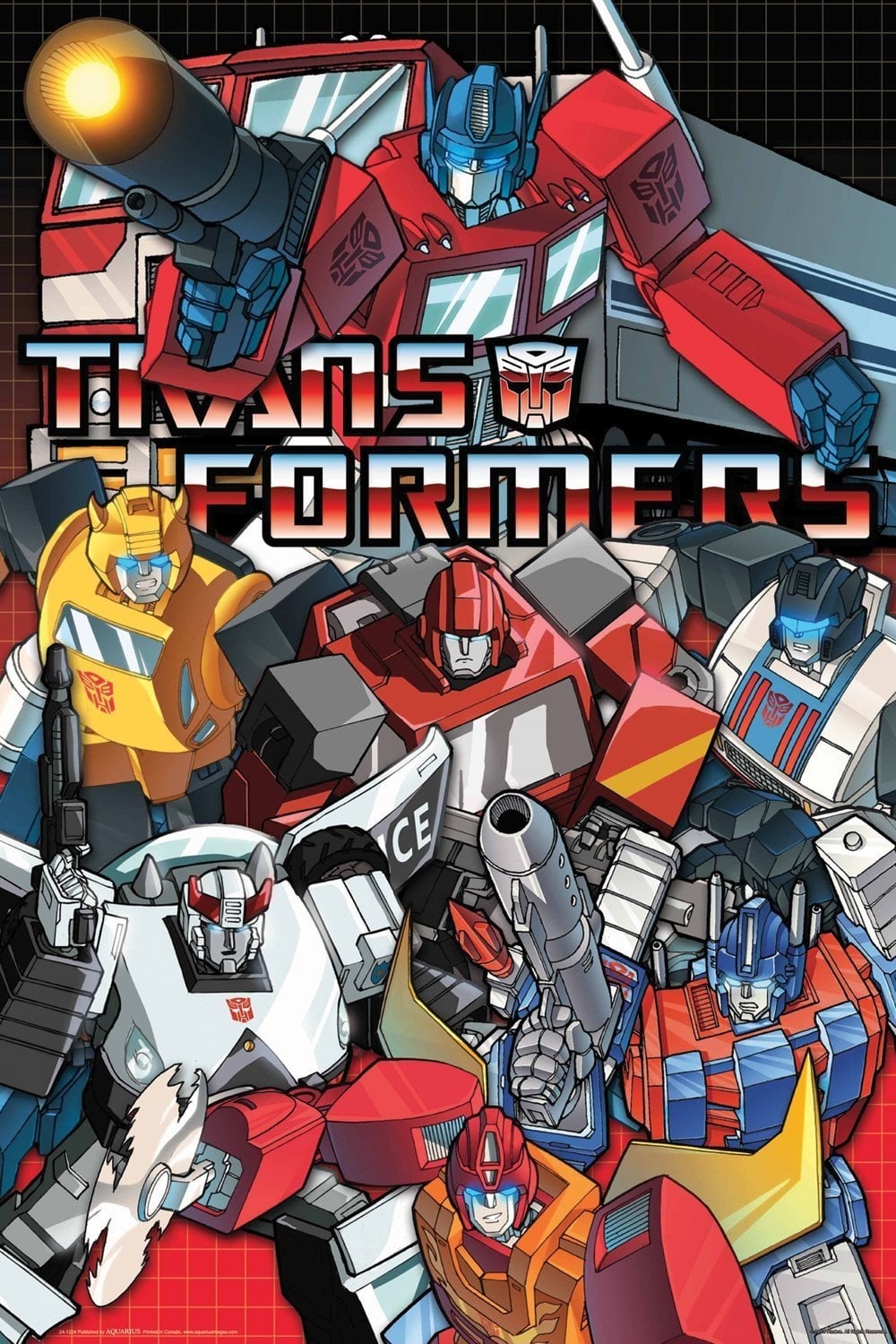
‘The Transformers’ pits Autobots against Decepticons in a war that spills onto Earth, with leaders defining faction identities. Standalone battles sit alongside ongoing quests for technology and energy.
Character bibles, toy waves, and voice direction unified a large cast across teams. Remasters and collector sets keep the original episodes circulating as the franchise expands.
‘G.I. Joe: A Real American Hero’ (1983–1986)
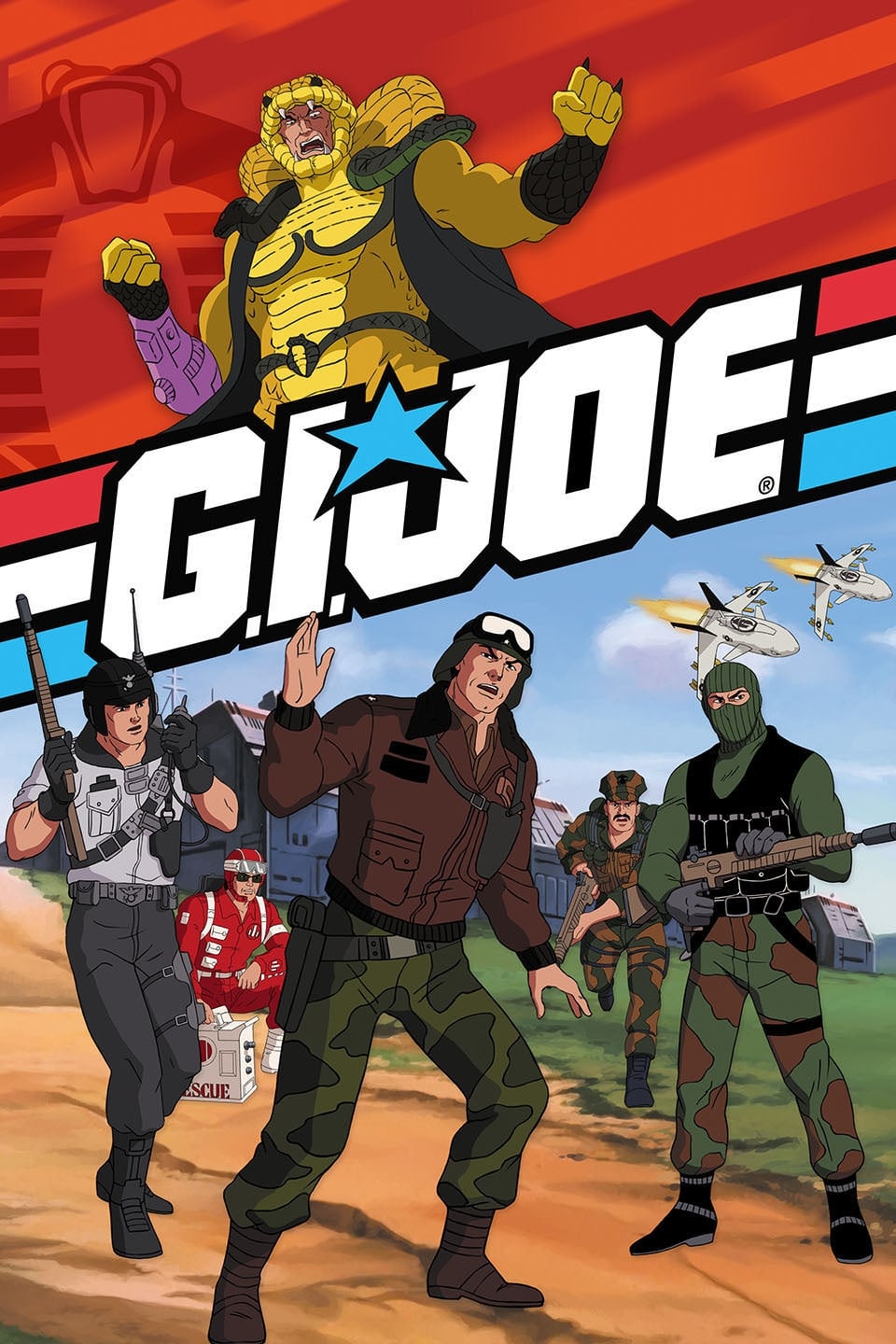
‘G.I. Joe: A Real American Hero’ follows an elite team against Cobra through desert, jungle, and urban missions. Call-signs, specialties, and vehicles differentiate a deep roster.
Public-service tags close each episode with brief lessons, complementing the action. Miniseries events introduced new gear and characters while comics and file cards tied the universe together.
‘He-Man and the Masters of the Universe’ (1983–1985)

‘He-Man and the Masters of the Universe’ centers on a prince who transforms to protect his realm from a sorcerous foe. Magical artifacts and fortress sieges fuel quest-driven plots.
Stock sequences and limited animation keep schedules predictable without losing clarity. Moral wrap-ups provide codas, and companion series and toys broadened the setting.
‘Inspector Gadget’ (1983–1986)
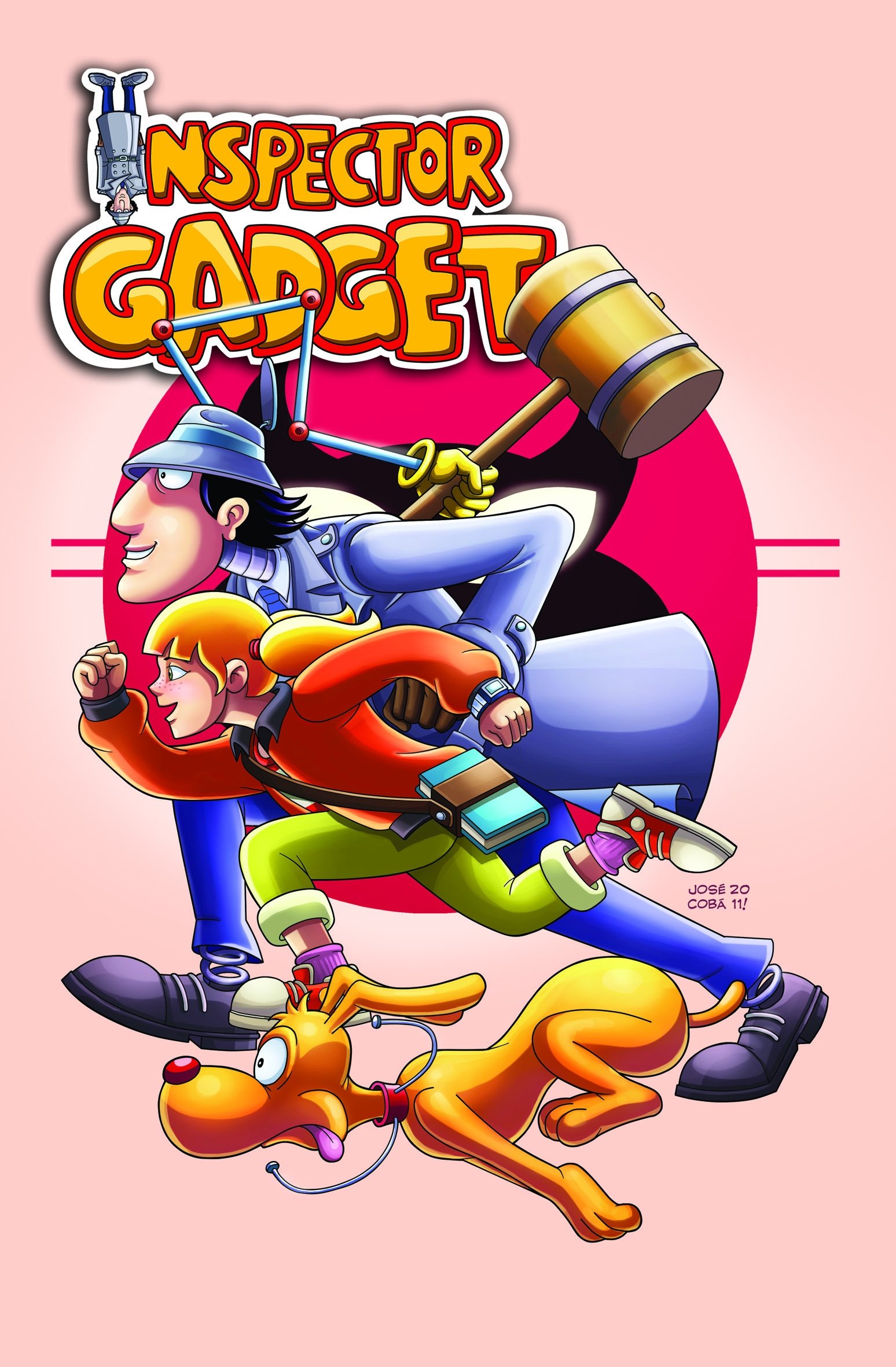
‘Inspector Gadget’ follows a well-meaning cyborg inspector aided by a resourceful niece and a loyal dog against a shadowy syndicate. Episodes hinge on disguises, clues, and misfiring built-in devices.
Distinct silhouettes, theme motifs, and a never-fully-seen villain created strong visual branding. Specials and live-action projects kept the property visible while the animated original set the tone.
‘The Smurfs’ (1981–1989)
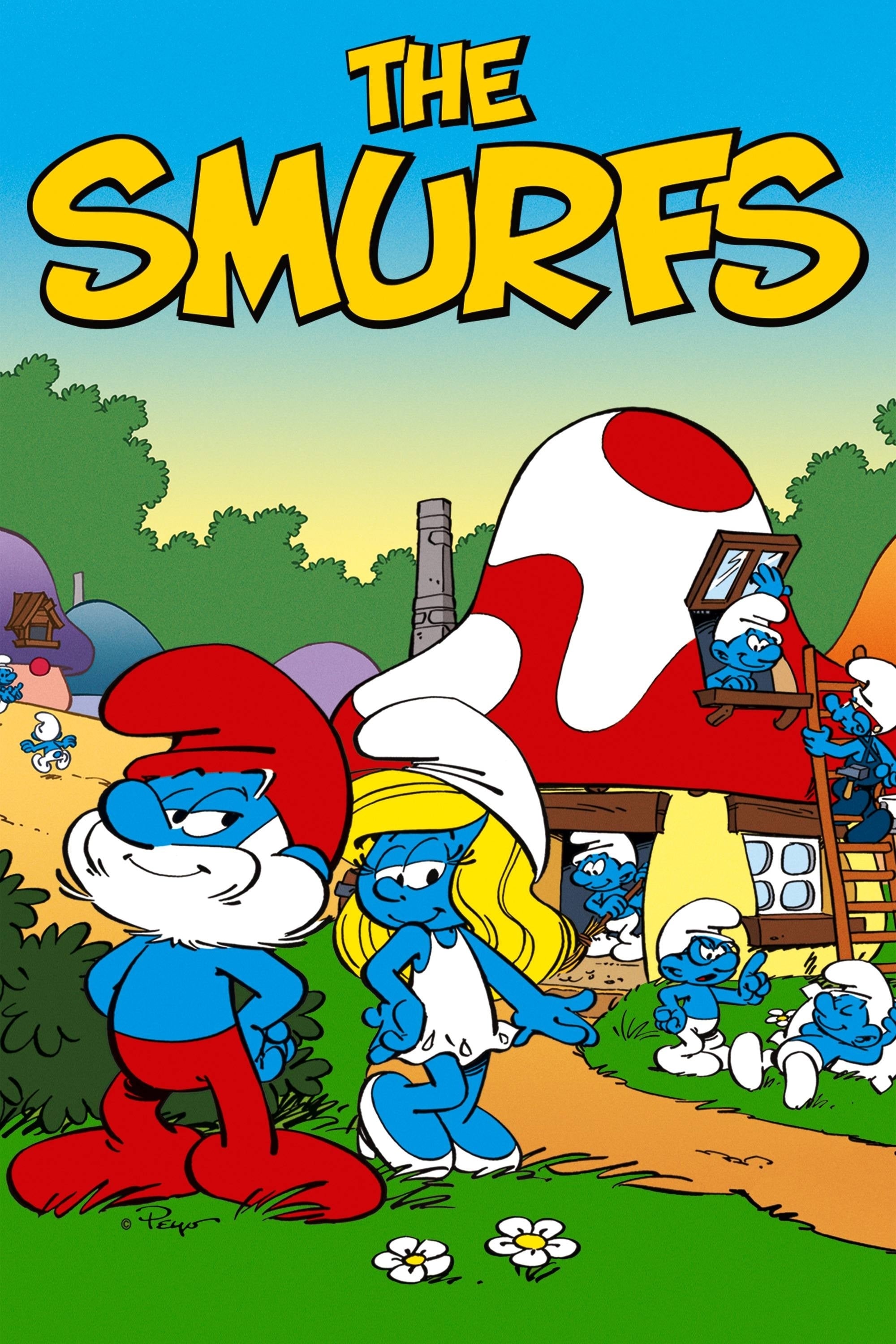
‘The Smurfs’ chronicles a village of small blue characters whose days involve crafting, magic, and evading a persistent antagonist. Short segments make programming flexible across time slots.
Bright palettes and gentle humor suit weekday afternoons and weekend mornings. Books, albums, and films expanded the brand while the village remained the home base.
‘The Simpsons’ (1989–)
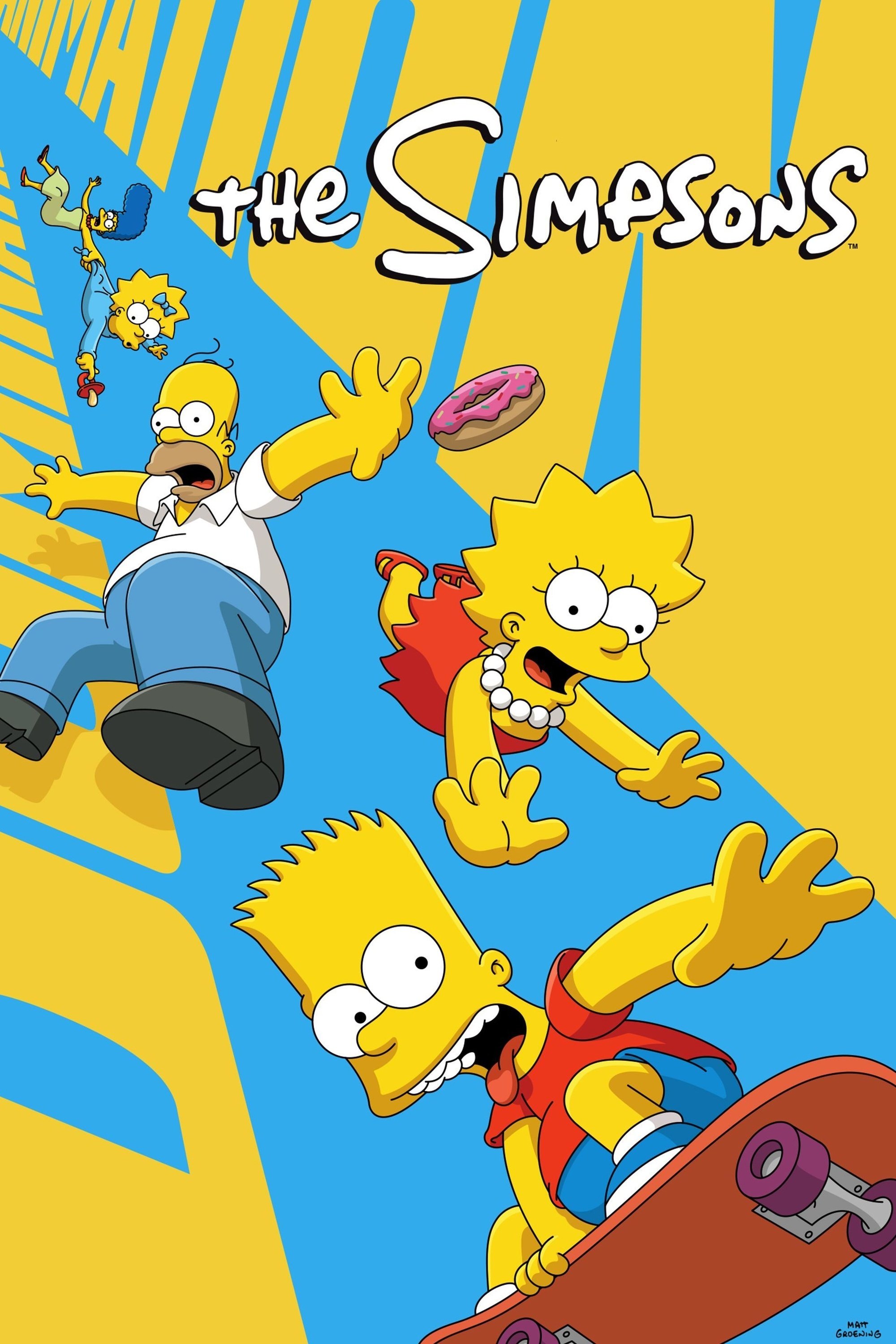
‘The Simpsons’ grew from shorts into a primetime animated series about a family in a town packed with recurring locals. Family plots mix with workplace satire and cultural references.
Writers’ rooms, model sheets, and animatic passes created a pipeline built for long runs. Early seasons circulated widely in syndication and continue to anchor streaming libraries.
‘Seinfeld’ (1989–1998)
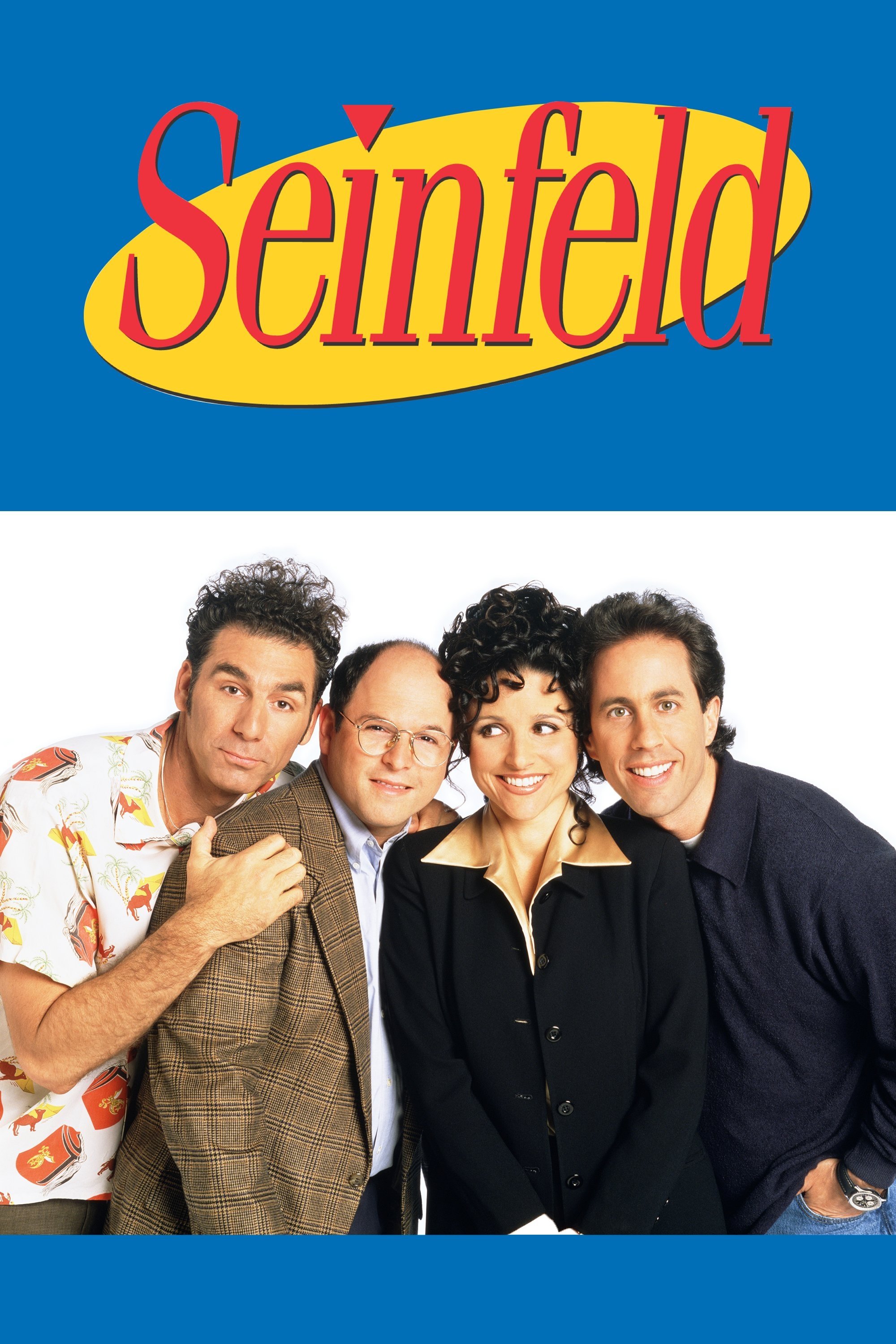
‘Seinfeld’ follows a comedian and his friends as everyday puzzles spiral into comic knots. Interlocking storylines snap together at the end, creating clean, repeatable structures.
Cold opens and tag stand-up clips give episodes a distinct rhythm. The airtight plotting made it a syndication powerhouse and a staple of clip culture.
‘The Tracey Ullman Show’ (1987–1990)
‘The Tracey Ullman Show’ is a variety format that blends sketches, music, and animated bumpers that later spun off into their own series. Rotating characters and blackout sketches keep the pace brisk.
A studio setup supported fast costume changes and musical choreography. Archival releases preserve the hybrid format so both live and animated segments stay together.
‘Blackadder’ (1983–1989)
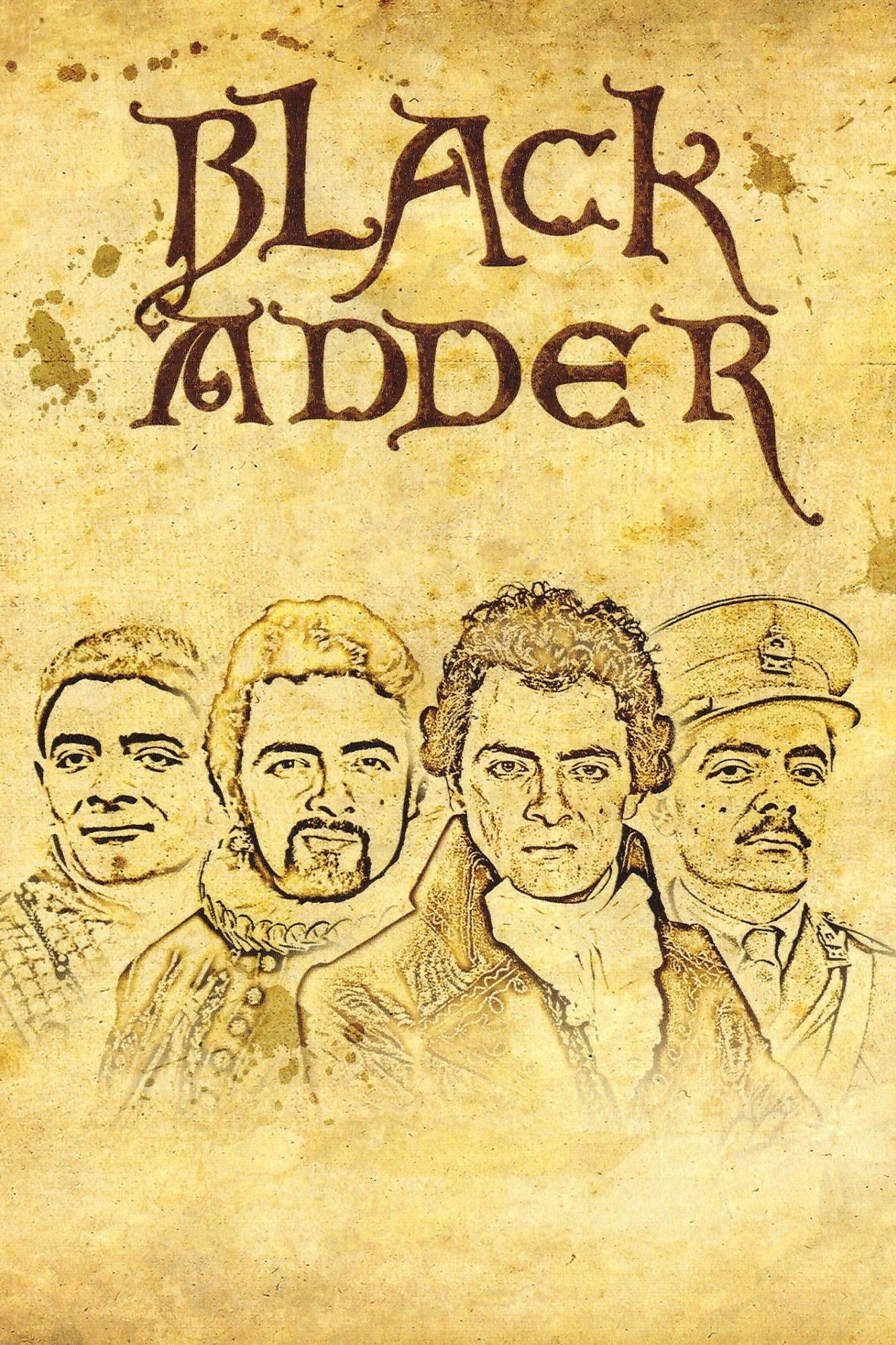
‘Blackadder’ follows variations of the same schemer across different historical eras with a regular company of players. Each series resets the period while keeping a familiar comic engine.
Period costuming and sets ground the satire, and running motifs knit the eras together. The scripts’ language play keeps the show central in discussions of British TV writing.
‘Only Fools and Horses’ (1981–2003)
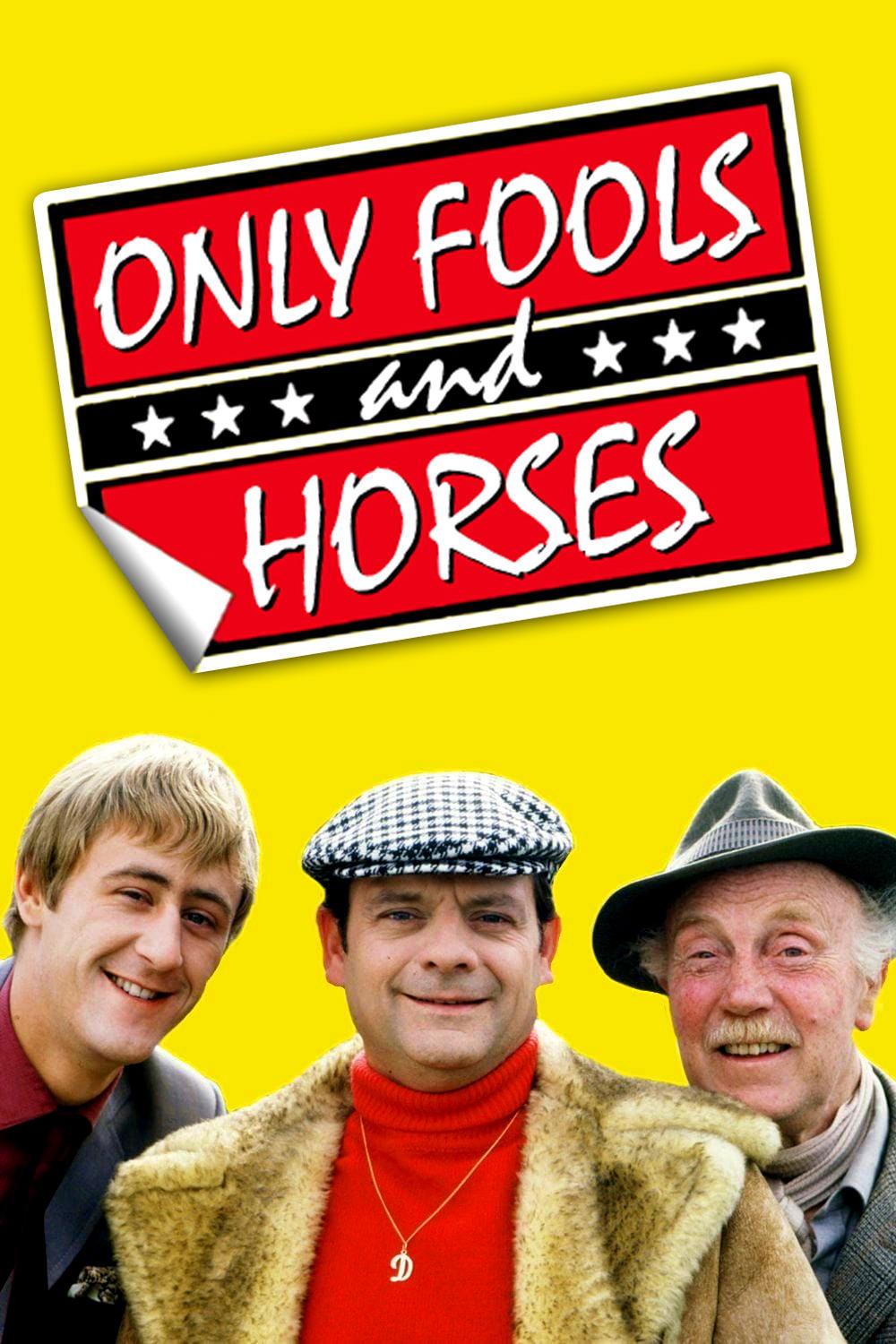
‘Only Fools and Horses’ tracks a family’s market-trading schemes in Peckham, where domestic spaces, pubs, and stalls double as stages for plans. Family ties complicate deals and create long-running payoffs.
Alternating seasons and holiday specials let big moments land in event slots. Reruns carry idioms and set pieces forward, with episodes that stand alone cleanly.
‘Yes, Minister’ (1980–1984)
‘Yes, Minister’ examines government decision-making through a minister, a permanent secretary, and a quick-thinking private secretary. Dialogues unpack memos, committees, and departmental tactics.
Studio staging favors precise two-handers that reward careful listening. The follow-up ‘Yes, Prime Minister’ continues the dynamic with the same core triangle.
‘The Young Ones’ (1982–1984)
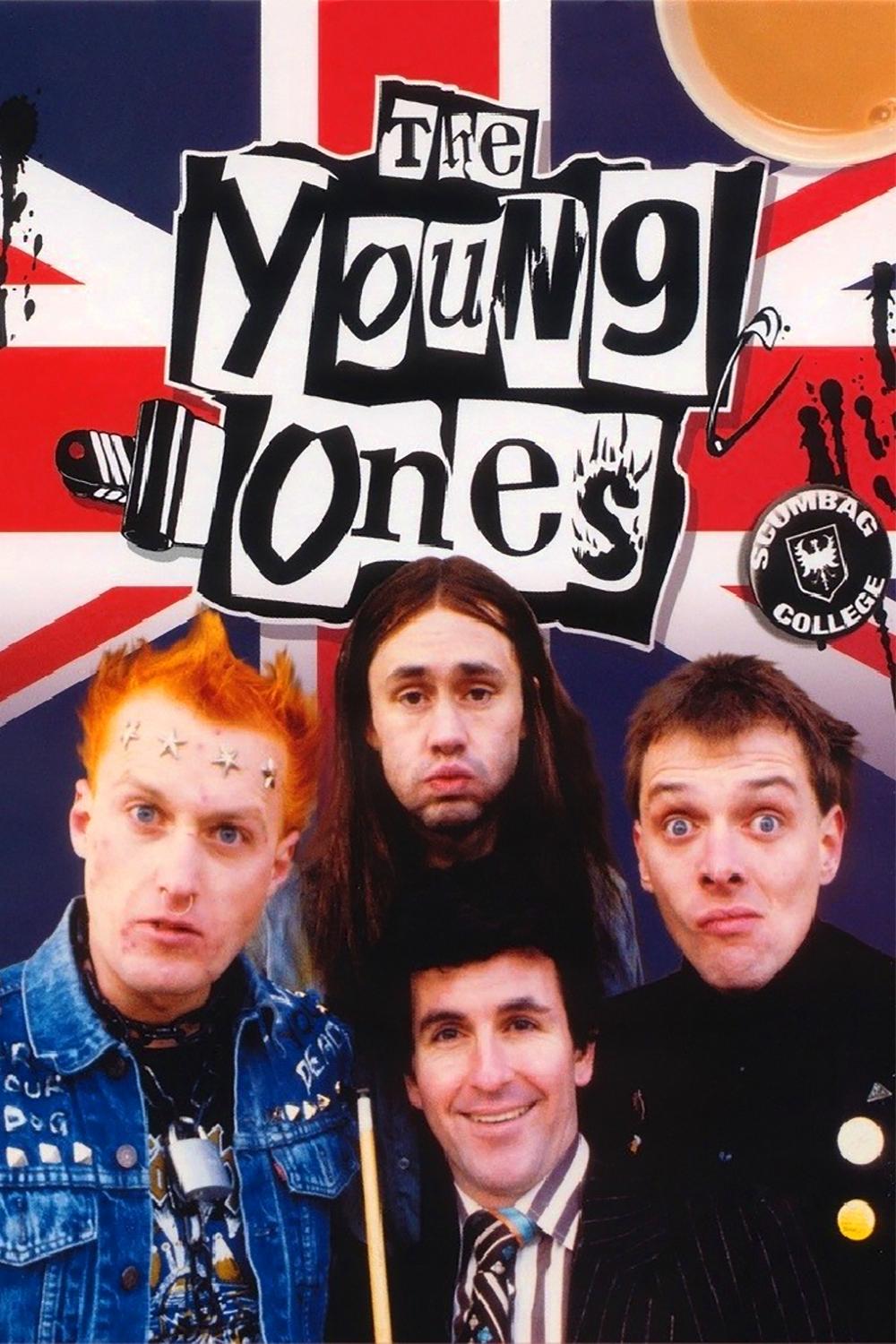
‘The Young Ones’ puts four students in a chaotic house where sitcom rules collide with surreal cutaways and musical guests. Talking props, animated inserts, and abrupt genre shifts are standard.
The collage style reflects a sketch background and keeps rewatch value high. A short run and dense gags make episodes easy to revisit without fatigue.
‘Red Dwarf’ (1988–1999)
‘Red Dwarf’ strands a small crew in deep space—an everyman, a hologram, a fastidious cat-person, and later a service mechanoid. Bottle episodes and bickering drive many plots.
Model shots and later composites depict ships and space while a studio audience keeps performances lively. Specials and additional series returned to the same ship and dynamic.
‘Doctor Who’ (1963–1989)
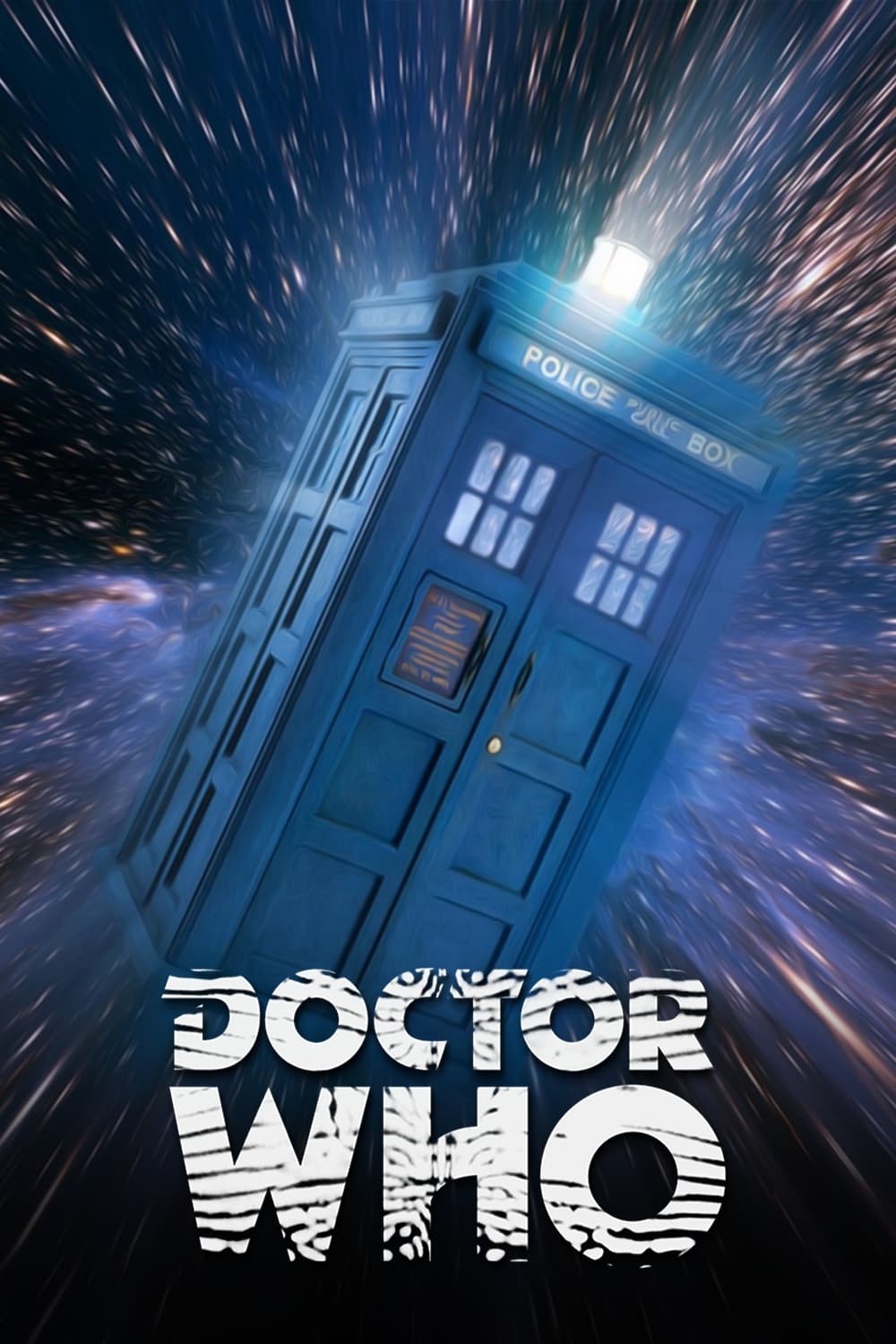
‘Doctor Who’ follows a time-traveler and companions in a ship that visits past, present, and future, facing recurring foes. Regeneration lets the lead change without breaking continuity.
Serial multi-parters enable cliffhangers and economical set reuse. A later relaunch built on the classic era’s lore, while original serials continue to be restored and archived.
‘Spitting Image’ (1984–1996)
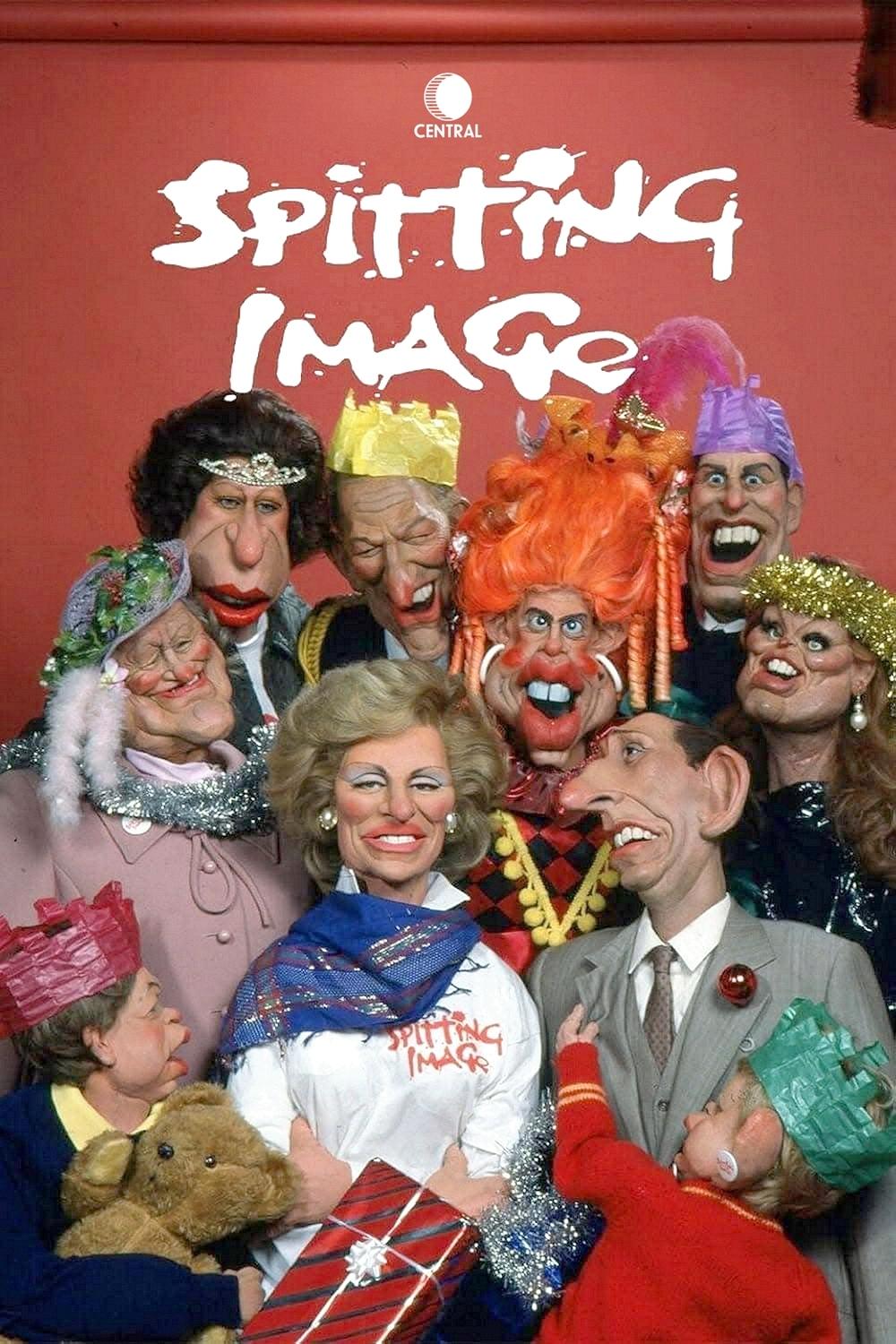
‘Spitting Image’ is a satirical puppet show that caricatures public figures through sketches and songs. Latex sculptures and rapid response to headlines define its look.
Writers work on tight turnarounds to keep episodes topical. International versions and revivals carry the format forward while archives capture a specific cultural record.
‘The Adventures of Sherlock Holmes’ (1984–1985)
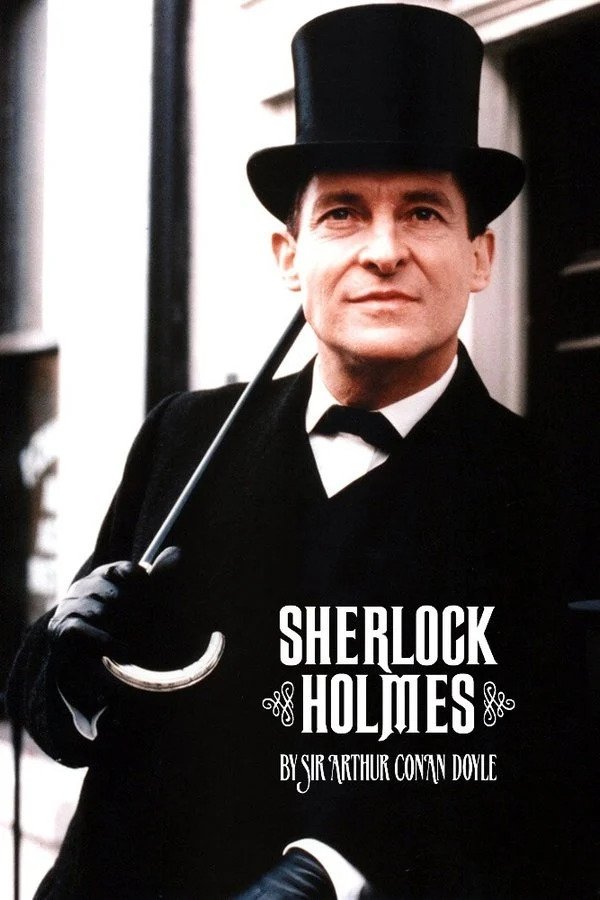
‘The Adventures of Sherlock Holmes’ adapts Arthur Conan Doyle’s stories with close attention to period detail. Cases emphasize observation, disguise, and deduction.
Atmospheric London streets and interiors support faithful staging. Follow-up series continue the cycle, building a nearly complete screen library of the canon.
‘Agatha Christie’s Poirot’ (1989–2013)
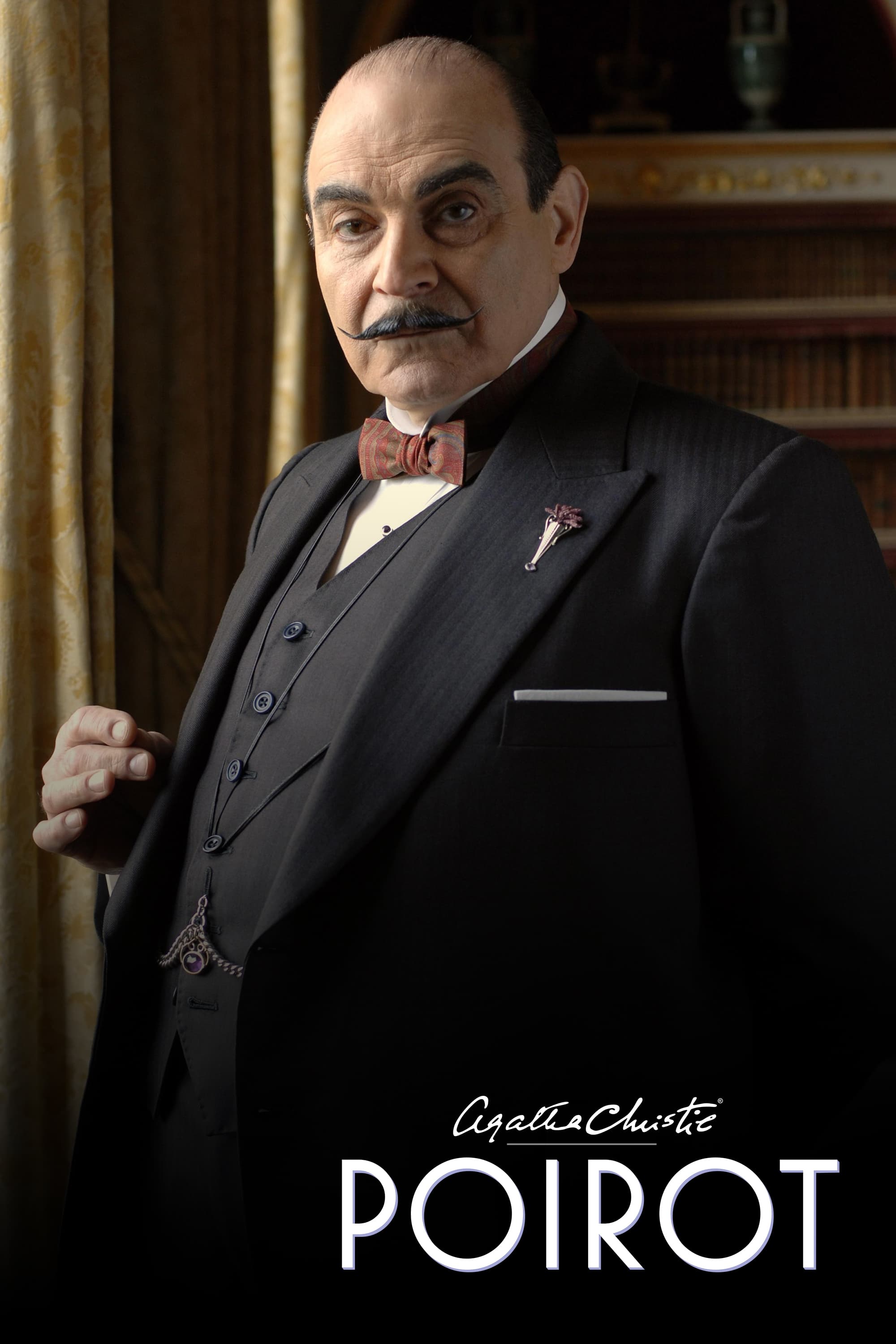
‘Agatha Christie’s Poirot’ presents carefully constructed mysteries solved by a meticulous Belgian detective and his circle. Productions preserve clue-fairness and drawing-room denouements.
Art Deco design, wardrobe, and locations create a consistent period palette. The series scales from half-hours to feature-length episodes while maintaining tone.
‘Degrassi Junior High’ (1987–1989)
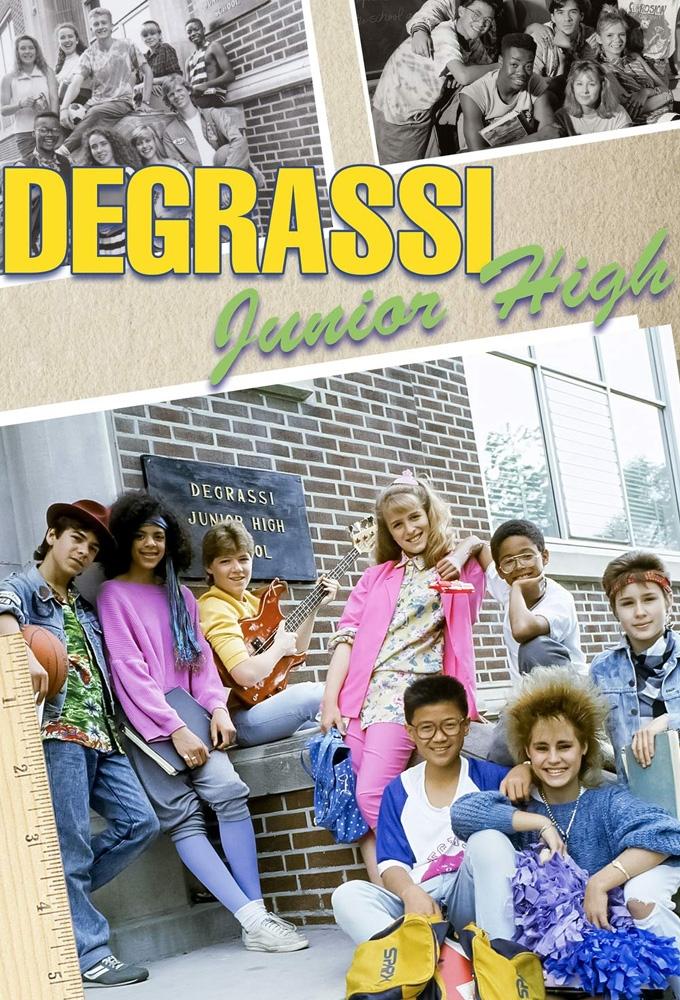
‘Degrassi Junior High’ follows students dealing with classes, friendships, and home life in a Canadian school. A large ensemble of age-appropriate actors keeps stories grounded.
Documentary-style camerawork and straightforward editing emphasize realism. Sequels advance characters into new stages so viewers can follow lives over time.
‘Dragon Ball’ (1986–1989)

‘Dragon Ball’ begins with a young martial artist whose quest assembles friends, rivals, and mentors, setting up training arcs and tournaments. Comedy detours sit next to escalating fights.
Fight choreography, aura effects, and cliffhanger breaks shape the action style. Later series, films, and games build on this foundation while the original remains the starting point.
‘Fist of the North Star’ (1984–1987)

‘Fist of the North Star’ follows a wanderer using pressure-point techniques to protect the weak in a post-apocalyptic world. Duels, rival schools, and codes of honor drive arcs.
Impact frames, speed lines, and a driving score define the show’s action language. Films, games, and successor series extend the saga around the TV core.
‘City Hunter’ (1987–1991)
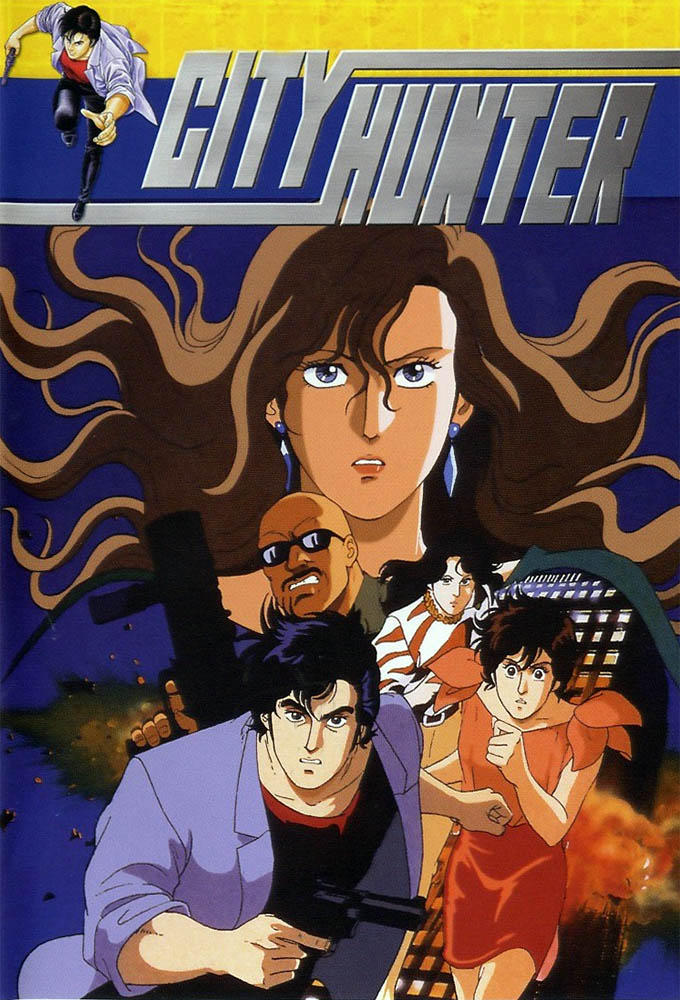
‘City Hunter’ tracks a sweeper and his partner taking private jobs across Tokyo that mix detective work, action, and comedy. Cases involve recurring allies and antagonists around urban landmarks.
Episodic plotting allows drop-in viewing while serialized threads reward continuity. Specials and films continue the property, with restorations preserving the original tone and look.
Share your own must-watch picks from the decade in the comments so everyone can compare notes and discover a few new favorites.