2000s Movies That Are so Bad They Became Famous


Some movies miss the mark so loudly that they echo—through headlines, awards for the “worst,” and midnight screenings packed with fans who recite lines by heart. The 2000s gave us a bumper crop of these curiosities: films that struggled with critics and audiences on release yet stuck around in pop culture thanks to infamous scenes, box-office flameouts, or devoted cult followings.
Below is a sourced, verifiable tour through the decade’s most notorious titles. You’ll find concrete details—budgets, grosses, awards tallies, and how each film’s reputation snowballed over time—so you can trace exactly how these misfires became fixtures of movie chatter.
‘The Room’ (2003)
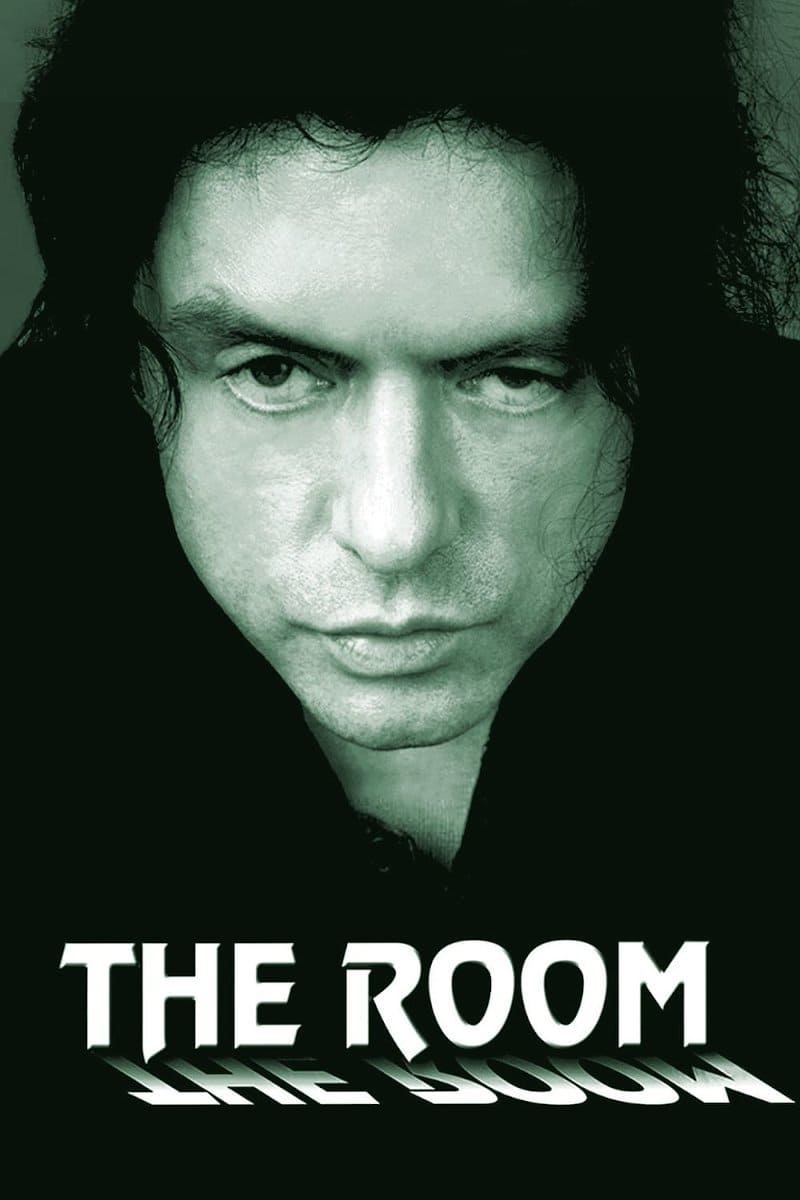
Often cited among the worst films ever made, ‘The Room’ developed a cult following through word-of-mouth and regular midnight screenings, with coverage noting its “bizarre and unconventional” storytelling and widespread designation as a canonical bad-movie phenomenon. Its initial California-only run later expanded as interest grew, turning the production into a long-running repertory staple.
The film’s notoriety spurred ongoing special screenings, audience participation traditions, and extensive media documentation of its production and reception—cementing it as a persistent cultural artifact rather than a one-weekend flop. Journalistic summaries and reference entries consistently list it alongside other “worst ever” candidates, underscoring its staying power.
‘Battlefield Earth’ (2000)

‘Battlefield Earth’ received overwhelming critical derision on release for writing, performances, and visuals, and became a box-office bomb—grossing about $29.7 million worldwide against a production budget widely reported around $44 million.
Its industry infamy was sealed at the Golden Raspberry Awards, where it “swept” the ceremony by winning all seven categories in which it was nominated that year, a benchmark of modern movie ignominy frequently referenced in later retrospectives.
‘Gigli’ (2003)

The high-profile star pairing did not translate to acclaim: ‘Gigli’ became a byword for a major-studio misfire, and contemporary coverage documented how it “cleaned up” at the Razzies, taking the six top trophies at that year’s ceremony.
Trade and news reports have continued to cite the film as a case study in negative reception overwhelming marketing heat, with its Razzie sweep used as shorthand for the scale of its reputational damage in the 2000s.
‘Catwoman’ (2004)

‘Catwoman’ drew poor reviews and disappointing ticket sales, but it also produced one of the Razzies’ most memorable moments when Halle Berry personally accepted Worst Actress with a tongue-in-cheek speech. In later interviews she reflected on the backlash, the production’s choices, and how younger viewers rediscovered the film in the streaming era.
Coverage continues to emphasize the movie’s negative critical consensus and awards tally, while also noting Berry’s public perspective on the experience and the project’s post-release cult visibility—detailing how a widely panned title persisted in the conversation.
‘From Justin to Kelly’ (2003)
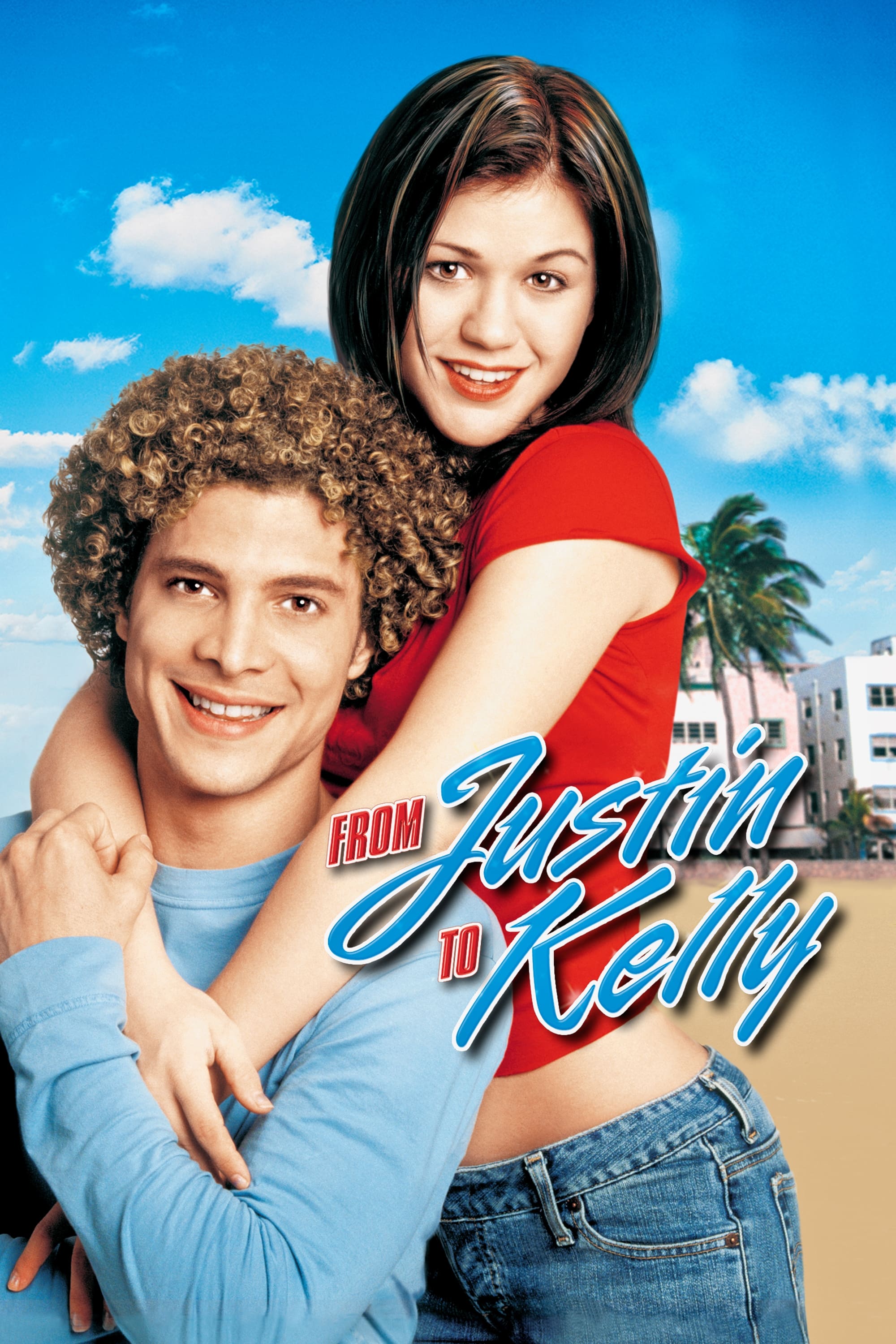
Conceived at the height of early reality-TV fame, ‘From Justin to Kelly’ opened to weak domestic receipts—about $2.7 million opening and roughly $4.9 million total—against a reported production budget near $12 million, according to box-office ledger sources.
Reference entries catalog its lukewarm audience polling and harsh reviews, documenting how the film swiftly exited theaters and became a regular touchpoint in lists of high-profile pop-music crossovers that faltered.
‘The Wicker Man’ (2006)
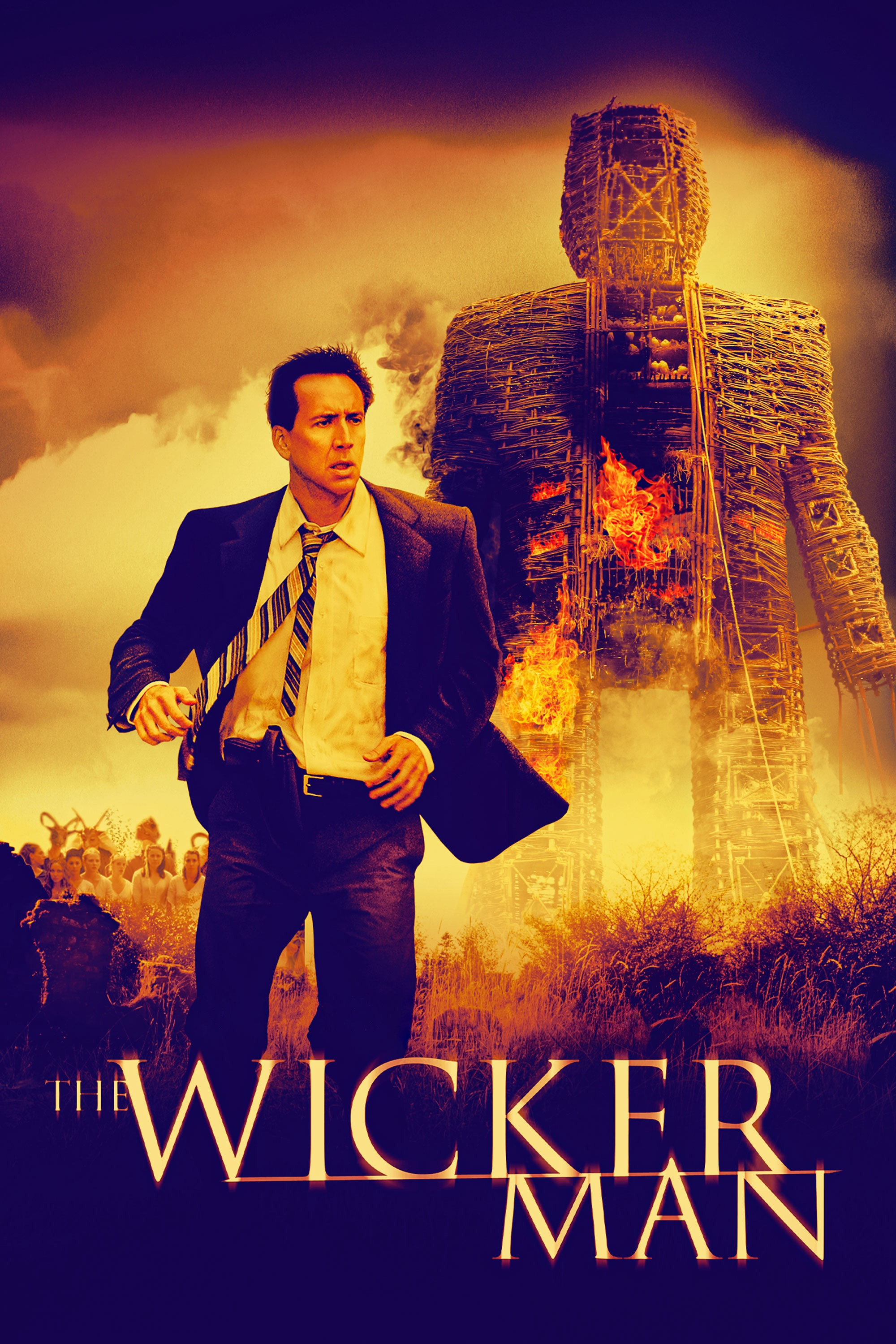
The remake became notorious for specific scenes that circulated widely online, while box-office accounts record an opening near the top of the chart but a total gross (about $38.8 million worldwide) that fell short of production and marketing expectations. Audience polling gave it a rare failing grade, a data point often highlighted in coverage.
Subsequent reporting and interviews have revisited its most memed moments and its critical scores, illustrating how select sequences, dialogue, and publicity beats helped the film outlive its initial release in the public imagination.
‘Ballistic: Ecks vs. Sever’ (2002)

‘Ballistic: Ecks vs. Sever’ achieved an unusual distinction on review aggregators, with coverage and listings identifying it as one of the most critically rejected wide releases on record. Its reception has been repeatedly cited in roundups of historically low-scoring titles.
That critical profile, rather than any single box-office milestone, fueled the movie’s afterlife as a go-to example in articles about notorious action flops from the decade, showing how aggregate reception alone can confer long-term notoriety.
‘Son of the Mask’ (2005)
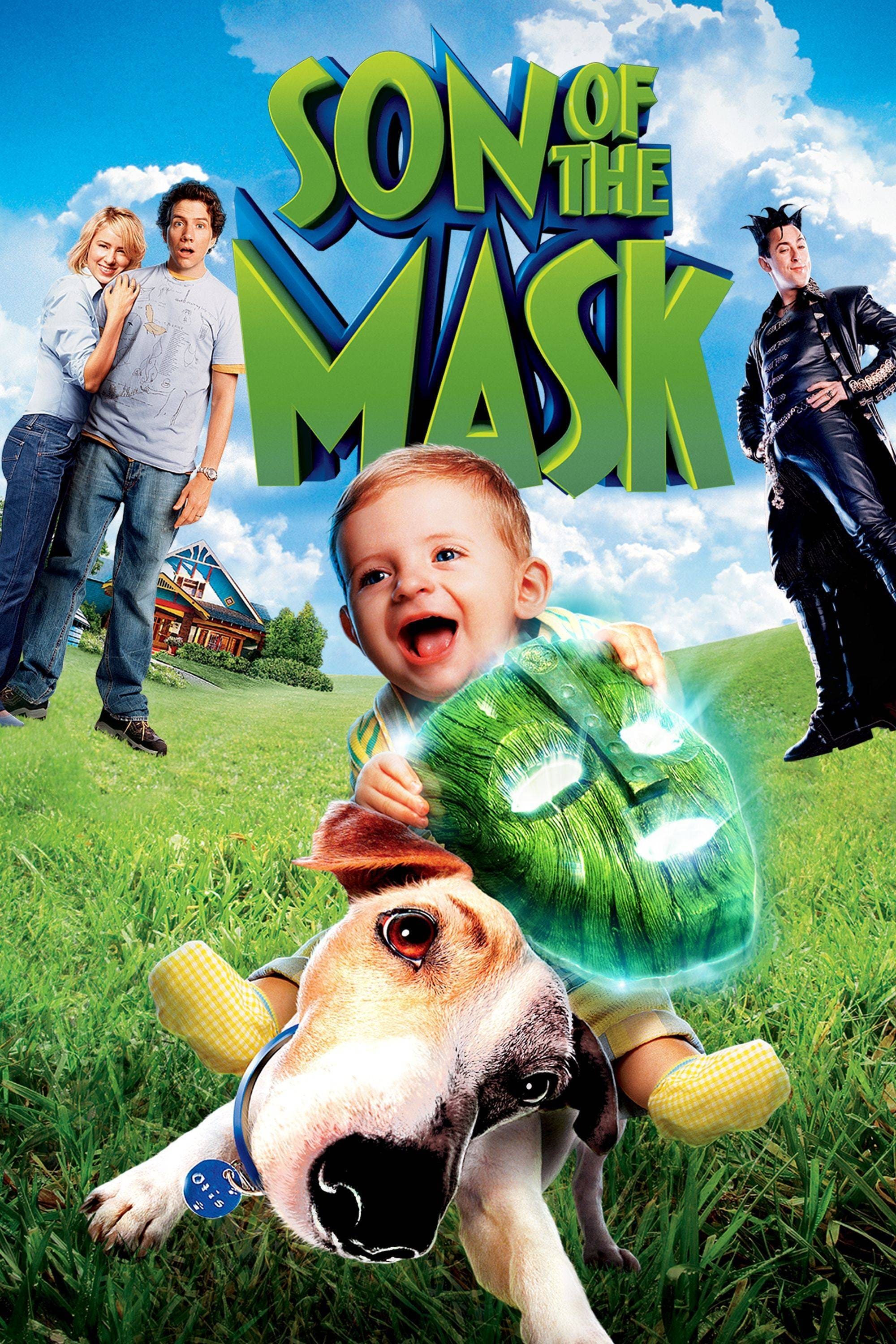
Ledger sources place the film’s worldwide gross at about $59.9 million against an estimated production outlay that various reports place in the $84–$100 million range, framing it as a significant financial underperformance. Industry databases and reference pages track its domestic ranking and theater counts during release.
Its poor reception on review platforms and awards-show ignominy are routinely referenced in overviews of comedy sequels that struggled without original stars, helping explain how it became emblematic of risky franchise continuations.
‘Dragonball Evolution’ (2009)
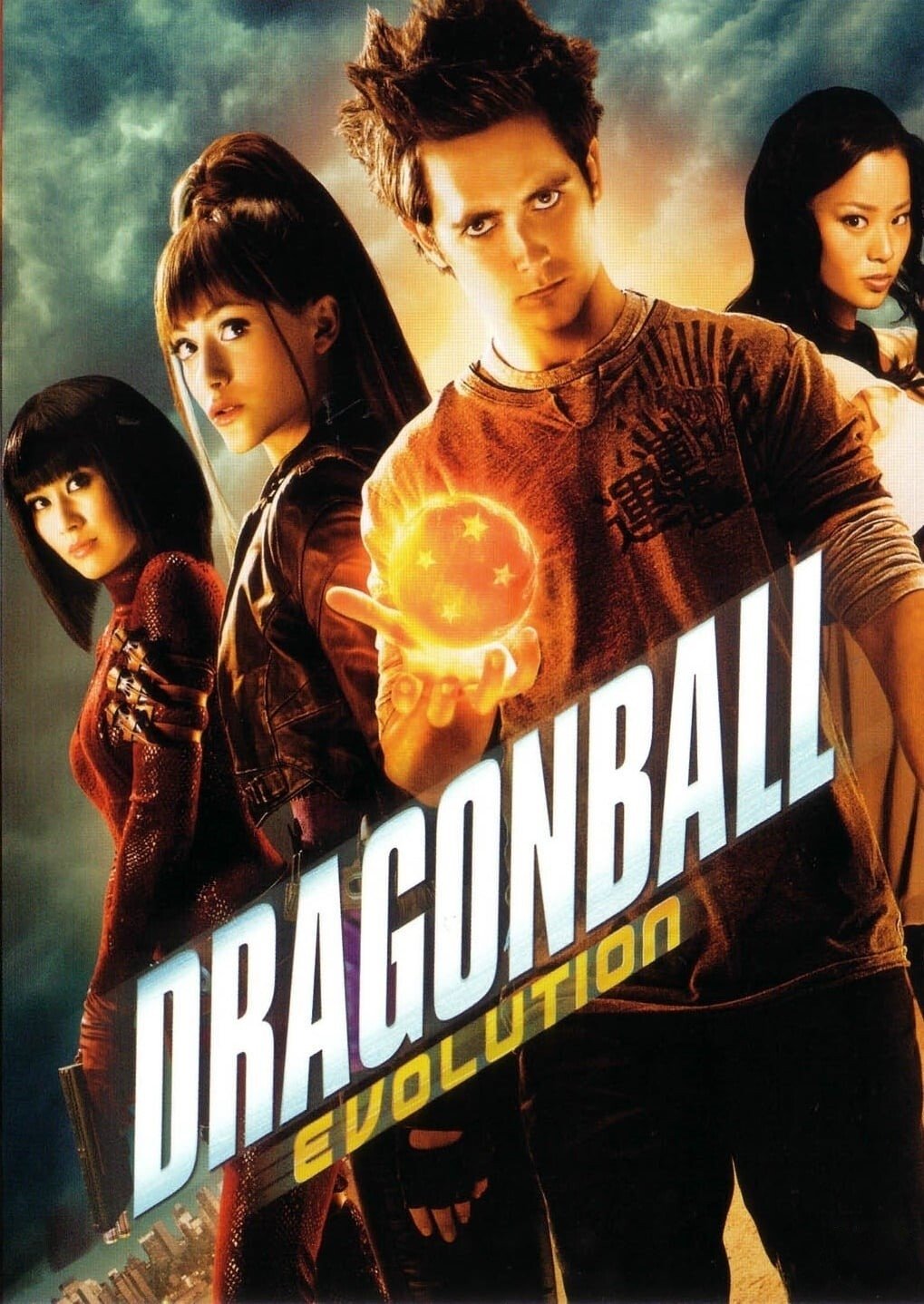
Financial records and reference entries list a production budget around $30 million and a worldwide gross near $56.5 million, with release-weekend trade notes documenting a muted opening and quick drop from the top ten in the U.S. market.
The film’s reputation was further shaped by post-release commentary—including a public apology from the credited screenwriter—regularly cited in summaries of the title’s reception and its place among troubled manga-to-film adaptations.
‘Glitter’ (2001)

‘Glitter’ is widely chronicled as a commercial failure in reference entries, with tallies noting a domestic total a little over $4 million against a production budget reported north of $20 million, alongside harsh contemporary reviews and a Razzie for its star.
Years later, the soundtrack experienced an unexpected resurgence driven by a fan campaign, hitting No. 1 on iTunes and re-entering Billboard charts—an afterlife that kept the film in circulation as a cultural talking point despite its initial reception.
‘House of the Dead’ (2003)
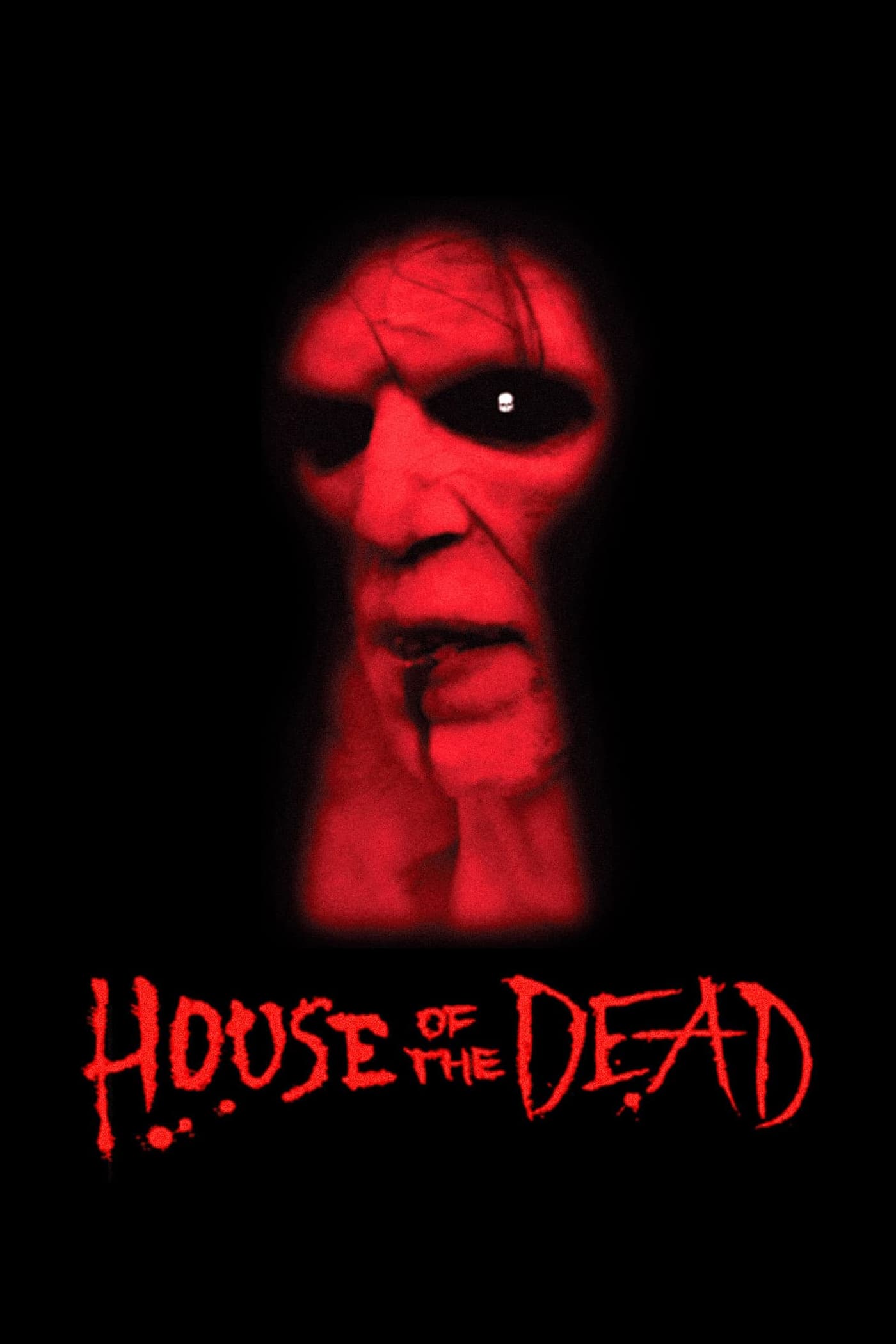
Adapted from the arcade franchise, ‘House of the Dead’ became a frequent inclusion on “worst video-game movies” lists, with critics noting its review-aggregator scores and trade write-ups documenting a modest worldwide gross compared to its production spend.
Its afterlife includes a direct-to-video sequel and a director’s-cut home release, details cataloged in reference entries and home-media histories that help explain how it stayed visible among audiences long after theatrical play.
‘Ultraviolet’ (2006)
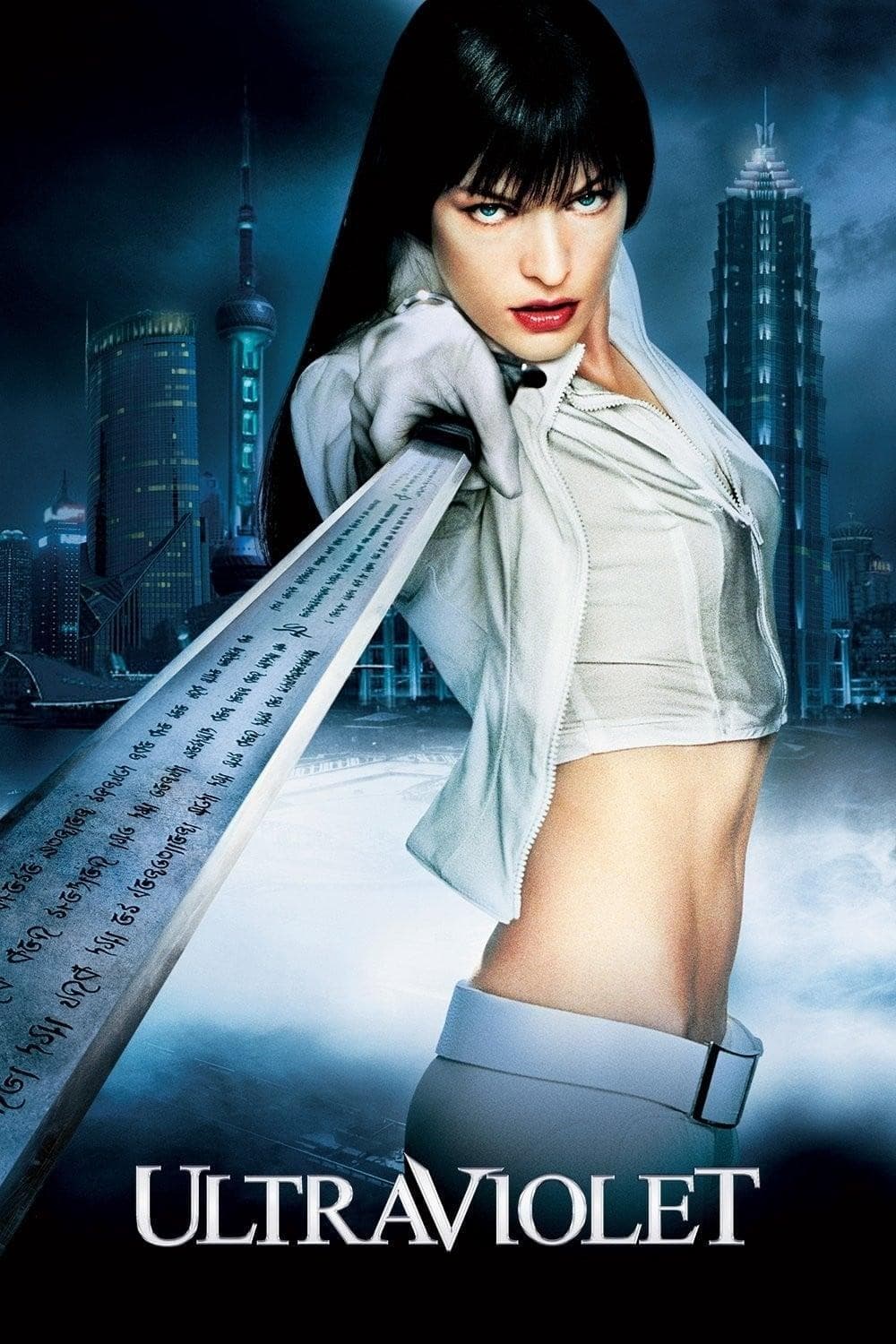
Box-office ledgers record a worldwide take just over its reported production budget, with contemporaneous reporting and later production histories noting heavy cutting—different runtimes for home release and claims of a much longer early cut.
Industry retrospectives have also reported on the film’s hasty release circumstances, including commentary about visual-effects completion and editorial decisions, which have been used to contextualize its reception and enduring place in “so-bad-it’s-good” discussions.
‘Epic Movie’ (2007)
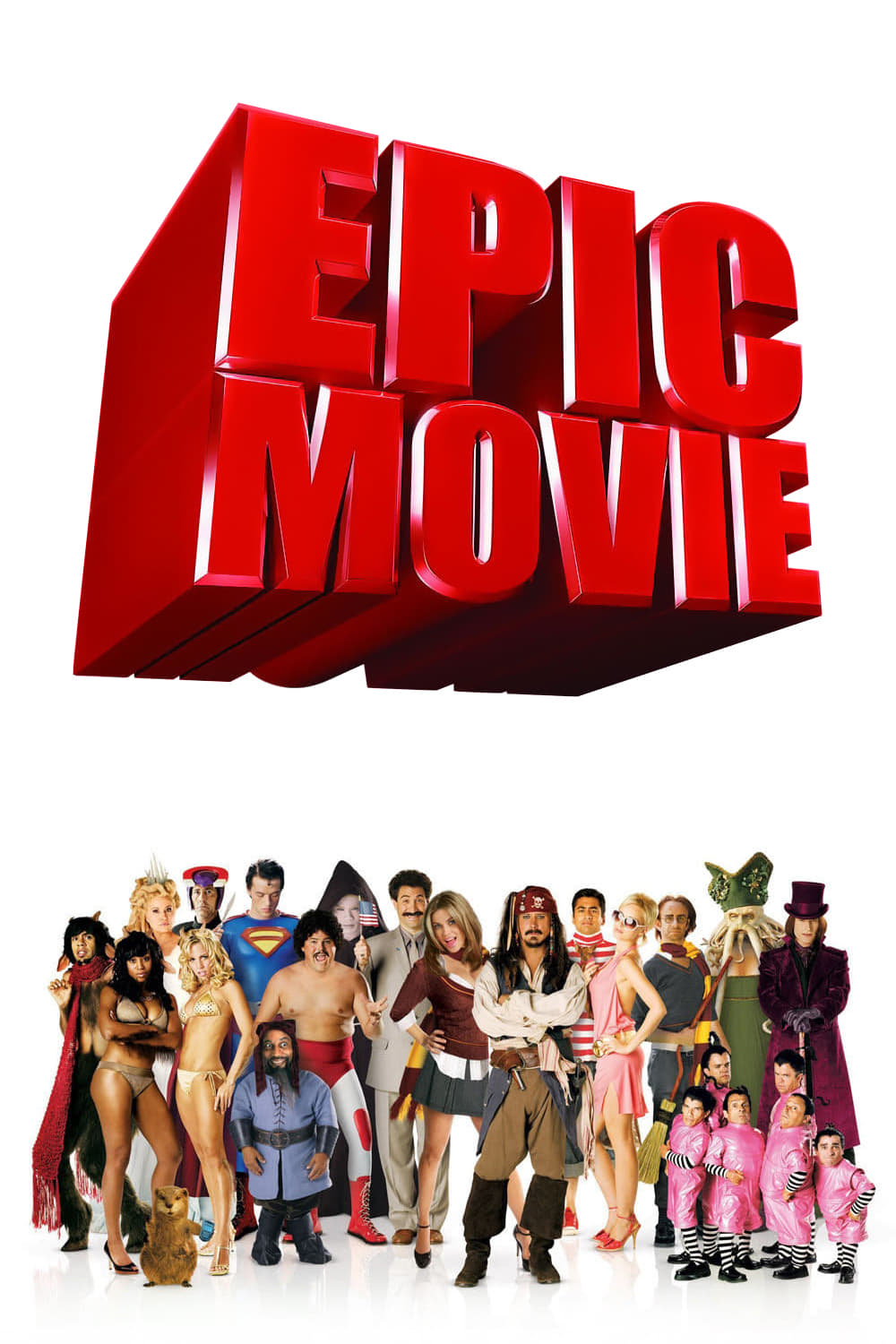
Despite extremely poor reviews, box-office accounts show ‘Epic Movie’ opening at No. 1 and finishing with a worldwide gross near $87 million on a reported $20 million budget, underscoring how audience curiosity can propel even panned titles to strong financial outcomes.
Awards listings and aggregator pages document multiple Razzie nominations and a persistent negative critical consensus, the combination that helped elevate it into decade-end roundups of notorious releases that remained widely watched anyway.
‘The Love Guru’ (2008)
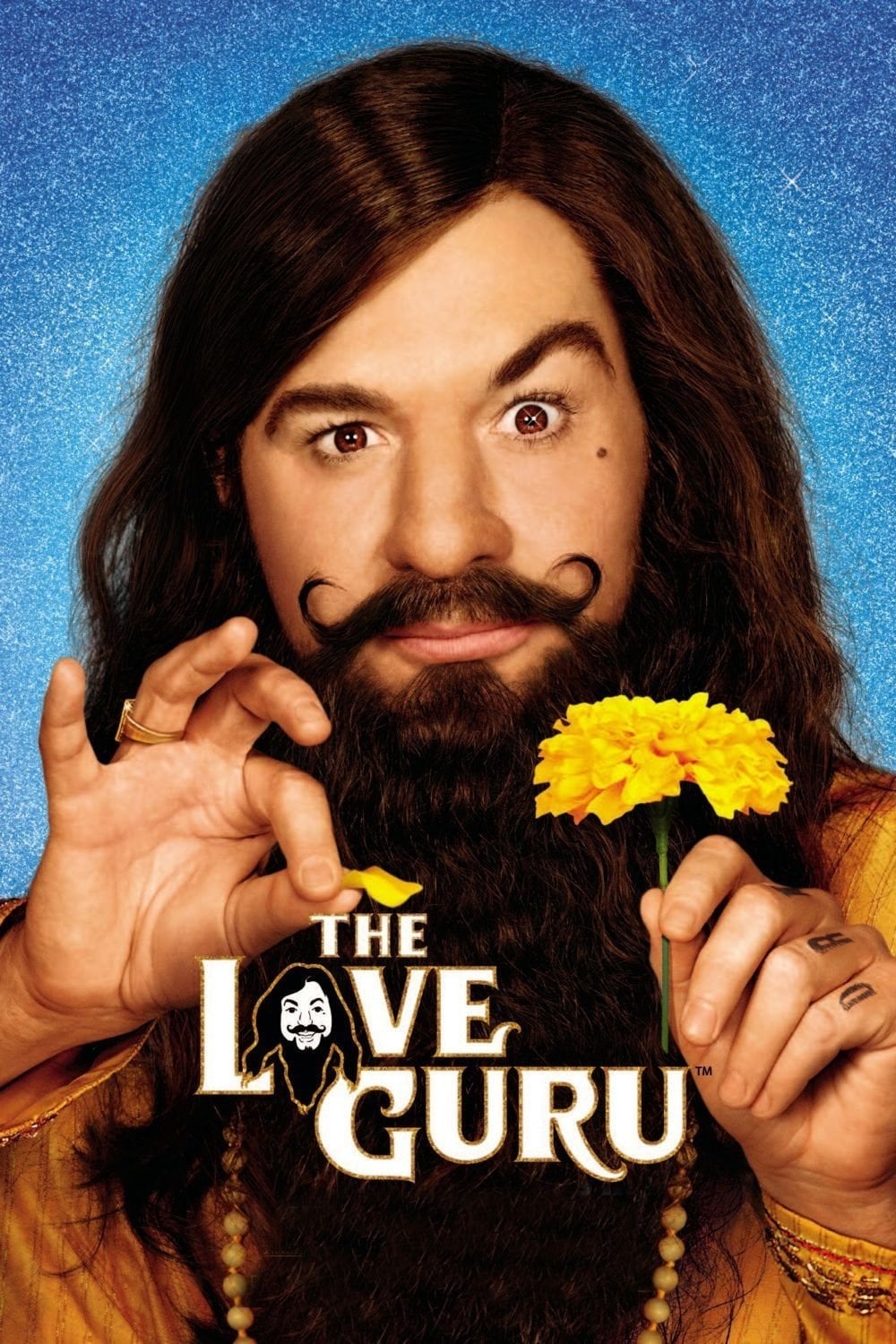
Coverage of the Golden Raspberry Awards records ‘The Love Guru’ as that year’s multiple-Razzie winner, including Worst Picture, Worst Actor, and Worst Screenplay, a trifecta that locked in its status as a defining flop of late-decade studio comedy.
Trade reports and awards databases continue to reference the film in discussions of high-profile misfires, demonstrating how a negative critical response compounded by awards notoriety can keep a title in the cultural bloodstream well beyond its theatrical window.
Share your picks (and receipts!) for the 2000s titles you think belong on this list in the comments.