25 Actors who Defined “Cool” in Cinema


Some performers didn’t just star in films—they helped set the template for what audiences think of when they hear “cool.” Across eras and countries, certain actors shaped screen archetypes through recurring roles, unforgettable character work, and the kind of presence that filmmakers kept writing toward. You can trace costume trends, camera language, and even action choreography back to the characters they played and the personas they built.
This list looks at the performers whose filmographies, collaborations, and on-screen identities influenced how “cool” gets portrayed and marketed. From noir trench coats to modern action minimalism, from martial-arts precision to effortless wit, these actors left behind a concrete track record of roles, partnerships with notable directors, and industry impact that filmmakers still reference today.
Humphrey Bogart
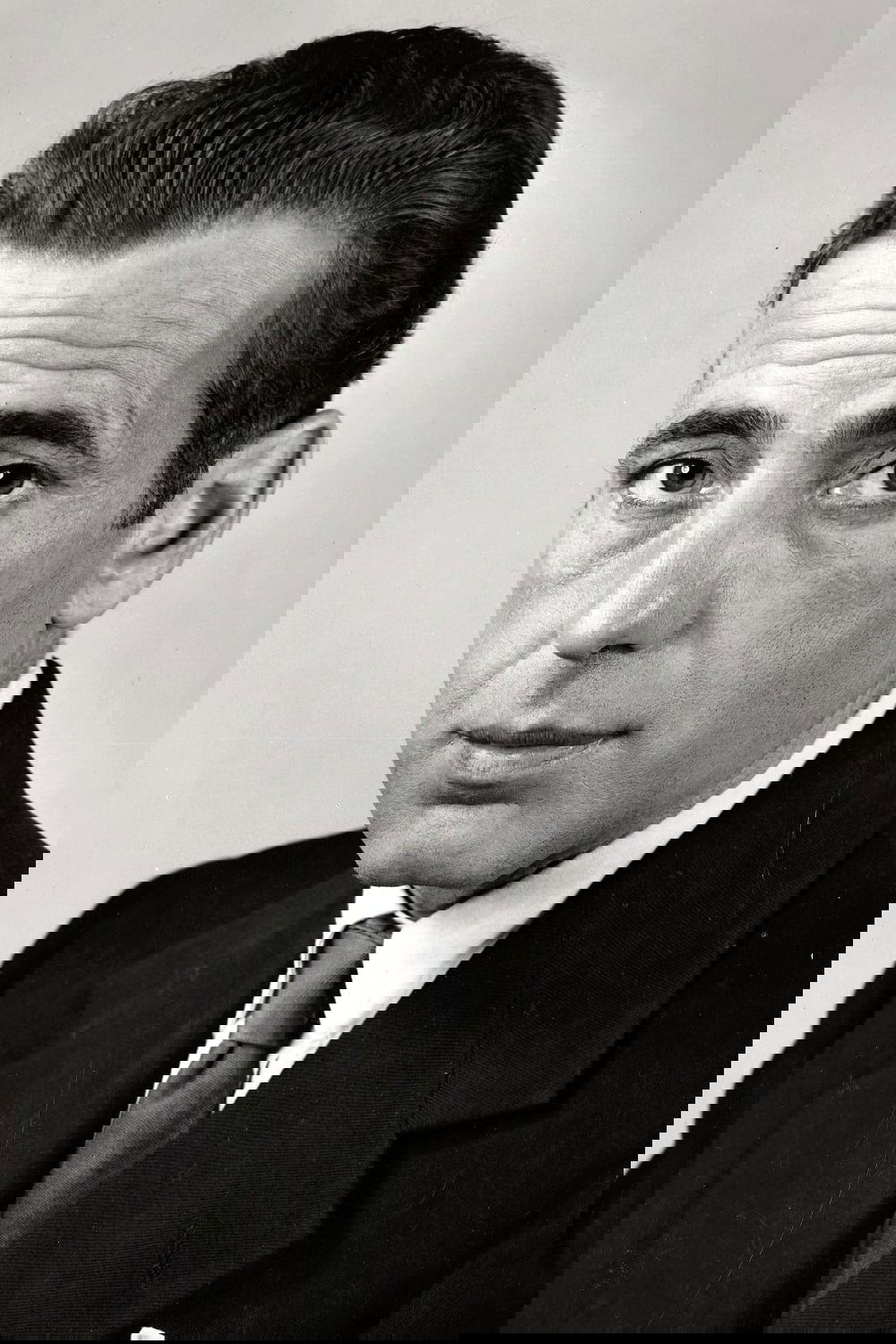
Bogart’s body of work defined the hardboiled noir lead through roles in ‘Casablanca’, ‘The Maltese Falcon’, and ‘The Big Sleep’. He frequently collaborated with directors like John Huston and co-starred with Lauren Bacall, helping popularize the tough, morally ambiguous protagonist whose choices drive detective and crime dramas.
His clipped delivery, trench-coat image, and cigarette-in-hand posture became visual shorthand for the era’s private eye and wartime romantic lead. Studios built marketing around that persona, and later neo-noirs and thrillers echoed his dialogue rhythms and stylized stoicism in homages and parodies alike.
Cary Grant
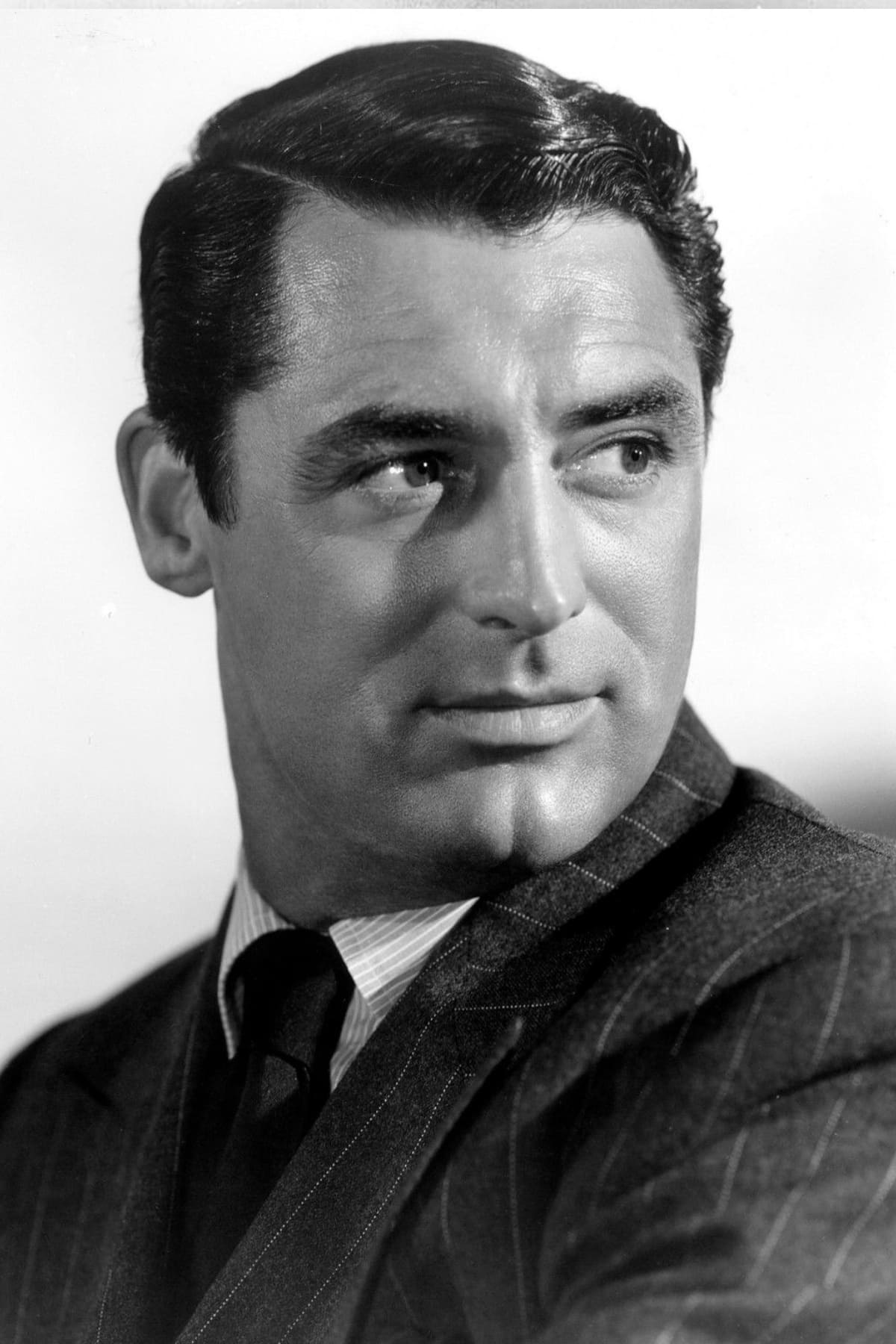
Grant fused light comedy and suspense across ‘North by Northwest’, ‘To Catch a Thief’, and ‘Bringing Up Baby’. His collaborations with Alfred Hitchcock demonstrated how a comedic performer could anchor thrillers, while his work in romantic comedies set patterns for sophisticated leads balancing charm with physical comedy.
Costume design often centered on his tailoring, which influenced menswear depictions of the urbane protagonist. Directors and casting agents frequently cited his timing, athleticism, and diction as benchmarks when developing suave leads for capers and espionage stories.
Steve McQueen
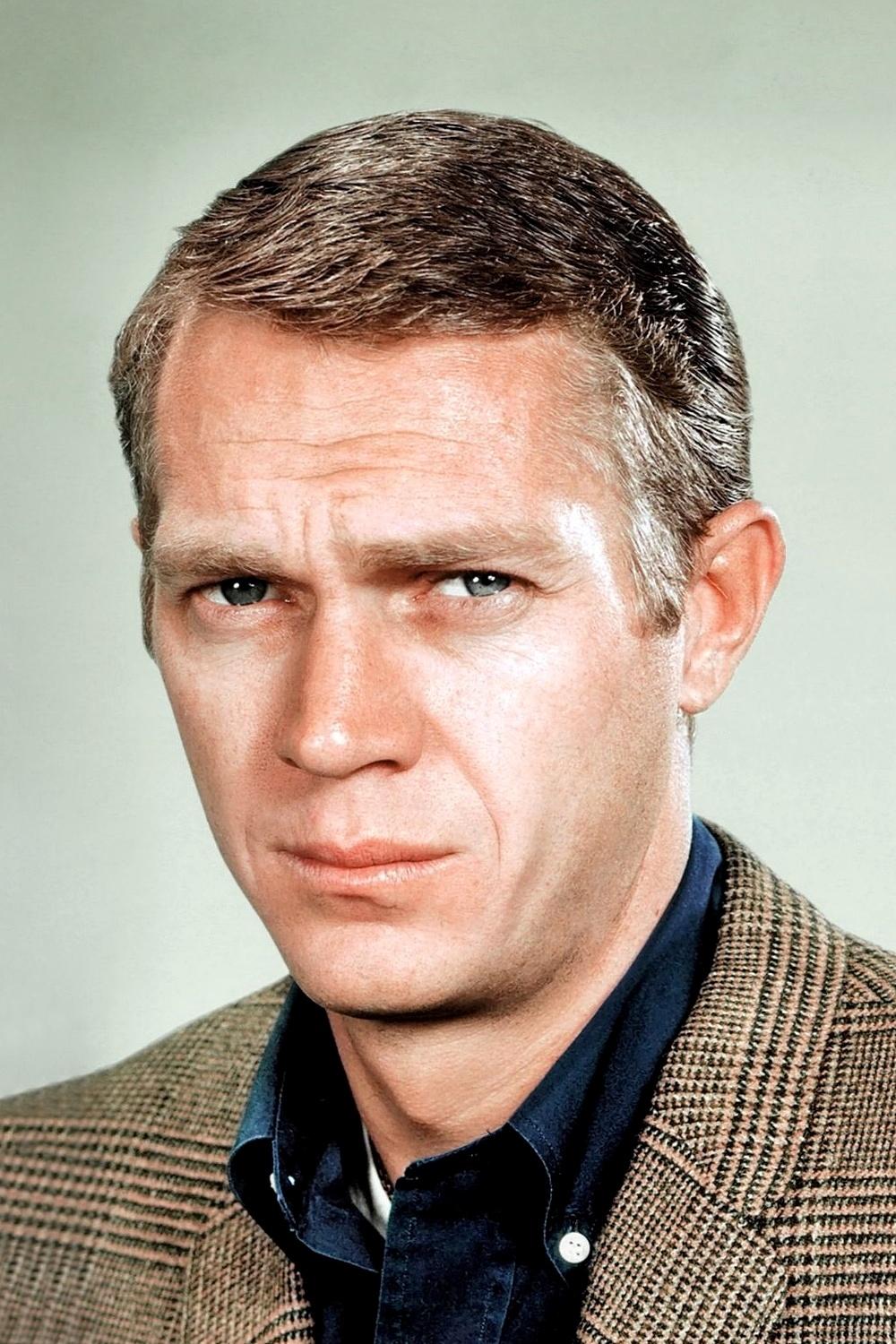
McQueen became synonymous with laconic antiheroes through ‘Bullitt’, ‘The Thomas Crown Affair’, and ‘The Great Escape’. His emphasis on practical action—most famously high-speed driving and stunt work—encouraged location-heavy shoots and grounded chase sequences that action films still emulate.
He often negotiated for vehicle and stunt authenticity, which shaped second-unit priorities and camera rigging for automotive scenes. The minimalist dialogue and physical focus in his roles informed later thriller pacing and editing strategies built around gesture rather than exposition.
James Dean
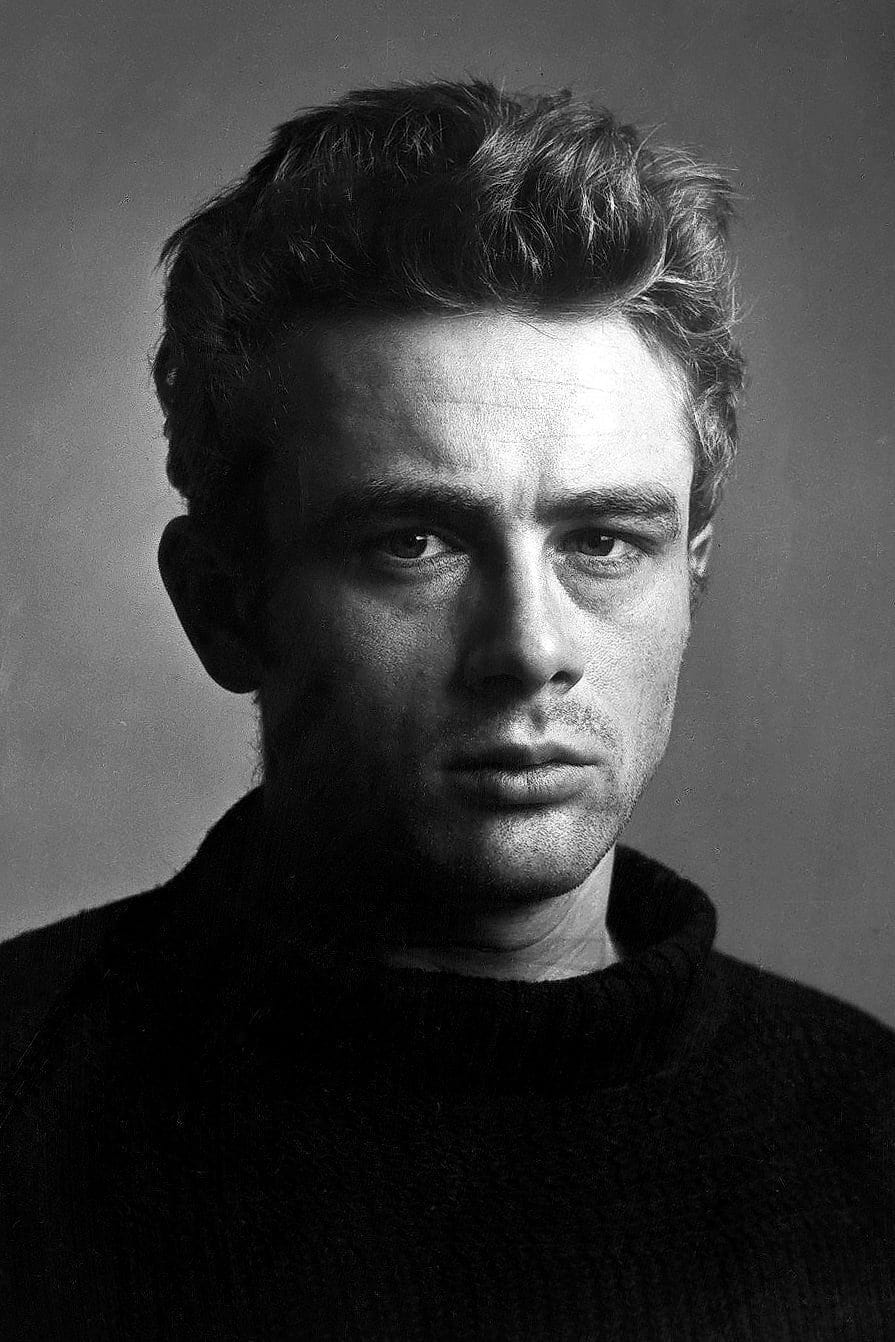
Dean’s short filmography—‘Rebel Without a Cause’, ‘East of Eden’, and ‘Giant’—cemented the youth-culture rebel as a central cinematic figure. His performances drew on method techniques that foregrounded internal conflict, giving teen and young adult characters dramatic weight in mainstream productions.
Marketing campaigns around his roles connected wardrobe, posture, and music cues to character identity, affecting how studios targeted younger audiences. Later teen dramas and coming-of-age films reused similar framing and character arcs to address generational tension.
Paul Newman
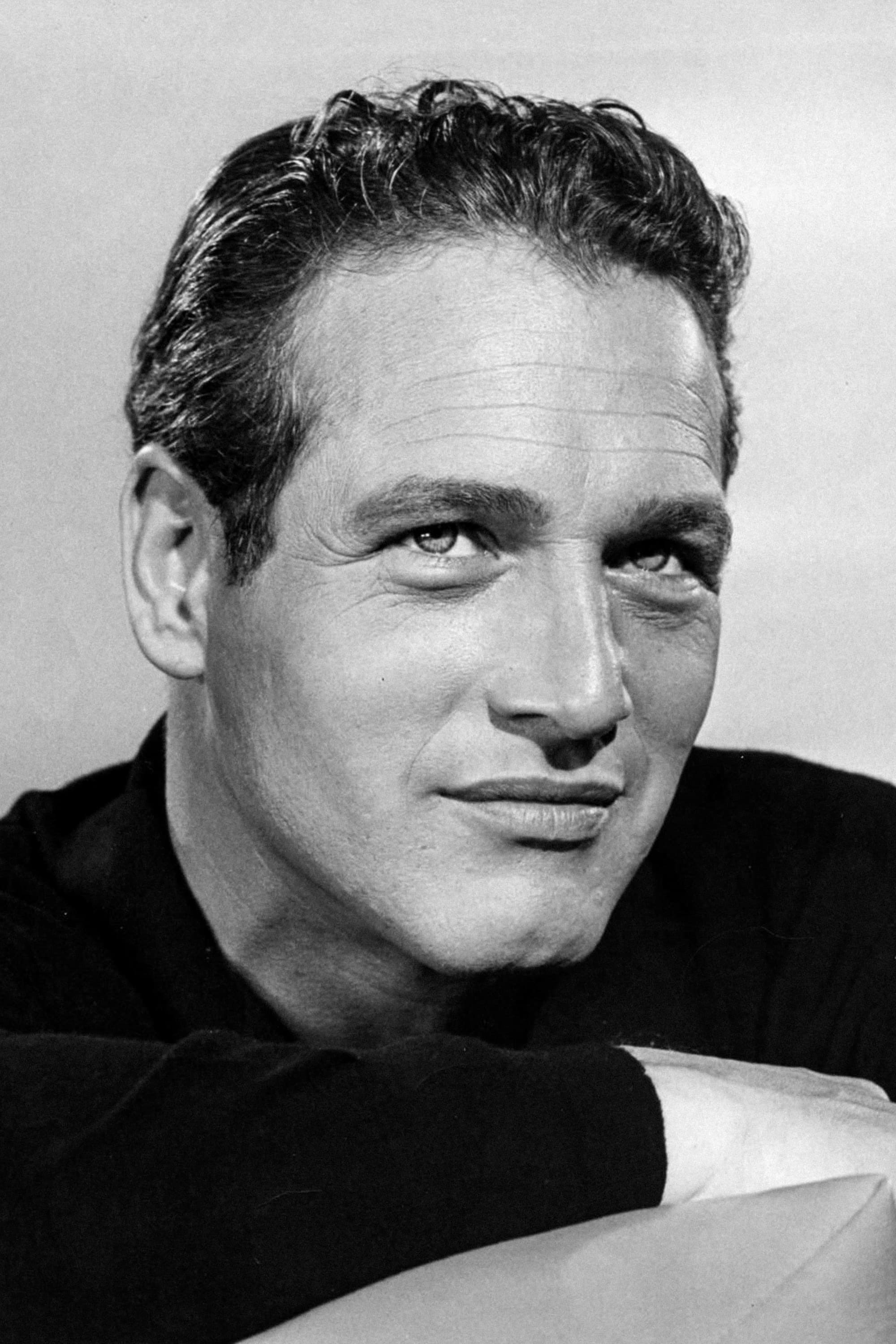
Newman led character-driven dramas and capers like ‘Cool Hand Luke’, ‘Butch Cassidy and the Sundance Kid’, and ‘The Hustler’. He frequently paired with directors such as George Roy Hill and Martin Ritt, bringing sly humor and competitive intensity to morally complex protagonists.
His philanthropic ventures and racing career broadened his public image, which studios leveraged in promotional tours and brand partnerships. The combination of athlete’s poise and gambler archetypes in his roles influenced how ensemble crime films and sports dramas cast their leads.
Robert Redford
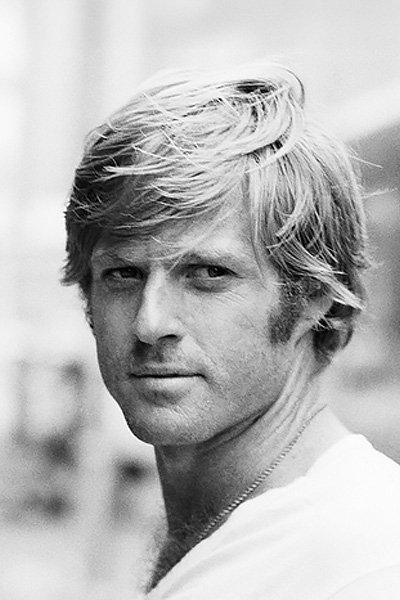
Redford’s filmography spans ‘The Sting’, ‘Three Days of the Condor’, and ‘All the President’s Men’. He became a go-to lead for stylish con artists and investigative journalists, often exploring themes of institutional trust and partnership dynamics with co-stars like Paul Newman and Dustin Hoffman.
Off-screen, he founded the Sundance Institute and Festival, which materially changed independent film development and distribution. That dual impact—on-screen persona and industry infrastructure—shaped career paths for actors seeking prestige projects outside studio formulas.
Clint Eastwood

Eastwood’s breakthrough with the “Man with No Name” cycle led to major American roles like ‘Dirty Harry’ and later director-star projects such as ‘Gran Torino’. His characters codified the terse lawman and antihero, informing police procedurals and vigilante narratives.
As a filmmaker, he integrated spare dialogue, location sound, and unfussy coverage into production norms for grounded thrillers and dramas. The continuity between his acting profile and directing style gave studios a reliable template for economical, performance-led genre films.
Alain Delon
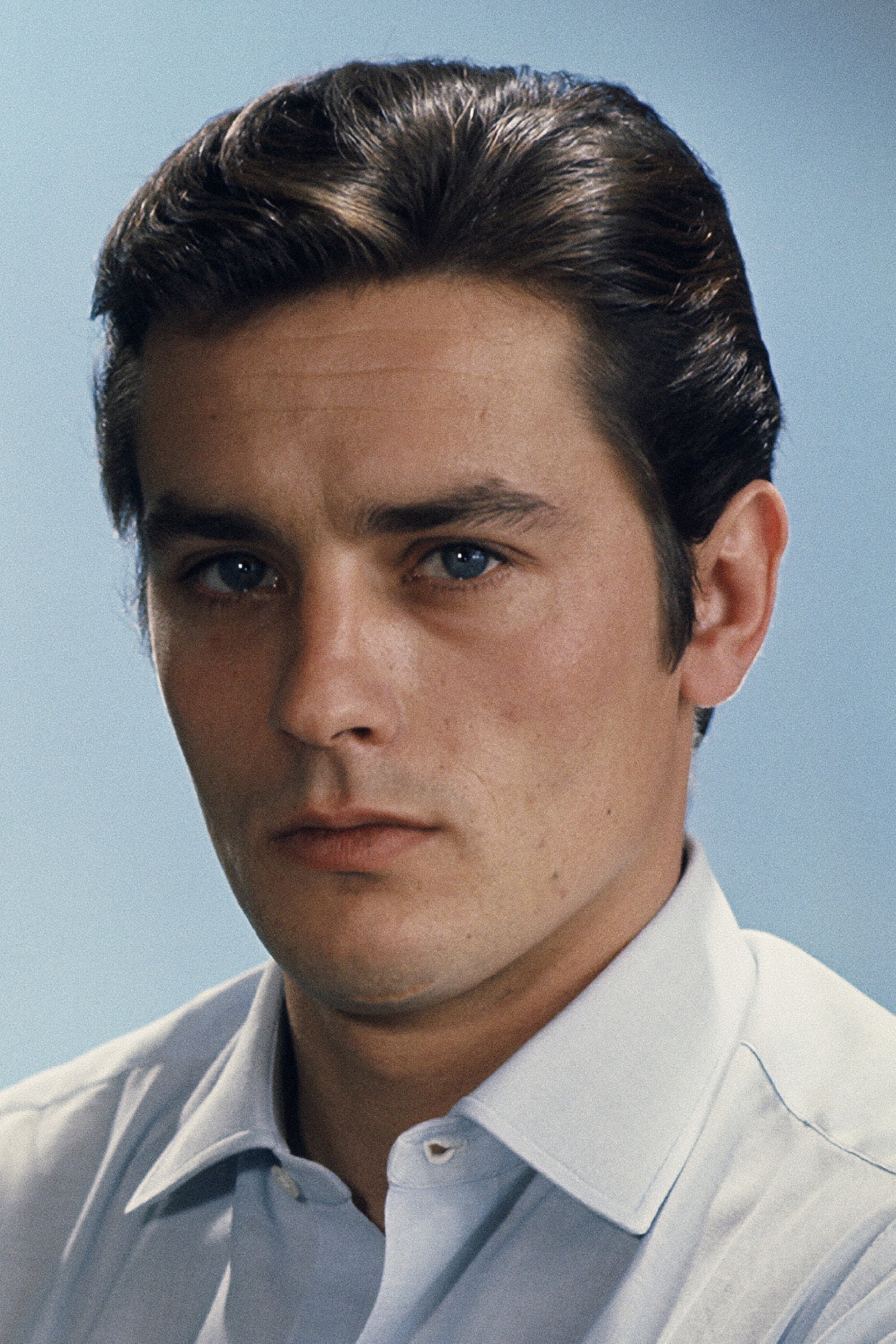
Delon anchored European crime and existential dramas including ‘Le Samouraï’, ‘Purple Noon’, and ‘Le Cercle Rouge’. His collaborations with Jean-Pierre Melville presented criminal protagonists with ritualistic routines, influencing how filmmakers depict discipline and solitude in heist and hitman stories.
Wardrobe and framing emphasized silhouettes, gloves, and nocturnal cityscapes that later directors replicated in neo-noirs. His presence connected Italian and French cinema trends, giving international distribution a marketable face for cool, minimalist crime tales.
Jean-Paul Belmondo
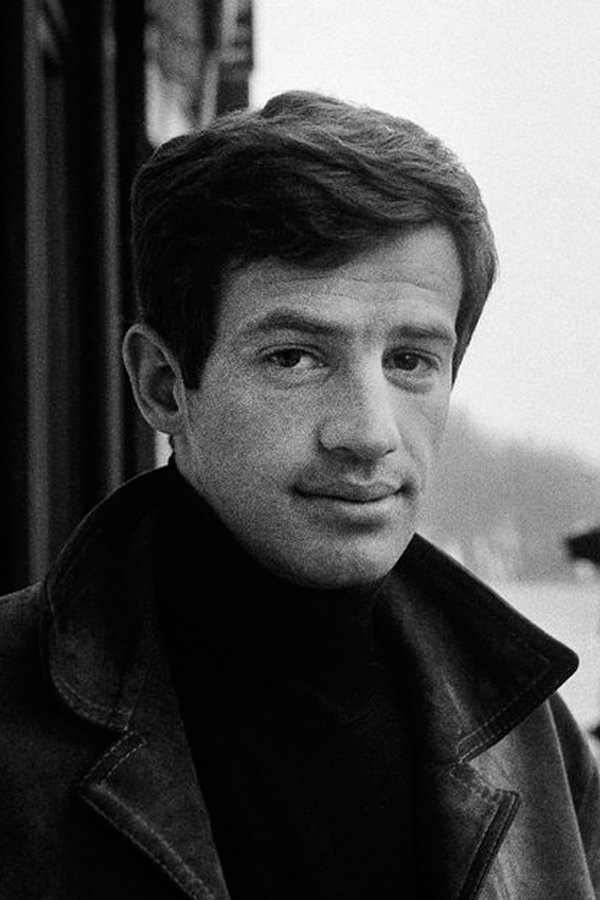
Belmondo’s breakout in ‘Breathless’ linked him to the French New Wave’s handheld aesthetics and jump-cut editing. He later headlined action-forward vehicles like ‘That Man from Rio’ while performing many of his own stunts, which expanded expectations for actor physicality in European productions.
His collaborations with directors like Jean-Luc Godard and Philippe de Broca tied star persona to formal experimentation. Distributors used his name to sell kinetic, location-driven films that blended crime, romance, and travelogue elements.
Toshirō Mifune
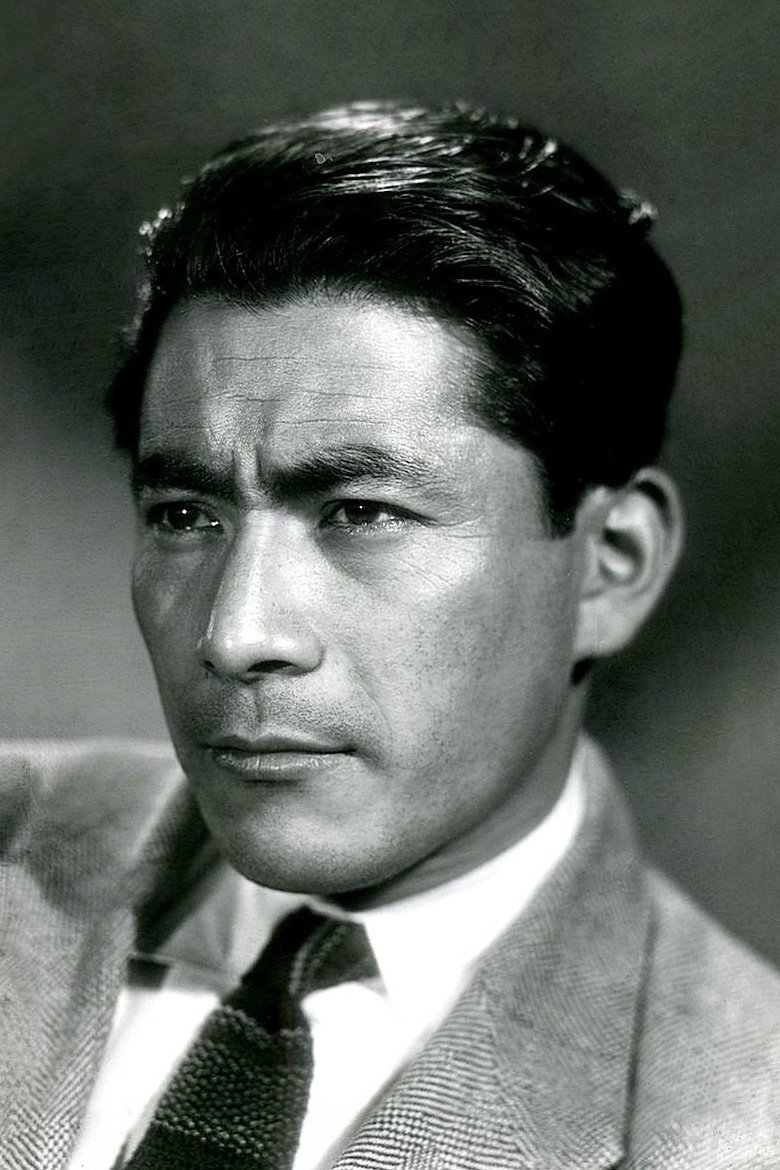
Mifune’s partnership with Akira Kurosawa produced defining samurai and ronin portrayals in ‘Seven Samurai’, ‘Yojimbo’, and ‘Sanjuro’. His physical power, controlled movement, and expressive stillness became core components of the screen warrior archetype.
Those performances shaped Westerns and action films through direct remakes and informal adaptations. International casts and directors consistently cite his work as a reference for staging duels, group tactics, and the lone-swordsman narrative.
Bruce Lee
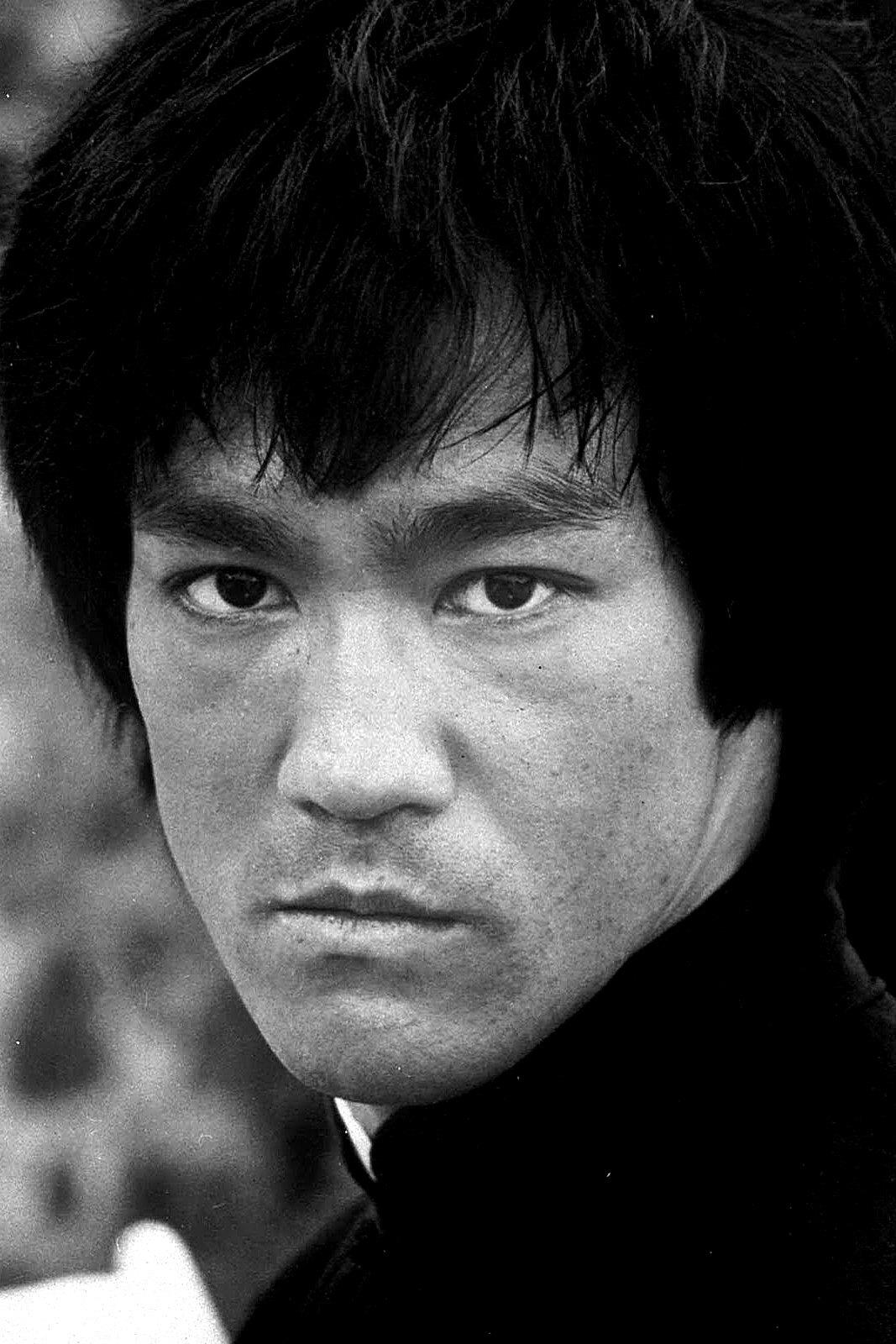
Lee’s films—‘Enter the Dragon’, ‘Fist of Fury’, and ‘The Way of the Dragon’—brought Chinese martial arts to global box-office prominence. He integrated philosophy, training regimens, and practical fight design into star vehicles that reoriented action toward speed and impact.
Choreography and camera placement in his set-pieces influenced how editors cut hand-to-hand sequences. His cross-Pacific career also accelerated international co-productions and diversified martial-arts casting in mainstream action cinema.
Pam Grier
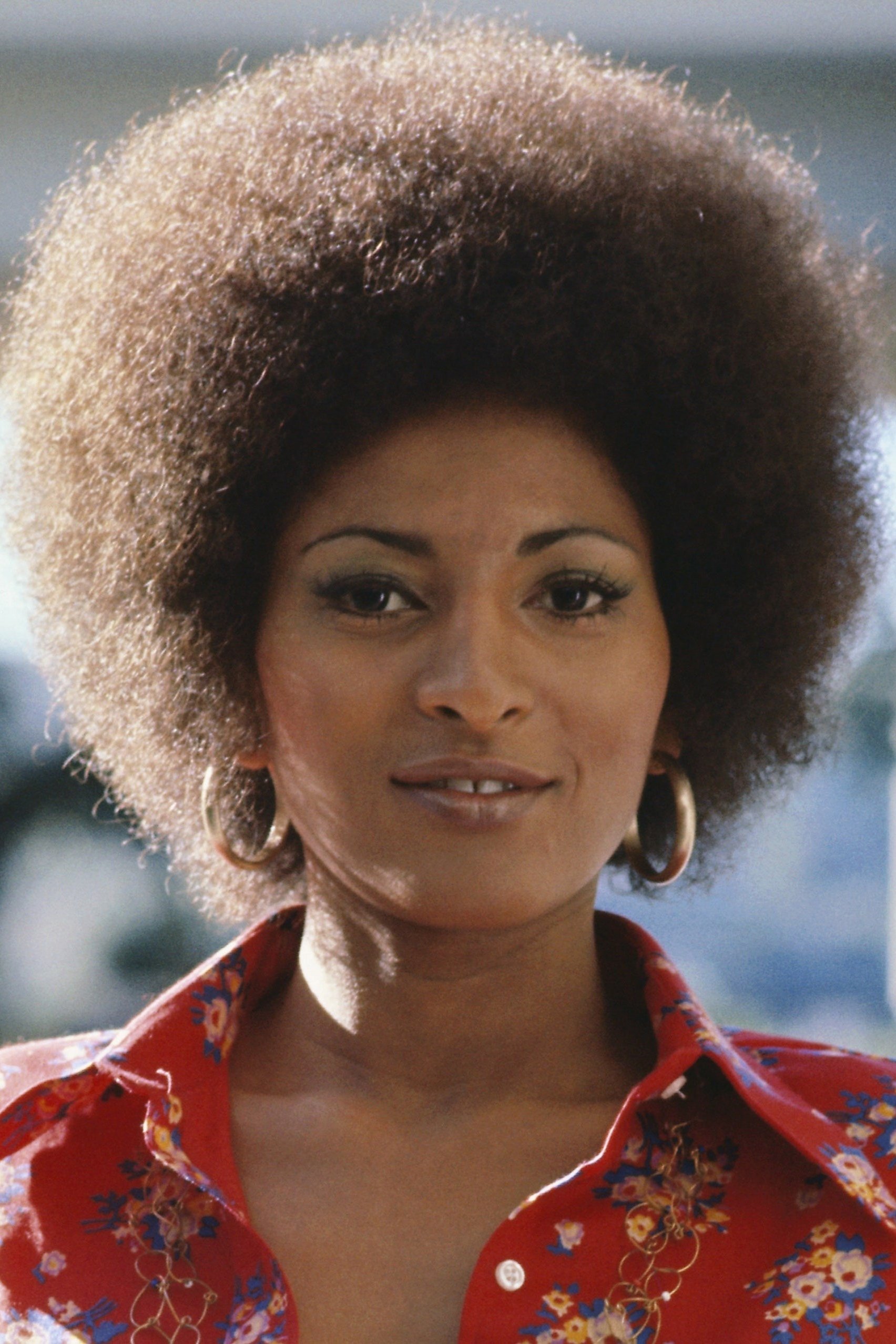
Grier led groundbreaking action and crime films such as ‘Coffy’, ‘Foxy Brown’, and later ‘Jackie Brown’. She headlined stories that placed Black women at the center of revenge and undercover narratives in a marketplace that rarely funded those perspectives.
Her roles expanded casting opportunities and audience expectations for female action leads. The character templates she popularized resurfaced in modern thrillers and television series, which often reference her filmography in costuming and soundtrack choices.
Audrey Hepburn
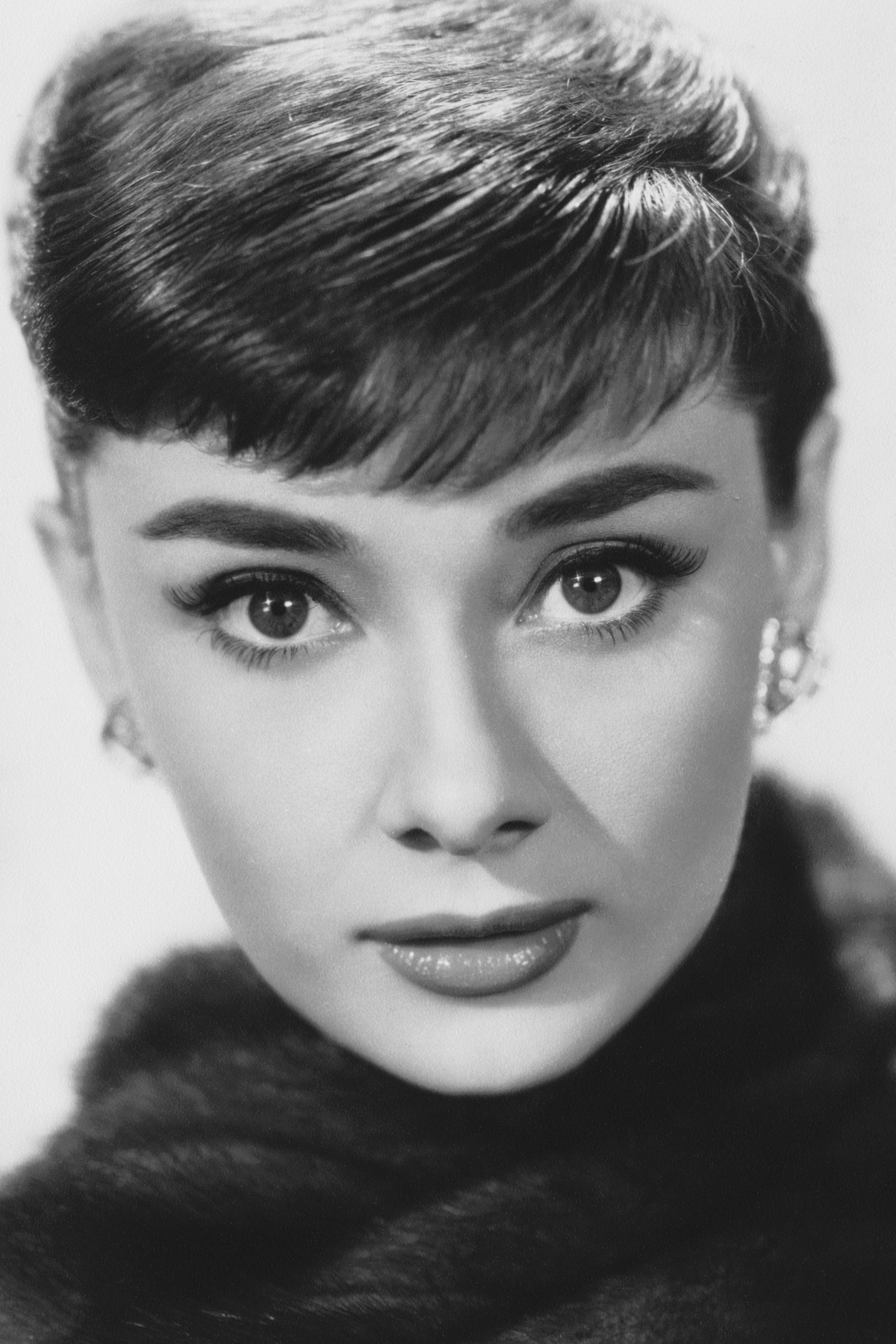
Hepburn’s performances in ‘Breakfast at Tiffany’s’, ‘Roman Holiday’, and ‘Charade’ fused comedic timing with poised movement influenced by her dance training. Costume collaborations, notably with Givenchy, created screen wardrobes that became cultural touchstones.
Her UNICEF work sustained long-term public visibility that studios and broadcasters incorporated into retrospectives and restorations. The combination of screen roles and humanitarian profile cemented an image that continues to inform casting for elegant, quick-witted leads.
Robert De Niro
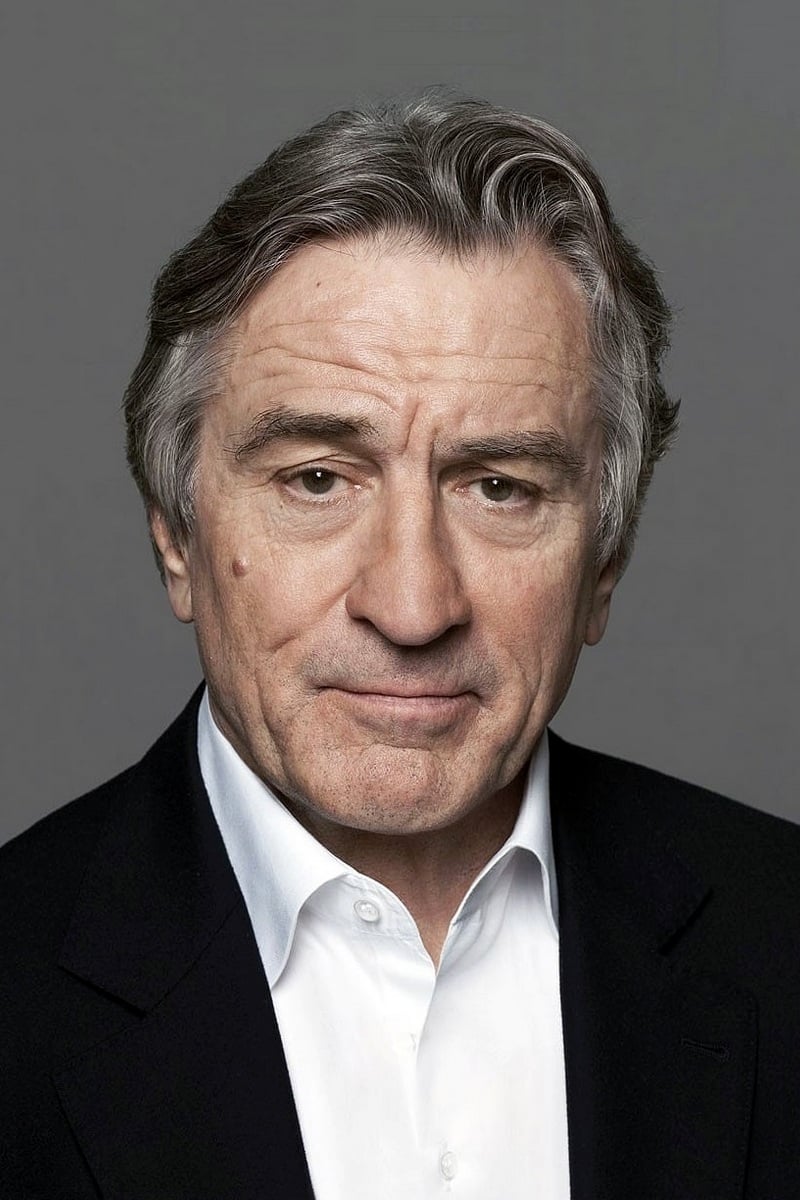
De Niro’s collaborations with Martin Scorsese—‘Taxi Driver’, ‘Goodfellas’, and ‘Casino’—and roles in ‘Heat’ established a detailed approach to criminal and outsider characters. He prepared extensively for parts, shaping a production culture where research and immersion became selling points.
His transition between intense drama and sharp comedy in projects like ‘Midnight Run’ showed how precision in character work could anchor action-comedy structures. Casting directors often cite his filmography when seeking gravitas for ensemble crime stories.
Al Pacino
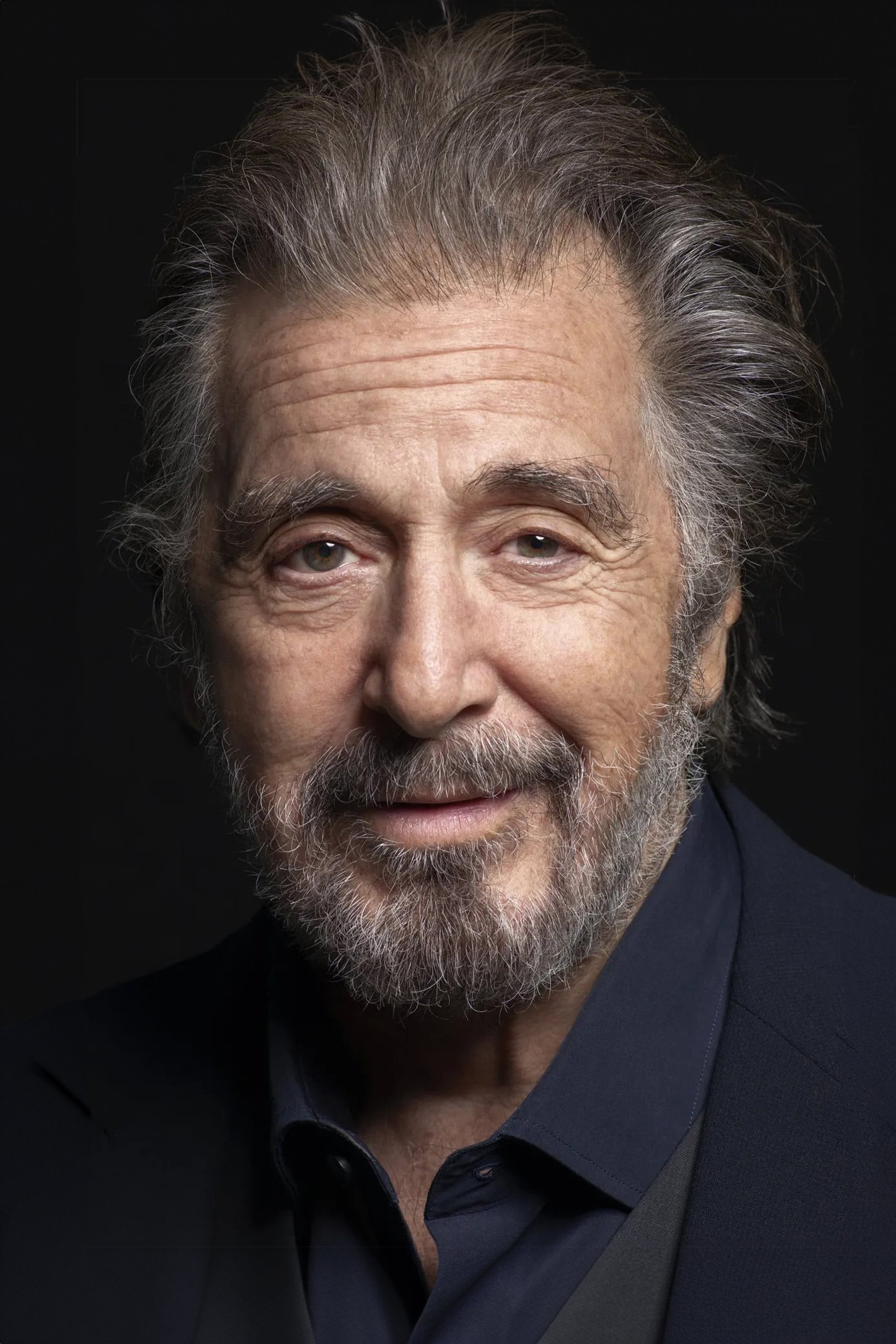
Pacino’s major roles in ‘The Godfather’, ‘Serpico’, and ‘Scarface’ mapped a spectrum from quiet calculation to explosive confrontation. Those films influenced crime-family narratives, undercover procedurals, and immigrant-ambition arcs across decades of American cinema.
He collaborated repeatedly with directors like Francis Ford Coppola, Sidney Lumet, and Michael Mann, demonstrating how actors and auteurs can iterate themes across multiple projects. Distribution campaigns frequently centered on his character transformations to market prestige crime dramas.
Harrison Ford
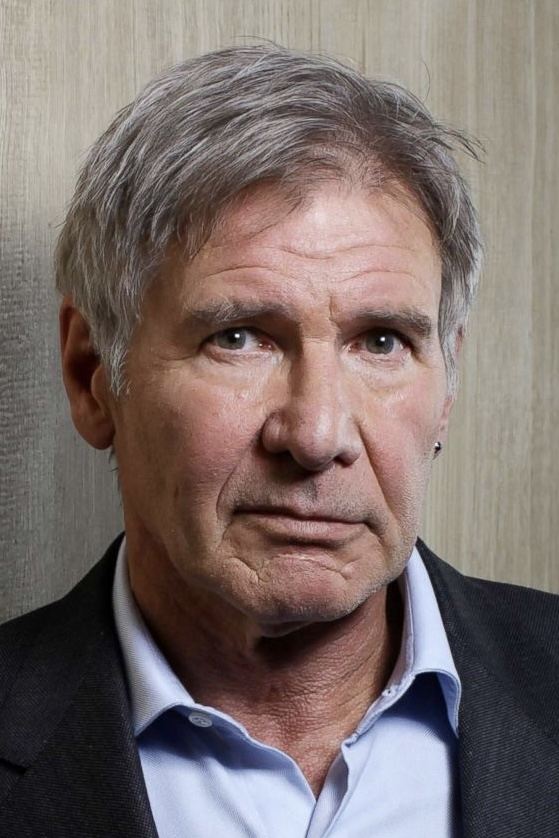
Ford anchored adventure, sci-fi, and techno-thriller franchises with ‘Raiders of the Lost Ark’, ‘Star Wars’, and ‘Blade Runner’. He balanced roguish leads with world-weary professionals, giving blockbuster cinema a template for pragmatic heroes who improvise under pressure.
His work with George Lucas, Steven Spielberg, and Ridley Scott unified serial storytelling, practical effects, and genre world-building. The combination set expectations for franchise durability and character continuity across sequels and reboots.
Samuel L. Jackson
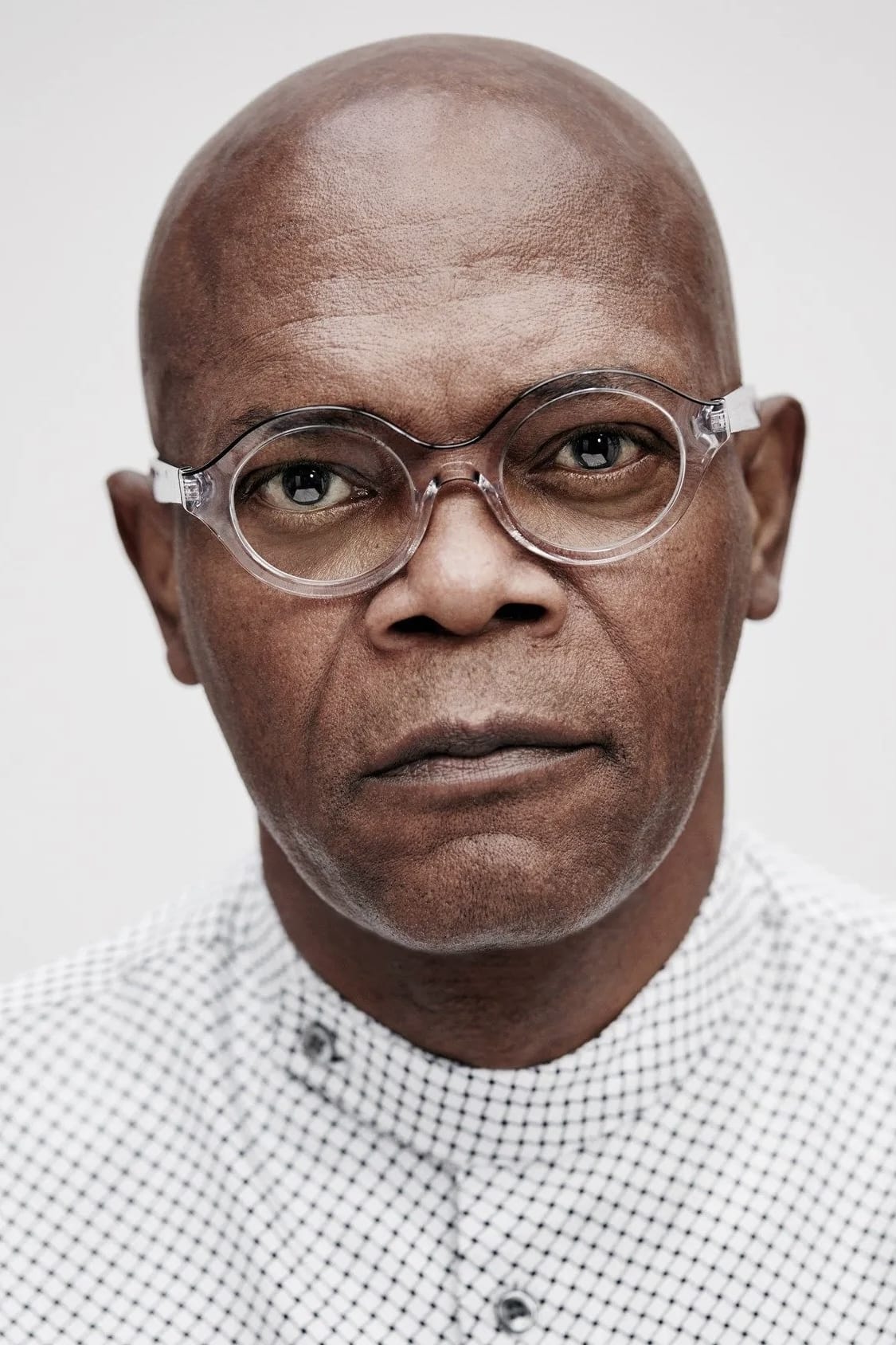
Jackson’s breakout in ‘Pulp Fiction’ led to prolific work across ‘Jackie Brown’, ‘Unbreakable’, and the interconnected ‘Avengers’ titles. He became a key figure in ensemble casts, delivering memorable monologues and mentor figures that studios used to anchor shared universes.
He maintains a high output across genres while collaborating with directors like Quentin Tarantino, M. Night Shyamalan, and Ryan Coogler. Licensing and voice roles extend his presence into animation and games, reinforcing character continuity across media.
Denzel Washington

Washington’s filmography—‘Malcolm X’, ‘Training Day’, and ‘Inside Man’ among others—spans biographical portraits, thrillers, and action vehicles. He consistently works with directors like Spike Lee and Tony Scott, pairing meticulous preparation with precise physical staging.
His transition to directing added a production dimension that influences actor-led development pipelines. Casting trends for authoritative leads in thrillers and dramas frequently reference his performances as benchmarks for focus and command.
Michelle Yeoh

Yeoh integrated martial-arts training with dramatic roles in ‘Crouching Tiger, Hidden Dragon’, ‘Supercop’, and ‘Everything Everywhere All at Once’. She performed extensive stunt work early in her career, helping popularize wire-assisted wuxia for international audiences.
Her multilingual career spans Hong Kong, Malaysian, and Western productions, making her a bridge figure in cross-market distribution. Awards recognition for later roles expanded global opportunities for Asian leads in genre-bending films.
Keanu Reeves
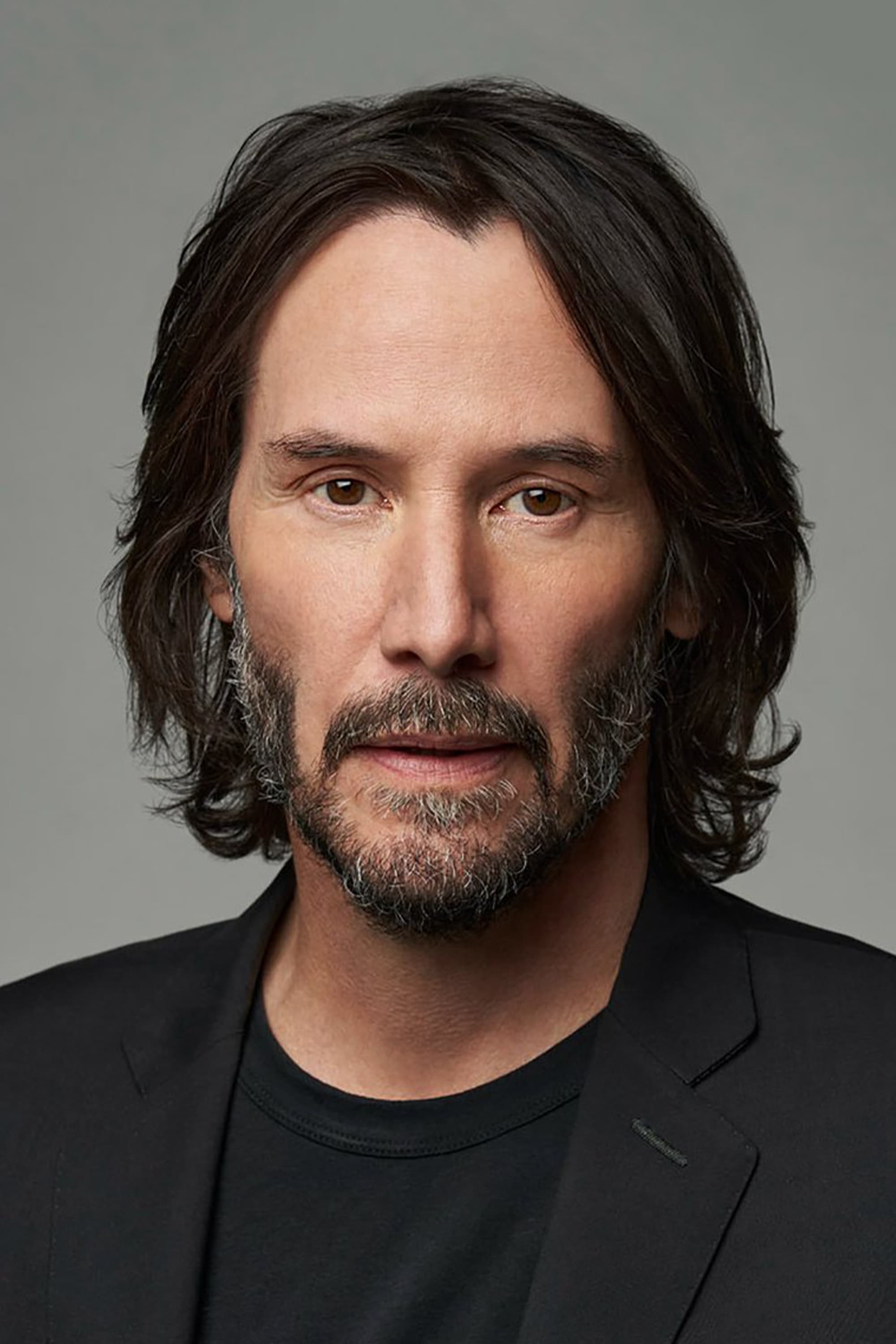
Reeves’ action reinventions in ‘Speed’, ‘The Matrix’, and ‘John Wick’ reshaped stunt priorities around long takes, gun-fu choreography, and training-heavy preparation. His projects elevated second-unit collaboration and stunt-team visibility in marketing and behind-the-scenes features.
He frequently partners with filmmakers who have stunt and choreography backgrounds, aligning performance with design. That model influenced how modern action franchises plan rehearsal schedules, camera blocking, and fight-scene coverage.
Chow Yun-fat
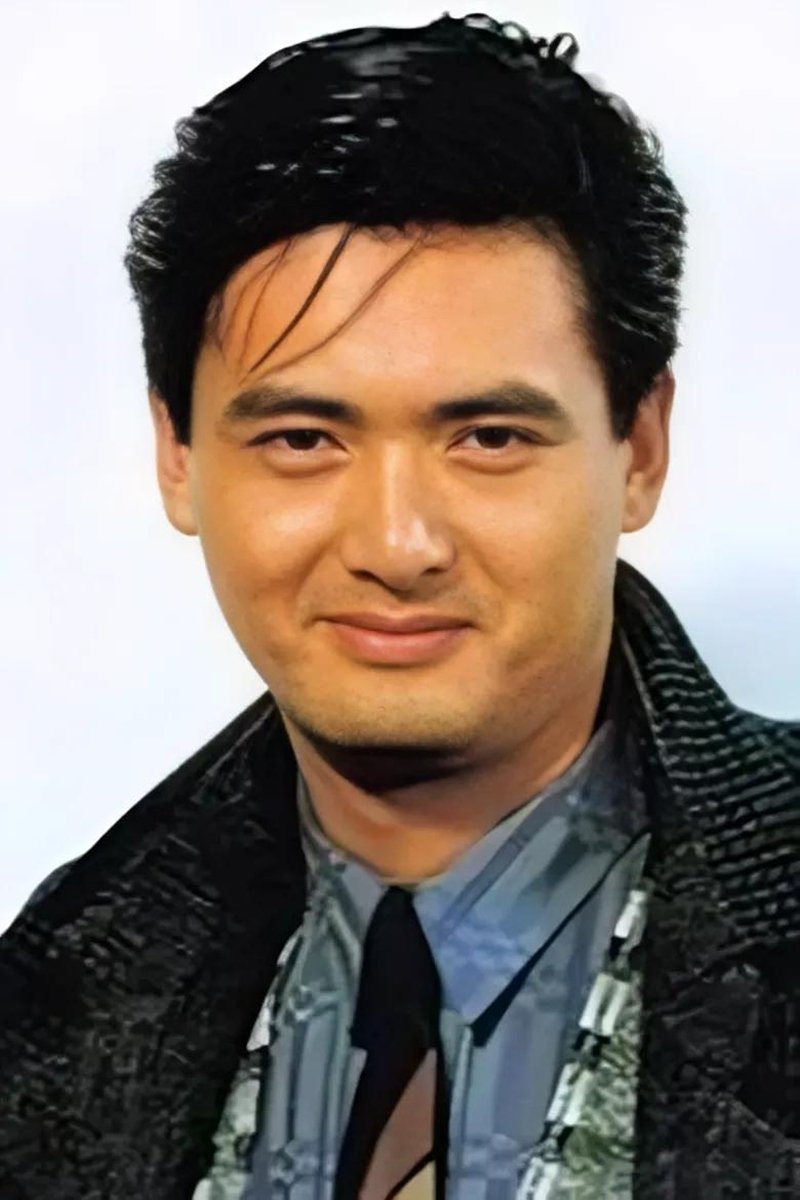
Chow’s collaborations with John Woo in ‘A Better Tomorrow’, ‘The Killer’, and ‘Hard Boiled’ established the heroic-bloodshed archetype. Dual-wield gunplay, slow-motion ballets, and trench-coat costuming in those films spread to Hollywood action aesthetics.
His cross-over projects introduced broader audiences to Hong Kong action storytelling, aiding the transfer of stylistic elements like balletic shootouts. The roles also demonstrated how calm demeanor could anchor high-intensity set-pieces without sacrificing clarity.
Tony Leung Chiu-wai
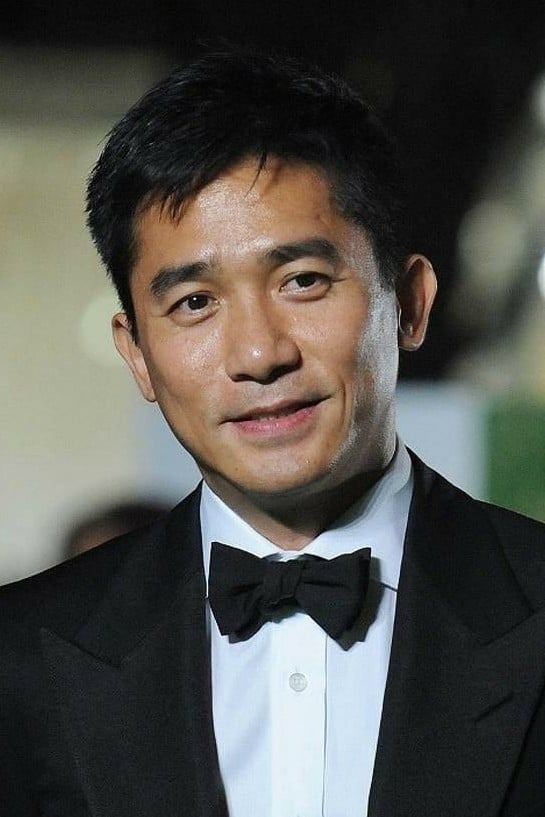
Leung’s range covers crime epics and intimate dramas such as ‘Infernal Affairs’, ‘In the Mood for Love’, and ‘Chungking Express’. He frequently collaborates with Wong Kar-wai and has worked within both Hong Kong and mainland Chinese markets, strengthening pan-Asian distribution.
Micro-expressive performance and restrained dialogue in his roles shaped how filmmakers depict interiority in noir and romance. International remakes and adaptations drew directly from his films, spreading character templates into other language markets.
Daniel Craig
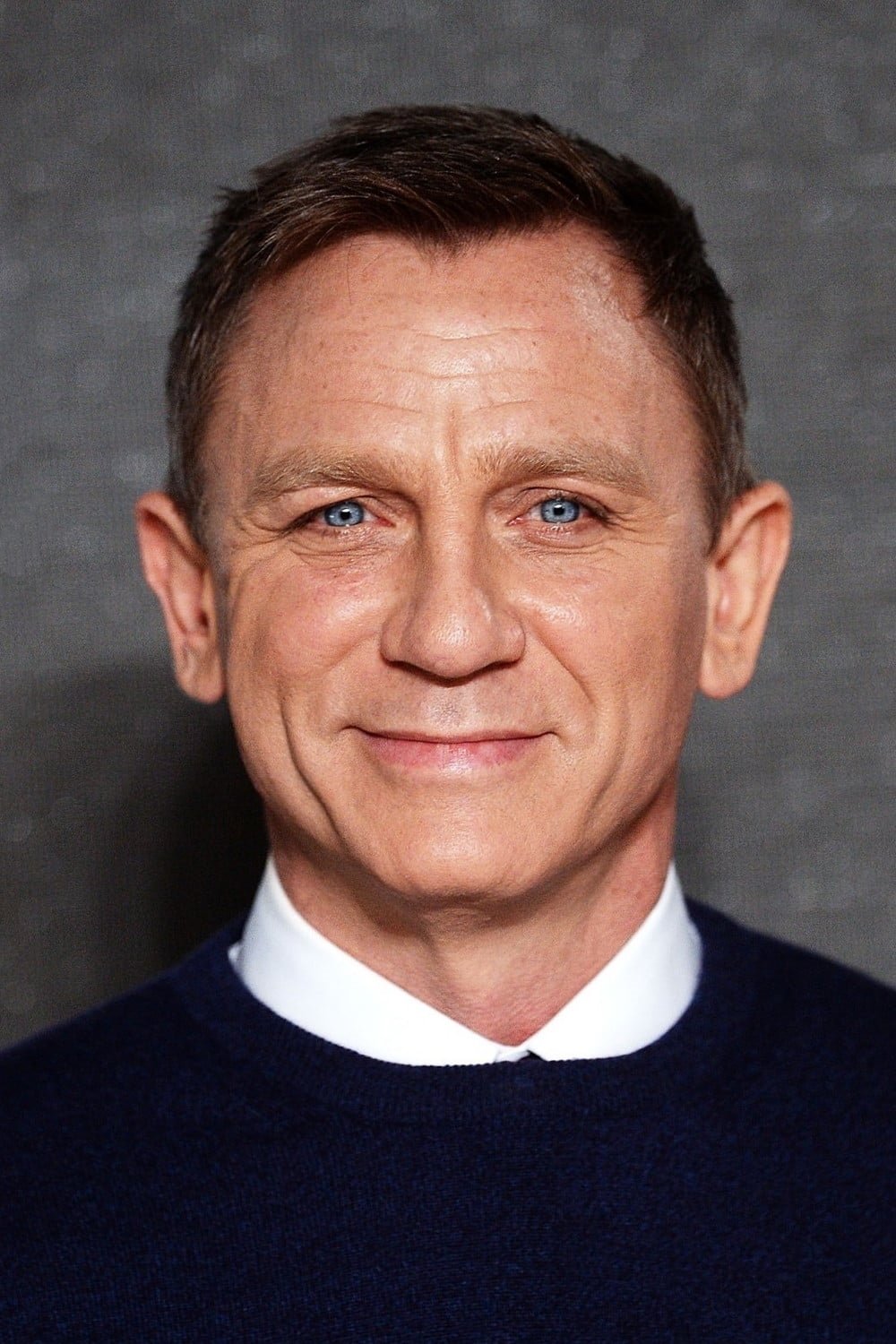
Craig’s tenure in ‘Casino Royale’, ‘Skyfall’, and subsequent entries reoriented the spy franchise toward physical realism and serialized character development. Training regimens, location work, and grounded stunt design influenced action-unit planning across big-budget productions.
Beyond the spy franchise, his turn in ‘Knives Out’ showed strategic genre pivots that refreshed ensemble mysteries for contemporary audiences. The mix of franchise leadership and left-field character work offers a production roadmap for career longevity in tentpoles and originals.
Idris Elba
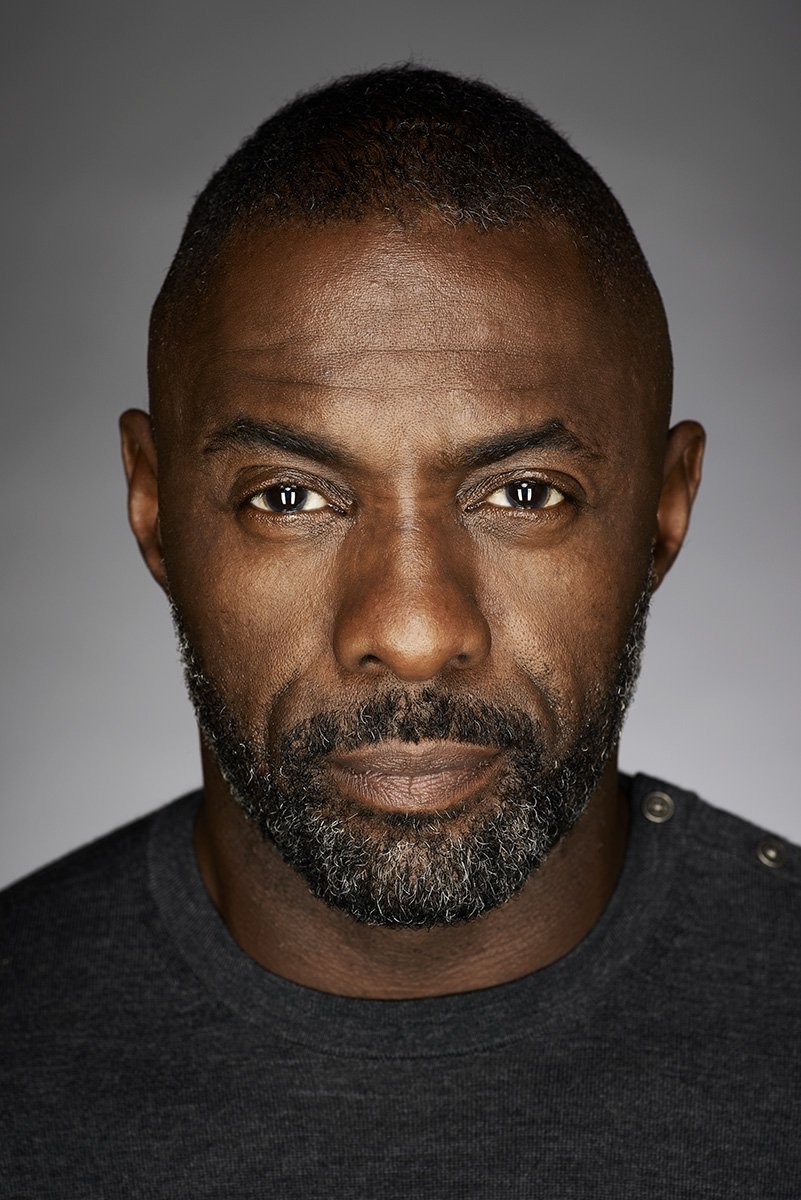
Elba’s film roles in ‘Beasts of No Nation’, ‘Pacific Rim’, and ‘The Harder They Fall’ span prestige drama, sci-fi action, and revisionist Westerns. He also carries a significant television footprint with ‘Luther’, which strengthened his profile for cinematic antiheroes and commanders.
Music and producing credits broaden his cross-media presence, which studios leverage for marketing across demographics. His casting often anchors international ensembles, supporting co-financing strategies aimed at global box office.
Ryan Gosling
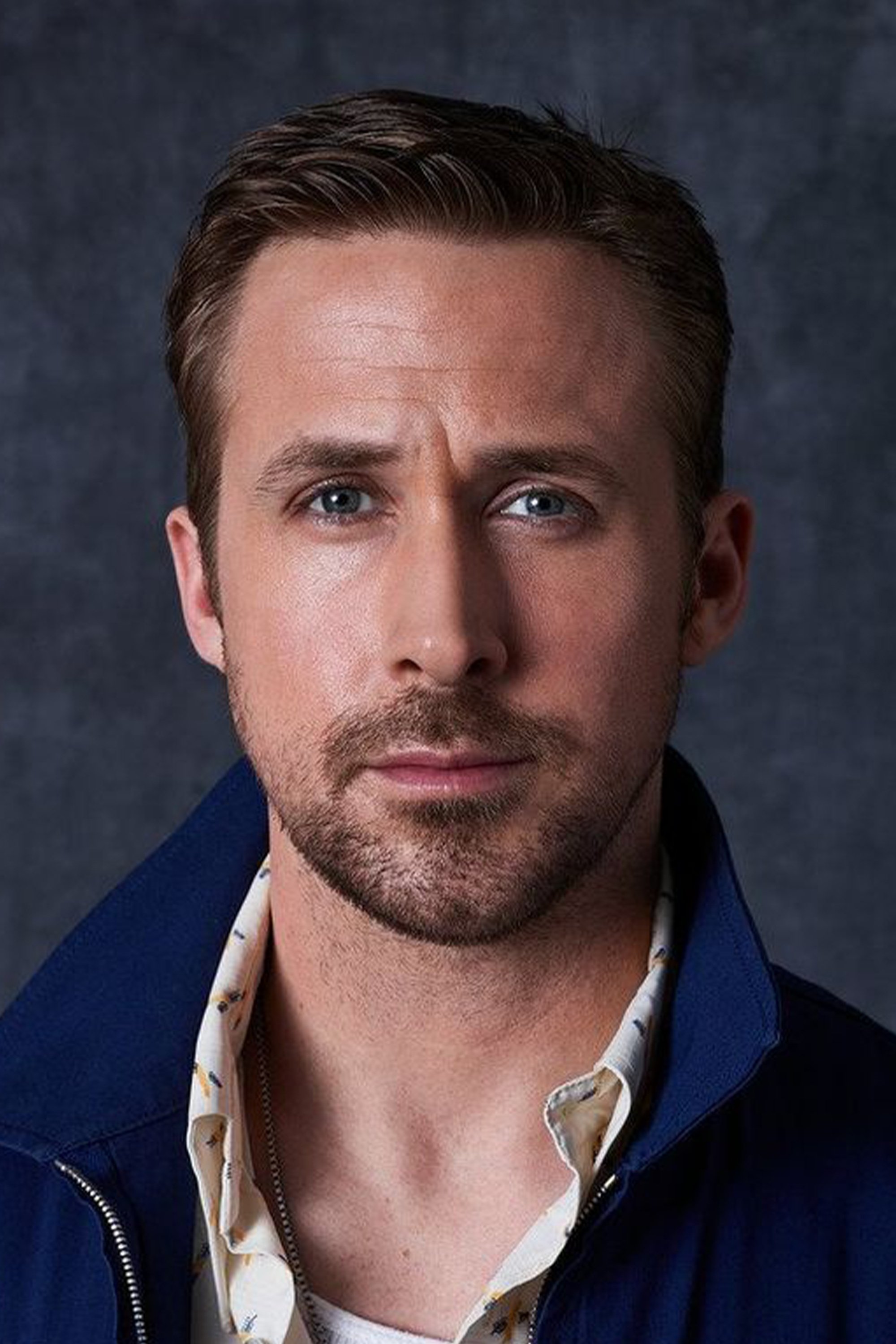
Gosling’s turns in ‘Drive’, ‘Blade Runner 2049’, and ‘The Nice Guys’ demonstrate a blend of quiet action leads and offbeat comedic timing. He alternates between auteur-driven dramas and commercial projects like ‘Barbie’, maintaining visibility across diverse audiences.
Directors and music supervisors frequently build soundscape and costuming around his characters, reinforcing mood-driven storytelling. His filmography shows how restrained dialogue and precise physical beats can guide editing rhythms in neo-noir and action comedies.
Share the actors you’d add to this list in the comments!