25 TV Episodes that Turned a Show’s Fans Against the Show


Every long-running series hits a speed bump, but a handful of episodes do more than stall the ride—they reset expectations, reshape canon, or close things out in ways that many viewers never fully accepted. The entries below gather notorious turning points that sparked visible backlash: petitions, ratings dips, eyebrow-raising creative pivots, and finales that reframed entire narratives overnight.
Each pick notes what happens in the episode and why it became a flashpoint—whether that’s a controversial death, a divisive retcon, a cliffhanger that withheld too much, or an ending that upended years of setup. Headings follow the format the episode aired under, and in the paragraphs you’ll find straightforward context: plots, production choices, and the measurable reactions that followed.
‘Game of Thrones’ (2011–2019) – “The Bells” (Season 8)
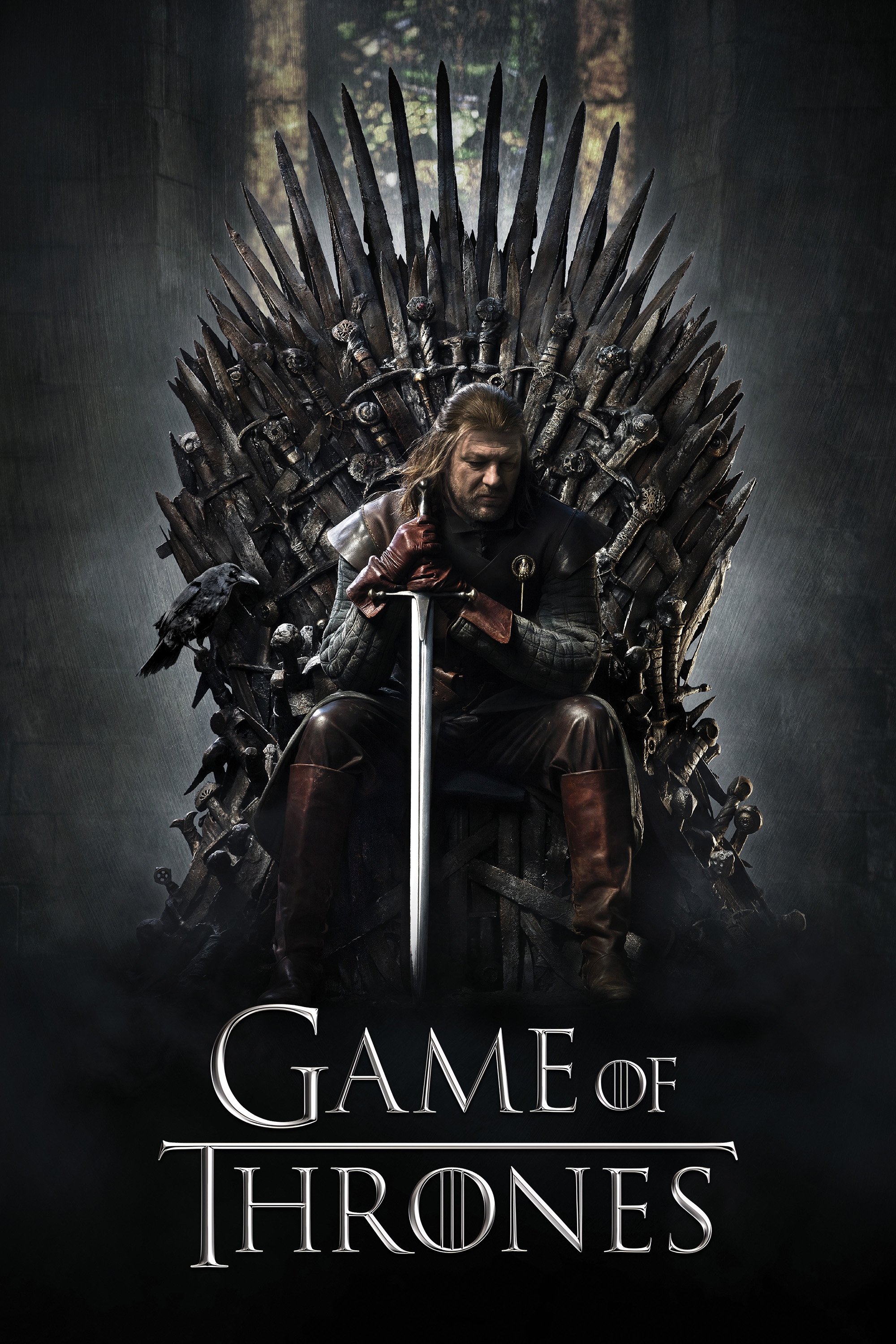
In “The Bells,” ‘Game of Thrones’ depicts the fall of King’s Landing as Daenerys Targaryen commands dragonfire on the surrendered city, shifting the war’s stakes and the character’s trajectory in a single battle. The episode concentrates several long-running arcs into a rapid sequence of turns: the Lannister twins’ final moments beneath the Red Keep, Arya’s perspective on civilian devastation, and the abrupt collapse of Cersei’s regime.
The broadcast drew immediate controversy for its portrayal of Daenerys’ decision-making, the speed of late-season plotting, and the consequent repositioning of major characters ahead of the finale. Viewer response included petitions calling for a rewrite, intense social media debate, and think-pieces assessing how the show condensed years of political maneuvering into one climactic attack.
‘Dexter’ (2006–2013) – “Remember the Monsters?” (Season 8)
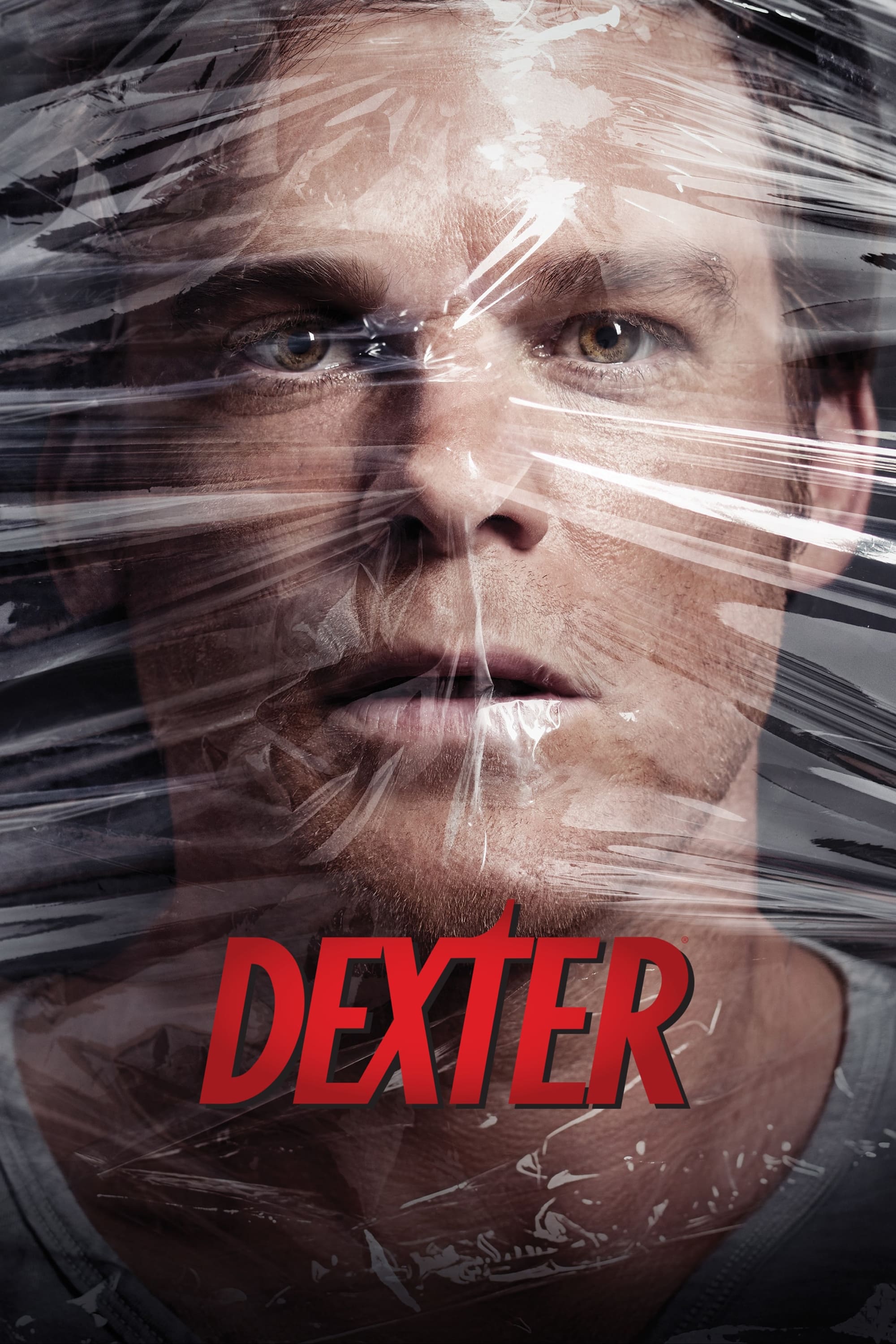
“Remember the Monsters?” closes ‘Dexter’ with the title character abandoning Miami after personal losses and faking his death during a hurricane. The coda jumps forward to reveal Dexter living under a new identity, severed from the life and relationships that anchored the series.
The finale prompted sustained backlash over its narrative choices, including the off-screen consequences for supporting characters and the decision to remove the protagonist from legal or moral resolution. After airing, discussion centered on expectations set by earlier seasons, showrunner handoffs, and how the final tableau reframed the show’s central thesis.
‘Lost’ (2004–2010) – “Across the Sea” (Season 6)
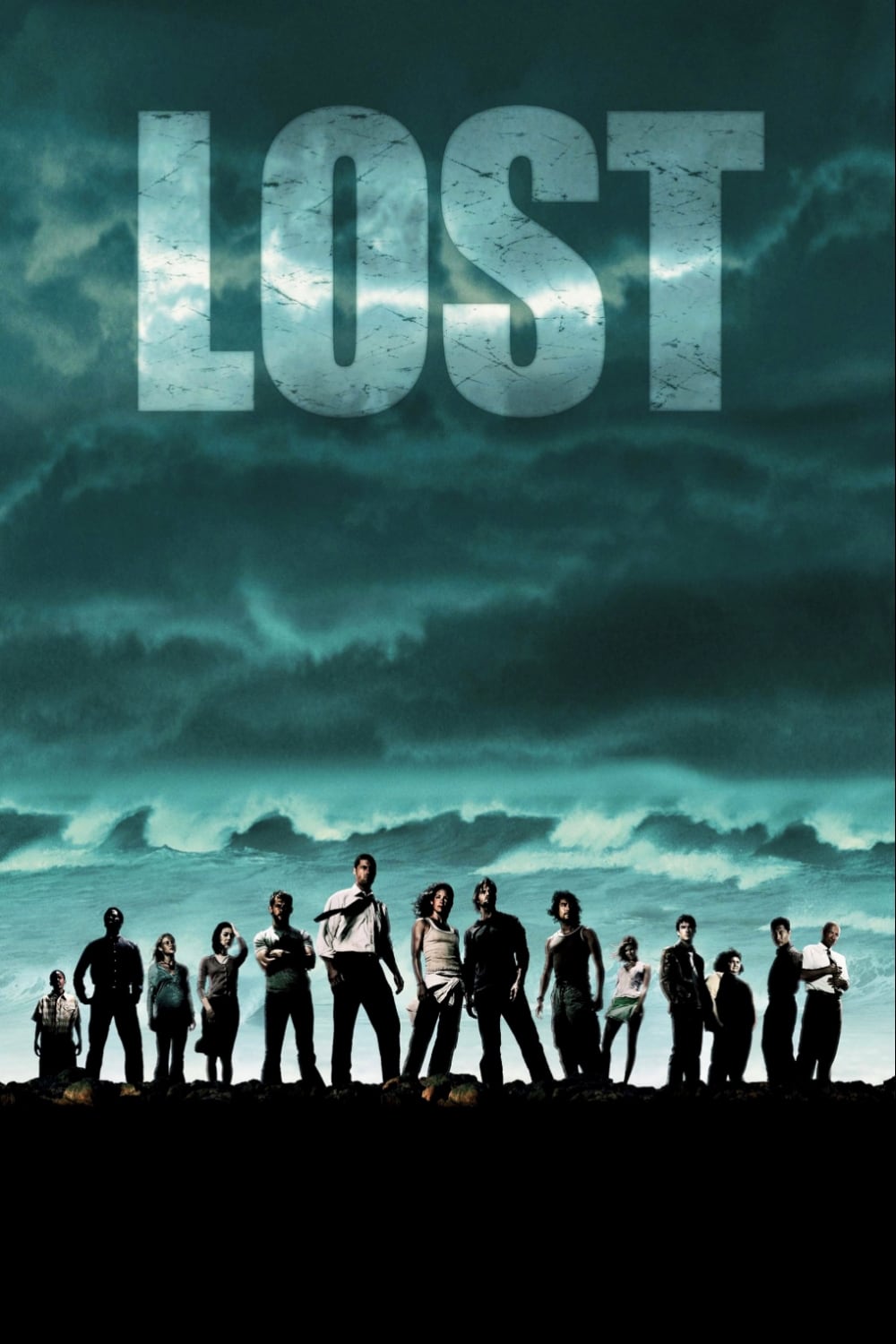
“Across the Sea” diverges from the main ensemble to tell the origin story of Jacob and the Man in Black, situating the Island’s mythology in a single flashback-driven hour. The episode introduces key artifacts and events—like the light in the cave and the creation of the Smoke Monster—that retroactively inform previous mysteries.
The detour drew heavy criticism from parts of the audience for sidelining ongoing storylines so late in the run and for the way it answered (and left open) long-standing questions. The conversation that followed focused on serialization strategy, how myth-arc reveals were paced, and the trade-off between lore exposition and character payoffs.
‘How I Met Your Mother’ (2005–2014) – “Last Forever” (Season 9)
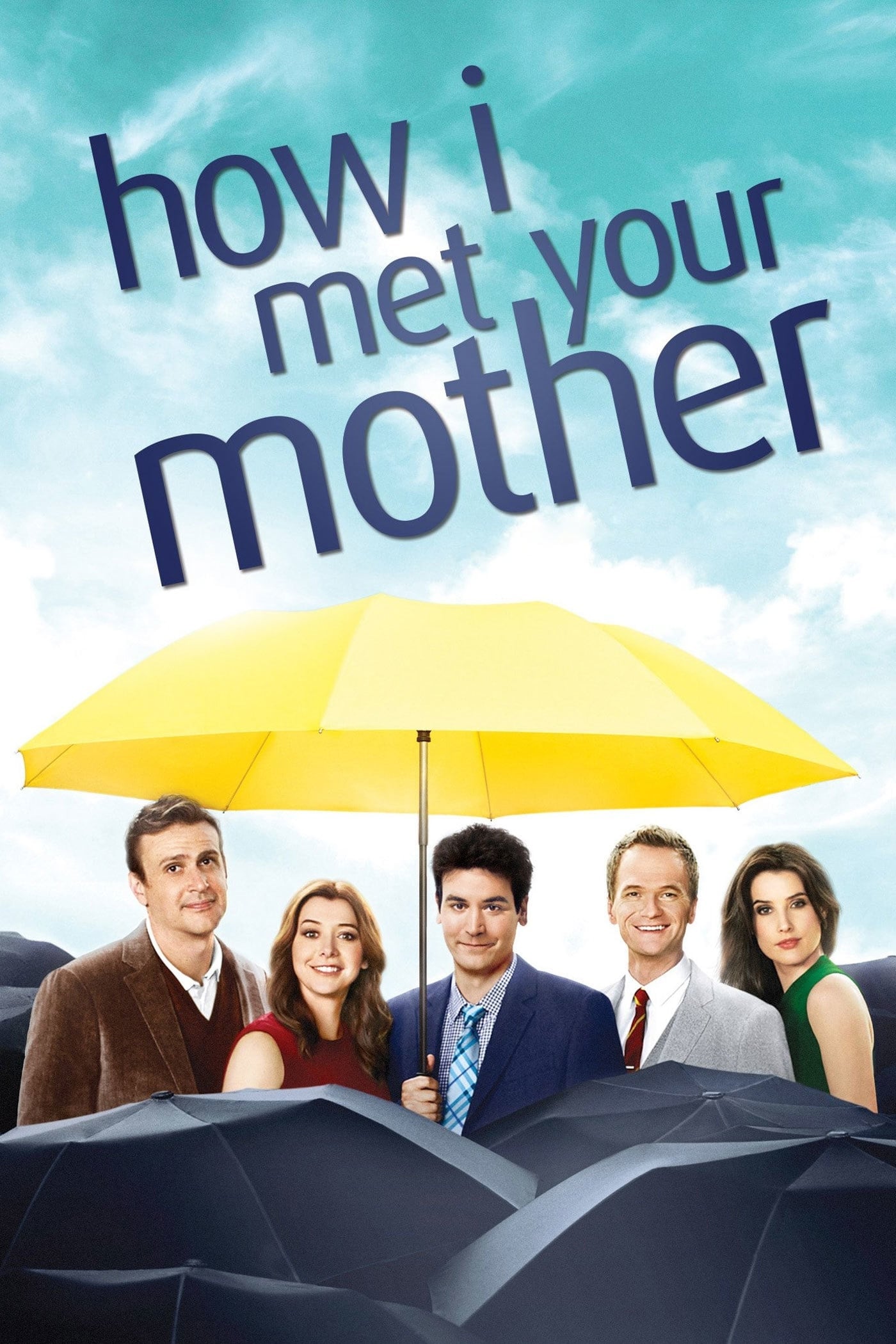
“Last Forever” resolves ‘How I Met Your Mother’ with a time-spanning recap of the gang’s post-wedding years and a final reveal that reframes the narrator’s purpose. The two-part episode culminates in the Mother’s fate and an epilogue that circles back to the pilot’s opening gambit.
The airing set off widespread backlash from viewers who had invested in the season-long wedding arc and the show’s titular promise. Post-episode commentary highlighted how the creators filmed an ending years earlier, the implications of that choice for late-series character development, and network sitcom norms around finale structure.
‘Seinfeld’ (1989–1998) – “The Finale” (Season 9)
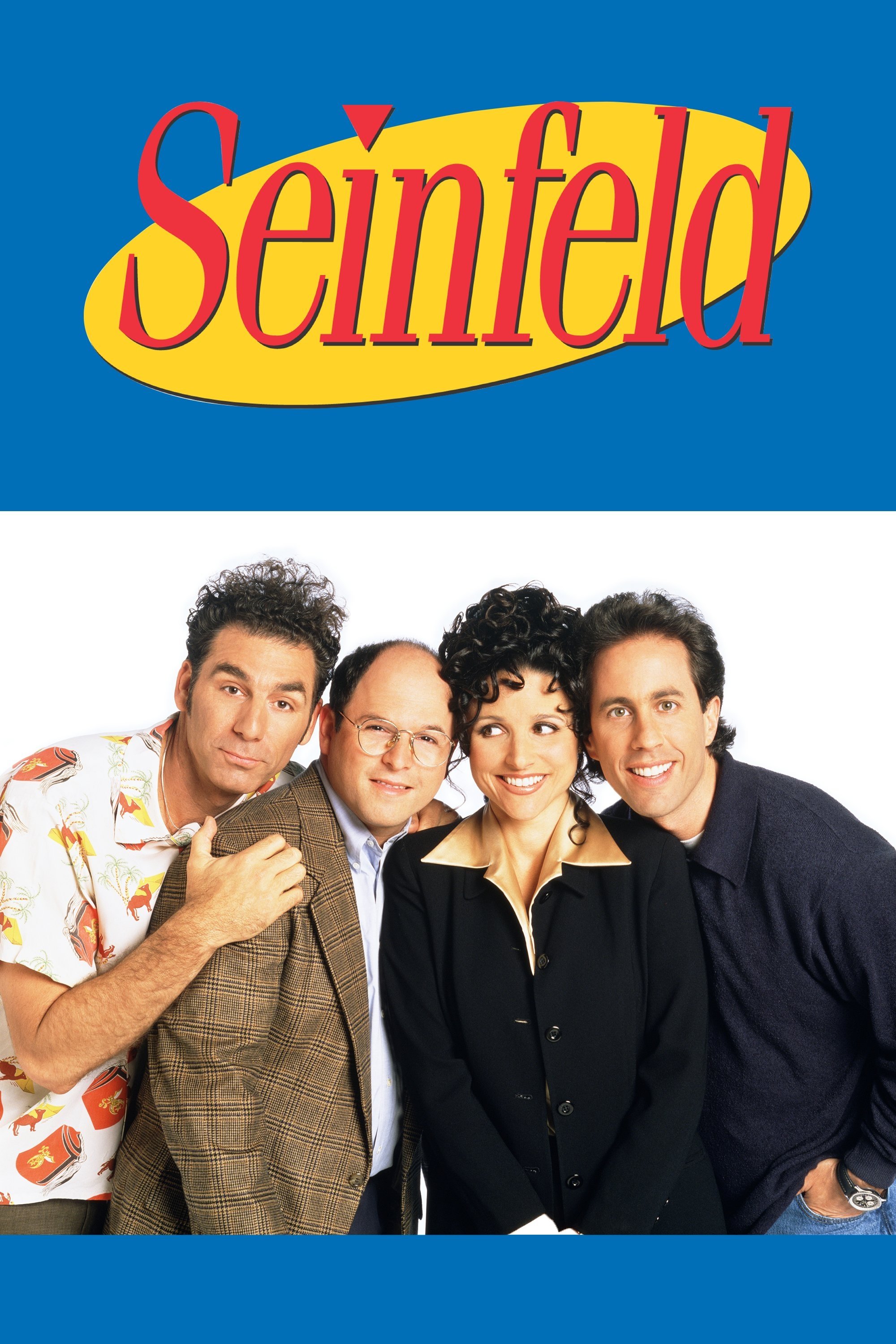
“The Finale” places the ‘Seinfeld’ quartet on trial under a Good Samaritan law, using witness cameos to revisit nine seasons of behavior. The two-parter functions as a clip-show-adjacent curtain call, ending with the core characters incarcerated after a parade of callbacks.
The courtroom framing drew criticism for its moral summation and the decision to confine the action to a single premise. Contemporary coverage and audience polling documented a sharp split between those who appreciated the self-referential approach and those who regarded it as an unsatisfying close to a landmark sitcom.
‘The Sopranos’ (1999–2007) – “Made in America” (Season 6)
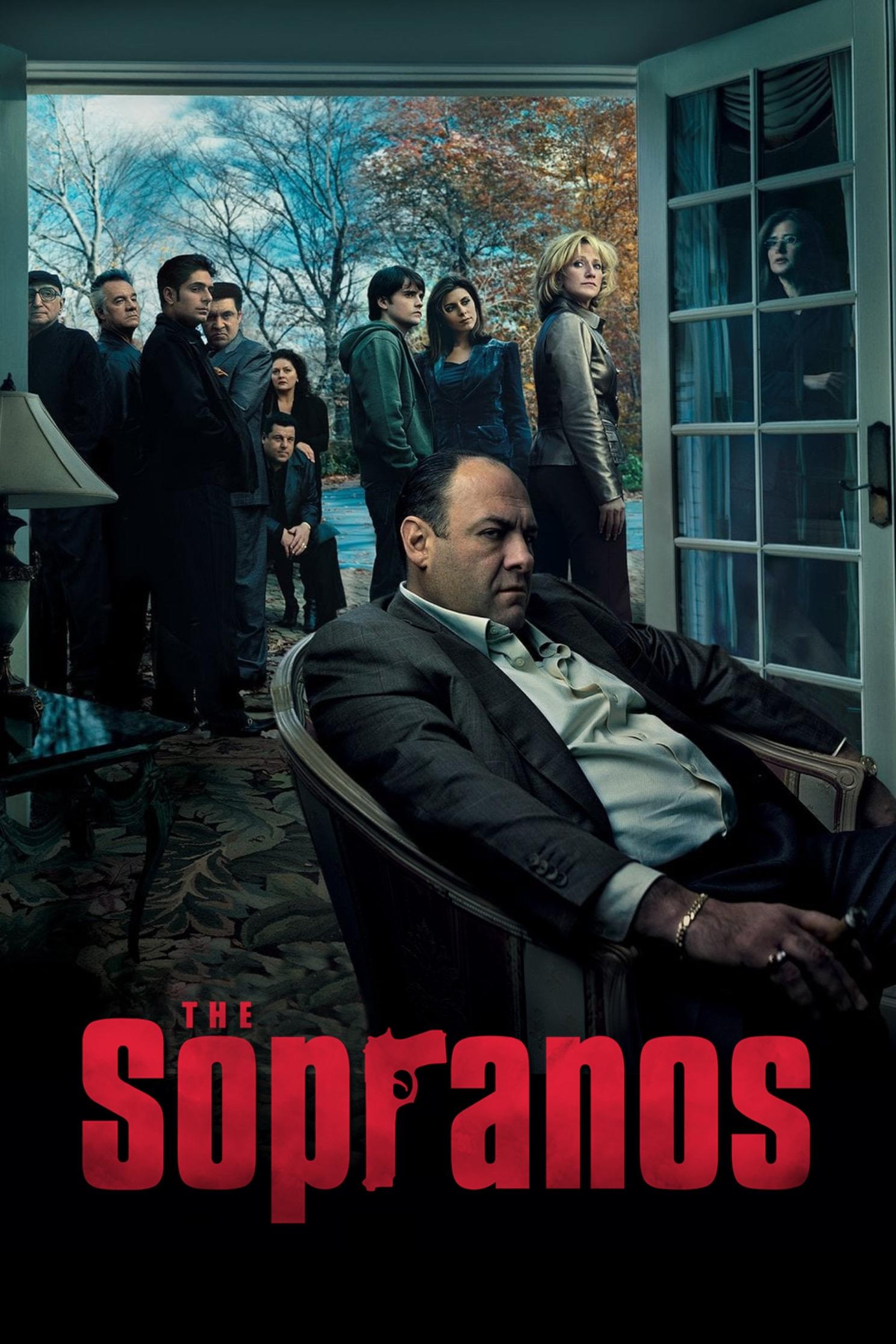
“Made in America” concludes ‘The Sopranos’ with a family dinner that cuts to black mid-scene, leaving Tony’s ultimate fate unresolved. The episode wraps up mob politics and family threads while withholding the explicit resolution viewers expected after a season of escalating threats.
The abrupt final cut triggered intense debate about authorial intent, visual cues, and the place of ambiguity in prestige television. The response included widespread analysis of shot composition and soundtrack choices, illustrating how a stylistic decision can overshadow plot outcomes in a series ender.
‘The Walking Dead’ (2010–2022) – “Last Day on Earth” (Season 6)
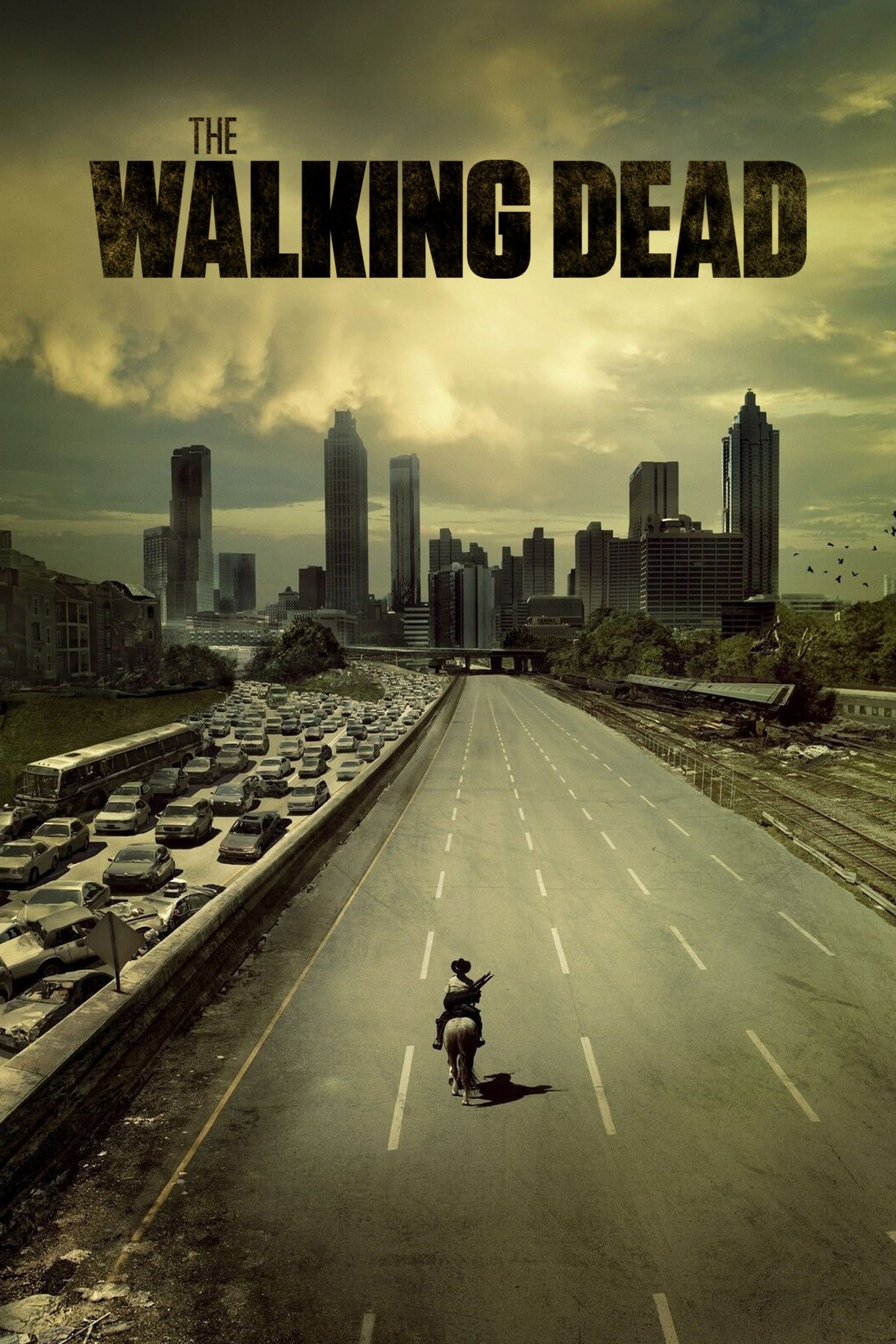
“Last Day on Earth” introduces Negan and ends with a first-person, off-screen killing that conceals the victim’s identity. The episode builds dread through a prolonged roadblock sequence and culminates in a cliffhanger that defers the shock to the following season.
The concealment tactic ignited backlash over perceived manipulation, with discussions zeroing in on cliffhanger ethics, audience trust, and the balance between suspense and payoff in serialized storytelling. Ratings trends and critical roundups after the reveal episode were frequently cited in evaluating the fallout.
‘The Simpsons’ (1989–present) – “The Principal and the Pauper” (Season 9)
“The Principal and the Pauper” reveals that Principal Skinner is an impostor, replacing long-established backstory with a single retcon. The plot resolves by restoring the status quo while acknowledging the deception, effectively rewriting a supporting character’s history.
The episode became a flashpoint for debates about canon integrity in long-running animation. It is regularly referenced in discussions of retcons that clash with earlier characterization, and it remains a touchstone in lists of controversial episodes across American television.
‘Doctor Who’ (2005–present) – “The Timeless Children” (Series 12)
“The Timeless Children” reframes the origins of the Doctor, expanding the character’s past beyond established incarnations. The episode reveals foundational lore via a Matrix exposition sequence and ties it to the ongoing conflict with the Master.
The broadcast sparked wide debate among fans about continuity, regeneration limits, and the implications for earlier stories. Producer interviews and post-episode features documented how the creative team approached franchise history, making the lore shift one of the most dissected choices of the modern era.
‘Star Trek: Enterprise’ (2001–2005) – “These Are the Voyages…” (Season 4)
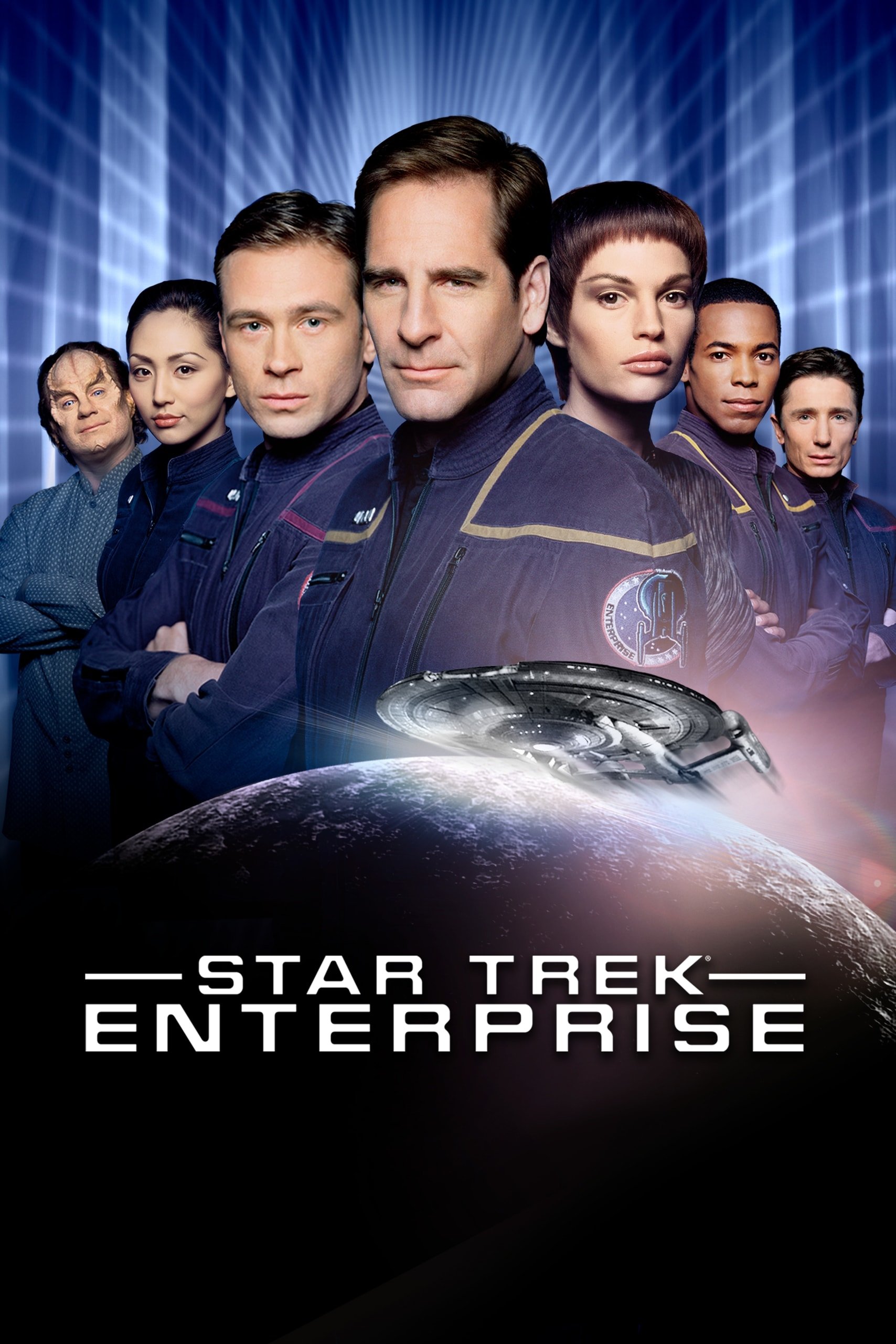
“These Are the Voyages…” serves as a series finale and a ‘Star Trek: The Next Generation’ framing device, with Commander Riker observing the ‘Enterprise’ crew via holodeck. The hour compresses years of in-universe time to reach the founding of the Federation.
The structural choice was criticized for sidelining the show’s leads in their own finale and for key off-screen developments. The response fueled broader conversations about franchise crossovers, finale authorship, and expectations for how prequels should hand off to established continuity.
‘Battlestar Galactica’ (2004–2009) – “Daybreak” (Season 4)
“Daybreak” concludes ‘Battlestar Galactica’ with the assault on the Cylon Colony and the fleet’s resettlement on a new world, followed by a far-future coda. The episode resolves identity mysteries, completes character arcs, and disperses technology to avert cyclical violence.
Reception focused on the mix of mythology answers and spiritual overtones, along with the closing montage’s implications. Post-air analysis examined how the series balanced hard-sci-fi framing with metaphysical themes and how the epilogue recast the show’s cyclical history motif.
‘Sherlock’ (2010–2017) – “The Final Problem” (Series 4)
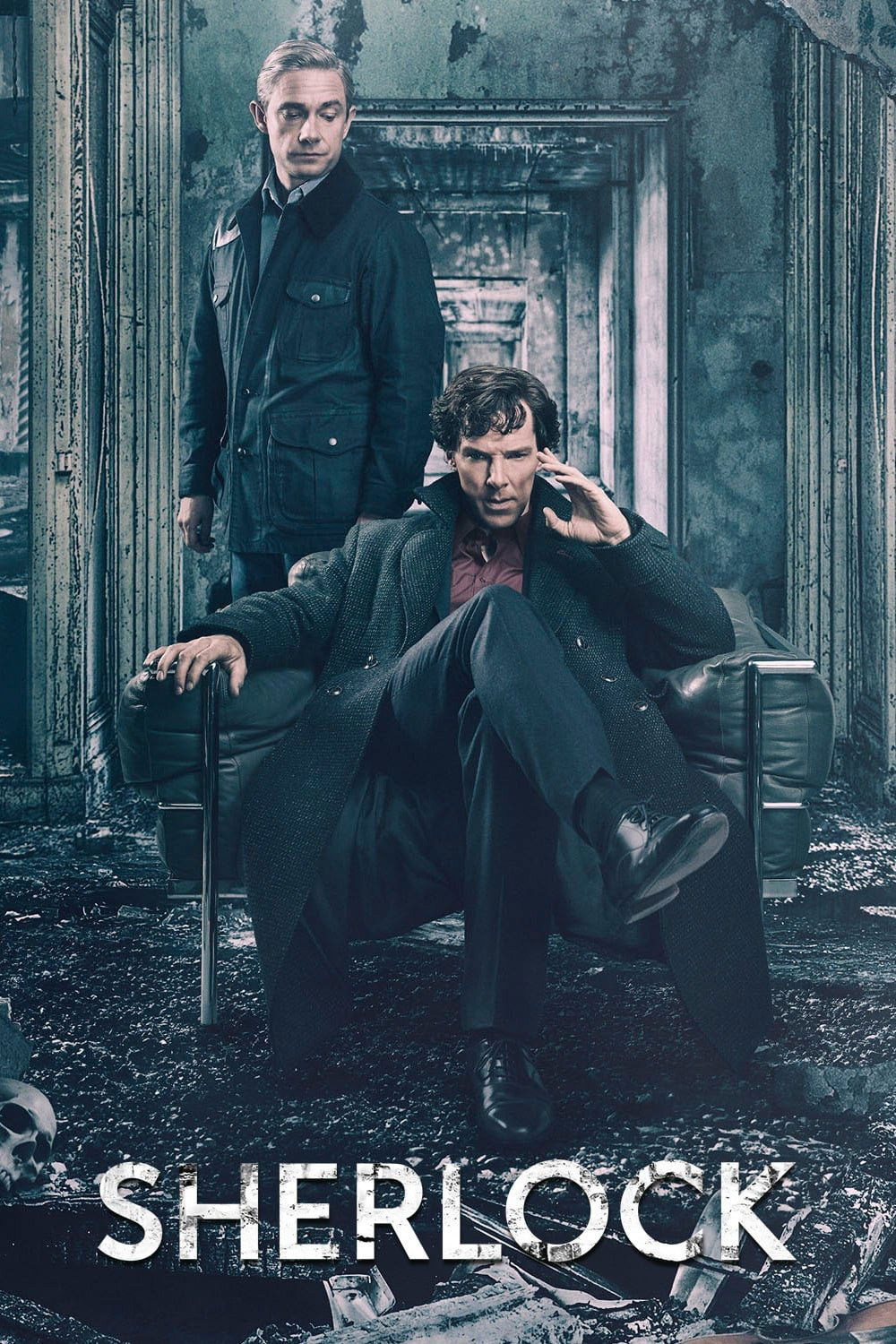
“The Final Problem” stages a high-concept puzzle chamber centered on Sherlock’s family history and the introduction of Eurus Holmes. The episode leans into set-piece tests, flashbacks, and psychological reveals that recontextualize earlier cases.
The pivot toward heightened spectacle and retconned backstory drew notable pushback from viewers who tracked the show’s earlier mystery structure. Press and fan discussions cataloged the shift in tone across the fourth series and the challenges of topping prior twists without fracturing internal logic.
‘The 100’ (2014–2020) – “Thirteen” (Season 3)
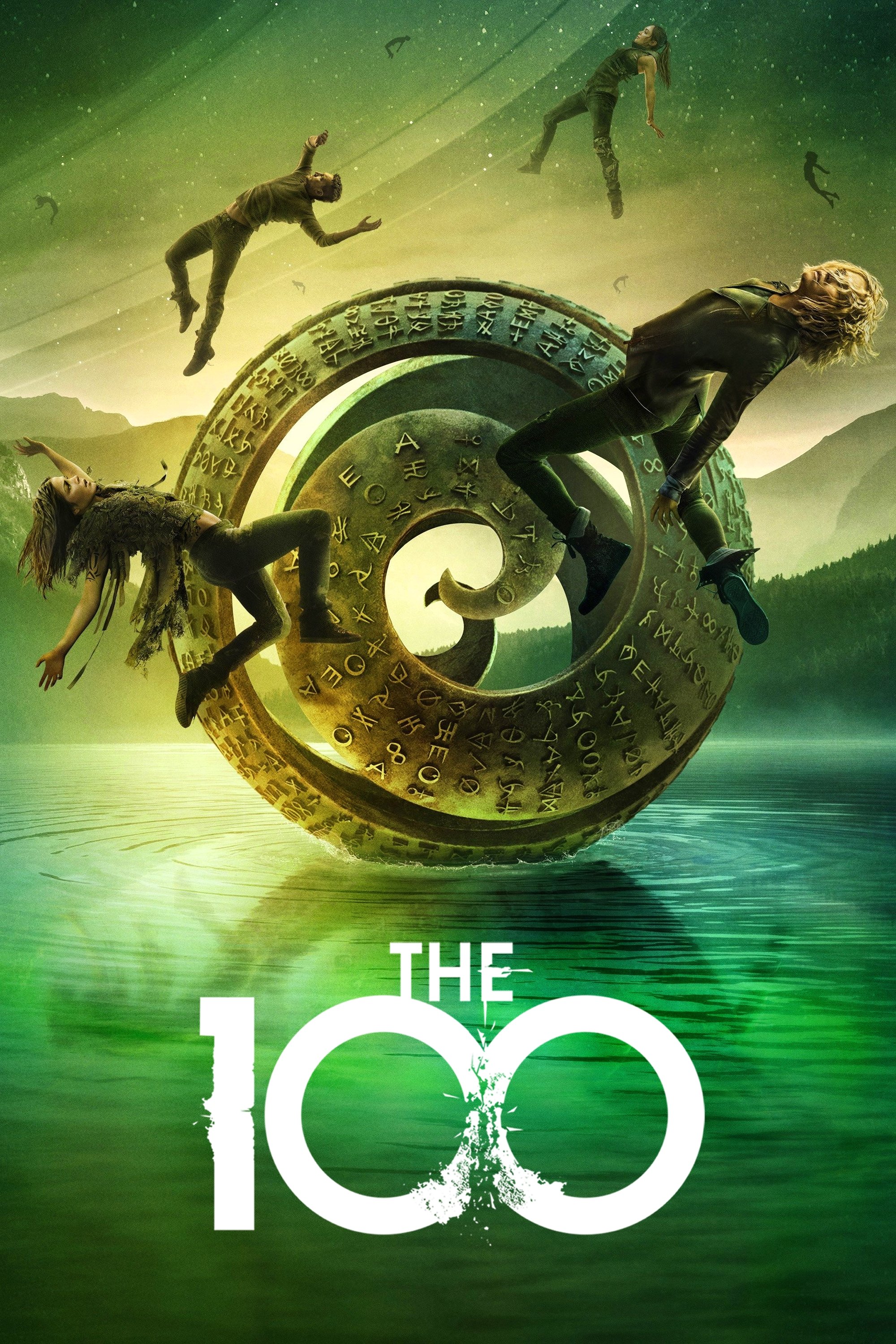
“Thirteen” depicts the death of Lexa shortly after a pivotal romantic milestone, while also delving into the origins of the AI A.L.I.E. and the Second Dawn bunker. The episode intercuts political maneuvering in Polis with revelations that link past cataclysmic events to present conflicts.
The broadcast prompted immediate backlash tied to the “bury your gays” media trope, leading to public statements from the creative team and charity drives organized by fans. The reaction became a case study in how representation intersects with narrative consequences in genre television.
‘Supernatural’ (2005–2020) – “Carry On” (Season 15)
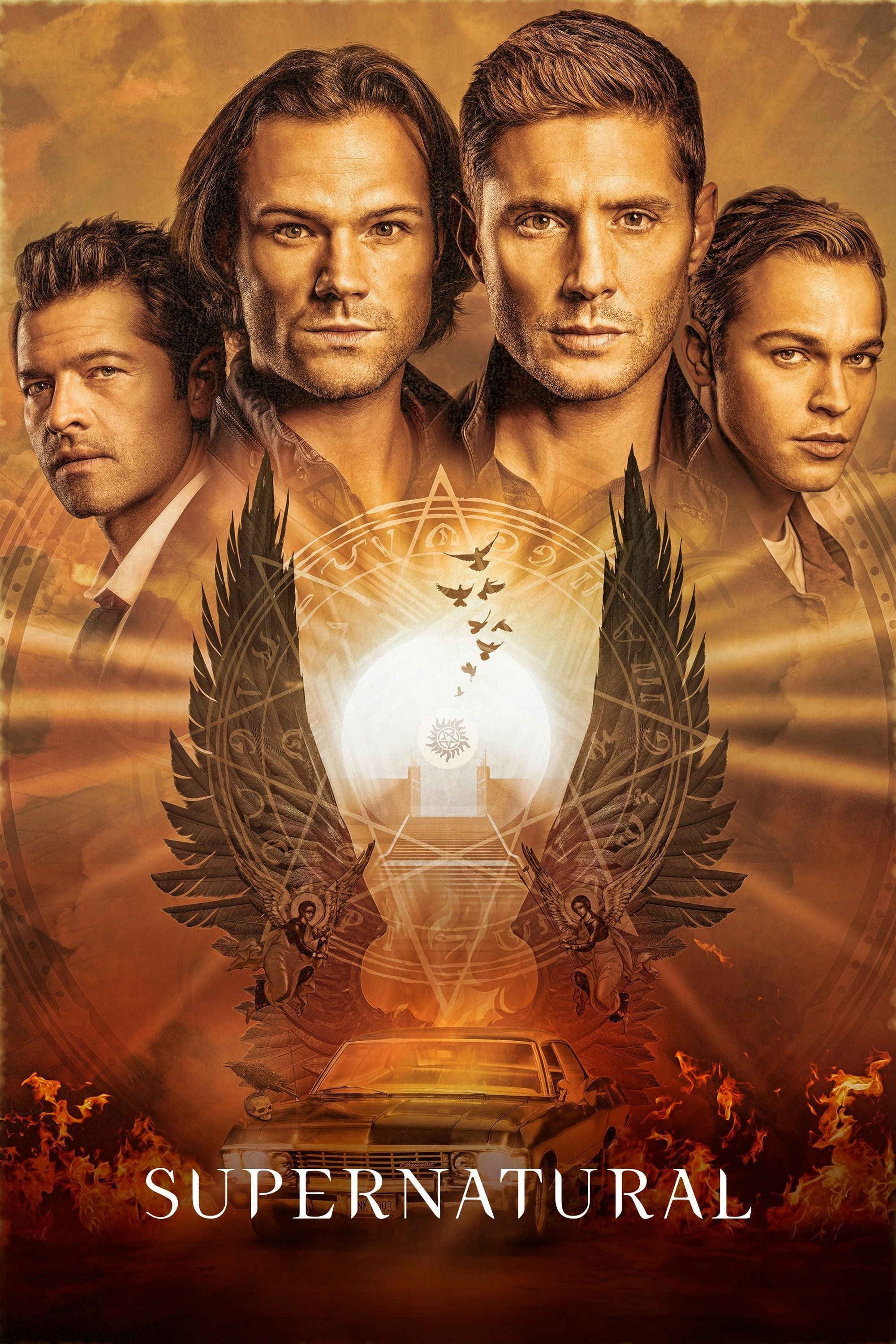
“Carry On” closes ‘Supernatural’ with the Winchesters’ final hunt and an epilogue that spans years in a single hour. The episode wraps cosmic stakes from earlier in the season, then narrows to a grounded ending and a reunion across the veil.
Viewer response focused on the sequencing of the final arc versus the intimate last chapter, as well as production constraints that shaped the shoot. Post-air interviews and retrospectives examined how pandemic-era limitations influenced set choices, extras, and the tone of the final montage.
‘Veronica Mars’ (2004–2019) – “Years, Continents, Bloodshed” (Season 4)
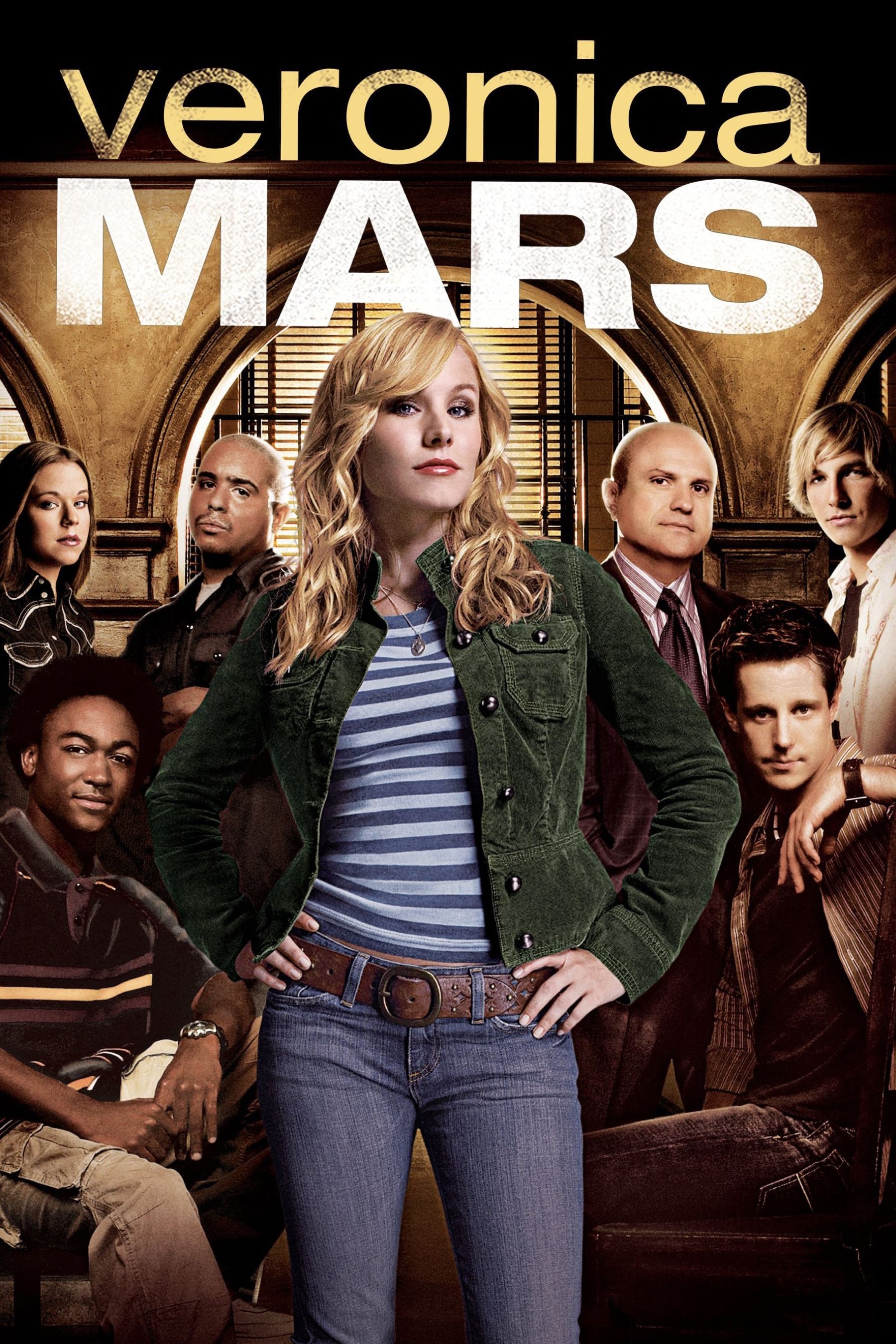
“Years, Continents, Bloodshed” ends ‘Veronica Mars’ with the Neptune bombing case solved and a final-minutes twist that removes a central character. A time jump reframes the show’s future, resetting the title character’s personal stakes.
The finale triggered sustained debate about franchise direction, creator statements about avoiding domestic stasis, and the calculus behind shocking conclusions. Coverage documented fan petitions and the contrasting goals of longevity versus closure in revival seasons.
‘Line of Duty’ (2012–present) – “Episode 7” (Series 6)
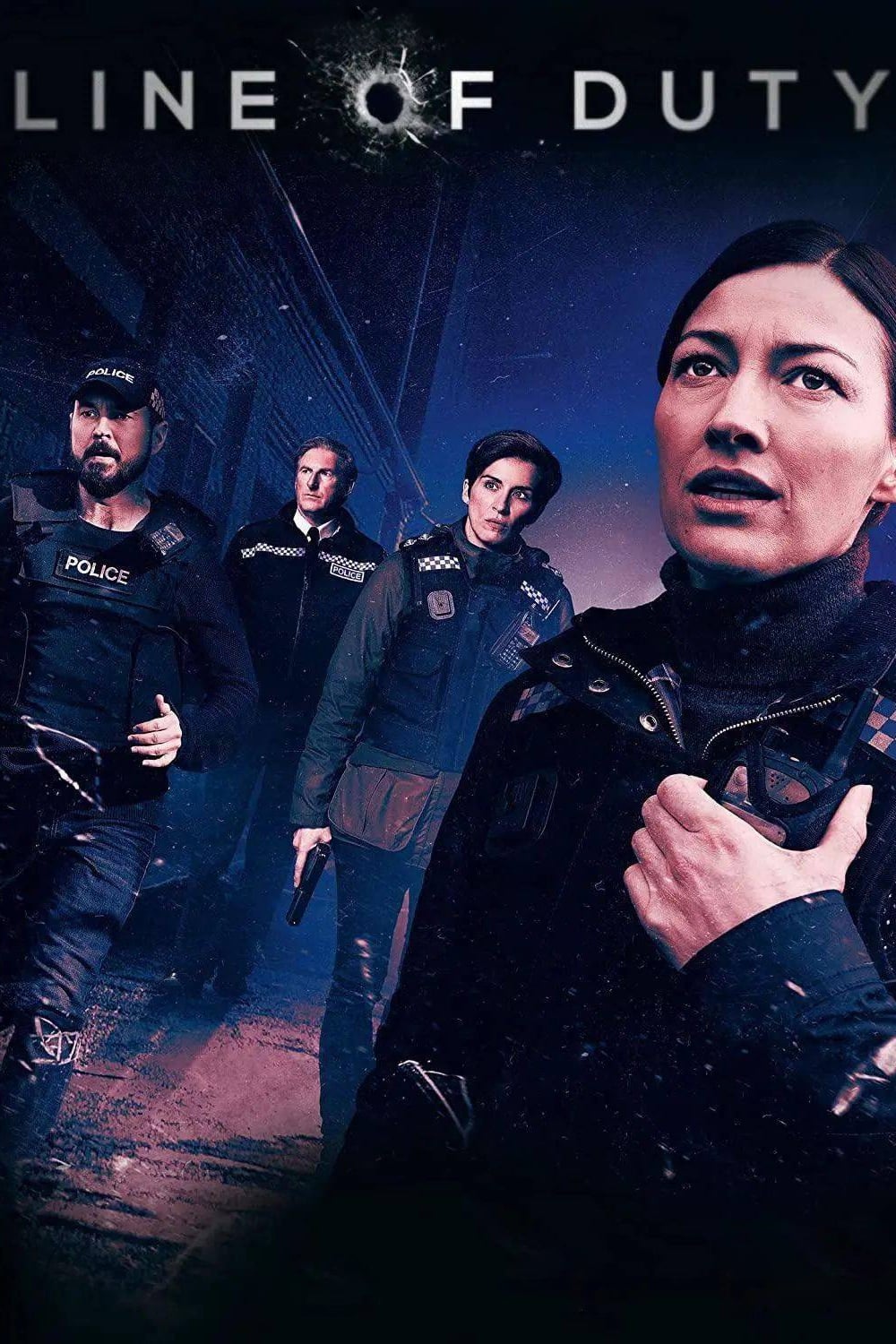
“Episode 7” resolves the multi-series mystery of “H” with a reveal tied to institutional failure rather than a mastermind. The hour includes overlapping interrogations, surveillance stings, and a final montage that updates the fates of key officers.
Audience reaction centered on subverting the supervillain theory and the realism-first explanation for systemic corruption. The airing became one of the most discussed UK drama endings of its year, with commentators tracking ratings records and analyzing how expectations built through interlinked arcs.
‘Killing Eve’ (2018–2022) – “Hello, Losers” (Season 4)
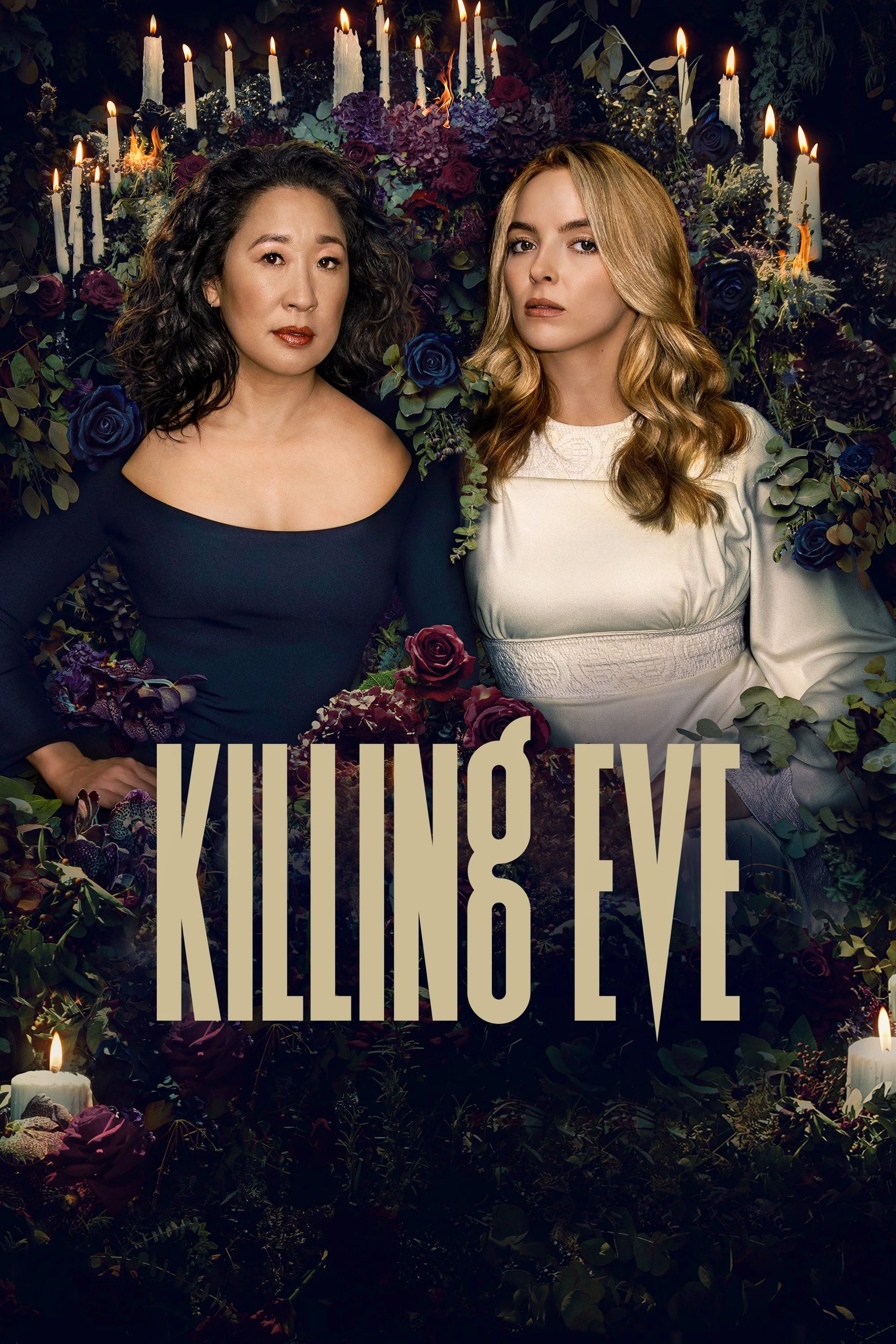
“Hello, Losers” culminates the cat-and-mouse between Eve and Villanelle with a rapid final act on the Thames after the infiltration of the Twelve. The episode resolves the conspiracy while delivering a sharp final turn in the last minutes.
The ending led to notable backlash from viewers and advocacy groups, prompting interviews with writers and showrunners about genre conventions and tragic conclusions. The discourse highlighted how spy-thriller tropes intersect with modern expectations around character survival and agency.
‘Grey’s Anatomy’ (2005–present) – “How to Save a Life” (Season 11)
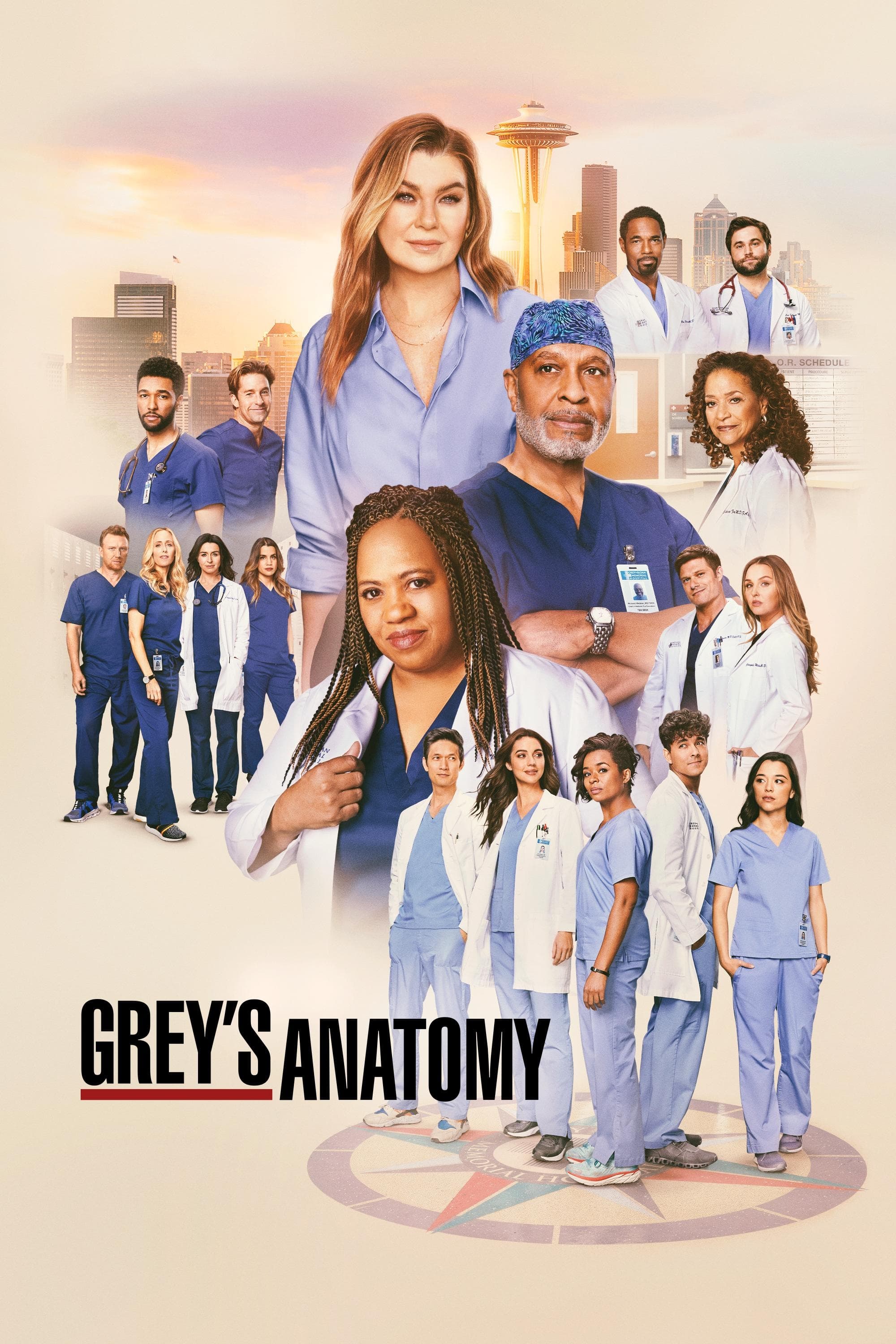
“How to Save a Life” depicts the events surrounding Derek Shepherd’s fatal accident and hospital transfer, told through cross-cut timelines. The hour details treatment gaps, transport decisions, and Meredith’s final choices.
The episode drew intense reaction across social platforms, memorial segments, and subsequent storylines that processed grief over multiple episodes. Industry coverage noted the production logistics of a major cast exit and how the shift affected long-term ensemble dynamics.
‘Family Guy’ (1999–present) – “Life of Brian” (Season 12)
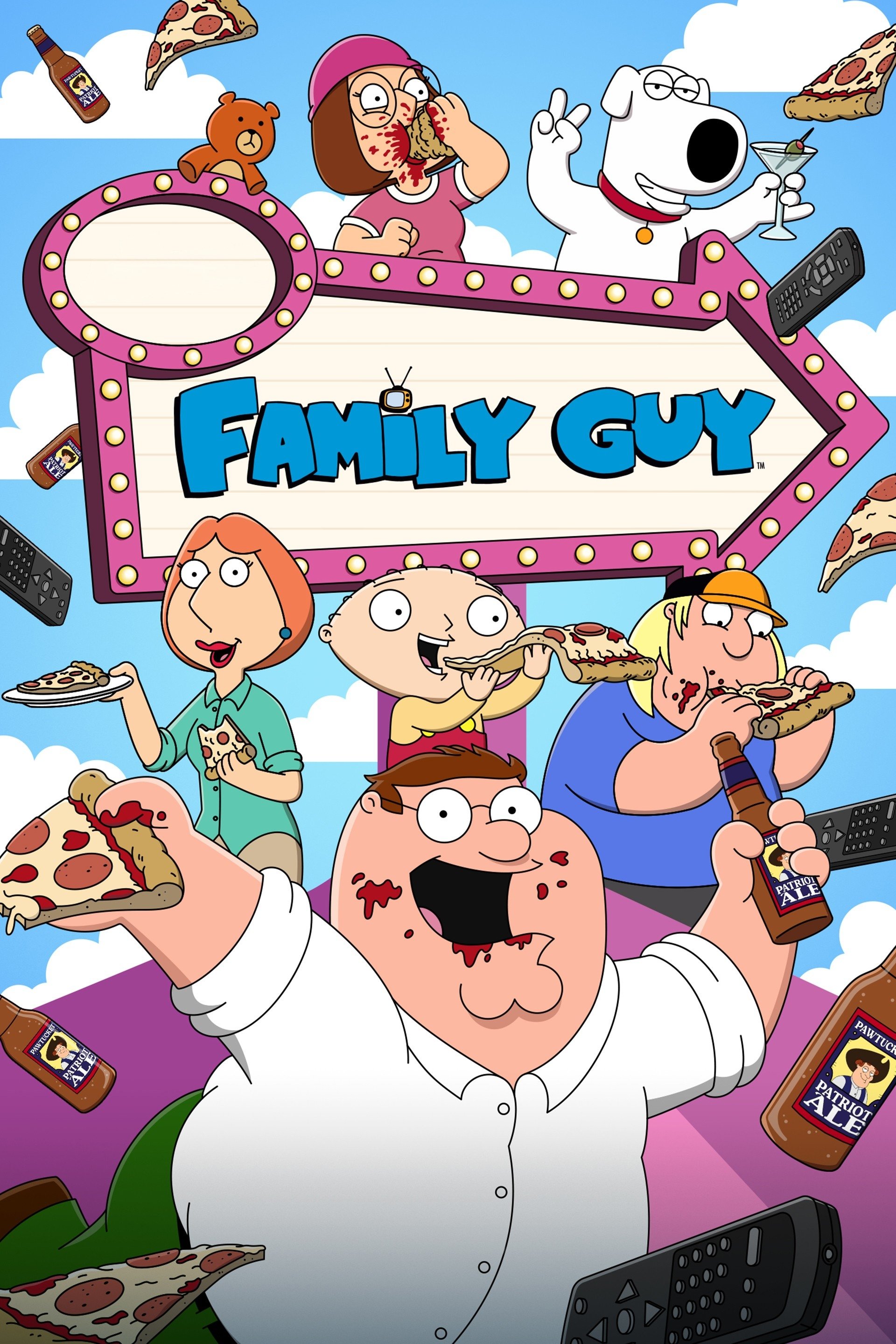
“Life of Brian” kills off Brian Griffin after a car accident and temporarily replaces him with a new dog, Vinny. The plot uses time-travel mechanics in later episodes to restore the status quo.
The initial death spurred petitions and media coverage tracking fan response, while the reversal reopened discussion about stakes in animated sitcoms. The sequence is frequently cited when assessing how shock moves can mobilize audiences and shape short-term ratings.
‘Roseanne’ (1988–1997) – “Into That Good Night” (Season 9)
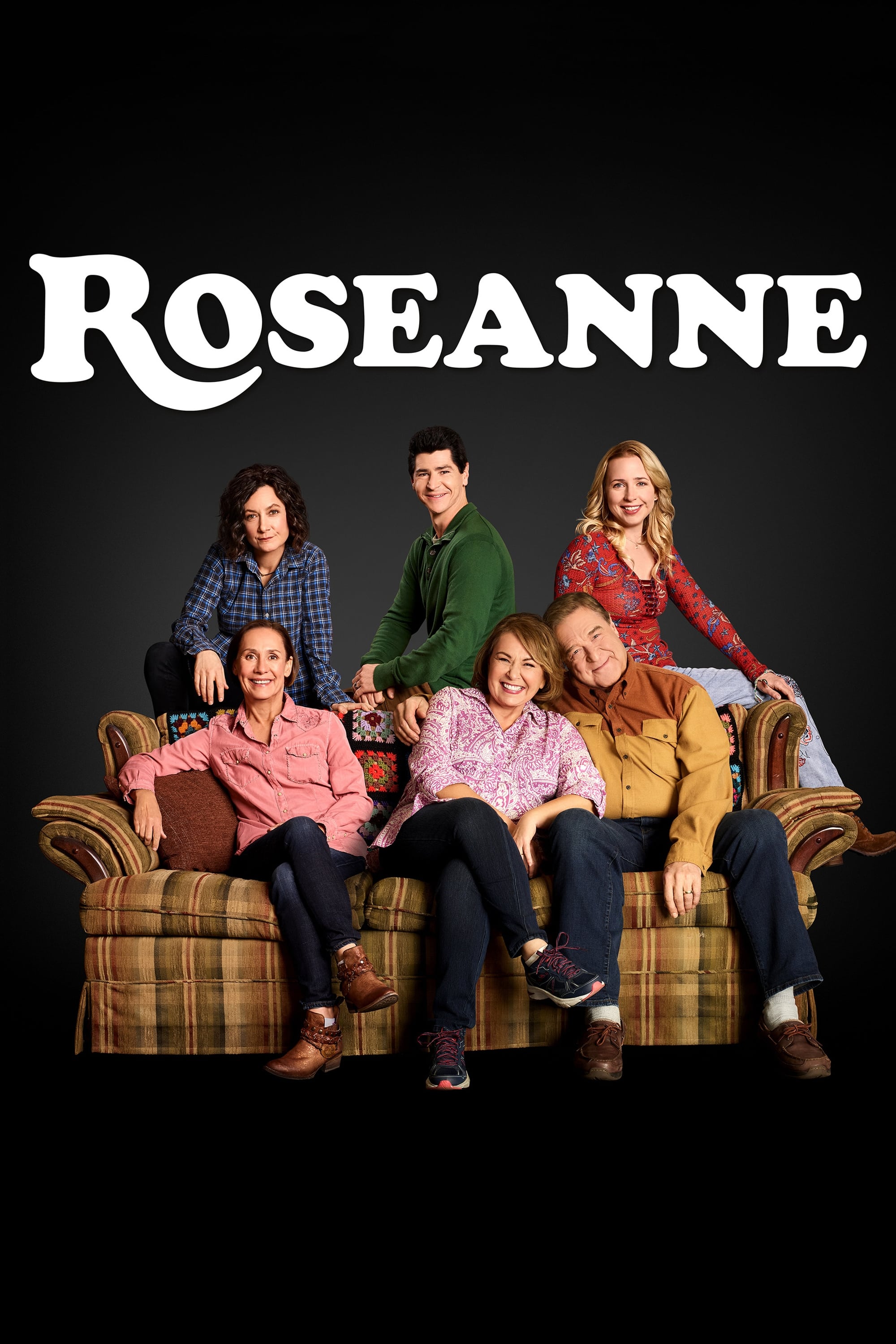
“Into That Good Night” reveals that much of the lottery season’s events were a fictionalized version of reality written by Roseanne, including a major character’s death that occurred earlier. The finale reframes preceding episodes and reorders relationships compared with earlier seasons.
The twist prompted significant criticism for retroactively altering continuity, with contemporaneous reviews parsing how the reveal interacted with the working-class premise. The choice became a reference point in discussions of finales that recontextualize entire seasons.
‘Dallas’ (1978–1991) – “Blast from the Past” (Season 10)
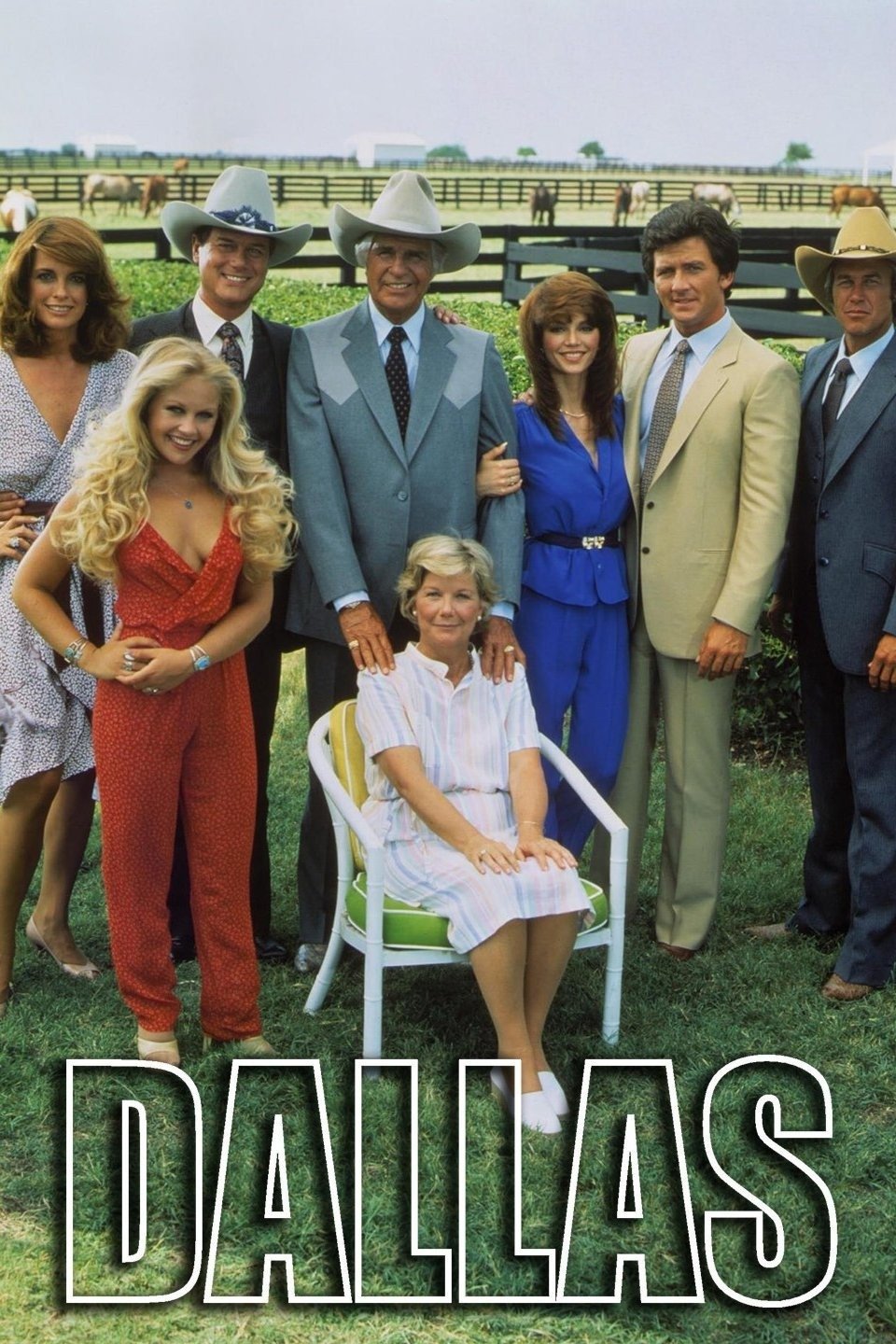
“Blast from the Past” resurrects Bobby Ewing by revealing that the preceding season was a dream, resetting numerous plotlines. The episode revisits the infamous shower reveal and unspools its implications across returning arcs.
The retcon generated widespread conversation about narrative resets in primetime soaps and the commercial pressures behind reversing dark turns. Trade coverage at the time examined contract negotiations, ratings considerations, and how the move affected competing series.
‘Heroes’ (2006–2010) – “Four Months Later…” (Season 2)
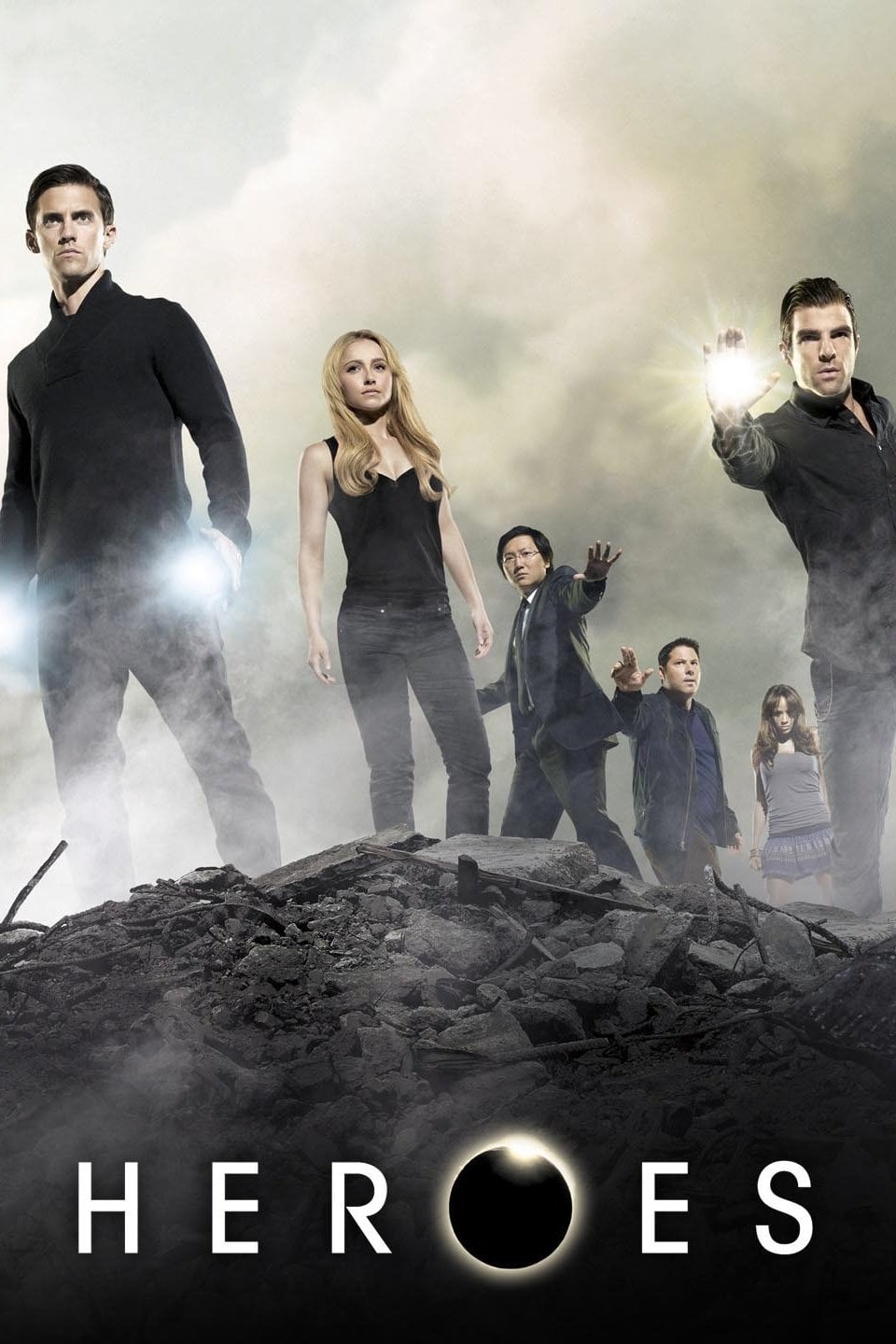
“Four Months Later…” picks up after the Season 1 finale with time jumps, memory loss, and scattered subplots across new locations. Several characters are repositioned with altered abilities or circumstances, resetting the ensemble for a broader conspiracy.
The season opener was met with criticism over pacing, plot proliferation, and diminished momentum following a strong debut year. The ensuing writers’ strike shortened the season, and industry retrospectives often cite the episode as the moment the show’s narrative coherence began to fray.
‘Star Trek: Voyager’ (1995–2001) – “Threshold” (Season 2)
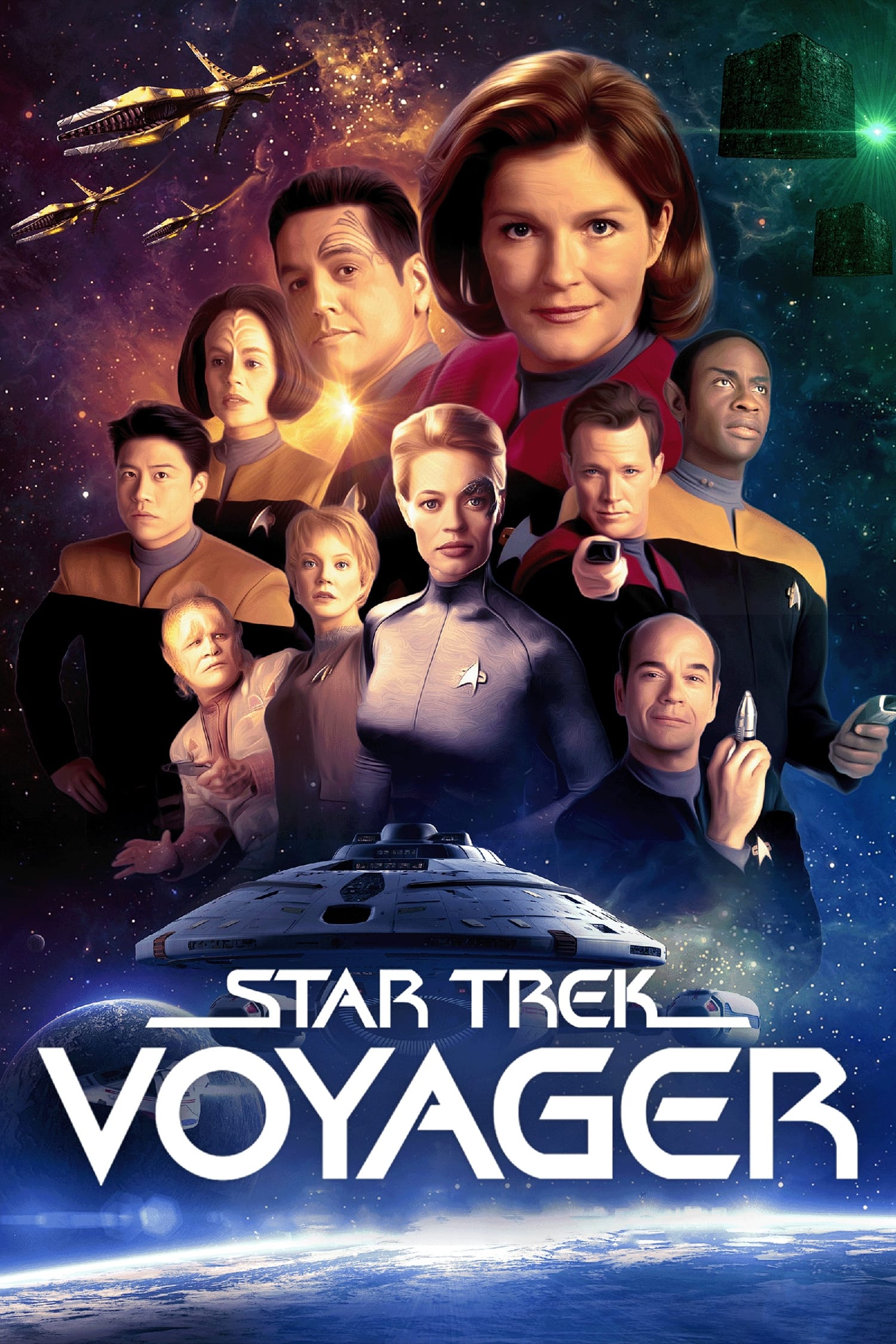
“Threshold” follows Tom Paris past the transwarp barrier, triggering extreme physiological changes and an infamous mutation arc. The episode includes a high-concept science hook followed by a rapid reversal to restore normalcy.
The installment is regularly listed among the franchise’s most polarizing hours, with discussions focusing on technobabble, body-horror imagery, and the reset-button ending. Its legacy endures as a cautionary example of concept-driven plotting that sidelines longer-term consequences.
‘True Detective’ (2014–2015; 2019; 2023–2024) – “The Western Book of the Dead” (Season 2)
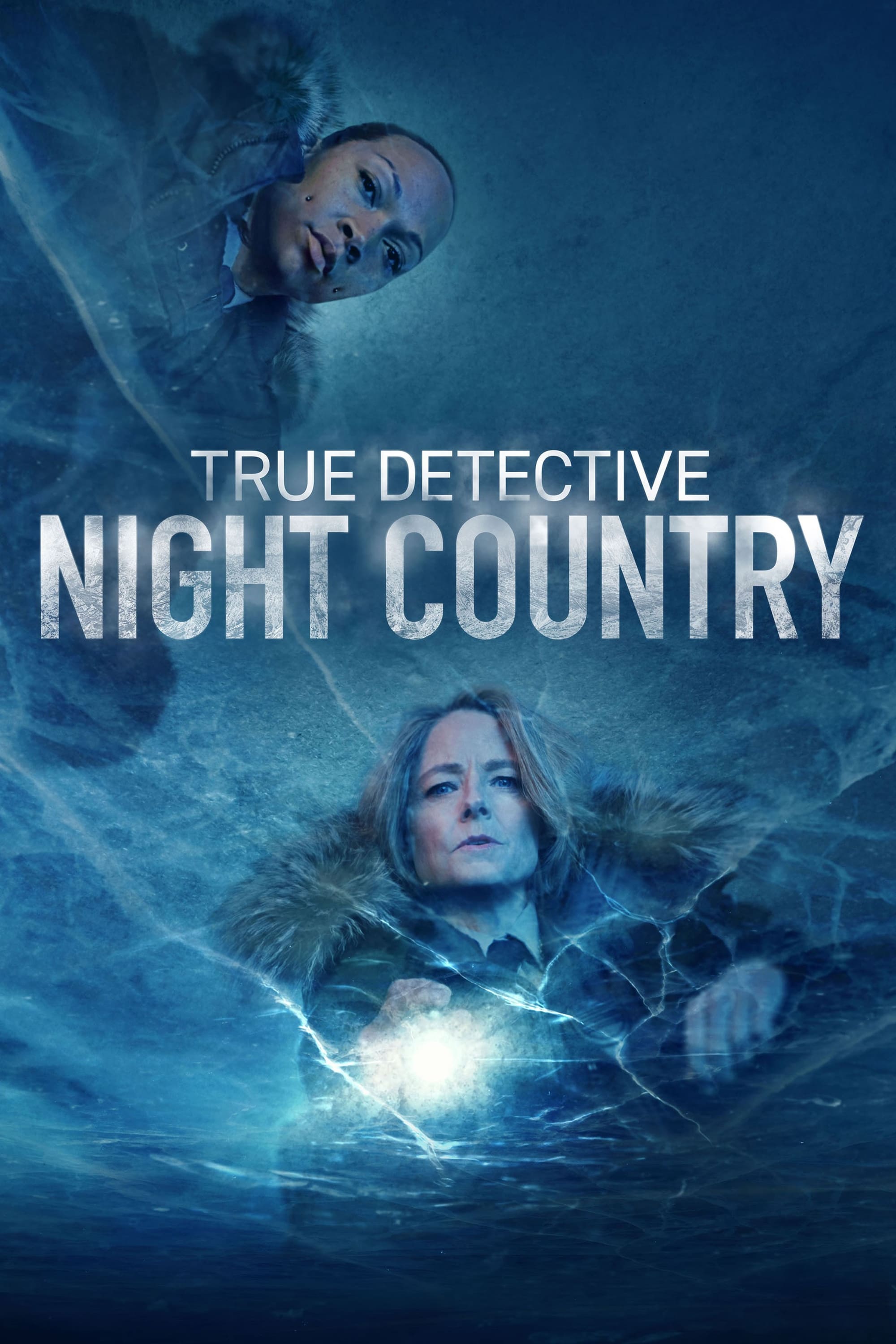
“The Western Book of the Dead” launches ‘True Detective’ Season 2 with a new setting and quartet of leads tied to municipal corruption and a murdered city manager. The episode establishes intersecting personal crises and a noir tone distinct from the first season.
The abrupt anthology reset prompted immediate comparisons to the original installment, with discourse tracking viewership shifts and critical scores week-to-week. Production coverage highlighted changes in directors, writing cadence, and how the season’s multi-protagonist structure altered the show’s rhythm.
‘Westworld’ (2016–2022) – “Parce Domine” (Season 3)
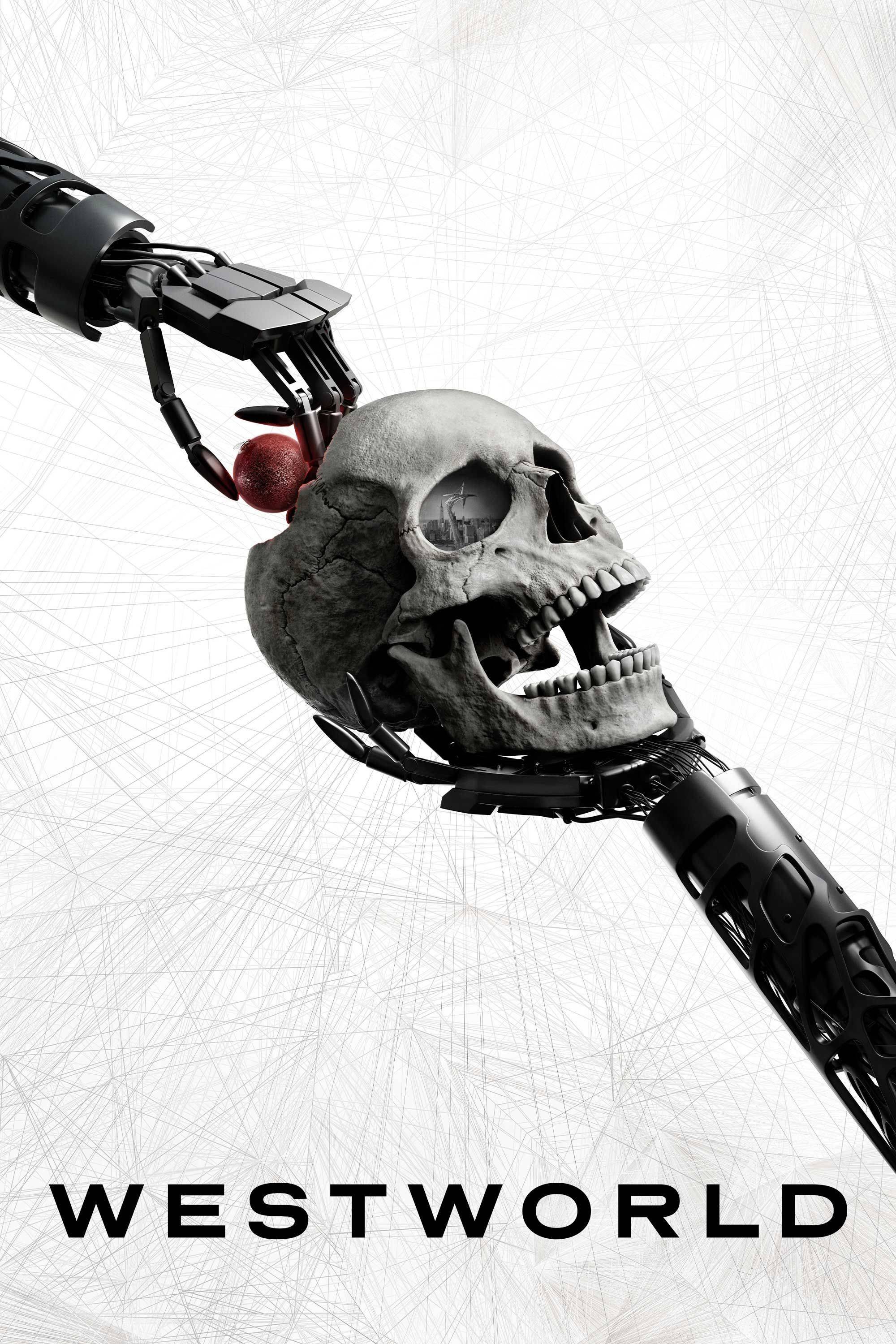
“Parce Domine” shifts ‘Westworld’ largely outside the park into a near-future metropolis, following Dolores and Caleb as a new algorithmic antagonist is introduced. The episode debuts updated aesthetics, expanded world-building, and altered roles for returning characters.
The pivot drew scrutiny for retooling the show’s central mystery machinery, with attention to how the move affected week-to-week engagement. Trade and fan analyses tracked changes in narrative density, episode-to-episode puzzle design, and viewing figures across the season.
Share the episodes you think changed the course of their shows in the comments!