The Best Korean Action Movies Ever Filmed


Korean action cinema blends precision craftsmanship with bold storytelling—spies, gangsters, soldiers, vigilantes, and accidental heroes collide in set-pieces that are as tightly engineered as they are explosive. This list pulls together landmark titles across sub-genres: crime sagas, historical epics, war films, revenge tales, and kinetic stunt showcases. You’ll find marquee directors like Park Chan-wook, Kim Jee-woon, Ryoo Seung-wan, Na Hong-jin, and Choi Dong-hoon, alongside stars whose names became shorthand for high-impact thrills, from Choi Min-sik and Lee Byung-hun to Don Lee (Ma Dong-seok) and Jeon Do-yeon.
Each entry below includes straightforward details—who made it, who’s in it, what it’s about, and what makes its action distinct—so you can zero in on the tones and styles you’re after. Titles are presented with their release years in the headings only, and whenever other films appear in the text, they’re wrapped in single quotes to keep everything crystal clear.
‘Oldboy’ (2003)
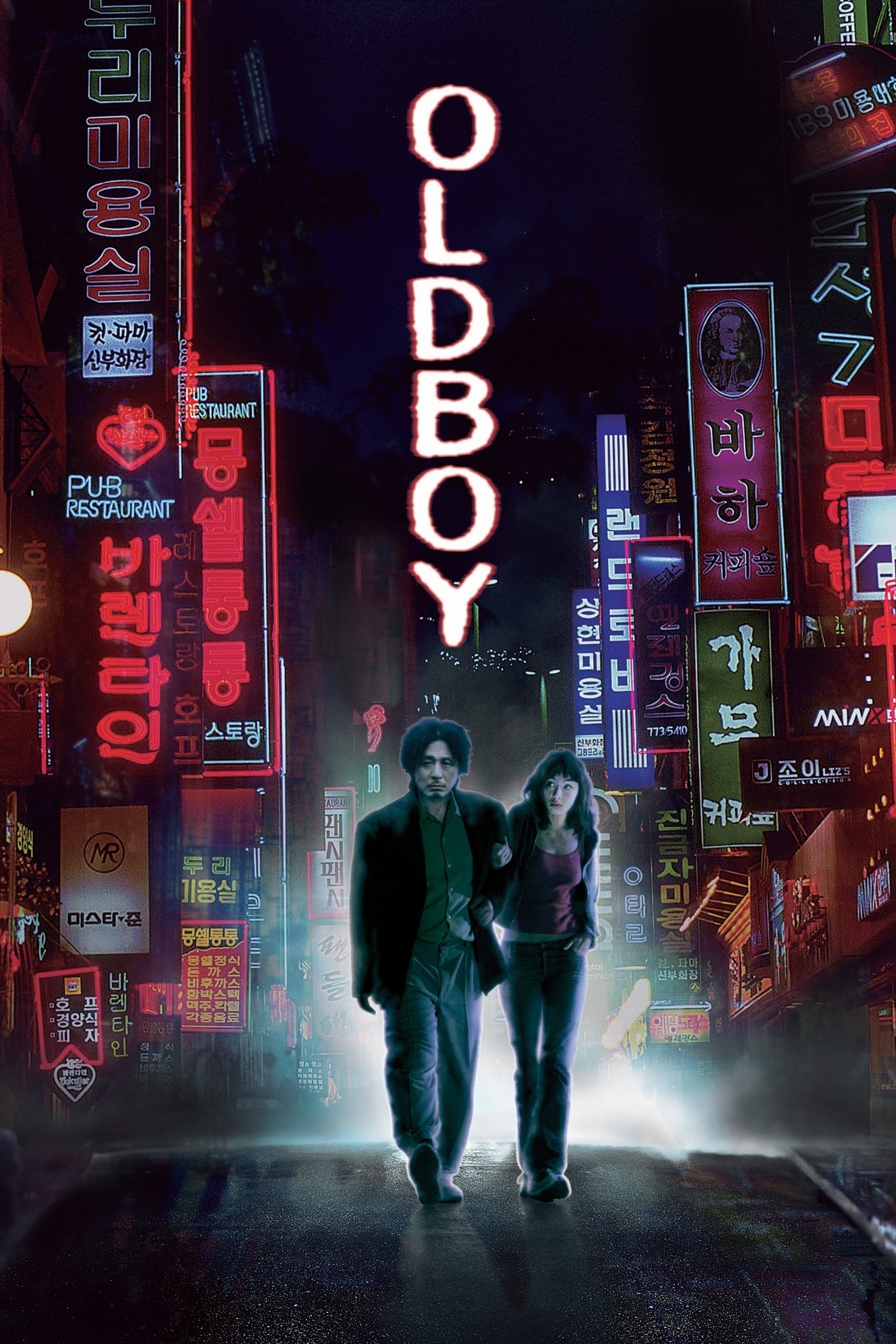
Park Chan-wook directs Choi Min-sik as Oh Dae-su, a man mysteriously imprisoned and then released, who unpacks a labyrinthine conspiracy across Seoul’s underworld. The film is known for its hallway hammer fight, long takes choreographed to emphasize geography and exhaustion, and a score that leans into noir textures.
Kang Hye-jung and Yoo Ji-tae co-star, with cinematography by Chung Chung-hoon that balances stylized color with gritty urban framing. The production’s practical stunt design prioritizes in-camera impacts and rhythm, influencing later Korean action language and earning international festival recognition.
‘The Man from Nowhere’ (2010)
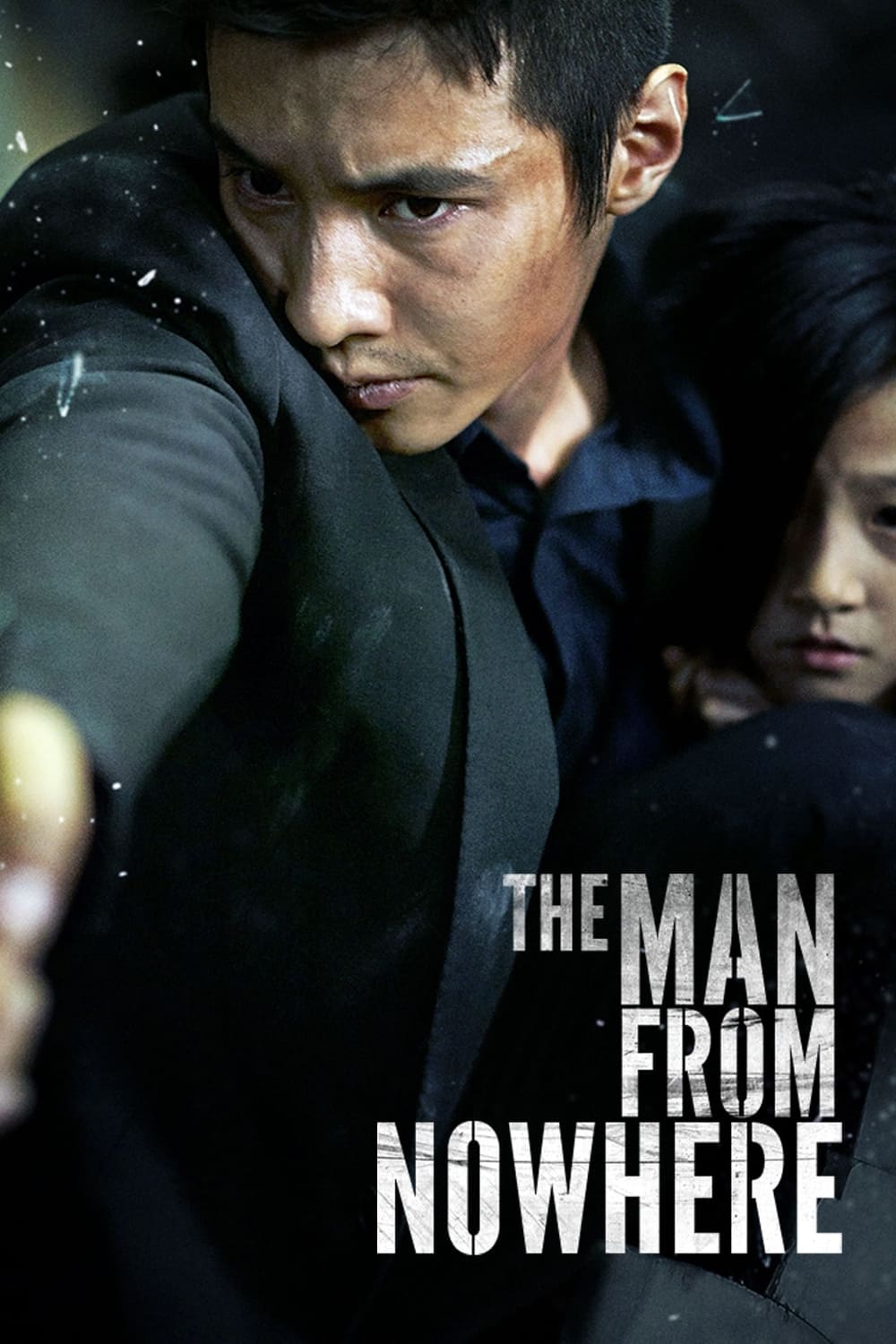
Lee Jeong-beom’s thriller pairs Won Bin’s withdrawn pawnshop owner with a child in danger, propelling a rescue mission through drug rings and organ-trafficking crews. The narrative tracks escalating confrontations that move from cramped apartments to nightclubs and construction sites.
Action coordinator Jung Doo-hong designs knife-centric choreography using Filipino and military-influenced beats, with tight handheld coverage to keep blade exchanges readable. Kim Sae-ron’s performance anchors the stakes, while Kim Sung-ryeong and Kim Hee-won flesh out the criminal ecosystem surrounding the central duo.
‘I Saw the Devil’ (2010)
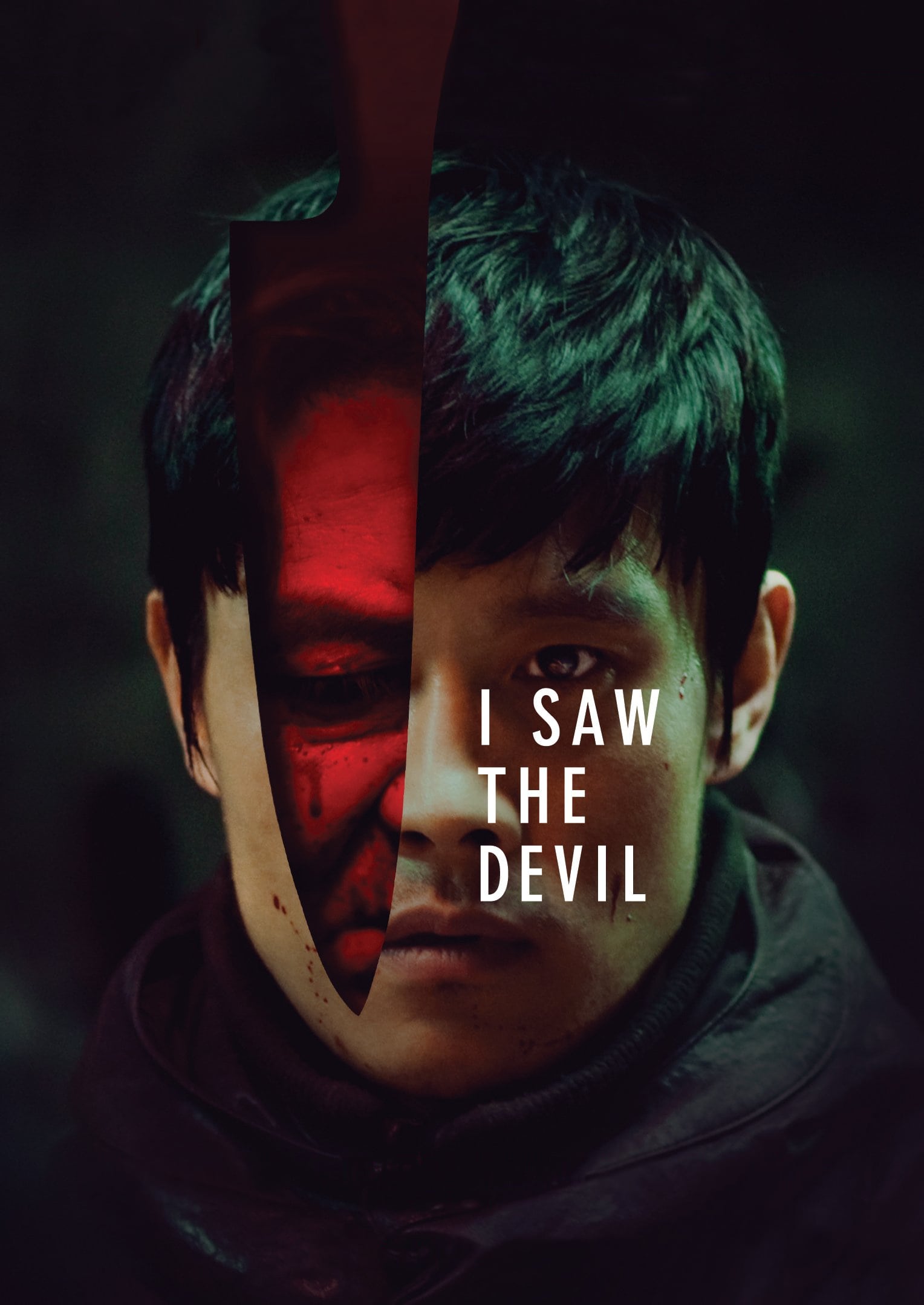
Kim Jee-woon casts Lee Byung-hun as an intelligence agent hunting serial killer Choi Min-sik, creating a cat-and-mouse structure that cycles through ambushes and reprisals. The plot uses tracker gadgets, safehouses, and shifting vehicles to stage fights that play like tactical puzzles.
The production leans on practical makeup effects and brutal, close-quarters choreography shot with controlled dolly and car-rig work. Supporting turns by Kim Kap-soo and Oh San-ha weave in law-enforcement and family dynamics that drive the pursuit’s escalation.
‘A Bittersweet Life’ (2005)
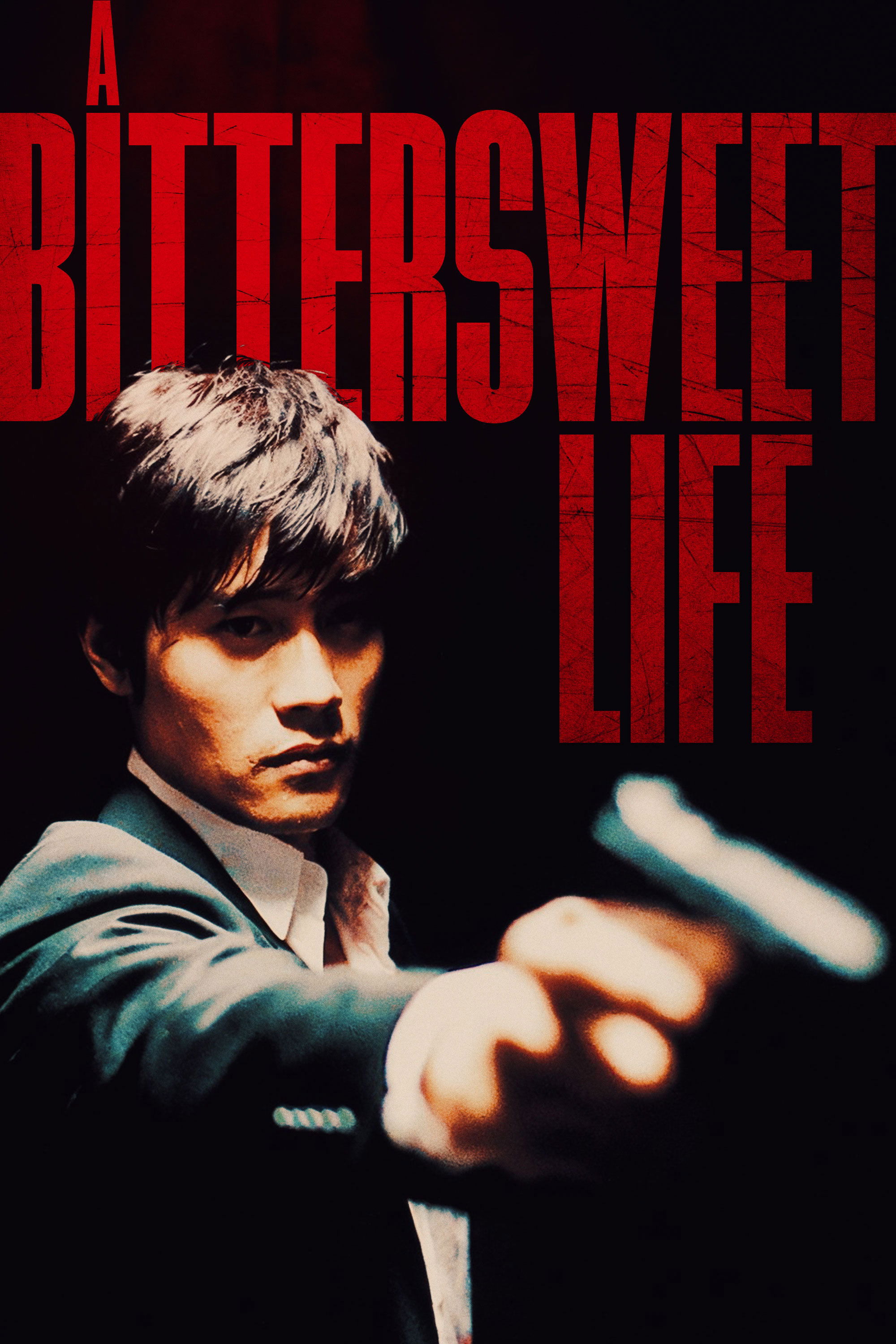
Kim Jee-woon’s gangster tale follows Lee Byung-hun’s enforcer whose split-second choice triggers a turf-war chain reaction. The story unfolds through hotel corridors, riverside warehouses, and a restaurant that becomes a recurring battleground.
The action favors gun-fu mixed with judo-based throws, edited to preserve axis and spatial logic. Cinematographer Kim Ji-yong renders neon-lit nightscapes and crisp day exteriors, while Hwang Jung-min and Kim Roe-ha round out the volatile crime hierarchy.
‘The Good, the Bad, the Weird’ (2008)
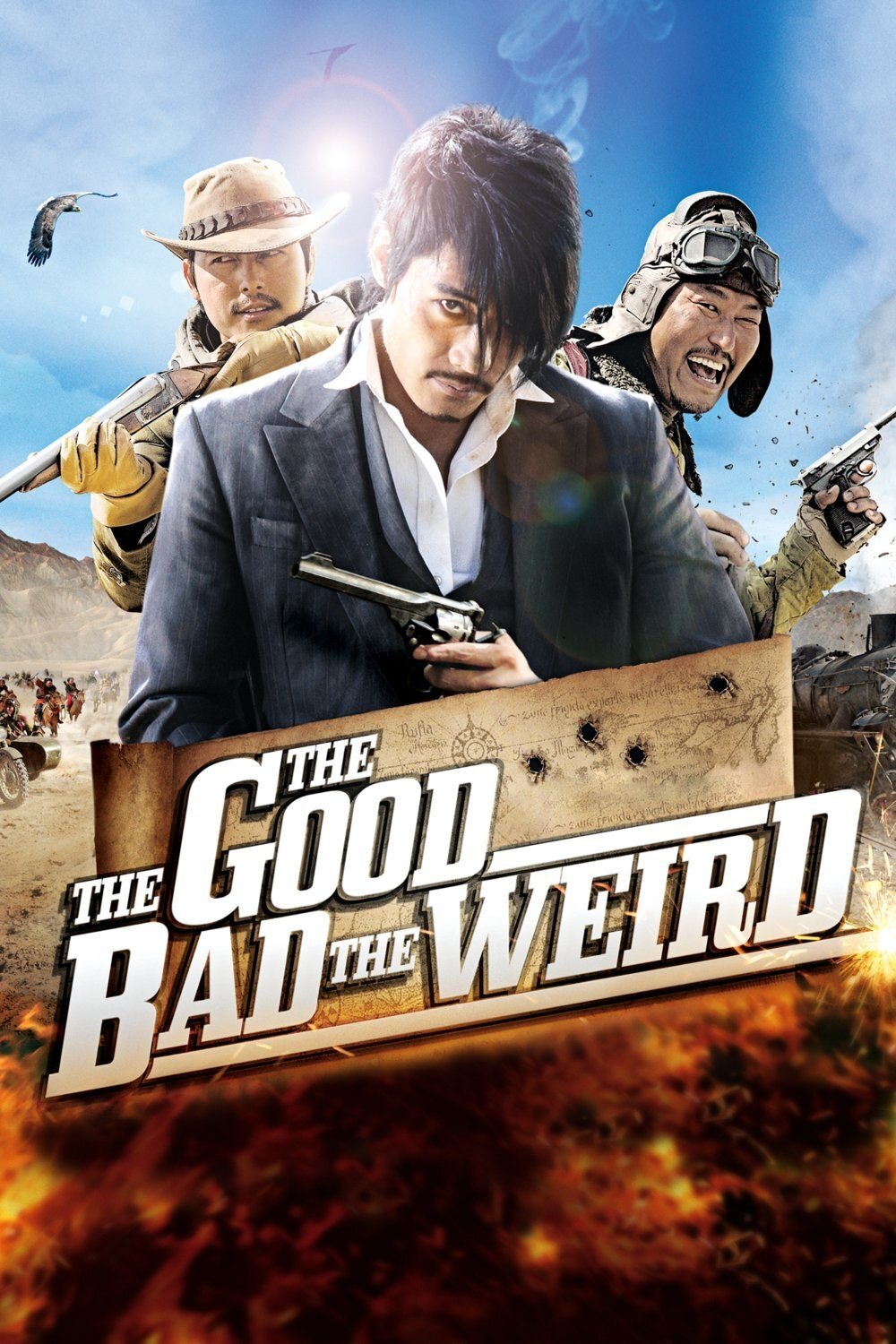
Kim Jee-woon reimagines a Manchurian Western with Song Kang-ho, Lee Byung-hun, and Jung Woo-sung crisscrossing deserts in pursuit of a treasure map. Train heists, cavalry chases, and a ghost-market shootout form the backbone of the set-pieces.
Large-scale horseback stunts and practical explosions were staged on expansive locations with minimal CGI augmentation. The ensemble’s interplay sustains momentum between sequences, and the soundtrack folds surf-rock textures into period instrumentation for a distinctive action tone.
‘The Chaser’ (2008)
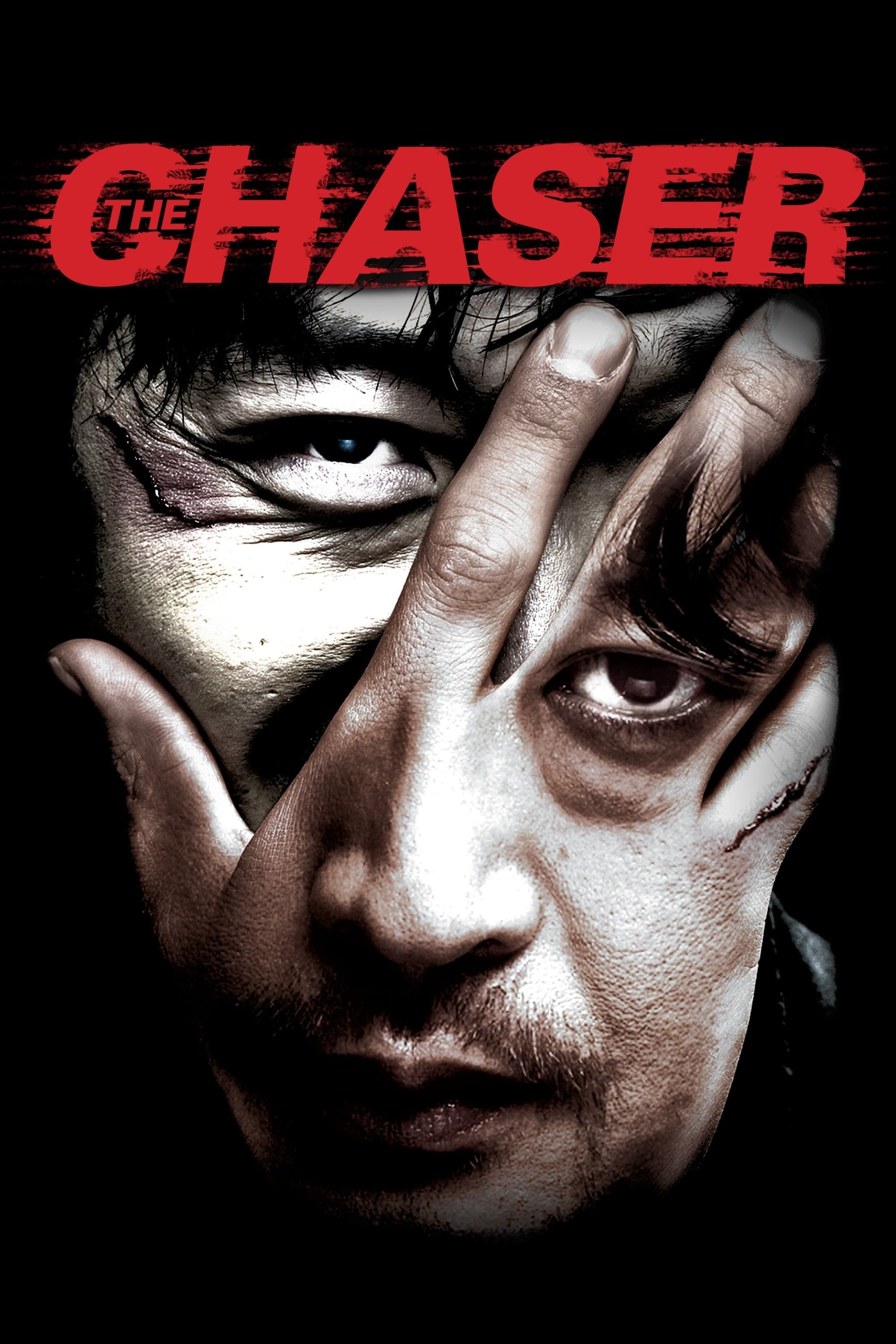
Na Hong-jin’s debut centers on a disgraced detective-turned-pimp, played by Kim Yoon-seok, who suspects a quiet client, portrayed by Ha Jung-woo. The narrative tracks frantic sprints through residential neighborhoods, with near-misses and street-level clashes.
Fight scenes emphasize improvisation—found objects, slippery alleys, and stamina over technique—captured with naturalistic lighting. Seo Young-hee’s role amplifies the ticking-clock structure, while the film’s police-procedure threads ground the manhunt’s logistics.
‘The Yellow Sea’ (2010)
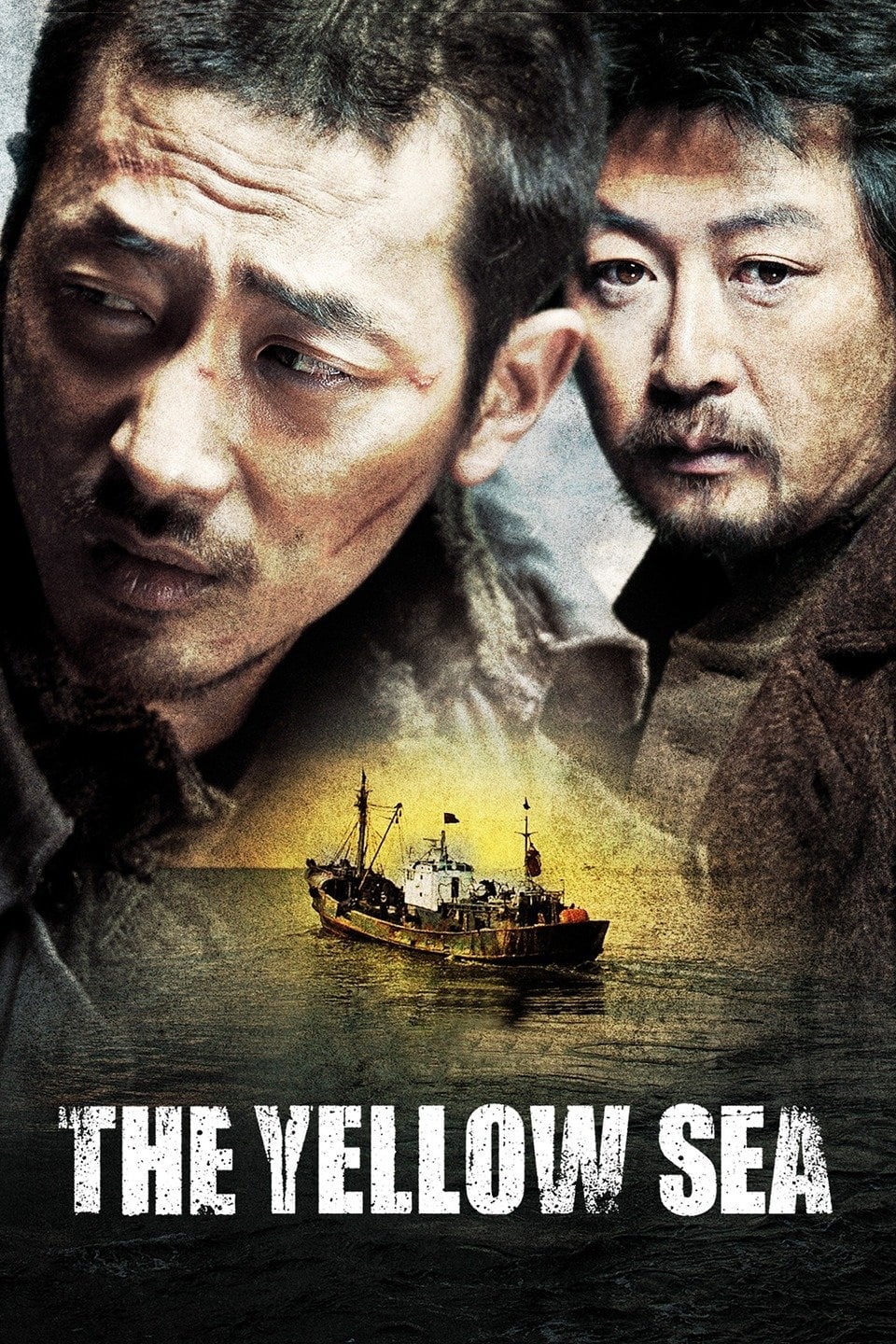
Na Hong-jin follows a Yanbian taxi driver, Ha Jung-woo, forced into an assassination plot that spirals into gang rivalries and border-crossings. The story moves between ports, restaurants, and industrial zones, turning everyday tools into weapons.
Stunt work stresses exhaustion and weight, with extended foot chases and machete brawls filmed in wide frames to maintain geography. Kim Yoon-seok’s antagonist anchors the opposing force, and the score leans low-frequency percussion to underscore pursuit rhythms.
‘The Berlin File’ (2013)
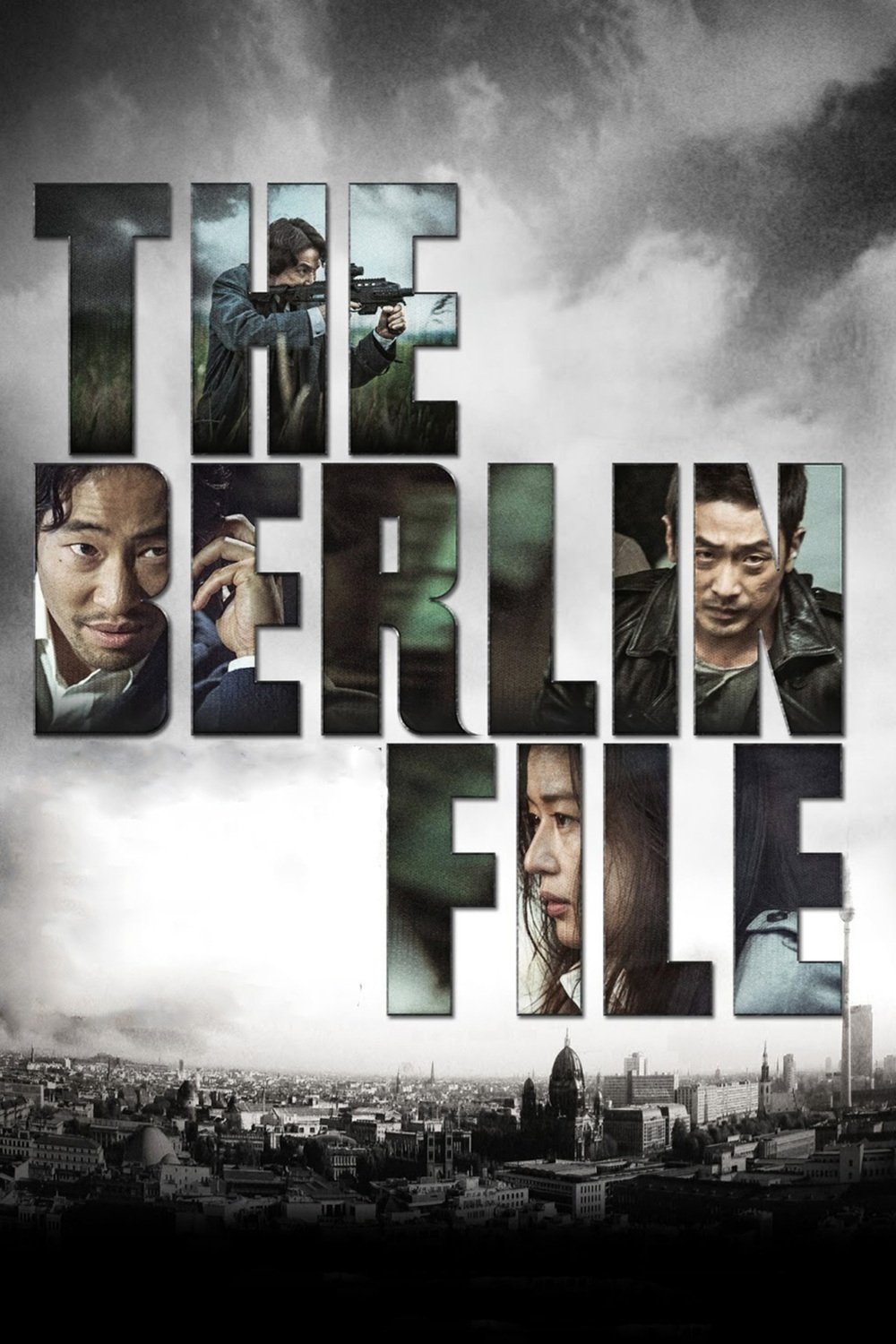
Ryoo Seung-wan’s spy thriller places Ha Jung-woo, Han Hyo-joo, Jeon Ji-hyun, and Ryu Seung-bum in an espionage crossfire among embassies and agencies. Locations across Europe and Korea host hotel shootouts, safehouse breaches, and marketplace pursuits.
Action director Jung Doo-hong blends Krav Maga-style exchanges with shoot-and-move tactics, prioritizing reloads and cover usage. Sound design layers suppressed shots and ricochets for clarity, while diplomatic intrigue threads detail factional motivations.
‘Veteran’ (2015)
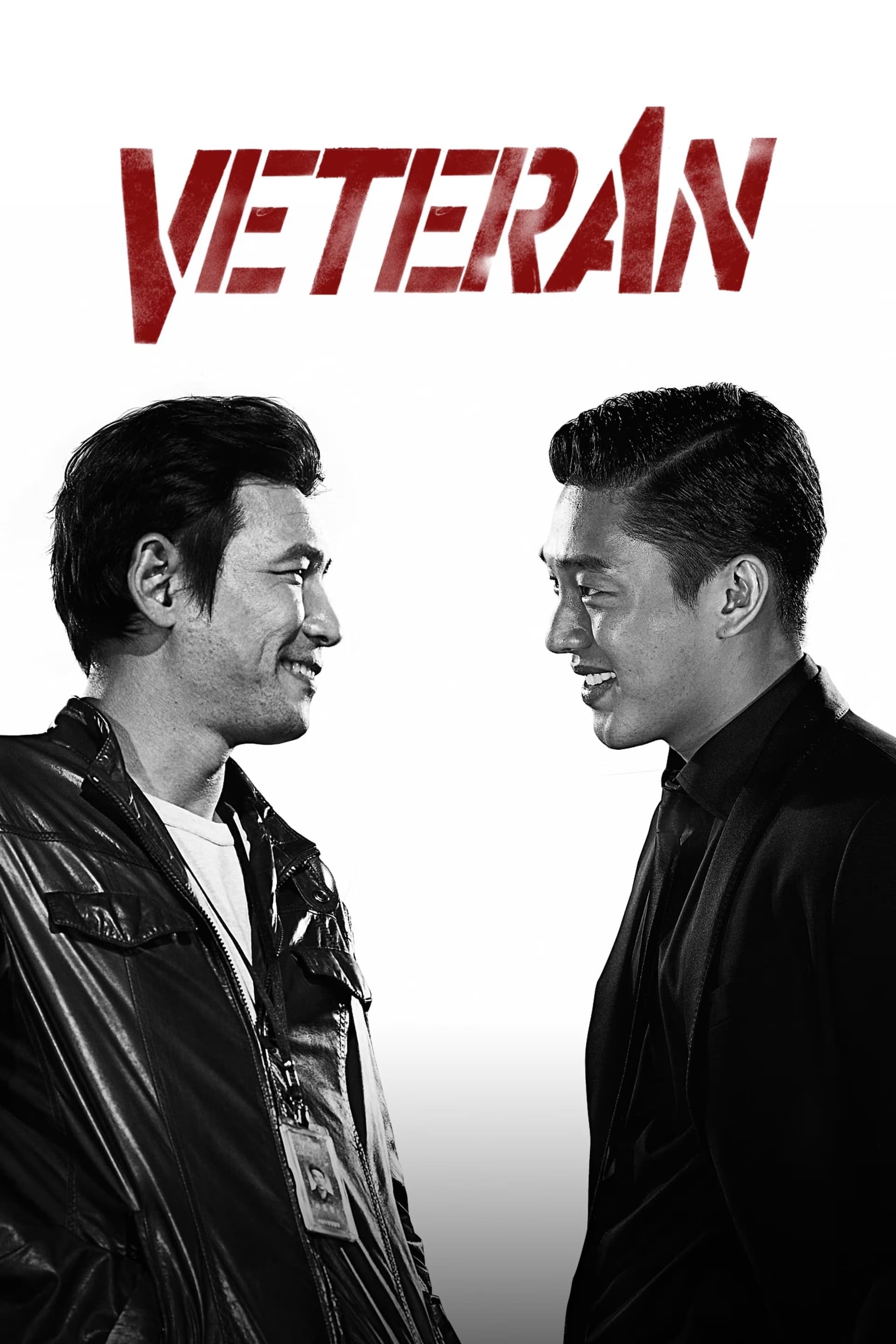
Ryoo Seung-wan pits Hwang Jung-min’s tenacious detective against a chaebol heir played by Yoo Ah-in, leading to raids, traffic-stop confrontations, and a dockside finale. The plot traces a corruption case through informants, henchmen, and corporate fixers.
The action emphasizes team dynamics—perimeter control, coordinated takedowns, and pursuit vehicles boxed by patrol cars. Oh Dal-su and Jang Yoon-ju contribute key squad roles, and the script integrates labor-rights and media-exposure angles into the casework.
‘The Outlaws’ (2017)
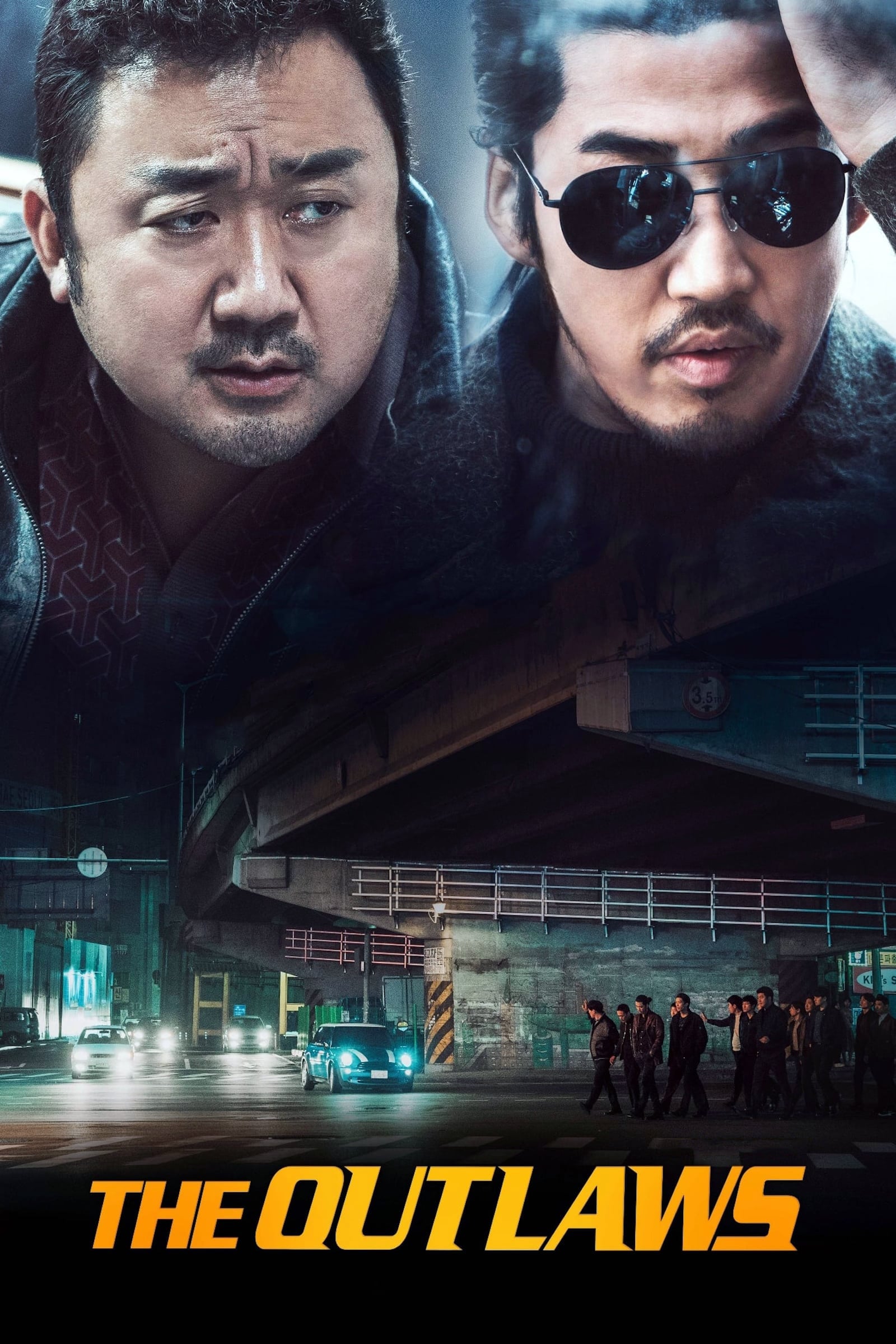
Kang Yoon-sung dramatizes a police unit’s clash with a vicious gang in Seoul’s Garibong district, led by Yoon Kye-sang’s ruthless boss. Don Lee (Ma Dong-seok) headlines as a detective known for close-in, body-blow fighting.
Set-pieces showcase grappling-heavy brawls in restaurants, alleys, and gambling dens, with sound design emphasizing thuds over stylized cracks. The narrative maps inter-gang alliances and protection rackets, building toward large-scale sweeps and coordinated arrests.
‘The Roundup’ (2022)
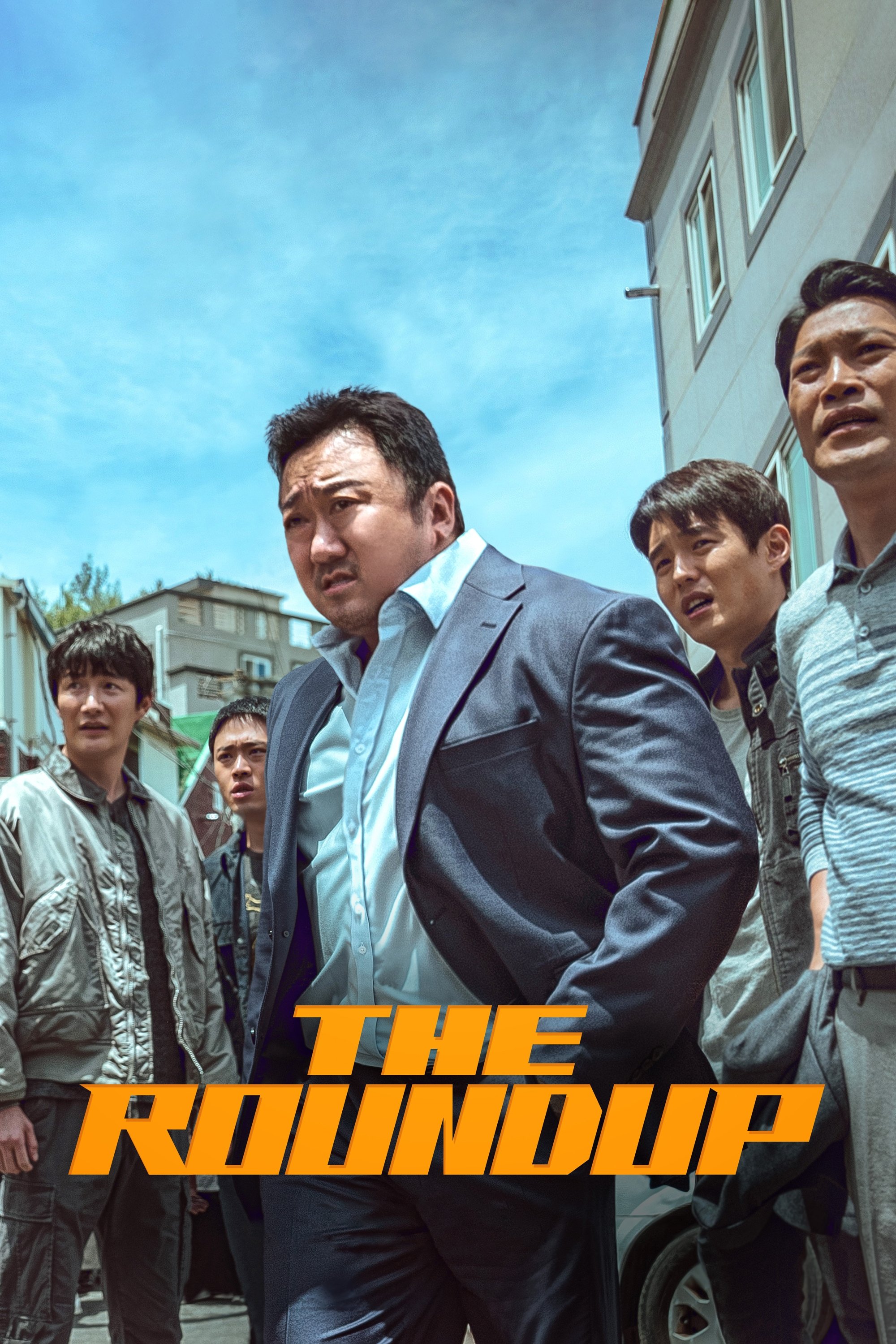
Lee Sang-yong continues the franchise with Don Lee (Ma Dong-seok) tracking a cross-border predator portrayed by Son Suk-ku. The story extends the unit’s jurisdiction through extradition hurdles, money-laundering routes, and international cooperation.
Action beats feature reinforced strikes, shield rushes, and bus-interior tussles, staged to keep sightlines uncluttered. Ensemble officers manage surveillance handoffs and raids, while the script threads in jurisdictional briefings and forensic breadcrumbs.
‘Shiri’ (1999)
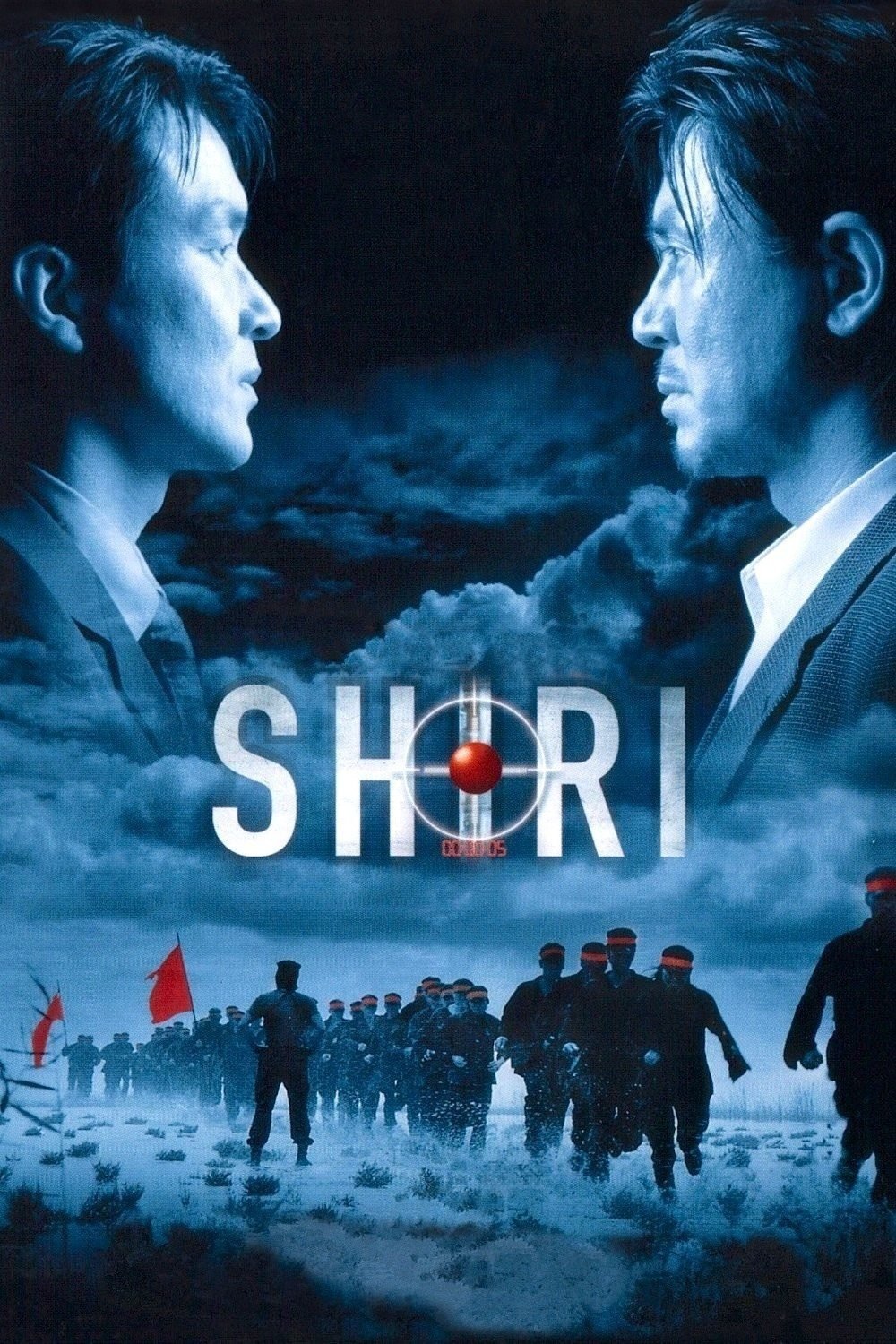
Kang Je-gyu’s landmark action film pairs Han Suk-kyu and Song Kang-ho as agents entangled with a North Korean operative played by Kim Yun-jin. The plot revolves around a stolen liquid explosive and sleeper networks inside Seoul.
The production scales up gunfights in stadiums and streets with mid-budget ingenuity, including squibs, car flips, and practical effects. Its success catalyzed larger domestic action budgets and opened distribution channels for subsequent hits.
‘The Age of Shadows’ (2016)
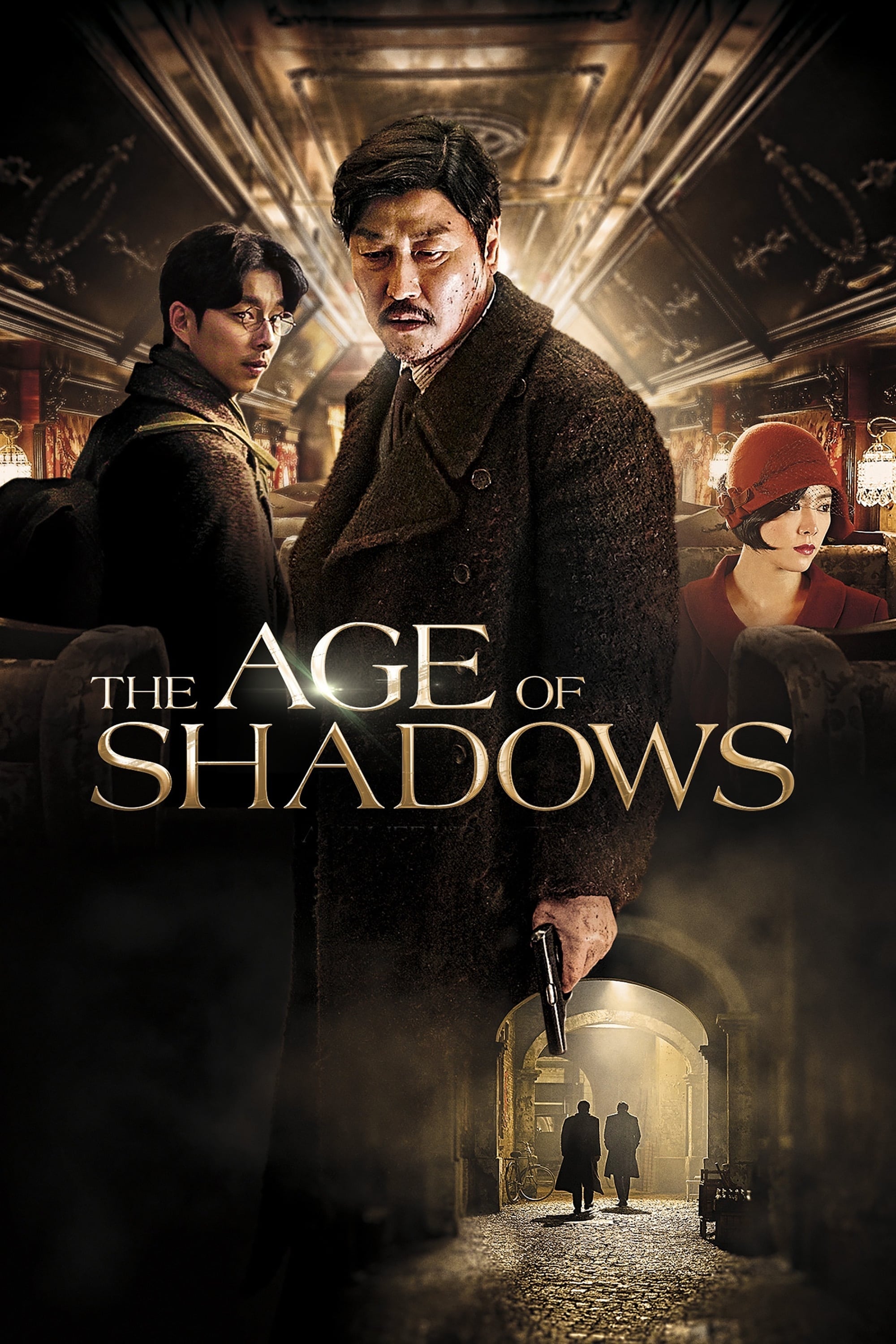
Kim Jee-woon stages resistance operatives infiltrating colonial security services, with Song Kang-ho and Gong Yoo maneuvering through surveillance webs. A tense train sequence anchors the mid-section, framed around smuggling components for sabotage.
Costume and production design recreate safehouses, photo studios, and police basements used for covert exchanges. The action integrates period firearms, trench-coats, and close-quarters stairwell fights, while Lee Byung-hun’s cameo links international networks.
‘The Battleship Island’ (2017)
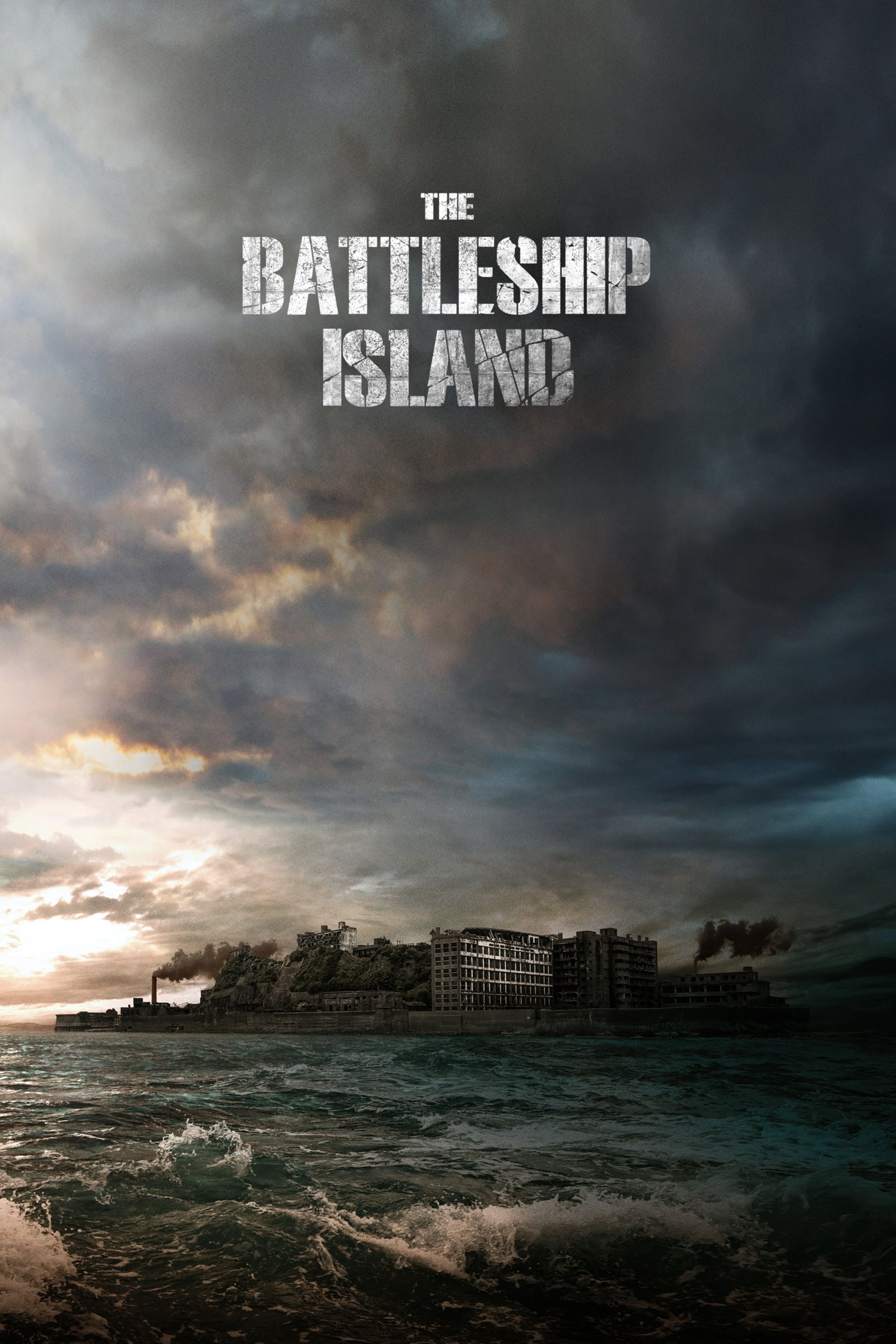
Ryoo Seung-wan depicts forced-laborers plotting an escape from a militarized coal facility, led by Hwang Jung-min, So Ji-sub, and Song Joong-ki. The narrative shows recruitment of specialists—sappers, smugglers, and guides—under constant surveillance.
Set-pieces rely on large extras units, multi-level set builds, and pyrotechnics to stage riots and breakout runs. Art direction details barracks, tunnels, and dockyards, while the score times percussion to crowd movements during the climax.
‘Midnight Runners’ (2017)
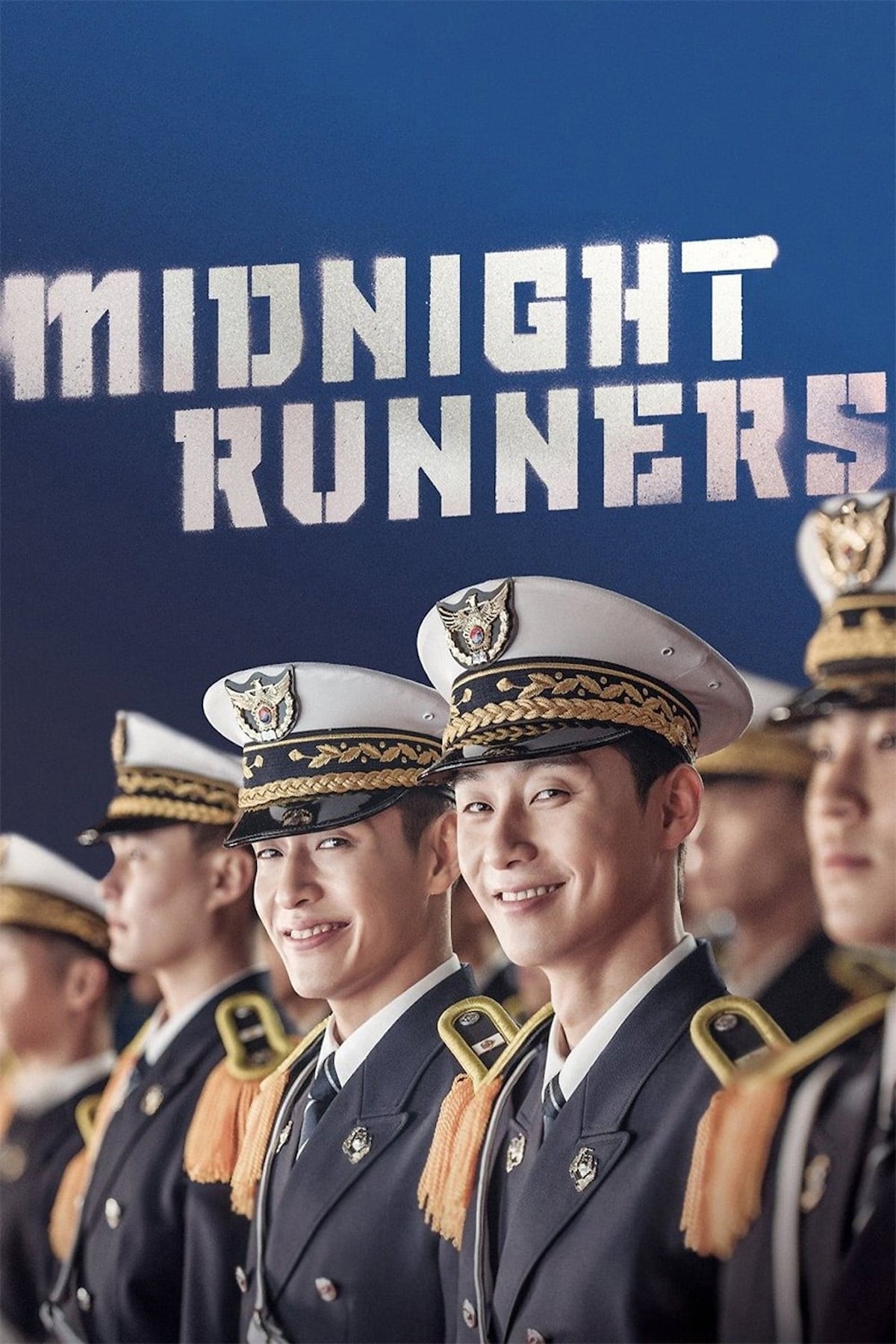
Kim Joo-hwan pairs Park Seo-joon and Kang Ha-neul as police cadets who witness a kidnapping and mount an unauthorized investigation. The plot balances academy procedure, forensic basics, and stakeouts as the duo chase traffickers.
Action scenes include gym-drilled baton work, stairwell chases, and warehouse rescues, shot with clear, frontal coverage. Supporting roles by Park Ha-sun and Sung Dong-il anchor institutional guardrails that shape how the leads operate.
‘Extreme Job’ (2019)

Lee Byeong-heon’s action-comedy follows a narcotics team that opens a chicken restaurant as cover, only to draw crowds while surveilling a syndicate. The operational beats involve wiretaps, controlled buys, and infiltration via delivery routes.
Fights mix baton and improvised kitchen tools, with choreography paced to allow punchline timing without undercutting impact. The ensemble—Ryu Seung-ryong, Lee Hanee, Jin Sun-kyu, Lee Dong-hwi, and Gong Myoung—handles both the procedural mechanics and the undercover mishaps.
‘Steel Rain’ (2017)
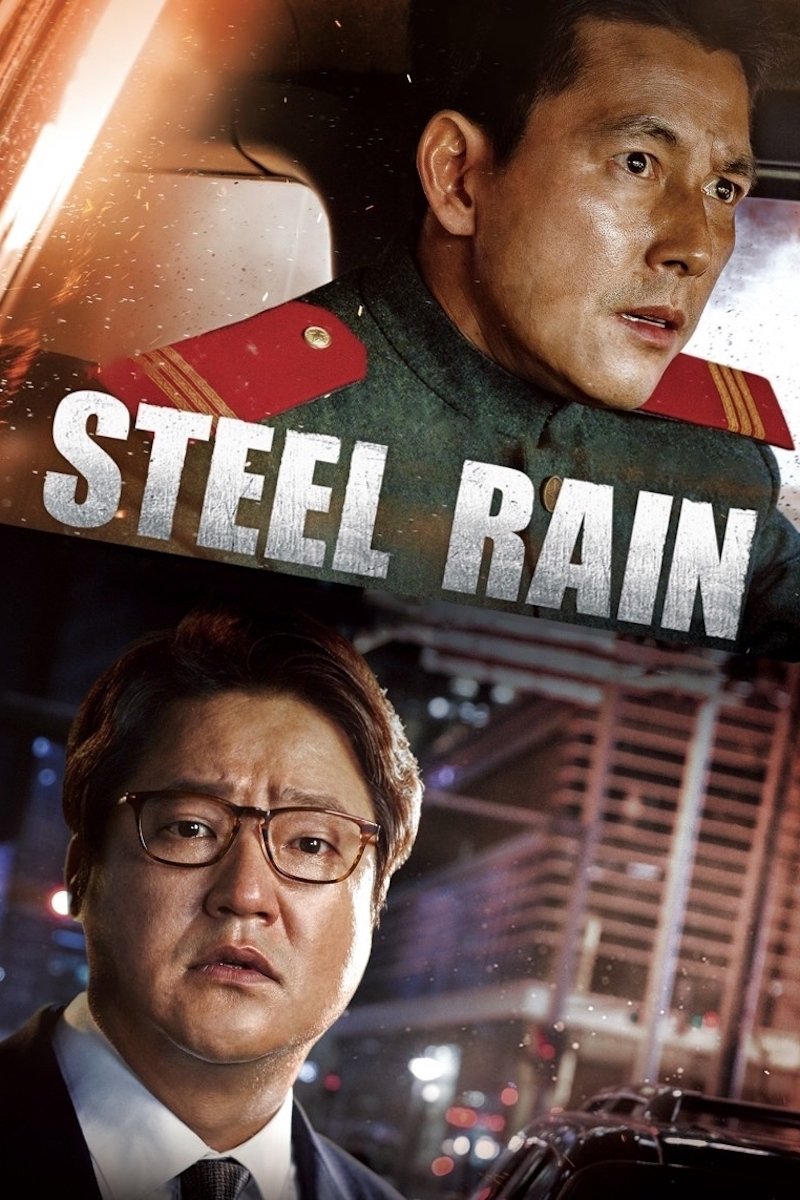
Yang Woo-seok adapts his webtoon about a defector and an intelligence officer—portrayed by Jung Woo-sung and Kwak Do-won—trying to avert a peninsula-wide crisis. The story moves through safehouses, border checkpoints, and command bunkers.
Action pivots between convoy ambushes and urban shootouts, with armored vehicles and drone-assisted surveillance integrated into the staging. Political briefings and chain-of-command conflicts structure the timeline of decisions leading to each confrontation.
‘Steel Rain 2: Summit’ (2020)
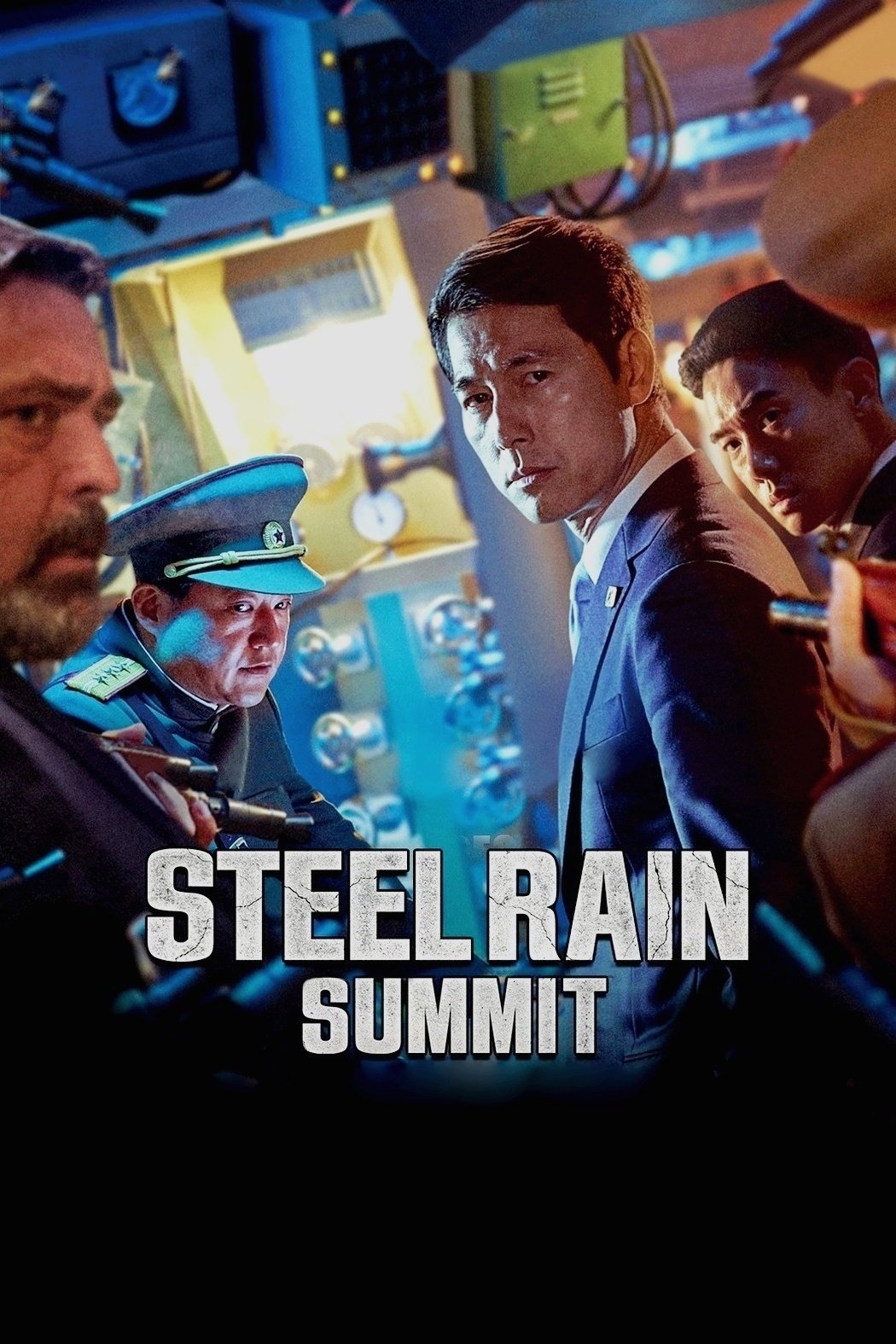
Director Yang Woo-seok reshuffles the cast into new roles for a maritime hostage scenario involving heads of state aboard a nuclear submarine. The narrative charts naval pursuit, mutiny, and back-channel negotiations.
Set-pieces emphasize claustrophobic corridor engagements, torpedo evasion, and CIC-level decision trees. The film employs gimbal sets and water-tank photography to sell roll, pitch, and flooding during combat maneuvers.
‘The Suspect’ (2013)

Won Shin-yeon directs Gong Yoo as a framed operative navigating surveillance dragnets while exposing a corporate-military conspiracy. Park Hee-soon and Jo Seong-ha play key pursuers within competing agencies.
Action highlights include parkour-assisted escapes, SUV chases with practical rams, and thermal-imaging cat-and-mouse sequences. The cinematography favors desaturated palettes and long-lens coverage to simulate documentary immediacy.
‘New World’ (2013)
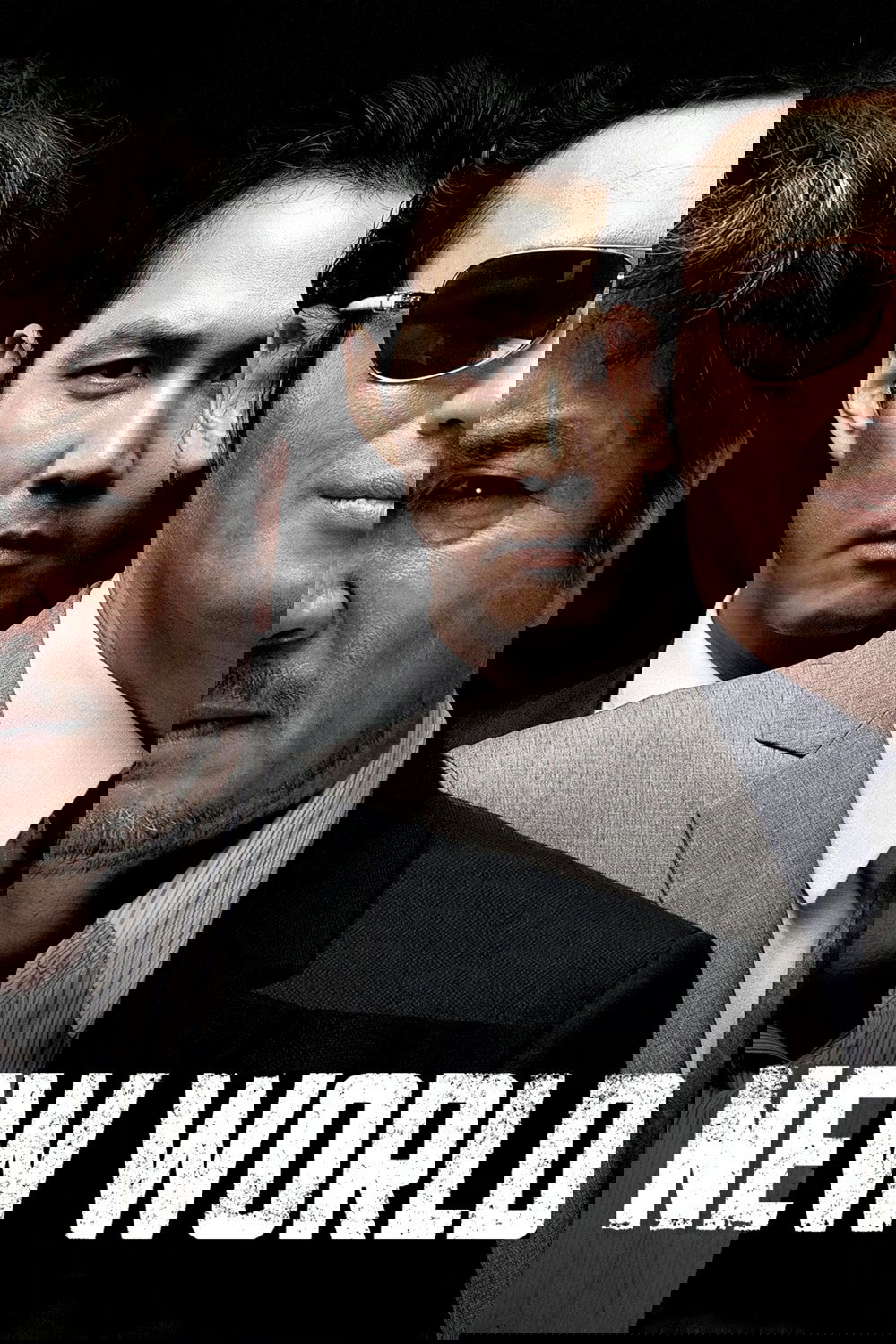
Park Hoon-jung’s undercover saga places Lee Jung-jae inside a top-tier crime syndicate, mentored and monitored by Choi Min-sik’s handler. The story follows succession struggles, wiretaps, and controlled leaks that shape gang politics.
Violence arrives in elevator brawls, parking-garage ambushes, and coordinated hits, shot to stress proximity and panic rather than spectacle. Hwang Jung-min’s turn as an unpredictable captain adds volatility to the operation’s timeline.
‘The Thieves’ (2012)
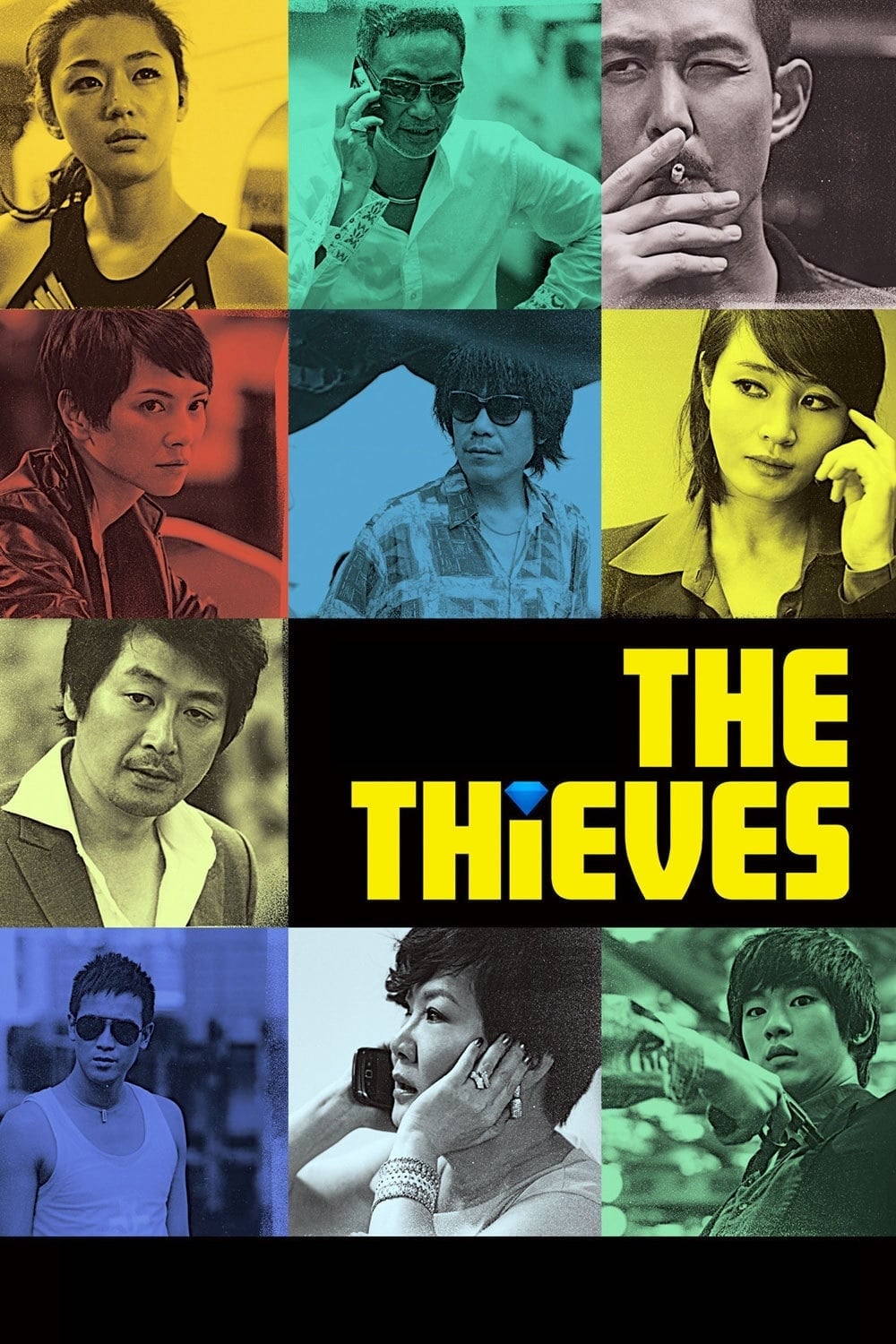
Choi Dong-hoon assembles an ensemble heist with Kim Yoon-seok, Kim Hye-soo, Jeon Ji-hyun, and Lee Jung-jae targeting a diamond held in Macau. The plan unfolds across casinos, rooftops, and vaults with double-crosses layered through the crew.
Stunt work features harnessed rappels, window-to-window jumps, and cable-assisted descents, edited to preserve continuity of height and distance. Dialogue toggles between Korean and Cantonese to reflect the multinational team and setting.
‘Master’ (2016)

Cho Ui-seok’s financial-crime actioner tracks a white-collar scammer, played by Lee Byung-hun, pursued by an anti-corruption unit led by Kang Dong-won. The investigation threads through shell companies, offshore accounts, and IT forensics.
Action beats include convoy takedowns, rooftop foot chases, and raids on data centers, with Kim Woo-bin’s character bridging corporate and street-level operations. The film intercuts interrogation rooms with boardrooms to show the flow of decisions.
‘Believer’ (2018)
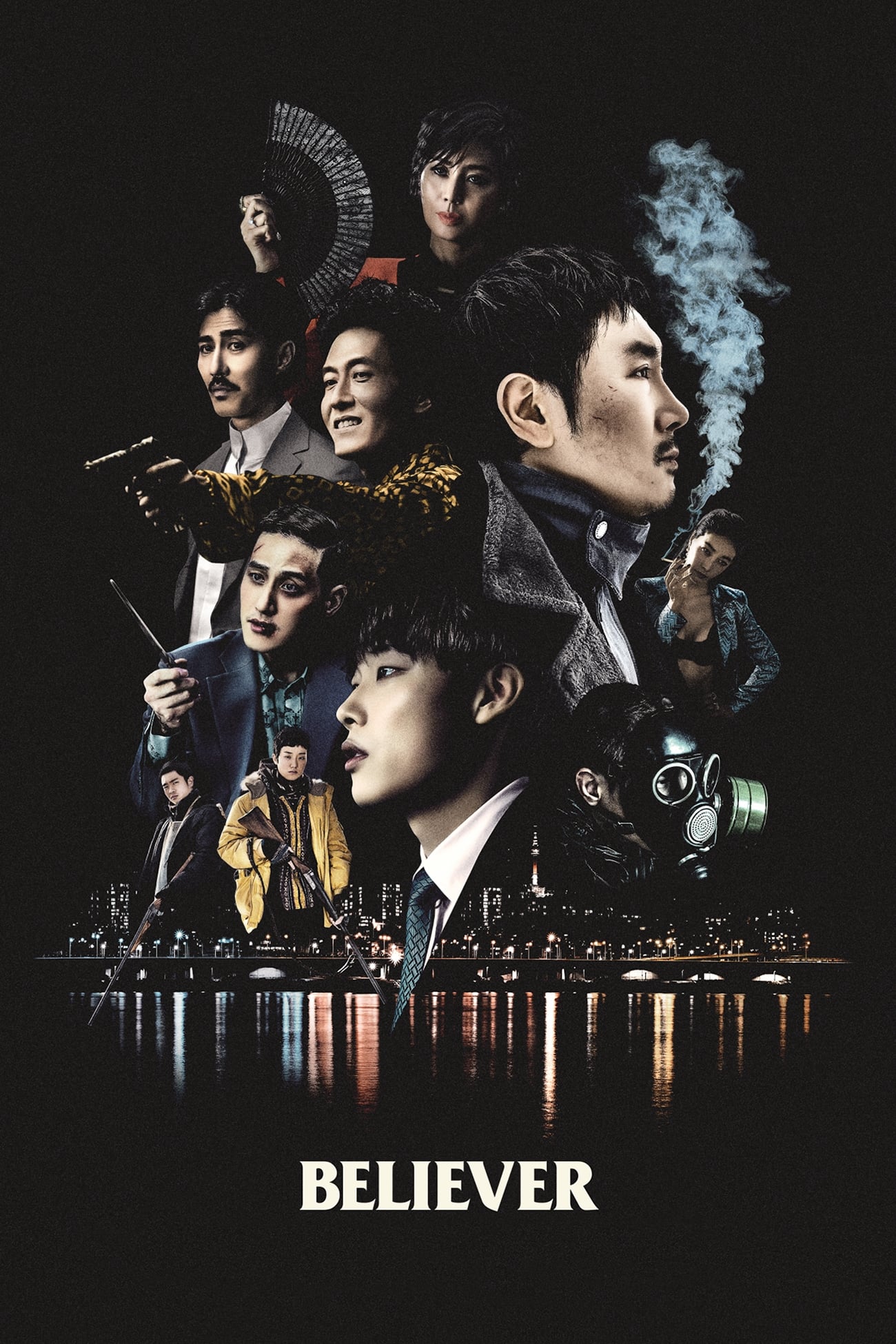
Lee Hae-young reworks a drug-syndicate mystery with Cho Jin-woong as a detective chasing the elusive boss known as Mr. Lee. Ryu Jun-yeol’s informant partners with the task force to infiltrate labs and supply lines.
Explosions, lab fires, and shootouts are staged with cold industrial lighting and echoing soundscapes. Cameos and supporting turns—including Kim Joo-hyuk and Cha Seung-won—populate a network of middlemen, chemists, and couriers.
‘The Divine Move’ (2014)
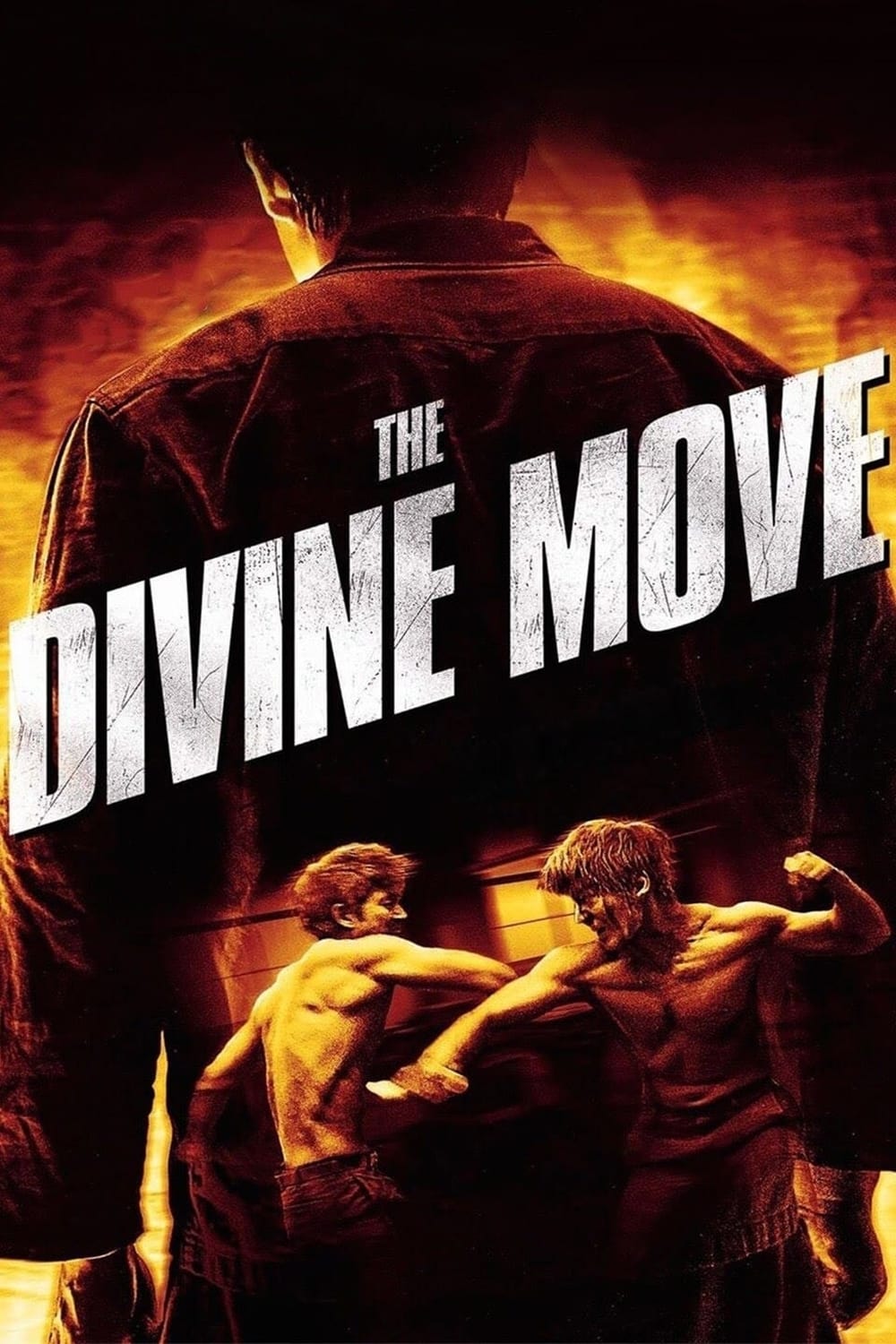
Jo Bum-gu fuses underground Go gambling with revenge mechanics, starring Jung Woo-sung and Lee Beom-soo. The plot links gambling dens to organized crime operations that enforce debts through specialized crews.
Action choreography alternates between table-side intimidation and warehouse beatdowns, with tools like chisels and saws used in brutal confrontations. Training montages focus on both board strategy and knife-hand conditioning to bridge mind and muscle.
‘War of the Arrows’ (2011)
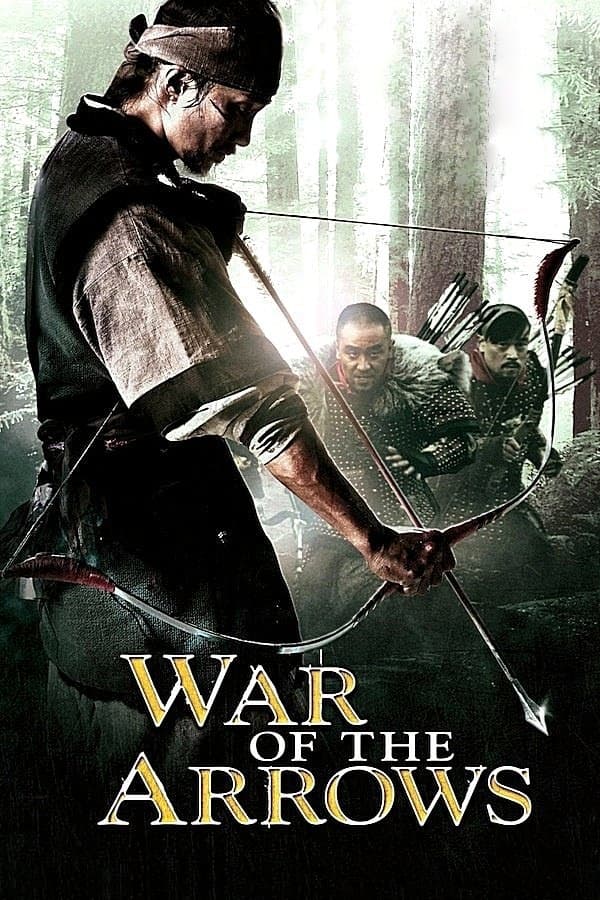
Kim Han-min’s period action follows a master archer, Park Hae-il, tracking invaders to rescue his sister. The terrain—forests, ravines, and riverbanks—shapes pursuit tactics and ambushes.
Action design emphasizes ballistic physics: draw weight, wind, and moving targets are visualized through camera kinetics and sound cues. Ryu Seung-ryong’s commander organizes countermeasures, and the film showcases composite bows and fletching details.
‘Kundo: Age of the Rampant’ (2014)
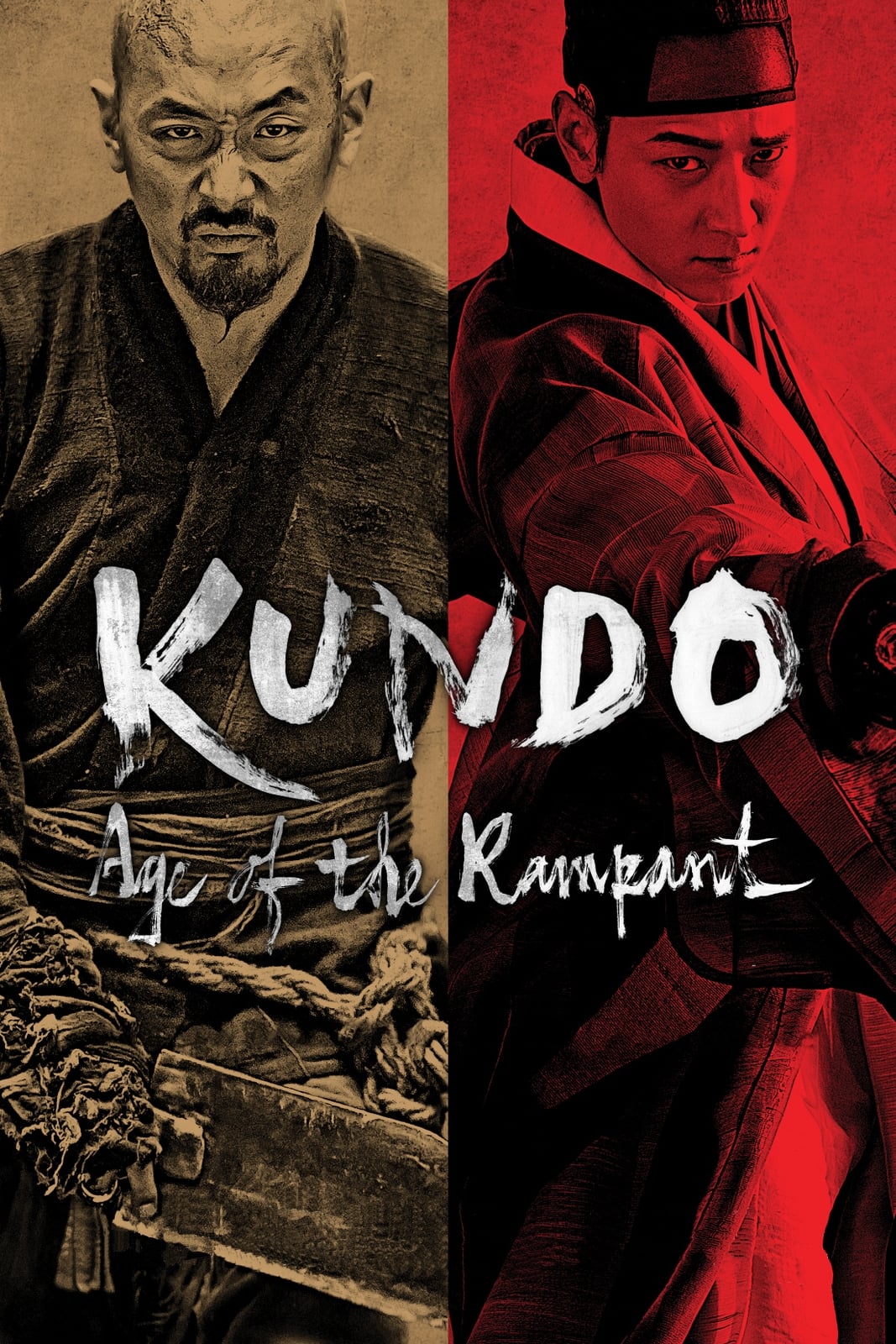
Yoon Jong-bin stages a bandit-vs-warlord story with Ha Jung-woo and Kang Dong-won on opposing sides. The narrative charts recruitment, training, and raids against corrupt officials and mercenaries.
Swordplay integrates wide stances and heavy cleavers, filmed with lateral tracking to display footwork and spacing. Costuming contrasts peasant militia gear with aristocratic armor, and set builds recreate markets and mountain hideouts.
‘The Pirates’ (2014)

Lee Seok-hoon sends rival crews—Son Ye-jin’s leader and Kim Nam-gil’s bandit—after a royal seal swallowed by a whale. The adventure moves from cliffside villages to rigging-heavy ship decks.
Rigging stunts, mast swings, and rope-bridge duels are performed with wire assists blended into practical ship sets. Sea spray effects and horizon plates sell scale, while the ensemble balances seafaring lingo with land-crew tactics.
‘The Admiral: Roaring Currents’ (2014)
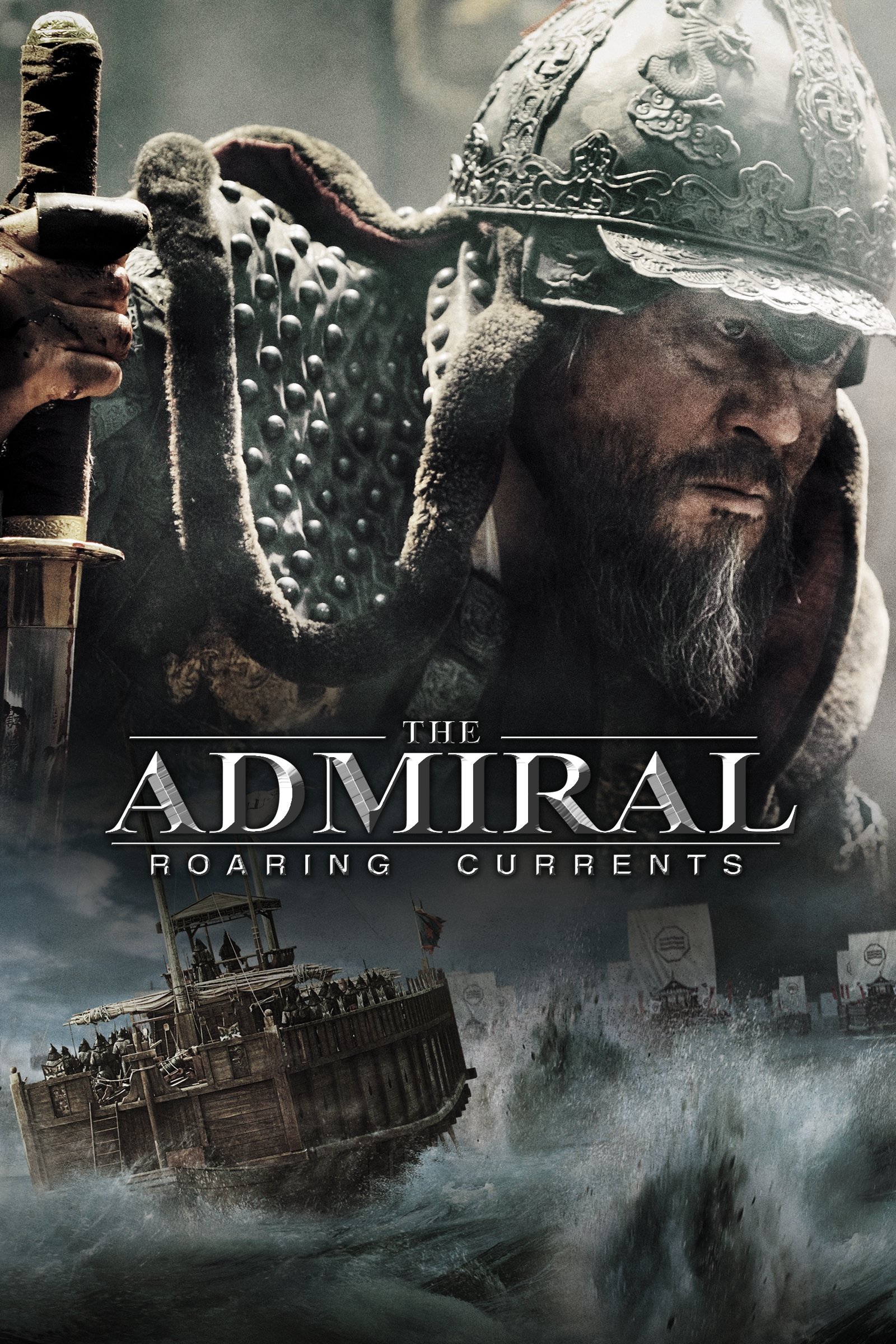
Kim Han-min dramatizes Admiral Yi Sun-sin’s defense at Myeongnyang Strait, led by Choi Min-shik with support from Ryu Seung-ryong. The story details naval logistics—oar crews, turtle-ship tactics, and coastal batteries—against a numerically superior fleet.
Battle sequences use large water tanks, gimbaled decks, and full-size hull sections to stage broadsides and ramming maneuvers. Sound design layers drums, commands, and cannon timing to model current-assisted positioning in the strait.
‘The Villainess’ (2017)
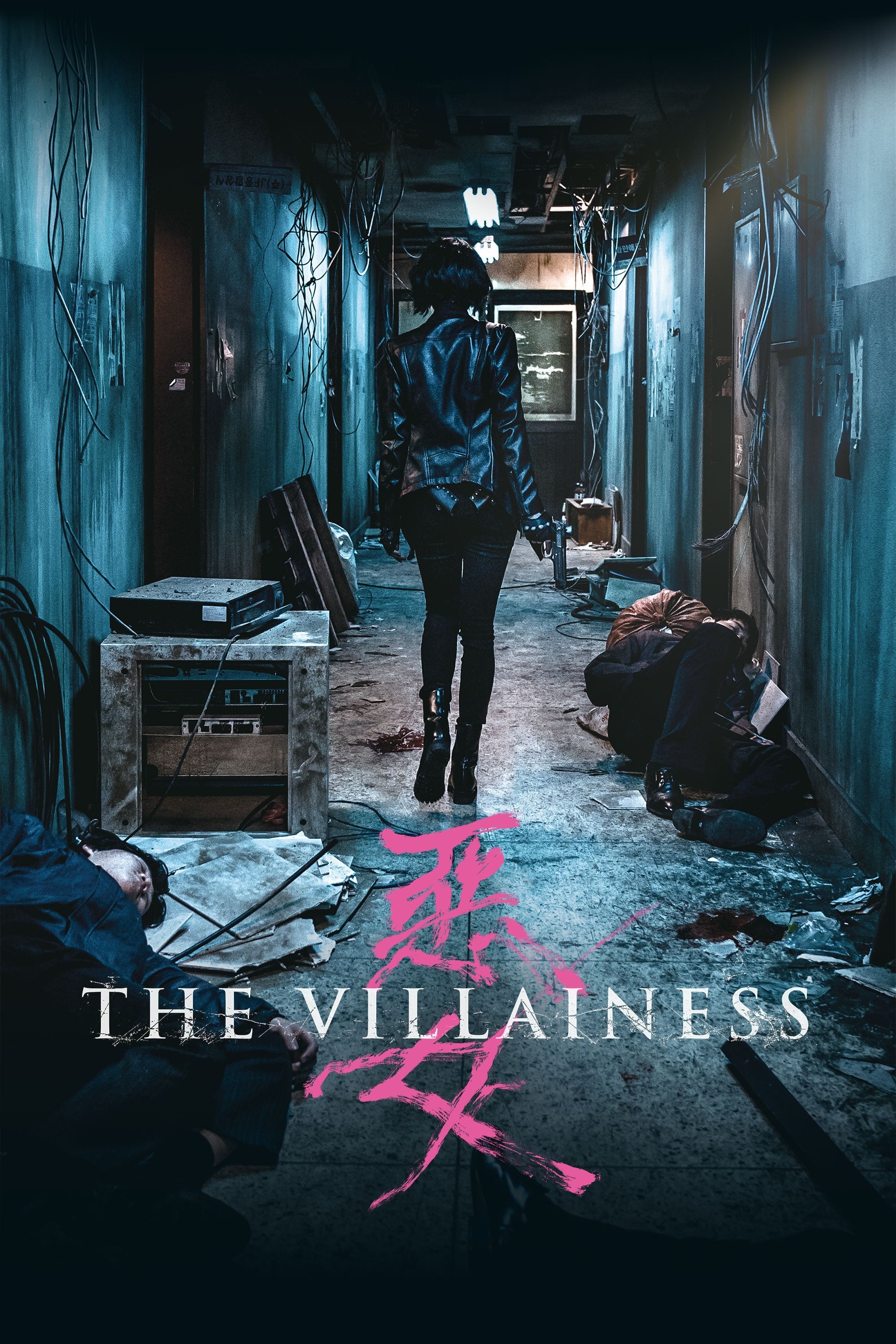
Jung Byung-gil builds a hitwoman’s odyssey around POV and long-take action mechanics, starring Kim Ok-vin. The plot tracks covert training, double identities, and revenge cycles inside a government program.
Action units execute motorcycle-sword chases, rehearsal-driven corridor fights, and wire-assisted leaps, stitched with hidden cuts. The opening FPS-style raid and a later stage-fight centerpiece showcase camera-performer coordination.
‘Train to Busan’ (2016)
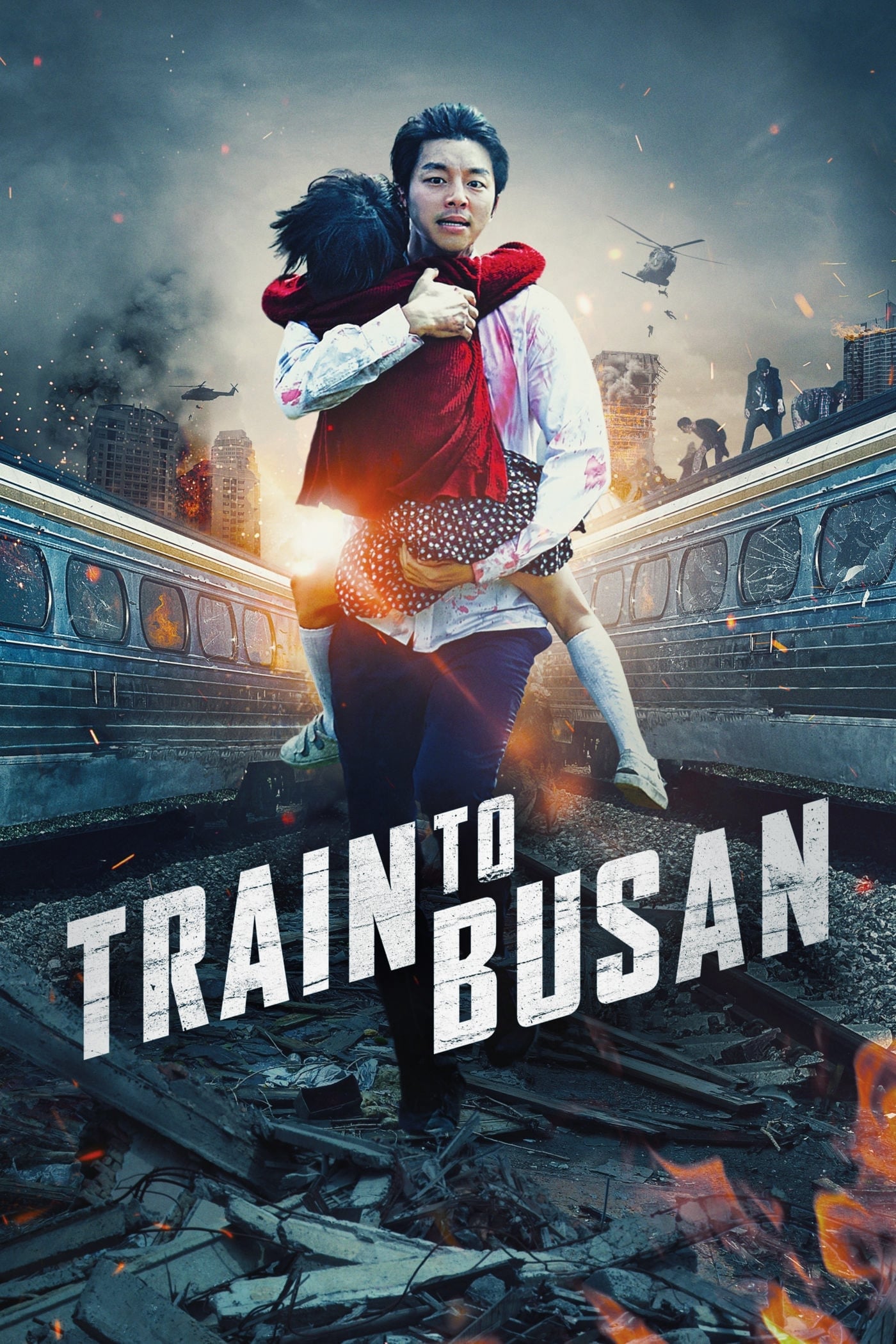
Yeon Sang-ho’s live-action debut follows passengers trapped on a moving train during a viral outbreak, with Gong Yoo, Jung Yu-mi, and Don Lee (Ma Dong-seok) among the ensemble. The corridor-based geography forces chokepoint tactics, carriage barricades, and timed sprints between stations.
Stunt performers execute high-speed swarms, window impacts, and rolling-stock transitions on roof and platform sets. Practical makeup, contact lenses, and contortion choreography build the creature movement vocabulary that drives each sequence.
Got a favorite we missed—or a scene you can’t stop rewatching? Drop your picks and moments in the comments so everyone can compare notes!