30 Times a Supporting Actress Outshined the Lead


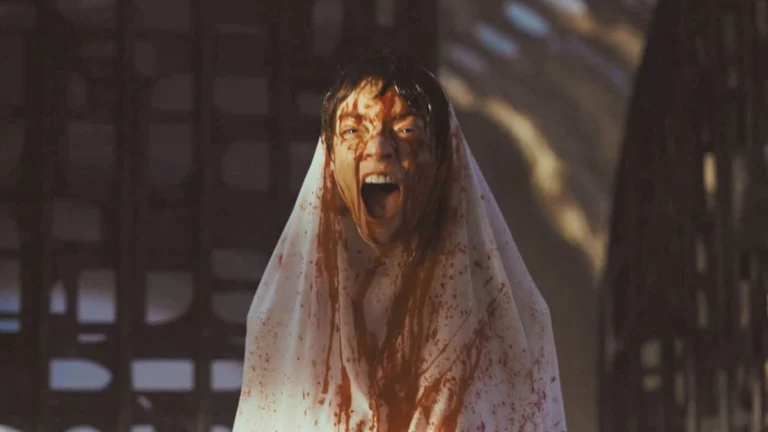
Sometimes a performance labeled “supporting” lands the most lasting impact. Awards tallies, breakout roles, and signature scenes often point to the moments when a supporting actress drew the spotlight while the official lead carried the narrative burden. This collection rounds up instances where the facts—trophies won, nominations earned, roles defined—show how a supporting turn became the production’s calling card.
These examples span courtroom comedies, musicals, literary adaptations, and prestige dramas. Each entry highlights concrete details: characters portrayed, major honors received, and how those contributions shaped the project’s legacy. No hype, just the kind of specifics film lovers compare when they talk about performances that stuck.
Jennifer Hudson – ‘Dreamgirls’ (2006)

Jennifer Hudson won the Academy Award for Best Supporting Actress for portraying Effie White, collecting a run of major honors that also included top prizes from notable guild and critics groups. The film’s lead role of Deena Jones, played by Beyoncé Knowles-Carter, did not receive an acting nomination at the Academy Awards.
Hudson’s performance became a landmark debut, backed by extensive vocal preparation and high-profile awards-season recognition across the industry. The adaptation of the stage musical centered Effie’s professional exile and return, and her character’s arc provided the story’s pivotal reversals.
Anne Hathaway – ‘Les Misérables’ (2012)
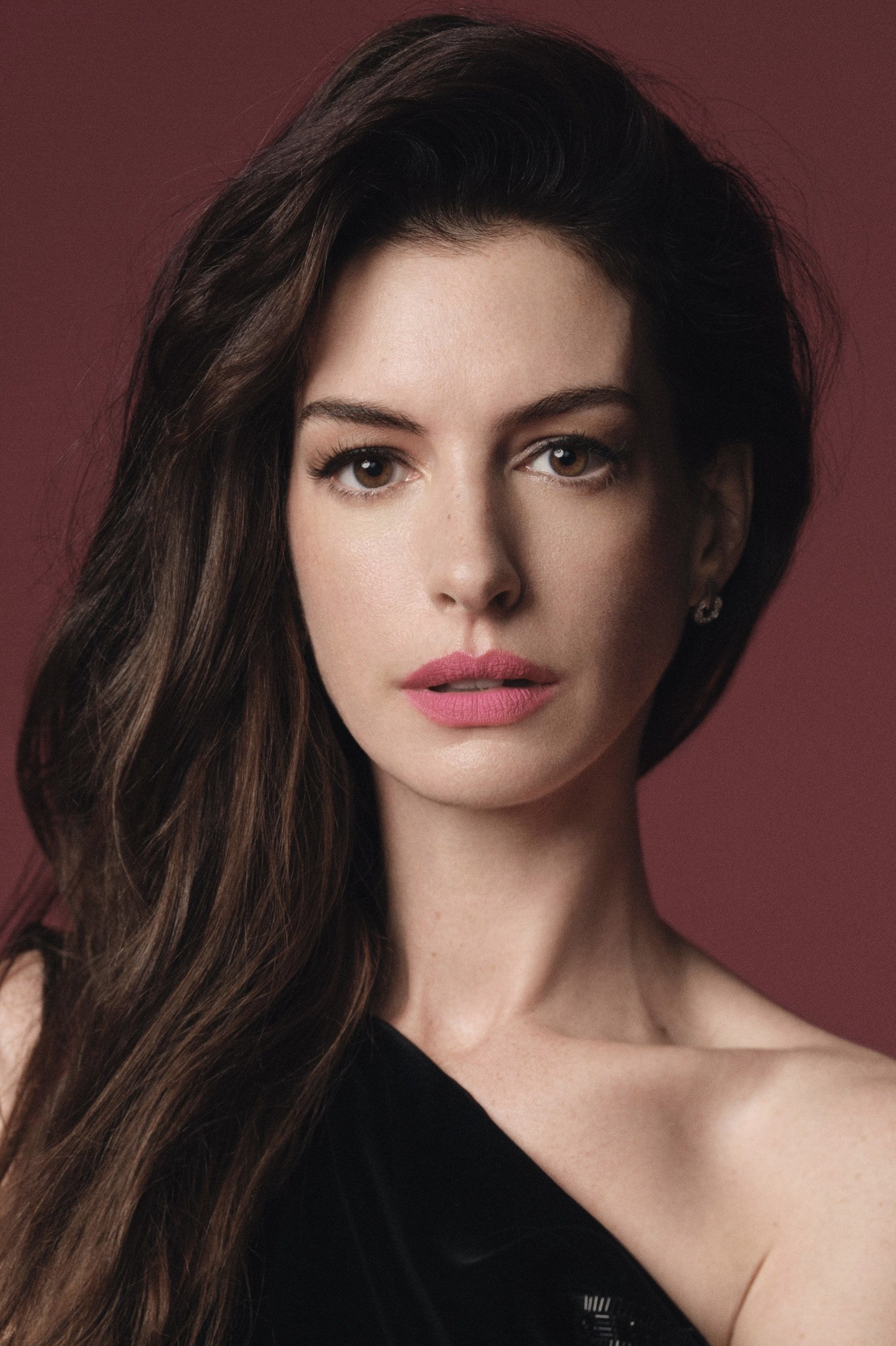
Anne Hathaway earned the Academy Award for Best Supporting Actress as Fantine after a widely recognized awards sweep that spanned major ceremonies. Hugh Jackman, credited as the film’s male lead, received a Best Actor nomination.
Hathaway’s preparation included significant physical transformation and live on-set singing designed to foreground realism. Her character’s brief but pivotal trajectory provided the emotional foundation that linked early tragedy to the story’s later threads.
Catherine Zeta-Jones – ‘Chicago’ (2002)
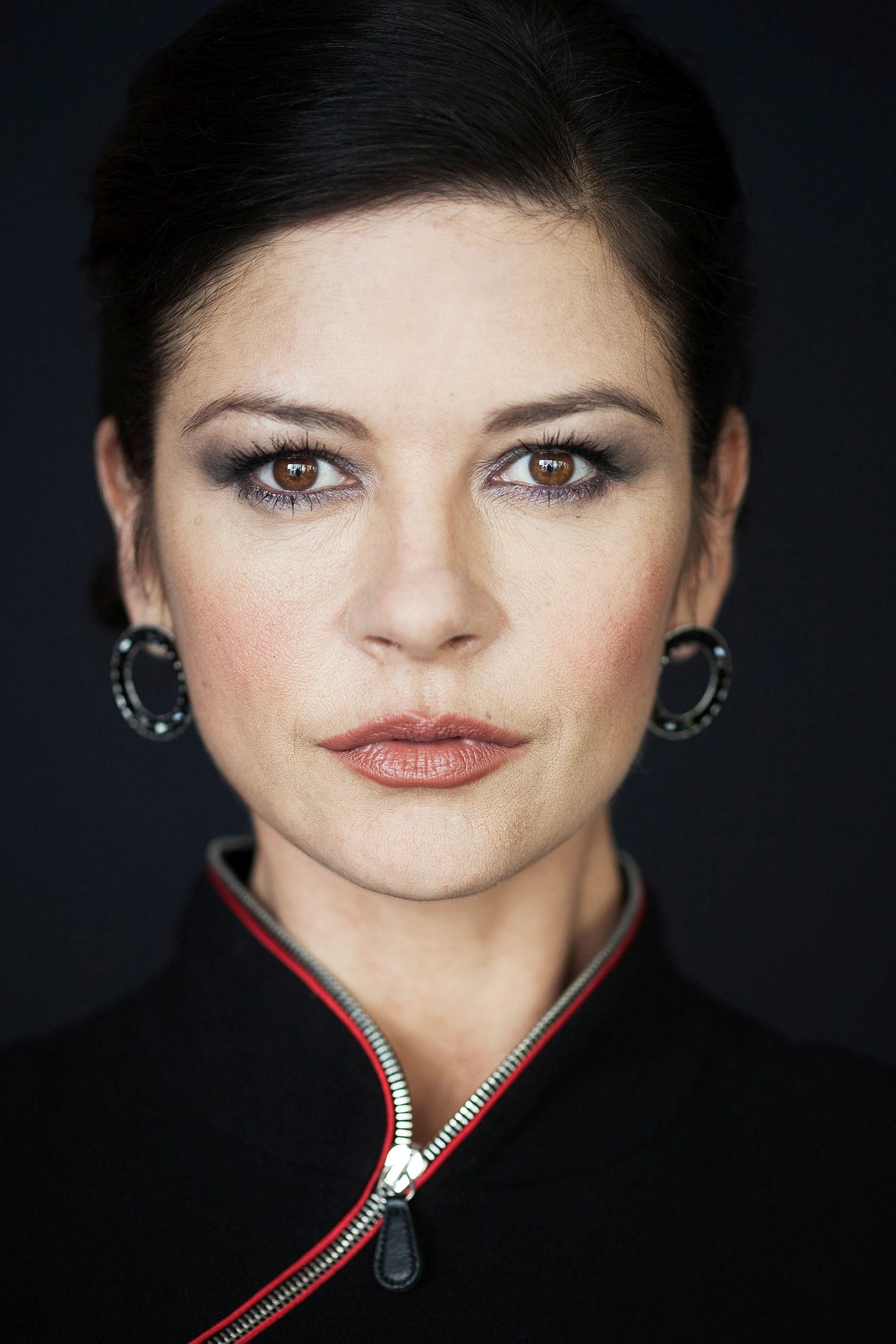
Catherine Zeta-Jones received the Academy Award for Best Supporting Actress for playing Velma Kelly. Renée Zellweger, cast as lead Roxie Hart, was nominated for Best Actress.
The production’s choreography and editing placed heavy emphasis on Velma’s numbers, and Zeta-Jones’s prior dance training aligned closely with the role’s demands. The film’s awards success across multiple categories underscored how the ensemble, and particularly the supporting performance, fueled its resurgence of the movie musical.
Lupita Nyong’o – ’12 Years a Slave’ (2013)
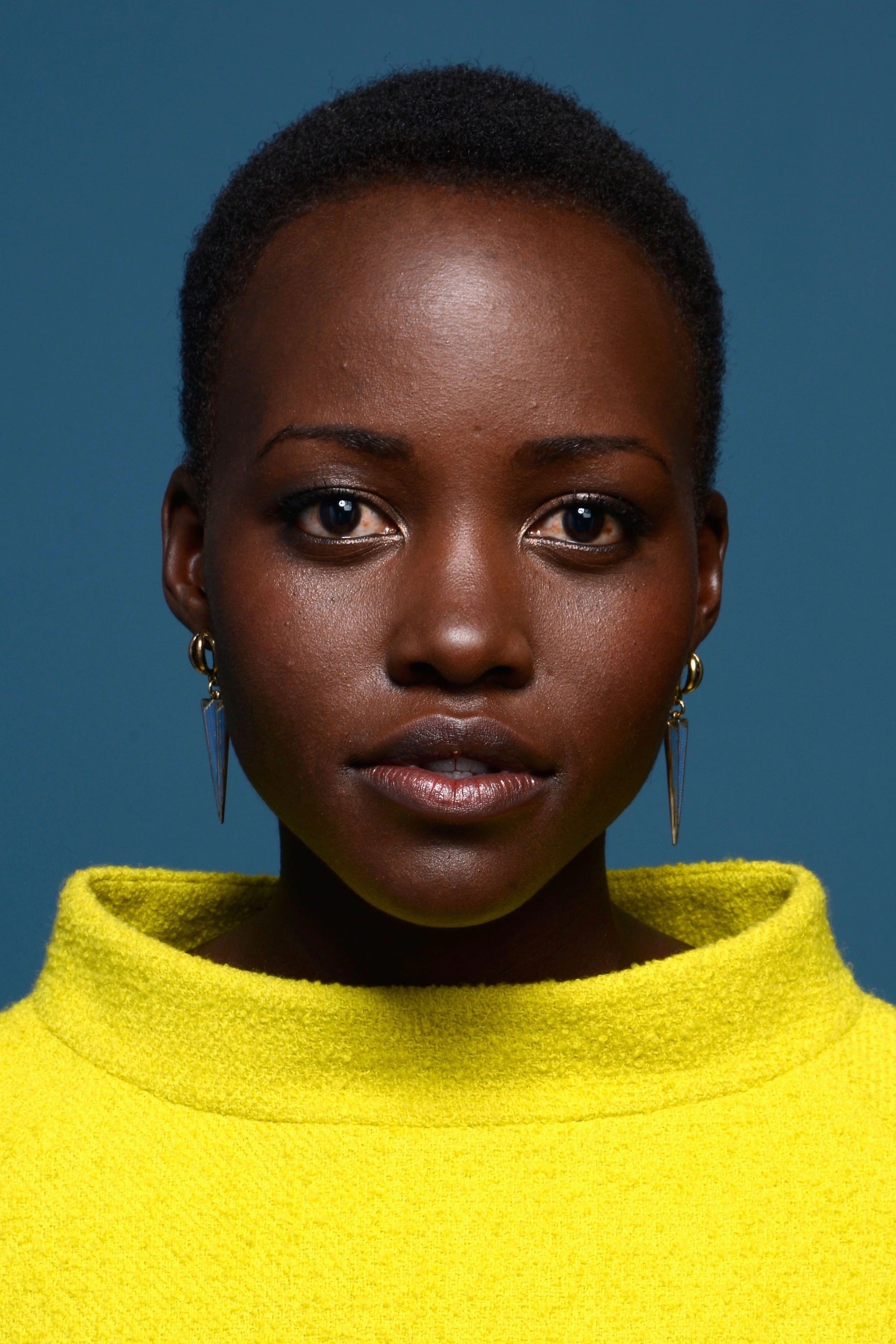
Lupita Nyong’o won the Academy Award for Best Supporting Actress for her portrayal of Patsey. Chiwetel Ejiofor, credited as the lead, received a Best Actor nomination.
Nyong’o’s role involved intensive historical research and collaboration with the director on the character’s backstory to ground key scenes. The film’s overall recognition, including Best Picture, positioned her performance as a central component of its critical reception.
Allison Janney – ‘I, Tonya’ (2017)
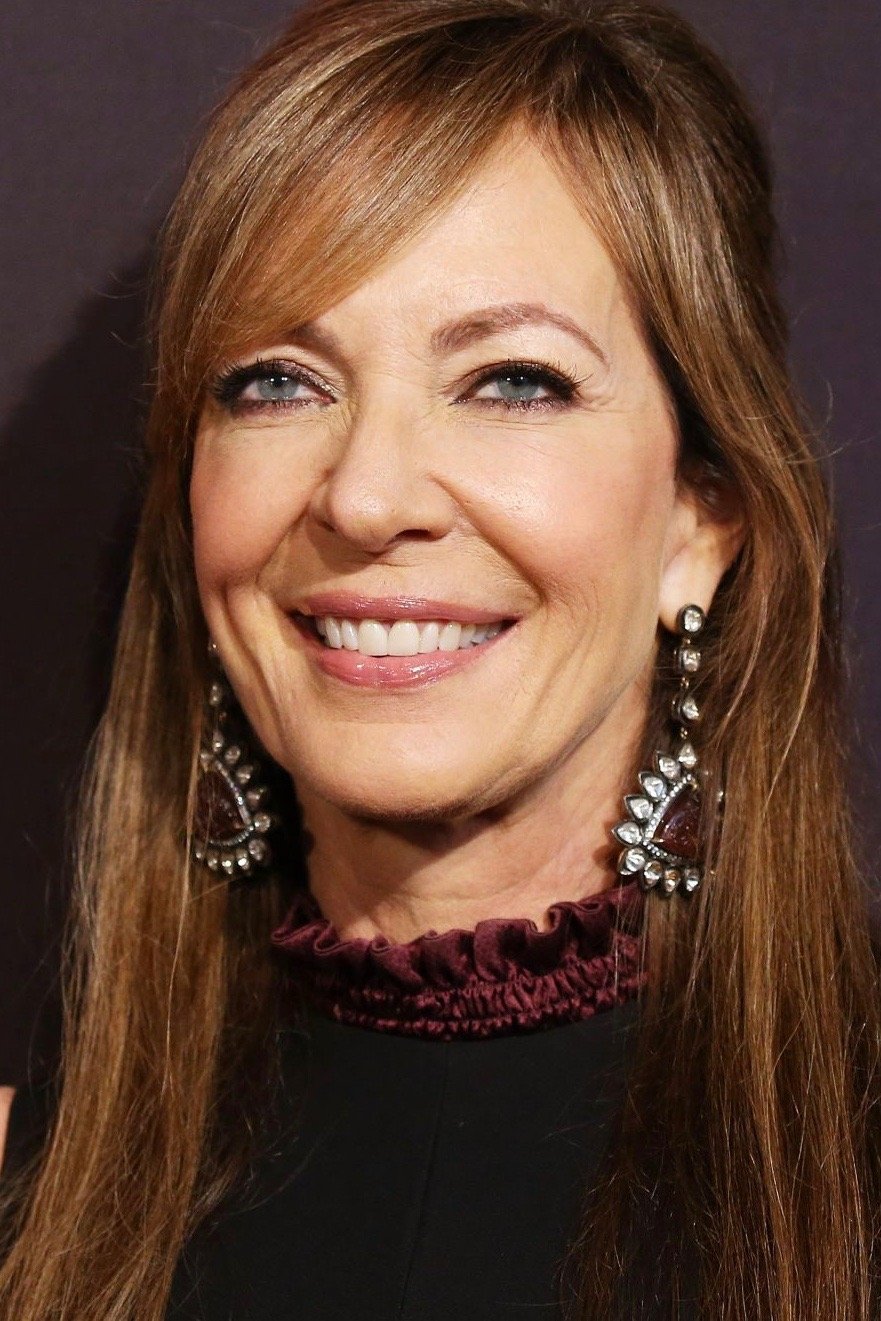
Allison Janney won the Academy Award for Best Supporting Actress for playing LaVona Golden. Margot Robbie, in the title role, received a Best Actress nomination.
Janney’s performance drew on archival footage and accounts related to the real person, combining physical mannerisms with sharp, confrontational rhythms. The film’s structure—interviews intercut with dramatizations—amplified how her character shaped the protagonist’s environment.
Viola Davis – ‘Fences’ (2016)
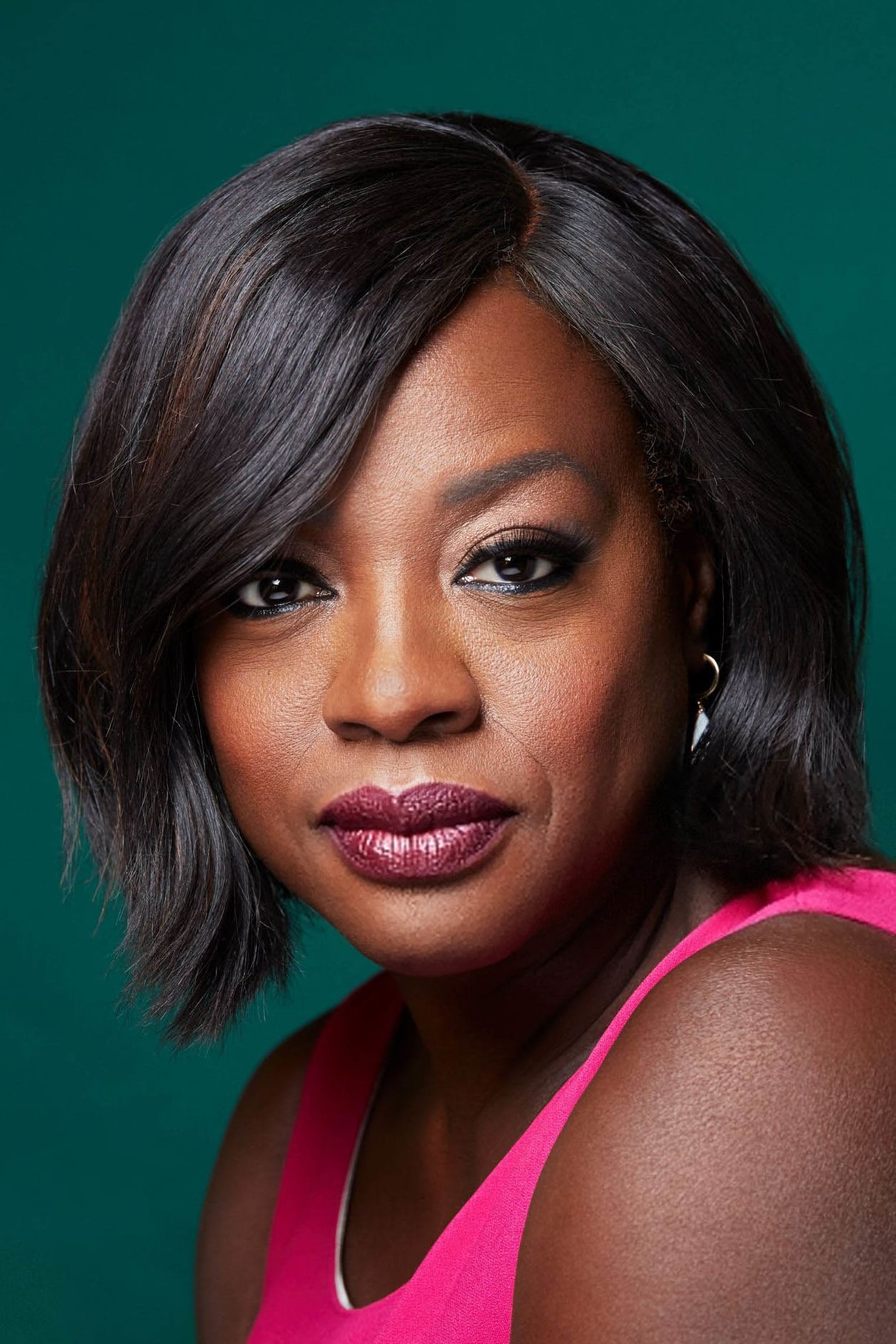
Viola Davis earned the Academy Award for Best Supporting Actress for her role as Rose Maxson, reprising a part she had performed on stage. Denzel Washington, who also directed, was nominated for Best Actor.
The film preserved the play’s language and blocking to highlight character dynamics, and Davis’s performance was frequently recognized in year-end honors from major groups. The production emphasized close-quarters dialogue scenes, a format that showcased her timing and emotional range.
Meryl Streep – ‘Kramer vs. Kramer’ (1979)
Meryl Streep won the Academy Award for Best Supporting Actress as Joanna Kramer. Dustin Hoffman, the film’s lead, won Best Actor.
Streep worked closely on revisions to sharpen the character’s perspective within the custody narrative. The courtroom and deposition sequences provided a compact showcase for the supporting role’s legal and personal stakes.
Patricia Arquette – ‘Boyhood’ (2014)
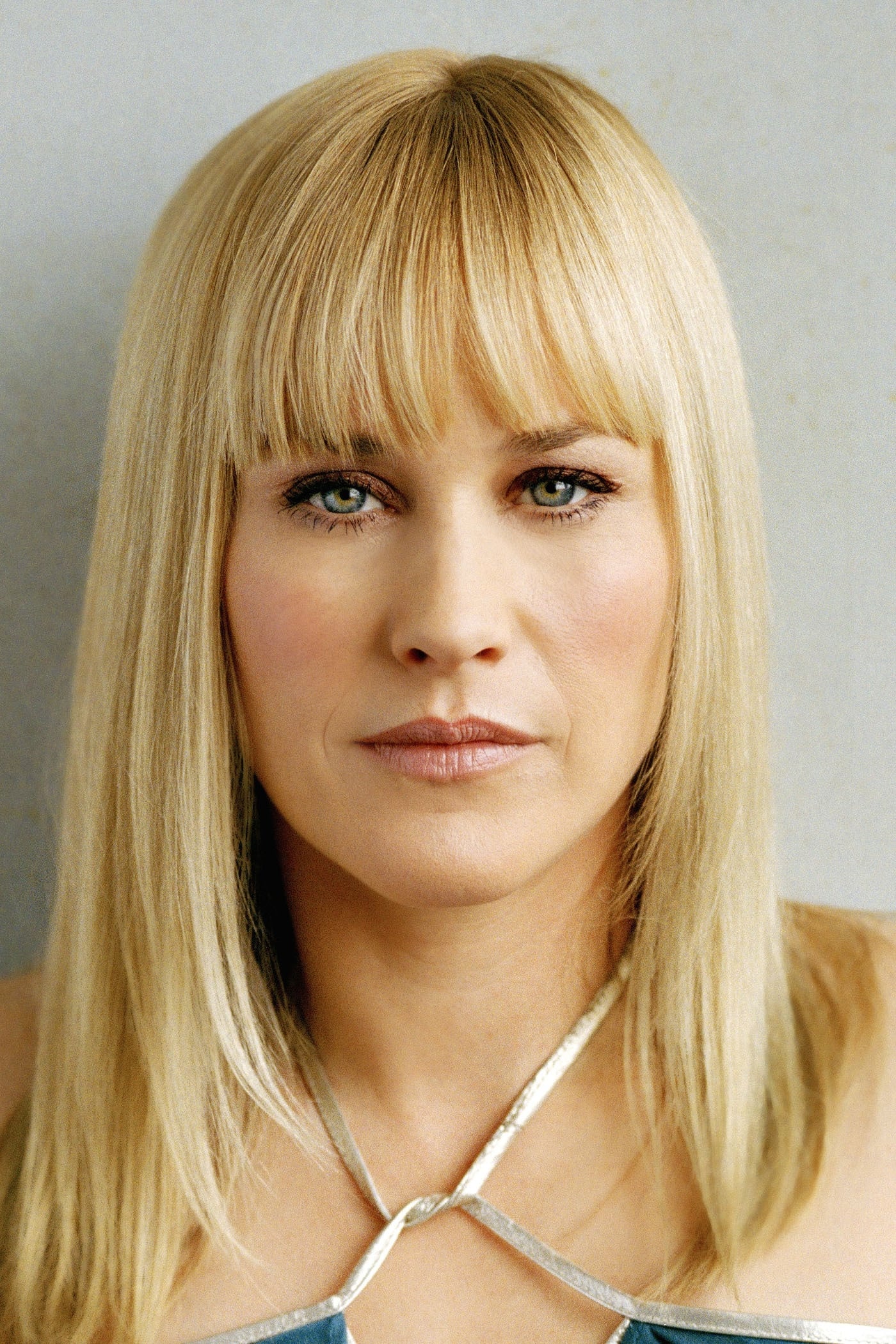
Patricia Arquette received the Academy Award for Best Supporting Actress for playing Olivia Evans, earning recognition across the awards season. The film’s lead actor did not receive an Academy Award nomination.
Arquette filmed over an extended production schedule that tracked the characters’ growth in real time, anchoring the project’s longitudinal design. Her performance became a focal point for honors tied to the film’s innovative production approach.
Regina King – ‘If Beale Street Could Talk’ (2018)
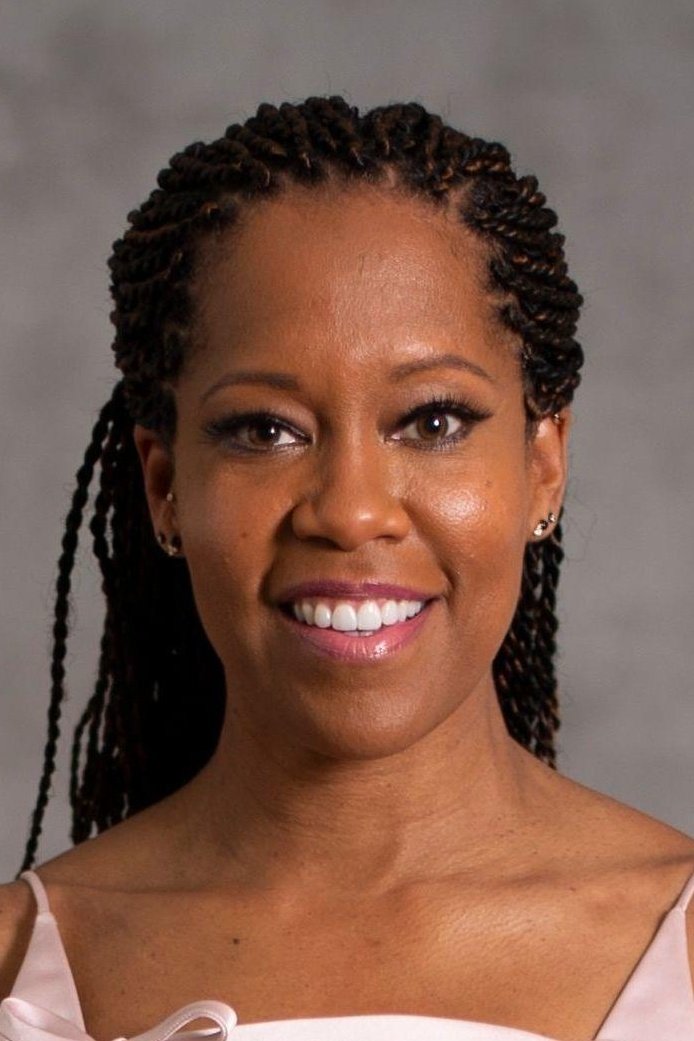
Regina King won the Academy Award for Best Supporting Actress as Sharon Rivers. KiKi Layne, credited as the lead, carried the central love story.
King’s performance was built around a series of family negotiations and travel sequences that demanded precise tonal control. The adaptation emphasized the maternal role as a conduit between private hardship and public action, concentrating impact within a handful of crucial scenes.
Melissa Leo – ‘The Fighter’ (2010)
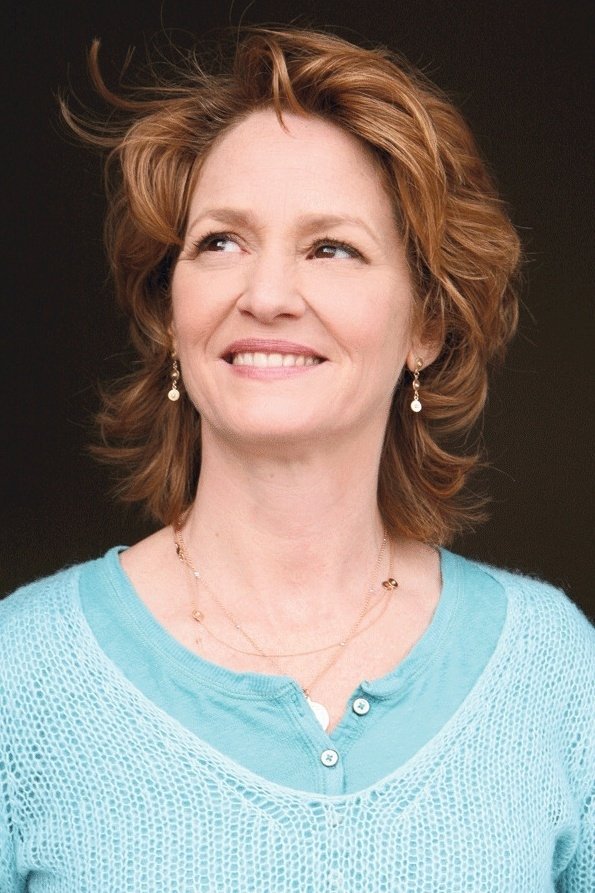
Melissa Leo earned the Academy Award for Best Supporting Actress for her portrayal of Alice Eklund-Ward. Mark Wahlberg, the film’s lead, was not nominated for an Academy Award for acting.
Leo’s preparation included time in the real community to capture regional speech and family dynamics. The ensemble approach placed the mother-manager at the crossroads of training, promotion, and conflict, giving the supporting role distinct narrative leverage.
Penélope Cruz – ‘Vicky Cristina Barcelona’ (2008)
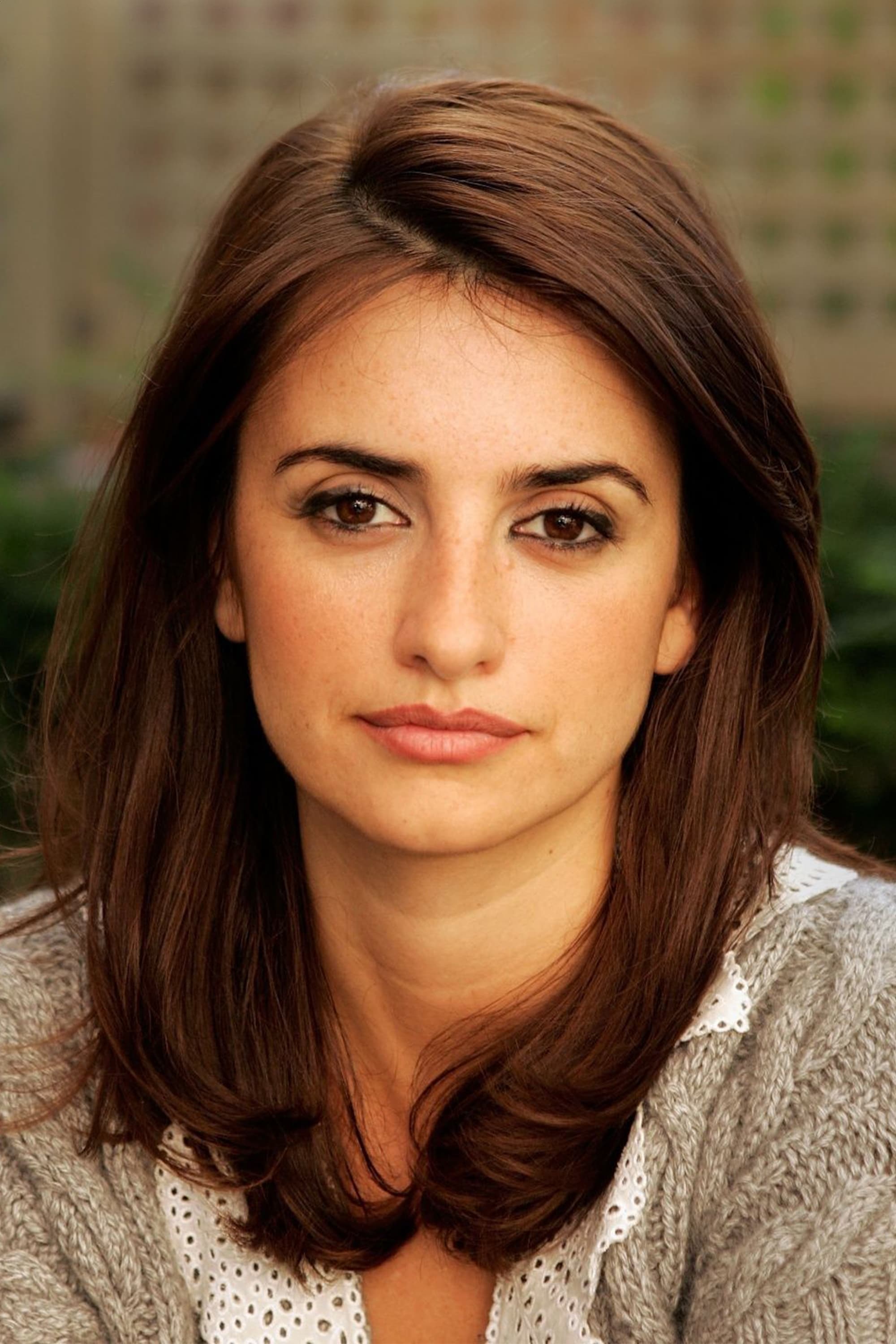
Penélope Cruz won the Academy Award for Best Supporting Actress for playing María Elena. Scarlett Johansson and Rebecca Hall led the main romantic plotlines.
Cruz’s role arrived late in the narrative and redirected the story’s energy through multilingual exchanges and volatile creative collaboration. The part’s visual styling and production design elements reinforced a character profile that awards bodies recognized across multiple ceremonies.
Marisa Tomei – ‘My Cousin Vinny’ (1992)
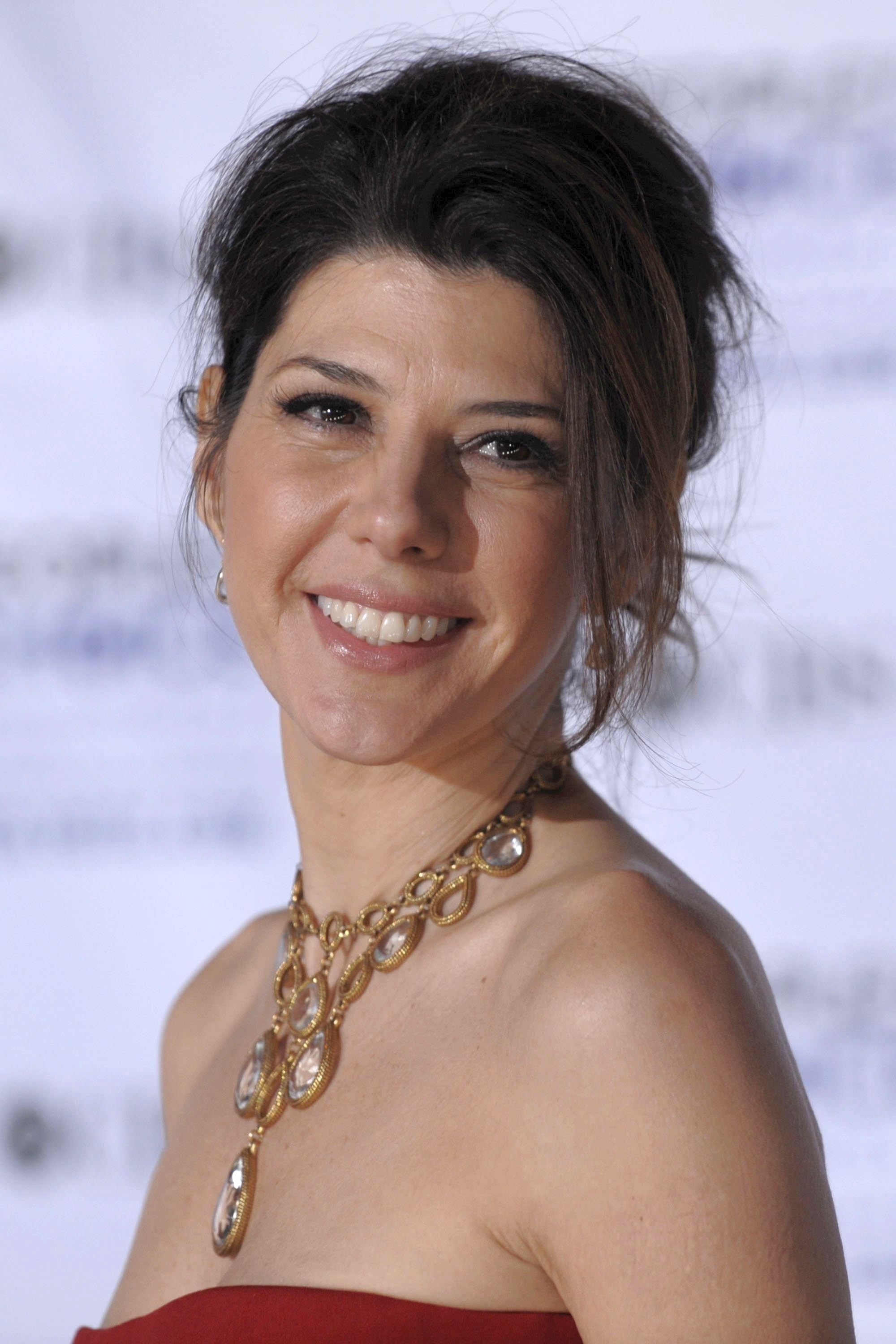
Marisa Tomei received the Academy Award for Best Supporting Actress as Mona Lisa Vito. Joe Pesci, the lead, anchored the courtroom narrative.
Tomei’s character supplied key technical testimony on automotive details that underpinned the case’s outcome. The performance’s timing and cross-examination sequences became signature moments cited in retrospectives and industry accolades.
Virginia Madsen – ‘Sideways’ (2004)
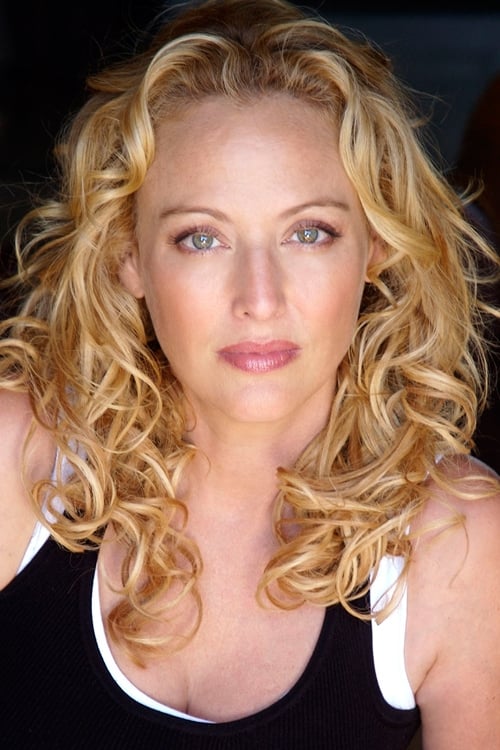
Virginia Madsen was nominated for Best Supporting Actress, earning a broad slate of critics’ awards. Paul Giamatti, considered the lead, did not receive an Academy Award nomination.
Madsen’s character provided the film’s emotional axis through quiet, dialogue-driven scenes that connected personal history to the setting. The adaptation’s emphasis on intimate conversations gave the supporting role a durable presence in the film’s legacy.
Tilda Swinton – ‘Michael Clayton’ (2007)

Tilda Swinton won the Academy Award for Best Supporting Actress for her role as Karen Crowder. George Clooney, the lead, received a Best Actor nomination.
Swinton’s preparation emphasized corporate crisis behavior, including media training elements and internal monologues developed in rehearsal. The film’s structure intercut boardrooms with late-night strategizing, centering the antagonist’s escalating decisions in the supporting slot.
Alicia Vikander – ‘The Danish Girl’ (2015)
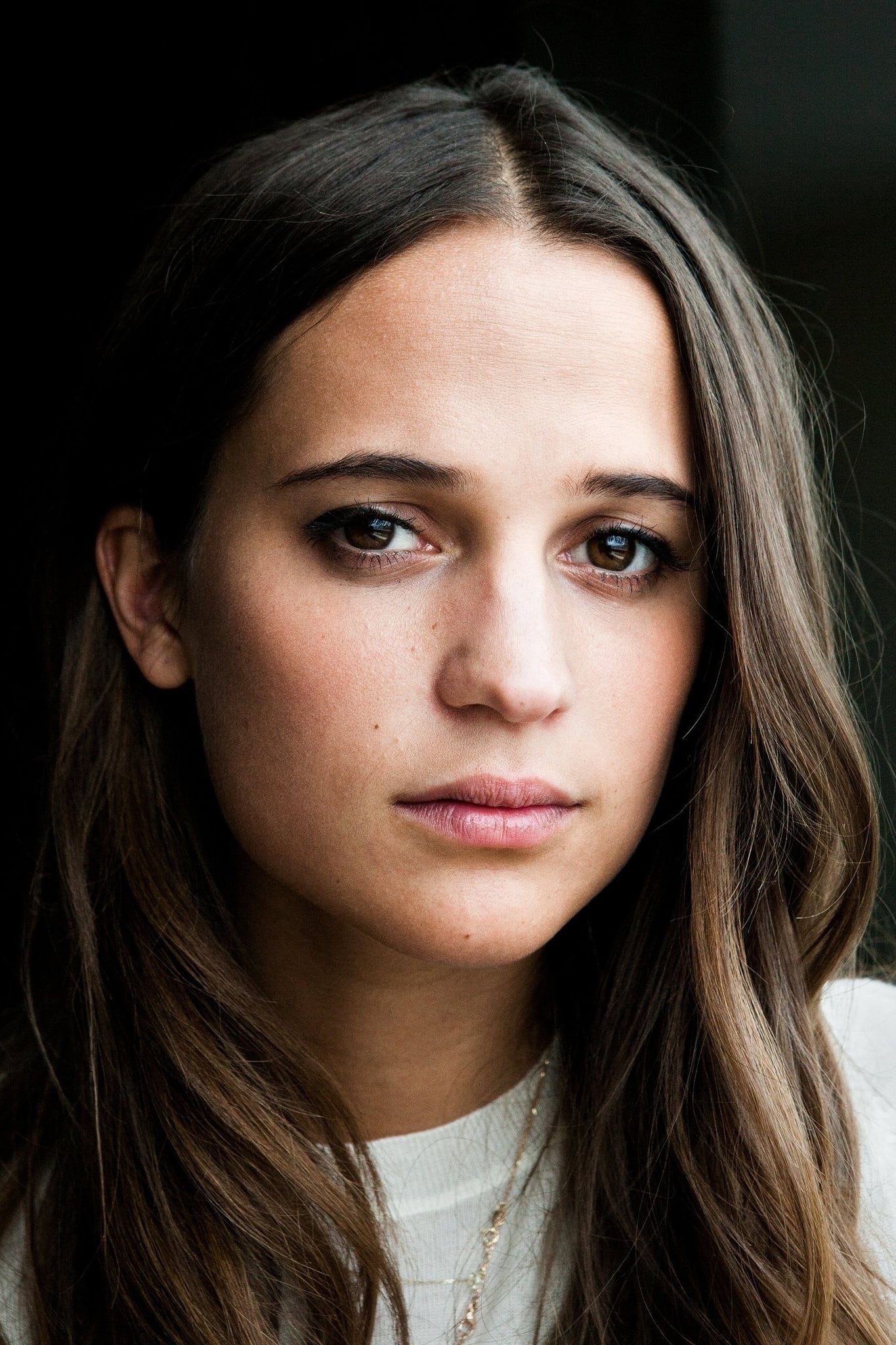
Alicia Vikander earned the Academy Award for Best Supporting Actress as Gerda Wegener. Eddie Redmayne, credited as the lead, was nominated for Best Actor.
The production collaborated with historians and curators to reflect the artistic milieu surrounding the couple’s life. Vikander’s role traced professional milestones and personal negotiations that framed the protagonist’s journey, a balance highlighted during awards season.
Jennifer Connelly – ‘A Beautiful Mind’ (2001)
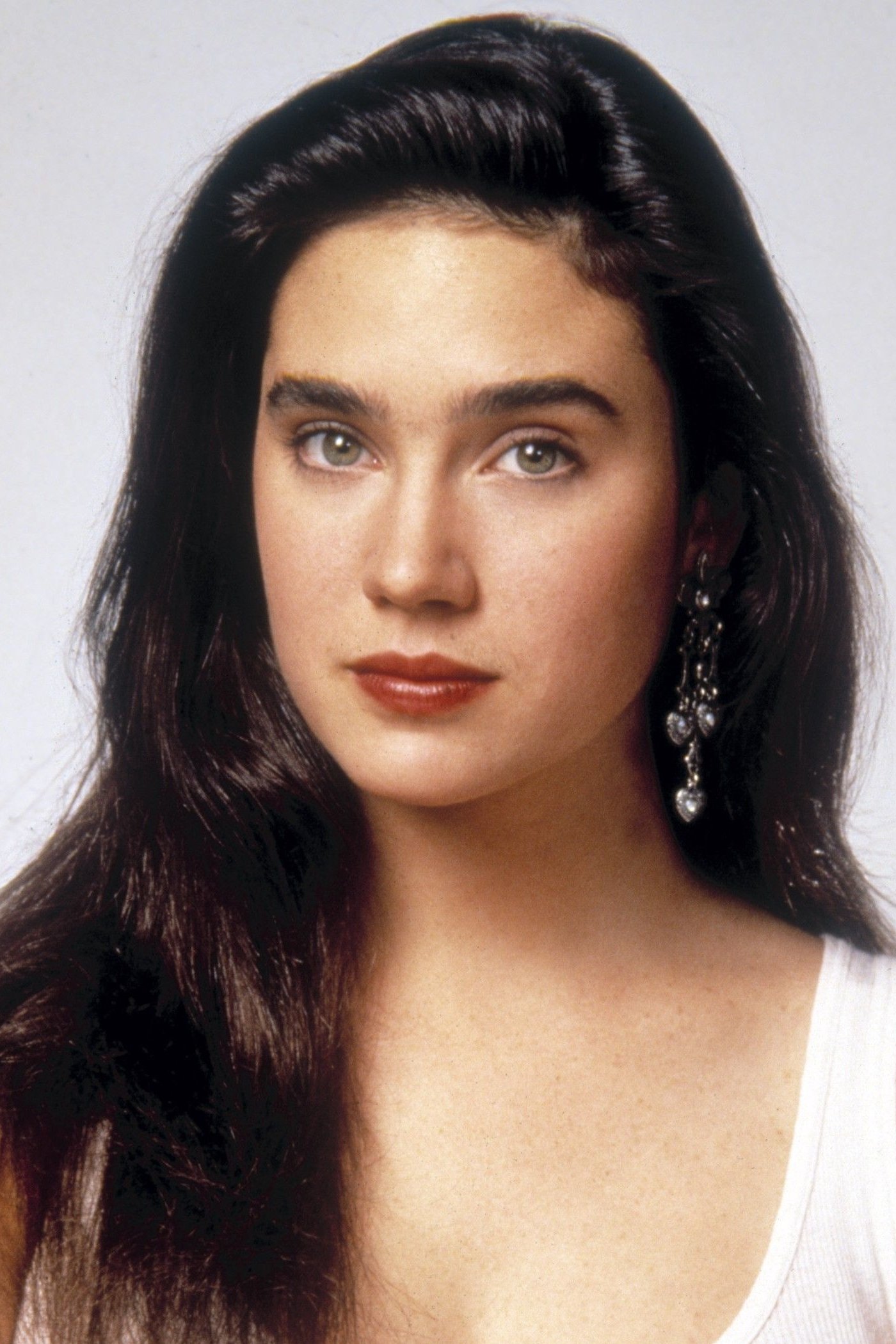
Jennifer Connelly won the Academy Award for Best Supporting Actress for playing Alicia Nash. Russell Crowe, the lead, received a Best Actor nomination.
Connelly’s work incorporated research on the real figure’s family history and public records. The film’s interplay between academic spaces and domestic life positioned the supporting character as the story’s stabilizing force.
Mira Sorvino – ‘Mighty Aphrodite’ (1995)
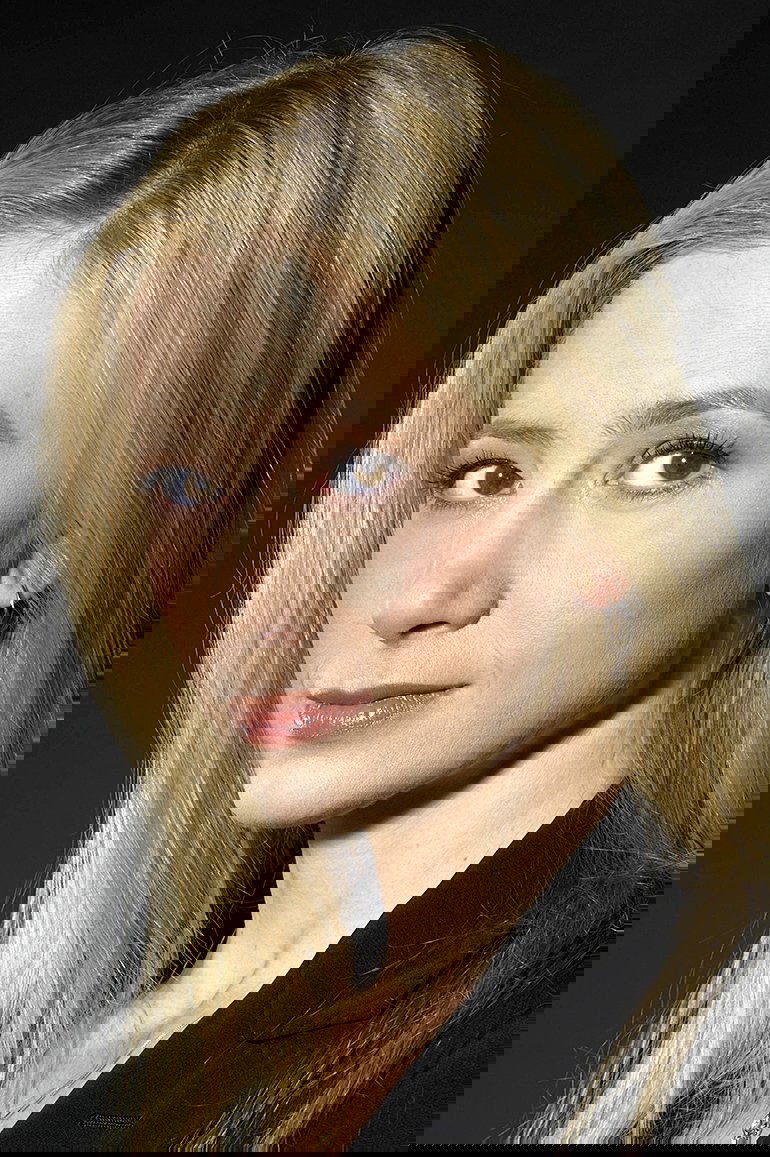
Mira Sorvino won the Academy Award for Best Supporting Actress for her portrayal of Linda Ash. The film’s lead role was written and performed by the director.
Sorvino’s performance combined specific speech patterns with physical comedy grounded in character backstory. The narrative design paired investigative threads with personal reinvention, and her role concentrated many of the plot’s reveals.
Dianne Wiest – ‘Bullets over Broadway’ (1994)
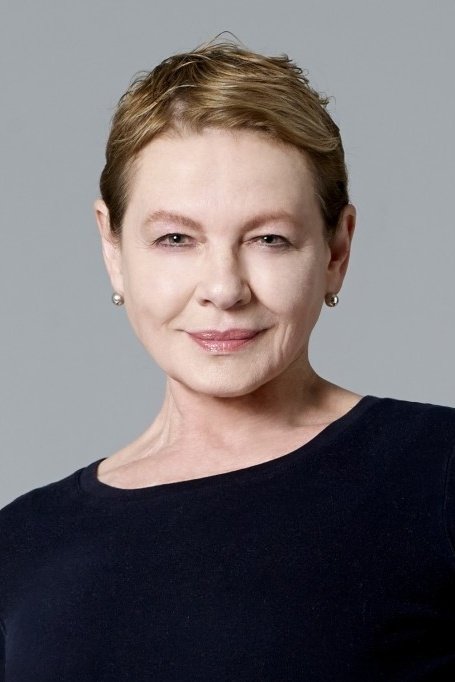
Dianne Wiest received the Academy Award for Best Supporting Actress as Helen Sinclair. John Cusack carried the lead role of the struggling playwright.
Wiest’s character delivered a series of theatrical directives that shaped the creative arc of the production within the story. The film’s staging of rehearsals and backstage politics allowed the supporting part to influence narrative outcome.
Mercedes Ruehl – ‘The Fisher King’ (1991)
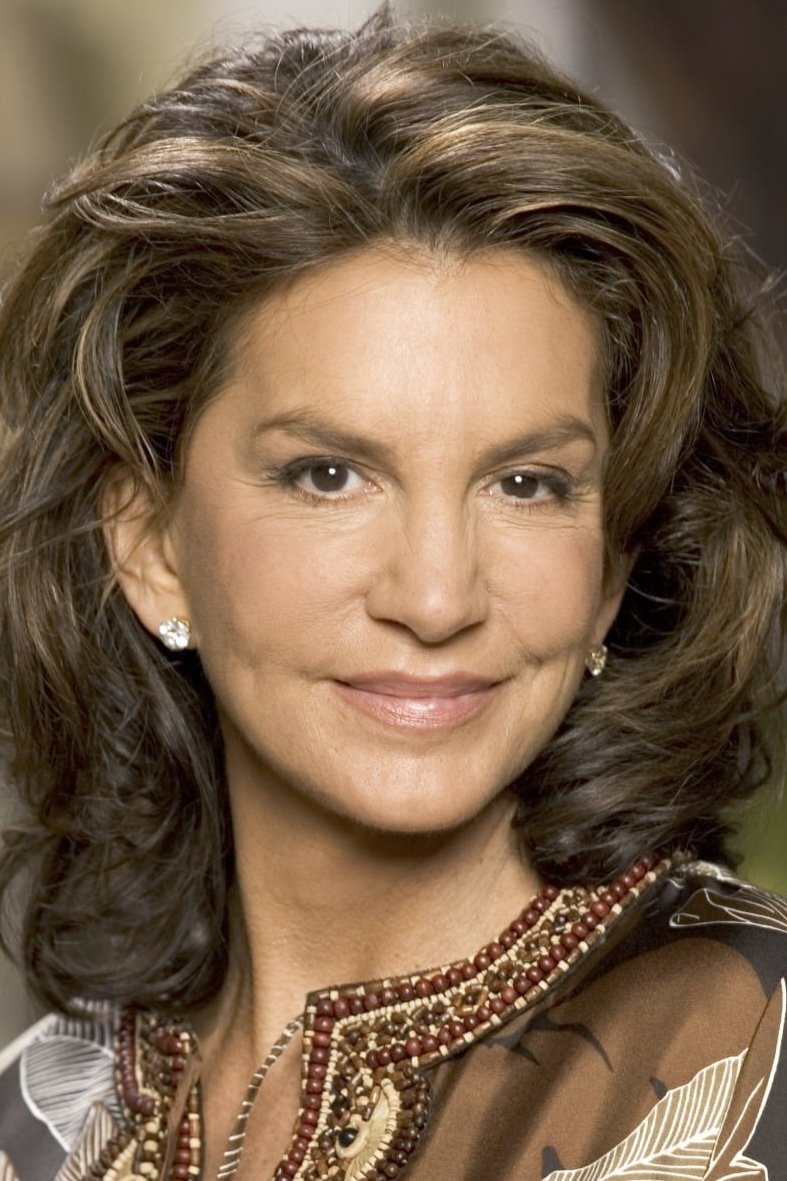
Mercedes Ruehl won the Academy Award for Best Supporting Actress for playing Anne Napolitano. Jeff Bridges, the film’s lead, was nominated for Best Actor.
Ruehl’s performance navigated retail-world texture, relationship negotiations, and comedic beats tied to urban settings. The role’s grounded perspective framed the film’s flights of imagination and anchored its central friendship.
Rita Moreno – ‘West Side Story’ (1961)
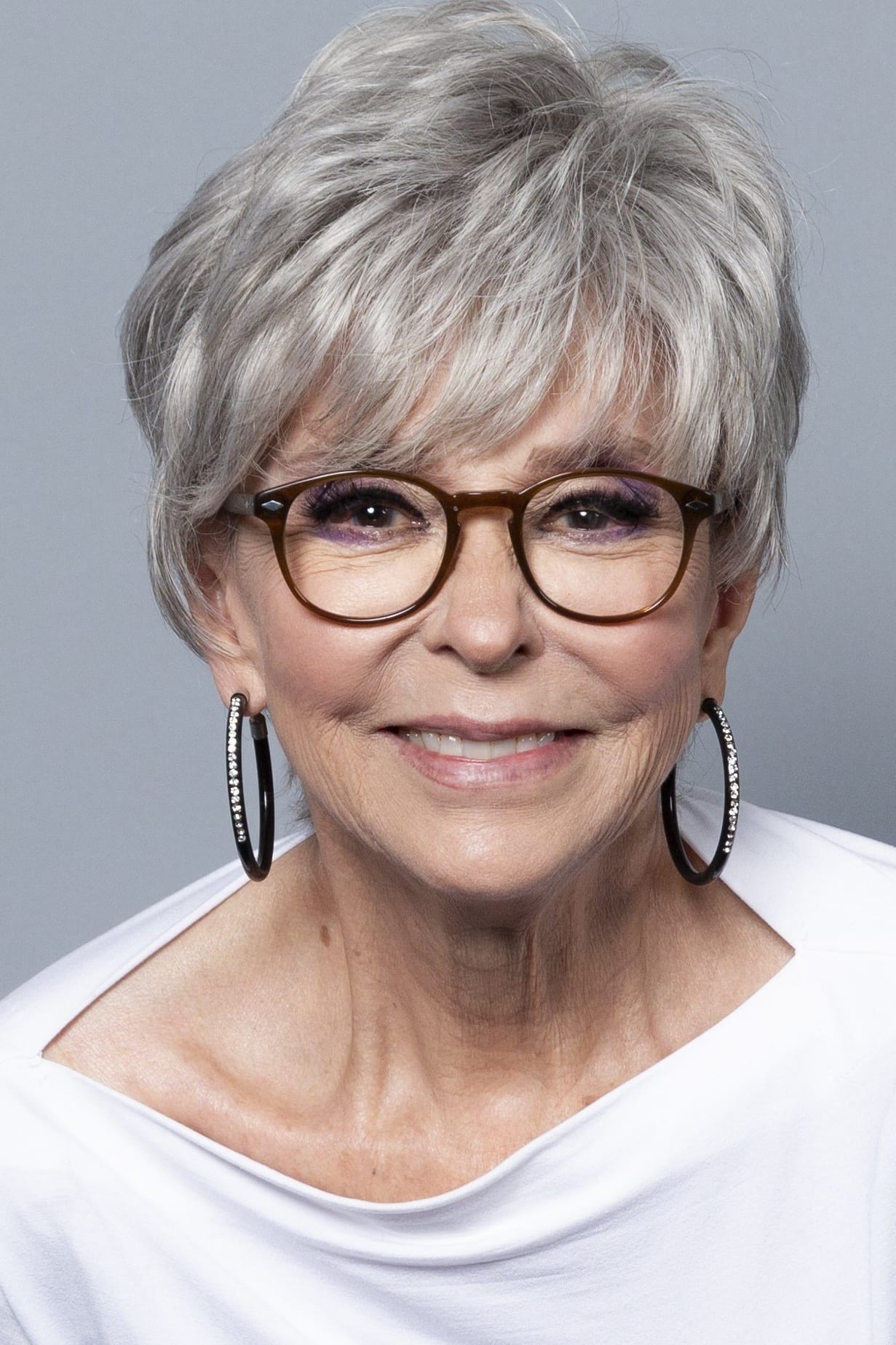
Rita Moreno earned the Academy Award for Best Supporting Actress for her role as Anita. Natalie Wood led the central romance as Maria.
Moreno’s background in dance and musical theatre supported the role’s complex choreography and rapid dialogue exchanges. The adaptation’s ensemble numbers placed Anita at the center of pivotal transitions between community, conflict, and celebration.
Jessica Lange – ‘Tootsie’ (1982)
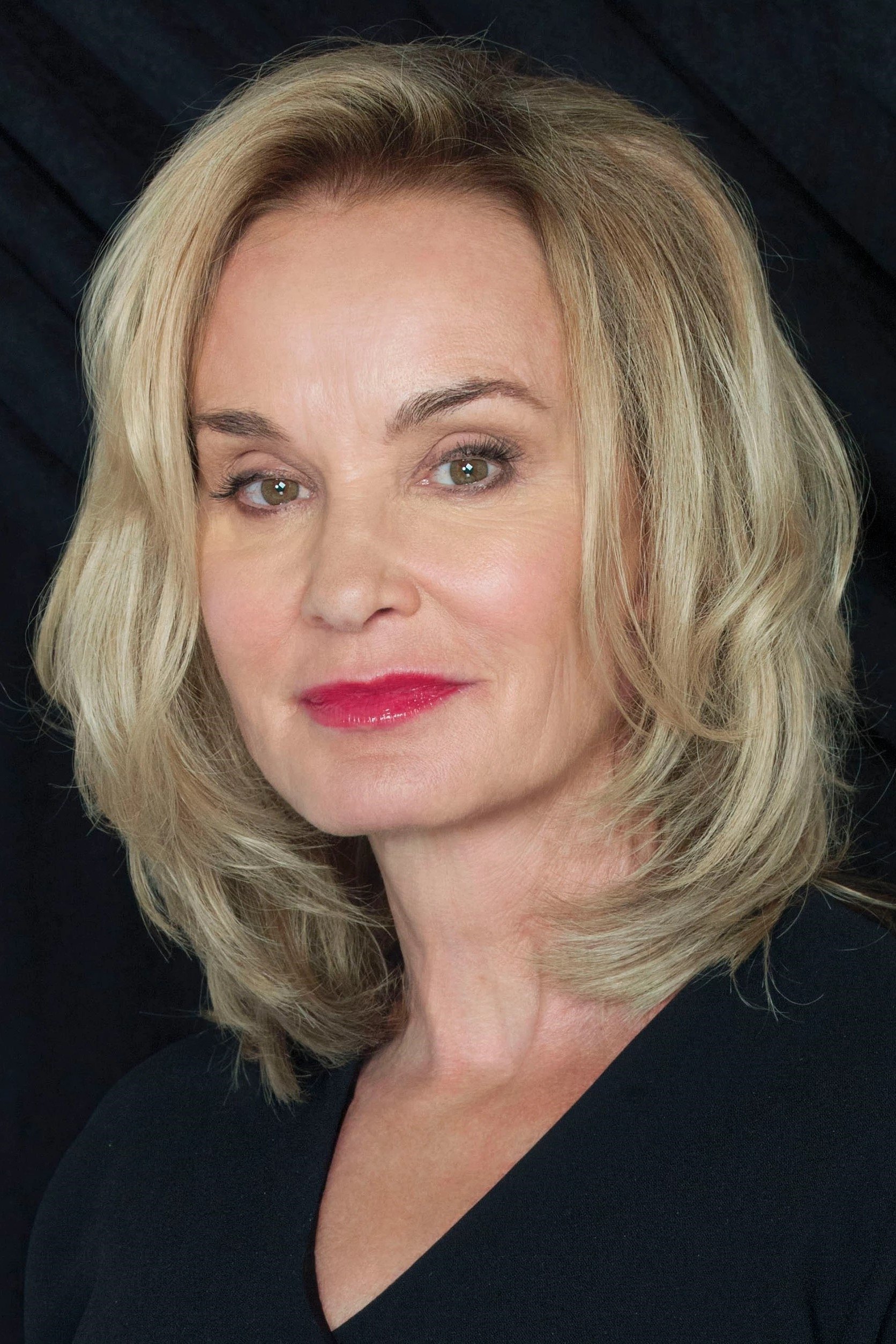
Jessica Lange won the Academy Award for Best Supporting Actress as Julie Nichols. Dustin Hoffman, the film’s lead, was nominated for Best Actor.
Lange’s character functioned as the industry touchpoint within the story’s television-production setting. The film’s interplay between acting craft and off-camera relationships concentrated many narrative turns in her scenes.
Renée Zellweger – ‘Cold Mountain’ (2003)

Renée Zellweger received the Academy Award for Best Supporting Actress for portraying Ruby Thewes. Nicole Kidman, in the lead role, anchored the film’s romantic throughline.
Zellweger developed practical skill sets tied to rural life to align with the character’s resourcefulness. The adaptation balanced battlefield distance with homestead survival, giving the supporting role a major share of the film’s momentum.
Octavia Spencer – ‘The Help’ (2011)
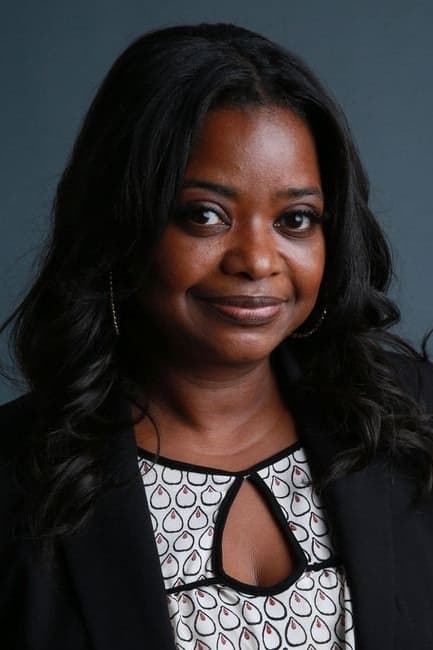
Octavia Spencer won the Academy Award for Best Supporting Actress as Minny Jackson. Viola Davis, the film’s lead, was nominated for Best Actress.
Spencer’s performance drew on period research into regional speech and domestic labor. The ensemble format gave the supporting character several centerpiece sequences that resonated across awards bodies and guilds.
Viola Davis – ‘Doubt’ (2008)
Viola Davis was nominated for Best Supporting Actress for a role concentrated in a single extended conversation and a short series of follow-up scenes. Meryl Streep, the lead, was nominated for Best Actress.
Davis prepared with archival interviews and community-based research to embody the character’s circumstances. The adaptation retained the play’s intensity, showcasing how a brief appearance could bear significant dramatic weight.
Saoirse Ronan – ‘Atonement’ (2007)
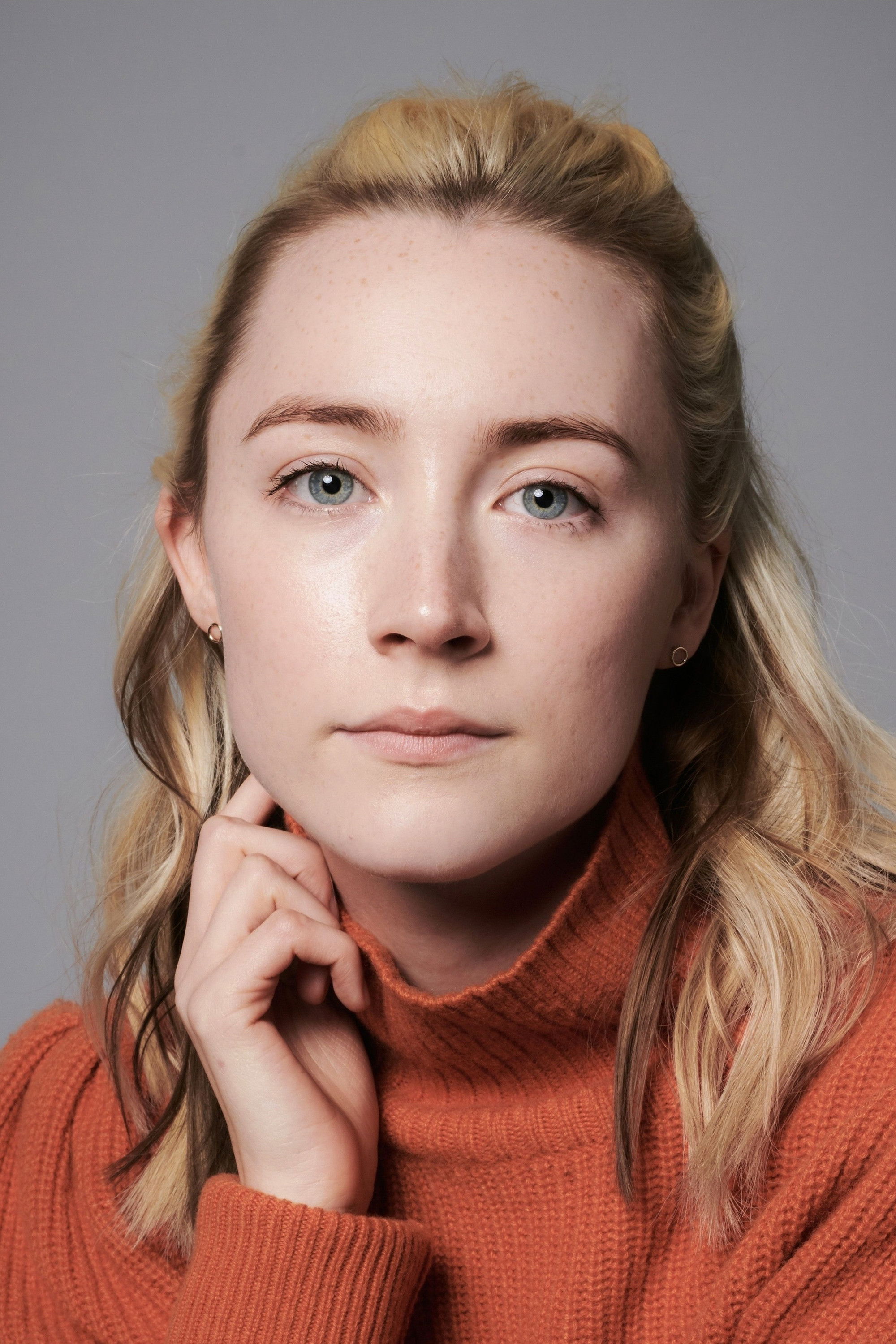
Saoirse Ronan earned a Best Supporting Actress nomination at a young age for portraying Briony Tallis. Keira Knightley led the central romantic narrative as Cecilia Tallis.
Ronan’s role hinged on perspective and memory, elements emphasized by the film’s shifting timelines and careful production design. The supporting performance became a key reference point in discussions of emerging talent that season.
Kerry Condon – ‘The Banshees of Inisherin’ (2022)
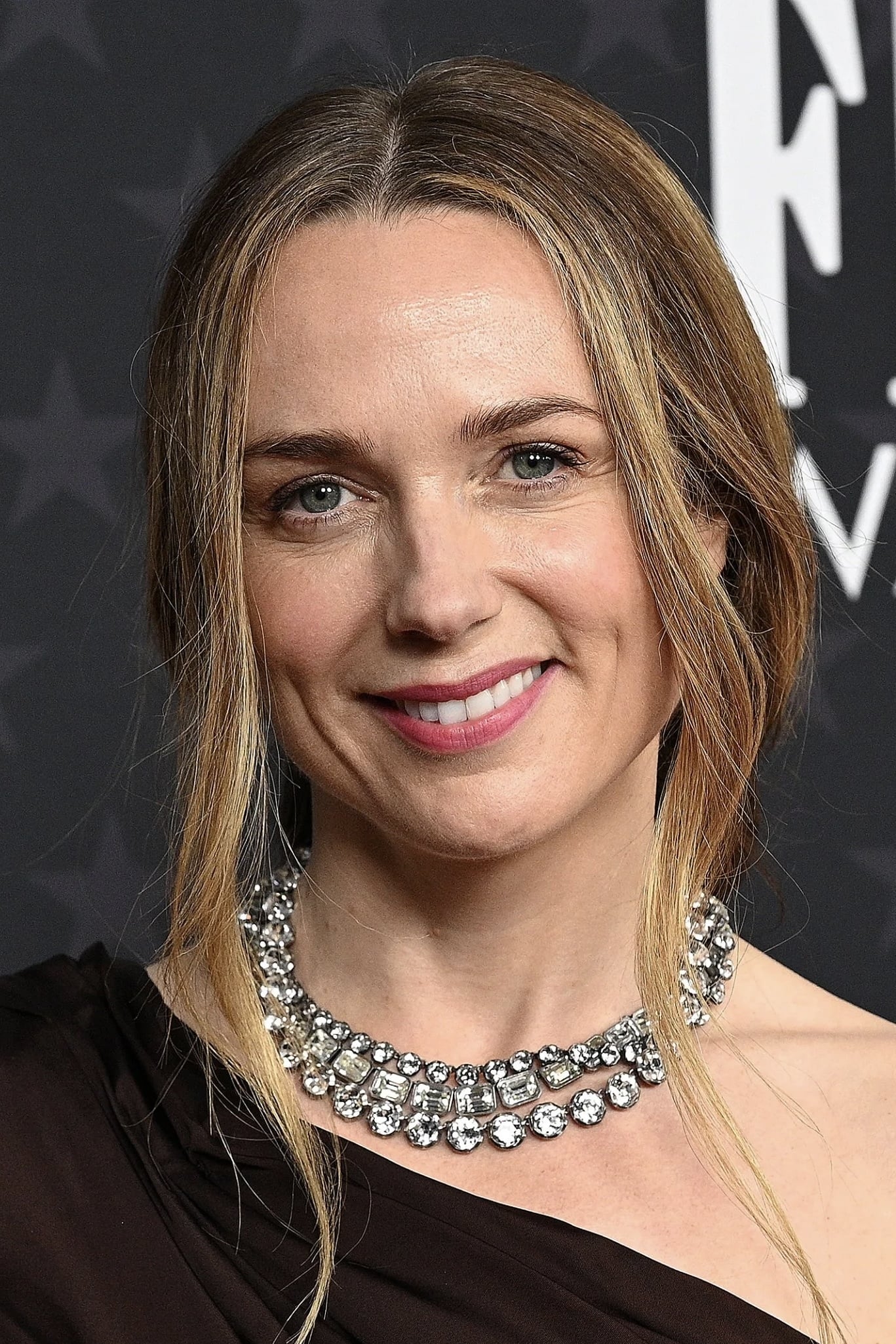
Kerry Condon won a major British film award for Best Supporting Actress and received an Academy Award nomination for playing Siobhán Súilleabháin. Colin Farrell, the lead, was nominated for Best Actor.
The production’s island setting and dialogue-driven pacing put emphasis on the sister’s pragmatic viewpoints and literary aspirations. Condon’s role provided the story’s clearest exit route, a detail frequently highlighted in awards coverage.
Michelle Williams – ‘Manchester by the Sea’ (2016)

Michelle Williams received a Best Supporting Actress nomination for a handful of concentrated scenes as Randi. Casey Affleck, the film’s lead, won Best Actor.
Williams’s preparation focused on naturalistic dialogue rhythms and regional inflection to match the film’s location work. The supporting role’s brief, pivotal encounters were repeatedly recognized by critics and guild voters.
June Squibb – ‘Nebraska’ (2013)
June Squibb earned a Best Supporting Actress nomination for her portrayal of Kate Grant. Bruce Dern, the lead, received a Best Actor nomination.
Squibb’s performance leaned on blunt humor and small-town detail, enhanced by the film’s black-and-white photography. The role’s candid commentary anchored several key sequences and factored heavily into its awards recognition.
Hailee Steinfeld – ‘True Grit’ (2010)
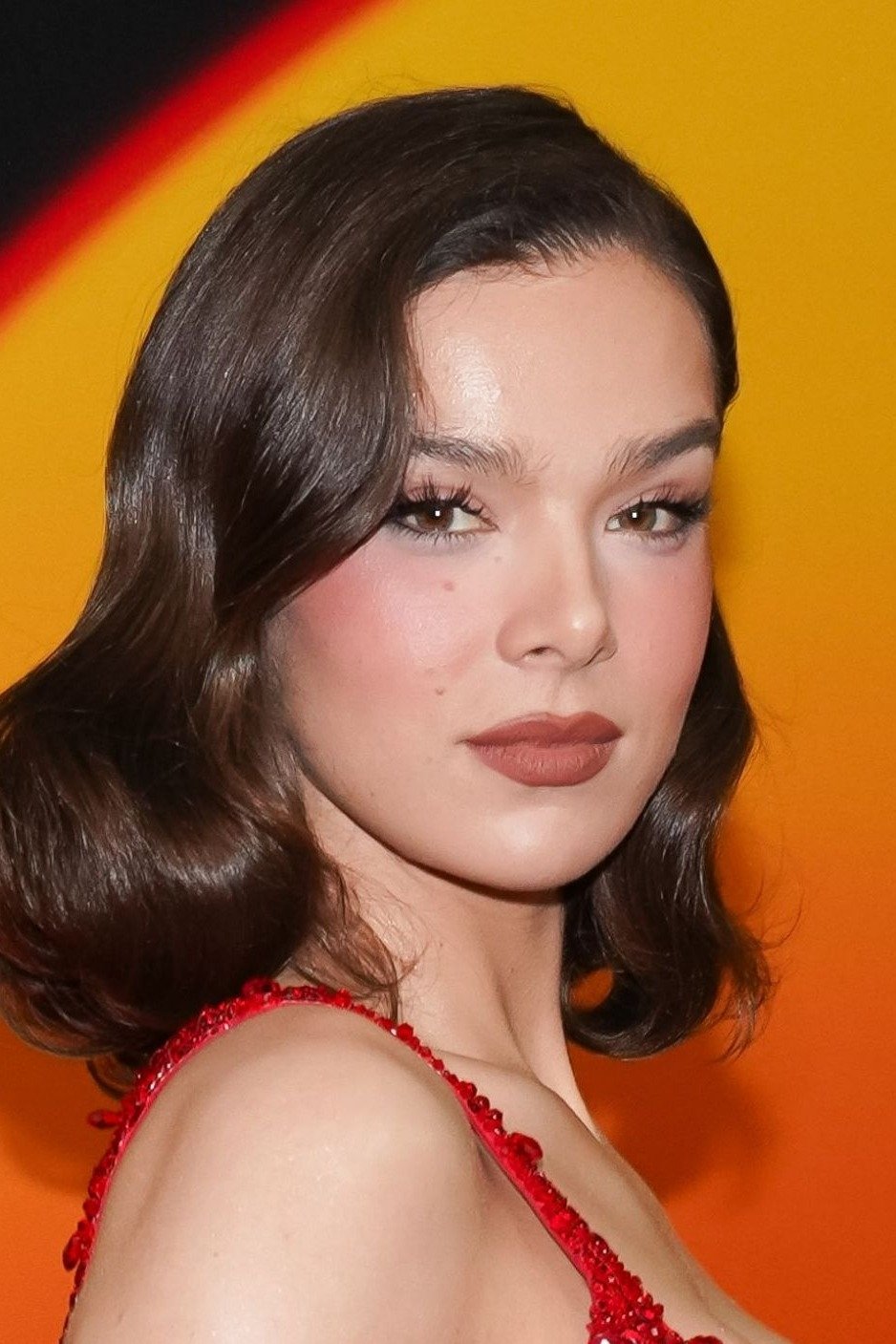
Hailee Steinfeld was nominated for Best Supporting Actress for playing Mattie Ross. Jeff Bridges, the lead, received a Best Actor nomination.
Steinfeld completed extensive dialect and firearms safety training to align with the period setting. The adaptation’s focus on precise dialogue gave the supporting role unusual narrative authority for a character of that age.
Marina de Tavira – ‘Roma’ (2018)
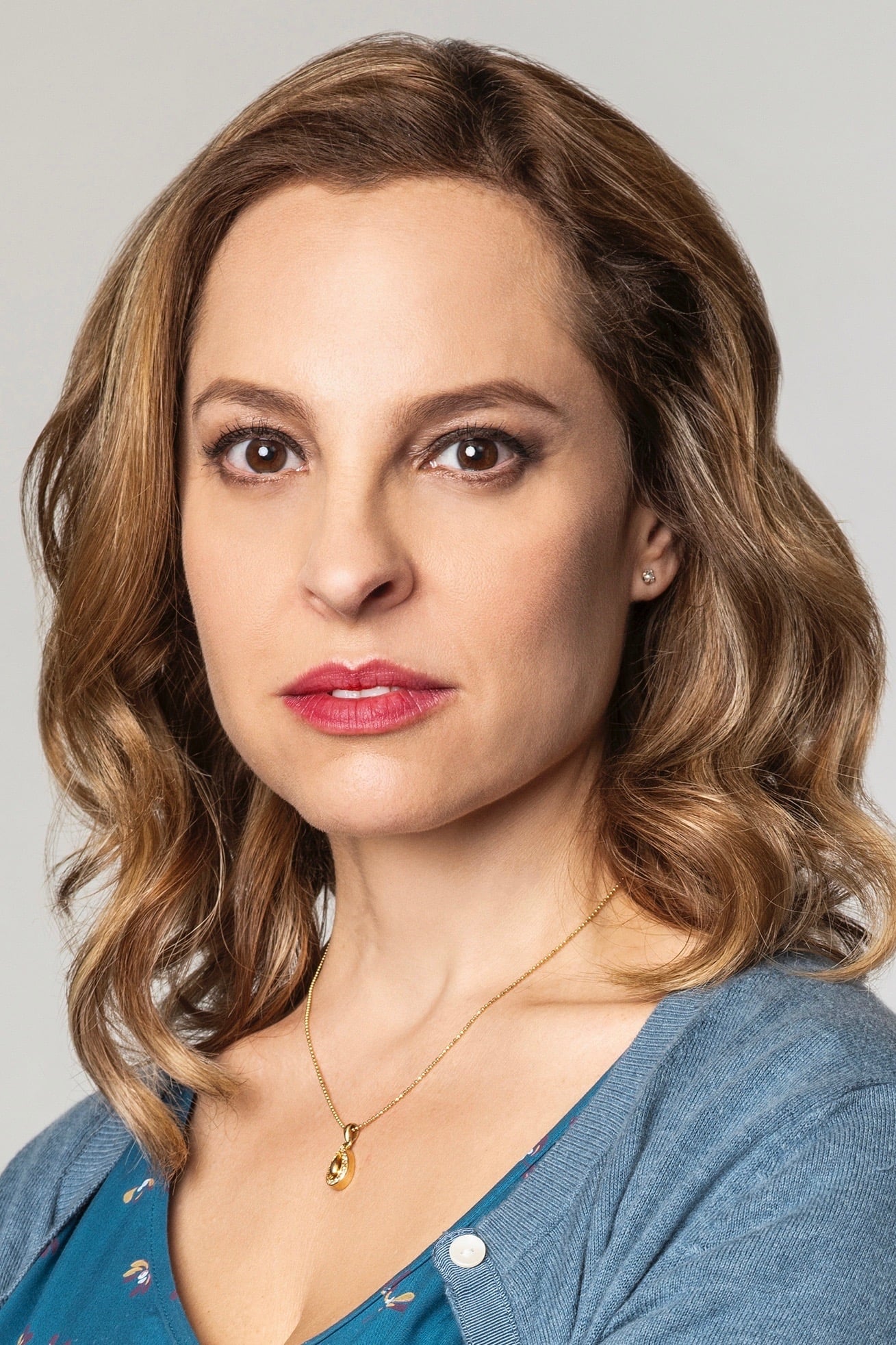
Marina de Tavira received a Best Supporting Actress nomination as Sofía. Yalitza Aparicio, credited as the lead, was nominated for Best Actress.
De Tavira worked with the director on rehearsals that preserved spontaneity and emphasized household dynamics. The film’s approach to memory and everyday routine gave the supporting role a significant share of its domestic architecture.
Share the moments you’d add in the comments—whose supporting turn do you think truly outshined the lead?