10 Underrated Tom Selleck Movies You Must See


Tom Selleck’s film career stretches across adventure, science fiction, crime thrillers, westerns, and comedy, alongside his long run on television. He worked with filmmakers such as Michael Crichton, Peter Yates, Simon Wincer, and Fred Schepisi, and he shared the screen with performers including Alan Rickman, Gene Simmons, Bess Armstrong, Paulina Porizkova, and Ken Takakura. His projects were filmed in varied locations and often leaned on practical stunts, period production design, and distinctive scores.
This list brings together ten titles that show the range of roles he took on outside his best known hits. You will find early career work, studio adventures, and character pieces that highlight how he moved between leads and ensembles. Each entry notes story setup, collaborators, and concrete details about production, so you can quickly decide what to watch next.
‘Daughters of Satan’ (1972)
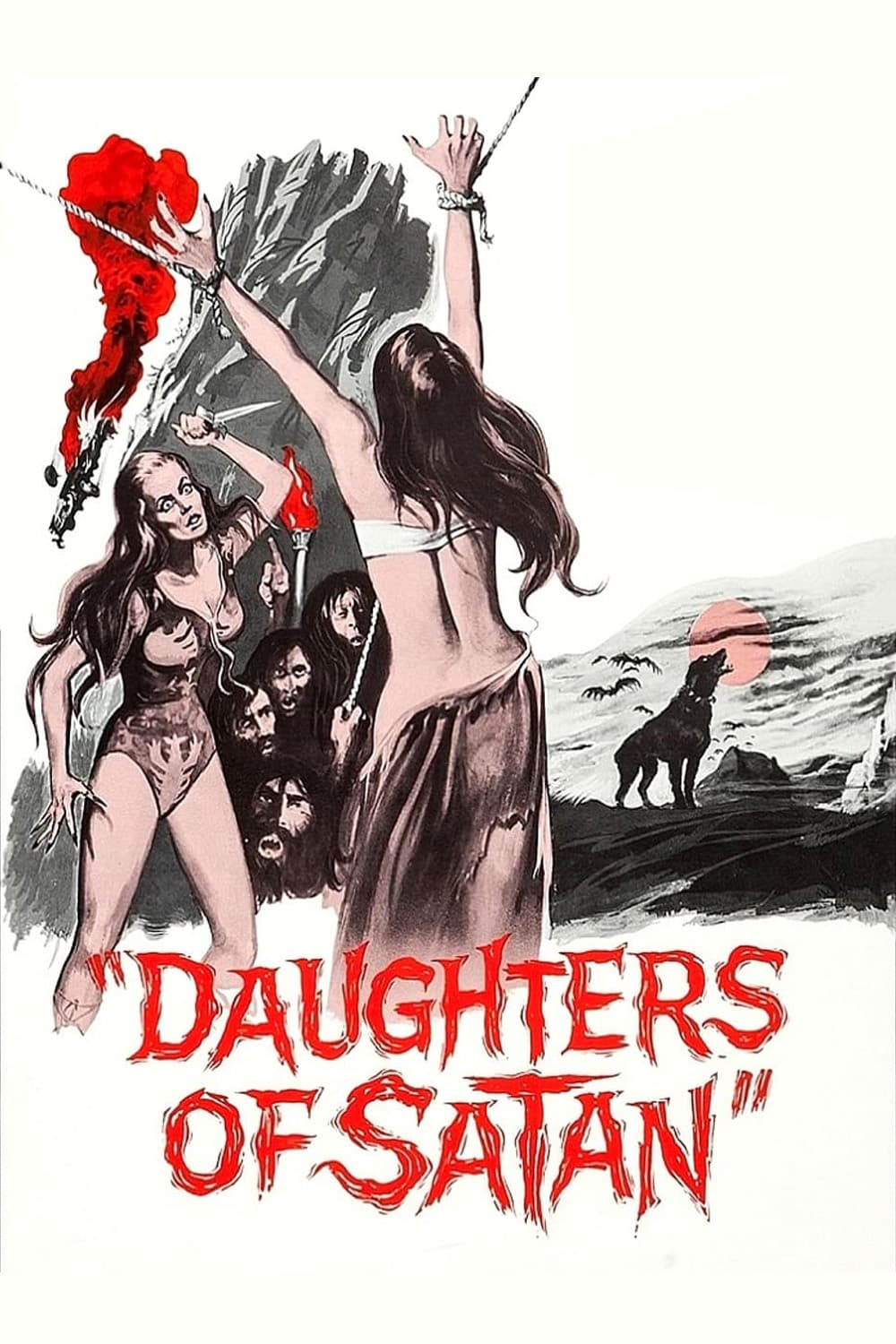
This supernatural thriller places Selleck as a museum curator who acquires a painting connected to a witchcraft trial and then confronts eerie parallels in his present day life. The film was shot on location in the Philippines with a lean run time and a focus on occult imagery and ritual sequences that tie the artwork to modern characters.
The production uses practical effects, atmospheric sets, and local crews to stage its ritual scenes. It is an early starring credit for Selleck, and it reflects independent international financing common to genre pictures of that era.
‘High Road to China’ (1983)
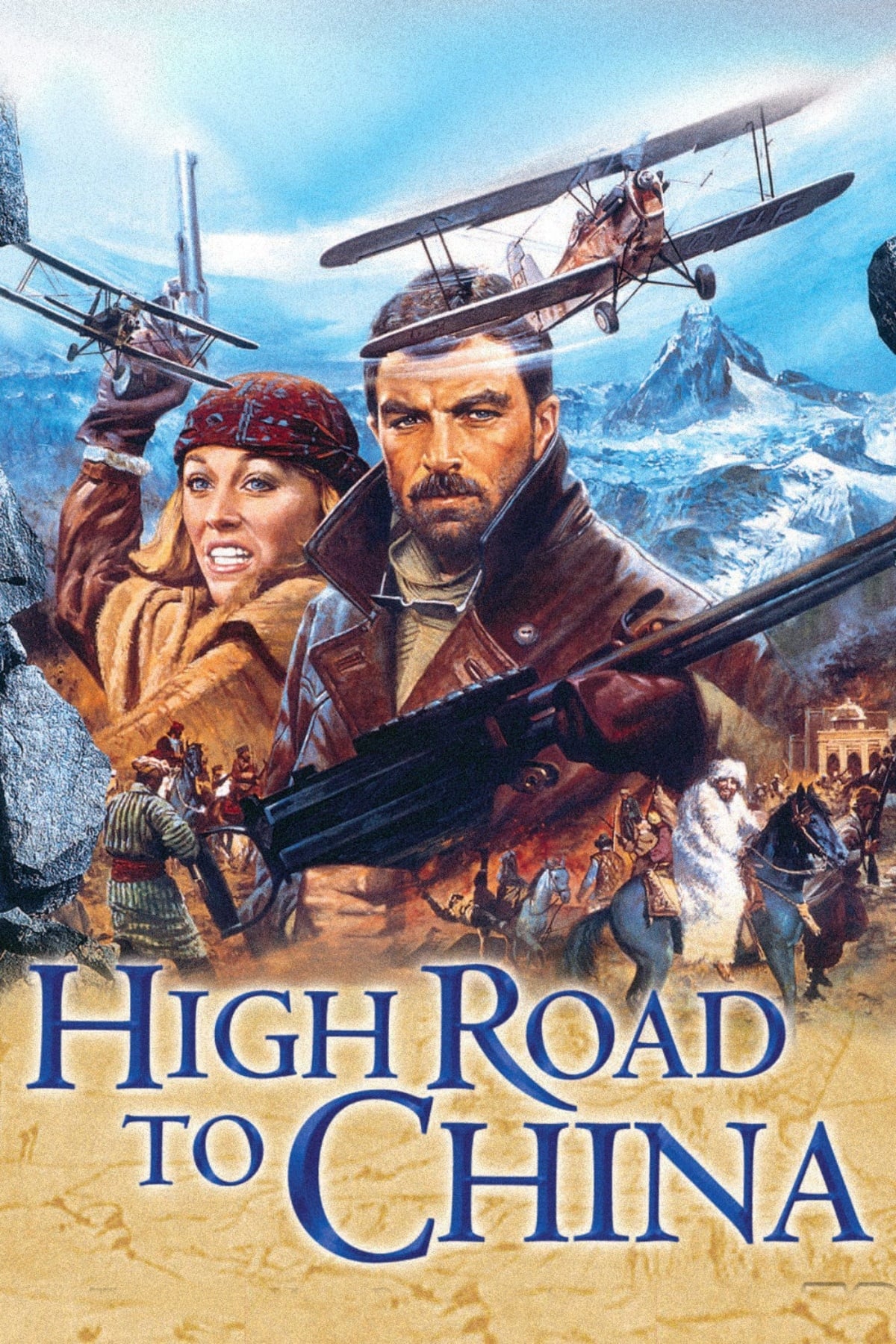
This period adventure pairs Selleck with Bess Armstrong as aviators who fly across Asia to locate a missing industrialist. The story features biplanes, desert crossings, mountain passes, and village set pieces that emphasize aerial coordination and large scale location work.
Director Brian G. Hutton organized extensive flight photography with vintage styled aircraft and second unit teams. Composer John Barry scored the film with a sweeping orchestral approach that supports the aviation and travel sequences.
‘Lassiter’ (1984)
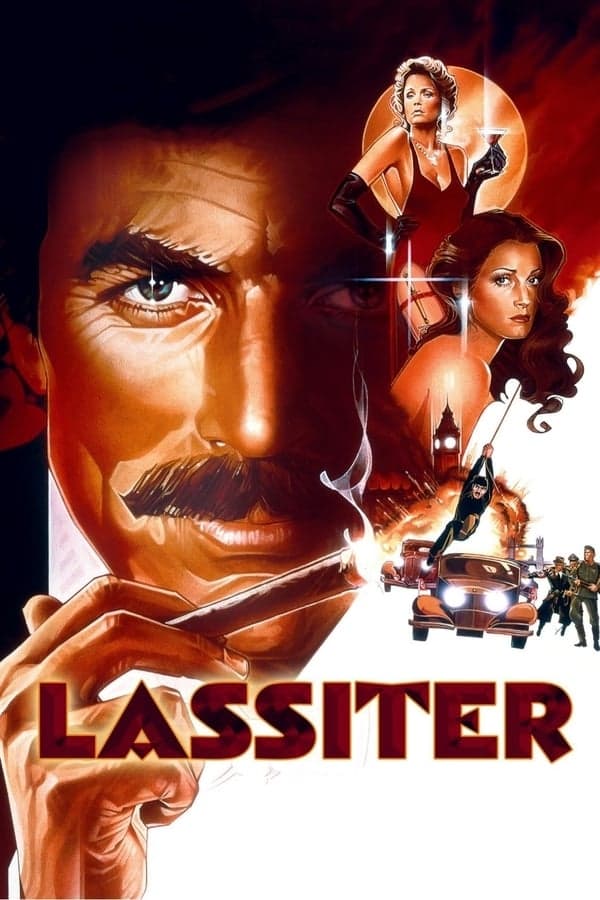
Set in London on the eve of war, this crime story casts Selleck as a gentleman thief forced by authorities to infiltrate a Nazi operation involving high value gemstones. The production rebuilds period streets, nightclubs, and embassies, and it incorporates safecracking details and surveillance tactics from the era.
The film features co stars Jane Seymour and Lauren Hutton in roles that connect the thief to both law enforcement and foreign agents. Cinematography leans on noir lighting and wardrobe drawn from prewar fashion to anchor the setting.
‘Runaway’ (1984)
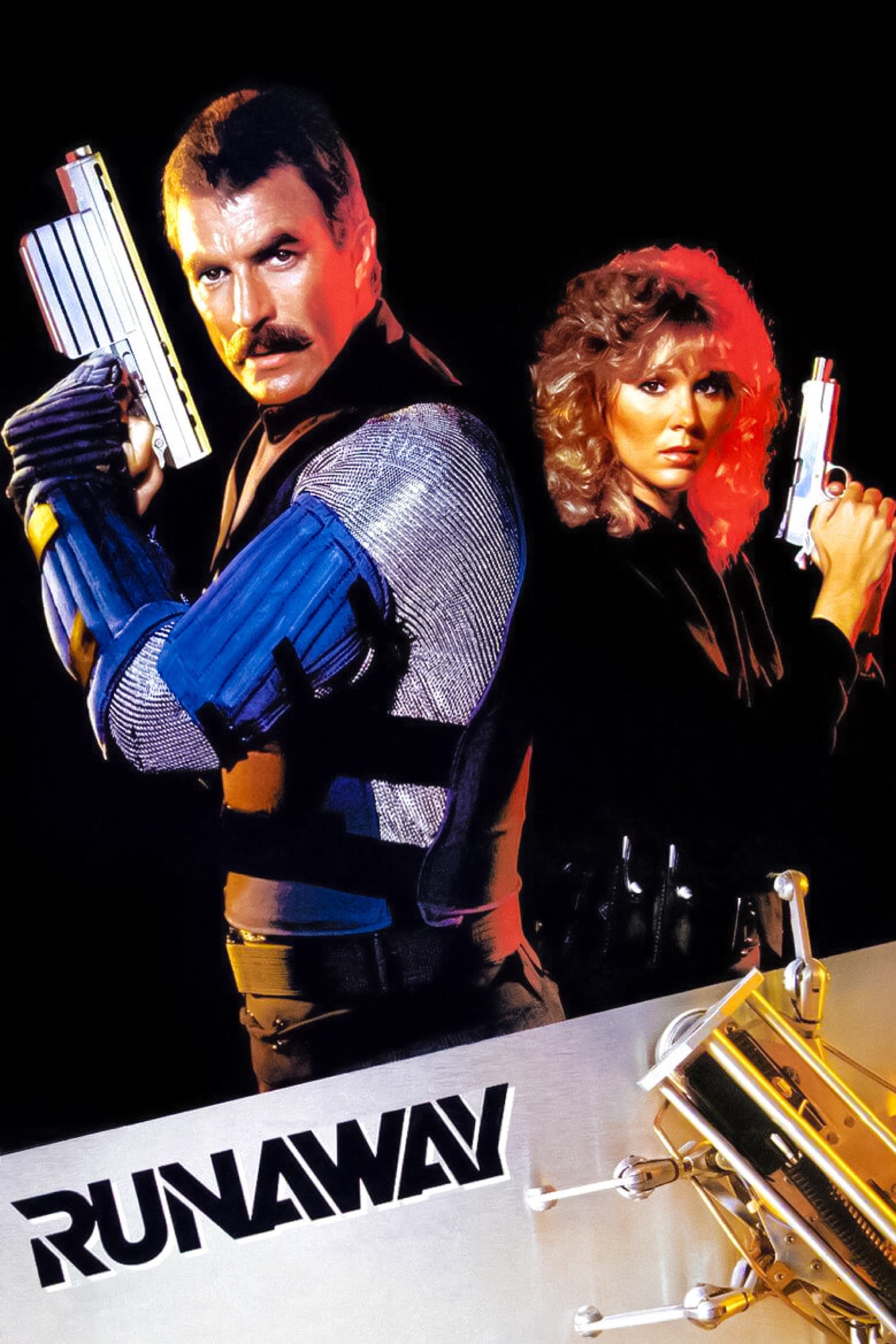
Written and directed by Michael Crichton, this near future police procedural follows a specialist unit that handles malfunctioning domestic robots. Selleck plays a sergeant who tracks a criminal using modified devices, including autonomous projectiles and micro robots designed for infiltration.
The antagonist is played by Gene Simmons, with Kirstie Alley appearing as a key associate in the technology plotline. The production employs animatronics, practical robotics, and optical effects, and it features a score by Jerry Goldsmith that leans into electronic textures.
‘Her Alibi’ (1989)
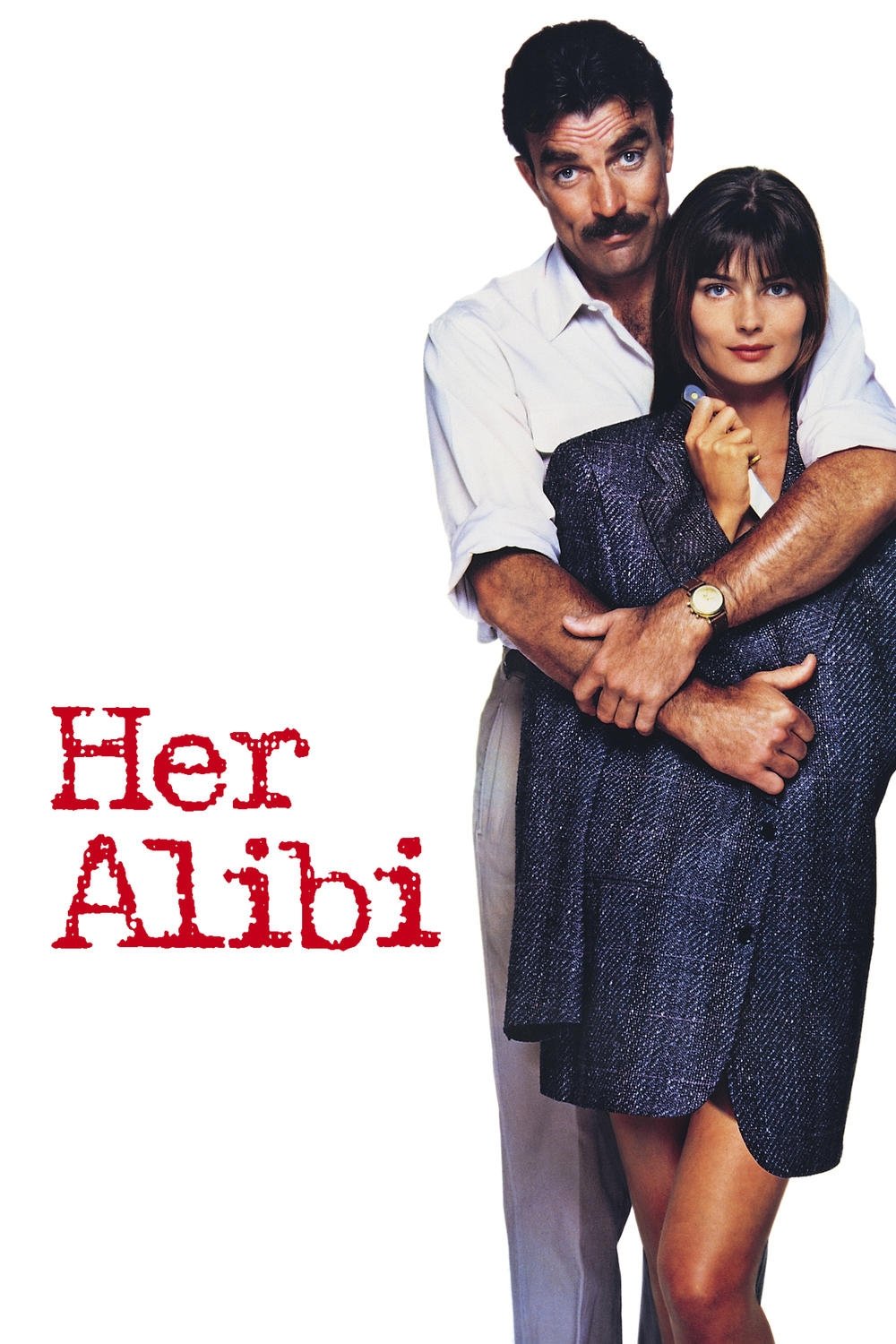
This comic mystery teams Selleck with Paulina Porizkova after a crime suspect accepts a cover story from a struggling novelist. The narrative builds around false identities, a manuscript under deadline, and a series of set pieces that involve stage illusions and misdirection.
Director Bruce Beresford stages action in suburban homes, police precincts, and performance spaces, and composer Georges Delerue provides a melodic theme that threads through the investigative beats. The film uses Romanian cultural elements in costumes and props to ground the character backstory.
‘An Innocent Man’ (1989)
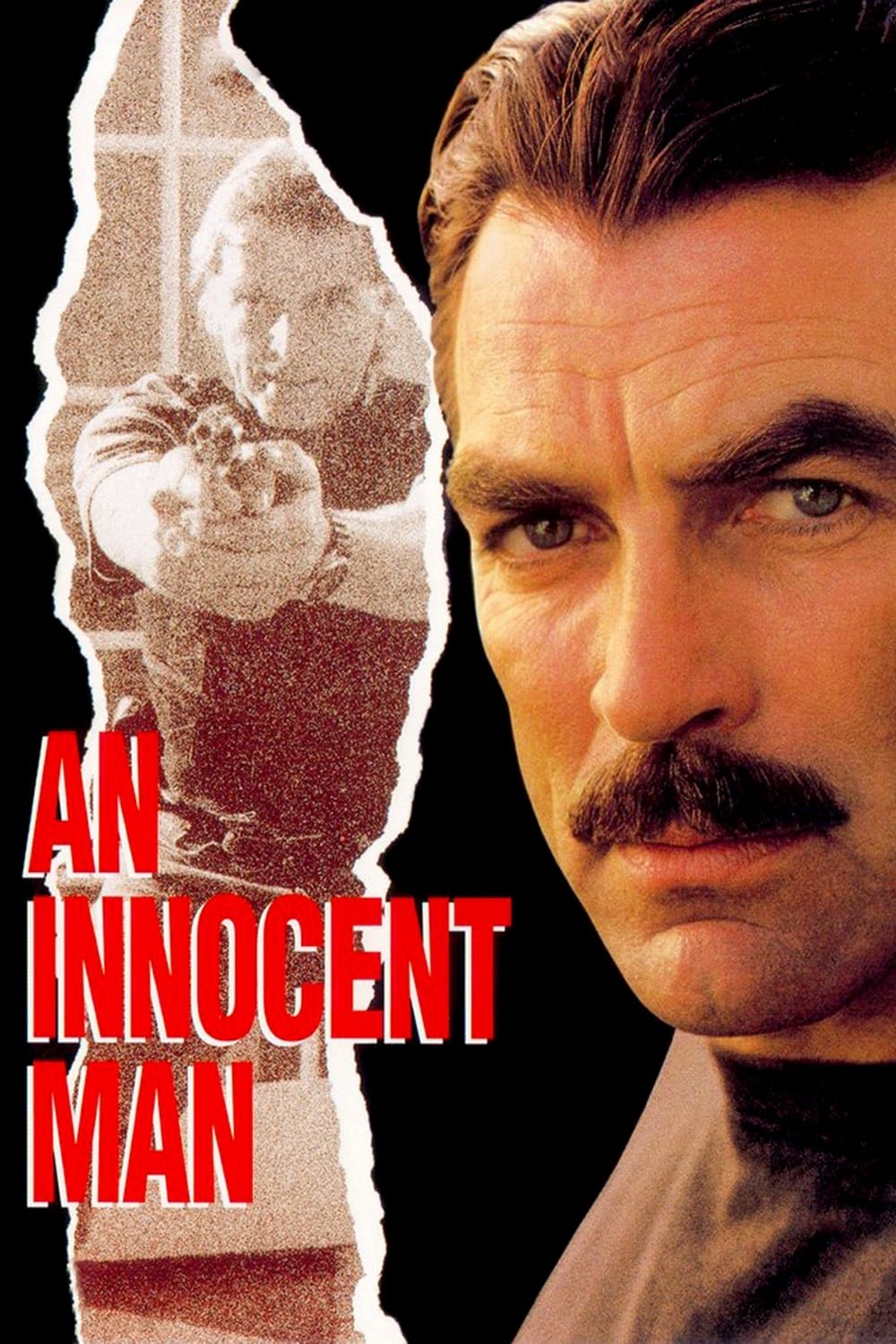
This prison drama follows a blue collar worker who is wrongfully convicted after a raid by corrupt officers. The story tracks intake, survival, and legal efforts, along with the internal politics of cellblocks and work details.
Director Peter Yates emphasizes procedures such as evidence handling, lineup practices, and appeals. The cast includes Laila Robins, David Rasche, and Richard Young, and the production uses extensive location shooting for prison yards, workshops, and visitation rooms.
‘Quigley Down Under’ (1990)
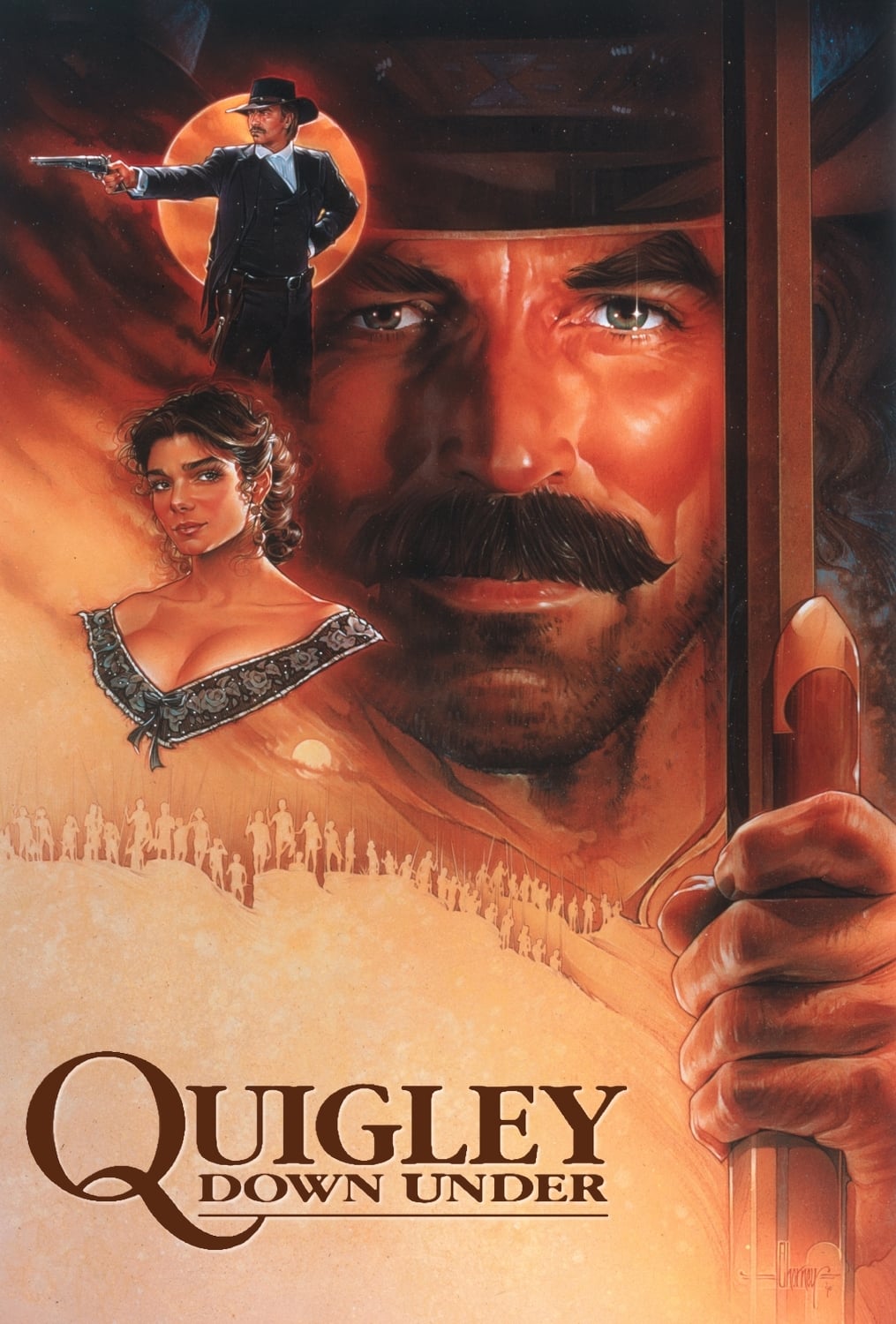
This western relocates an American marksman to the Australian outback after he answers a rancher’s advertisement for a long distance shooter. The film spotlights the use of a Sharps rifle with period optics, and it builds action around tracking, horsemanship, and open range tactics.
Director Simon Wincer films across remote Australian landscapes with Laura San Giacomo and Alan Rickman in pivotal roles. The production emphasizes practical gun handling, livestock wrangling, and historical wardrobe to represent frontier work on vast stations.
‘Mr. Baseball’ (1992)
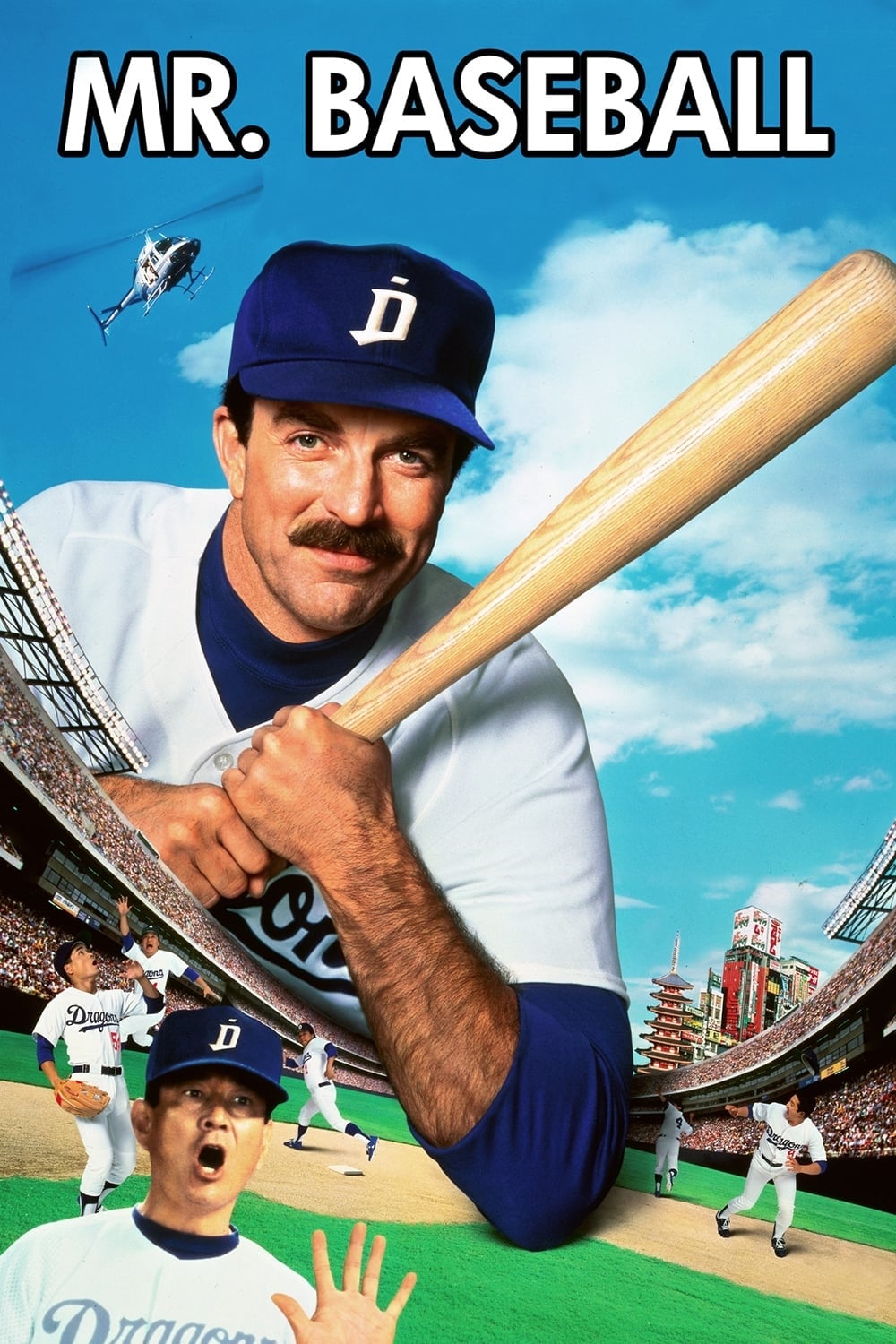
This sports comedy sends a veteran first baseman from Major League Baseball to play for the Chunichi Dragons in Japan. The script explores training routines, clubhouse etiquette, media obligations, and the adjustment to different coaching philosophies and ballpark strategies.
Director Fred Schepisi shot extensively on location with cooperation from Nippon Professional Baseball. Ken Takakura portrays the team manager, and the production integrates real stadiums, team branding, and in game sequences staged during actual league schedules.
‘Folks!’ (1992)
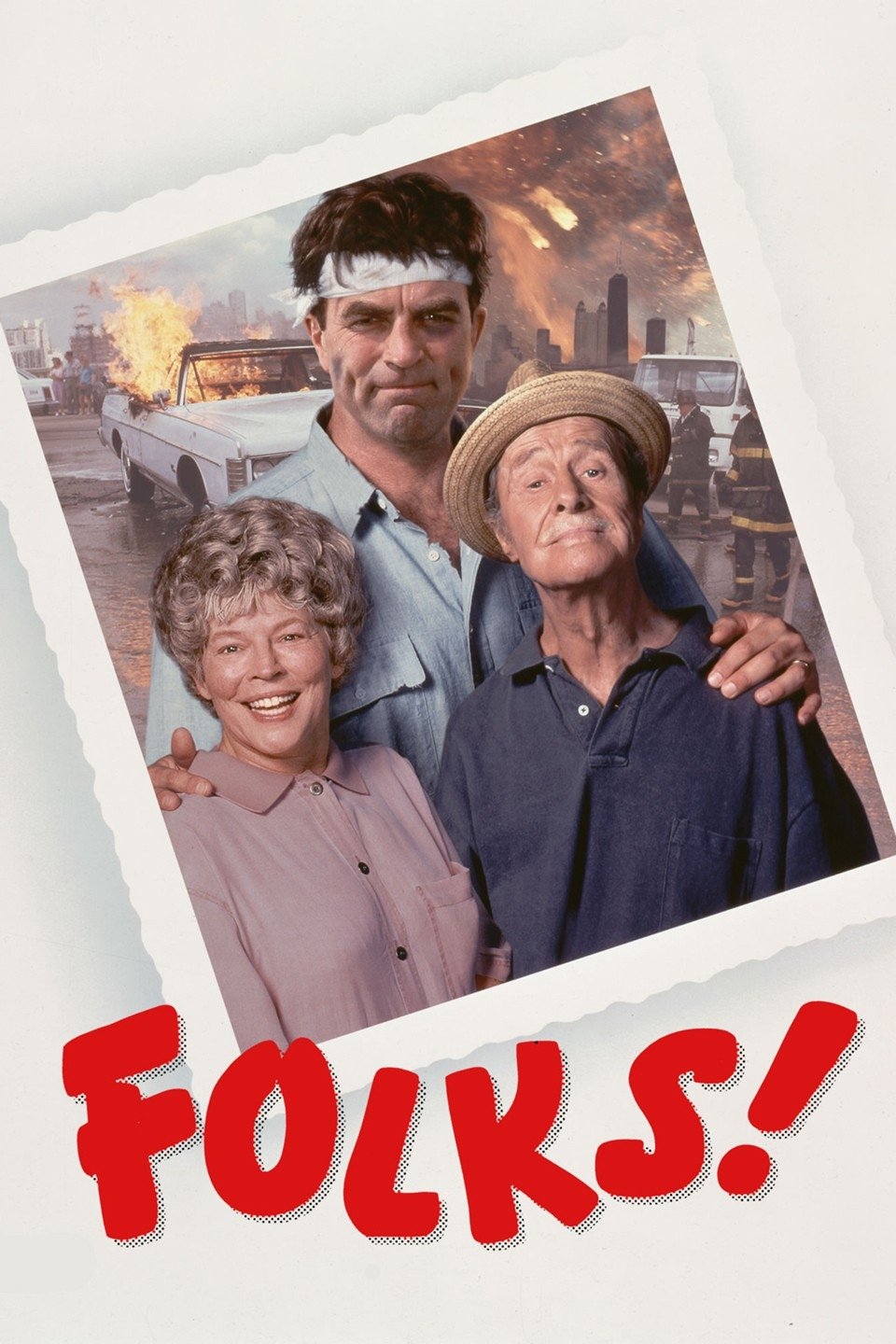
Selleck stars as a financial professional who moves his aging parents into his home, triggering a chain of legal, medical, and logistical hurdles. The plot covers power of attorney issues, home care costs, and the impact of dementia on daily routines.
Director Ted Kotcheff balances workplace scenes with domestic set pieces that show the practical burdens of caregiving. Don Ameche appears as the father, and the production uses recurring props such as medication organizers and insurance paperwork to track the family’s challenges.
‘Christopher Columbus: The Discovery’ (1992)

This historical epic casts Selleck as King Ferdinand II of Aragon in a narrative that follows court negotiations, ship procurement, and navigation toward the western route. The film presents the royal council, sponsorship agreements, and crew recruitment as procedural stepping stones to the voyage.
Director John Glen leads an ensemble that includes Georges Corraface as the navigator, with Marlon Brando in a prominent clerical role. Filming combined studio work with Caribbean locations, and the production timed its release to the quincentenary of the transatlantic expedition.
Share your favorite lesser known Tom Selleck titles in the comments so others can discover what to watch next.