5 Things About ‘Aquaman and the Lost Kingdom’ That Made Zero Sense and 5 Things About It That Made Perfect Sense

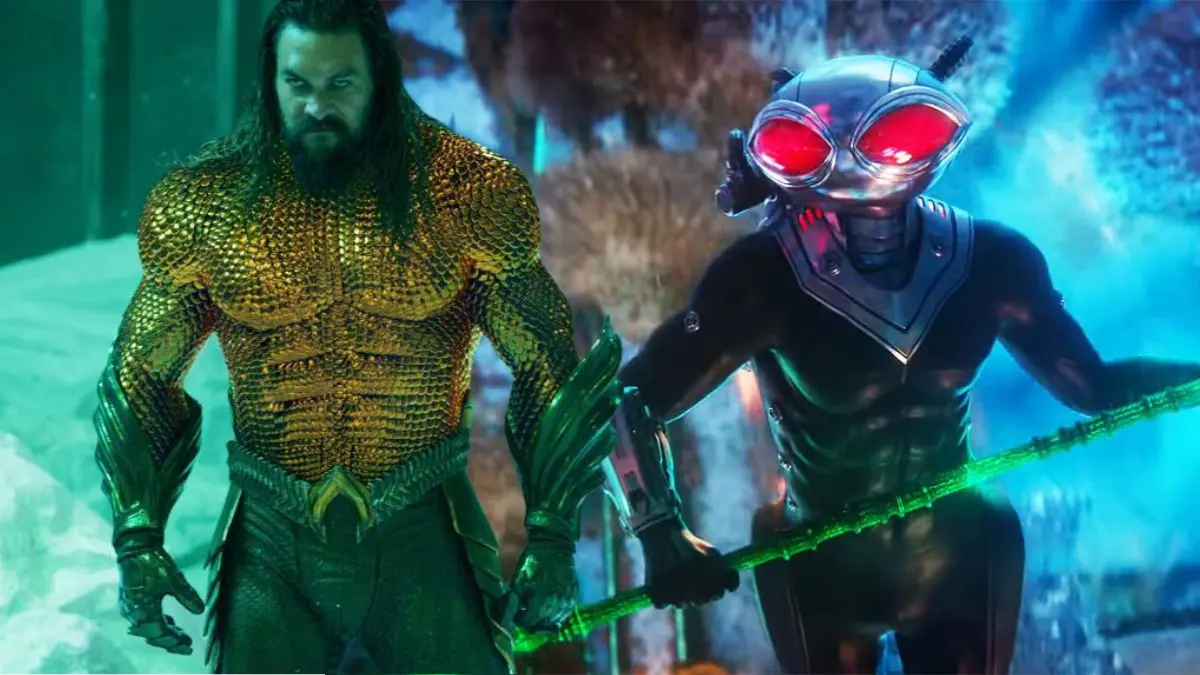

The sequel picks up with Arthur Curry ruling Atlantis while trying to be present at the lighthouse with his new family. Black Manta returns with a deeper grudge and a new source of power that pushes the conflict far beyond a personal feud. The story moves through ancient Atlantean history, present day politics, and a global crisis that reaches the surface world fast.
The movie links its new threat to long buried technology and a fallen kingdom whose mistakes set the stage for what happens now. It brings back key players from ‘Aquaman’ and places them in new roles that show how much has changed since the original fight for the throne. The result is a mix of clear continuity and head scratching turns that stand out the moment the credits roll.
Zero Sense: Orichalcum heats the planet overnight
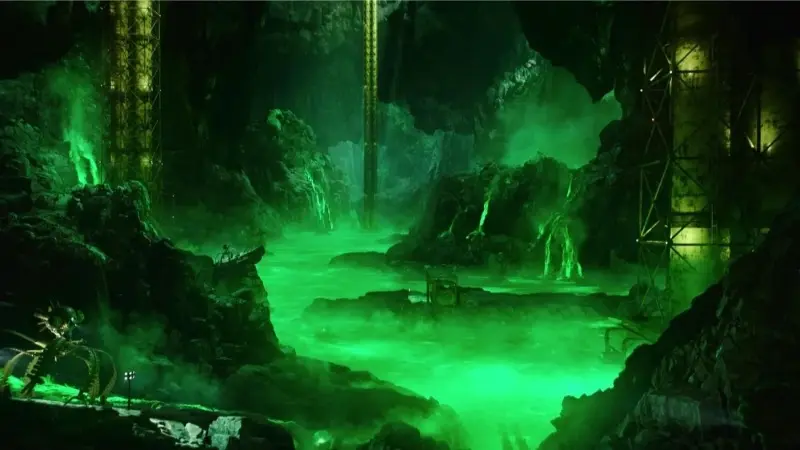
The movie shows orichalcum being mined and burned which releases a volatile gas that spikes temperatures across the globe within a short window. News updates and visual cues present rapid heat waves, extreme storms, and ocean distress that appear almost immediately after Black Manta scales up his operation.
Ancient records in the film connect orichalcum to the downfall of a lost Atlantean realm, yet the modern response across the surface world and Atlantis comes after the damage is already visible at scale. The timeline of cause and effect inside the story moves so quickly that the global impact looks instant even before investigators connect the dots to the mines.
Perfect Sense: Black Manta revenge escalates
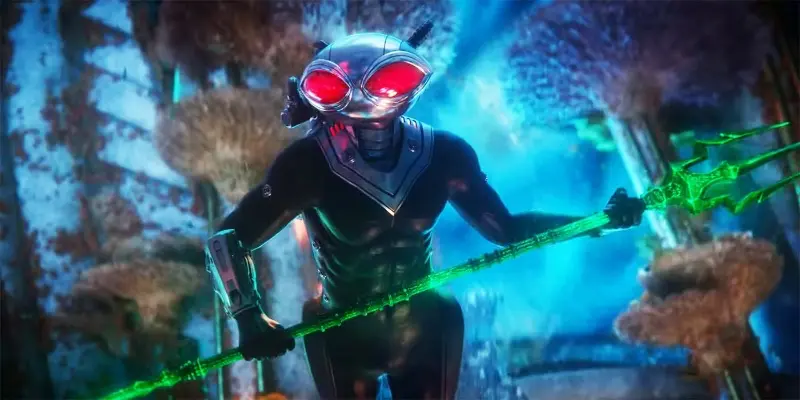
Black Manta’s fixation on Arthur tracks directly from the events of ‘Aquaman’ where the death of his father defined his path. In the sequel he partners with Dr Stephen Shin to find and exploit orichalcum while seeking artifacts that magnify his strength, which gives him a credible way to push past his earlier limits.
The Black Trident carries the will of an ancient force that feeds Manta’s rage and directs him toward a larger plan. The film explains how this connection grows his power and reach, which fits the character’s need for an edge against Atlantis and turns a personal vendetta into a threat that can hit every kingdom.
Zero Sense: Atlantis security feels wide open
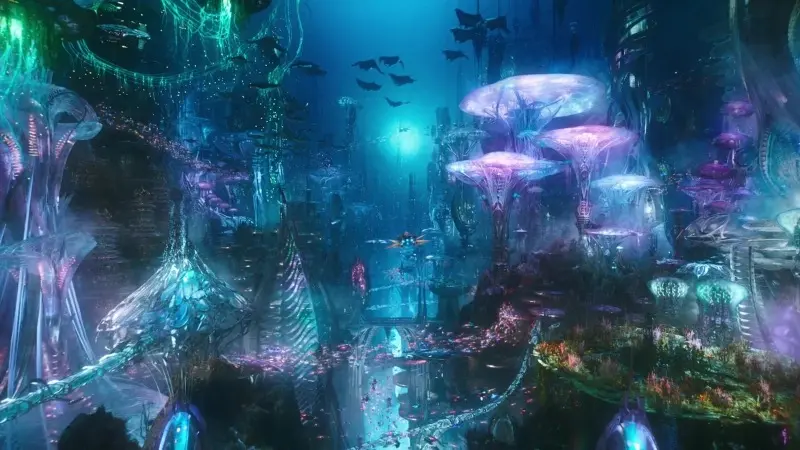
Arthur leaves the capital repeatedly while assassins, raiders, and rival forces move with ease through guarded spaces. Key facilities and transports fall to surprise attacks that reach important targets without the layers of patrols and detection that Atlantis displayed when Arthur challenged for the throne in ‘Aquaman’.
The breakout of Orm from a remote prison and later incursions into protected sites happen with minimal checks shown on screen. For a civilization with advanced sensors, bio keyed doors, and elite troops, the response teams arrive late and the pathways in and out of secure zones look surprisingly clear.
Perfect Sense: Arthur and Orm need each other
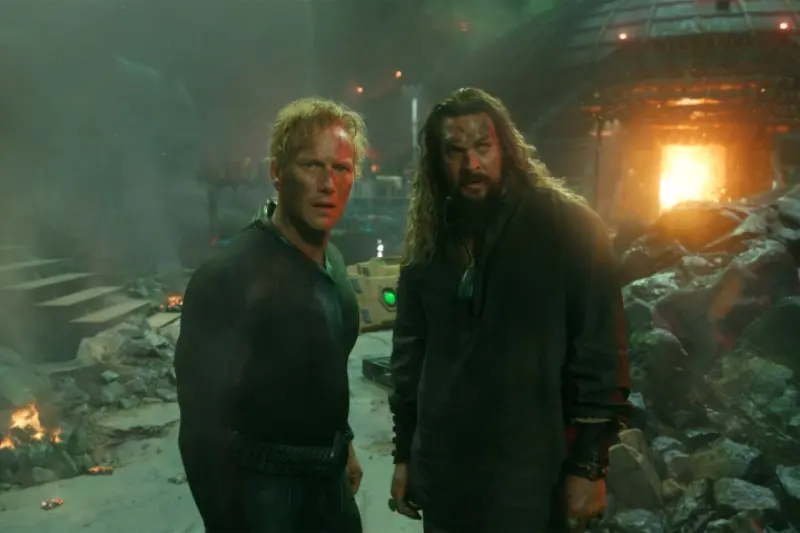
The alliance between the brothers grows from their shared blood and a new threat that neither can handle alone. The movie lays out how Orm understands the shadow history of Atlantis and how Arthur holds the crown and the trust of the surface, which makes their partnership practical and necessary.
Travel sequences and investigations highlight complementary skills. Orm knows ancient customs, forgotten routes, and the mindset of old rulers. Arthur handles negotiations with other kingdoms and reads modern power players on land. The mission works because each brother fills a gap the other cannot cover.
Zero Sense: Breathability rules on land shift
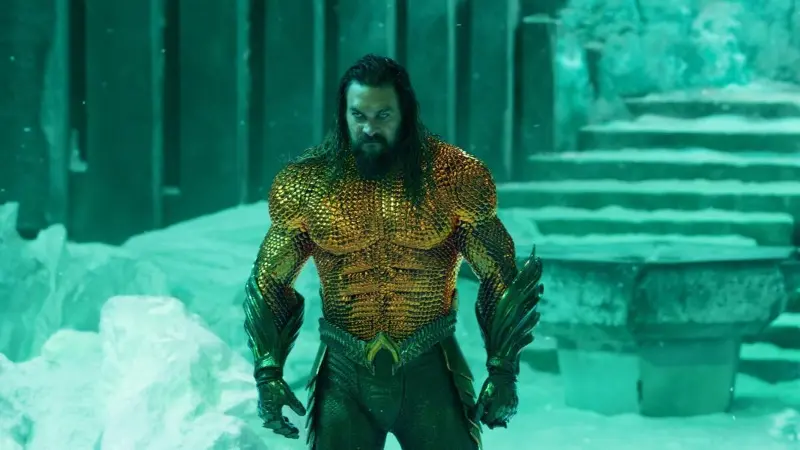
In ‘Aquaman’ only certain Atlanteans could breathe air comfortably while others needed water filled helmets during surface missions. The sequel shows a wider range of Atlantean soldiers and officials moving on land without visible gear, even during extended chases and fights.
This change reduces the limits that shaped several set pieces in the first movie. It also blurs the difference between royal physiology and common troops that earlier scenes used to explain tactics and equipment, which makes the on land sequences feel detached from the prior rules.
Perfect Sense: Family stakes shape the mission
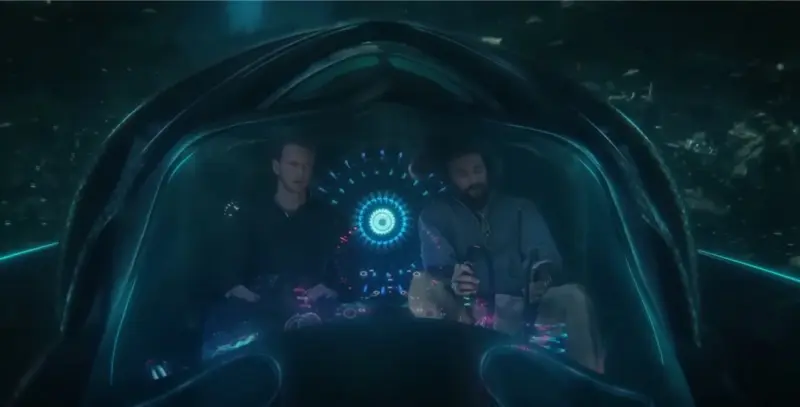
Arthur’s life at the lighthouse with Mera and their child explains why he pushes for fast solutions and open dialogue with the surface. Scenes of parenting and everyday routines give context to his choices as a king who sees the ocean and the shore as one home that both need protection.
The threat places the baby and the family directly in harm’s way, which clarifies why Arthur takes risks and seeks help wherever he can find it. The film uses these domestic moments to anchor the larger journey so the chase for artifacts and lost cities has a clear personal goal.
Zero Sense: Necrus lore and trident rules stay fuzzy
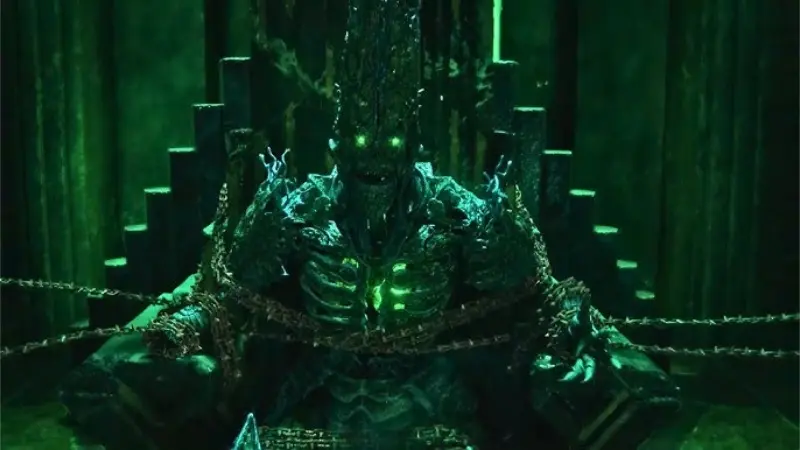
The story introduces Necrus as the lost kingdom whose leaders misused orichalcum, then ties the Black Trident to the imprisoned will of Kordax. The exact limits of possession, resistance, and transfer are not fully spelled out, even as major characters gain or lose control in key scenes.
Important details like how the trident bonds to a wielder, what breaks that bond, and why certain rituals matter are presented quickly while action moves forward. Without clearer steps shown on screen, the shifts in control feel abrupt and the ancient safeguards remain more hinted at than demonstrated.
Perfect Sense: The seven kingdoms connect
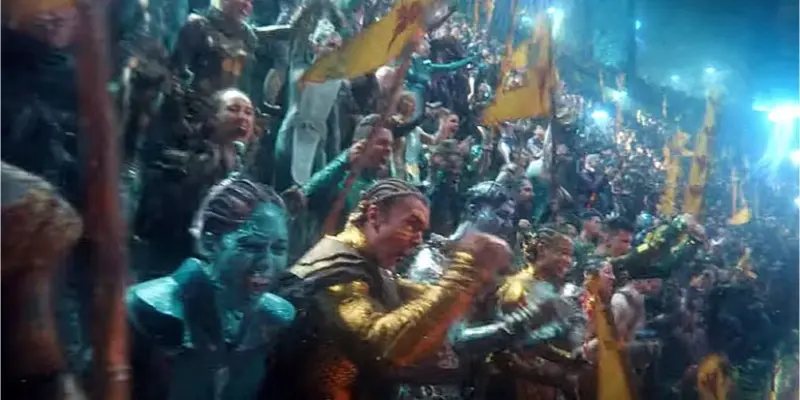
Council meetings, emissary visits, and battlefield alliances show how Atlantis relates to Xebel, the Fishermen, the Brine, and others. The movie uses disputes over resources and security to explain why some kingdoms hesitate and why others commit forces when the crisis spreads.
Prior history from ‘Aquaman’ informs these choices since old rivalries and treaties steer who can cross borders and who must ask permission. This network of rules and favors gives weight to travel plans, prison locations, and the need for formal approvals before any joint operation can begin.
Zero Sense: Mera power swings and screen time gaps

Mera displayed precise hydrokinesis in ‘Aquaman’ that could crush armor, form blades, and drain moisture from a target. In the sequel she is injured early and absent from long stretches, then returns for decisive beats with abilities that vary in strength from scene to scene.
Key confrontations would logically lean on her fine control of water pressure and flow, yet the movie often parks her off screen while others push the plot. The uneven presence reduces the consistent tactical advantage her skills provided before, which makes several fights unfold without the tool the team already has.
Perfect Sense: Environmental caution through lost tech
The fall of Necrus functions as a case study inside the story about unsustainable energy and unchecked extraction. Records and ruins point to leaders who embraced a powerful fuel that warmed the seas and warped their society until collapse forced a desperate seal on their capital.
Modern villains repeat the same pattern by scaling orichalcum use for quick gains, which triggers ocean wide feedbacks that threaten both land and sea. By pairing ancient warnings with present day consequences, the film turns its worldbuilding into a clear lesson about how a shortcut can cost a civilization its future.
Share your take on which parts of ‘Aquaman and the Lost Kingdom’ worked for you in the comments.