Movies You Have to Watch Twice to Understand


Some films are built like puzzles that reveal themselves in layers. The first viewing gives you the broad strokes of the story while a second pass lets you catch the hidden setups, the coded clues, and the choices that flip earlier scenes on their heads. The titles below use nonlinear structures, unreliable perspectives, symbolic imagery, or intricate rules that are easier to track when you know where the story is headed.
This list focuses on the storytelling mechanics that make each film click on repeat. You will find details about structure, character information, visual and sound motifs, and how certain edits or props change meaning once you know the full picture. Use it as a map for what to watch closely when you press play again.
‘Memento’ (2000)
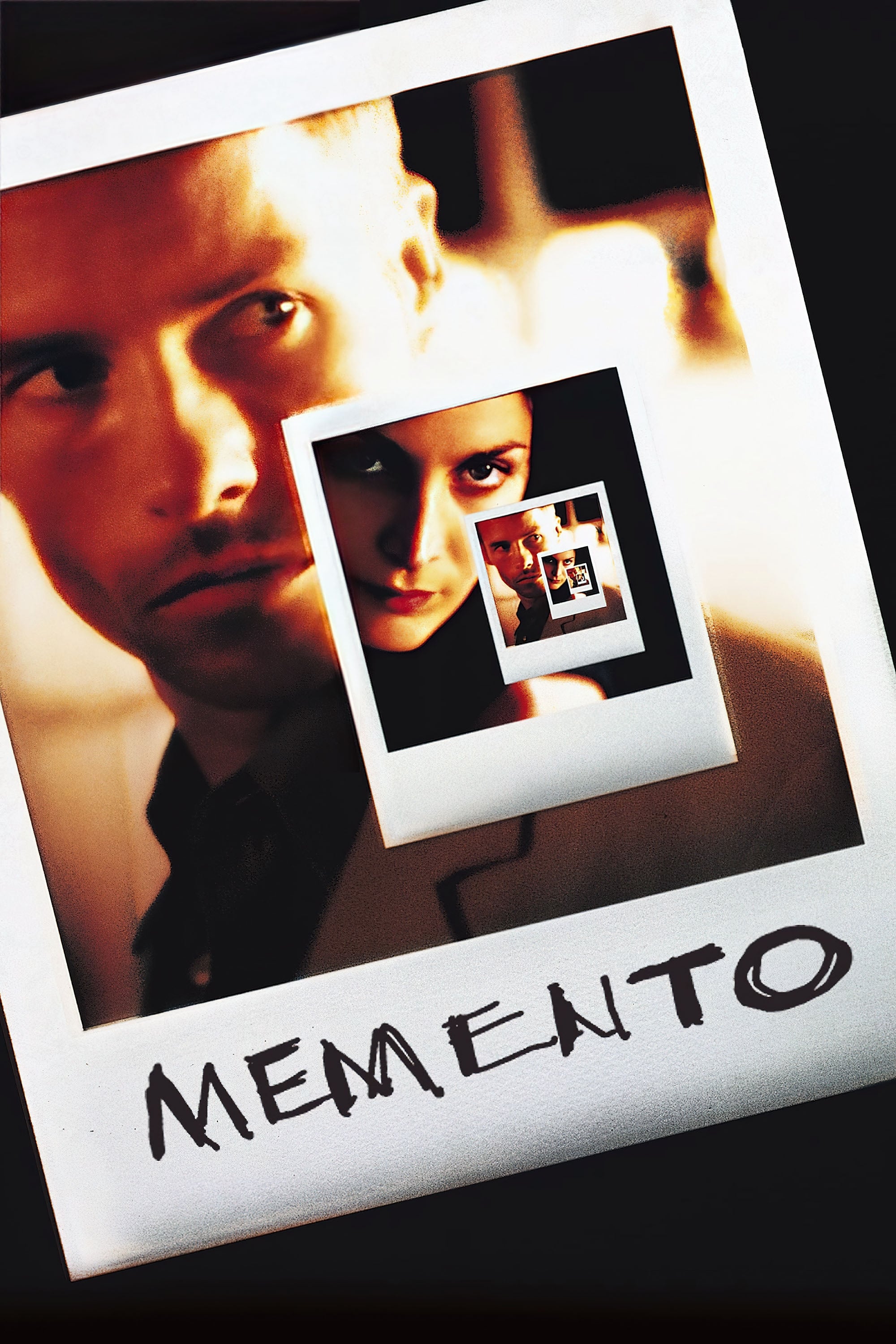
This thriller tells its color scenes in reverse order while intercut black and white scenes move forward. The two strands meet in a single moment where the full sequence of events becomes clear. The lead character uses tattoos and instant photos to track facts after a head injury affects his memory.
A rewatch helps you line up the clues on each photo and the wording of every tattoo. Pay attention to the phone calls, the handwriting differences, and how names and license plates move between scenes. When the strands converge you can trace who fed what information to whom and why that matters.
‘Mulholland Drive’ (2001)
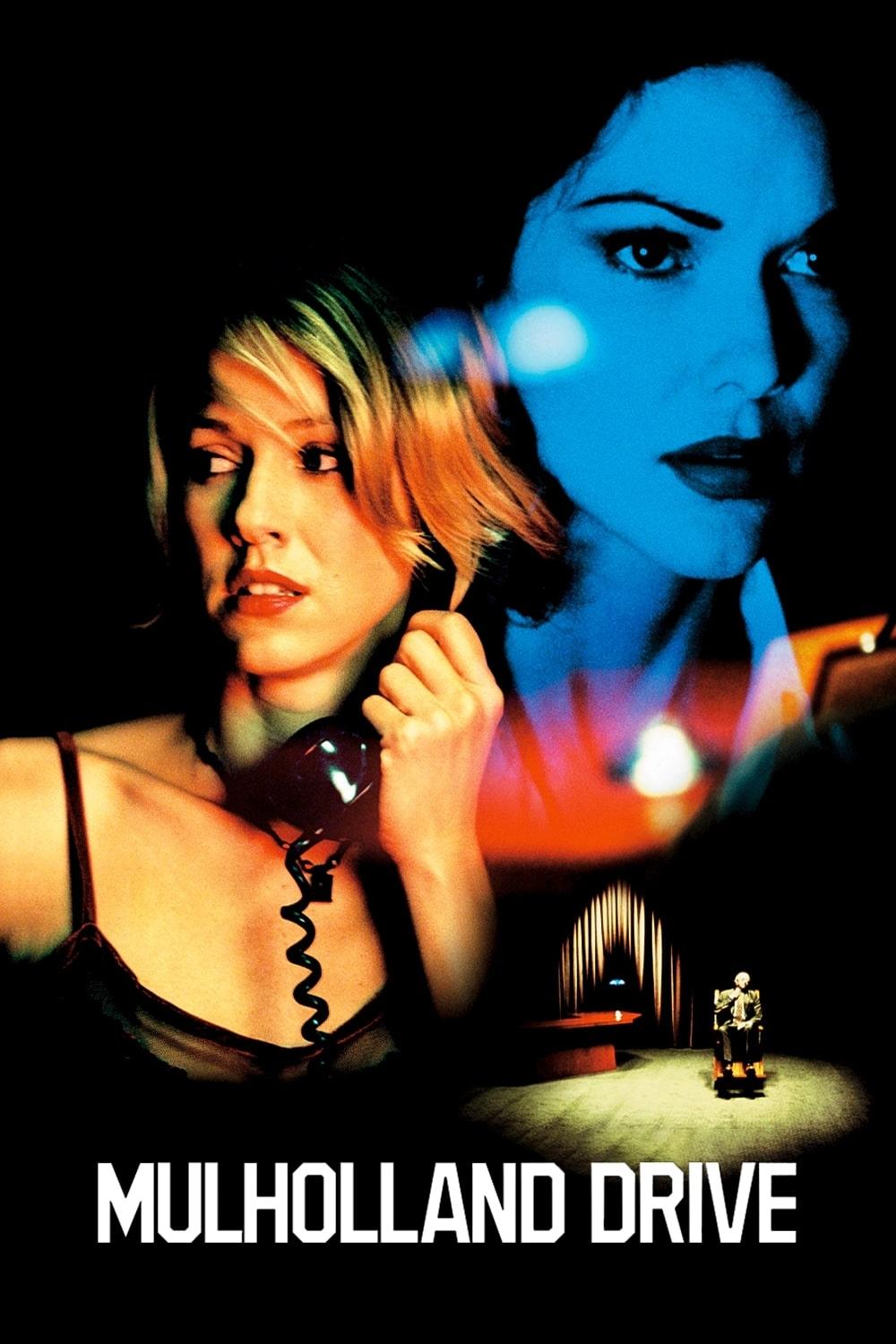
The story begins with an amnesiac woman and an aspiring actor in Los Angeles who try to solve a mystery. The film then shifts into a different arrangement of identities and relationships. Key locations like an apartment complex, a theater, and a diner repeat with altered context.
On a second viewing you can match objects, names, and performances across the two halves. Watch the Club Silencio scene and how it reframes earlier optimism. Faces, blue items, and recurring musical cues act like signposts that point to which version of events a scene belongs to.
‘Primer’ (2004)
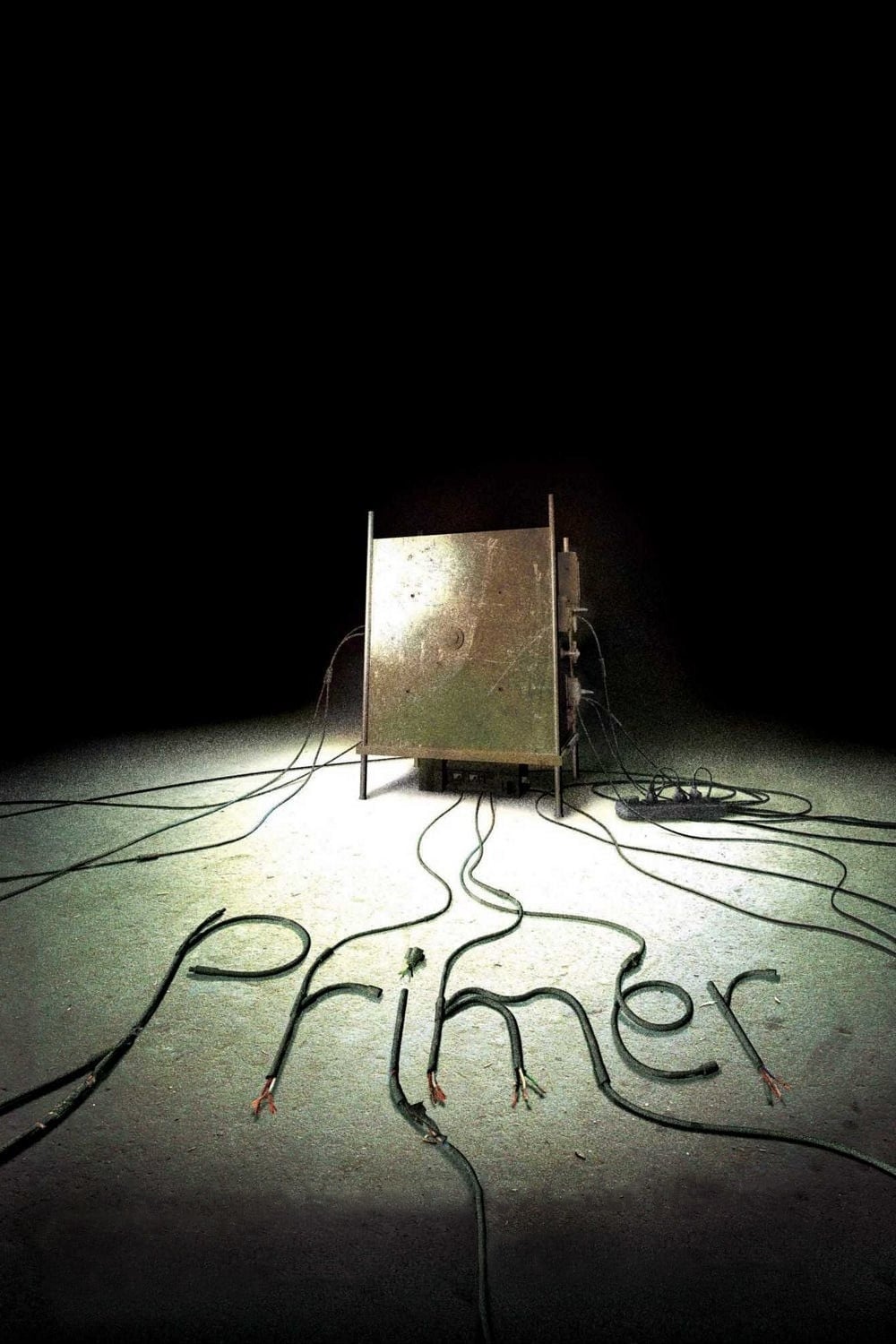
Two engineers build a device that creates overlapping timelines through a limited window of time. The film uses technical dialogue and mundane settings to ground a complex set of doubles and copies who move through the same day. Multiple versions of the same person act at once without clear visual markers.
Rewatching lets you chart who is the original in each scene and which version holds key recordings. Track the number of devices in play, the length of each loop, and the use of noise canceling headphones and failsafes. Small wardrobe choices and time stamps on notes help you place scenes in the correct order.
‘Inception’ (2010)
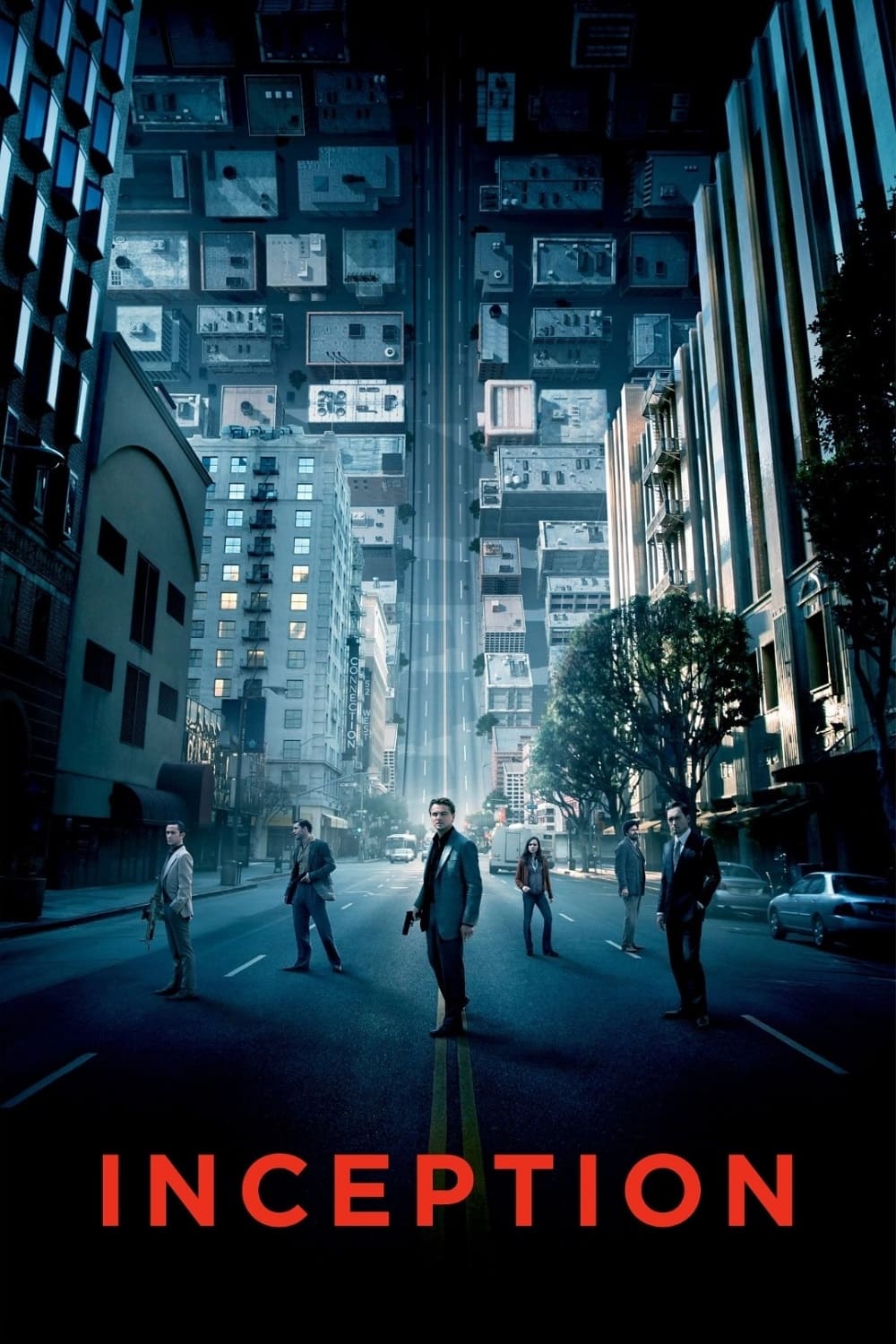
A team enters shared dreams to plant an idea, with each dream level running at a different speed. The plan depends on synchronized kicks, totems that test reality, and a multi level heist that spans land, air, and snow. Scenes move between layers as the team tries to keep the mission aligned.
On a rewatch you can map the rules for each level, including who is dreaming and what happens if someone dies while sedated. Follow the totem rules, the musical countdown, and the emotional objective that sits under the job. The edits between levels often mirror each other which helps you link cause and effect.
‘The Prestige’ (2006)
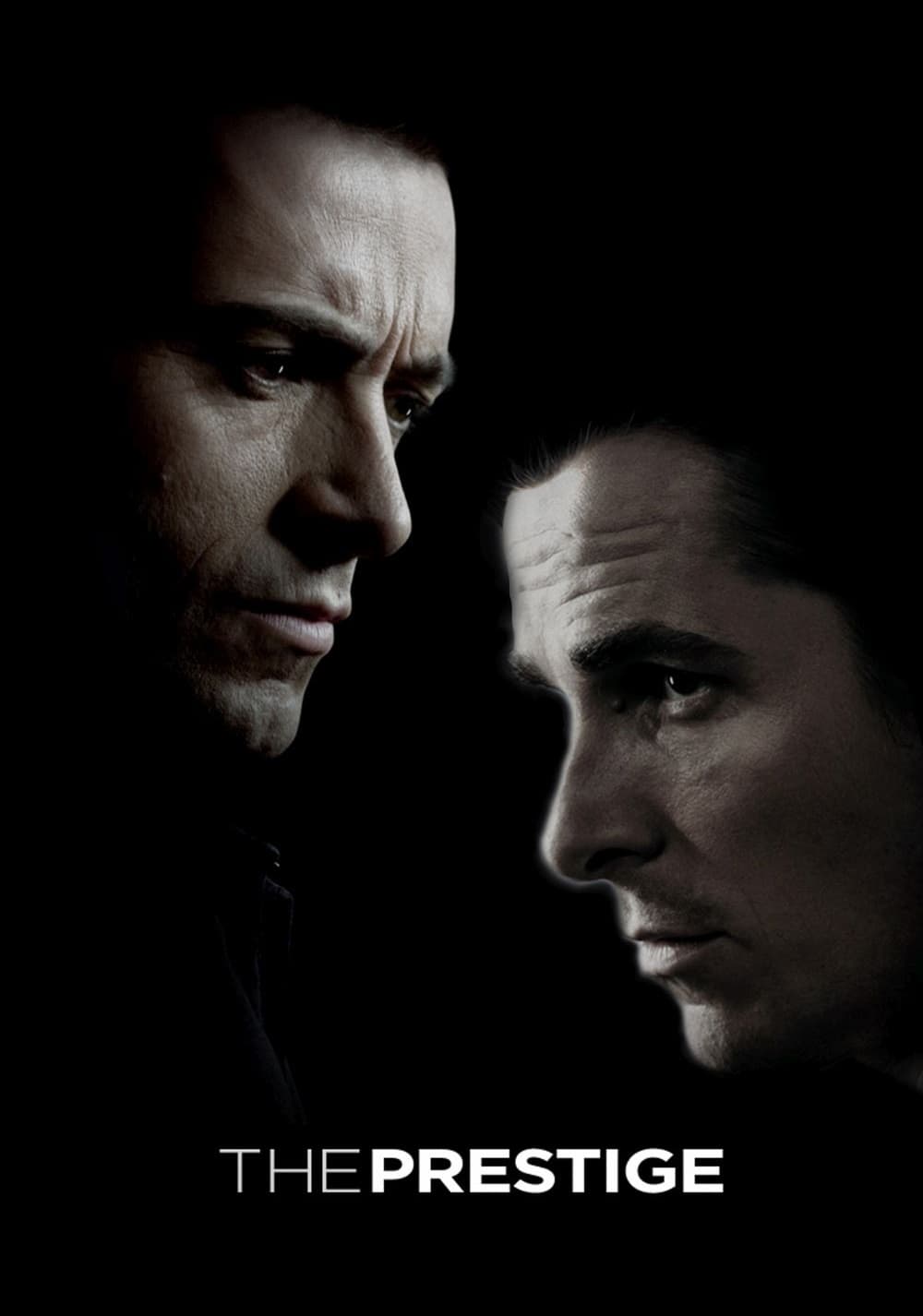
Two rival magicians escalate a feud through diaries, disguises, and staged revelations. The narrative jumps between notebooks and courtrooms while repeating the structure of a magic trick with a setup, a turn, and a finish. Each character protects a central method that defines their life.
Watching again lets you line up the trick names with their mechanics and see how doubles, injuries, and stagecraft interlock. Note the use of identical phrases in the diaries and how certain assistants move in and out of view. Props like a birdcage, a tank, and a transported object track the trade offs each magician accepts.
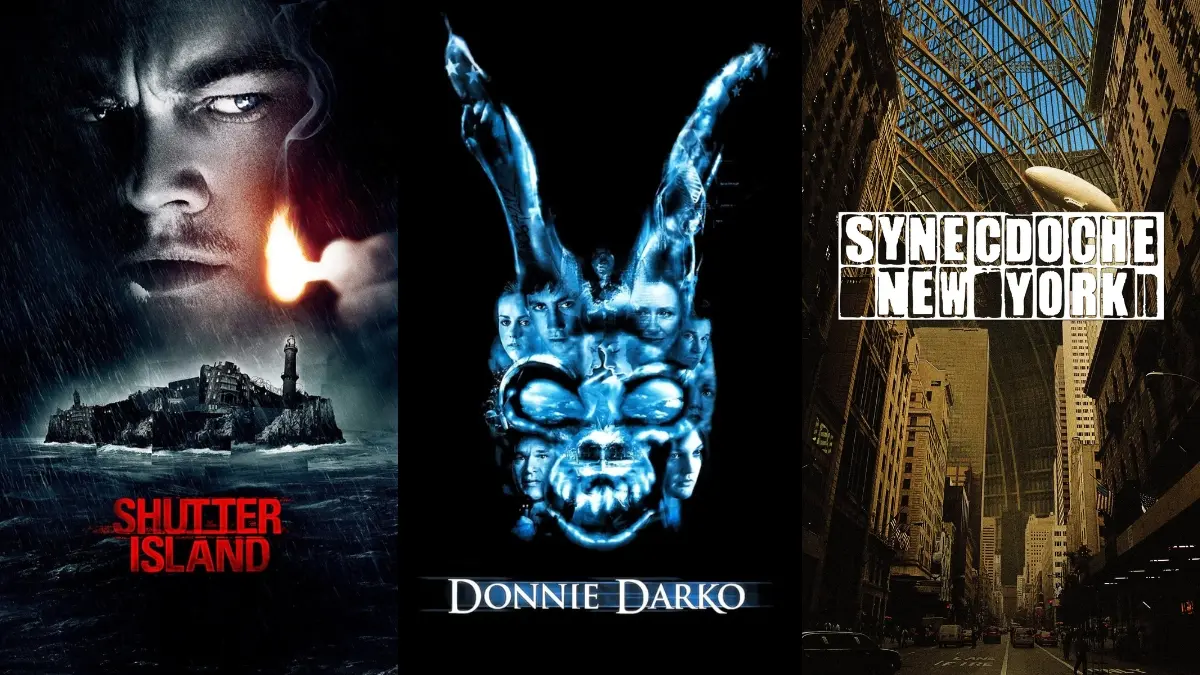
‘Donnie Darko’ (2001)
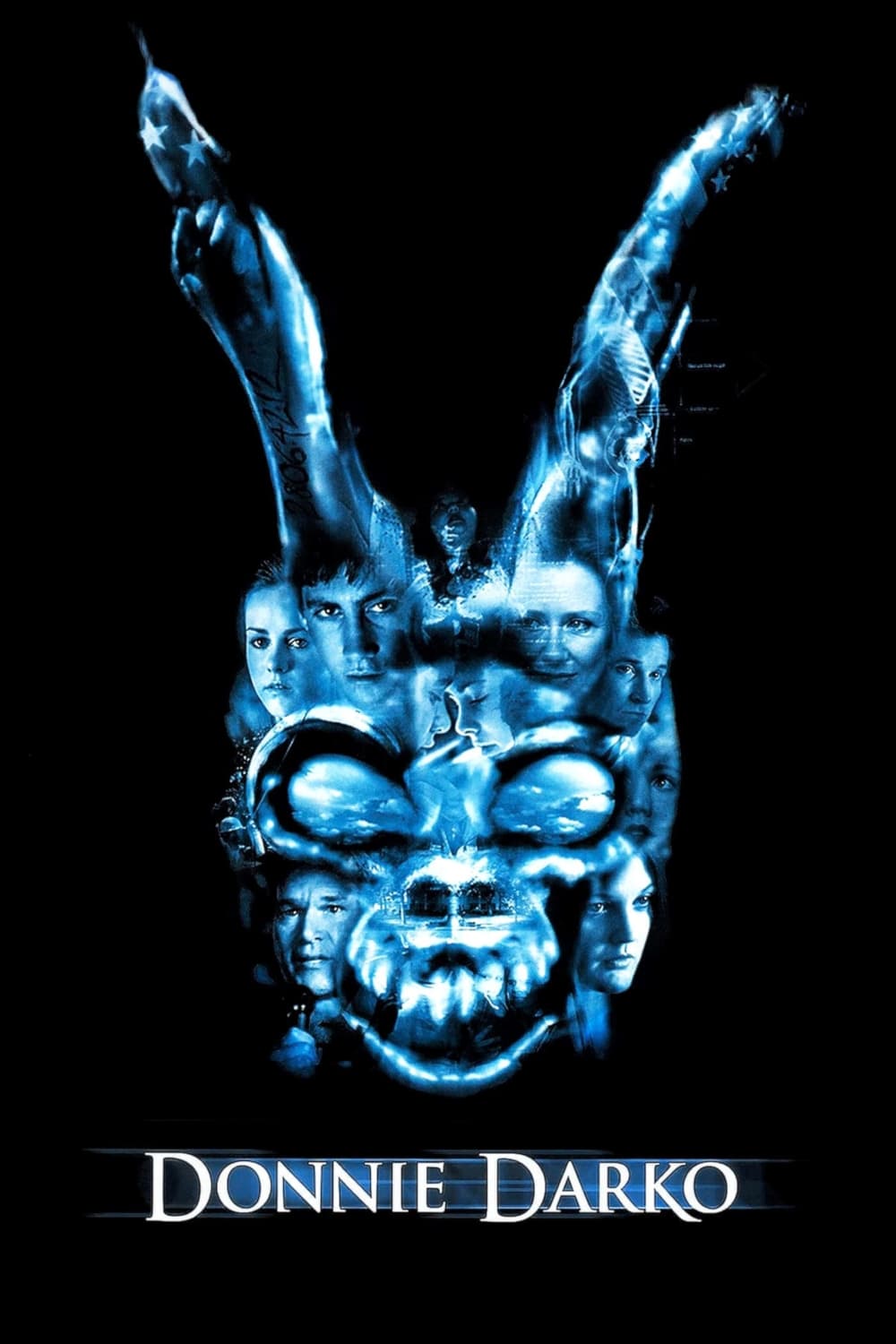
A teenager survives a strange accident and begins to see a figure who gives instructions with a countdown. The story blends high school life with time travel ideas and cryptic notes about an alternate path. Chapters and book pages appear that outline rules for manipulated outcomes.
On a second viewing you can connect the family dynamics, the jet engine, and the exact timing of sleepwalking episodes. Keep an eye on the handwriting on letters, the cellar door mention, and how specific characters guide key choices. The final montage reassigns meaning to several earlier conversations when you know the loop.
‘Fight Club’ (1999)

An office worker meets a soap maker who pulls him into an underground group and a larger plan. The narration is personal and direct while edits plant brief flashes and continuity oddities in plain sight. The plot builds a network that spans multiple cities and anonymous members.
Rewatching lets you spot single frame hints, name slips, and the physical layout of shared spaces. Track credit card receipts, phone numbers, and the rules recited at meetings. The language used by different characters shifts in a way that signals who is driving a scene at any given moment.
‘The Sixth Sense’ (1999)
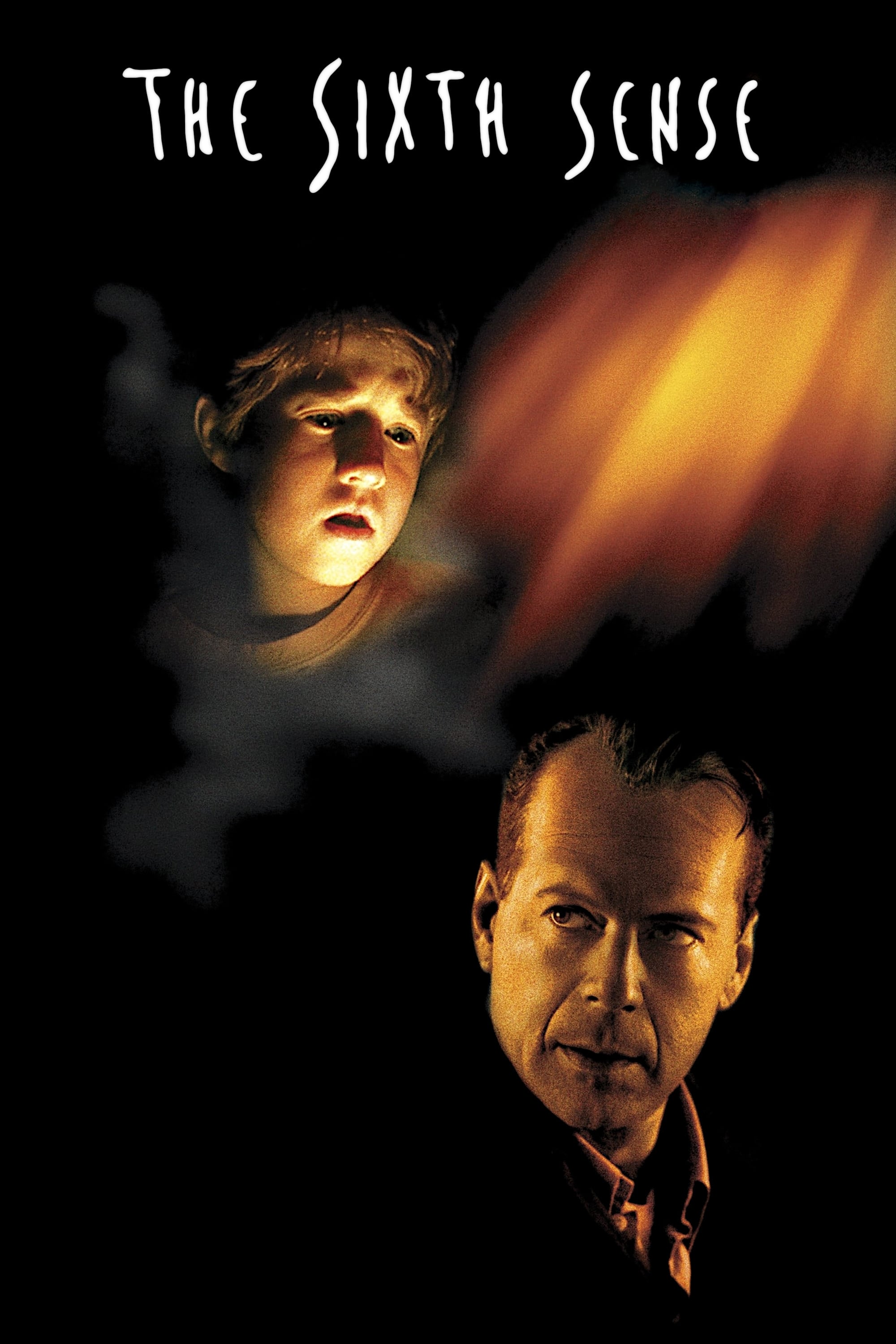
A child psychologist works with a boy who reports seeing people who do not realize they are dead. The film stays tightly on therapy sessions and family scenes and presents everyday settings with careful color accents. Many conversations are staged so that participants rarely interrupt each other.
On a second viewing you can examine how doors, temperature changes, and the color red mark key boundaries. Watch where adults stand during dinners and how objects are handled or not handled. The final reveal allows you to reinterpret every earlier session and hallway encounter through a new lens.
‘Shutter Island’ (2010)
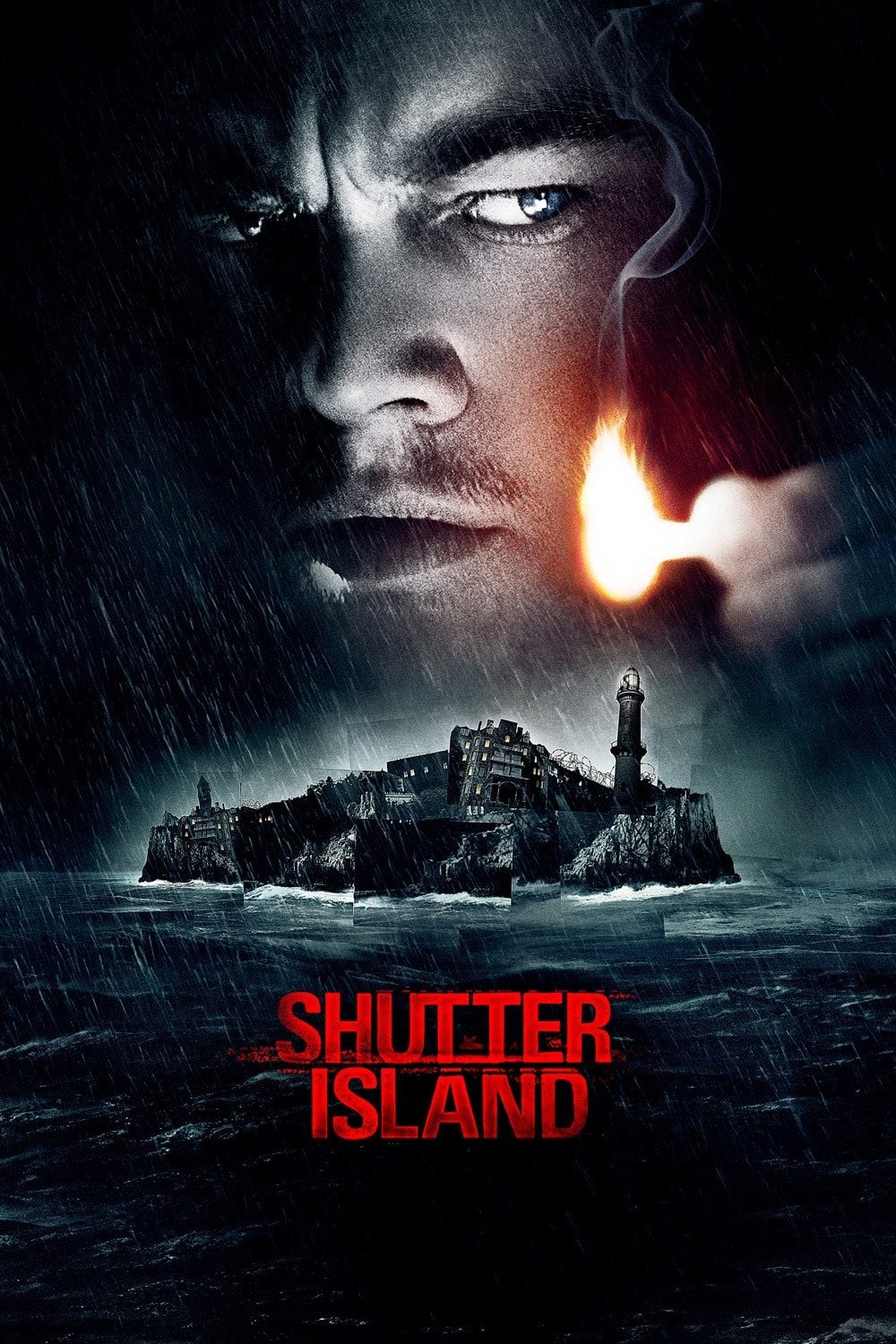
A US Marshal arrives at a hospital on an island to investigate a missing patient. The weather, the lighthouse, and a restricted ward create obstacles that force the investigation into unusual interviews. Files, diagrams, and medication records appear in brief shots that carry heavy weight.
Rewatching helps you compare names, anagrams, and case histories to the statements made by staff and patients. Pay attention to glassware, cigarettes, and sudden sound shifts during migraines. The lighthouse sequence lines up with earlier cues that were easy to overlook on a first pass.
‘Tenet’ (2020)
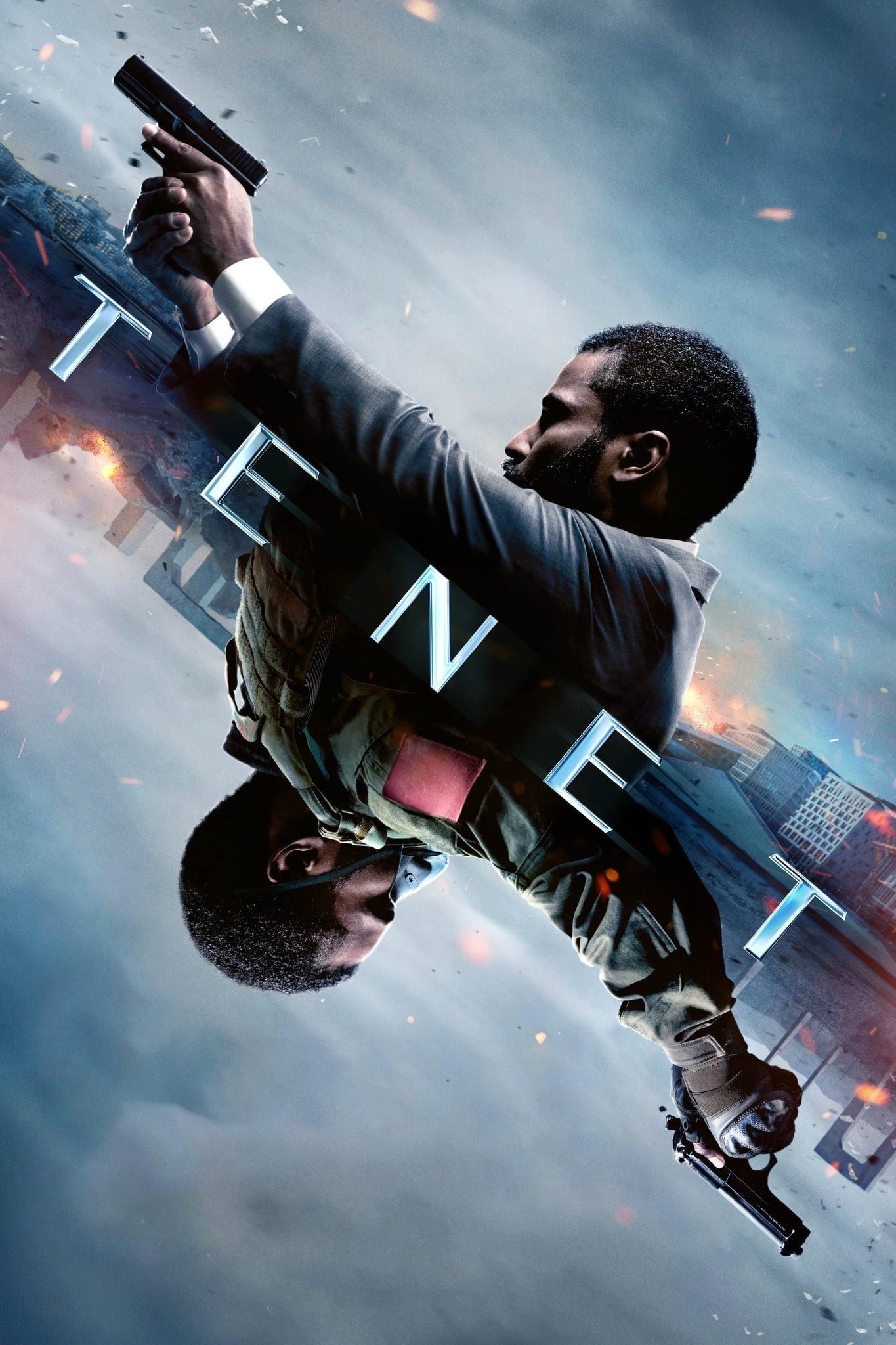
An operative learns to navigate a world where certain objects and people move with inverted entropy. The plot uses turnstiles, time locked tags, and pincer movements that join a later team with an earlier action. Several set pieces are shown twice from opposite temporal directions.
On a second viewing you can chart the Sator word connections and match color coded armbands to temporal direction. Track bullets, oxygen masks, and the handoff of a particular piece of hardware between versions of the same person. The highway and airport sequences play like mirrors once you know who is traveling which way.
‘Predestination’ (2014)
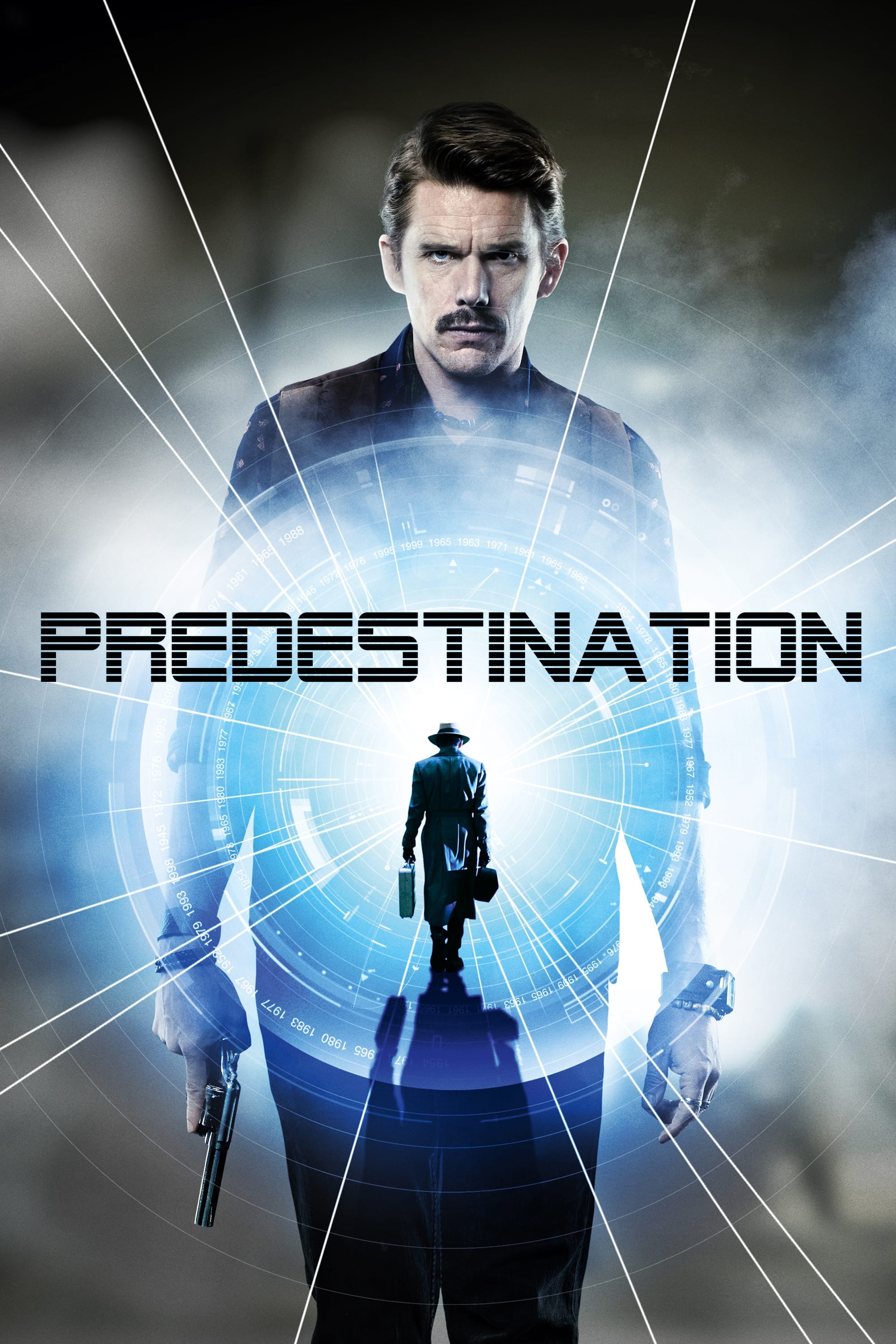
A time agency tries to stop a bomber while an undercover operative trades life stories with a stranger at a bar. The plot is built on identity loops that fold back on themselves across several assignments. A series of reveals reassigns parentage, employment, and personal history.
Rewatching lets you follow scars, records, and adoption papers as they move through the timeline. Note dates on files, the bar location, and how specific names repeat in different contexts. The closing scenes echo early dialogue word for word which helps verify the full loop.
‘Arrival’ (2016)
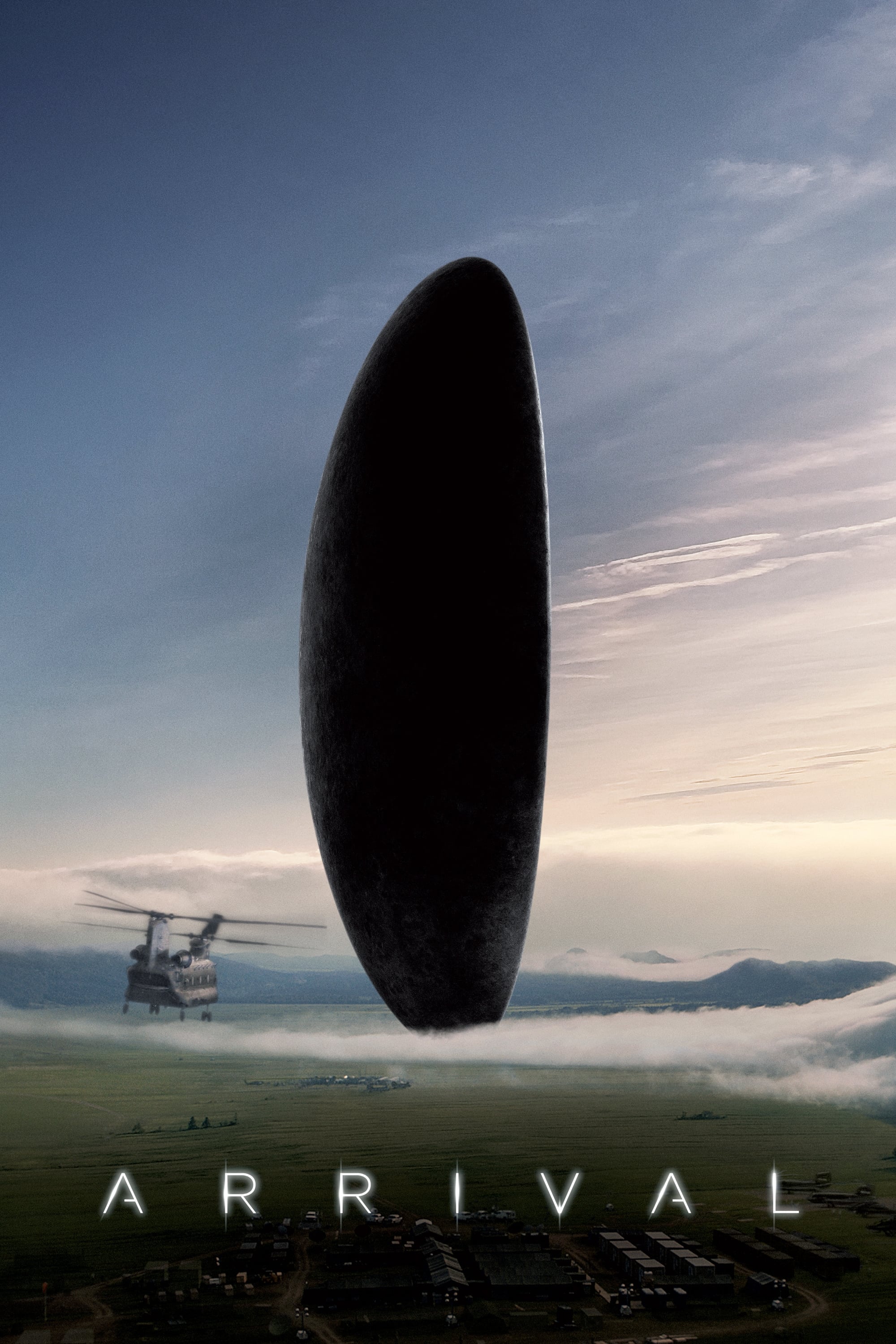
A linguist works with a physicist to communicate with visitors who use complex circular symbols. The narrative structure aligns with the idea that learning a language can change how a person experiences time. Scenes with a family thread are cut through the main storyline without explicit labels.
On a second viewing you can study the logograms for repeated patterns and track how each session with the visitors updates a shared lexicon. Pay attention to who receives which piece of information and when it is acted upon. The notebook pages and the sequence of military decisions show how understanding grows step by step.
‘Interstellar’ (2014)
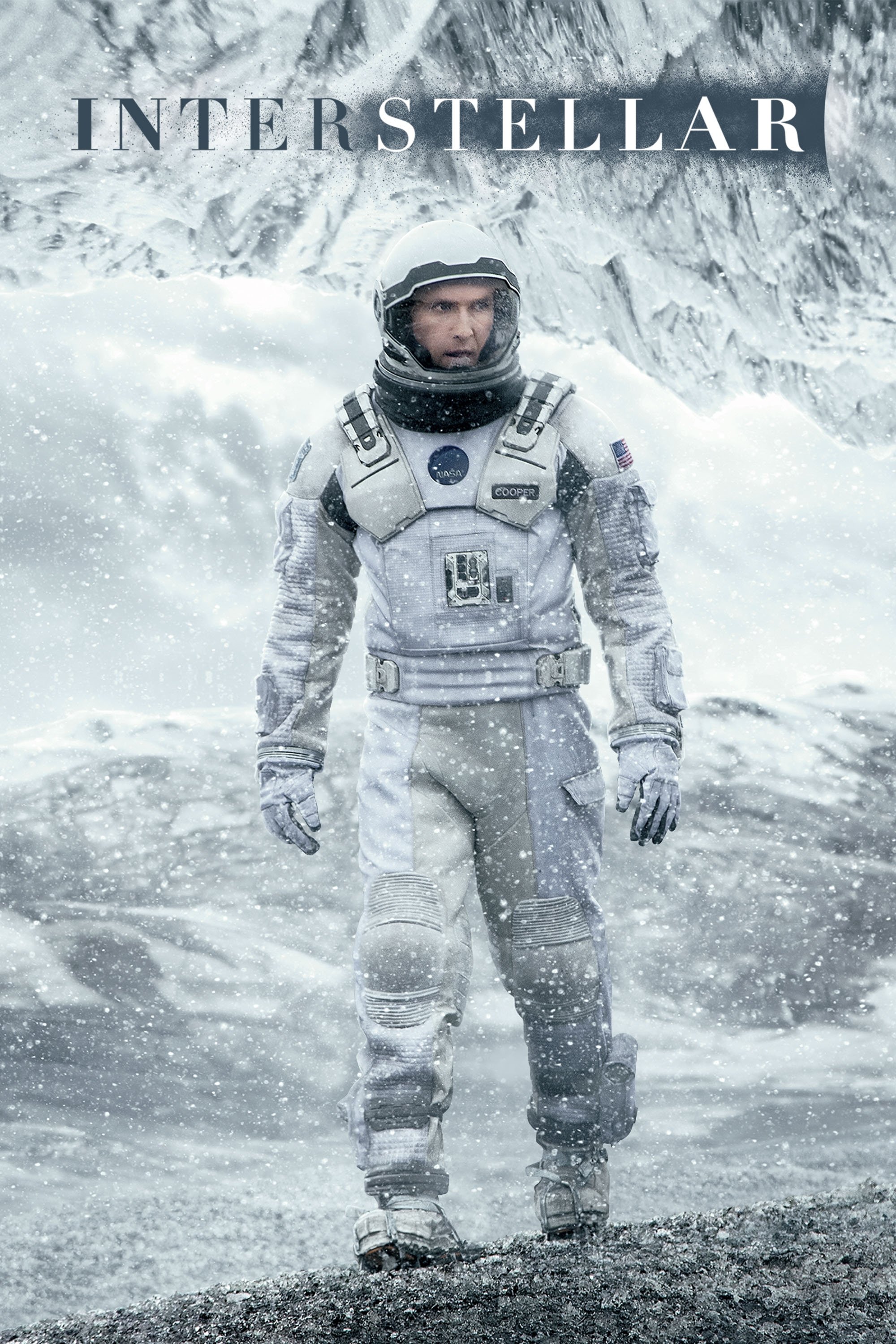
Explorers travel through a wormhole to find habitable worlds while time dilation affects how long they are away. The mission depends on gravity data, a bookshelf signal, and a connection across dimensions. Visual cues like shifting waves, ice clouds, and a tesseract room anchor the science ideas.
Rewatching helps you line up which messages are sent at which moments and how clocks and watches synchronize choices. Track the names on mission logs, the sequence of planet visits, and the way dust patterns form in a bedroom. The final station scenes reward close attention to ship names and family records.
‘The Usual Suspects’ (1995)
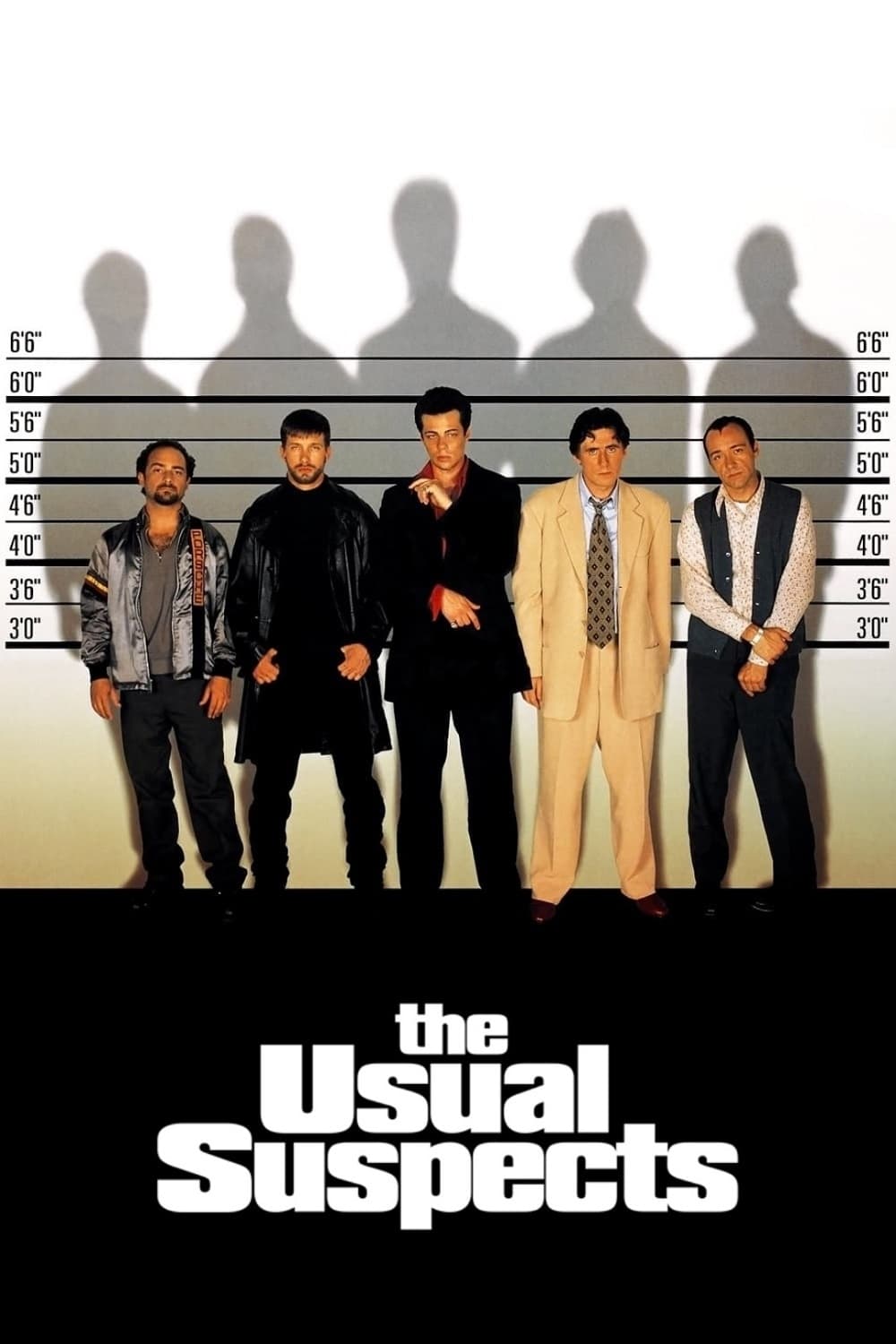
A small time con man tells an agent how a crew formed and how a job went wrong. The story arrives through an interrogation and a hospital survivor who uses limited details. A larger myth about a crime figure hangs over every scene.
On a second viewing you can scan the bulletin board, the mug lineup, and the names chosen during the testimony. The coffee cup scene recontextualizes earlier claims and shows how memory and improvisation can shape an account. Matching background words and props to spoken details reveals the method behind the tale.
‘Oldboy’ (2003)
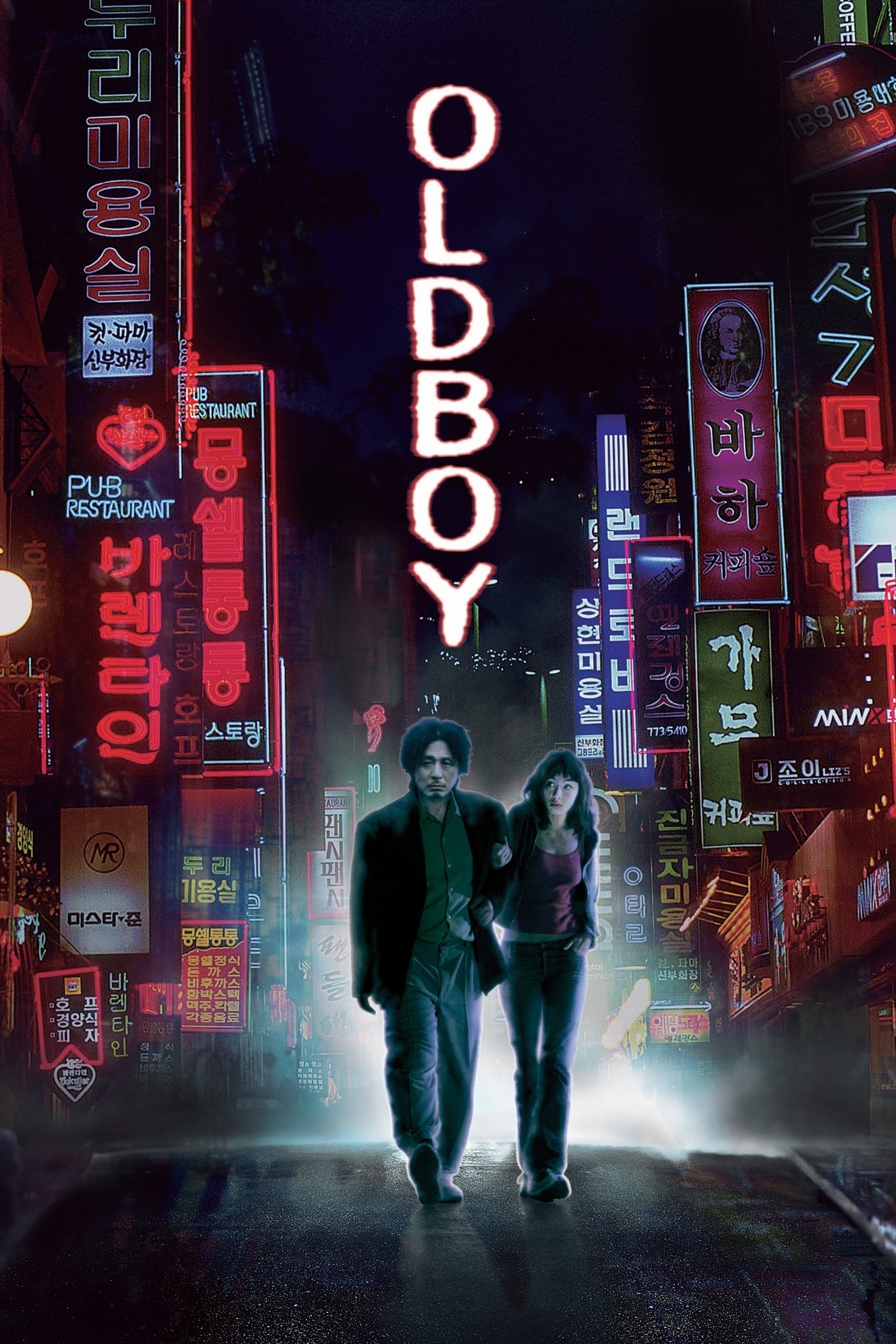
A man is imprisoned without explanation and then released with money, clothes, and a deadline. He hunts for the person responsible while learning how his own past connects to the mystery. The camera often holds on long takes and close corridor fights that keep geography clear.
Rewatching lets you connect the private school history, the tape recordings, and the significance of a specific object gift. Pay attention to photographs, hypnotic cues, and how information is fed through intermediaries. The final choices echo earlier lines and images that shift meaning once the truth is known.
‘Perfect Blue’ (1997)

A pop idol leaves her group to pursue acting and begins to question what is real as a stalker appears. The film uses scene within a scene edits where a television script blends into daily life. Reflections and screens multiply the main character in ways that blur identity.
On a second viewing you can map which scenes belong to the show and which belong to the character’s life. Track wardrobe repeats, calendar pages, and website updates. The film’s influence on titles like ‘Black Swan’ becomes clearer when you follow the performance and double motifs.
‘Paprika’ (2006)

Researchers use a device that lets therapists enter a patient’s dreams. A stolen prototype unleashes a parade of dream images that bleed into waking reality. Characters move through layered spaces where objects and settings change mid shot.
Rewatching helps you separate dream hosts from visitors and see how recurring toys and instruments pass between minds. Watch the billboard faces, the red scarf, and the camera that tracks entries and exits. The final set piece mirrors an earlier parade which helps you decode the logic that binds the dreams.
‘Coherence’ (2013)
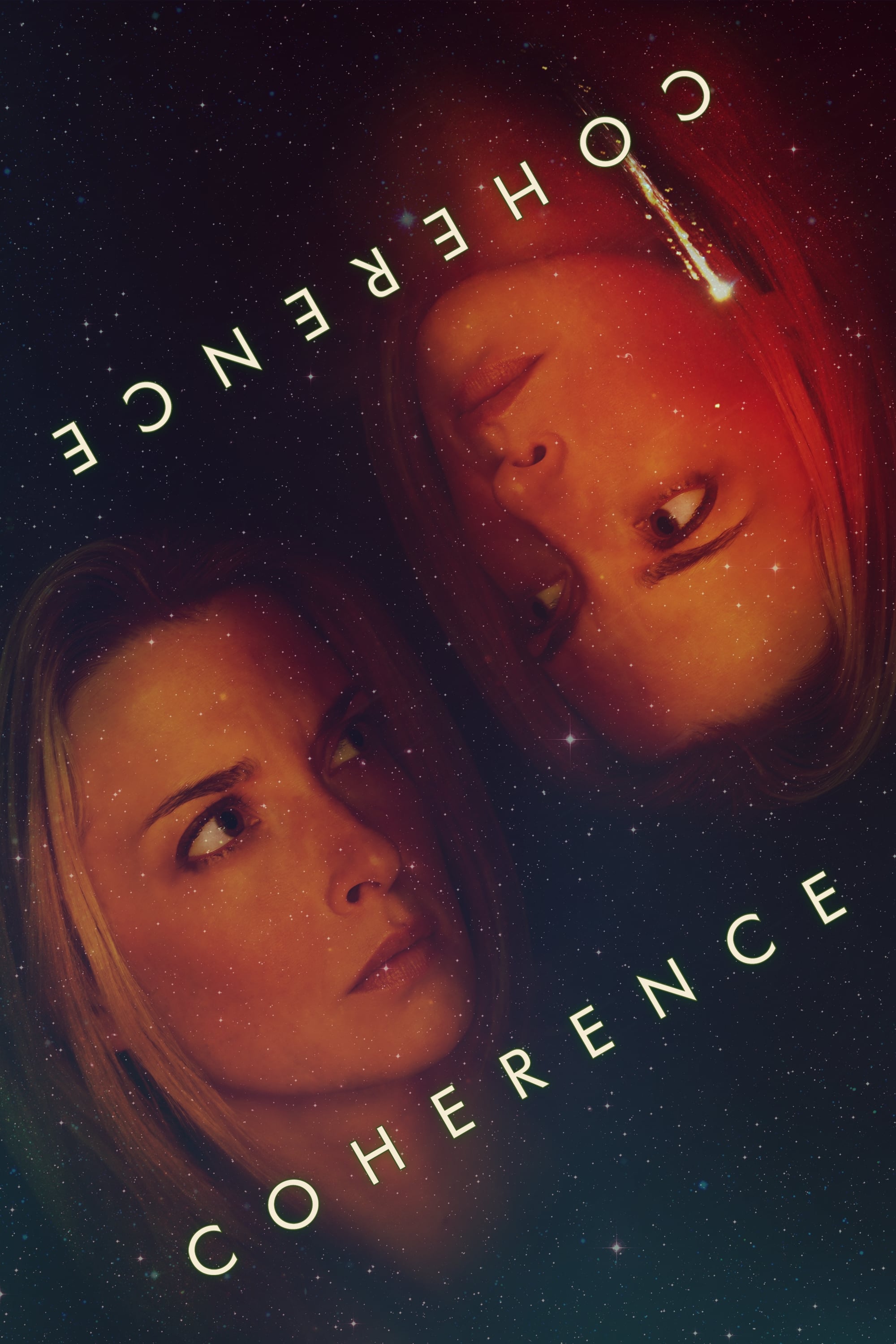
Friends gather for dinner on the night a comet passes overhead and strange duplicates appear. The production uses overlapping dialogue and practical lighting to keep the setting grounded. Boxes with numbered items and glow sticks help the group sort out which house they are in.
On a second viewing you can track the color of glow sticks, the content of the note on the door, and the specific differences in photographs. The film’s timeline branches quickly, so pay attention to the first time someone steps outside and how that choice affects later scenes. The final shot ties back to an early conversation about outcomes.
‘Enemy’ (2013)
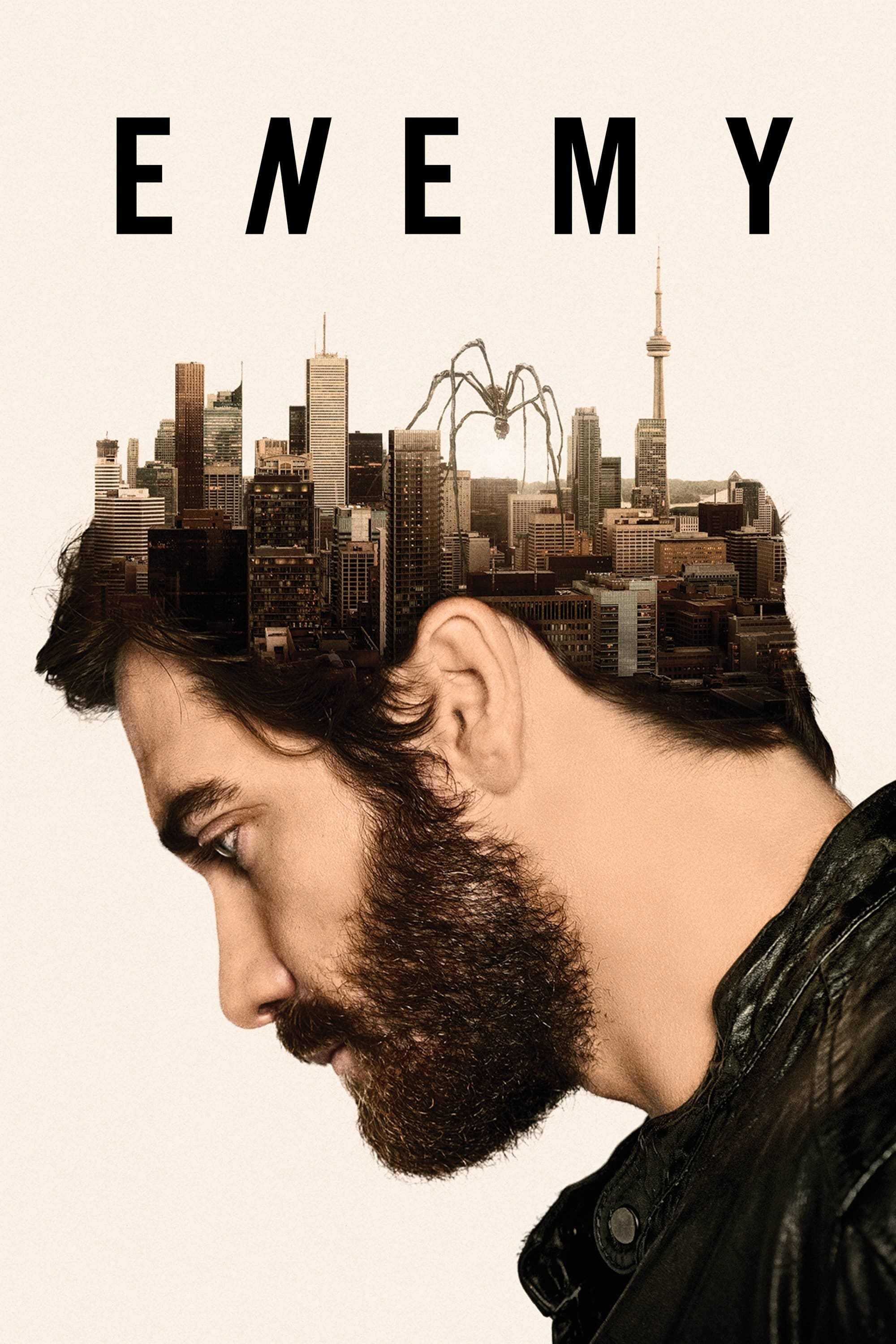
A quiet lecturer sees an actor who looks exactly like him and decides to make contact. The city is shot with a yellow haze and recurring spider imagery appears in classrooms and apartments. Scenes alternate between the two men with little clear labeling.
Rewatching lets you follow rings, keys, and apartment codes to keep track of who is on screen. Look at the placement of a scar and the way certain props move between homes. The opening and closing images bracket the story and point to how control and repetition operate.
‘Synecdoche, New York’ (2008)
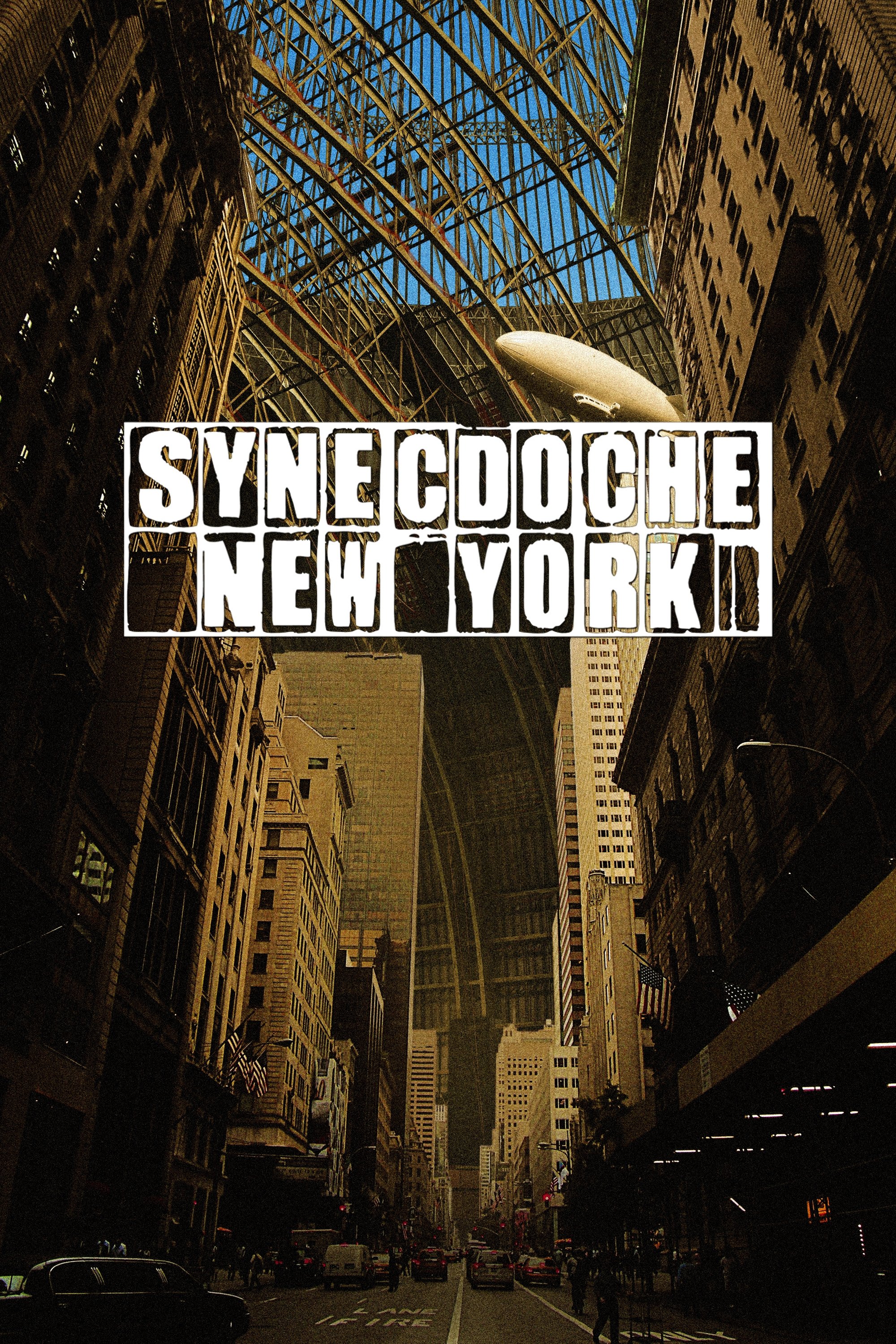
A theater director stages a production inside a growing warehouse that recreates a city and the people in his life. Actors play actors who play their subjects and the set expands as years pass. Addresses and job titles shift while the production never opens.
On a second viewing you can trace who plays whom and how the casting changes reflect personal events. Watch mailbox labels, diary entries, and apartment signage. The speech near the end loops back to an early medical note and helps align the story’s timeline.
‘Annihilation’ (2018)
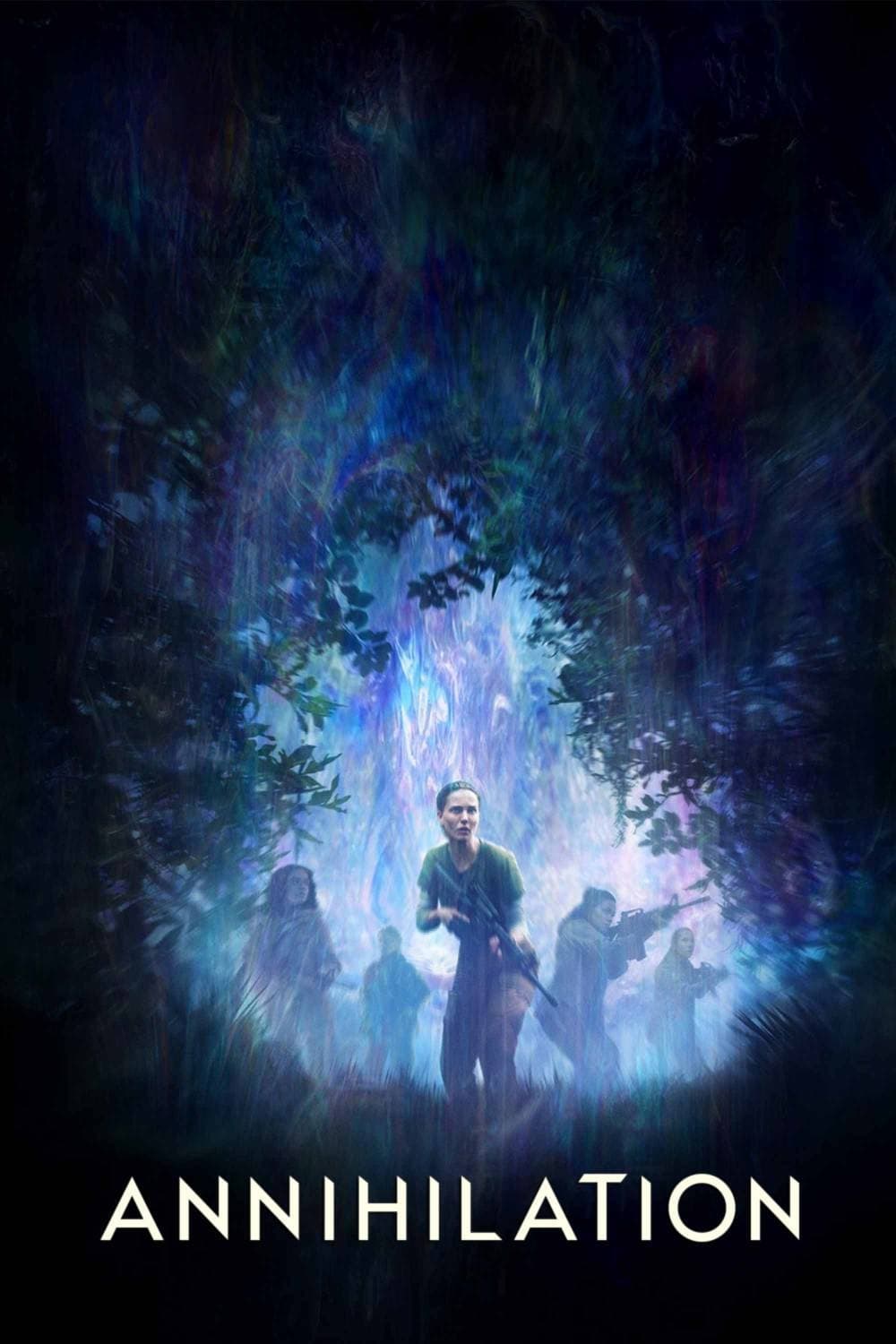
A biologist joins a mission into a zone called the Shimmer where organisms change in unusual ways. The team finds plants that copy forms and animals that mix traits from different species. Recordings from earlier groups show how bodies and minds adapt inside the area.
Rewatching helps you track tattoos, refracted voices, and duplicates at key locations. Pay attention to how light and sound behave around water and glass. The lighthouse footage and the final hand gesture link back to the theme of self transformation seen throughout the zone.
‘The Tree of Life’ (2011)
A man reflects on his childhood while images of the natural world and the cosmos play alongside family scenes. The film uses whispered narration, classical music, and impressionistic editing to move between time periods. Locations in a small town mirror larger patterns in nature.
On a second viewing you can align the family timeline with the cosmic sequences through repeated gestures and frames. Watch windows, water, and trees that repeat across ages. The beach scene pulls together characters from different times and resolves motifs introduced in the first minutes.
‘Under the Skin’ (2013)
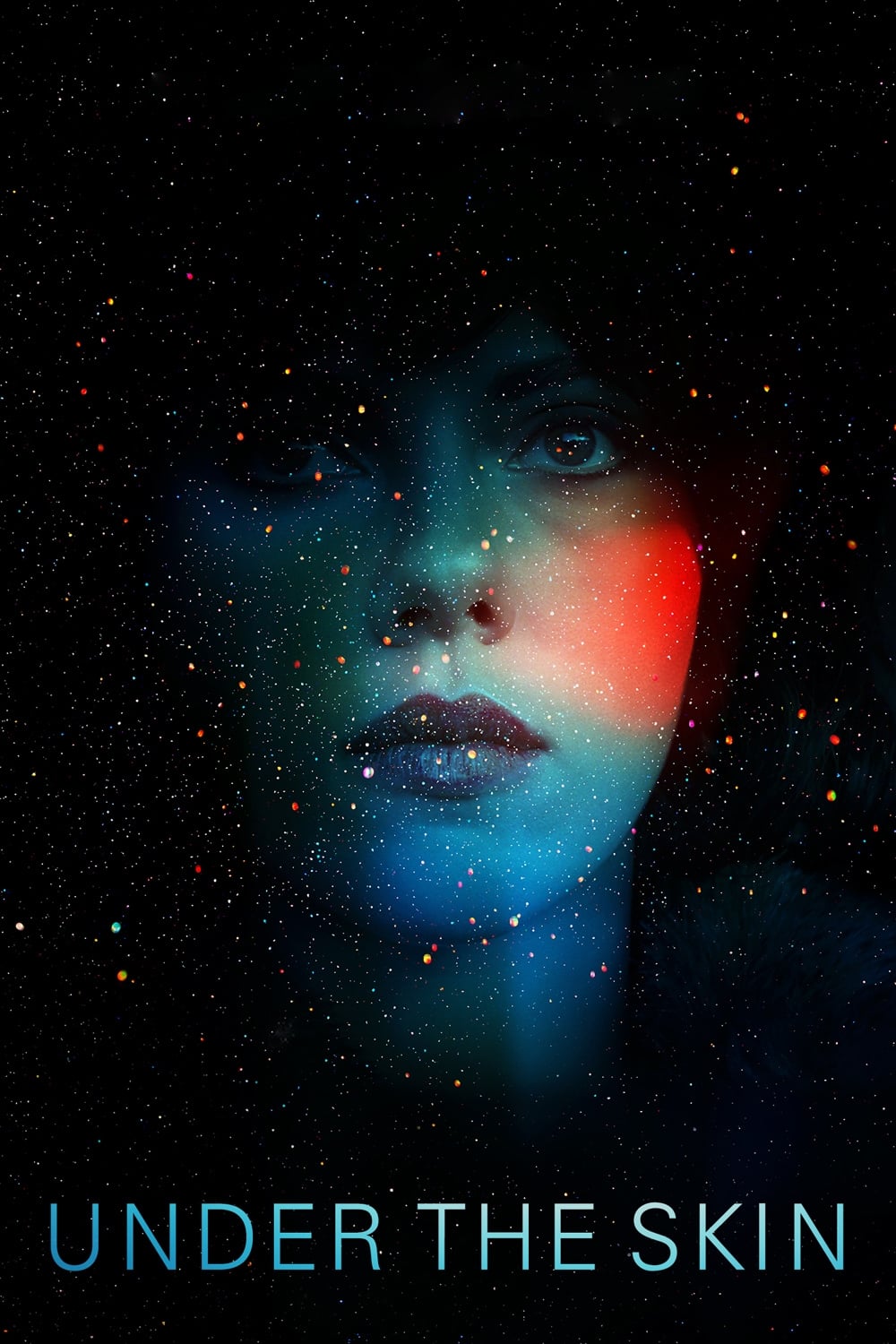
An alien figure moves through a city and countryside and encounters people in unscripted interactions. A black room swallows victims in a stylized process that repeats with small changes. The score and sound design guide perspective when dialogue drops out.
Rewatching lets you match the motorcycle watcher, the white van routes, and the way the mirror room operates. Track clothing swaps, store purchases, and how the character responds to kindness. The final forest sequence echoes earlier captures and shows how the hunt has changed.
‘Eraserhead’ (1977)
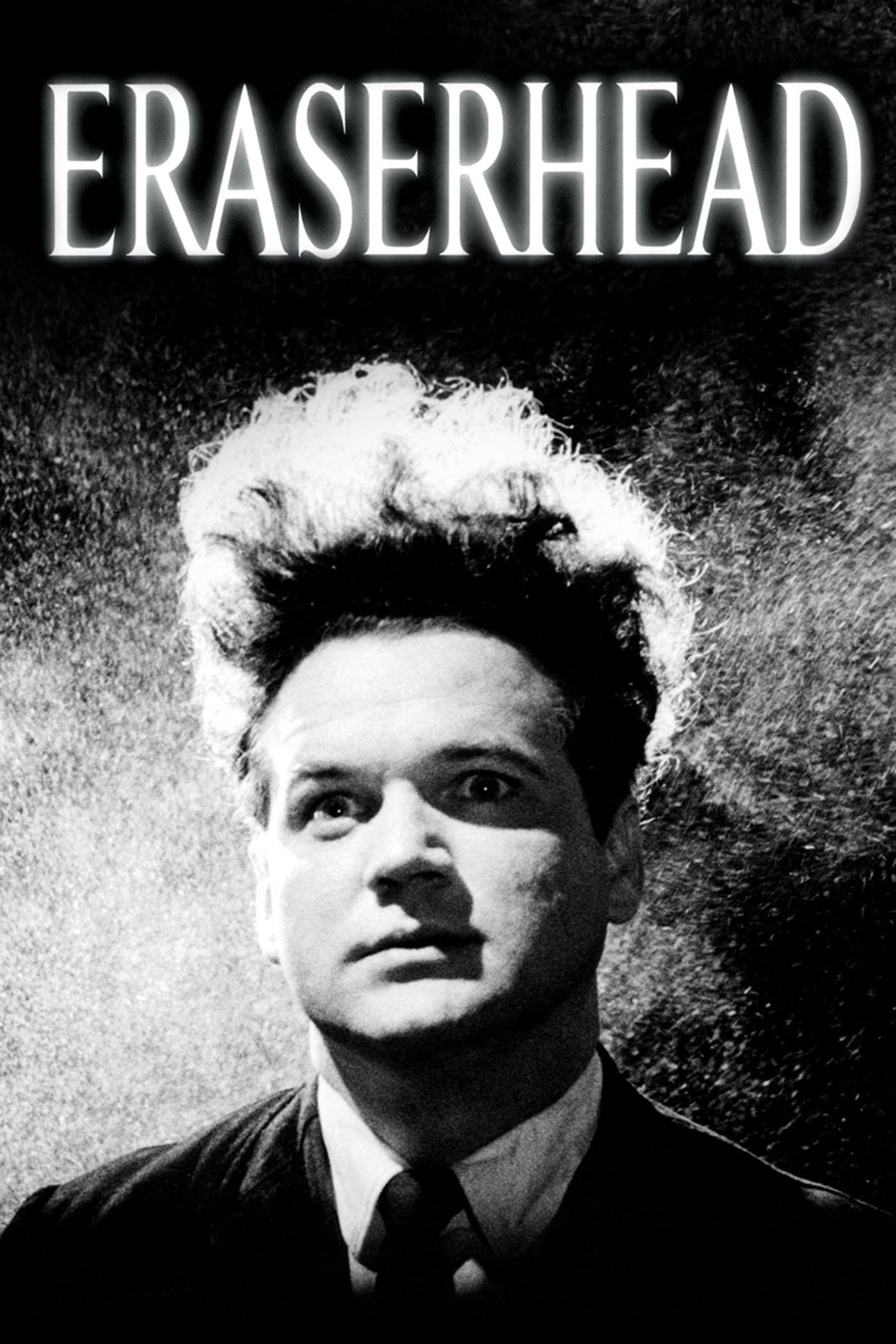
A man lives in an industrial setting where mechanical noises and dreamlike images fill the soundtrack. A family dinner introduces a baby that cries constantly and changes the couple’s routine. The film relies on texture, light, and sound rather than clear plot explanations.
On a second viewing you can map the radiator stage, the hallway, and the apartment into a cycle of anxiety and release. Watch the use of steam, dirt, and electrical hums that mark transitions between states. The final images repeat earlier shapes in a way that suggests how the spaces connect.
‘2001: A Space Odyssey’ (1968)
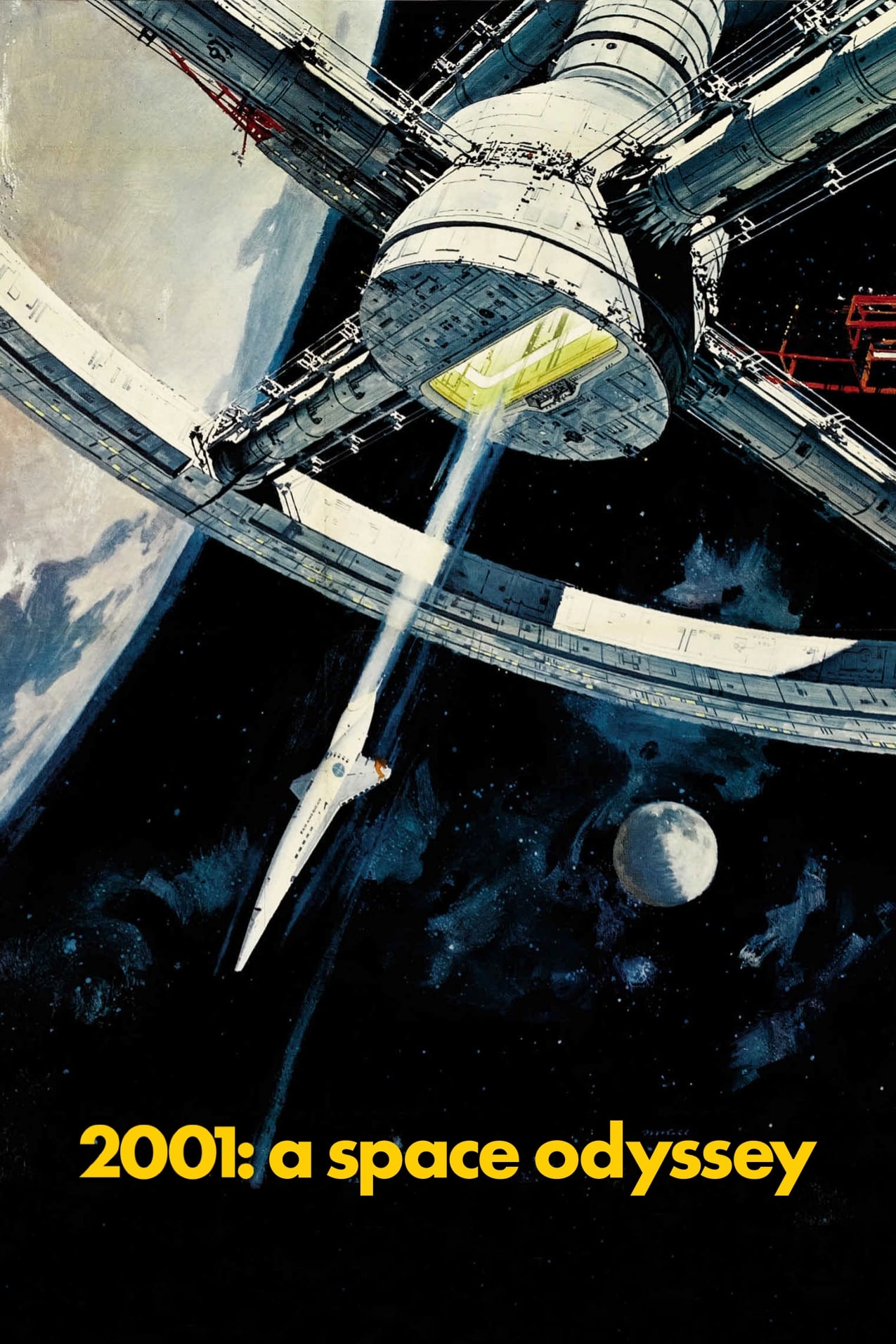
The story unfolds in distinct chapters that move from early humans to space travel and beyond. A monolith appears at key moments and triggers leaps in knowledge. A mission to Jupiter introduces a computer that controls ship systems and responds to the crew.
Rewatching helps you line up the match cut that links tools across eras and follow how color and geometry signal shifts in awareness. Track camera positions in the rotating set and the placement of eye level close ups. The final sequence reflects visuals introduced in the first chapter and closes a loop.
Share which titles you rewatched and what details finally clicked for you in the comments.