10 Underrated Eddie Murphy Movies You Must See


Eddie Murphy has worked across comedy, drama, action, and family films since the early eighties, with lead roles, memorable supporting turns, and even voice work. His filmography stretches from studio blockbusters to smaller projects, and it includes collaborations with major directors and a long list of notable co stars across several decades.
This roundup spotlights ten titles that many viewers miss when they think about his career. For each film you will find concrete details like directors, casts, release context, production notes, and story basics so you can quickly decide what to watch next.
‘Harlem Nights’ (1989)
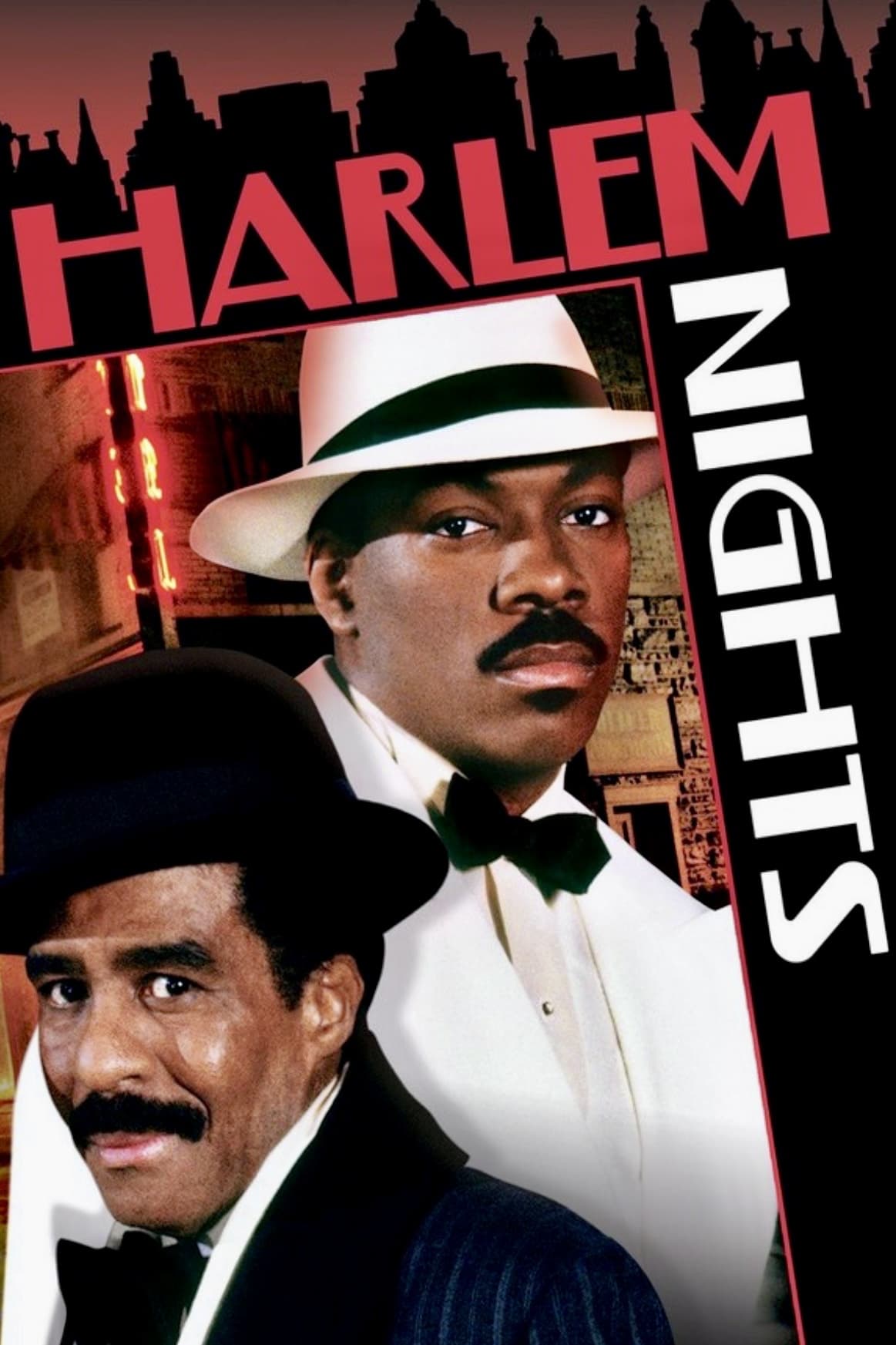
Written and directed by Eddie Murphy, this period crime comedy is set around the Harlem nightclub scene in the late thirties, following a father and son team who run the Club Sugar Ray. The cast includes Richard Pryor, Redd Foxx, Della Reese, Jasmine Guy, and Danny Aiello, and the production recreated vintage Harlem with elaborate sets and wardrobe to match the era.
The film was produced by Eddie Murphy Productions and released by Paramount Pictures in the fall of 1989. Murphy made his feature directing debut here and also handled the screenplay, and the story moves through rival mob interests, police pressure, and the day to day operations of a busy nightspot.
‘Boomerang’ (1992)
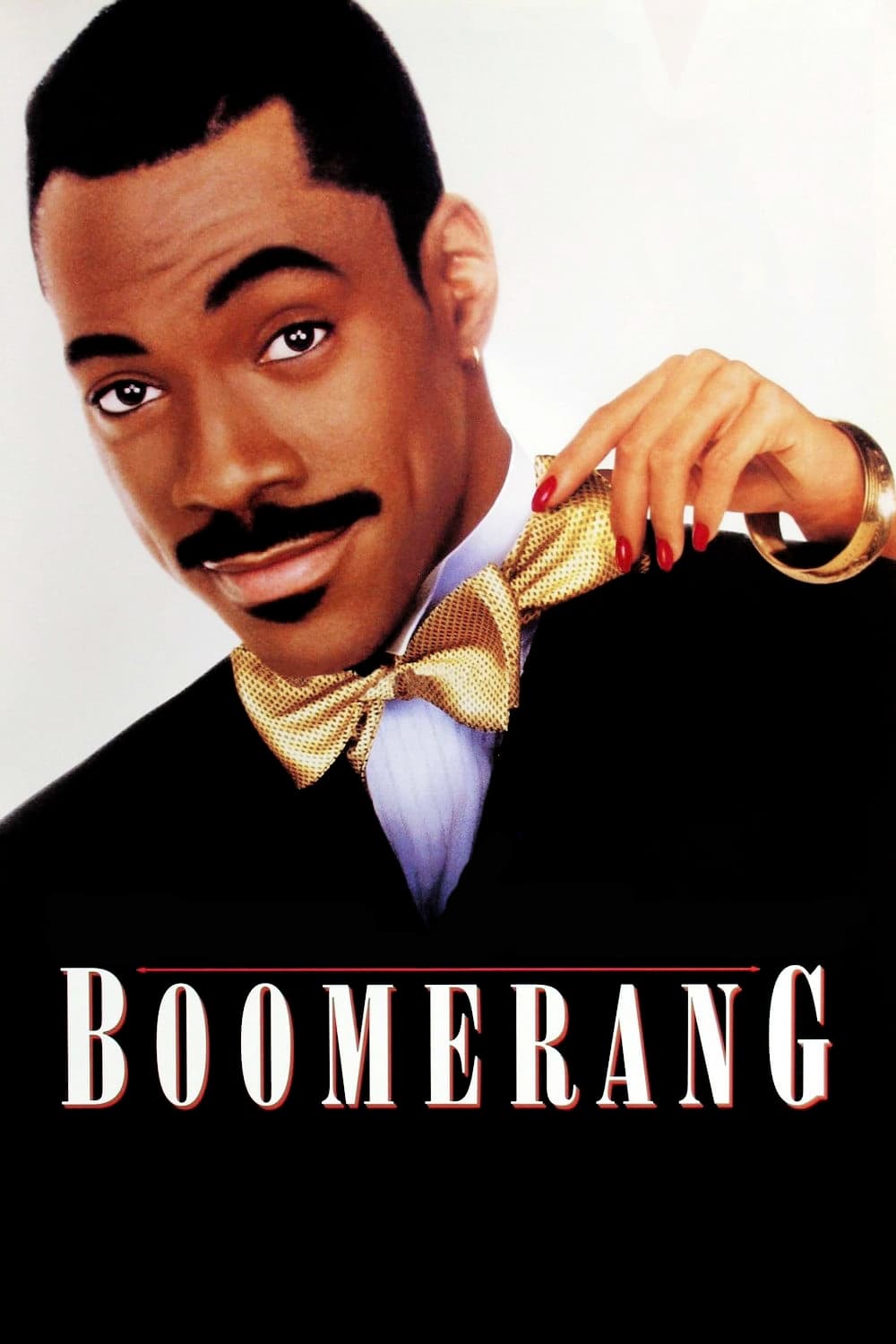
Directed by Reginald Hudlin, this romantic workplace comedy stars Murphy as a New York marketing executive whose career intersects with a new boss and a rising colleague. The ensemble features Halle Berry, Robin Givens, David Alan Grier, Martin Lawrence, Grace Jones, Chris Rock, and Eartha Kitt, and much of the action plays out inside an advertising firm as product launches and office politics unfold.
The soundtrack, produced by L A Reid and Babyface, introduced several hit singles including tracks that helped launch Toni Braxton to wider attention. Released by Paramount Pictures in the summer of 1992, the film pairs corporate settings with fashion industry tie ins and showcases early appearances from multiple future headliners.
‘The Distinguished Gentleman’ (1992)
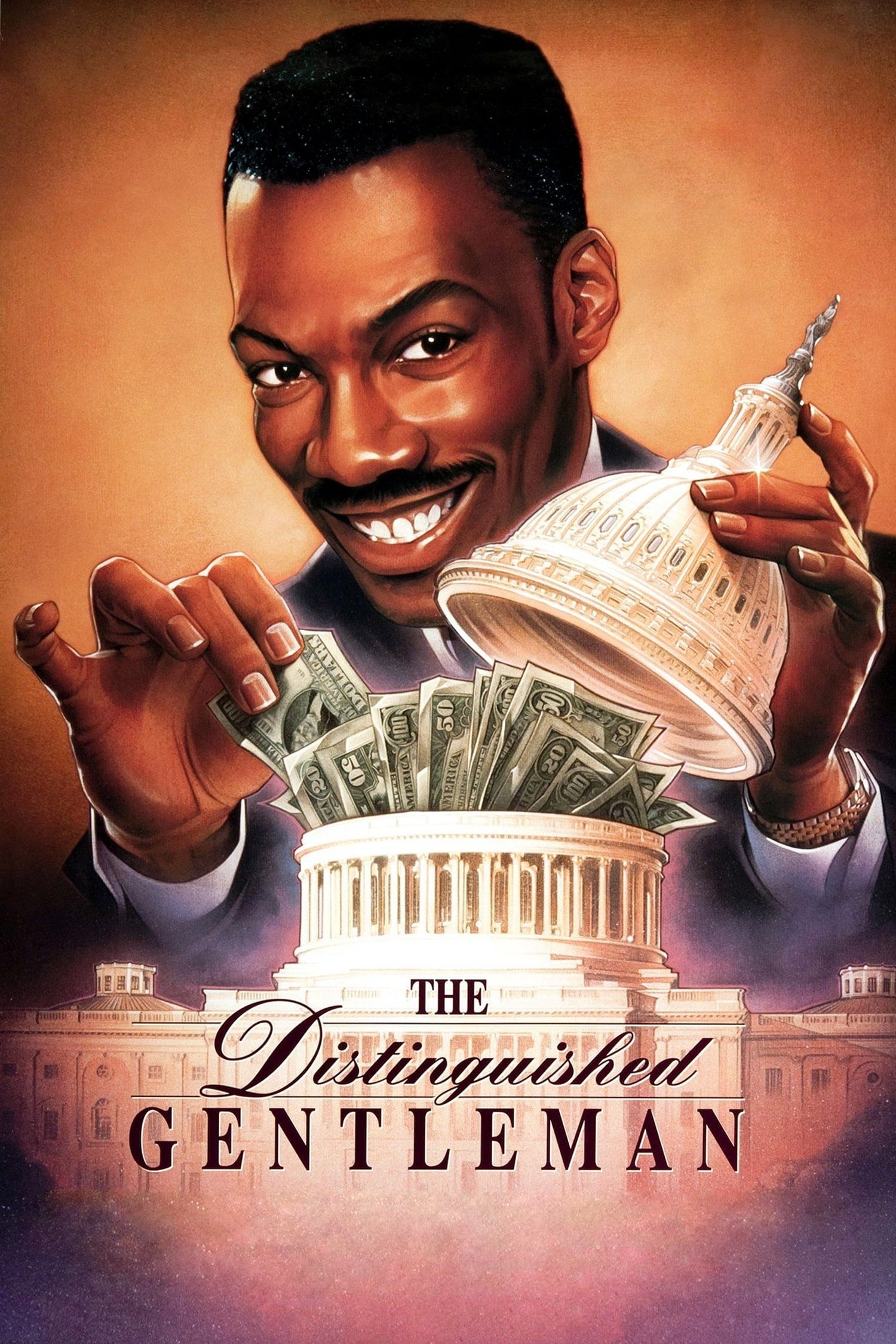
This political comedy was directed by Jonathan Lynn, known for sharp treatments of legal and political settings, and it casts Murphy as a Florida con man who takes advantage of a coincidental name to run for a seat in Congress. The supporting players include Lane Smith, Sheryl Lee Ralph, Joe Don Baker, and Victoria Rowell, and the production filmed in Washington DC and on soundstages that recreated offices and committee rooms.
Released by Touchstone Pictures in late 1992, the story tracks fundraising, lobbyist influence, and legislative maneuvering as the main character learns how committees and caucuses operate. The screenplay uses real procedural terms and structures for its plot, including special elections, district politics, and the committee assignment process.
‘Vampire in Brooklyn’ (1995)

Directed by Wes Craven, this horror comedy casts Murphy as Maximillian, a Caribbean vampire who comes to New York in search of a mate. Angela Bassett plays a New York detective who is central to the mystery, and Murphy also appears in multiple disguises that were created with extensive makeup effects under veteran artists.
The film was released by Paramount Pictures near Halloween of 1995 and mixed on location shooting with studio work to portray Brooklyn precincts, docks, and neighborhoods. The production brought together a horror specialist in Craven with a lead famous for character transformations, and it uses the detective investigation structure to move between supernatural scenes and police work.
‘Metro’ (1997)
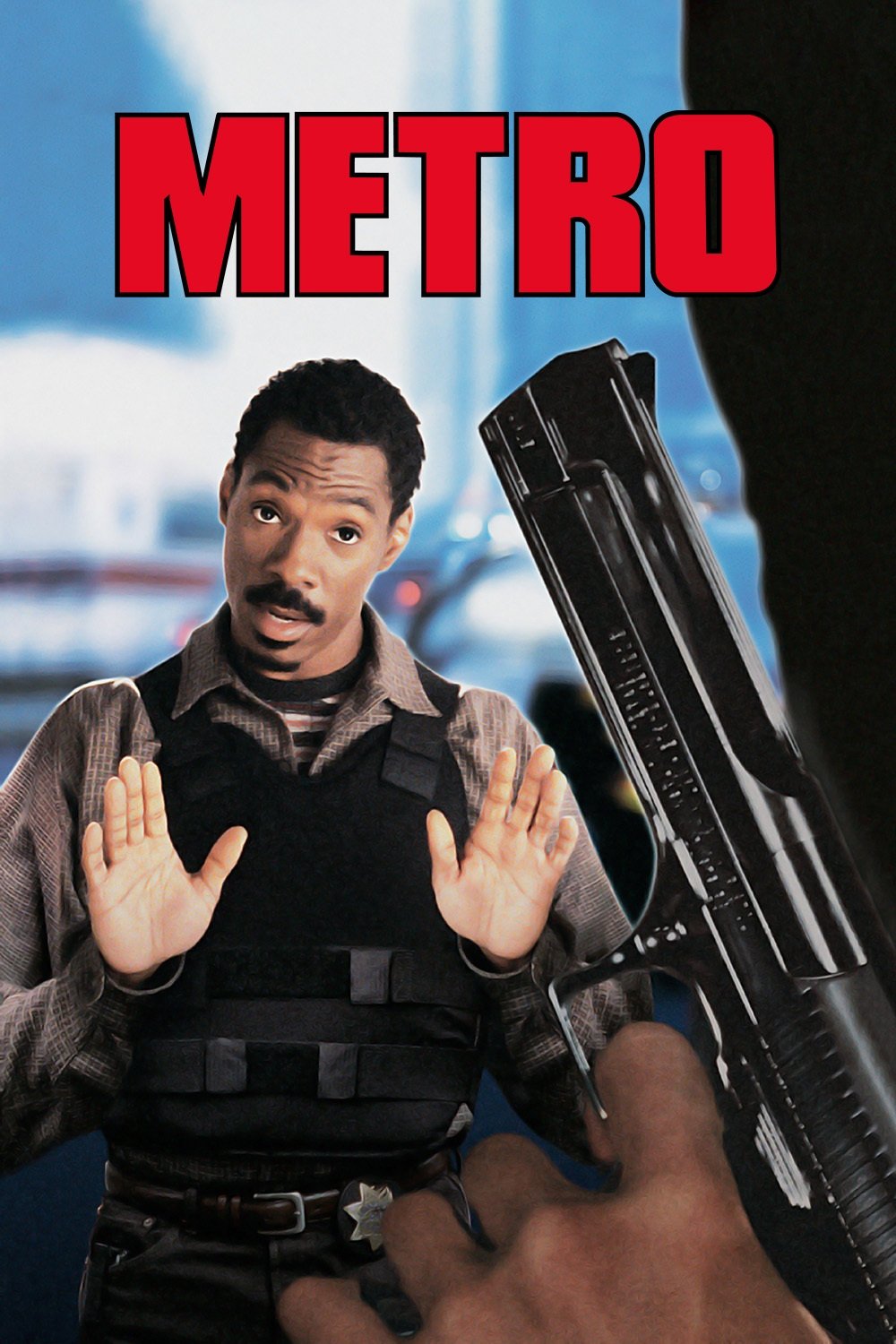
This San Francisco set action thriller was directed by Thomas Carter and follows a top police negotiator named Scott Roper as he handles hostage situations and a violent jewel thief. The cast includes Michael Wincott, Michael Rapaport, and Carmen Ejogo, and the film features practical stunts that make use of hills, streetcar lines, and downtown routes.
Produced by Touchstone Pictures and released in early 1997, the movie staged vehicle chases and crash sequences with second unit teams working around city permits and traffic control. Dialogue scenes detail negotiation tactics, and the plot moves through training sequences, crime scene follow ups, and interagency coordination after major incidents.
‘Holy Man’ (1998)
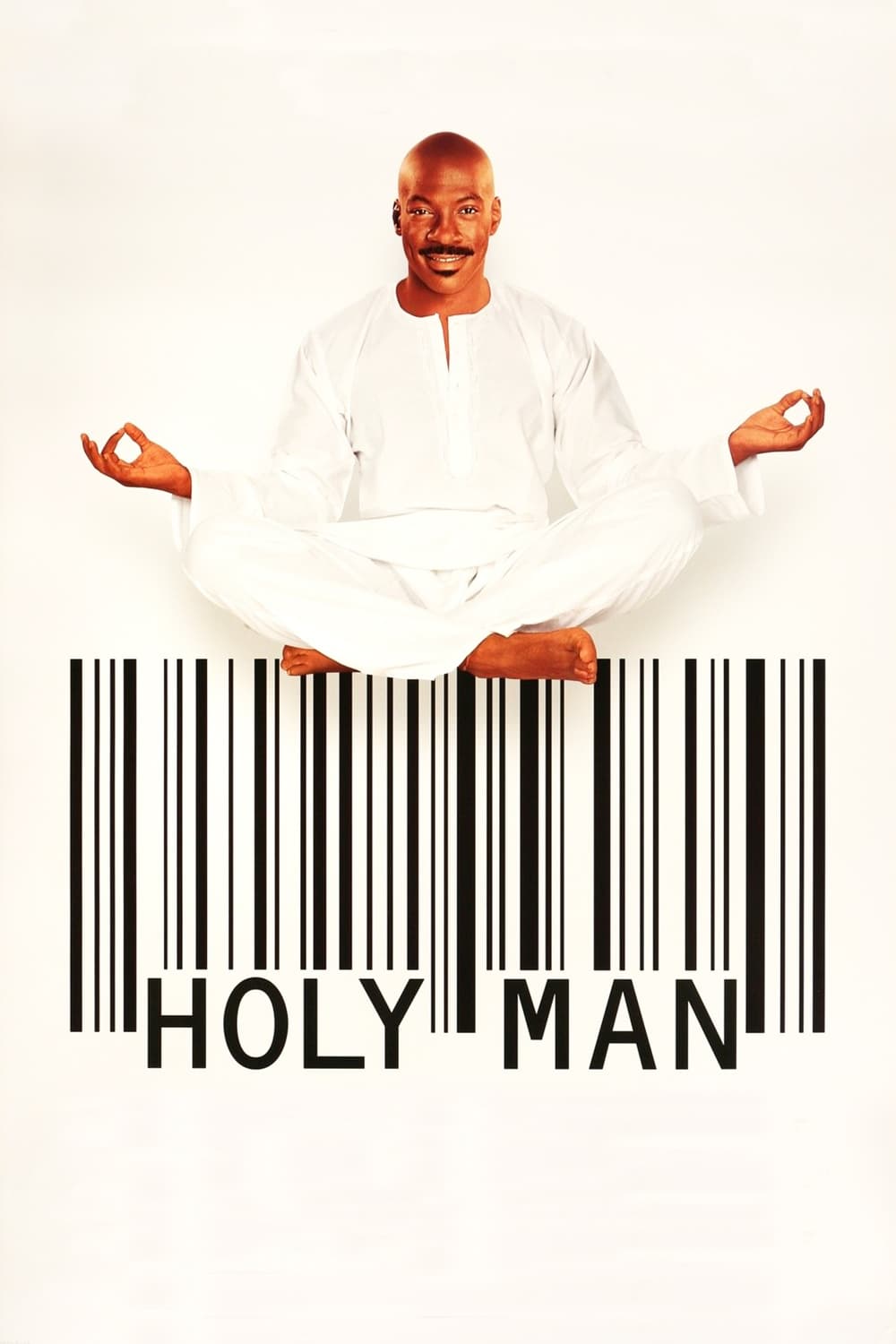
Directed by Stephen Herek, this comedy pairs Murphy with Jeff Goldblum and Kelly Preston in a story about a television shopping channel that stumbles onto an enigmatic wanderer known only as G. The narrative takes place across studios, control rooms, and marketing meetings as programmers try to boost ratings and ad buys.
The production was released by Touchstone Pictures in 1998 and filmed in South Florida and soundstages that replicated broadcast facilities. It includes behind the scenes details of live to air sales shows such as segment timing, on air talent coaching, product procurement, and affiliate carriage agreements.
‘Bowfinger’ (1999)
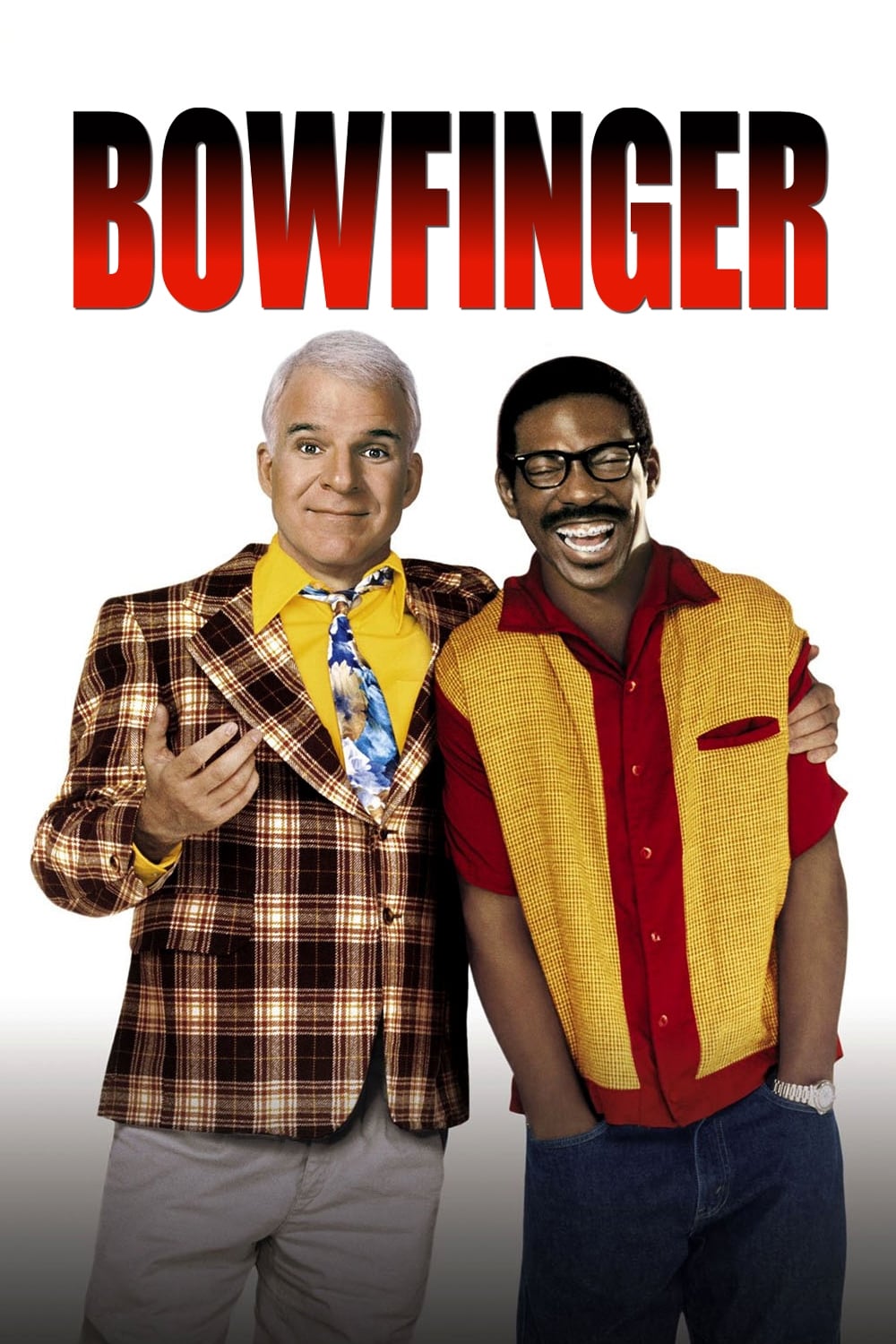
Directed by Frank Oz and written by Steve Martin, this Hollywood satire follows a guerrilla film crew trying to shoot a science fiction thriller titled ‘Chubby Rain’ without the knowledge of its intended star. Murphy plays dual roles as action icon Kit Ramsey and his lookalike Jiff, and the cast features Steve Martin, Heather Graham, Christine Baranski, and Robert Downey Jr.
Released by Universal Pictures in 1999, the film uses real Los Angeles locations including studio gates, office bungalows, and freeway overpasses to stage its covert filming gags. The production showcases on the fly methods such as stolen shots, day exterior setups with minimal permits, and pick up audio recorded under noisy conditions, all presented through the mechanics of an independent shoot.
‘Life’ (1999)
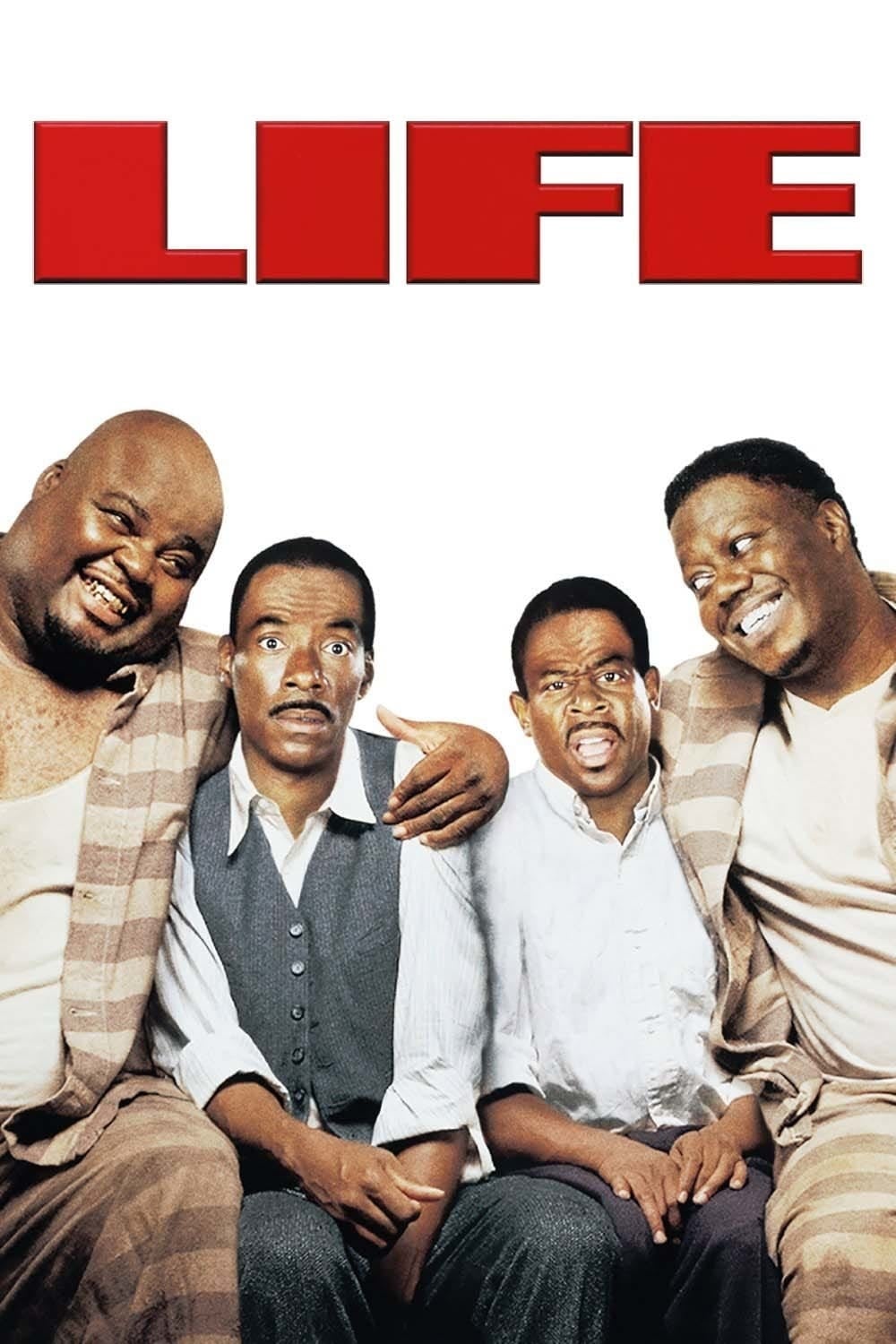
Directed by Ted Demme, this period dramedy follows two men who are wrongfully convicted during Prohibition and spend decades inside a Mississippi prison. Murphy co stars with Martin Lawrence, and the ensemble includes Bernie Mac, Anthony Anderson, Miguel A Núñez Jr, Bokeem Woodbine, and Guy Torry, with settings that move from speakeasies to farm labor camps to aging cellblocks.
The film was released by Universal Pictures in 1999 and spans multiple decades, which required changes in hair, makeup, wardrobe, and set dressing to track the passage of time. Prison routines, work details, and institutional hierarchies drive the plot, and the soundtrack features contemporary R and B artists alongside period styled cues.
‘Imagine That’ (2009)
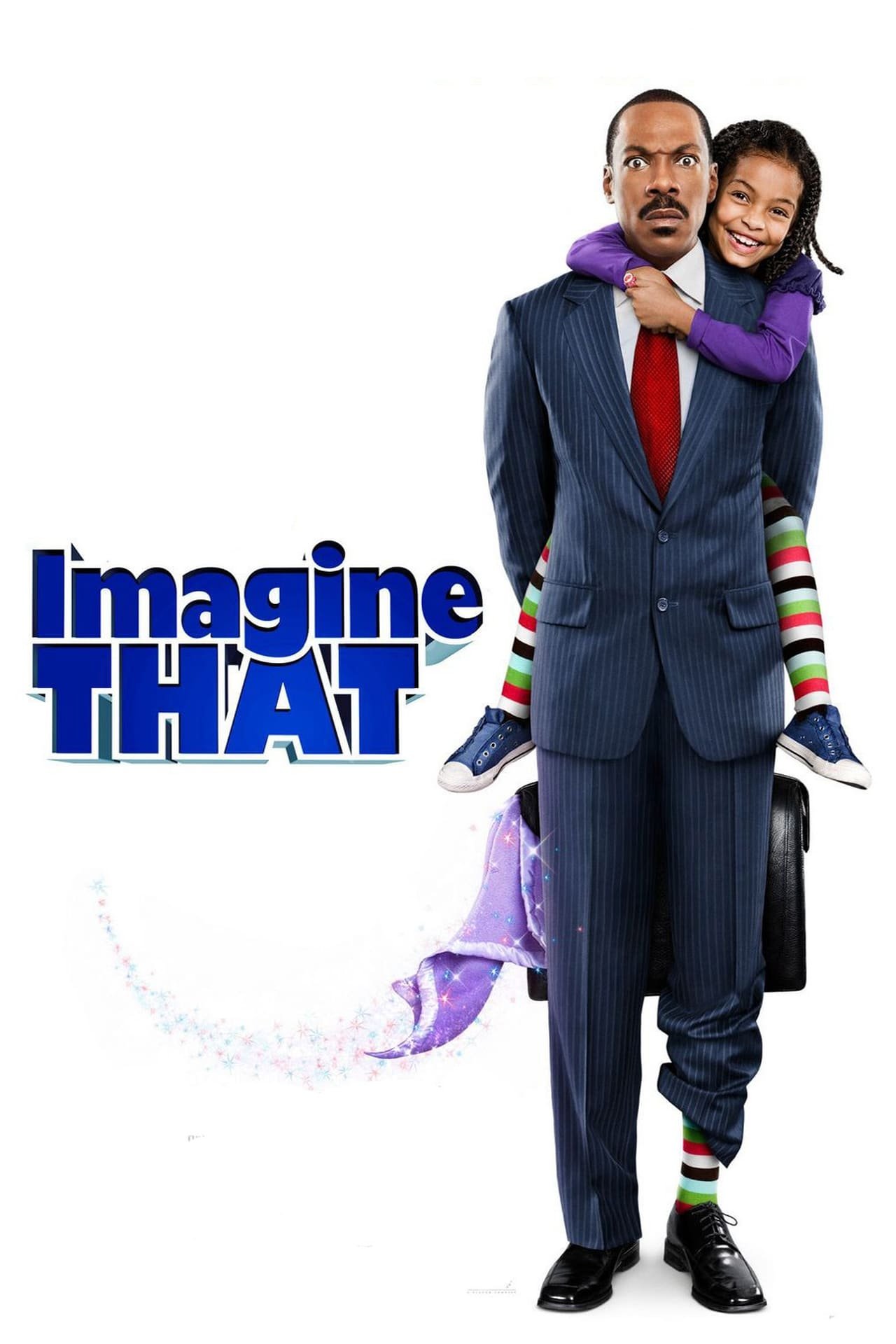
Directed by Karey Kirkpatrick, this family comedy centers on a finance executive whose daughter’s imaginary world starts to influence his stock picks and workplace decisions. The cast includes Yara Shahidi in her feature debut along with Thomas Haden Church and Nicole Ari Parker, and much of the story crosses between office conference rooms and family spaces at home.
Paramount Pictures released the film in 2009 and positioned it as a family title with a focus on parenting and work life balance logistics. The production uses prop books, drawings, and child centric set pieces to visualize the imaginary elements, while the business subplots reference analyst calls, earnings reports, and investment presentations.
‘Mr. Church’ (2016)
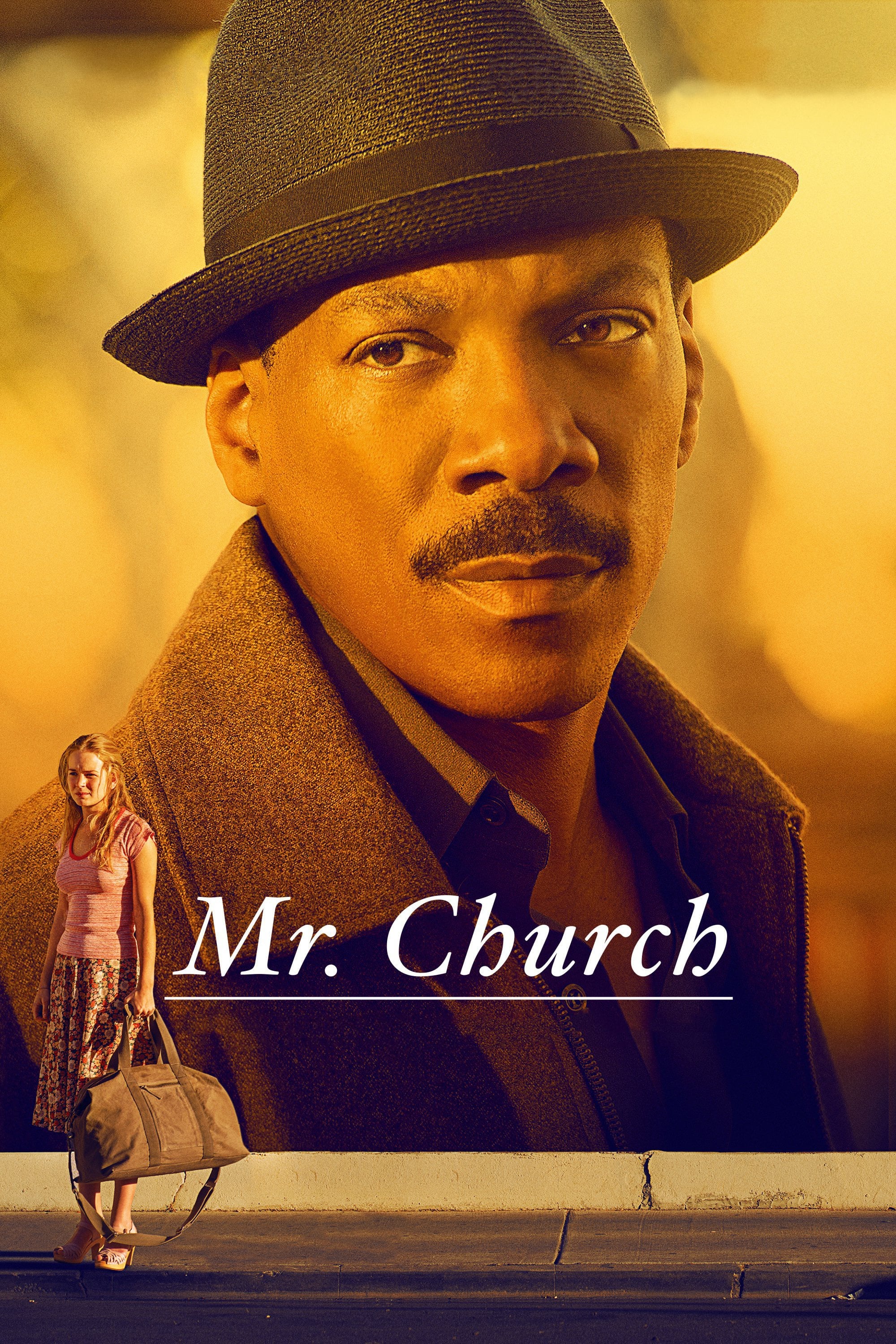
Directed by Bruce Beresford and written by Susan McMartin, this drama follows a cook who is hired to help a family during a health crisis and who becomes a long term presence in their lives. The main cast features Murphy and Britt Robertson with Natascha McElhone, and the story moves through school years, early adulthood, and changing household circumstances.
The film premiered at the Tribeca Film Festival in 2016 and saw a limited theatrical release in North America. The production emphasizes domestic interiors, handwritten recipes, and music cues tied to piano playing, and it tracks practical matters like caretaking schedules, budgeting under medical strain, and the impact of changing employment over time.
Share your favorite overlooked Eddie Murphy titles in the comments so others can discover what to watch next.