5 Things About ‘The X Files’ That Made Zero Sense and 5 Things About It That Made Perfect Sense

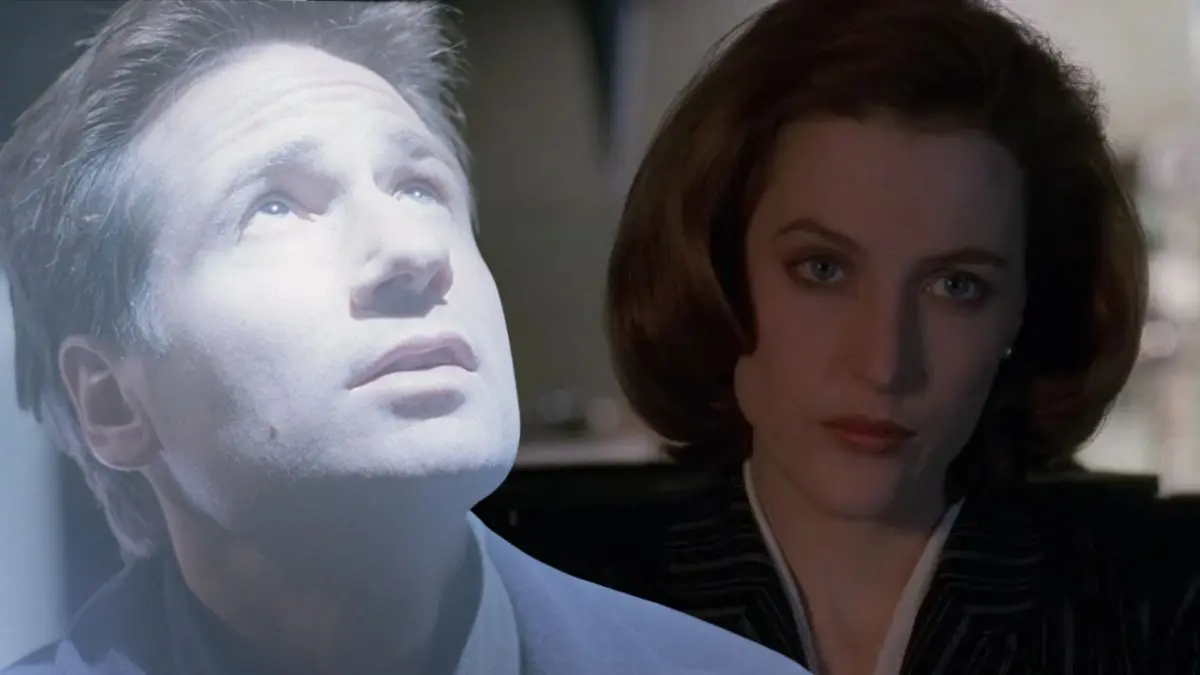

For a show that mixed case files with cosmic secrets, ‘The X-Files’ built a world packed with rules, patterns, and recurring players. Across seasons, viewers tracked the evidence, the conspirators, and the biology of monsters with the same attention they gave to Mulder and Scully’s partnership. That deep lore gave the series its staying power.
Along the way, the narrative left a trail of contradictions that sat beside some very grounded choices in science, procedure, and production. Here are five things that bent logic hard, and five others that followed a clear internal or real-world logic that holds up when you look closely.
Zero Sense: Samantha’s fate changed repeatedly

The series presented multiple, conflicting accounts of Samantha Mulder’s abduction and life after it. Early mythology episodes introduced clones and alleged returns that were later contradicted by other revelations, including government cover stories and alien interventions that reinterpreted earlier scenes. These shifting explanations made the investigative timeline difficult to reconcile across case files and testimonies inside the show.
The arc eventually concluded with a spiritual resolution that stated Samantha died as a child and did not live the adult lives suggested by earlier appearances. Prior information about clones, fabricated records, and supposed reunions was reframed as manipulation by conspirators, leaving earlier evidence chains impossible to align into a single, continuous biography.
Perfect Sense: Scully’s science stays central
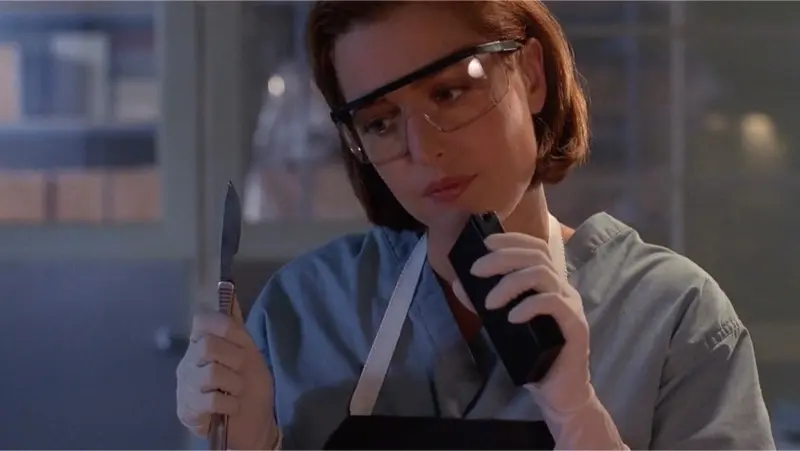
Dana Scully is consistently presented as a medical doctor and pathologist who applies clinical methods to every scene. Autopsy protocols, sample collection, and lab analysis recur in case work, with details like formalin jars, histology slides, and toxicology panels used to move investigations forward. Her written reports read like standard forensic summaries that a federal case would require.
In the field, she preserves chain of custody with labeled evidence bags and scene photographs, then correlates lab findings to observed symptoms and timelines. Even when explanations stretch beyond conventional biology, the show routes many breakthroughs through microscopy, tissue cultures, and comparative anatomy, keeping the investigative spine grounded in repeatable procedures.
Zero Sense: The Cigarette Smoking Man keeps surviving
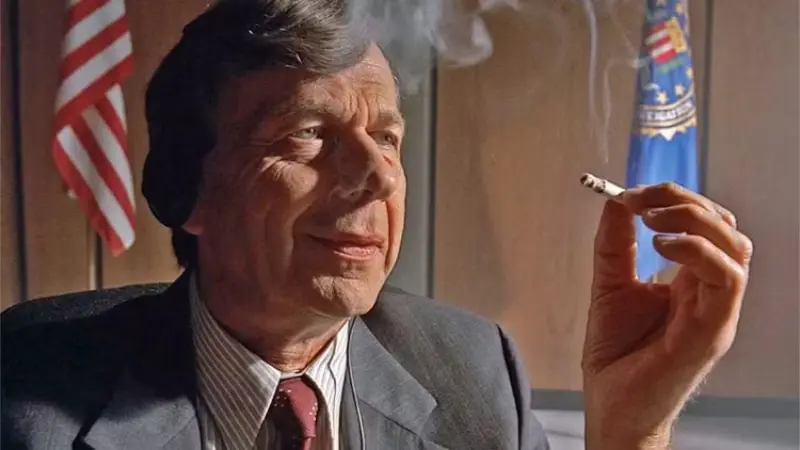
The Cigarette Smoking Man is shown as fatally injured or definitively eliminated more than once, only to reappear later with limited explanation beyond vague survival references. Apparent deaths include incidents involving gunshot wounds, catastrophic explosions, and terminal illness that were each framed as endings within those episodes.
Subsequent returns attribute his survival to offscreen rescues, misdirection, or implausible recoveries that are not supported by medical records or corroborated reports inside the narrative. These reversals disrupt the cause-and-effect trail that the conspiracy storyline otherwise tries to maintain through documents, witnesses, and internal memos.
Perfect Sense: The monster-of-the-week format supports the mythology

The series alternates between stand-alone cases and mythology chapters, letting production schedule intensive, effects-heavy shoots around simpler procedural stories. This cadence spreads out resource demands while still building the larger arc through scattered briefings, recovered files, and recurring informants.
Syndication and international distribution benefit from self-contained episodes that remain accessible without prior context. Meanwhile, mythology entries advance in measured steps via shared vocabulary such as black oil, hybridization, and covert programs, so the long arc remains legible even when viewers encounter episodes out of order.
Zero Sense: The 2012 colonization date was undone

Mythology episodes set a clear colonization timetable centered on a specific date tied to an invasion plan. That fixed point shaped choices by multiple factions, including preparations by human collaborators and the search for countermeasures, and it anchored character decisions over several seasons.
Later stories replaced the hard deadline with a different threat model that reframed the invasion as contingent on a biotechnological trigger rather than a scheduled event. Prior warnings, calendars, and planning details lost their predictive power, and documents that once served as the backbone of the timeline no longer matched operational reality inside the story.
Perfect Sense: Conspiracy threads draw on real programs
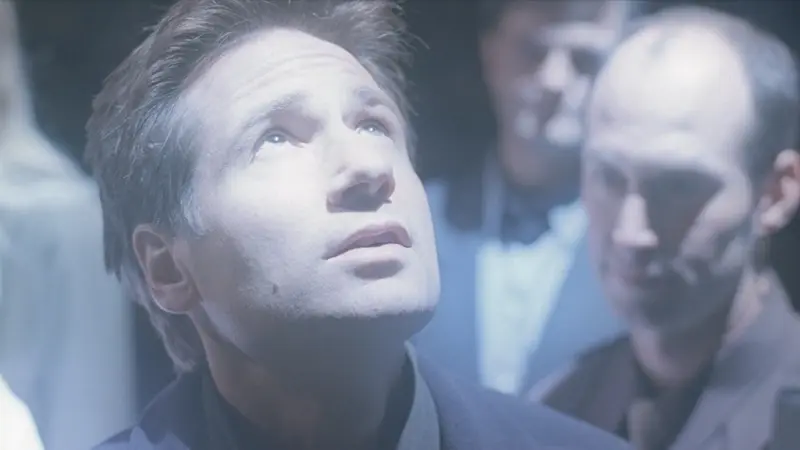
Government secrecy in the show borrows elements from documented operations such as mind-control research, surveillance abuses, and unethical medical studies. References to classified testing, falsified records, and compartmentalization reflect known patterns in real investigations and hearings, which helps the fictional Syndicate’s methods track with historical precedent.
Plot devices like medical tracking through vaccination scars, deniable flights, and shell front companies mirror techniques that appear in declassified materials and investigative journalism. That alignment gives the conspiracy a procedural texture that matches how complex programs hide budgets, personnel, and outcomes in the real world.
Zero Sense: Scully’s skepticism hardly budges
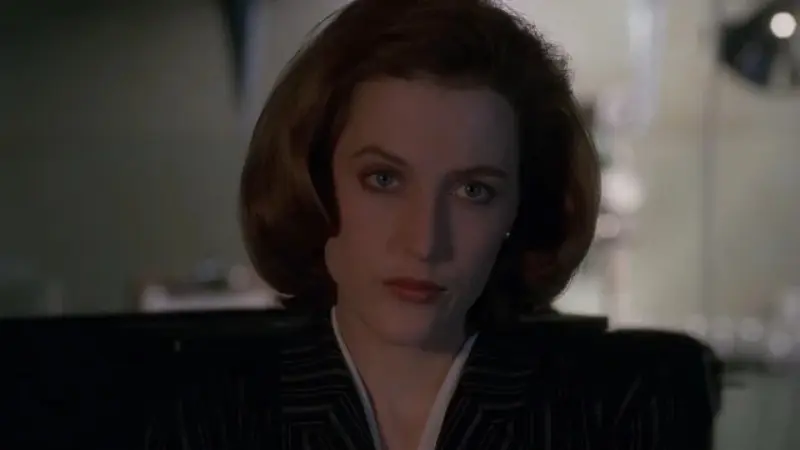
Across many cases, Scully documents phenomena that lack conventional explanations, including organisms with nonstandard physiology and events that contradict accepted physics. Her reports often catalog anomalies with precision, yet her formal conclusions remain conservative in ways that repeat even when multiple independent observations point away from standard models.
The cumulative record shows firsthand encounters, verified samples, and eyewitness corroboration that would typically shift a scientific stance toward provisional acceptance pending replication. Inside the series, replication is rarely feasible due to destroyed evidence or vanished subjects, but the quantity of primary observations on file makes the persistent baseline of skepticism difficult to square with standard scientific updating.
Perfect Sense: Mulder’s profiler past explains his leaps
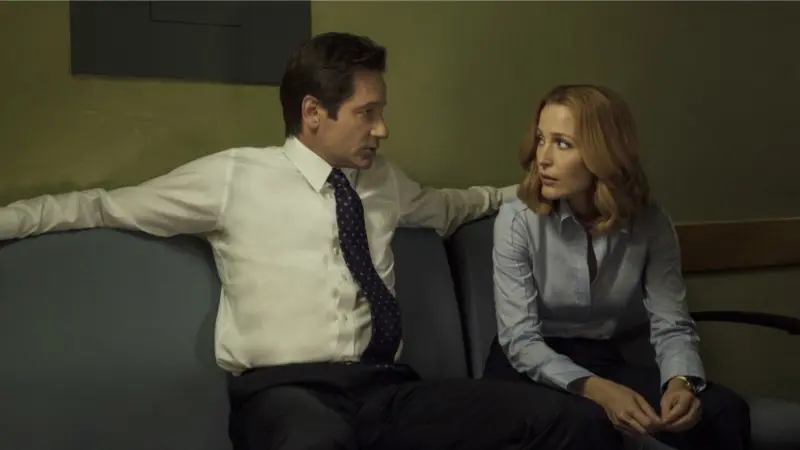
Fox Mulder’s background at the Behavioral Science Unit establishes him as a top profiler who excels at pattern recognition across incomplete datasets. His case notes frequently link geography, victimology, and offender signatures, which explains how he forms rapid hypotheses that sound unconventional but fit known investigative heuristics.
When the subject matter turns anomalous, he applies the same cognitive shortcuts but draws from a wider library of cases, folklore, and prior X-Files. Seen that way, his famous leaps function like expert intuition built on exposure to edge cases and outliers, a recognized phenomenon in fields where experience compresses inference time without detailed step-by-step proofs.
Zero Sense: FBI travel and jurisdiction stretch procedure
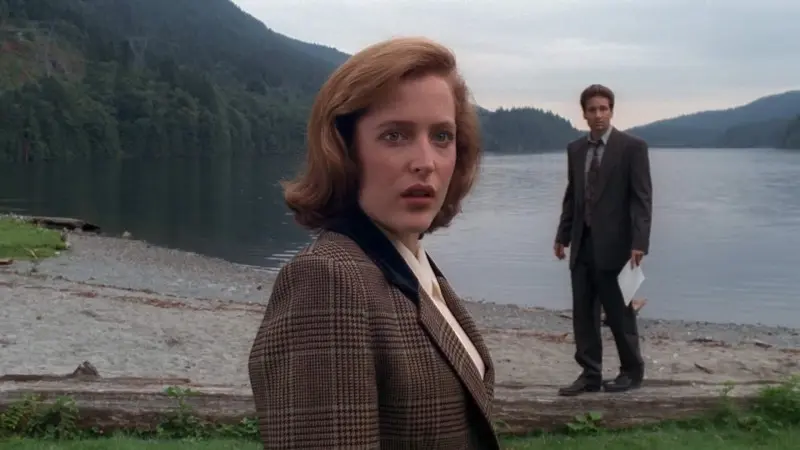
Field work often shows Mulder and Scully taking cases nationwide with limited on-screen evidence of approvals from local field offices or the Special Agent in Charge. Many episodes depict immediate travel and scene access that bypasses common interoffice coordination, which would normally include formal case openings, notifications, and resource requests.
Evidence handling sometimes skips forms and sign-offs that accompany federal investigations, such as itemized receipts, laboratory submission paperwork, and custody logs. While documents and case numbers do appear at times, the frequency of exceptions in active investigations would challenge audit trails and courtroom admissibility in real procedure.
Perfect Sense: Cold opens and music build a consistent rhythm
Episodes typically begin with a teaser that introduces a mystery, then cut to the title sequence and a rotating tagline. This structure standardizes pacing by delivering a hook, establishing mood, and clearing space for the investigative act break, which helps viewers follow the case structure even when settings and tones shift.
Composer Mark Snow’s motifs and sound design unify locations, monsters, and mythology under a recognizable palette. Flashlight beams, low-key lighting, and recurring visual setups pair with the score to create continuity that guides attention to clues, scene geography, and emotional beats, making the storytelling grammar easy to parse from week to week.
Share your favorite head-scratcher or most convincing detail from the series in the comments so everyone can compare notes.