5 Things About ‘NCIS’ That Made Zero Sense and 5 Things About It That Made Perfect Sense



For two decades, the original ‘NCIS’ mixed naval investigations with memorable characters and a steady stream of cases that reached from ship decks to overseas bases. The show built a world where federal agents navigated military law, interagency turf, and a revolving door of teammates while still finding time for running gags and recurring rules.
Across all those seasons, a few choices strained logic while others lined up neatly with how a real federal service operates. Here are five things that did not add up alongside five that fit the world of military criminal investigations, presented side by side so the contrasts are easy to see.
Zero Sense: Gibbs’s basement boats
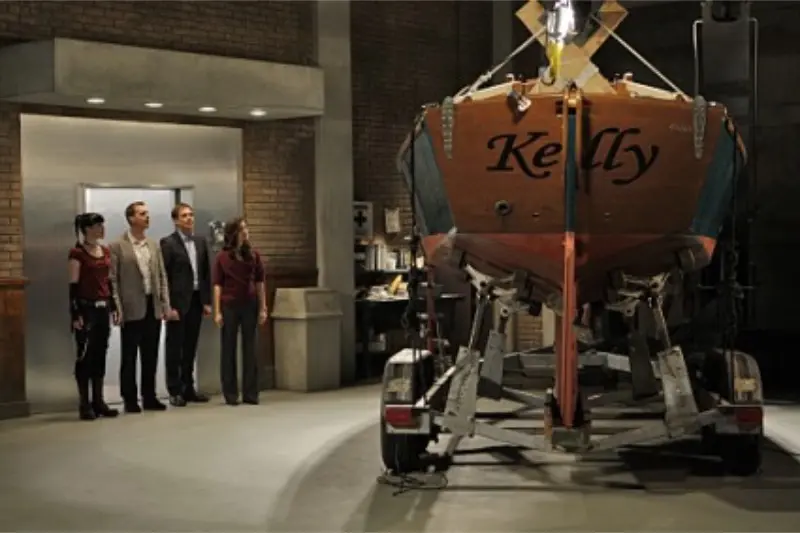
Interior shots depict a standard staircase and no visible double doors or walkout to explain how a finished hull leaves a suburban basement. The boats seen on the show are full sized wooden builds that would measure far wider and taller than a typical interior doorway, and the framing of the house never shows a structural opening large enough for extraction. For years characters acknowledged the puzzle without a clear, on screen method that matched what viewers could see in the set.
Real world small craft in the twenty foot class often exceed eight feet in beam and sit high on their keel or cradle. Even if the keel were removed, that size cannot pass through a thirty six inch residential door or turn on a tight stair landing. Disassembling a load bearing wall would require permits and reconstruction, which the series rarely documents when the topic comes up.
Perfect Sense: A real agency with the right mission
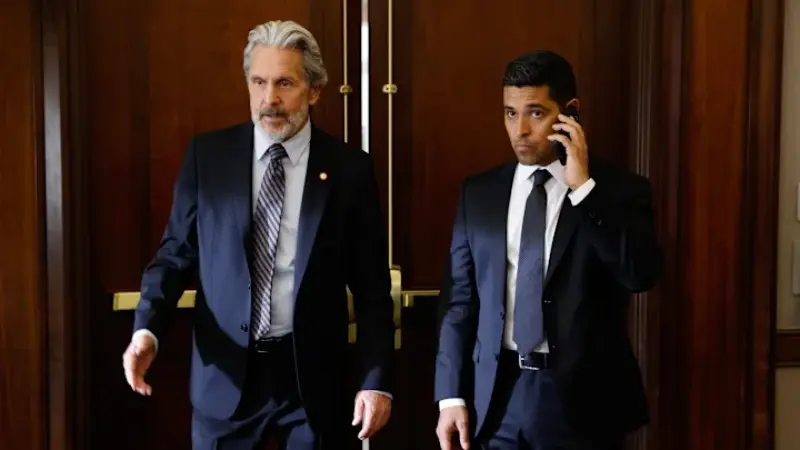
‘NCIS’ is modeled on the real Naval Criminal Investigative Service, which investigates felony level crimes that affect the Department of the Navy. The scope shown on screen includes homicide on Navy and Marine Corps property, major theft of government property, contractor fraud, counterintelligence matters, and cyber incidents that target naval networks. Those categories track with how a defense investigative service allocates field resources.
The show’s field office structure, resident agency coverage, and frequent travel to ships and Marine installations follow the way a dispersed federal service covers a global mission. Teams in the series operate from the Washington field office while liaising with local base commands and ship captains, which mirrors how real agents coordinate with command duty officers and base security for access and jurisdiction.
Zero Sense: The all in one forensic lab that never sleeps

The lab run by Abby is depicted as a single room that performs ballistic comparison, DNA profiling, latent print processing, trace analysis, toxicology, and digital forensics. In practice those disciplines require separate equipment, different bio safety practices, and distinct validation and proficiency regimes with documented chain of custody. The series compresses that entire workflow into one space with one scientist who handles nearly every case file.
Turnaround times in the show consistently land within hours or by the next morning for tasks that normally involve batching, controls, and external submissions. DNA amplification and capillary electrophoresis take time, toxicology screens move through multi step confirmation, and ballistics entries require network searches that do not complete instantly. The depiction speeds those steps beyond what a single lab could deliver while still meeting accreditation standards.
Perfect Sense: Ranks, customs, and base access look familiar

Characters address naval officers by grade and last name, salute on base when appropriate, and defer to commanding officers in matters that affect operations and safety. Scenes set on ships and at Marine Corps posts show quarterdeck check in procedures, watchstander logs, and requirement for visitor badges or escorts, which are all routine security measures. Those details create a credible frame for federal agents working inside an active military environment.
The series also places detentions and interviews in coordination with the command’s legal adviser and duty personnel. When the subject is a service member, agents often notify the chain of command and arrange spaces for questioning, and when an operation could affect unit readiness the show depicts briefings with leadership. That process reflects how investigations proceed without disrupting mission tasks more than necessary.
Zero Sense: Ziva’s liaison status and return timeline

Ziva is introduced as a liaison from a foreign service while working daily cases with access to federal facilities and databases. Foreign liaison officers can embed with task forces, but the series grants her broad independent authority to arrest and to carry a service weapon inside U.S. federal spaces with minimal documentation shown on screen. The administrative steps that would manage clearances, liability, and authority are mostly treated as background.
Later storylines compress a reported death, years under deep cover, international travel, and a reappearance that quickly restores access to sensitive spaces. In real settings, any return by a former liaison after a long absence would involve re vetting, medical and psychological screening, and fresh credentials before entering a secure office. The show advances those steps at a pace that keeps the plot moving but leaves gaps in the procedural record.
Perfect Sense: Interagency handoffs generally follow jurisdiction
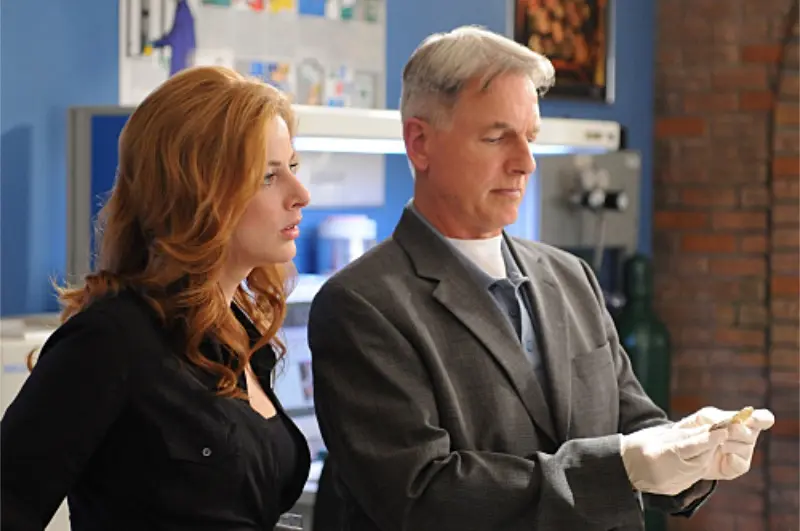
Cases that involve terrorism, interstate flight, or domestic intelligence often bring in the FBI or other partners. Episodes show lead agency decisions based on the nature of the offense and the location of the crime, with ‘NCIS’ deferring or sharing duties when the facts fall under another charter. That arrangement aligns with how memorandums of understanding divide responsibilities among federal services.
The team routinely coordinates with local police for scenes off base and works parallel cases when a civilian victim connects to a Navy or Marine suspect. Subpoenas and search warrants appear through assistant U.S. attorneys, and briefings involve personnel from multiple offices when evidence crosses domains. Those elements reflect common practice for joint cases with overlapping interests.
Zero Sense: DiNozzo’s experience and promotion path math

Tony’s timeline moves from Baltimore detective to federal special agent, senior field agent, and then to a sudden exit that leaves an open leadership slot. The years of service and training shown on screen do not always align with the prerequisites for competitive supervisory selection in a federal service, which typically include formal leadership courses and documented acting assignments. The series favors quick transitions that do not always show the personnel actions behind them.
The résumé moments highlighted across seasons suggest accelerated credit for achievements with limited references to grade or step progression. Real career ladders include probationary periods, time in grade requirements, and panels that weigh supervisory experience and performance reviews. The show rarely pauses to present those checkpoints, so the path from street detective to near supervisory roles occurs faster than the paperwork would normally allow.
Perfect Sense: McGee’s cyber work fits a modern caseload
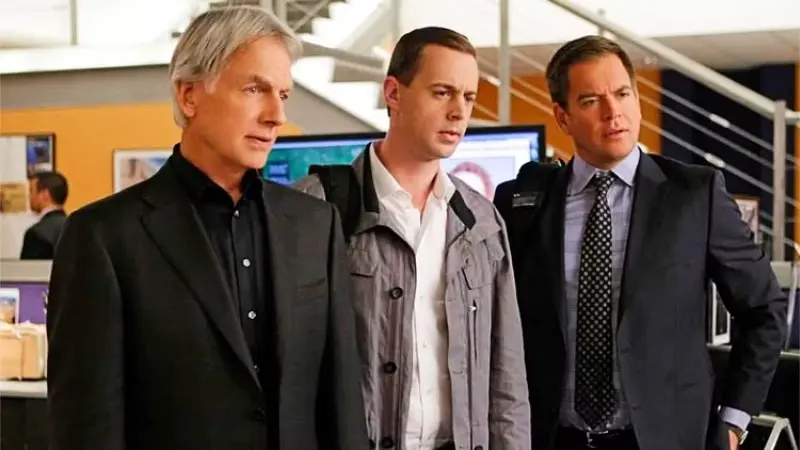
McGee’s specialization in digital forensics and network intrusion work matches the growing share of cases with electronic evidence. The show places him in dedicated workspaces with isolated systems, removable media handling, and references to imaging drives and preserving originals, which are all standard digital evidence practices. That division of labor within the team is consistent with how field offices lean on subject matter experts.
Episodes also include common artifacts such as call detail records, location data from devices, and log analysis from government systems. The process often starts with legal process requests and leads to data correlation across sources, which reflects how agents build timelines from digital traces. Those steps mirror real investigative methods even when the visualizations on screen are simplified.
Zero Sense: Interrogations that blur legal lines

When suspects are active duty service members, the show sometimes jumps into questioning without a clear advisement under Article 31 rights. Service specific warnings differ from civilian Miranda language and are required before questioning in many circumstances. Skipping that step would risk suppression of statements in courts martial or administrative actions, yet the show often moves directly to dialogue in the observation room.
The series also places civilian suspects in interviews on federal property with quick access to statements and minimal reference to counsel. In practice, arranging counsel and documenting waivers are routine and careful steps, especially in high profile or complex cases. Those safeguards appear inconsistently, which simplifies scenes but leaves out procedures that protect both investigators and subjects.
Perfect Sense: Turnover that matches a long running agency

Across the seasons the team sees retirements, transfers, and new arrivals, which is common in a service with global postings and promotion pipelines. Characters depart for family reasons, overseas assignments, or career changes, and their badges and gear are processed with exit paperwork and farewells that resemble real turnover. Offices that operate for decades will naturally rotate personnel while keeping institutional memory through a few anchors.
New agents arrive with varied backgrounds and training, and the series frequently assigns them mentors or partners for field work. That approach reflects how offices blend experience levels and pair newer personnel with senior agents to learn local procedures and contacts. The balance between continuity and change helps the fictional office feel like a real workplace that adapts over time.
Share your favorite head scratching moments and most believable details from the original ‘NCIS’ in the comments.