1990s Sitcoms that Aged Incredibly Well


The 1990s delivered a flood of sitcoms built on sharp writers’ rooms, steady ensembles, and formats that still feel familiar today. Multi-camera series taped before live audiences sat alongside early single-camera experiments, and the decade’s comedies covered workplaces, friend groups, and extended families with equal confidence.
Below is a curated look at 20 standouts from that era. Each entry includes concrete details about creators, casts, formats, settings, episode counts, awards, and spin-offs—useful context that shows how these series were made and where they fit in television history.
‘Friends’ (1994–2004)
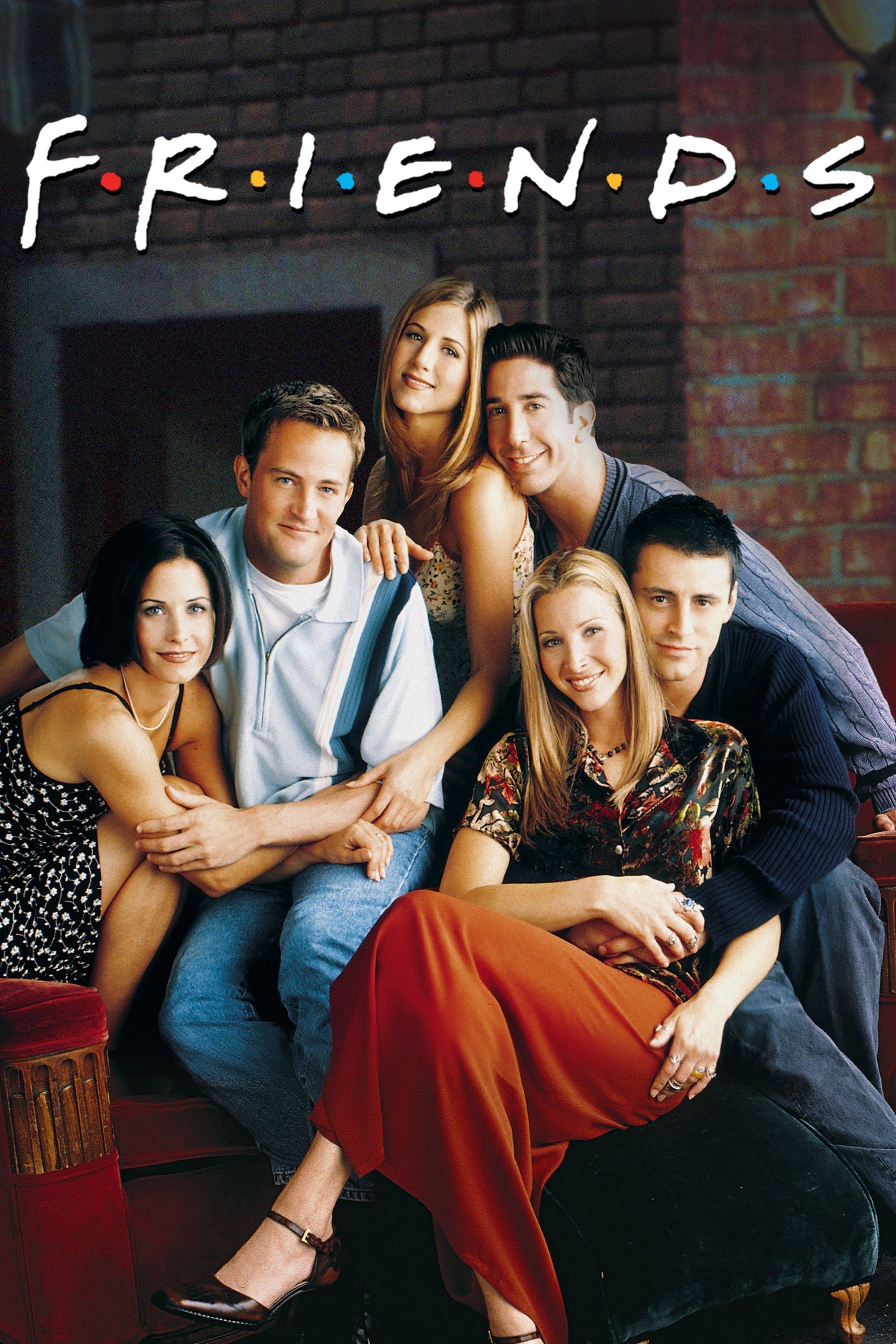
‘Friends’, created by David Crane and Marta Kauffman, delivered 236 episodes across ten seasons on NBC. The principal cast—Jennifer Aniston, Courteney Cox, Lisa Kudrow, Matt LeBlanc, Matthew Perry, and David Schwimmer—anchored stories in sets like Monica’s apartment and Central Perk, filmed on Stage 24 at Warner Bros. with a multi-camera format and live audience.
The series coordinated frequent guest turns and crossovers, including links to ‘Mad About You’ via Lisa Kudrow’s Ursula. It spawned the spin-off ‘Joey’, maintained stable time slots across much of its run, and accumulated a rerun presence that helped international distribution.
‘Frasier’ (1993–2004)
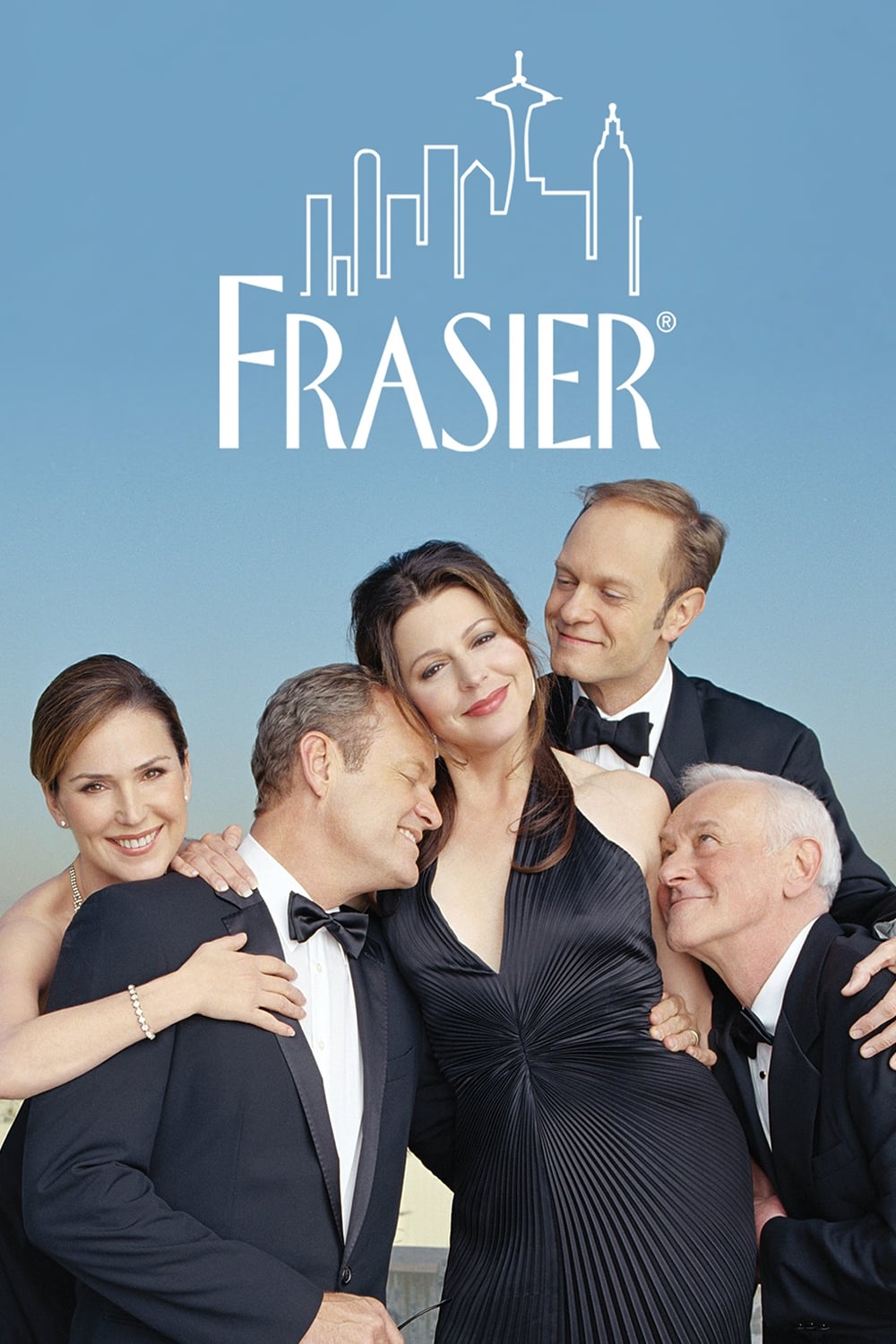
A spin-off of ‘Cheers’, ‘Frasier’ followed psychiatrist Frasier Crane after a move to Seattle, with Kelsey Grammer, David Hyde Pierce, John Mahoney, Jane Leeves, and Peri Gilpin leading the ensemble. Across 11 seasons and 264 episodes on NBC, production combined multi-camera staging with finely detailed sets such as Frasier’s apartment and radio station KACL.
The show earned an extensive collection of Primetime Emmys, including consecutive Outstanding Comedy Series awards. Scripts emphasized farce and wordplay, episodes featured recurring holiday installments and guest appearances, and the series maintained continuity through relationships that evolved across its long run.
‘The Fresh Prince of Bel-Air’ (1990–1996)
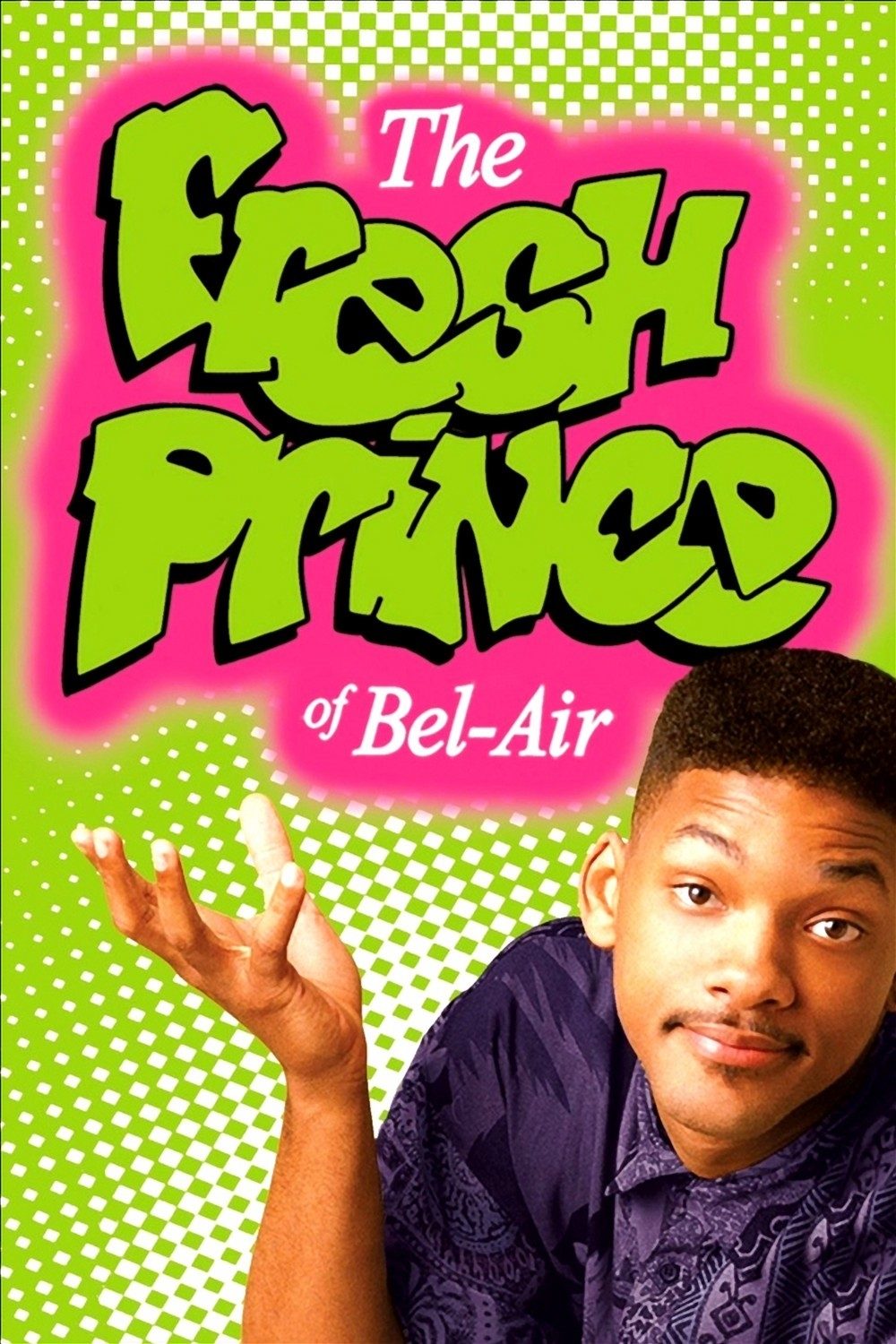
‘The Fresh Prince of Bel-Air’ was created by Andy Borowitz and Susan Borowitz and starred Will Smith alongside James Avery, Alfonso Ribeiro, Tatyana Ali, Karyn Parsons, and Joseph Marcell. The NBC series produced 148 episodes over six seasons using a multi-camera format with staple locations like the Banks family home and Bel-Air Academy.
Music cues and performance segments reflected Smith’s hip-hop background, while stories balanced school, family, and social settings. The show’s large episode count made it a syndication mainstay, and its ensemble continued to reunite in specials and retrospectives tied to its legacy.
‘The Nanny’ (1993–1999)
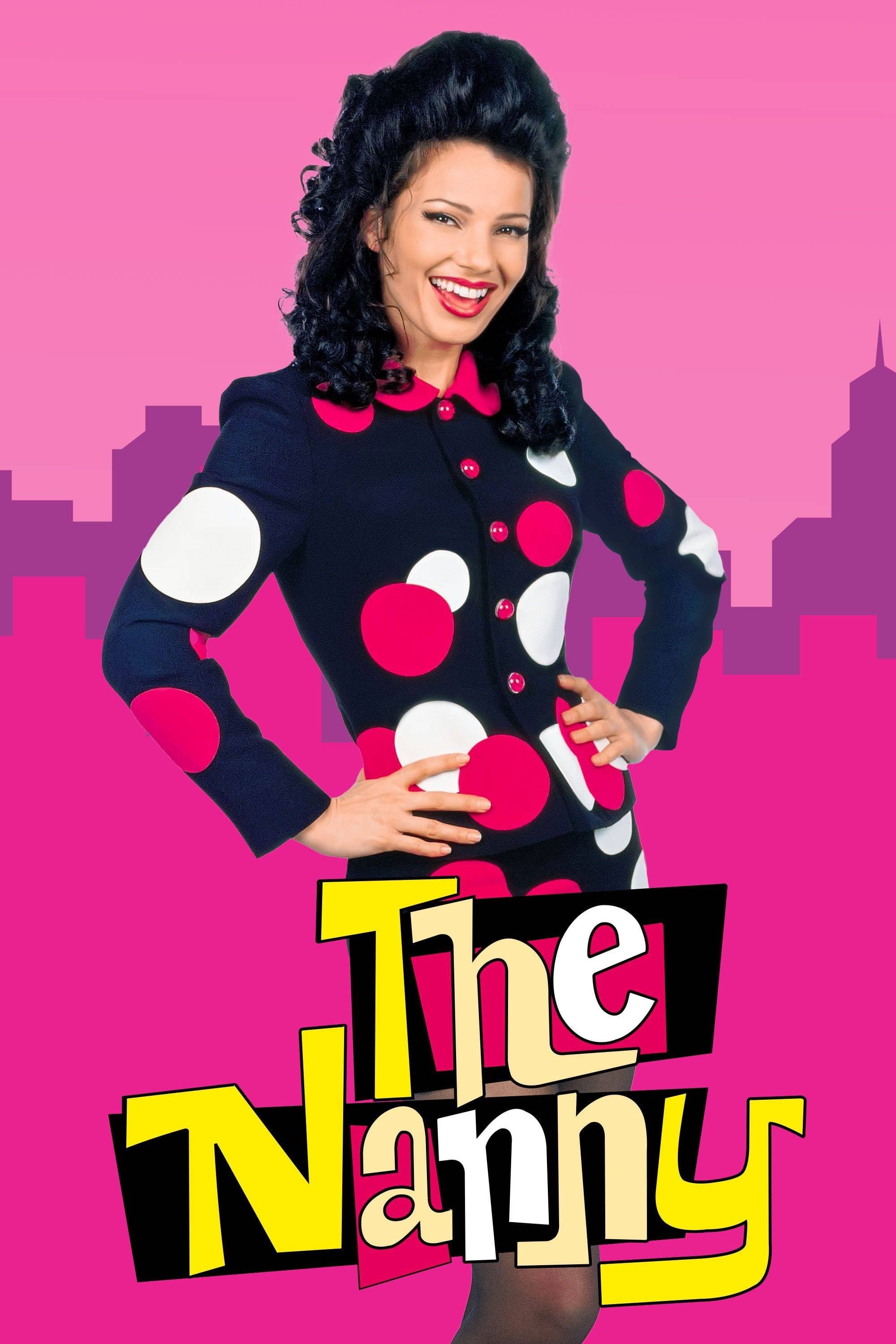
Co-created by Fran Drescher and Peter Marc Jacobson for CBS, ‘The Nanny’ ran six seasons with 146 episodes. Fran Drescher starred as Fran Fine opposite Charles Shaughnessy’s Maxwell Sheffield, with Daniel Davis and Lauren Lane as Niles and C.C., and the Sheffield children played by Nicholle Tom, Benjamin Salisbury, and Madeline Zima. Multi-camera staging showcased elaborate interior sets and wardrobe-driven visual comedy.
Storylines revolved around household dynamics, theater productions, and workplace rivalries, supported by a stable bench of recurring characters. Regular audience tapings informed performance rhythms, and the series built a durable syndication footprint across domestic and international markets.
‘Everybody Loves Raymond’ (1996–2005)
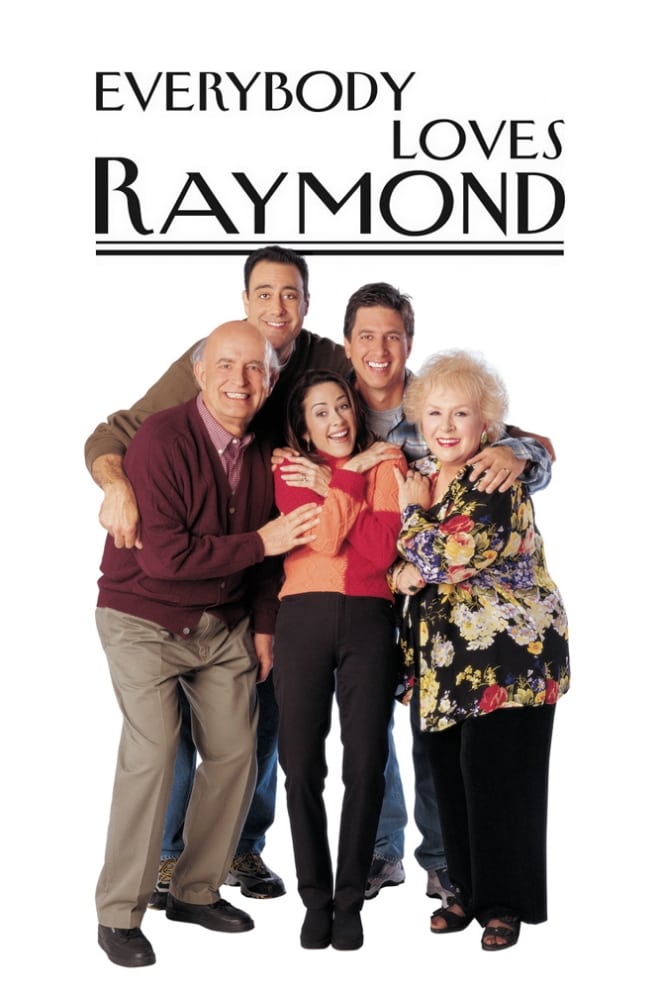
Developed by Philip Rosenthal from Ray Romano’s stand-up, ‘Everybody Loves Raymond’ delivered 210 episodes over nine seasons on CBS. The ensemble included Ray Romano, Patricia Heaton, Brad Garrett, Doris Roberts, and Peter Boyle, with multi-camera production centered on adjacent Long Island homes and a limited set of recurring locations.
Writers sourced stories from domestic routines, emphasizing repeatable situations suited to off-network reruns. The series earned multiple Primetime Emmys in acting and series categories and maintained strong afterlife performance with a large, consistent catalog.
‘Home Improvement’ (1991–1999)
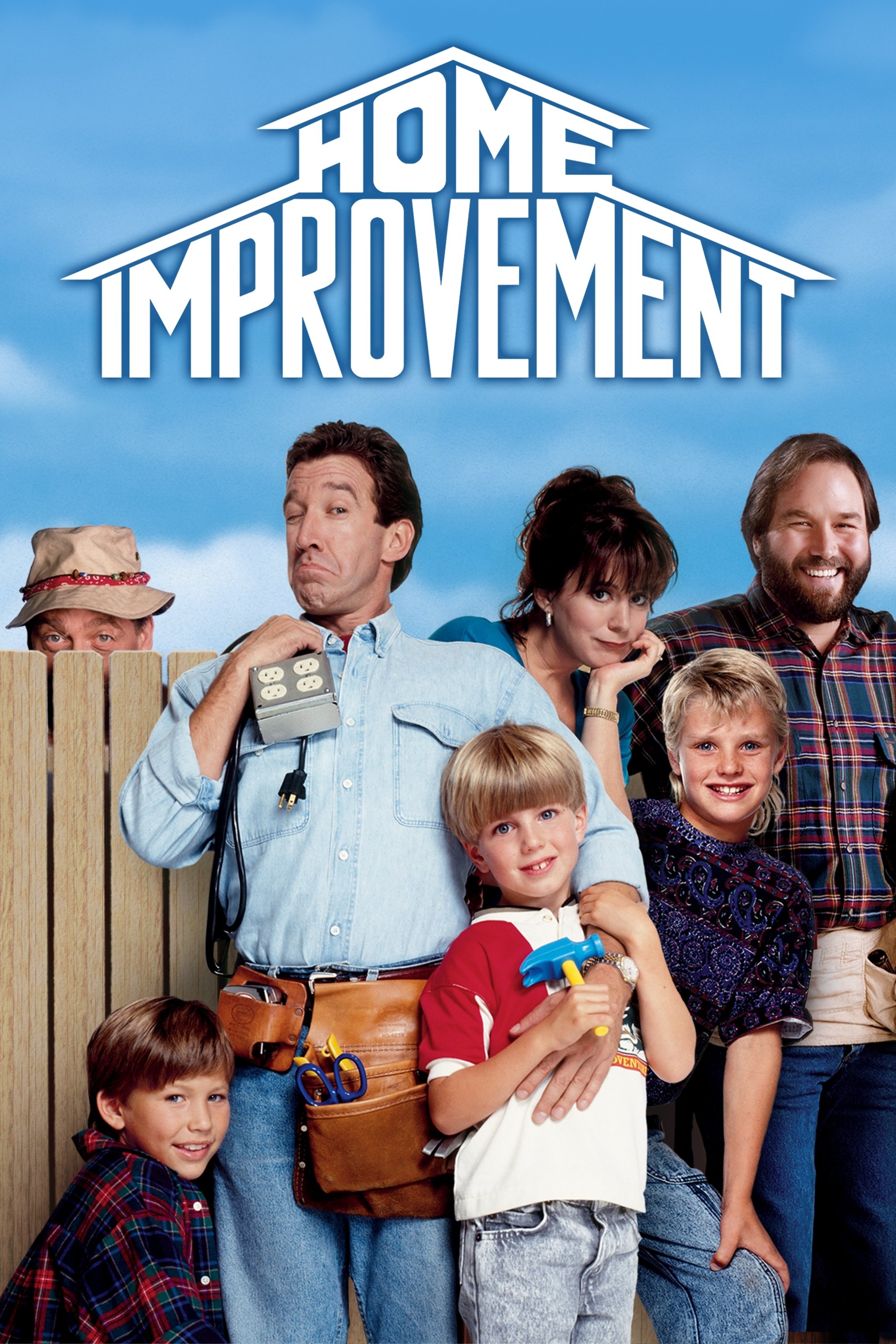
‘Home Improvement’ starred Tim Allen as Tim “The Tool Man” Taylor and Richard Karn as Al Borland on the within-show series ‘Tool Time’, with Patricia Richardson and the Taylor sons rounding out the family ensemble. The ABC sitcom produced 204 episodes across eight seasons using a multi-camera setup with recurring sets for the Taylor home and ‘Tool Time’ studio.
Episodes balanced family arcs with workshop segments and running gags tied to power tools and home projects. Wind Dancer Productions maintained a steady production team, while audience feedback guided edits that emphasized physical bits and call-and-response catchphrases.
‘Boy Meets World’ (1993–2000)
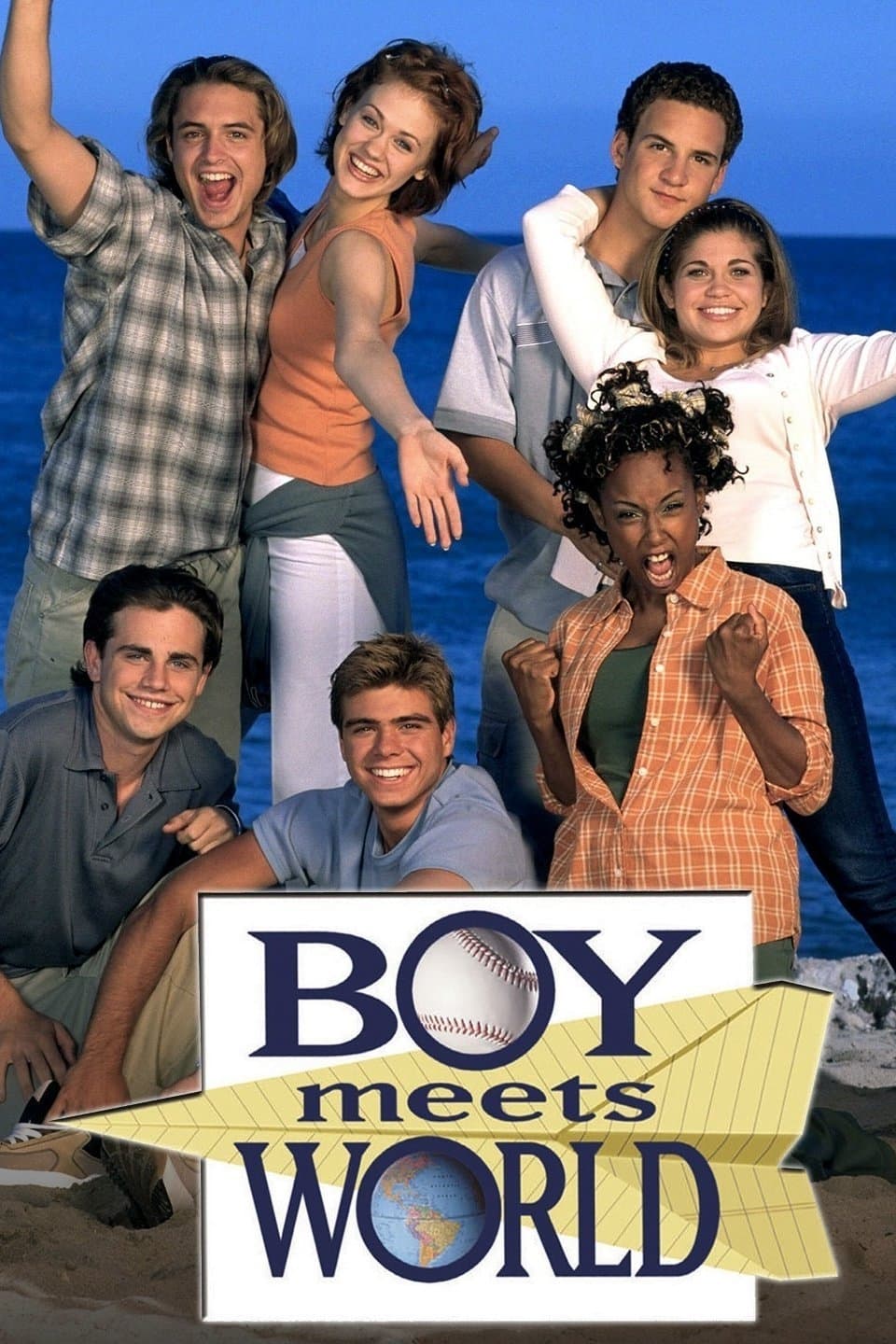
Created by Michael Jacobs and April Kelly, ‘Boy Meets World’ ran seven seasons and 158 episodes on ABC. Ben Savage, Danielle Fishel, Rider Strong, and William Daniels led the cast, with the show charting Cory Matthews’s path from middle school to marriage across school, home, and later college sets in a multi-camera format.
Continuity extended through the follow-up ‘Girl Meets World’, which revisited principal characters as adults. Recurring guest roles and serialized relationship arcs enabled longer payoffs while keeping self-contained stories accessible for syndication.
‘3rd Rock from the Sun’ (1996–2001)
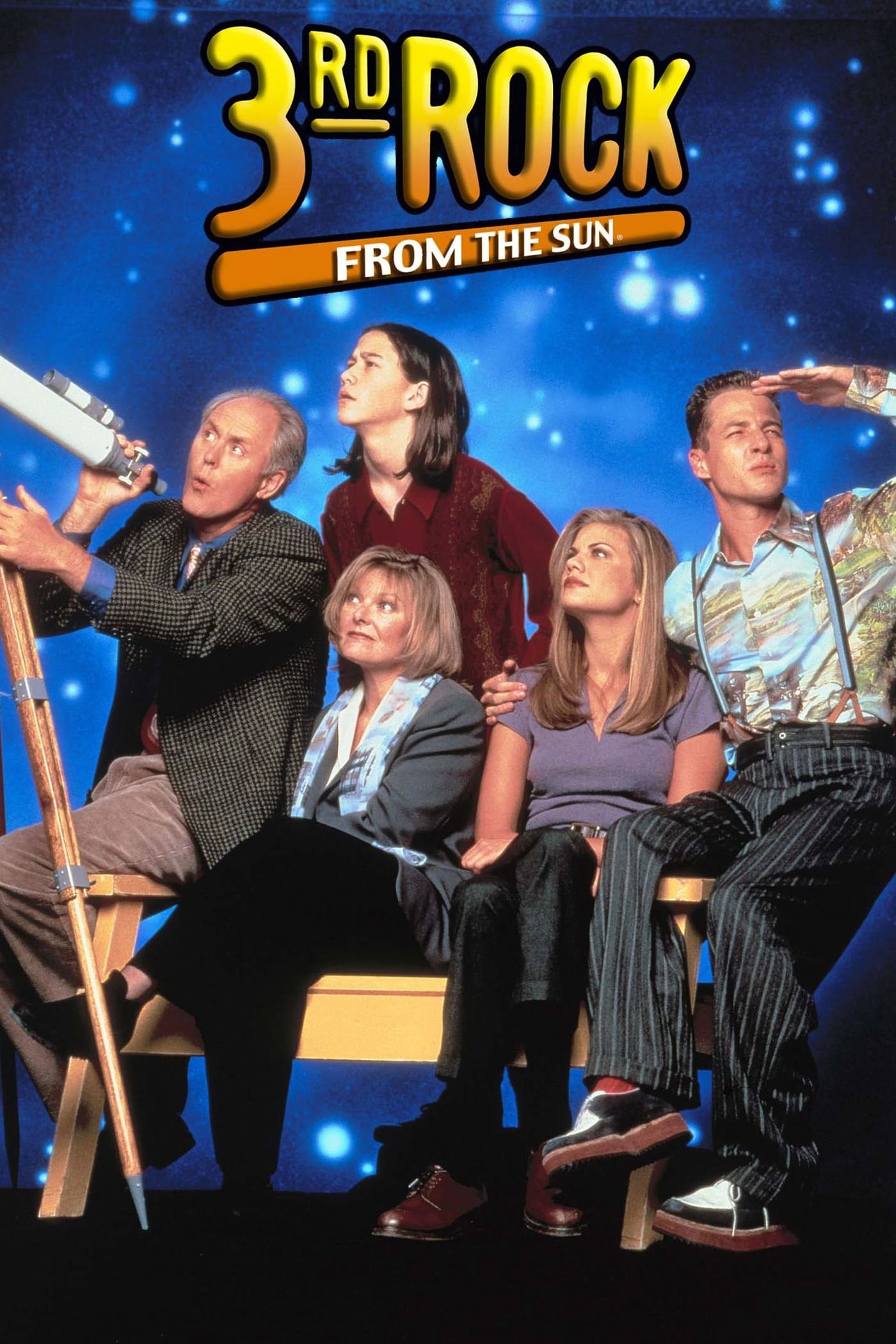
From creators Bonnie and Terry Turner, ‘3rd Rock from the Sun’ delivered 139 episodes over six seasons on NBC. John Lithgow, Kristen Johnston, French Stewart, Joseph Gordon-Levitt, and Jane Curtin formed the primary ensemble, with multi-camera production on living-room and university sets that supported physical comedy and ensemble staging.
John Lithgow received repeated awards recognition for the role of Dick Solomon. The writers’ room used mission-based prompts for episodic structure, returning to faculty, romantic, and neighborhood characters to maintain continuity within standard half-hour runtimes.
‘NewsRadio’ (1995–1999)

Created by Paul Simms, ‘NewsRadio’ was set at fictional New York AM station WNYX and ran five seasons with 97 episodes on NBC. The ensemble included Dave Foley, Maura Tierney, Phil Hartman, Stephen Root, Vicki Lewis, Andy Dick, Joe Rogan, and Khandi Alexander, with bullpen and office sets enabling fast-paced workplace stories.
Following Phil Hartman’s death, Jon Lovitz joined the cast and the writers adjusted character dynamics accordingly. The production sustained a dense joke pace within short runtimes and built a dedicated following through reruns and home-media releases.
‘Mad About You’ (1992–1999)
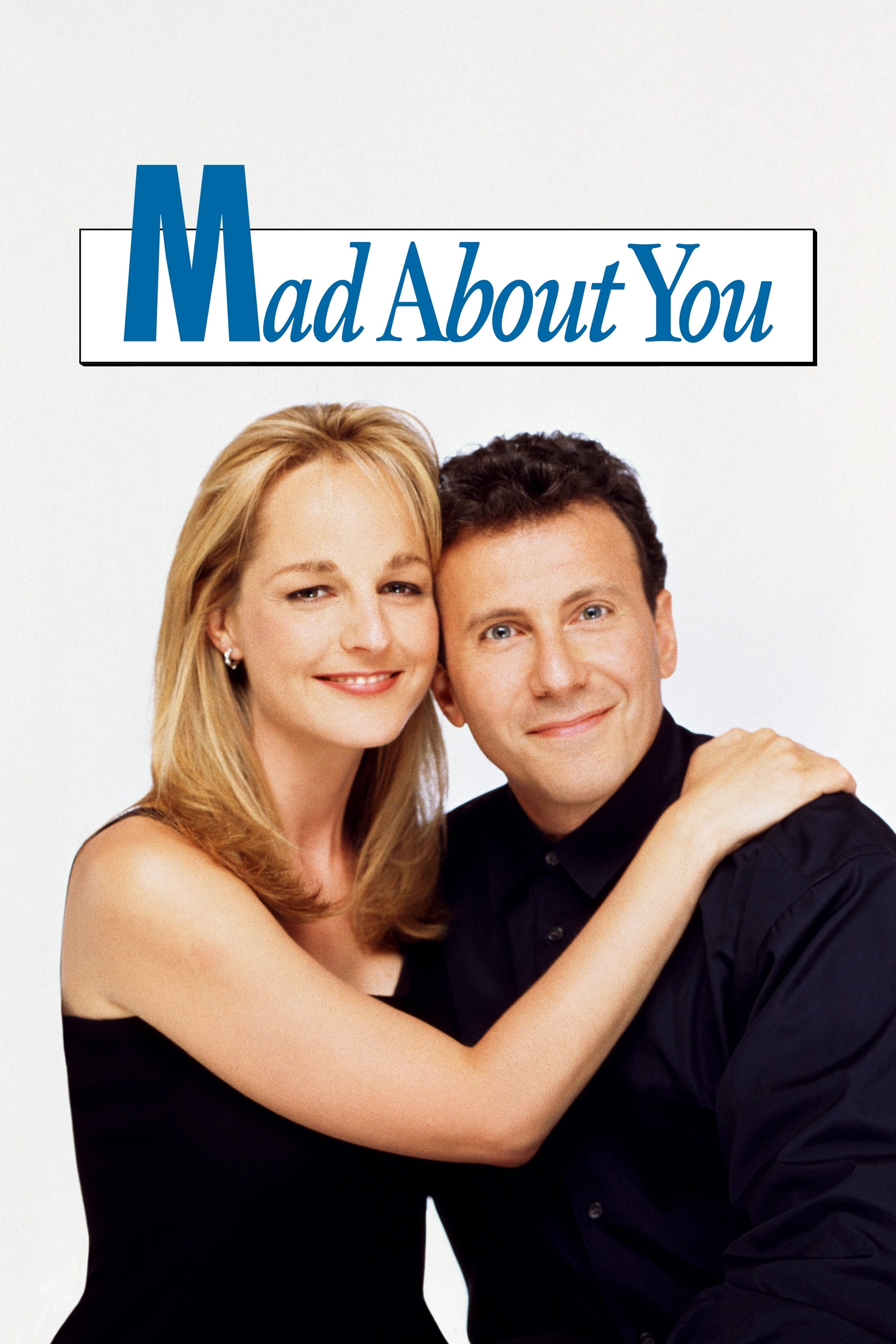
‘Mad About You’, created by Paul Reiser and Danny Jacobson, followed documentary filmmaker Paul Buchman and public-relations executive Jamie Buchman, played by Paul Reiser and Helen Hunt. It aired seven seasons and 164 episodes on NBC in a multi-camera format using apartment and workplace sets with frequent on-location inserts.
The series connected to ‘Friends’ through Lisa Kudrow’s recurring character Ursula and featured a consistent circle of family and neighbor roles. It later received a continuation that revisited the central couple at a different life stage, expanding the overall narrative without changing its core premise.
‘Will & Grace’ (1998–2006)
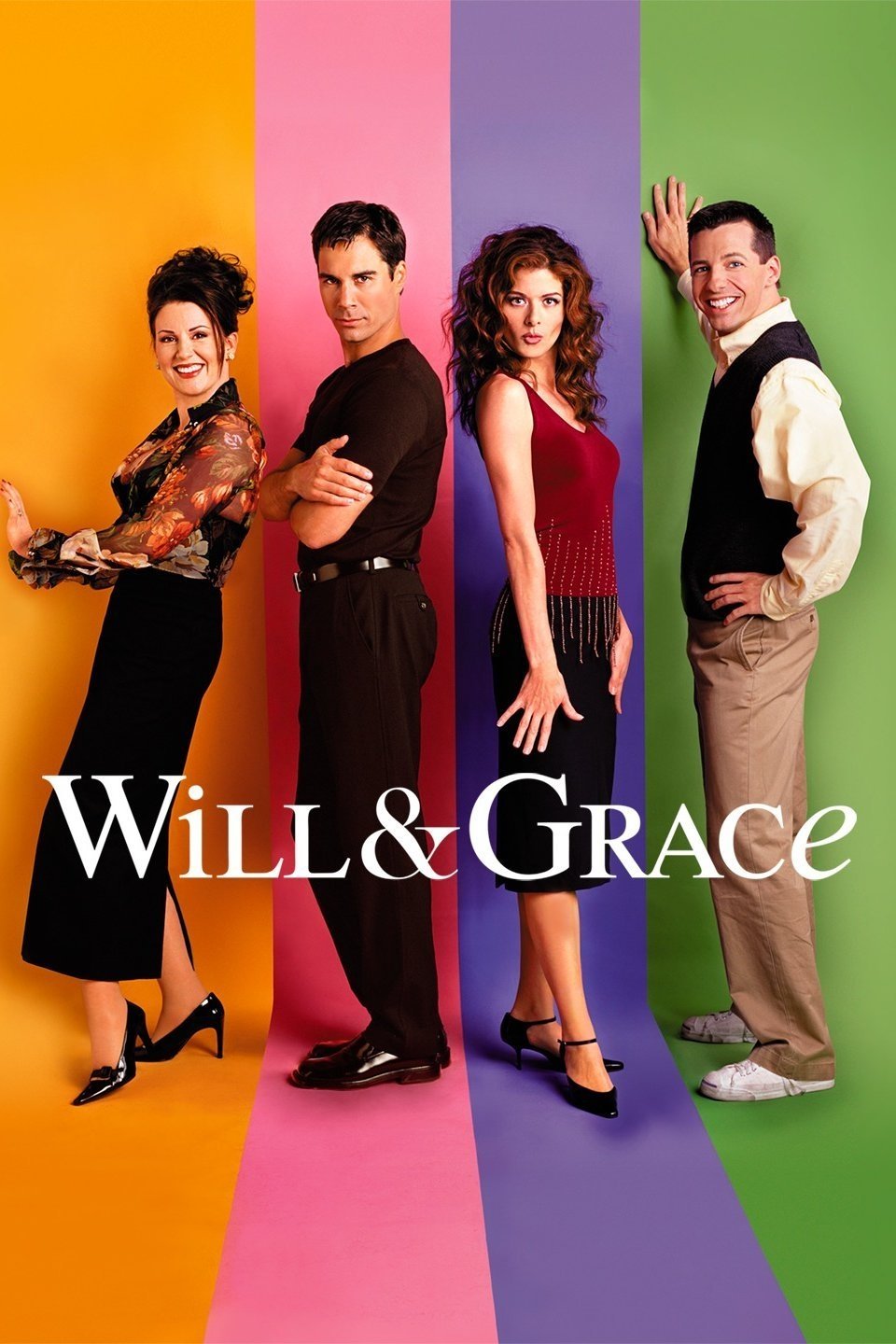
Created by Max Mutchnick and David Kohan, ‘Will & Grace’ starred Eric McCormack, Debra Messing, Megan Mullally, and Sean Hayes. The NBC series used a multi-camera format with principal sets for an apartment, law office, and design studio, and it delivered stories built around the friendship between an attorney and an interior designer.
The show collected numerous Primetime Emmys across acting and technical fields and featured frequent guest stars for multi-episode arcs. It later returned with a multi-season revival featuring the original ensemble, increasing its total episode inventory for syndication and streaming packages.
‘Spin City’ (1996–2002)

Co-created by Gary David Goldberg and Bill Lawrence, ‘Spin City’ focused on the New York City mayor’s office staff. Over six seasons and 145 episodes on ABC, the series starred Michael J. Fox as Deputy Mayor Mike Flaherty with Barry Bostwick, Richard Kind, Alan Ruck, Michael Boatman, and Connie Britton; Charlie Sheen joined in later seasons. Production employed multi-camera staging with City Hall offices and press-room sets.
The writers paired episodic municipal snafus with ongoing workplace relationships, integrating cast transitions into the narrative. Recurring city staffers, reporters, and consultants provided continuity across half-hour stories designed for network scheduling.
‘Living Single’ (1993–1998)
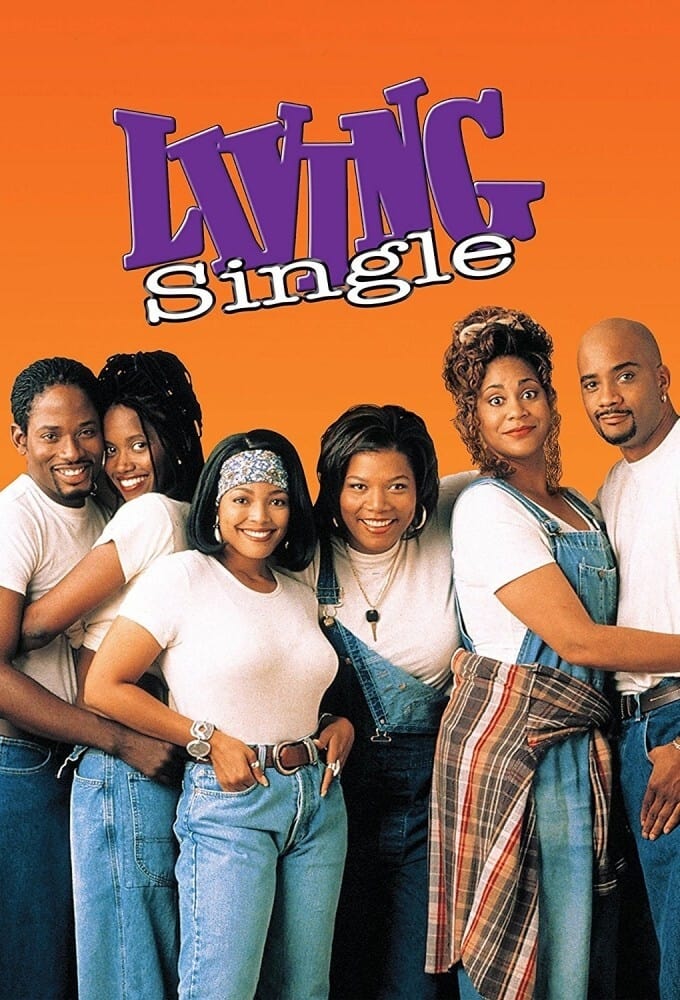
Created by Yvette Lee Bowser, ‘Living Single’ aired on Fox for five seasons with 118 episodes. Set in Brooklyn, it followed six friends played by Queen Latifah, Kim Coles, Erika Alexander, Terrence C. Carson, John Henton, and Kim Fields, with neighboring apartments and a magazine office among its staple locations in a multi-camera format.
The series emphasized ensemble balance and recurring pairings that carried across personal and professional settings. A consistent time slot and strong syndication packages kept its episodes in rotation across domestic and international markets.
‘Martin’ (1992–1997)
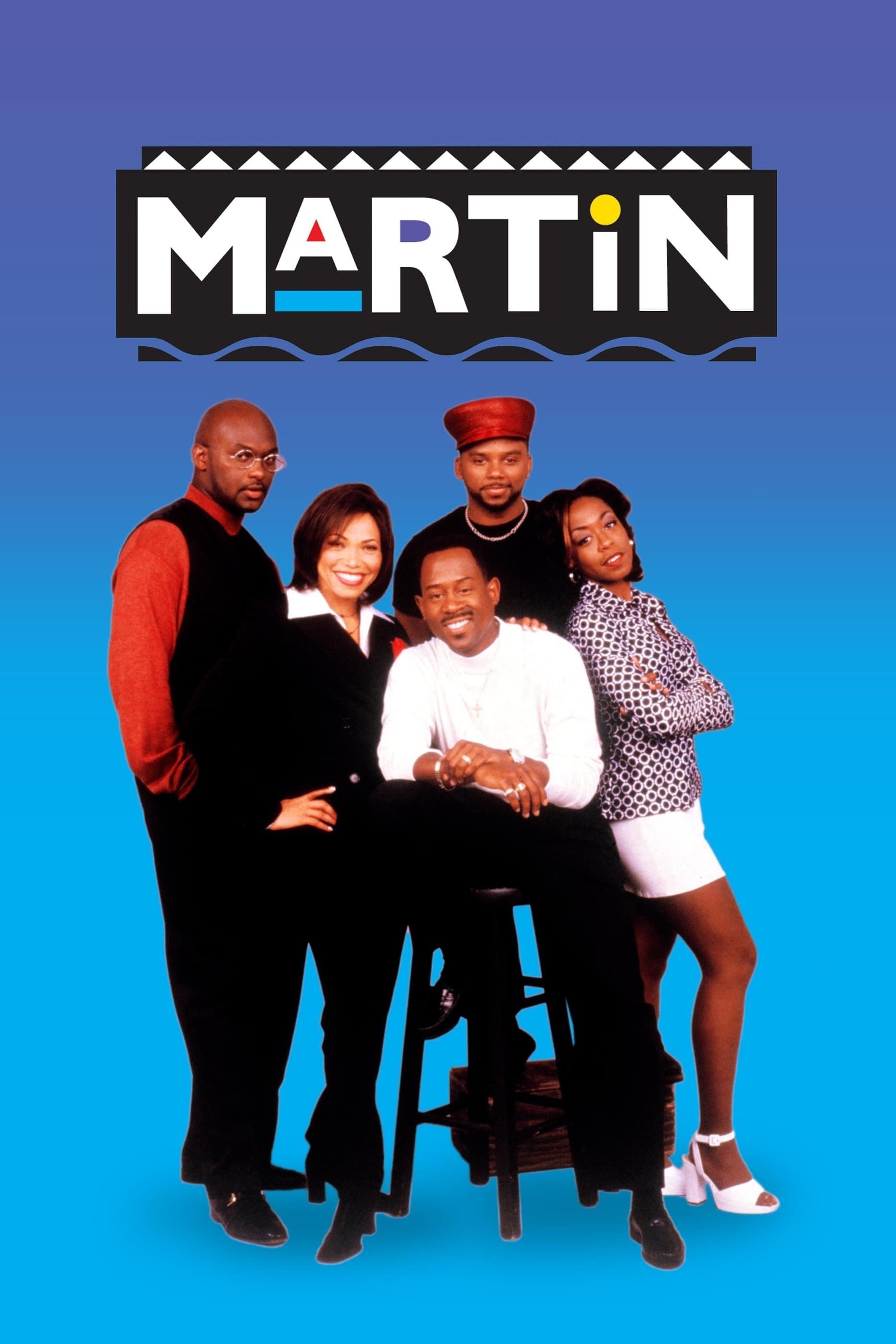
‘Martin’ starred Martin Lawrence as Detroit radio personality Martin Payne and ran five seasons with 132 episodes on Fox. Tisha Campbell, Tichina Arnold, Thomas Mikal Ford, and Carl Anthony Payne II rounded out the core ensemble. Multi-camera production used apartment, radio station, and later television studio sets, with Lawrence also portraying multiple recurring characters.
Sketch-style interludes were integrated into traditional sitcom structures, allowing character monologues and physical bits within standard act breaks. Cast availability shifts in the final season were accommodated through adjusted set pieces and story beats while maintaining episode cadence.
‘The King of Queens’ (1998–2007)
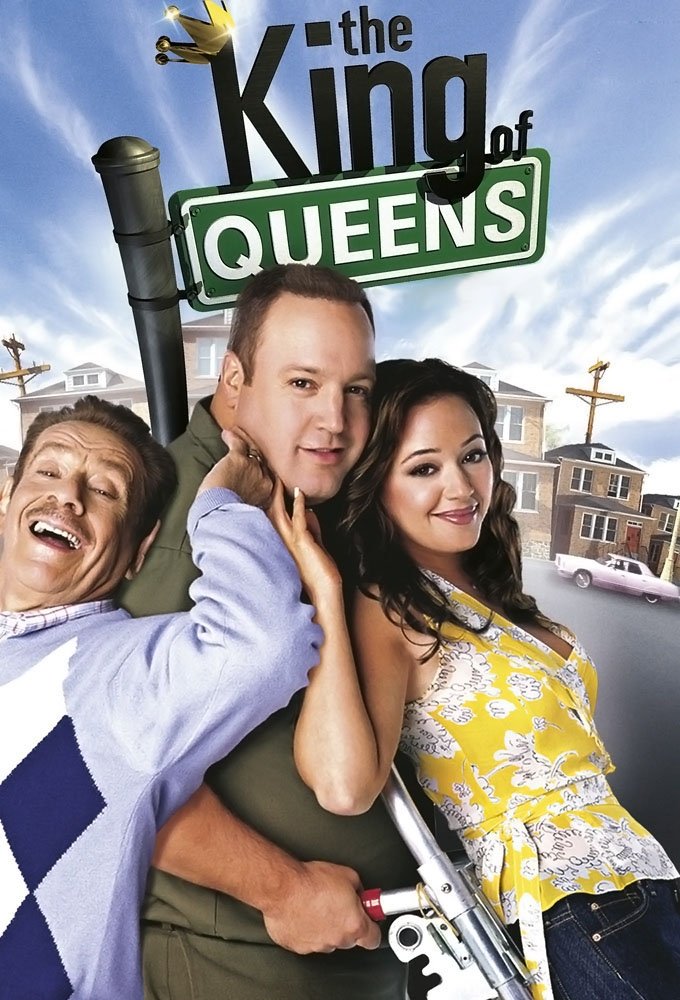
Developed by Michael J. Weithorn and David Litt, ‘The King of Queens’ ran nine seasons and 207 episodes on CBS. Kevin James and Leah Remini starred as Doug and Carrie Heffernan, with Jerry Stiller as Arthur Spooner. The show used a multi-camera format centered on a Queens home set, supplemented by workplace and neighborhood locations.
It shared a universe with ‘Everybody Loves Raymond’ through character crossovers and guest appearances. A steady rotation of supporting players and repeatable domestic situations made the series well suited to daily syndication blocks.
‘Sabrina the Teenage Witch’ (1996–2003)
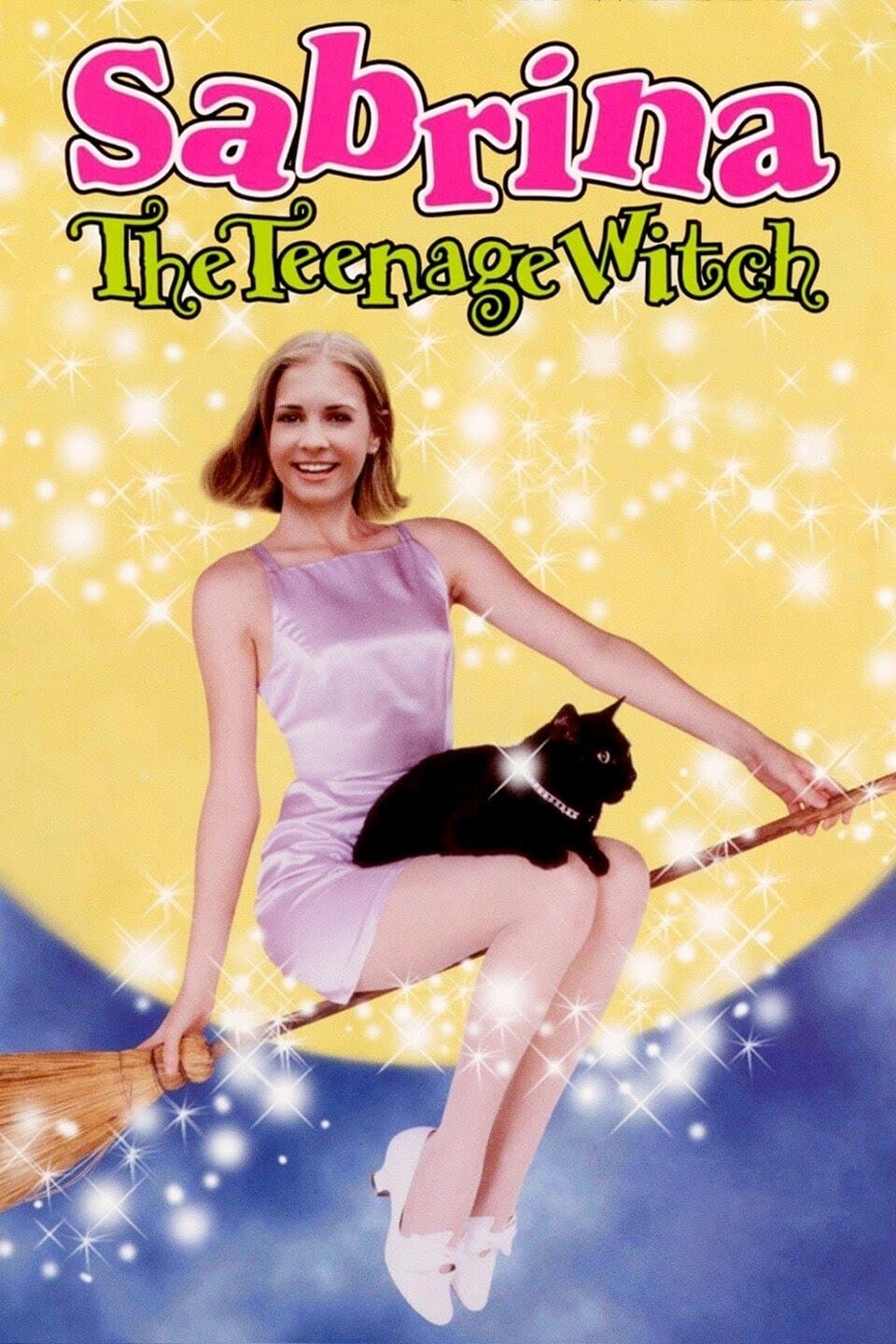
Based on Archie Comics characters, ‘Sabrina the Teenage Witch’ starred Melissa Joan Hart and produced 163 episodes across seven seasons. The show began on ABC and later moved to The WB, featuring Caroline Rhea and Beth Broderick as aunts Hilda and Zelda, with Nick Bakay voicing the cat Salem. Production combined multi-camera staging with visual effects to depict spells and transformations.
Storylines alternated between high school and college life alongside episodic magical complications. The network shift brought adjustments to cast and tone while retaining core characters and continuity, and the series maintained a broad rerun presence due to its sizable library.
‘The Larry Sanders Show’ (1992–1998)
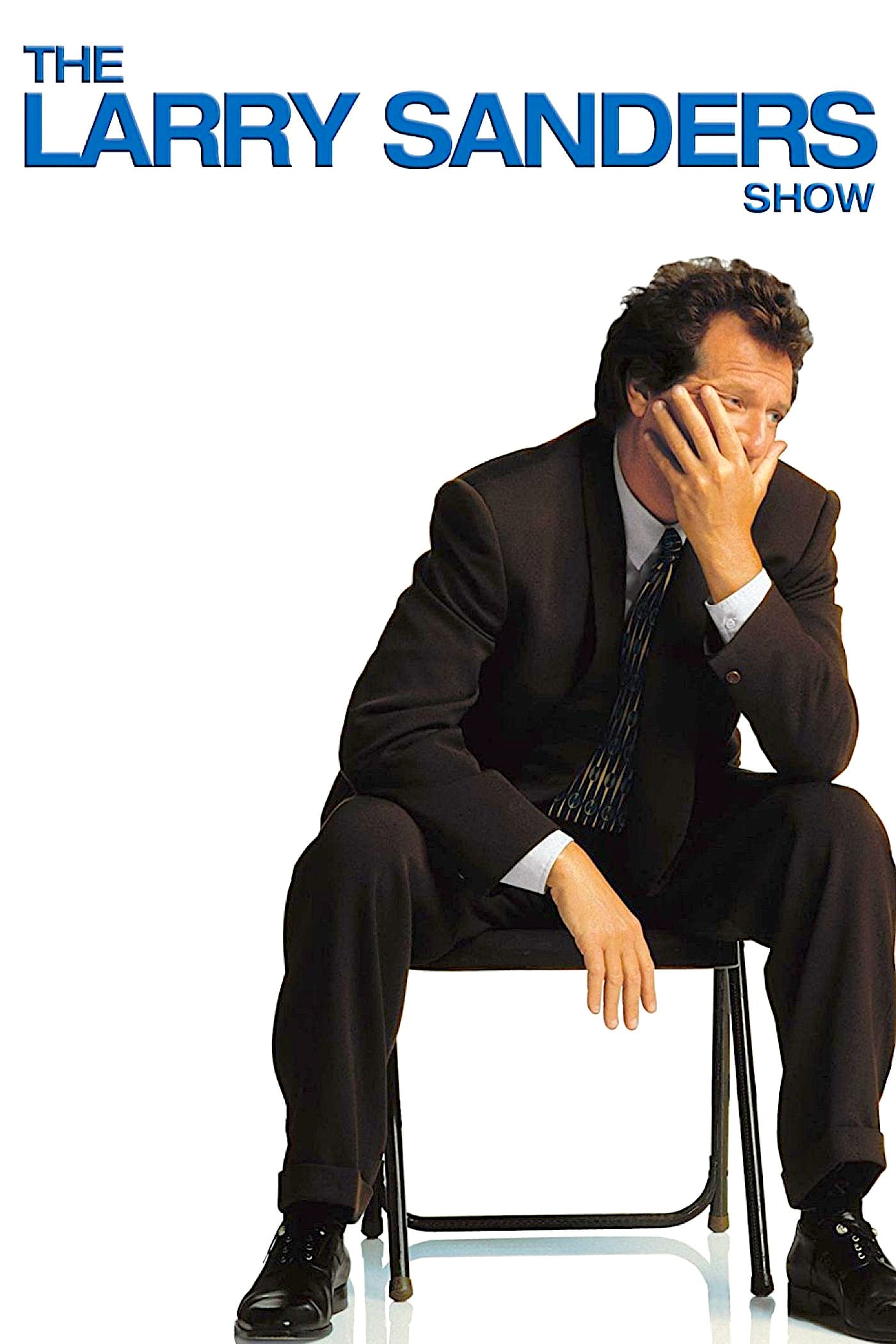
Created by Garry Shandling and Dennis Klein for HBO, ‘The Larry Sanders Show’ ran six seasons. Garry Shandling played talk-show host Larry Sanders, with Jeffrey Tambor as Hank Kingsley and Rip Torn as producer Artie. The series used a hybrid of single-camera and mock-documentary elements with backstage and on-air segments, often featuring real entertainers as themselves.
Episodes alternated between writers’ room, dressing-room, and stage, mapping how a late-night series is assembled under pressure. The show received major industry recognition, including Primetime Emmy and Peabody honors, and it influenced later comedies about the production environment behind ‘The Tonight Show’-style programs.
‘Father Ted’ (1995–1998)
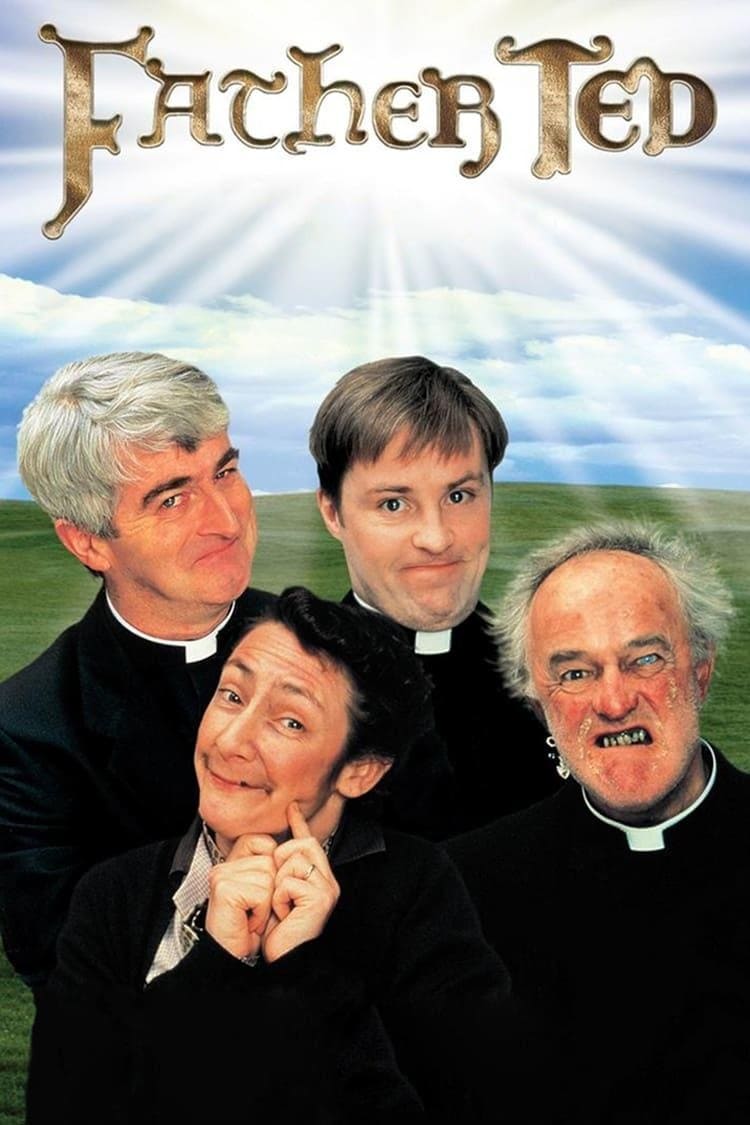
Produced for Channel 4, ‘Father Ted’ was created by Graham Linehan and Arthur Mathews and starred Dermot Morgan, Ardal O’Hanlon, Frank Kelly, and Pauline McLynn as clergy and housekeeper on the fictional Craggy Island. It ran for three series plus a Christmas special, combining studio-based multi-camera setups with location filming in Ireland.
The show won multiple BAFTAs and became a staple of British and Irish comedy reruns. Recurring characters, parish rivalries, and themed episodes—such as contests and trips away from the parochial house—provided a structure that supported tightly written half-hours.
‘King of the Hill’ (1997–2010)
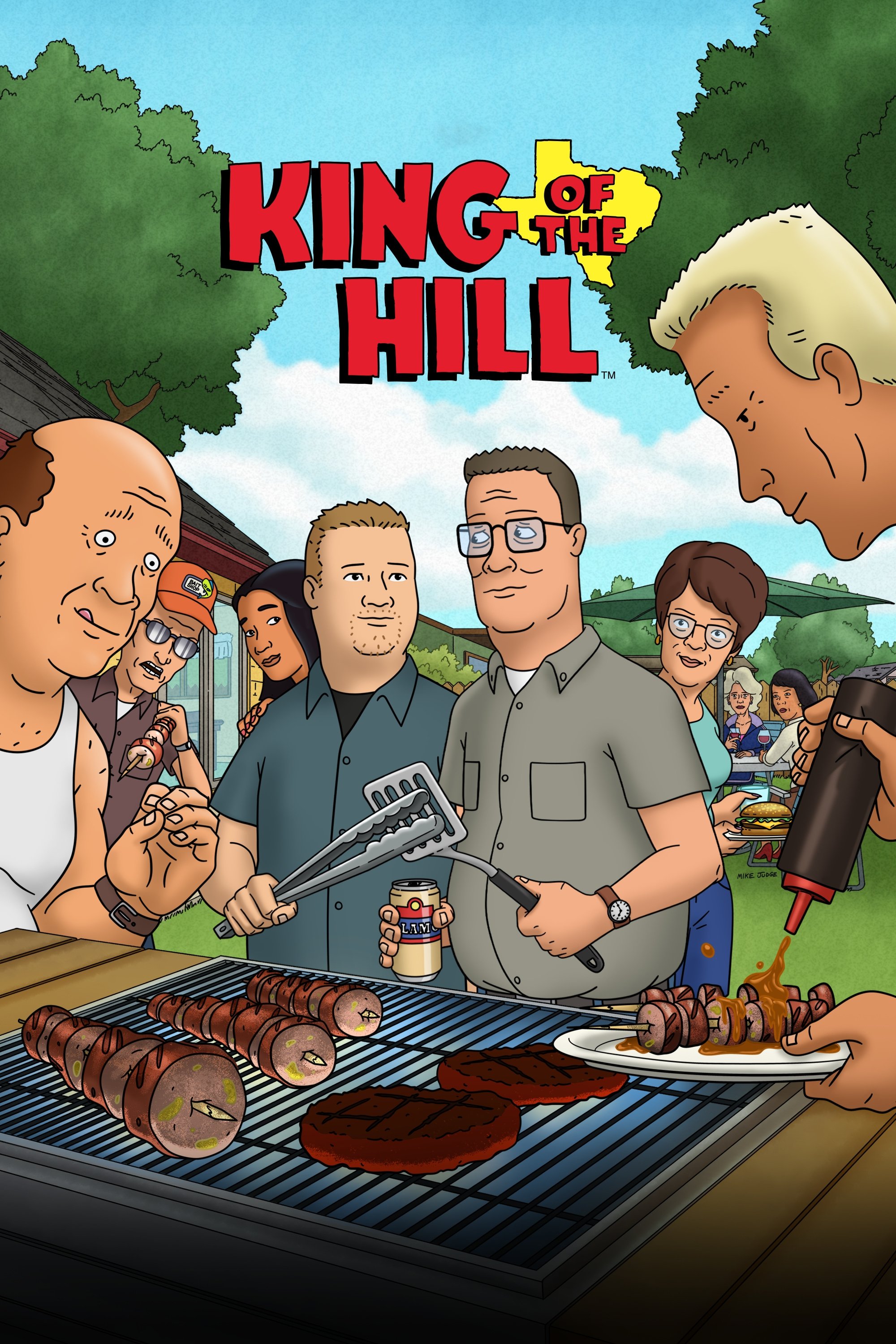
‘King of the Hill’, created by Mike Judge and Greg Daniels for Fox, followed Hank Hill and his family in the fictional town of Arlen, Texas. The animated sitcom spanned 13 seasons, with voice performances by Mike Judge, Kathy Najimy, Pamela Adlon, and others. Production used a single-camera approach appropriate to animation, centering stories on neighborhood life, school events, and city-council issues.
The series earned major awards recognition and built a large library well suited to reruns. Its pipeline balanced character-driven stories with grounded settings, maintaining continuity through recurring neighbors, workplace colleagues, and school administrators.
‘The Drew Carey Show’ (1995–2004)
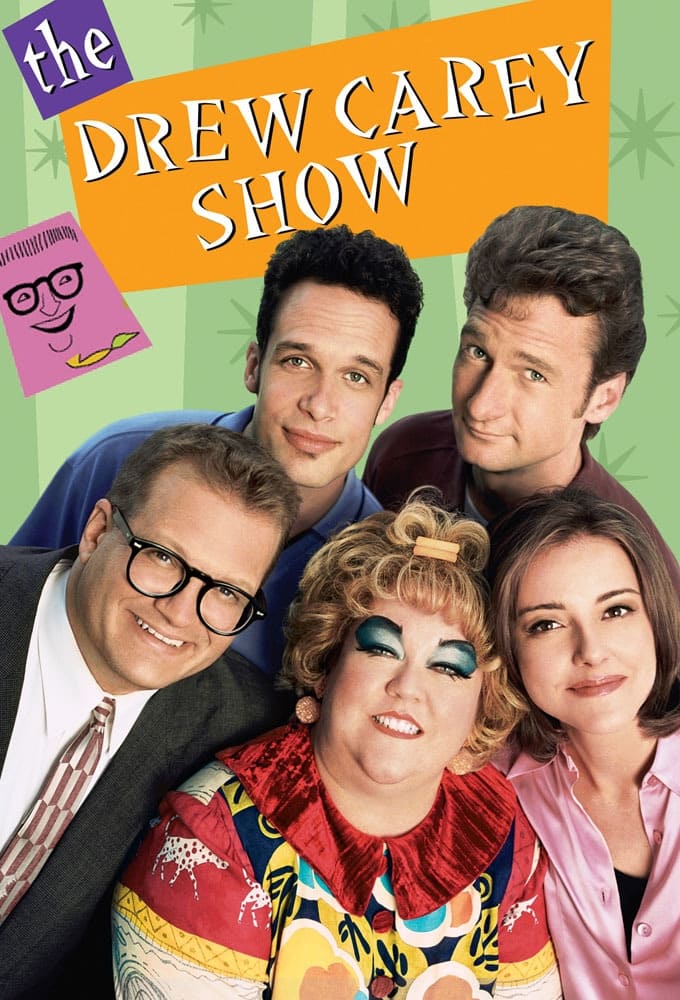
Set in Cleveland and created by Drew Carey and Bruce Helford, ‘The Drew Carey Show’ ran nine seasons with 233 episodes on ABC. The ensemble included Drew Carey, Diedrich Bader, Ryan Stiles, Christa Miller, Kathy Kinney, and later Craig Ferguson, with multi-camera production centered on workplace and neighborhood bar sets.
The series incorporated musical numbers, occasional live episodes, and ensemble-driven workplace plots at the fictional Winfred-Louder department store. Its long network run produced a sizable catalog for syndication, and recurring characters and themed installments provided continuity across seasons.
Share your own picks and the episodes you still rewatch in the comments!