The Best 2000s TV Shows You Probably Didn’t Watch


Some of the most inventive series of the decade flew under the radar while viewers were busy with blockbuster hits. This list spotlights shows that built passionate followings, pushed formats in interesting directions, or told sharply focused stories—yet never quite found the broad audiences they deserved at the time.
You’ll find one-season wonders, international imports, short-run miniseries, and a few network experiments that felt ahead of their moment. Each entry includes the essentials—premise, creators, cast, episode counts, and where it aired—so you can decide what to queue up next.
‘Wonderfalls’ (2004)

Set around a gift shop near Niagara Falls, ‘Wonderfalls’ follows Jaye Tyler, a recent graduate whose life tilts when animal figurines start talking to her and nudging her to intervene in strangers’ problems. The series was created by Bryan Fuller and Todd Holland, starred Caroline Dhavernas, and filmed in Canada for a U.S. network run. It delivered a blend of episodic missions tied to the mysterious voices and an unfolding family dramedy.
The show produced one season totaling 13 episodes, with several installments premiering outside the original broadcast in later releases. The main cast included Katie Finneran, Tyron Leitso, Tracie Thoms, and William Sadler, with recurring appearances that expanded the show’s mythos around why the inanimate objects speak to Jaye.
‘The Middleman’ (2008)

‘The Middleman’ adapts Javier Grillo-Marxuach and Les McClaine’s graphic novels about Wendy Watson, an aspiring artist recruited by a square-jawed do-gooder to fight mad science and comic-book villains. The show aired on ABC Family, headlined Natalie Morales and Matt Keeslar, and leaned into case-of-the-week adventures packed with genre references.
Across 12 episodes, the series introduced the Organization Too Secret To Know, a rotating arsenal of gadgetry, and recurring foes with pulpy backstories. Mary Pat Gleason and Brit Morgan rounded out the ensemble, and an unfilmed final script was later told as a graphic novel to complete a planned arc.
‘Kings’ (2009)
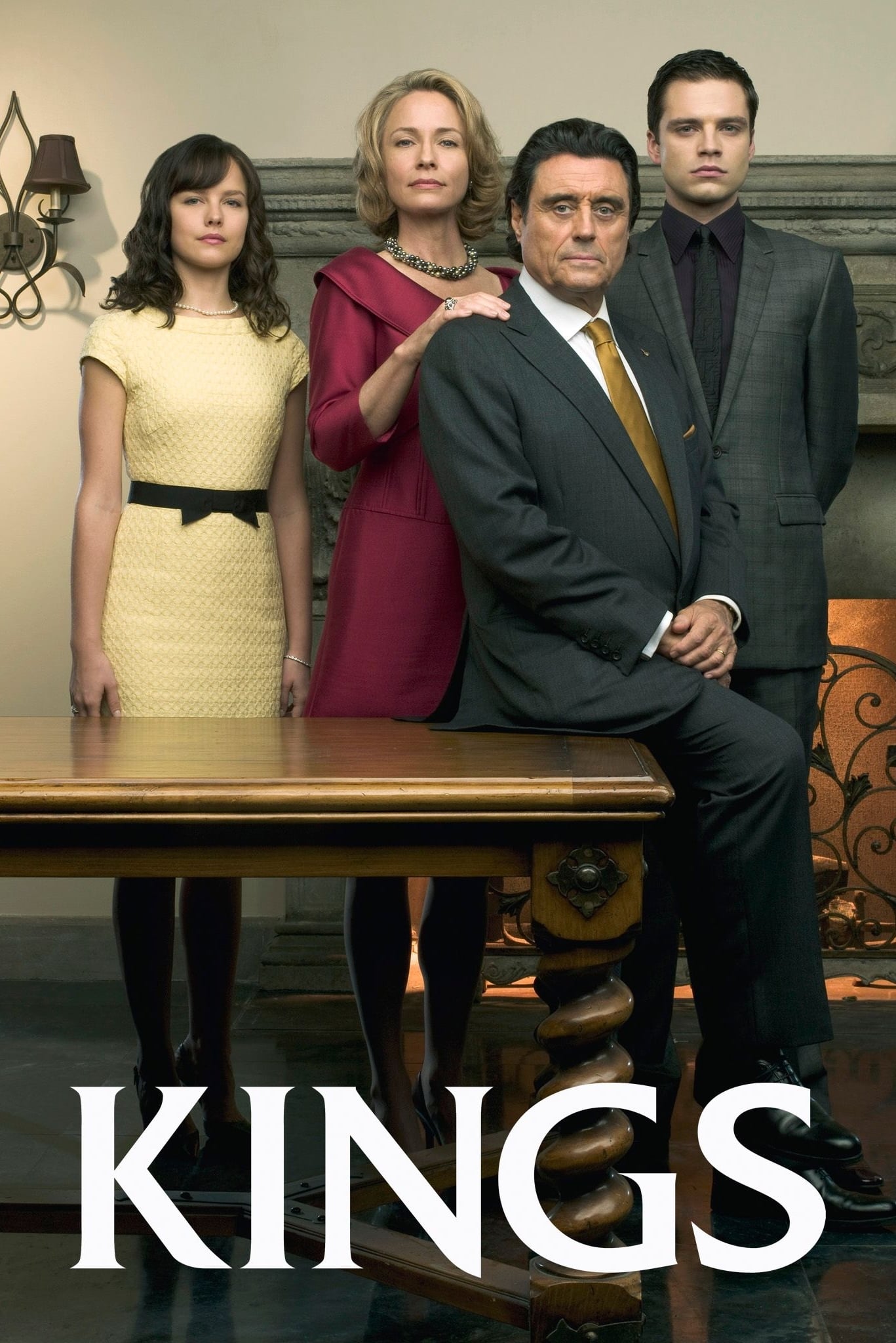
‘Kings’ reimagines a modern monarchy inspired by the biblical narrative of David, set in the fictional nation of Gilboa with its capital of Shiloh. Created by Michael Green for NBC, it starred Ian McShane, Christopher Egan, Susanna Thompson, and Sebastian Stan, and filmed largely in New York to give its cityscapes a contemporary gloss.
The season’s 13 episodes map political rivalries, media spectacle, and military tensions with neighboring Gath. The production built a detailed court hierarchy, complete with ceremonial imagery, invented national symbols, and a serialized power struggle that connected stand-alone plots to a larger succession story.
‘Life’ (2007–2009)
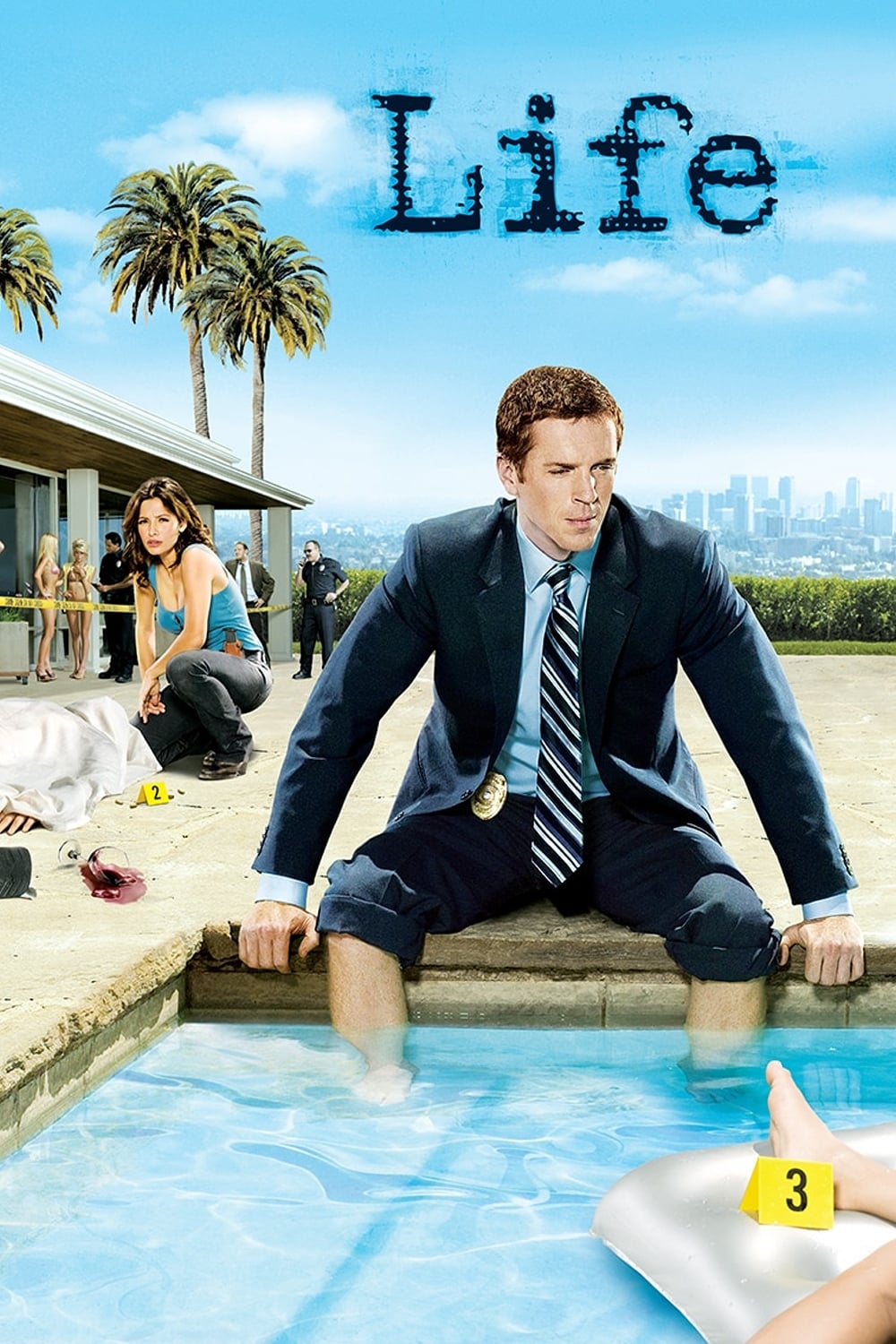
‘Life’ centers on LAPD detective Charlie Crews, a cop released from prison after being exonerated, who returns to the force with a large settlement and a fixation on the case that put him away. Created by Rand Ravich for NBC, it starred Damian Lewis and Sarah Shahi, with Adam Arkin and Brent Sexton in key supporting roles.
Over two seasons, the show balanced weekly investigations with a conspiracy thread about the original crime and Crews’s lost years. Its 32-episode run used recurring characters across the department and city bureaucracy to advance that long-game storyline while maintaining a procedural structure.
‘Journeyman’ (2007)
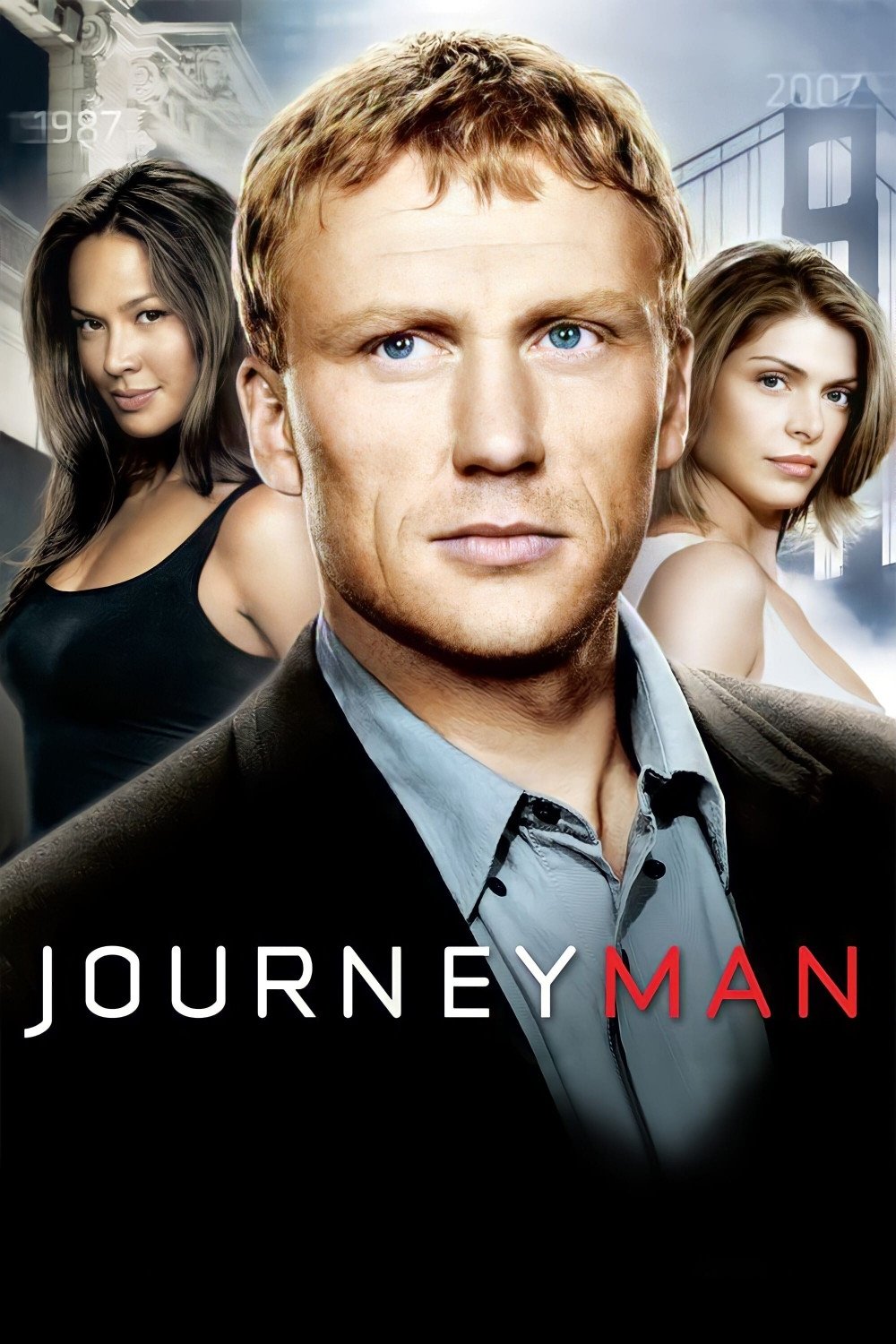
‘Journeyman’ follows San Francisco reporter Dan Vasser, who begins involuntarily time-leaping to fix pivotal moments in strangers’ lives while juggling family and work in the present. Created by Kevin Falls for NBC, it starred Kevin McKidd, Gretchen Egolf, and Moon Bloodgood, and made frequent use of Bay Area locations.
The series delivered 13 episodes that layered personal consequences onto each mission, giving Dan rules and limitations that complicated what he could change. A recurring mystery man and a scientist character provided connective tissue across cases, tying the leaps to a wider pattern.
‘The Lost Room’ (2006)
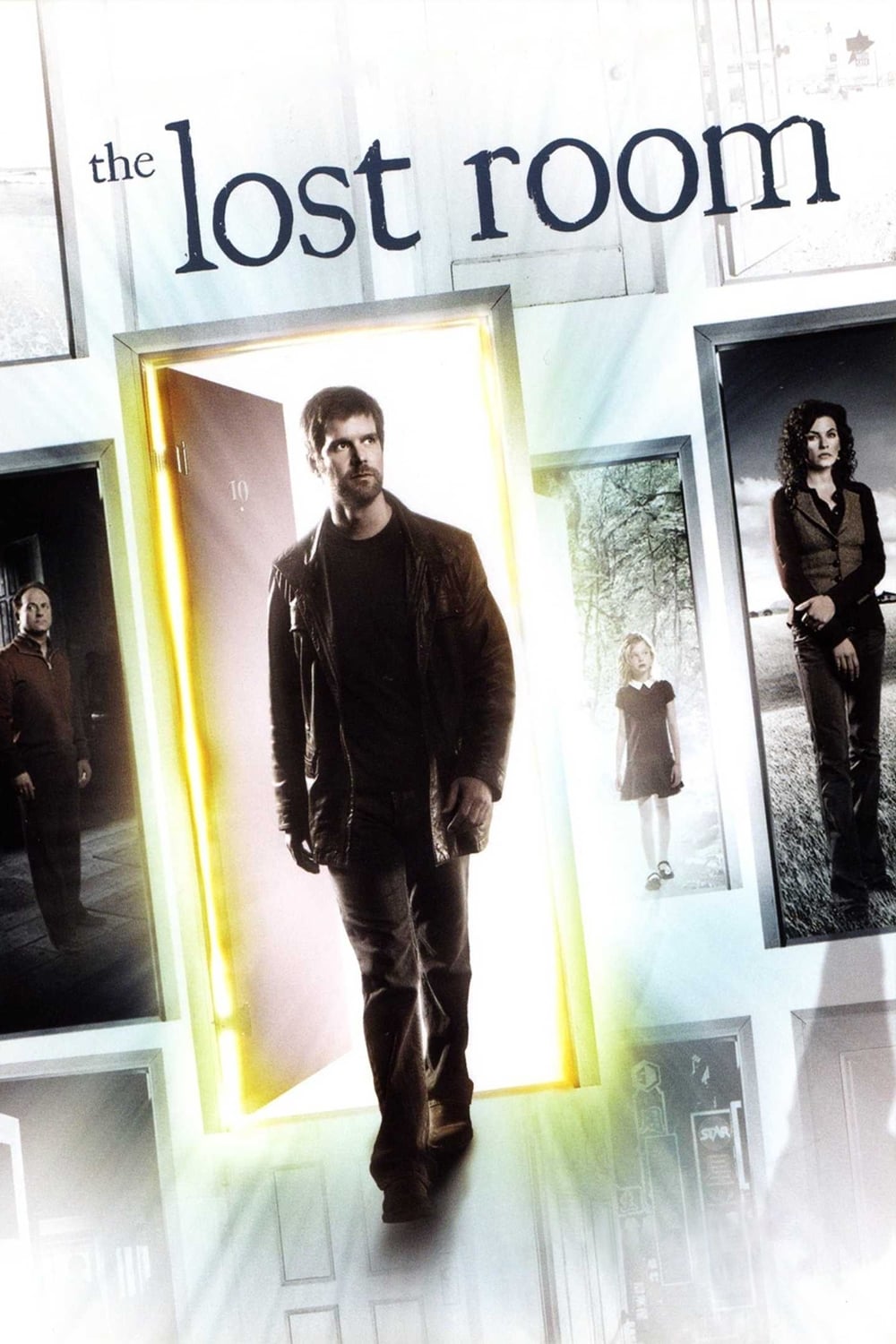
‘The Lost Room’ is a science-fiction miniseries about a motel room whose everyday “Objects” hold unique powers, all accessible with a key that opens any door into that space. Created by Christopher Leone, Laura Harkcom, and Paul Workman for the Sci Fi Channel, it starred Peter Krause, Julianna Margulies, and Kevin Pollak.
Told across three feature-length parts (often split into six episodes in some releases), the story tracks a detective searching for his missing daughter after an incident involving the room, while collectors and cults race to assemble Object sets. Each Object’s rules—like cause-and-effect constraints and side effects—drive both heist-style episodes and the overarching mythology.
‘Dead Like Me’ (2003–2004)
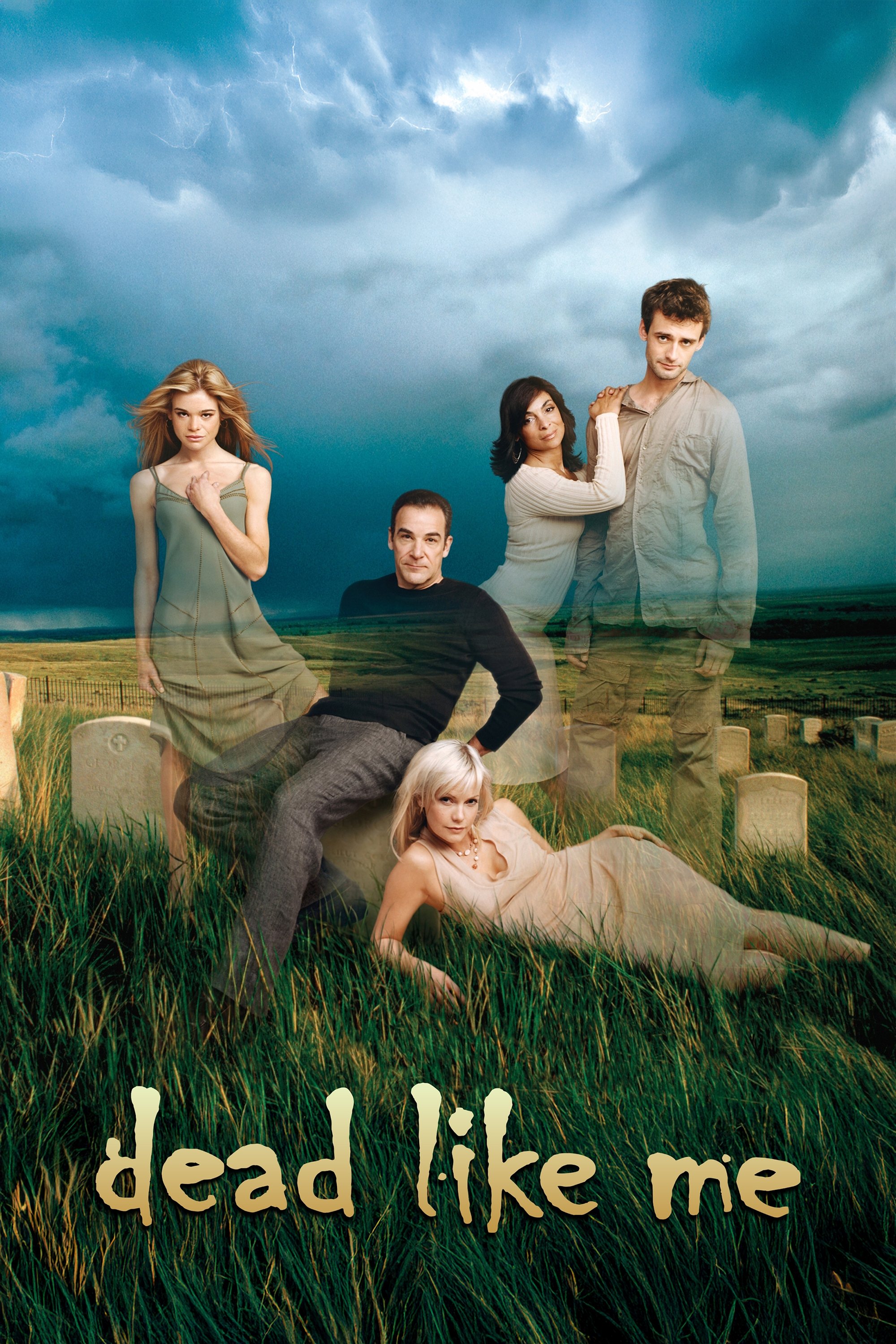
In ‘Dead Like Me’, an office temp dies in an accident and is recruited as a grim reaper tasked with collecting souls before fatal moments. Bryan Fuller created the series for Showtime, with Ellen Muth, Mandy Patinkin, Callum Blue, and Jasmine Guy leading the cast.
Across two seasons and 29 episodes, the show built a ruleset around post-mortem duties, sharing how reapers receive assignments, coordinate in a diner, and balance day jobs. Episodes paired those mechanics with vignettes about the deceased’s final day, exploring the logistics of moving people along to what comes next.
‘Carnivàle’ (2003–2005)
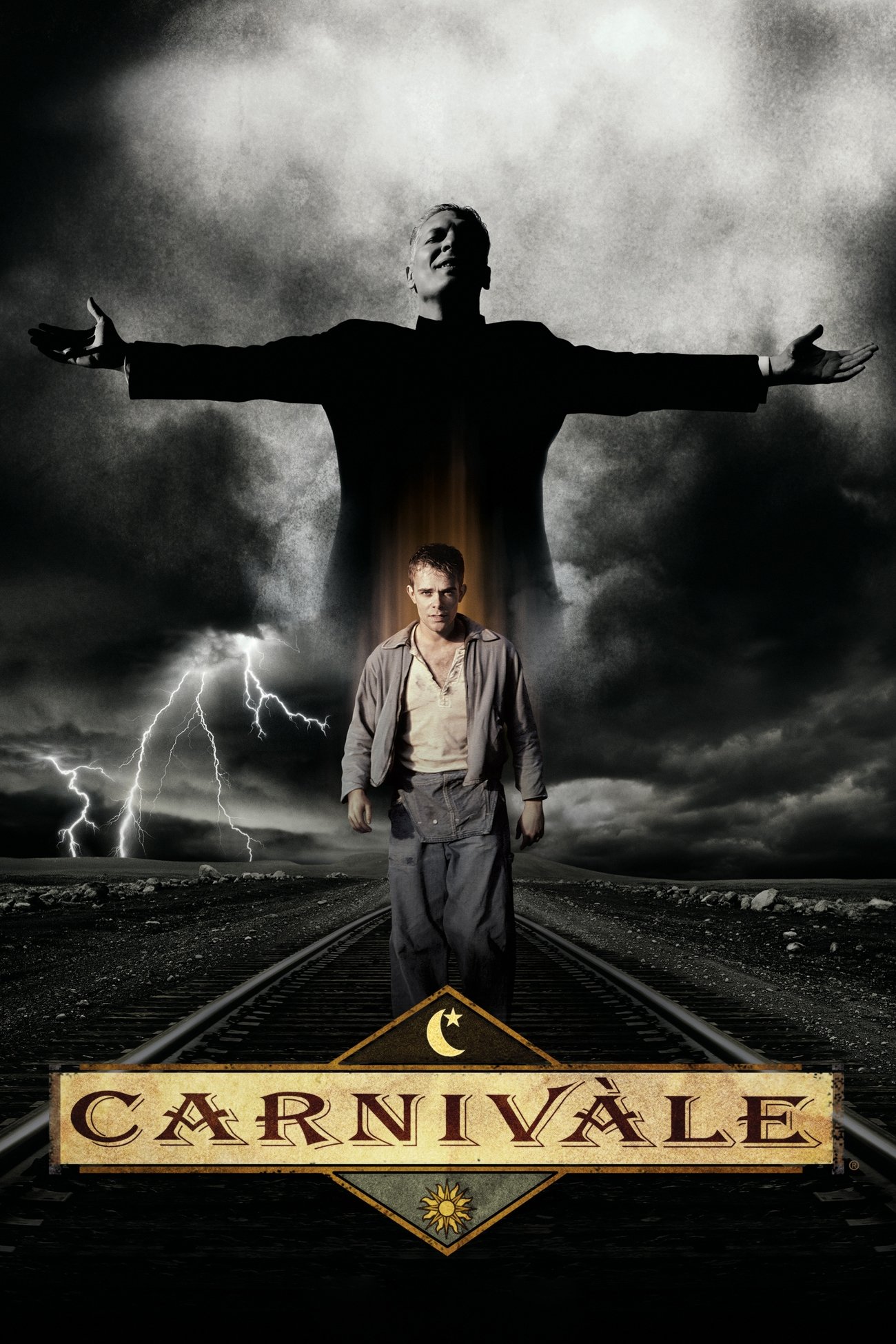
‘Carnivàle’ weaves a battle between a traveling carnival’s young healer and a charismatic preacher, set against dust-bowl Americana and itinerant show life. Created by Daniel Knauf for HBO, it featured Nick Stahl, Clancy Brown, Michael J. Anderson, and Carla Gallo in a large ensemble.
The series ran two seasons for 24 episodes, noted for detailed period production design, large-scale sets, and recurring iconography that linked visions to tangible clues. Subplots followed roustabouts, fortune tellers, and sideshow acts whose alliances and histories connected to the main conflict.
‘The 4400’ (2004–2007)
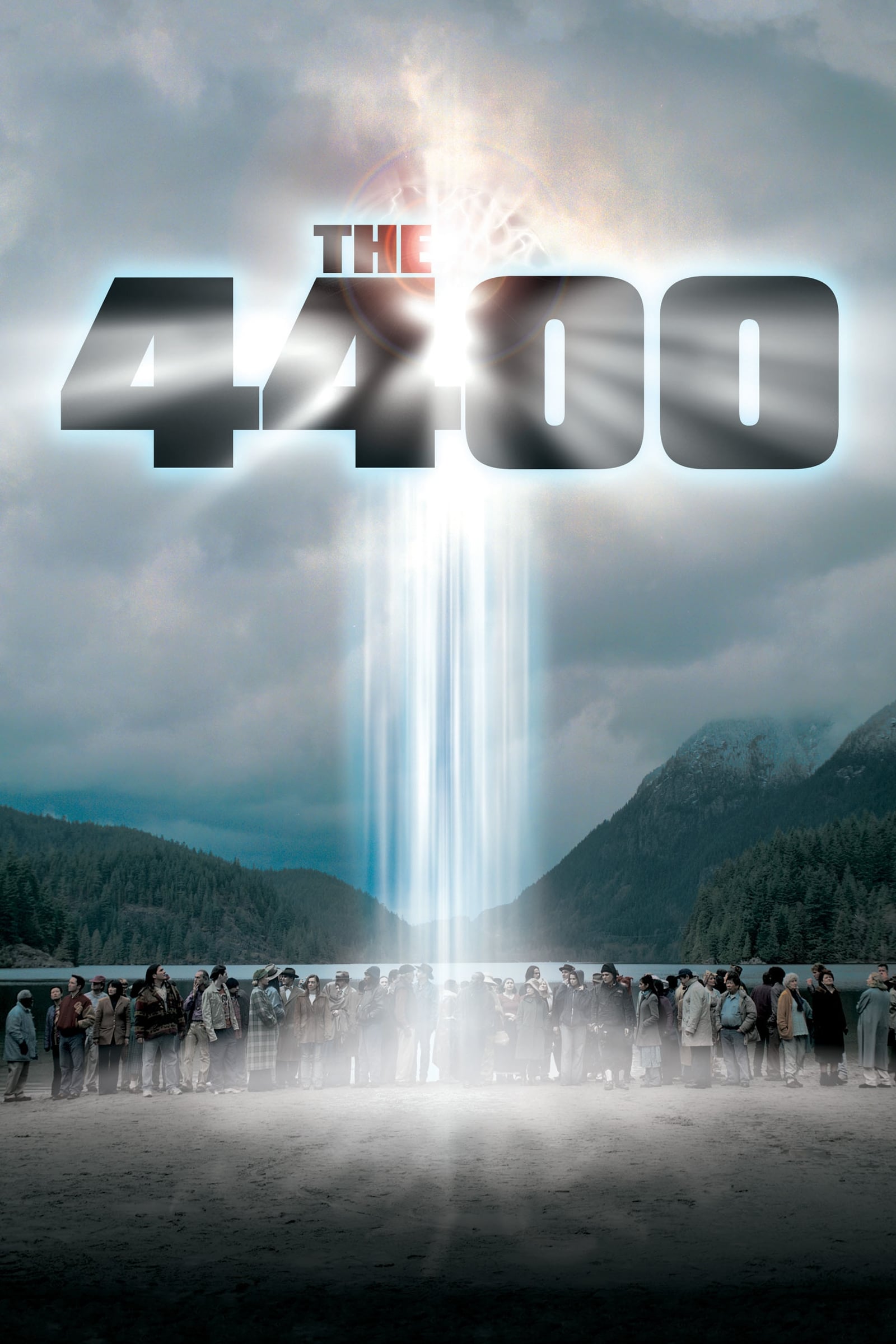
In ‘The 4400’, thousands of people abducted at different points suddenly return together, unchanged and with emerging abilities, triggering a federal investigation. Created by Scott Peters and René Echevarria for USA Network, it starred Joel Gretsch, Jacqueline McKenzie, and featured Conchita Campbell and Mahershala Ali in key roles.
Over four seasons, the show established the National Threat Assessment Command, a treatment called promicin, and factions forming around the returnees. Casework-driven episodes fed a serialized arc about societal response, policy debates, and the science behind the phenomenon.
‘Boomtown’ (2002–2003)
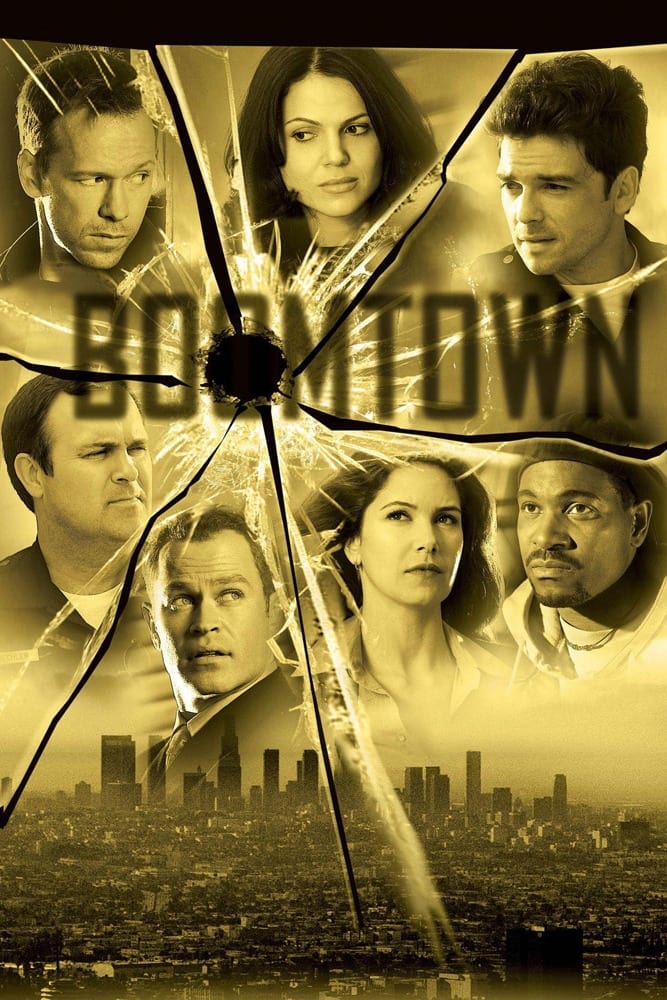
‘Boomtown’ presents Los Angeles crimes from multiple perspectives—detectives, patrol officers, paramedics, prosecutors, reporters, and the people involved. Created by Graham Yost for NBC, it starred Donnie Wahlberg, Neal McDonough, Mykelti Williamson, and Lana Parrilla.
Its two seasons used shifting vantage points, out-of-sequence storytelling, and recurring cases to revisit events with new context. The second season adjusted its format and cast lineup, producing a shortened run that still retained the show’s signature mosaic structure.
‘Invasion’ (2005–2006)
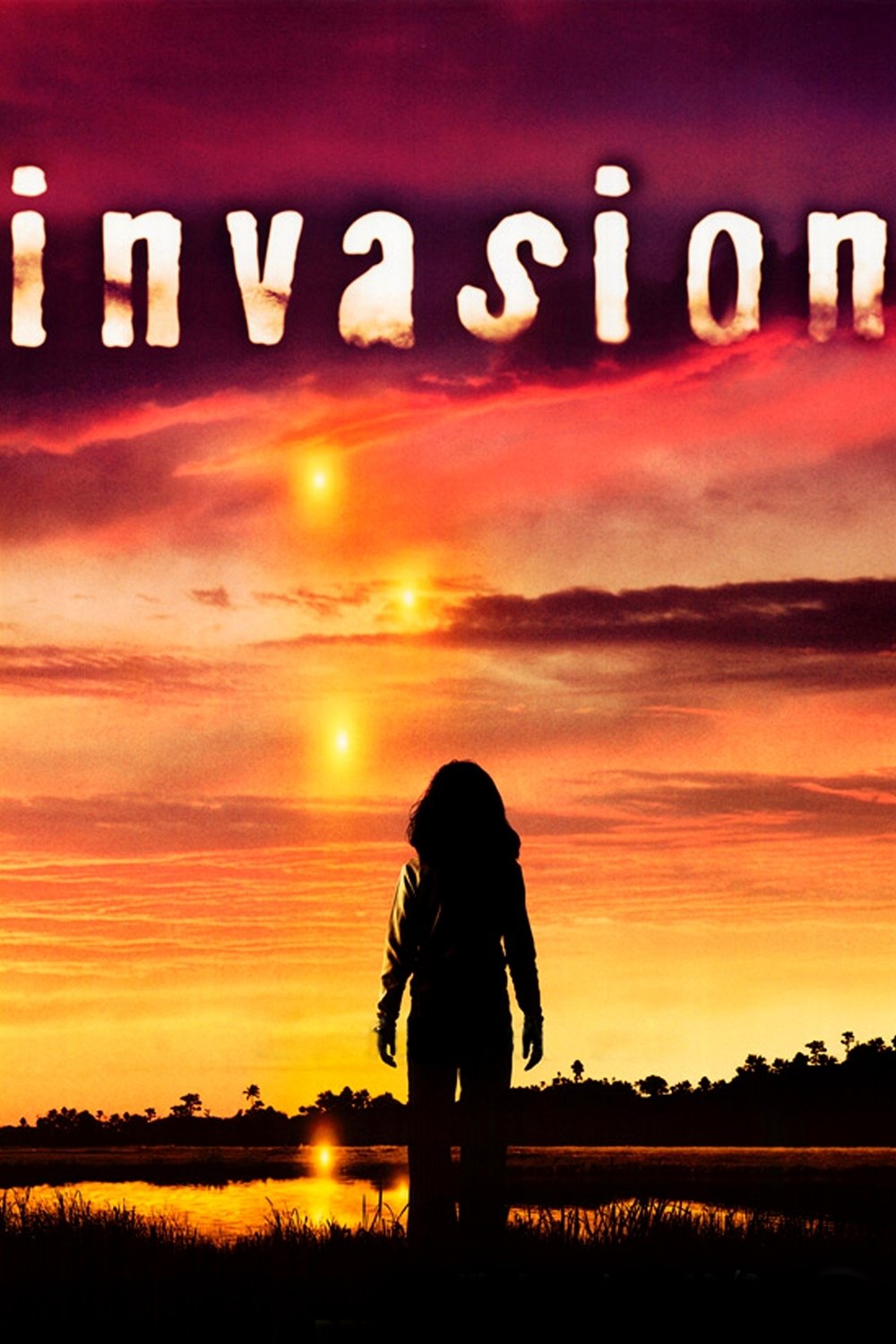
Set in a Florida community battered by a catastrophic storm, ‘Invasion’ follows a blended family and a federal agent as strange changes ripple through the town. Created by Shaun Cassidy for ABC, it starred William Fichtner, Eddie Cibrian, Lisa Sheridan, and Kari Matchett.
Across 22 episodes, the series tied Everglades geography to its mysteries, using waterlines, wildlife, and search-and-rescue work to ground a slow-building conspiracy. Police, park rangers, and medical staff formed a network of characters whose shifting loyalties traced the spread of an unseen threat.
‘Threshold’ (2005–2006)
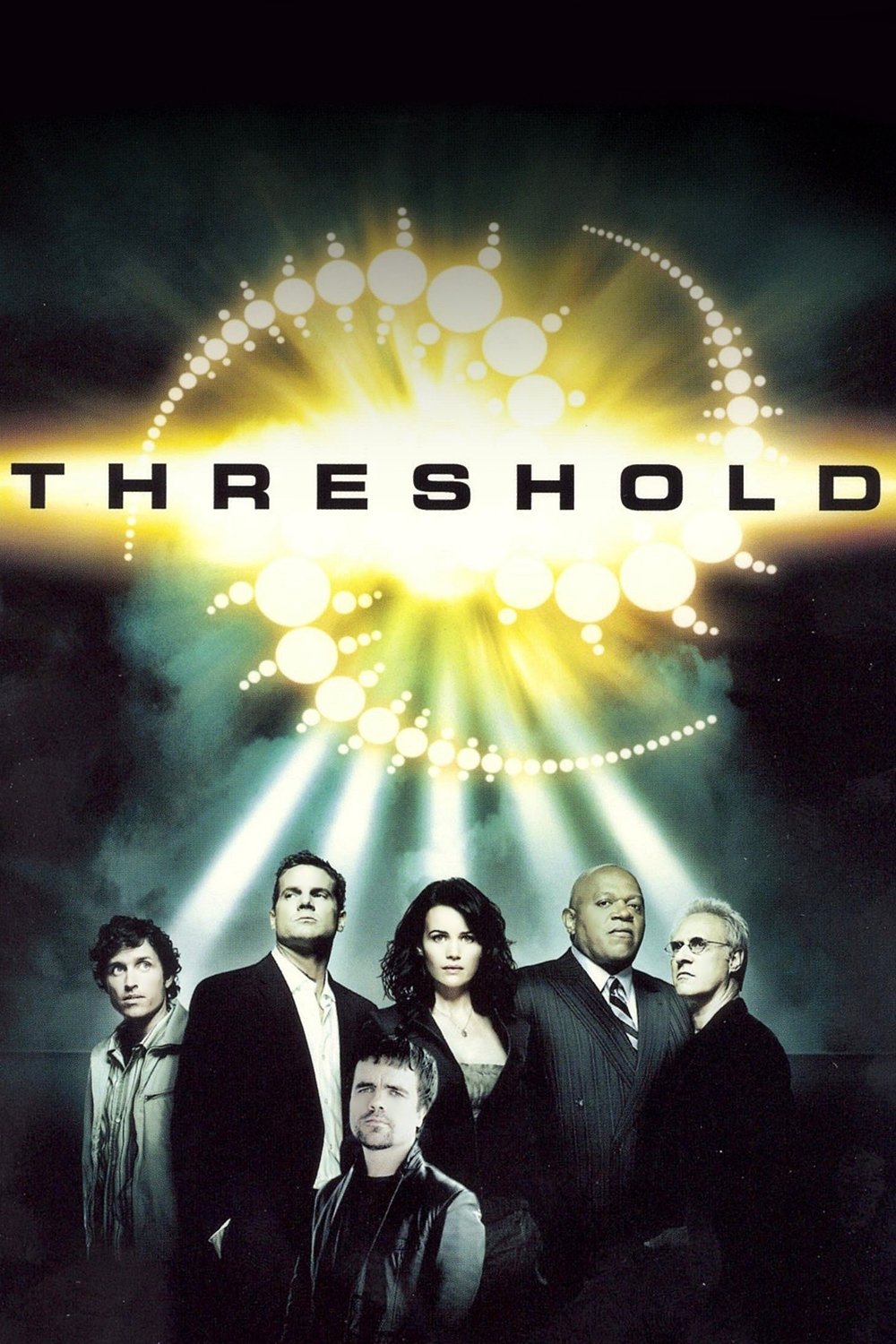
‘Threshold’ depicts a classified response plan for first contact, activated when a strange signal triggers a bio-technological event. Created by Brannon Braga, David S. Goyer, and Brent V. Friedman for CBS, it starred Carla Gugino, Peter Dinklage, Brent Spiner, and Charles S. Dutton.
The 13-episode season laid out contingency phases—detection, containment, and countermeasure—while tracking patient zeros and signal mutations. Episodes highlighted inter-agency coordination and lab work, with a serialized inventory of anomalies and artifacts linked to the initial incident.
‘Surface’ (2005–2006)
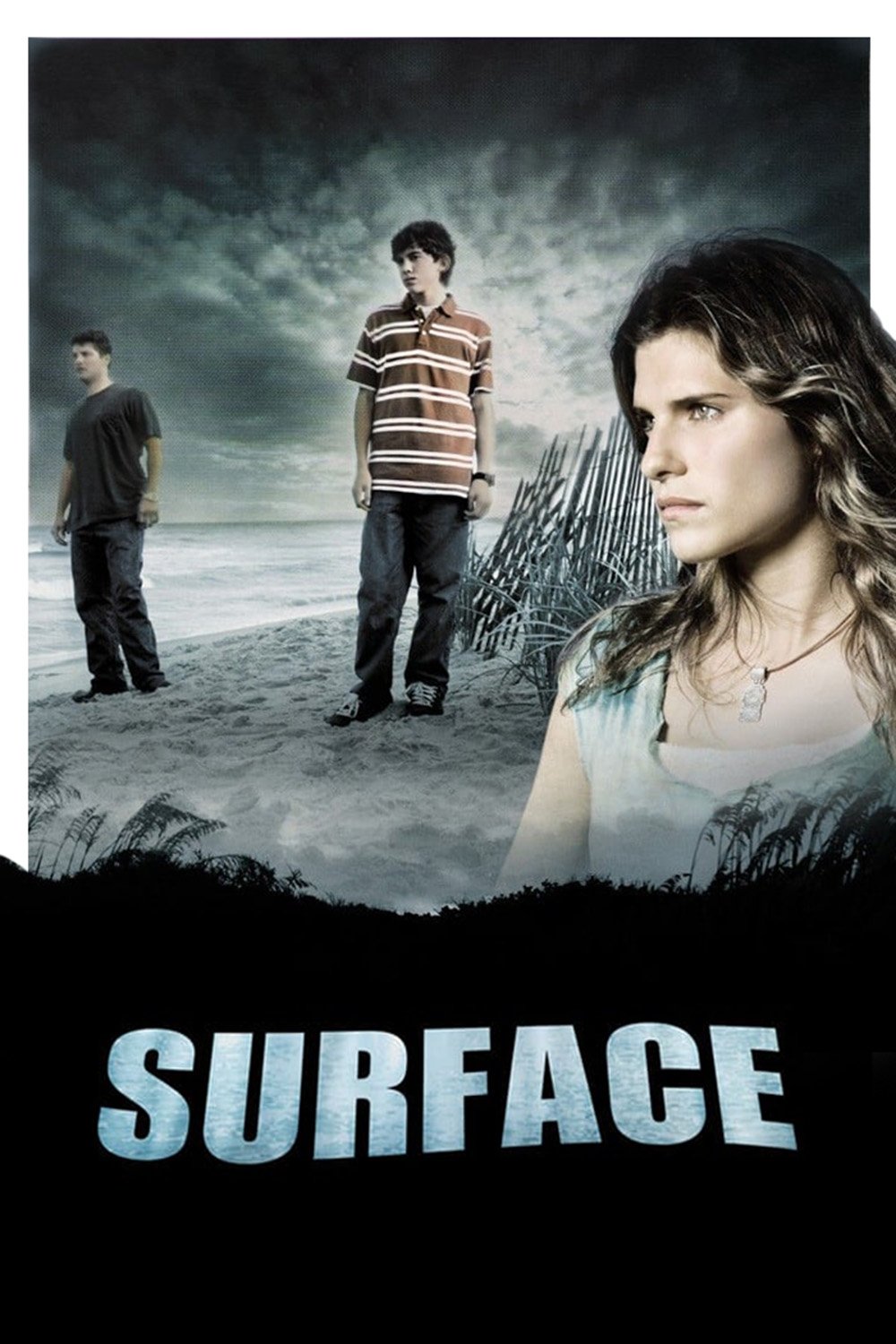
‘Surface’ begins when marine life sightings and unexplained events suggest a new species rising from the deep. Created by Josh Pate and Jonas Pate for NBC, it starred Lake Bell, Jay R. Ferguson, and Carter Jenkins, following parallel storylines that converge around the ocean discovery.
The show ran 15 episodes, integrating submersible expeditions, coastal towns, and scientific labs into a puzzle about origin and spread. A juvenile creature nicknamed by one character became central to explaining behaviors and providing a living throughline across plotlines.
‘ReGenesis’ (2004–2008)
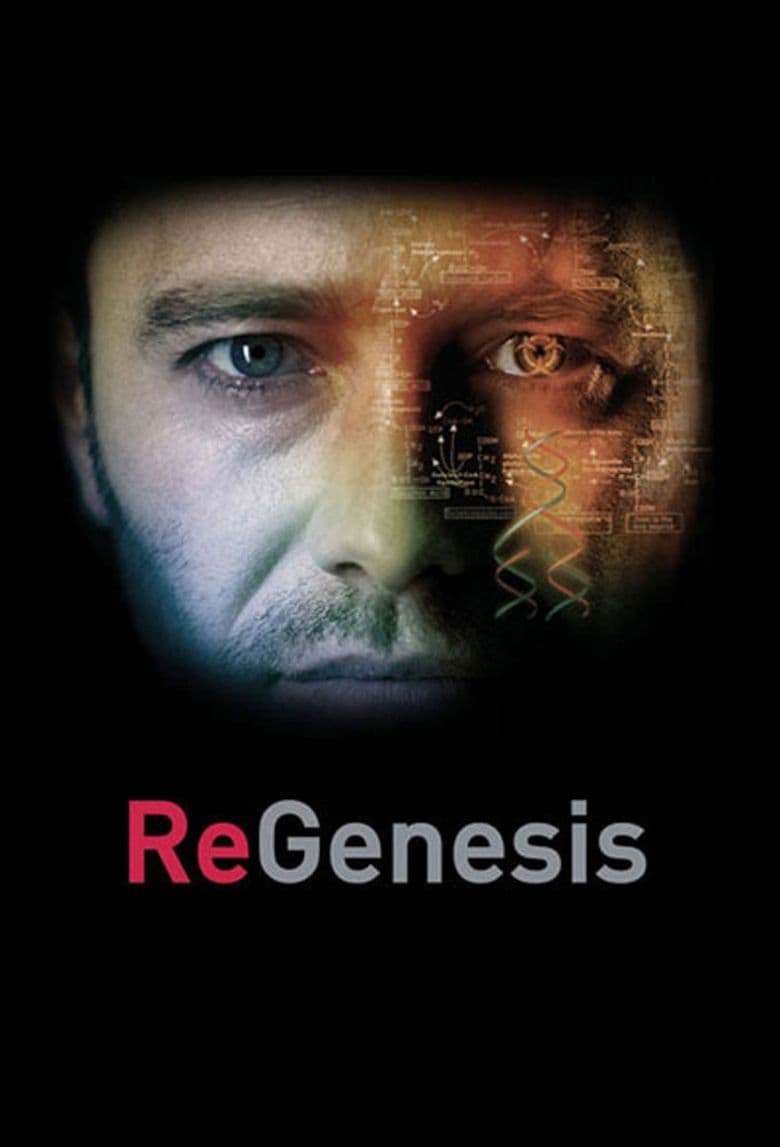
‘ReGenesis’ centers on NORBAC, a cross-border research team handling outbreaks, bioterror investigations, and public-health emergencies. Produced in Canada by Shaftesbury for pay-TV and network partners, its primary cast included Peter Outerbridge, Maxim Roy, Conrad Pla, and Wendy Crewson.
Over four seasons and 52 episodes, the series anchored cases in real-world lab protocols and bioinformatics, depicting how field sampling, modeling, and ethics reviews drive decisions. Episodes often spanned multiple countries and agencies, following consequences of containment choices across health systems.
‘Garth Marenghi’s Darkplace’ (2004)
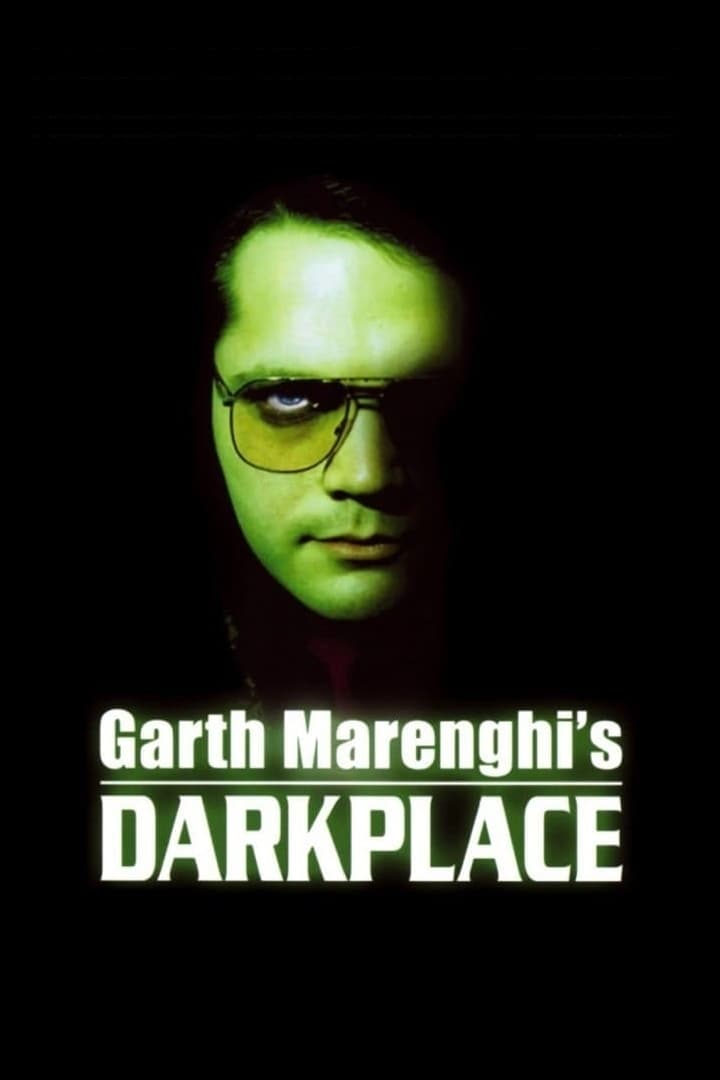
‘Garth Marenghi’s Darkplace’ is presented as a “lost” hospital horror show by a self-styled author-director-star, framed with modern-day introductions. Created by Matthew Holness and Richard Ayoade for Channel 4, it starred Holness, Ayoade, Matt Berry, and Alice Lowe.
The six episodes parody production shortcuts—visible boom mics, dubbed lines, and rubber monsters—while maintaining a consistent in-universe backstory for the fictional studio and personnel. Each installment pairs a creature-of-the-week plot with commentary segments that expand the series’ fake history.
‘Black Books’ (2000–2004)
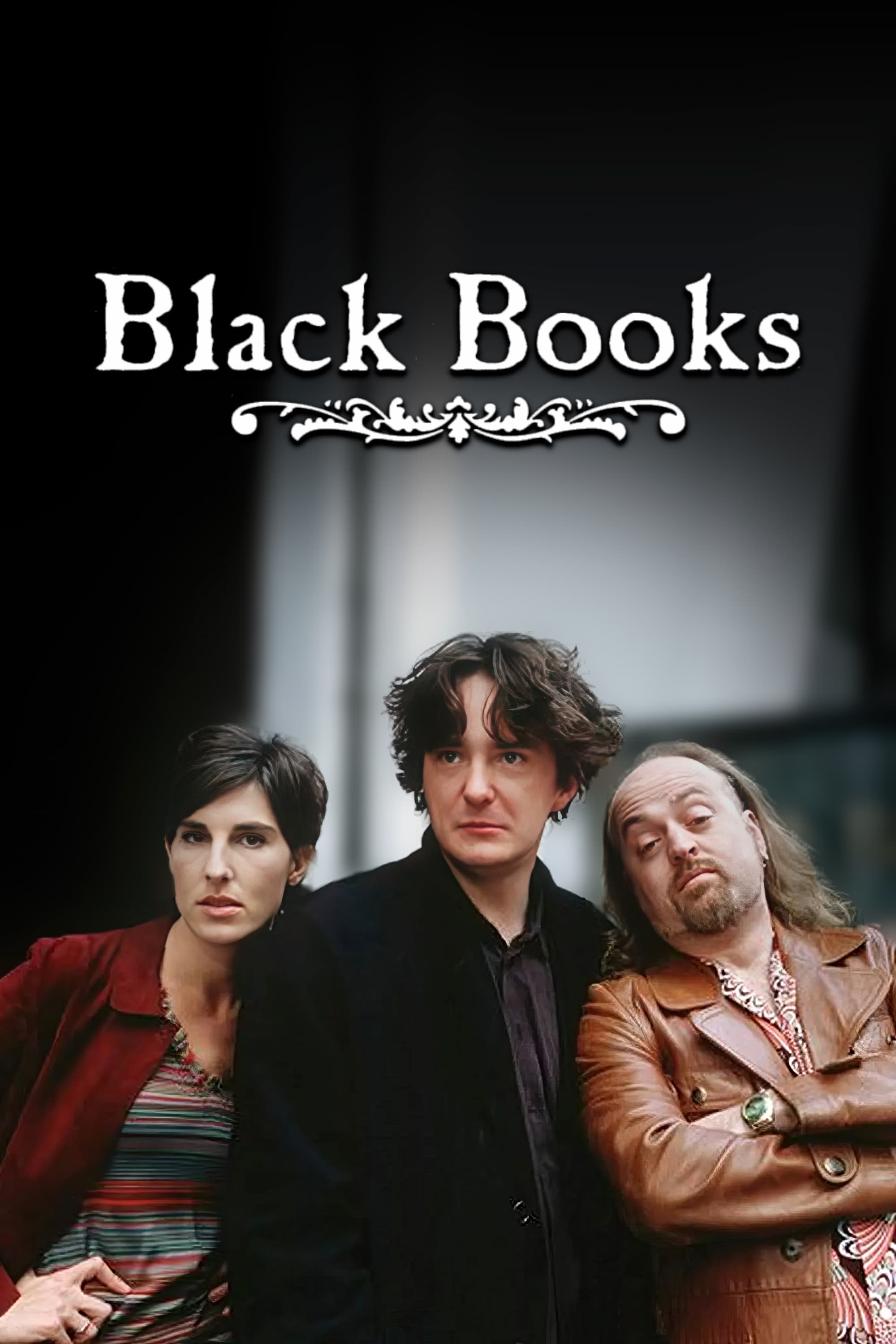
Set in a South London bookshop, ‘Black Books’ follows owner Bernard Black, his assistant Manny, and their friend Fran as they navigate customers, stock, and daily operations. Created by Dylan Moran and Graham Linehan for Channel 4, it starred Dylan Moran, Bill Bailey, and Tamsin Greig.
The show ran three series of six episodes each, using bottle-episode setups and workplace gags tied to retail rhythms. Recurring motifs—inventory chaos, accounts, and supplier mishaps—gave the sitcom precise settings and tasks that drive its stories.
‘Life on Mars’ (2006–2007)

‘Life on Mars’ places Manchester detective Sam Tyler in a past policing era after a near-fatal incident, where he works under the brash DCI Gene Hunt. Created by Matthew Graham, Tony Jordan, and Ashley Pharoah for BBC One, it starred John Simm and Philip Glenister with a core station ensemble.
Across two series, the show balanced episodic cases with clues about whether Sam is dreaming, hospitalized, or transported. The production reproduced period cars, radios, and station procedures, and later spun the concept into ‘Ashes to Ashes’ with overlapping characters and themes.
‘The Unusuals’ (2009)
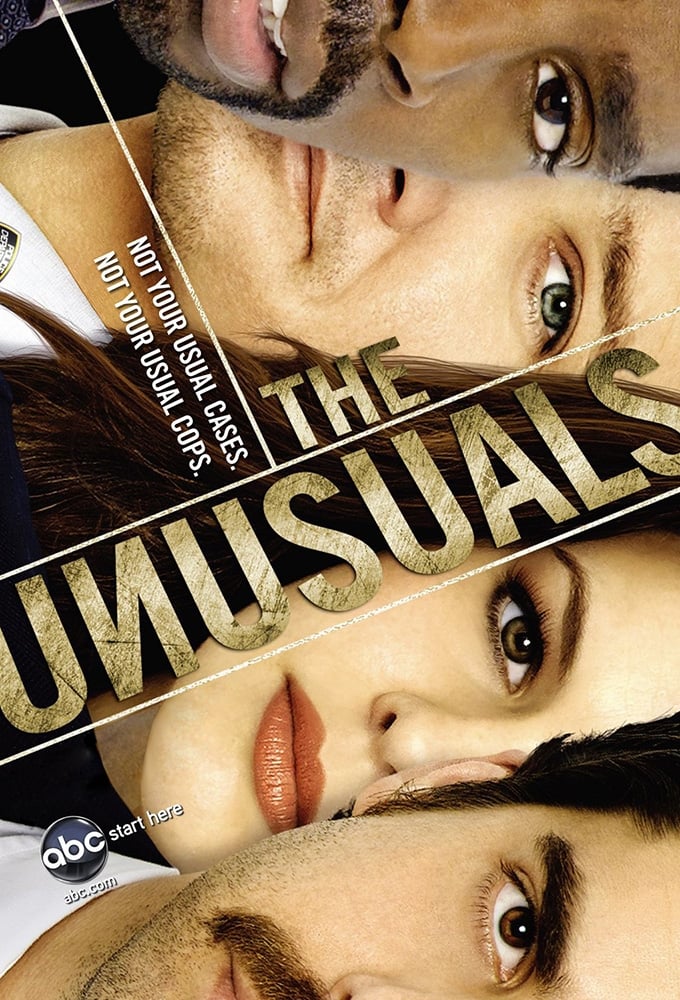
‘The Unusuals’ is an off-kilter New York precinct dramedy created by Noah Hawley for ABC, headlined by Amber Tamblyn, Jeremy Renner, Adam Goldberg, and Harold Perrineau. Cases mix serious crimes with oddball details, reflecting the unit’s mix of cops with quirky secrets.
The series delivered 10 episodes that threaded personal subplots—like an officer who refuses medical scans or one coping with a family reputation—through standard patrol and detective work. Stand-alone investigations often echo those arcs, tying character reveals to case outcomes.
‘The Inside’ (2005)
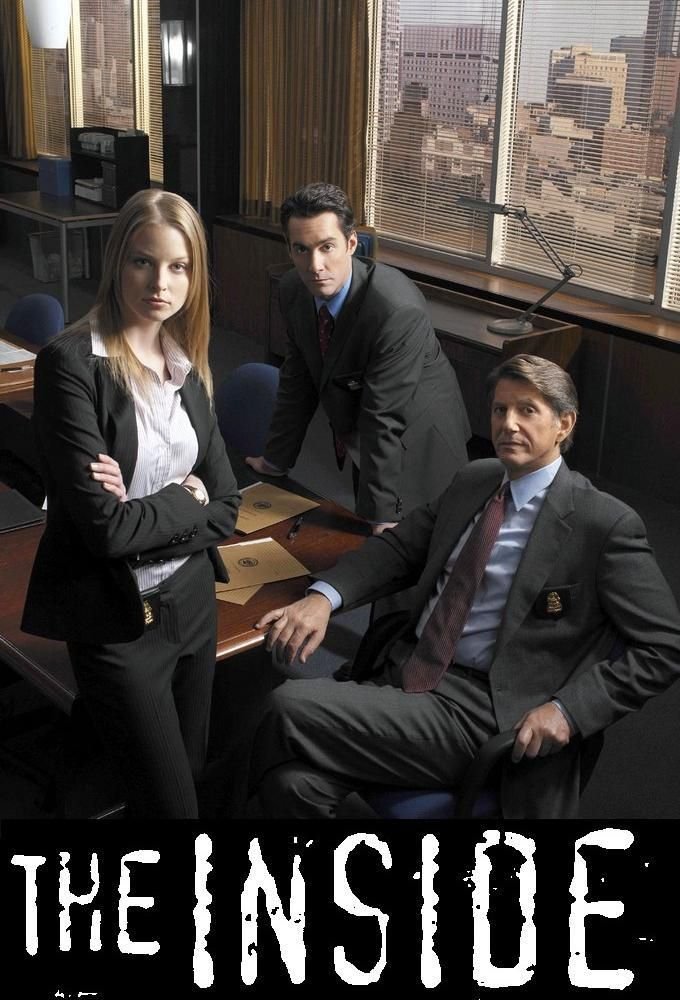
‘The Inside’ follows a young FBI agent embedded in the Violent Crimes Unit under a demanding supervisor with opaque methods. Developed for Fox by Tim Minear and Howard Gordon, it starred Rachel Nichols, Peter Coyote, and Adam Baldwin.
Across 13 produced episodes, the show emphasized behavioral profiling, interrogation strategies, and inter-office politics while building a backstory for its lead recruit. Several cases recur across installments, and internal oversight pressures frame how evidence is gathered and presented.
‘Eli Stone’ (2008–2009)
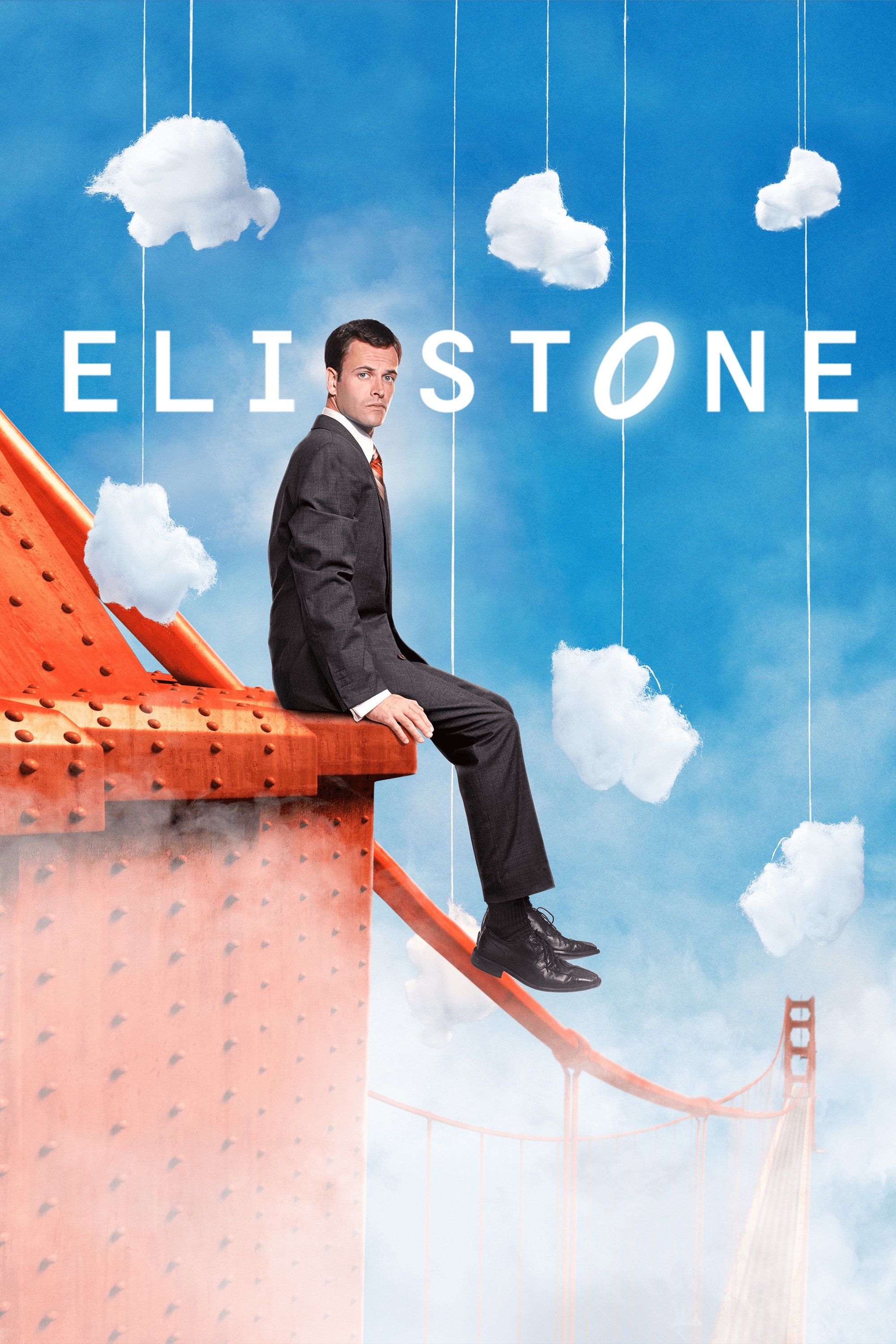
‘Eli Stone’ focuses on a corporate attorney whose sudden, music-filled visions steer him toward unlikely pro-bono cases and personal reassessments. Created by Greg Berlanti and Marc Guggenheim for ABC, it starred Jonny Lee Miller with Victor Garber, Loretta Devine, and Julie Gonzalo.
The two-season run used legal-case structure to introduce medical, ethical, and workplace questions, often tied to recurring clients. Musical set-pieces—sometimes featuring guest performers—were integrated as narrative devices rather than standalone numbers, advancing plots and character decisions.
‘Jericho’ (2006–2008)
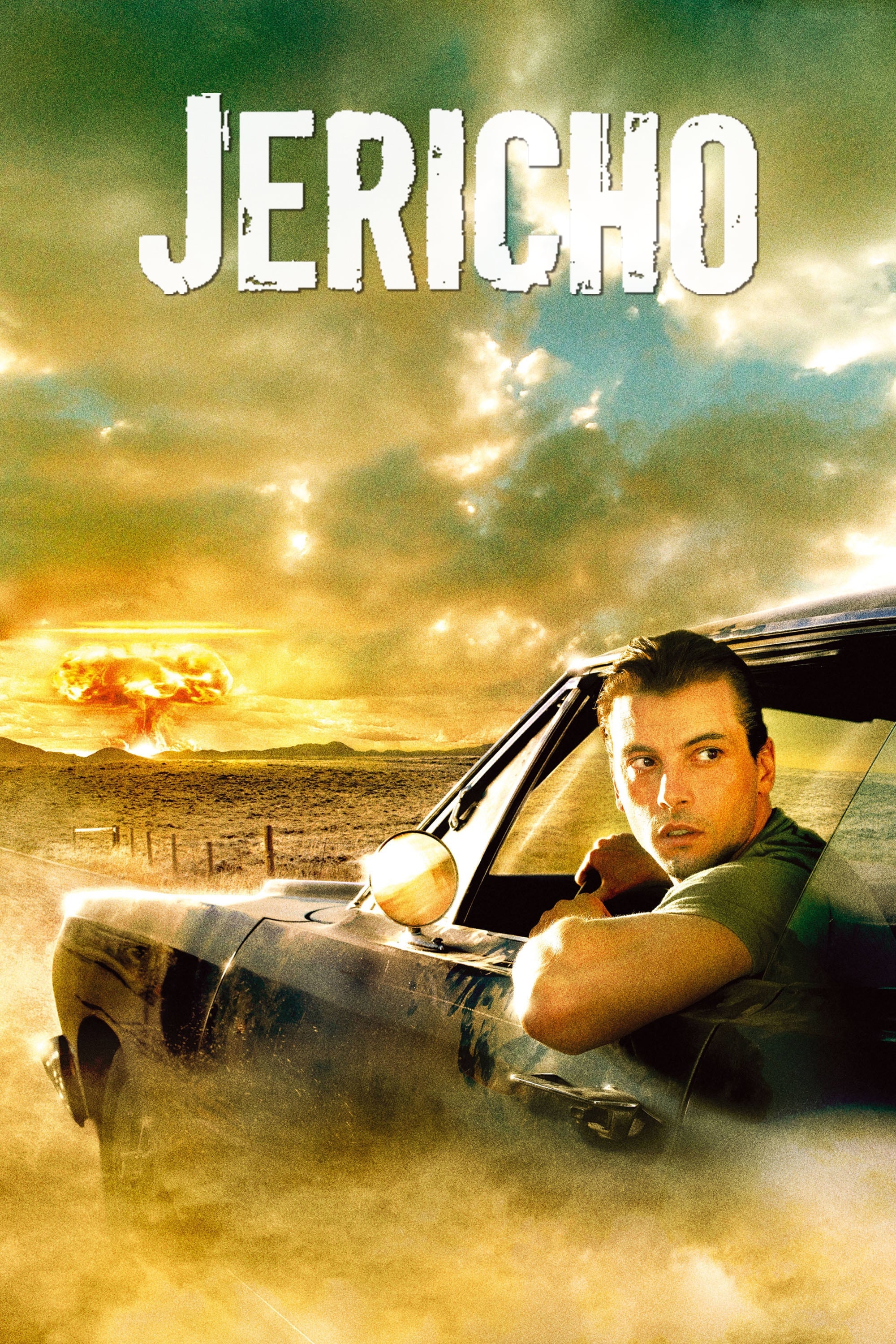
Set in a Kansas town isolated after a series of attacks, ‘Jericho’ tracks how residents organize food, security, and governance while uncovering what happened beyond the horizon. Created by Stephen Chbosky, Josh Schaer, and Jonathan E. Steinberg for CBS, it starred Skeet Ulrich, Lennie James, and Ashley Scott.
The series ran two seasons and 29 episodes, using maps, rationing ledgers, and supply chains as plot engines. A high-profile viewer campaign helped secure a brief continuation after the initial cancellation, allowing key storylines about rival communities and federal responses to move forward.
‘The Dresden Files’ (2007)
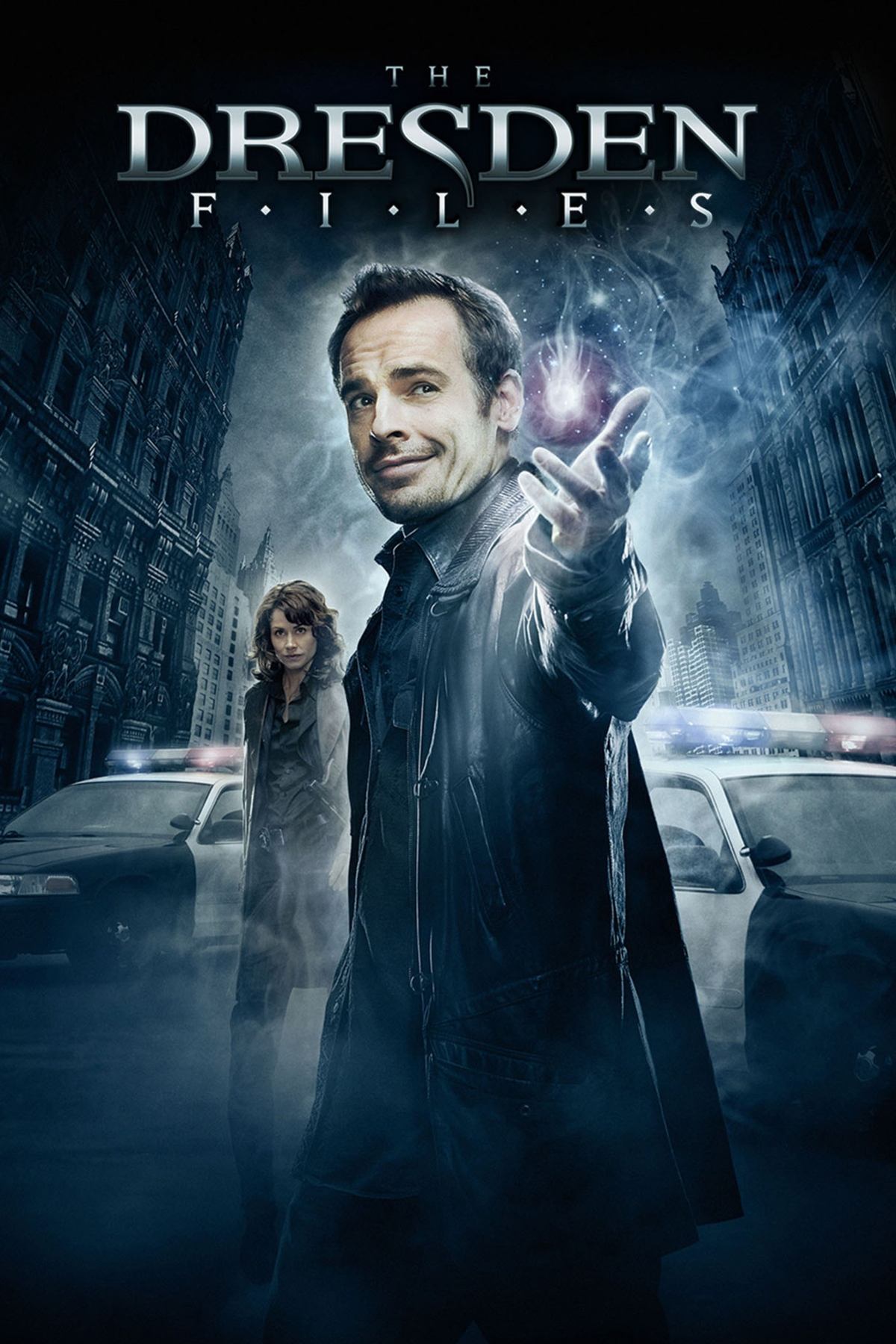
Based on Jim Butcher’s urban-fantasy novels, ‘The Dresden Files’ follows a Chicago wizard who consults on cases that intersect with the supernatural. Produced for the Sci Fi Channel, it starred Paul Blackthorne, Valerie Cruz, and Terrence Mann.
The 12-episode season adapted novel elements while establishing TV-specific lore—like artifacts, creature rules, and how magic interacts with police procedure. Recurring characters from the books were reinterpreted to fit episodic pacing, creating standalone mysteries linked by a larger underworld.
‘Odyssey 5’ (2002–2004)
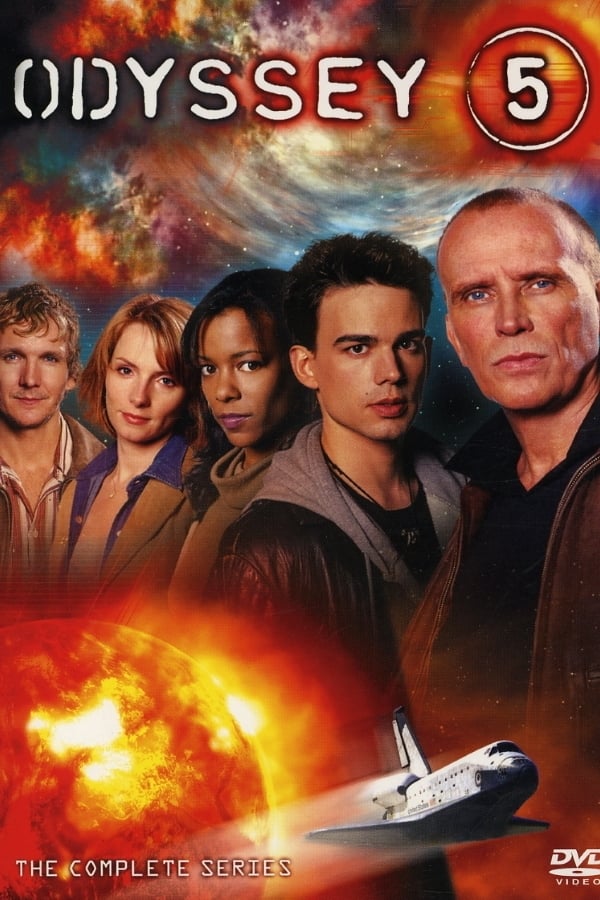
In ‘Odyssey 5’, a space-shuttle crew witnesses Earth’s destruction and is sent back in time by a mysterious entity to prevent it. Created by Manny Coto for Showtime (US) and Space (Canada), it starred Peter Weller, Sebastian Roché, and Christopher Gorham.
Across 19 episodes, the team identifies a machine-intelligence conspiracy, cataloging anomalies and infiltrations while balancing cover identities. The show maintained a serialized dossier structure, with each mission adding technical data or recovered evidence to the central investigation.
‘John Doe’ (2002–2003)
‘John Doe’ introduces a man who awakens with encyclopedic knowledge of almost everything except his own identity, a skill set he leverages to assist police. Created by Brandon Camp and Mike Thompson for Fox, it starred Dominic Purcell, John Marshall Jones, and Sprague Grayden.
The one-season run spanned 21 episodes, using the lead’s abilities to solve cases and to piece together clues about his past. An over-arching mythology threaded through the stand-alone plots, culminating in a cliffhanger tied to a secretive organization.
‘Harper’s Island’ (2009)
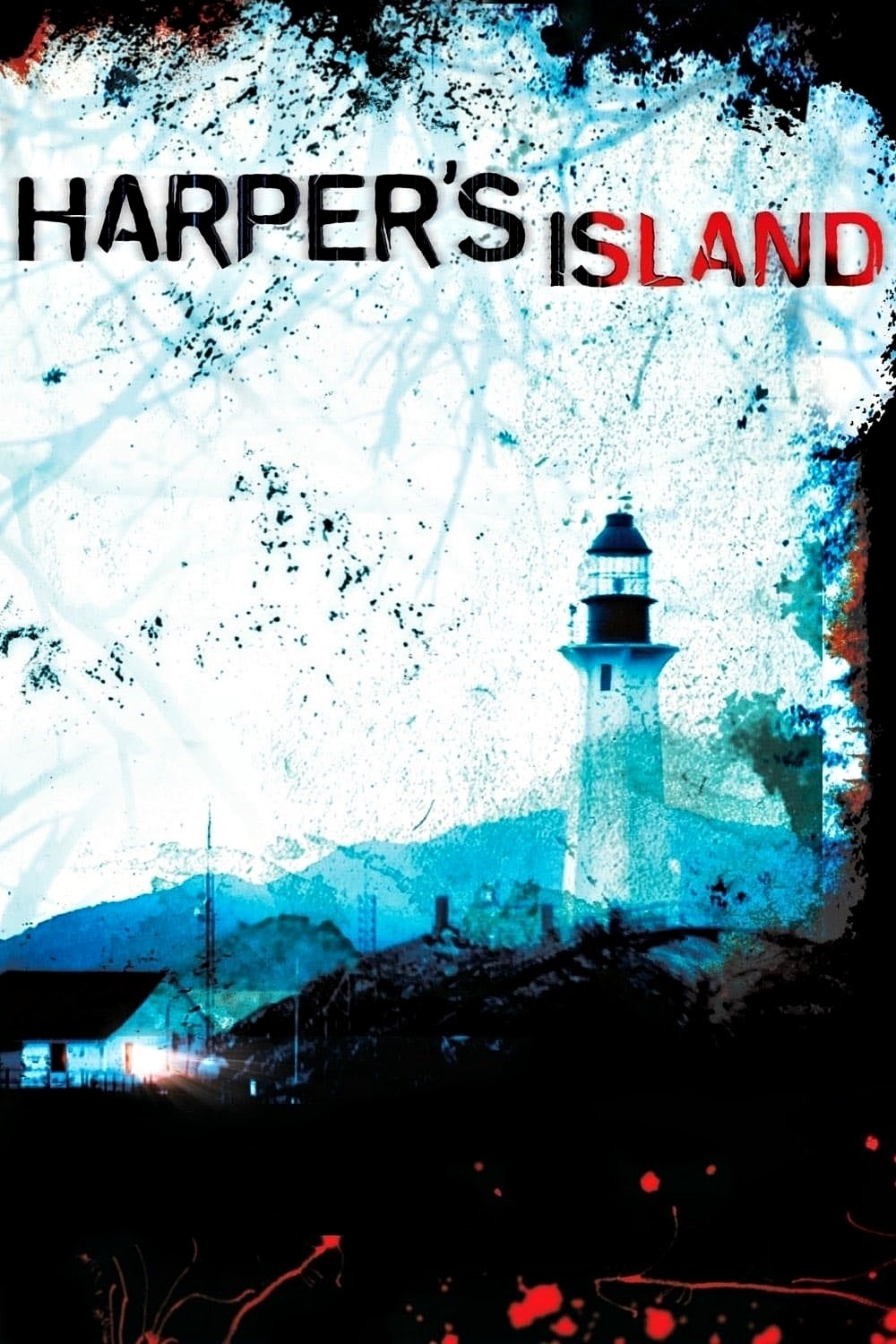
‘Harper’s Island’ is a closed-ended mystery about a group gathering for a wedding on a remote island as guests begin to die one by one. Created by Ari Schlossberg for CBS, it starred Elaine Cassidy, Christopher Gorham, Katie Cassidy, and C. J. Thomason.
Structured as a 13-episode event series, each installment features at least one major character’s demise, narrowing suspects and changing group dynamics. The production mapped locations—dock, inn, woods, and chapel—as repeating crime scenes, laying physical clues that carry from episode to episode.
Share the overlooked favorites you’d add to this list in the comments so others can discover them too.