2000s Comedy Movies that Aged Incredibly Well


The 2000s delivered a streak of comedies with sharp concepts, memorable characters, and creative teams whose work defined the era. This list gathers twenty titles from that run and highlights the fundamentals that keep them in constant rotation: tight premises, standout performances, and filmmakers with a clear handle on tone and pacing.
Below, each entry sticks to the essentials—what the movie is about, who made it, and who’s in it—so you can quickly place each title and decide what to queue up next. From ensemble showcases to singular star turns, these are the comedies that helped shape the decade’s sense of humor.
‘Superbad’ (2007)
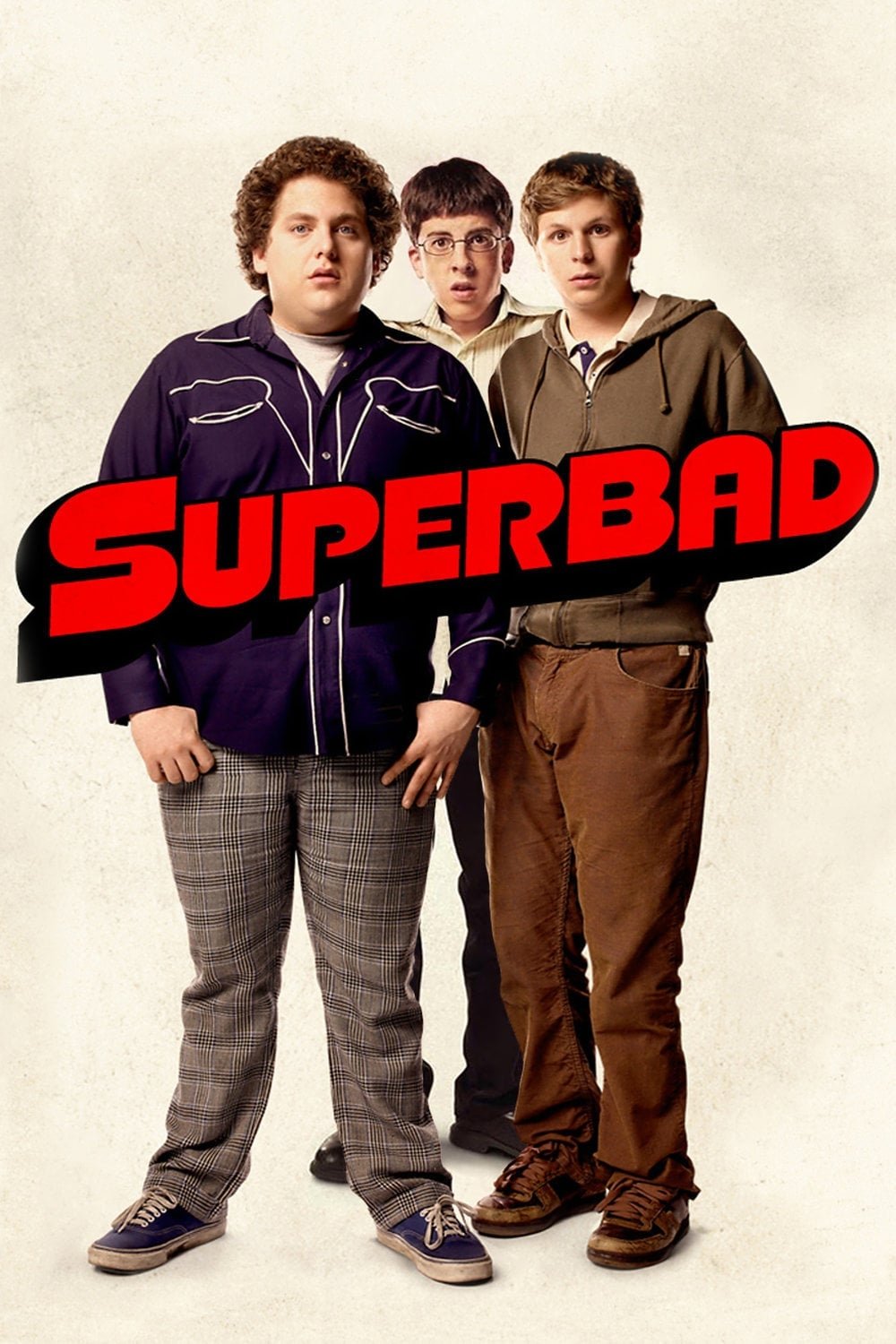
Directed by Greg Mottola and produced by Judd Apatow and Shauna Robertson, ‘Superbad’ follows two high-school friends on a chaotic mission to get to a party, navigating fake IDs, detours, and a long night that tests their friendship. The screenplay by Seth Rogen and Evan Goldberg draws on their own adolescence, giving the story a grounded, episodic structure built around a single day’s misadventures.
The cast features Jonah Hill, Michael Cera, and Christopher Mintz-Plasse, with key supports from Bill Hader, Seth Rogen, Emma Stone, and Martha MacIsaac. The production was mounted through Apatow Productions, with an emphasis on character-driven scenes and dialogue-forward sequences that let the ensemble’s timing do the heavy lifting.
‘Mean Girls’ (2004)
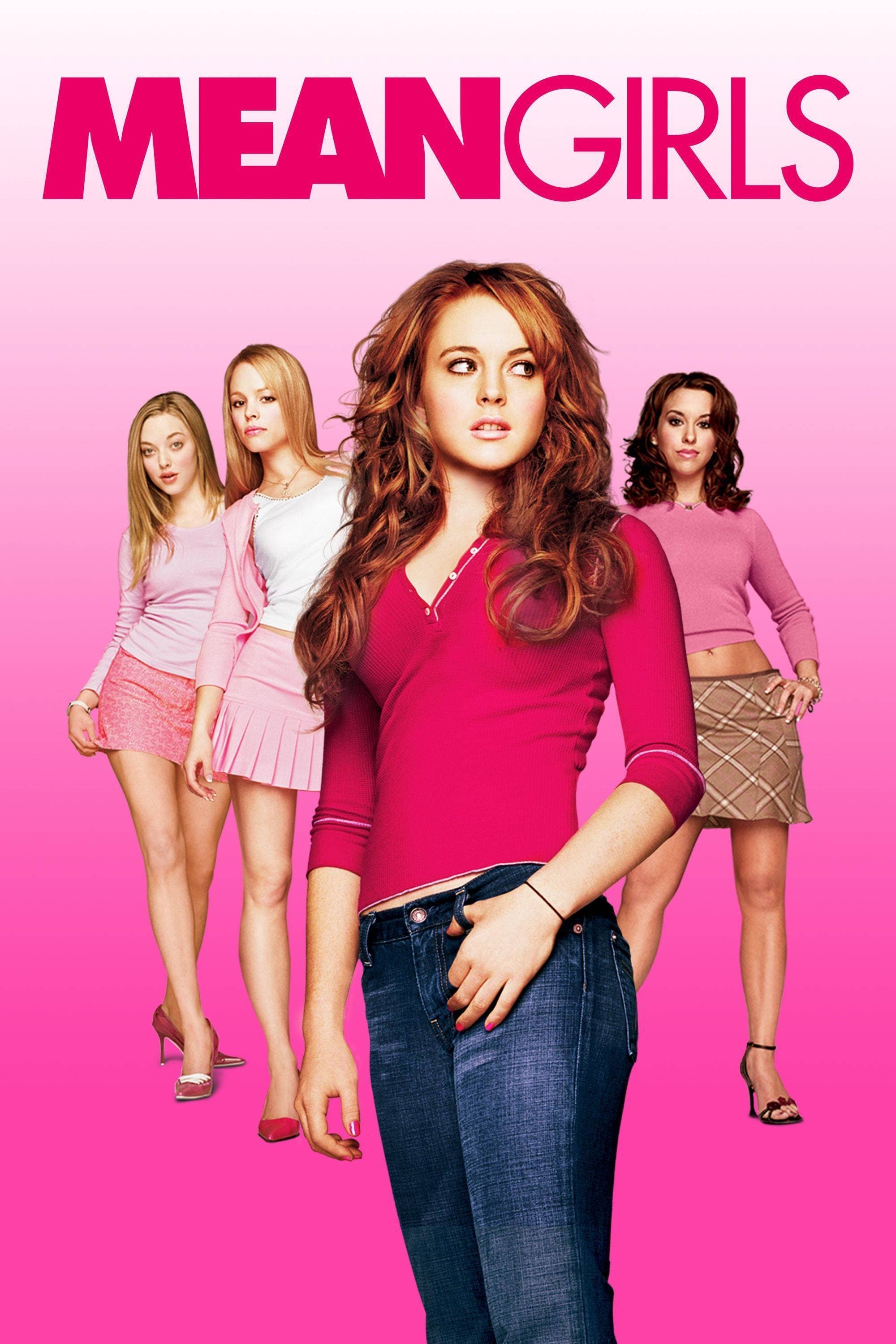
‘Mean Girls’ centers on Cady Heron, a homeschooled teenager who enters public high school and gets pulled into the social orbit of a clique known as the Plastics. The screenplay by Tina Fey adapts Rosalind Wiseman’s nonfiction book ‘Queen Bees and Wannabes’, shaping its insights into a narrative about shifting alliances, cafeteria politics, and a schoolwide reckoning.
Directed by Mark Waters, the film stars Lindsay Lohan, Rachel McAdams, Lacey Chabert, and Amanda Seyfried, with Tina Fey, Tim Meadows, Amy Poehler, and Lizzy Caplan in supporting roles. Paramount Pictures released the film, and its production leans on ensemble chemistry, punchy dialogue, and a clear point of view about the social structures it depicts.
‘The Hangover’ (2009)
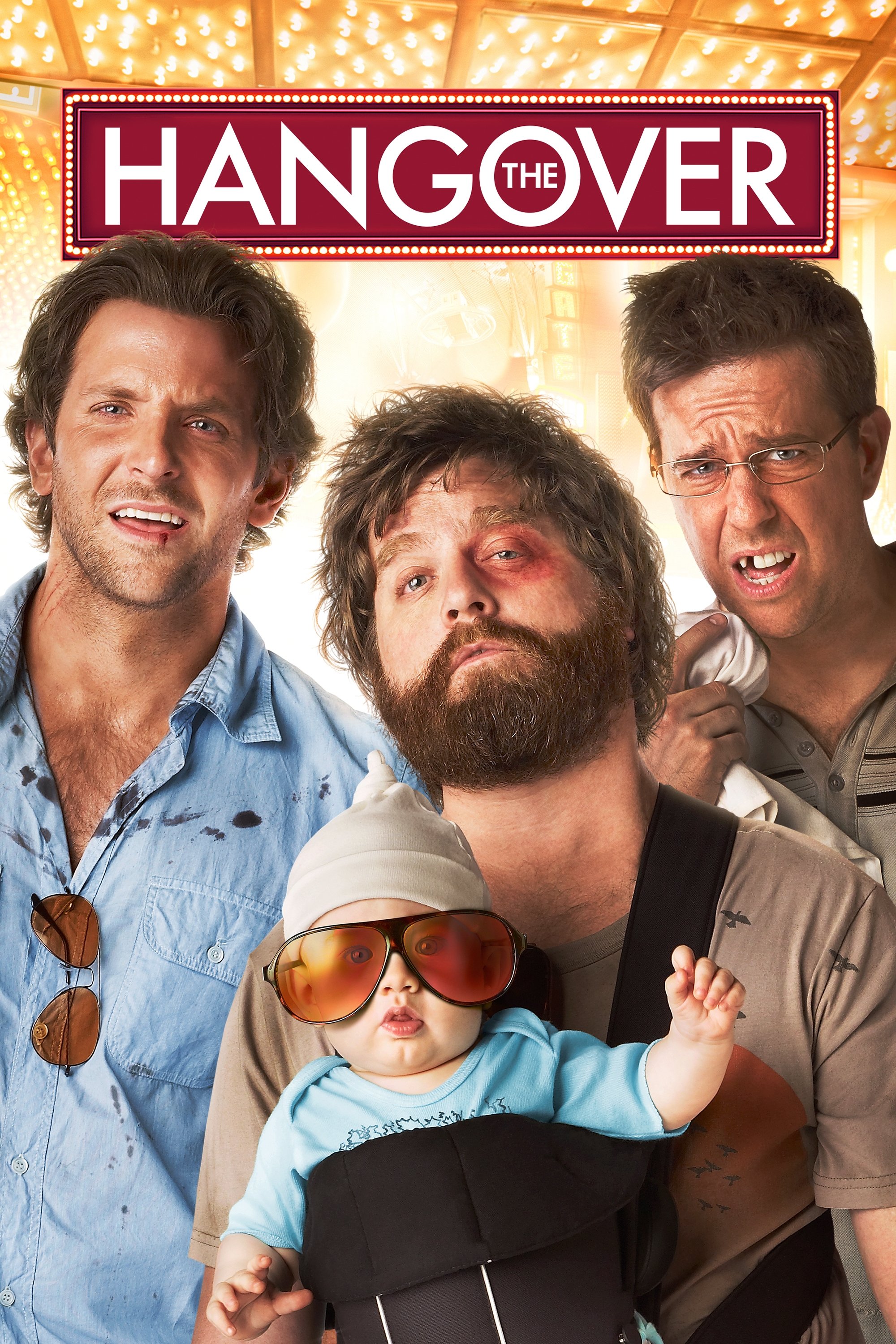
Directed by Todd Phillips, ‘The Hangover’ tracks three groomsmen who wake up in Las Vegas with no memory of the previous night and a missing groom, setting off a citywide search. The story by Jon Lucas and Scott Moore structures the plot as a comic mystery in which every clue unravels into a bigger complication.
The ensemble includes Bradley Cooper, Ed Helms, Zach Galifianakis, and Justin Bartha, with Ken Jeong and Heather Graham in pivotal roles. Lawrence Sher’s cinematography anchors the nocturnal cityscape, and the production balances set-piece chaos with character beats that keep the quest moving from one lead to the next.
‘Anchorman: The Legend of Ron Burgundy’ (2004)
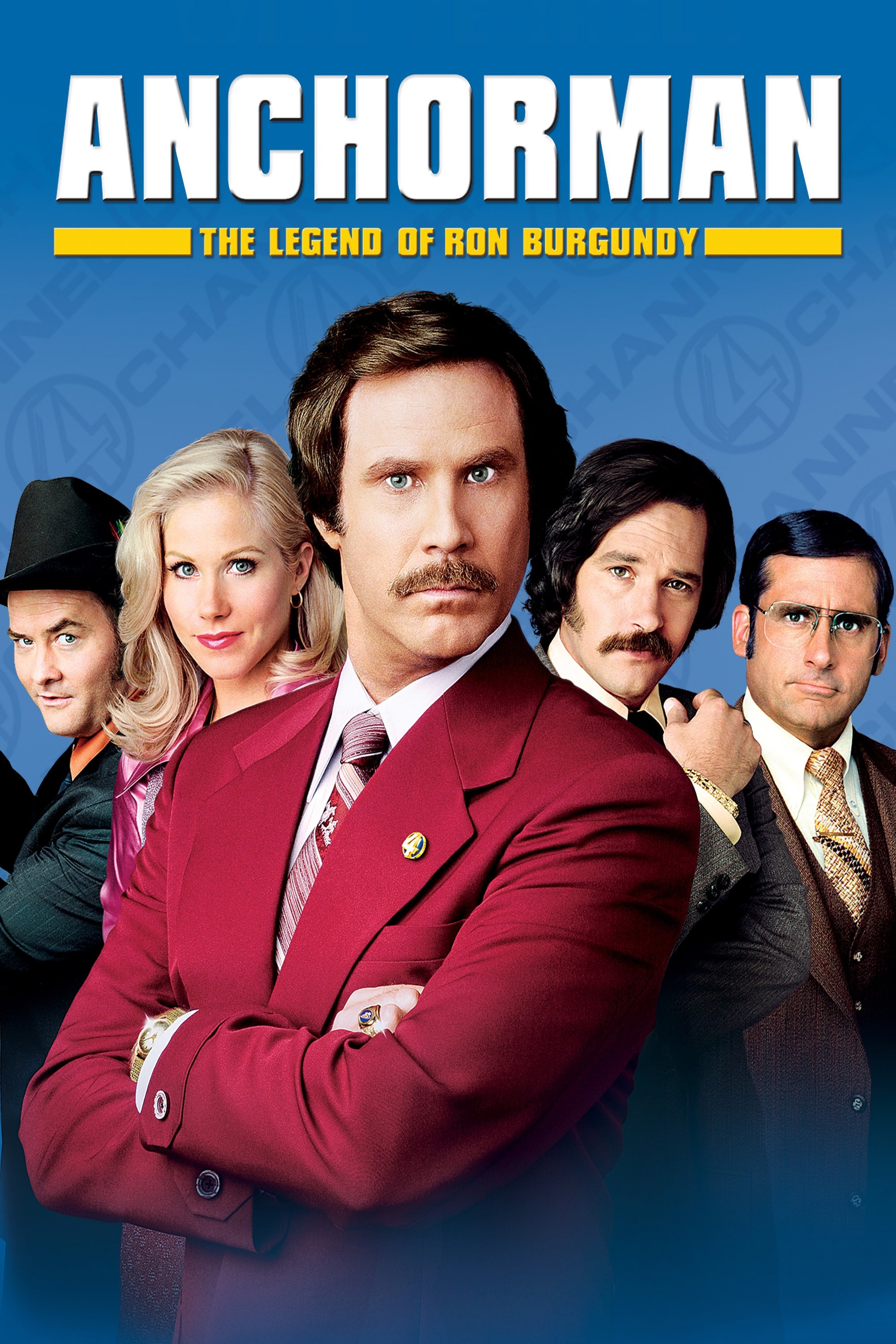
Co-written by Adam McKay and Will Ferrell and directed by McKay, ‘Anchorman: The Legend of Ron Burgundy’ follows a top local-news anchor whose dominance is challenged by an ambitious reporter, Veronica Corningstone. The premise uses newsroom rivalries and on-air mishaps to frame a series of escalating gags rooted in workplace competition.
The cast features Will Ferrell, Christina Applegate, Paul Rudd, Steve Carell, David Koechner, and Fred Willard, with cameo appearances from Ben Stiller and Vince Vaughn. The production favors improvisation-friendly setups, letting the cast riff within McKay’s tightly staged comedic set pieces and period-specific production design.
‘Shaun of the Dead’ (2004)
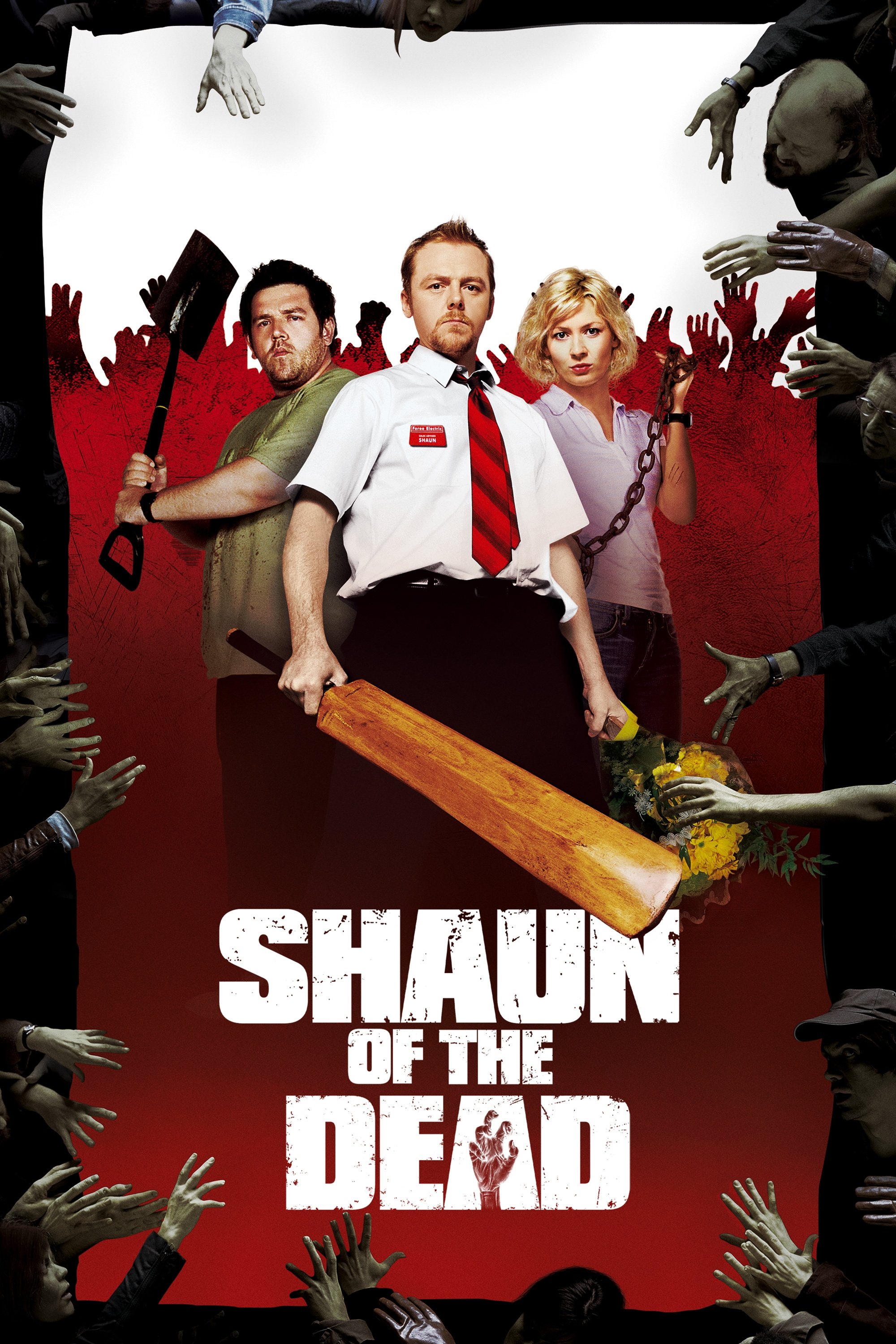
Directed by Edgar Wright and co-written with Simon Pegg, ‘Shaun of the Dead’ centers on a Londoner whose half-hearted plan to sort out his life is interrupted by a zombie outbreak. The film blends genre framework with character comedy, using quick-cut transitions and visual motifs to connect domestic routines to survival tactics.
The cast includes Simon Pegg, Nick Frost, Kate Ashfield, Lucy Davis, and Dylan Moran, with Nira Park producing under Big Talk. Wright’s kinetic style, whip-pan edits, and callback gags link scenes across the story, while practical effects and tightly blocked action keep the focus on the central friendships.
‘Hot Fuzz’ (2007)
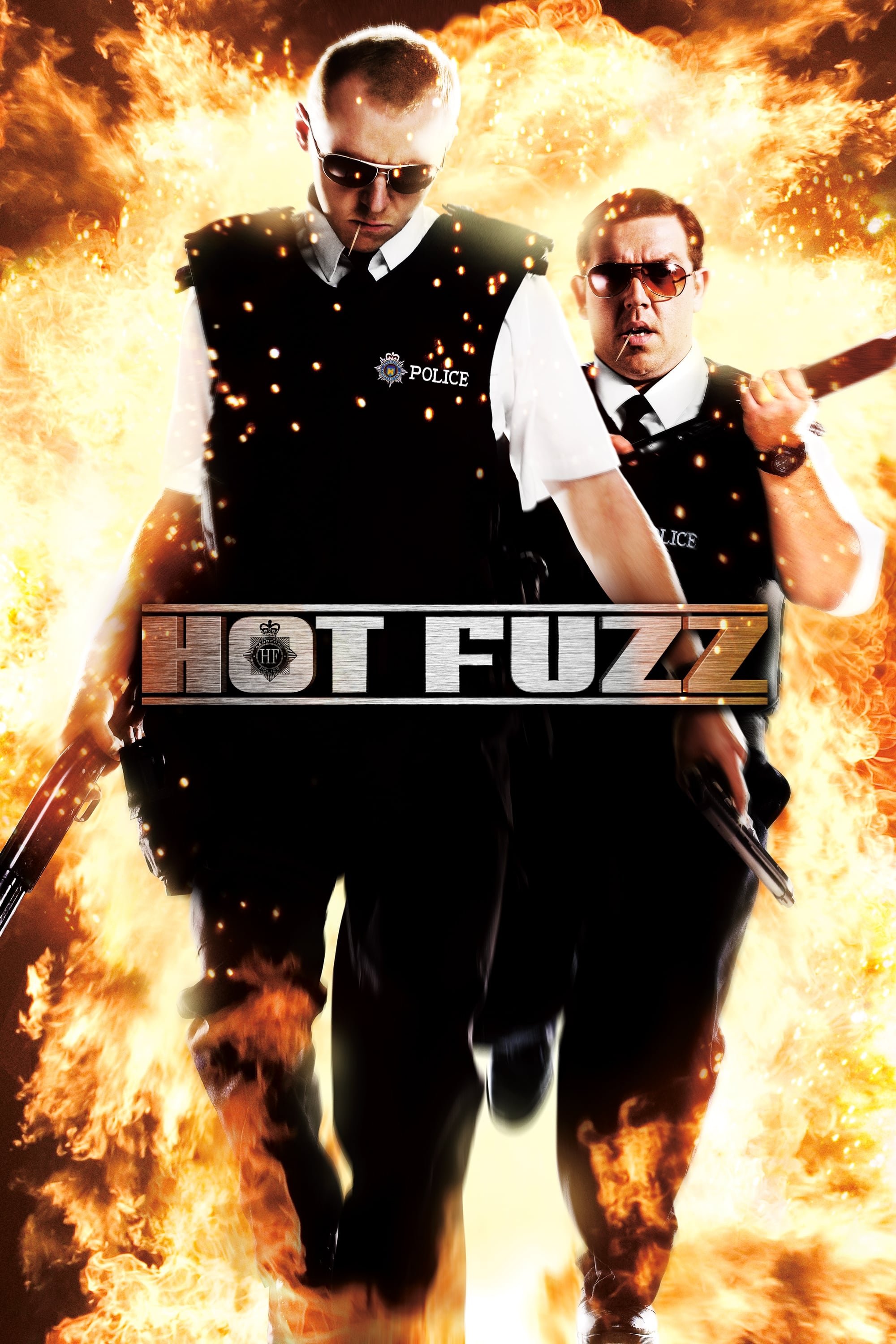
‘Hot Fuzz’ reunites director Edgar Wright with co-writer and star Simon Pegg for a police-action send-up about an overachieving London cop reassigned to a seemingly quiet village. The plot methodically lays out a conspiracy beneath the town’s picture-postcard surface, paying off clues through carefully staged chases and confrontations.
Simon Pegg and Nick Frost lead the cast, with Jim Broadbent, Timothy Dalton, Paddy Considine, Olivia Colman, and Billie Whitelaw rounding out the ensemble. Produced by Nira Park, the film integrates homage-heavy action beats with character-driven comedy, using location work and precise editorial timing to orchestrate its reveals.
‘Tropic Thunder’ (2008)
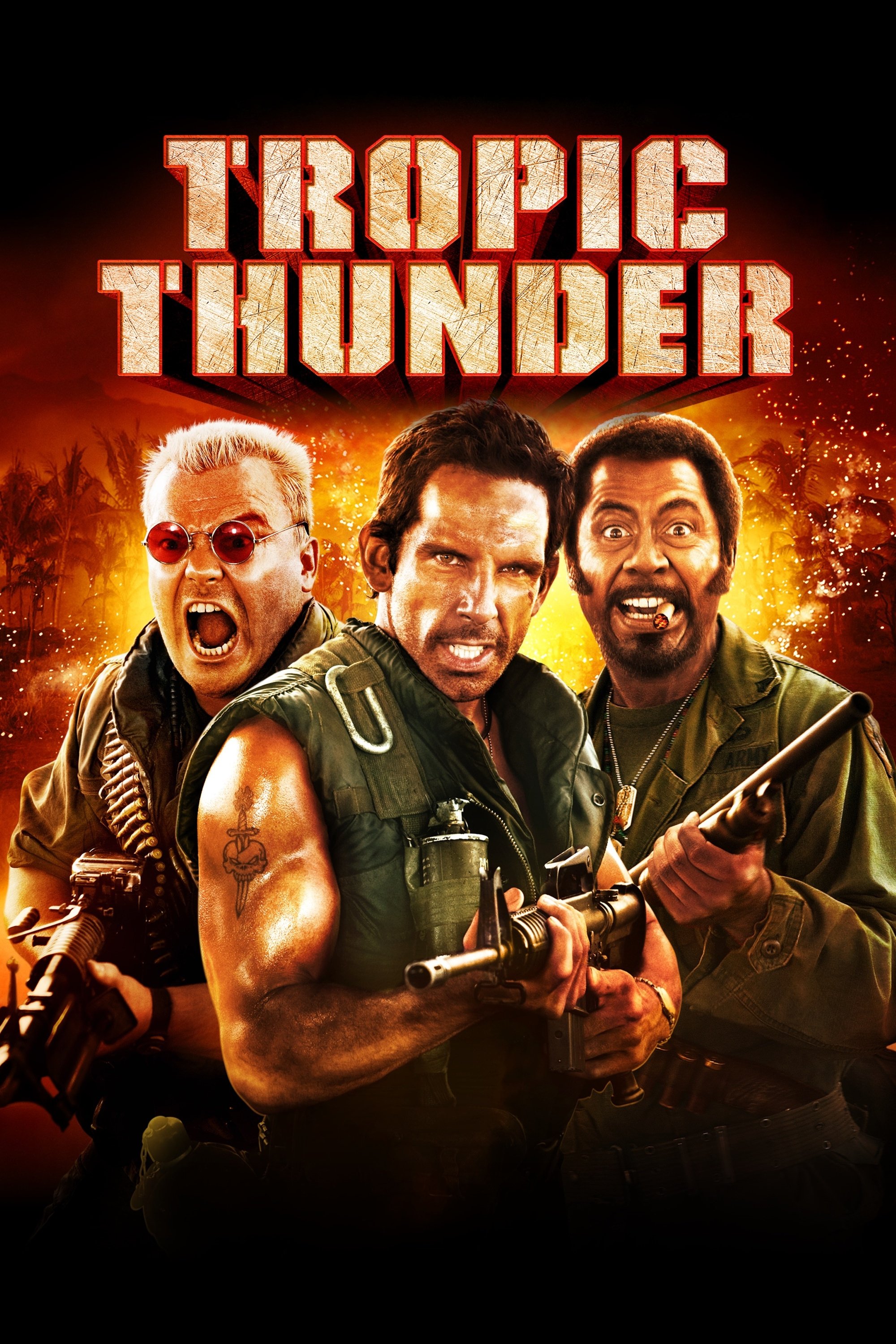
Directed by Ben Stiller, ‘Tropic Thunder’ follows a group of actors filming a war movie who are dropped into a real conflict zone, forcing them to rely on their screen personas to navigate the jungle. The screenplay by Stiller, Justin Theroux, and Etan Cohen uses a movie-within-a-movie structure to stage escalating misunderstandings between the cast and the locals.
The ensemble features Ben Stiller, Robert Downey Jr., Jack Black, Jay Baruchel, Brandon T. Jackson, and Nick Nolte, with Matthew McConaughey and Tom Cruise in scene-stealing supporting roles. The production, mounted by Red Hour Films and DreamWorks, employs large-scale practical effects, extensive makeup work, and layered production design to sell the film-set chaos.
‘Step Brothers’ (2008)
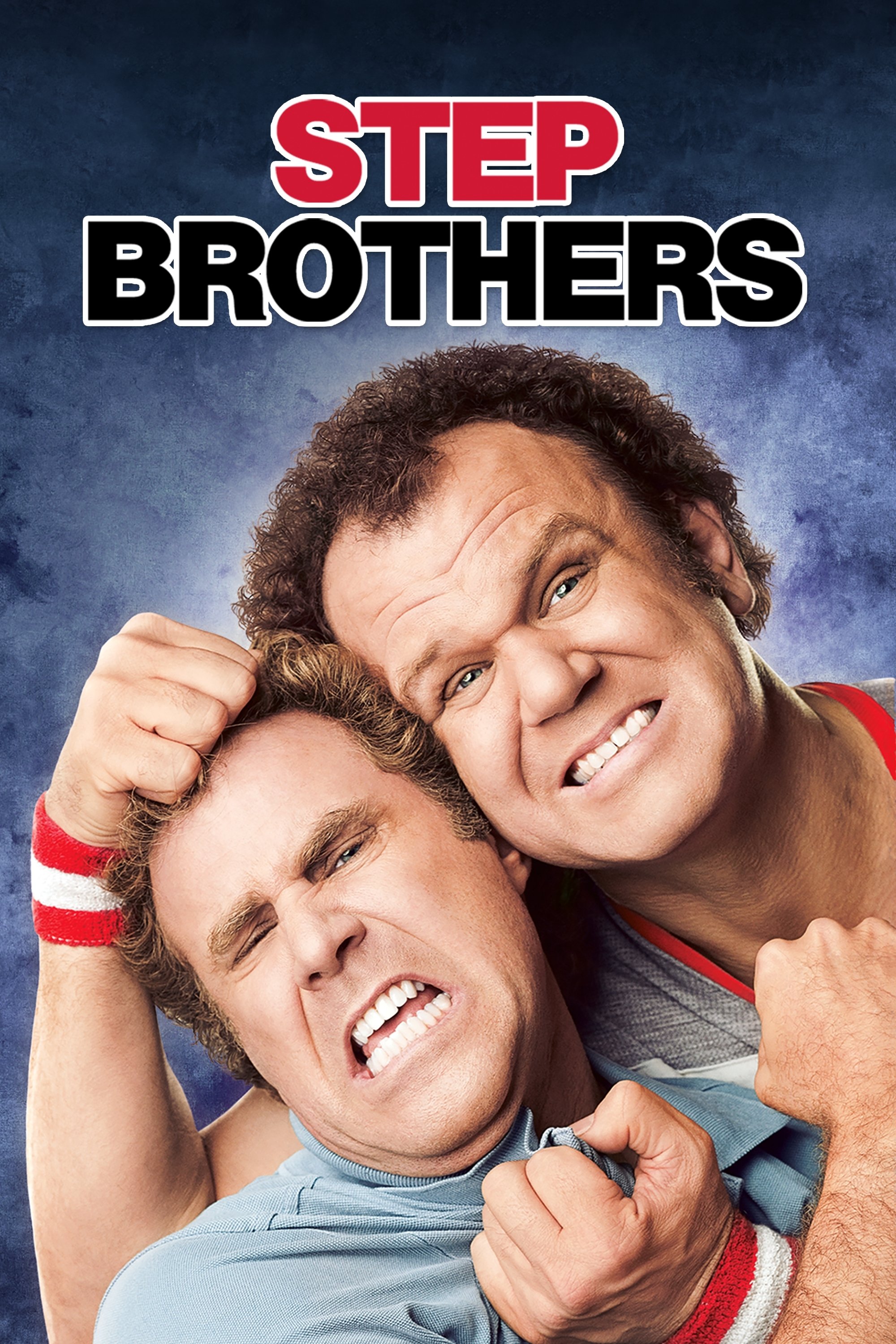
Co-written by Adam McKay, Will Ferrell, and John C. Reilly and directed by McKay, ‘Step Brothers’ focuses on two middle-aged men forced to live together when their single parents marry. The story builds around domestic turf wars, reluctant bonding, and a series of household escalations that test their parents’ patience.
Will Ferrell and John C. Reilly star alongside Mary Steenburgen, Richard Jenkins, Adam Scott, and Kathryn Hahn. The film’s production emphasizes improvisation within structured scenes, with recurring bits tied to the characters’ stalled ambitions and the family’s attempts to establish ground rules.
‘The 40 Year Old Virgin’ (2005)
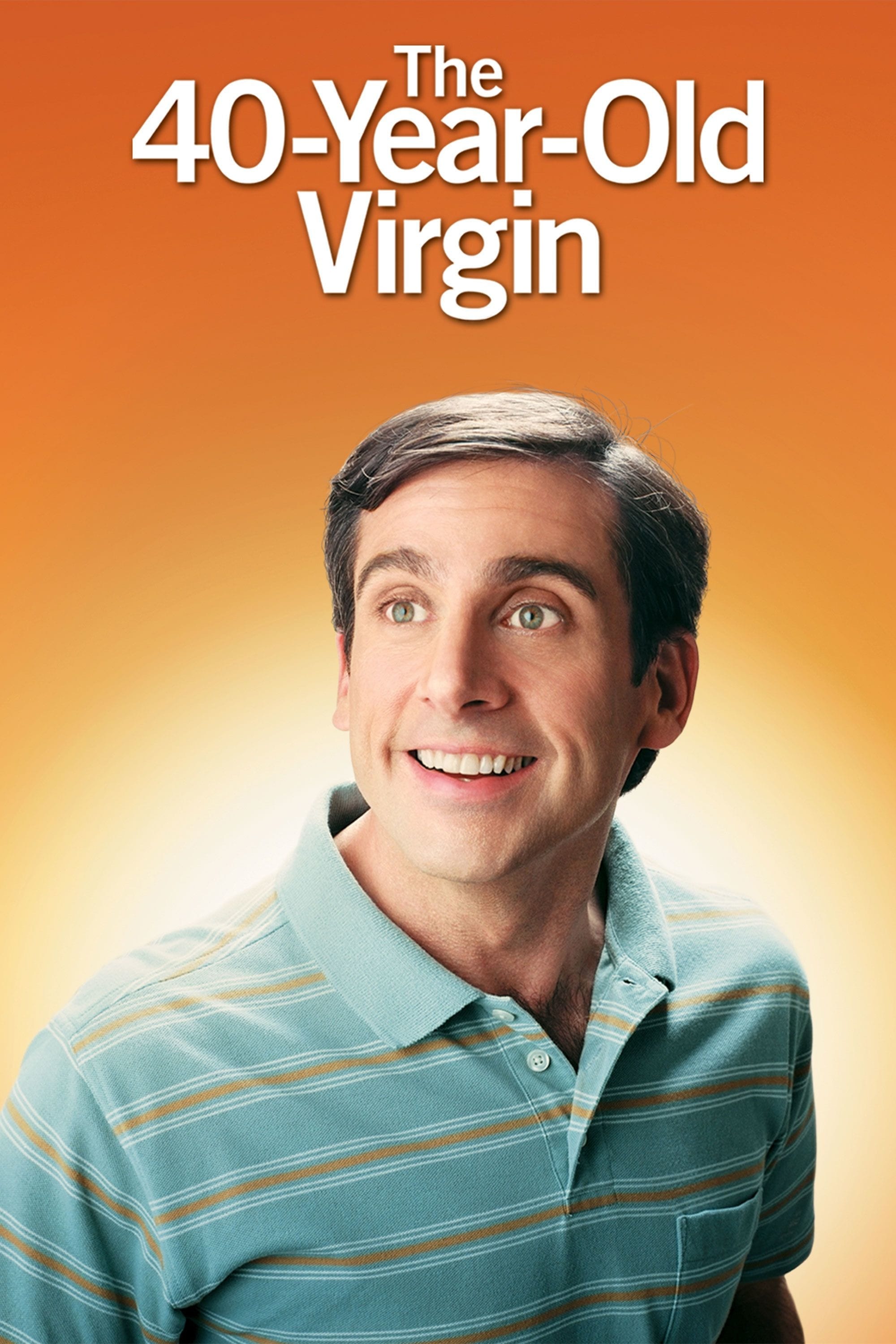
Directed by Judd Apatow and co-written with Steve Carell, ‘The 40-Year-Old Virgin’ follows an electronics-store employee whose co-workers take it upon themselves to help him navigate dating. The plot uses workplace camaraderie and misadventures to build toward a more mature connection with a small-business owner.
The cast includes Steve Carell, Catherine Keener, Paul Rudd, Seth Rogen, Romany Malco, Jane Lynch, and Leslie Mann. Apatow’s production approach blends scripted dialogue with on-set improvisation, keeping the focus on character interactions and comedic escalation across domestic and retail settings.
‘Zoolander’ (2001)
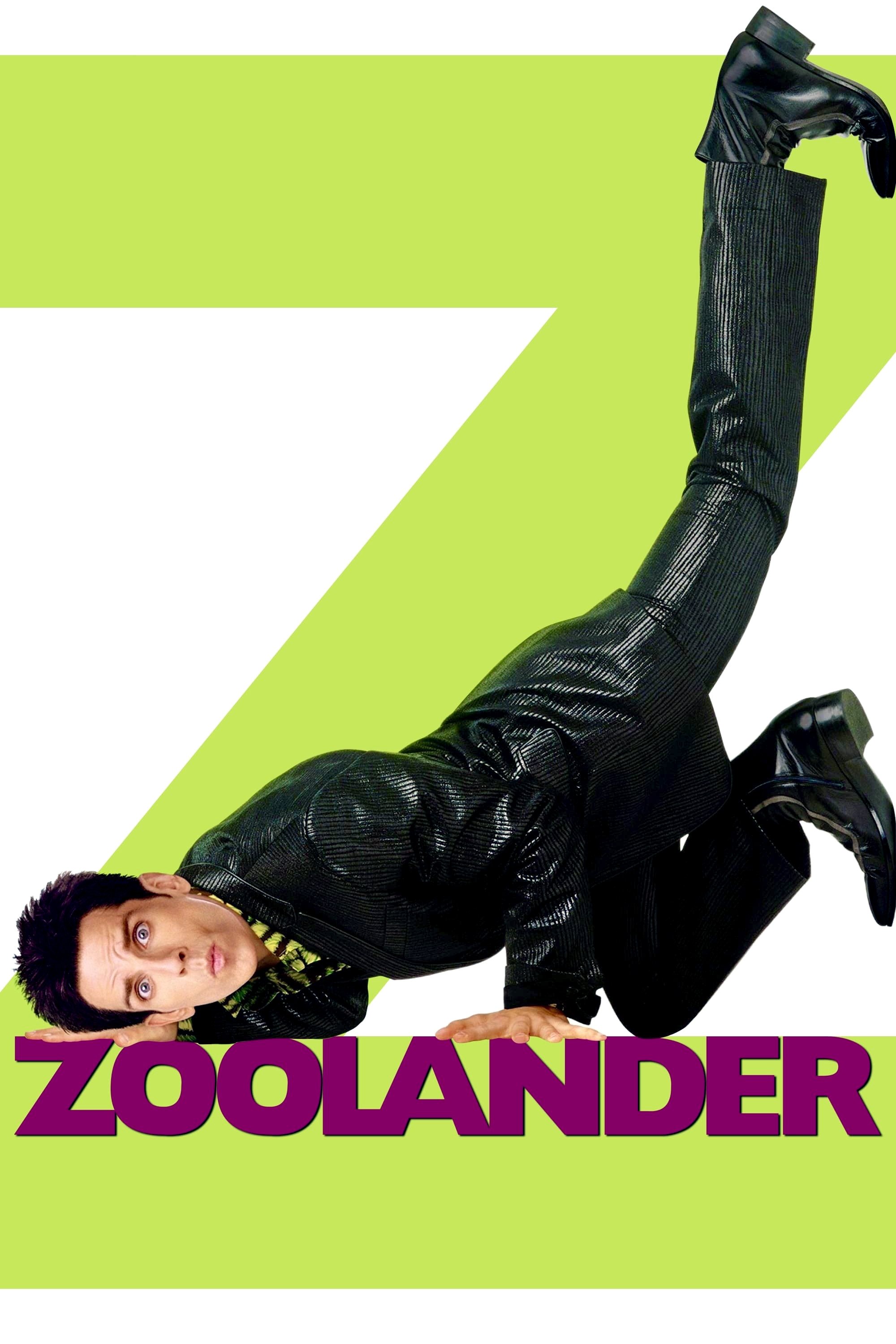
Directed by Ben Stiller and co-written with Drake Sather and John Hamburg, ‘Zoolander’ centers on a male supermodel manipulated into an assassination plot by a fashion-industry cabal. The narrative follows his rivalry with a rising star model and the schemes of an outlandish designer and his inner circle.
The cast features Ben Stiller, Owen Wilson, Will Ferrell, Christine Taylor, and Milla Jovovich, with numerous fashion and media cameos. The film’s production combines stylized sets, runway choreography, and mock-ad campaign imagery to parody the industry’s spectacle and jargon.
‘Elf’ (2003)
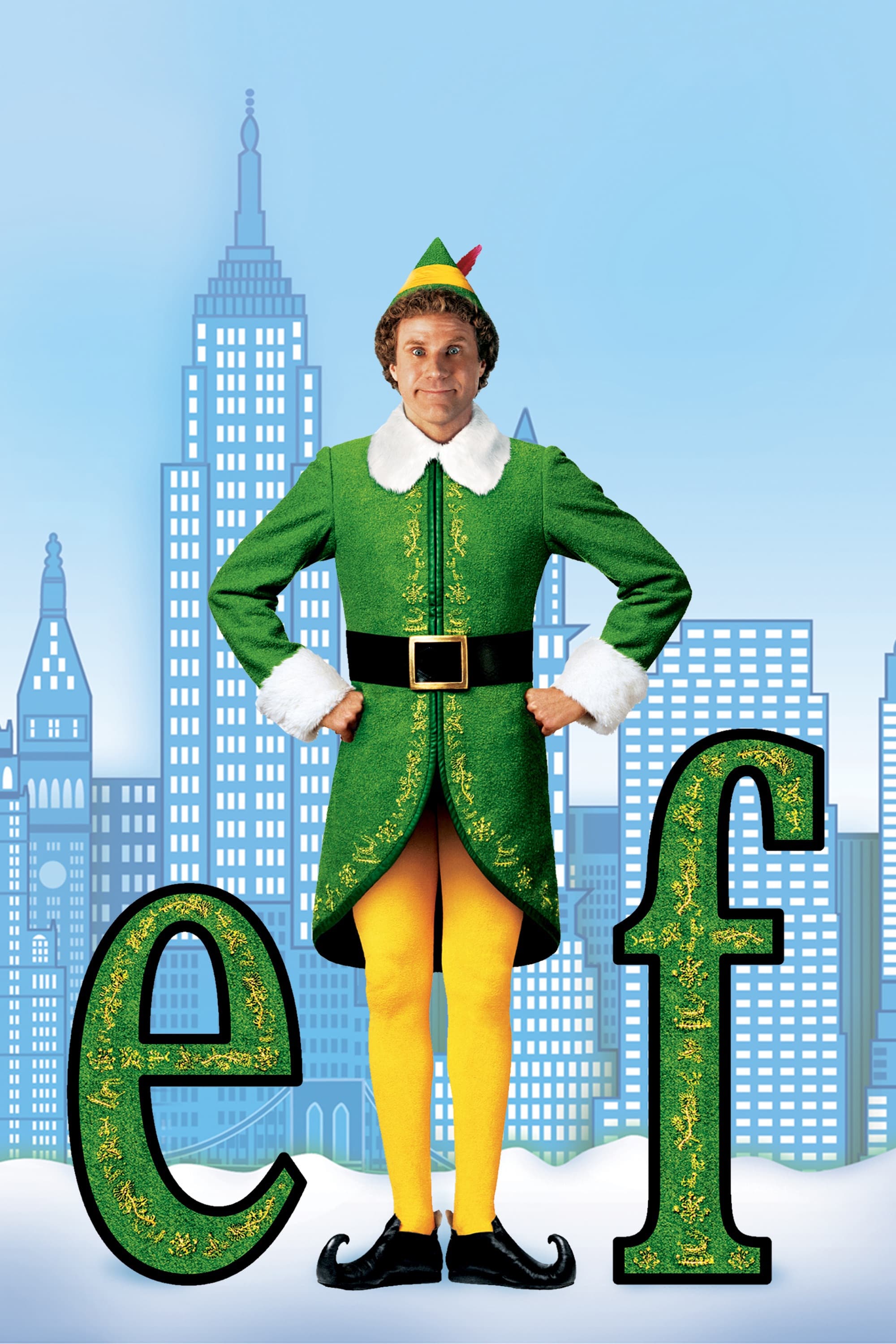
Written by David Berenbaum and directed by Jon Favreau, ‘Elf’ tells the story of Buddy, a human raised at the North Pole who travels to New York to find his father. The plot pairs fish-out-of-water comedy with a family reconciliation arc, using department-store set pieces and city landmarks to chart Buddy’s search.
Will Ferrell leads the cast with Zooey Deschanel, James Caan, Mary Steenburgen, Bob Newhart, and Ed Asner in key roles. Favreau blends practical effects and forced perspective with traditional production design to create the North Pole sequences, while the New York scenes foreground street-level interactions and musical interludes.
‘Wedding Crashers’ (2005)
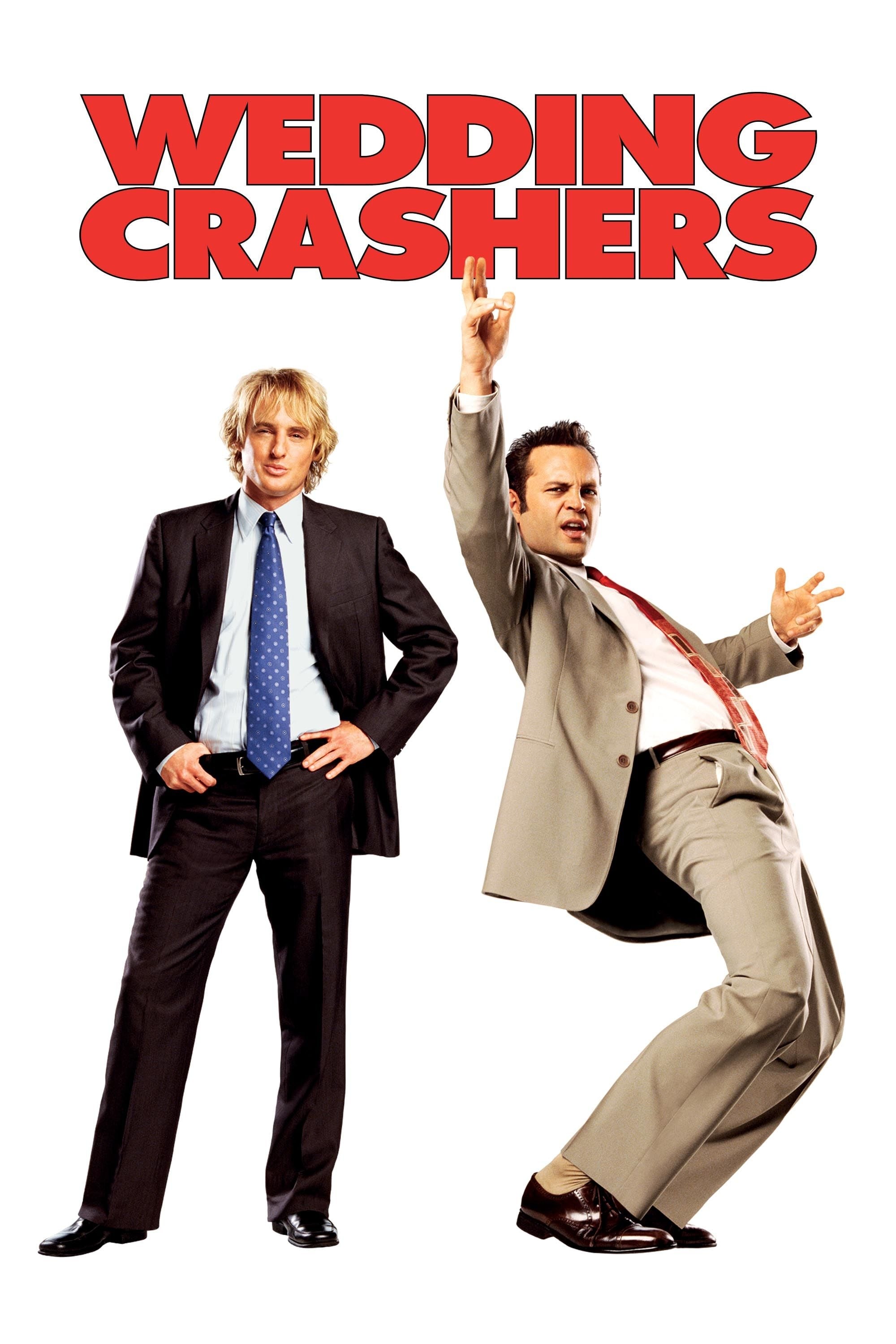
Directed by David Dobkin and written by Steve Faber and Bob Fisher, ‘Wedding Crashers’ follows two friends who gate-crash weddings to meet people and end up entangled with a powerful family. The story moves from party circuit routines to a complicated courtship that tests loyalties and personal rules.
Owen Wilson and Vince Vaughn star alongside Rachel McAdams, Isla Fisher, Christopher Walken, Jane Seymour, and Bradley Cooper. The production emphasizes ensemble banter, location-driven set pieces, and a blend of formal events and casual hangouts that shift the dynamic between characters over time.
‘Best in Show’ (2000)
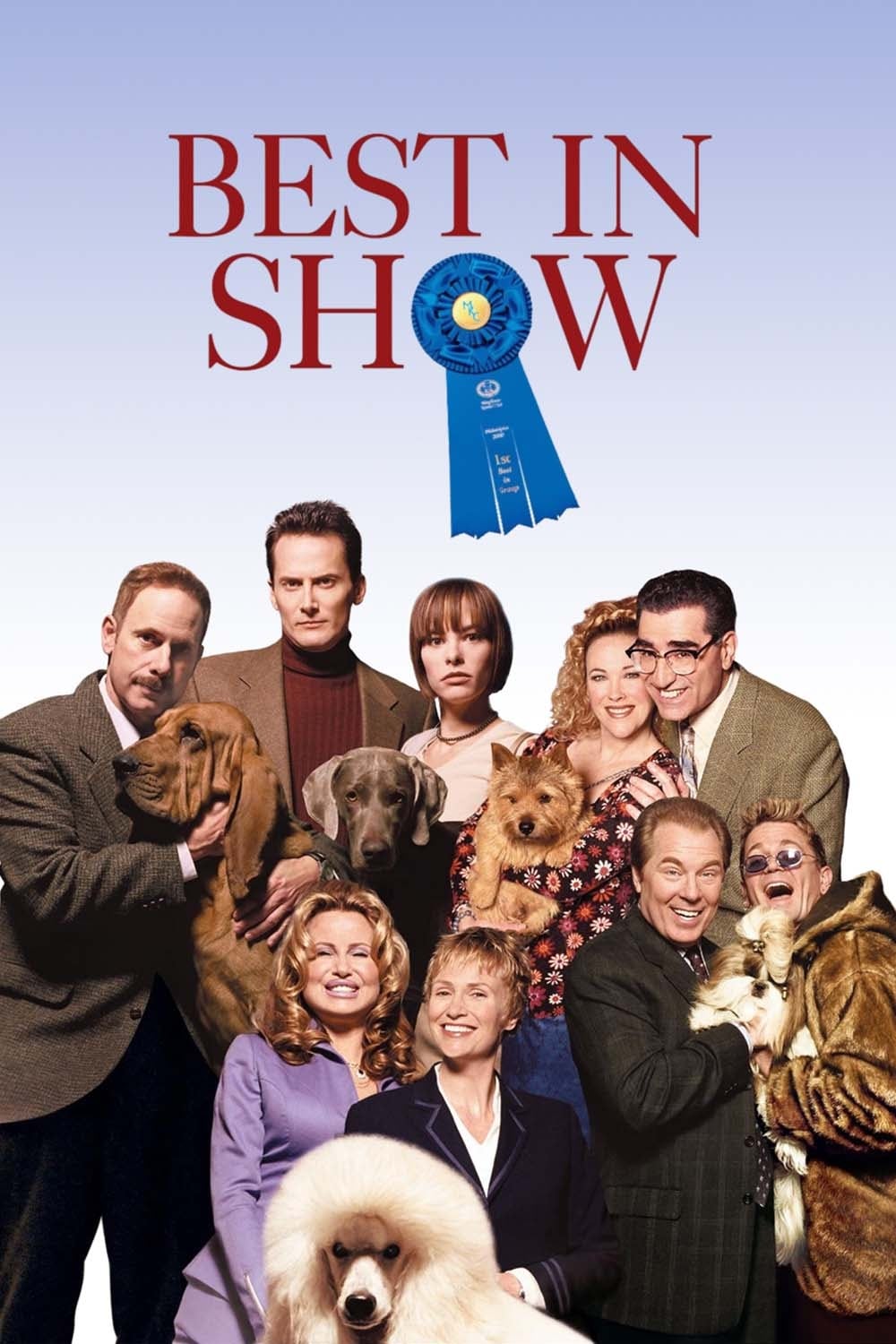
Co-written by Christopher Guest and Eugene Levy and directed by Guest, ‘Best in Show’ is a mockumentary set around a prestigious dog show, following multiple owners, trainers, and commentators. The film uses interwoven vignettes to build a full picture of the competition and the subcultures around it.
The ensemble includes Eugene Levy, Catherine O’Hara, Christopher Guest, Fred Willard, Jane Lynch, Parker Posey, Jennifer Coolidge, John Michael Higgins, and Michael McKean. Shot in a semi-improvised style with interview segments, the production relies on character backstories, observational humor, and a light-footed documentary aesthetic.
‘Dodgeball: A True Underdog Story’ (2004)
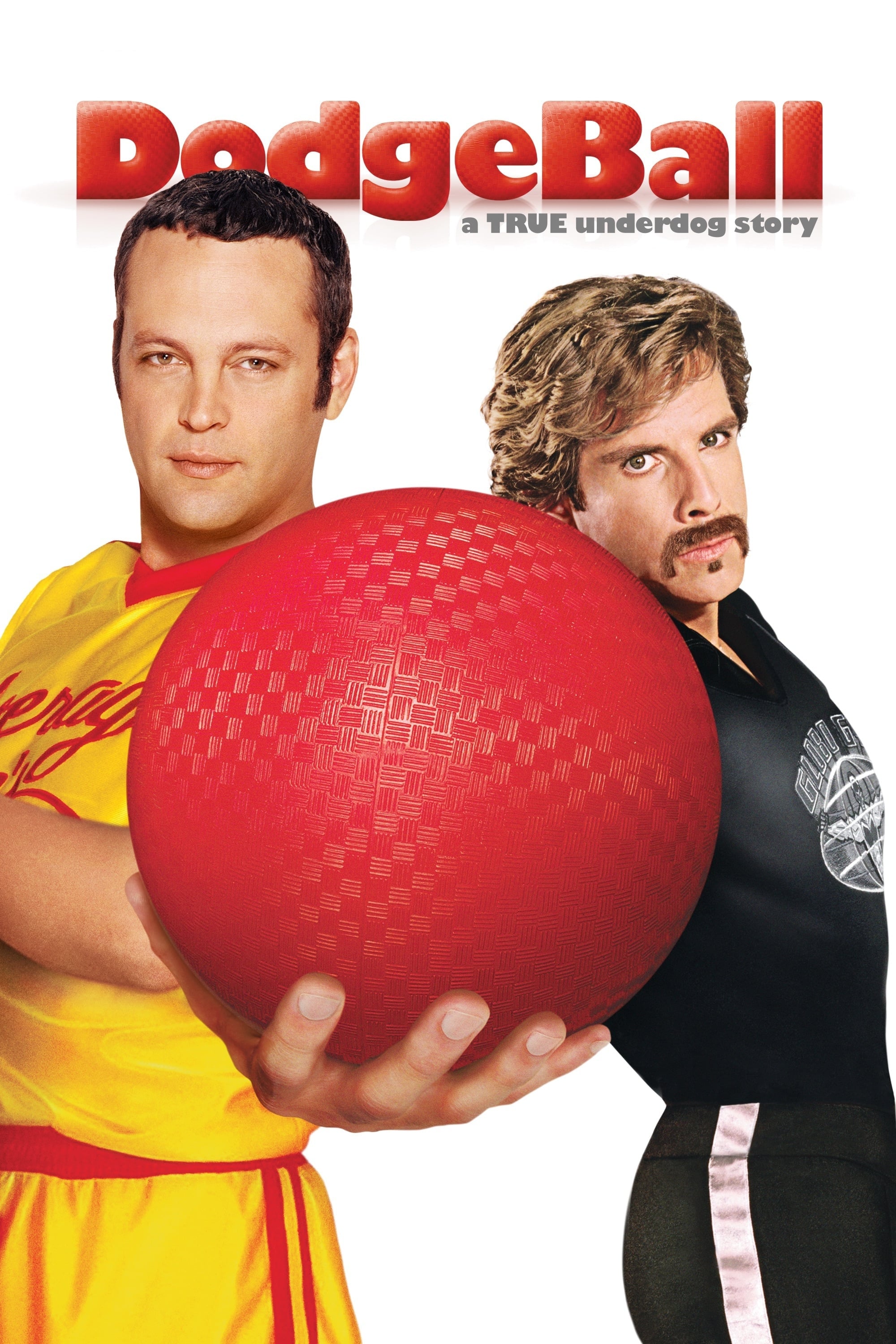
Written and directed by Rawson Marshall Thurber, ‘Dodgeball: A True Underdog Story’ pits a scrappy local gym against a corporate chain in a high-stakes tournament. The plot follows training montages, qualifier rounds, and a final showdown, using sports-movie beats to structure the competition.
The cast features Vince Vaughn, Ben Stiller, Christine Taylor, Justin Long, Stephen Root, Alan Tudyk, and Rip Torn, with notable cameos from sports and media figures. The production balances physical comedy with rule-based gameplay, keeping the tournament’s bracket and team identities central to the action.
‘School of Rock’ (2003)
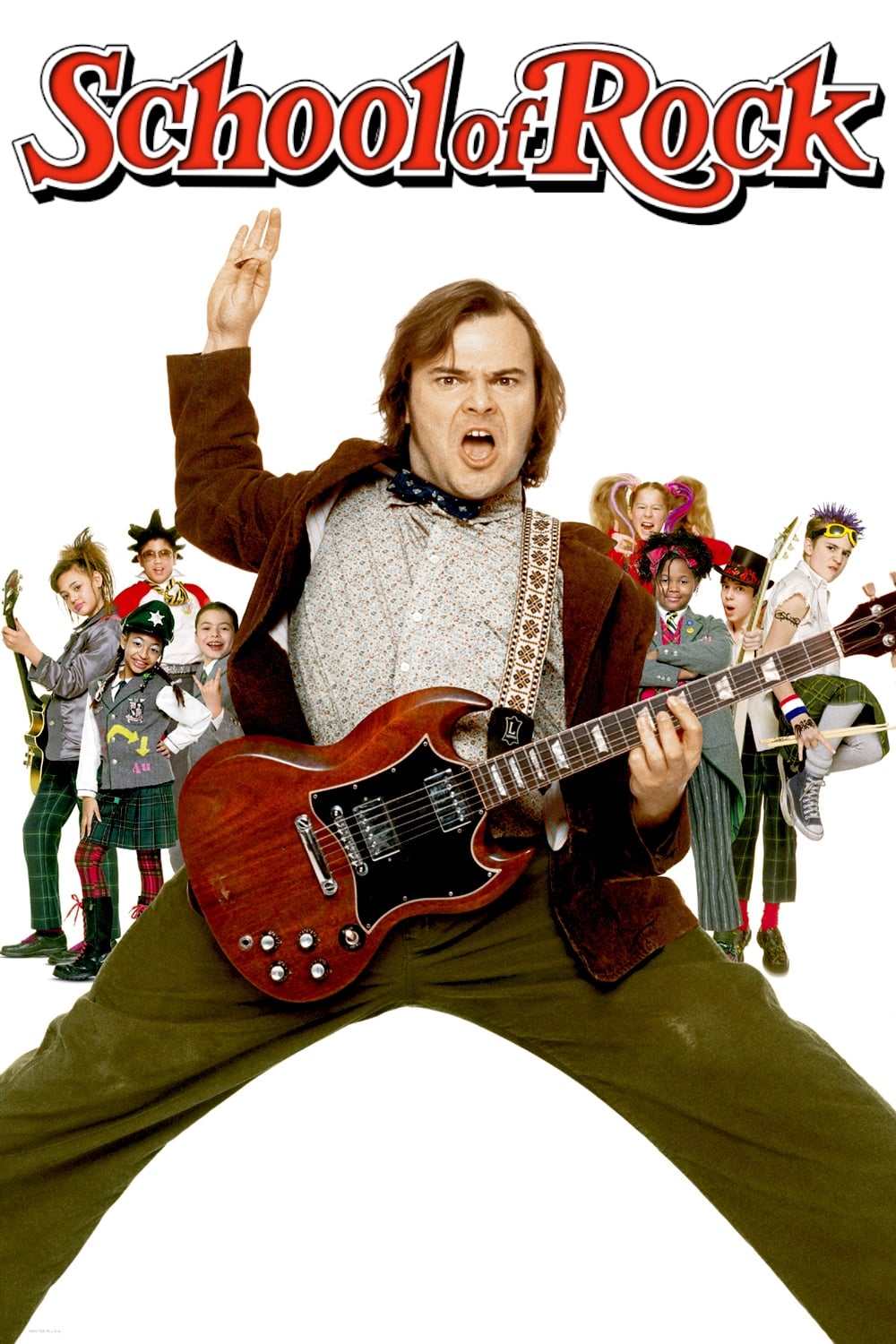
Directed by Richard Linklater from a screenplay by Mike White, ‘School of Rock’ follows a down-on-his-luck guitarist who fakes a substitute teaching job and turns his class into a band. The story tracks rehearsals, secret-keeping from administrators, and a climactic battle-of-the-bands performance.
Jack Black stars with Joan Cusack, Mike White, Sarah Silverman, and a class of young musicians led by Miranda Cosgrove. The production integrates live performance, classroom ensemble scenes, and music rehearsals, with Linklater’s emphasis on group dynamics and Mike White’s character-driven writing shaping the tone.
‘Harold & Kumar Go to White Castle’ (2004)
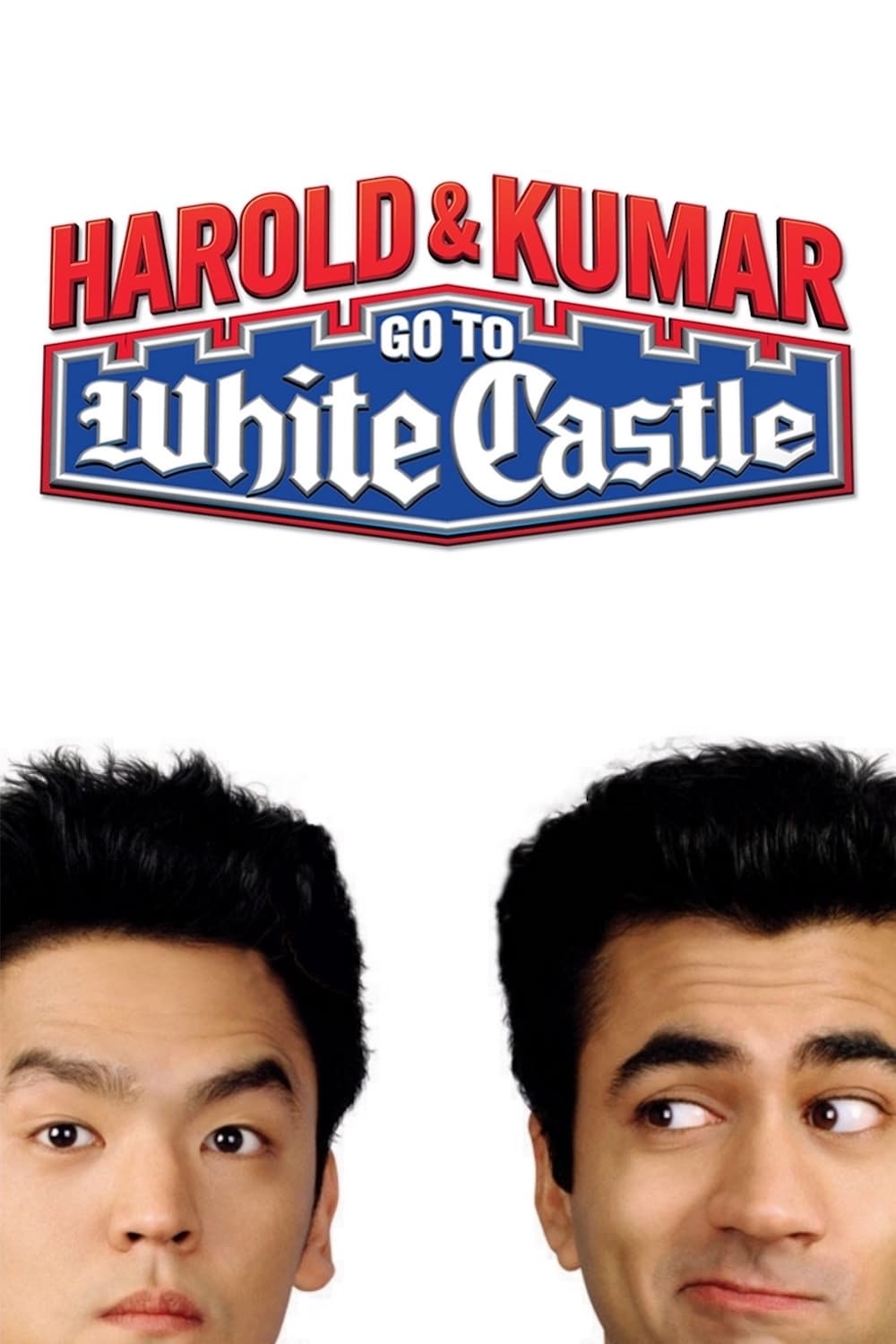
Directed by Danny Leiner and written by Jon Hurwitz and Hayden Schlossberg, ‘Harold & Kumar Go to White Castle’ chronicles two friends whose late-night fast-food run launches them into a string of misadventures. The plot moves through apartment parties, traffic stops, and road detours, keeping the quest structure intact.
John Cho and Kal Penn lead the cast, with Anthony Anderson and Neil Patrick Harris delivering memorable supporting turns. The production uses regional location work and a series of self-contained set pieces to link the duo’s encounters, maintaining a brisk pace across the road-trip framework.
‘Napoleon Dynamite’ (2004)
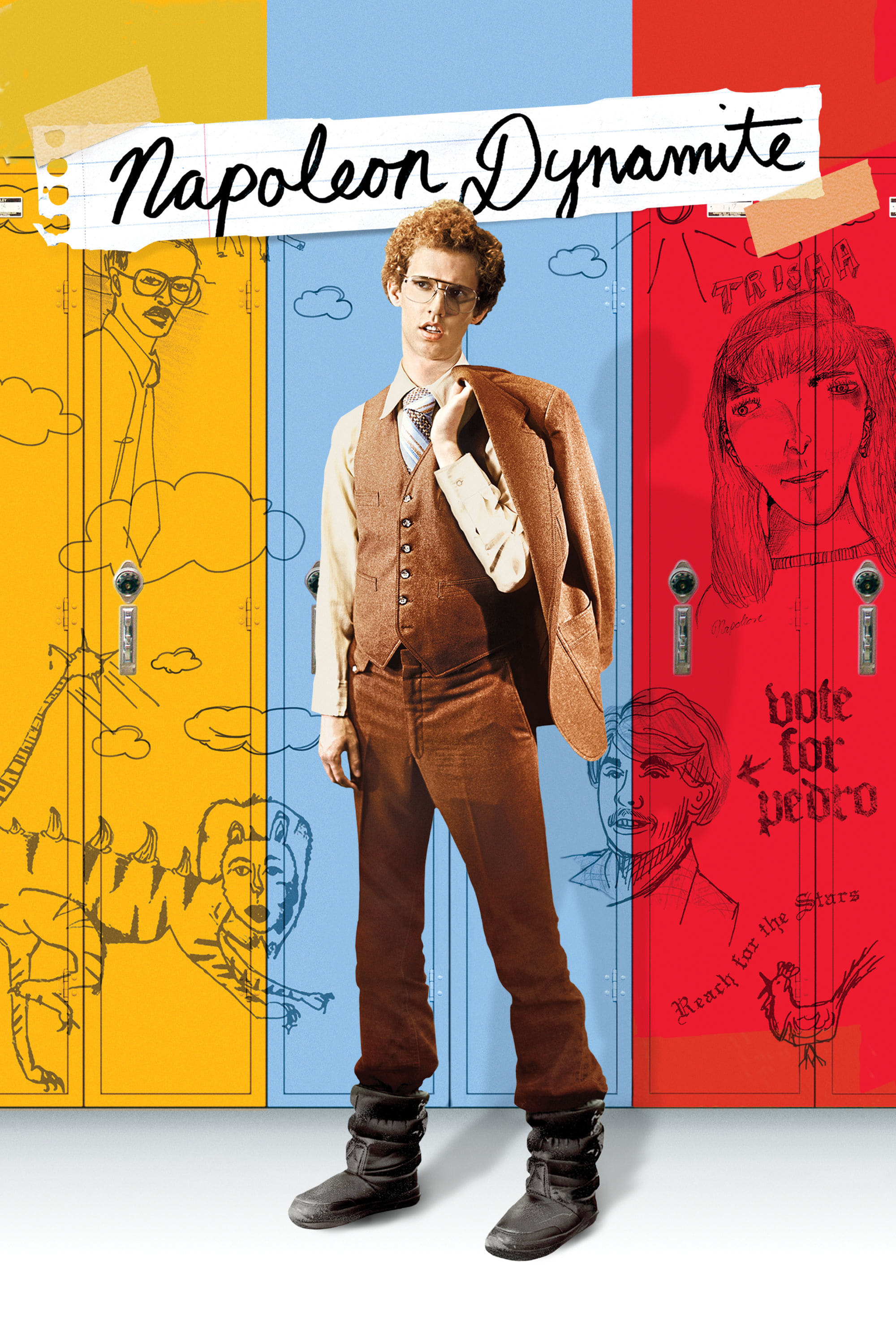
Written by Jared and Jerusha Hess and directed by Jared Hess, ‘Napoleon Dynamite’ follows an awkward teen in rural Idaho navigating school, home life, and a new friendship with a transfer student. The narrative tracks a class president campaign, family odd jobs, and small-town routines.
Jon Heder stars with Efren Ramirez, Tina Majorino, Aaron Ruell, and Jon Gries. Originating from the short film ‘Peluca’, the production emphasizes deadpan line readings, distinct costume choices, and carefully composed wide shots that place characters within their sparse environments.
‘Forgetting Sarah Marshall’ (2008)
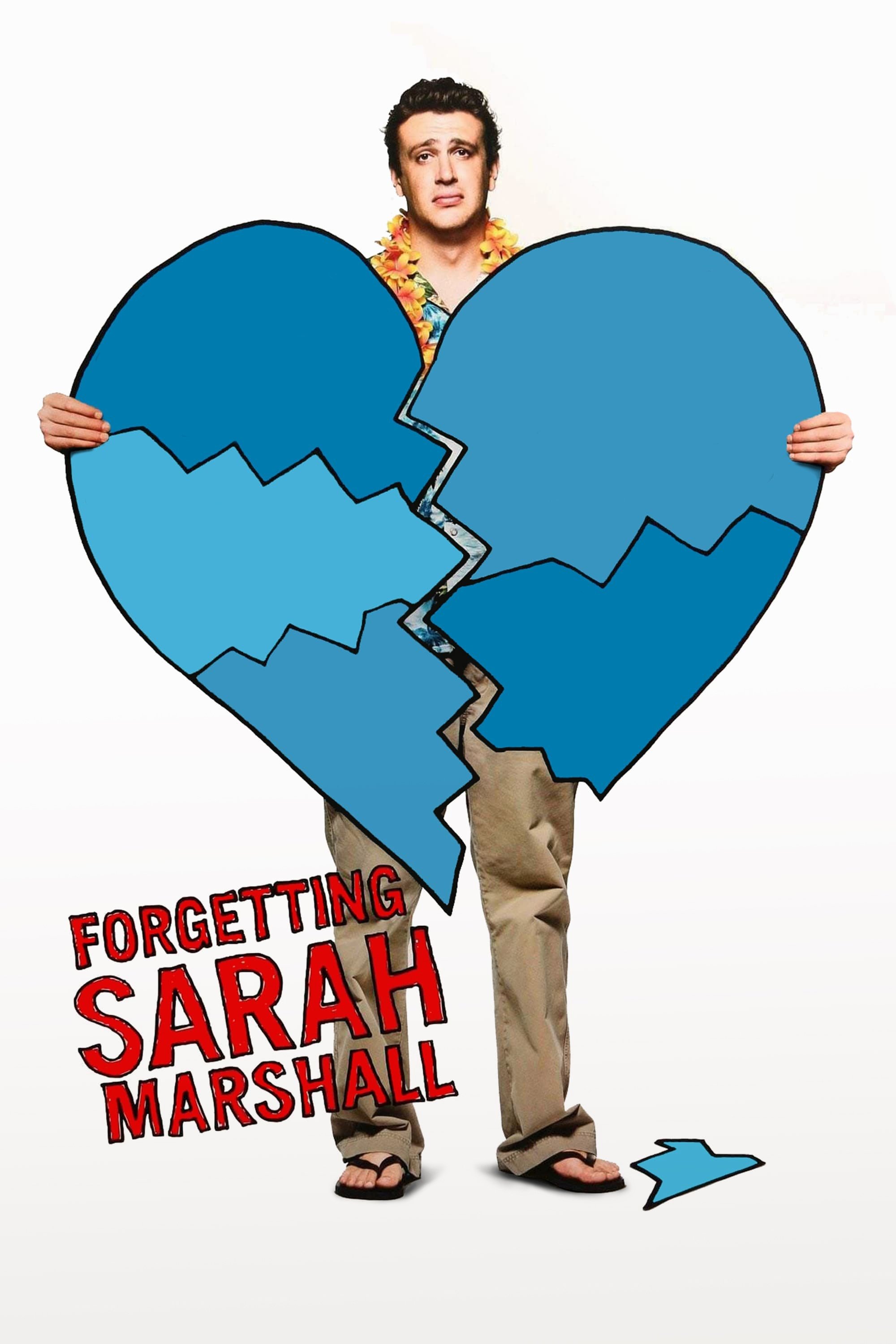
Directed by Nicholas Stoller from a screenplay by Jason Segel, ‘Forgetting Sarah Marshall’ centers on a TV composer who heads to Hawaii after a breakup and unexpectedly ends up at the same resort as his ex and her new partner. The story uses the resort’s overlapping social circles to stage run-ins, rebounds, and a reassessment of goals.
Jason Segel stars with Kristen Bell, Mila Kunis, and Russell Brand, supported by Bill Hader and Jonah Hill. Produced by Apatow Productions, the film blends romantic and workplace subplots, integrates music cues from the protagonist’s projects, and uses location photography to set the mood.
‘Borat: Cultural Learnings of America for Make Benefit Glorious Nation of Kazakhstan’ (2006)
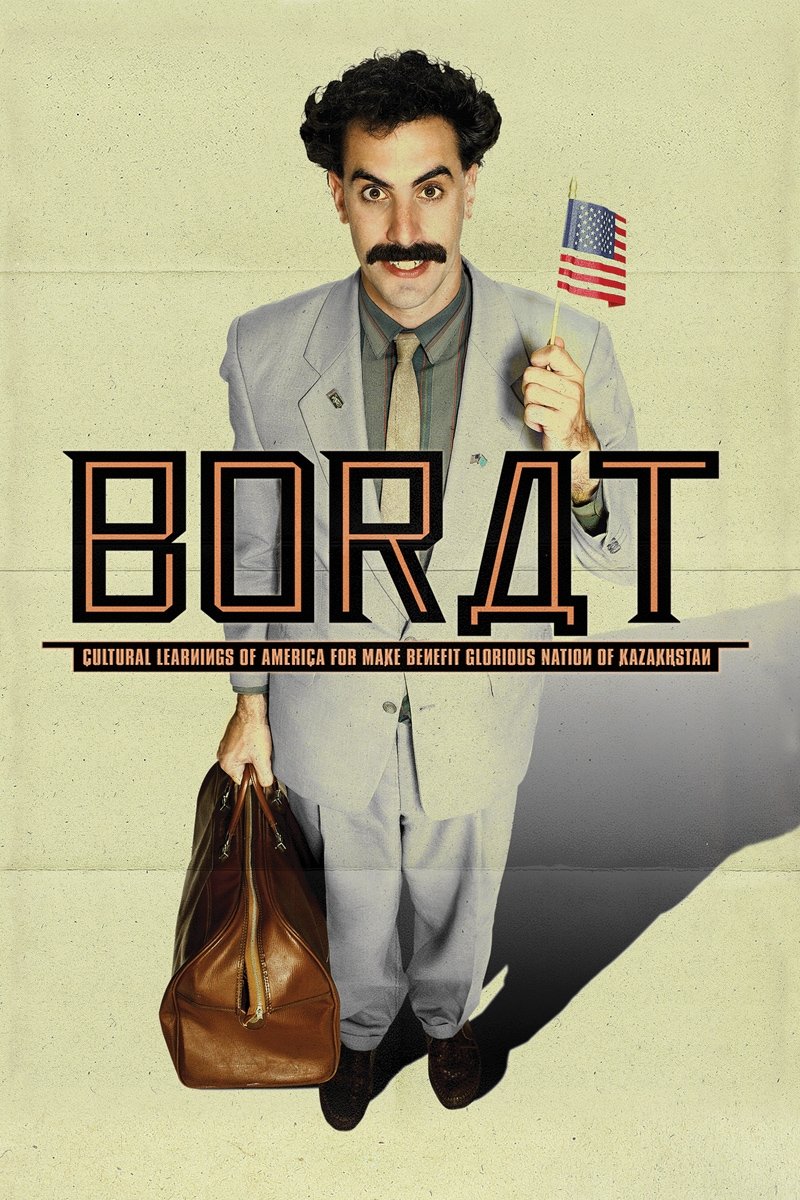
Directed by Larry Charles, ‘Borat: Cultural Learnings of America for Make Benefit Glorious Nation of Kazakhstan’ follows a Kazakh journalist traveling across the United States to make a documentary about American life. The film uses a mockumentary format with staged setups that produce unscripted interactions, giving structure to a cross-country itinerary.
Sacha Baron Cohen stars and co-writes with Anthony Hines, Peter Baynham, and Dan Mazer, with supporting appearances from Ken Davitian and Luenell. The production blends hidden-camera techniques, character improvisation, and on-the-fly logistics to capture real responses within a scripted framework.
‘In Bruges’ (2008)
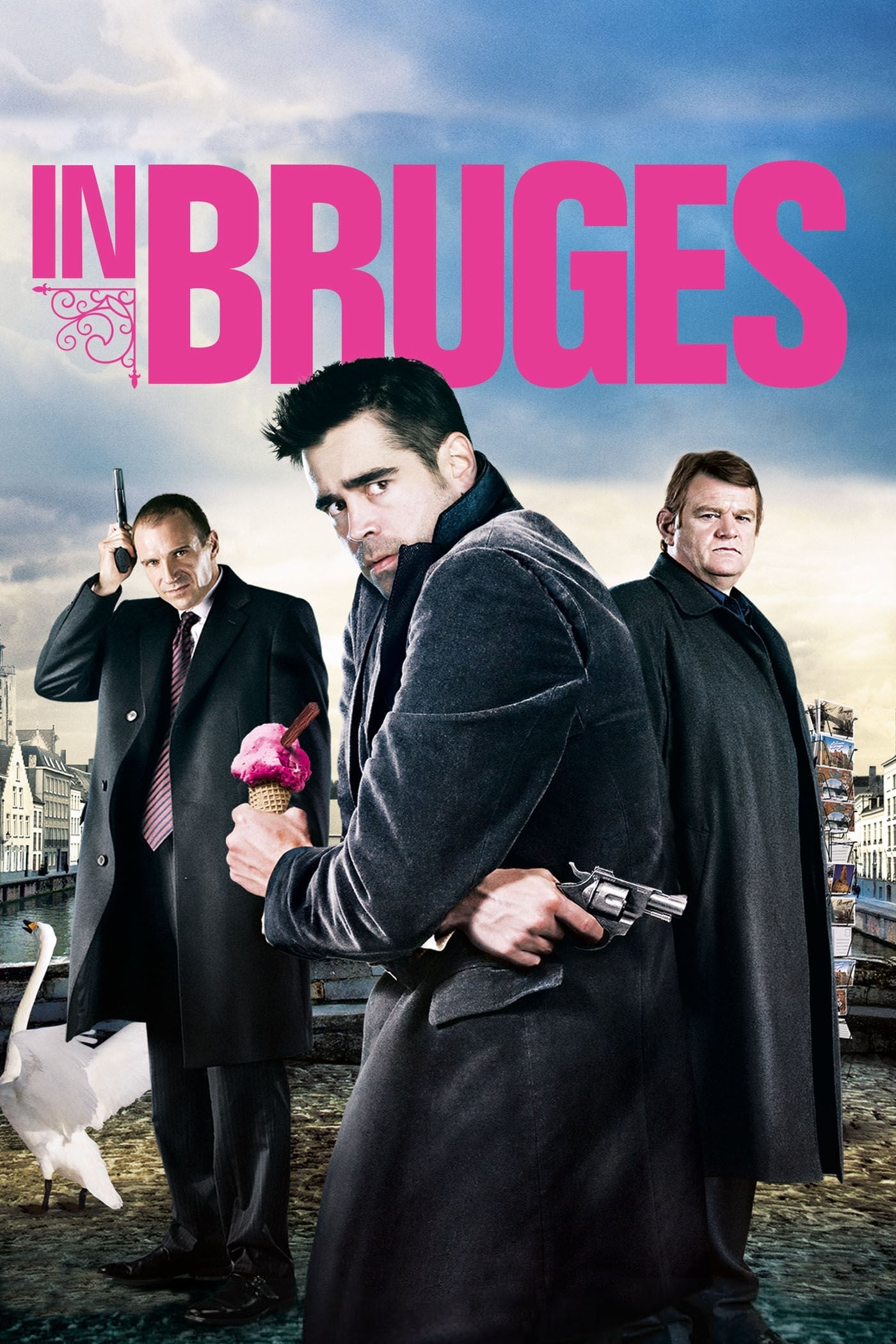
Written and directed by Martin McDonagh, ‘In Bruges’ follows two hitmen sent to lie low in the medieval city of Bruges after a job goes wrong, where they confront remorse, sightseeing detours, and orders from their boss. The story balances darkly comic exchanges with a steadily tightening plot that leads the characters into conflict.
Colin Farrell and Brendan Gleeson star alongside Ralph Fiennes and Clémence Poésy. The production leans on on-location shooting, Carter Burwell’s score, and tightly written dialogue scenes that highlight the shifting dynamic among the central trio.
Share your picks of 2000s comedies that still hit the mark in the comments!