Iconic Movies That Forget a Major Character for Half the Plot


Sometimes a film sets up a major figure, then tucks that person out of sight while the story barrels ahead somewhere else. It can be a hero sidelined by circumstance, a title character who only turns up at the end, or a franchise mainstay who vanishes for long stretches as the plot tracks other threads. Either way, the structure is right there on screen: big characters are missing for big chunks of the running time.
Below are 20 widely known movies where a core player is absent for large portions of the narrative. For each, you’ll find straightforward details on what the story does, who’s involved, and when the character steps offstage and back again.
‘Back to the Future Part II’ (1989)
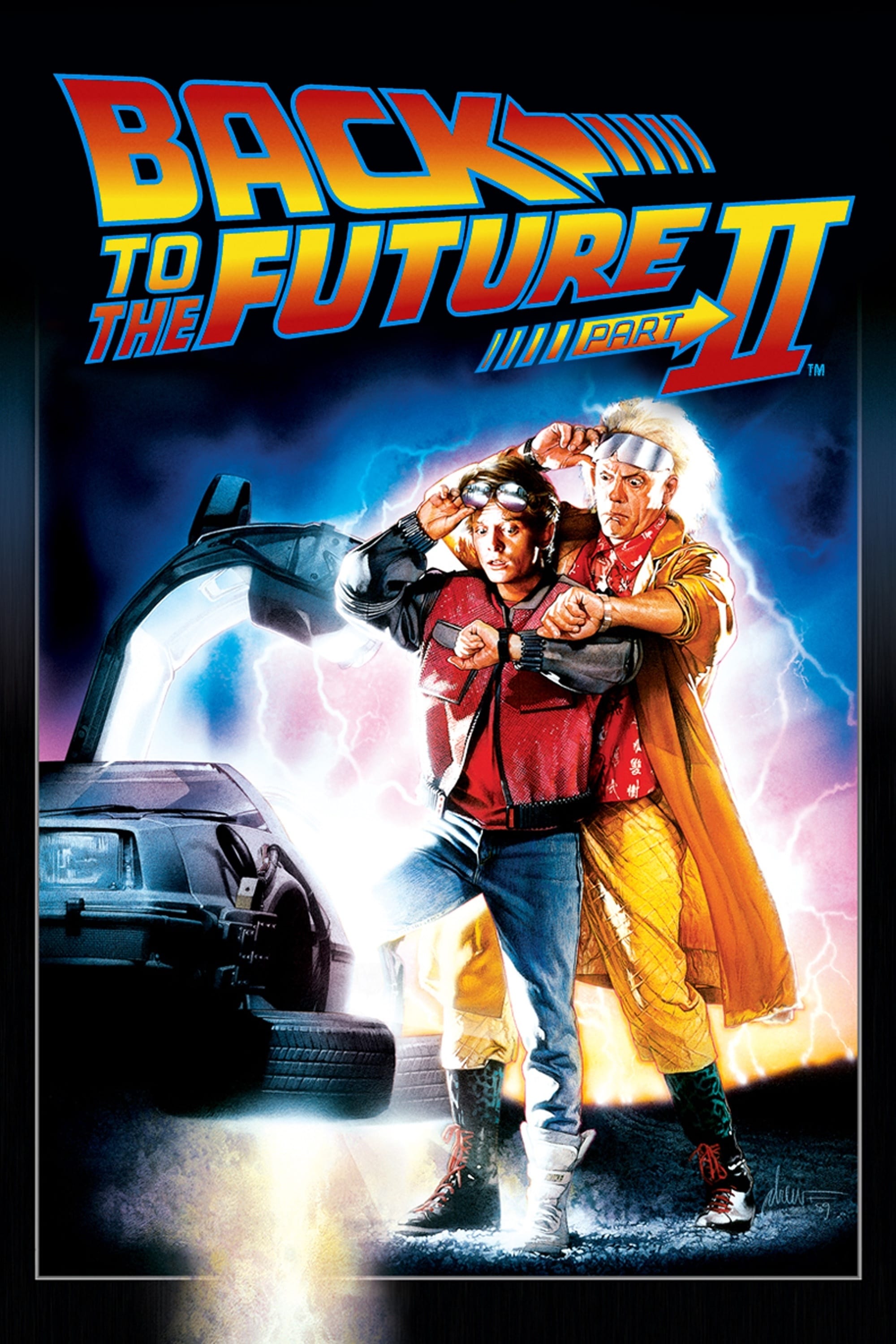
Elisabeth Shue’s Jennifer Parker is brought along when Marty McFly and Doc Brown jump to the future, but she’s quickly tranquilized and left on a porch as the action pivots to alternate timelines and the 1950s. The plot follows Michael J. Fox’s Marty and Christopher Lloyd’s Doc through 2015, a divergent 1985, and back to Hill Valley’s past, while Jennifer remains offscreen until a brief late check-in.
Directed by Robert Zemeckis and written by Bob Gale, the film reunites Fox, Lloyd, and Lea Thompson, with Thomas F. Wilson back as Biff Tannen. Alan Silvestri provides the score, and Dean Cundey handles cinematography, while Amblin Entertainment and Universal Pictures steer the time-hopping production.
‘Harry Potter and the Deathly Hallows – Part 1’ (2010)
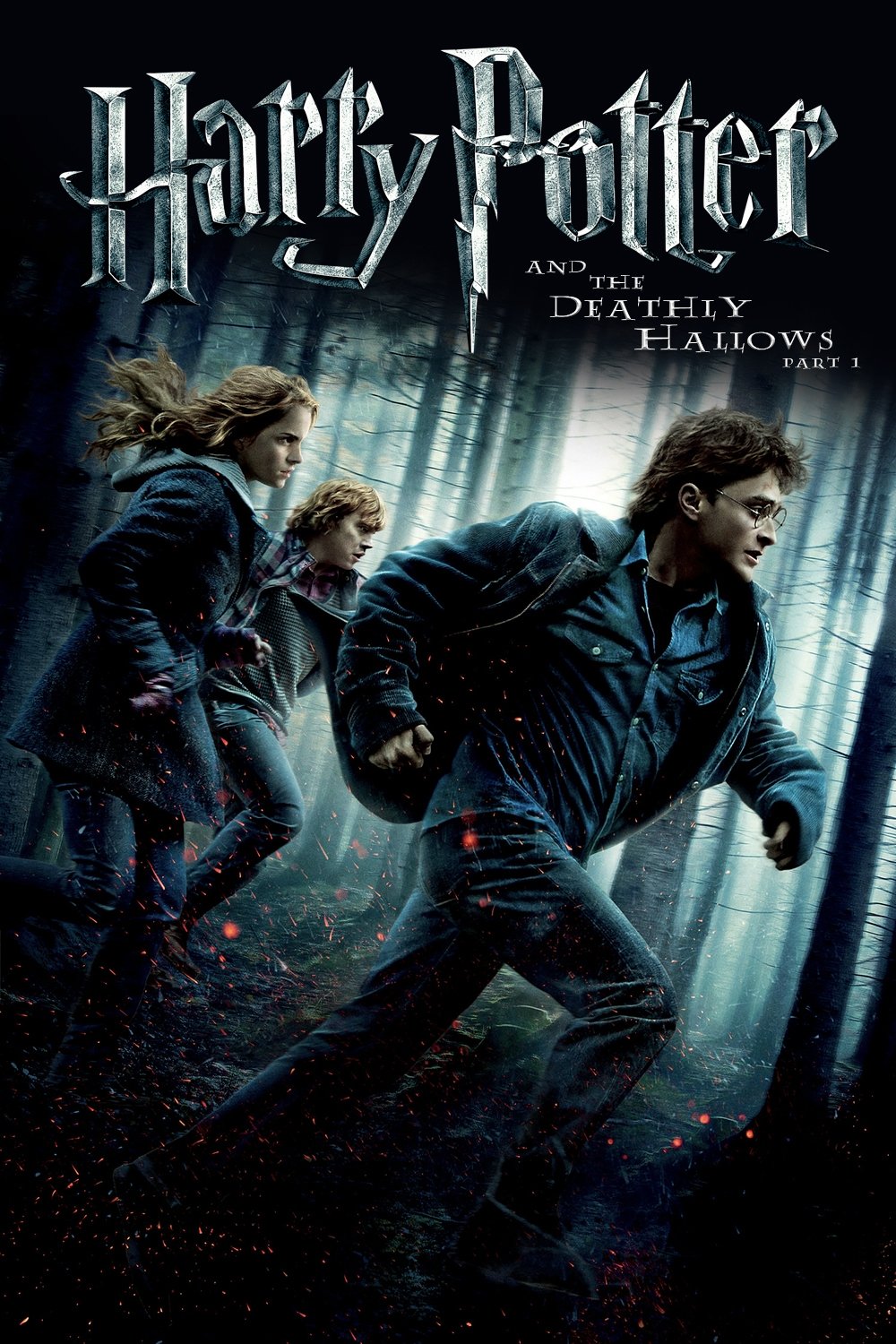
Rupert Grint’s Ron Weasley abandons the Horcrux hunt after tensions from the locket boil over, leaving Daniel Radcliffe’s Harry Potter and Emma Watson’s Hermione Granger to continue the mission without him for a major mid-film span. The narrative tracks the pair across safehouses and forests, decoding clues and visiting Godric’s Hollow as Ron remains absent until his later return.
David Yates directs from a screenplay by Steve Kloves adapted from J.K. Rowling’s novel, with production led by David Heyman and David Barron. Alexandre Desplat composes the score, and Eduardo Serra’s cinematography captures the wintry, on-the-run chapter that separates the trio for much of the story.
‘Justice League’ (2017)
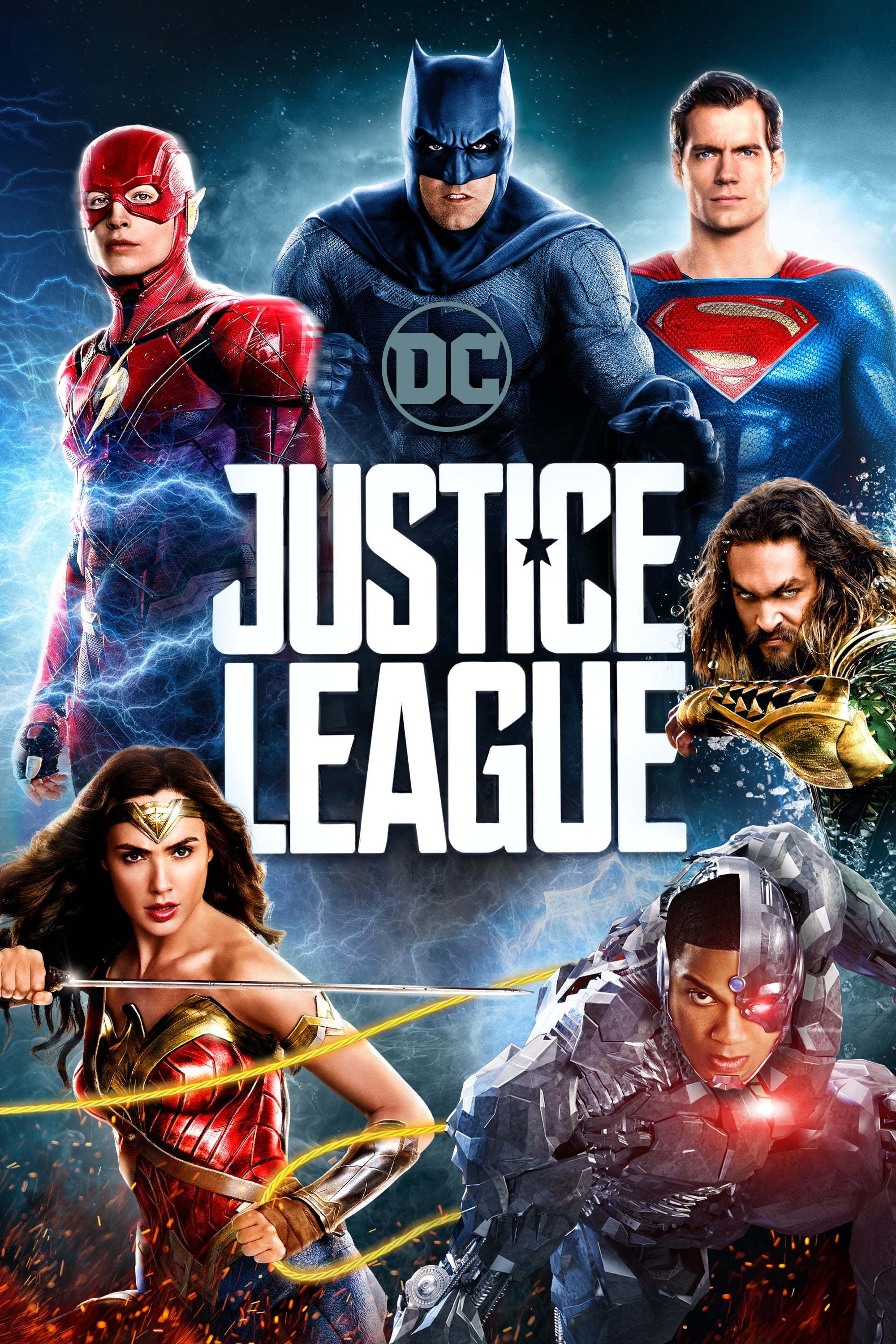
Henry Cavill’s Superman is missing through the film’s first half as the plot centers on Bruce Wayne and Diana Prince recruiting Arthur Curry, Victor Stone, and Barry Allen to face Steppenwolf. The team resorts to a risky resurrection using a Mother Box and Kryptonian technology, marking the point where Superman re-enters the story.
The production features Ben Affleck, Gal Gadot, Jason Momoa, Ray Fisher, and Ezra Miller, with direction credited to Zack Snyder and additional photography overseen after principal production. Fabian Wagner serves as cinematographer and Junkie XL and Danny Elfman contribute music across different cuts, while the screenplay draws from characters created by DC Comics.
‘Star Wars: The Force Awakens’ (2015)
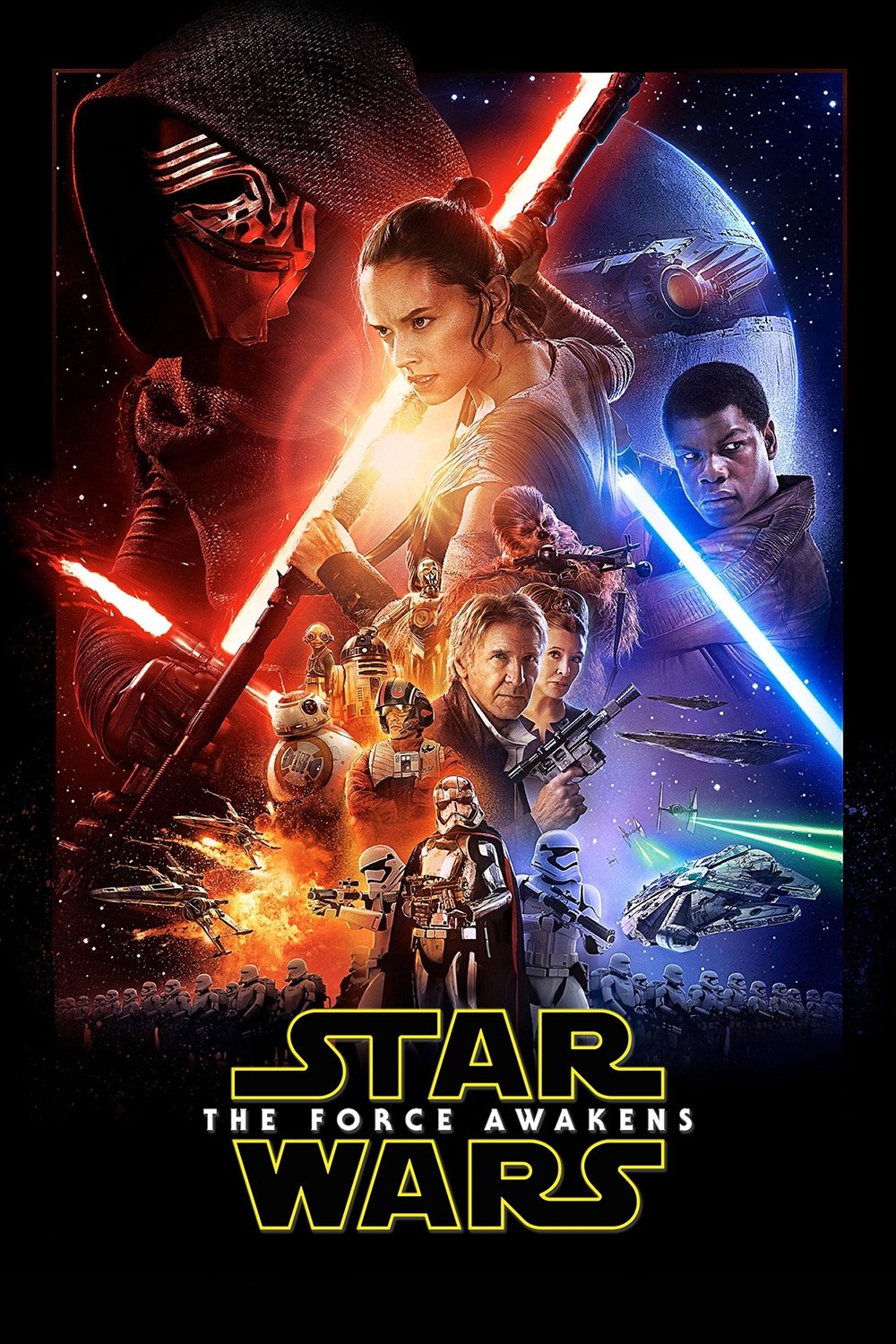
Mark Hamill’s Luke Skywalker is the focal point of the search yet doesn’t appear until the closing moments, as the plot instead follows Daisy Ridley’s Rey, John Boyega’s Finn, and Harrison Ford’s Han Solo tracking a map fragment. The resistance effort led by Carrie Fisher’s Leia Organa develops across Starkiller Base and the skies above, with Luke absent until Rey reaches the island of Ahch-To.
J.J. Abrams directs and co-writes with Lawrence Kasdan and Michael Arndt, staging new and legacy characters side by side. John Williams returns with the score, Dan Mindel is director of photography, and the production blends practical effects and digital work under Lucasfilm and Bad Robot.
‘Psycho’ (1960)
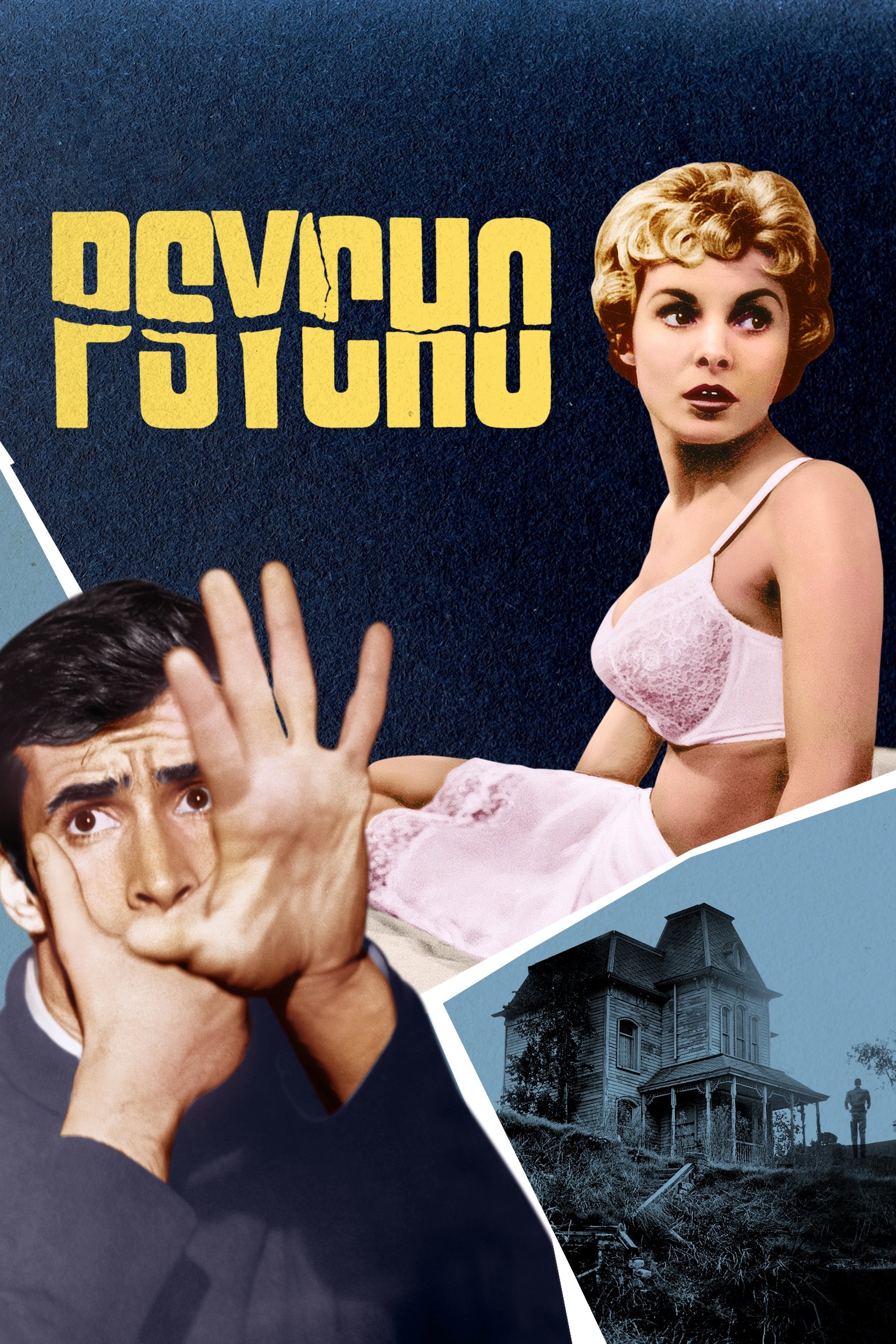
Janet Leigh’s Marion Crane drives the opening acts by stealing cash and fleeing Phoenix, only to be killed at the Bates Motel during the shower scene, removing her from the remainder of the film. The investigation then shifts to Vera Miles’ Lila Crane and John Gavin’s Sam Loomis as they search for Marion, while Anthony Perkins’ Norman Bates maintains his unsettling presence.
Alfred Hitchcock directs from Joseph Stefano’s screenplay based on Robert Bloch’s novel, with Bernard Herrmann’s score and John L. Russell’s black-and-white cinematography shaping the film’s stark style. The cast also includes Martin Balsam as Detective Arbogast, whose inquiry bridges the narrative from Marion’s disappearance to the motel’s secrets.
‘Star Trek: Generations’ (1994)
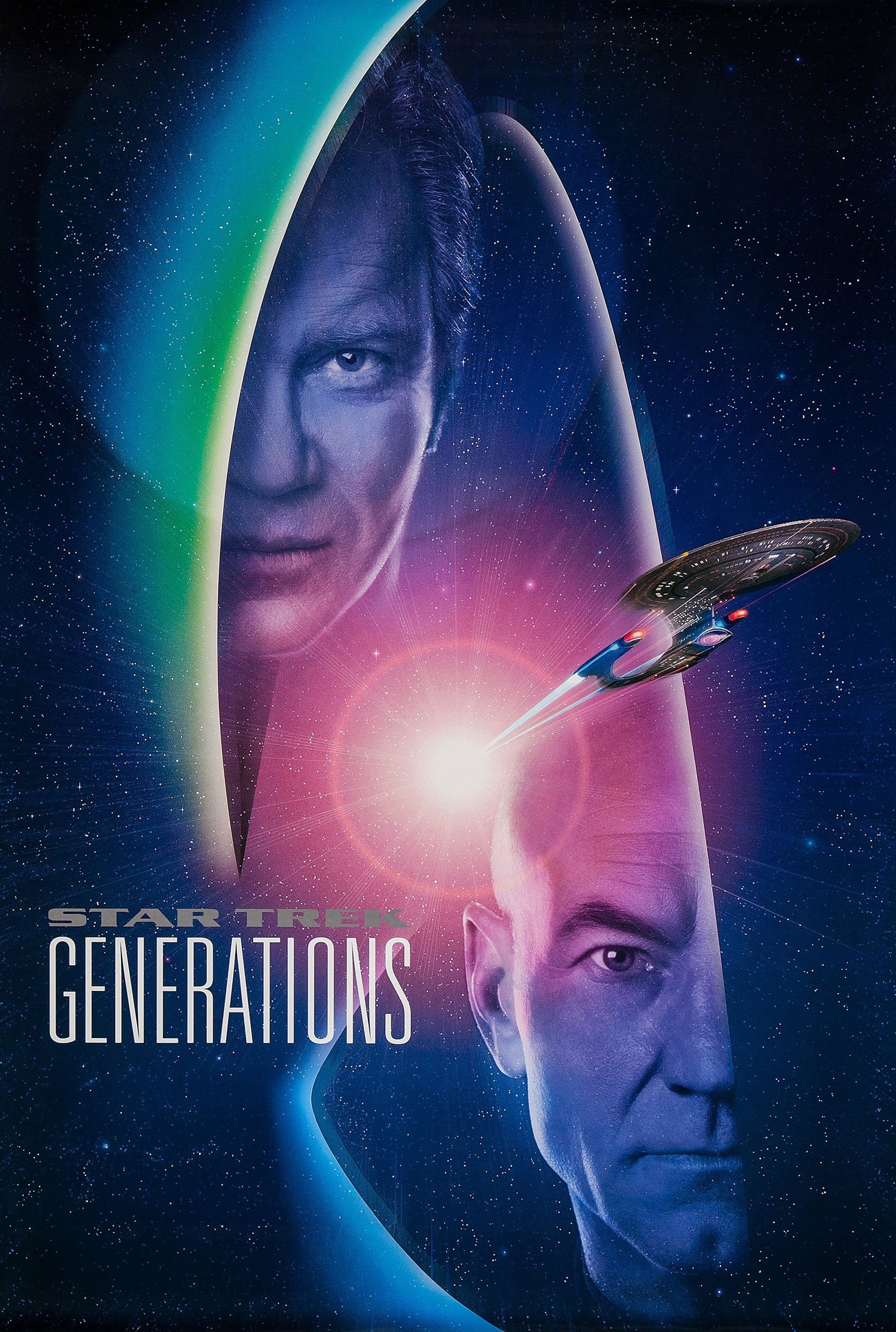
William Shatner’s Captain James T. Kirk appears in the prologue aboard the Enterprise-B and then vanishes into the Nexus, leaving the story to follow Patrick Stewart’s Captain Jean-Luc Picard and the Enterprise-D crew. Kirk re-emerges in the final act when Picard enters the Nexus to recruit him against Malcolm McDowell’s Dr. Soran.
Directed by David Carson and written by Brannon Braga and Ronald D. Moore, the film links the original series and ‘Star Trek: The Next Generation’. Brent Spiner, Jonathan Frakes, LeVar Burton, and Gates McFadden co-star, with Dennis McCarthy composing and John A. Alonzo handling cinematography.
‘The Hunger Games: Mockingjay – Part 1’ (2014)
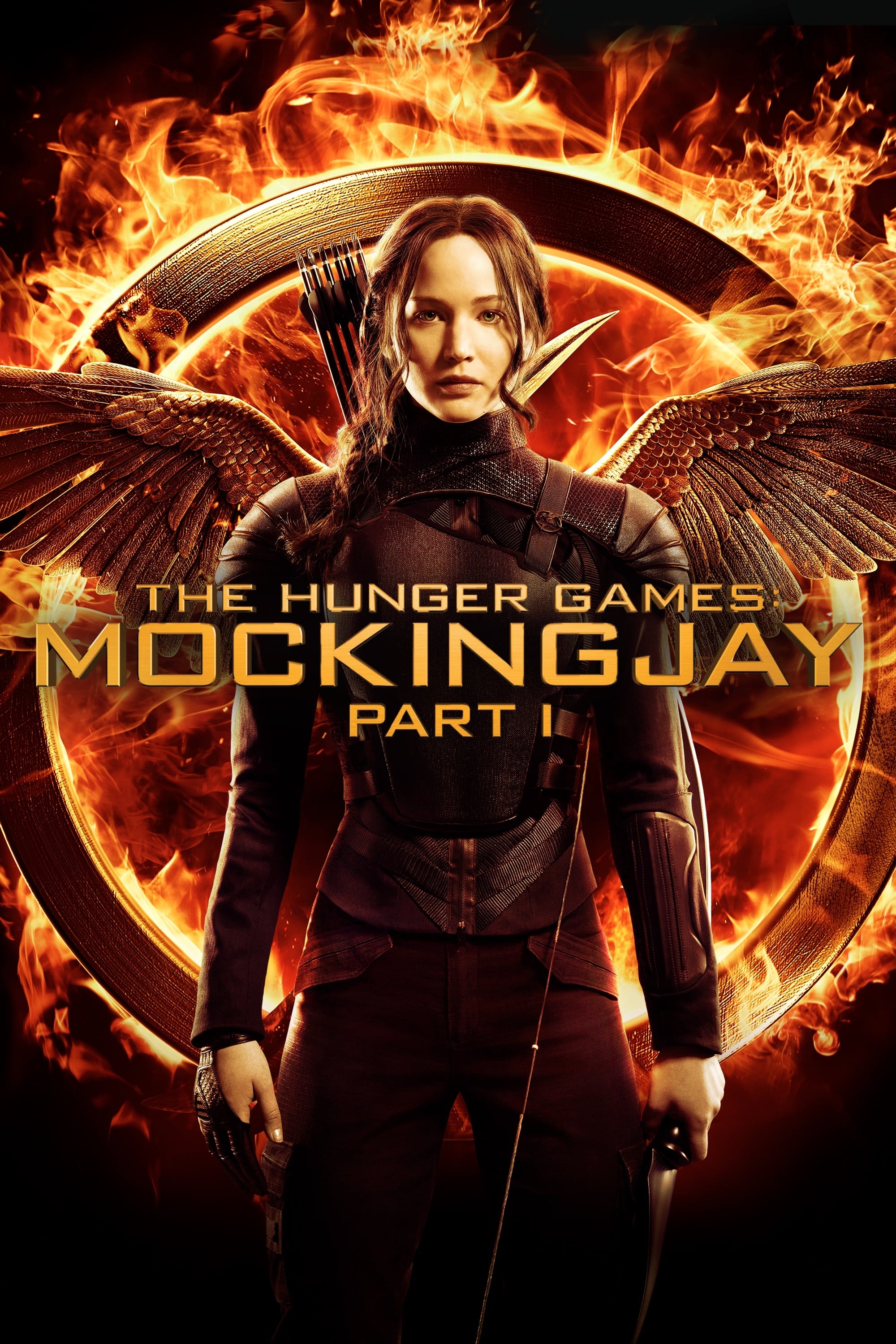
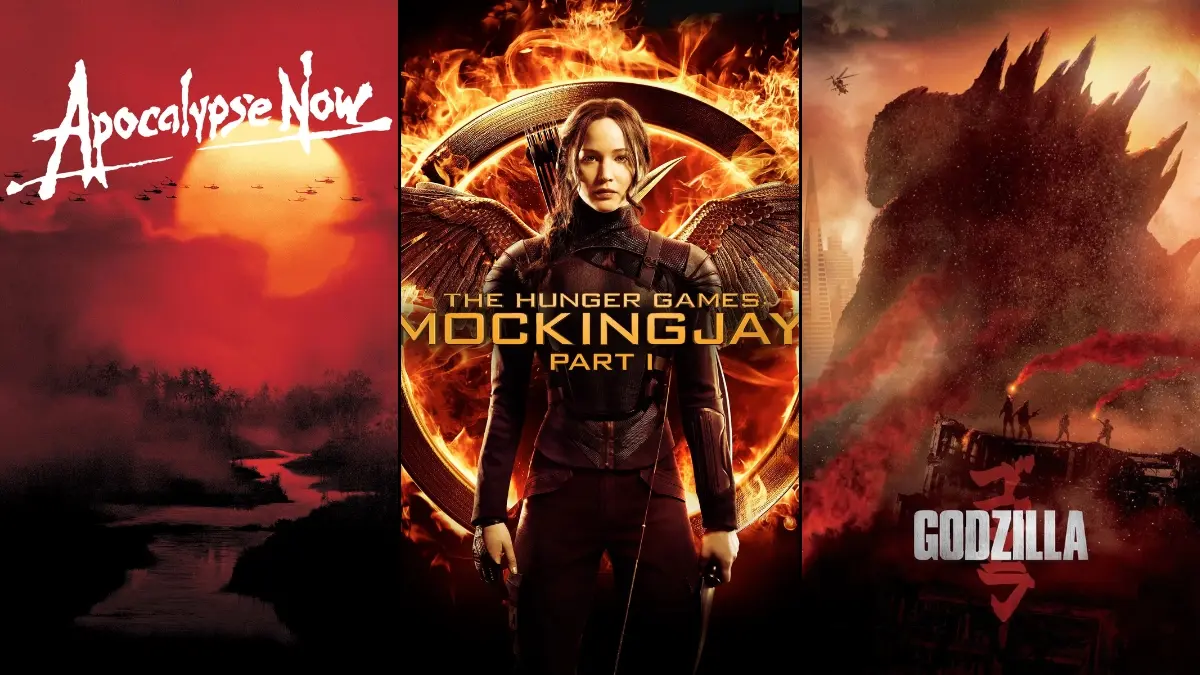
Josh Hutcherson’s Peeta Mellark is largely absent physically, appearing mainly via Capitol broadcasts as Katniss Everdeen joins District 13’s propaganda campaign. The plot follows Jennifer Lawrence’s Katniss, Liam Hemsworth’s Gale, and Julianne Moore’s President Alma Coin through missions and strategy sessions, with Peeta reappearing during the late rescue from the Capitol.
Francis Lawrence directs, with a screenplay by Peter Craig and Danny Strong based on Suzanne Collins’ novel. The cast includes Philip Seymour Hoffman, Woody Harrelson, and Elizabeth Banks, James Newton Howard provides the score, and cinematography is by Jo Willems.
‘X-Men: The Last Stand’ (2006)
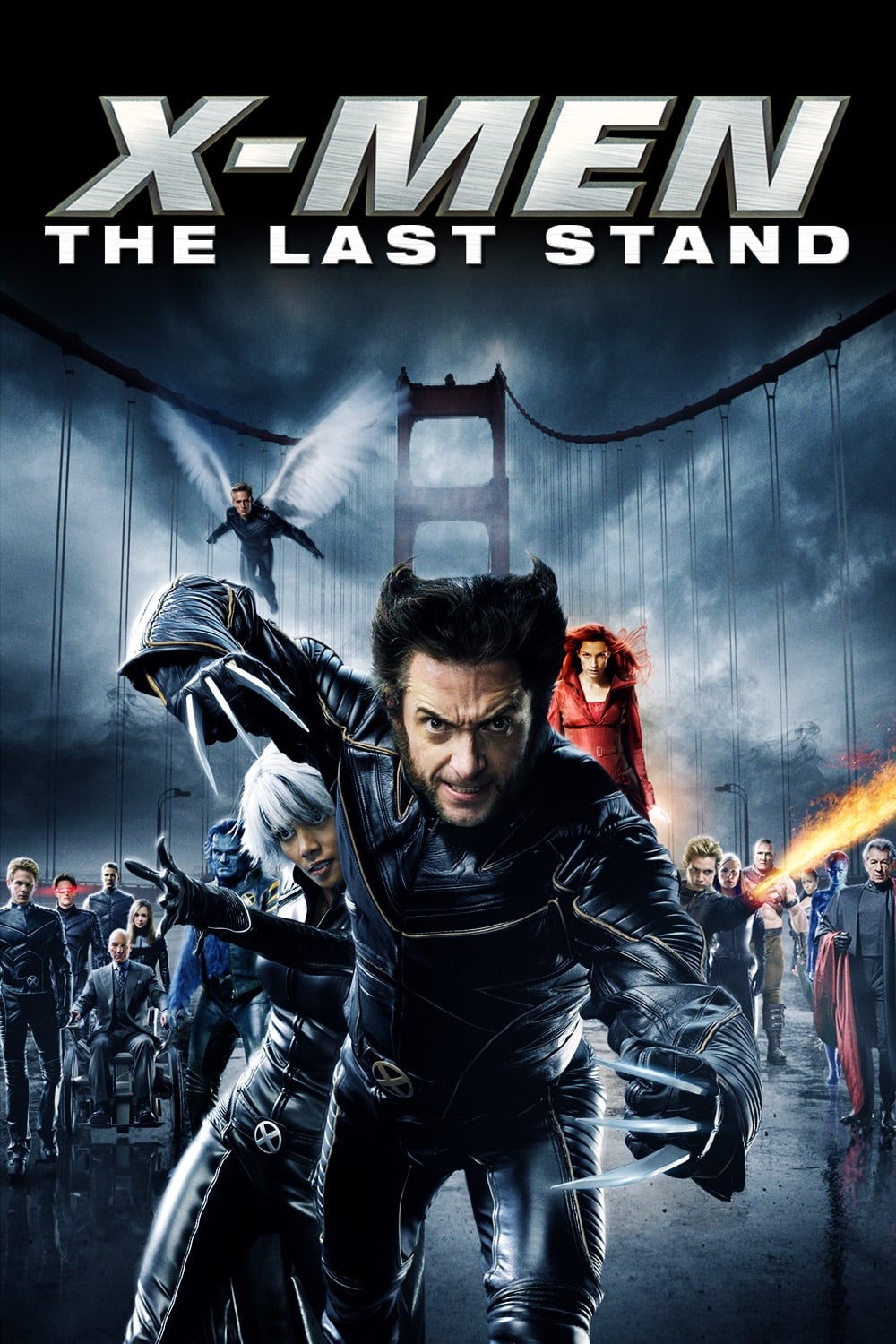
James Marsden’s Scott Summers/Cyclops exits the film early after a fatal encounter at Alkali Lake, removing a founding X-Man from the ensemble for the bulk of the runtime. The narrative then focuses on Hugh Jackman’s Logan, Famke Janssen’s Jean Grey, and the mutant “cure” storyline that drives the conflict between Charles Xavier and Erik Lehnsherr.
Brett Ratner directs from a screenplay by Simon Kinberg and Zak Penn, with Patrick Stewart, Ian McKellen, Halle Berry, and Elliot Page among the principal cast. Dante Spinotti serves as cinematographer and John Powell scores the film, while visual effects teams depict large-scale mutant battles.
‘Godzilla’ (2014)
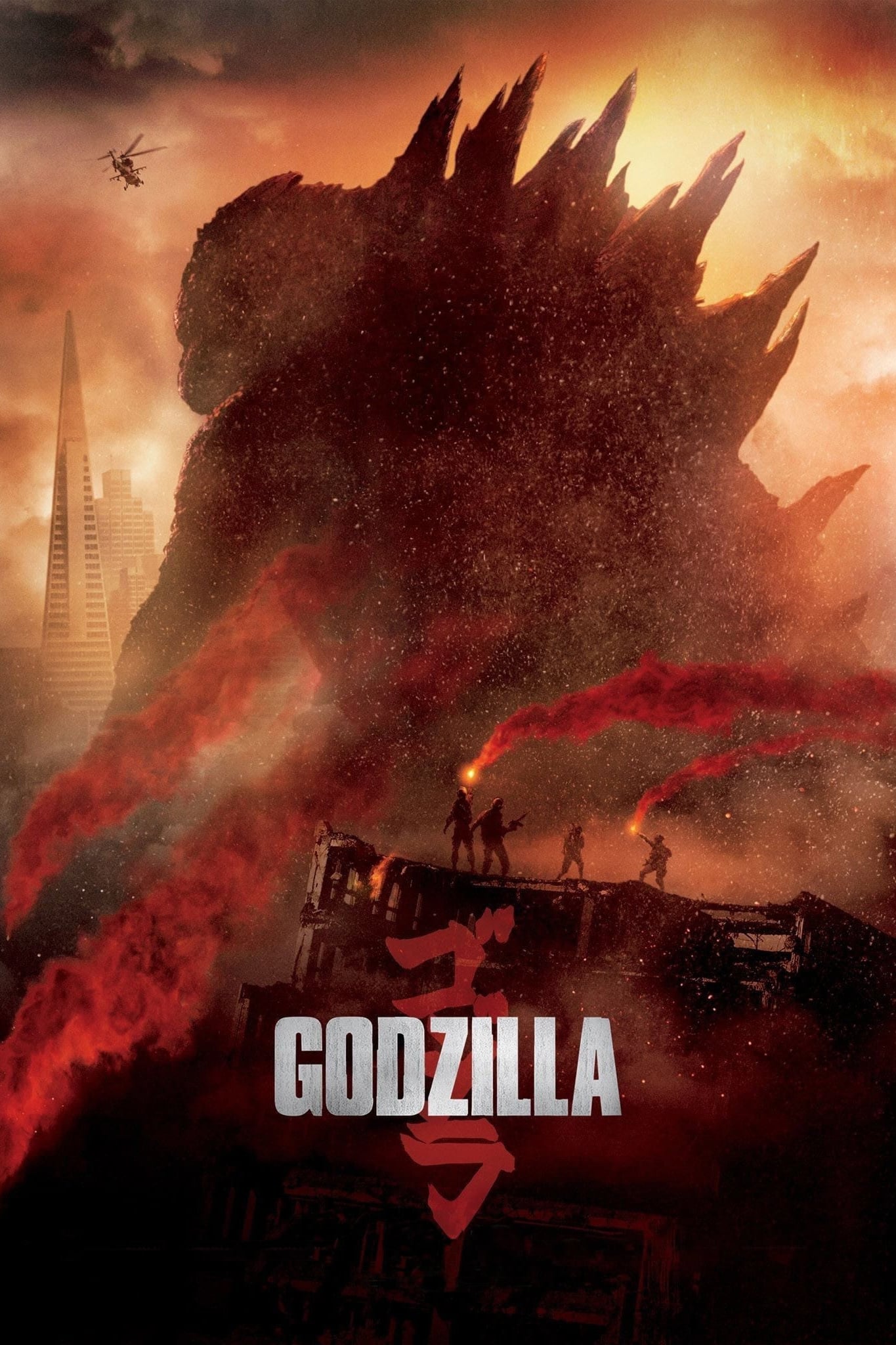
Bryan Cranston’s Joe Brody anchors the opening as he pursues the truth behind the Janjira disaster, then exits after the Honolulu events, leaving the story to follow Aaron Taylor-Johnson’s Ford Brody. From there, the plot tracks the MUTOs and Godzilla’s path toward San Francisco while Joe remains absent.
Gareth Edwards directs with a screenplay by Max Borenstein from a story developed with Dave Callaham. The cast includes Elizabeth Olsen, Ken Watanabe, and Sally Hawkins, Seamus McGarvey handles cinematography, and Alexandre Desplat composes the score for the Legendary and Warner Bros. production.
‘The Dark Knight Rises’ (2012)
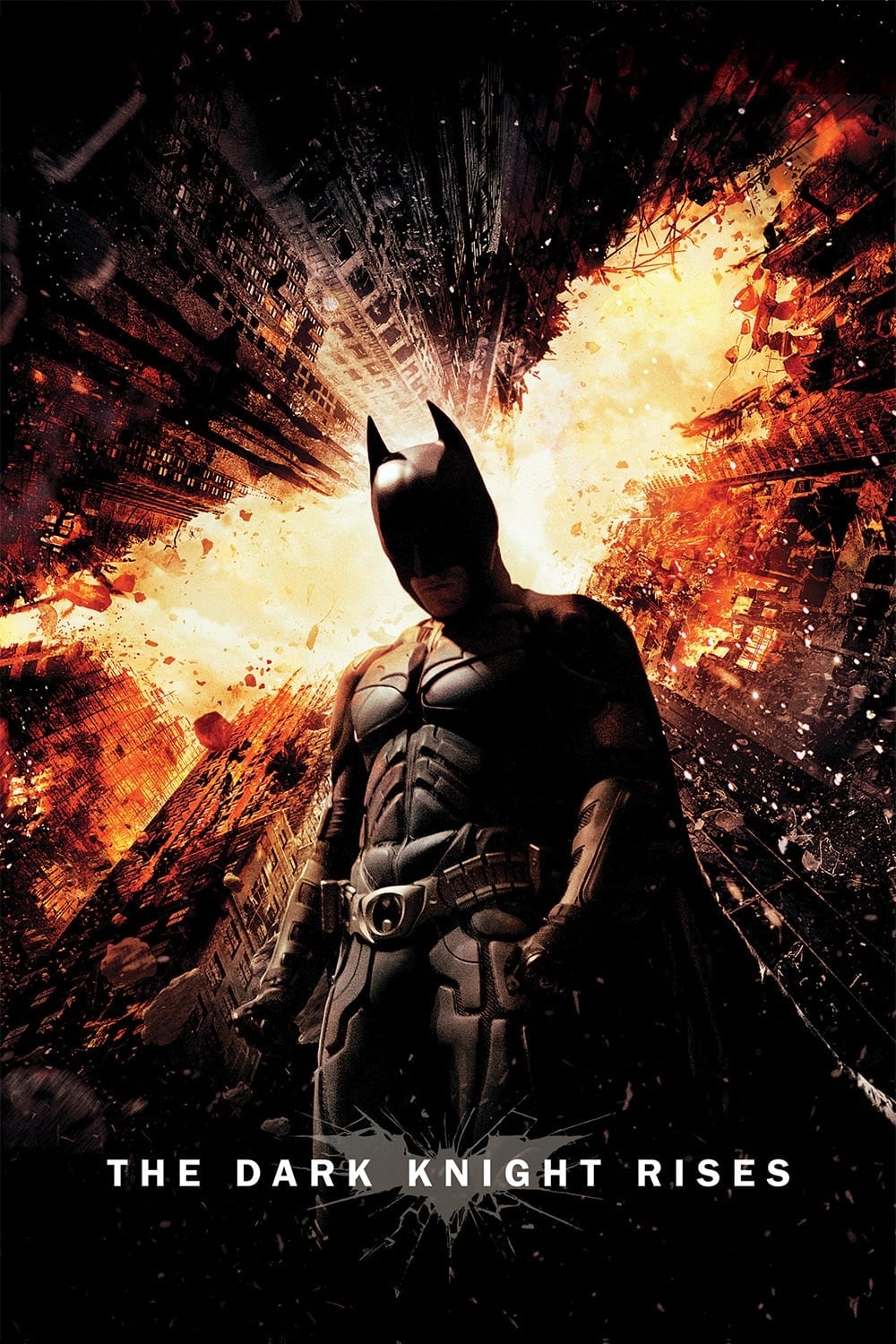
Christian Bale’s Bruce Wayne is removed from Gotham for a lengthy mid-section after his defeat and imprisonment in the Pit, during which Tom Hardy’s Bane controls the city. The film follows the escalating siege and the efforts of Gary Oldman’s Jim Gordon, Joseph Gordon-Levitt’s John Blake, and Anne Hathaway’s Selina Kyle while Bruce is offscreen.
Christopher Nolan directs and co-writes with Jonathan Nolan, concluding the trilogy with a cast that also includes Marion Cotillard and Michael Caine. Wally Pfister serves as cinematographer and Hans Zimmer composes, with large-format photography and practical setpieces defining the production.
‘Raiders of the Lost Ark’ (1981)
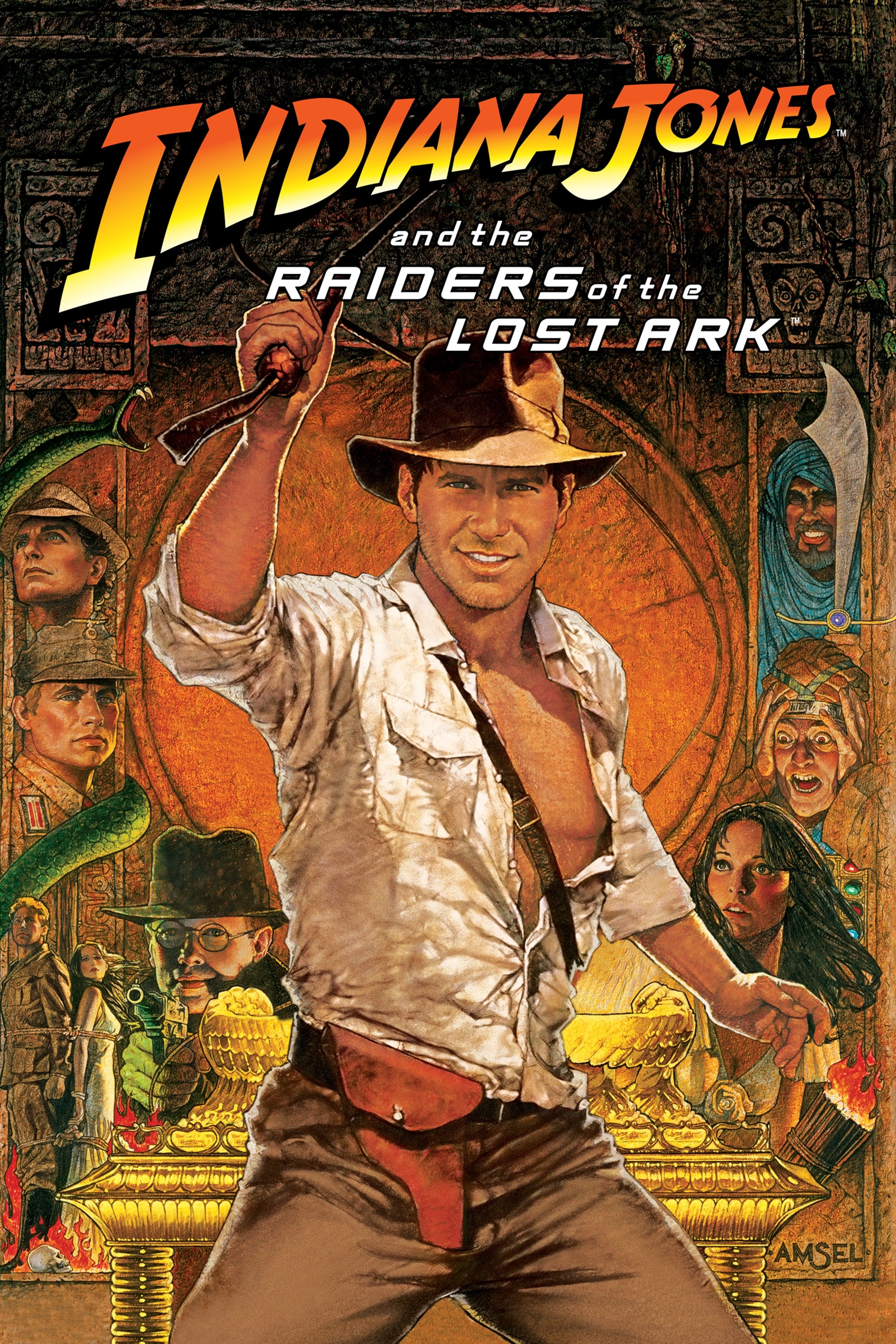
Karen Allen’s Marion Ravenwood is presumed dead after a truck explosion in Cairo, stepping out of the narrative for a sizable stretch as the search for the Ark moves to the desert excavations. Harrison Ford’s Indiana Jones and John Rhys-Davies’ Sallah drive the middle portion before Marion resurfaces in the enemy camp.
Steven Spielberg directs from Lawrence Kasdan’s screenplay based on a story by George Lucas and Philip Kaufman. John Williams provides the score, Douglas Slocombe is director of photography, and the cast includes Paul Freeman and Ronald Lacey as the primary antagonists.
‘Jurassic Park’ (1993)
Jeff Goldblum’s Ian Malcolm is injured during the T. rex breakout and spends much of the second act recuperating offscreen, while the plot follows Sam Neill’s Alan Grant guiding Lex and Tim through the park. The control-room thread with Richard Attenborough’s John Hammond and Laura Dern’s Ellie Sattler runs in parallel as Malcolm remains sidelined.
Steven Spielberg directs from Michael Crichton and David Koepp’s screenplay adapted from Crichton’s novel. John Williams scores the film, Dean Cundey handles cinematography, and effects work by ILM and Stan Winston Studio animates the dinosaurs that dominate the action while Malcolm is away from the field.
‘Saving Private Ryan’ (1998)
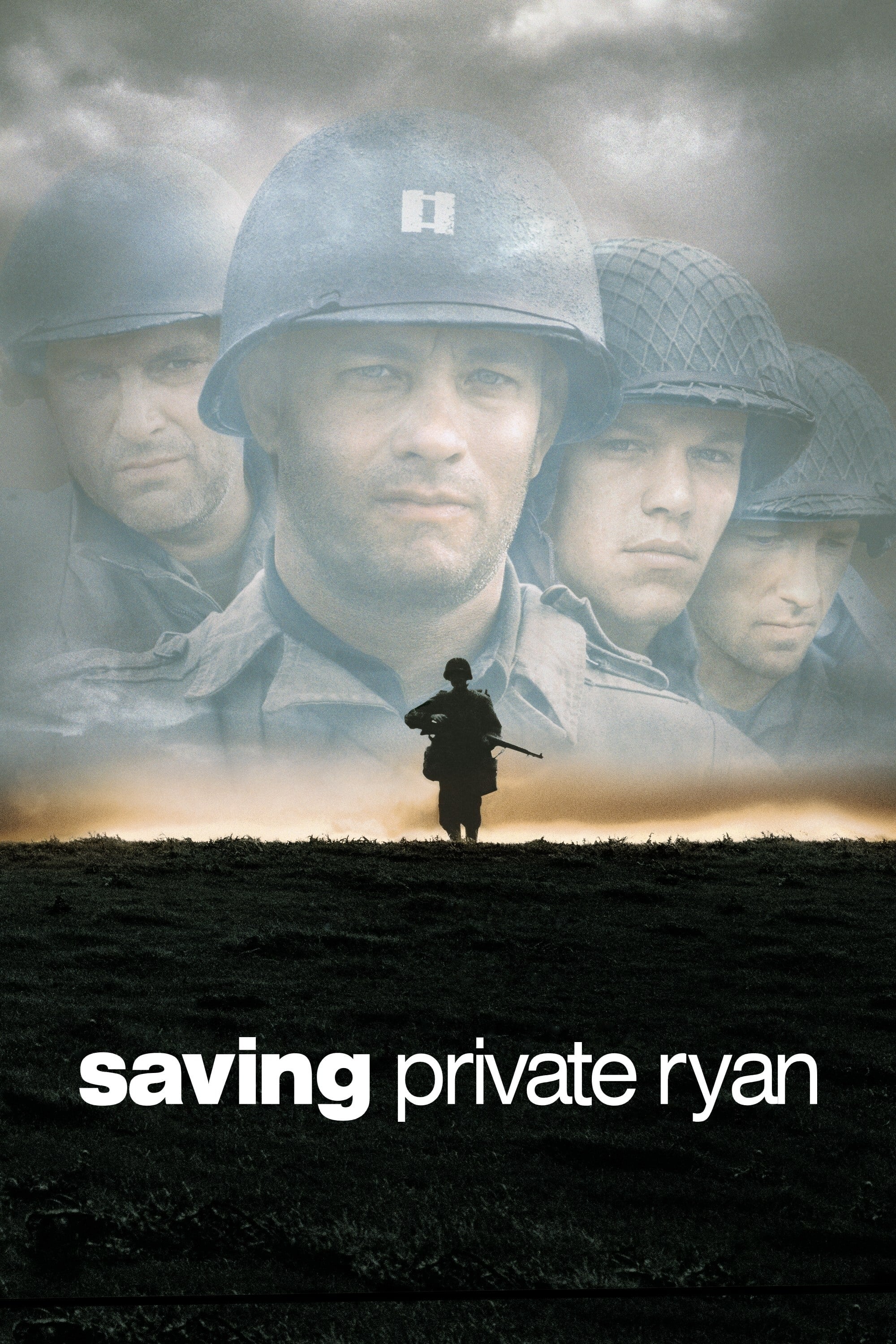
Matt Damon’s Private James Ryan does not appear until the Rangers locate him near Ramelle, leaving the early and middle sections to Tom Hanks’ Captain John Miller and his squad. The mission advances from Omaha Beach to the French countryside as the team searches for Ryan, who has been separated with elements of the 101st Airborne.
Steven Spielberg directs Robert Rodat’s screenplay, with a cast including Tom Sizemore, Edward Burns, Barry Pepper, and Giovanni Ribisi. Janusz Kamiński’s cinematography and John Williams’ score support the production, which was mounted by DreamWorks and Paramount.
‘Apocalypse Now’ (1979)
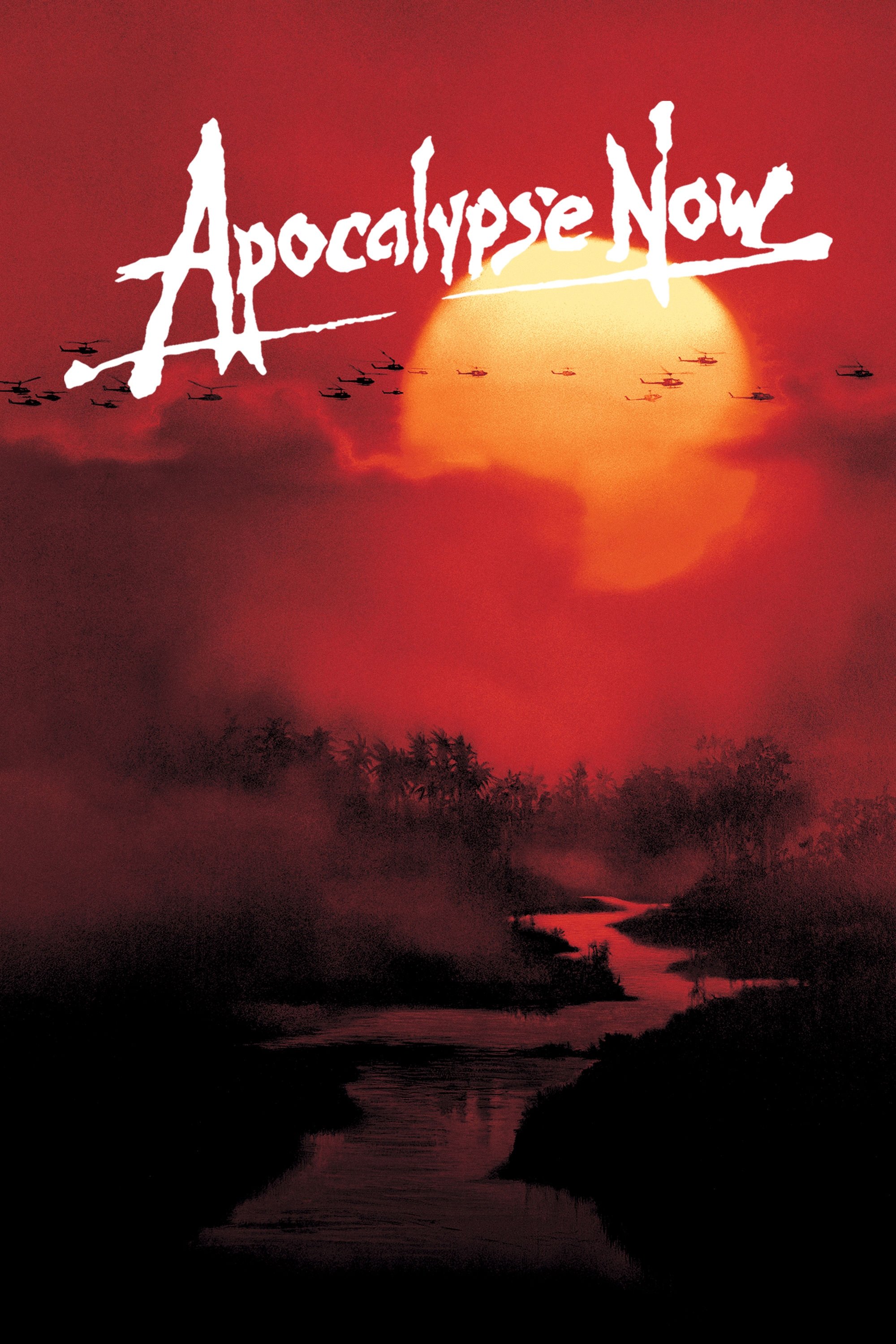
Marlon Brando’s Colonel Kurtz is offscreen for most of the film, known primarily through military dossiers and stories as Martin Sheen’s Captain Willard journeys upriver. Kurtz finally appears at the Cambodian compound, where the last act unfolds after encounters with characters played by Robert Duvall and others earlier in the voyage.
Francis Ford Coppola directs from a screenplay by John Milius and Coppola, inspired by Joseph Conrad’s ‘Heart of Darkness’. Vittorio Storaro serves as cinematographer, Carmine Coppola contributes to the score, and the ensemble also features Frederic Forrest, Laurence Fishburne, and Dennis Hopper.
‘The Godfather’ (1972)
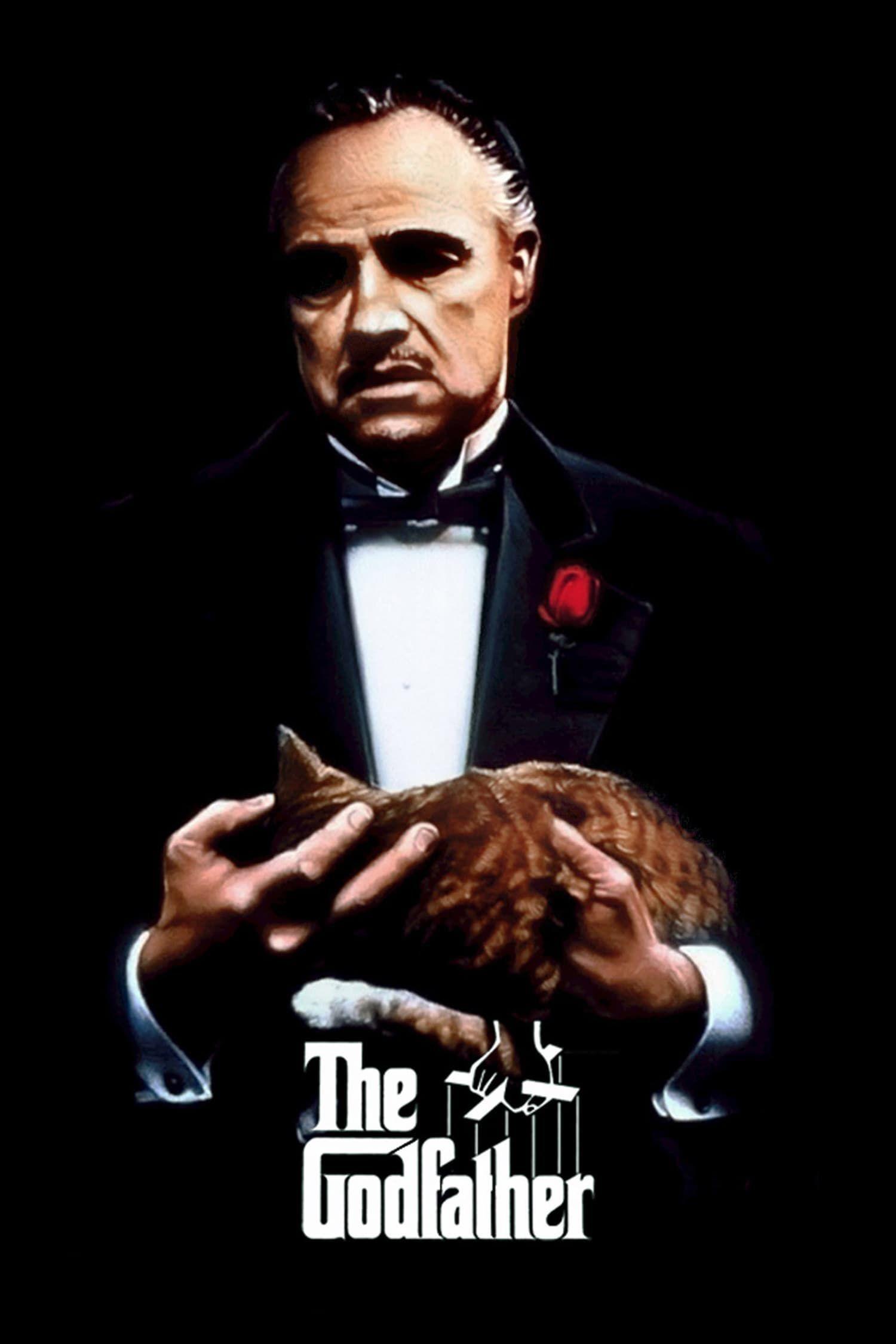
Marlon Brando’s Vito Corleone steps away from the story for an extended stretch after the assassination attempt, recovering offscreen as the war between families escalates. During that time, Al Pacino’s Michael Corleone hides in Sicily following the Sollozzo and McCluskey shootings, and James Caan’s Sonny Corleone takes command.
Francis Ford Coppola directs and co-writes with Mario Puzo, adapting Puzo’s novel, with Nino Rota composing and Gordon Willis photographing the film. The cast includes Robert Duvall, Diane Keaton, and Talia Shire, and the narrative realigns once Vito returns to broker a temporary peace.
‘The Lord of the Rings: The Fellowship of the Ring’ (2001)
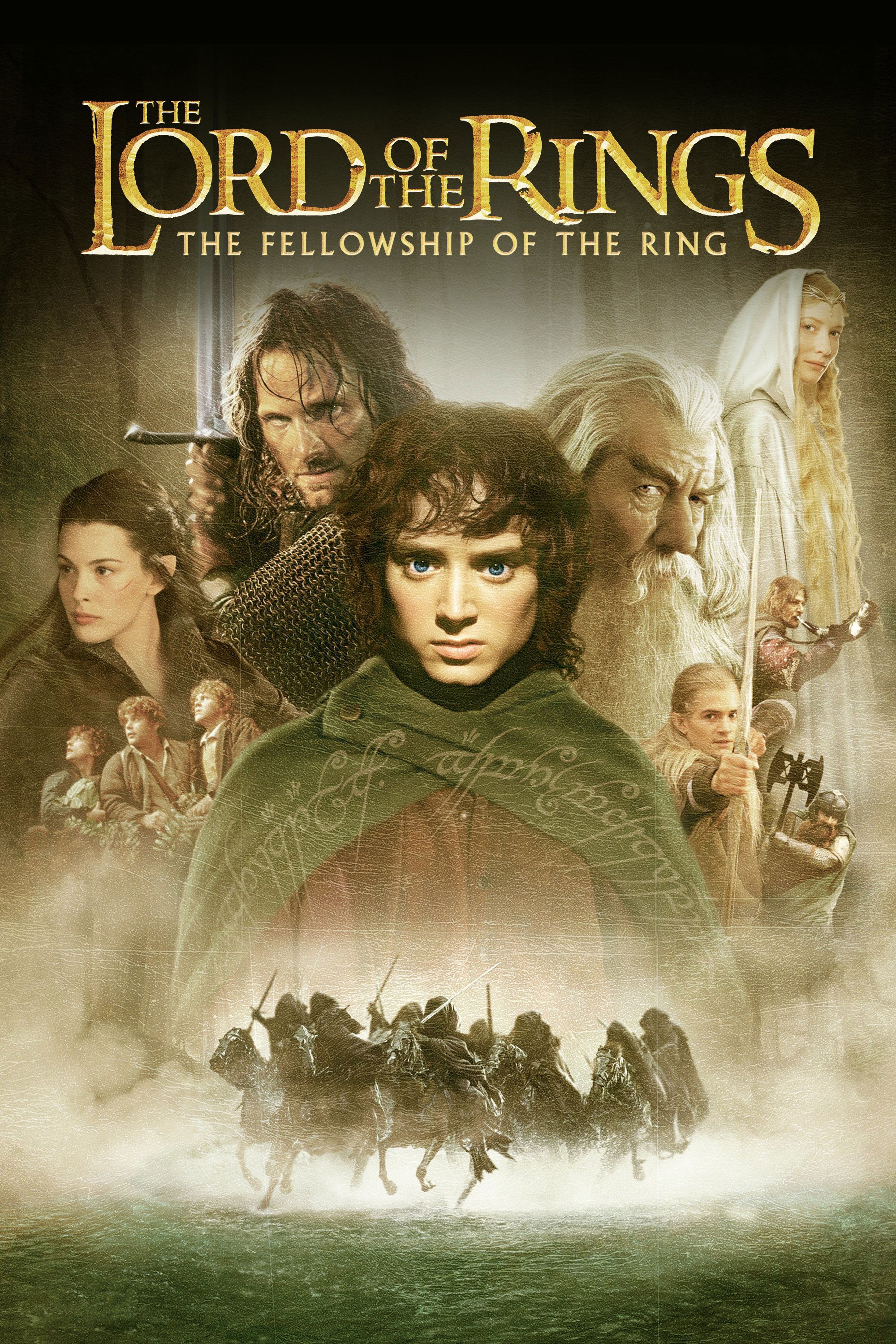
Ian McKellen’s Gandalf the Grey falls in Moria and is absent for the remainder of the film, leaving the Fellowship to splinter without his guidance. The plot follows Elijah Wood’s Frodo Baggins and Sean Astin’s Samwise Gamgee toward the Emyn Muil while the others face their own conflicts.
Peter Jackson directs from a screenplay by Fran Walsh, Philippa Boyens, and Jackson adapted from J.R.R. Tolkien. Howard Shore composes, Andrew Lesnie is director of photography, and the ensemble features Viggo Mortensen, Orlando Bloom, Sean Bean, and Cate Blanchett.
‘The Wizard of Oz’ (1939)
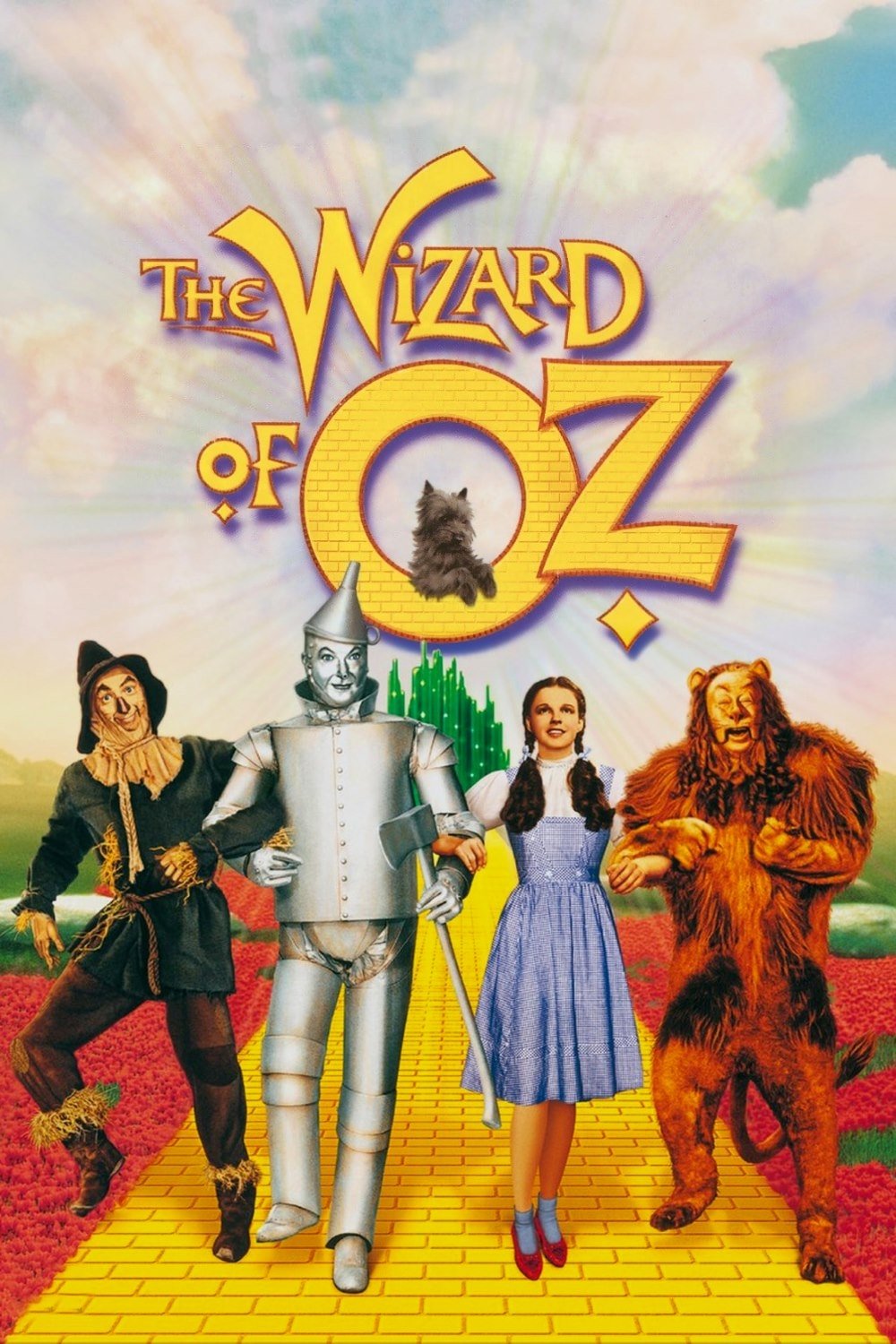
Frank Morgan’s Wizard is the subject of the journey but remains unseen until Dorothy and her companions reach the Emerald City, keeping the title character offscreen through most of the adventure. The story follows Judy Garland’s Dorothy with Ray Bolger’s Scarecrow, Jack Haley’s Tin Man, and Bert Lahr’s Cowardly Lion, as they contend with Margaret Hamilton’s Wicked Witch of the West.
Directed primarily by Victor Fleming with contributions from other unit directors, the film features songs by Harold Arlen and E.Y. Harburg. The Technicolor production design and Munchkinland sequences introduce the quest long before the Wizard’s first appearance in the throne room.
‘There Will Be Blood’ (2007)
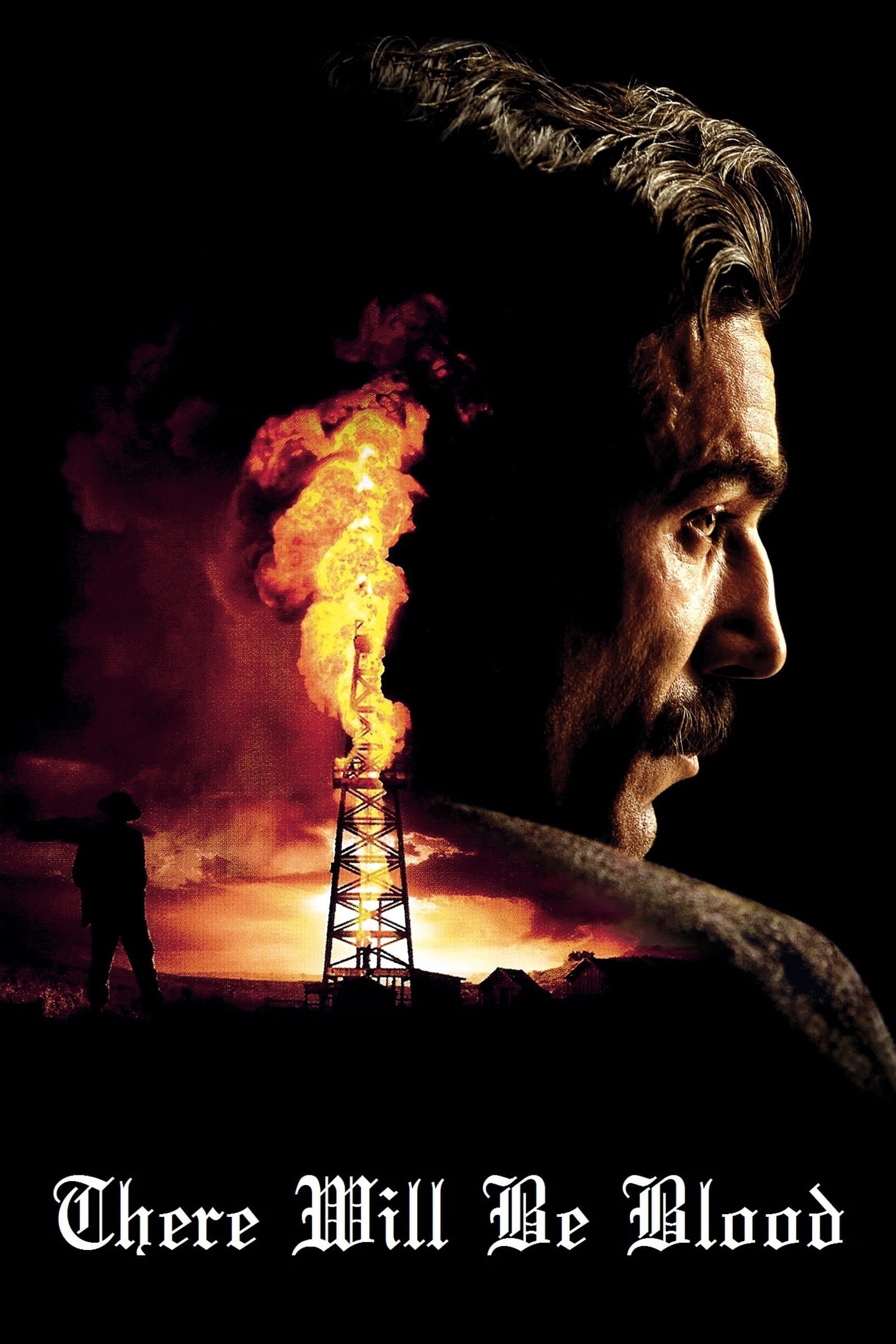
Dillon Freasier’s H.W. Plainview suffers hearing loss after the well explosion and is sent away, leaving Daniel Day-Lewis’s Daniel Plainview to push the oil enterprise forward without his son for a significant middle portion. The narrative follows land deals, drilling, and the escalating tension with Paul Dano’s Eli Sunday while H.W. remains apart.
Paul Thomas Anderson writes and directs, with Robert Elswit’s cinematography and Jonny Greenwood’s score shaping the film’s tone. The production tracks the rise of an early oilman, reuniting father and son later as the business and personal conflicts converge.
‘The Bourne Supremacy’ (2004)
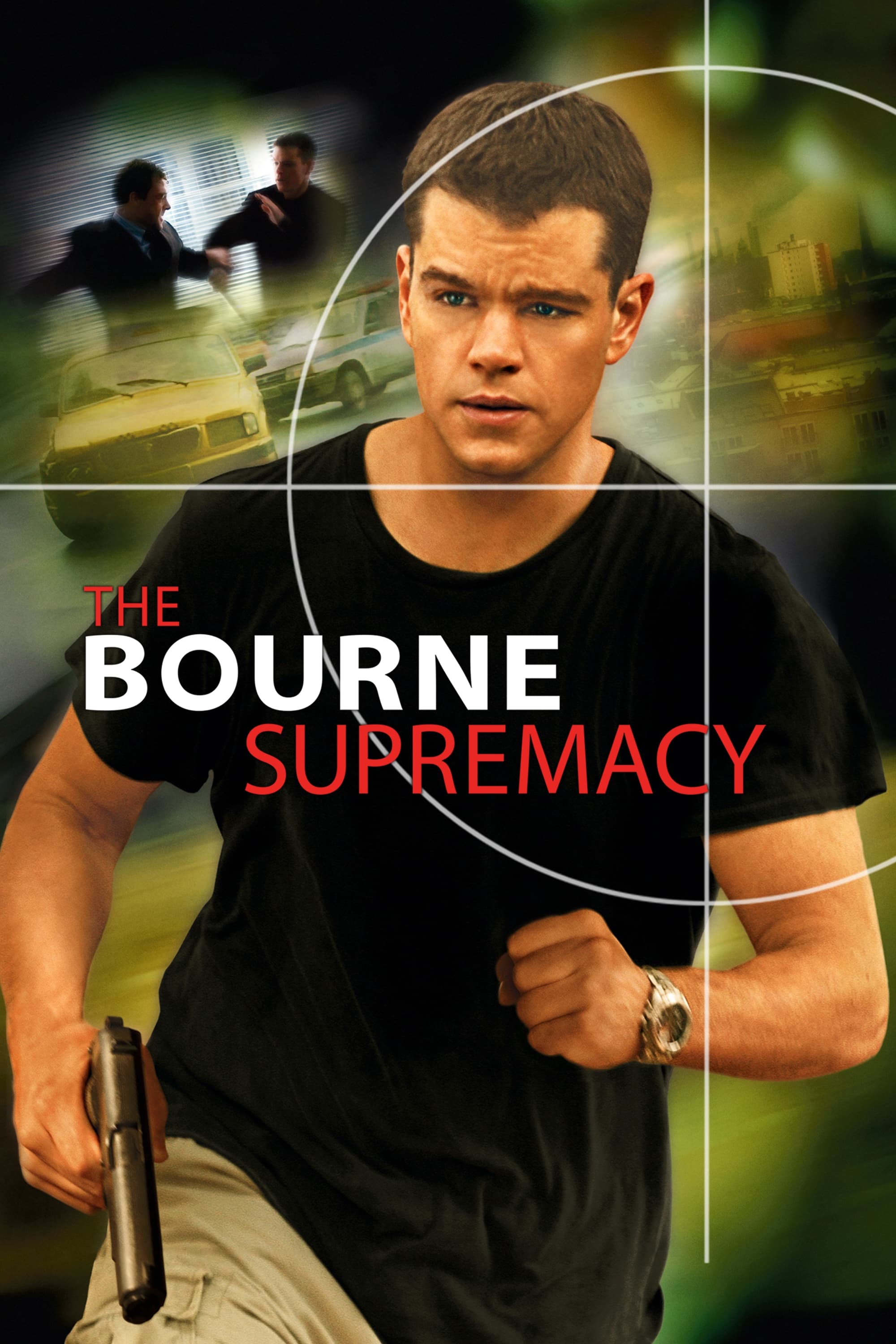
Franka Potente’s Marie Kreutz dies early during the Goa car chase, removing a central figure from the previous story for nearly the entire film. The plot follows Matt Damon’s Jason Bourne as he investigates the Berlin and Moscow threads behind a CIA operation, operating solo after Marie’s exit.
Paul Greengrass directs from a screenplay by Tony Gilroy based on Robert Ludlum’s characters, with Joan Allen, Brian Cox, and Karl Urban among the cast. Oliver Wood’s handheld cinematography and John Powell’s score carry the action through Europe as Bourne closes in on the truth.
‘Avengers: Endgame’ (2019)
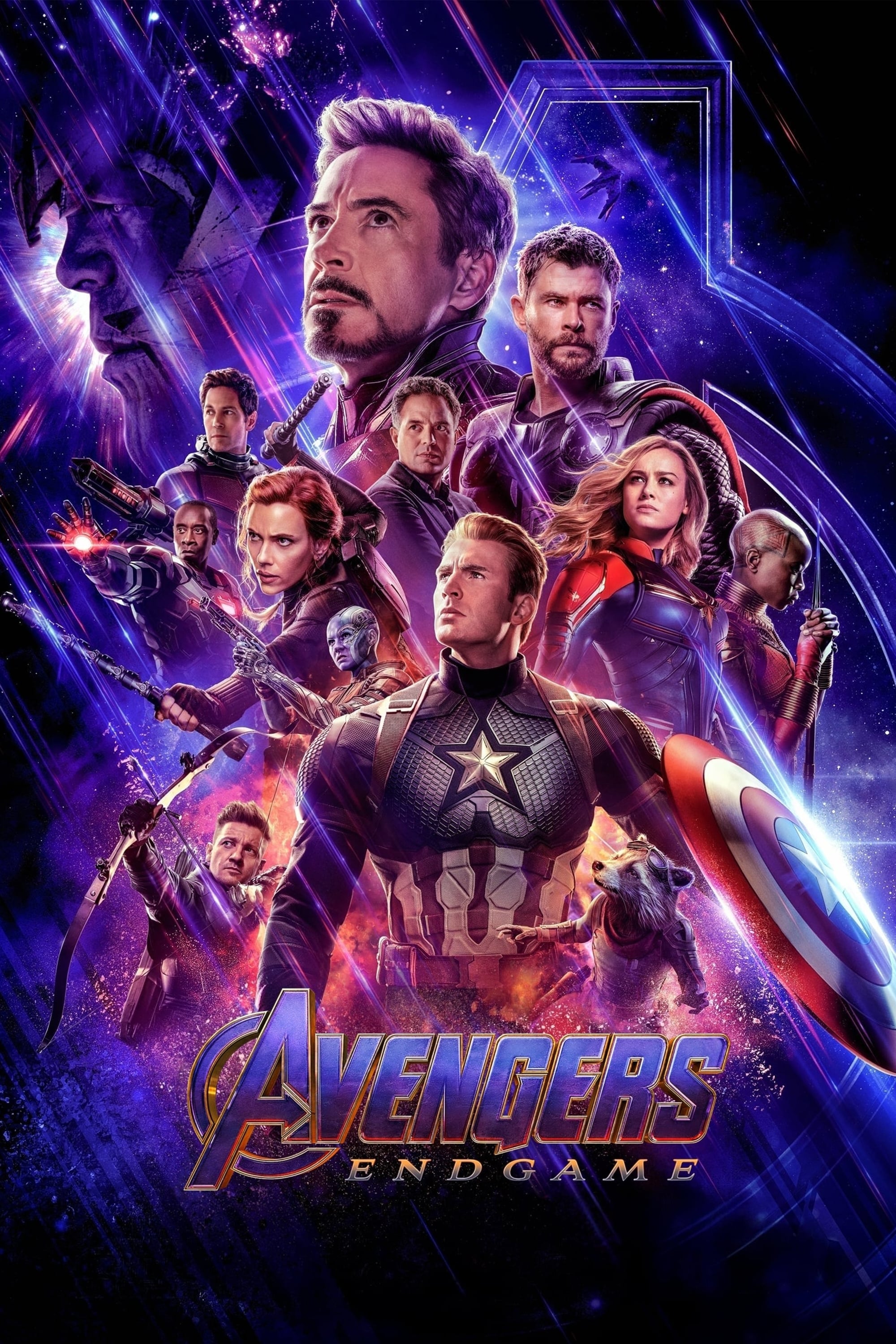
Brie Larson’s Carol Danvers appears at the start to rescue Tony Stark and confront Thanos, then departs the narrative while the original team executes the time-heist, returning in the climactic battle. For most of the film’s middle, the story centers on Robert Downey Jr., Chris Evans, Chris Hemsworth, Scarlett Johansson, Mark Ruffalo, and Jeremy Renner as they revisit earlier events.
Anthony and Joe Russo direct from a screenplay by Christopher Markus and Stephen McFeely, with an ensemble that also includes Paul Rudd, Don Cheadle, and Karen Gillan. Trent Opaloch serves as cinematographer and Alan Silvestri provides the score as the production threads together multiple storylines before Captain Marvel’s return.
Share which missing-in-action character surprised you most in the comments!